After the Ōnin War broke the Ashikaga order, a century of Sengoku warfare armed nearly every province in Japan. The era rewards a discriminating eye: routine work exists in quantity, and beside it stand custom blades of the first rank.
 NihontoWatchNihontoWatch
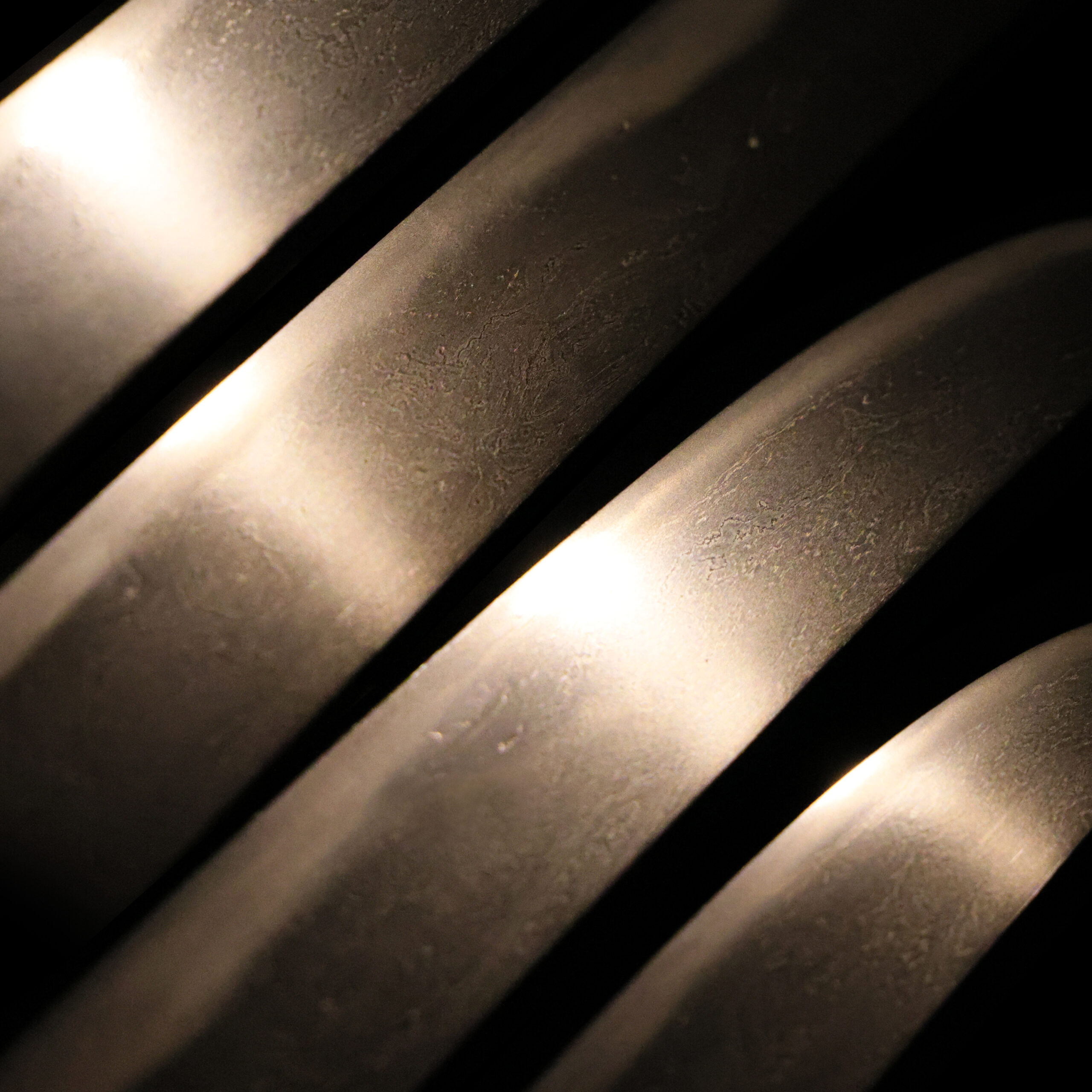
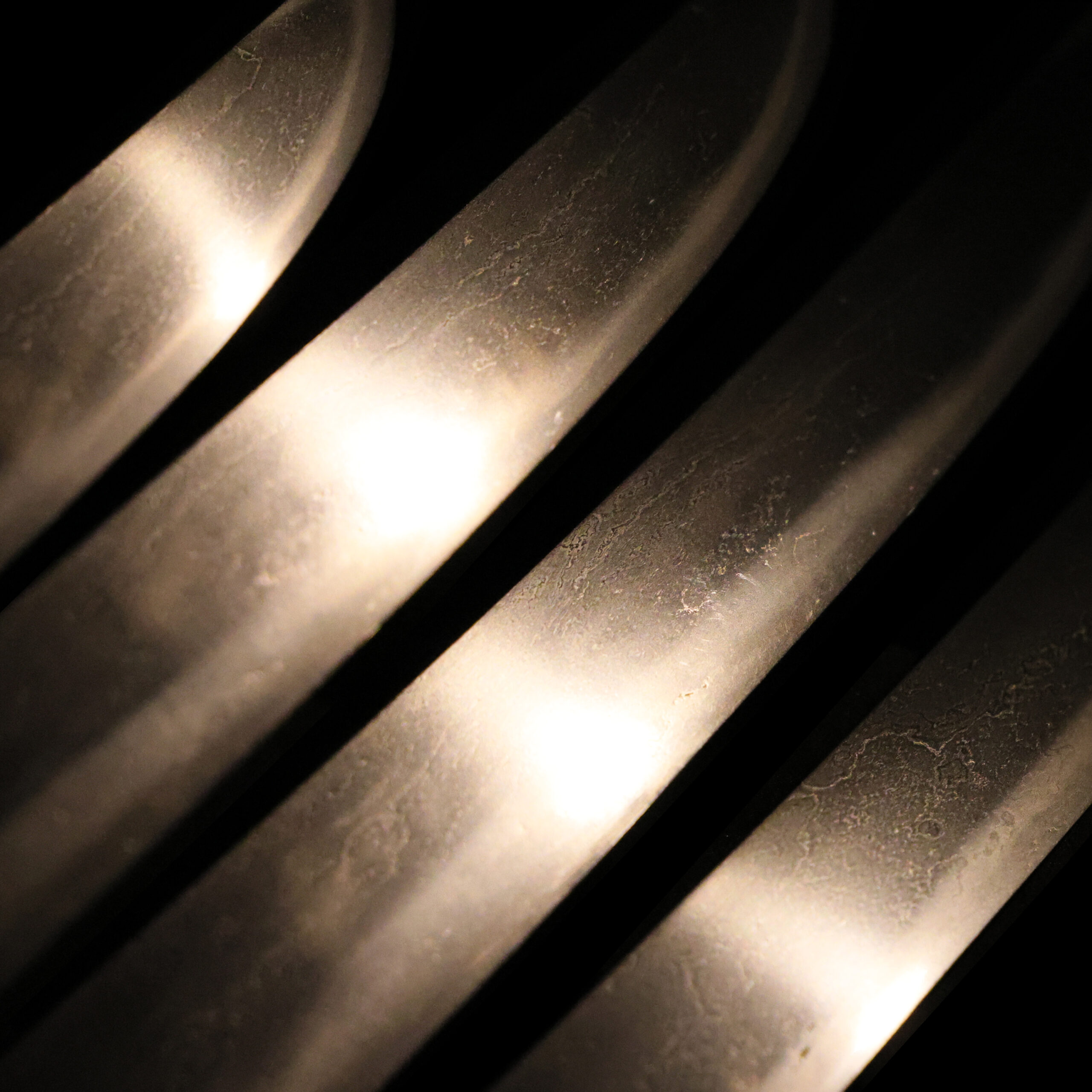
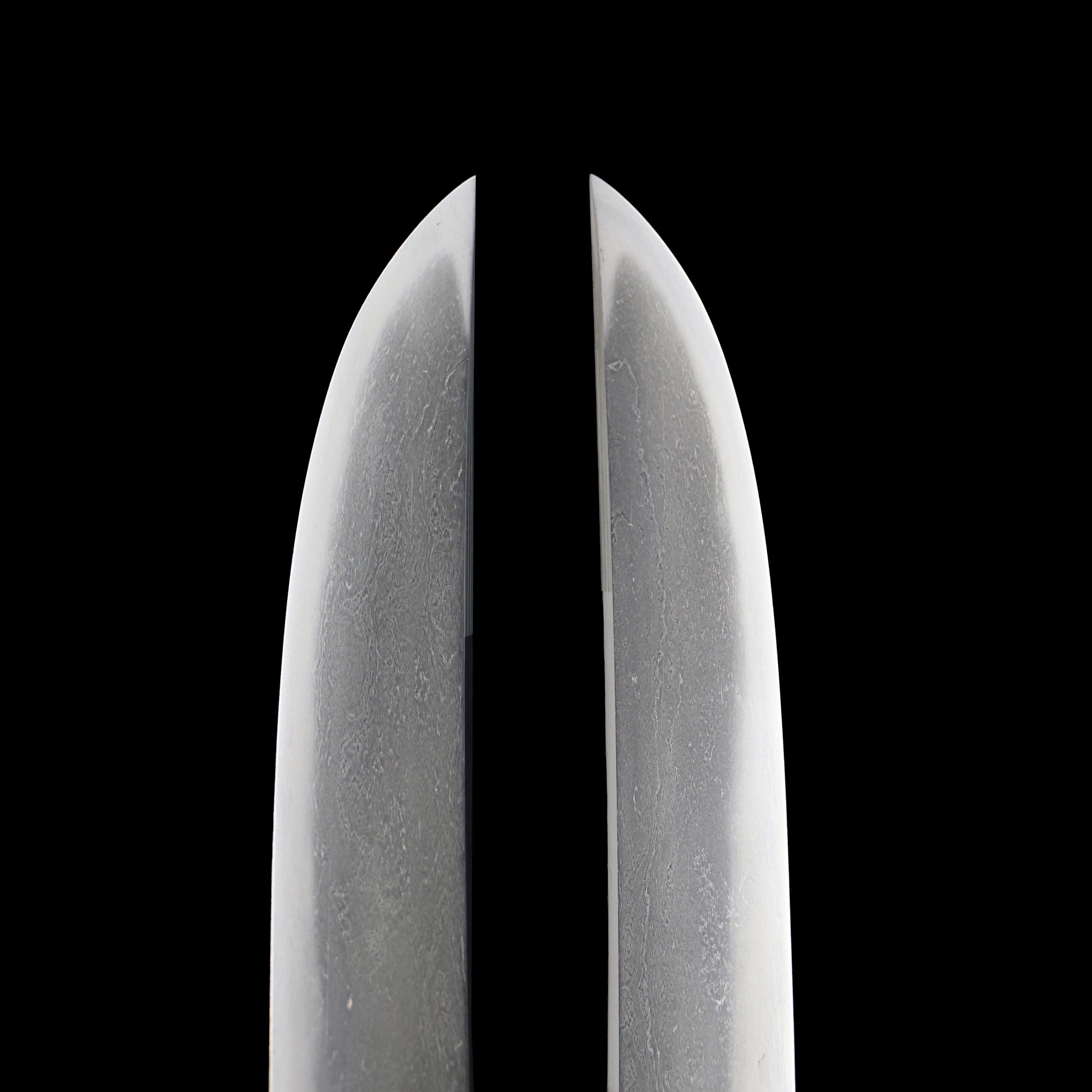
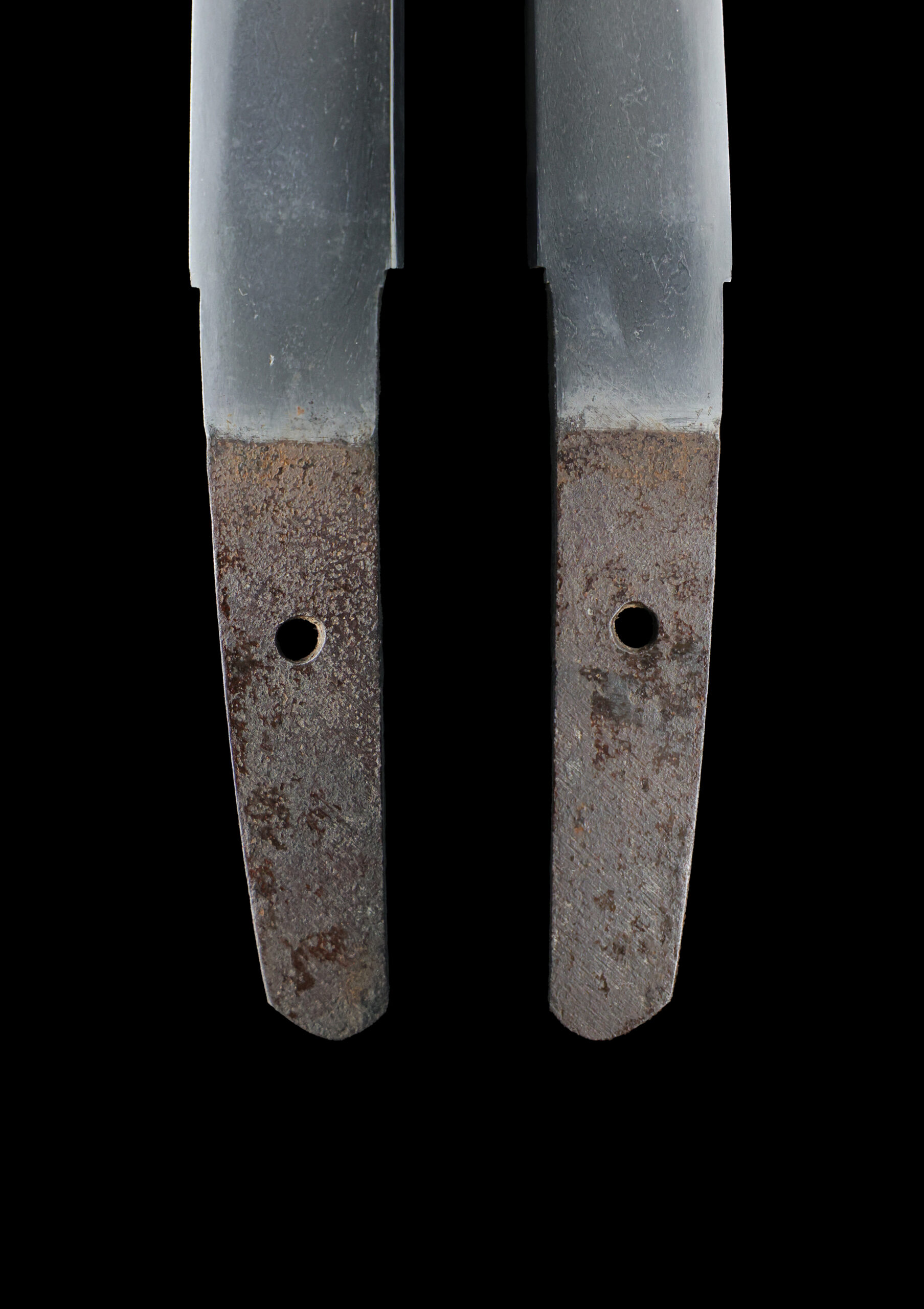
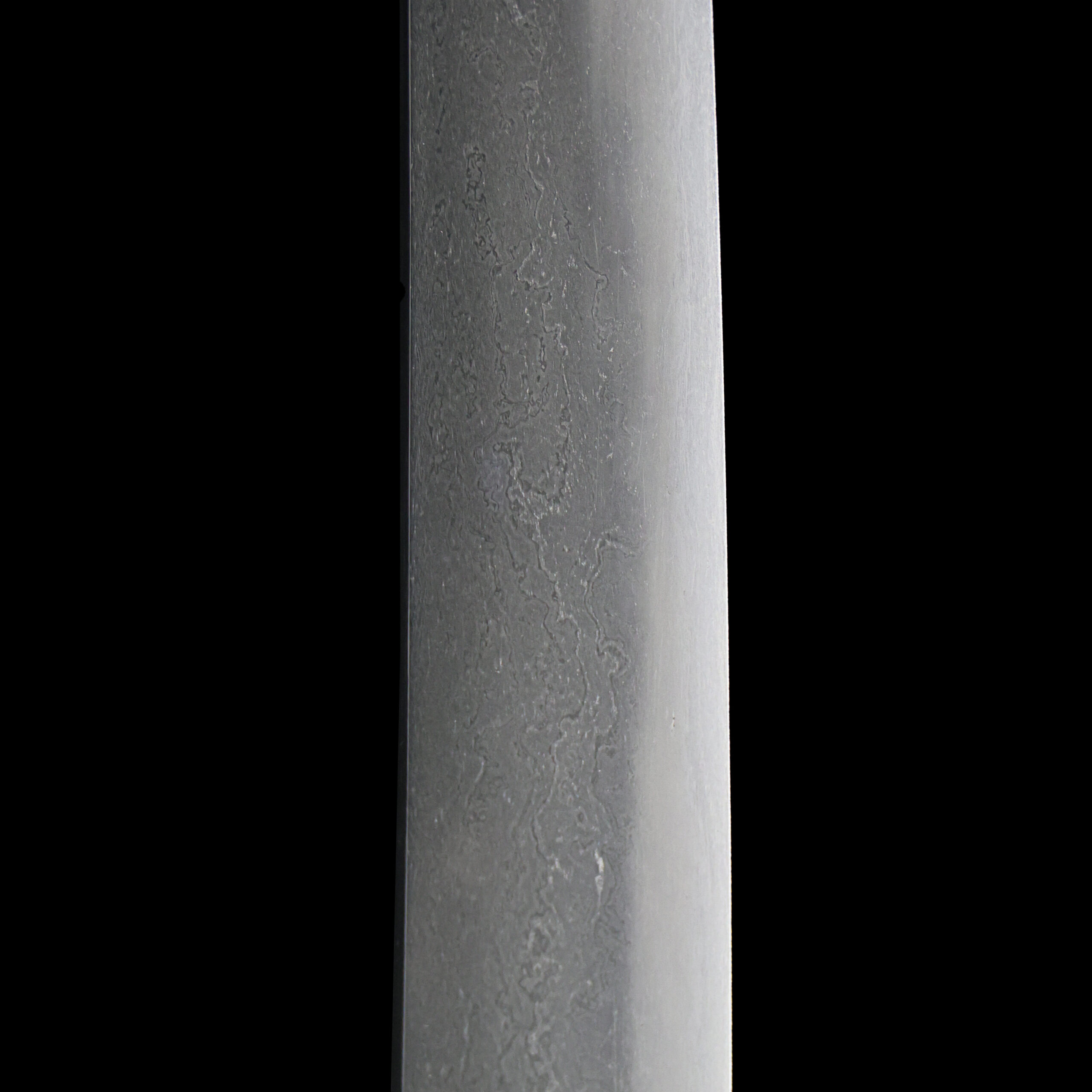
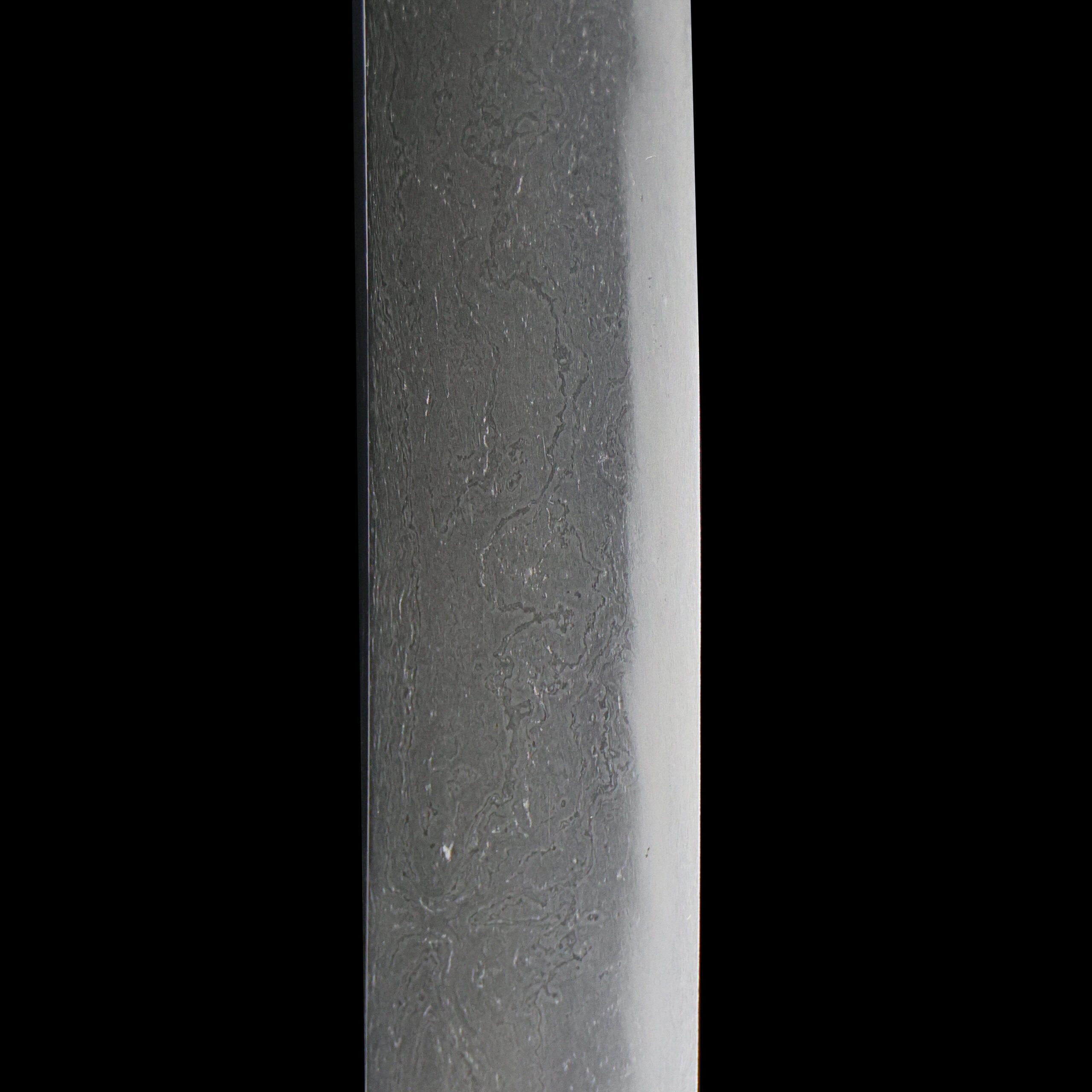
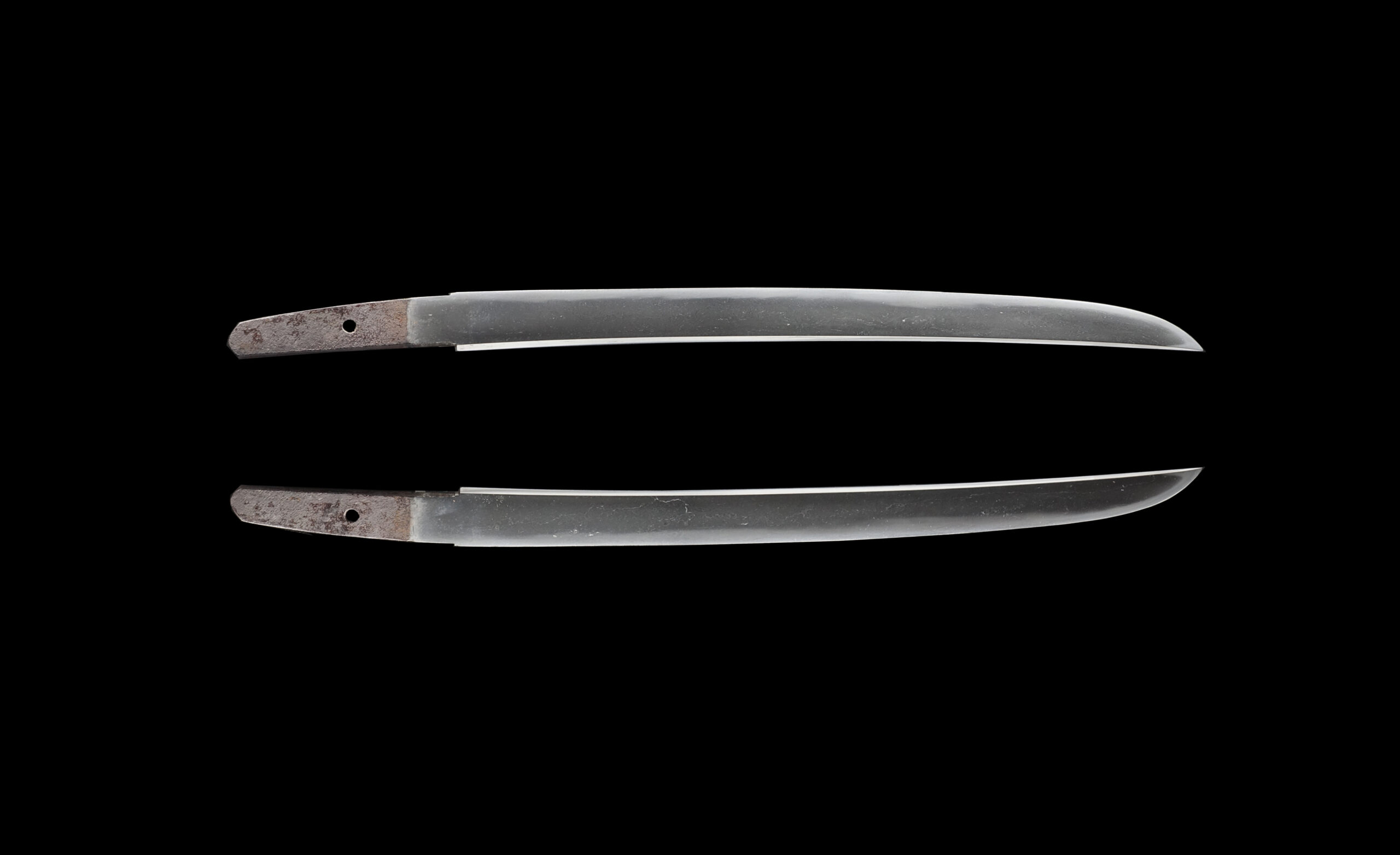
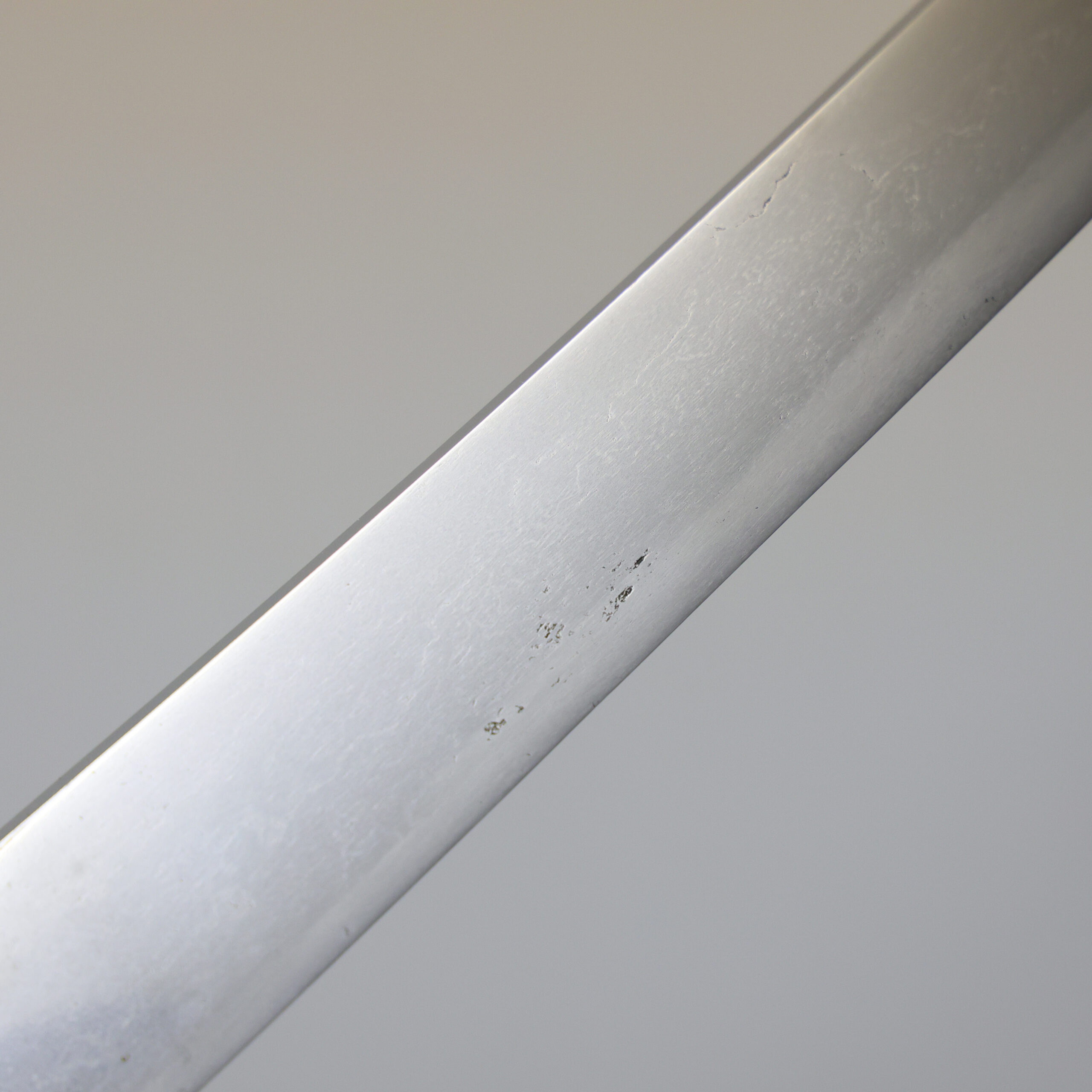
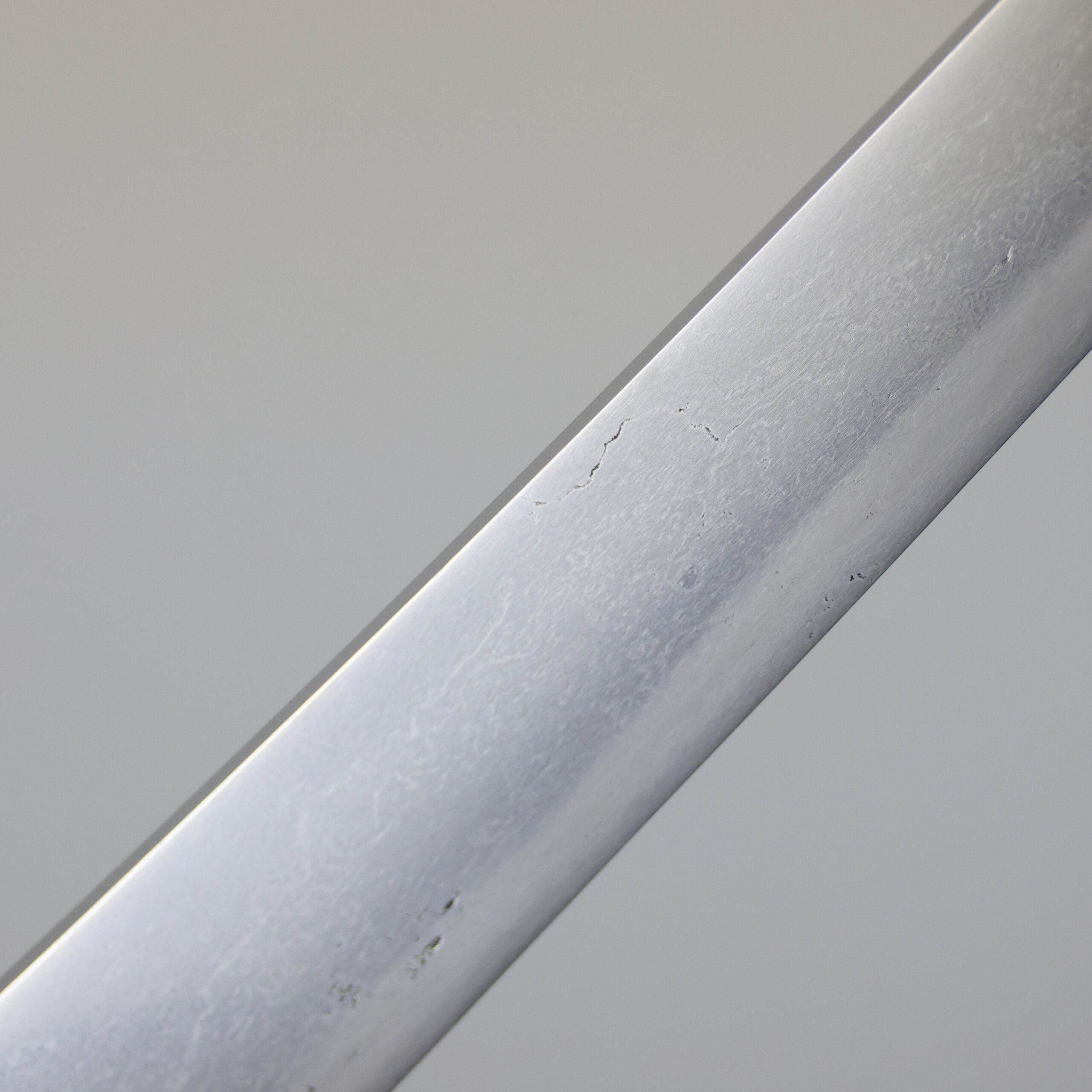
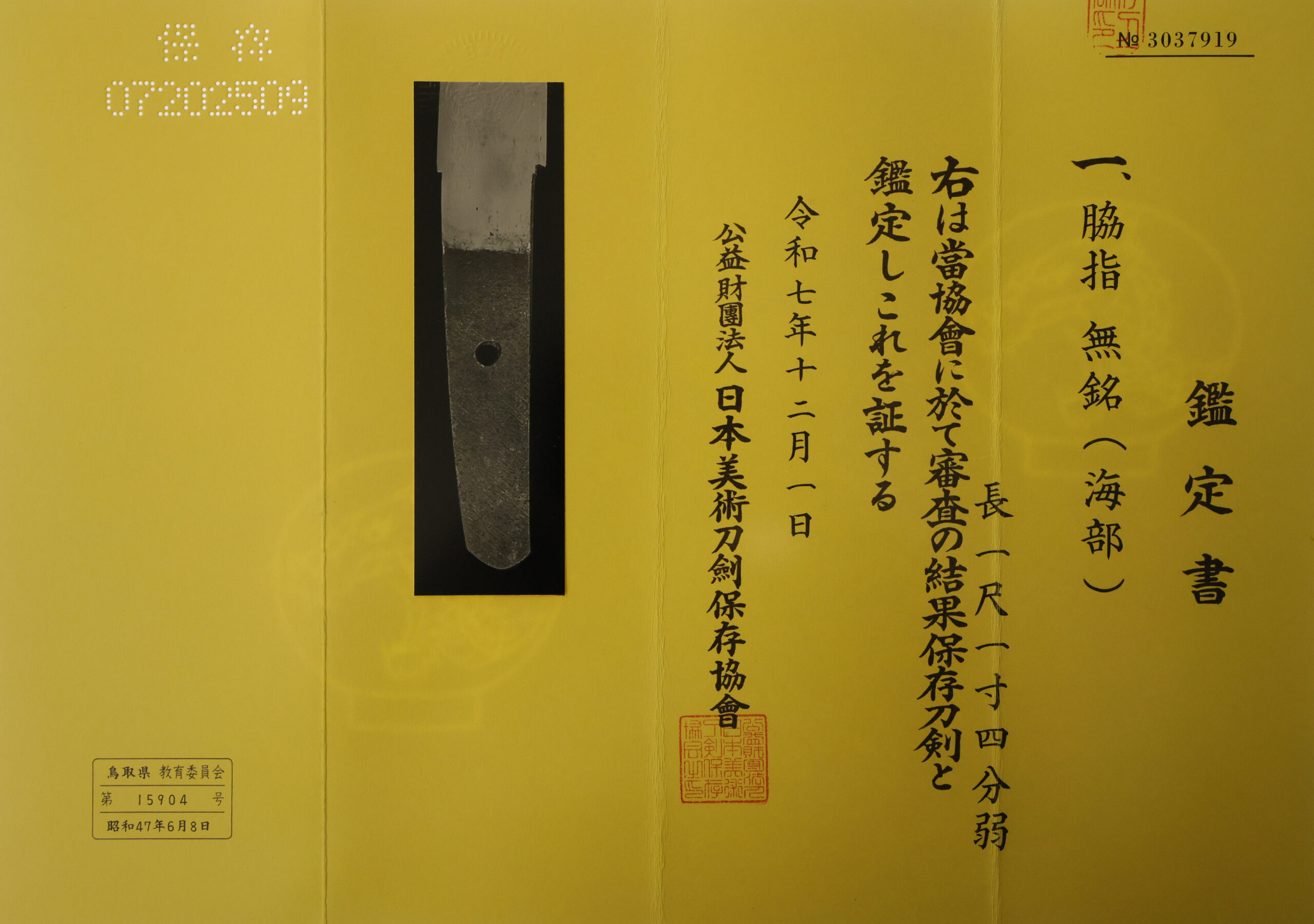
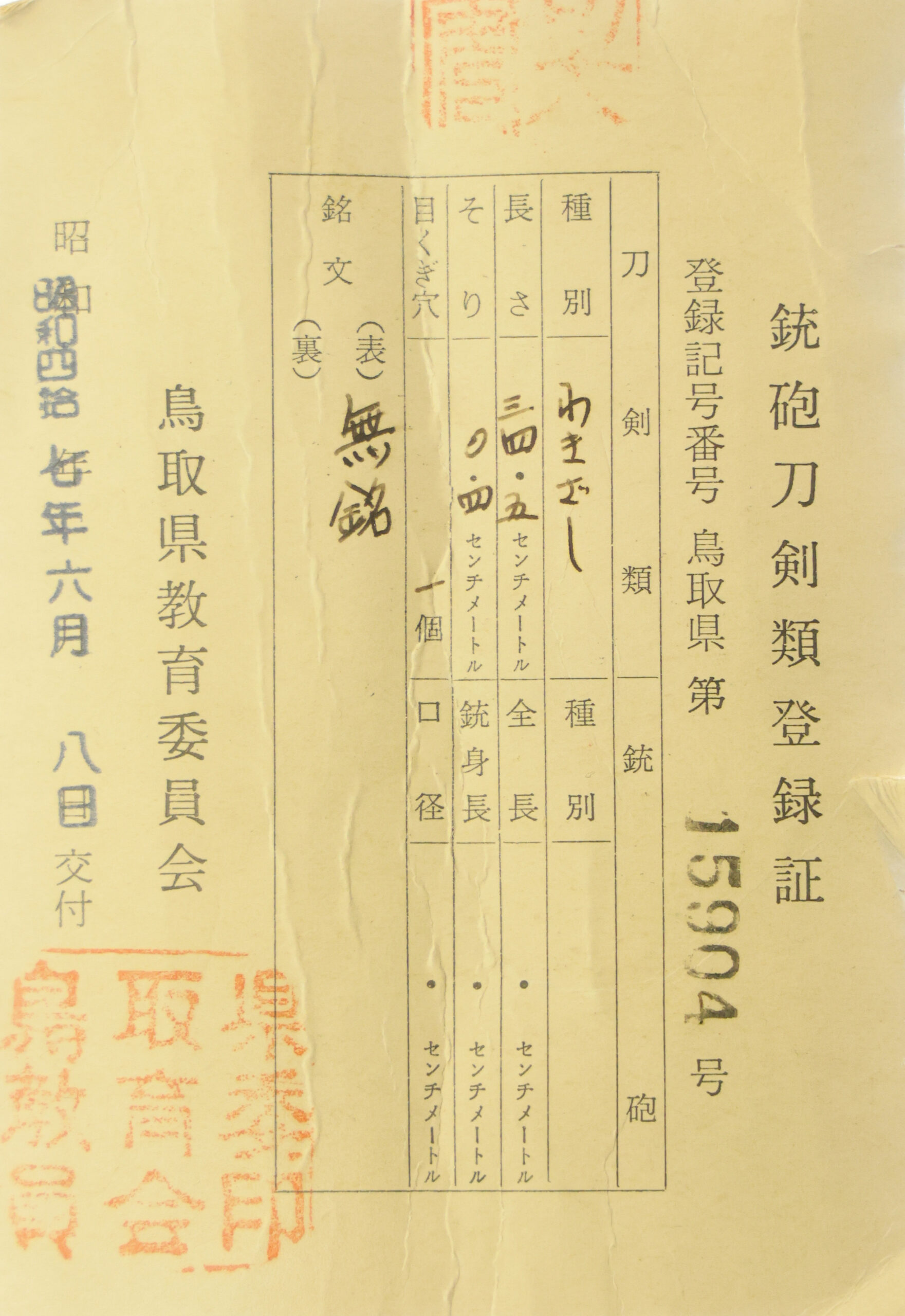
Summary This blade is attributed to Kaifu (海部) during the late Muromachi period (late 15th-mid 16th century). Kaifu is the name of the clan and school that ruled Awa province (Today’s Tokushima prefecture). From the beginning of the Kamakura period (late 12th century), they started sword-forging by taking advantage of its geographical location where iron sand was abundant near the Kaifu River. Their sword-forging was active and reached its heyday during the Sengoku Jidai (Warring state period in the late 15th-early 16th century). Kaifu clan was destroyed by Chosokabe Motochika in 1575. After the event, the school’s presence was hindered in the region. However, when the Hachisuka clan took control of Awa province, the clan invited the members of the Kaifu school and let them live near the Tokushima castle, forging blades for the clan. The school continued at the end of the Edo period. Historical Background The late Muromachi period overlaps with the Sengoku period (戦国時代, “Warring States Period”), a time marked by ongoing military conflict and political fragmentation across Japan. In this turbulent era, the samurai class played a central role as both warriors and political actors. Swords were vital to the samurai not just as weapons but also as symbols of personal honor and status. A well-forged sword was regarded as an extension of the samurai’s soul, used in both battle and ceremonial practices. As warfare intensified, demand for high-quality blades grew rapidly. Feudal lords (大名, daimyō) sought to equip their armies with superior weapons, turning to renowned swordsmiths like Moritaka for craftsmanship that combined functionality with aesthetic value. It is appraised as a Hozon Token (保存刀剣) issued by NBTHK (Nihon Bijutsu Touken Hozon Kyokai: 日本美術刀剣保存協会). *Please keep in mind that there are a couple of Kitae Kizu on this blade. Authentication Paper They authenticated the blade on December 1st in the 7th year of Reiwa (2025). They appraised it as Hozon Touken, the blade especially worth preserving for Japanese society. Registration Number It is called Jyu Ho Token Rui Torokusho (銃砲刀剣類登録証).
Kaifu School海部派
Offered by Samurai Museum
This piece has sold
9 on the market
Get an email when new Kaifu School work hits the market.

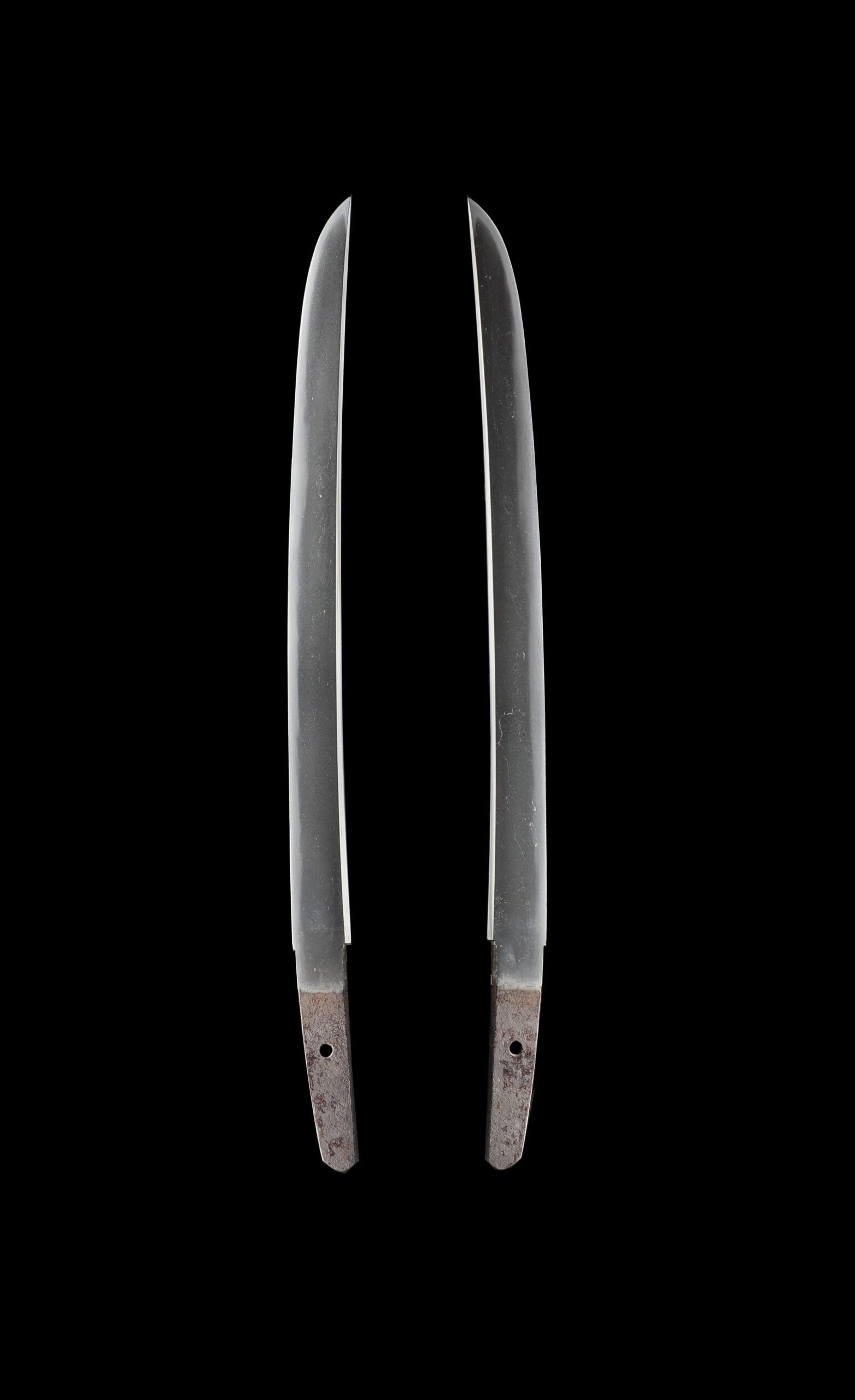
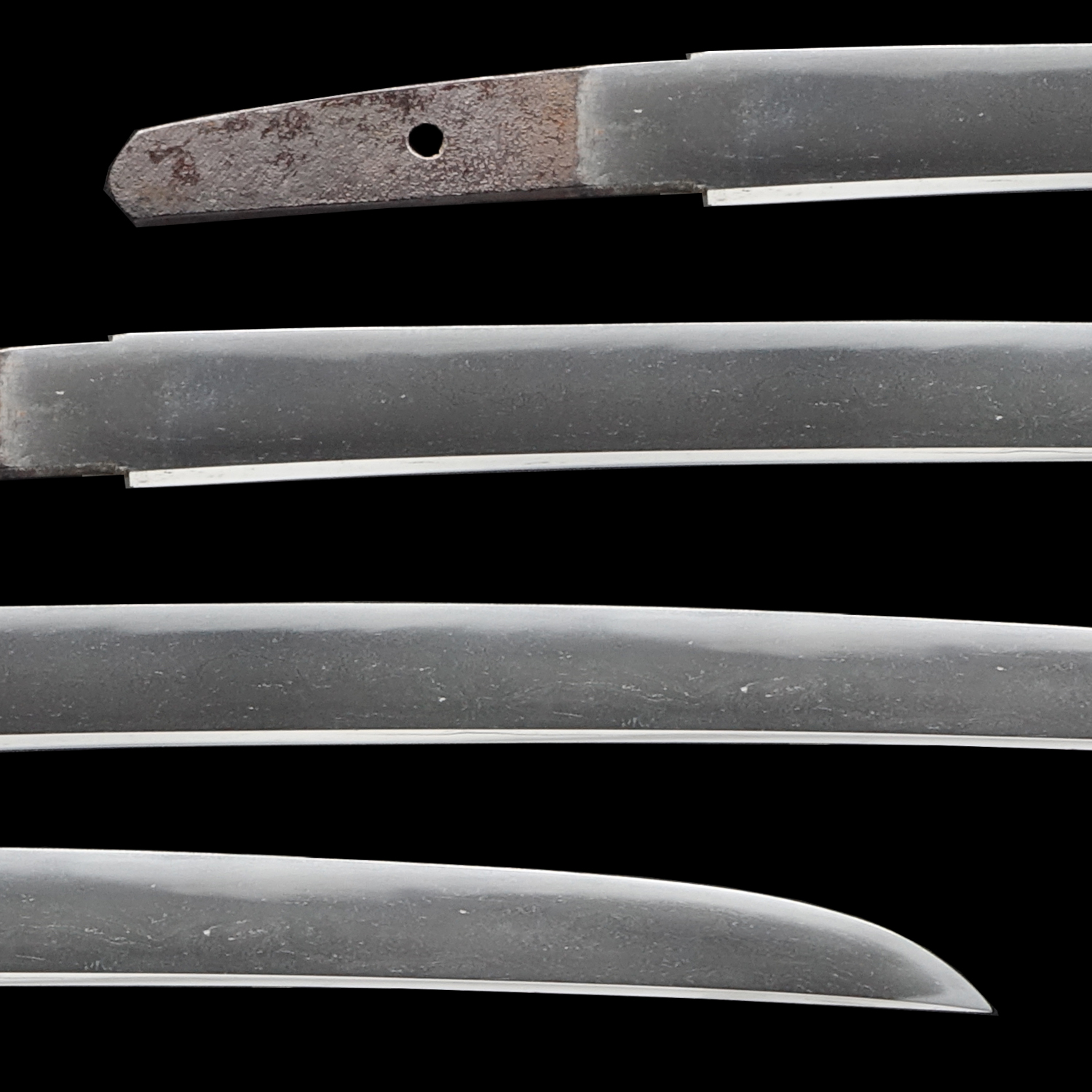
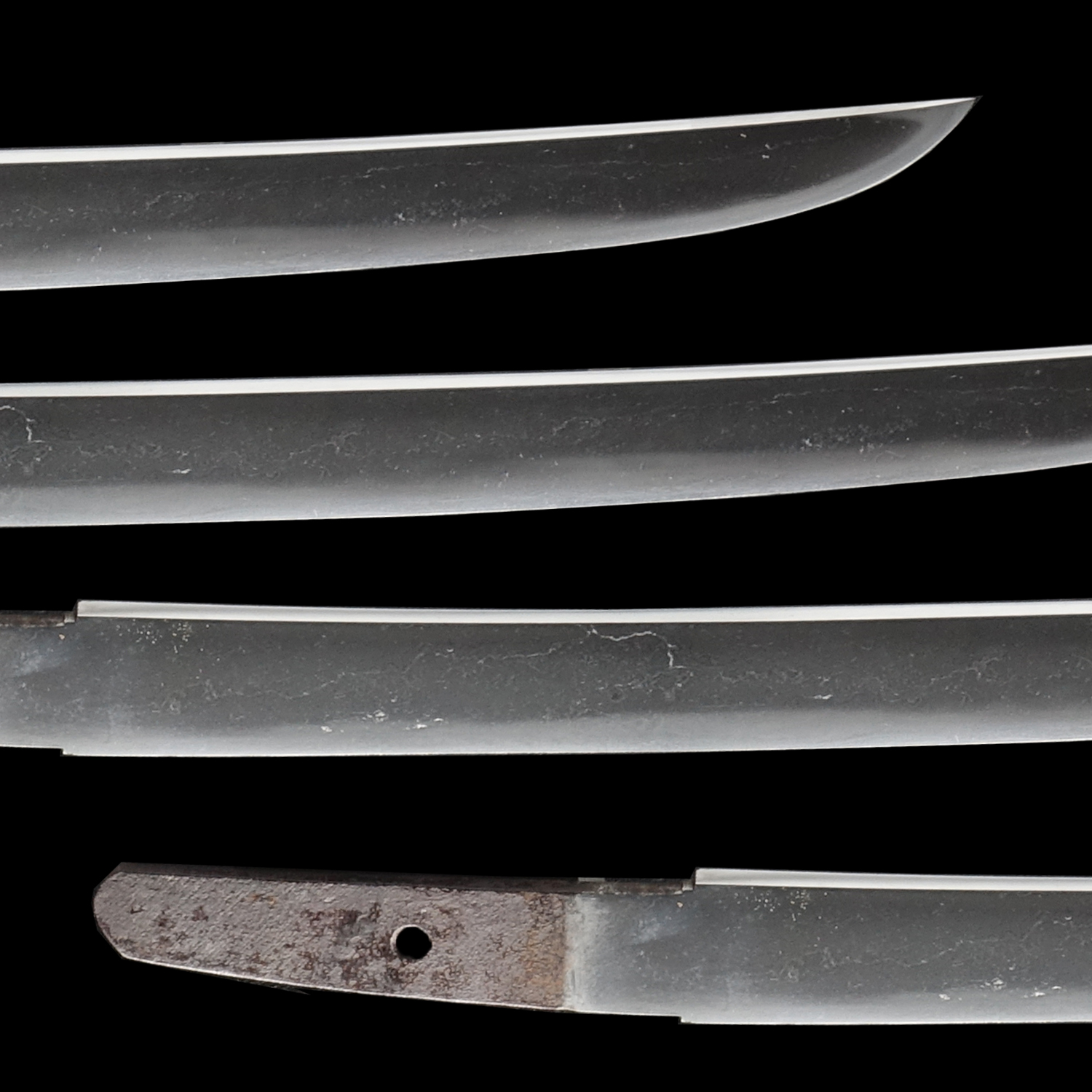
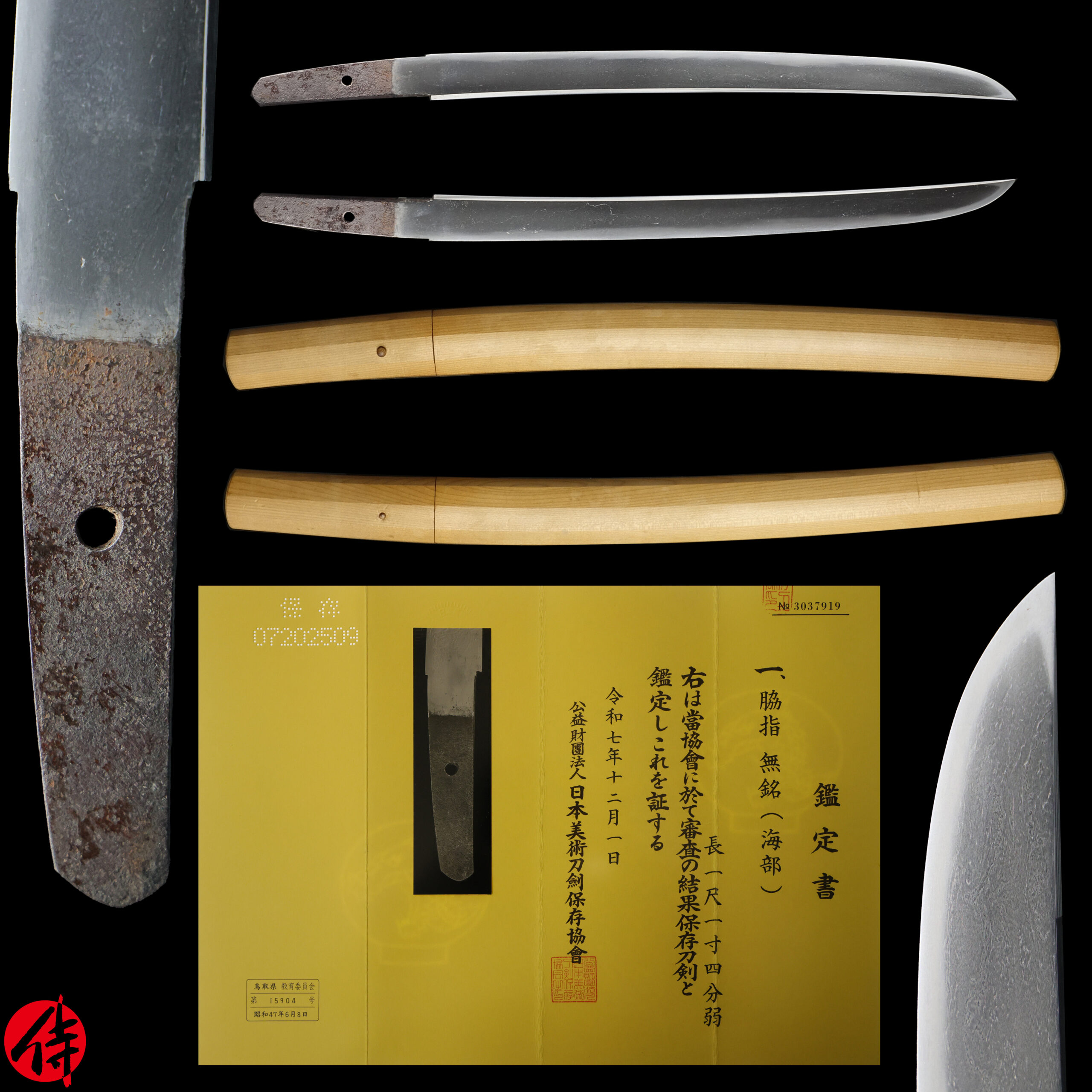
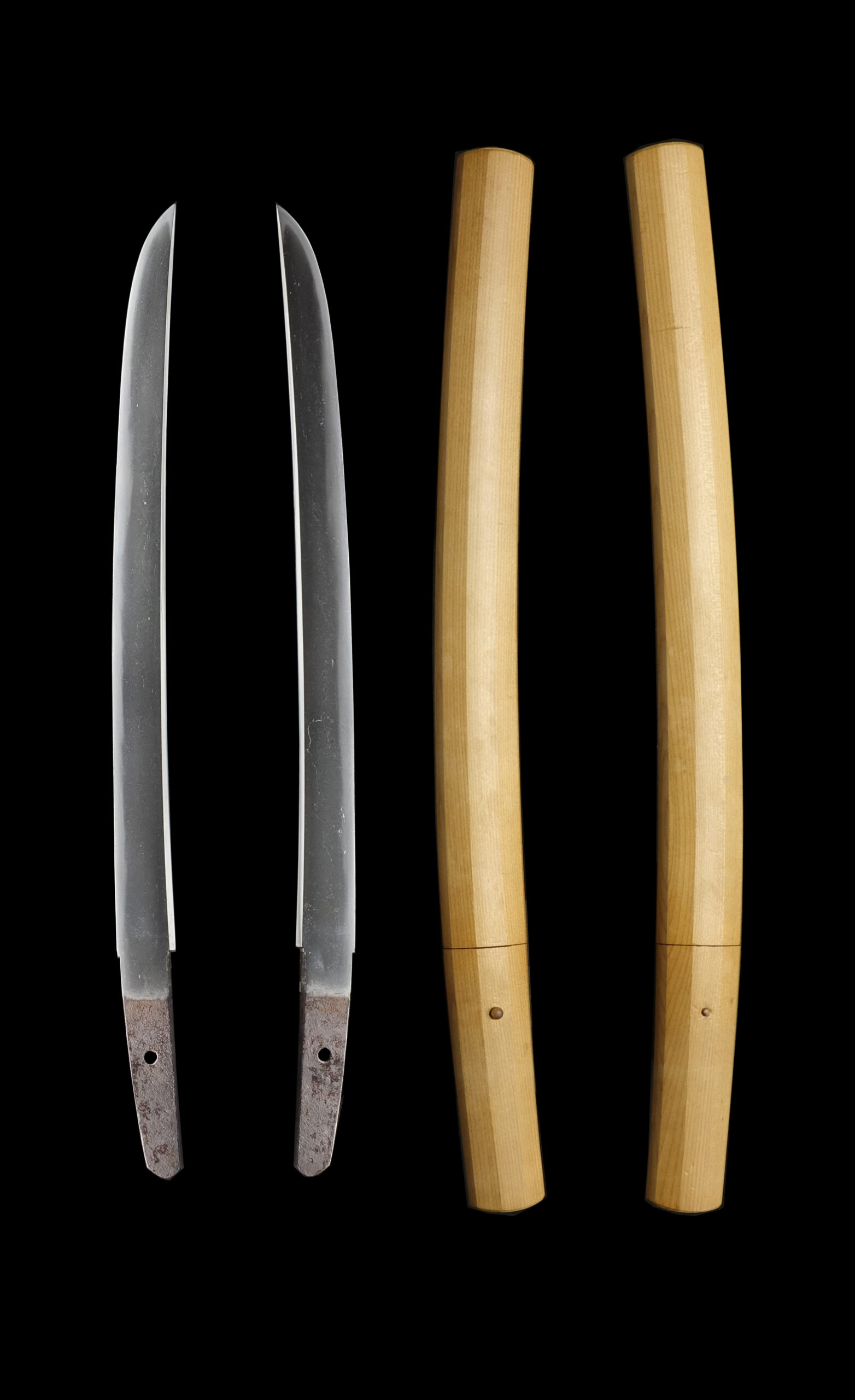
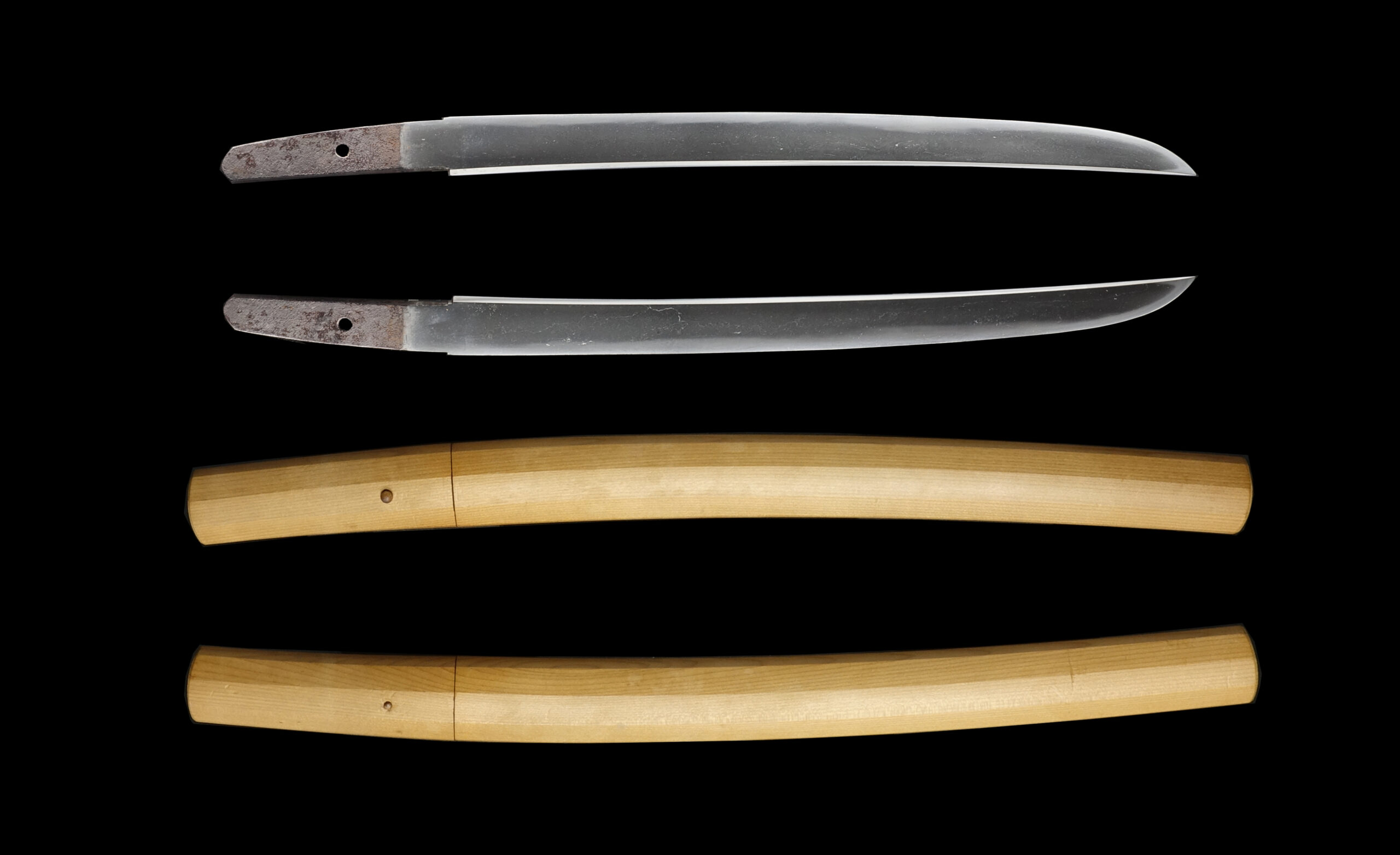
Wakimono · Awa
9 pieces on the market now
The Kaifu group (Kaifu-ha, 海部) takes its name from the Kaifu district of Awa Province on Shikoku, in the region of present-day Tokushima. The Kotō Meizukushi and the Kokon Meizukushi place the founder as Kaifu Tarō Ujiyoshi (海部太郎氏吉), set around the Kōryaku era (1379-1381), and record a second strand said to descend from a pupil of Naminohira around the Ōan era (1368-1375) who signed with the single character Fuji (藤). No blade securely traces back to those origins, and the setsumei are consistent that the group's documented activity belongs to the Muromachi period, growing conspicuous from its latter half. The smiths who appear by name on the designated blades are Ujiyoshi (氏吉), Ujishige (氏重), Yasuyoshi (泰吉) with a Daiei 5 (1525) example, and Yasunaga (泰長), placed around the Daiei era; one tantō by Ujishige is read as the earliest of the line, end of Nanbokuchō into early Muromachi. A shintō continuation survives in Fujiwara Ujiyoshi of Kaifu in Ama district, working in the Kyōhō era (1716-1736), whose hand the setsumei describes as late kotō in appearance, his ancestors' manner carried forward without absorbing other provinces' shifts. Forging across the group runs to ko-itame or itame that often flows and inclines toward masame near the edge, with ji-nie and chikei that the setsumei repeatedly call subdued or lacking strong brilliance; shirake-utsuri and a faintly blackish kanairo recur. The temper is most often a suguha base, from a narrow line on the tantō to a broad suguha mixed with ko-notare, gunome, and midare, the nioiguchi frequently hazy and oceanic (bōyō) rather than tight, with ko-nie, kinsuji, and sunagashi; bōshi turn back in ō-maru with long kaeri or run midare-komi with a togari tendency.
The signature Kaifu form is the hira-zukuri tantō of wide mihaba and slight uchizori, carrying a bonji with suken and gomabashi cut as deep kaki-nagashi grooves, the long mei boldly chiselled in thick strokes. The setsumei also note the kiriba-zukuri wakizashi known as Kaifu mountain swords (Kaifu no yamatō), and a high, thick build of utilitarian character; a flowing masame-tinged jigane with hazy temper and a coarse, bōbō nie reads as the group's ordinary signature, while finer pieces in the same idiom step above it. For kantei, a deeply tempered suguha-based blade whose ko-itame carries dense ji-nie can at a glance suggest Go Yoshihiro, and the group's drift toward a Naminohira manner and the old saying that Kaifu work "changed into E" mark the lines along which it is read. The standing of these smiths rests on cutting character: the meibutsu Iwakiri Kaifu, a katana by Ujiyoshi recorded in the Kyōhō Meibutsu-chō, takes its name from its sharpness, was held by the Miyoshi of Awa with whom Miyoshi Nagayoshi is said to have won martial exploits, and passed thereafter to the Kuroda of Fukuoka. The Ujishige tantō once in the collection of Itō Miyoji is published in the Kōzan Oshigata; a katana by the later Yamato Daijō Ujishige stands at Hiromine Shrine; and two wakizashi by Fujiwara Ujiyoshi were given to the Imperial Household Agency by volunteers from Tokushima. Signed Kaifu blades are few, which makes each named example reference material for the group as a whole. Learn more →
| Smith | Era | Designated |
|---|---|---|
| Ujiyoshi氏吉 | 1492-1501 | 3 |
| Ujishige氏重 | 1655-1658 | 2 |
| Yasunaga泰長 | 1521-1528 | 1 |
| Yasuyoshi泰吉 | 1504-1521 | 1 |
| Ujiyoshi氏吉 | 1596-1615 | 0 |
The Muromachi period (1392 to 1573)
After the Ōnin War broke the Ashikaga order, a century of Sengoku warfare armed nearly every province in Japan. The era rewards a discriminating eye: routine work exists in quantity, and beside it stand custom blades of the first rank.
Certifies a genuine blade worth preserving: a signature confirmed correct, or, if unsigned, an era, province, and school that the NBTHK can reliably identify.
The NBTHK (Nihon Bijutsu Tōken Hozon Kyōkai, the Society for the Preservation of Japanese Art Swords) is a public-interest incorporated foundation founded in 1948 and supervised by Japan’s Agency for Cultural Affairs (Bunkachō); it is based at the Japanese Sword Museum in Tokyo. Its expert panels physically examine each submitted work (shinsa) and issue a certificate (kanteishō) ranking it by artistic and historical merit. NBTHK papers are the most widely recognized standard of authentication for Japanese swords and fittings.
NBTHK official siteReturns/exchanges limited to defects caused by shipping (except willful misconduct or gross negligence by the company); customers must contact within 72 hours of receiving the product.
Certificate reading — 無銘(海部)