Muromachi turned sword making into an industry: the uchigatana rose with massed infantry warfare, Osafune and Seki produced bundle swords beside custom orders, and the Ming trade carried Japanese blades abroad by the tens of thousands.
 NihontoWatchNihontoWatch
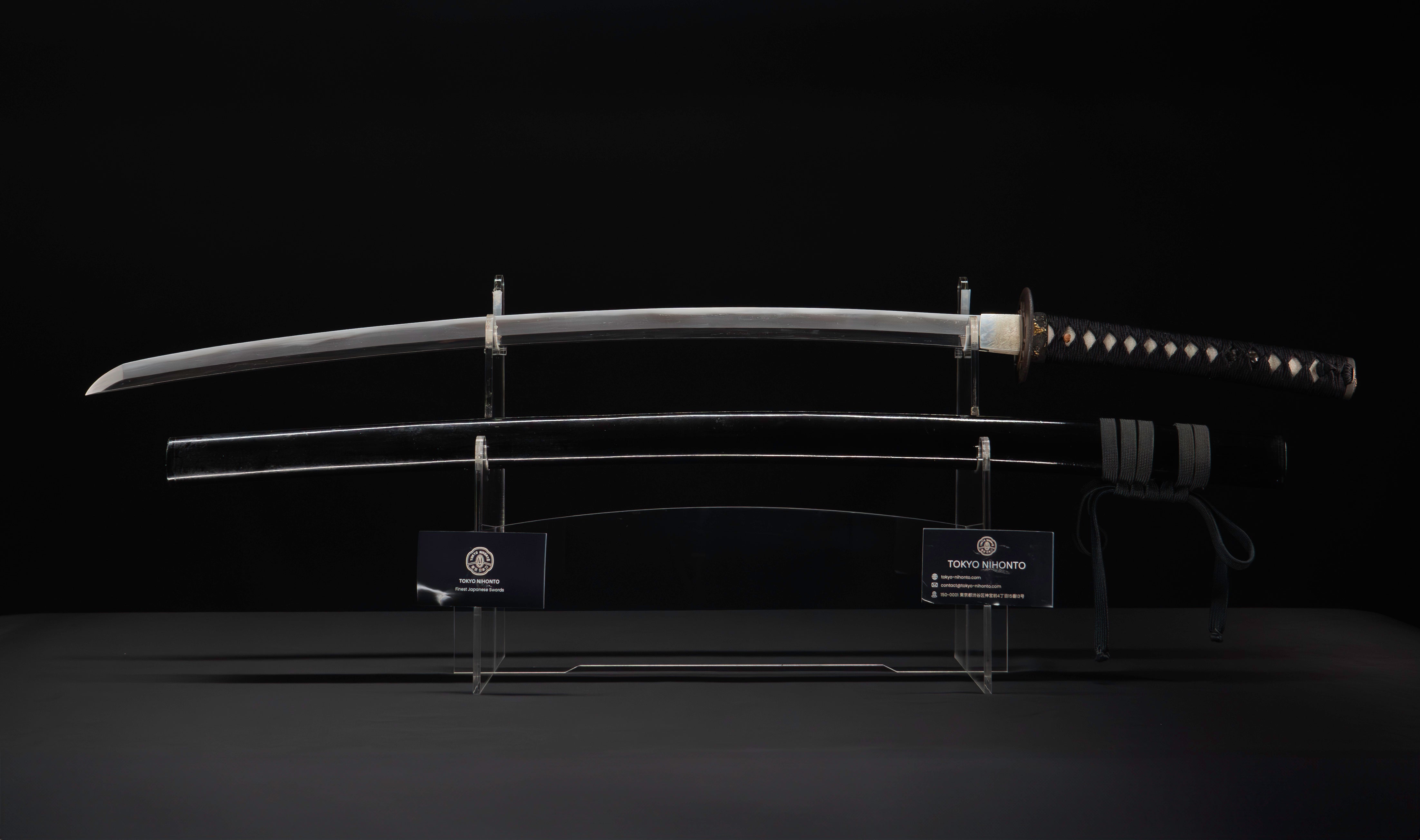
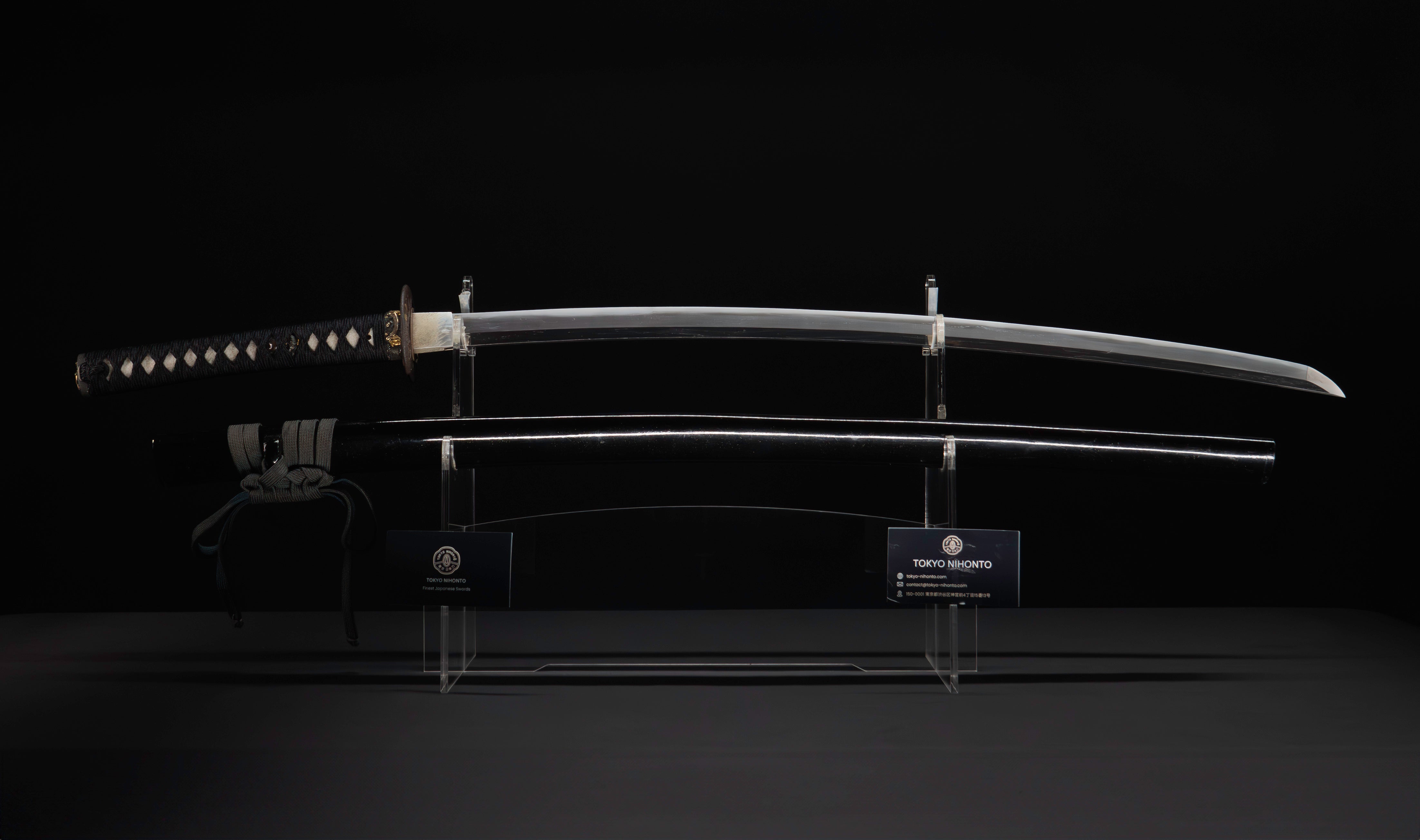
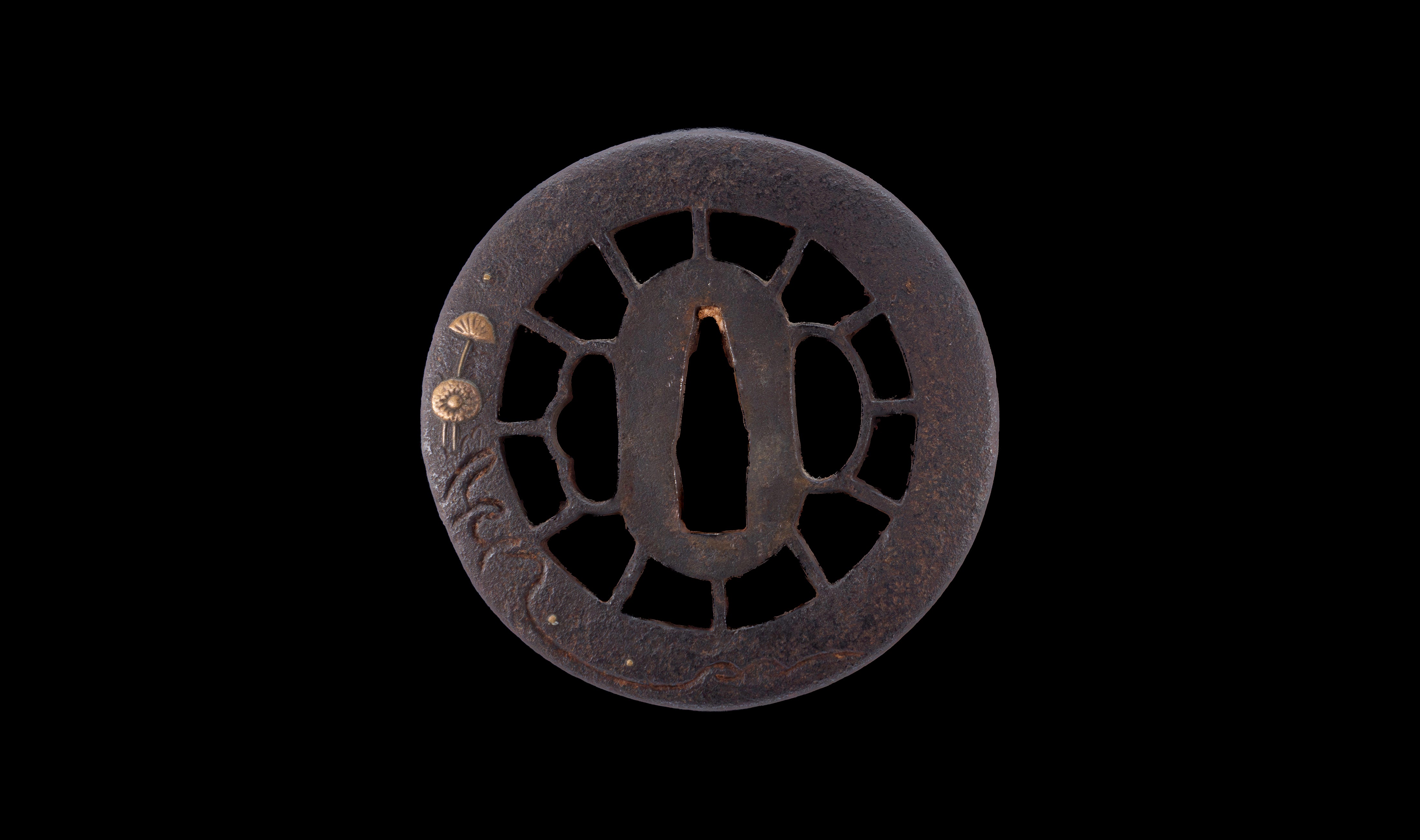
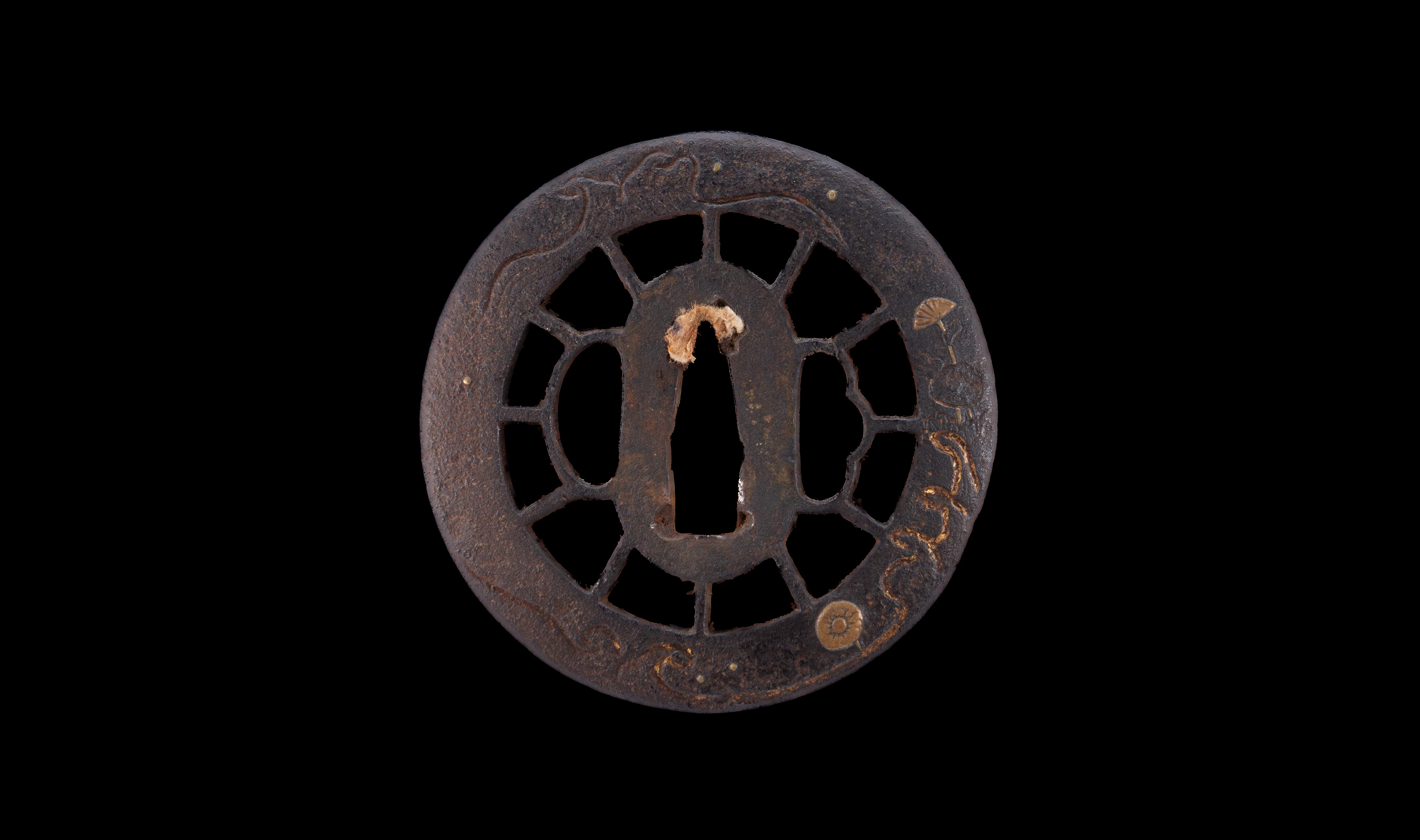
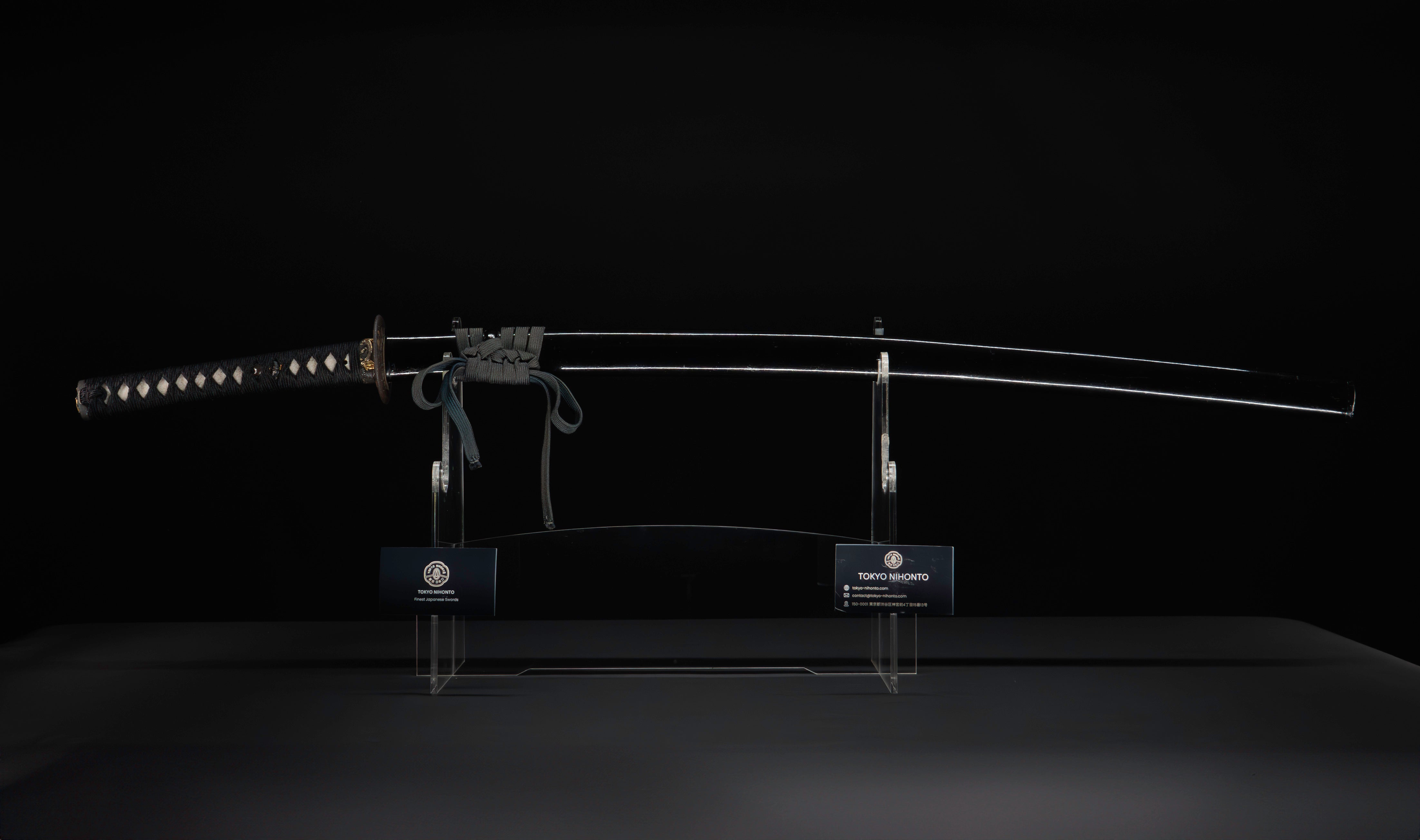
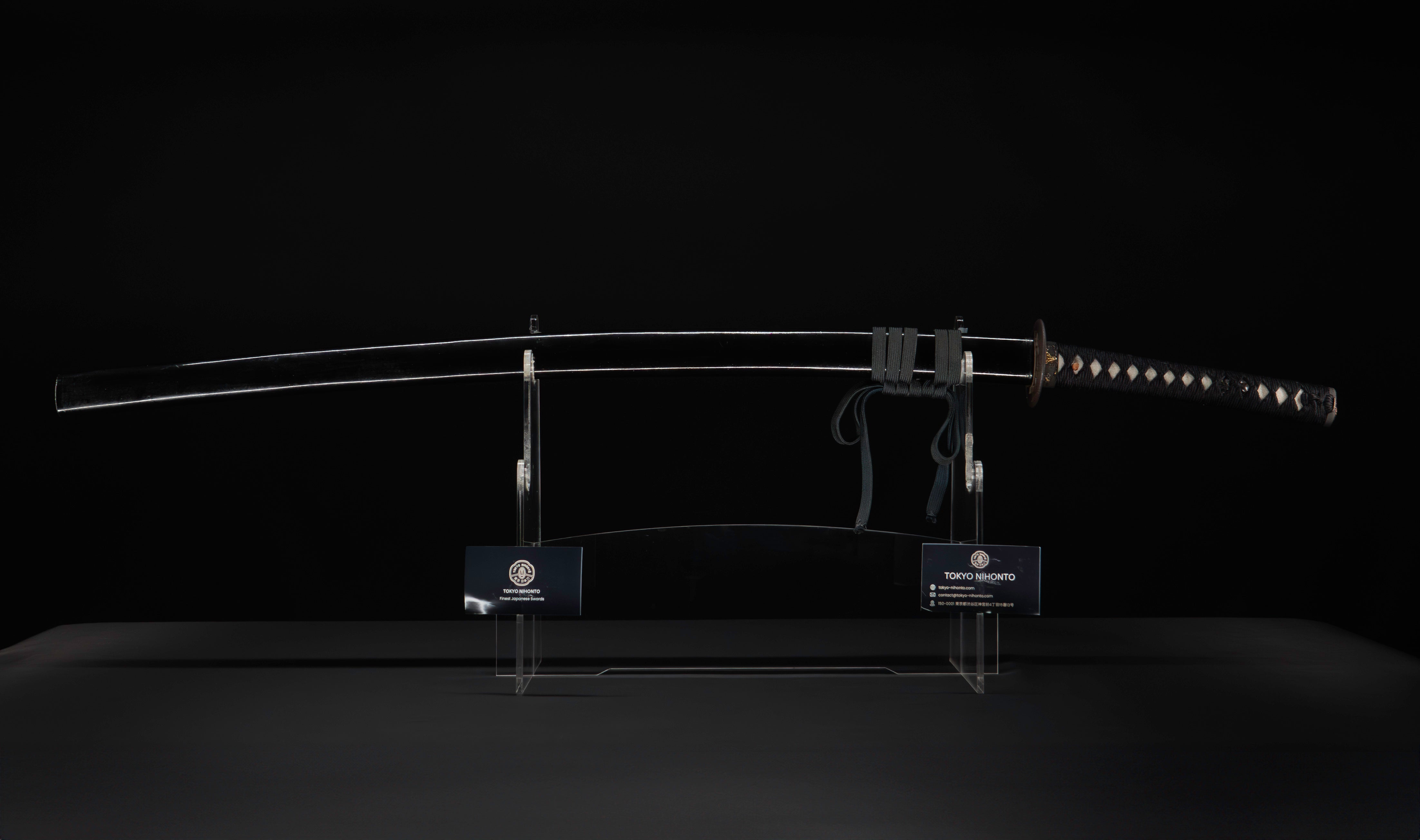
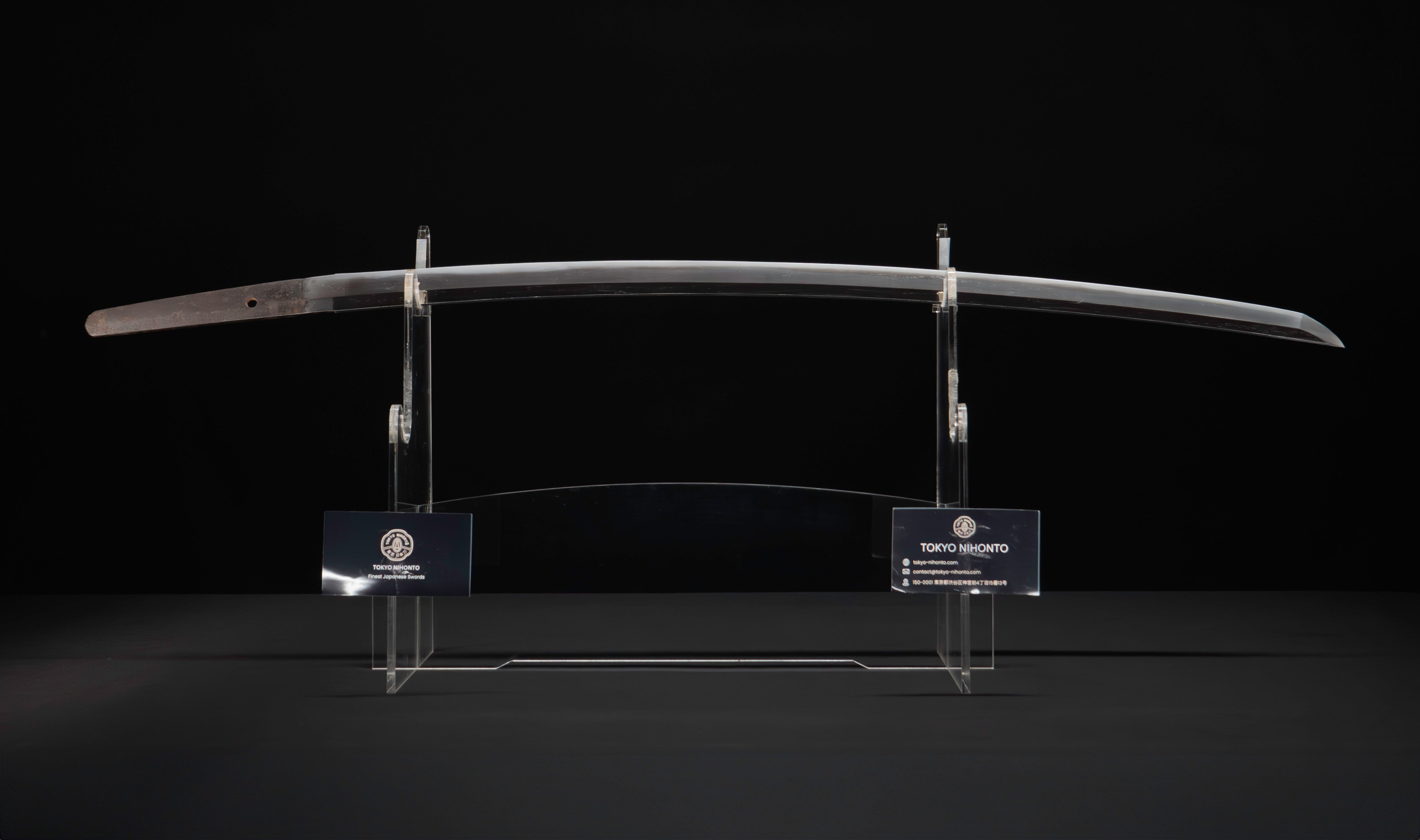
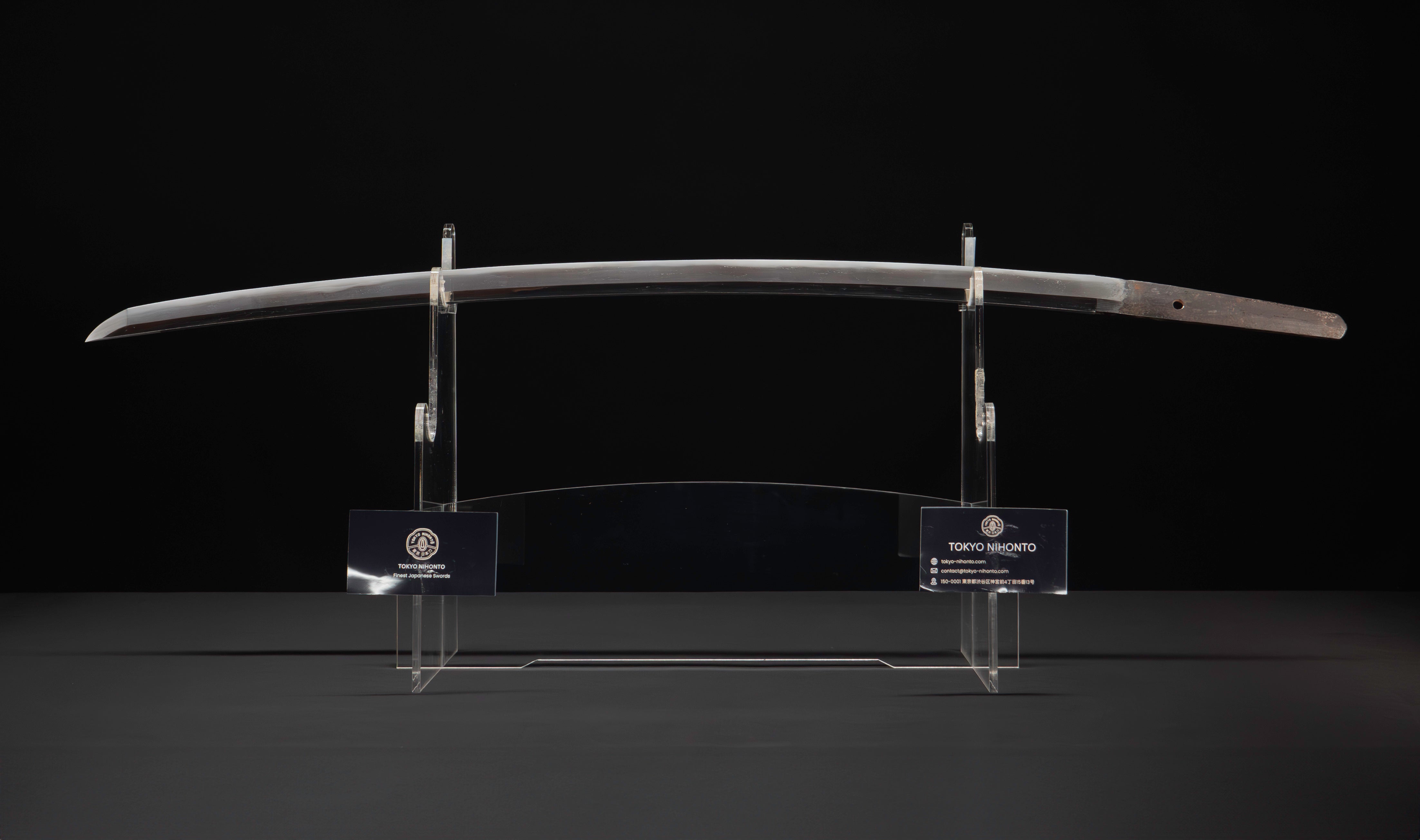
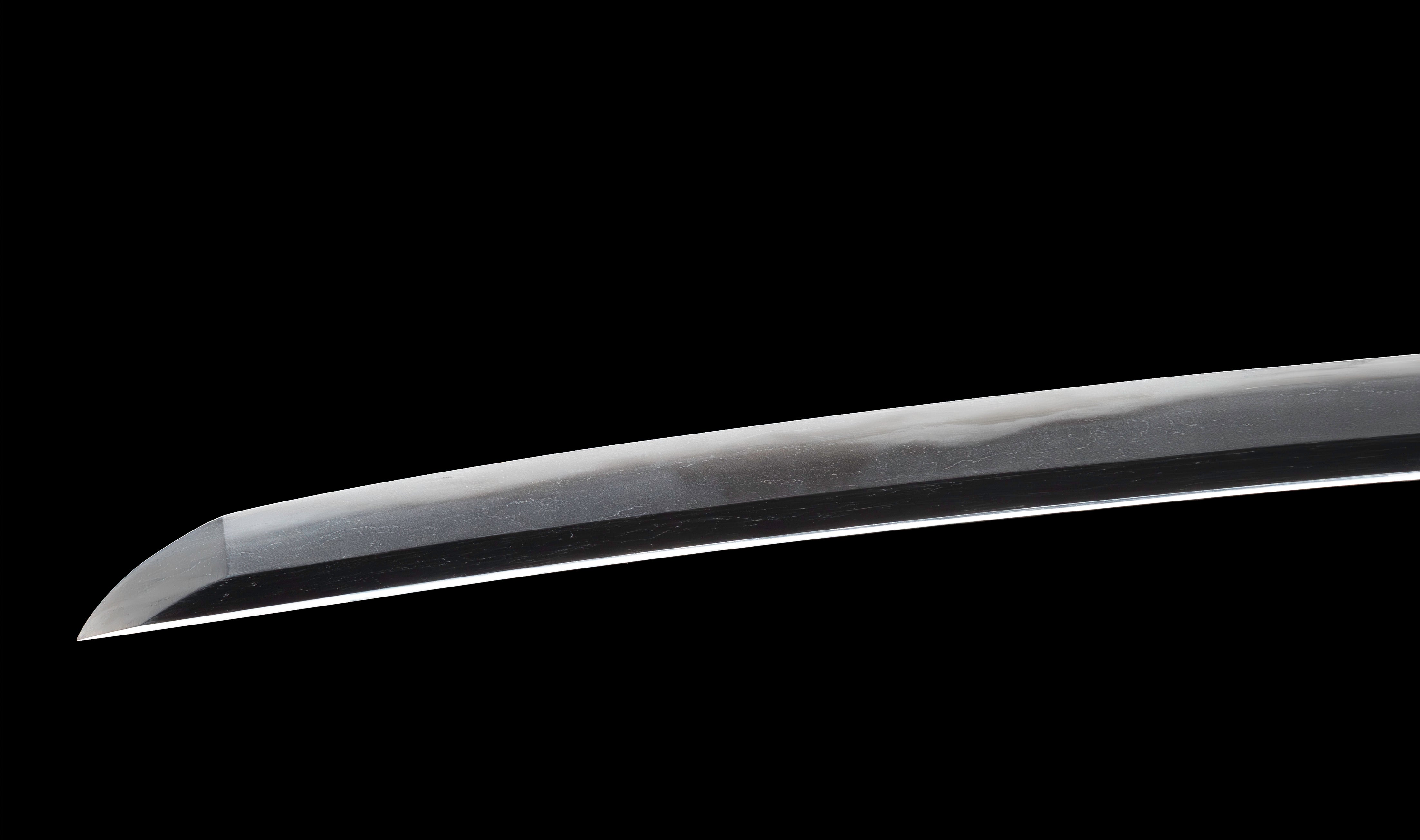
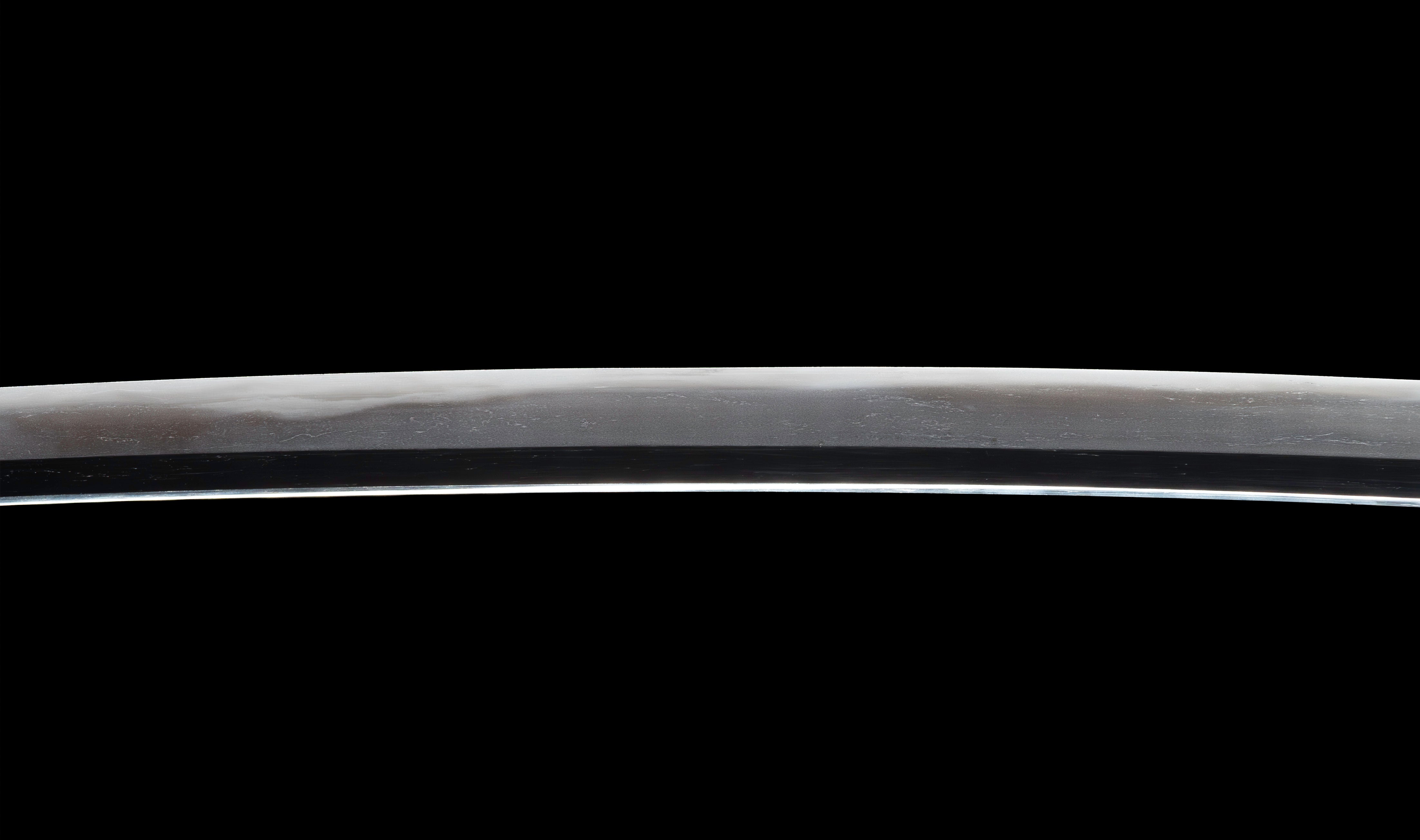
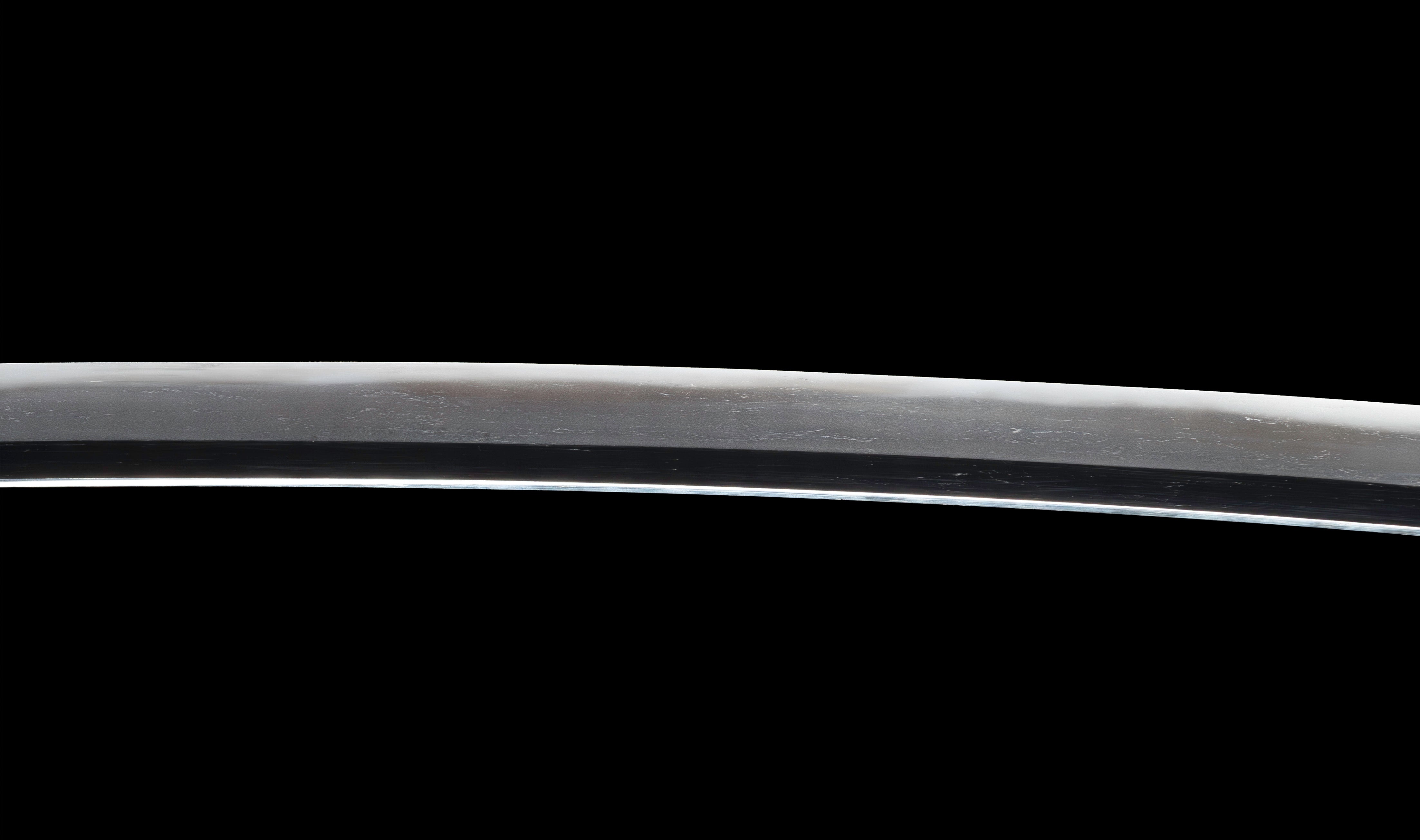
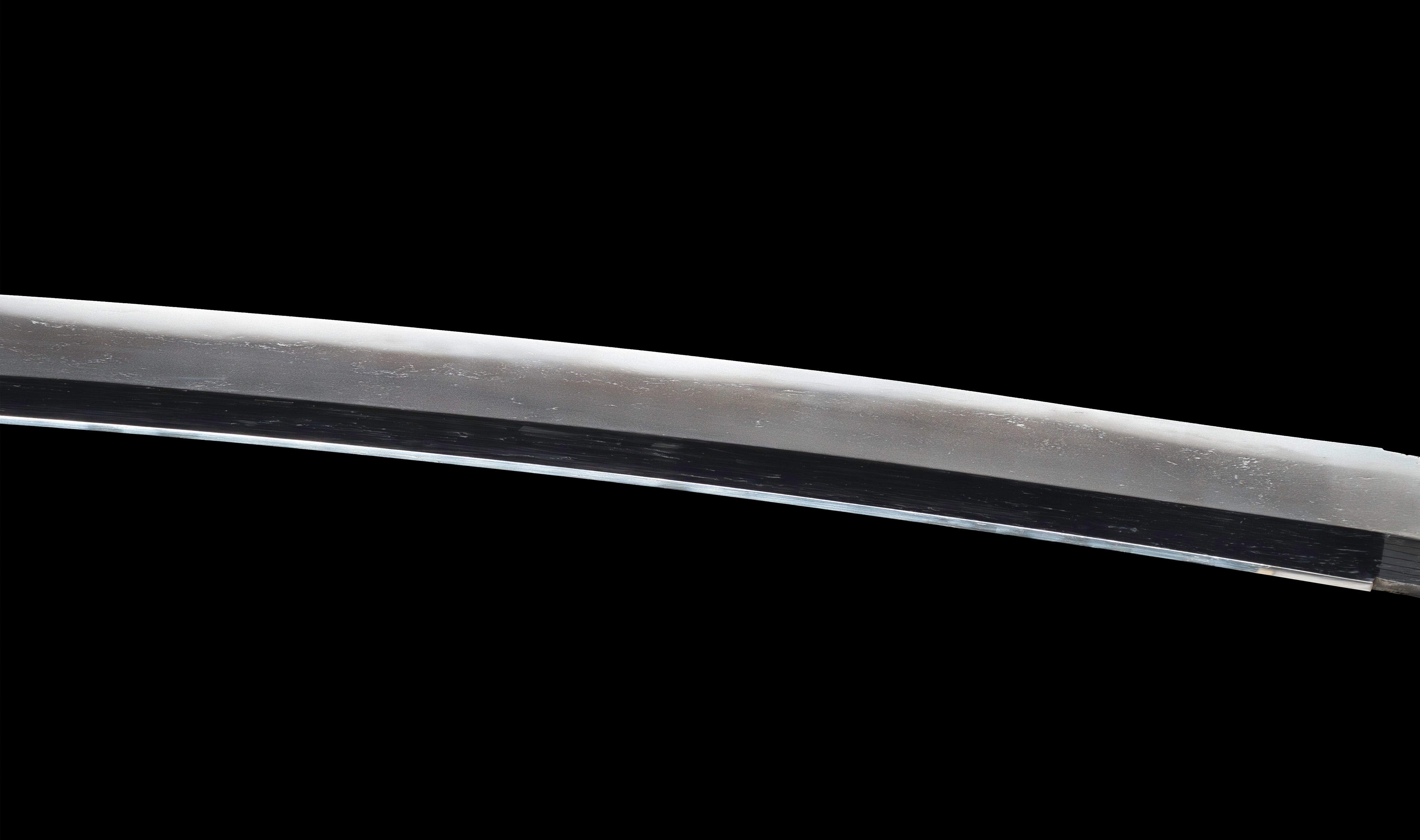
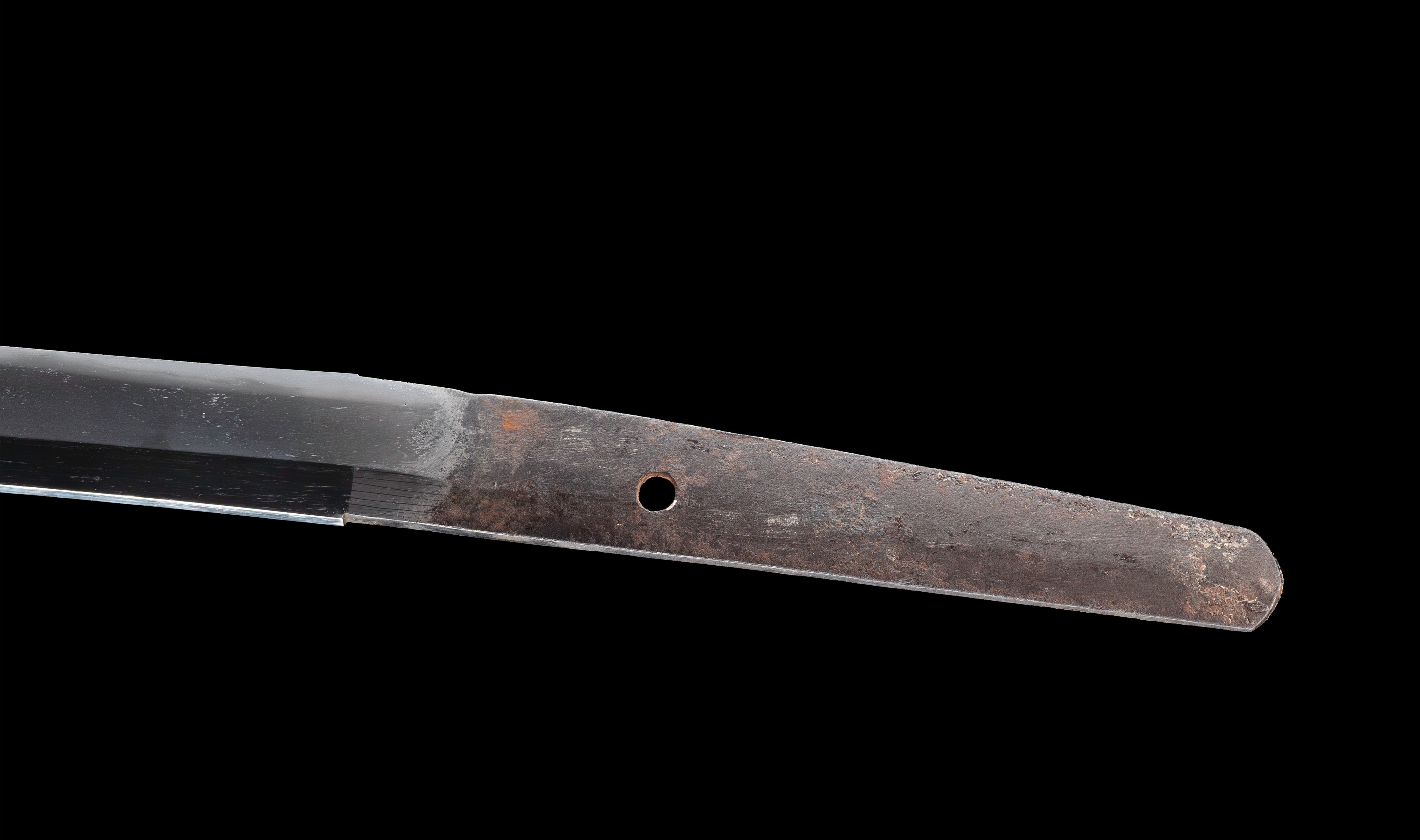
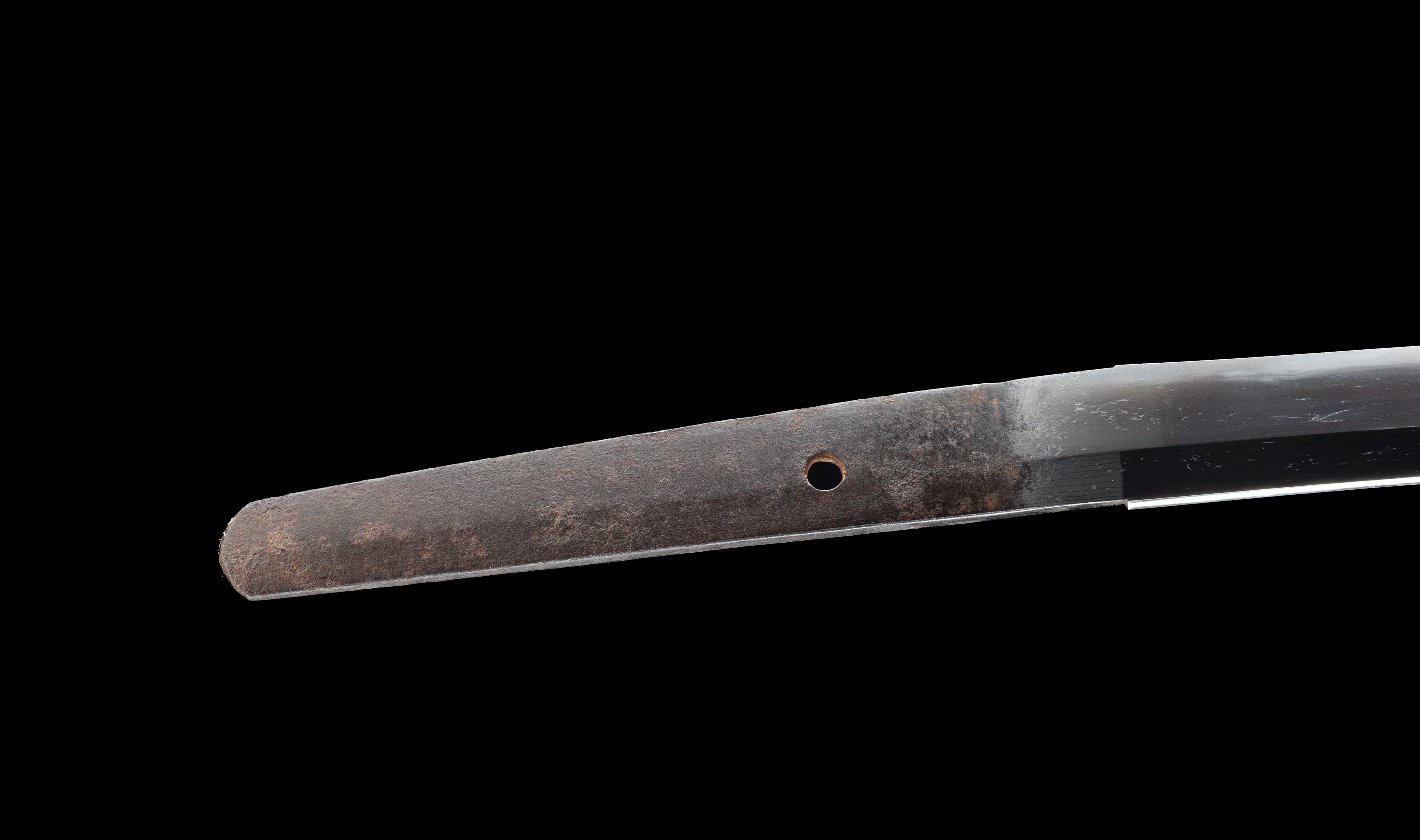
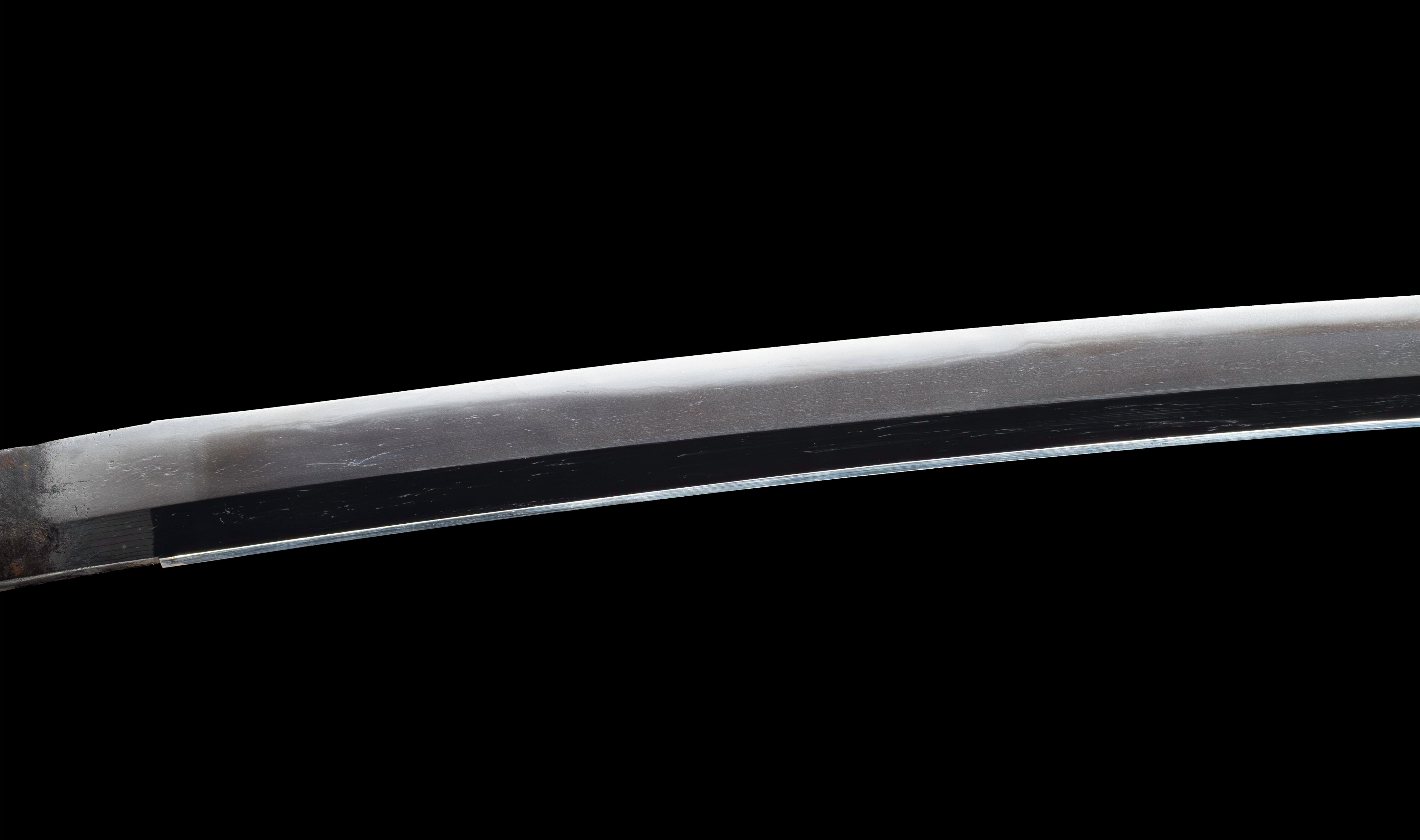
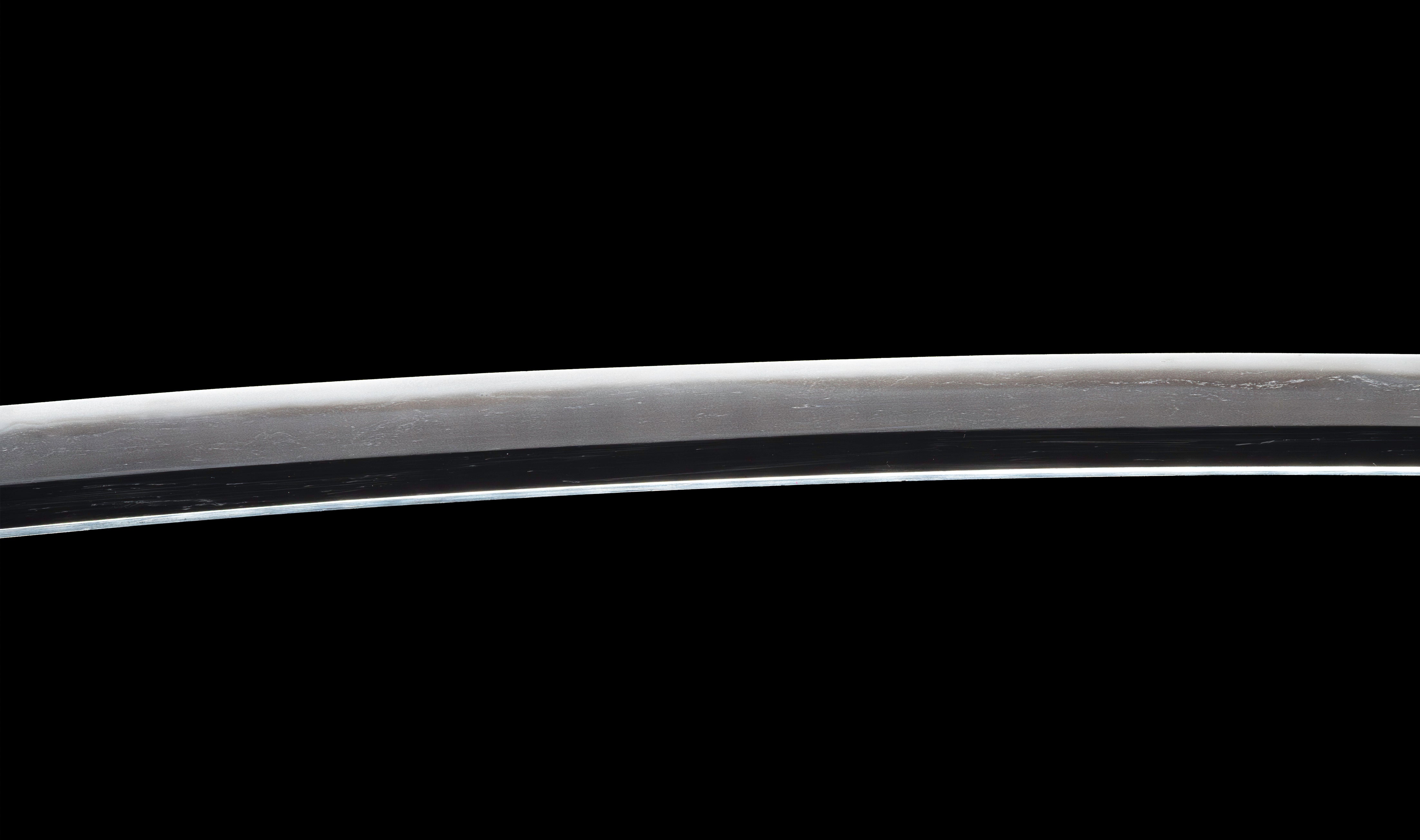
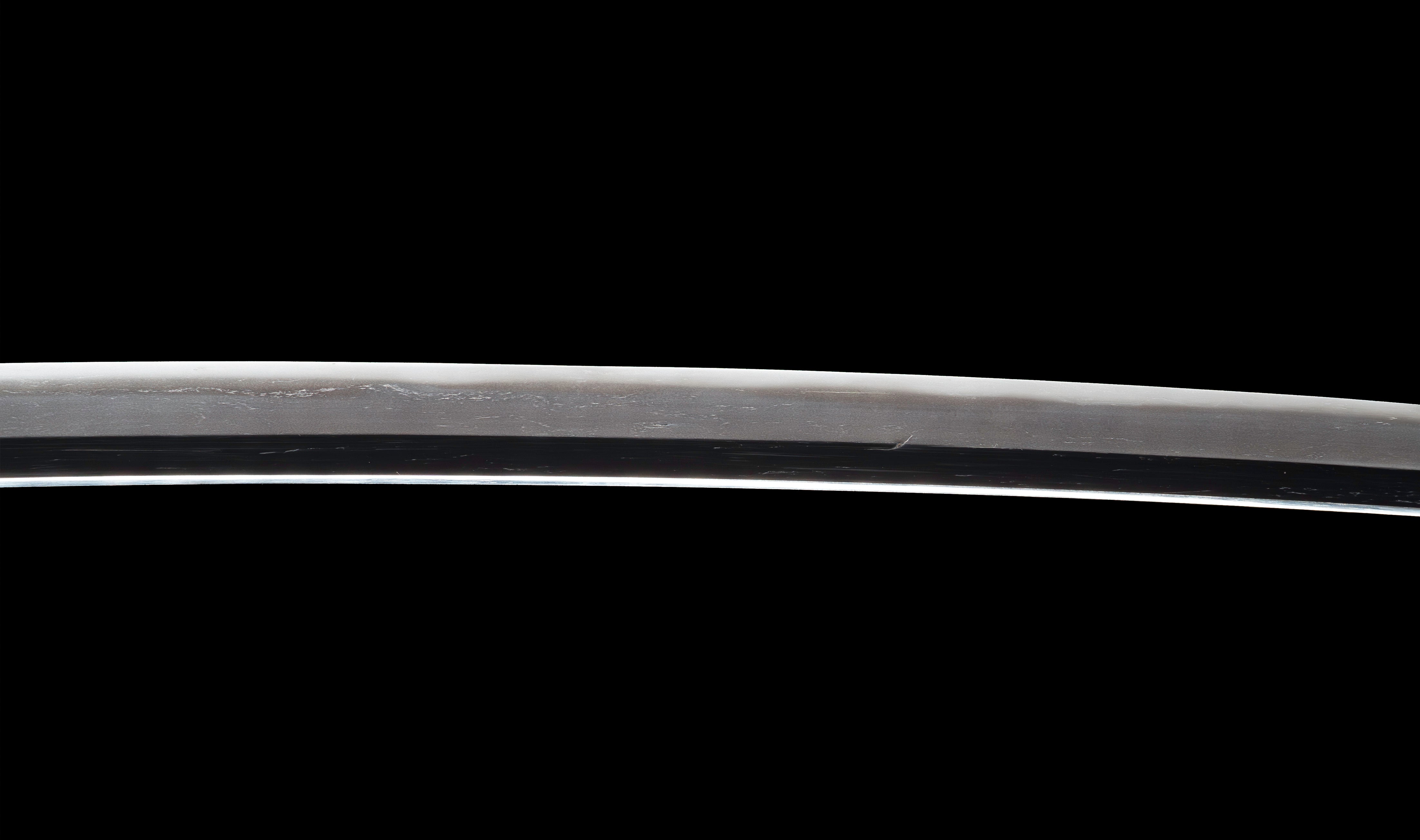
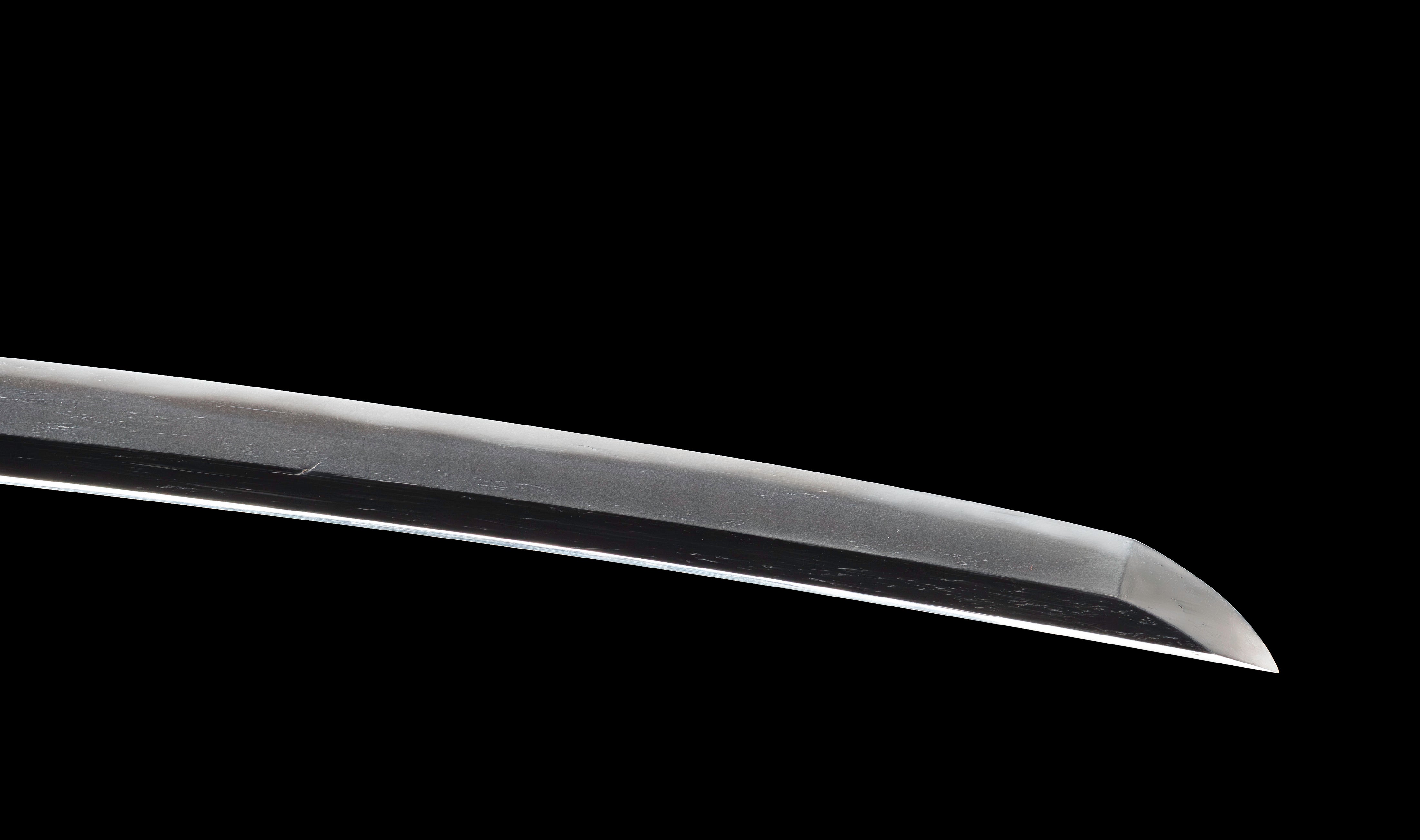
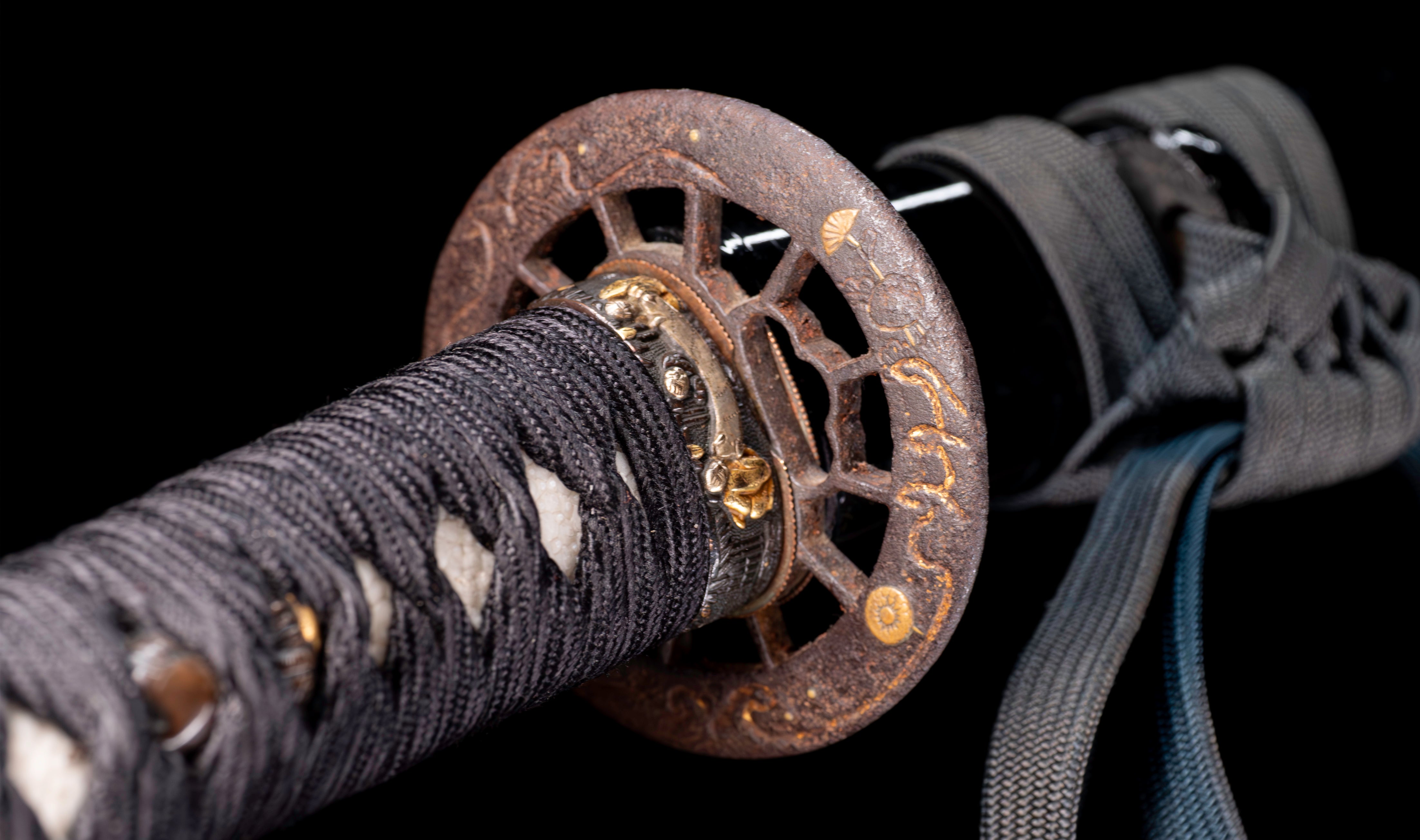
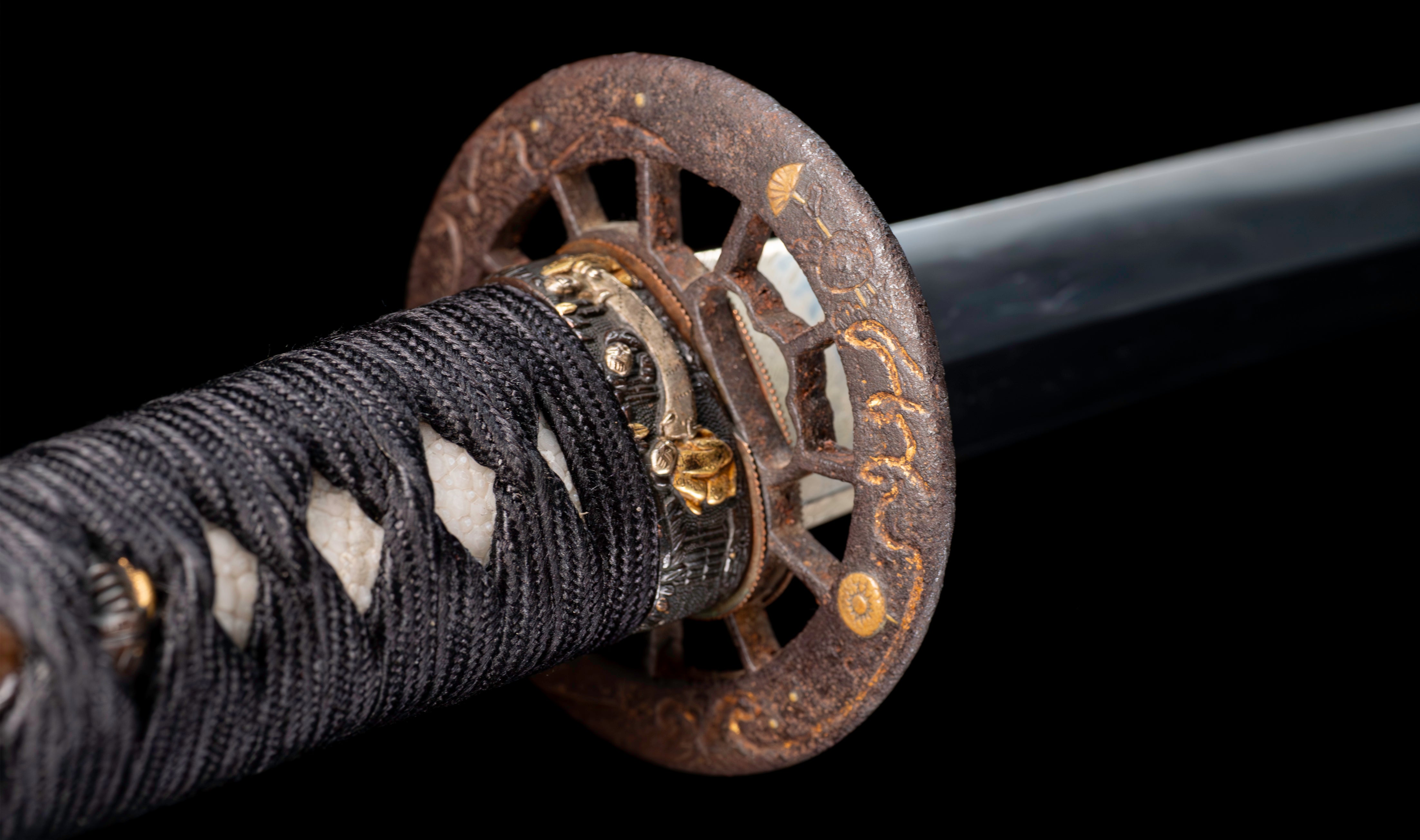
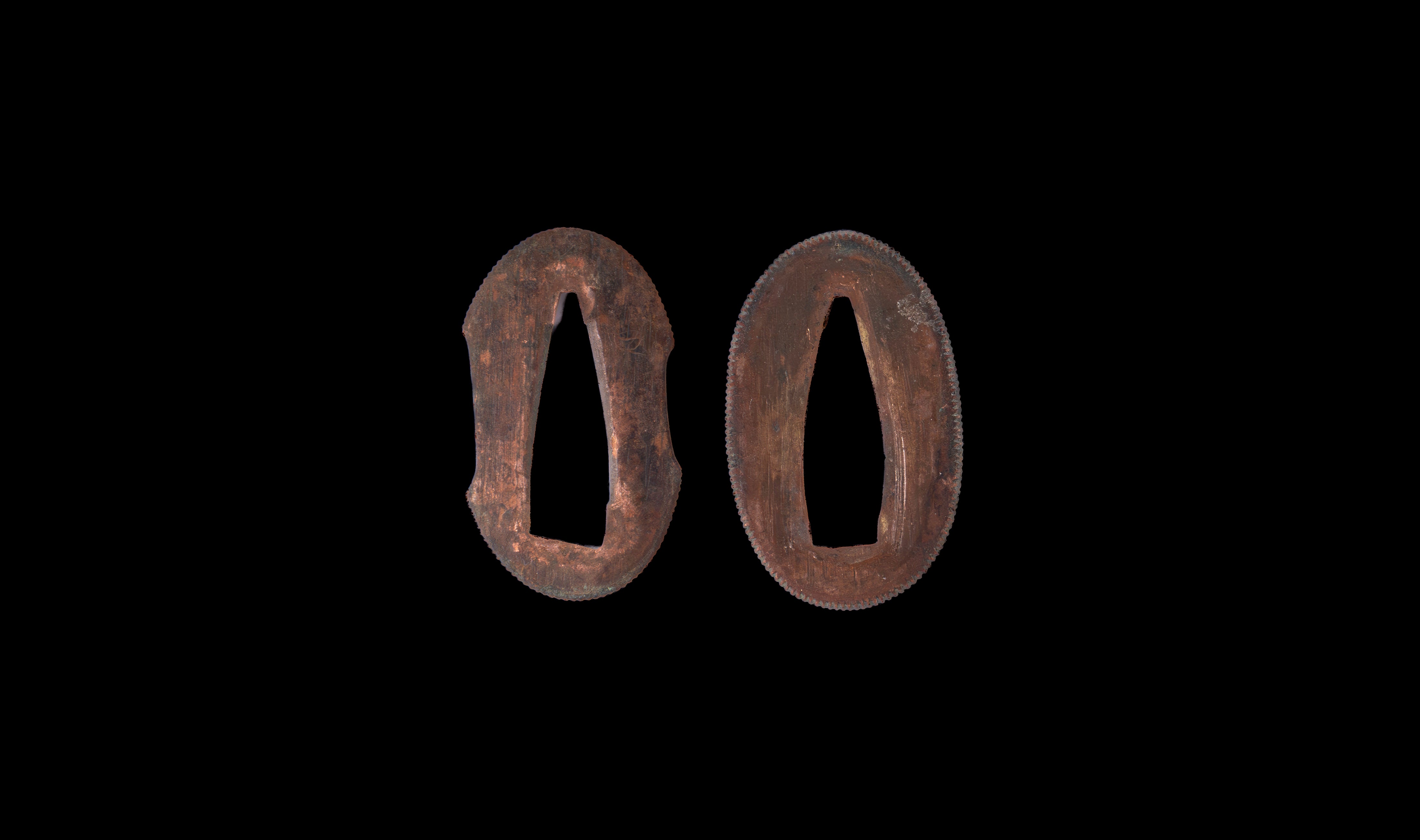
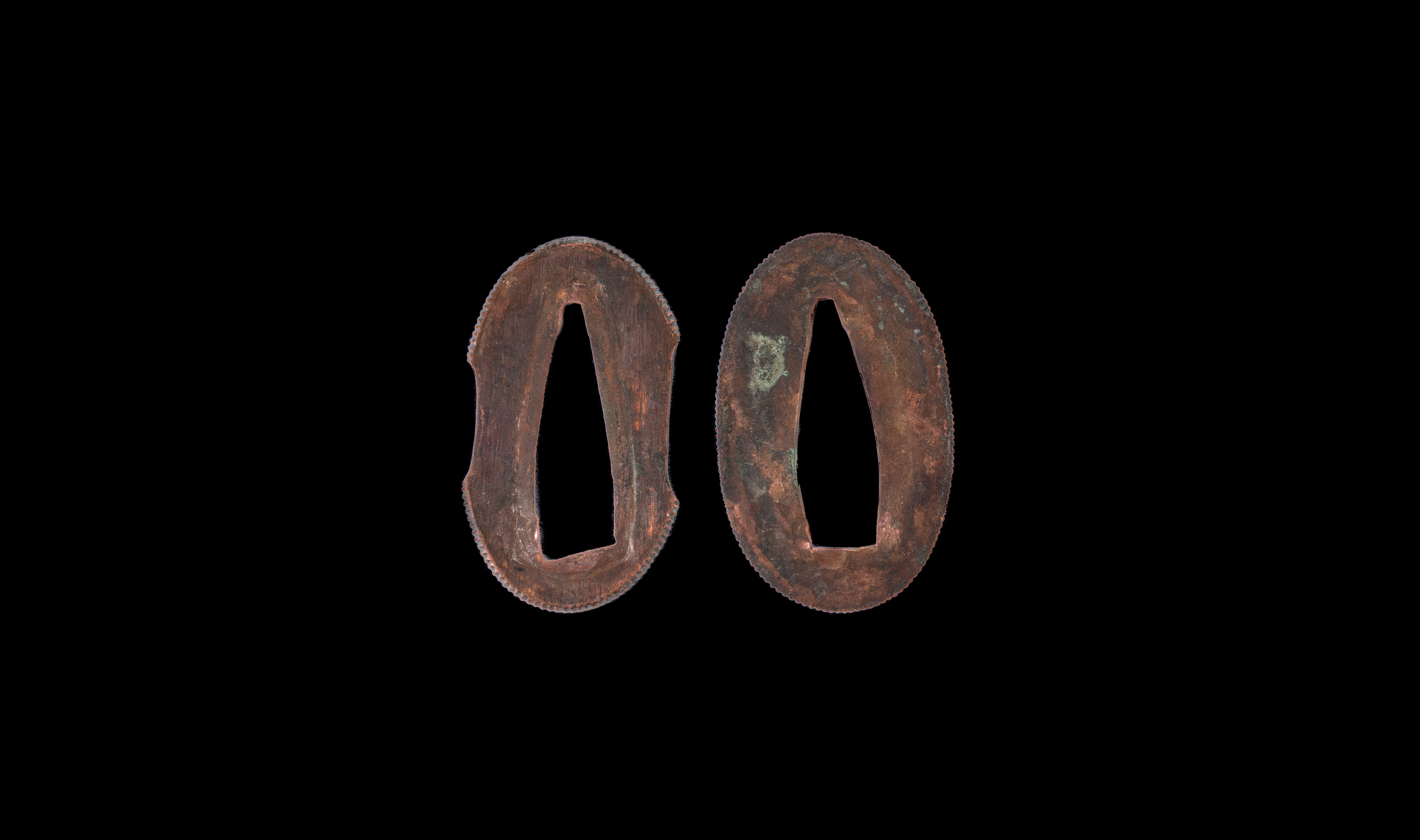
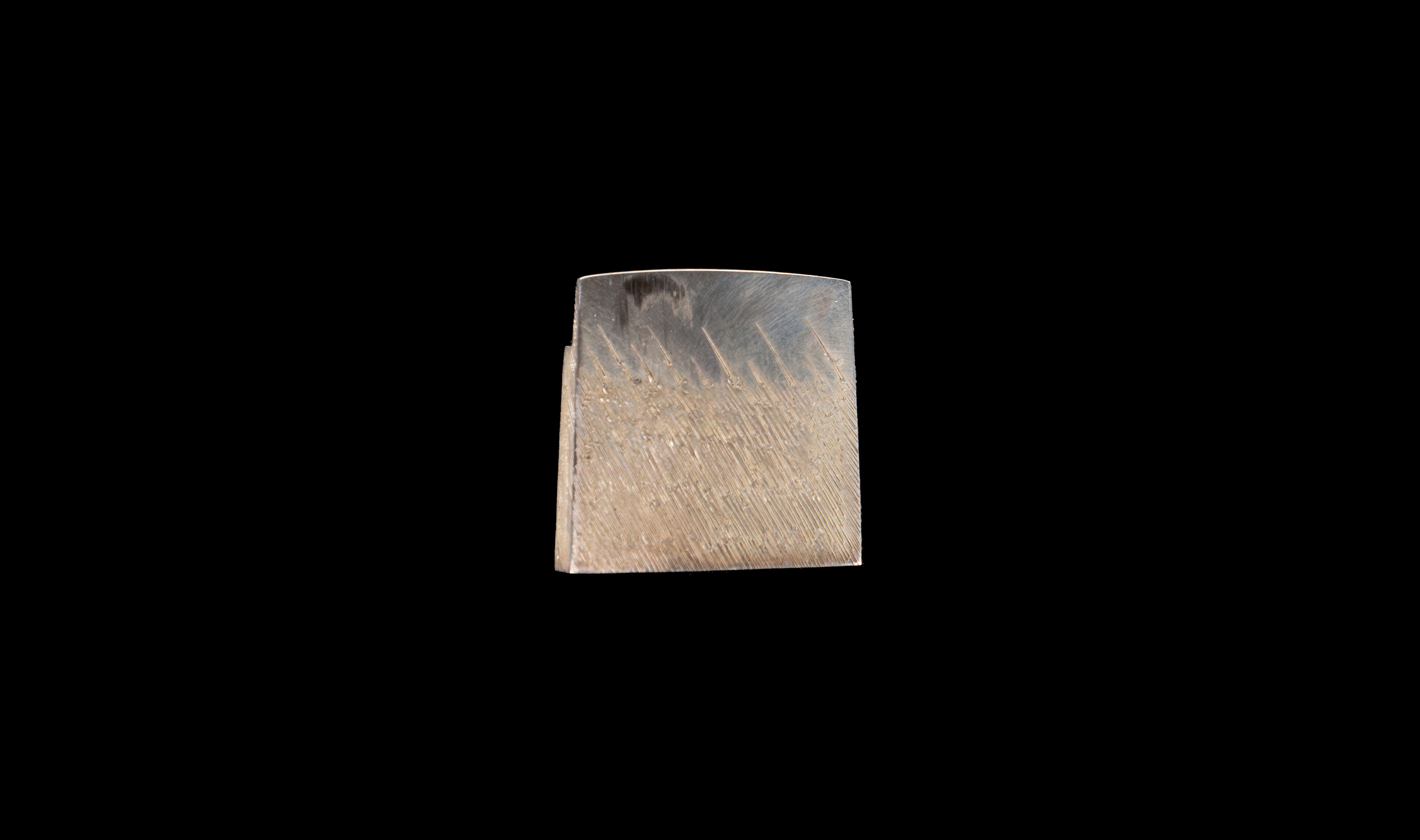
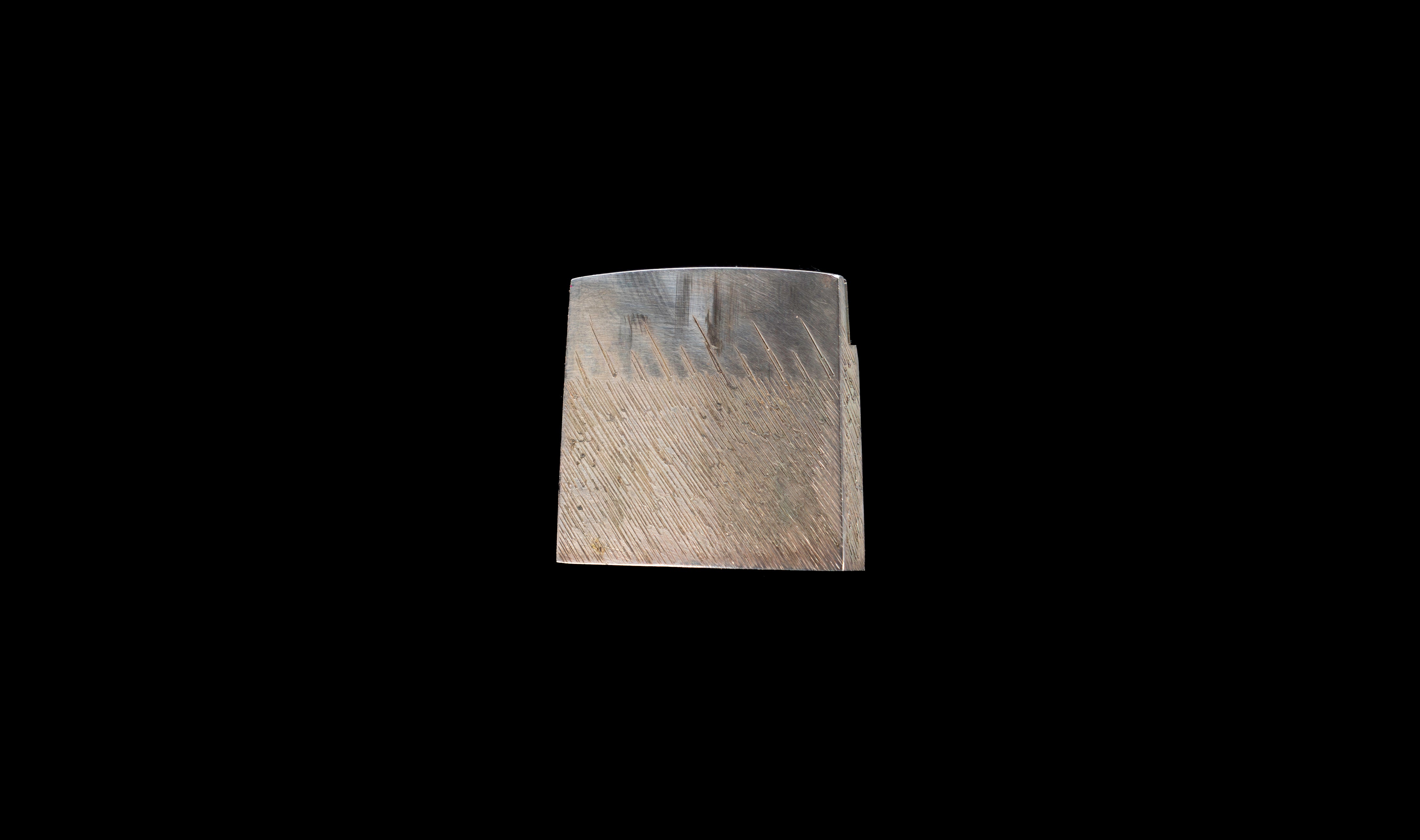
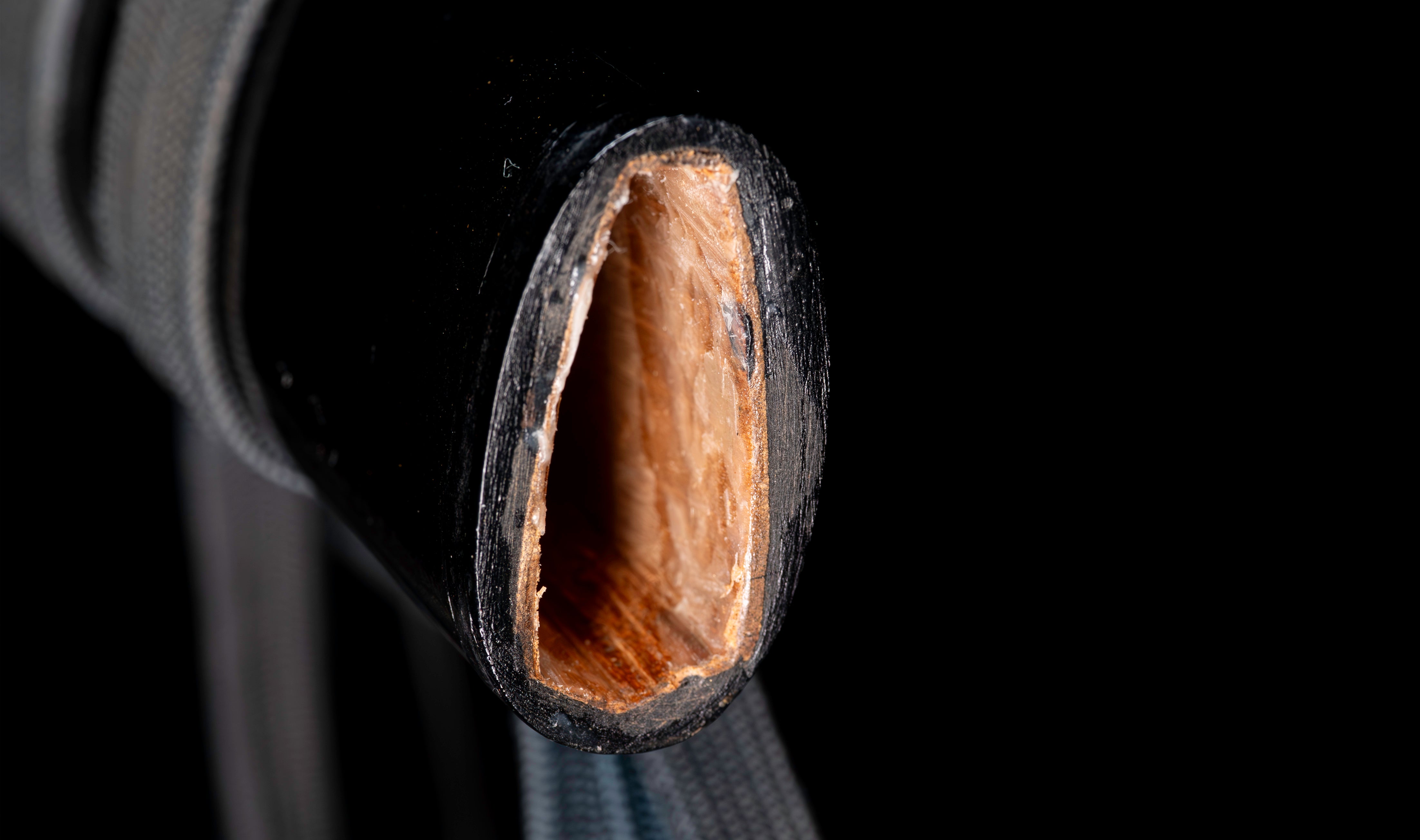
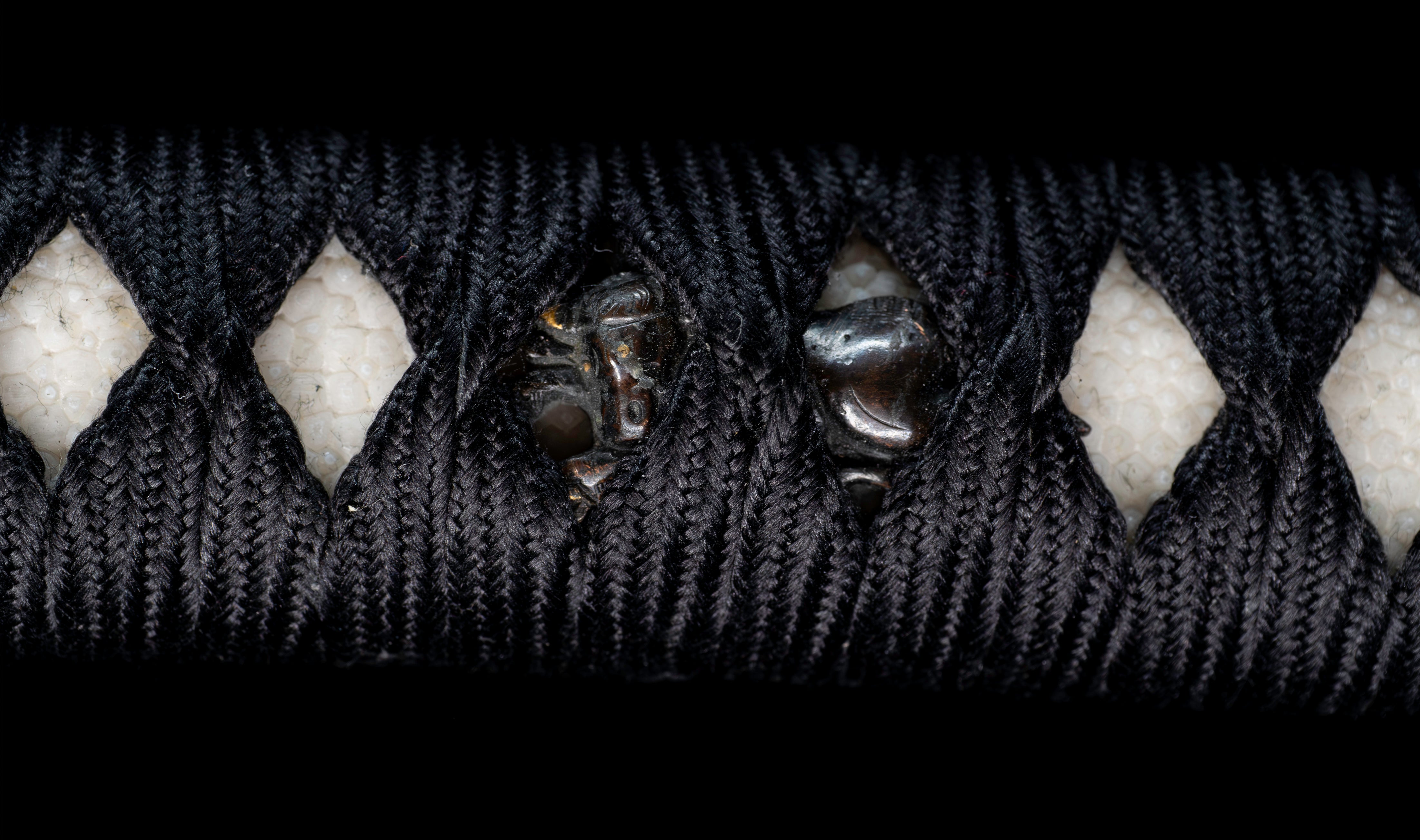
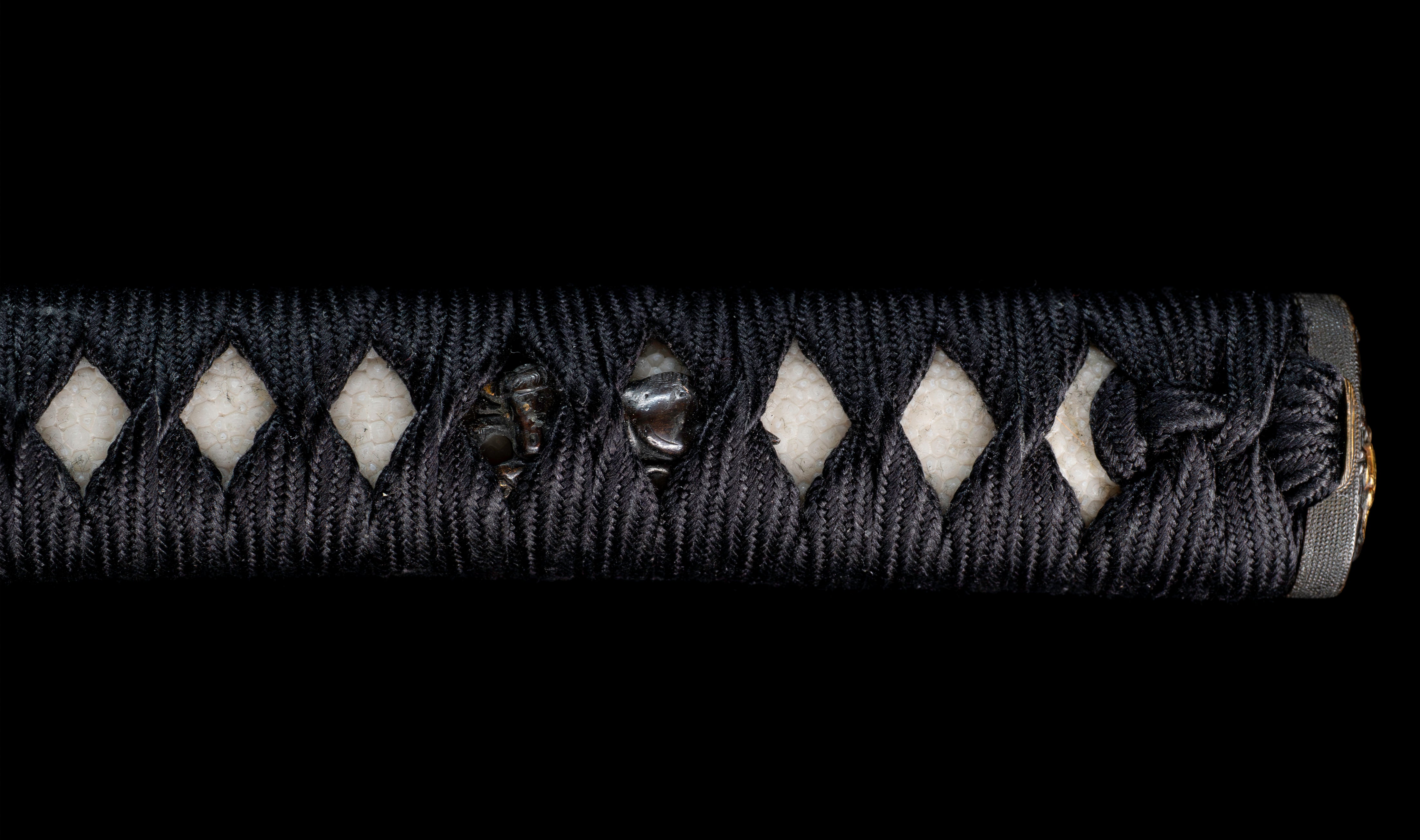
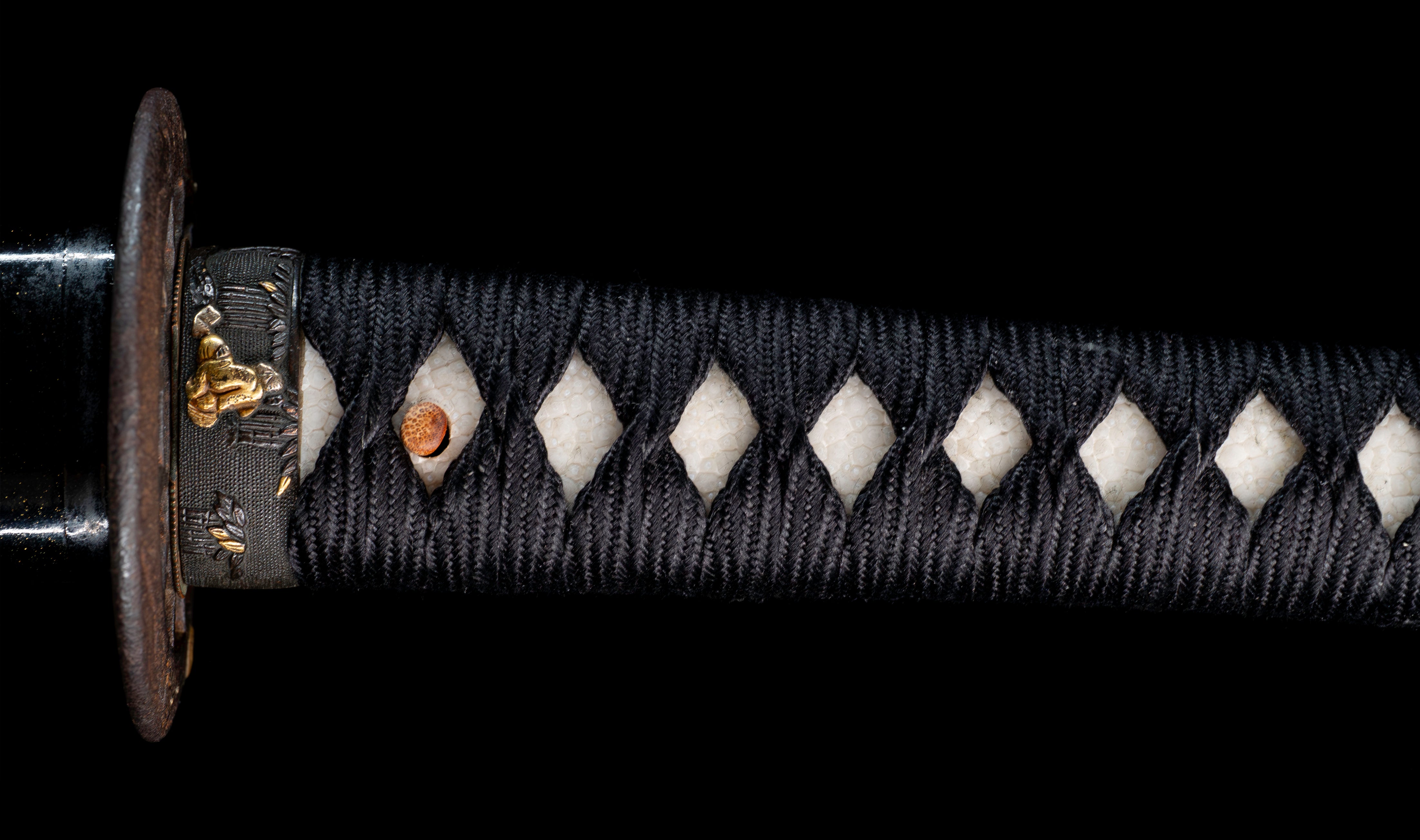
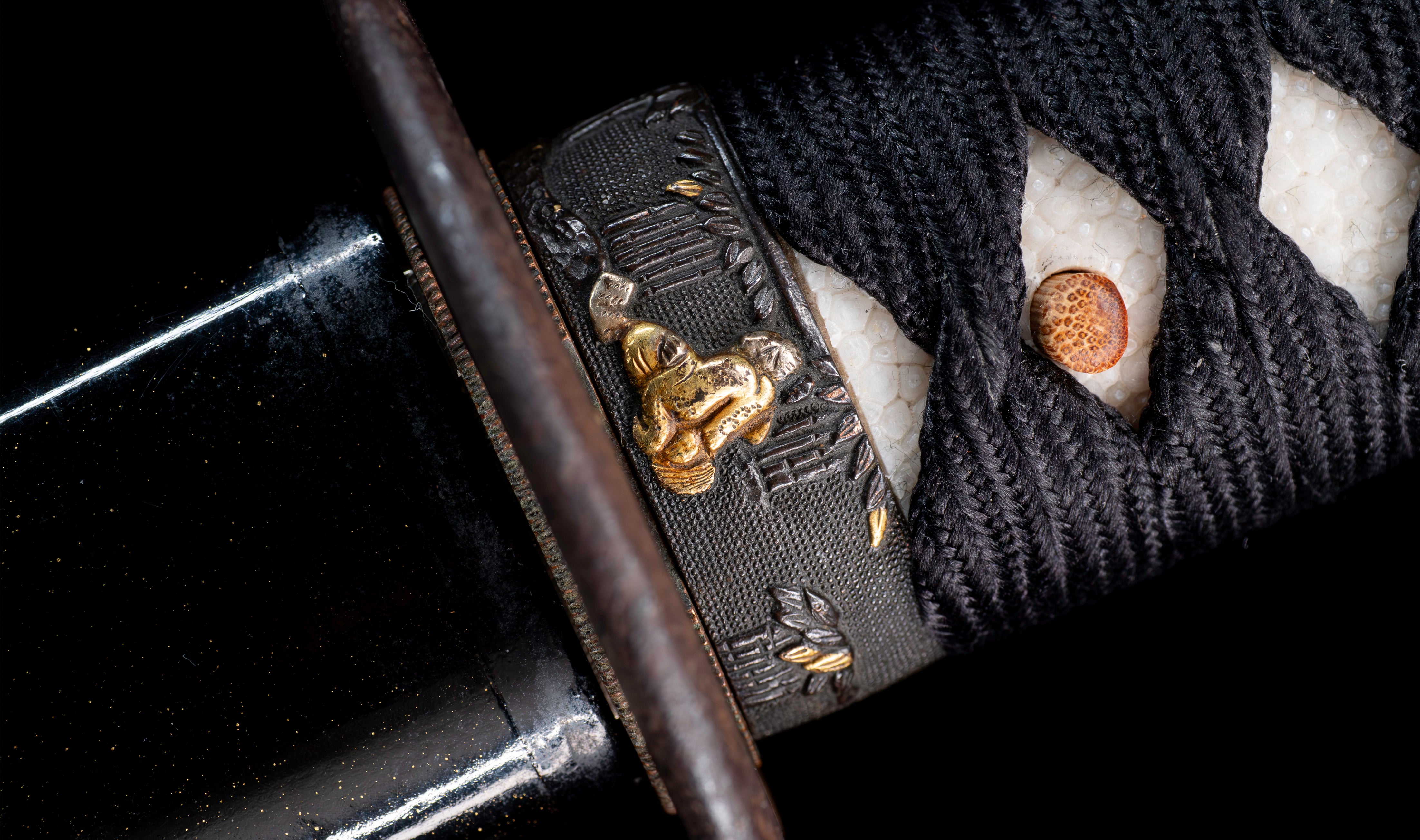
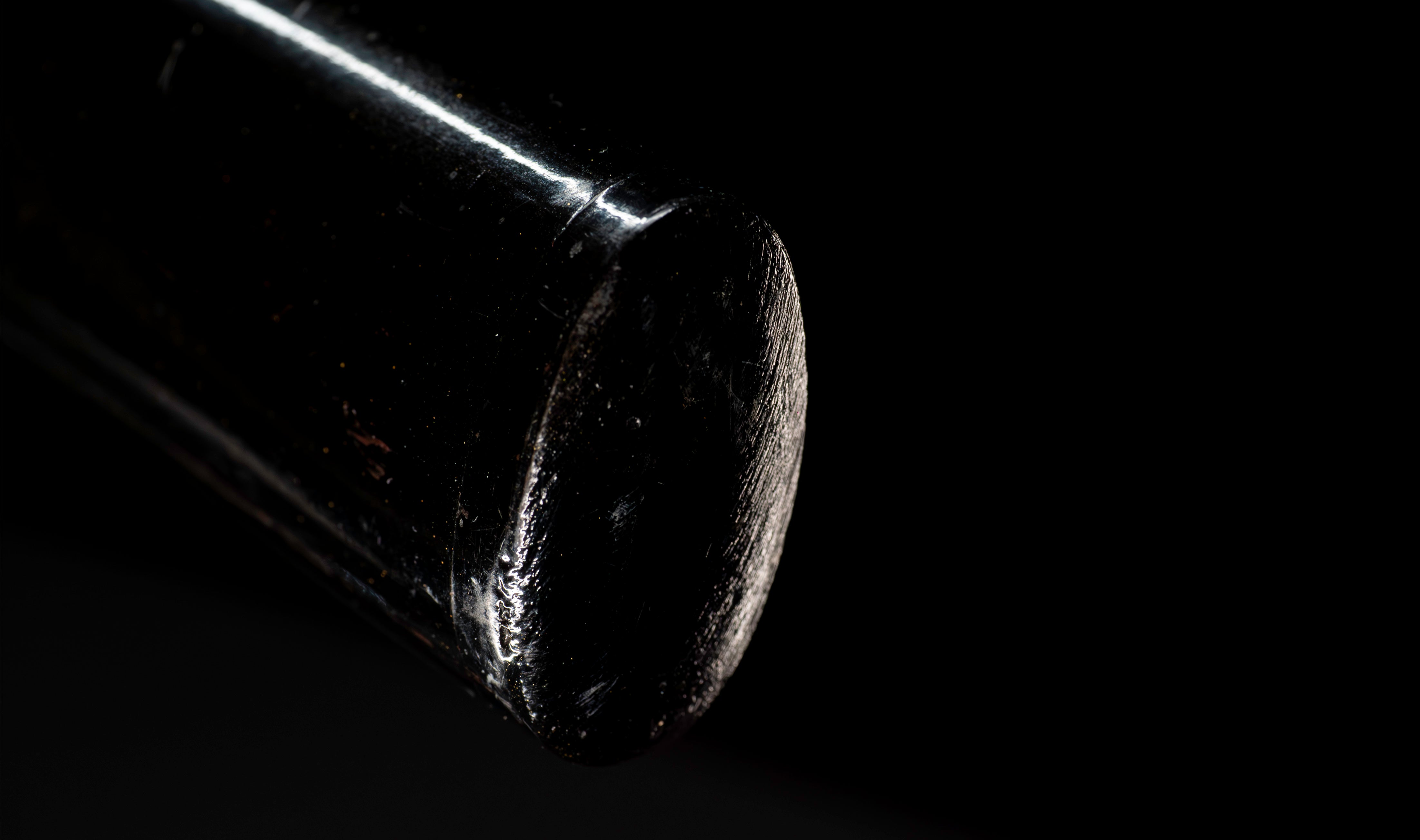
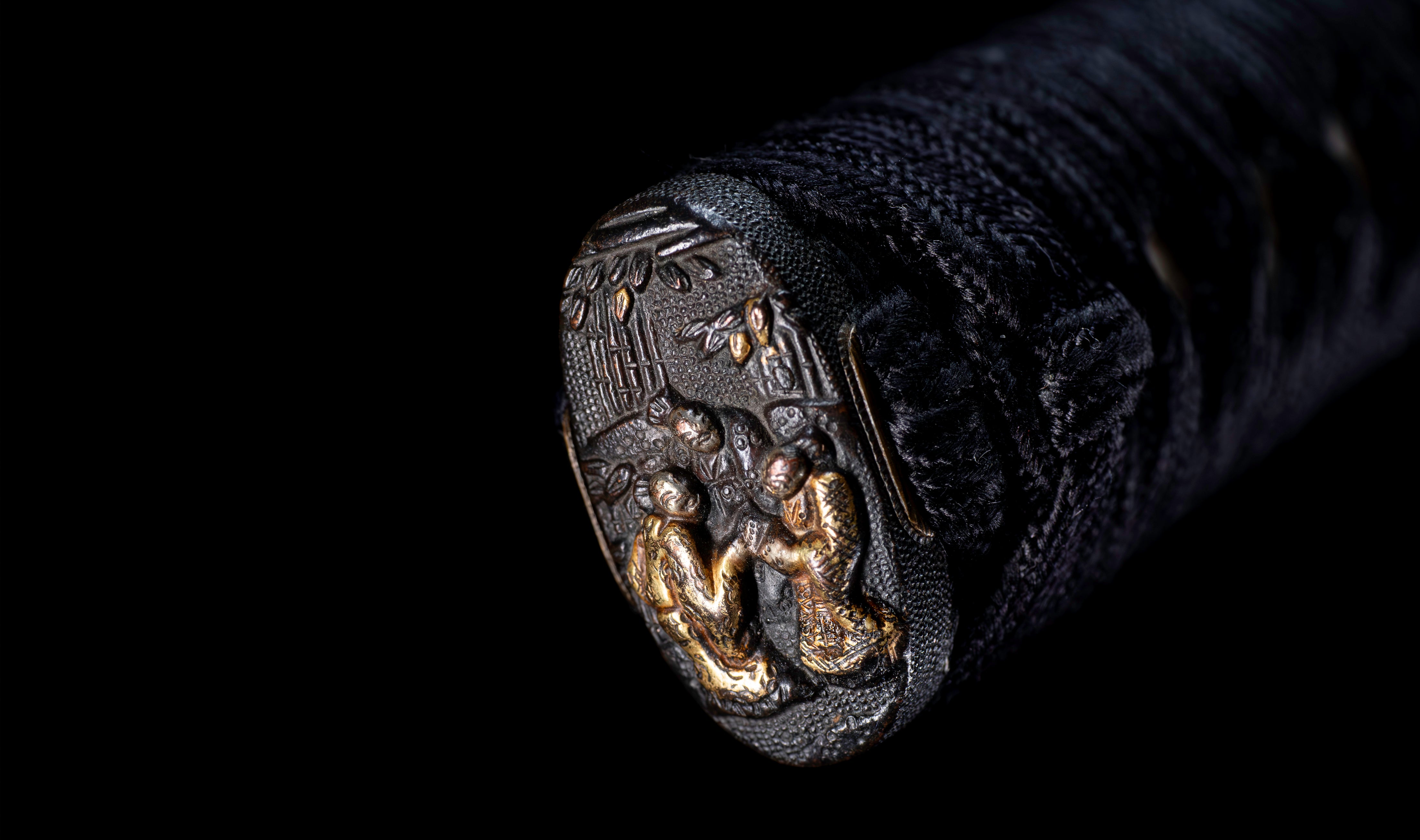
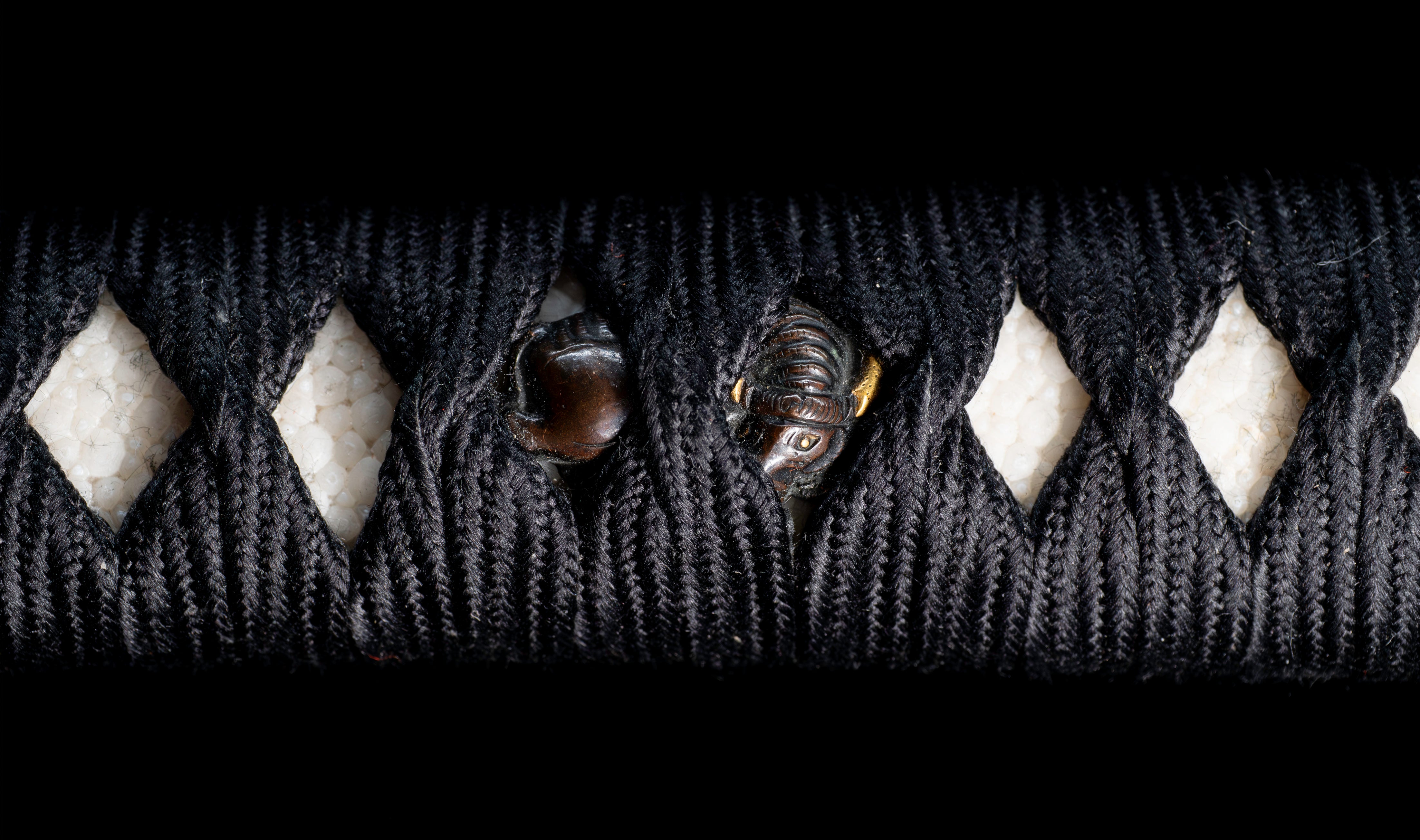
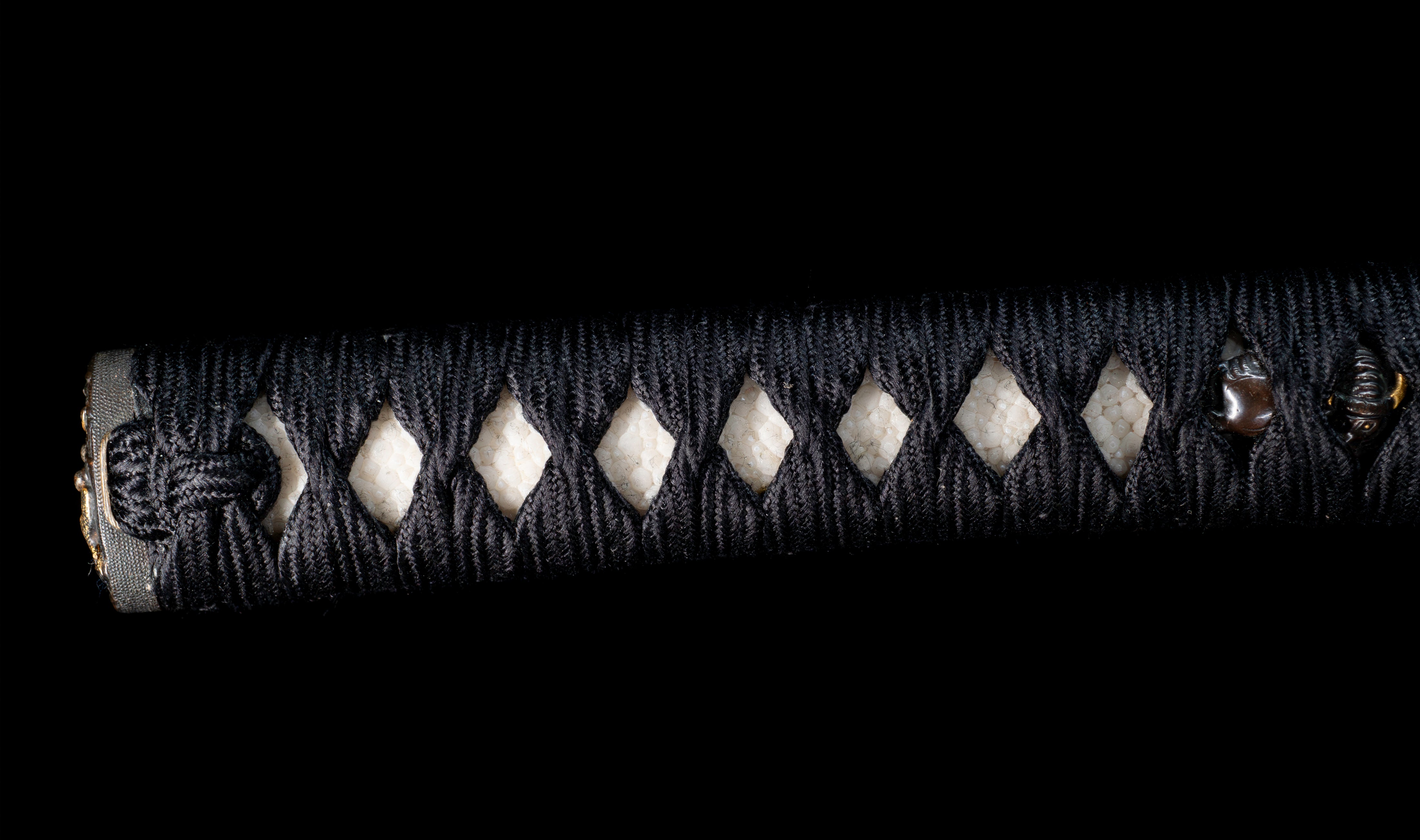
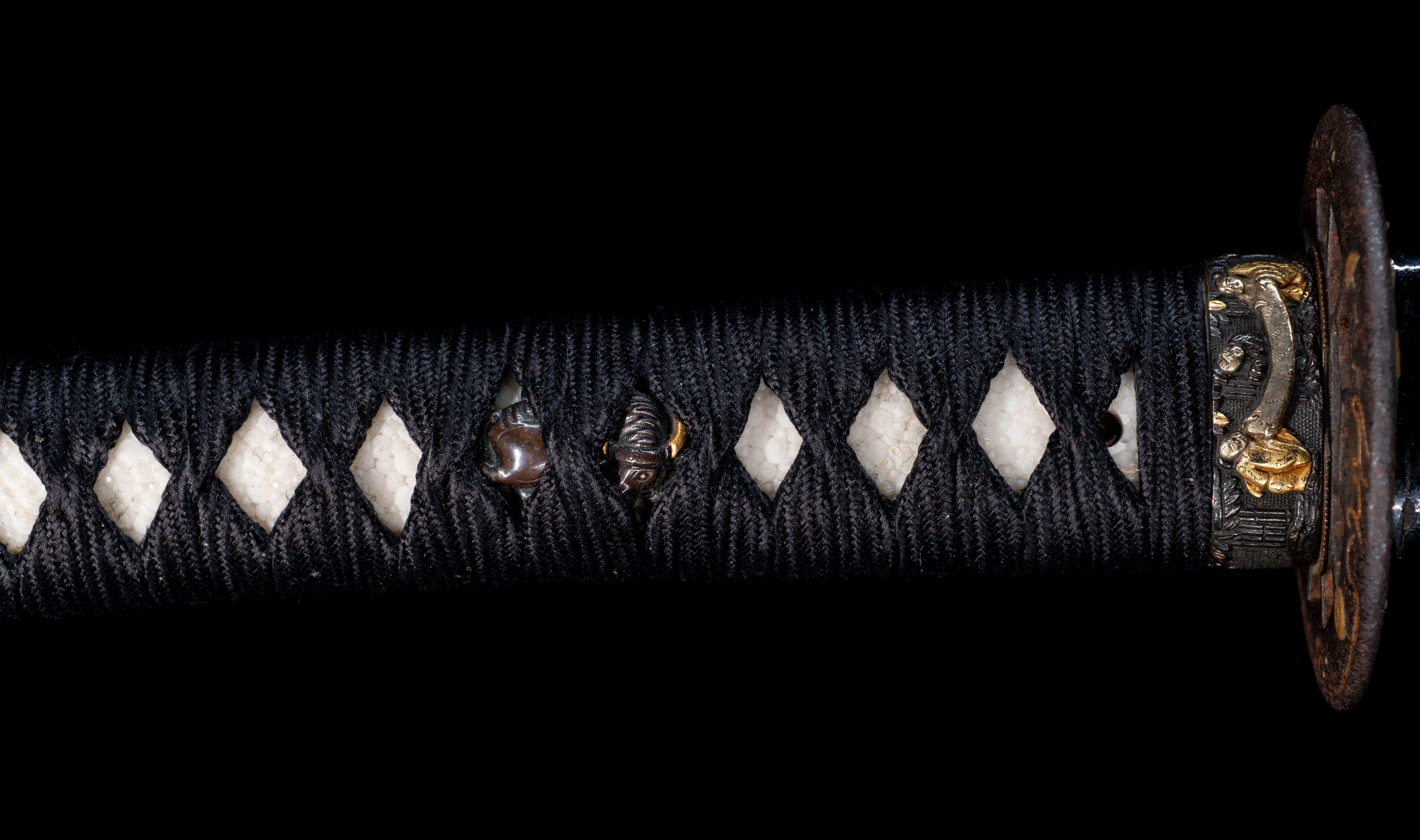
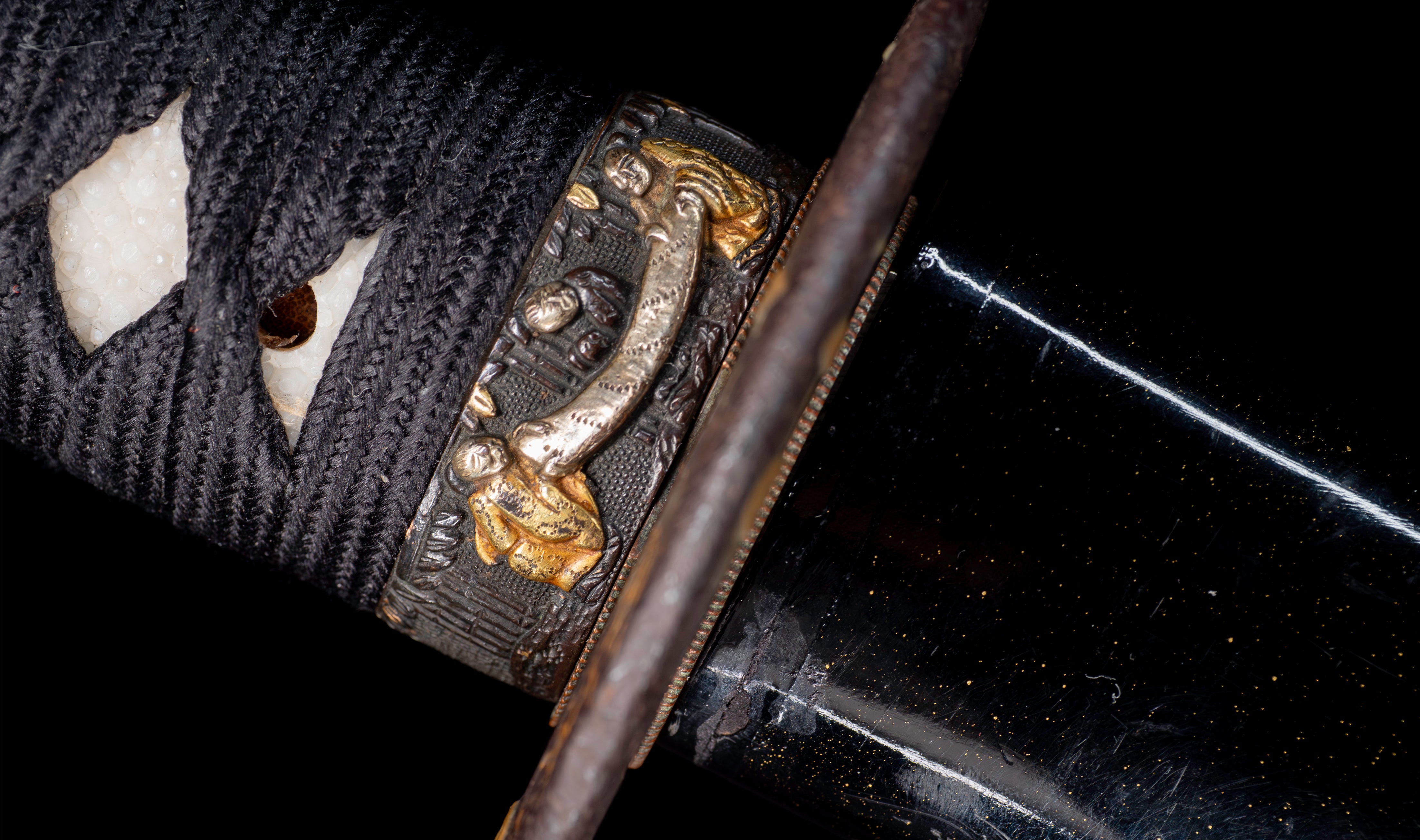
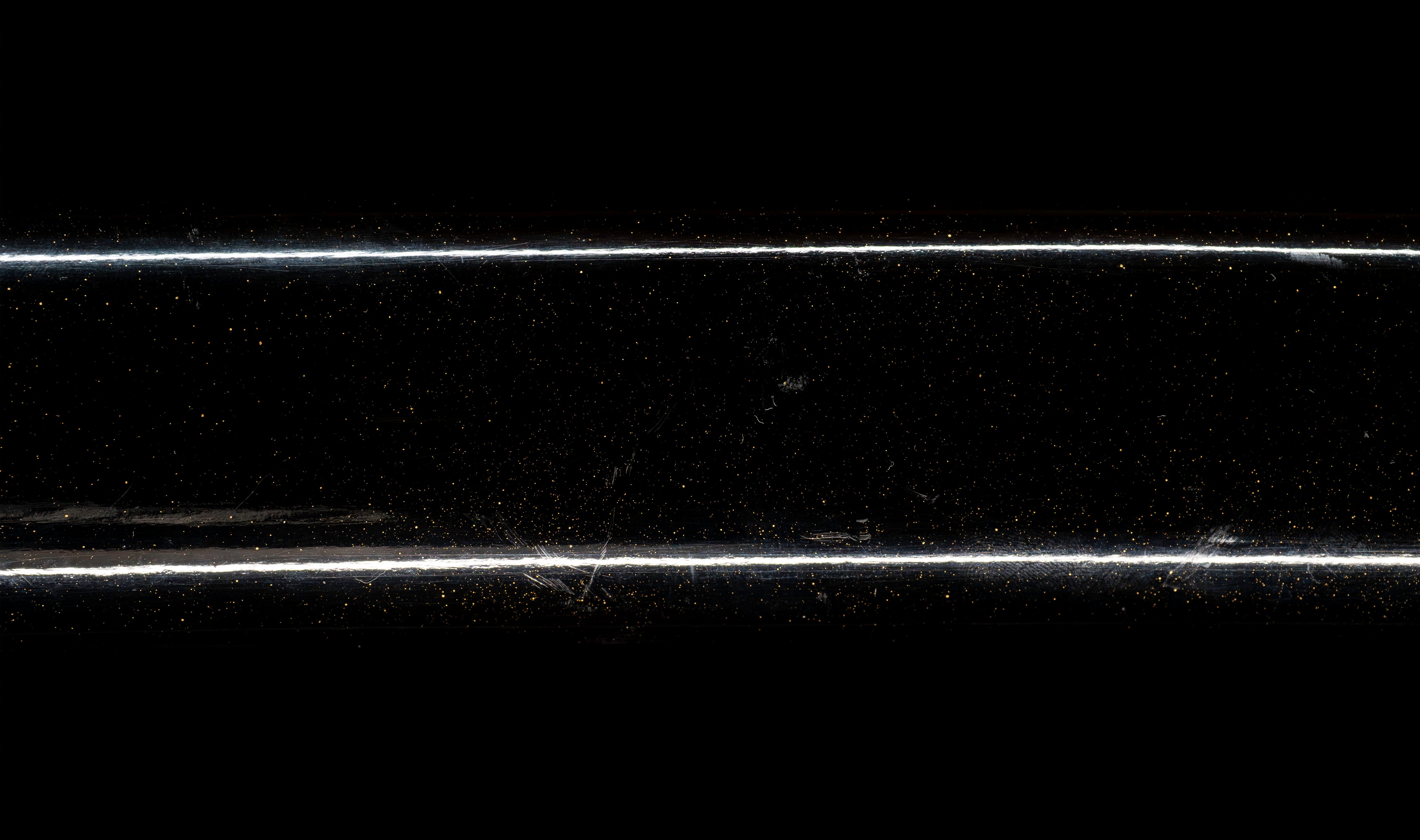
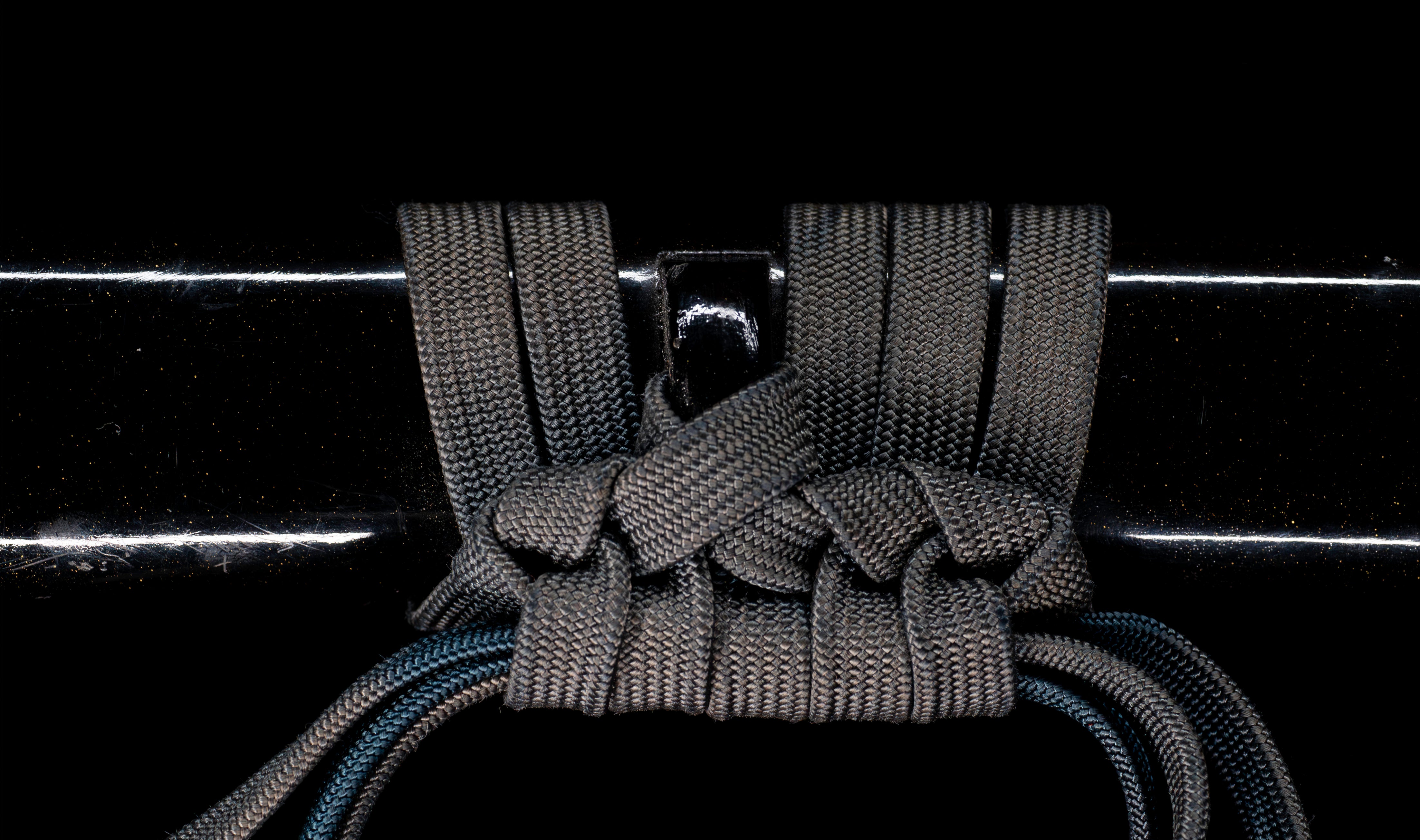
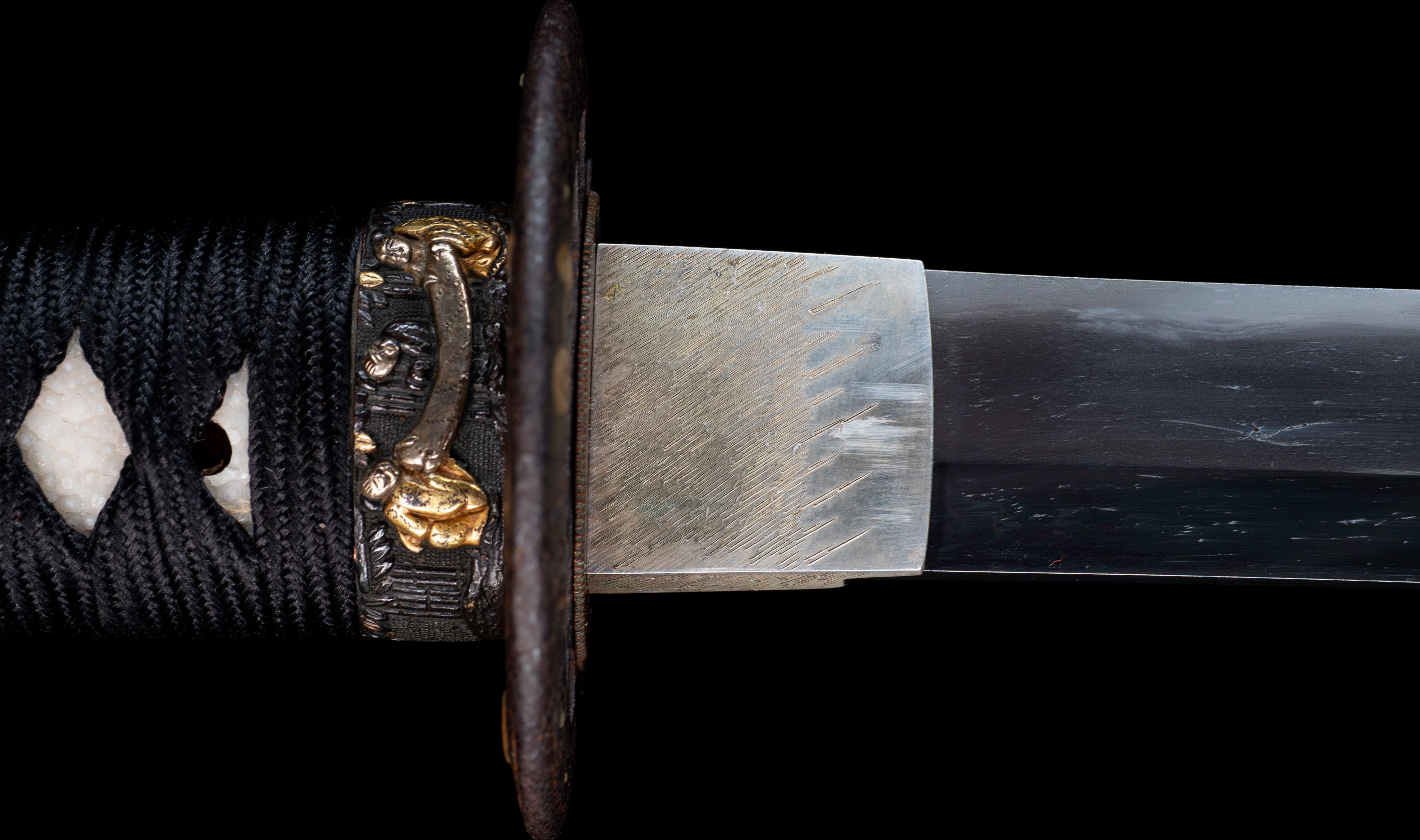
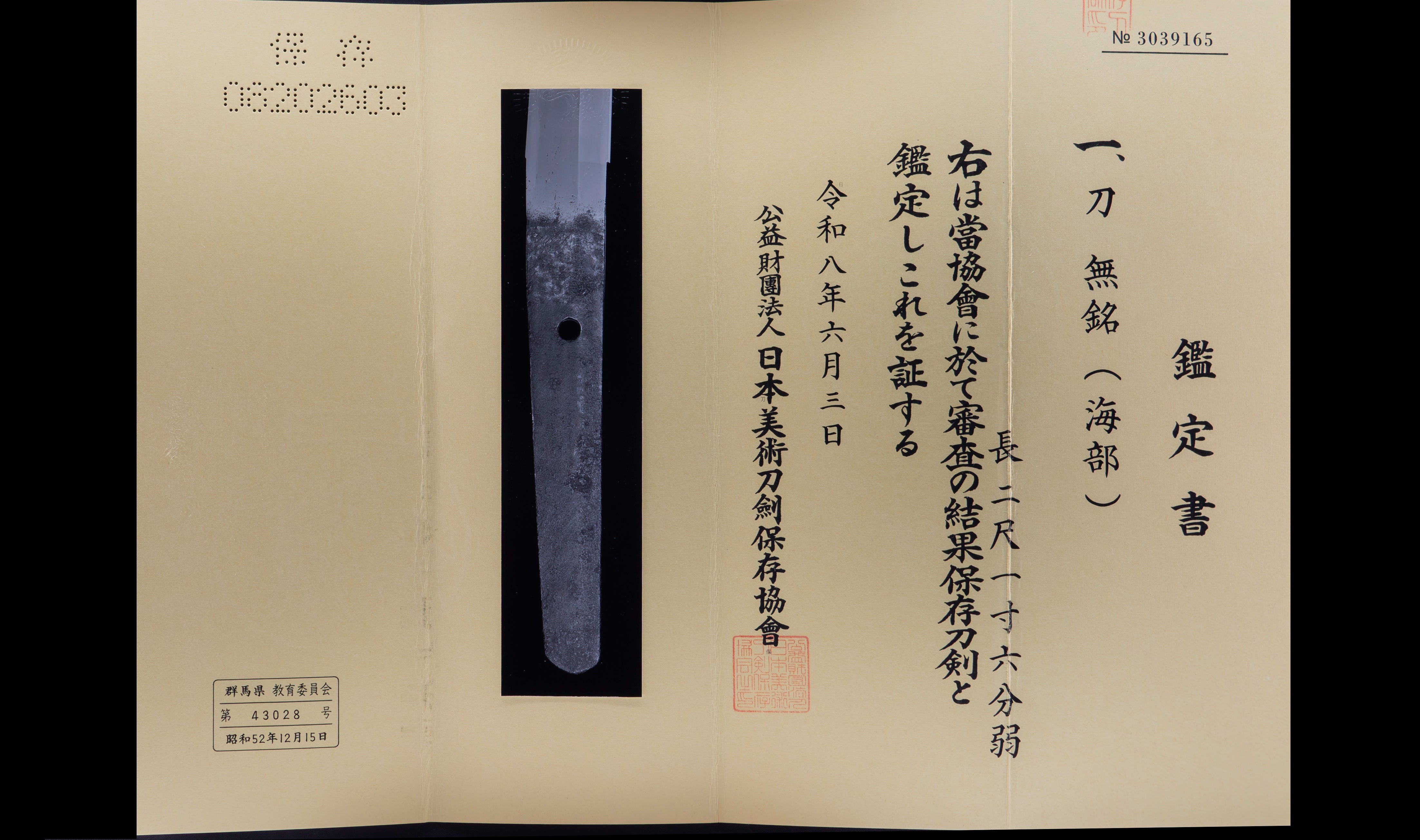
An unsigned katana of 65.4 cm, attributed by the NBTHK to the Kaifu school 海部 of Awa Province on Shikoku. The Hozon Token certificate was issued on 3 June 2026, so the attribution reflects the society's current judgement. The blade is registered in Japan and comes complete in a black lacquer koshirae. The shape is a shinogi-zukuri katana with an iori-mune and a chū-kissaki. A curvature of 2.2 cm over 65.4 cm gives it a lively, well-marked bend. A blade of this length with this much curvature is typical of the uchigatana of the late Muromachi period, a sword worn edge-up through the belt and made to be drawn and used quickly. The hamon is narrow and restrained: a suguha base that moves in gentle notare undulations, formed in nioi. This is not a showy temper line. Kaifu smiths were known above all for working blades, and the sober hamon matches that reputation. The steel is the most interesting part to study. The jihada is an itame mixed with mokume, with grain that flows towards the shinogi, and it stands out clearly across the surface, a forging texture typical of provincial work. The polish is an older one, with light marks and visible grain in places. The tang keeps a tapered profile ending in a rounded kuri-jiri, with a single mekugi-ana, and it shows no sign of heavy shortening. Its dark, even patina has never been cleaned. Koshirae Details The tsuba is a round iron plate cut in openwork (sukashi) with spokes radiating out from the centre like a wheel. On the rim, a stream winds in low relief, and on one face a small chrysanthemum flower and a fan-shaped motif are inlaid in yellow metal. The reverse carries a second flower and a few tiny inlaid dots. The contrast between the austere iron openwork and these small bright accents is the charm of the piece. The fuchi and kashira are a matching pair in shakudō on a fine nanako (fish-roe) ground, carved in relief with figures picked out in gold. On the kashira, two figures sit facing each other beneath a bamboo fence and leaves; on the fuchi, figures in gold and silver carry a long object across the band, with bamboo leaves and a fence behind them. Figure scenes on nanako ground were a classic subject of Edo-period metalworkers. The tsuka is wrapped in black silk hineri-maki over white same, and the wrap is clean and tight. The menuki, in dark patinated metal with small gold accents, are figural pieces largely covered by the wrap. The saya is glossy black lacquer scattered with fine gold flecks, with black horn fittings and a dark grey sageo. The habaki is single-piece, silver-toned, filed with diagonal neko-gaki marks, and the two seppa are copper. The Attribution: Kaifu 海部 The blade is unsigned, and the NBTHK attributes it to the Kaifu school as a whole, without naming an individual smith. That is the usual form for mumei Kaifu work: the school's style is recognisable, but its many smiths shared names and methods over several centuries, so a school attribution is the honest level of precision. The best-known name in the school is Ujiyoshi 氏吉. Tradition places the first Ujiyoshi in the Ōei era (1394–1428), but Japanese dealers point out that signed work only appears from around the Meiō era (1492–1501), in the middle of the Muromachi period. The most famous Kaifu sword, the meibutsu Iwagiri Kaifu 岩切海部 ("the rock-cutting Kaifu"), is a katana signed by Ujiyoshi and is said to date from around the Eishō era (1504–1521). Other names recorded for the school include Yasuyoshi 泰吉, Yasumitsu and Yasunaga. Kaifu blades are best known for the kataki-ri-ha form, a blade with a flat face on one side and a bevel on the other, often found on wakizashi. This katana, by contrast, is a conventional shinogi-zukuri fighting blade, and its attribution rests on the steel and the temper rather than on any unusual shape. Kaifu: Swords of the Awa Coast Kaifu is a coastal district in the south of Awa Province, modern Tokushima Prefecture on the island of Shikoku. Encouraged by the local Kaifu clan, smiths there produced swords from the medieval period until the end of the Edo period, and their work earned a reputation for robustness and cutting ability. Kaifu castle guarded Awa's border with Tosa, and when Chōsokabe Motochika of Tosa took it in the 1570s, the school declined. It survived thanks to the Hachisuka family, who became lords of Awa (Tokushima domain) after 1585. Under their protection the Ujiyoshi family moved to the castle town of Tokushima and went on forging until the end of the Edo period, which makes Kaifu one of the longest-lived provincial traditions in Japan. What is offered here is an unsigned Muromachi-period katana of 65.4 cm, attributed to the Kaifu school by an NBTHK Hozon certificate issued in June 2026, registered in Japan, and complete in a black lacquer koshirae with an inlaid iron sukashi tsuba and shakudō figure fuchi-kashira.
Offered by Tokyo Nihonto
9 on the market

As written by the shop
Wakimono · Awa
9 pieces on the market now
The Kaifu group (Kaifu-ha, 海部) takes its name from the Kaifu district of Awa Province on Shikoku, in the region of present-day Tokushima. The Kotō Meizukushi and the Kokon Meizukushi place the founder as Kaifu Tarō Ujiyoshi (海部太郎氏吉), set around the Kōryaku era (1379-1381), and record a second strand said to descend from a pupil of Naminohira around the Ōan era (1368-1375) who signed with the single character Fuji (藤). No blade securely traces back to those origins, and the setsumei are consistent that the group's documented activity belongs to the Muromachi period, growing conspicuous from its latter half. The smiths who appear by name on the designated blades are Ujiyoshi (氏吉), Ujishige (氏重), Yasuyoshi (泰吉) with a Daiei 5 (1525) example, and Yasunaga (泰長), placed around the Daiei era; one tantō by Ujishige is read as the earliest of the line, end of Nanbokuchō into early Muromachi. A shintō continuation survives in Fujiwara Ujiyoshi of Kaifu in Ama district, working in the Kyōhō era (1716-1736), whose hand the setsumei describes as late kotō in appearance, his ancestors' manner carried forward without absorbing other provinces' shifts. Forging across the group runs to ko-itame or itame that often flows and inclines toward masame near the edge, with ji-nie and chikei that the setsumei repeatedly call subdued or lacking strong brilliance; shirake-utsuri and a faintly blackish kanairo recur. The temper is most often a suguha base, from a narrow line on the tantō to a broad suguha mixed with ko-notare, gunome, and midare, the nioiguchi frequently hazy and oceanic (bōyō) rather than tight, with ko-nie, kinsuji, and sunagashi; bōshi turn back in ō-maru with long kaeri or run midare-komi with a togari tendency.
The signature Kaifu form is the hira-zukuri tantō of wide mihaba and slight uchizori, carrying a bonji with suken and gomabashi cut as deep kaki-nagashi grooves, the long mei boldly chiselled in thick strokes. The setsumei also note the kiriba-zukuri wakizashi known as Kaifu mountain swords (Kaifu no yamatō), and a high, thick build of utilitarian character; a flowing masame-tinged jigane with hazy temper and a coarse, bōbō nie reads as the group's ordinary signature, while finer pieces in the same idiom step above it. For kantei, a deeply tempered suguha-based blade whose ko-itame carries dense ji-nie can at a glance suggest Go Yoshihiro, and the group's drift toward a Naminohira manner and the old saying that Kaifu work "changed into E" mark the lines along which it is read. The standing of these smiths rests on cutting character: the meibutsu Iwakiri Kaifu, a katana by Ujiyoshi recorded in the Kyōhō Meibutsu-chō, takes its name from its sharpness, was held by the Miyoshi of Awa with whom Miyoshi Nagayoshi is said to have won martial exploits, and passed thereafter to the Kuroda of Fukuoka. The Ujishige tantō once in the collection of Itō Miyoji is published in the Kōzan Oshigata; a katana by the later Yamato Daijō Ujishige stands at Hiromine Shrine; and two wakizashi by Fujiwara Ujiyoshi were given to the Imperial Household Agency by volunteers from Tokushima. Signed Kaifu blades are few, which makes each named example reference material for the group as a whole. Learn more →
| Smith | Era | Designated |
|---|---|---|
| Ujiyoshi氏吉 | 1492-1501 | 3 |
| Ujishige氏重 | 1655-1658 | 2 |
| Yasunaga泰長 | 1521-1528 | 1 |
| Yasuyoshi泰吉 | 1504-1521 | 1 |
| Ujiyoshi氏吉 | 1596-1615 | 0 |
The Muromachi period (1392 to 1573)
Muromachi turned sword making into an industry: the uchigatana rose with massed infantry warfare, Osafune and Seki produced bundle swords beside custom orders, and the Ming trade carried Japanese blades abroad by the tens of thousands.
Certifies a genuine blade worth preserving: a signature confirmed correct, or, if unsigned, an era, province, and school that the NBTHK can reliably identify.
The NBTHK (Nihon Bijutsu Tōken Hozon Kyōkai, the Society for the Preservation of Japanese Art Swords) is a public-interest incorporated foundation founded in 1948 and supervised by Japan’s Agency for Cultural Affairs (Bunkachō); it is based at the Japanese Sword Museum in Tokyo. Its expert panels physically examine each submitted work (shinsa) and issue a certificate (kanteishō) ranking it by artistic and historical merit. NBTHK papers are the most widely recognized standard of authentication for Japanese swords and fittings.
NBTHK official siteReturns/exchanges only for manufactured defects or incorrect products; notify within 72 hours of delivery. Cancellation only within 2 hours of placing. Customer pays return shipping. Refund within 3 business days of package arrival.
$4,800