Edo was the sword’s age of connoisseurship: the Hon’ami appraisers, the shogunal register of famous blades of 1719, and a thriving literature turned the sword into an object of study even as it ceased to be drawn in war.
 NihontoWatchNihontoWatch
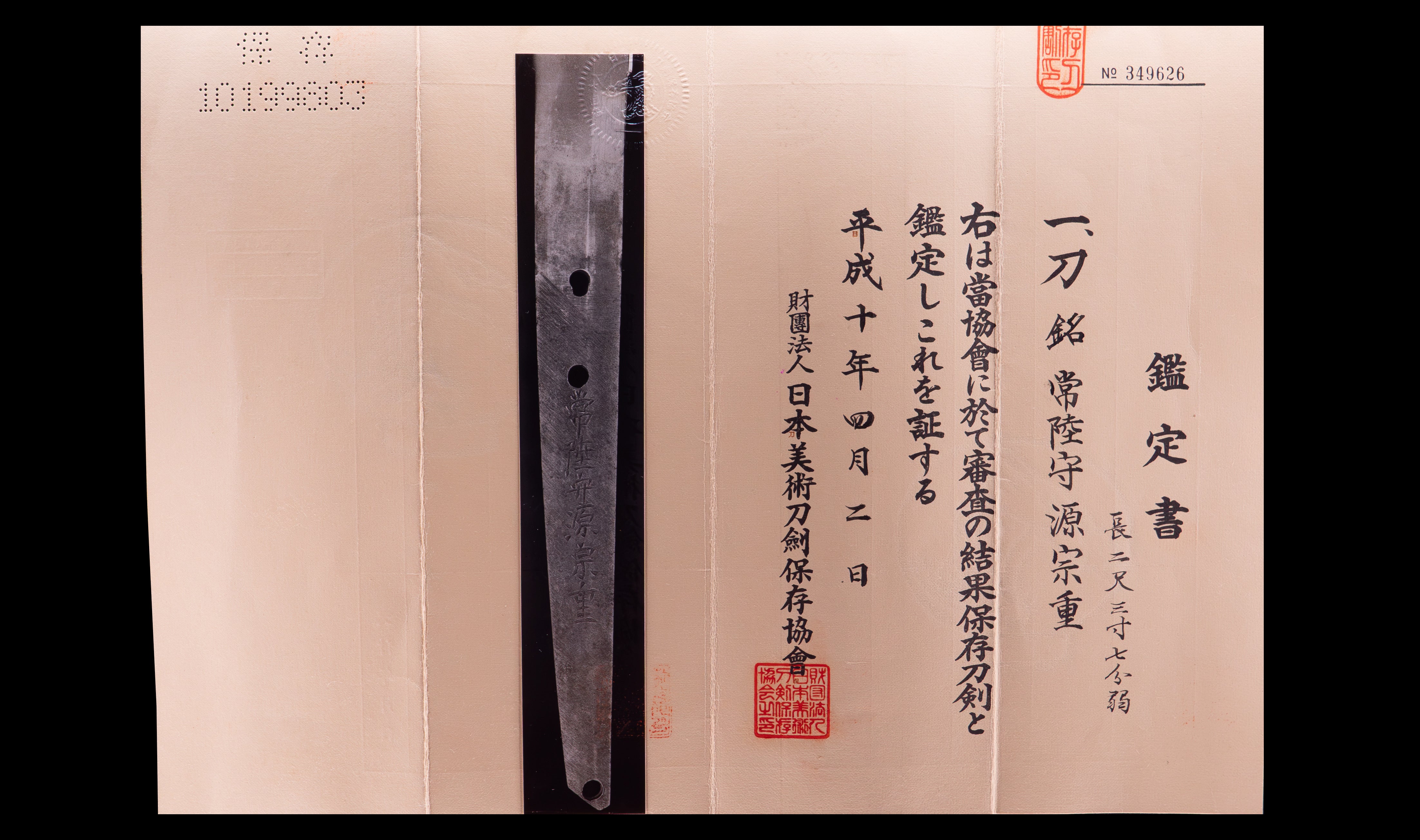
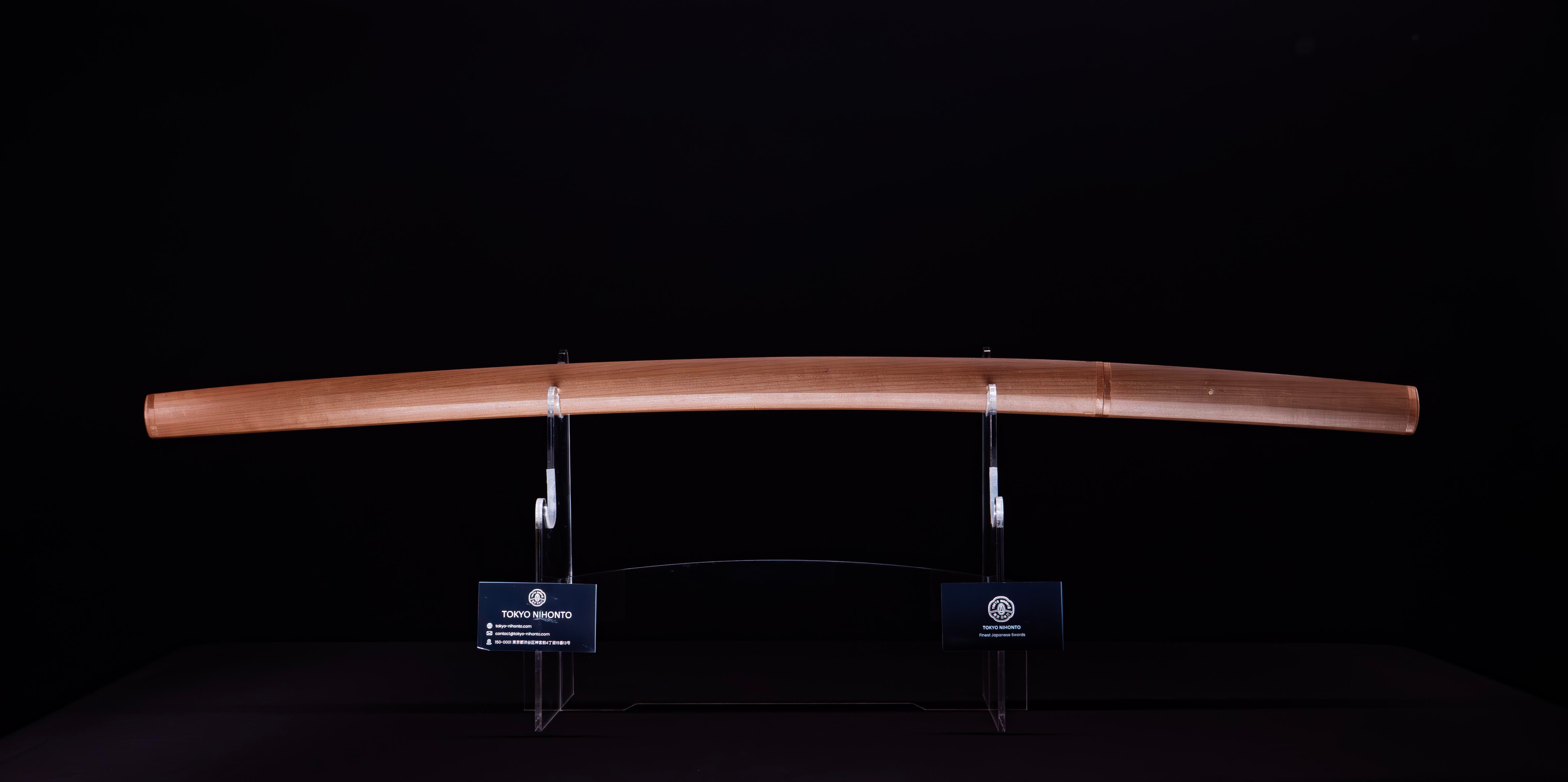
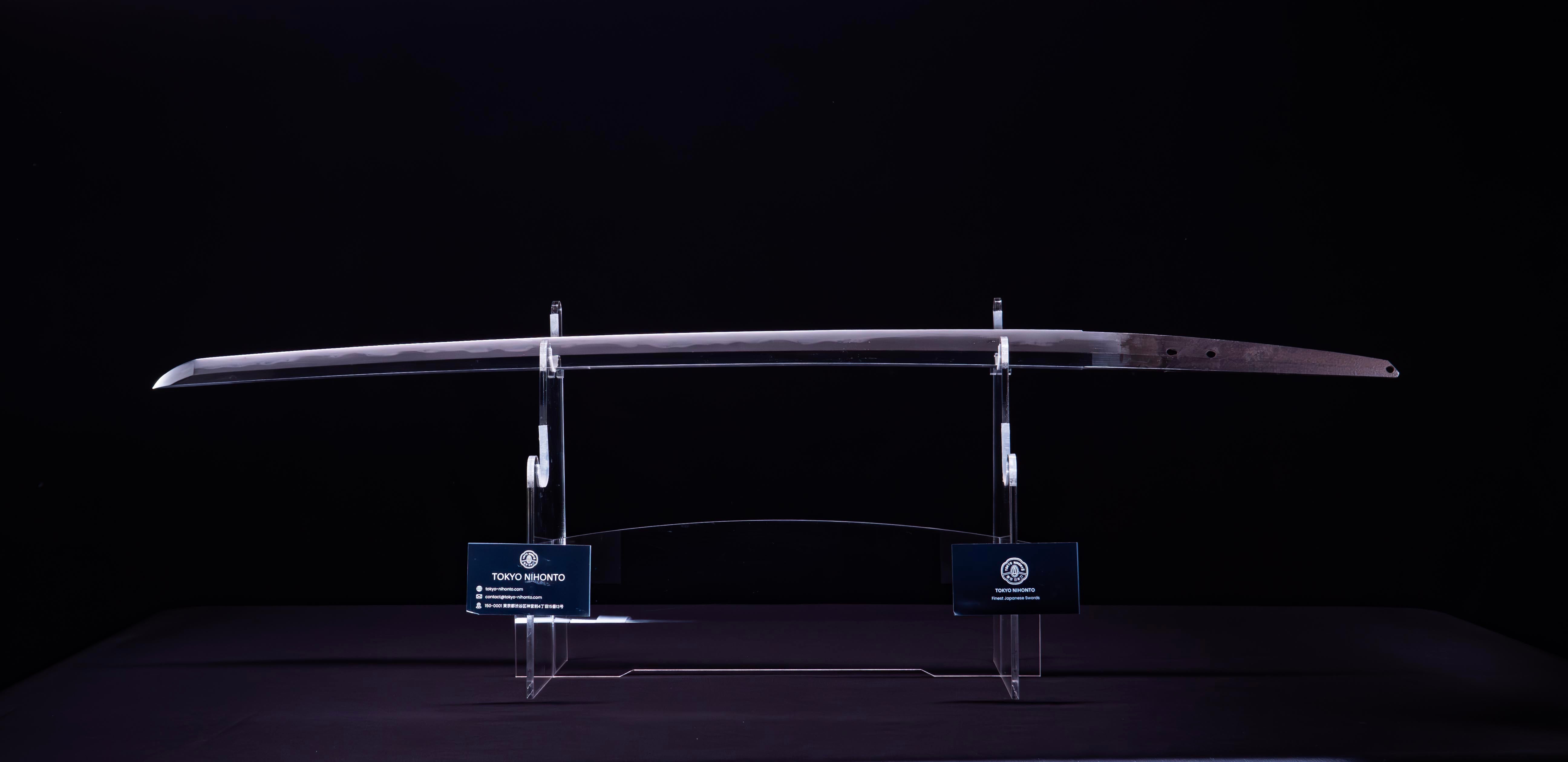
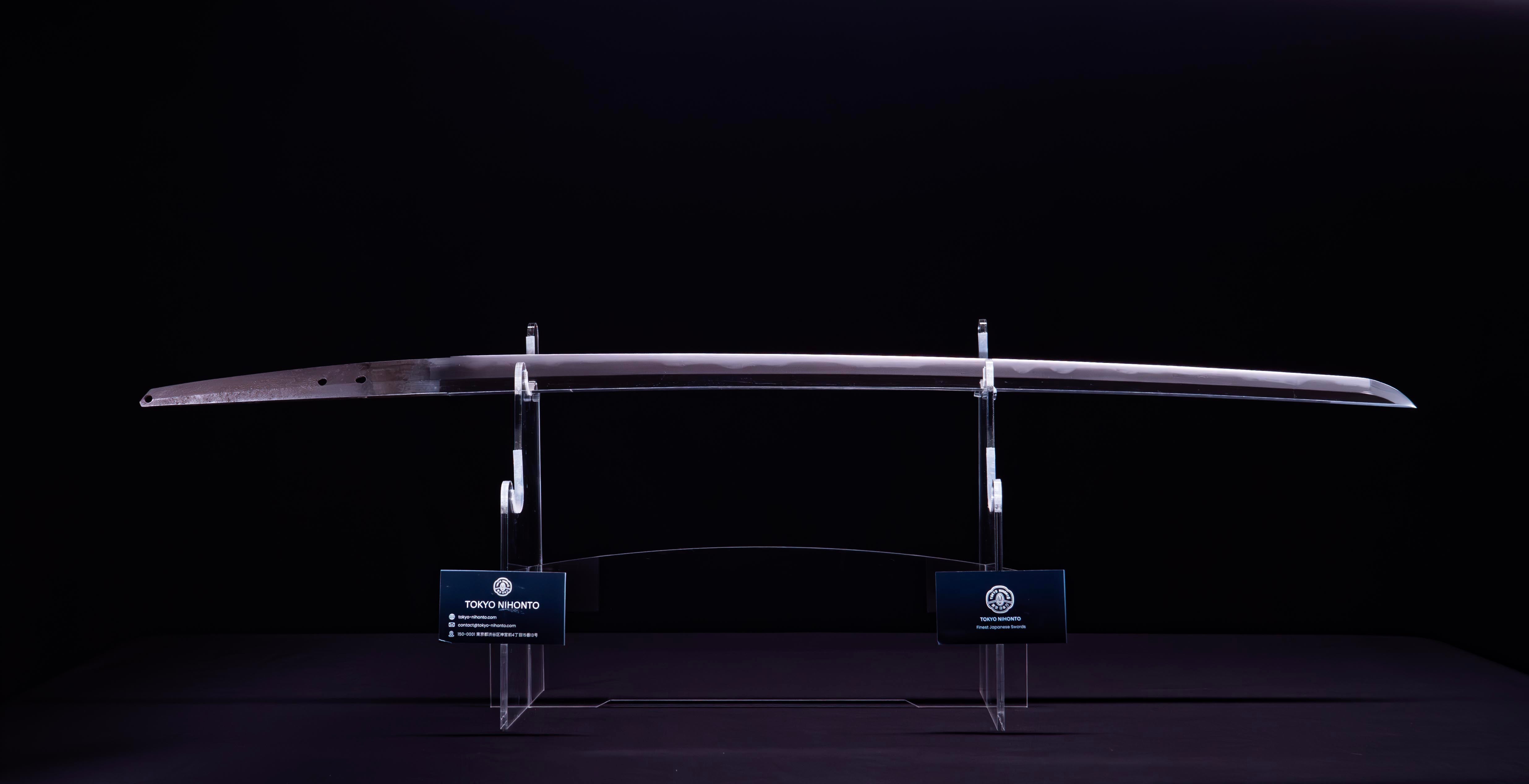
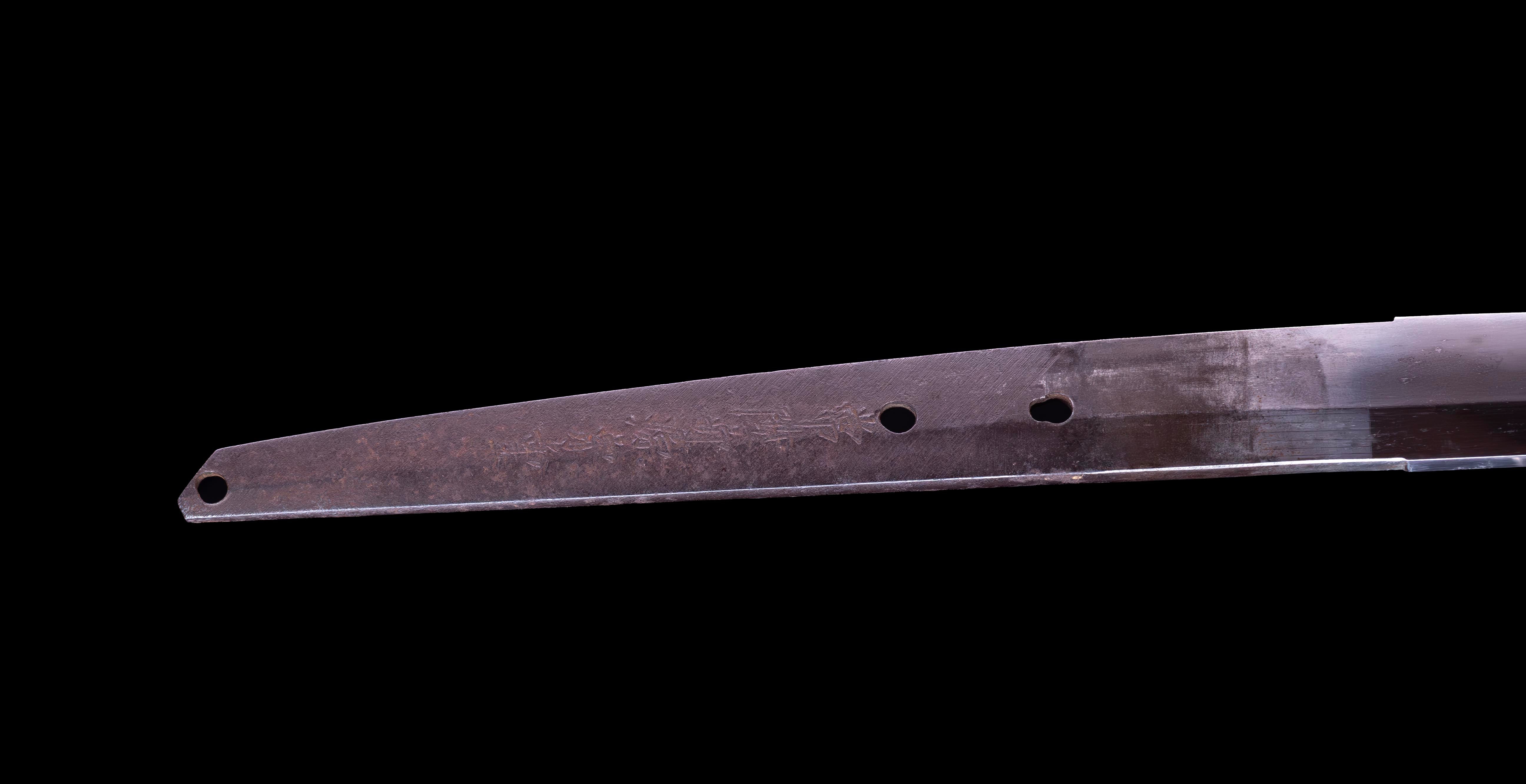
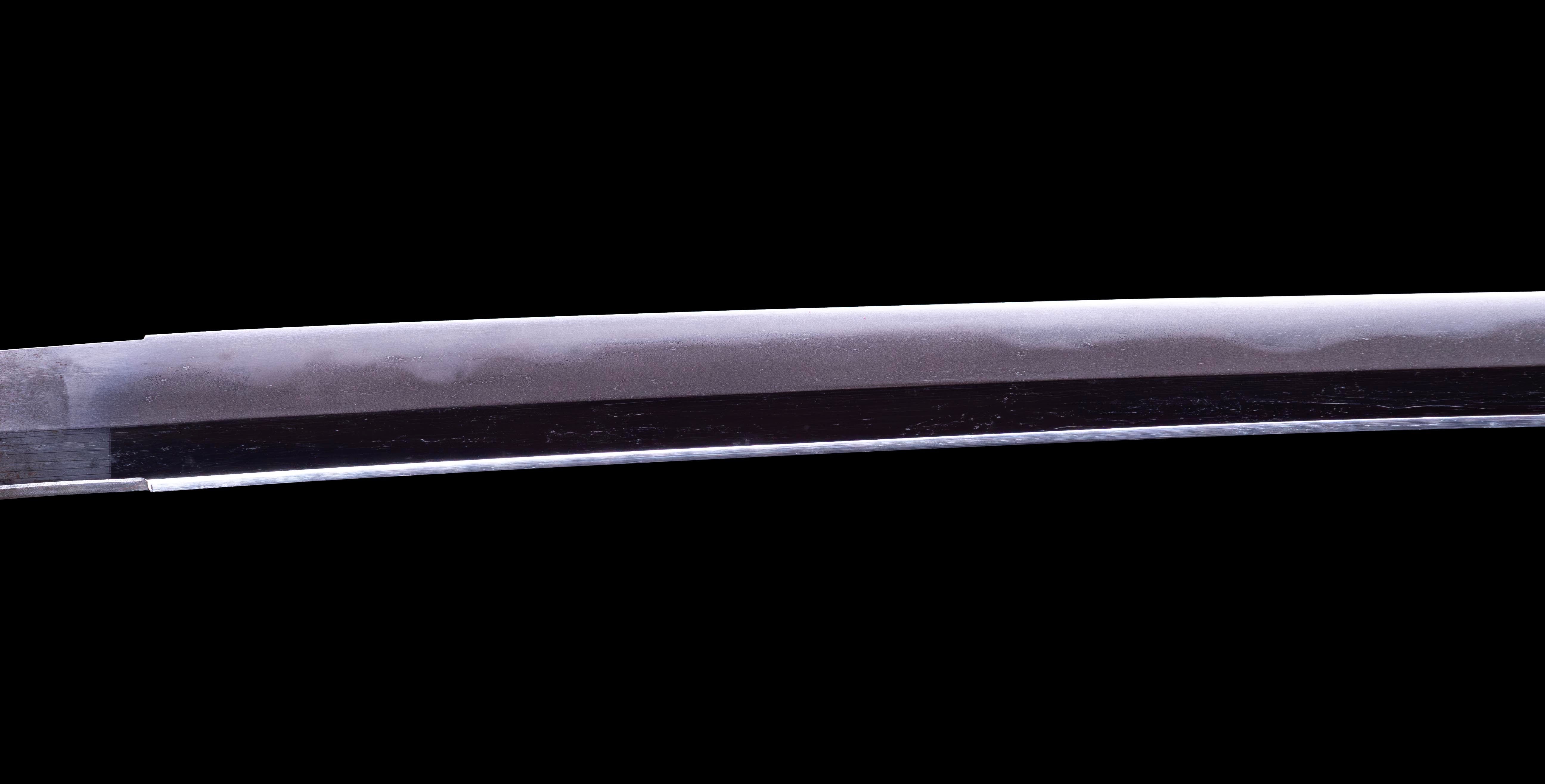
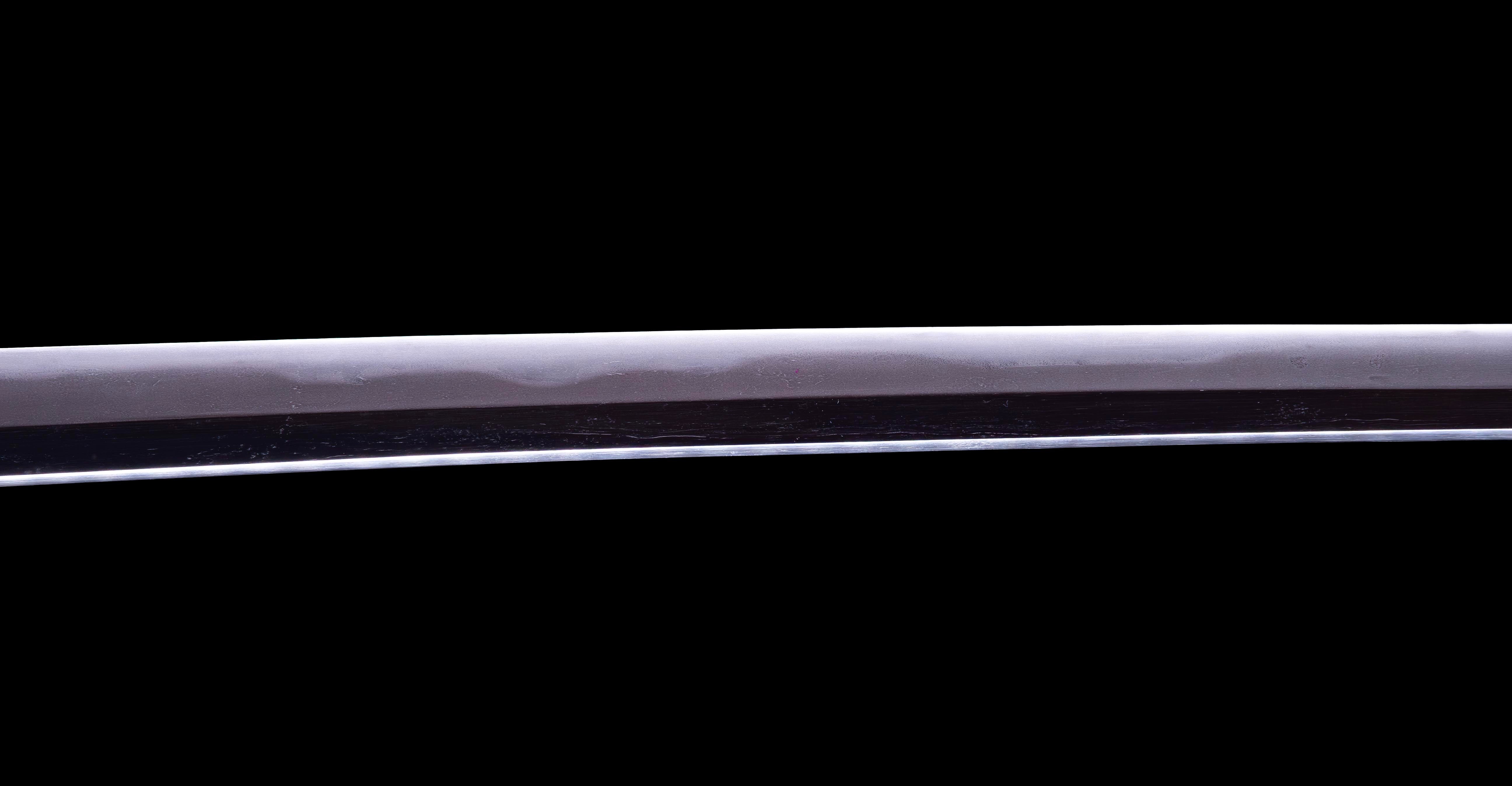
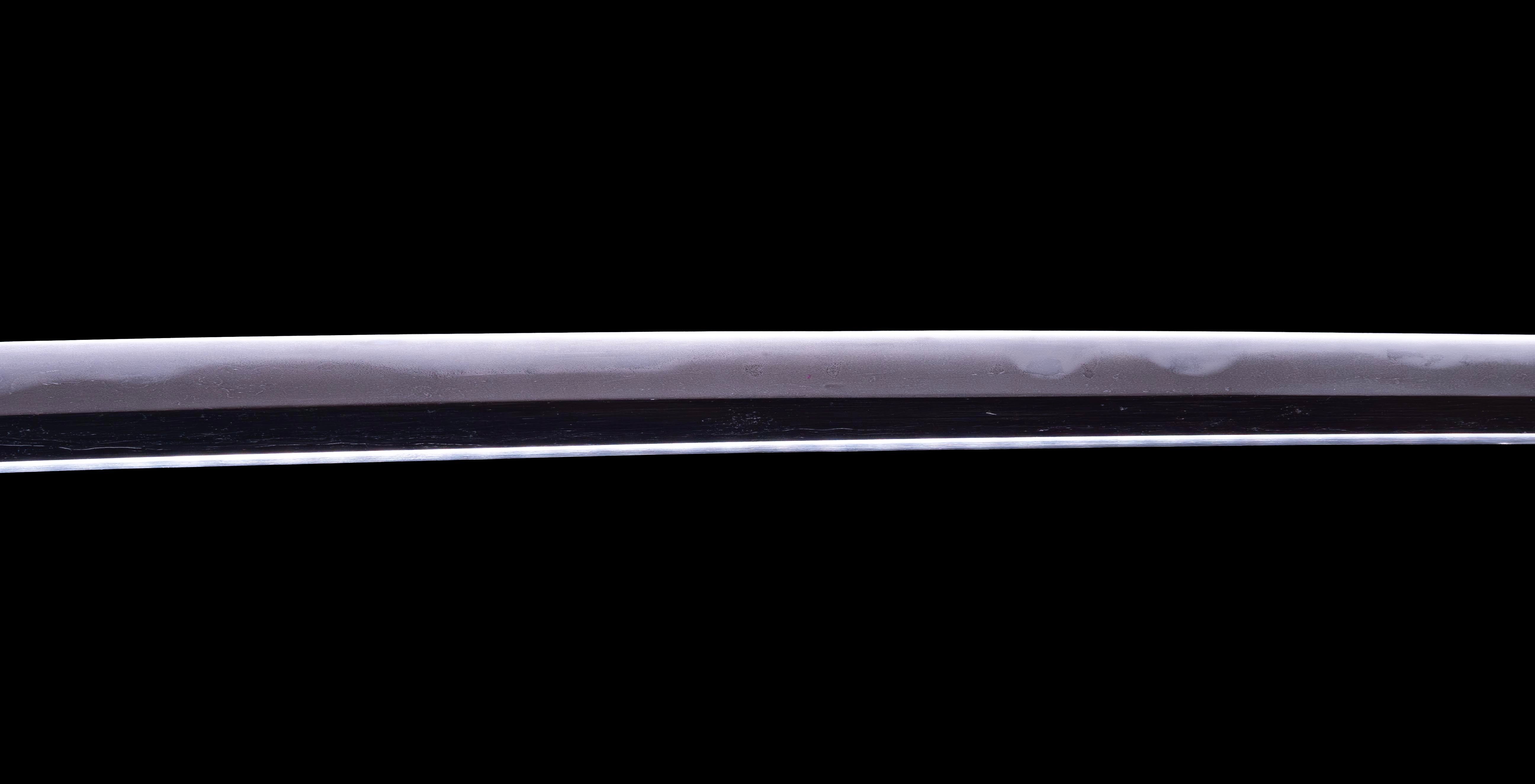
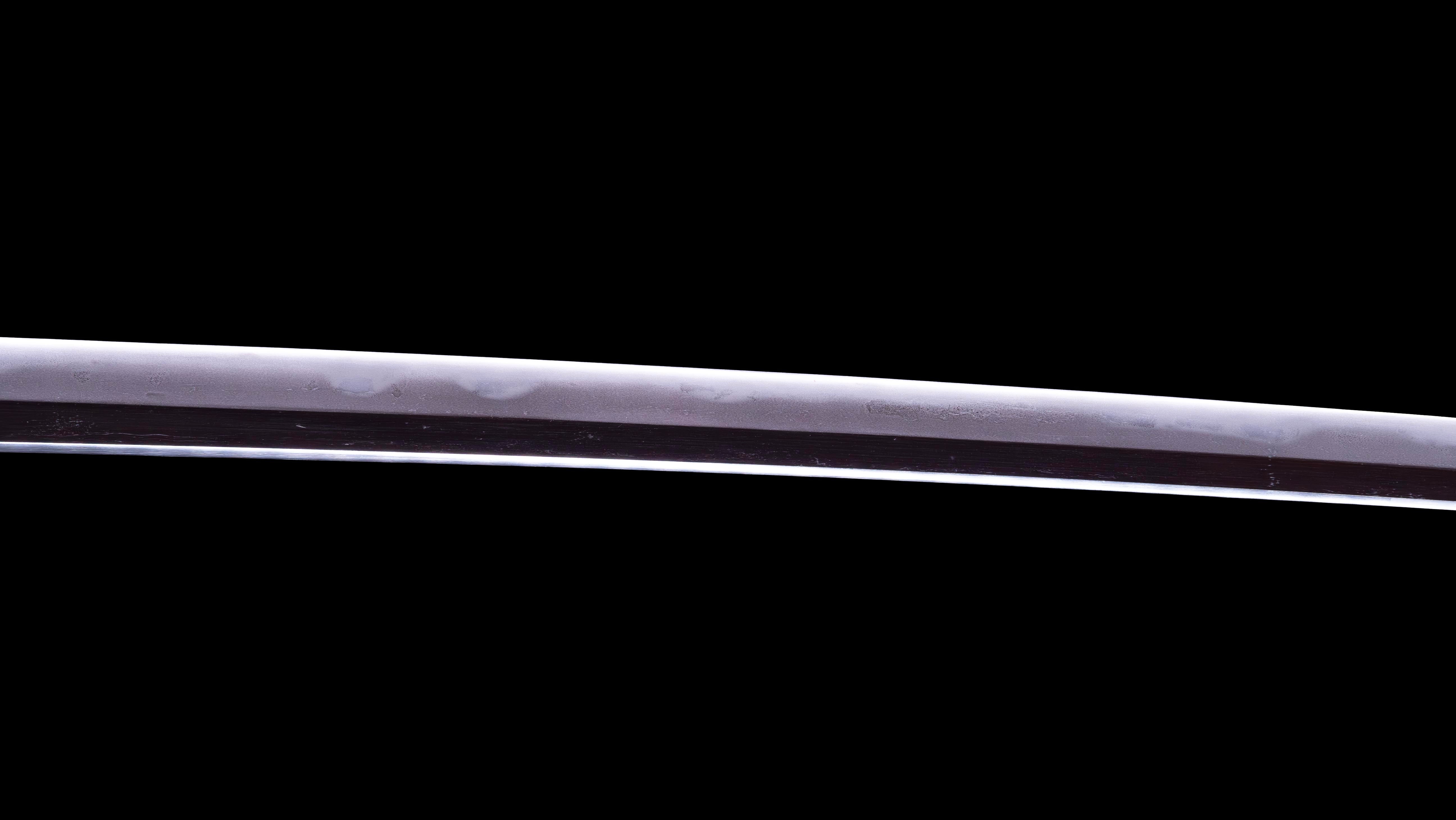
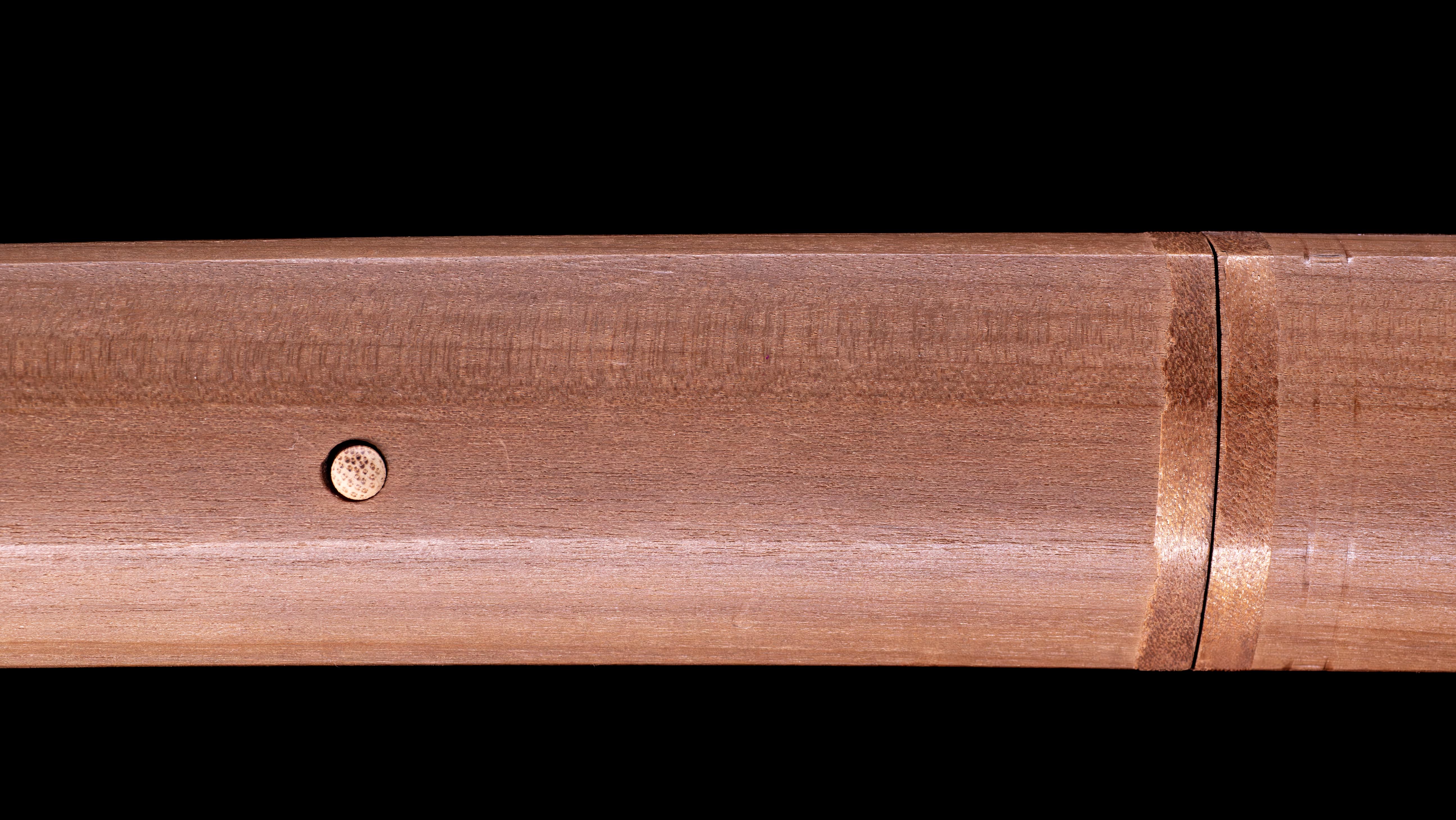
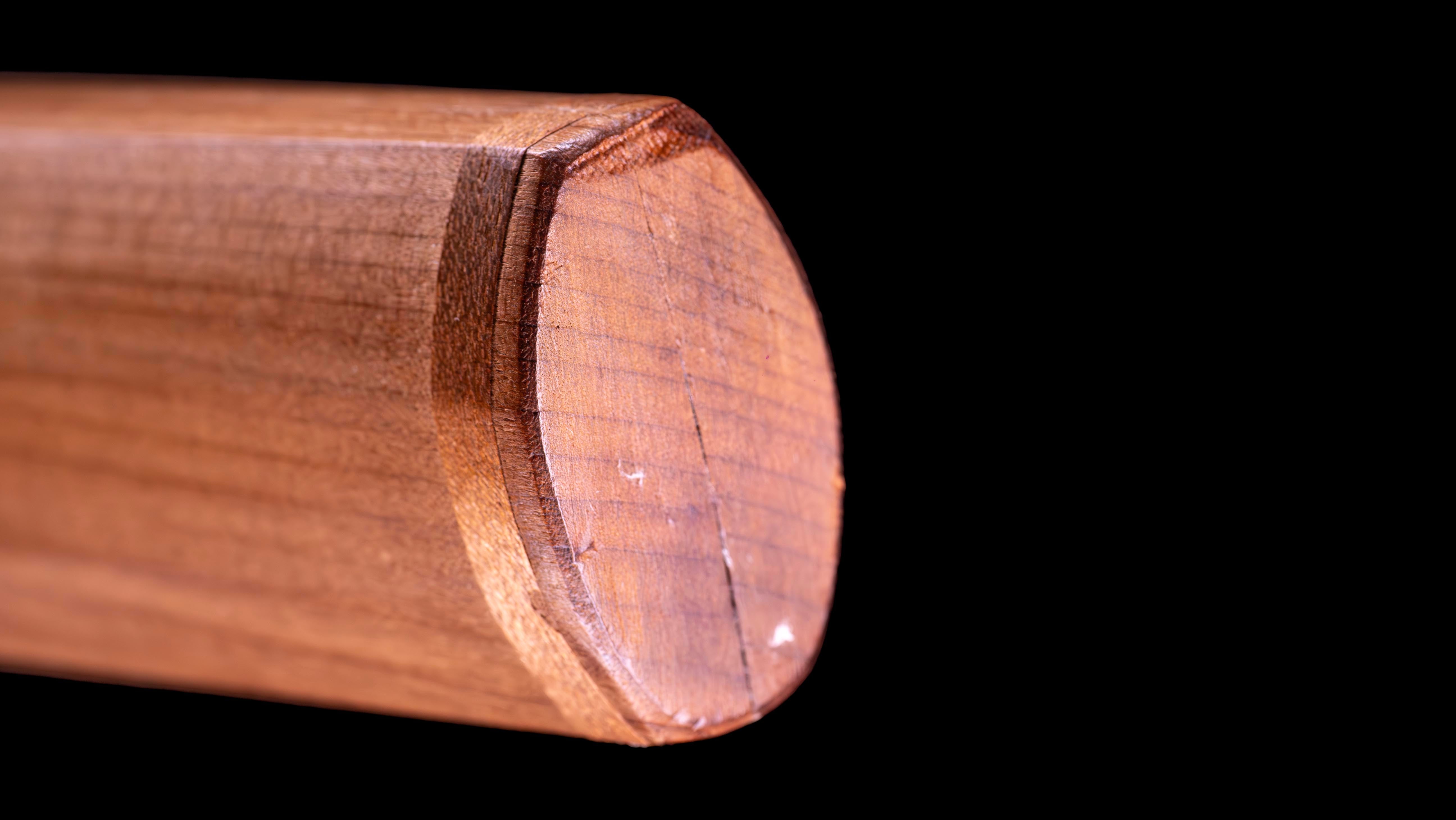
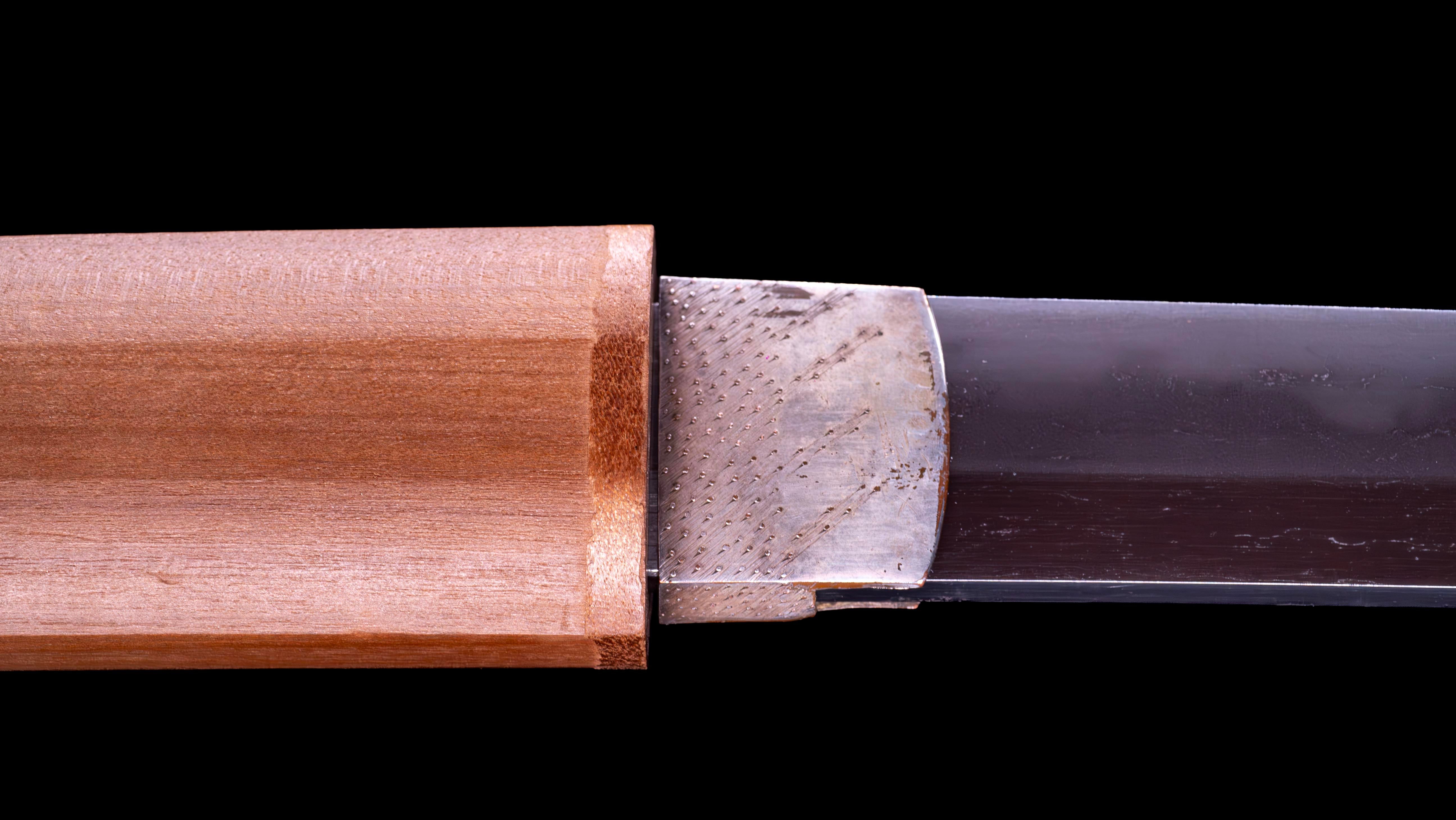
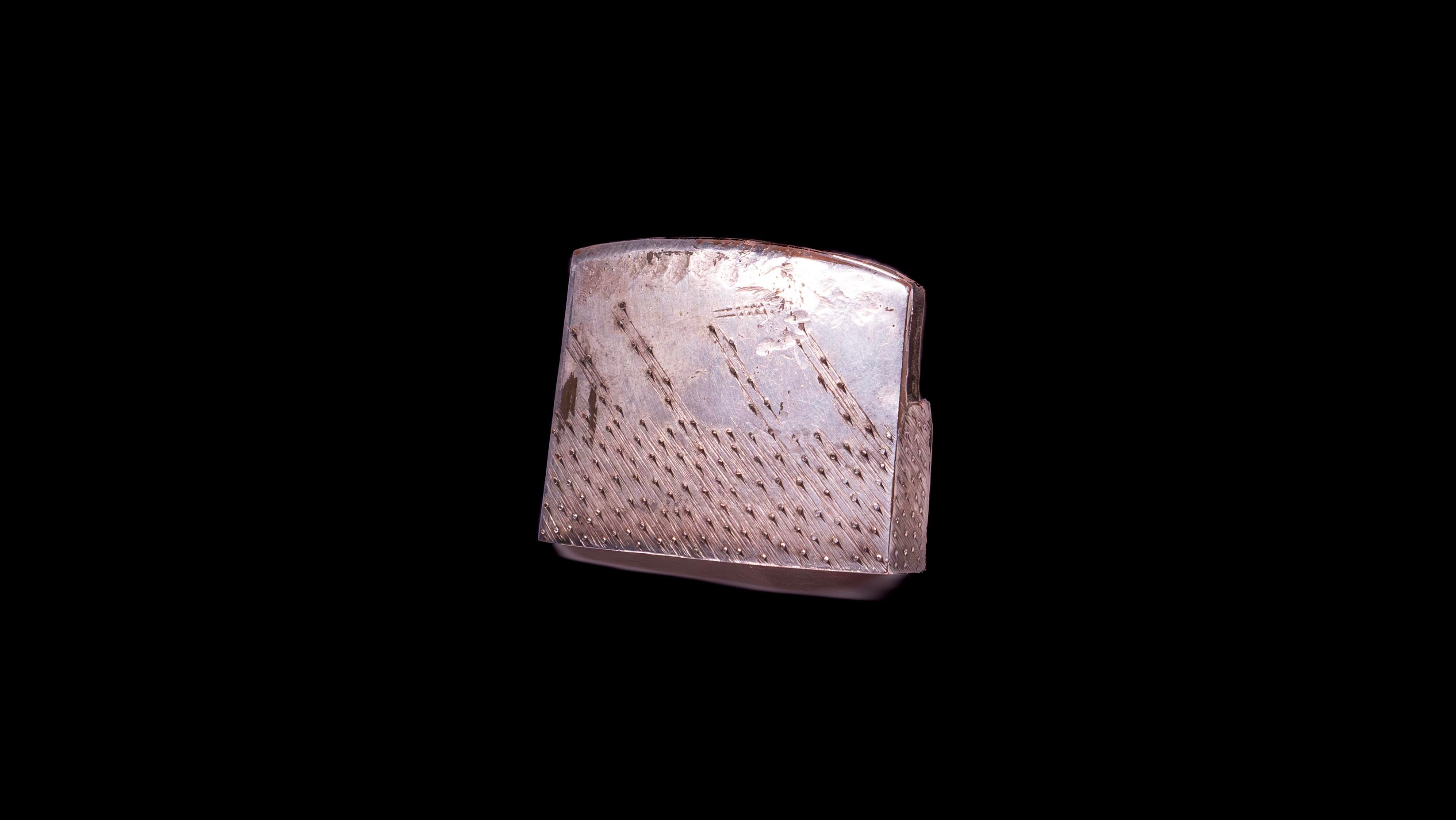
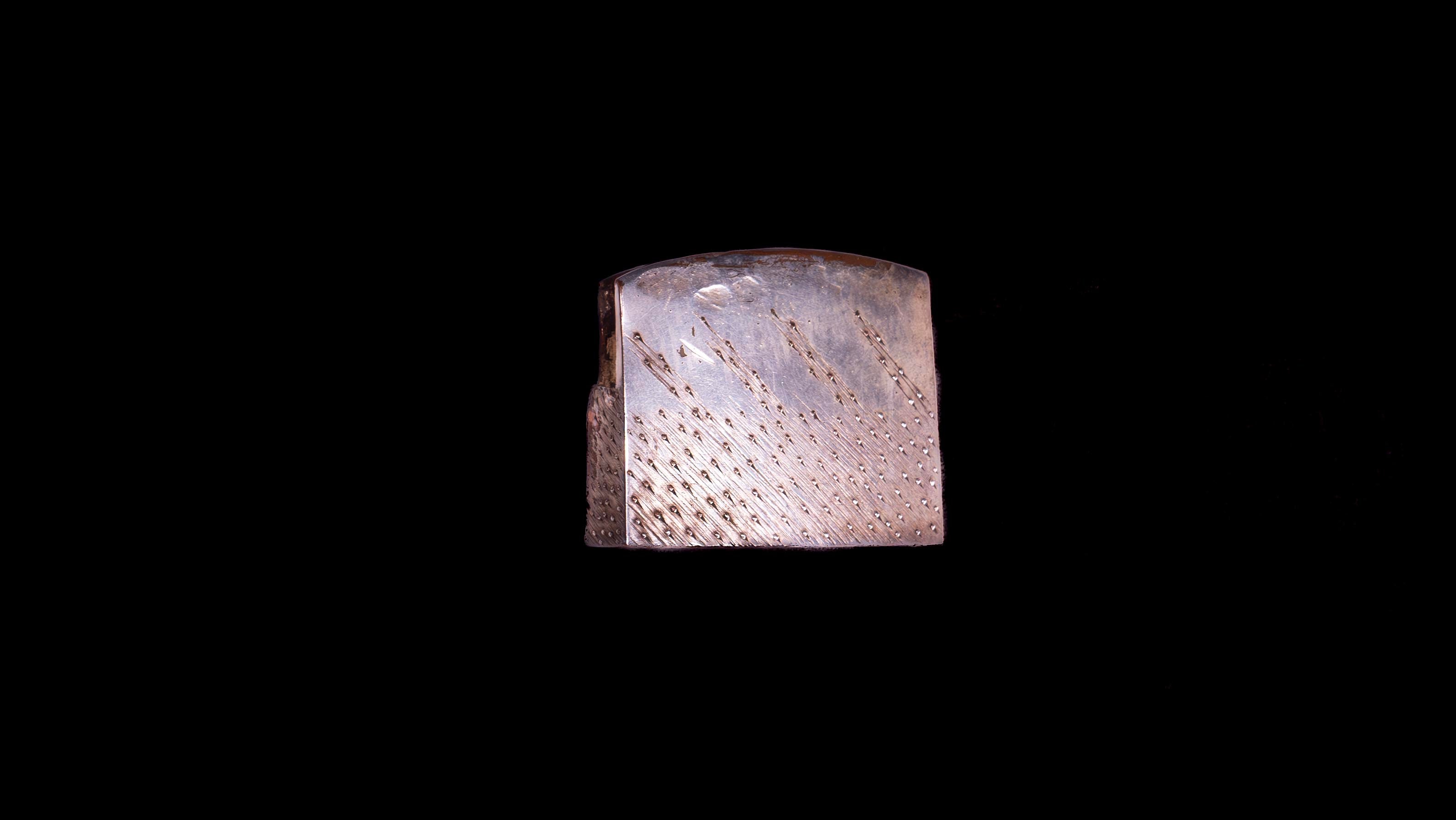
Signature (Mei): Hitachi no Kami Muneshige Swordsmith: Muneshige, disciple of the first Sukehira and brother-disciple of the second Sukehira School / Tradition: Osaka Shintō tradition; influenced by the great master Sukehira Period / Province: Early Edo period / Settsu (Osaka) Certificate: NBTHK Hozon Mounting: Shirasaya with plain wooden saya and tsuka; silver foil habaki Blade Length (Nagasa): 71.8 cm Curvature (Sori): 0.9 cm Mekugi-ana: 1 Motohaba / Motokasane: 31.4 mm / 6.8 mm Sakihaba / Sakikasane: 21.0 mm / 4.9 mm Shape: Shinogi-zukuri Hamon: Dynamic ō-notare-midare, with strong activity Jihada: Well-forged itame with ji-nie, typical of early Osaka shintō A masterpiece katana by Hitachi no Kami Muneshige, a direct disciple of the first Sukehira and brother-disciple of the famed second Sukehira . This sword exemplifies the early Osaka shintō tradition , showing the vigor and artistry of the school’s formative years. The blade measures 71.8 cm with a gentle 0.9 cm sori , broad at the base (motohaba 31.4 mm) and tapering elegantly toward the kissaki. Its robust construction, with motokasane of 6.8 mm, conveys strength and presence. The hamon is a splendid ō-notare-midare , a billowing wave pattern filled with active hataraki (activities) such as ashi and yo, creating a lively interplay of light across the hardened edge. In the jihada, a well-forged itame with ji-nie speaks to the craftsmanship of the Osaka smiths, whose work combined refined forging with flamboyant temper lines. This sword captures the dawn of the Muneshige school style , a period when creativity and technical brilliance flourished in Osaka’s swordmaking circles. Housed in a plain shirasaya with a silver foil habaki , the blade is preserved in elegant simplicity, ensuring appreciation of its form and metallurgy. For the serious collector, this represents a rare opportunity to acquire a work by a significant Osaka master connected to the great Sukehira line.
NihontoWatchOffered by Tokyo Nihonto
This piece has sold
Get an email when a new Muneshige piece hits the market.
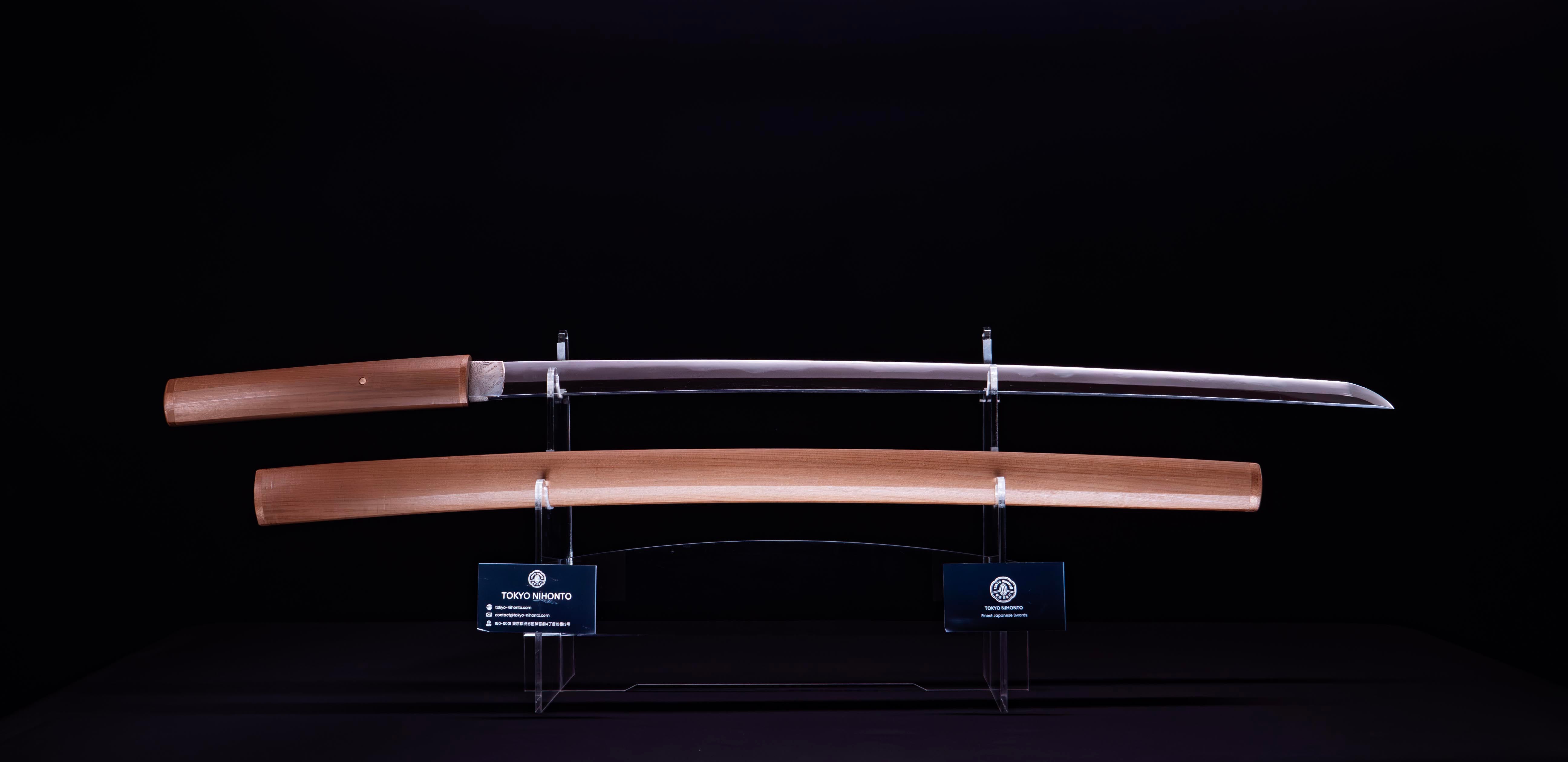
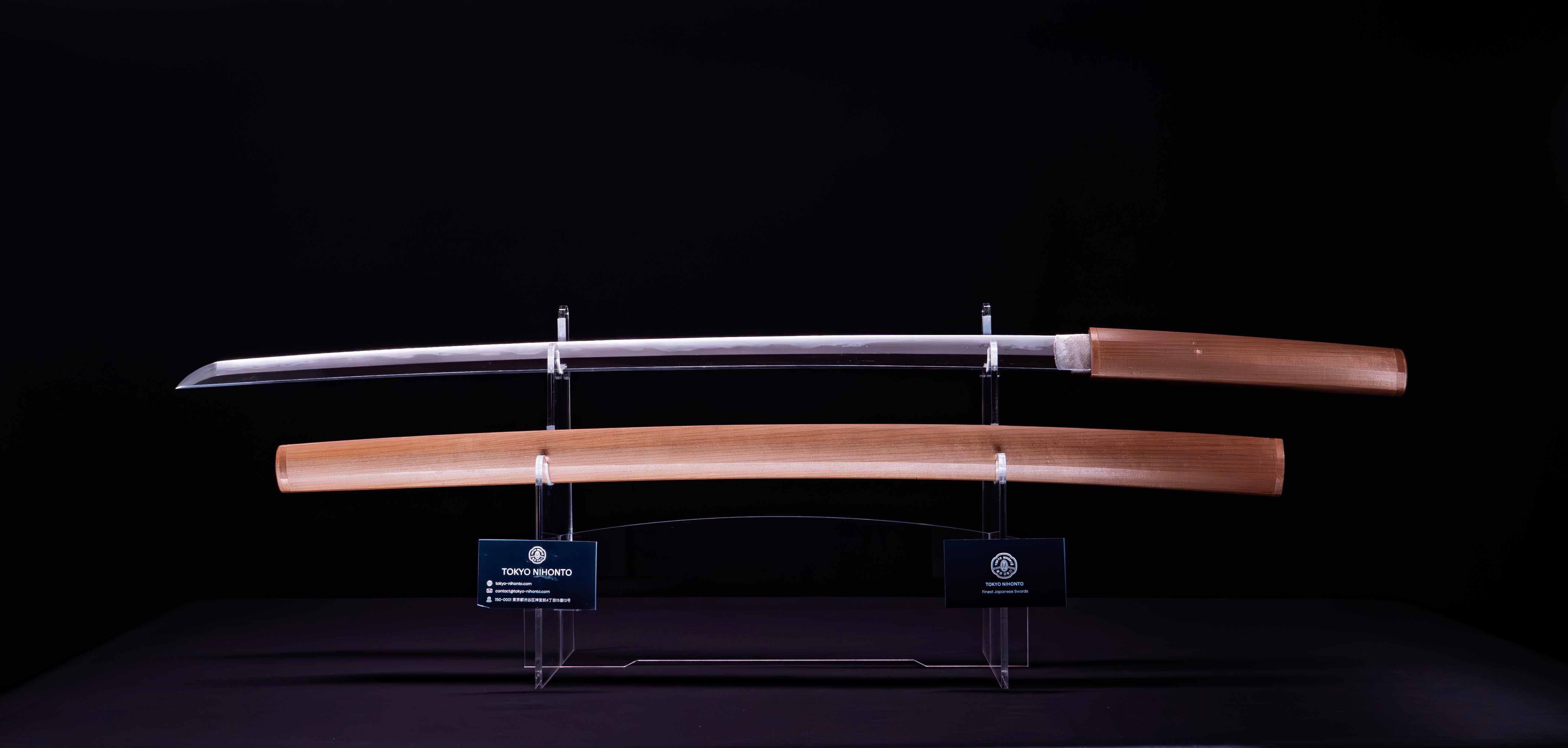
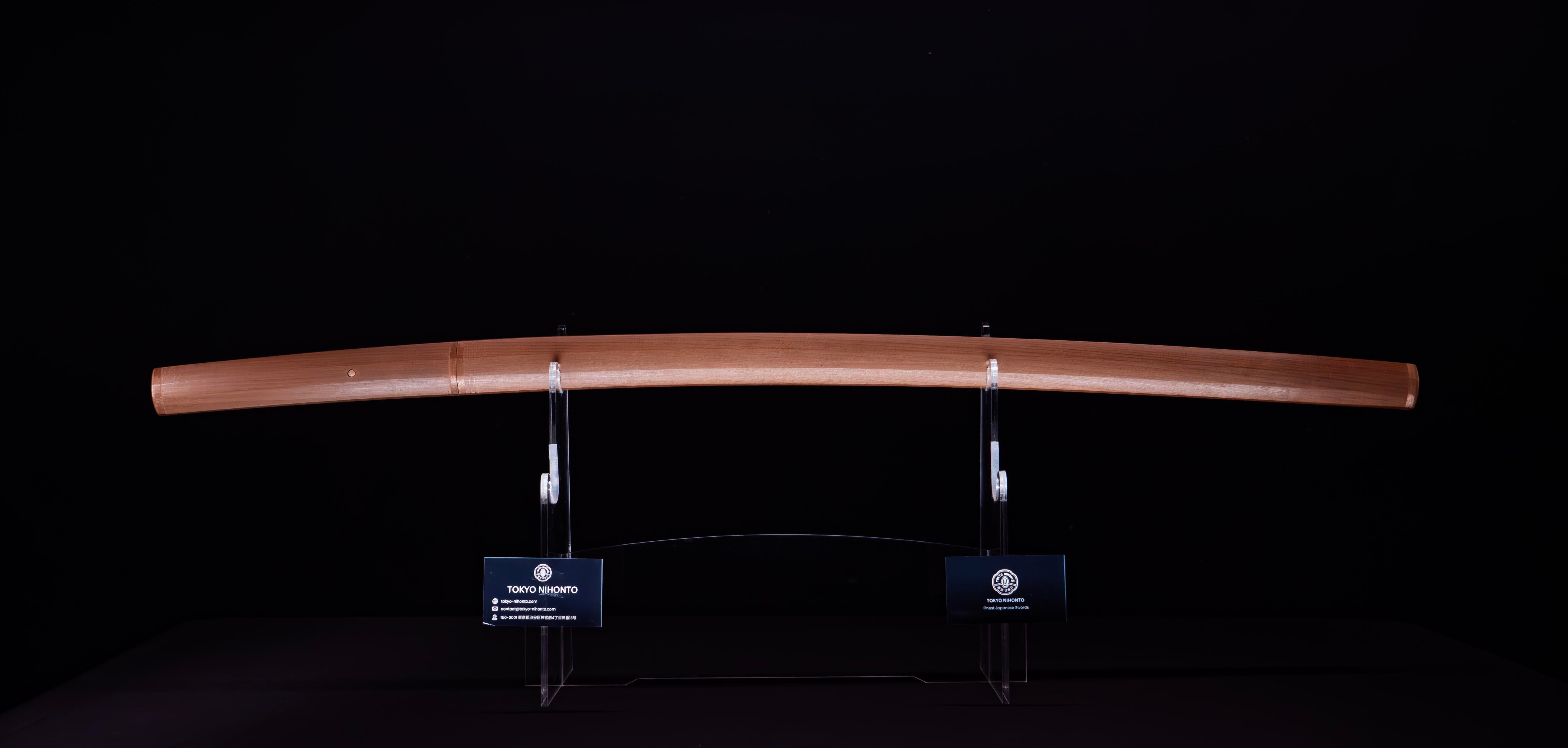
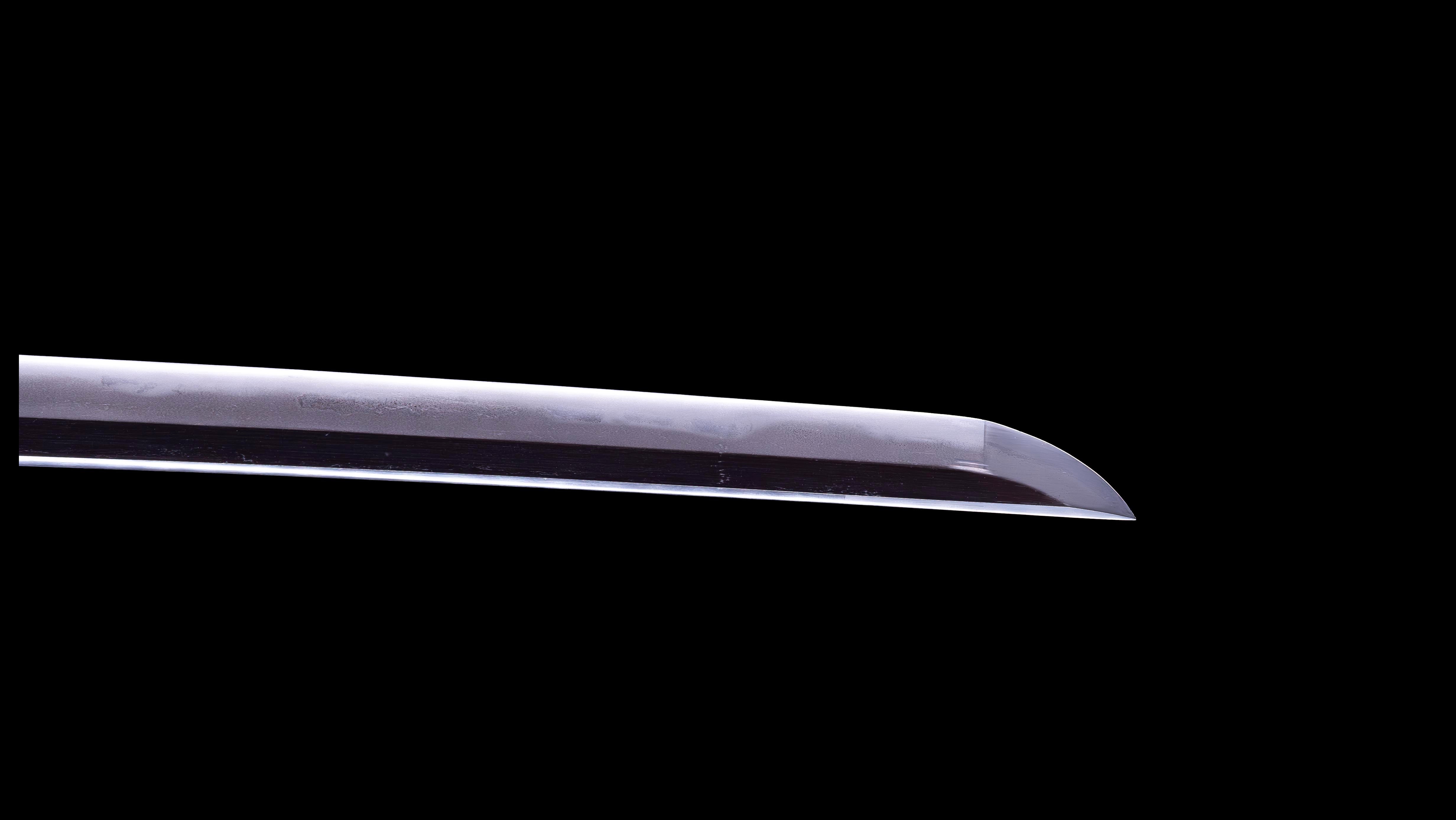
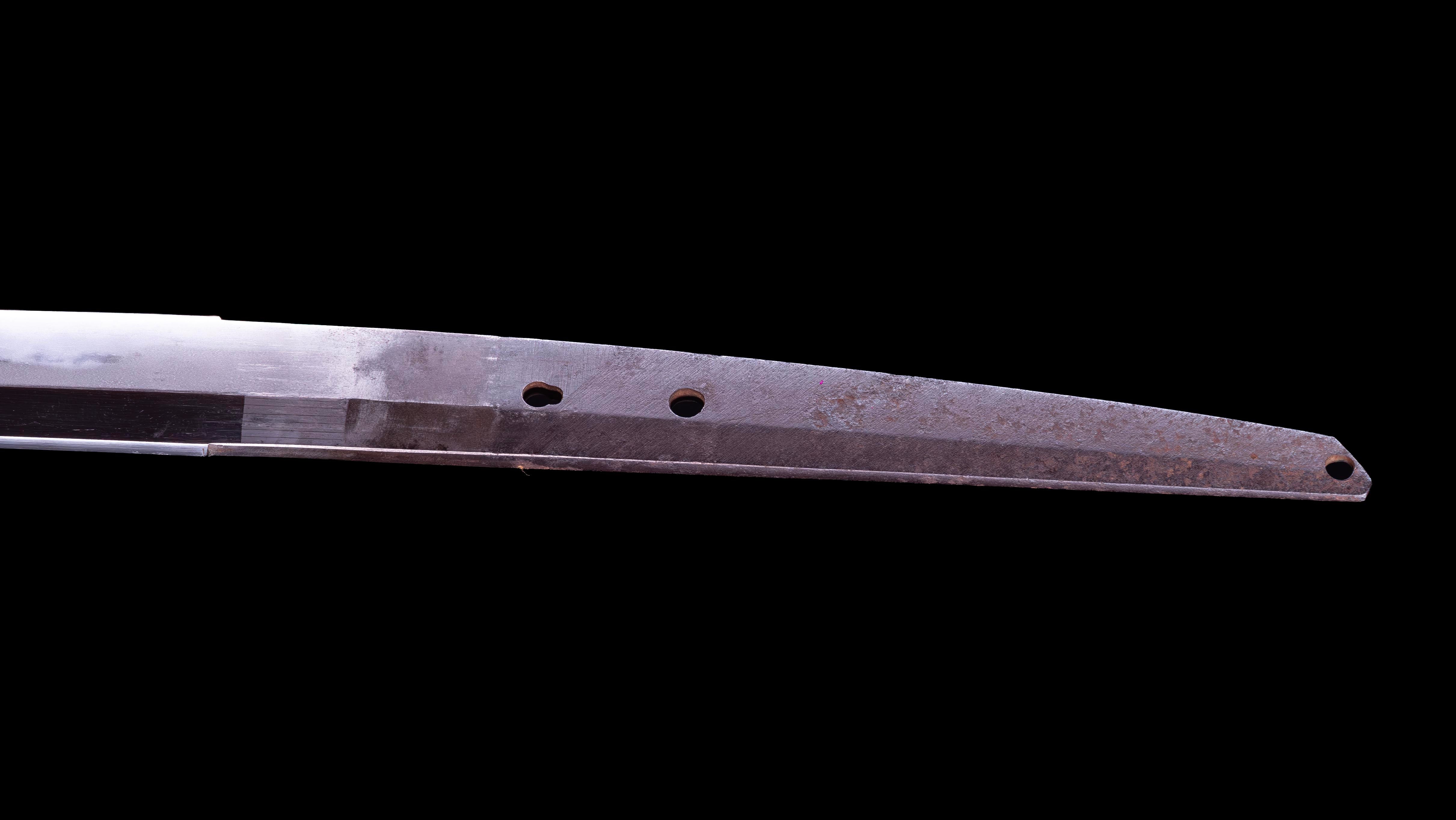
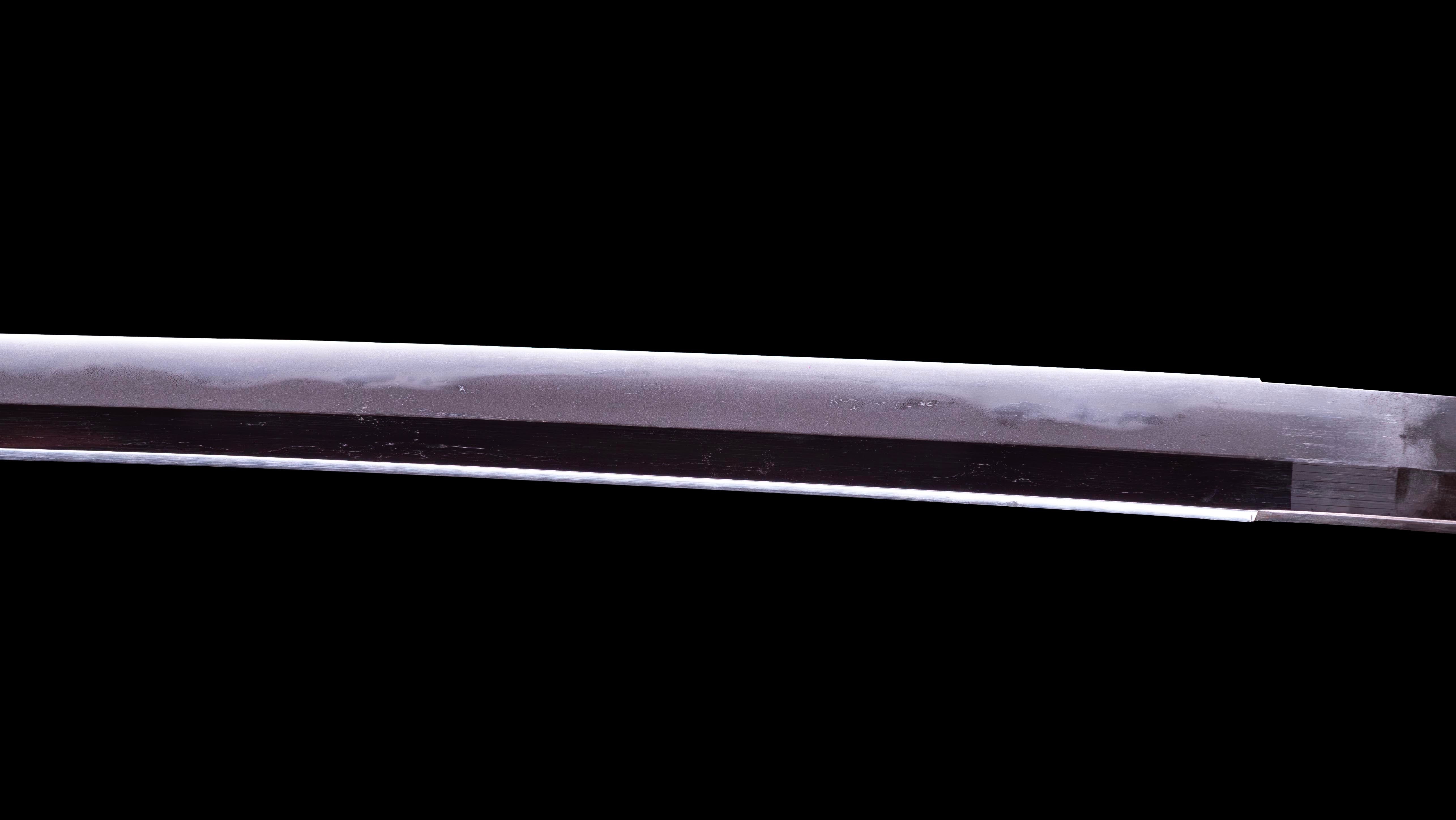
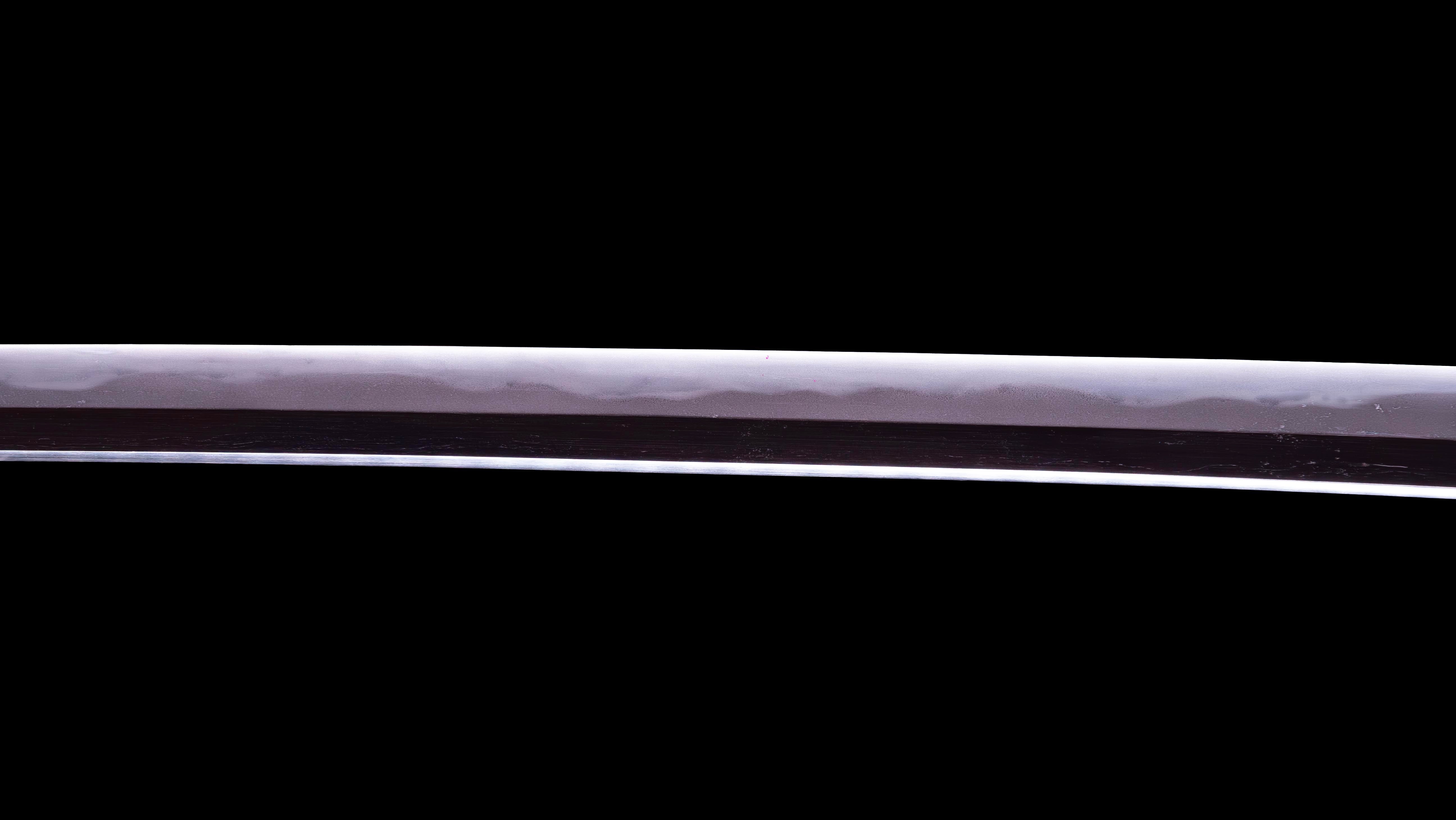
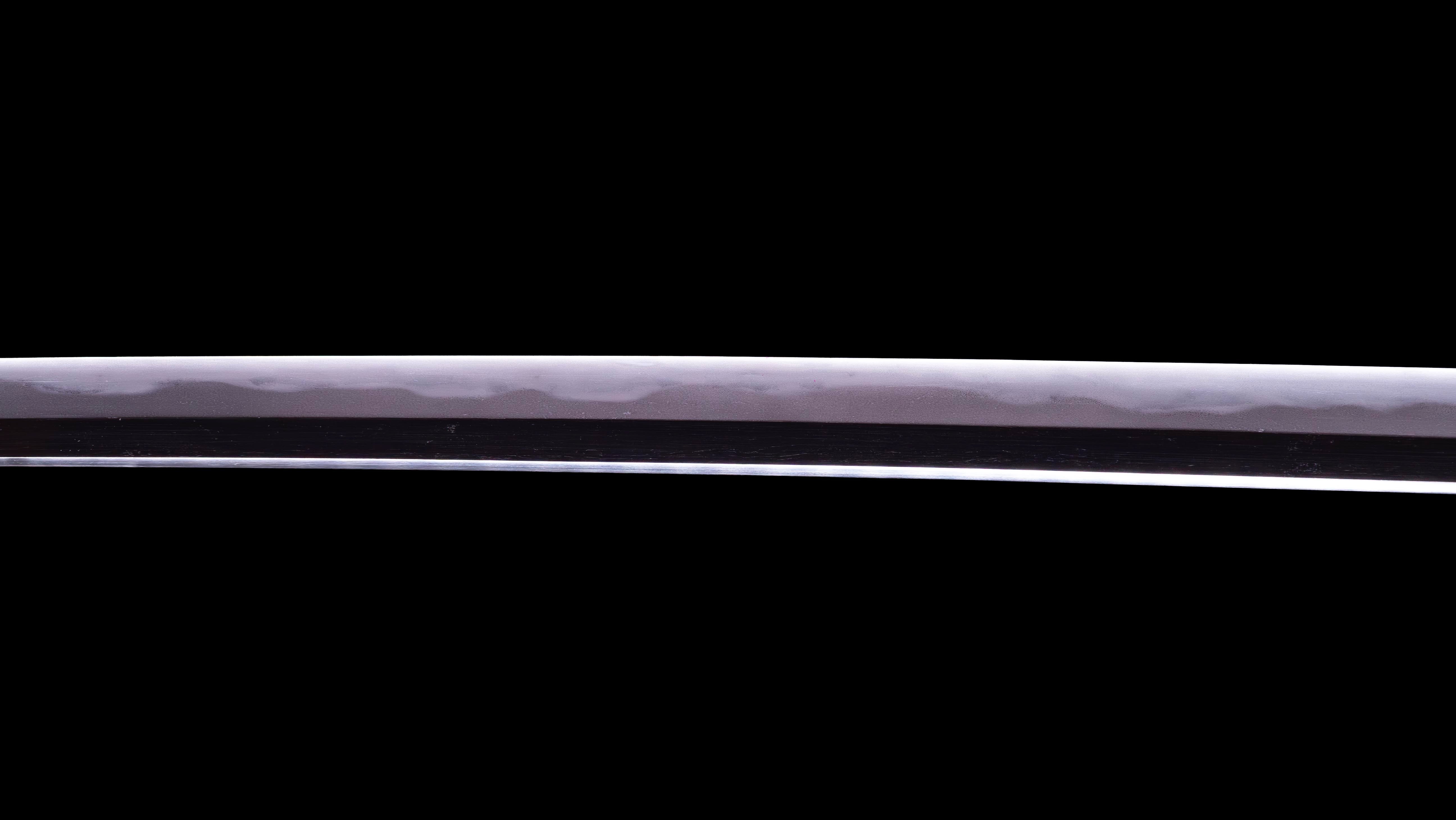
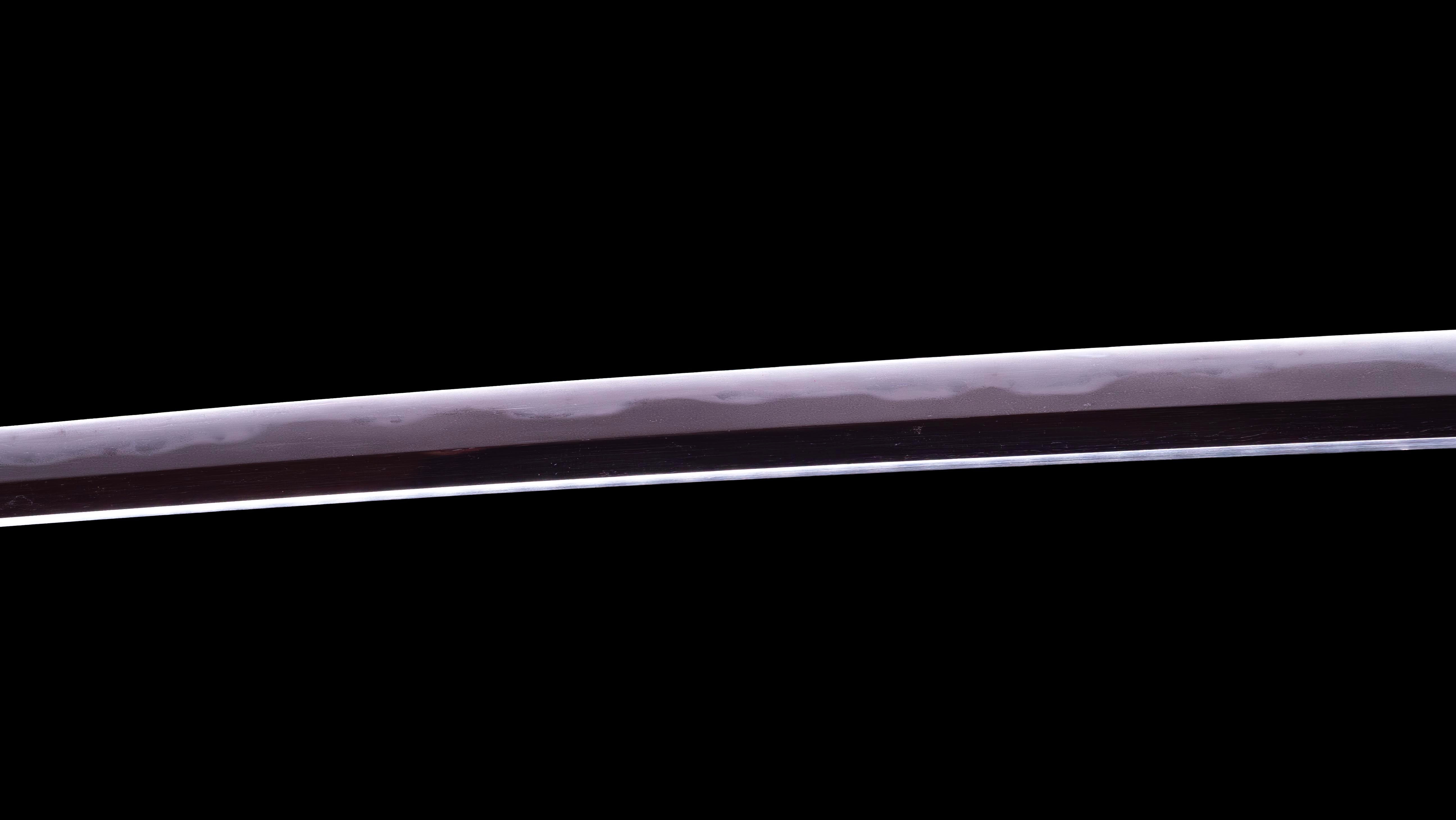
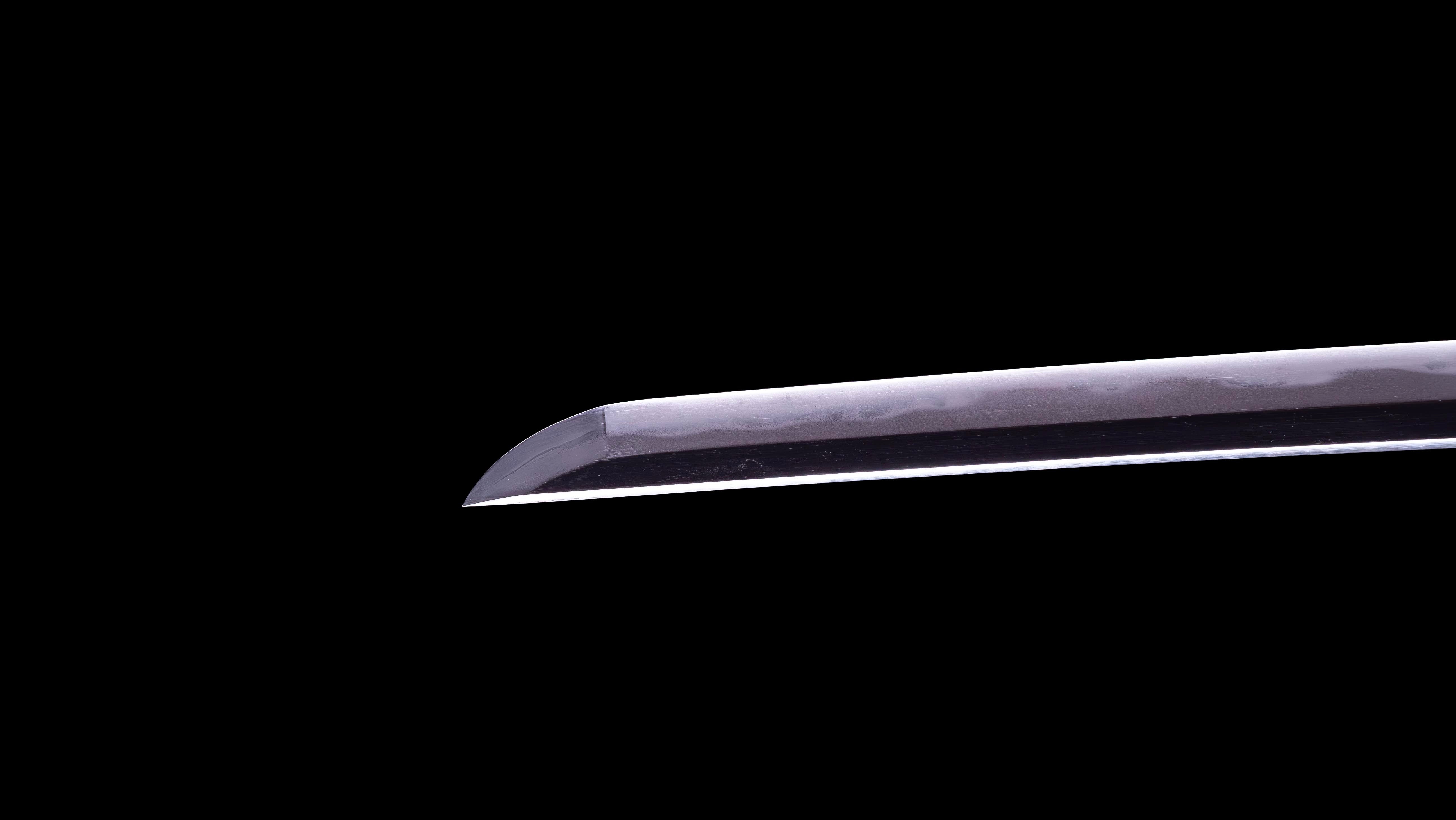
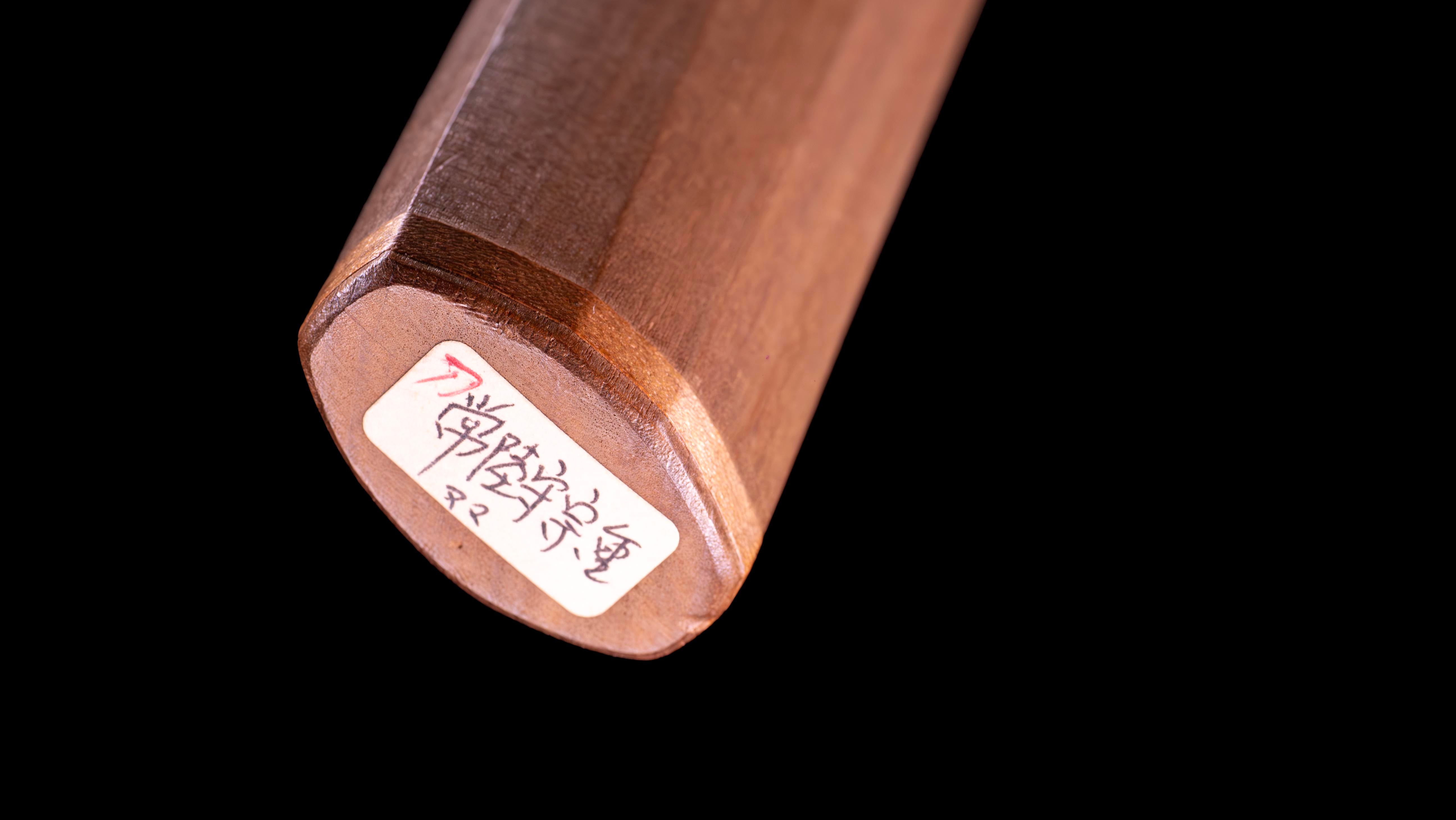
Settsu · around 1661-1673
Fujishiro Chu-jo saku · Tōken Taikan top 76%
1 piece on the market now
The Edo period (1615 to 1868)
Edo was the sword’s age of connoisseurship: the Hon’ami appraisers, the shogunal register of famous blades of 1719, and a thriving literature turned the sword into an object of study even as it ceased to be drawn in war.
Certifies a genuine blade worth preserving: a signature confirmed correct, or, if unsigned, an era, province, and school that the NBTHK can reliably identify.
The NBTHK (Nihon Bijutsu Tōken Hozon Kyōkai, the Society for the Preservation of Japanese Art Swords) is a public-interest incorporated foundation founded in 1948 and supervised by Japan’s Agency for Cultural Affairs (Bunkachō); it is based at the Japanese Sword Museum in Tokyo. Its expert panels physically examine each submitted work (shinsa) and issue a certificate (kanteishō) ranking it by artistic and historical merit. NBTHK papers are the most widely recognized standard of authentication for Japanese swords and fittings.
NBTHK official siteReturns/exchanges only for manufactured defects or incorrect products; notify within 72 hours of delivery. Cancellation only within 2 hours of placing. Customer pays return shipping. Refund within 3 business days of package arrival.