Edo was the sword’s age of connoisseurship: the Hon’ami appraisers, the shogunal register of famous blades of 1719, and a thriving literature turned the sword into an object of study even as it ceased to be drawn in war.
 NihontoWatchNihontoWatch
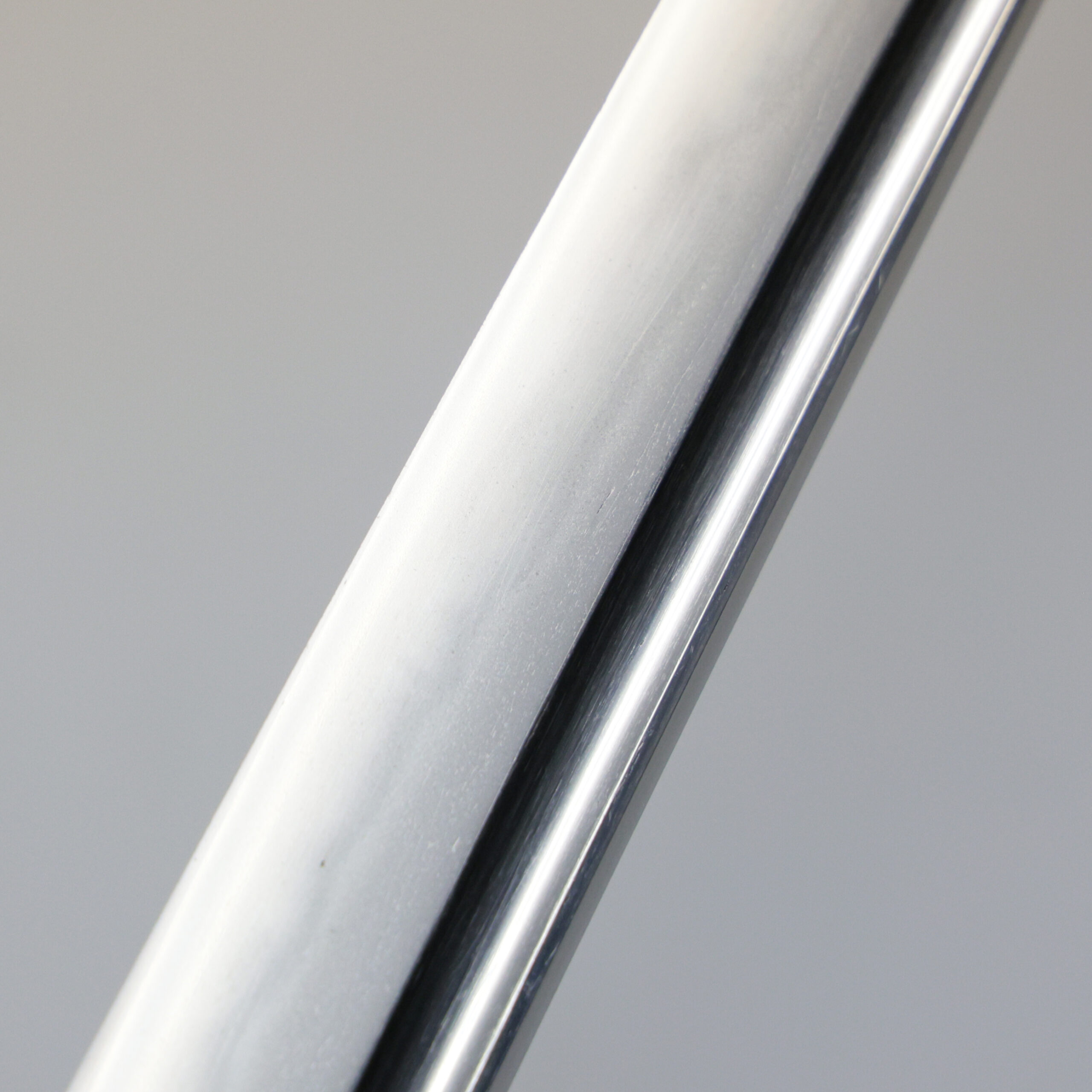
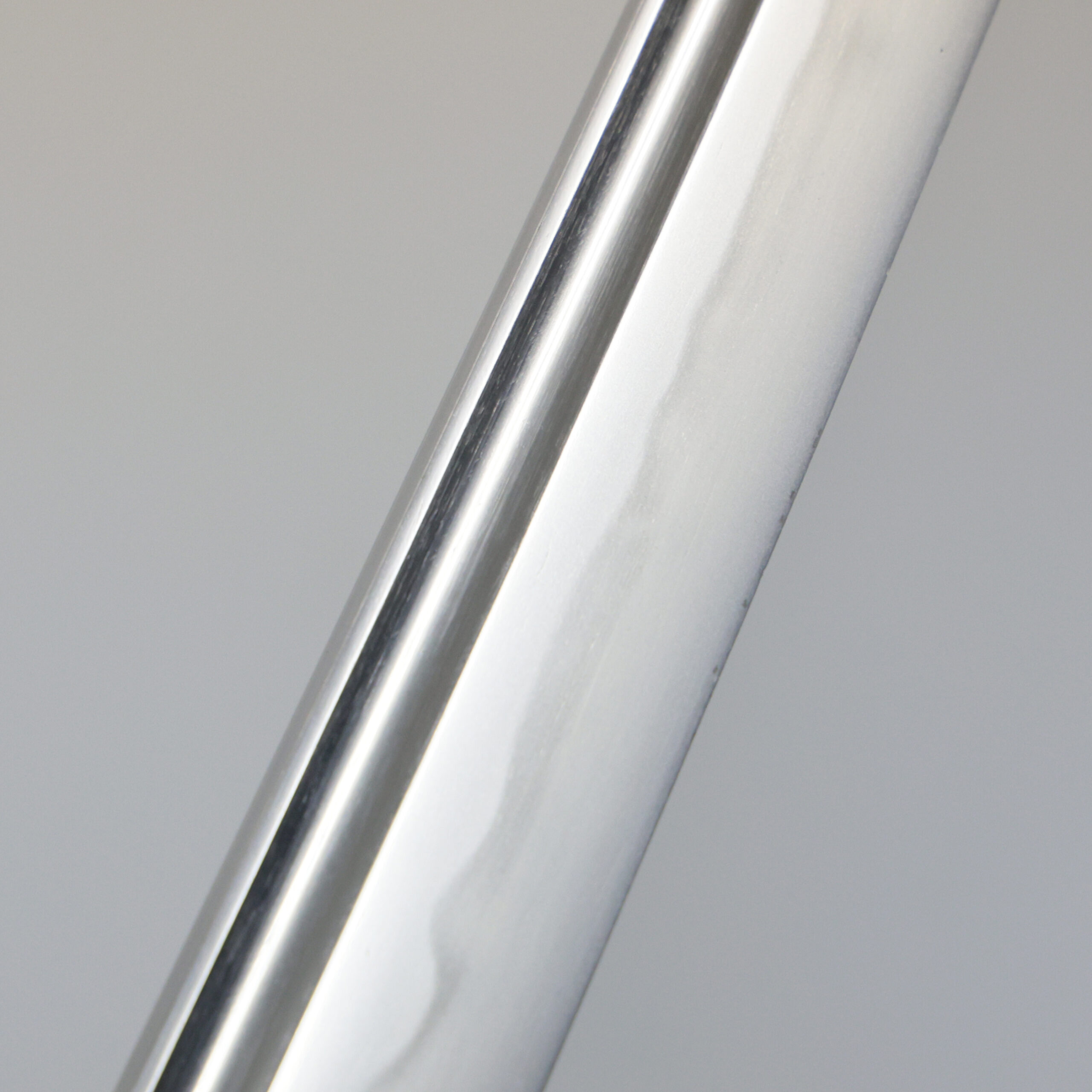
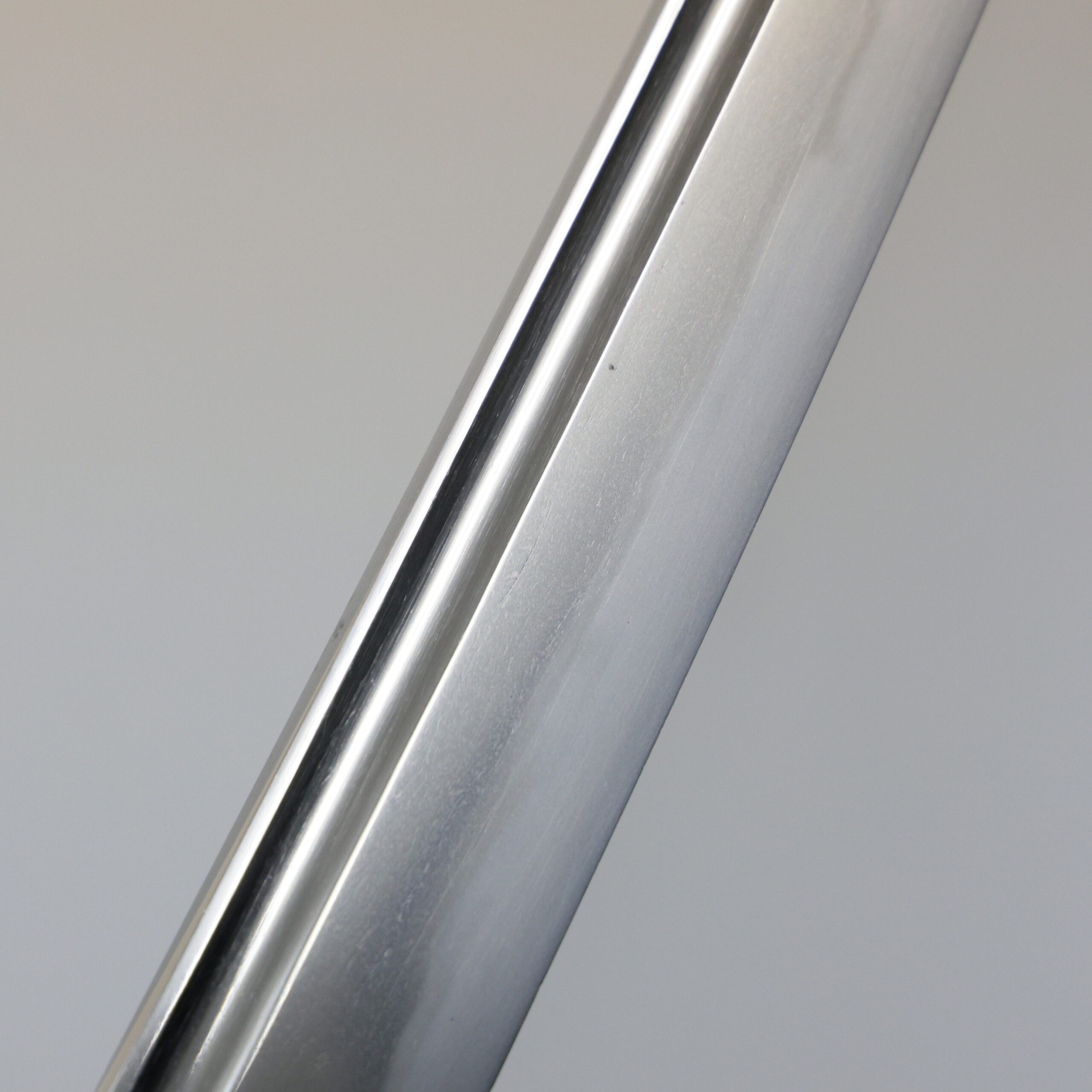
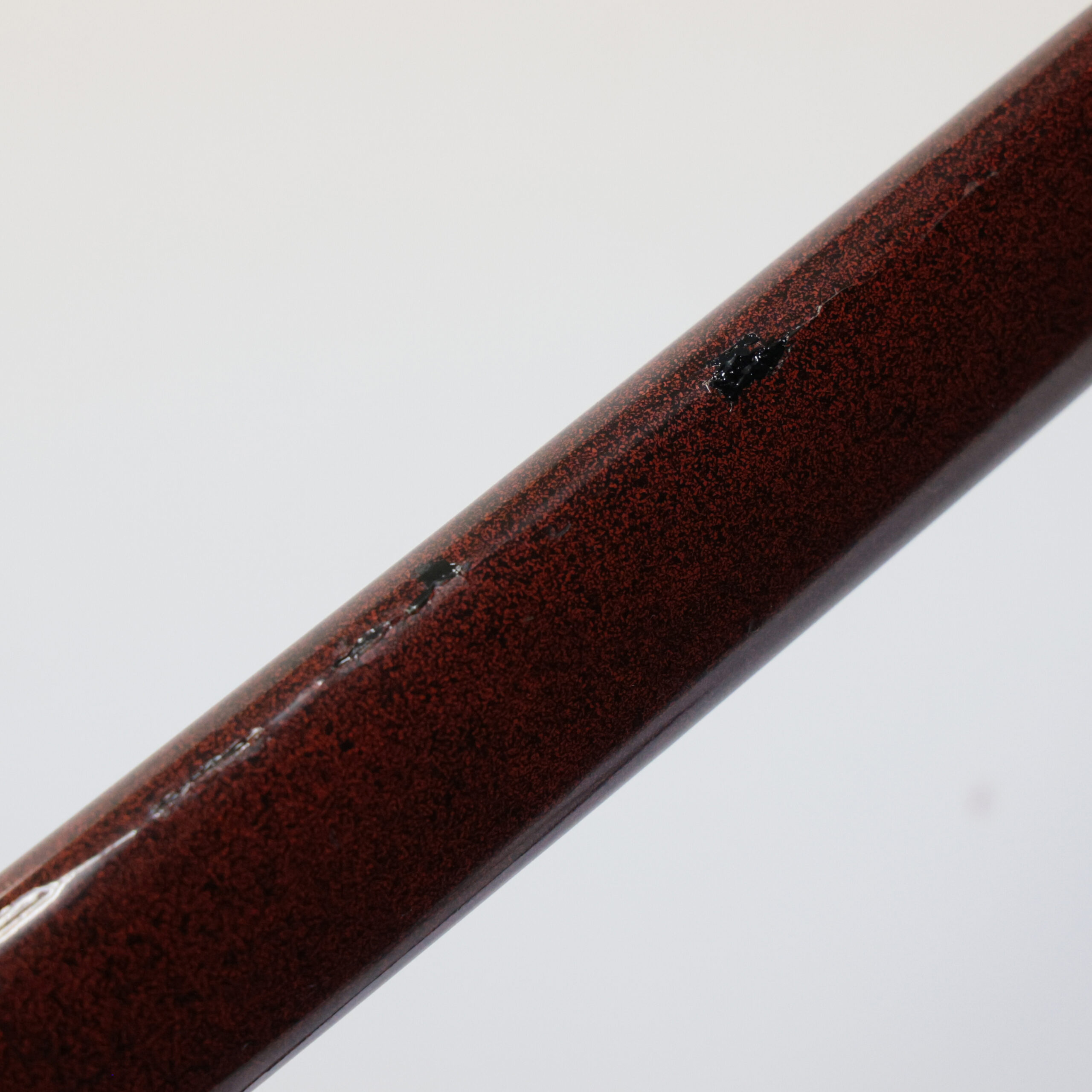
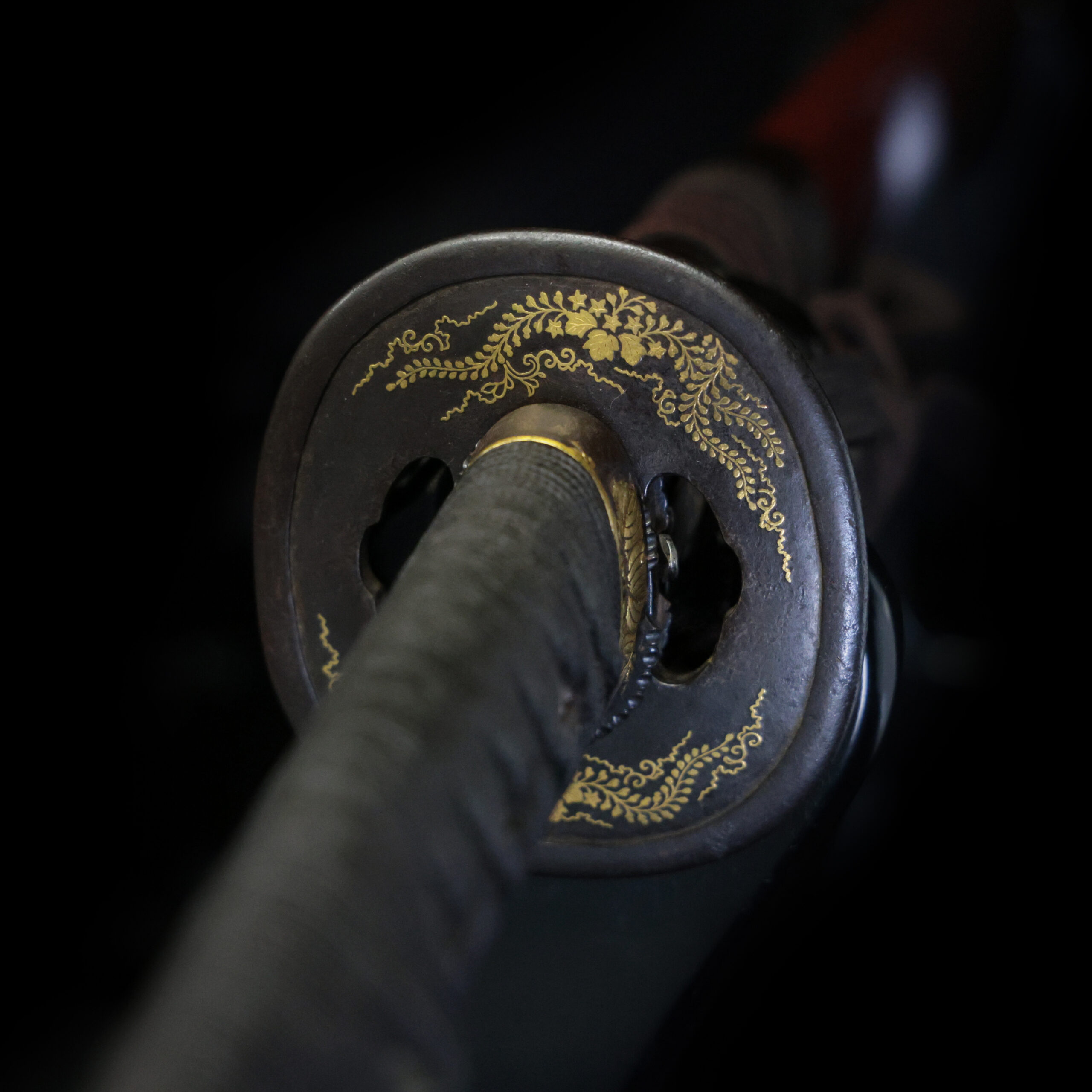
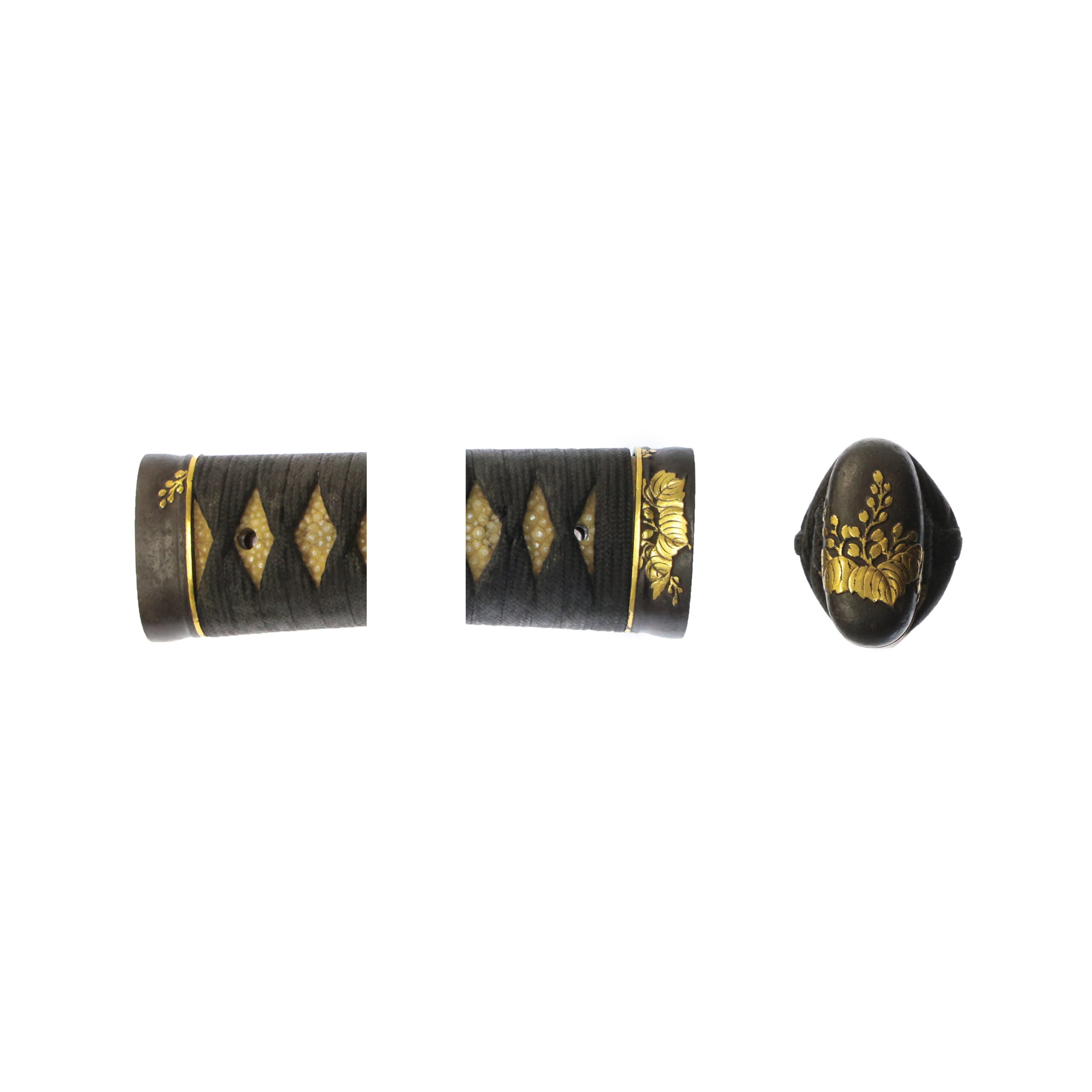
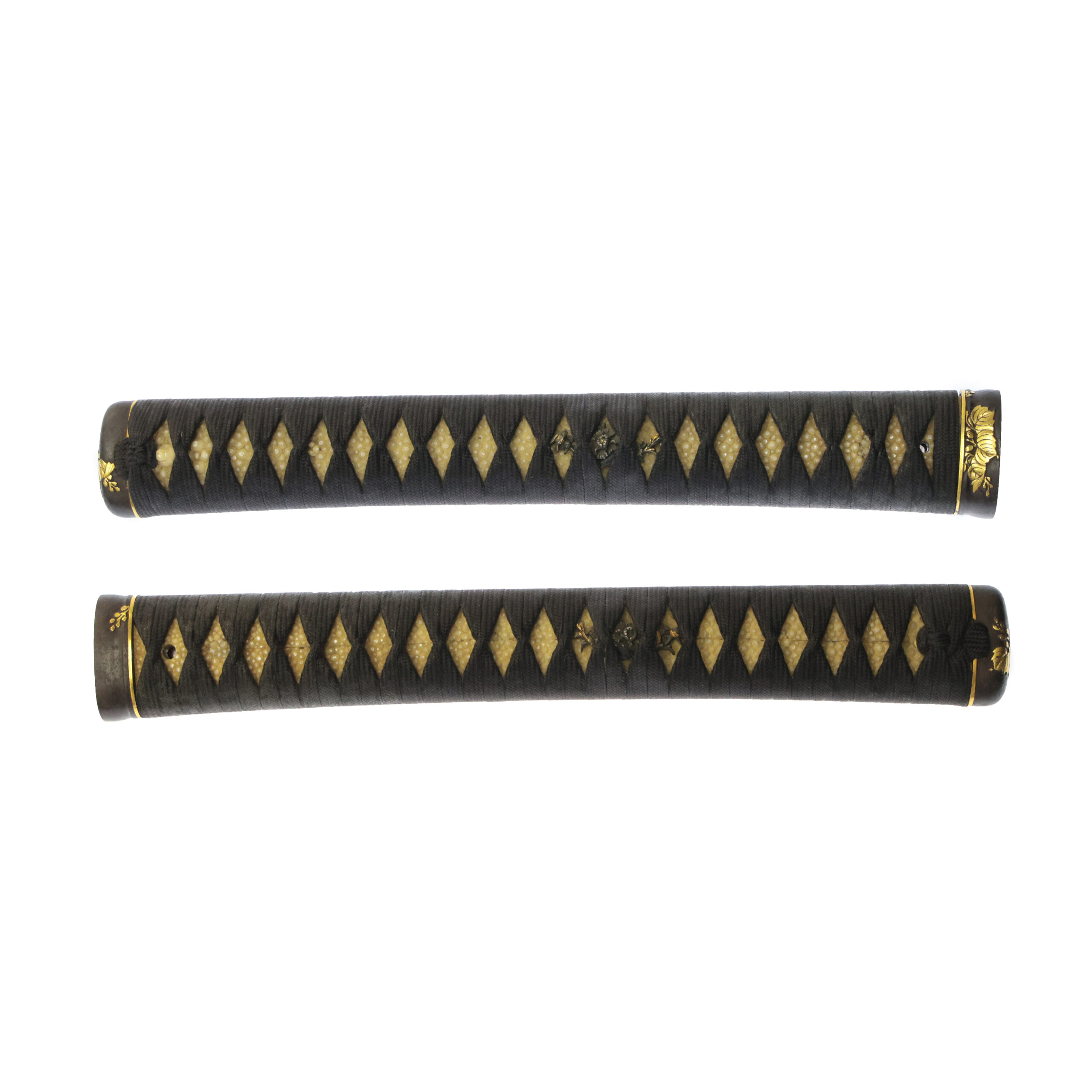
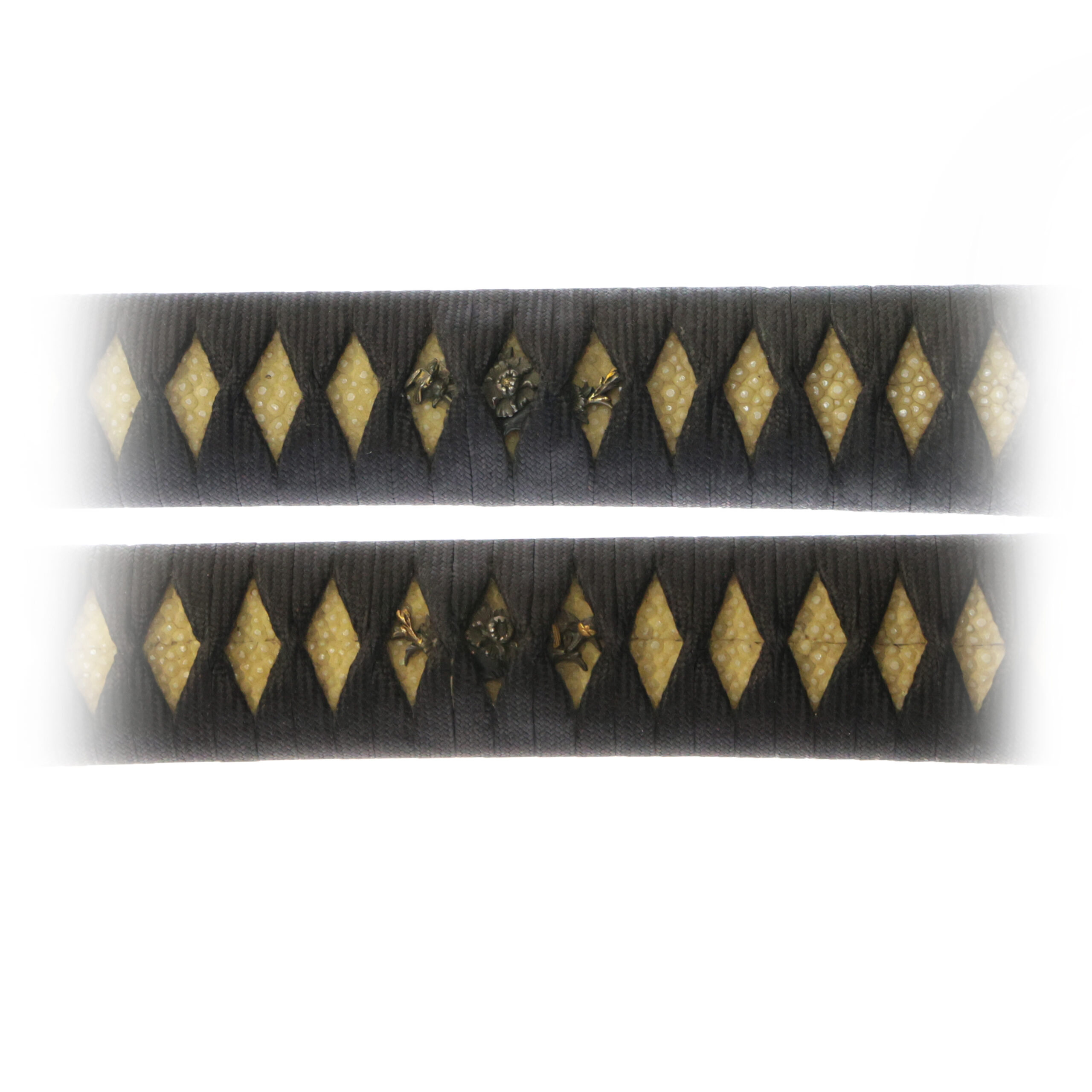
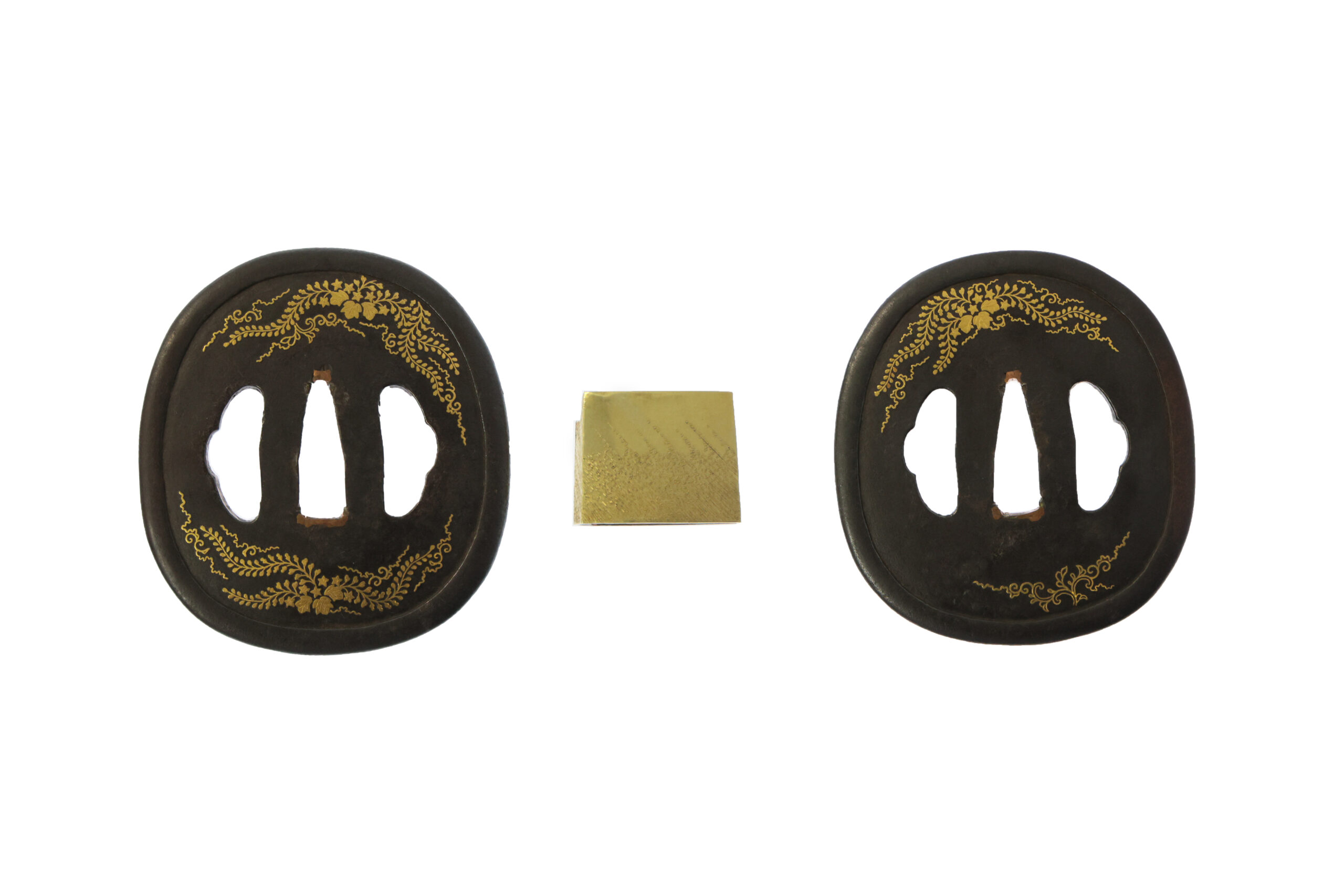
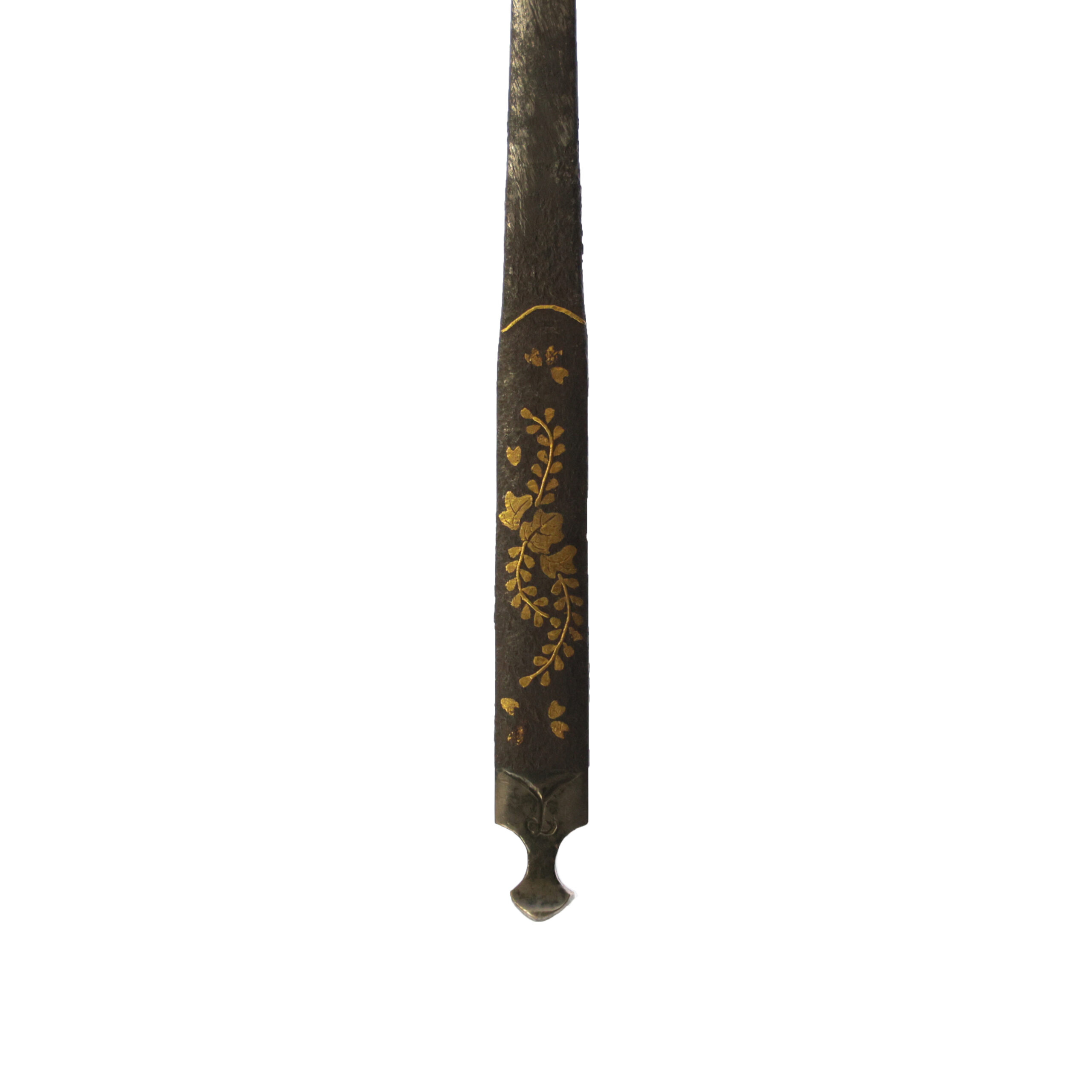
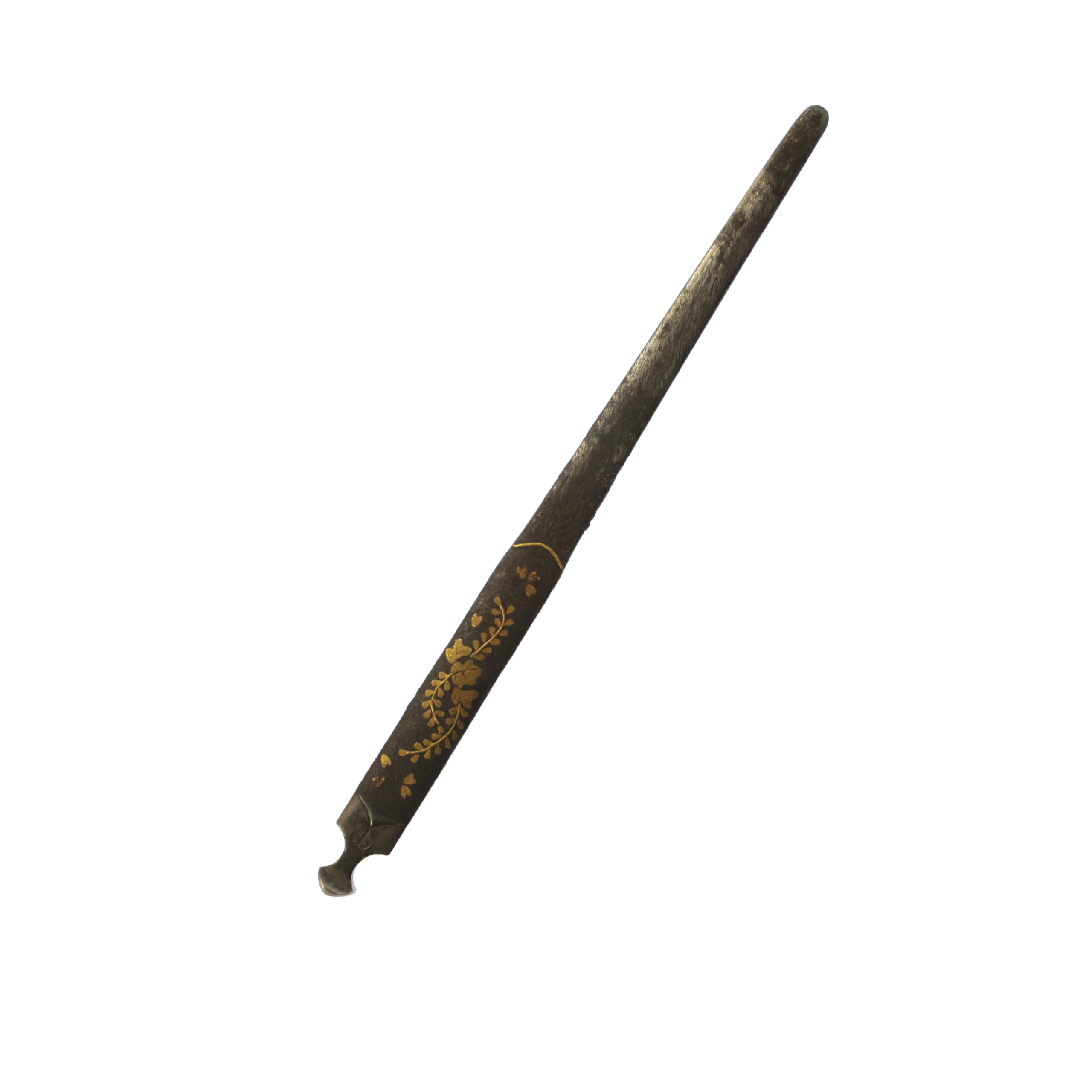
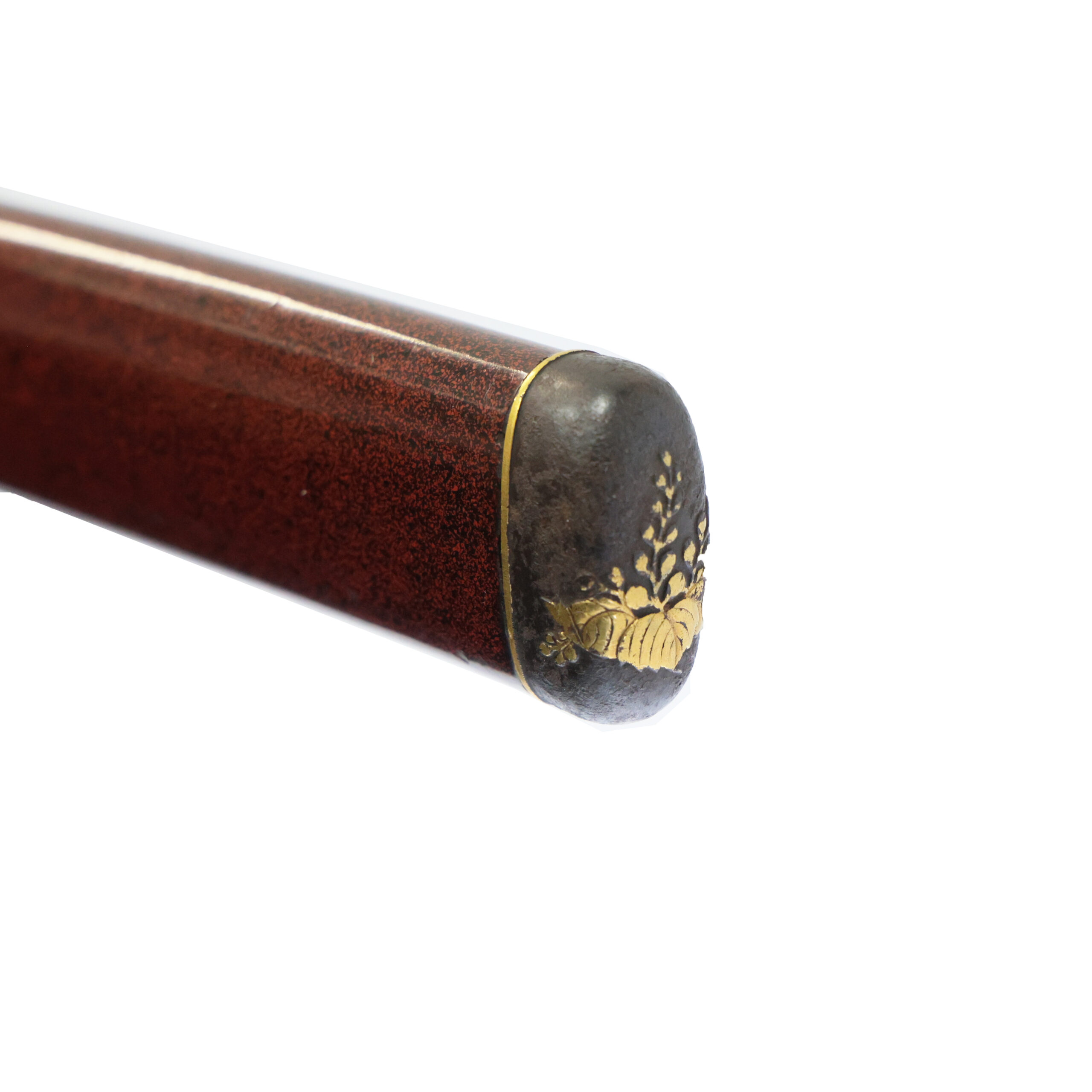
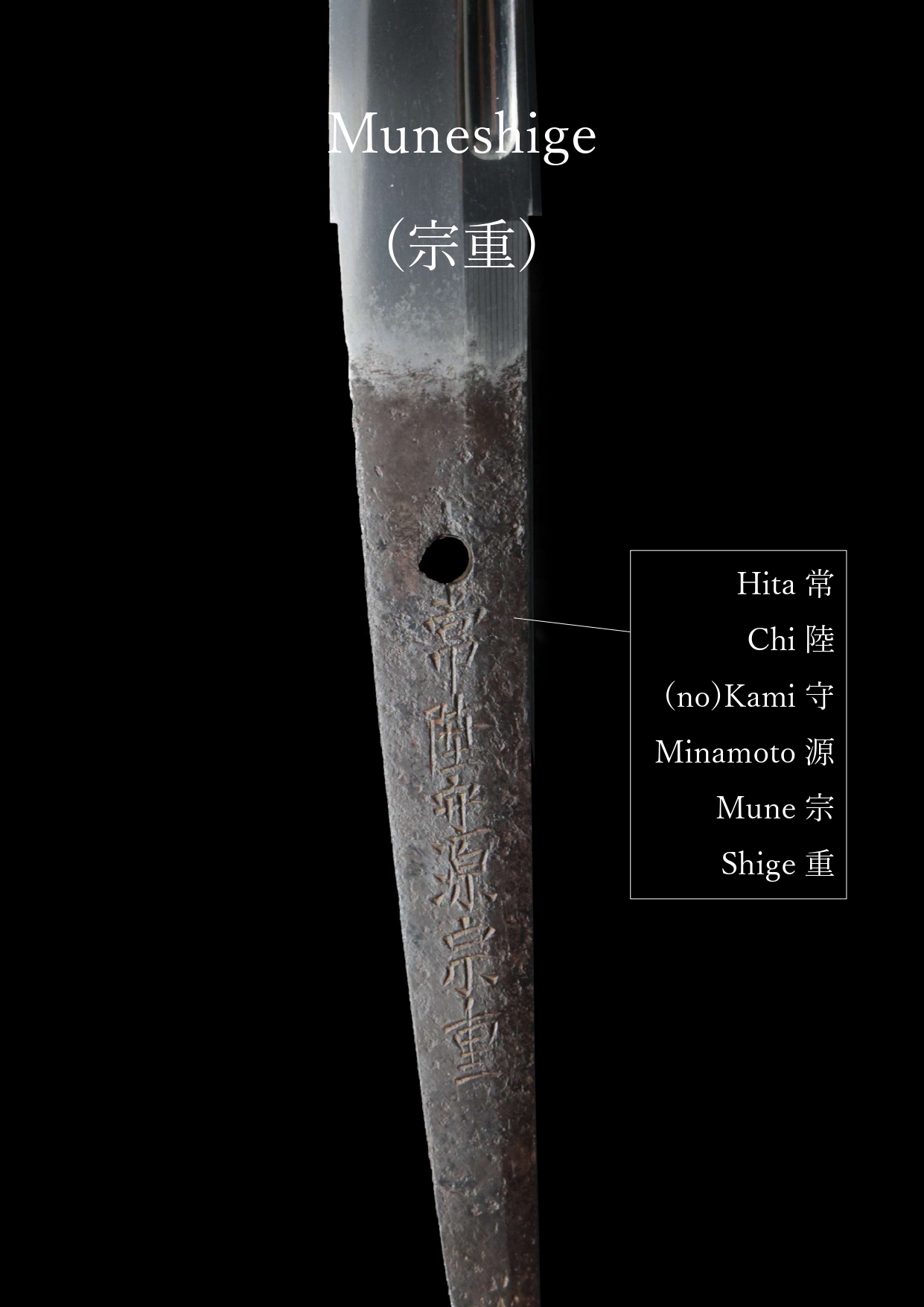
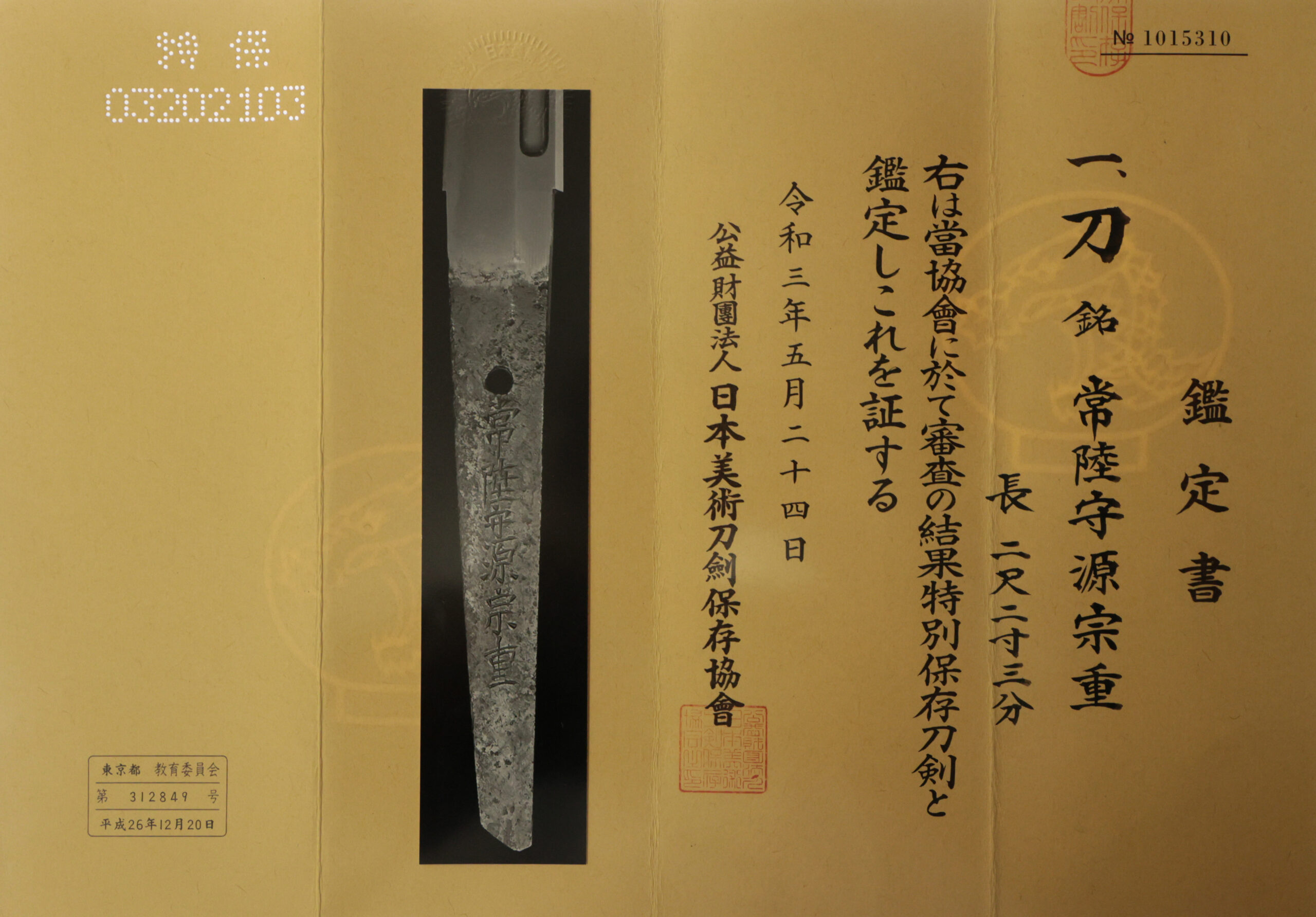
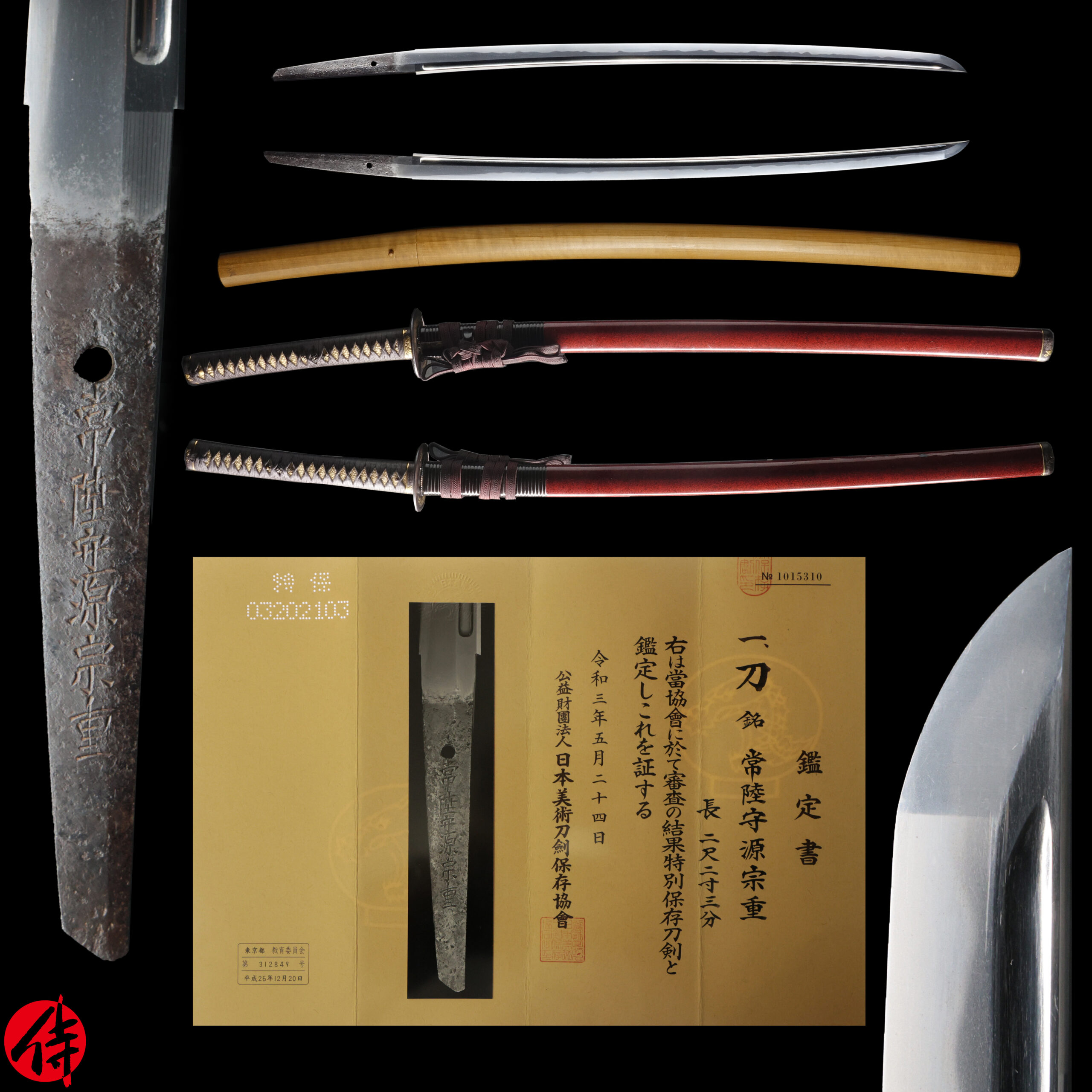
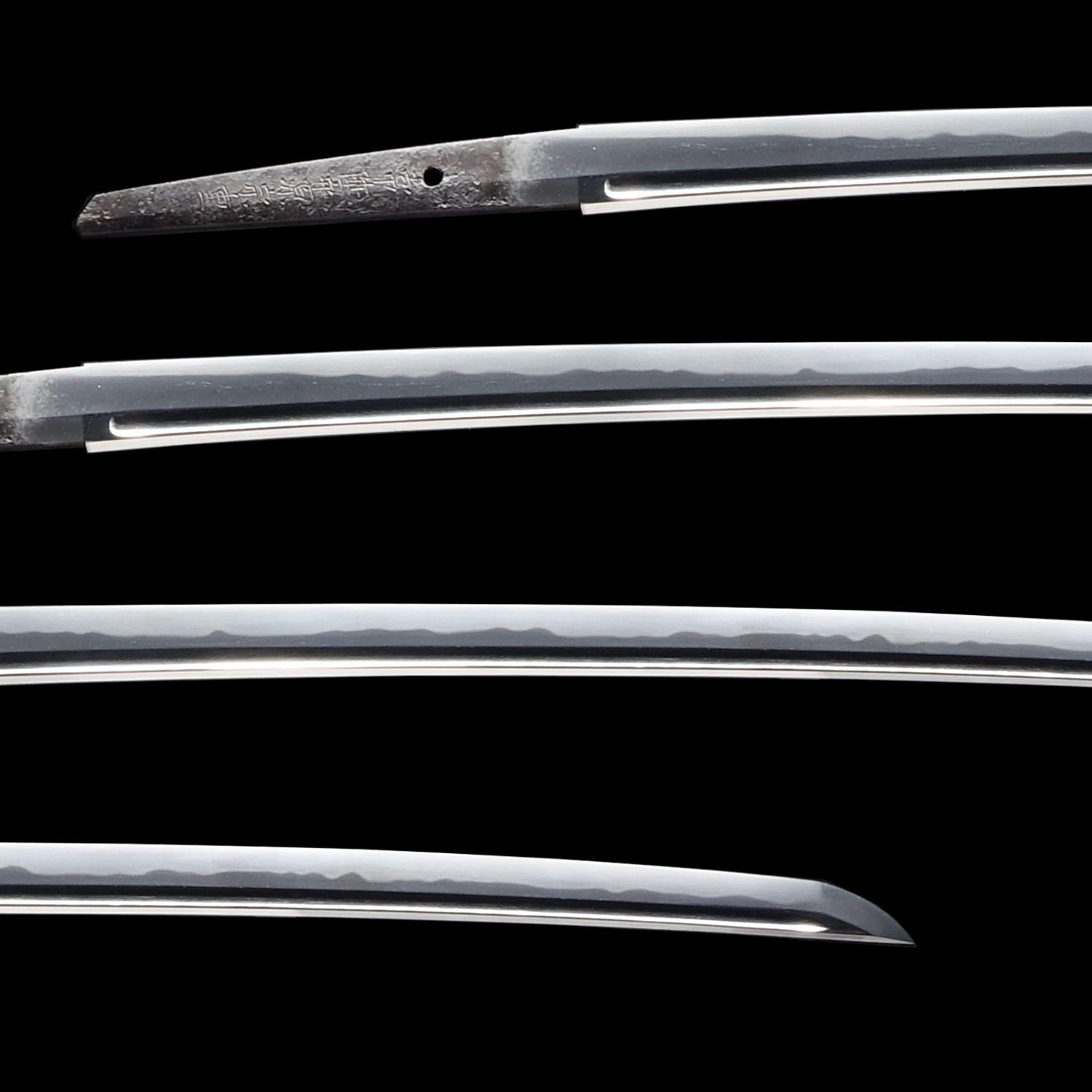
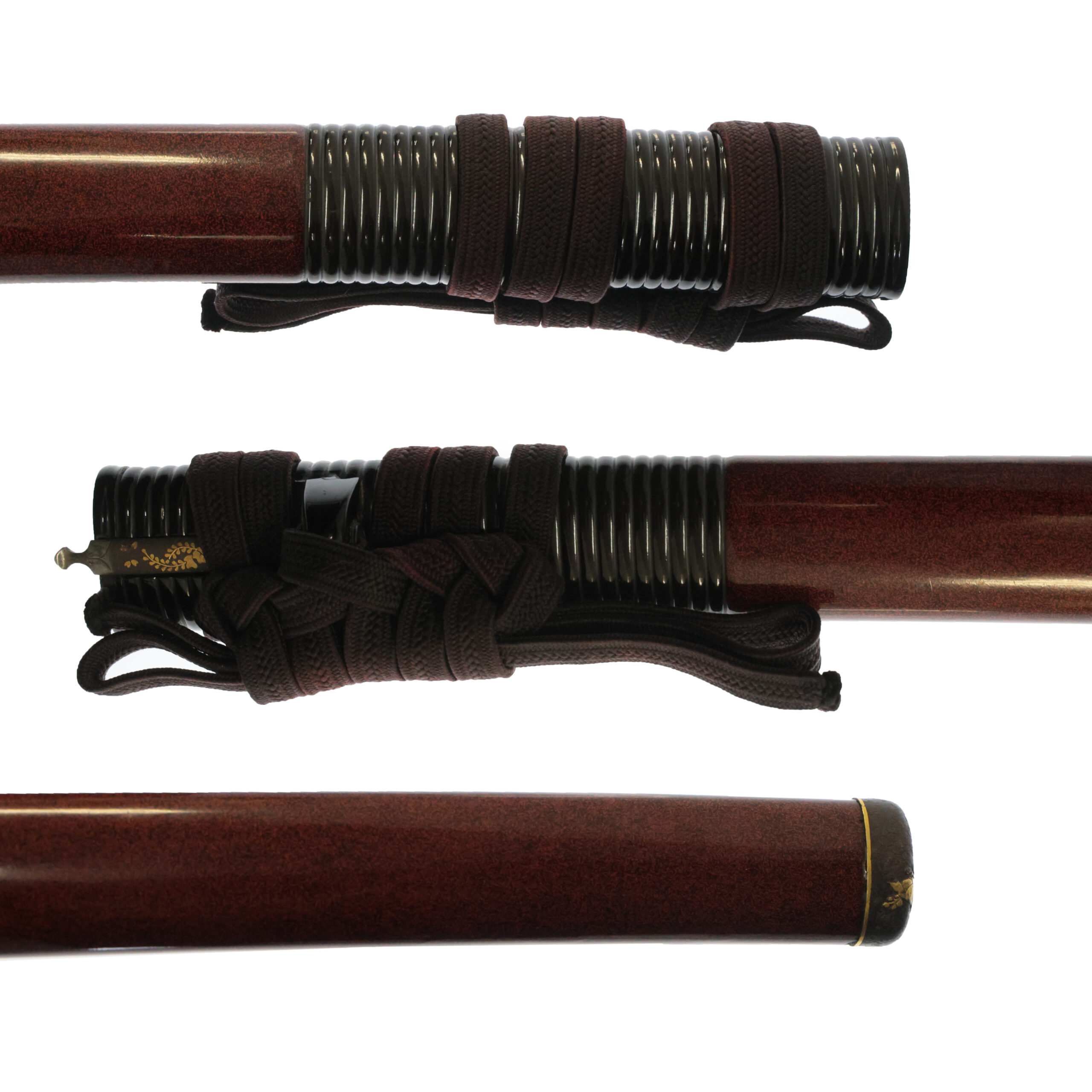
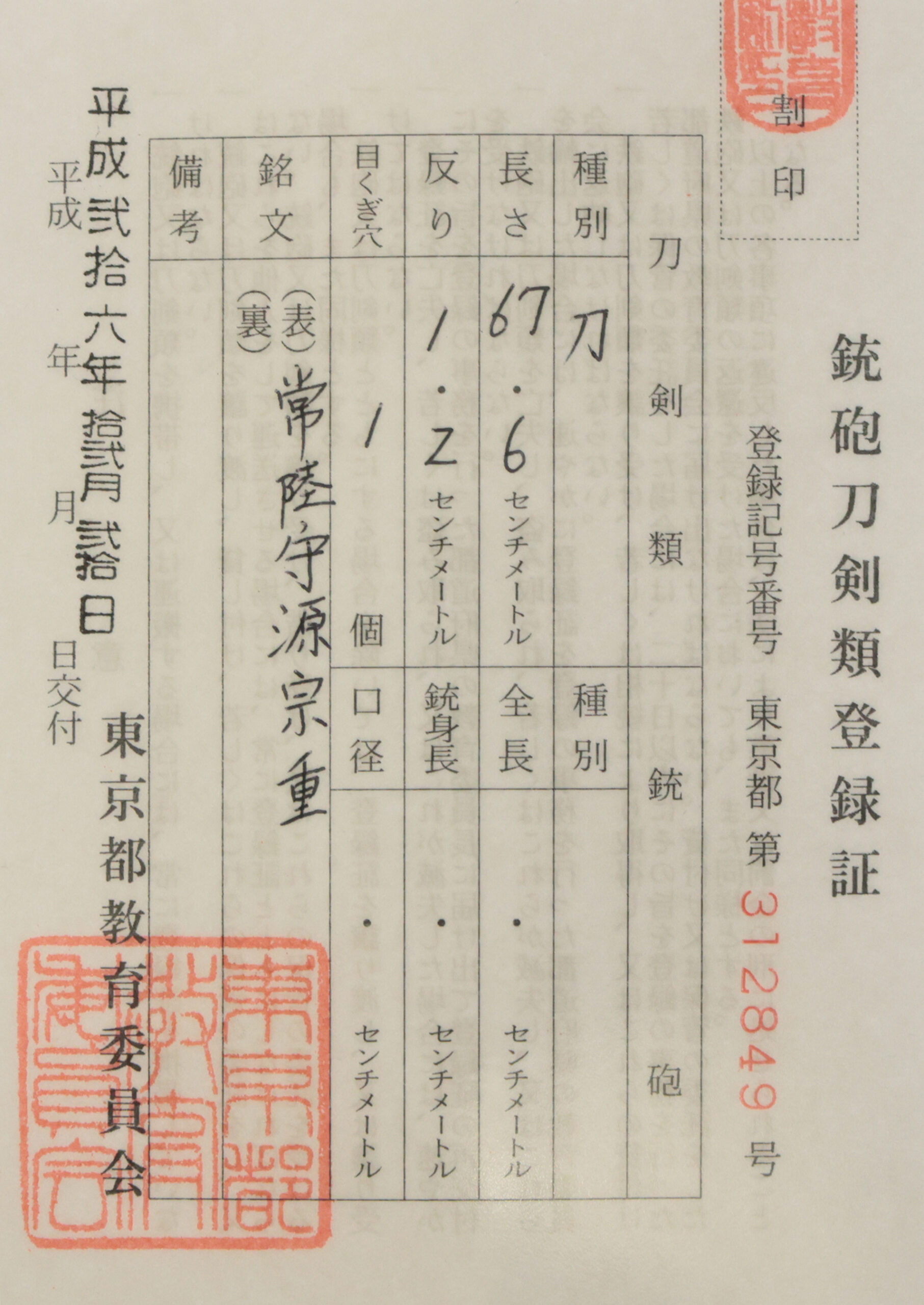
This blade was signed by Hitachi no Kami Muneshige (常陸守宗重) in the early Edo Period(Approx. 350 years old). Muneshige was originally from the Harima area(Hyogo prefecture today). He then moved to Osaka to forge swords during the Kanbun era. (the early Edo period). His master was the first generation Tsuda Sukehiro(津田助広), one of the greatest swordsmiths in the early Edo period in Osaka. The reputation of Sukehiro was closed to Kotetsu, another renowned swordsmith in the Edo period. It is said that Muneshige’s sword-forging technique was so great that he forged some swords on behalf of his master Sukehiro. Muneshige received the title of Hitachi no Kami. The imperial court only gave the title of kami(守) to the swordsmiths who did excellent work. It was honorable for any swordsmiths to receive such a title and only extremely skilled swordsmiths deserved this title. The blades forged by Muneshige are categorized as Osaka Shinto. Shinto is Japanese Sword generic term that refers to the swords forged during 1596-1781. The blades made in Osaka area during this period are called Osaka Shinto. There are many famous swordsmiths in this Osaka Shinto era. After Hideyoshi Toyotomi built Osaka castle, Osaka city flourished as a castle town and became the business center. Many swordsmiths moved to Osaka to look for better opportunities. They not only forged swords for those Samurai who lived in Osaka but also for feudal lords nationwide. Ikanshi Tadatsuna(Awataguchi Omi no Kami Tadatsuna), Inoue Shinkai, and Tsuda Sukehiro are the most famous ones among those many swordsmiths. Appraisal This Katana blade was appraised as a Tokubetsu Hozon Token (特別保存刀剣). It was issued by NBTHK (Nihon Bijutsu Touken Hozon Kyokai:日本美術刀剣保存協会). This authentication papers were only given to authentic Japanese swords, well preserved and high quality with artistic value. *Please keep in mind that there are a couple of Kitae Kizu and chip on the blade. Fuchi-Kashira This fuchi-kashira is also decorated with fuji-karakusa (藤唐草) motif, creating a sense of visual unity. Tsuka and Menuki The motif of this Menuki is the peony (牡丹, Botan), a flower that symbolizes happiness, wealth, nobility, and elegance. In Japan, the peony has long been regarded as an auspicious motif, representing prosperity and a bountiful harvest. The second character in the Japanese word Botan originally referred to a medicinal cinnabar used by mountain hermits, believed to grant eternal youth and longevity. For this reason, the peony pattern came to symbolize everlasting vitality and refined beauty. Tsuba and Habaki This tsuba features a fuji-karakusa (藤唐草) motif, a traditional Japanese design combining wisteria blossoms with gracefully scrolling vines. Wisteria has been admired in Japan since the Nara period (710–794), appearing in poetry, illustrated scrolls, and family crests, including those associated with the Fujiwara clan. Its cascading flowers evoke elegance and the beauty of spring. Karakusa (唐草) refers to a decorative pattern of curling stems and leaves. The vigorous growth and continuous intertwining of vines have traditionally made this motif a symbol of prosperity, longevity, and the continuation of a family across generations. Together, the wisteria and scrolling vines combine natural beauty with wishes for lasting good fortune. Kougai This item is an antique Kougai (笄), which was used to arrange or fix the hairstyle of Samurai. The Kougai is usually stored in the Kougai Hitsu. The Kozuka (小柄) is often stored at the other side of the scabbard. This kougai also features a design of fuji-karakusa (藤唐草) motif. Saya *Please keep in mind that this Saya is partially damaged due to its age. The Saya of this Katana is called Kizami-zaya (刻み鞘), featuring a carved ribbed surface. Also it is covered with red lacquer. Due to its high waterproof effect, lacquer has been used since ancient times in Asia. The blade of a Japanese sword is made of iron, and moisture is the greatest enemy of iron. For the purpose of carrying the blade without degrading it, people devised a method of coating the scabbard with lacquer. To prevent not only moisture but also rain and snow from penetrating the inside of the scabbard, it was necessary to apply multiple layers of lacquer. The Nushi (塗師, lacquerers) was born precisely because advanced techniques were required to handle the complicated processes. Authentication Paper NBTHK,, also known as Nihon Bijutsu Touken Hozon Kyokai (the Society for the Preservation of the Japan Art Sword), is one of the oldest Japanese sword appraising organizations in modern-day Japan. They authenticated the Katana blade on May 24th in the 3rd year of the Reiwa (2021) . It means the blade worth preserving for Japanese society. Registration Number The Board of Education in Tokyo issued a registration paper for the Katana blade.
Offered by Samurai Museum

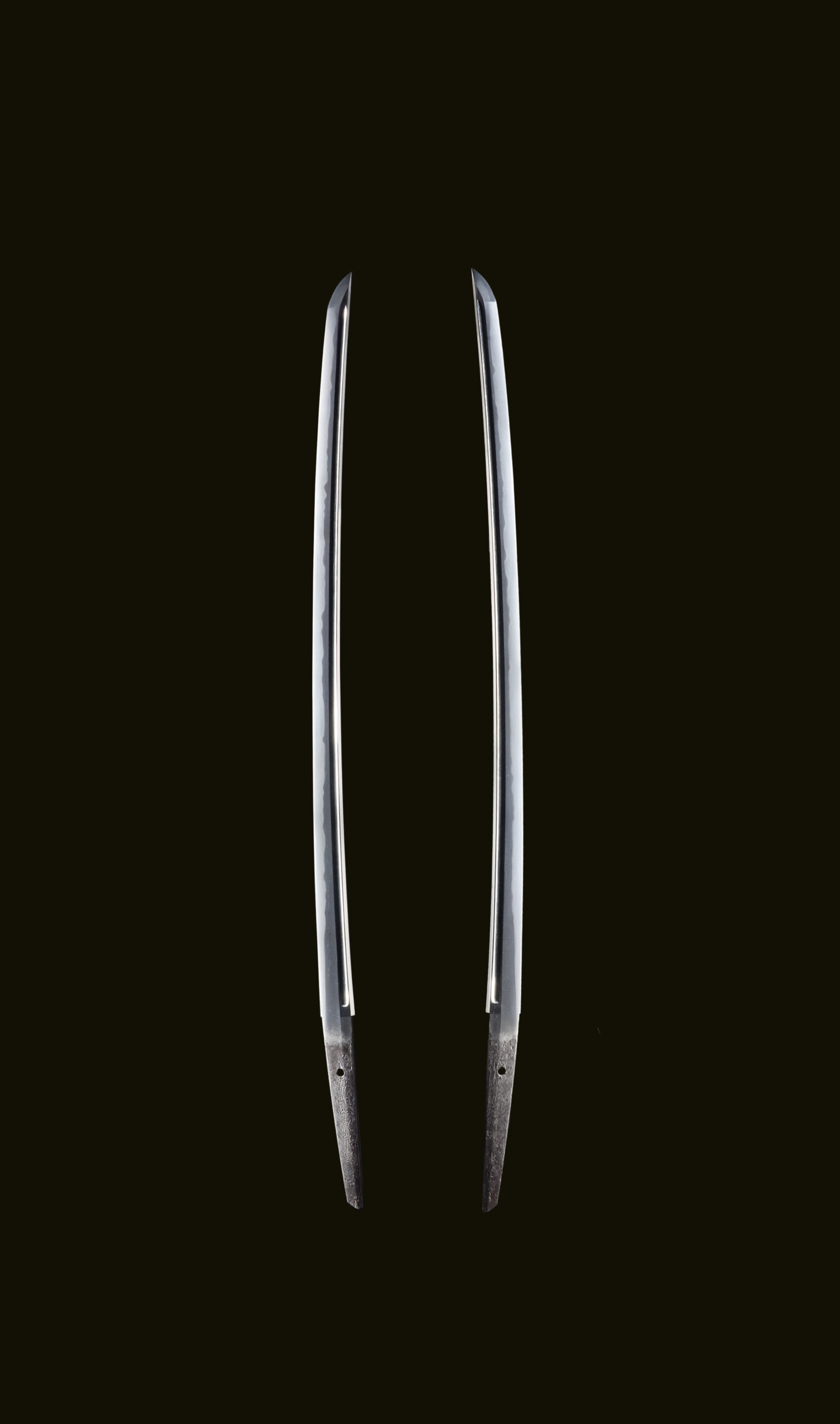
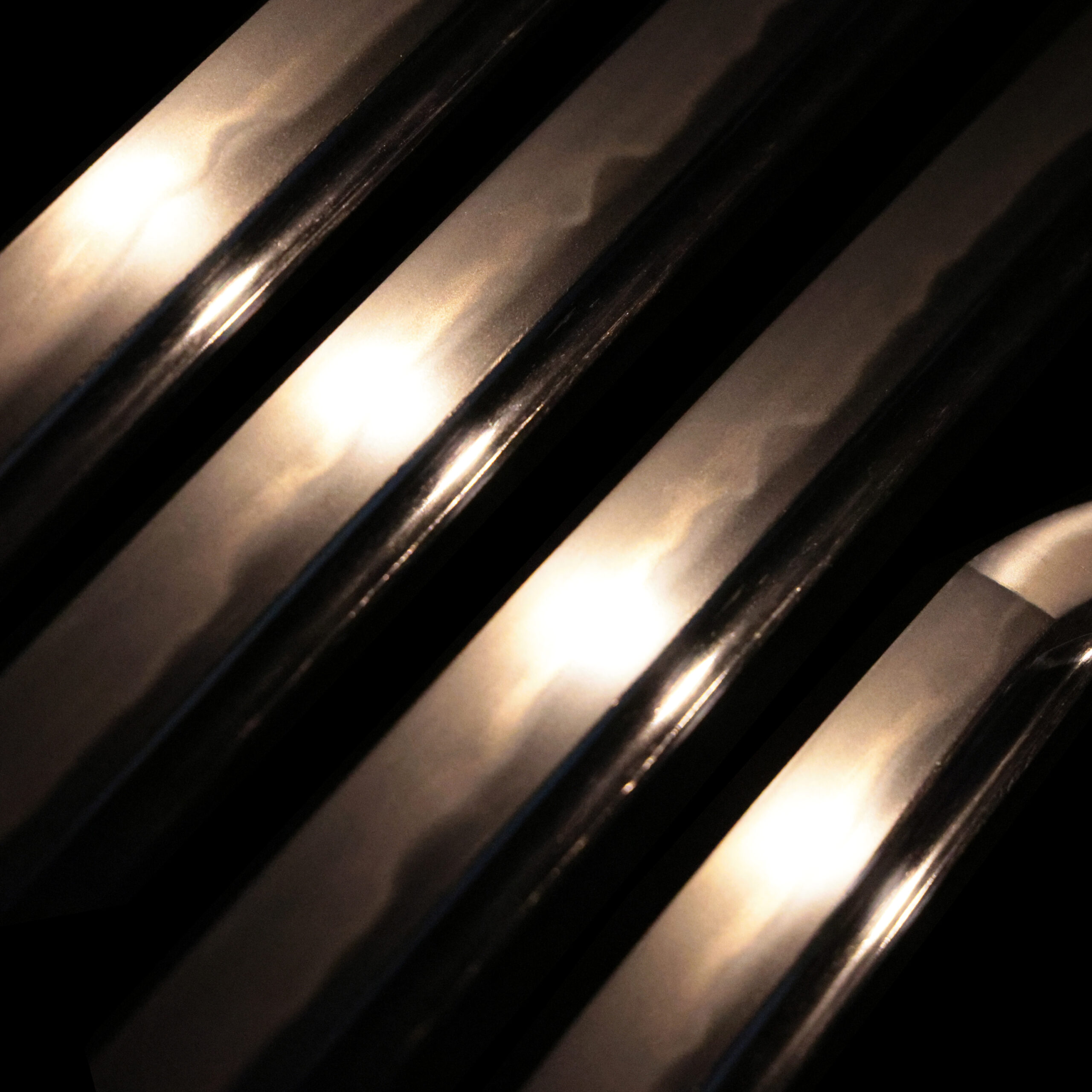
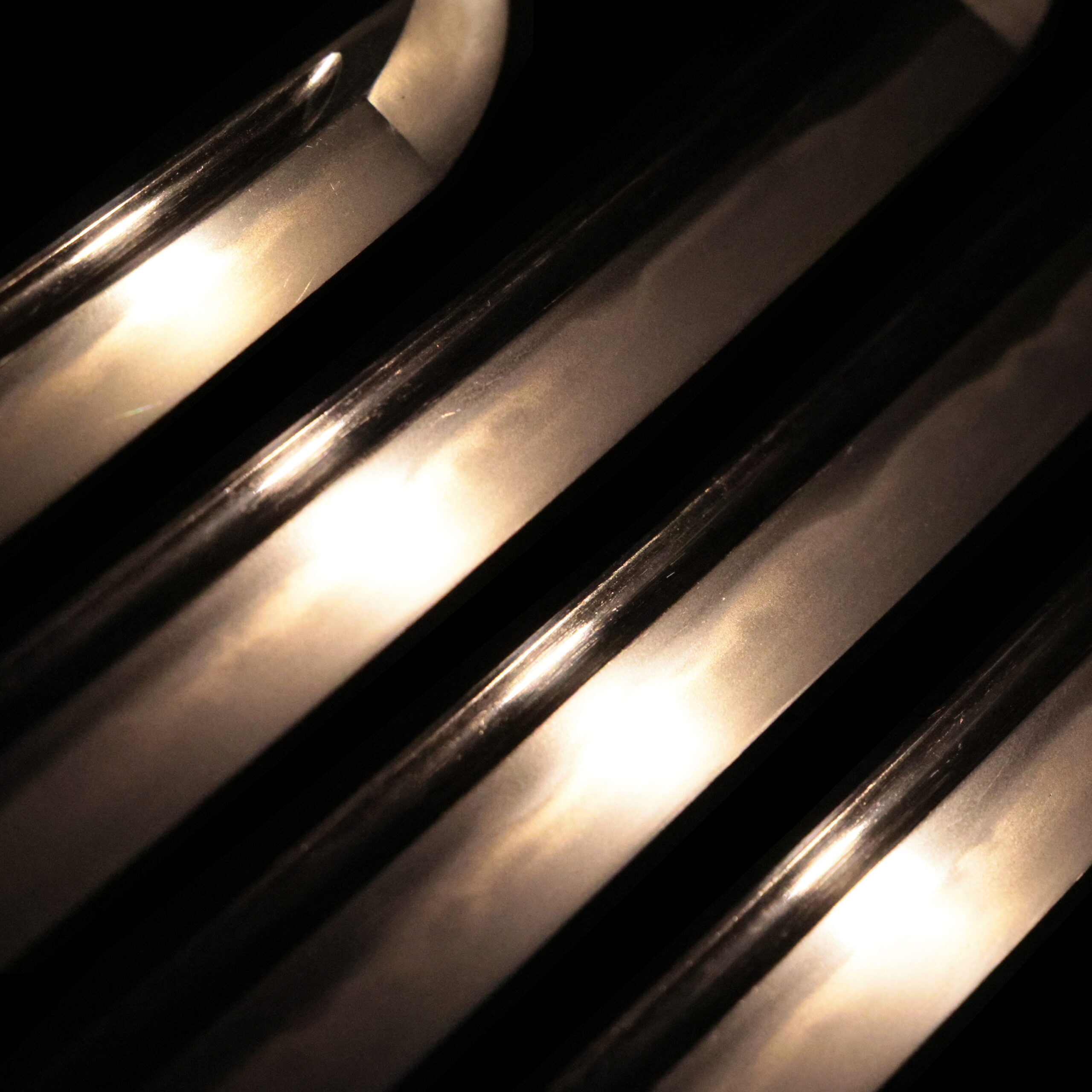
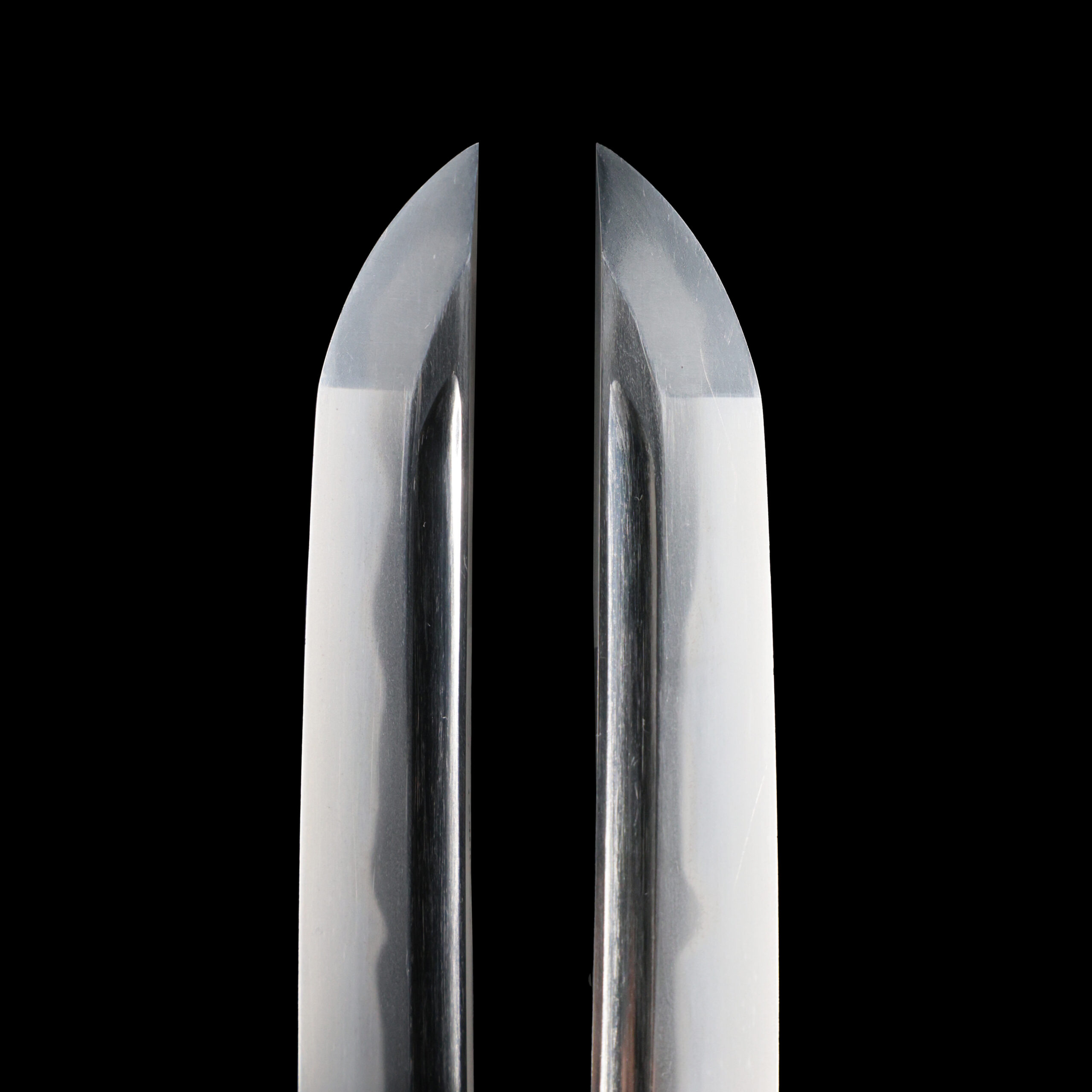
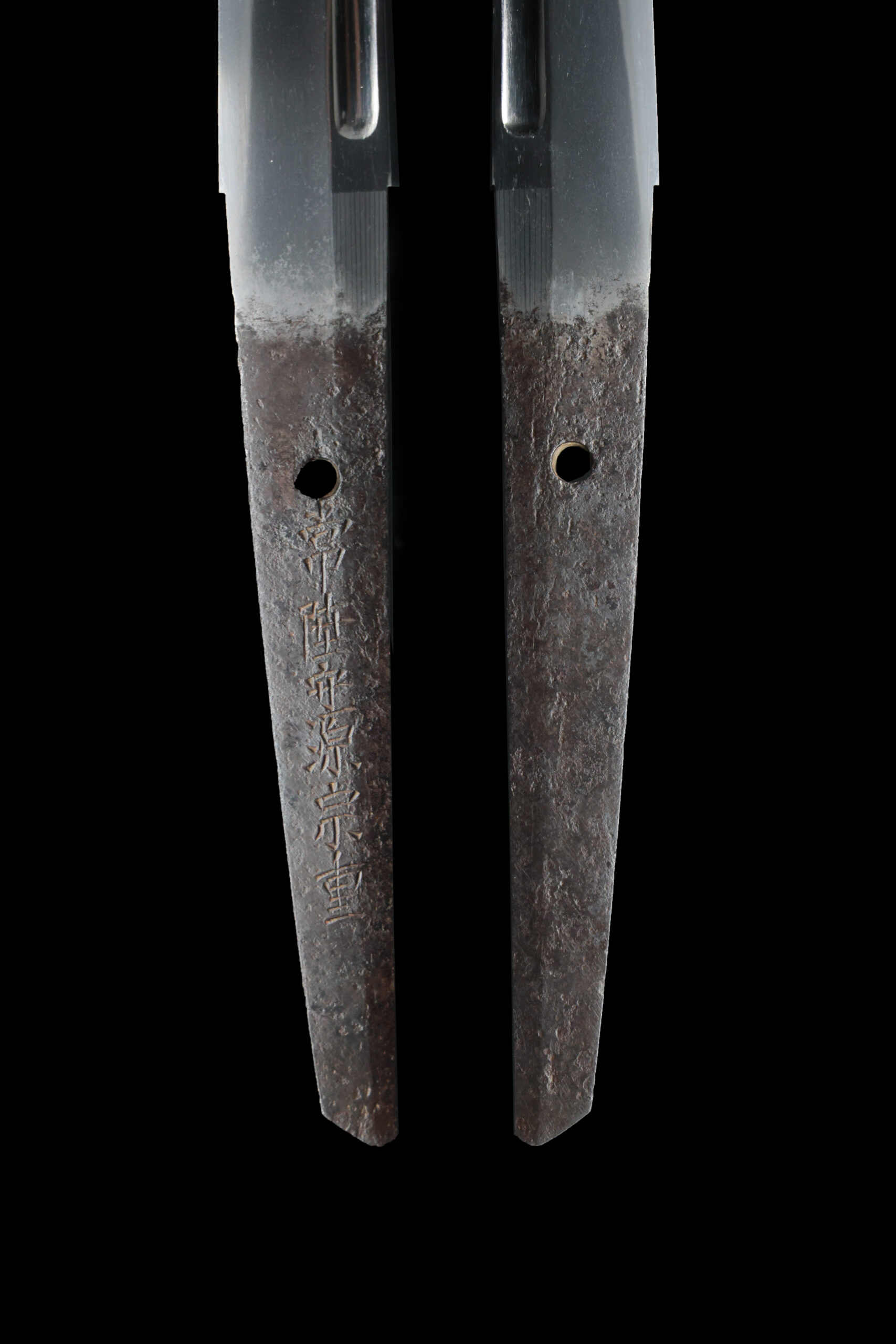
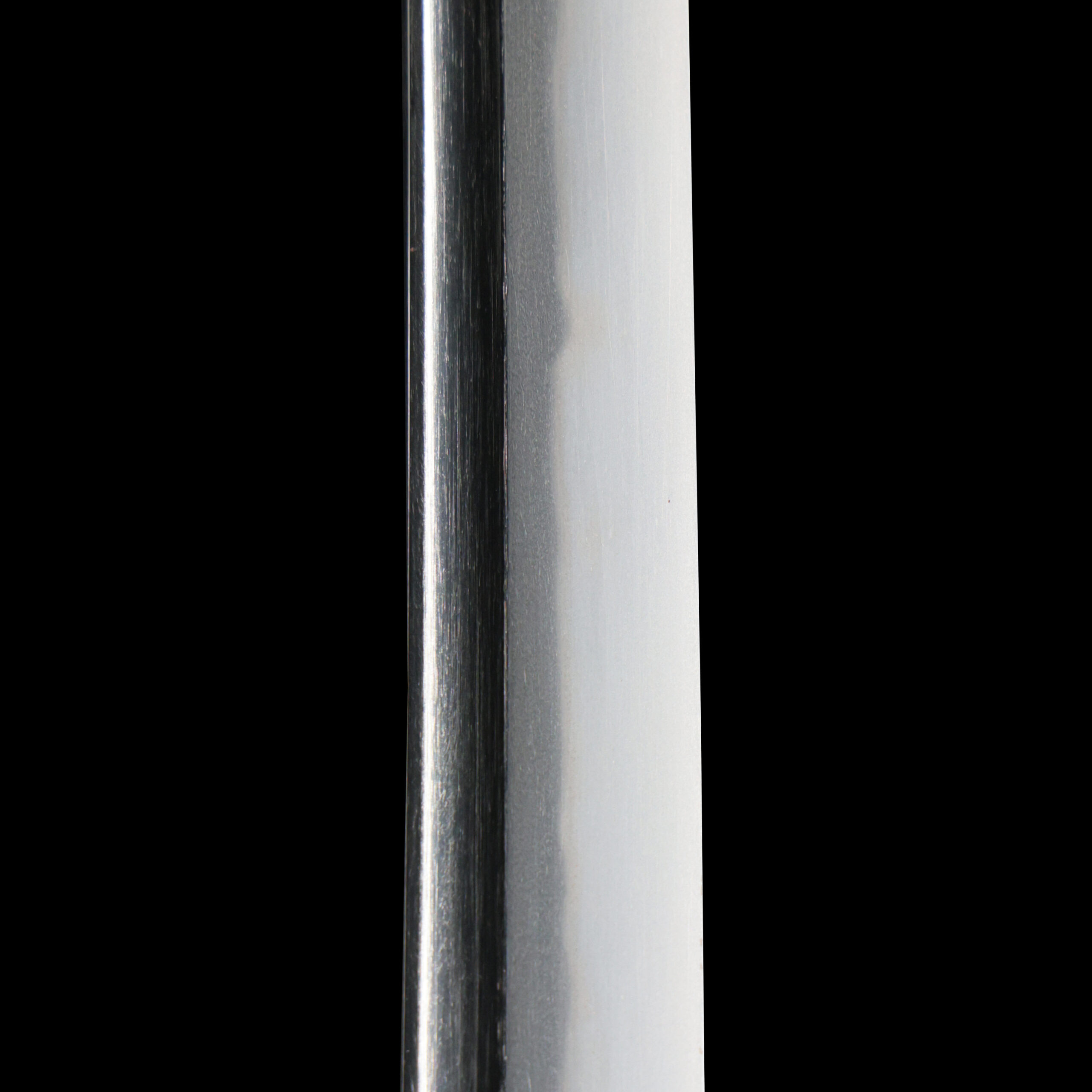
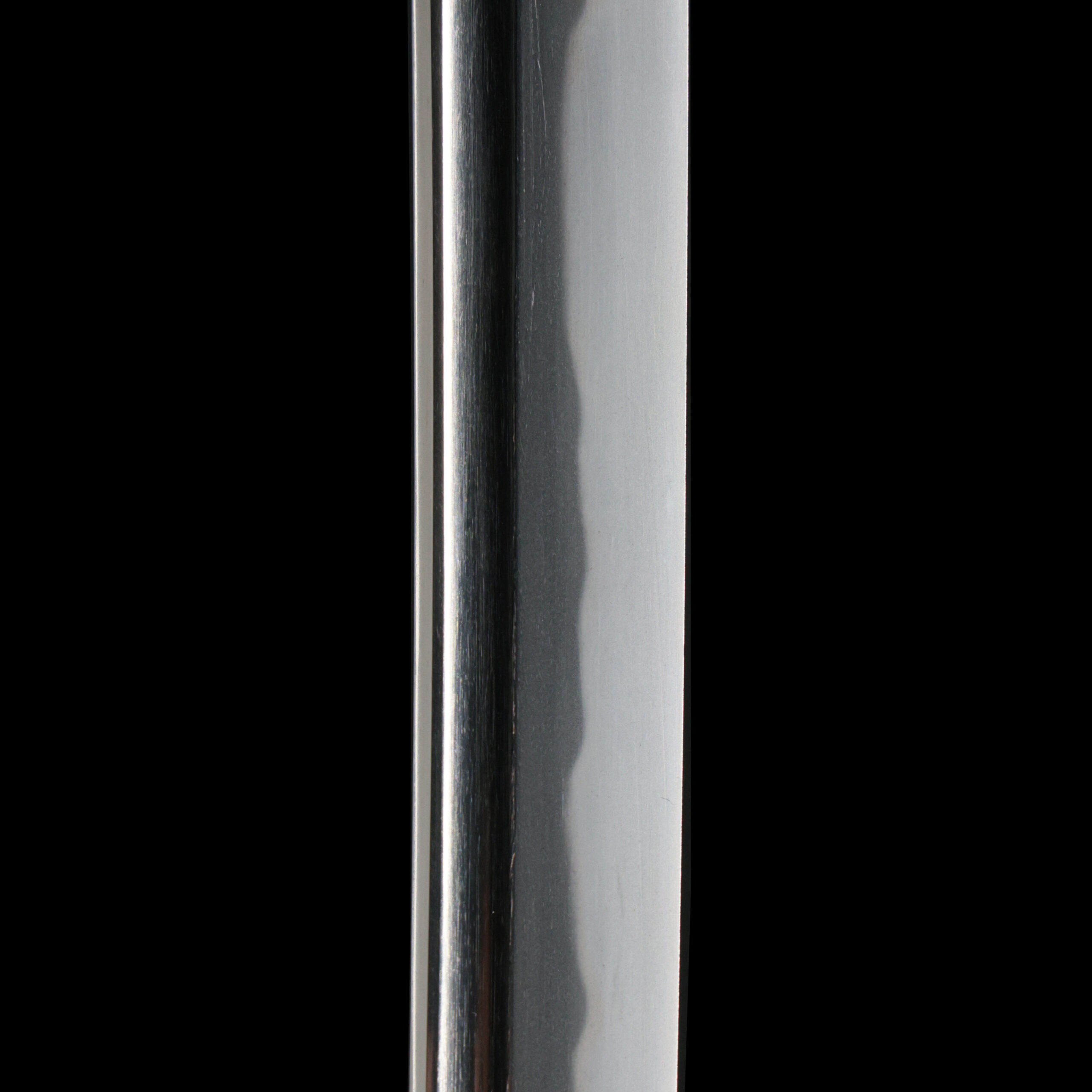
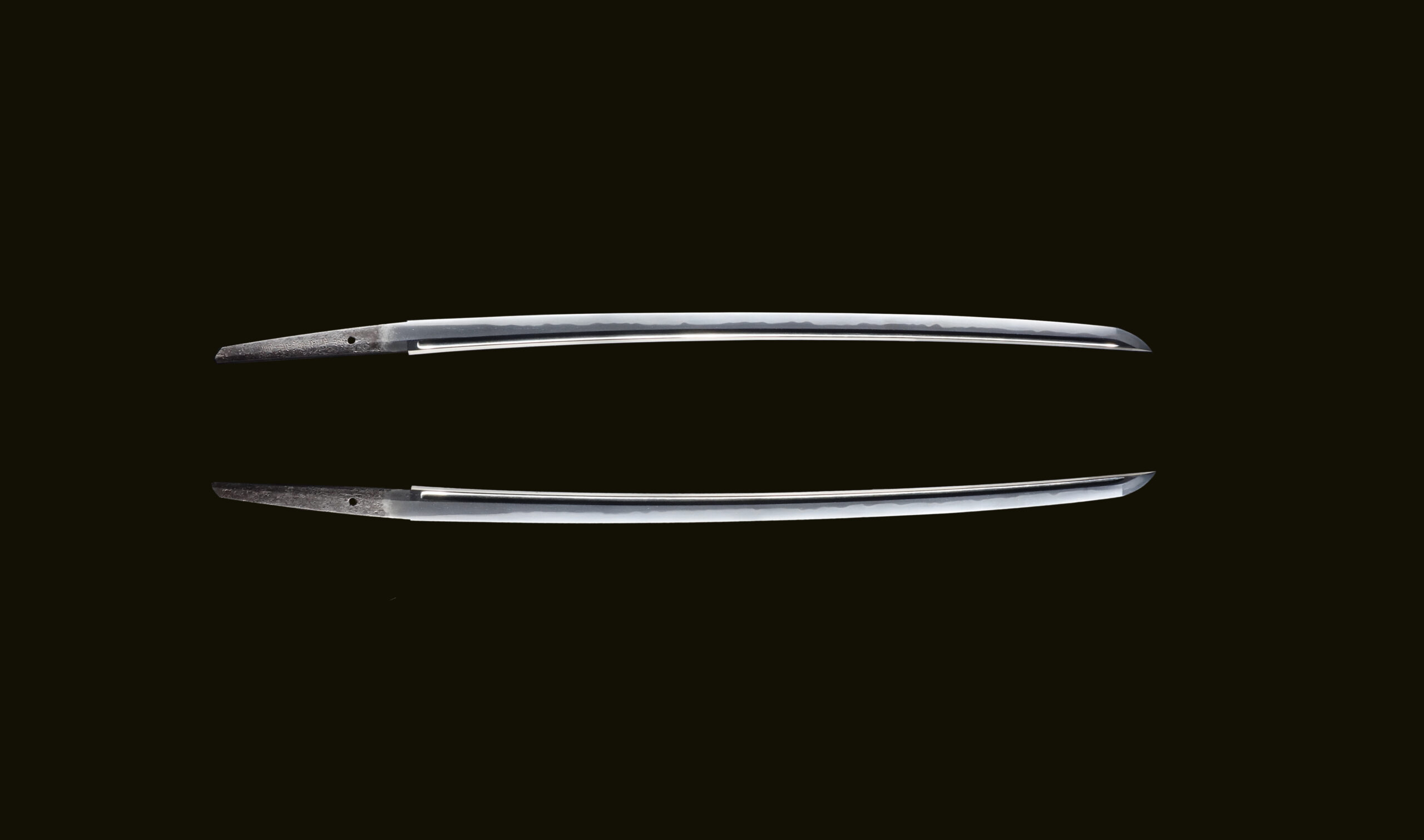
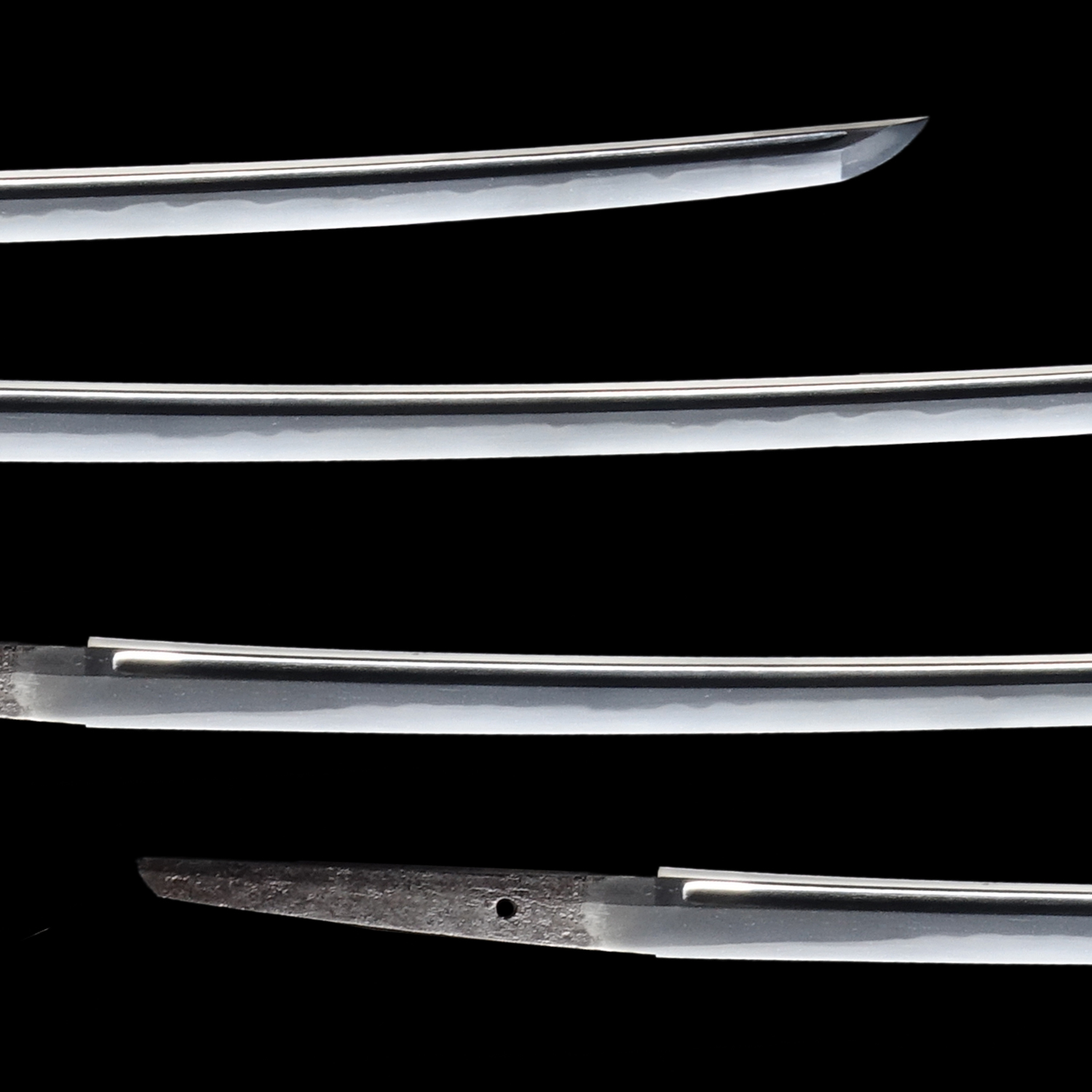
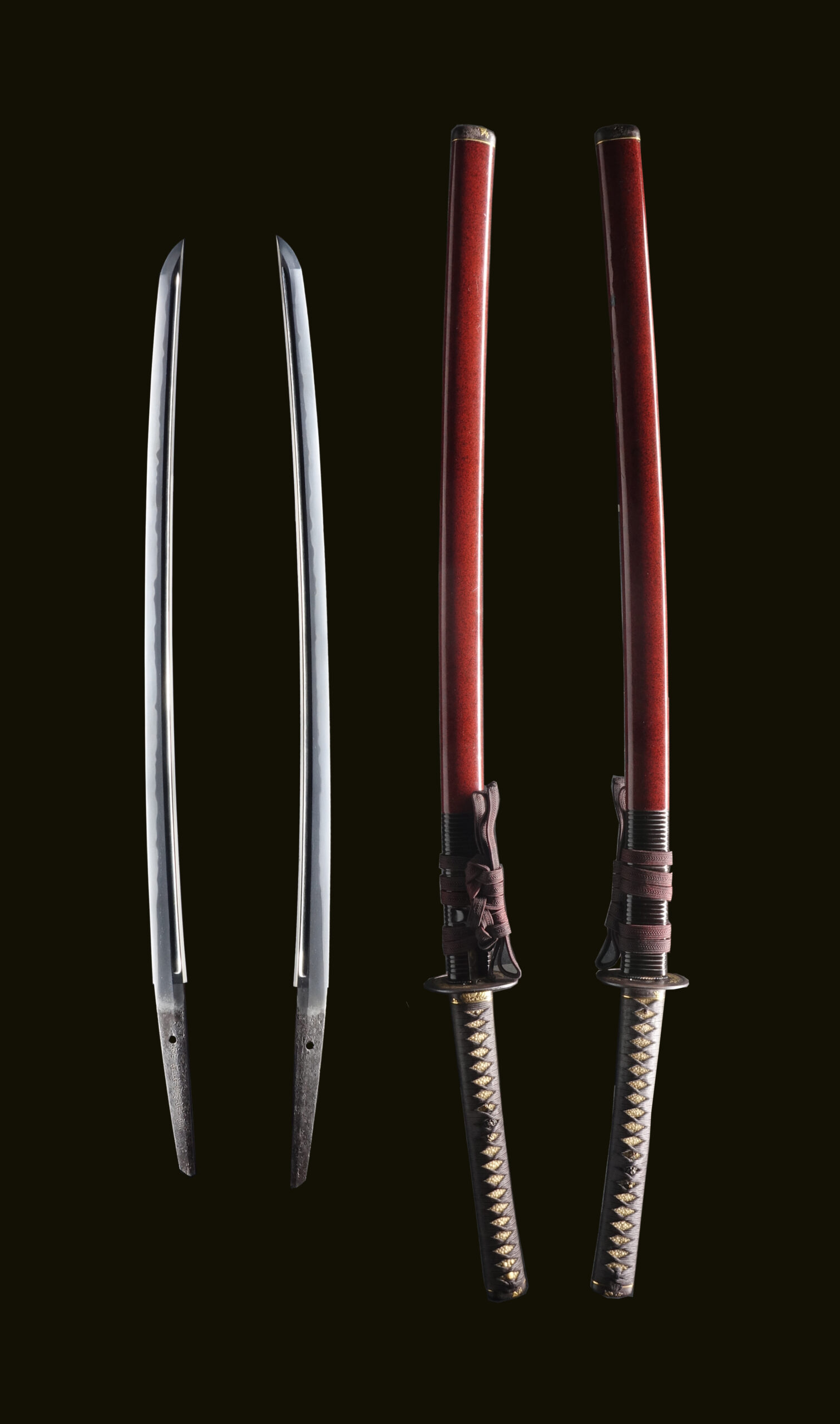
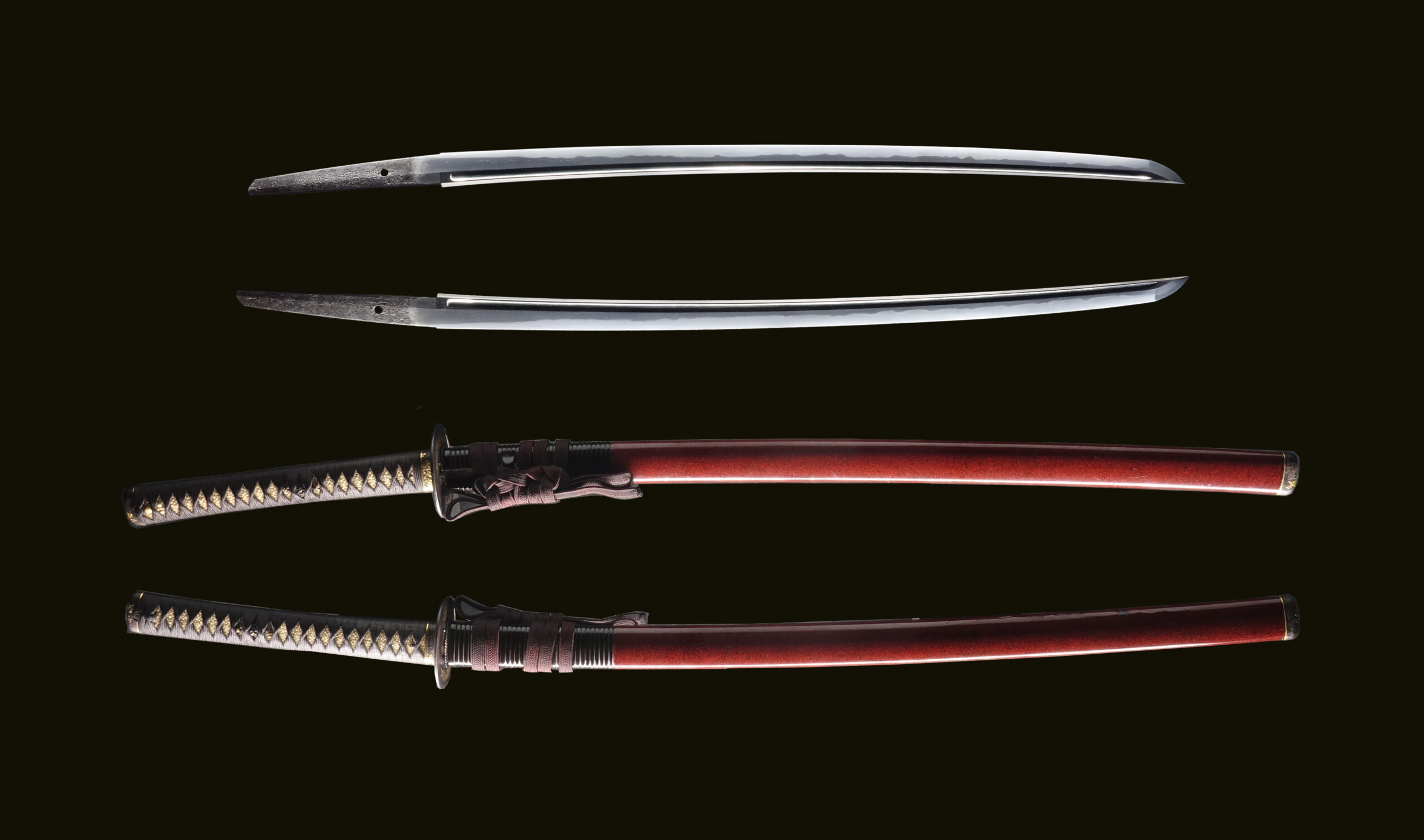
Settsu · around 1661-1673
Fujishiro Chu-jo saku · Tōken Taikan top 76%
1 piece on the market now
The Edo period (1615 to 1868)
Edo was the sword’s age of connoisseurship: the Hon’ami appraisers, the shogunal register of famous blades of 1719, and a thriving literature turned the sword into an object of study even as it ceased to be drawn in war.
A Hozon-certified blade judged to show notably superior workmanship and a better state of preservation. The bar is higher: re-tempered blades and most unsigned Muromachi/Edo works are excluded.
The NBTHK (Nihon Bijutsu Tōken Hozon Kyōkai, the Society for the Preservation of Japanese Art Swords) is a public-interest incorporated foundation founded in 1948 and supervised by Japan’s Agency for Cultural Affairs (Bunkachō); it is based at the Japanese Sword Museum in Tokyo. Its expert panels physically examine each submitted work (shinsa) and issue a certificate (kanteishō) ranking it by artistic and historical merit. NBTHK papers are the most widely recognized standard of authentication for Japanese swords and fittings.
NBTHK official siteReturns/exchanges limited to defects caused by shipping (except willful misconduct or gross negligence by the company); customers must contact within 72 hours of receiving the product.
¥1,600,000