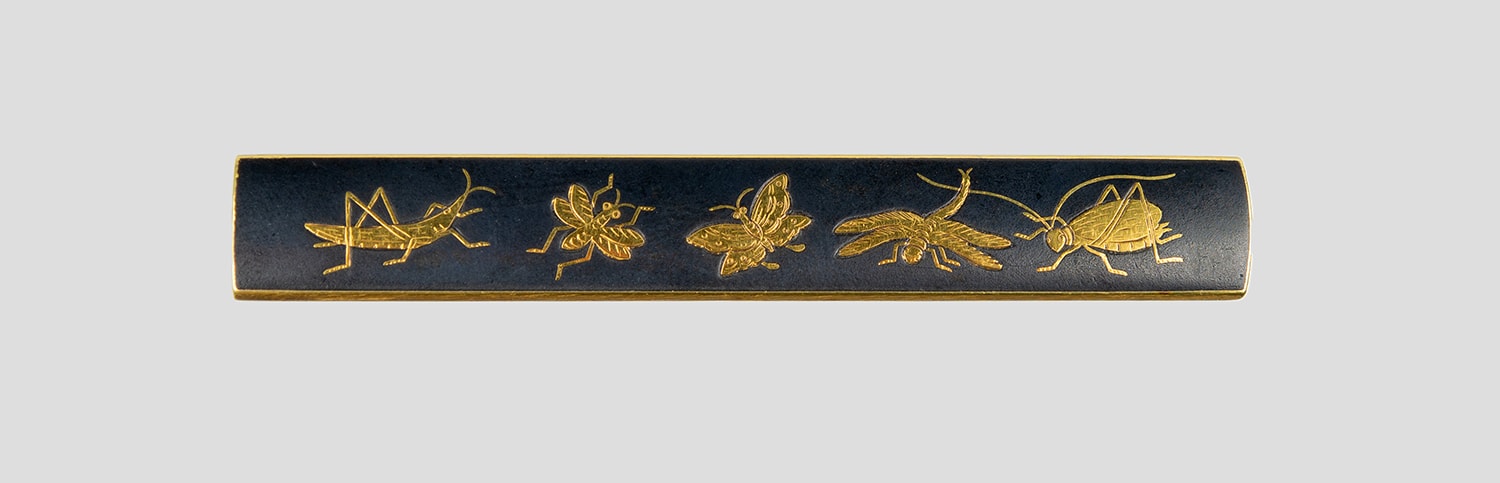
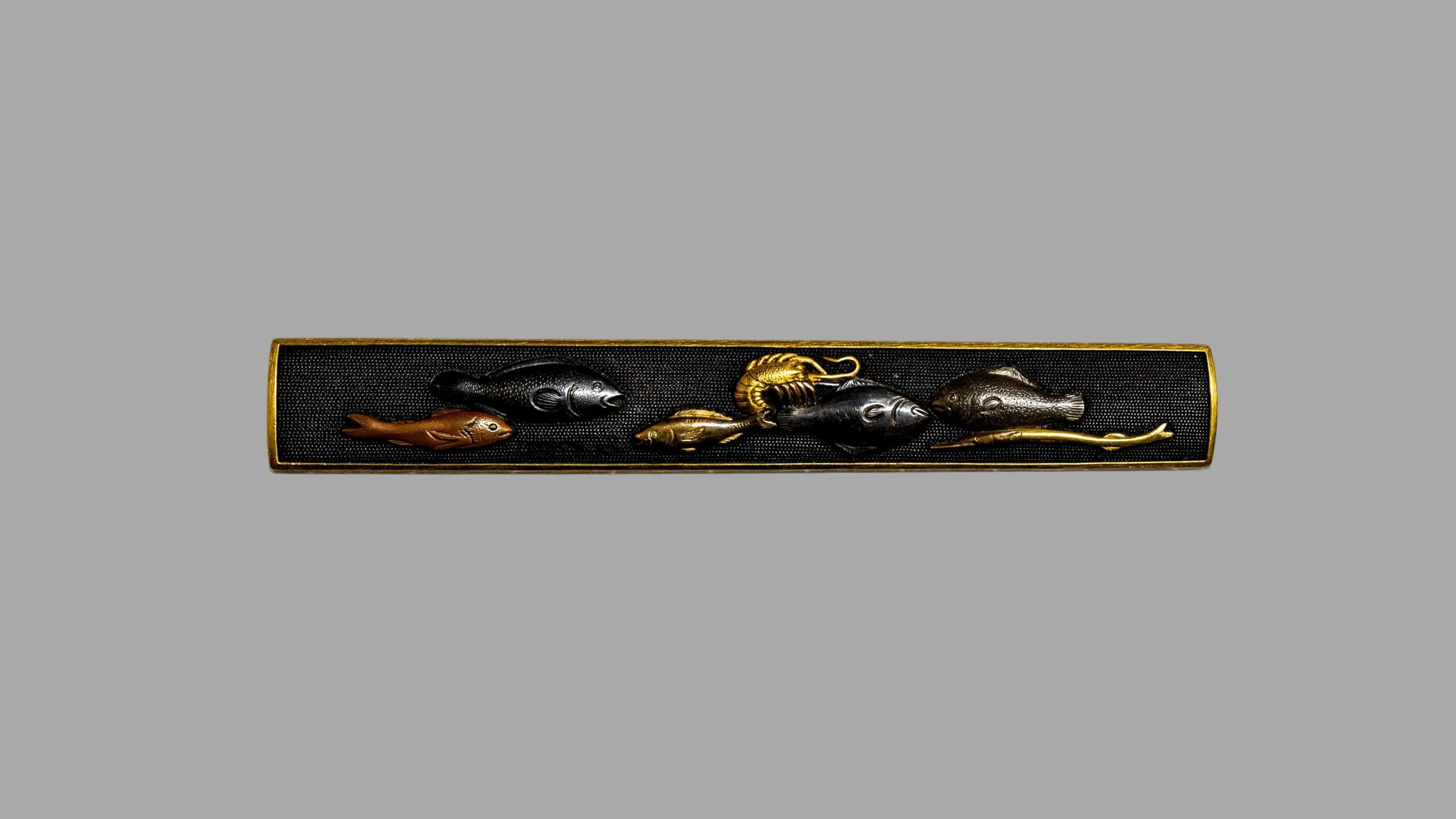
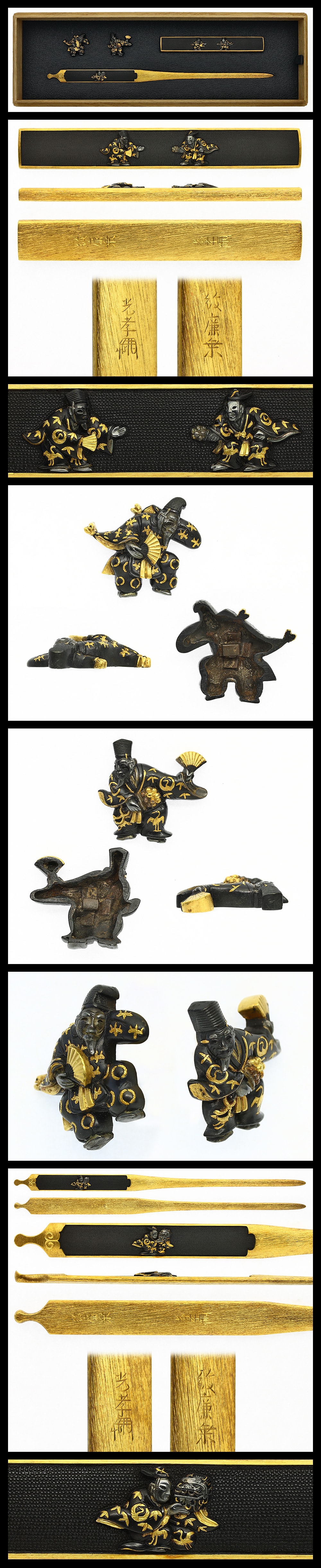
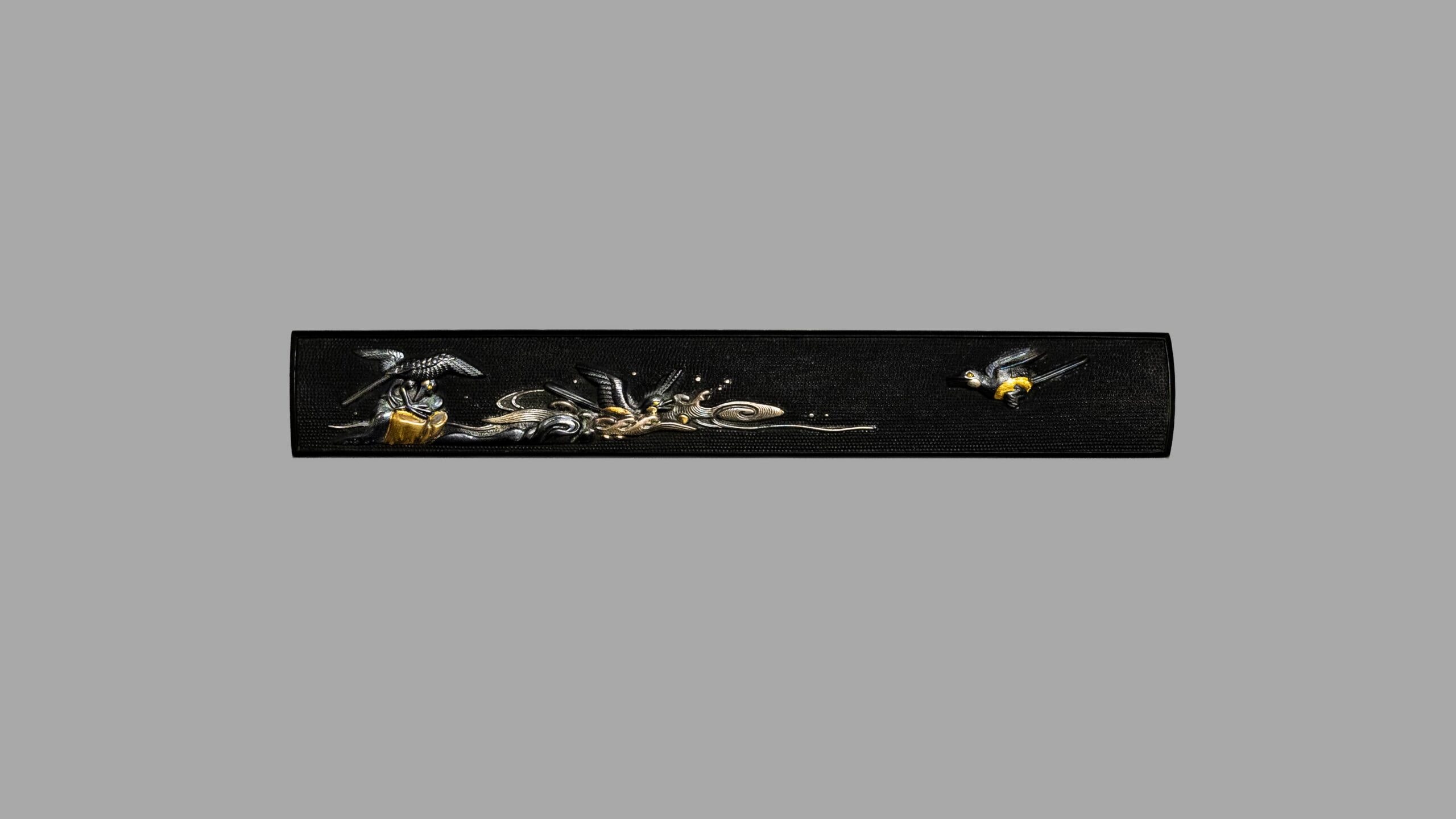
Gotō Teijō (程乗), whose personal name was Mitsumasa (光昌), was the ninth-generation head of the Gotō main line (sōke) and a pivotal figure in the transition of the house's metalwork tradition into the early period. Born in Keichō 8 (1603) as the second son of the seventh head Kenjō (顕乗), his childhood name was Gen'ichirō. In 'ei 1 (1624), when his father Masatsugu took the tonsure and assumed the art name Kenjō, Teijō succeeded as the second head of the Rihei branch house, changing his name to Rihei Mitsumasa. When the eighth head of the main line, Mitsushige (Sokujō), died at the young age of thirty-two and his heir Kameichi was still only four years old, Kenjō temporarily assumed responsibility for the main line, after which Teijō inherited the position as ninth head. He served as guardian to the young tenth head Renjō, transferring the headship when Renjō reached eighteen and continuing as his protector until he turned twenty-five. Teijō also served the Maeda house, alternating by year with Enjō, a son of Kakujō, and in this way made a major contribution to the development of the refined culture supported by 's "million-" domain, where his influence established what became known as the -Gotō lineage.
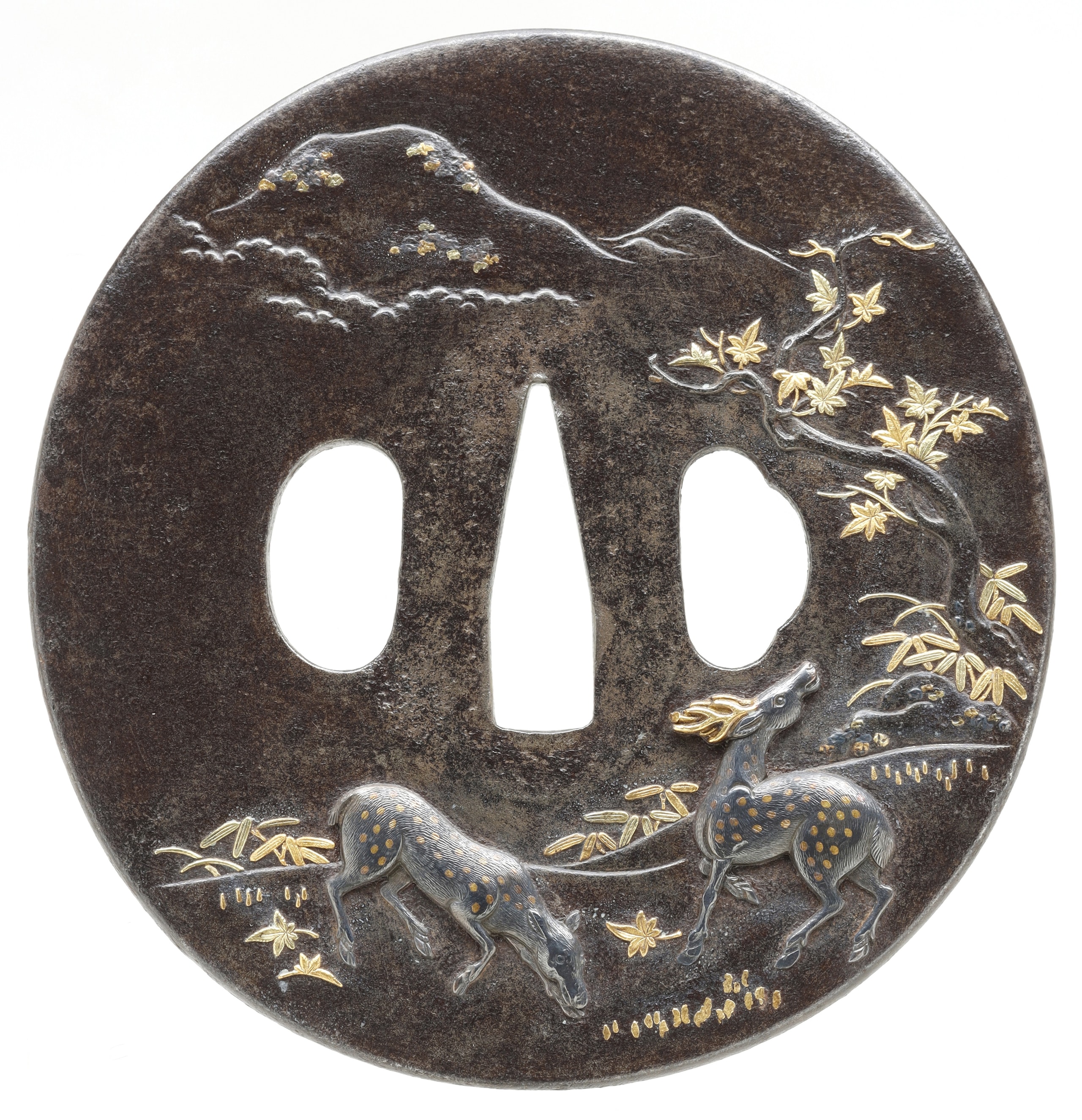
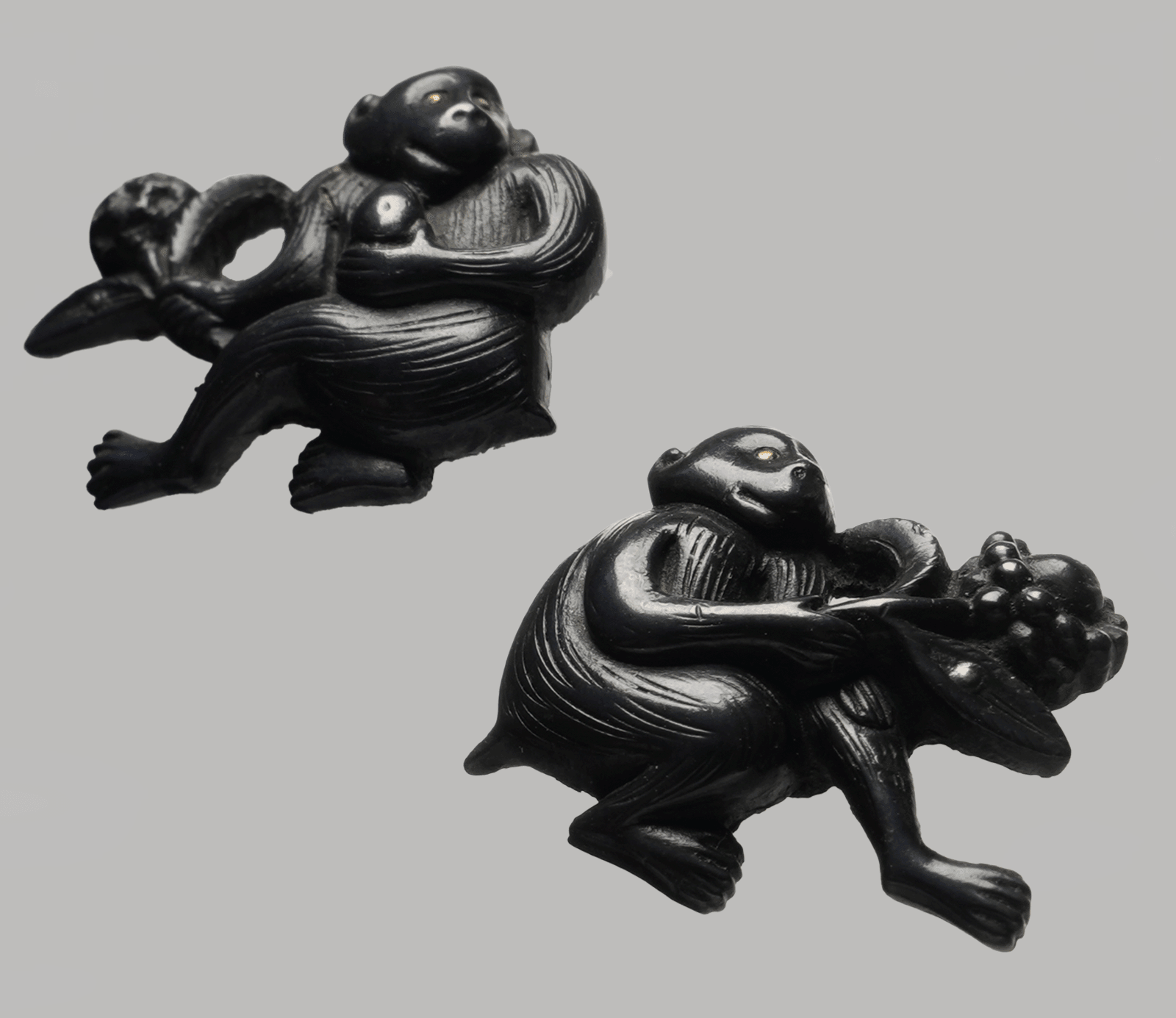
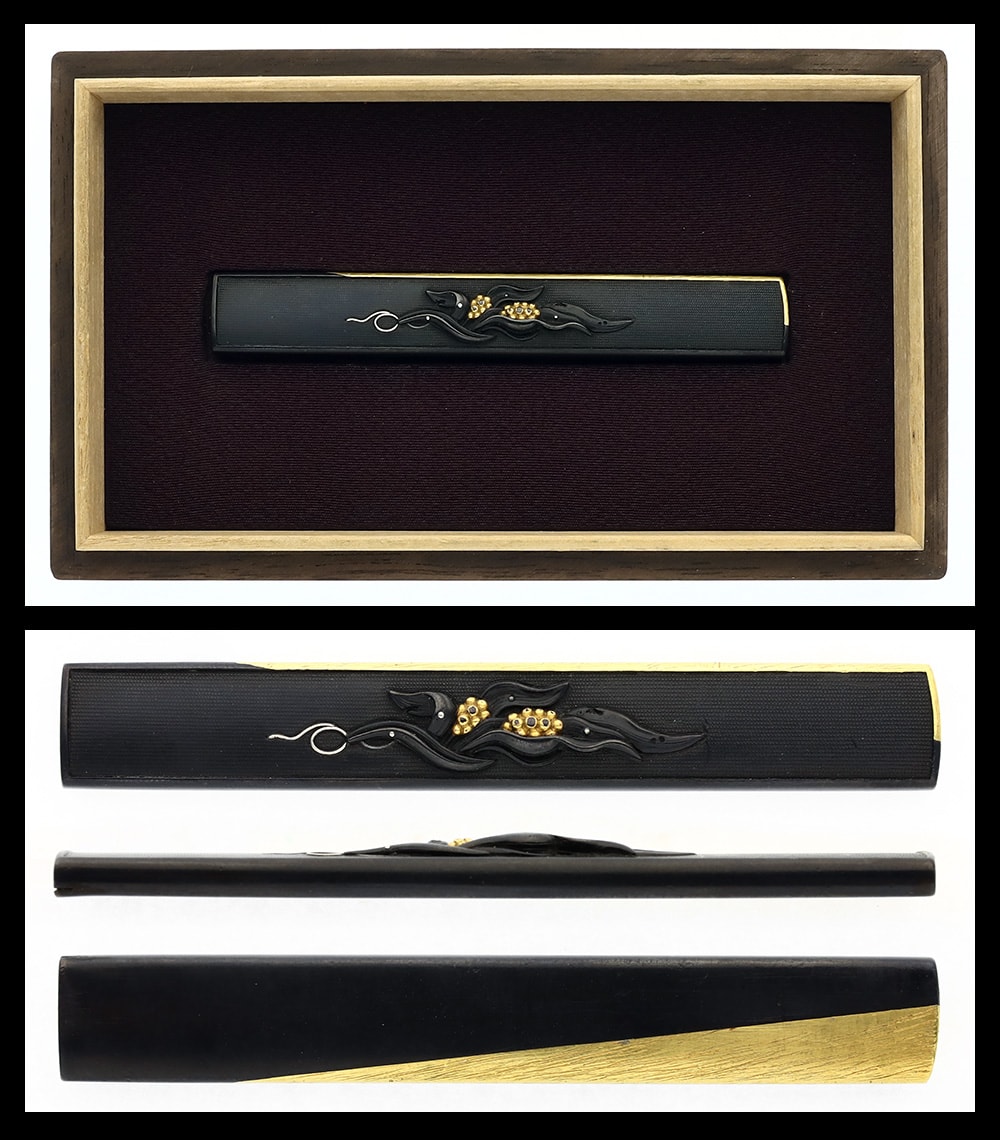
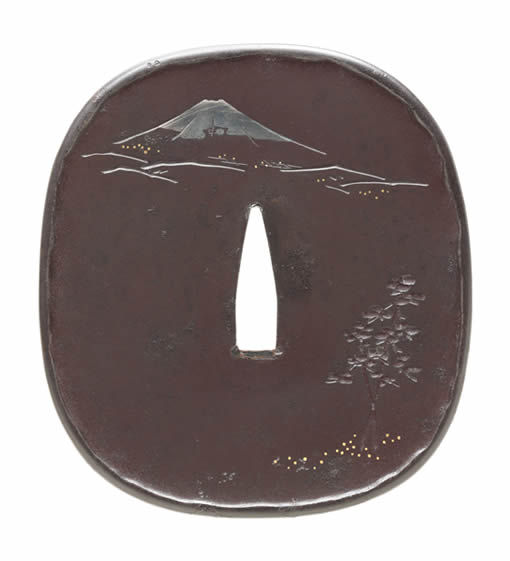
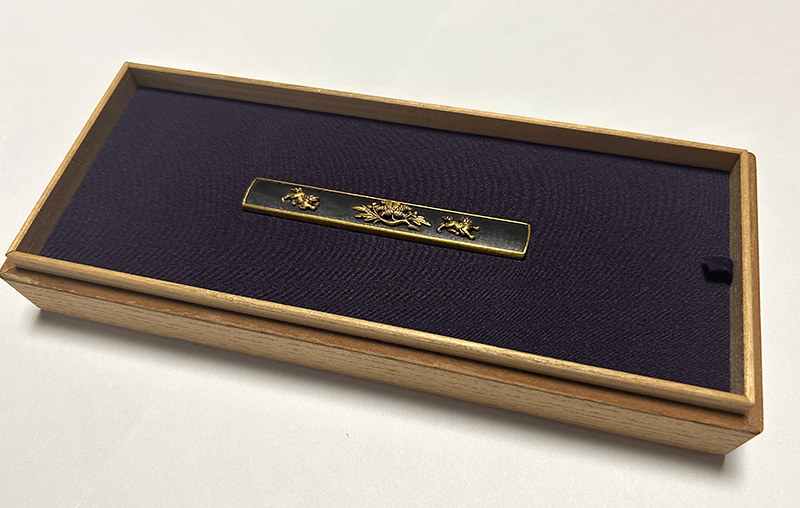
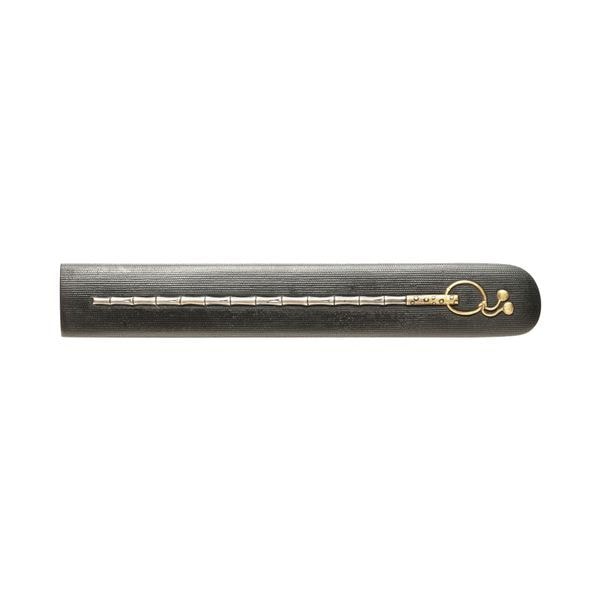
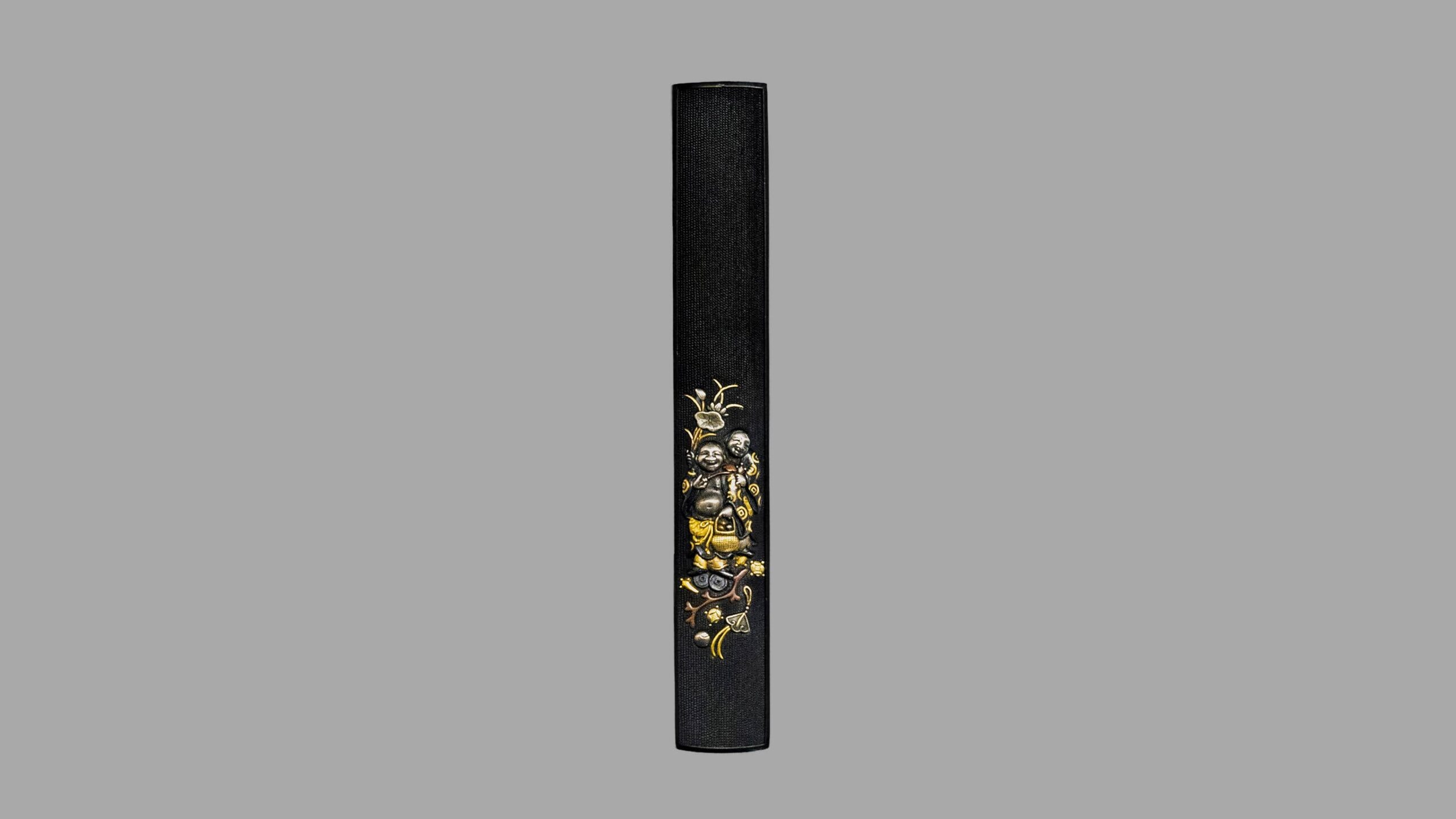
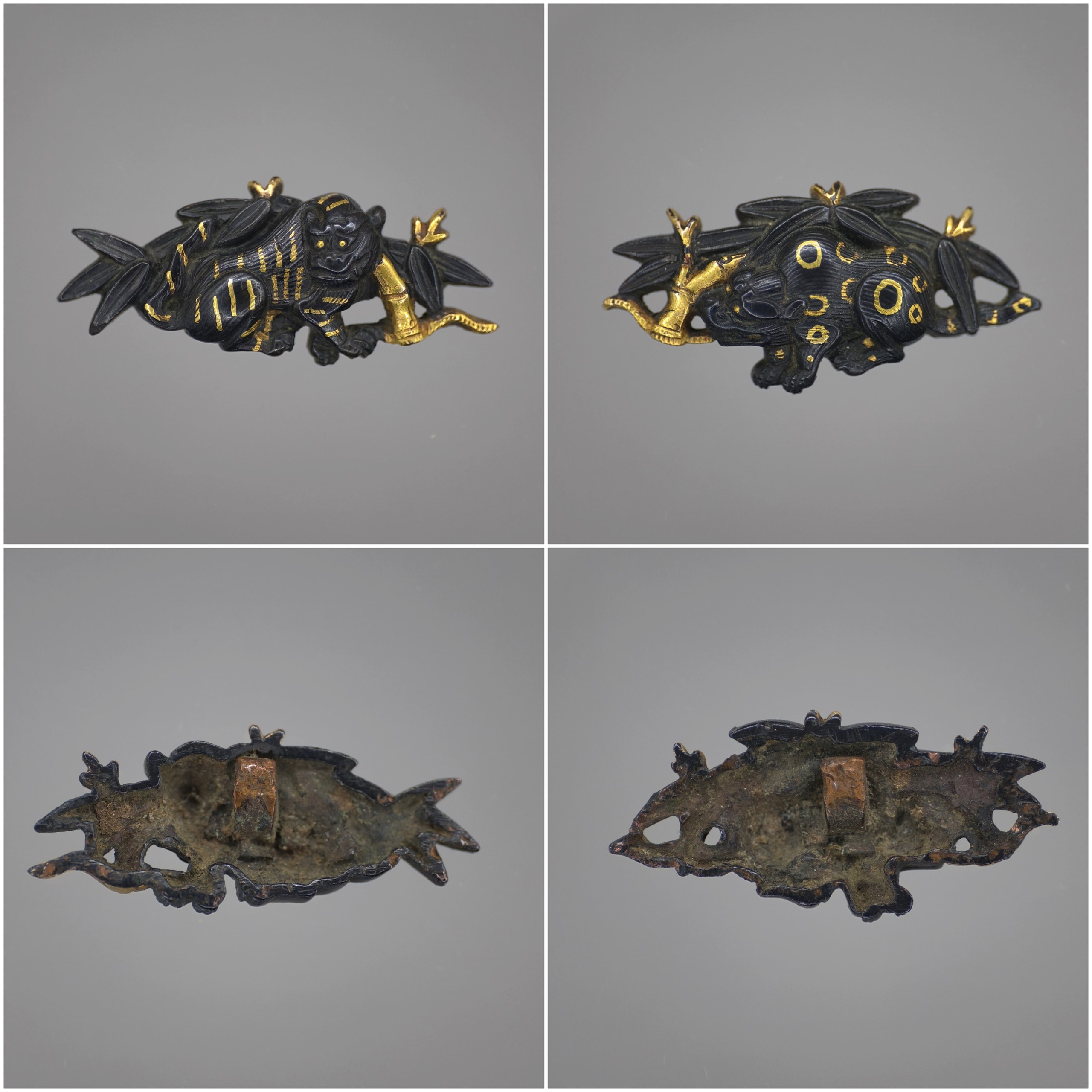
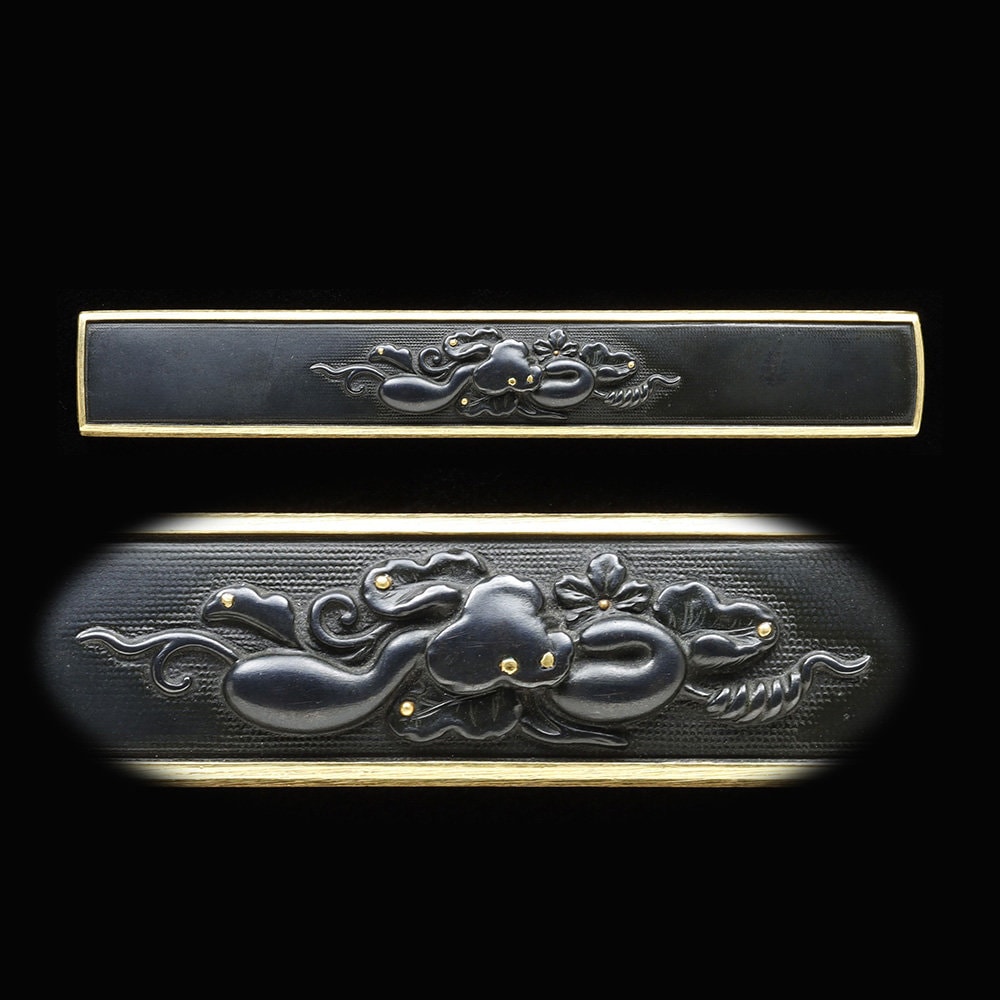
Teijō's work is executed predominantly in grounds with relief carving and polychrome employing gold and silver, though he also produced pieces on solid gold () grounds of exceptional sumptuousness. His carving manner is characterized by a calm, restrained temperament and fine precision; the chisel work varies freely between measured and rapid passages, and the modeling of forms is full yet taut. He is noted for achieving distinctive coloristic effects through the purposeful deployment of such as silver and copper. His display powerful yōbori rounded relief with pronounced variation in height and depth, and his and are consistently finished with gold-backed reverse plates ('). While Teijō carefully preserved the Gotō house's hereditary design vocabulary -- dragons, lions, and tigers rendered with the sculptural fullness and expressive modeling characteristic of the main line -- he also incorporated novel themes including literary and historical narratives such as the Rashōmon legend, scenes from the Tale of Genji, and the Oxherd and Weaver Maiden, as well as uncommon subjects such as anchors and the rare one-horned dragon, a motif of imperial rank.
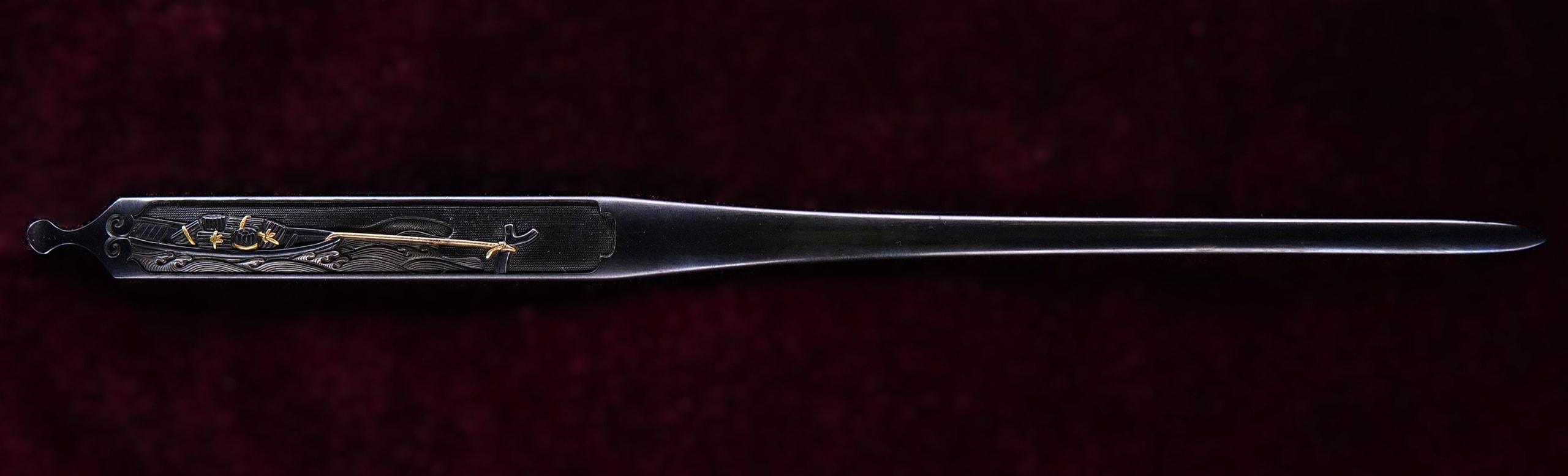
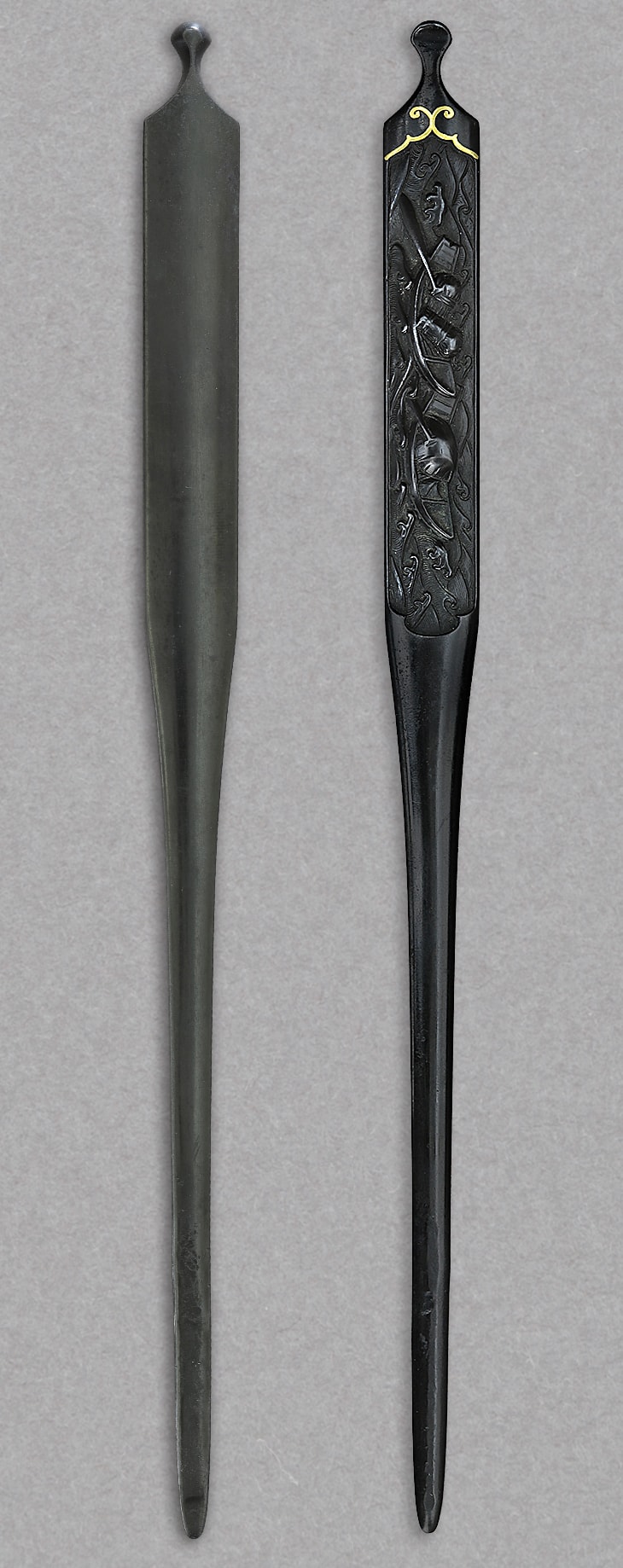
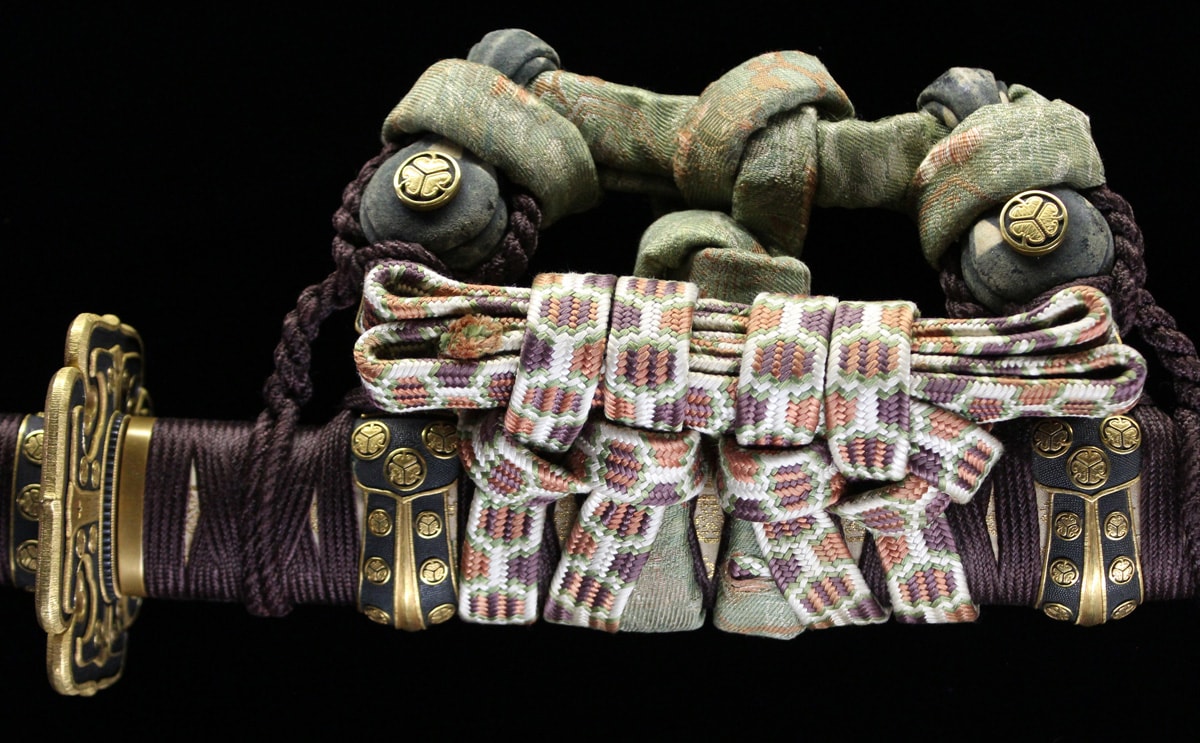
Teijō's output spans the full range of tōsōgu forms, including , , and sets as well as individual , , and . His fittings also appear integrated into formal mountings of the highest order, including transmitted in the great Tokugawa houses. Numerous works bear appraisals and authentication inscriptions by later Gotō masters -- the tenth head Renjō, the thirteenth head Enjō Mitsutaka, and the fifteenth head Shinjō Mitsuyoshi among them -- attesting to the esteem in which his production was held within the house's own critical tradition. Several important pieces are recorded as having been handed down in the Kōnoike family, the wealthy Osaka merchants, further demonstrating the regard accorded to his work among the most discriminating collectors of the period. As the master who bridged the Gotō main line's Kyoto heritage and its new role serving the domain, Teijō occupies a position of particular consequence in the history of the house, and his works consistently manifest the elevated dignity that defines mainline Gotō metalwork at its finest.