In the Sengoku era the school served a second warrior court: the Later Hōjō at Odawara, whose patronage kept the Tsunahiro line forging hitatsura for the uchigatana age until the castle fell to Hideyoshi in 1590.
 NihontoWatchNihontoWatch
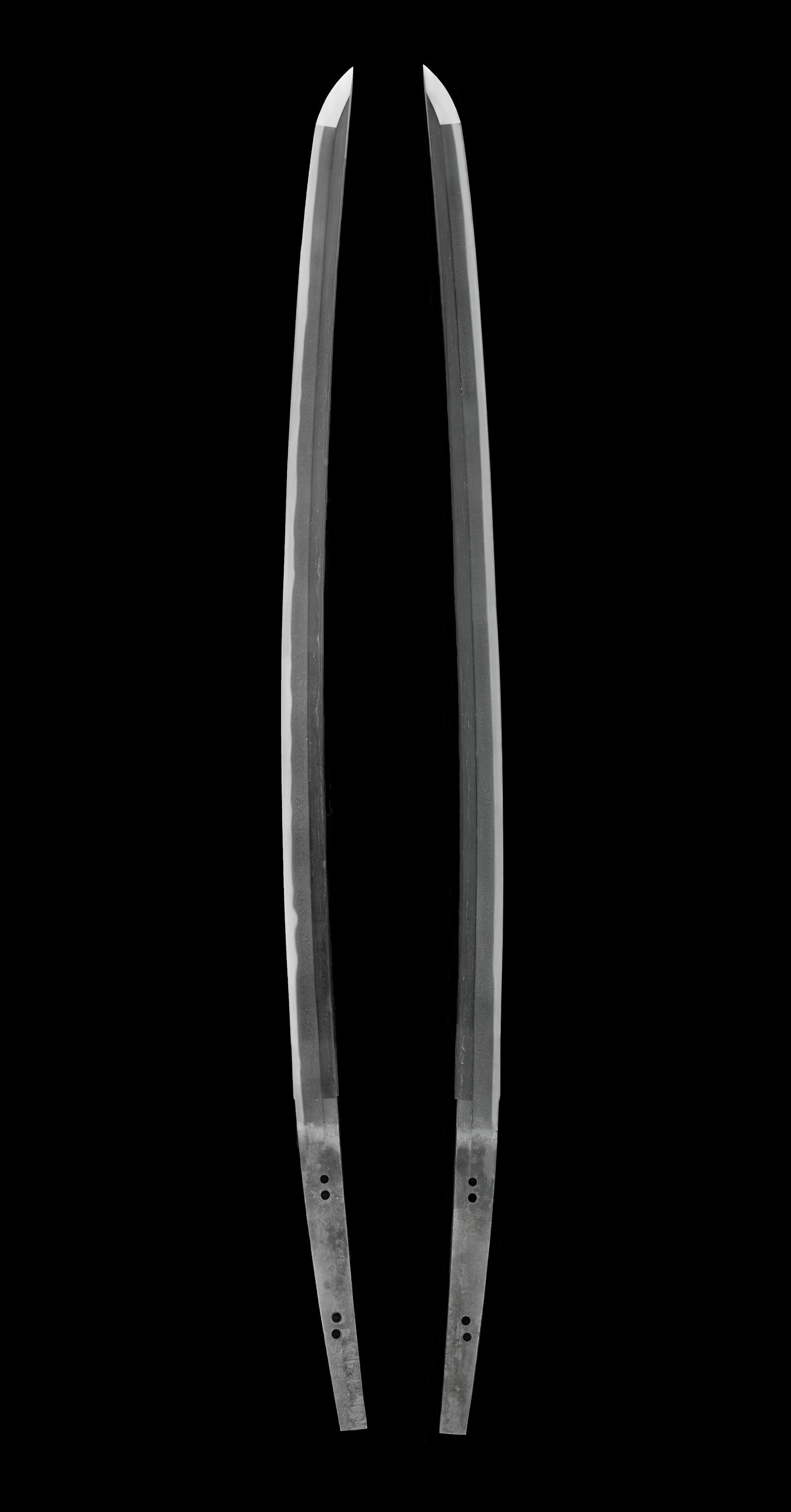
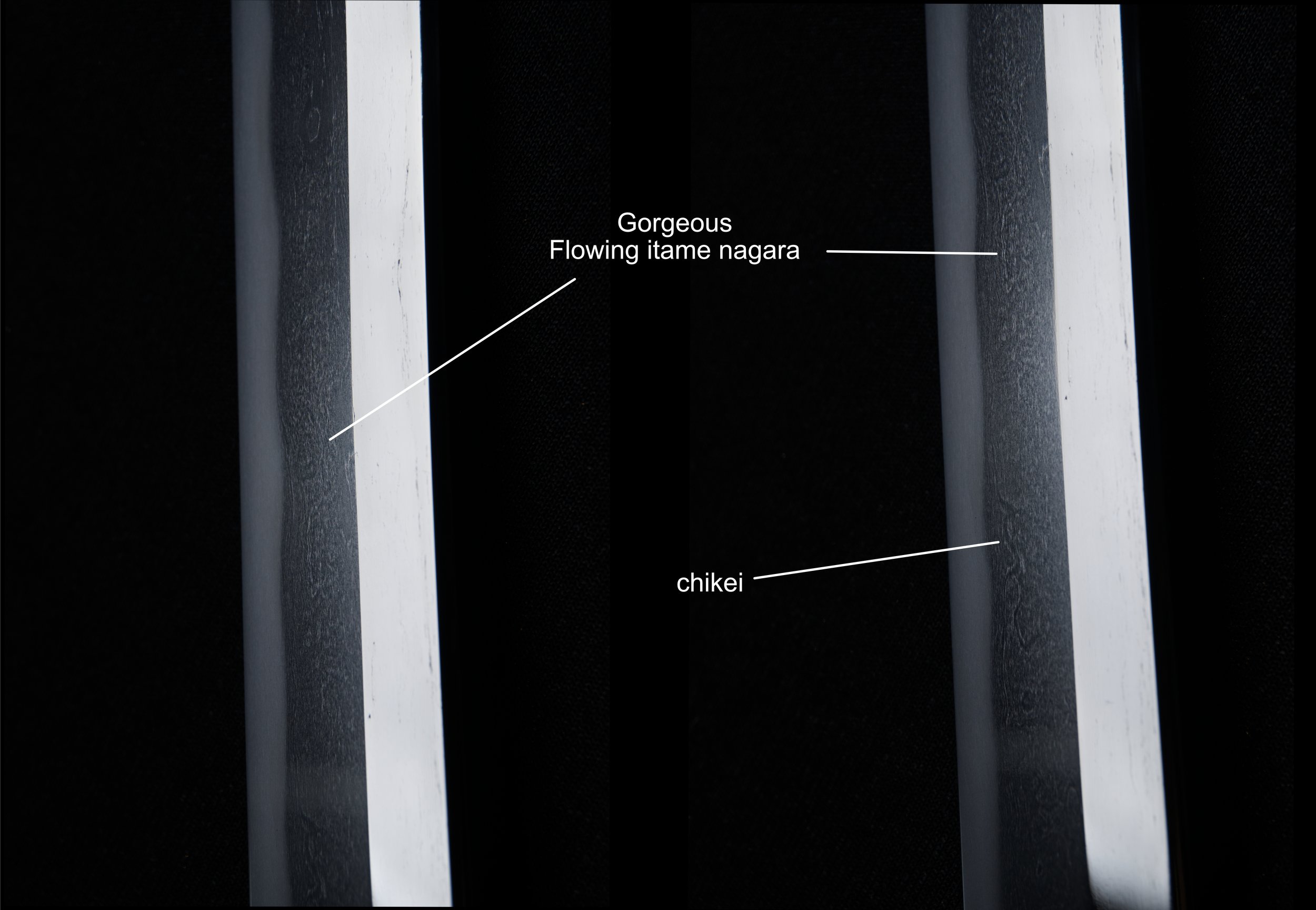
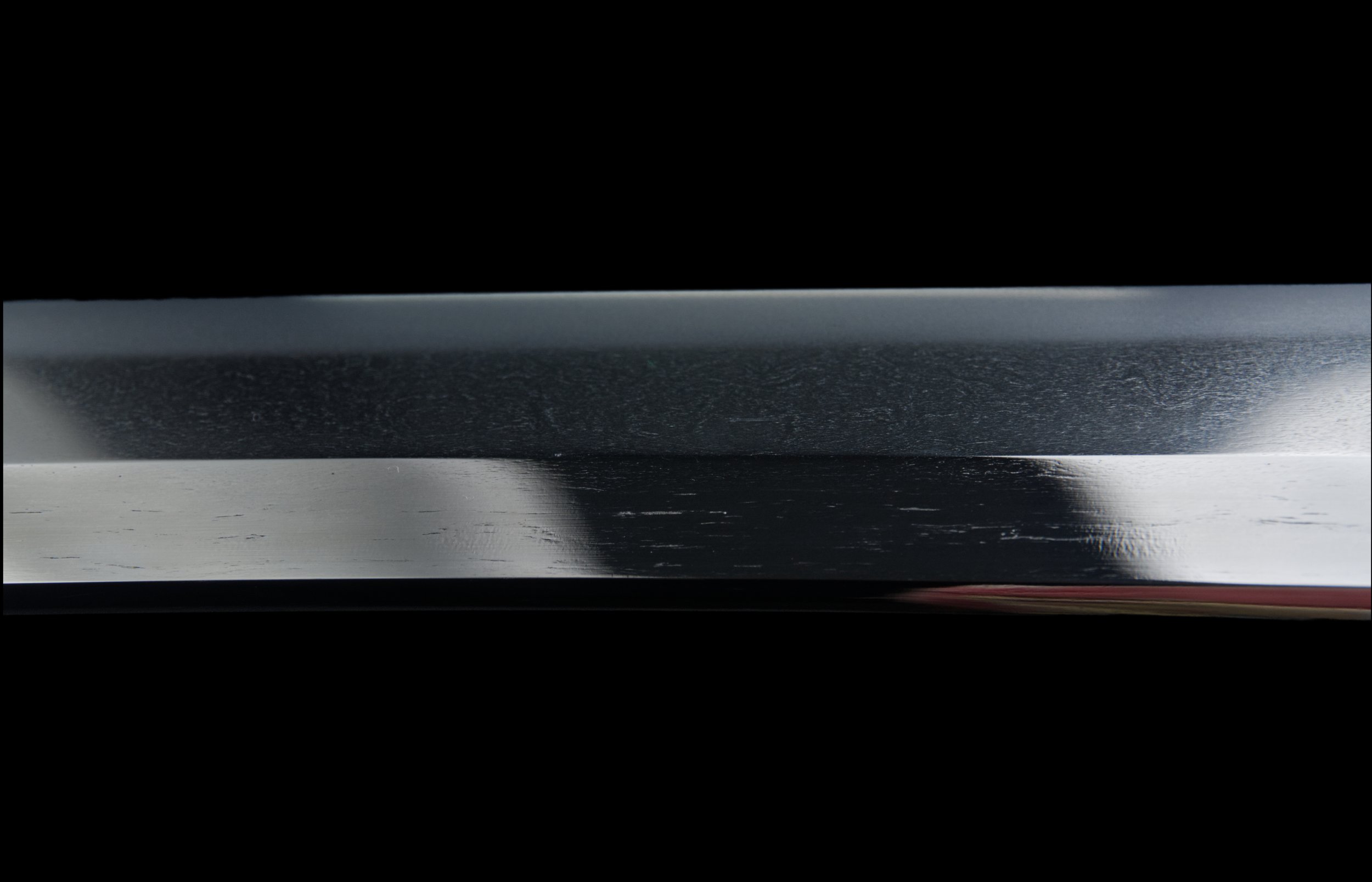
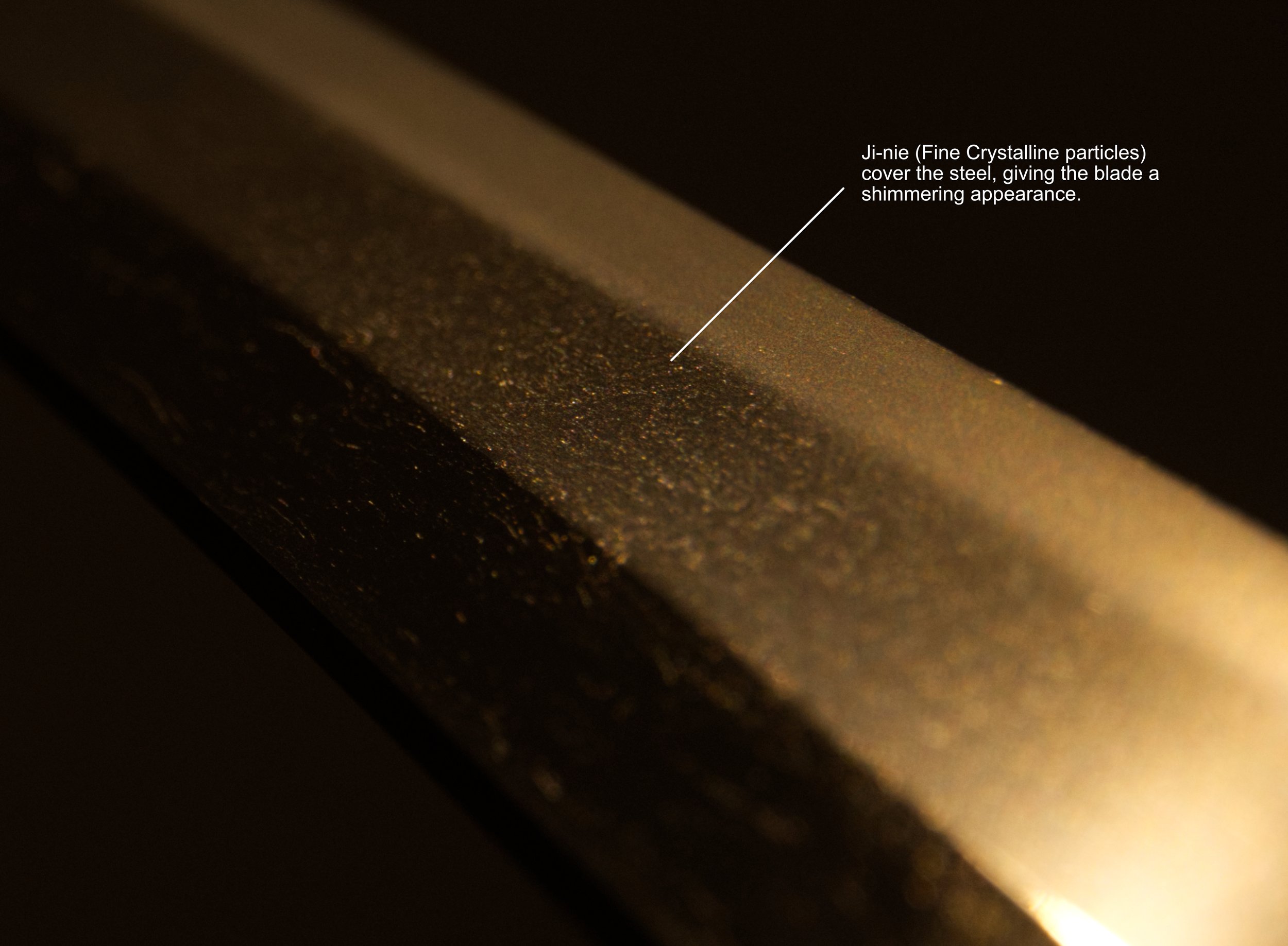
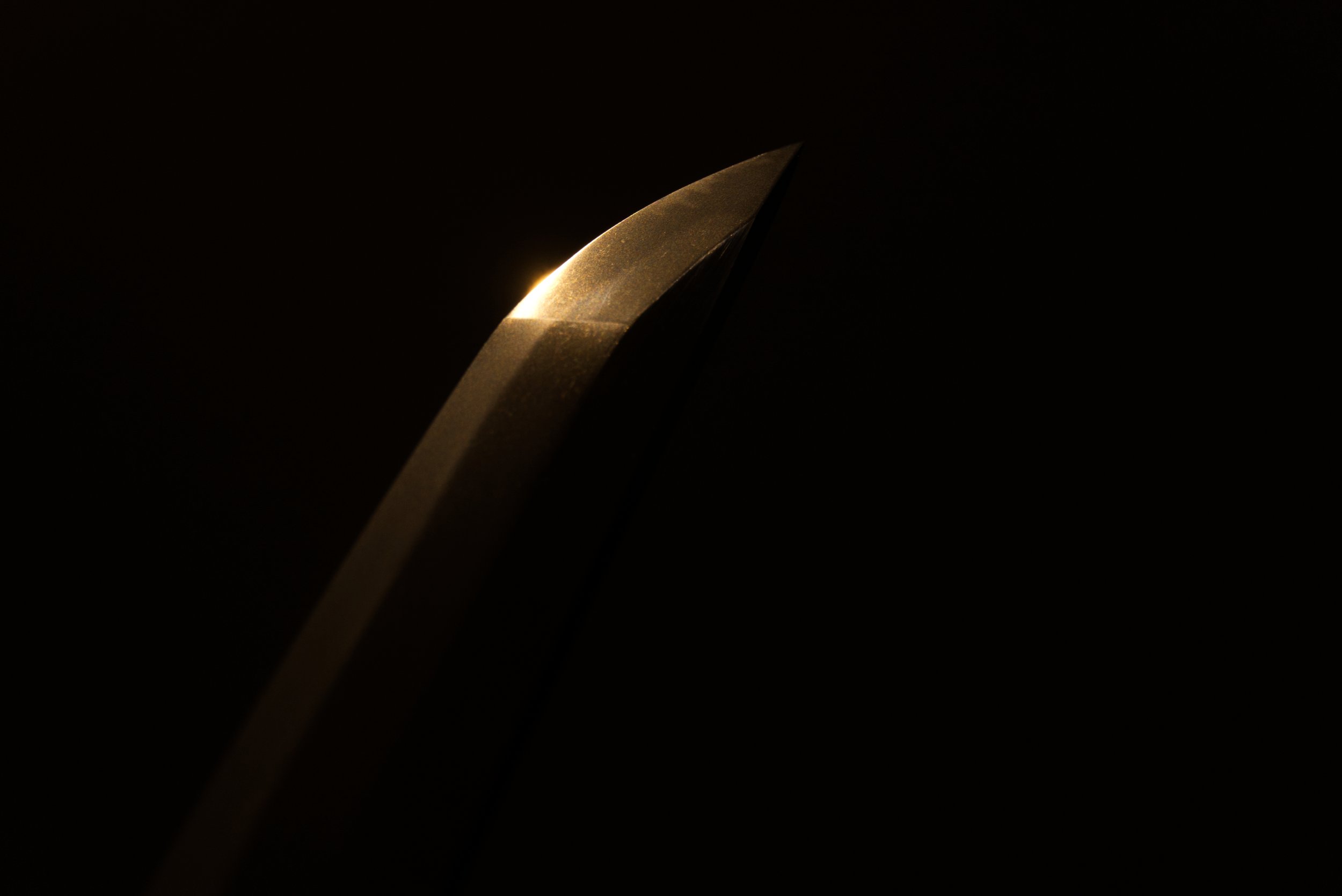
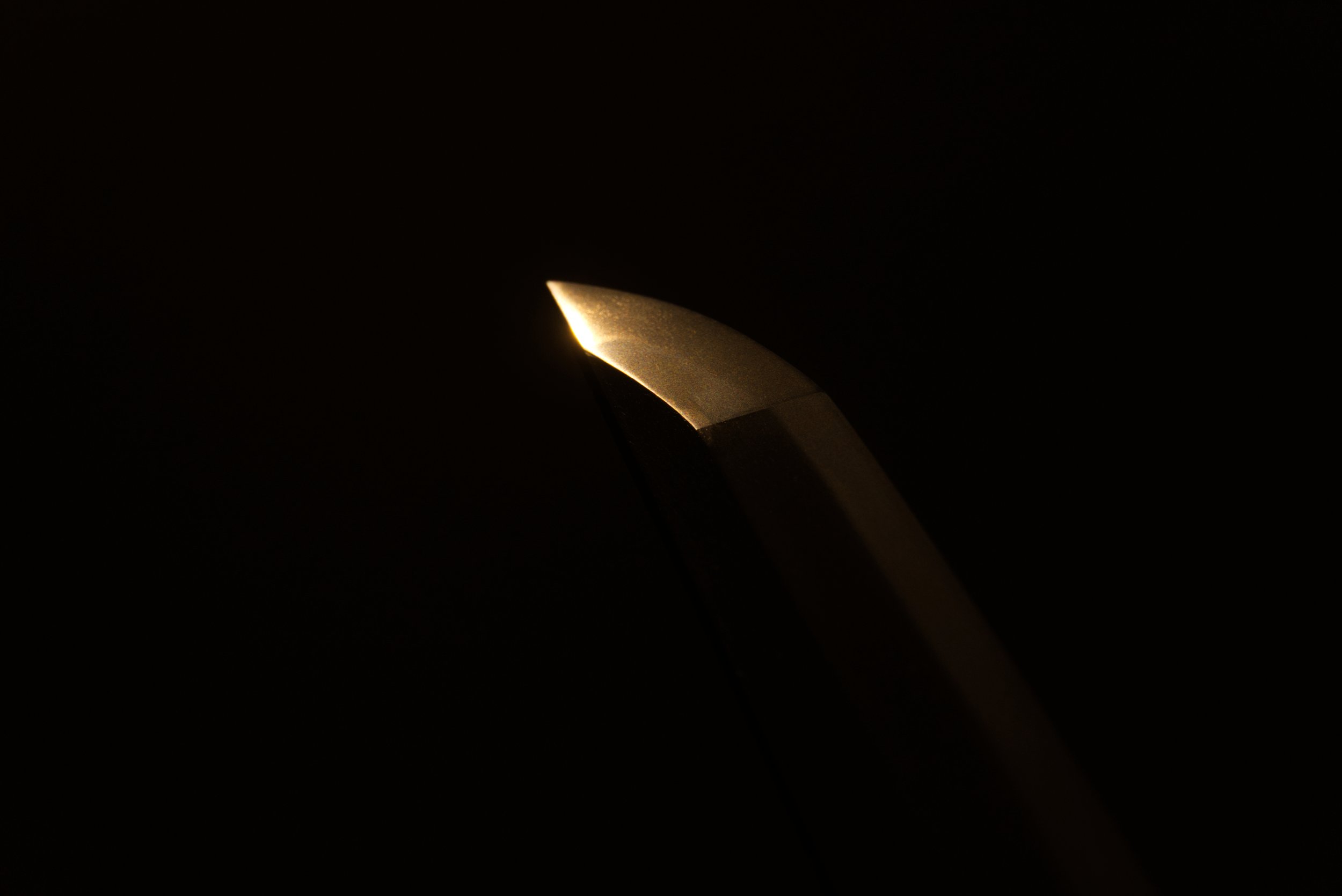
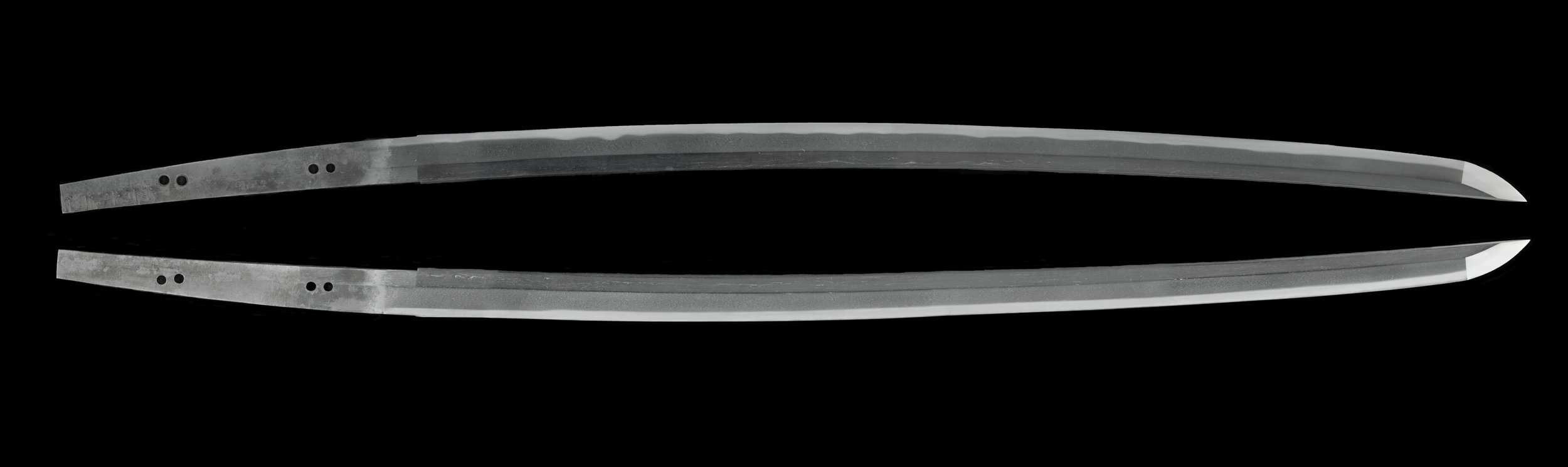
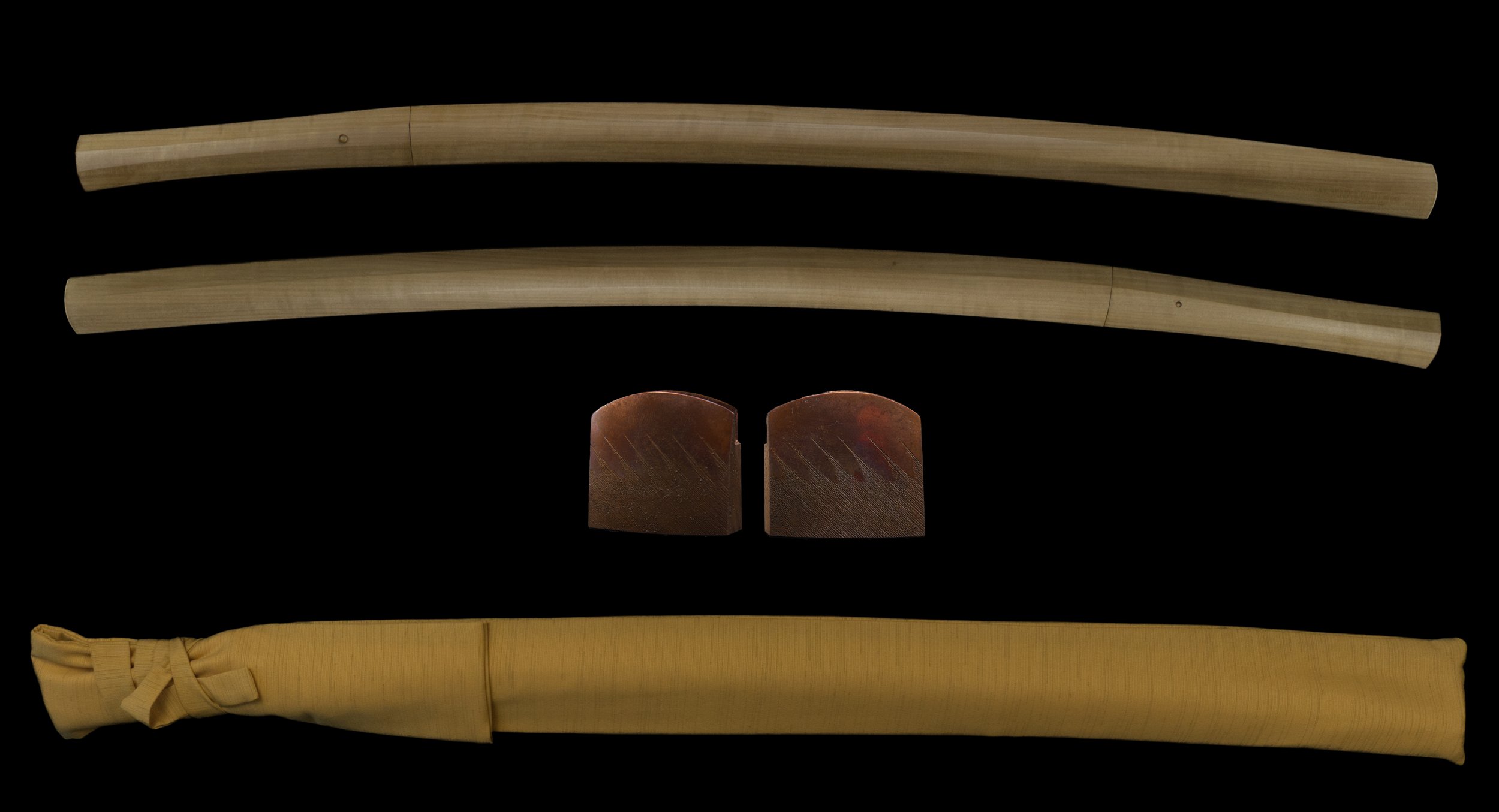
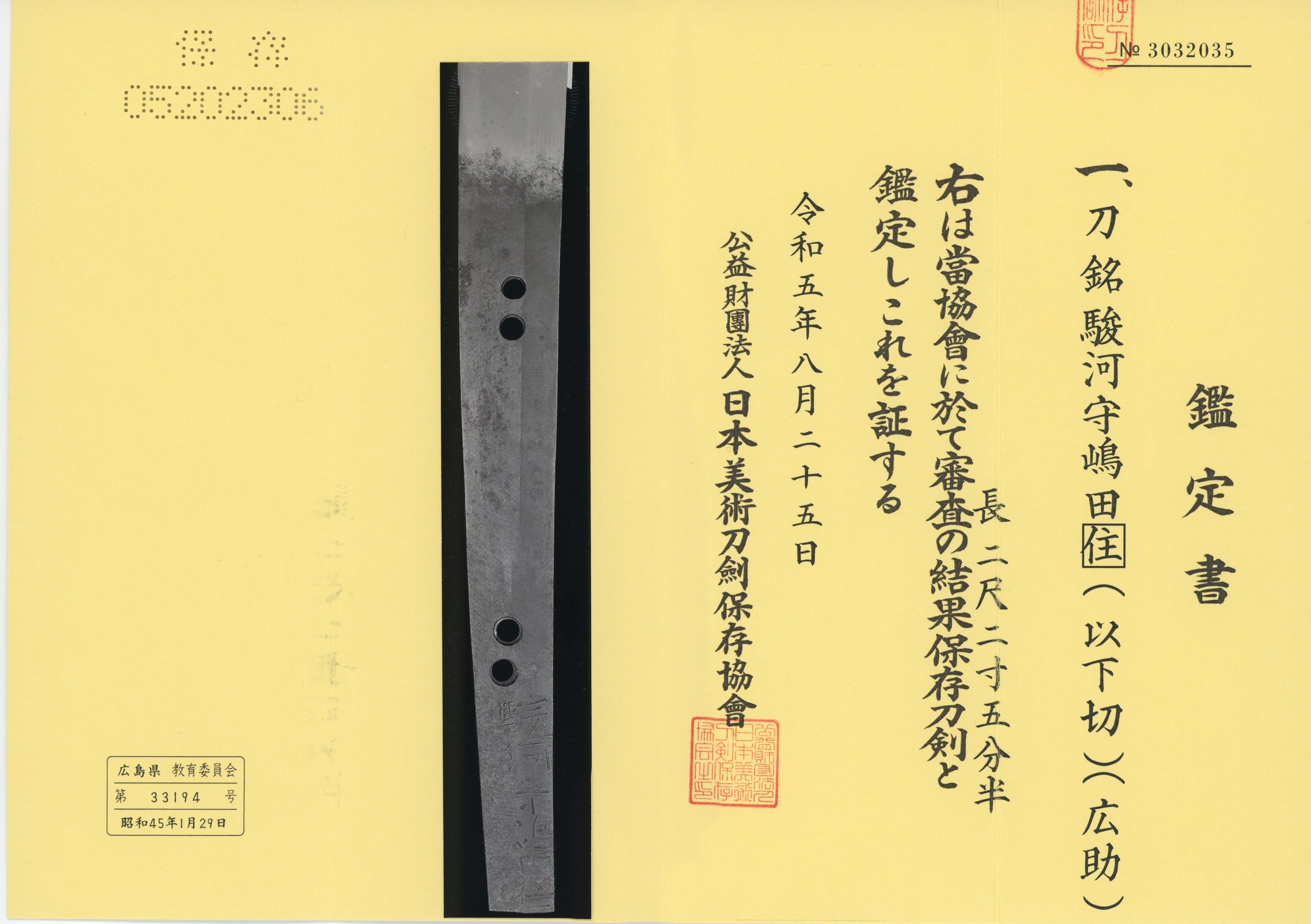
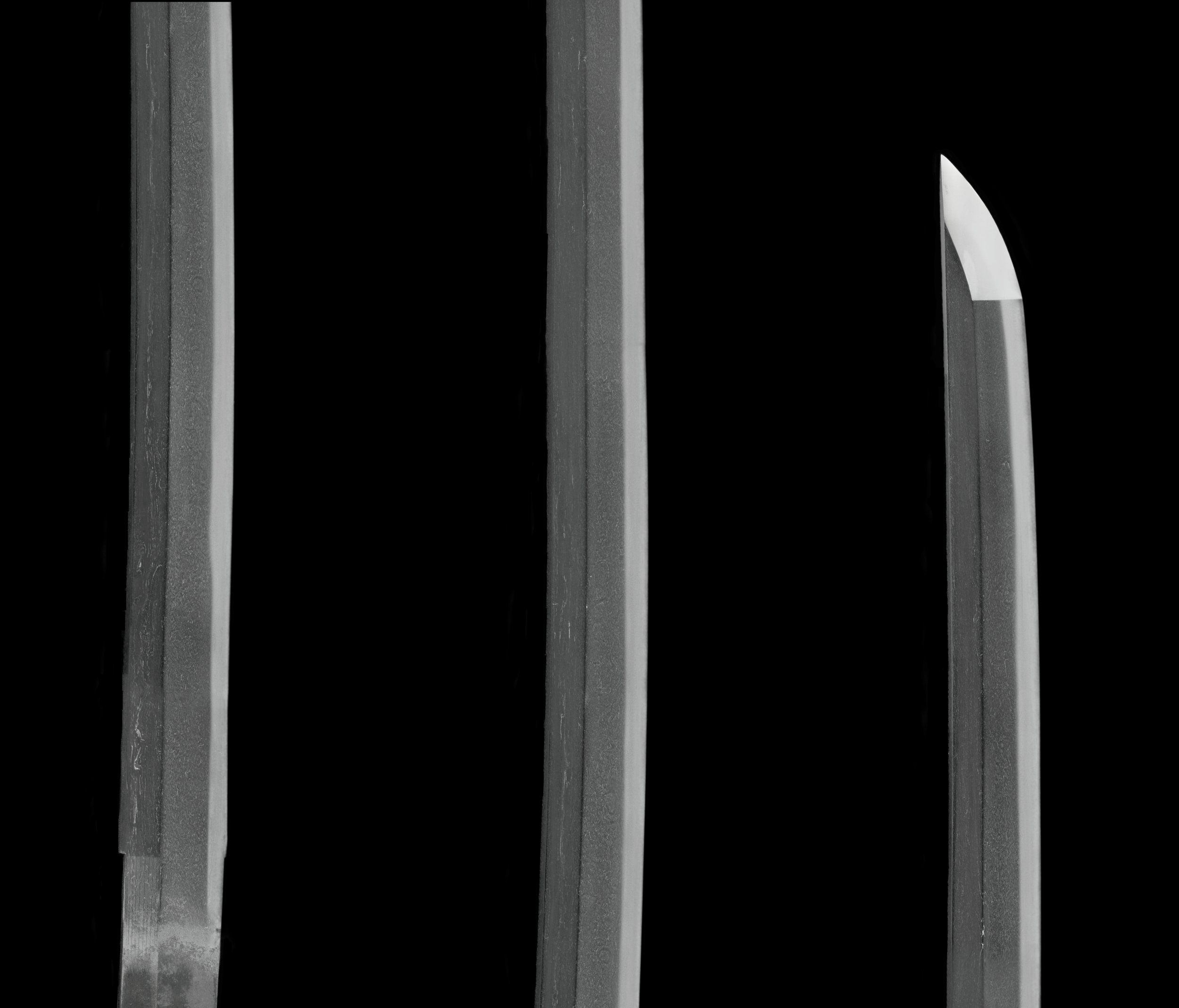
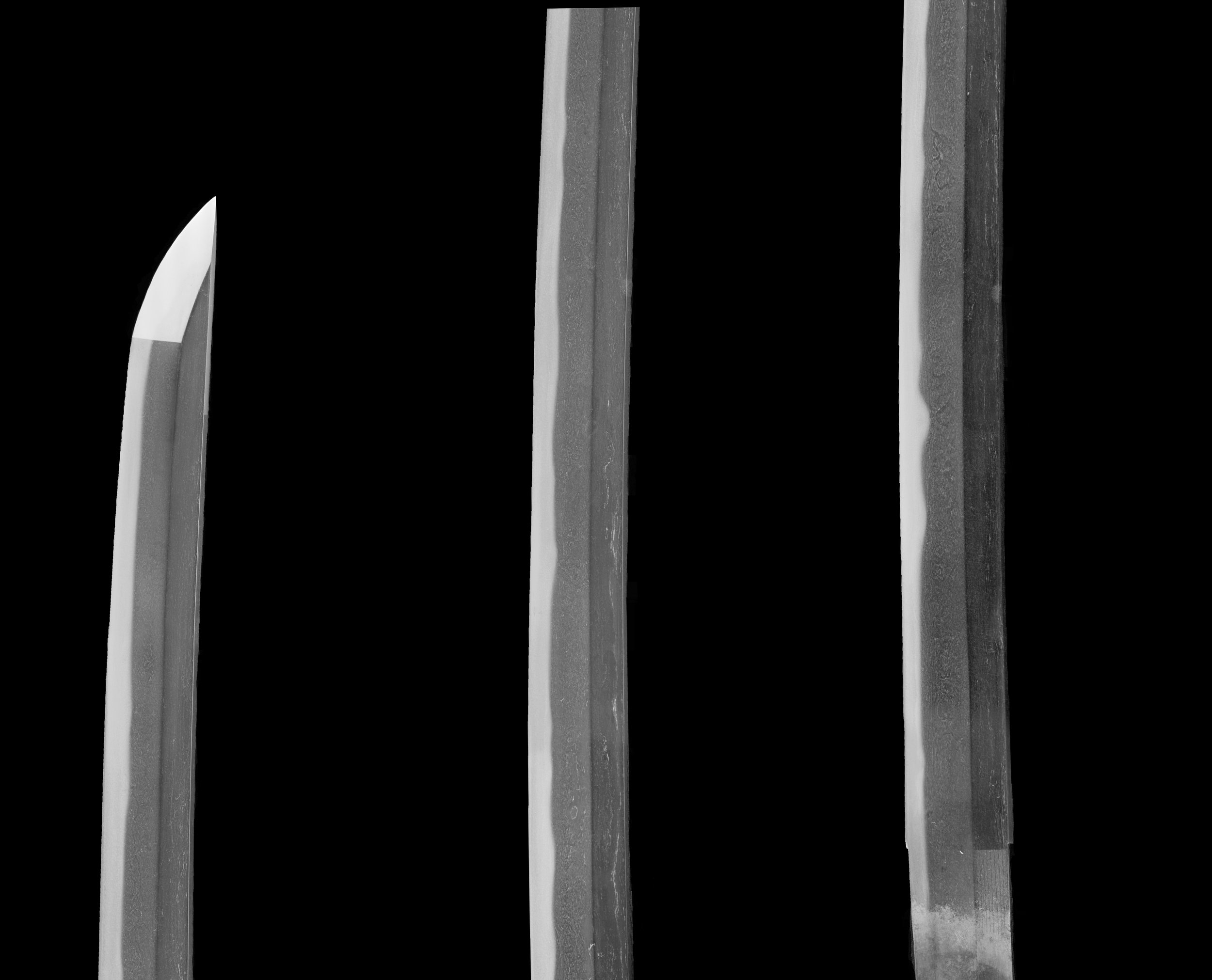
駿河守嶋田広助 刀 The Shimada School of swordsmiths emerged in Shimada, Suruga Province (modern-day Shizuoka Prefecture), during the middle of the Muromachi period. Founded by Yoshisuke, the Shimada school flourished through a lineage of talented smiths and remained active until the Edo period. The school is recognized for its artistry, innovation, and influence, drawing upon the traditions of the Soshu and Seki schools while maintaining its distinctive style. Shimada Yoshisuke, the founder, is believed to have been active as early as the Kosho era (1455–1457). The school reached prominence through generations of smiths, with later generations such as Sukemune and Hirosuke contributing significantly to its reputation. Hirosuke, a student of the third Yoshisuke, stands out as one of the most accomplished smiths of the school, crafting swords that exhibit a blend of technical precision and artistic flair. Blades from the Shimada school are characterized by their robust sugata (shape), wide mihaba (blade width), and extended kissaki (point), reminiscent of the dynamic style of the Nambokucho period. Their hamon (temper line) often features notare mixed with gunome, o-notare, gunome-midare, ko-midare, or even hitatsura—a complex style associated with the Soshu school. This variety showcases the Shimada smiths' mastery of intricate tempering techniques. The school’s craftsmanship frequently displays a fine itame-hada (wood grain pattern), prominent chikei (bright lines), and abundant ji-nie (small crystalline particles), lending their blades both beauty and durability. Notably, Hirosuke's work exemplifies these features, with bold o-midare hamon and dynamic boushi (tip temper), underscoring his skill as the foremost smith of the school. This katana is striking example of the craftsmanship of the Shimada school, a lineage of swordsmiths that thrived in Suruga Province during the mid to late Muromachi period. Known for their bold and robust blades, Shimada smiths followed the traditions of the Soshu-den while incorporating their own distinctive techniques. This sword, forged by Shimada Hirosuke, exemplifies the school’s mastery of elegant yet powerful blades designed for high-ranking samurai. Despite having been shortened by 10cm (suriage), the katana retains an impressive nagasa (blade length) of 68.2cm. The sword’s mei (signature) is a rare long inscription, a feature typically reserved for special order blades commissioned by high-ranking samurai. The katana’s shape remains imposing, with a wide base and sakihaba (blade width at the tip) that complements its large kissaki (point), measuring 4.3cm. This katana embodies both elegance and strength, with a dynamic shape and powerful presence that reflects the finest work of Shimada Hirosuke. A Closer Look: The Jigane – The True Highlight of This Katana While the strong, robust sugata (shape) of this katana is undeniably impressive, the true highlight, in my personal opinion, lies in the jigane (surface steel pattern). The jihada of this blade is exceptionally apparent and beautifully crafted, making it a standout feature that elevates this sword beyond just its bold shape. The clarity of the grain pattern is mesmerizing, and its visible texture showcases the skill and precision of Shimada Hirosuke. This katana displays a combination of Itame-nagare and Mokume jihada, which gives the steel surface a flowing wood grain appearance with burl-like patterns. The Itame-nagare flows smoothly along the blade, while Mokume forms circular burl patterns that add depth and character to the blade's surface. Additionally, Jinie (fine crystalline particles) cover the steel, giving the blade a shimmering appearance, while Chikei (darker, wavy lines of steel) run through the surface, enhancing the visual appeal and adding layers of complexity to the steel pattern. The jigane is not just an aesthetic feature—it also speaks to the quality of the forging process. The clean and well-forged grain structure seen on this katana indicates the use of high-quality tamahagane and meticulous craftsmanship, both hallmarks of the Shimada school. The hamon on this katana is a shallow notare. The combination of shallow notare and gunome is a signature element seen in Shimada school blades, reflecting influences from Soshu-den swordmaking techniques. On the omote side (front), the bōshi follows a notare-komaru style, curving gently along the tip and finishing with a short rounded turn back toward the spine. On the ura side (back), the bōshi takes a sugu-komaru form, running straight before turning short and rounded at the tip. This Shimada Suruga no Kami Hirosuke katana showcases a strong and robust shape, with a wide mihaba and large kissaki that reflect the bold style of the late Muromachi period. The jigane is one of the standout features—highly visible and beautifully crafted, making the surface steel pattern a delight to observe. With no significant flaws and excellent craftsmanship, this katana is a great value at an affordable price. It’s a solid choice for any collector looking for a well-preserved and visually striking piece from the Shimada school. Comes with Copper Habaki.
Offered by Toukentakarado
12 on the market

As written by the shop
Soshu-den · Suruga
12 pieces on the market now
The Shimada school (島田) took its name from its base in Suruga Province, where it worked from the mid-Muromachi period along the Tōkaidō between the Mino hearths and the late Sōshū smiths of neighboring Sagami. The published sources place its founding generation in the Kōshō (or Kyōshō) era and trace its principal names without interruption down into the shintō period, with the same names continuing as late as the shinshintō era. Three smiths stand as the school's central hands: Yoshisuke (義助), held to be the principal mainstream name at the head of all Shimada work; Sukemune (助宗), recorded as the younger brother of the founder; and Hirosuke (廣助), placed as the son of the second-generation Yoshisuke. The oldest extant dated example, an Eishō 2 (1505) tantō by Yoshisuke, fixes the early corpus, and because the signature style does not separate the hands, a signed Shimada blade is read for its workmanship rather than assigned a generation. The Shimada smiths produced the working blades of the Muromachi century; one Hirosuke katana, a Kōshū-uchi work dated Eiroku 2 (1559), was held by Hara Mino Nyūdō Toratane of the Twenty-Four Generals of the Takeda, and the cut struck into the mune at the monouchi of a Yoshisuke katana drew a NBTHK remark that it speaks to martial use. Across the members the school reads in a single Soshu-den idiom inflected by Mino and Ise. The jigane the smiths describe is an itame, well knit and at times dense, that flows and leans toward masame, standing somewhat open in hada-dachi, with fine ji-nie lying through it, chikei entering, and a tonality the commentaries repeatedly call whitish; this flowing, slightly standing steel, rather than a tight Bizen surface, is what marks the Shimada hand for the eye. Upon it the smiths set a notare crossed with gunome, with ko-chōji and pointed togariba entering, ko-ashi, abundant nie, and sunagashi and kinsuji running through, the bōshi commonly midare-komi turning back rounded, at times with hakikake; tobiyaki and slight muneyaki appear, and on the larger blades the activity rises toward hitatsura in nie.
Sukemune's particular register is the connected gunome the NBTHK names the school's hallmark, while Hirosuke shows the most robust make, favoring a wide mihaba with sakizori and an extended kissaki. Against this typical midare every hand keeps a quieter exception: a hoso-suguha the commentary calls comparatively uncommon for Yoshisuke, and a suguha mixed with small gunome on a Sukemune tantō read as made with an eye toward the manner of Shizu. The carving tradition is shared throughout, bonji, suken, gomabashi, relief kurikara, and the figures of Marishiten and Fudō Myōō, with openwork sukashi-bori noted by examiners as an uncommon thing to find; the school also produced comparatively many yari, Yoshisuke's ōmi-yari among them. To kantei a Shimada blade is to read the late Sōshū idiom in a provincial Suruga register: the whitish, standing itame beneath a nie-laden notare-gunome with sunagashi, kinsuji, and frequent tobiyaki, set apart from a tight Bizen jigane and tied by the published sources to Sue-Sōshū, late Seki, the Senju group, and the work of Mino and Ise. Form sorts the manner: the broad Sōshū-leaning katana on one side, the school's tantō and wakizashi (often hira-zukuri with mitsu-mune, thick kasane, and a withered fukura kare) on the other. Among the members Yoshisuke is the name the sources reach for in describing the group, his finest katana and tantō praised for a jihada and hamon of clear, bright result; Sukemune's Osaka katana is judged his finest work; and Hirosuke's best pieces, one called hakubi, the best among its kind, with a suggestion he privately emulated Bizen Chōgi, number among the finest of the whole lineage. Dated and fully signed works such as those inscribed Shimada Hirosuke are particularly valued, the tangs anchoring the chronology of the later generations, and a rare collaborative blade between Hirosuke and Gensuke attests to the collegial working of the shop. Provenance reaches to the Imperial collection, Honma's inventory of which records works by Yoshisuke, Sukemune, and Hirosuke; with the Takeda general's blade and the documentary dated pieces, these holdings mark the standing of a respected one-province school whose hand sits close to the late Sōshū tradition. Learn more →
| Smith | Era | Designated |
|---|---|---|
| Yoshisuke義助 | 1492-1504 | 6 |
| Sukemune助宗 | 1444-1449 | 4 |
| Yoshisuke義助 | 1455-1526 | 5 |
| Yoshisuke義助 | 1573-1592 | 3 |
| Hirosuke廣助 | 1504-1521 | 9 |
Sōshū in the Muromachi period
In the Sengoku era the school served a second warrior court: the Later Hōjō at Odawara, whose patronage kept the Tsunahiro line forging hitatsura for the uchigatana age until the castle fell to Hideyoshi in 1590.
Certifies a genuine blade worth preserving: a signature confirmed correct, or, if unsigned, an era, province, and school that the NBTHK can reliably identify.
The NBTHK (Nihon Bijutsu Tōken Hozon Kyōkai, the Society for the Preservation of Japanese Art Swords) is a public-interest incorporated foundation founded in 1948 and supervised by Japan’s Agency for Cultural Affairs (Bunkachō); it is based at the Japanese Sword Museum in Tokyo. Its expert panels physically examine each submitted work (shinsa) and issue a certificate (kanteishō) ranking it by artistic and historical merit. NBTHK papers are the most widely recognized standard of authentication for Japanese swords and fittings.
NBTHK official siteWe offer a three-day inspection period. To initiate a return, you must notify us within three days of the package being delivered. Once we confirm your request, you have seven days to ship the item back to us. The item must be returned in its original condition, including all accompanying documents, certificates, and packaging materials. The buyer is responsible for covering the shipping costs and insurance for the return shipment.
¥550,000