Perry’s arrival in 1853 unraveled the Tokugawa peace and created the first mass demand for working swords in two centuries. Kiyomaro, called the Masamune of Yotsuya, died on its eve; Munetsugu and Yukihide carried the boom to the end.
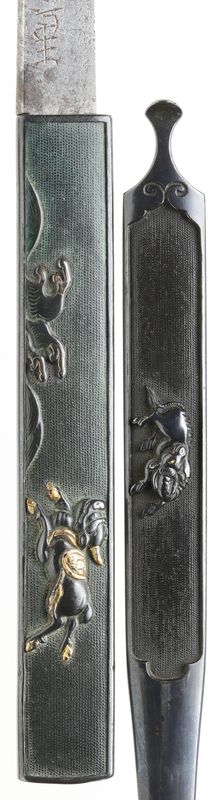
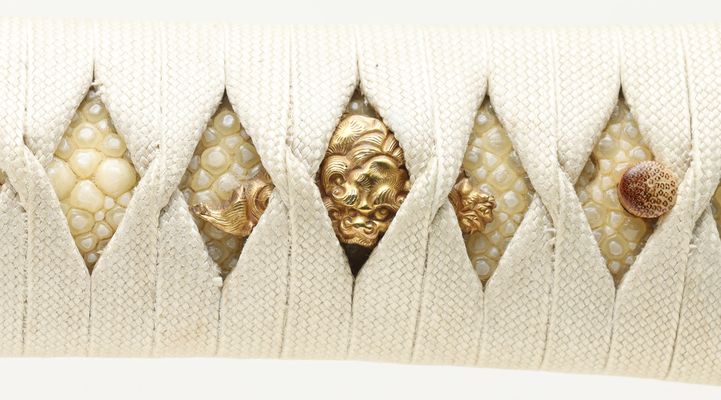
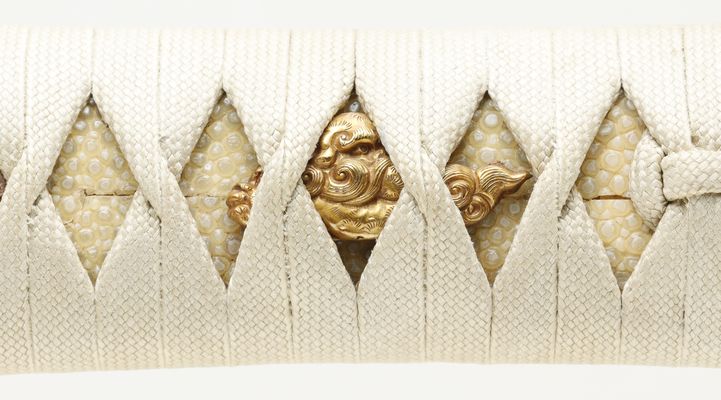
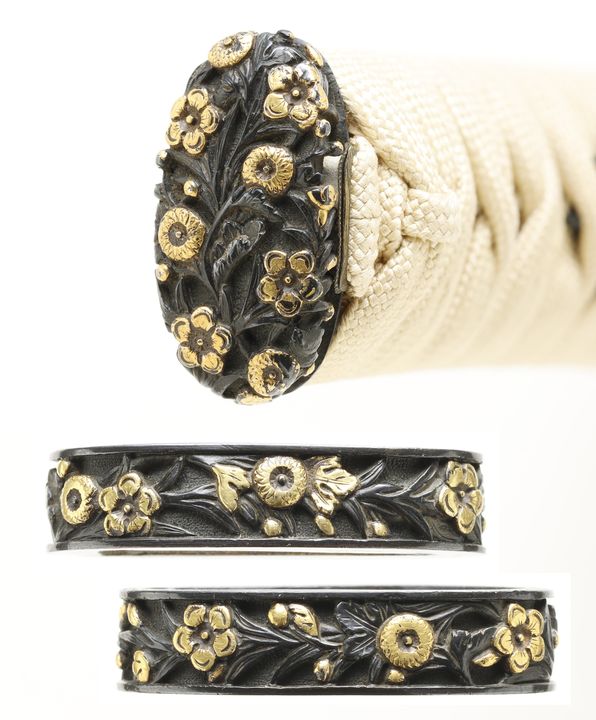
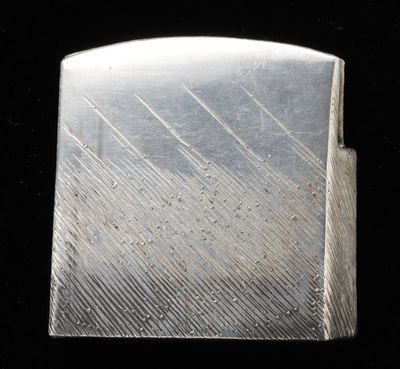
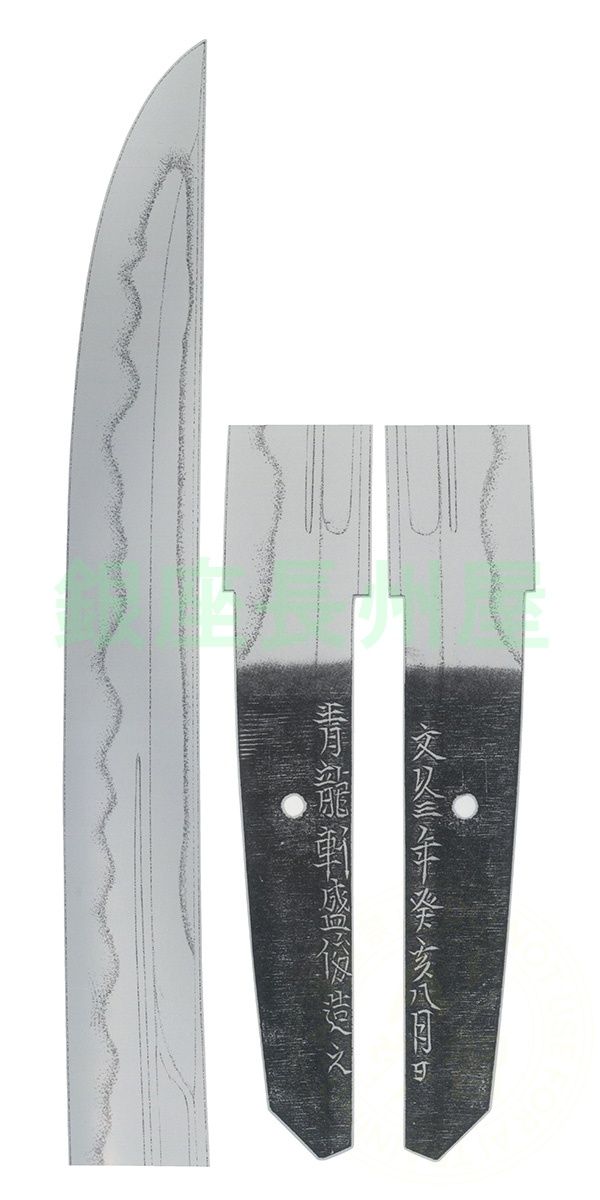
This tanto by Seiryuken Moritoshi, made in Bunkyu 3 (1863) when he was 62, features a distinctive kanmuri-otoshi-zukuri shape with a well-executed koshi-hi and soe-hi carving. The jigane is a tight ko-itame with dense chikei and clear nie, while the hamon is a gunome with pointed and katachi-style elements. It comes with a shirasaya and an elegant aikuchi koshirae with an inro-kizami saya featuring a fern makie design.
 NihontoWatch
mei · Bakumatsu-Meiji (1854-1869) · nagasa 30.6cm · sori 0.3cm









Suo · around 1854-1869
2 pieces on the market now
Bakumatsu: the last war market
Perry’s arrival in 1853 unraveled the Tokugawa peace and created the first mass demand for working swords in two centuries. Kiyomaro, called the Masamune of Yotsuya, died on its eve; Munetsugu and Yukihide carried the boom to the end.
A Hozon-certified blade judged to show notably superior workmanship and a better state of preservation. The bar is higher: re-tempered blades and most unsigned Muromachi/Edo works are excluded.
The NBTHK (Nihon Bijutsu Tōken Hozon Kyōkai, the Society for the Preservation of Japanese Art Swords) is a public-interest incorporated foundation founded in 1948 and supervised by Japan’s Agency for Cultural Affairs (Bunkachō); it is based at the Japanese Sword Museum in Tokyo. Its expert panels physically examine each submitted work (shinsa) and issue a certificate (kanteishō) ranking it by artistic and historical merit. NBTHK papers are the most widely recognized standard of authentication for Japanese swords and fittings.
NBTHK official siteIf, due to our fault, the item differs significantly from its proper condition, the item may be returned. Cooling-off is within one week of the item's arrival.
Price on request
This tanto by Seiryuken Moritoshi, made in Bunkyu 3 (1863) when he was 62, features a distinctive kanmuri-otoshi-zukuri shape with a well-executed koshi-hi and soe-hi carving. The jigane is a tight ko-itame with dense chikei and clear nie, while the hamon is a gunome with pointed and katachi-style elements. It comes with a shirasaya and an elegant aikuchi koshirae with an inro-kizami saya featuring a fern makie design.
NihontoWatchmei · Bakumatsu-Meiji (1854-1869) · nagasa 30.6cm · sori 0.3cm
Suo · around 1854-1869
2 pieces on the market now
Bakumatsu: the last war market
Perry’s arrival in 1853 unraveled the Tokugawa peace and created the first mass demand for working swords in two centuries. Kiyomaro, called the Masamune of Yotsuya, died on its eve; Munetsugu and Yukihide carried the boom to the end.
A Hozon-certified blade judged to show notably superior workmanship and a better state of preservation. The bar is higher: re-tempered blades and most unsigned Muromachi/Edo works are excluded.
The NBTHK (Nihon Bijutsu Tōken Hozon Kyōkai, the Society for the Preservation of Japanese Art Swords) is a public-interest incorporated foundation founded in 1948 and supervised by Japan’s Agency for Cultural Affairs (Bunkachō); it is based at the Japanese Sword Museum in Tokyo. Its expert panels physically examine each submitted work (shinsa) and issue a certificate (kanteishō) ranking it by artistic and historical merit. NBTHK papers are the most widely recognized standard of authentication for Japanese swords and fittings.
NBTHK official siteIf, due to our fault, the item differs significantly from its proper condition, the item may be returned. Cooling-off is within one week of the item's arrival.
Price on request


