
















The twentieth century nearly killed the craft twice: wartime distortion, then the occupation ban. The NBTHK’s founding in 1948 and licensed forging from 1953 rebuilt the sword as an art, crowned by Living National Treasures and the mukansa rank.
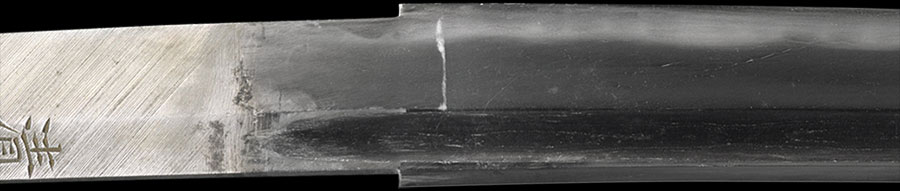
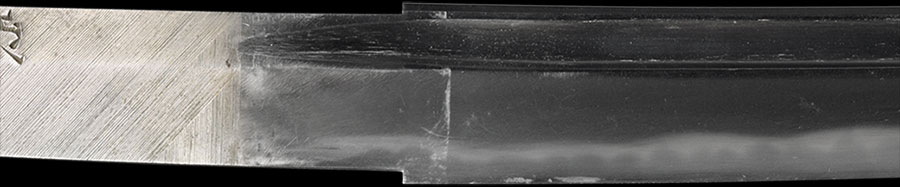
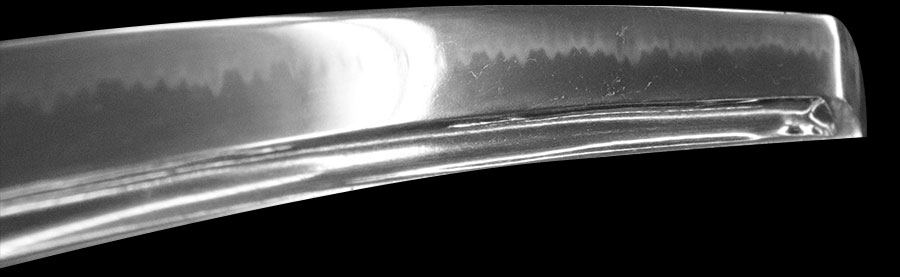
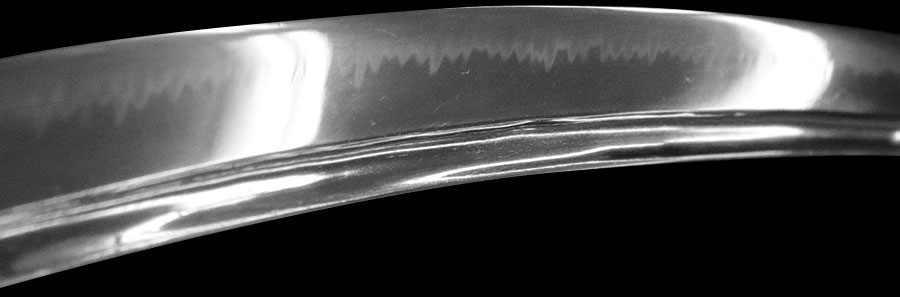
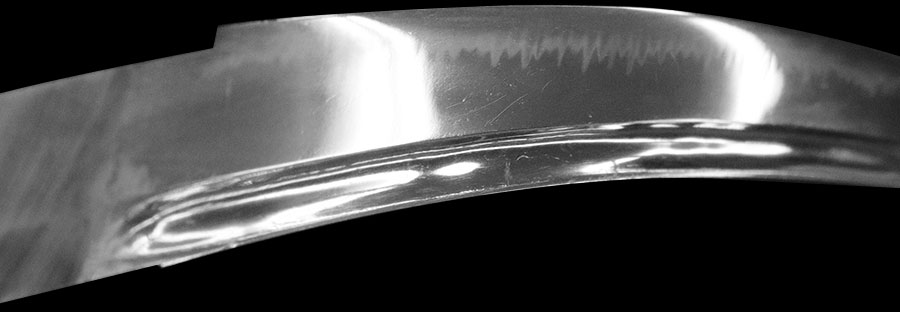
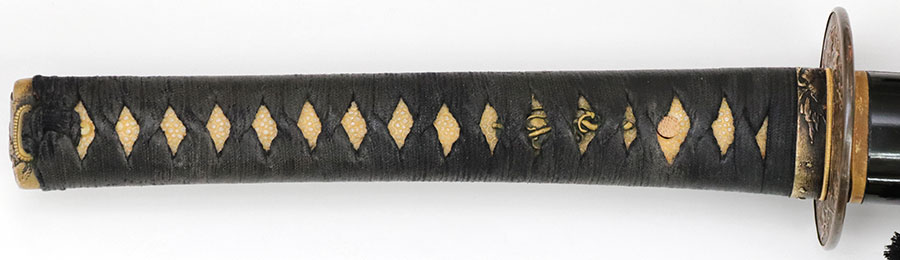
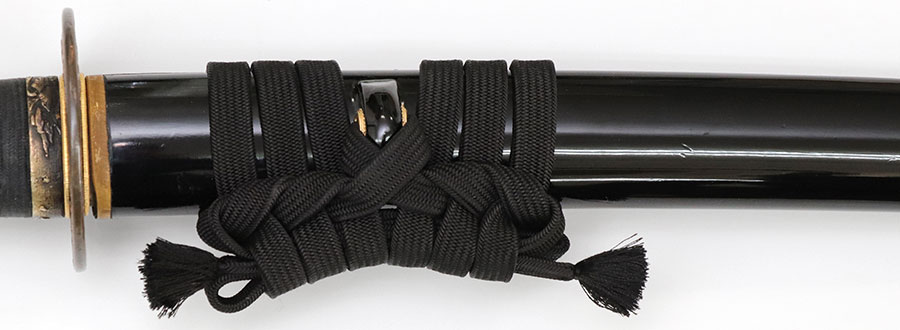
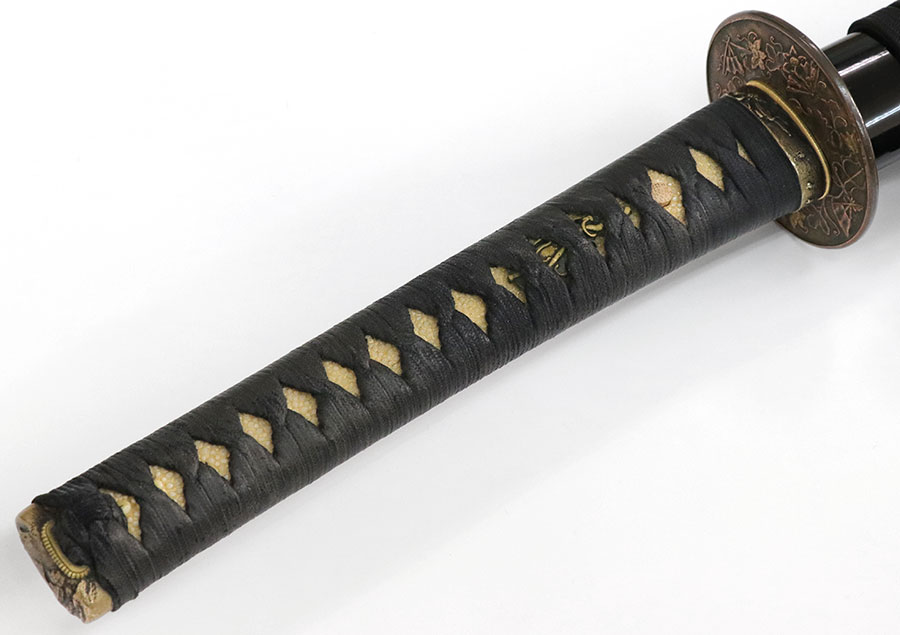
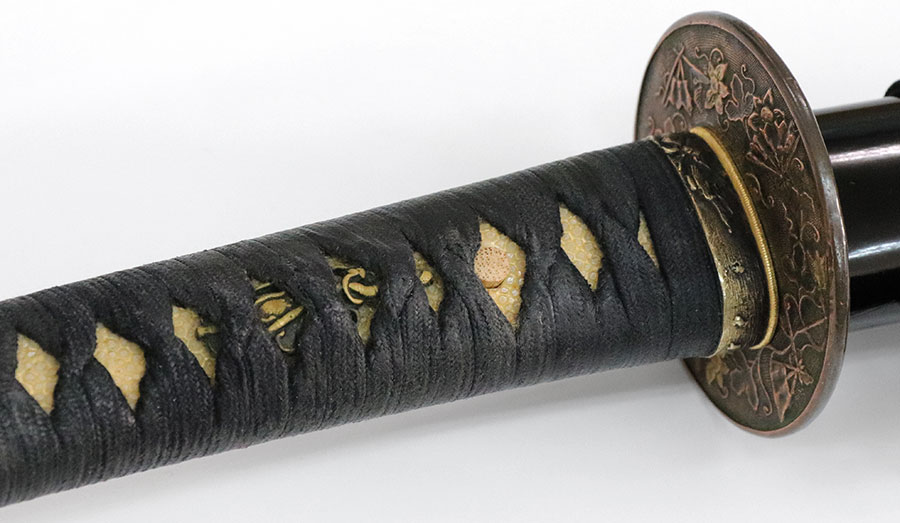
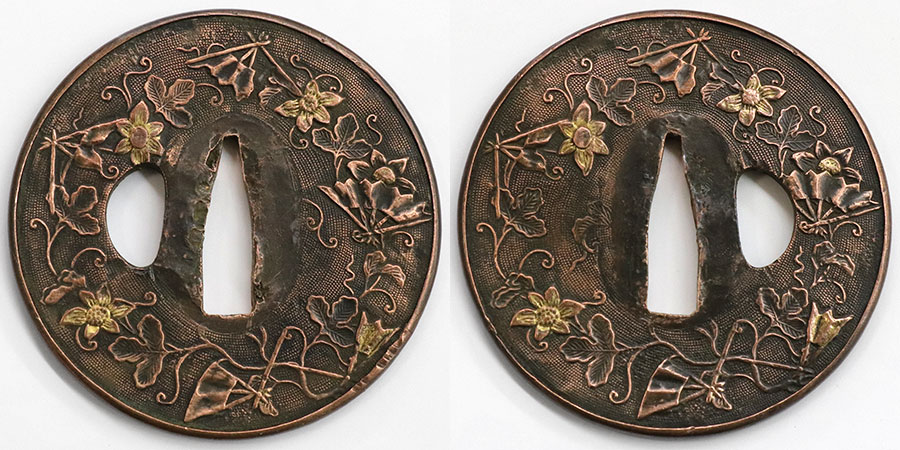
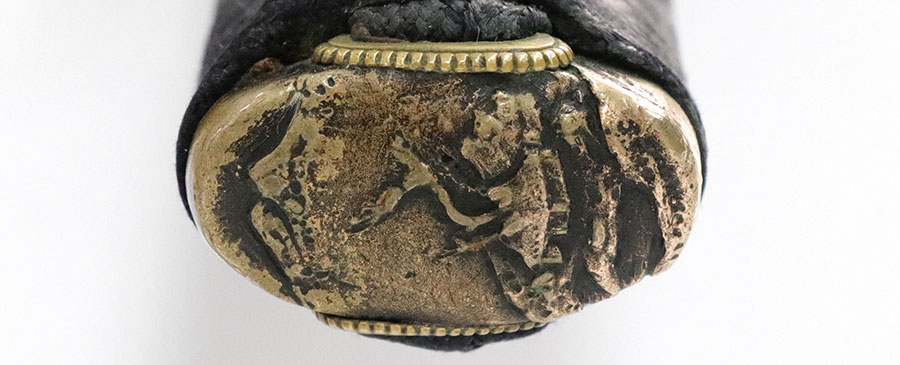
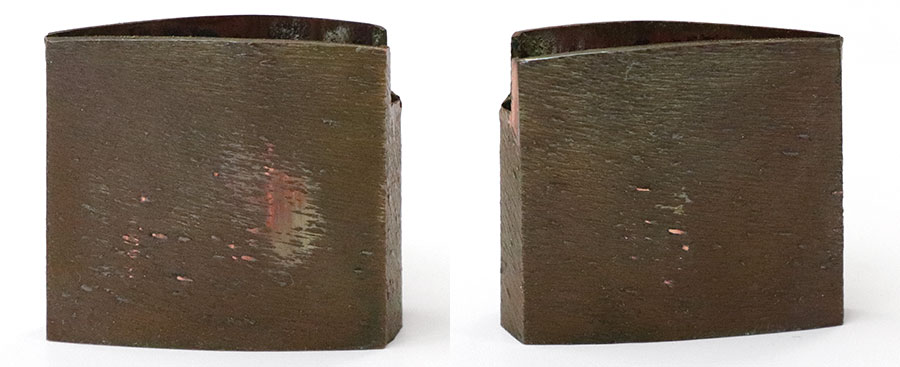
Weight excluding the saya: 1075g The maker of this Hon Bizen no Kuni Osafune Nagamitsu utsushi, the swordsmith Seishinshi Sadatoshi, is named Kojima Hiroshi. Resident of Komatsushima City, Tokushima Prefecture. Born in Showa 4. Pupil of his father Genbusai Nagatoshi. His father Nagatoshi was particularly famous during the war for forging the sharpest cutting swords in Japan. Sadatoshi also showed excellent skill in the Bizen-den, and a story has been passed down that in the past, one of Sadatoshi's swords had its mei removed to become mumei and was appraised as a sword by Koyama Munetsugu in a Tokubetsu Kicho Token shinsa; he was so skilled that he reportedly said it was frustrating to have his work seen as a sword by someone like Koyama Munetsugu. This sword is an utsushi of a famous masterpiece from the Kamakura period, Bizen no Kuni Osafune Nagamitsu. The sugata shows a magnificent form with a wide moto-mihaba and a slight difference at the saki-mihaba, the jigane is a wonderfully well-forged small itame-hada showing a powerful metal, and the horimono is a deeply carved, splendid bo-hi. The hamon is a masterfully hardened gunome-ba midare-ba in nioi-deki with nie, featuring the rounded heads of a Nagamitsu utsushi not seen in modern swords. Because we received this on consignment from an old connoisseur who said they have grown old and wish to pass it on cheaply to a successor, and because there is some slight thin rust, we are offering it at a special bargain price. Please enjoy this masterpiece Nagamitsu utsushi by the pride of Tokushima Prefecture, the swordsmith Seishinshi Sadatoshi, an auspicious New Year's forging the likes of which is no longer seen today.
Offered by Nipponto


As written by the shop
Machine translation from the shop's Japanese · may contain errors ·
Tokushima · around 1926-1989
1 piece on the market now
Shōwa to the present: destruction and revival
The twentieth century nearly killed the craft twice: wartime distortion, then the occupation ban. The NBTHK’s founding in 1948 and licensed forging from 1953 rebuilt the sword as an art, crowned by Living National Treasures and the mukansa rank.
We could not find an authenticity certificate on the seller’s listing. Japanese swords and fittings are normally papered by the NBTHK (or the NTHK). Without one, the attribution is the seller’s own assessment and has not been independently verified — treat it with caution and ask the dealer about certification before buying.
For returns due to customer circumstances, the cost is the customer's responsibility. For returns due to our mis-shipment or a defective item, we bear the cost.
¥480,000