
The twentieth century nearly killed the craft twice: wartime distortion, then the occupation ban. The NBTHK’s founding in 1948 and licensed forging from 1953 rebuilt the sword as an art, crowned by Living National Treasures and the mukansa rank.
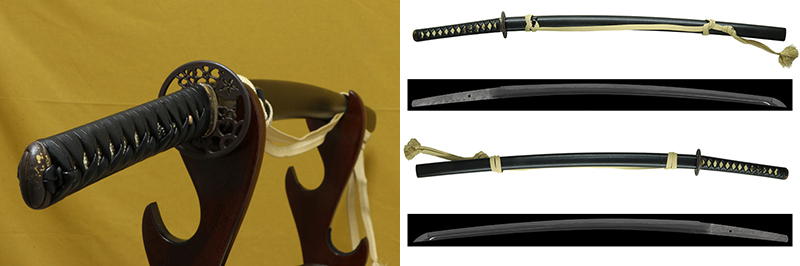
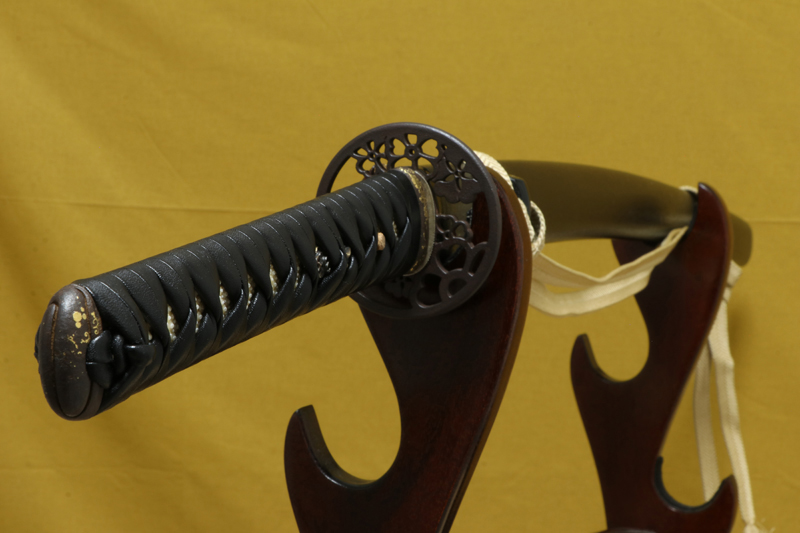
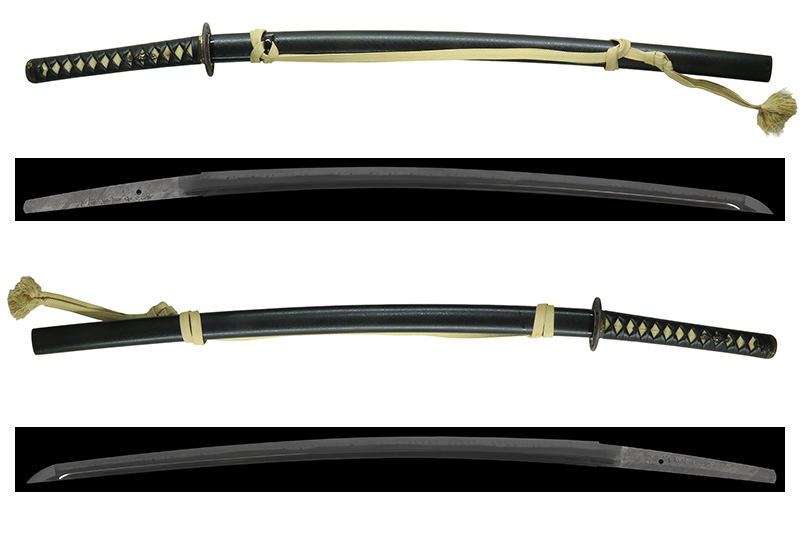
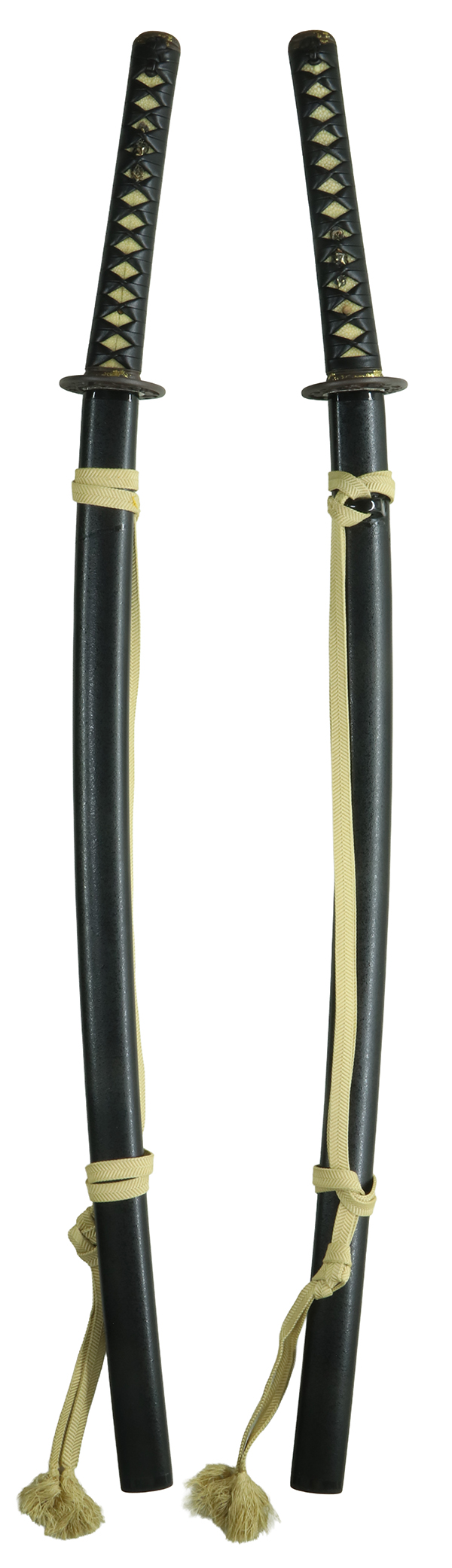
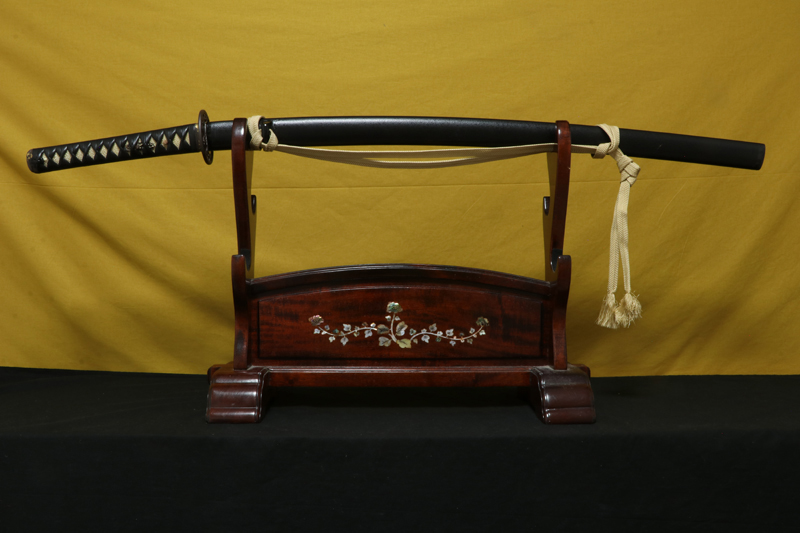
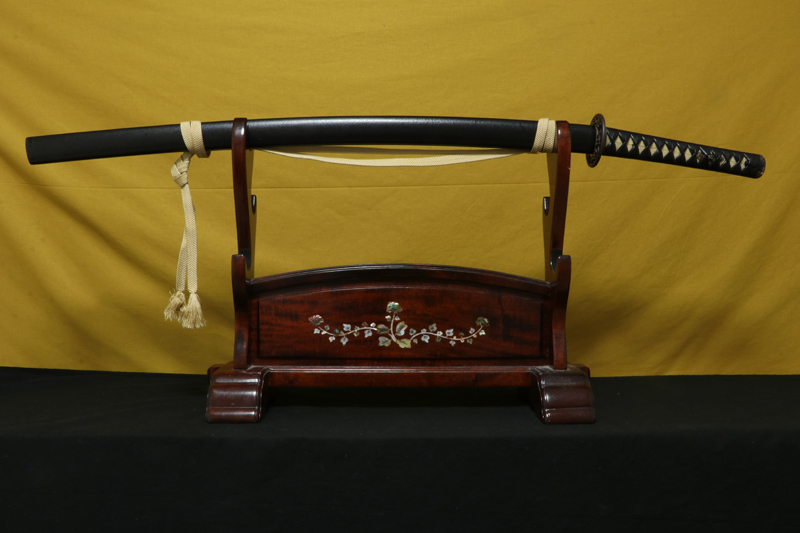
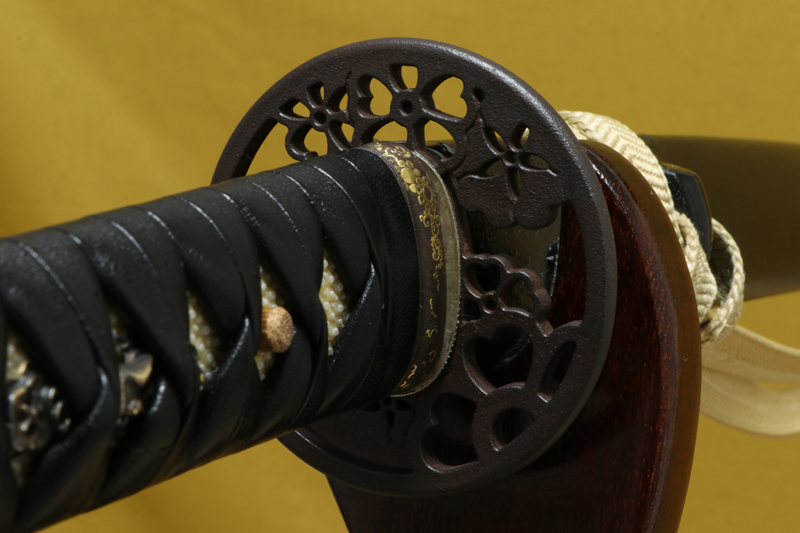
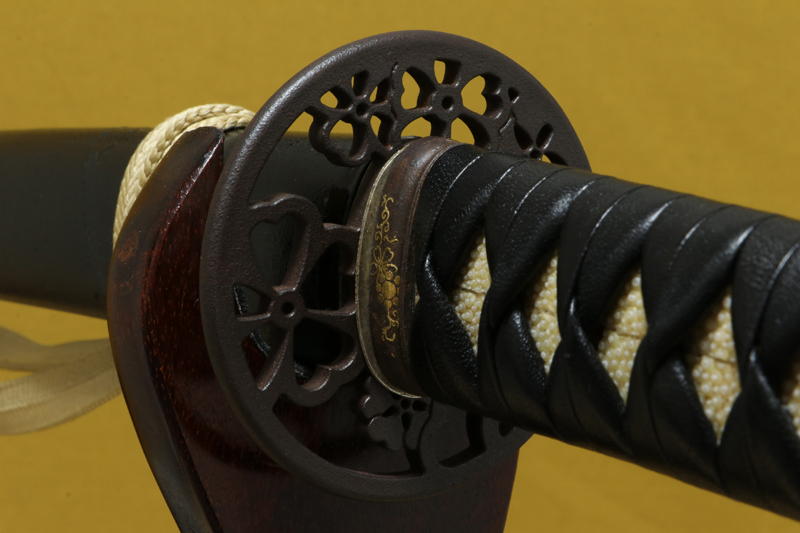
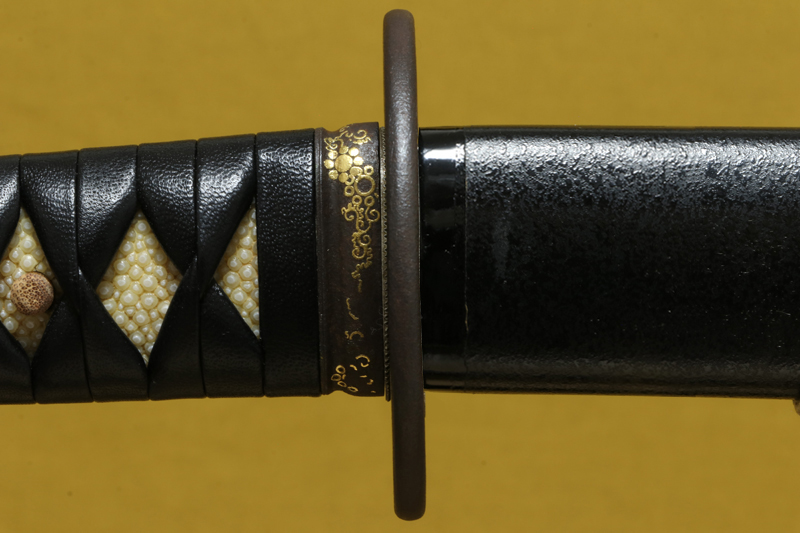
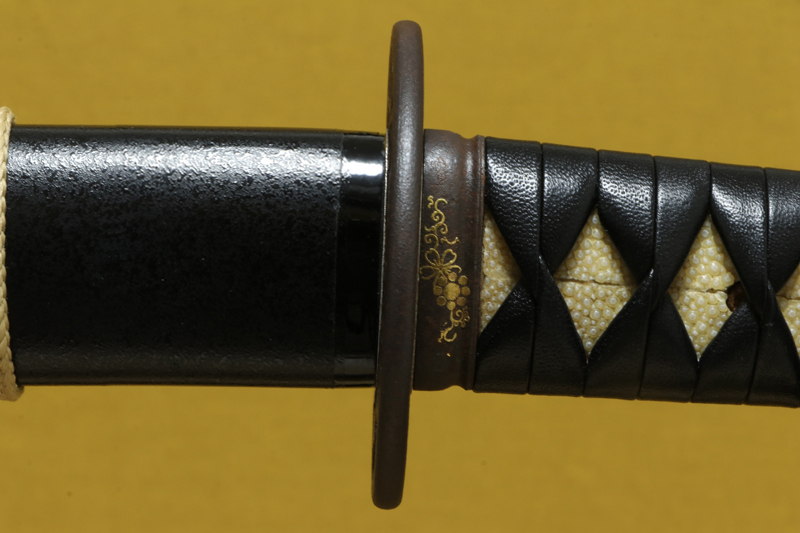
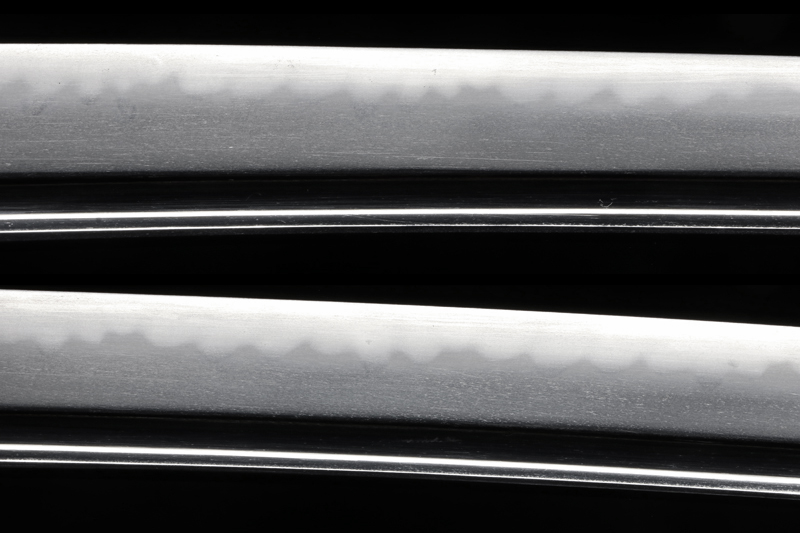
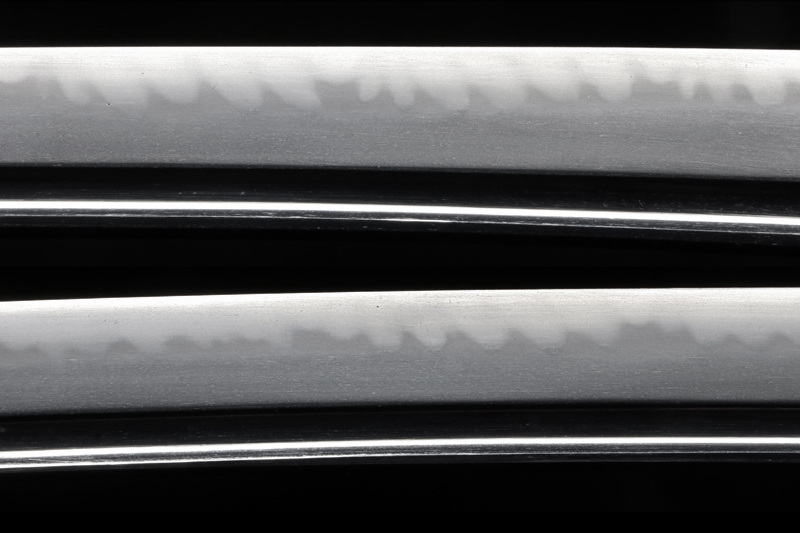
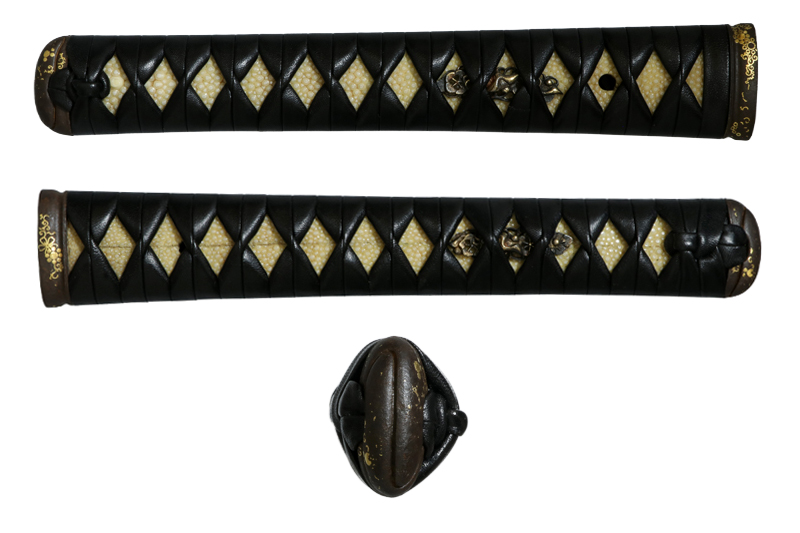
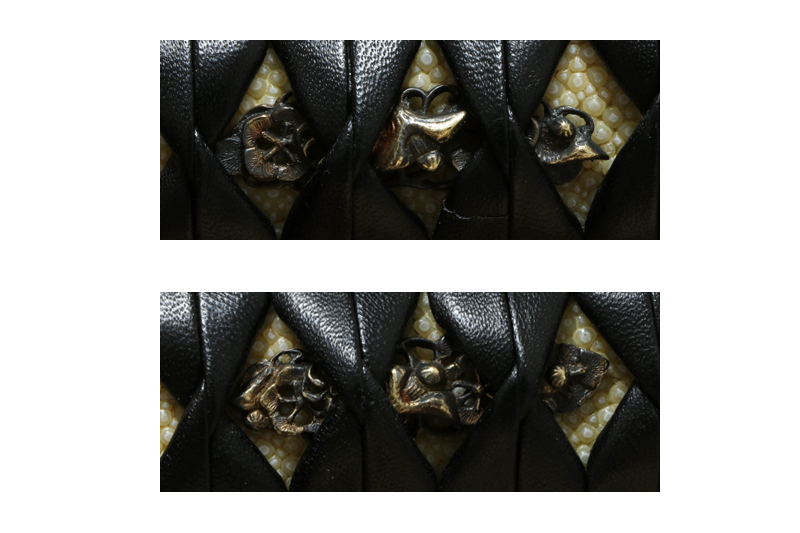
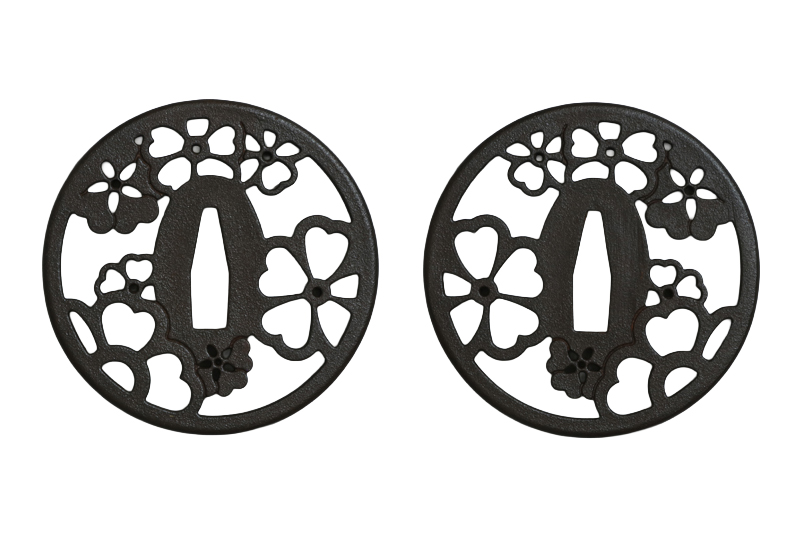
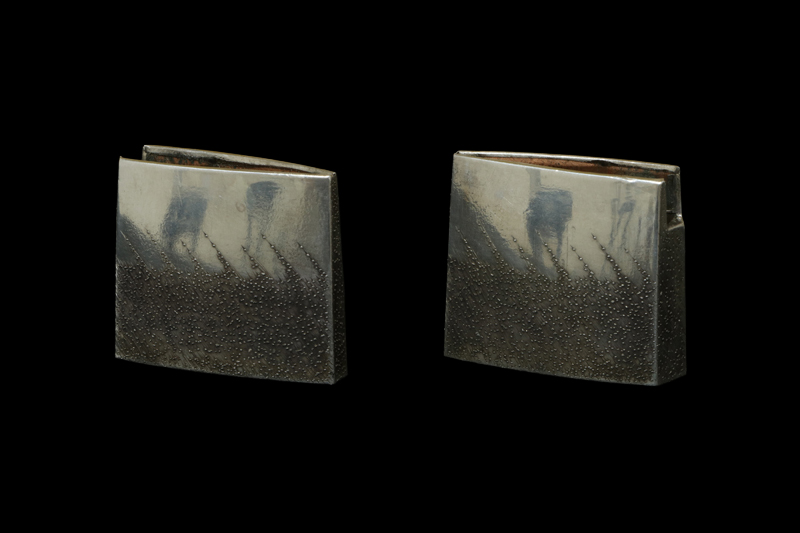
Modern sword Seishinshi Sadatoshi tsukuru kore with Koshirae 徳島県の名工、清心子貞寿刀匠の作品です。 本作は、貞寿刀匠の技量が遺憾なく発揮された一振りであり、地鉄・焼刃ともに見事な出来を示しています。 また、軽量でバランス良く仕立てられているため、居合に最適な仕上がりの一振りです。 This is a work by Seishinshi Sadatoshi, a noted master swordsmith from Tokushima Prefecture. This blade is an example in which Sadatoshi’s skill is fully displayed, with both the jihada and hamon showing remarkable quality. It is also lightweight and well-balanced, making it an ideal blade for iaido. 「体配 style」 鎬造り庵棟、身幅重尋常、鳥居反り中鋒。茎は生で化粧鑢がかかり、茎尻は栗尻。 Shinogi-zukuri with an iori-mune; the blade has normal width and thickness, torii-zori curvature, and a medium-sized kissaki. The tang is ubu, finished with kesho file marks, and the tang end is kurijiri. 「彫物 carving」 彫物は片チリの棒樋が鎺下に搔き流し。 The blade is carved with a bōhi of katakiri form, running off in kakinagashi beneath the habaki. 「地鉄 jigane」 地鉄は板目肌に小板目が交り流れ、地沸付く。 The jihada is itame mixed with ko-itame and flowing, with ji-nie attached. 「刃紋 hamon」 刃紋は丁子刃乱れ刃、足良く入り砂流しかかる、刃中は金筋が働く。釯子は刃紋成りに入り小丸に返る。 The hamon is a chōji-midare pattern, with well-defined ashi and traces of sunagashi; kinsuji are active within the hardened edge. The bōshi follows the hamon pattern into the point and turns back in a small round kaeri. 「特徴 detailed」 清心子貞寿(本名:小島浩)は昭和4年生まれ、徳島県小松島市在住。父・清心子長寿に学んだ刀匠で、備前伝に優れた力量を示しています。 かつて貞寿作の刀が無銘とされ、「特別貴重刀剣」の審査において固山宗次と極められたことがあり、それを知った貞寿が「宗次ごときの刀に見られるとは悔しい」と語ったという逸話が残るほど、その作刀技量は高く評価されています。 また、軽量でバランス良く仕立てられているため、居合に最適な仕上がりとなっています。 刀身は研ぎ上げたばかり(居合研ぎ)です。拵は、柄を牛表革で巻き替えており、鍔は新品です。 ご購入後、すぐに居合にご使用いただけます。 Seishinshi Sadatoshi (real name: Kojima Hiroshi), born in 1929, is a swordsmith from Komatsushima City in Tokushima Prefecture who studied under his father, Seishinshi Nagatoshi. He is particularly noted for his excellent workmanship in the Bizen tradition. There is even an anecdote that one of Sadatoshi’s blades, once made unsigned, was judged in a Tokubetsu Kicho Token appraisal to be the work of Koyama Munetsugu. When Sadatoshi learned of this, he is said to have remarked, “It is frustrating that my blade should be taken for one by Munetsugu.” Stories such as this speak to the very high level of his craftsmanship. This example is a blade in which Sadatoshi’s abilities are shown to the fullest, with both the forging and tempering displaying remarkable quality. It is also lightweight and well balanced, making it an excellent choice for iaidō practice. The blade has just been newly polished (iaidō polish). The mountings have also been refreshed: the hilt has been rewrapped in cowhide, and the guard is new. It is ready for immediate use in iaidō after purchase. 「拵」 鎺(habaki) :銀無垢一重腰祐乗。 鍔(tsuba) :鉄地桜花透かし。 縁頭(futikasira):鉄地肥後山道桜唐草金布目象嵌。 目貫(menuki) :桜の図。 柄(tsuka) :鮫は親粒が付き巻鮫。柄巻は牛表革黒の諸捻り巻き。 鞘(saya) :黒石目。 「刀剣の状態 condition of blade」 研:研ぎ上がりたてです。 傷:欠点に成るような傷は有りません。
Offered by Giheiya
This piece has sold
Get an email when a new Sadatoshi piece hits the market.


As written by the shop
Tokushima · around 1926-1989
1 piece on the market now
Shōwa to the present: destruction and revival
The twentieth century nearly killed the craft twice: wartime distortion, then the occupation ban. The NBTHK’s founding in 1948 and licensed forging from 1953 rebuilt the sword as an art, crowned by Living National Treasures and the mukansa rank.
Within 3 days of the item's arrival, we offer a refund or an exchange. Return shipping and the bank transfer fee for the refund are at the customer's expense.