Around 1800 Suishinshi Masahide argued in his writings that the craft must return to the old masters’ methods: the fukkotō revival. His greatest successor Naotane worked convincingly in Bizen and Sōshū manners that had been dead for centuries.
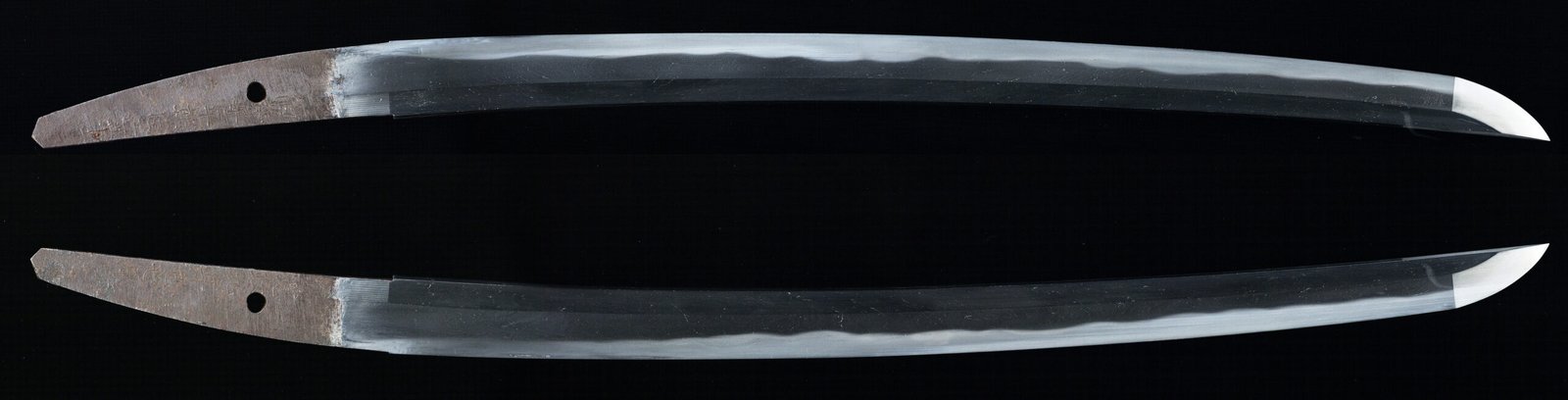
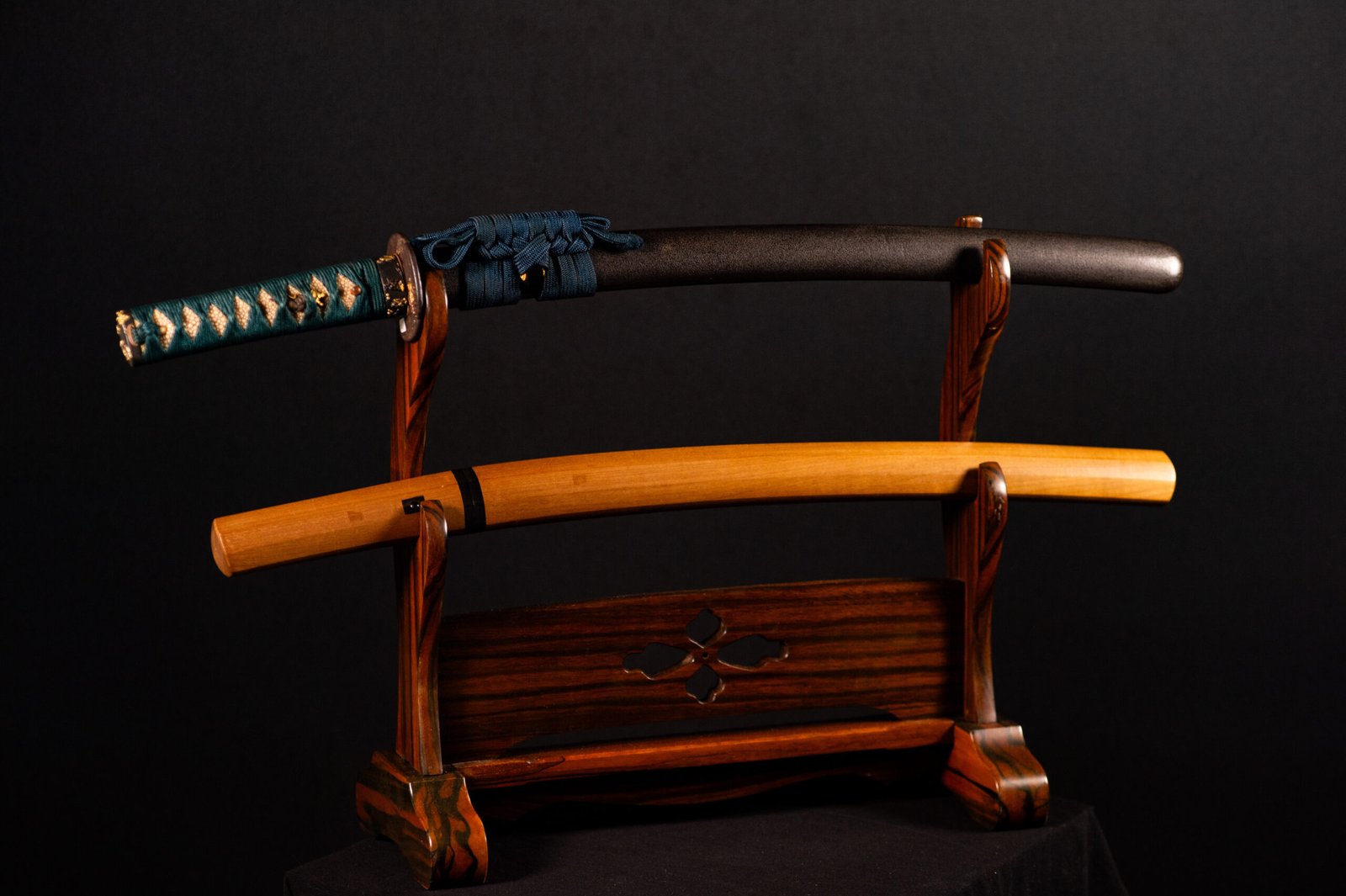
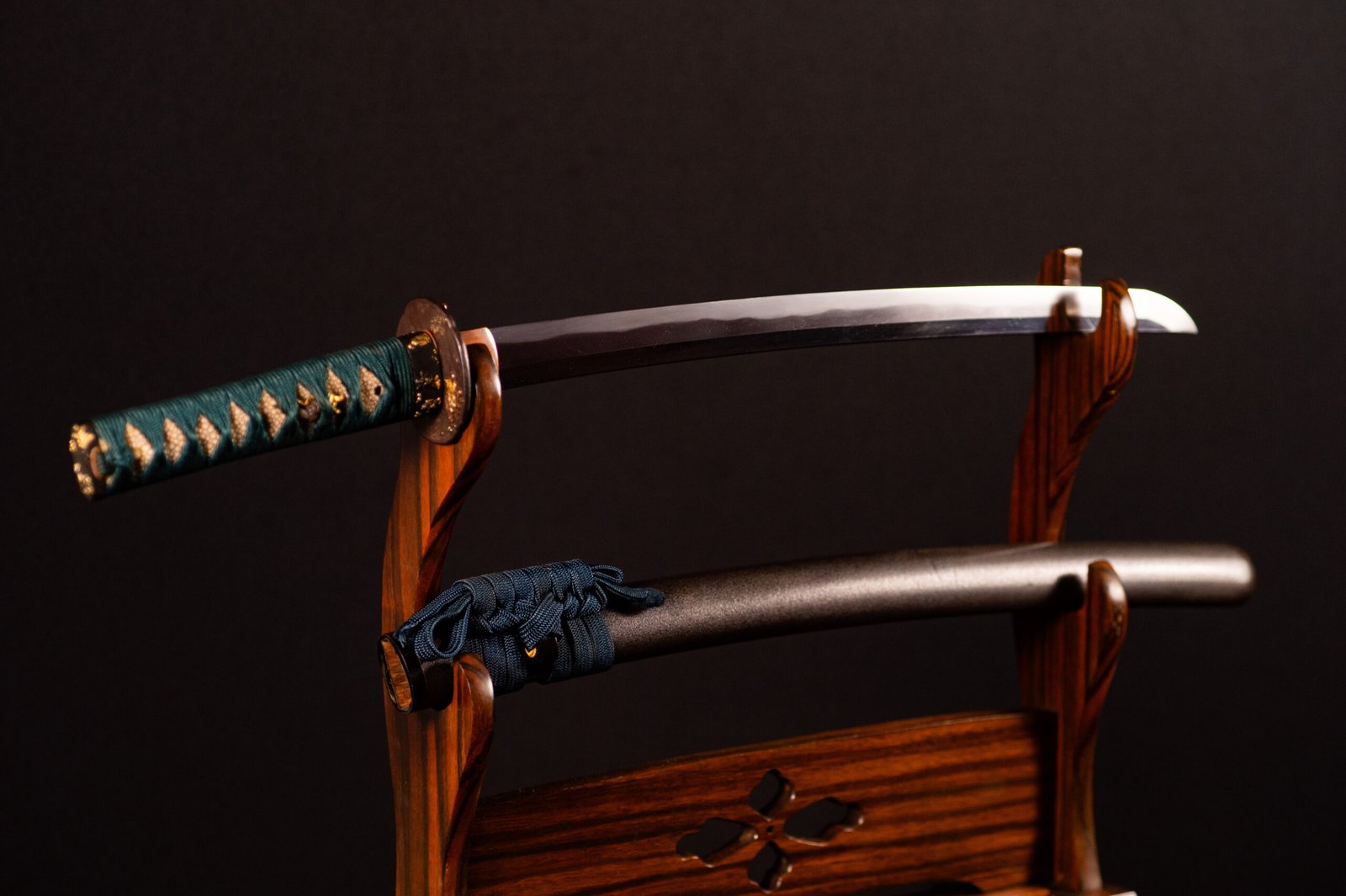
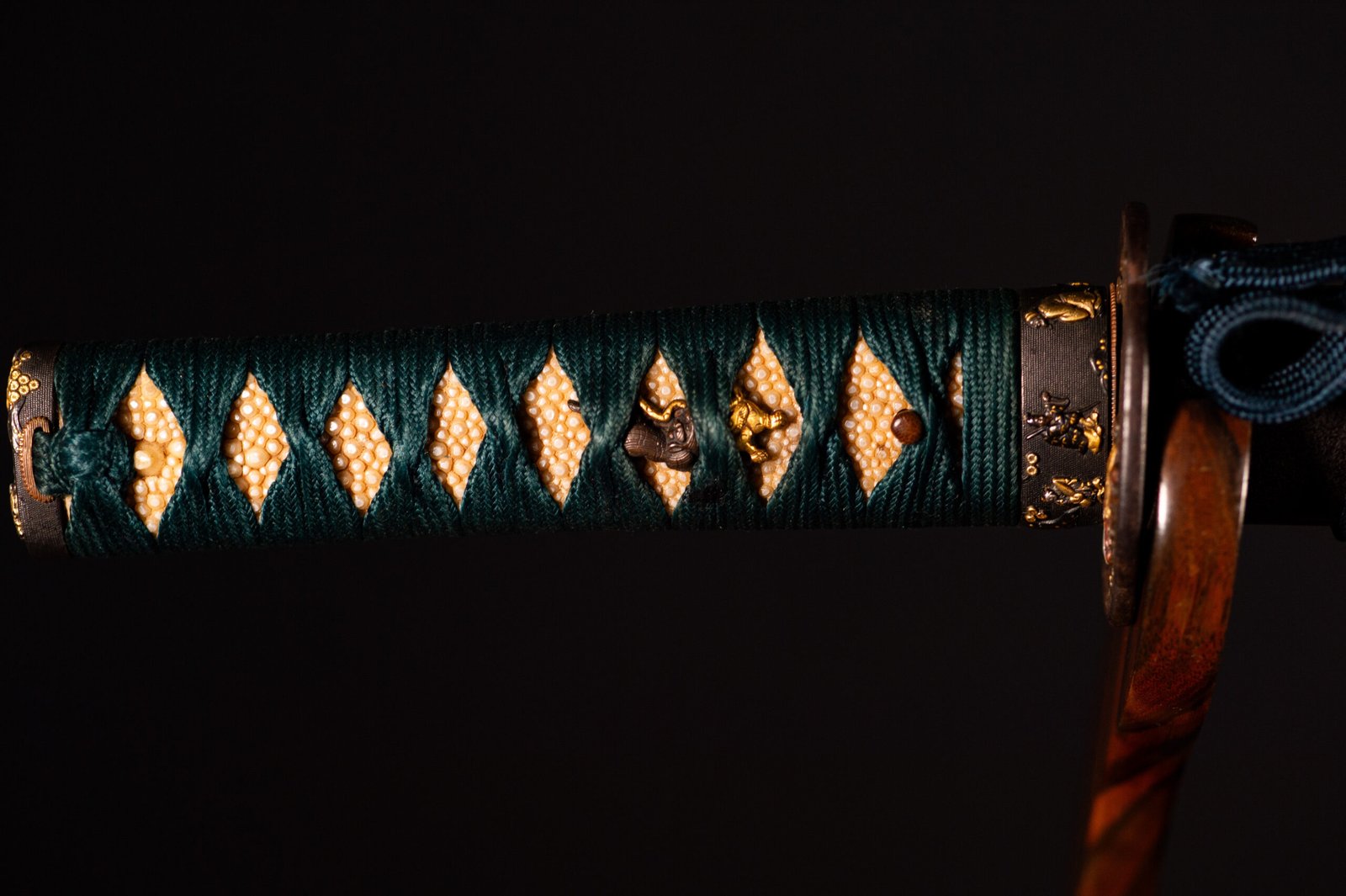
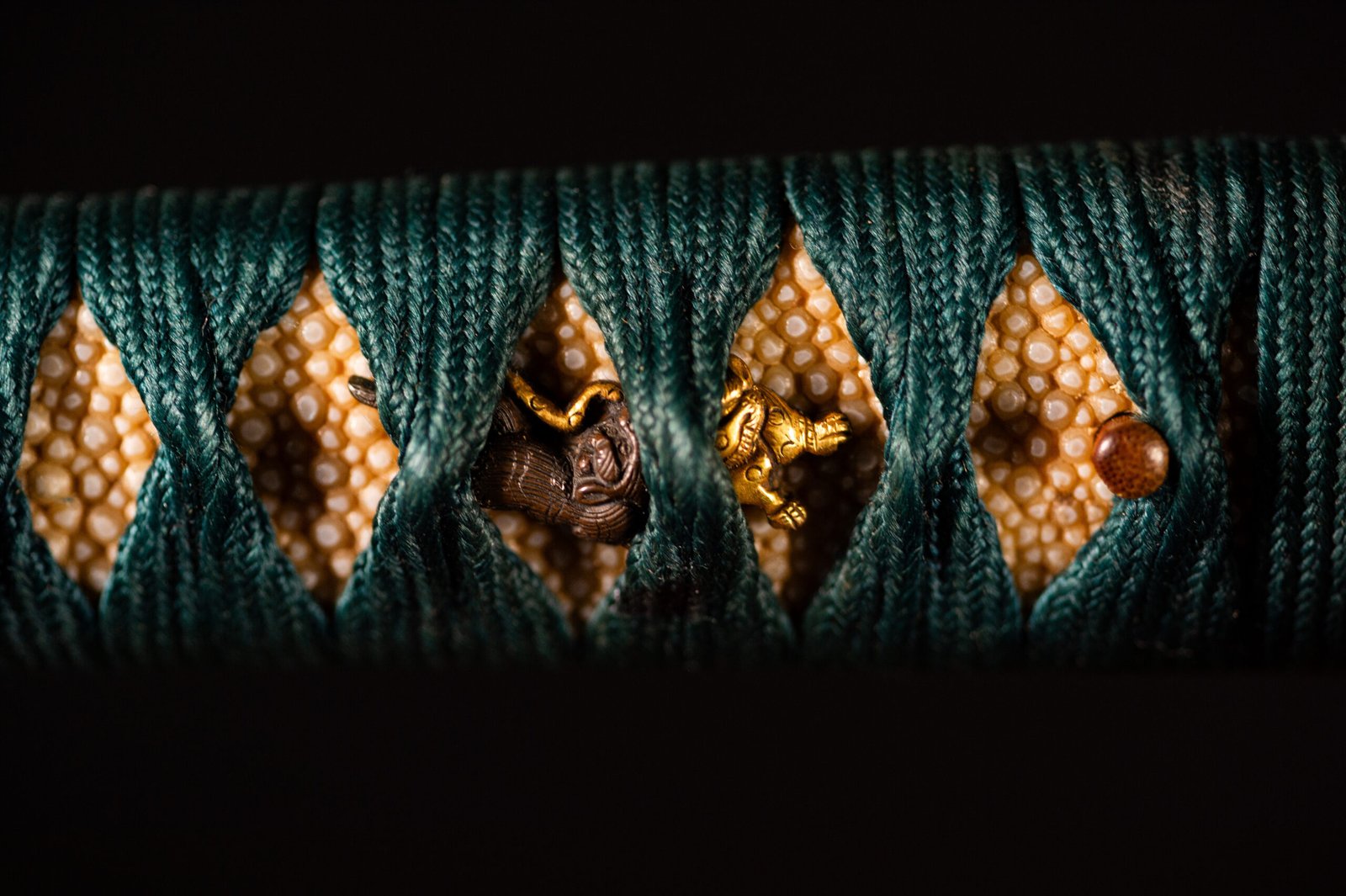
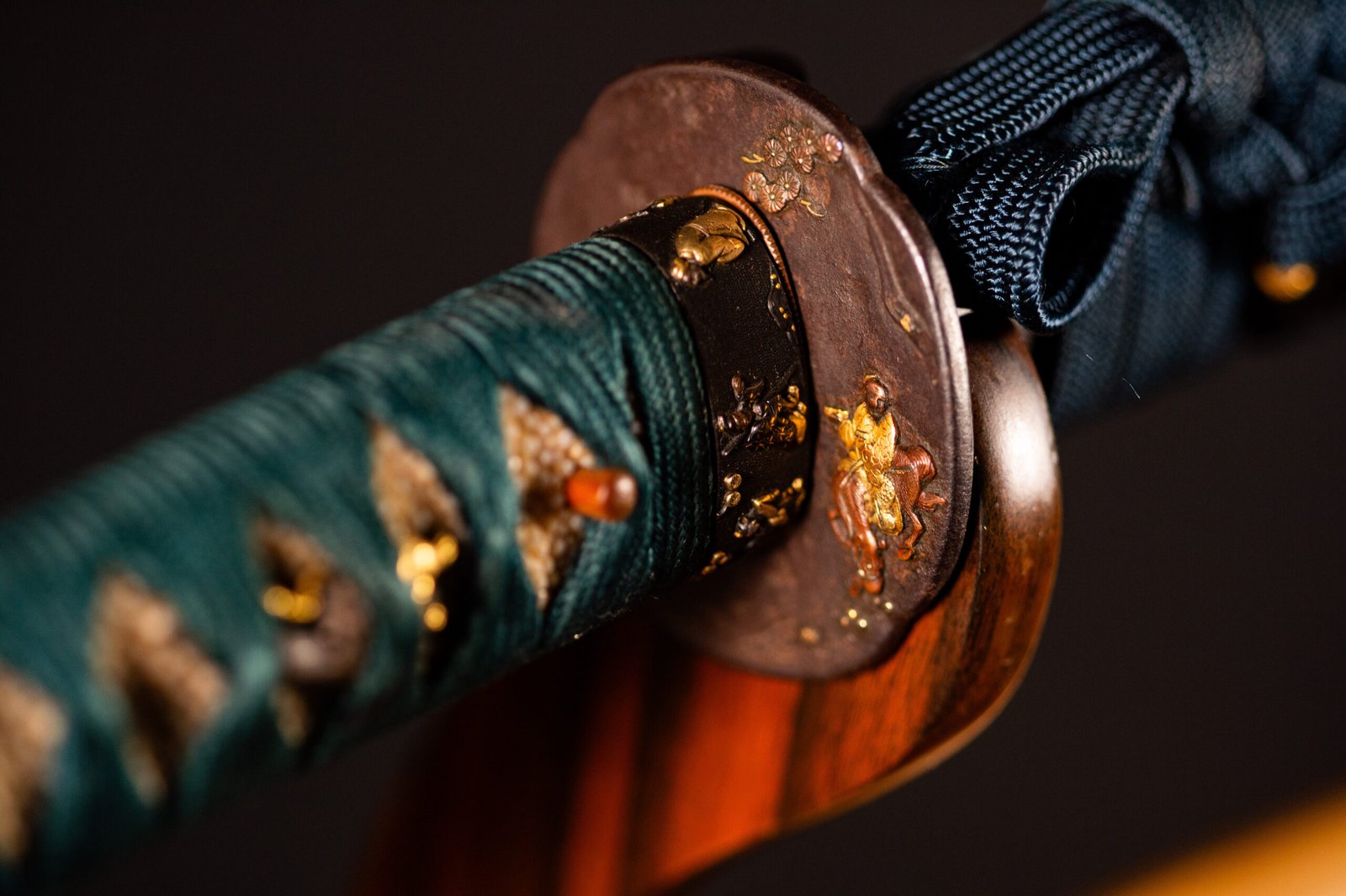
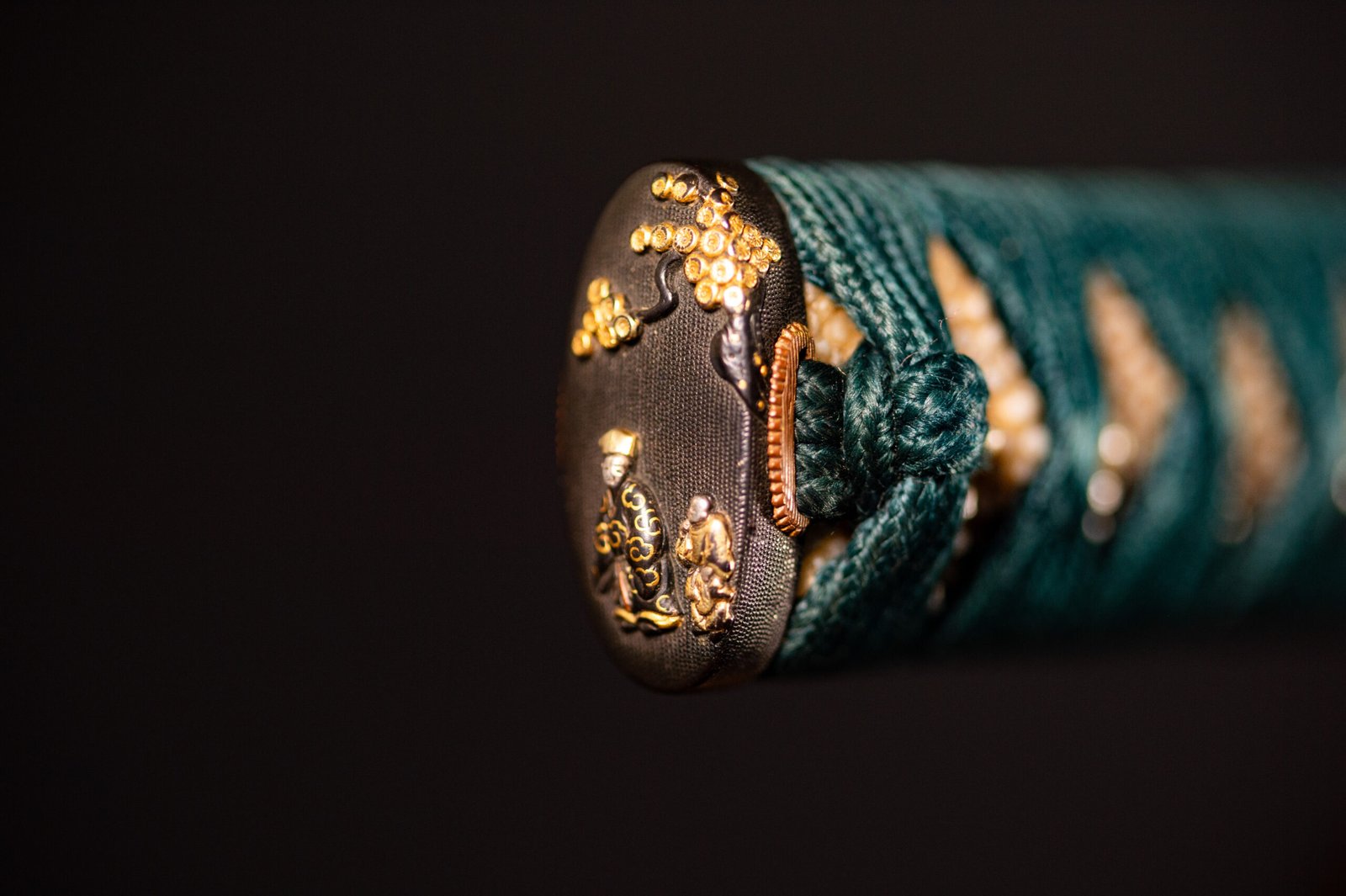
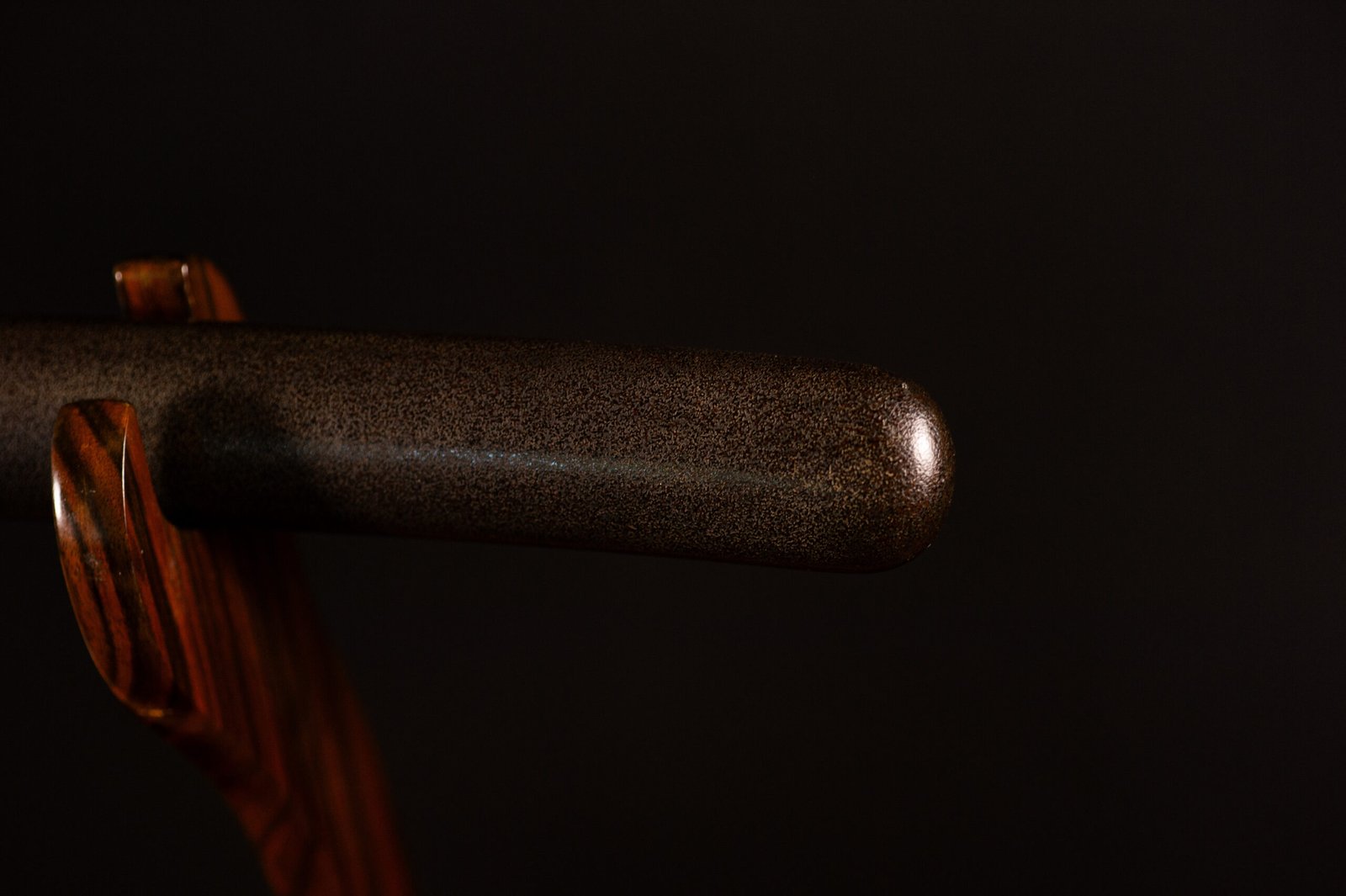
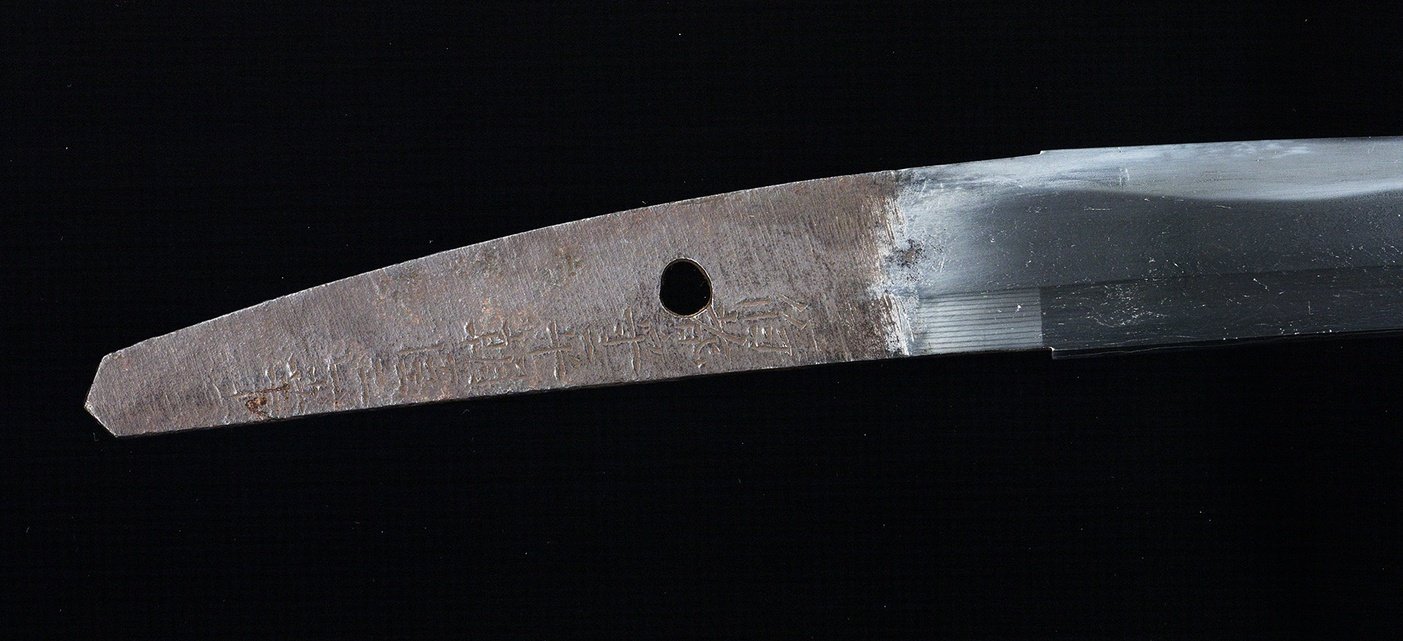
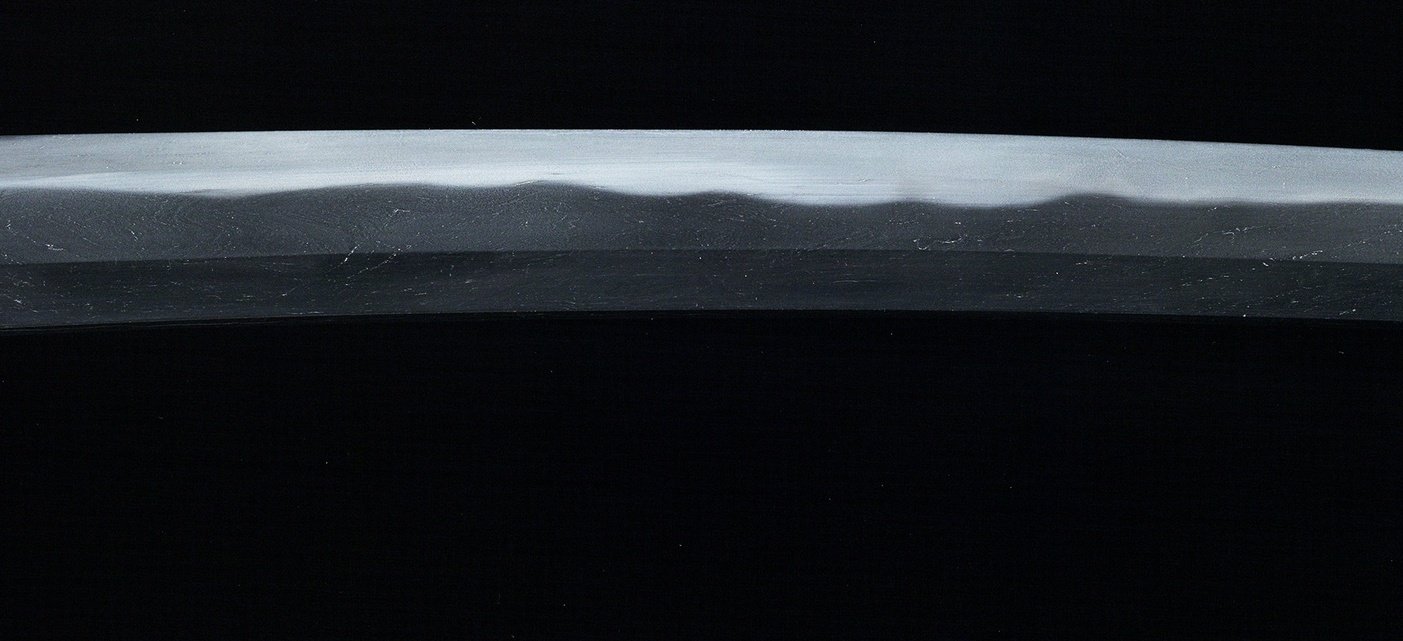
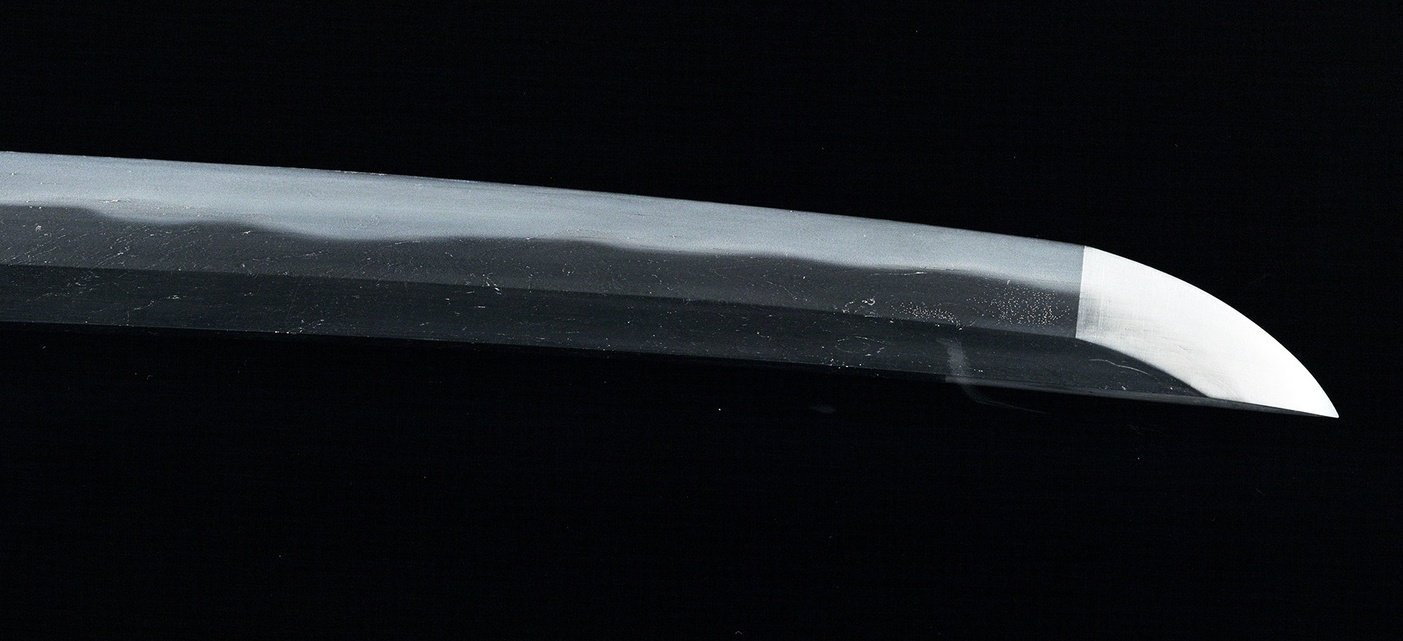
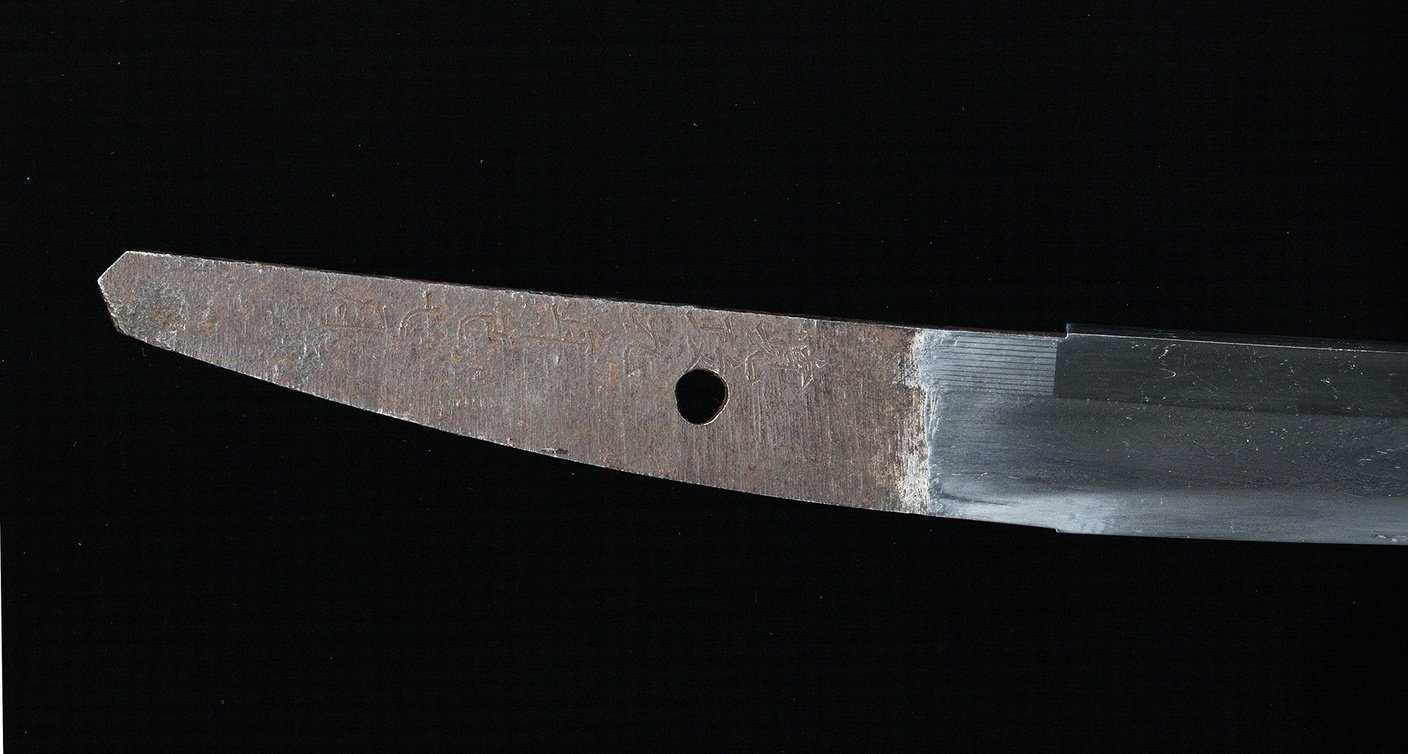
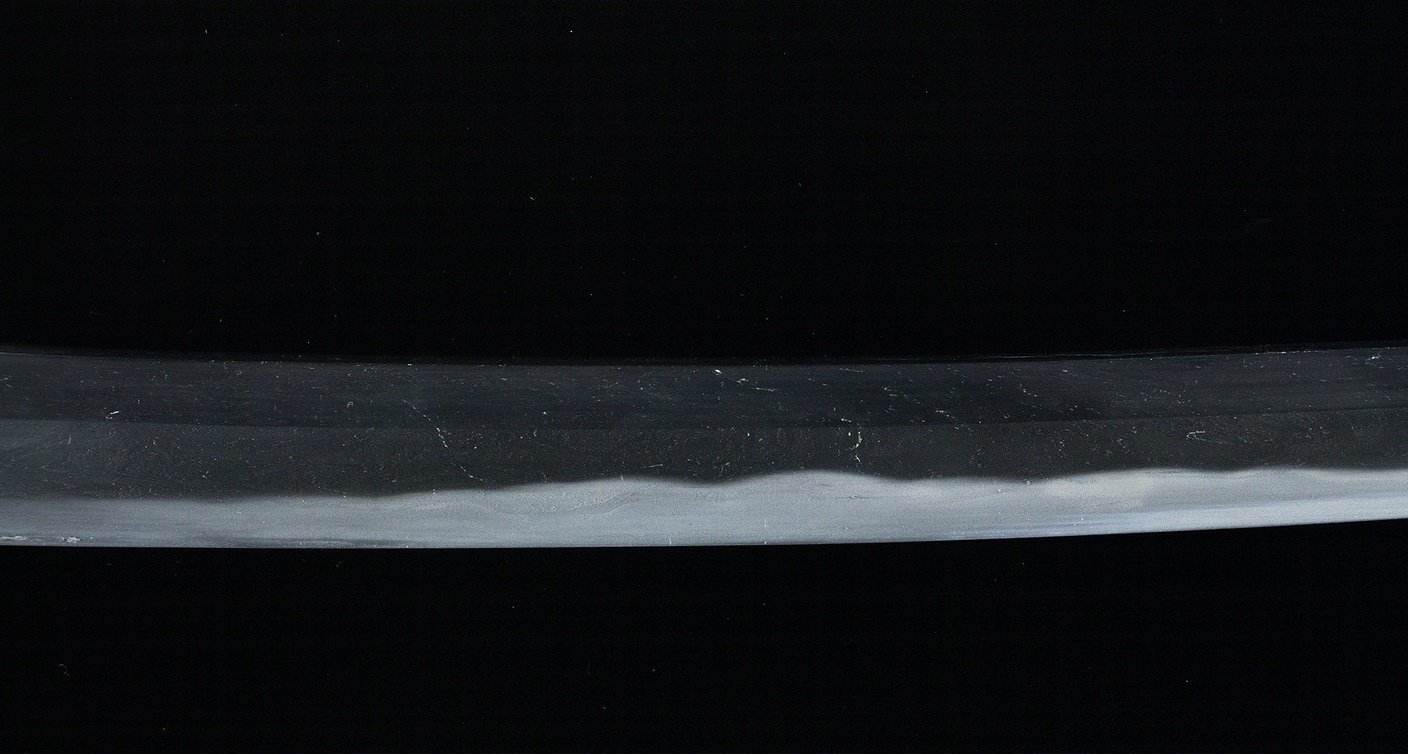
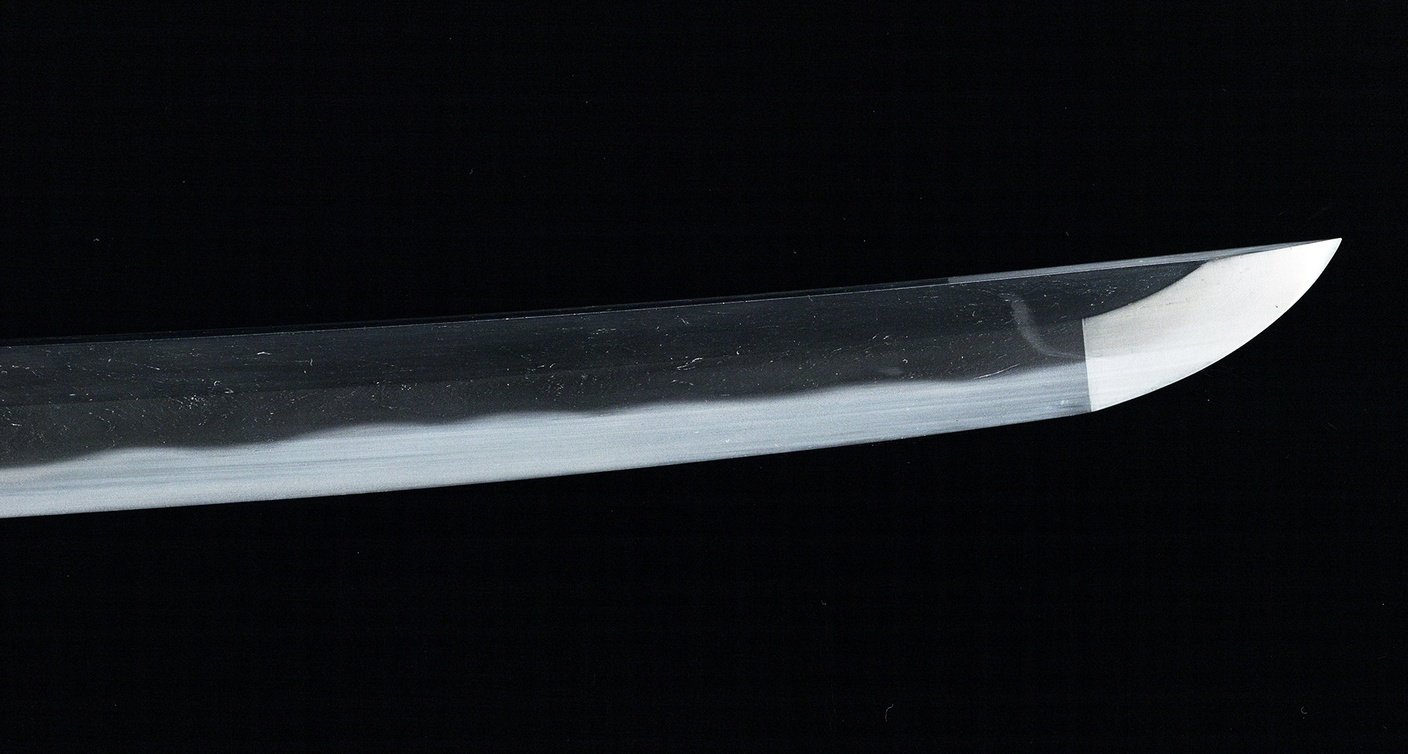
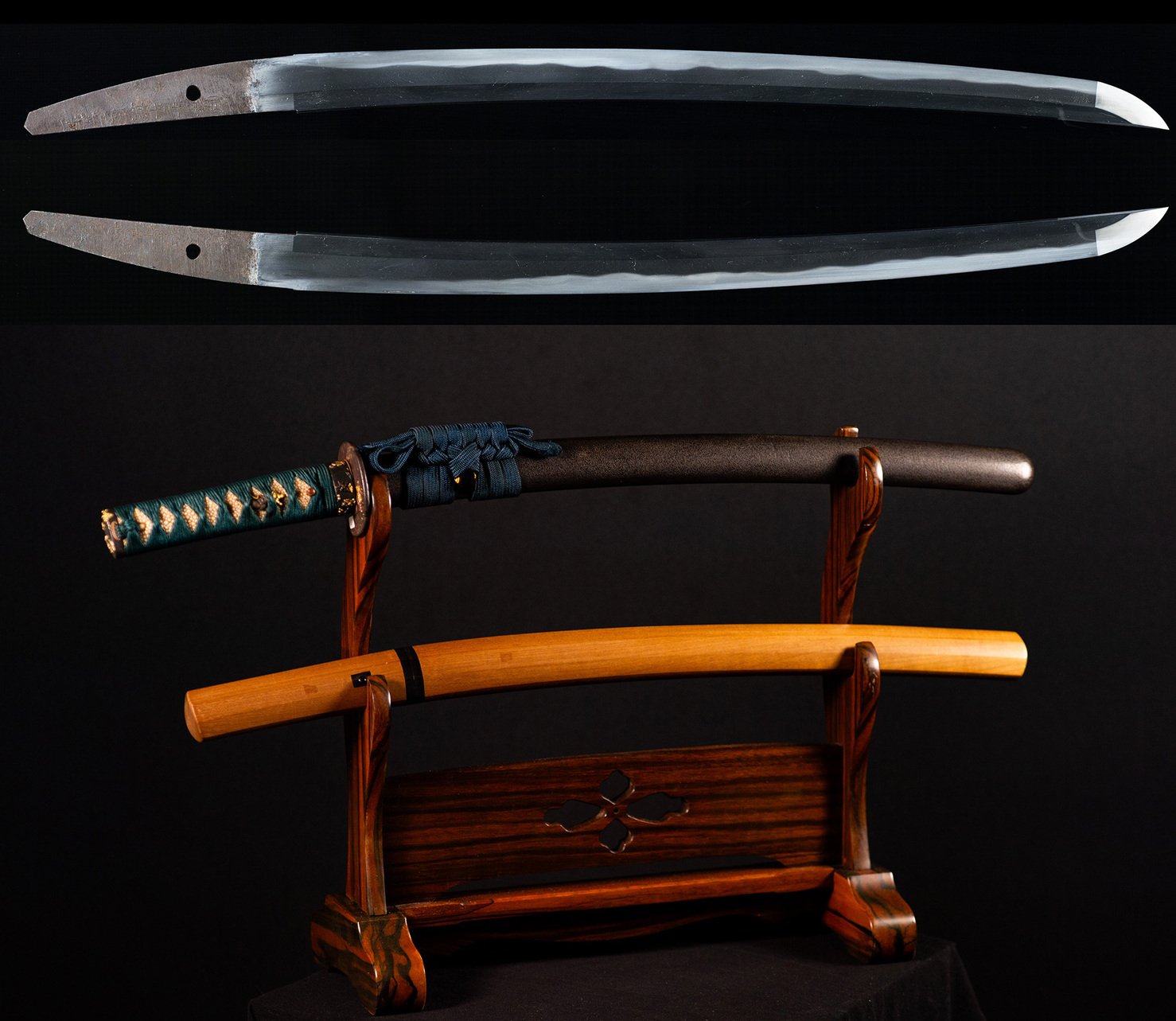
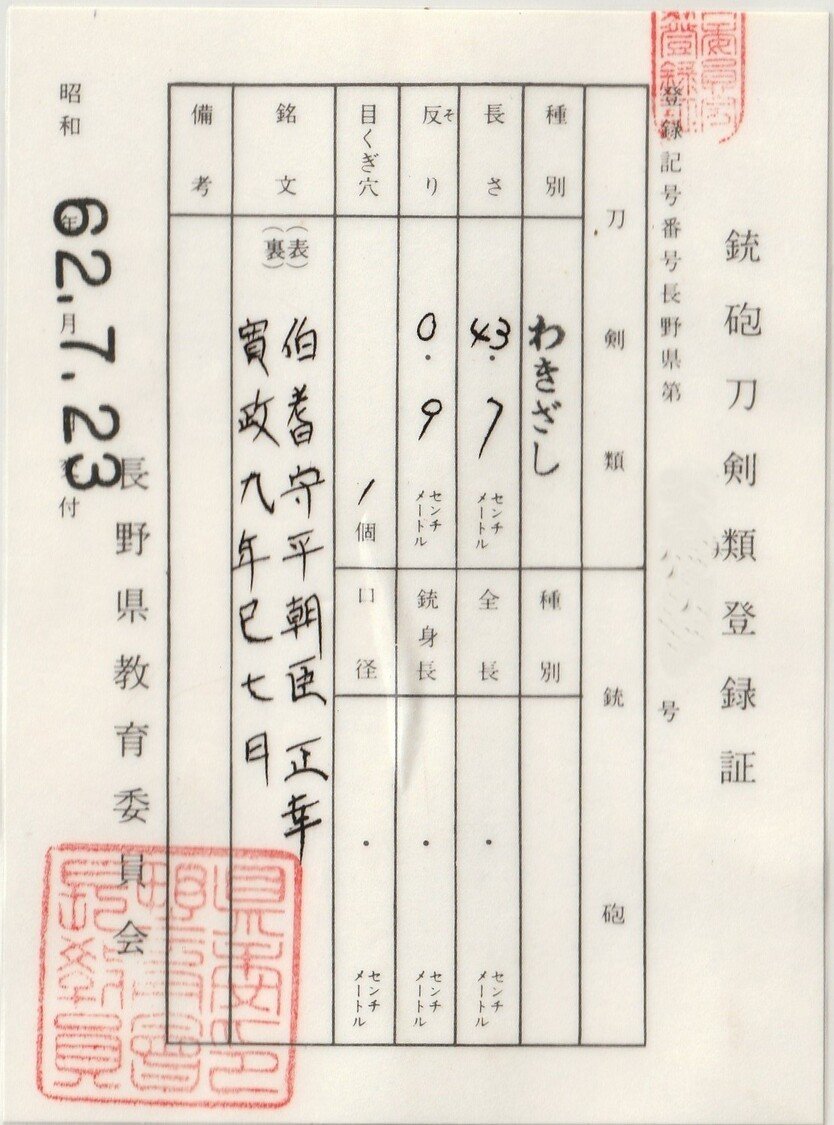
This is a fine wakizashi signed by Hoki no Kami Taira Ason Masayuki, a principal swordsmith of the Satsuma tradition during the late Edo period. The blade measures 43.7 cm with a restrained sori of 0.9 cm, displaying a flowing notare-based hamon with gunome and vigorous nie activity. It comes with an attractive formal koshirae featuring deep teal tsuka-ito, pale samegawa, and dark patinated fittings with gold decoration.
 NihontoWatch
mei · Satsuma · Shin-shinto · nagasa 43.7cm · sori 0.9cm


The Shinshintō revival
Around 1800 Suishinshi Masahide argued in his writings that the craft must return to the old masters’ methods: the fukkotō revival. His greatest successor Naotane worked convincingly in Bizen and Sōshū manners that had been dead for centuries.
We could not find an authenticity certificate on the seller’s listing. Japanese swords and fittings are normally papered by the NBTHK (or the NTHK). Without one, the attribution is the seller’s own assessment and has not been independently verified — treat it with caution and ask the dealer about certification before buying.
14-day return if items arrive damaged or in unexpected condition; customer bears return shipping + insurance; items returned in original condition with all accessories; antique armour non-returnable; only regular priced items refundable; shipping costs non-refundable.
€3,400
This is a fine wakizashi signed by Hoki no Kami Taira Ason Masayuki, a principal swordsmith of the Satsuma tradition during the late Edo period. The blade measures 43.7 cm with a restrained sori of 0.9 cm, displaying a flowing notare-based hamon with gunome and vigorous nie activity. It comes with an attractive formal koshirae featuring deep teal tsuka-ito, pale samegawa, and dark patinated fittings with gold decoration.
NihontoWatchmei · Satsuma · Shin-shinto · nagasa 43.7cm · sori 0.9cm
The Shinshintō revival
Around 1800 Suishinshi Masahide argued in his writings that the craft must return to the old masters’ methods: the fukkotō revival. His greatest successor Naotane worked convincingly in Bizen and Sōshū manners that had been dead for centuries.
We could not find an authenticity certificate on the seller’s listing. Japanese swords and fittings are normally papered by the NBTHK (or the NTHK). Without one, the attribution is the seller’s own assessment and has not been independently verified — treat it with caution and ask the dealer about certification before buying.
14-day return if items arrive damaged or in unexpected condition; customer bears return shipping + insurance; items returned in original condition with all accessories; antique armour non-returnable; only regular priced items refundable; shipping costs non-refundable.
€3,400

