 NihontoWatchNihontoWatch
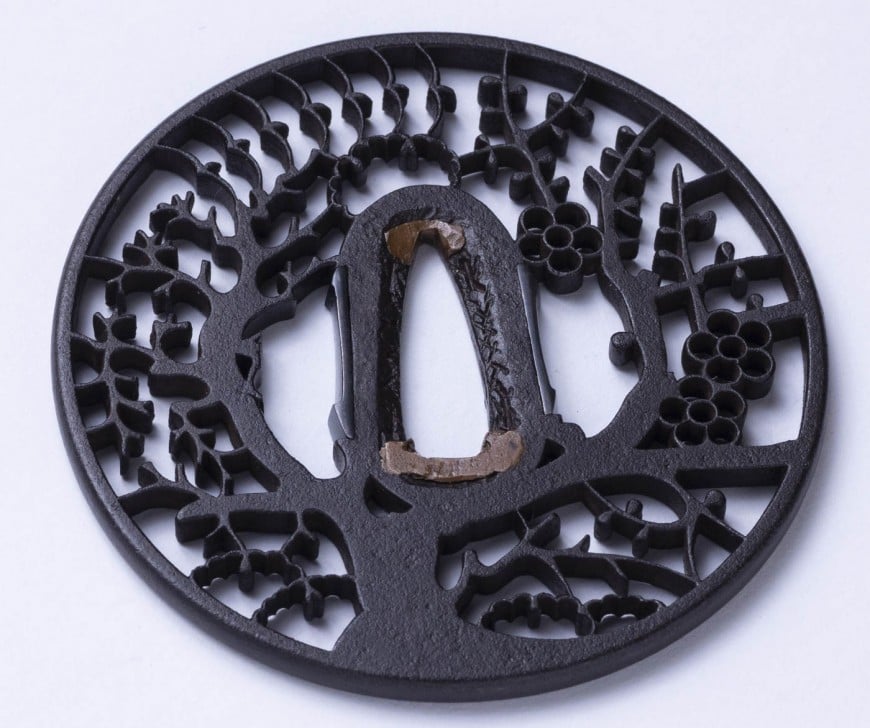
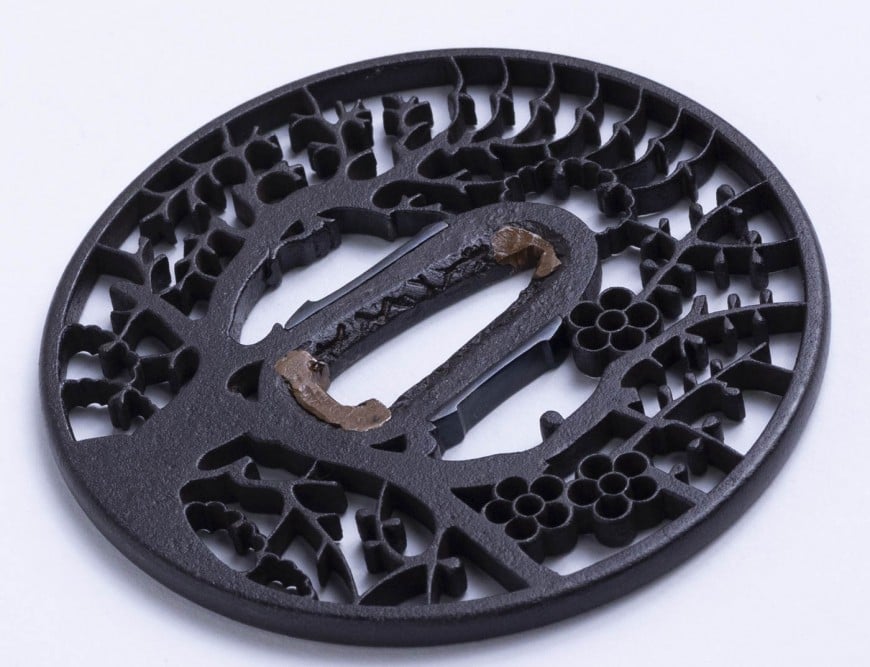
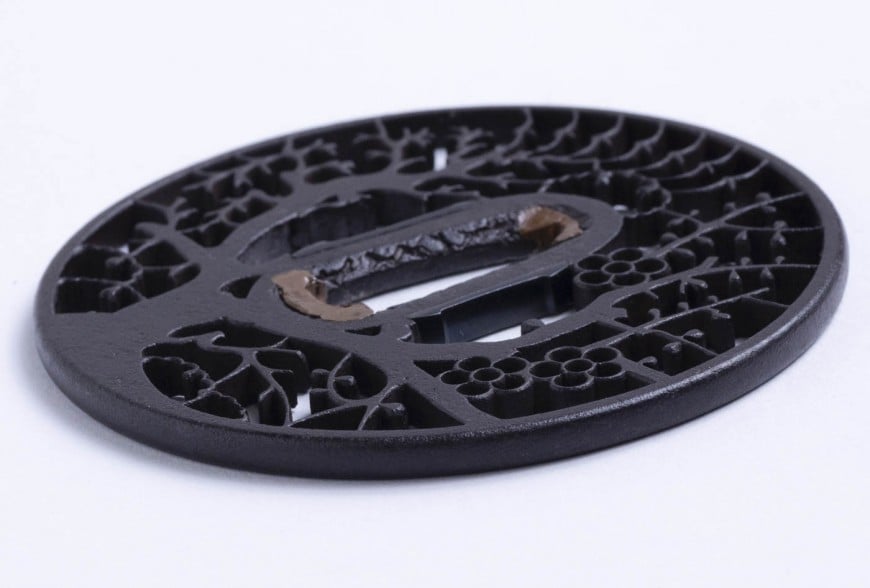
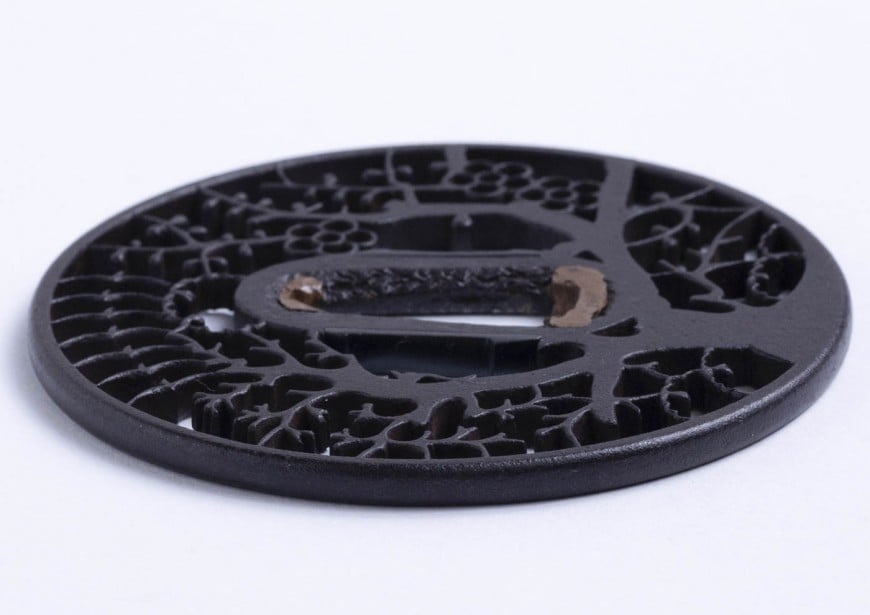
Kyo-sukashi refers to ji-sukashi tsuba produced in Yamashiro no Kuni, and along with Owari, Kanayama, and Akasaka tsuba, they are famous sukashi tsuba. As with other sukashi tsuba, it is said that the sukashi technique was established in the late Muromachi period, and in the Edo period In contrast to the rugged and powerful construction felt in Owari tsuba, Kyo-sukashi tsuba are elegant and delicate. The patterns are refined and possess dignity, resulting in a style where the culture of Kyoto can be felt. Among them, the tsuba handled by the tsuba merchant Daimonji Gorobei in the mid-Edo period are particularly refined and well-made tsuba, and these tsuba are collectively called Daigoro tsuba.
NihontoWatchOffered by Wakeidou

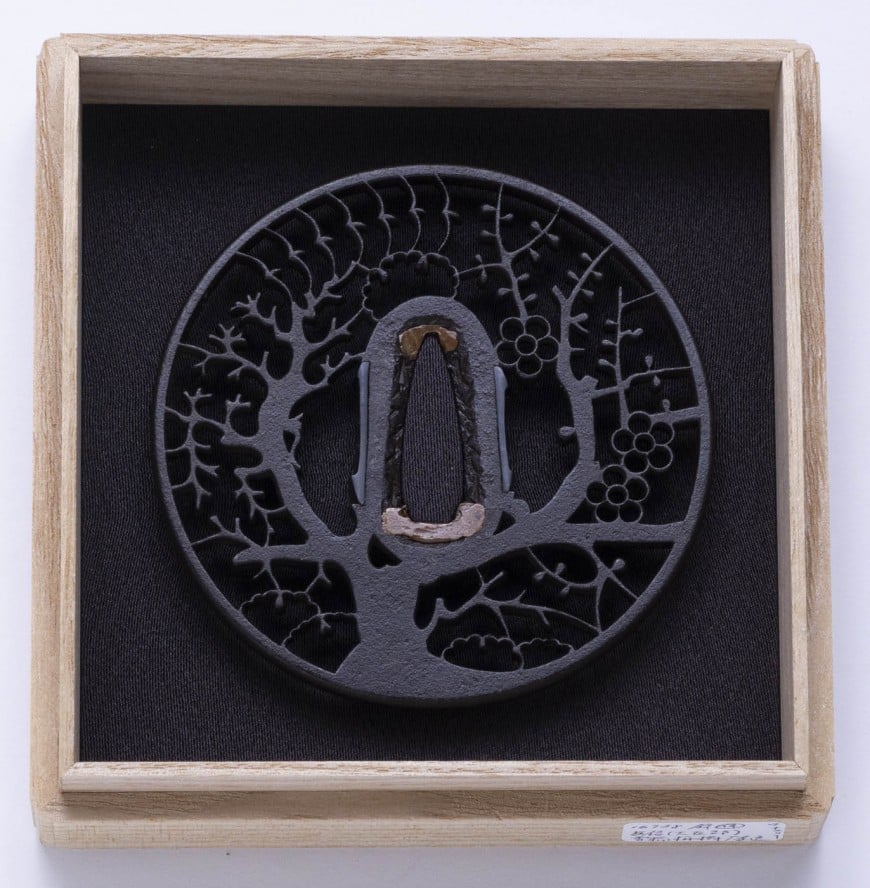
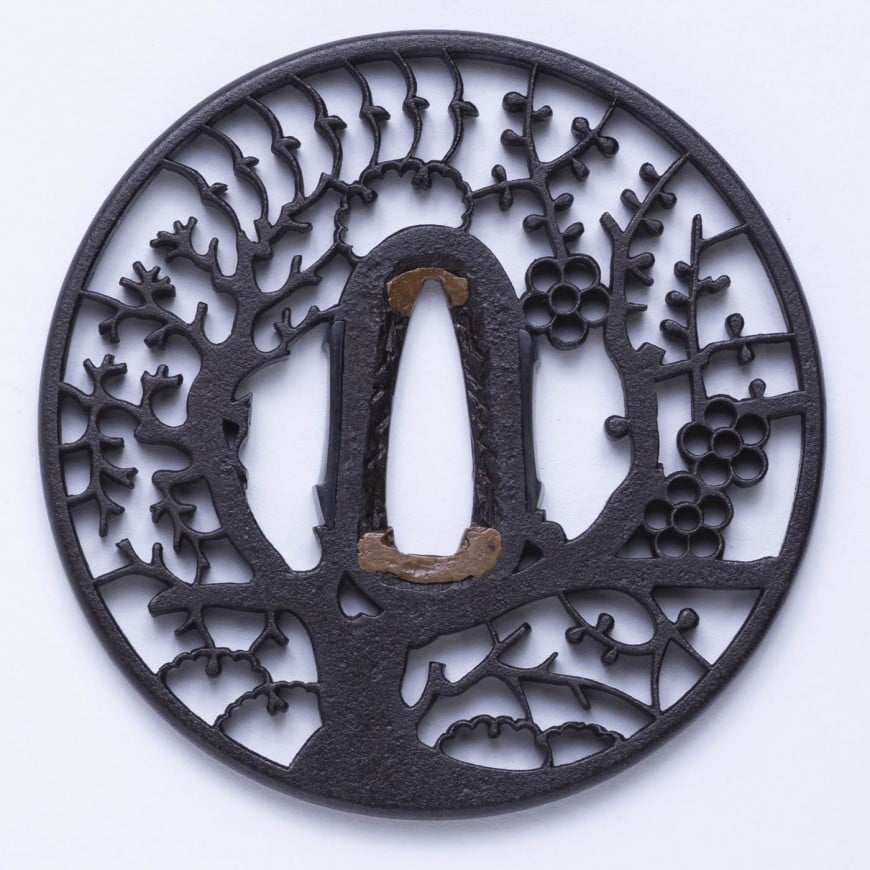
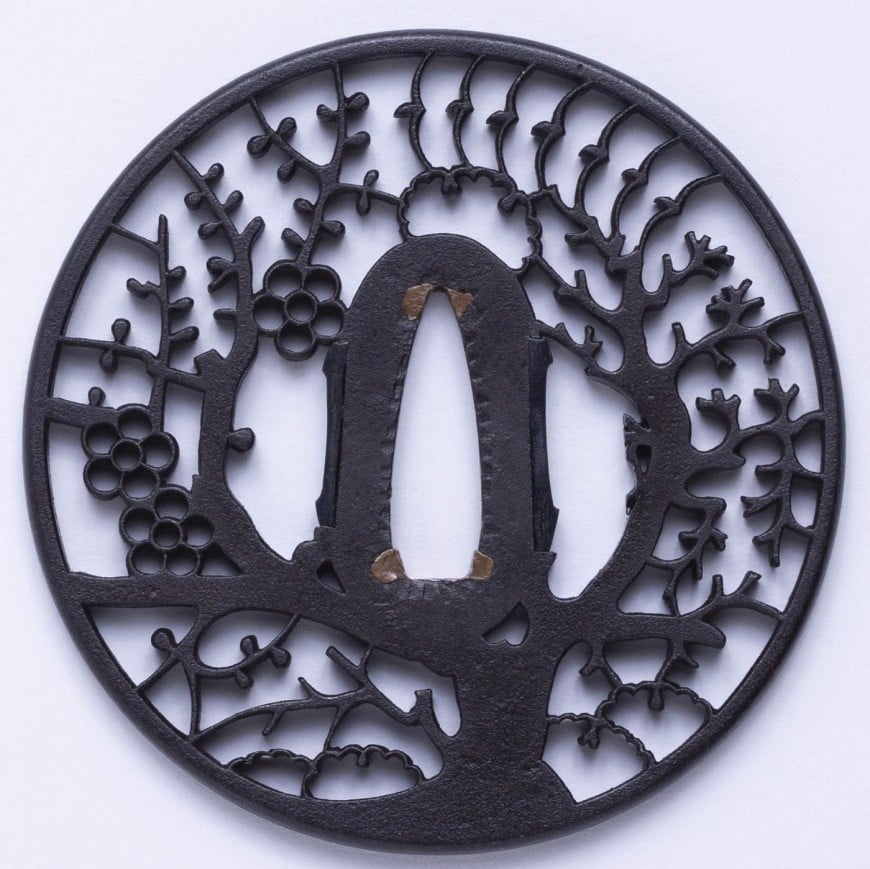
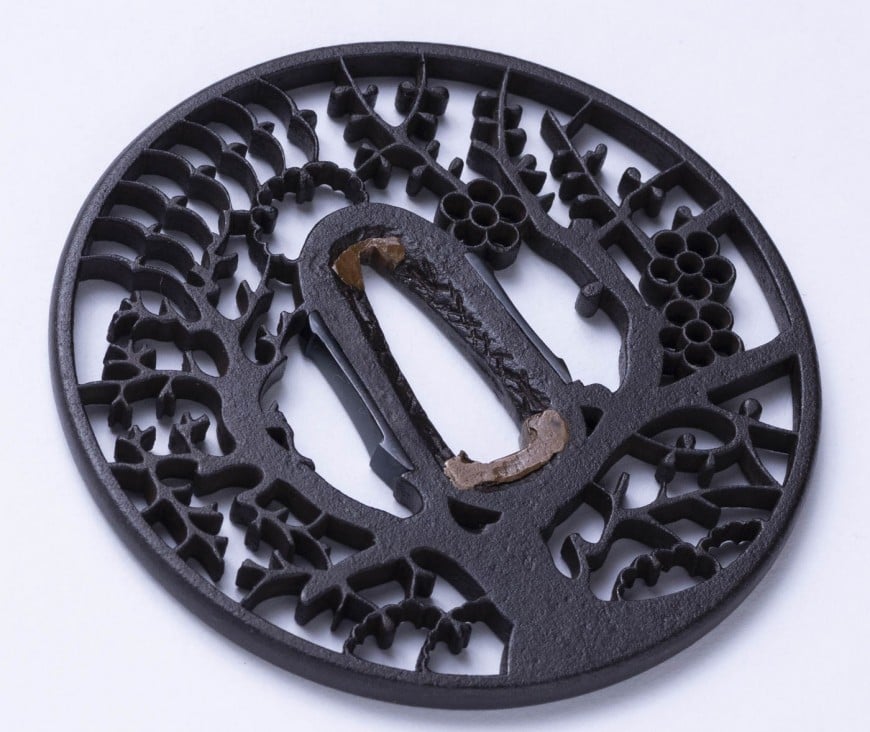
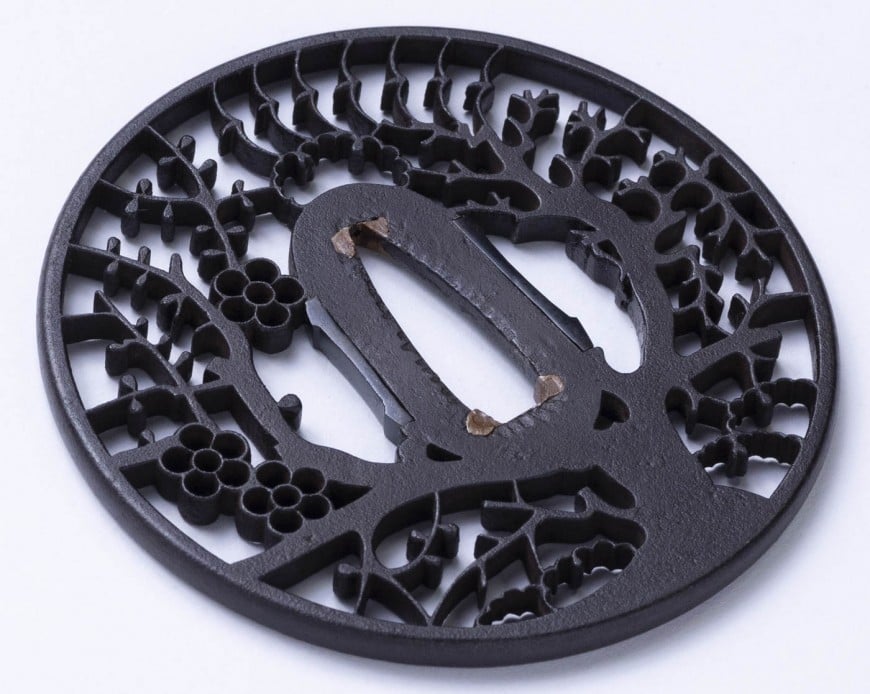
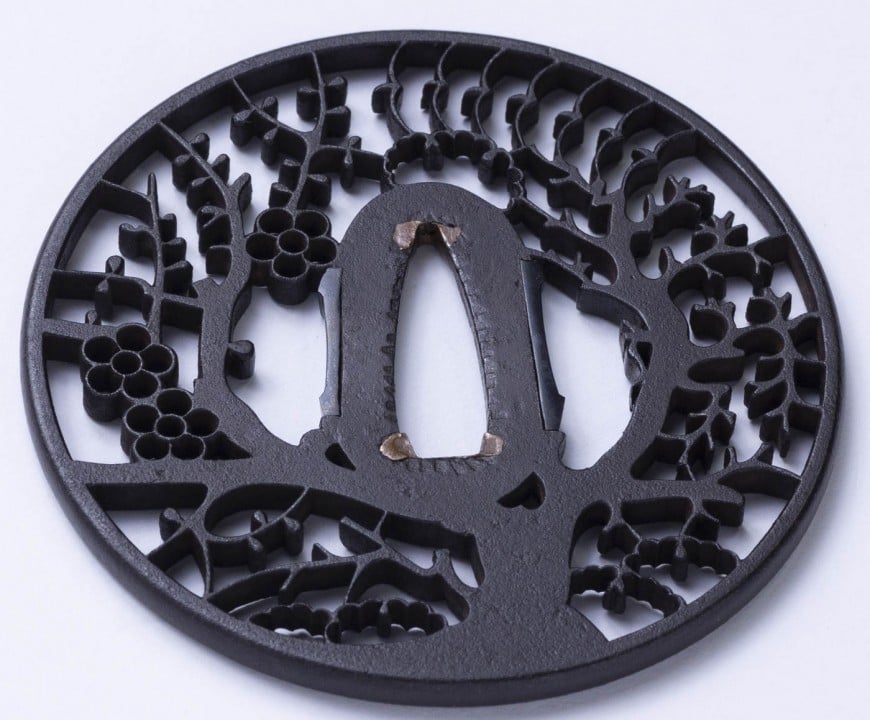
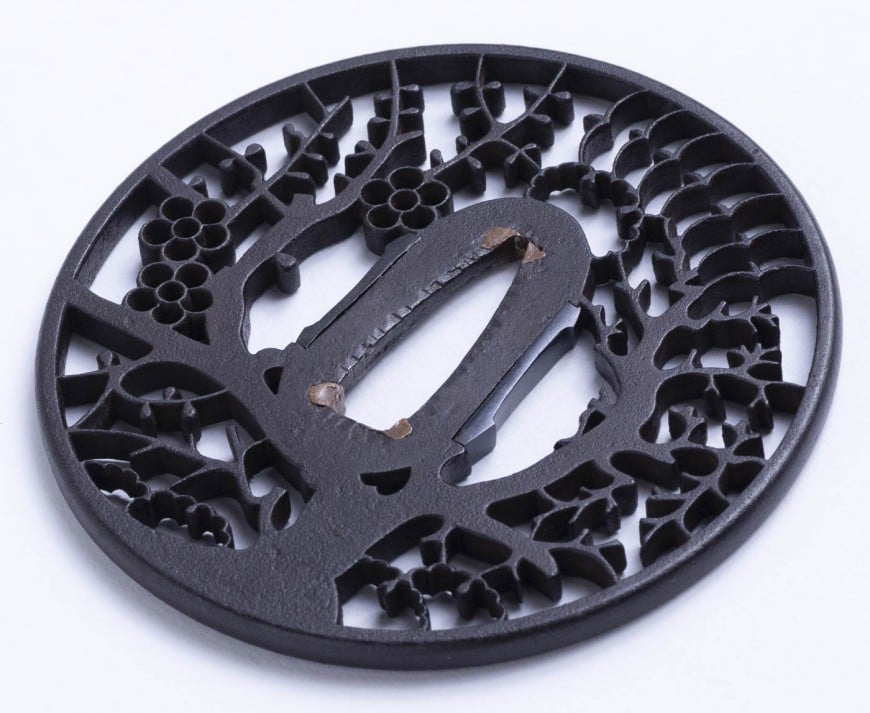
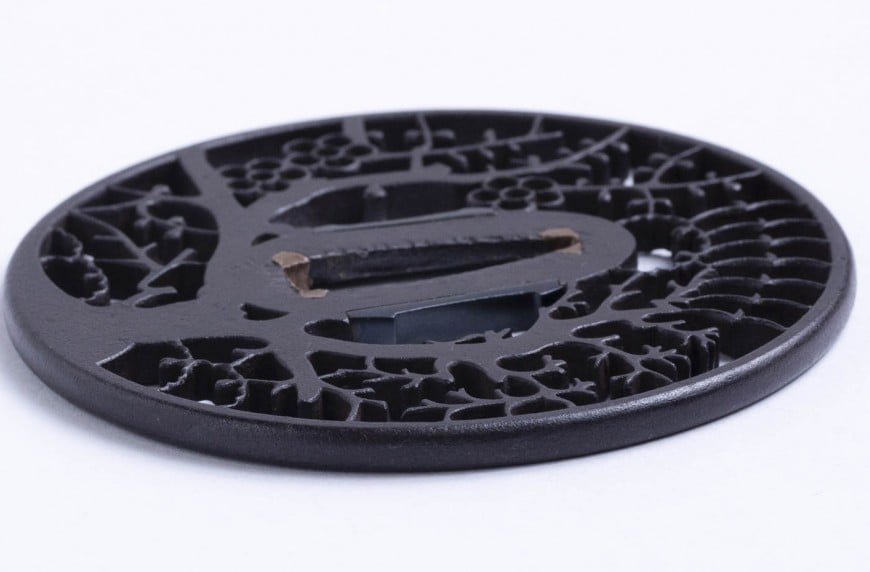
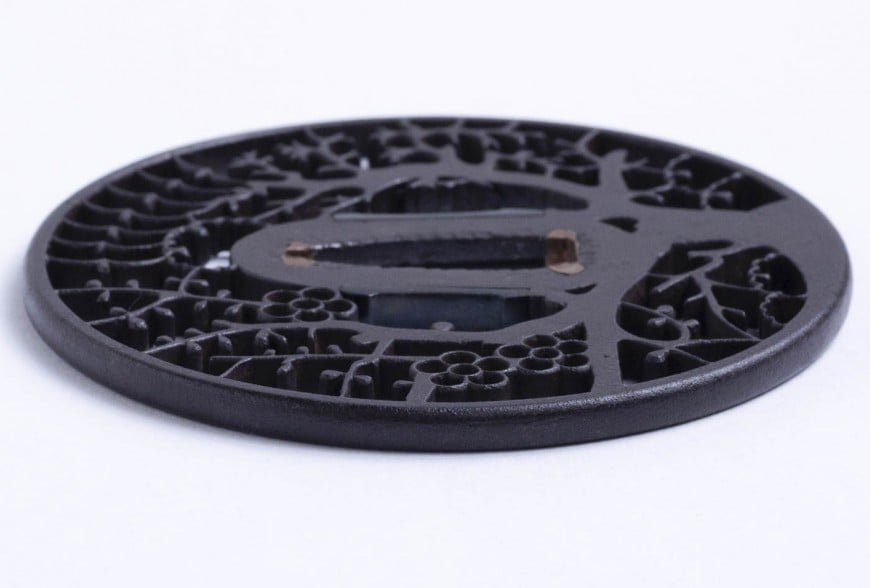
As written by the shop
Machine translation from the shop's Japanese · may contain errors ·
Iron-tsuba · Yamashiro
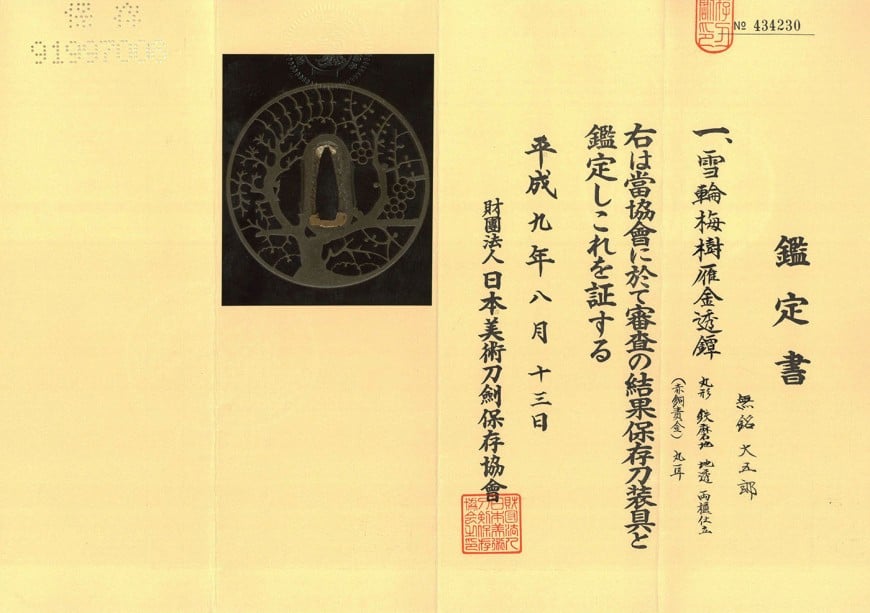
Certifies a genuine fitting worth preserving: a correct signature, or, if unsigned, an identifiable era and school, with recognized artistic and craft value.
The NBTHK (Nihon Bijutsu Tōken Hozon Kyōkai, the Society for the Preservation of Japanese Art Swords) is a public-interest incorporated foundation founded in 1948 and supervised by Japan’s Agency for Cultural Affairs (Bunkachō); it is based at the Japanese Sword Museum in Tokyo. Its expert panels physically examine each submitted work (shinsa) and issue a certificate (kanteishō) ranking it by artistic and historical merit. NBTHK papers are the most widely recognized standard of authentication for Japanese swords and fittings.
NBTHK official siteInternet purchases only. If, after seeing the item in person, you are not satisfied with it, we accept a return within 7 days, provided the item shows no abnormality. Return shipping for returns at the customer's convenience is at the customer's expense; please send it prepaid.
¥400,000