Kaneyoshi, whose real name was Yoshizo, was born in Meiji 27 as the eldest son in Makita Village, Gifu Prefecture (from Kamiishizu-cho to present-day Ogaki City), and went on to succeed as the second-generation smith of the Kotani family. Later, aspiring to become a tosho, he became a monjin of Kurihara Akihide (Hikosaburo), and through the results of his diligent study, he distinguished himself as a tosho, participating in the opening ceremony of the first Shihan Koshukai on Showa 16, September 20.
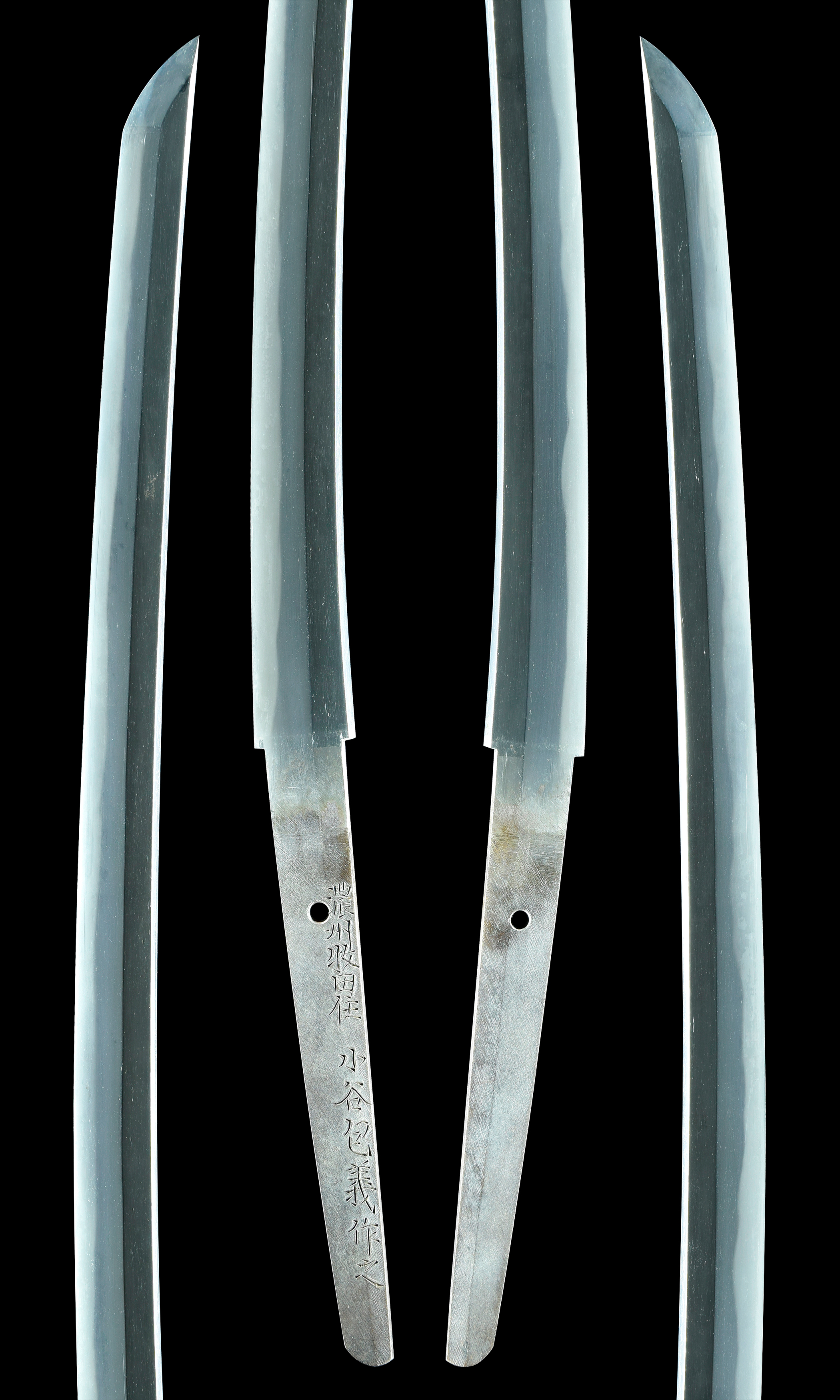
His early mei were cut in kaisho as "Mino Yoro Ju Kokaji Kaneyoshi Saku" and "Mino Yorosanroku Ju Kotani Kaneyoshi Saku," and later he cut "Makita Ju Kotani Kaneyoshi Saku" in sosho, which is believed to have been taught to him by the calligrapher Ono Hyakuren.
He passed away in Showa 25, April, at the age of 57, and his disciple Takagi Yoshinao abandoned sakuto due to the end of the war.
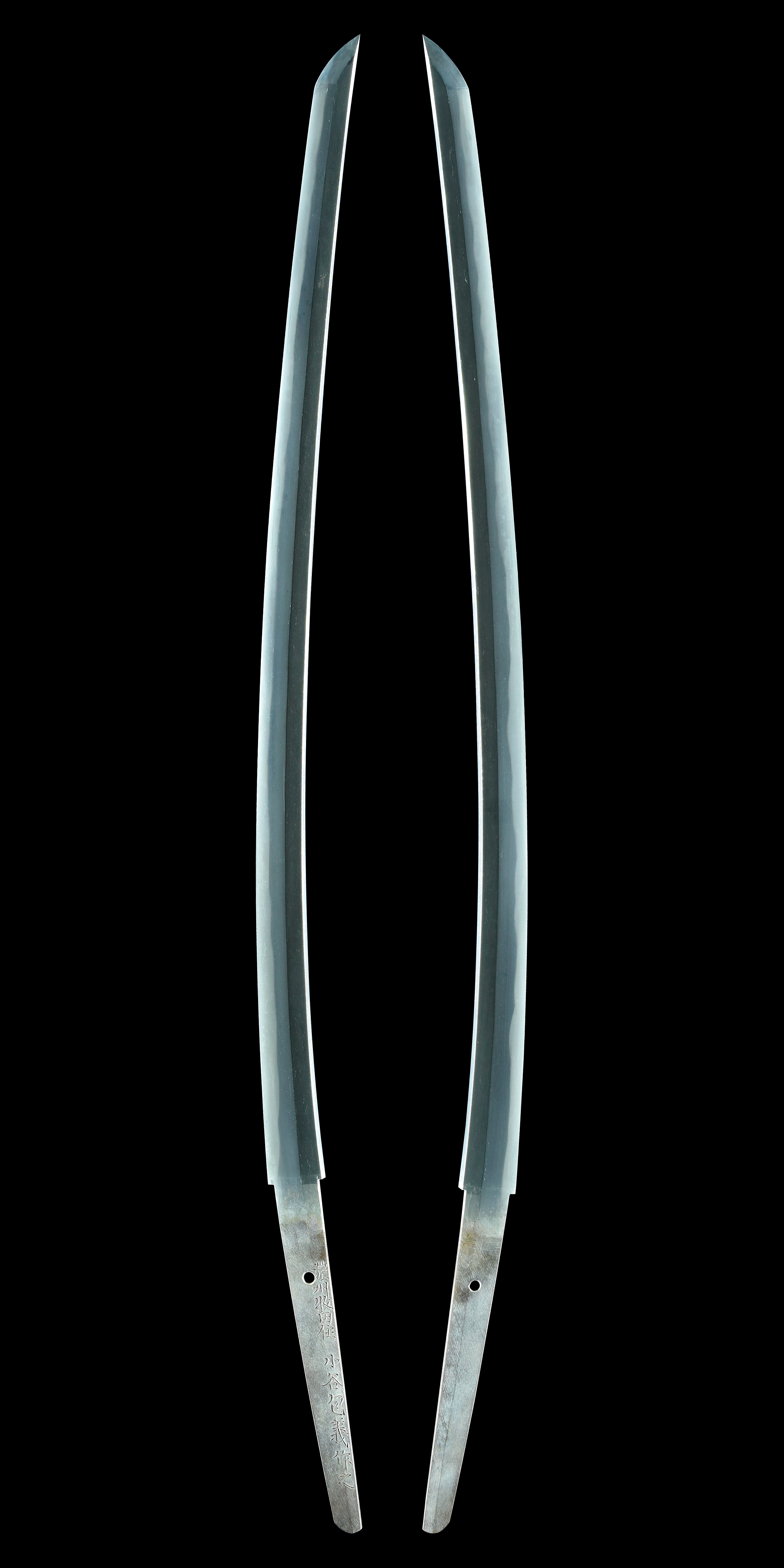
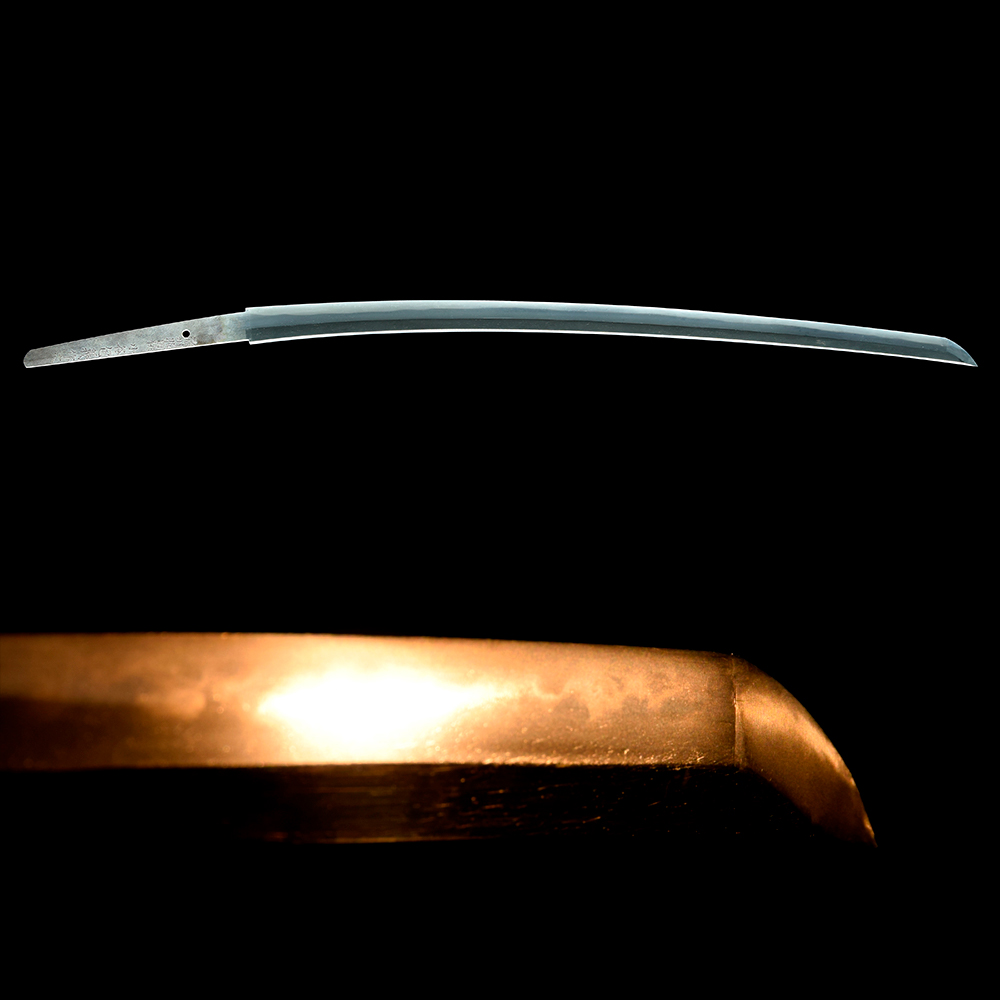
It is said that Kaneyoshi poured his heart and soul into sakuto at the request of the military, and he was active as a shihan while enrolled at the Nihonto Gakuin managed by Kurihara Hikosaburo; Kaneyoshi's sakuto skill was high, and from the time he exhibited at the second Nihonto Tenrankai at the Ueno Tokyo-fu Bijutsukan held under the sponsorship of the Monbusho in Showa 12 until the year before the end of the war, he continued to exhibit and won numerous awards. In the Showa 16 Shinsaku Nihonto Tenrankai, he was honored with the first seat, and furthermore, at the Monbusho-sponsored eighth Shinsaku Nihonto Tenrankai on Showa 18, April 10, organized by prominent figures such as Marquis Okuma Nobutsune, Army General Araki Sadao, Navy General Takeshita Isamu, Army Lieutenant General Watanabe Hisashi, Fukushima Yasusaburo, and Kurihara Hikosaburo, Kaneyoshi achieved a Tokusen award, and in the Seidai Tosho Iretsu, his name was listed in the Kihinnoretsu, receiving an evaluation of Saijo Owazamono Yokozuna rank. In May of the same year, Army Lieutenant General Watanabe Hisashi and Kurihara Hikosaburo inspected Kotani Kaneyoshi's Nihonto Tanrenjo, giving a glimpse of Kaneyoshi's status as a master, and in Showa 17, he was also selected as one of the Toyama Mitsuru-o Beiju Hoshukuto Kizo Tosho (eighty-eight tosho each forged one tanto with a nagasa of 8 sun 8 bu). Although Kaneyoshi was called a master, his works are few, and this katana can be called a precious sword for understanding Kaneyoshi; from its nagasa of nearly 2 shaku 3 sun, one can see that it was not made as a gunto, but was a sword forged in response to a special order.
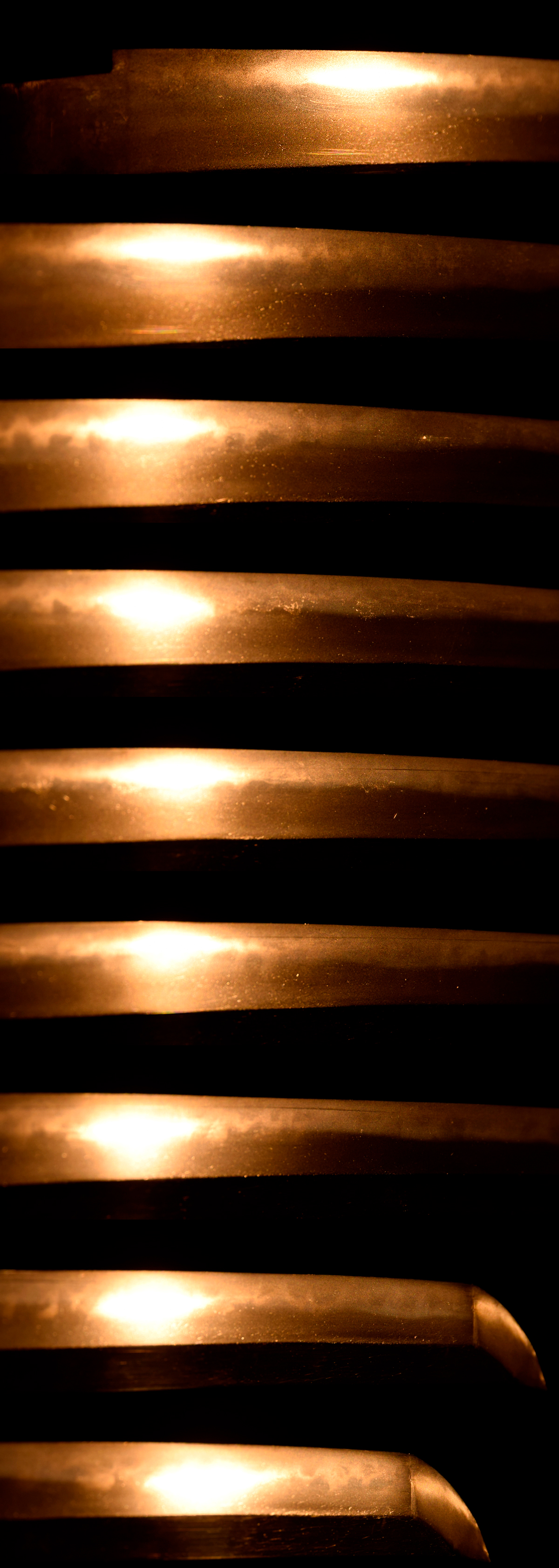
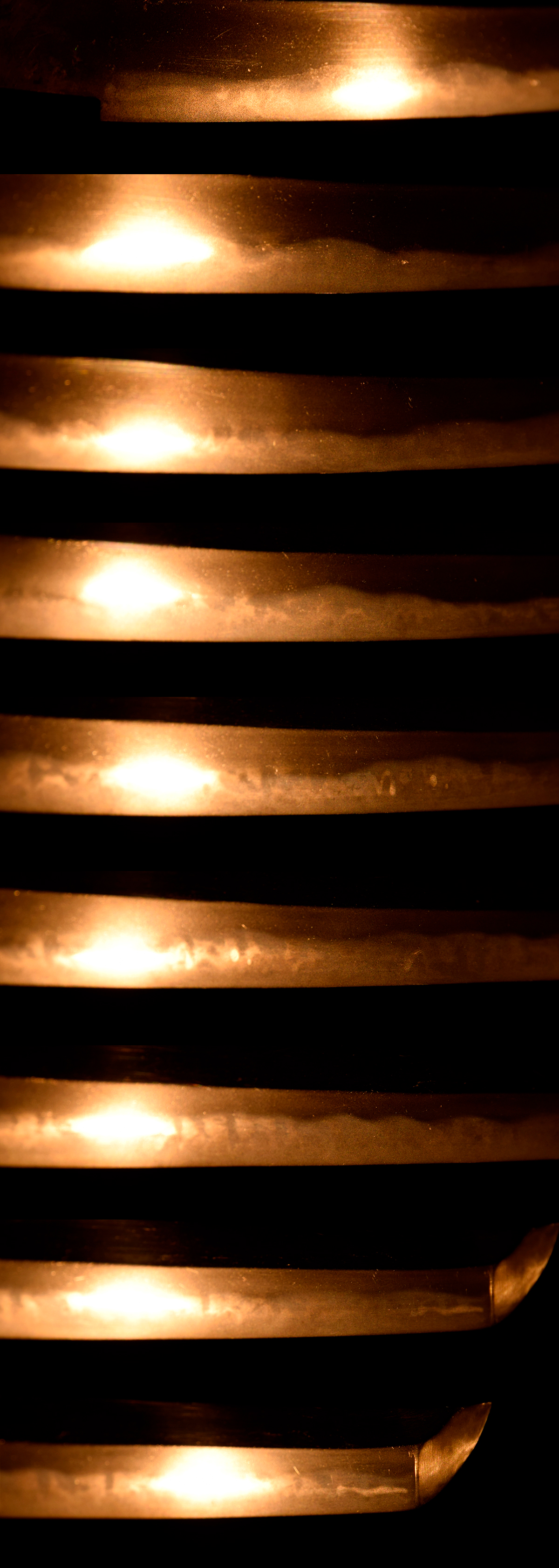
It is in old togari but has no particularly noticeable rust, and while it is fine to keep it as it is, because it is one of the few works by Kaneyoshi, we would like you to have it given a high-grade kenma for art appreciation, and we introduce it at an affordable price that considers the costs of various work such as kenma fees.
Tosho Kaneyoshi Exhibition Award History
Showa 13, November 26: Third Shinsaku Nihonto Tenrankai, Fourth Seat Gold Medal
Showa 14, November 26: Fourth Shinsaku Nihonto Tenrankai, Third Seat Sosai Dai Meiyosho / Suisen
Showa 15, March 29: Fifth Shinsaku Nihonto Tenrankai, Second Seat Suisen
Showa 16, March 27: Sixth Shinsaku Nihonto Tenrankai, First Seat Tokusen
Showa 17, April 2: Seventh Shinsaku Nihonto Tenrankai, Genro Meiyosaku / Jun-Genro Juni Kekketsusaku Monbu Daijin Sho / Tokusen
Showa 18, April 2: Eighth Shinsaku Nihonto Tenrankai, Kihinnoretsu Tokusen
Machine translation from the shop's Japanese · may contain errors ·
Kaneyoshi, whose real name was Yoshizo, was born in Meiji 27 as the eldest son in Makita Village, Gifu Prefecture (from Kamiishizu-cho to present-day Ogaki City), and went on to succeed as the second-generation smith of the Kotani family. Later, aspiring to become a tosho, he became a monjin of Kurihara Akihide (Hikosaburo), and through the results of his diligent study, he distinguished himself as a tosho, participating in the opening ceremony of the first Shihan Koshukai on Showa 16, September 20.
His early mei were cut in kaisho as "Mino Yoro Ju Kokaji Kaneyoshi Saku" and "Mino Yorosanroku Ju Kotani Kaneyoshi Saku," and later he cut "Makita Ju Kotani Kaneyoshi Saku" in sosho, which is believed to have been taught to him by the calligrapher Ono Hyakuren.
He passed away in Showa 25, April, at the age of 57, and his disciple Takagi Yoshinao abandoned sakuto due to the end of the war.
It is said that Kaneyoshi poured his heart and soul into sakuto at the request of the military, and he was active as a shihan while enrolled at the Nihonto Gakuin managed by Kurihara Hikosaburo; Kaneyoshi's sakuto skill was high, and from the time he exhibited at the second Nihonto Tenrankai at the Ueno Tokyo-fu Bijutsukan held under the sponsorship of the Monbusho in Showa 12 until the year before the end of the war, he continued to exhibit and won numerous awards. In the Showa 16 Shinsaku Nihonto Tenrankai, he was honored with the first seat, and furthermore, at the Monbusho-sponsored eighth Shinsaku Nihonto Tenrankai on Showa 18, April 10, organized by prominent figures such as Marquis Okuma Nobutsune, Army General Araki Sadao, Navy General Takeshita Isamu, Army Lieutenant General Watanabe Hisashi, Fukushima Yasusaburo, and Kurihara Hikosaburo, Kaneyoshi achieved a Tokusen award, and in the Seidai Tosho Iretsu, his name was listed in the Kihinnoretsu, receiving an evaluation of Saijo Owazamono Yokozuna rank. In May of the same year, Army Lieutenant General Watanabe Hisashi and Kurihara Hikosaburo inspected Kotani Kaneyoshi's Nihonto Tanrenjo, giving a glimpse of Kaneyoshi's status as a master, and in Showa 17, he was also selected as one of the Toyama Mitsuru-o Beiju Hoshukuto Kizo Tosho (eighty-eight tosho each forged one tanto with a nagasa of 8 sun 8 bu). Although Kaneyoshi was called a master, his works are few, and this katana can be called a precious sword for understanding Kaneyoshi; from its nagasa of nearly 2 shaku 3 sun, one can see that it was not made as a gunto, but was a sword forged in response to a special order.
It is in old togari but has no particularly noticeable rust, and while it is fine to keep it as it is, because it is one of the few works by Kaneyoshi, we would like you to have it given a high-grade kenma for art appreciation, and we introduce it at an affordable price that considers the costs of various work such as kenma fees.
Tosho Kaneyoshi Exhibition Award History
Showa 13, November 26: Third Shinsaku Nihonto Tenrankai, Fourth Seat Gold Medal
Showa 14, November 26: Fourth Shinsaku Nihonto Tenrankai, Third Seat Sosai Dai Meiyosho / Suisen
Showa 15, March 29: Fifth Shinsaku Nihonto Tenrankai, Second Seat Suisen
Showa 16, March 27: Sixth Shinsaku Nihonto Tenrankai, First Seat Tokusen
Showa 17, April 2: Seventh Shinsaku Nihonto Tenrankai, Genro Meiyosaku / Jun-Genro Juni Kekketsusaku Monbu Daijin Sho / Tokusen
Showa 18, April 2: Eighth Shinsaku Nihonto Tenrankai, Kihinnoretsu Tokusen
The twentieth century nearly killed the craft twice: wartime distortion, then the occupation ban. The NBTHK’s founding in 1948 and licensed forging from 1953 rebuilt the sword as an art, crowned by Living National Treasures and the mukansa rank.
We could not find an authenticity certificate on the seller’s listing. Japanese swords and fittings are normally papered by the NBTHK (or the NTHK). Without one, the attribution is the seller’s own assessment and has not been independently verified — treat it with caution and ask the dealer about certification before buying.
As a rule we do not accept returns, except when we have sent a different item from the one ordered or when there is a significant discrepancy between the description and the item. If you wish to return an item, please contact us within 3 days of its arrival and then send it back.

 NihontoWatch