After the Ōnin War broke the Ashikaga order, a century of Sengoku warfare armed nearly every province in Japan. The era rewards a discriminating eye: routine work exists in quantity, and beside it stand custom blades of the first rank.
 NihontoWatchNihontoWatch
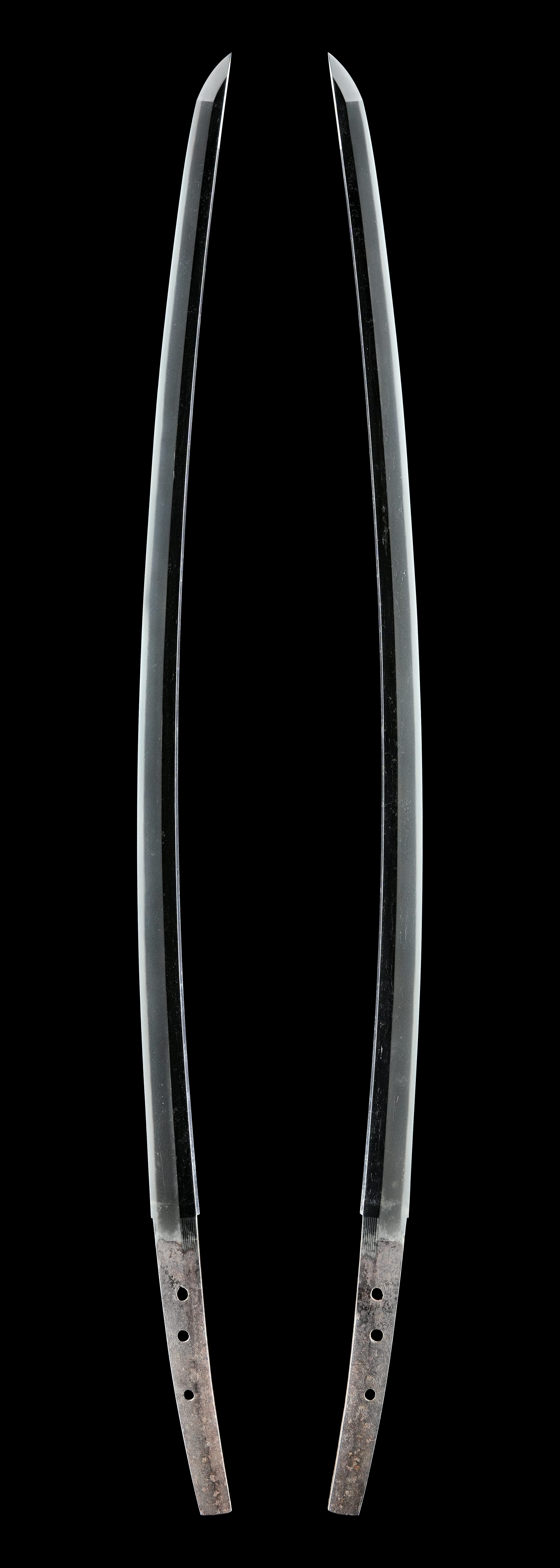
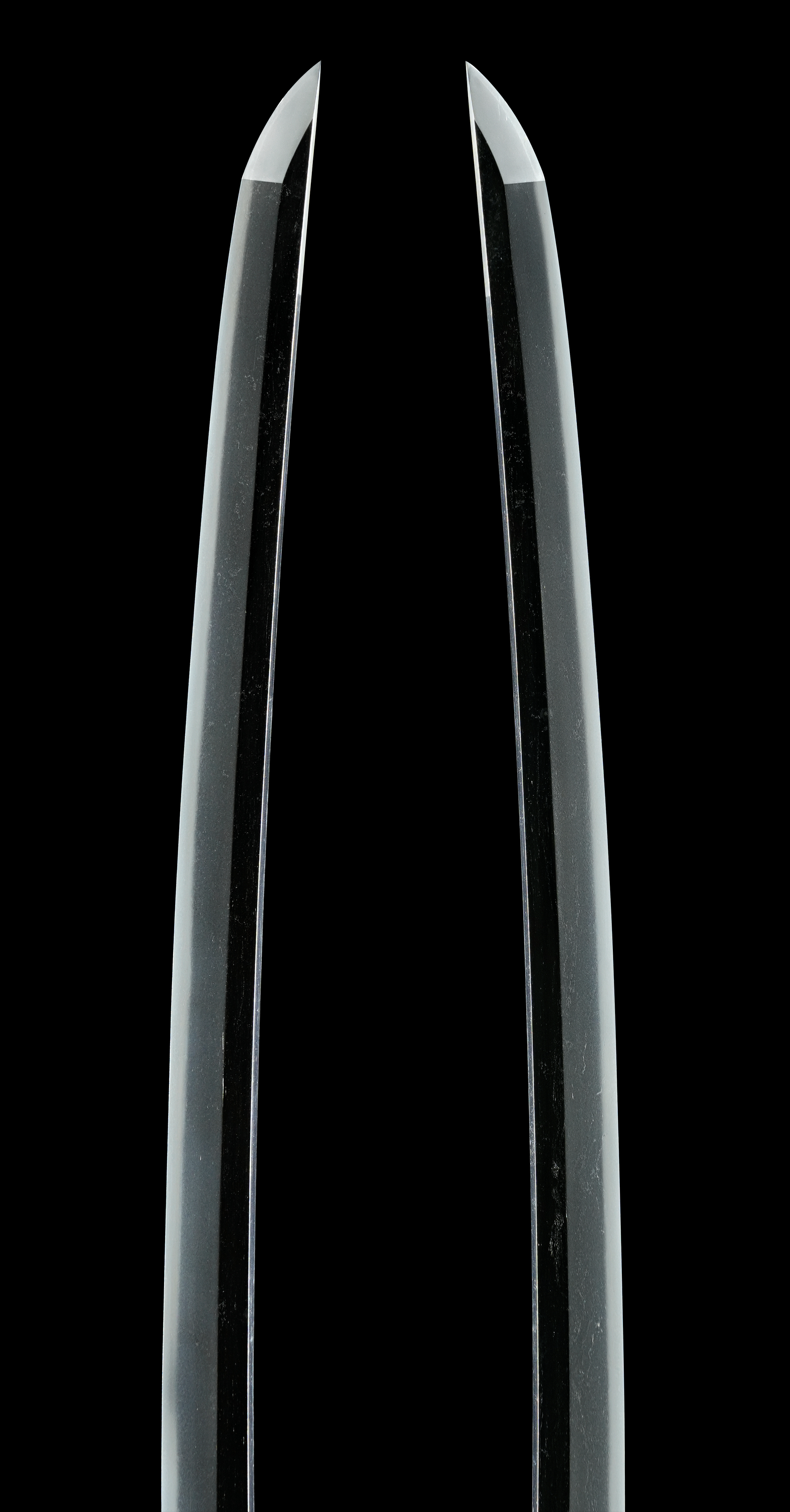
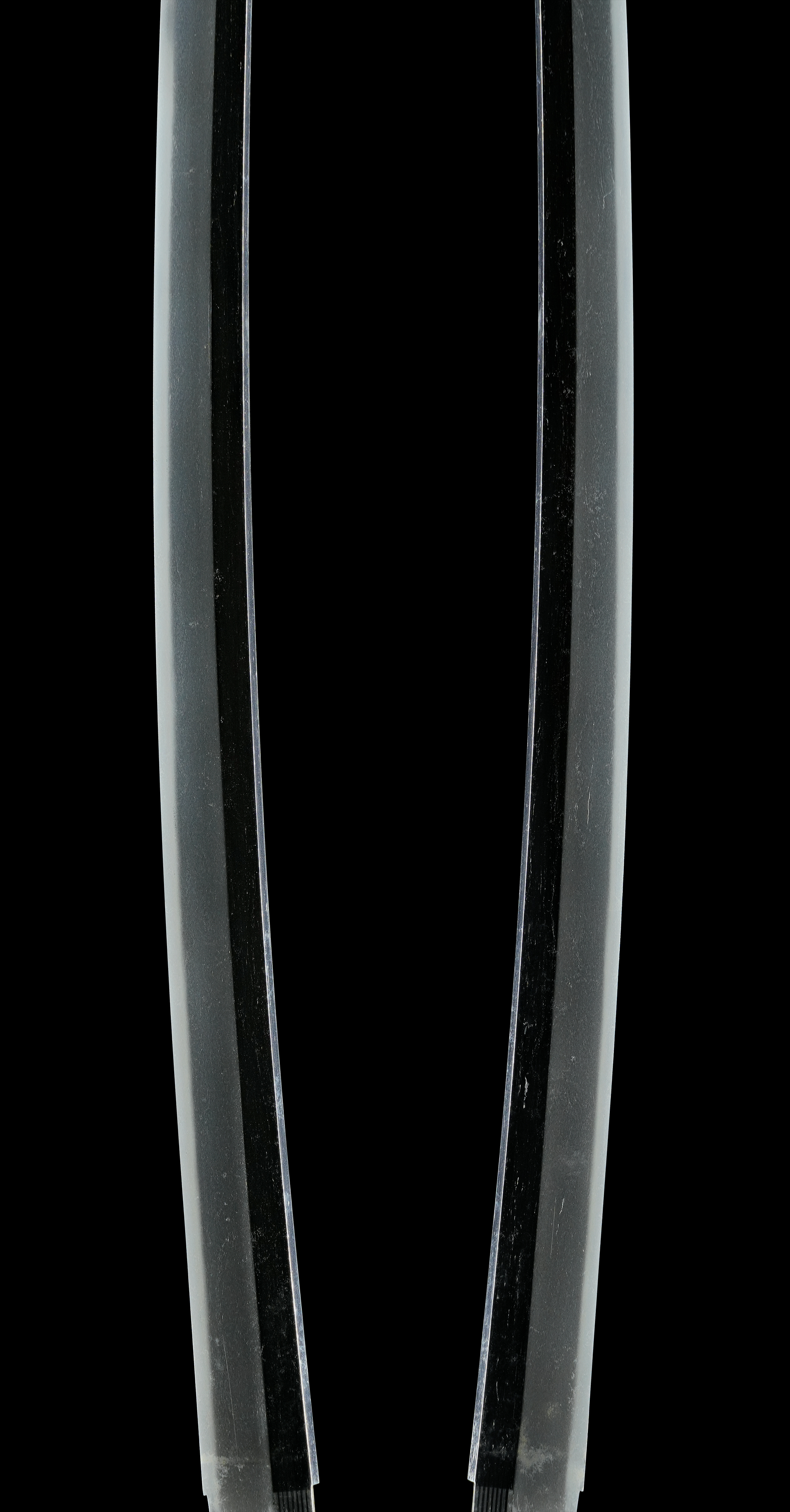
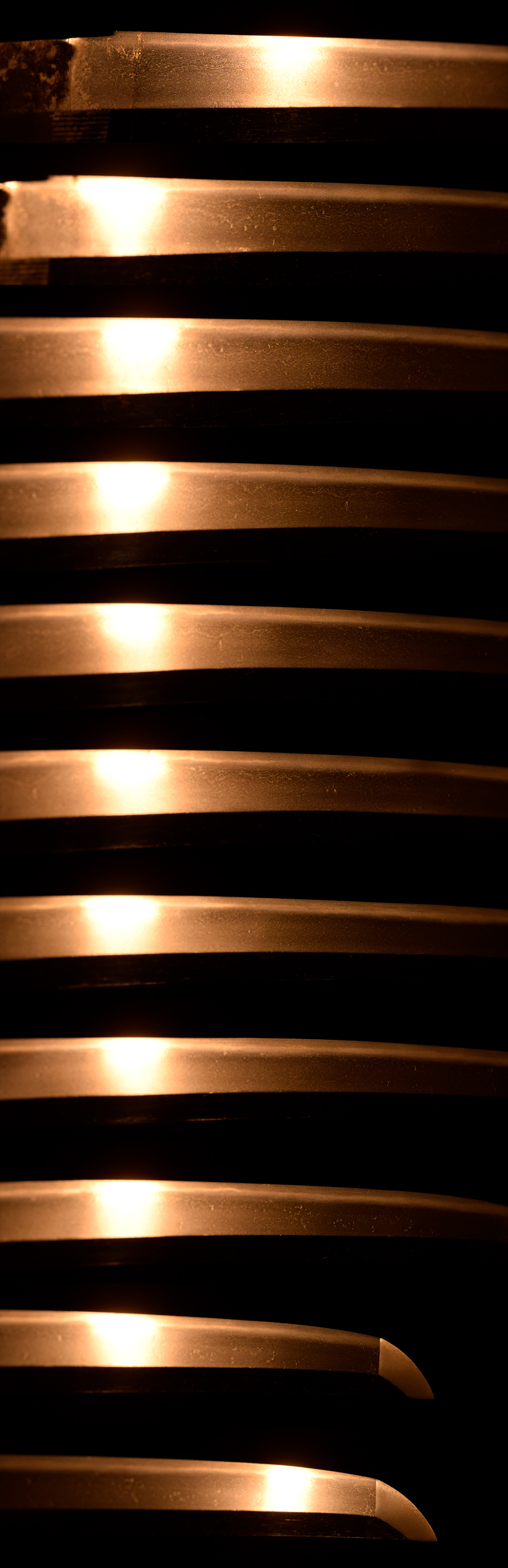
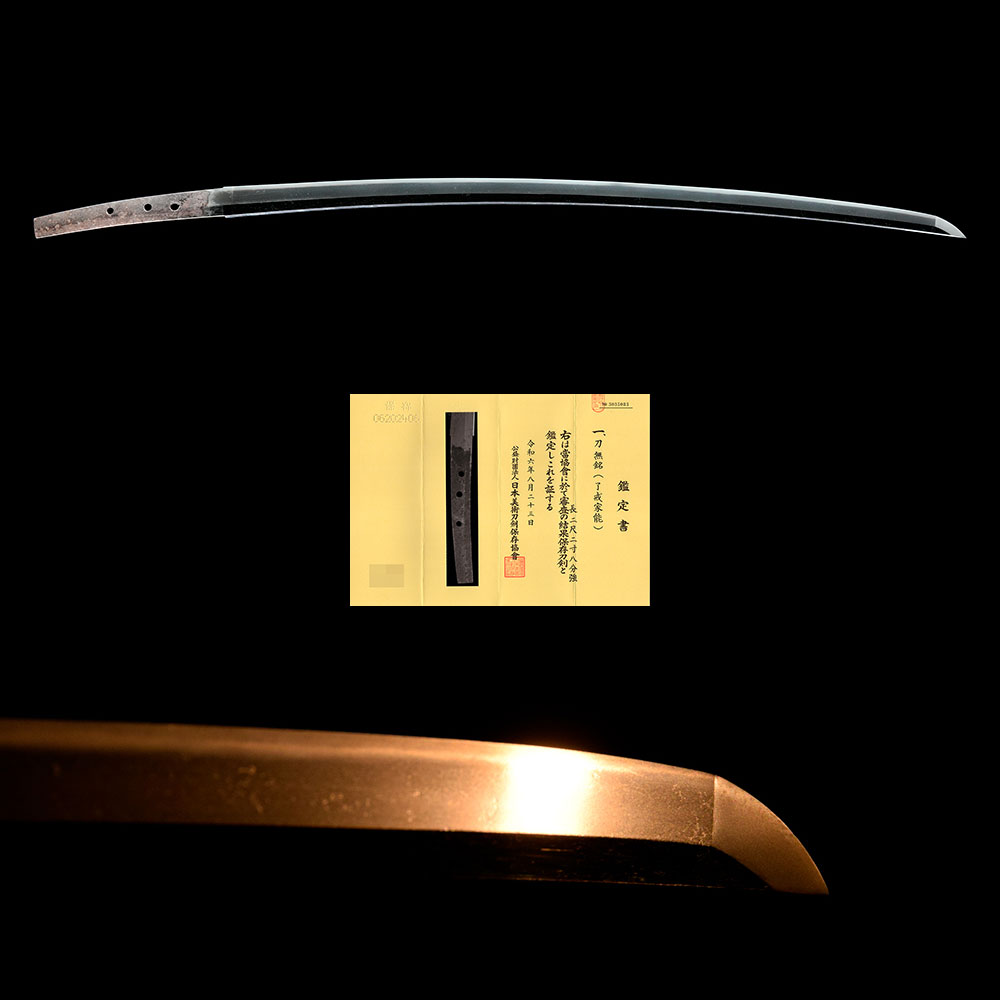
山城国了戒の末流である了戒能定が、南北朝時代応安の頃に筑後国に移住したのを初めとし、 能真・秀能・能次らの刀工達を筑紫了戒と総称しています。豊前と豊後の国境付近にある宇佐の地で繁栄したこの一派は、皆、『了戒』を屋号的に冠し、『能(よし)』の字を通字としました。 洗練味のある姿と精良な鍛え、端正な直刃出来の作は本国山城を彷彿とさせるものがあります。 この刀は茎の反りを見て頂ければ判るように、元は腰元から強く反った姿であり、磨り上げられた今尚、元先の幅差は開き、切先やや延びた優美な姿態を留めています。地鉄は小板目に杢が交じり、よく錬られて地景入って精美であり、淡く映りごころも見られ、刃文は直刃調に所々高低差少ない湾れを交えた刃取りで、刃中には足が入り、金筋現れ、古雅な雰囲気を漂わせています。鋩子は直ぐに先丸く返るように繕われていますが、長い年月愛用されて来たからでしょう。鋩子内の焼刃は抜けていますが、日本美術刀剣保存協会では古い九州物で特に出来優れた作品に了戒家能の個銘極めを行いますので、本刀の出来も美術鑑賞刀として申し分ない完成度です。
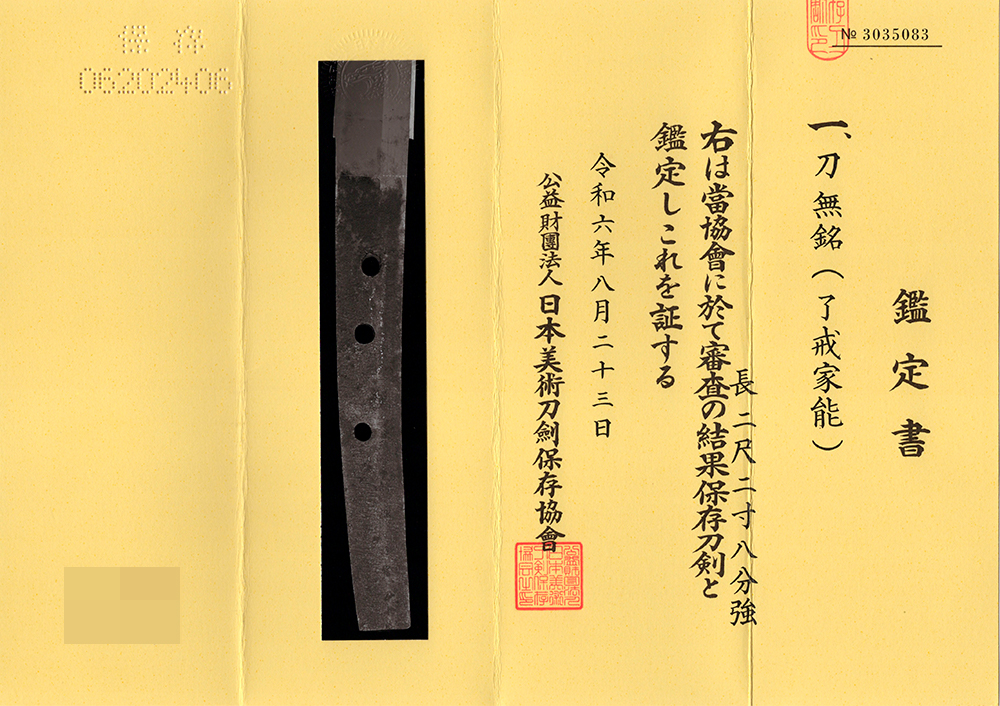
Certificate reading — 無銘(了戒家能)
NihontoWatchOffered by Toushin
2 on the market

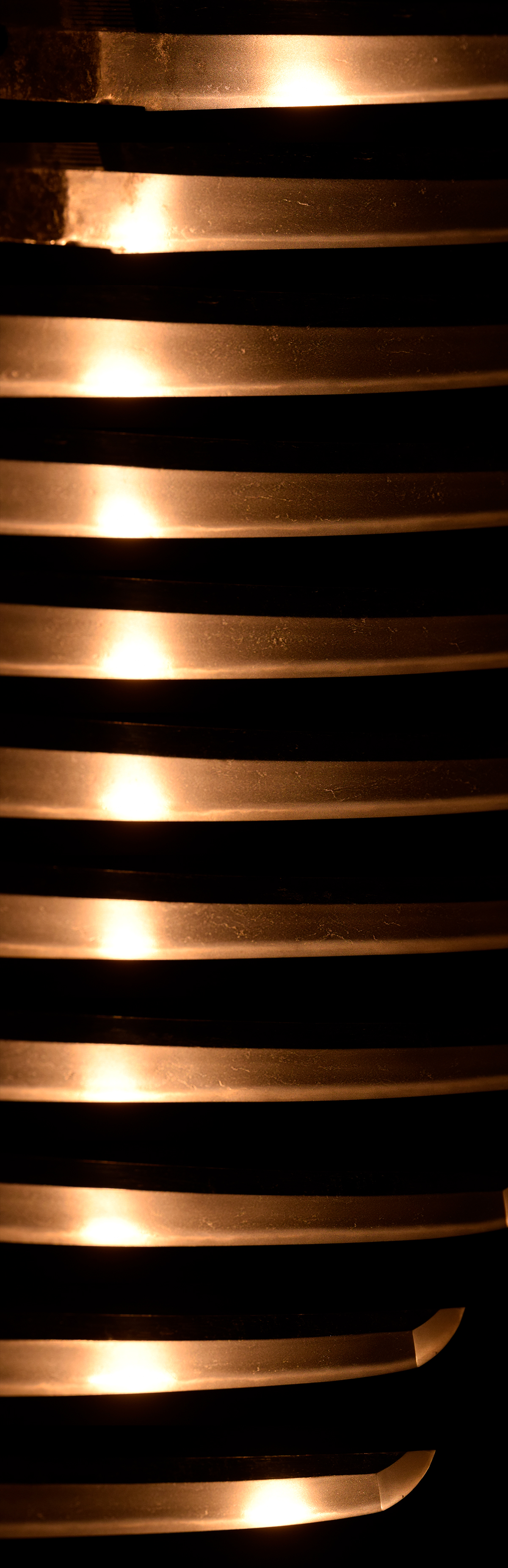
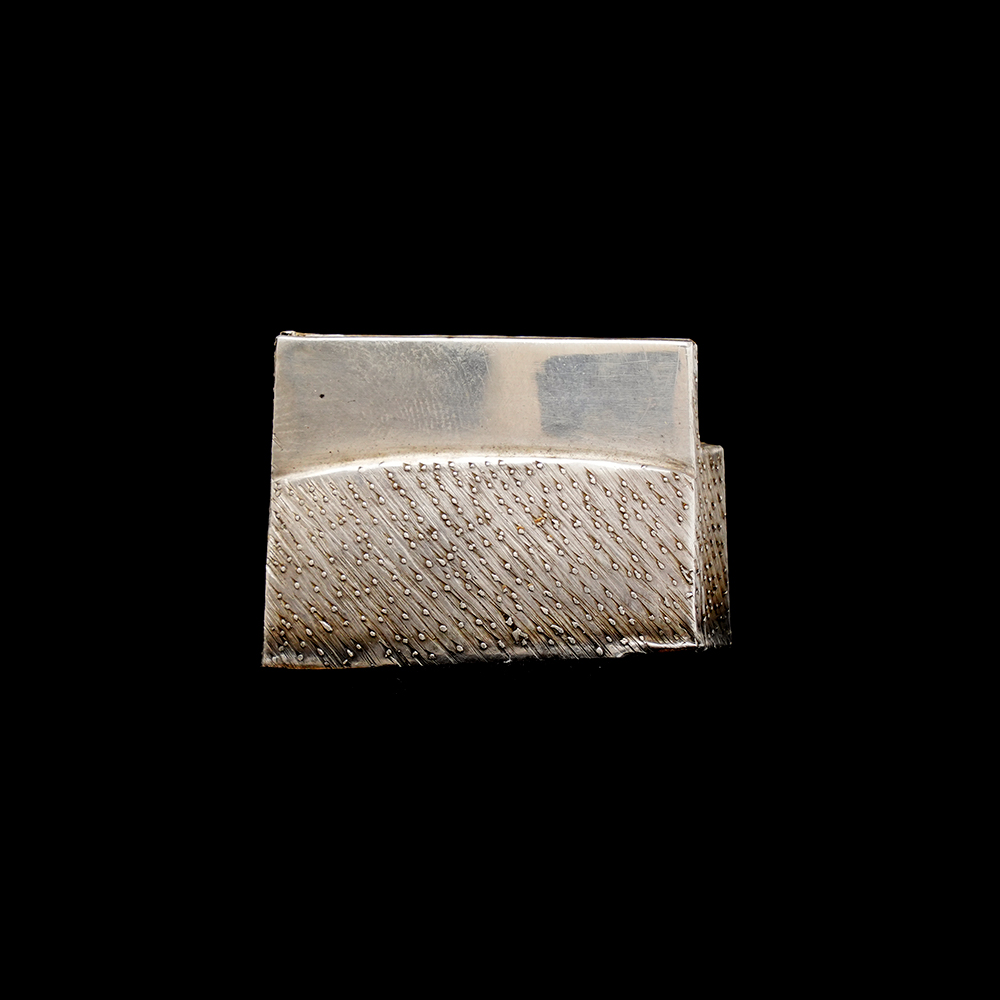
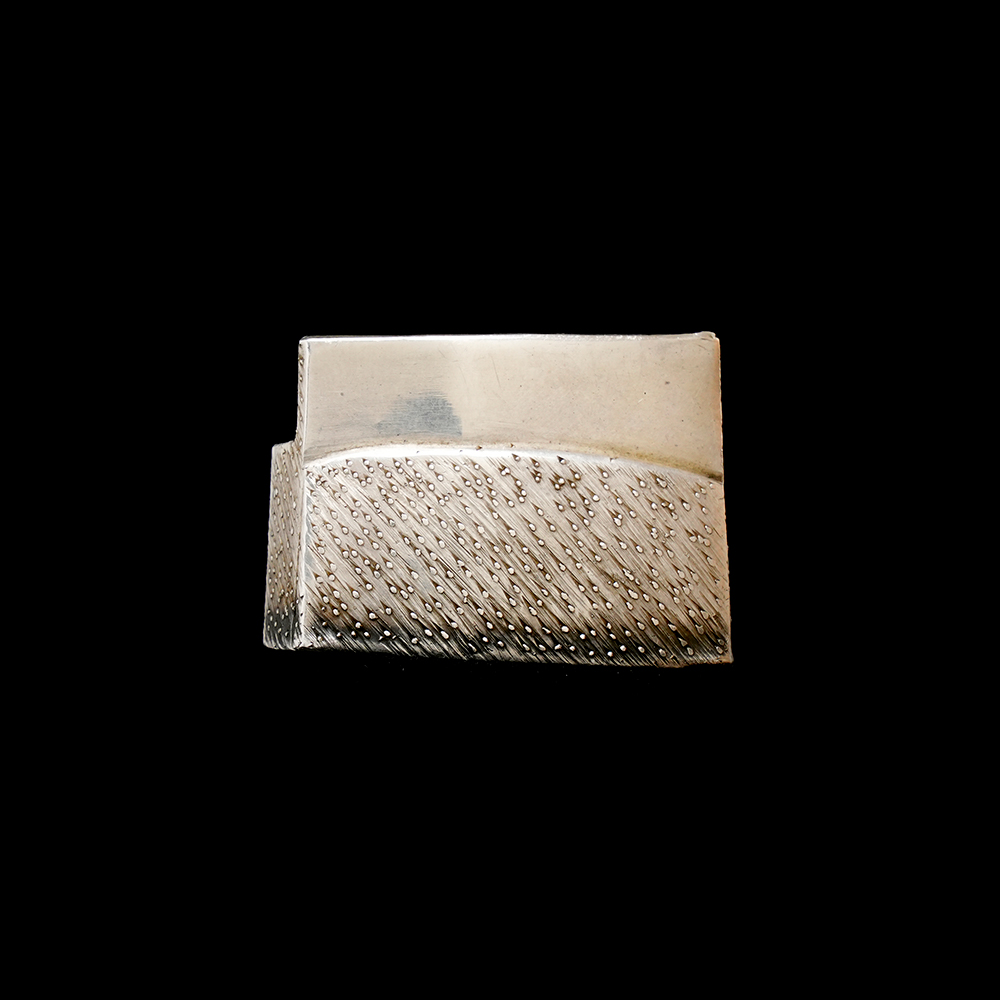
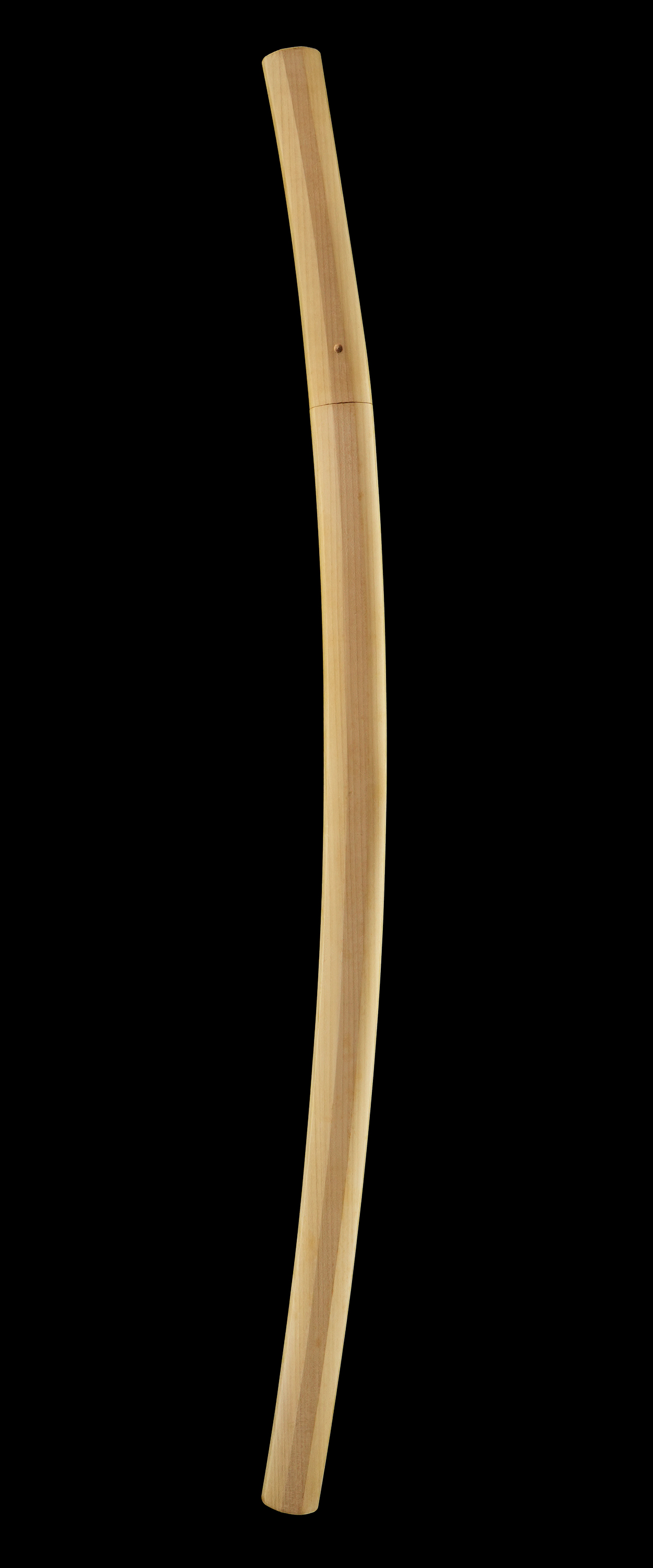
As written by the shop
(Translation unavailable)
Yamashiro-den · Bungo · around 1469-1487
Fujishiro Chu-jo saku · Tōken Taikan top 49%
2 pieces on the market now
Yamashiro-den · Yamashiro
8 pieces on the market now
The Ryokai school (了戒) took shape in the late-Kamakura capital of Kyoto, in Yamashiro Province, around the smith Ryokai, who worked through the era names Shoo, Einin, Kagen, Enkyo and Ocho at the turn of the fourteenth century. The old account makes him a son or a pupil of Rai Kunitoshi, and one version has him adopted into Kunitoshi's house; because his dated blades place him almost level with Kunitoshi, however, the NBTHK reads him more naturally as a contemporary (an aitedeshi, a fellow disciple) who formed his own line within the wider Rai circle. Whichever account one follows, his is the Rai Yamashiro hand softened by a degree, and from him the Ryokai name descended for several generations, his son Ryo Hisanobu (久信) following as the second master, with a Kyushu branch, the Chikushi Ryokai of Bungo and Buzen, forming by the Nanbokucho and Muromachi eras. What the members hold in common is a quiet manner read against, and just apart from, the Rai parent. Over a packed itame or ko-itame that flows toward masame and stands a little open, fine ji-nie clings and faint chikei enter, while a whitish shirake-utsuri rises in the ji; this paler, drier utsuri, against the clear midare- or jifu-utsuri of Rai proper, is the first thing that separates a Ryokai blade from its source. The temper is a calm chu- or hoso-suguha, mixing here a little ko-choji, ko-gunome or ko-midare, with ko-ashi and yo entering and sometimes a Kyoto reverse ashi; kinsuji and sunagashi run within a tight nioiguchi that grows austere and, in places, clouds into urumi, the moist soft quality the published sources name again and again as a Ryokai point. The boshi closes sugu into a small ko-maru, often brushed with a touch of hakikake. The school stands so close to Rai Kunitoshi that the two are confused at sight; the attribution settles not on any single feature but on the softer ji and ha, the standing masame, the whitish utsuri and the clouding line, the judges noting that compared with Kunitoshi the activity within the temper runs lonelier and the nioiguchi one degree tighter.
Against the sister Enju school the distinction is the boshi: where Enju turns a large deep o-maru and leaves the line bright, Ryokai closes a small ko-maru and clouds into urumi. The masame and the whitish cast carry the line a step toward Yamato and Yamato-den, and downstream toward Nobukuni and the Soshu-shaded work that followed. To kantei a Ryokai blade is to recognize the Rai air of wa-zori and refined steel, then to read the tells that part it from the parent: the jihada leaning to masame and standing where Rai stays smooth, the shirake in place of bright utsuri, and the tight, clouding nioiguchi. Among the members the founder, Ryokai, holds first standing, rated Jo-saku by Fujishiro and represented by slender ubu tachi and tanto signed with a boldly cut two-character mei, several carved with bonji and suken, alongside the bulk of his attributed record in osuriage mumei katana given to him on the hand; one such tanto the published sources call altogether elegant and a representative work, the signature itself of the archetypal type. Hisanobu, the second master, rated Jo-jo saku, carried the father's suguha on with little change, his rare signed tachi and kodachi prized as documentary evidence, one dated piece establishing through his given name that an earlier nationally designated tachi once read as the father's sole work is in fact a joint work of father and son; the remaining members and the later Kyushu generations continue the manner generically. Provenance follows the founder above all: blades passing through the Isahaya, Date and Maeda families, one preserving a tradition that it was a sword worn by Miyamoto Musashi, and the finest pieces held and studied in long-standing public and private collections including the Tokyo National Museum, the Sano Art Museum and Monobe Jinja. A signed ubu Ryokai blade in particular is among the scarcer things a collector of Kyoto Kamakura work will meet, coming to hand only with patience. Learn more →
| Smith | Era | Designated |
|---|---|---|
| Ryokai了戒 | 1288-1305 | 103 |
| Nobumasa信正 | 1345-1350 | 0 |
| Nobuyoshi宣能 | 1444-1449 | 0 |
| Nobumasa信正 | 1390-1394 | 0 |
| Yoshizane能眞 | 1469-1487 | 0 |
The Muromachi period (1392 to 1573)
After the Ōnin War broke the Ashikaga order, a century of Sengoku warfare armed nearly every province in Japan. The era rewards a discriminating eye: routine work exists in quantity, and beside it stand custom blades of the first rank.
Certifies a genuine blade worth preserving: a signature confirmed correct, or, if unsigned, an era, province, and school that the NBTHK can reliably identify.
The NBTHK (Nihon Bijutsu Tōken Hozon Kyōkai, the Society for the Preservation of Japanese Art Swords) is a public-interest incorporated foundation founded in 1948 and supervised by Japan’s Agency for Cultural Affairs (Bunkachō); it is based at the Japanese Sword Museum in Tokyo. Its expert panels physically examine each submitted work (shinsa) and issue a certificate (kanteishō) ranking it by artistic and historical merit. NBTHK papers are the most widely recognized standard of authentication for Japanese swords and fittings.
NBTHK official siteAs a rule we do not accept returns, except when we have sent a different item from the one ordered or when there is a significant discrepancy between the description and the item. If you wish to return an item, please contact us within 3 days of its arrival and then send it back.
¥660,000