Muromachi turned sword making into an industry: the uchigatana rose with massed infantry warfare, Osafune and Seki produced bundle swords beside custom orders, and the Ming trade carried Japanese blades abroad by the tens of thousands.
 NihontoWatchNihontoWatch
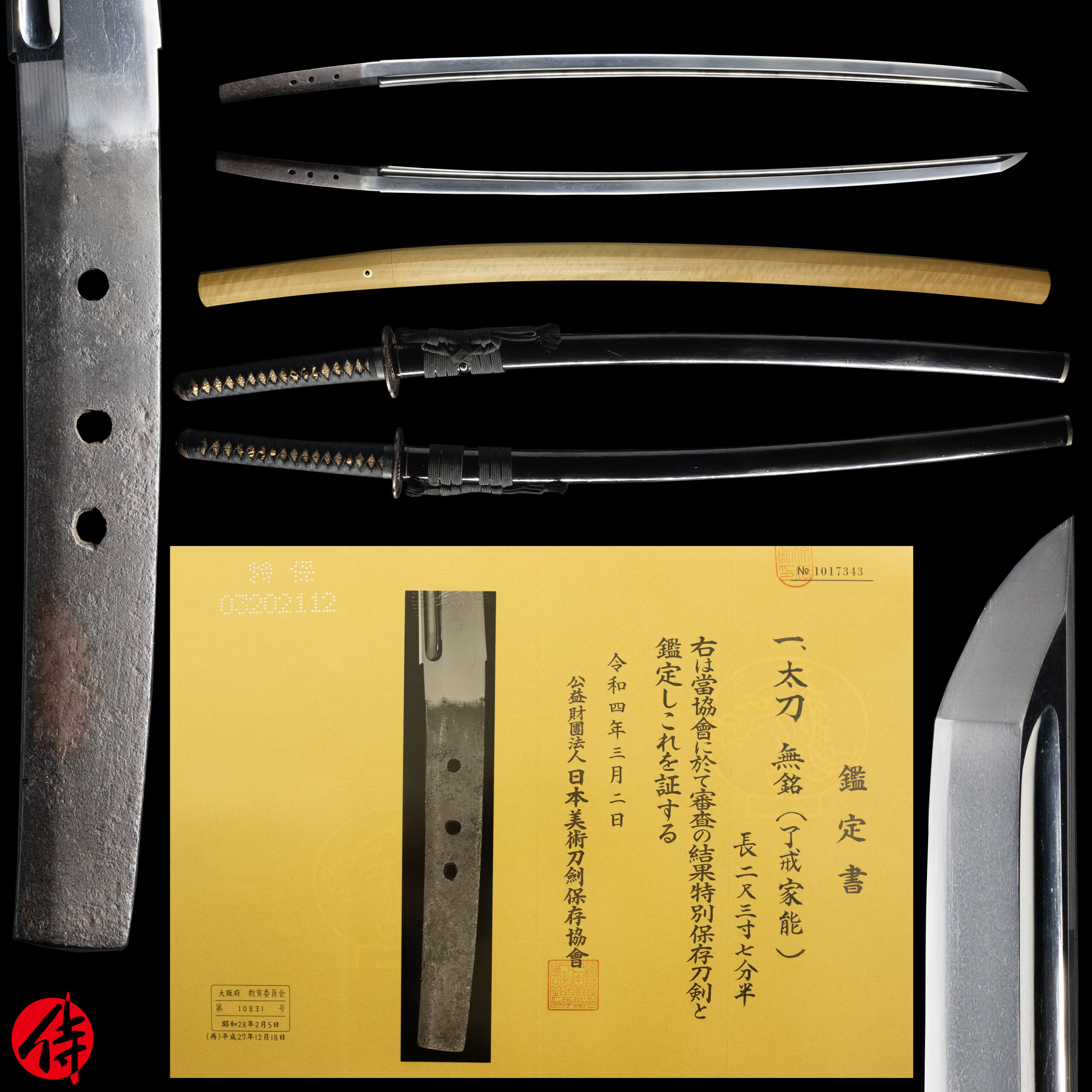
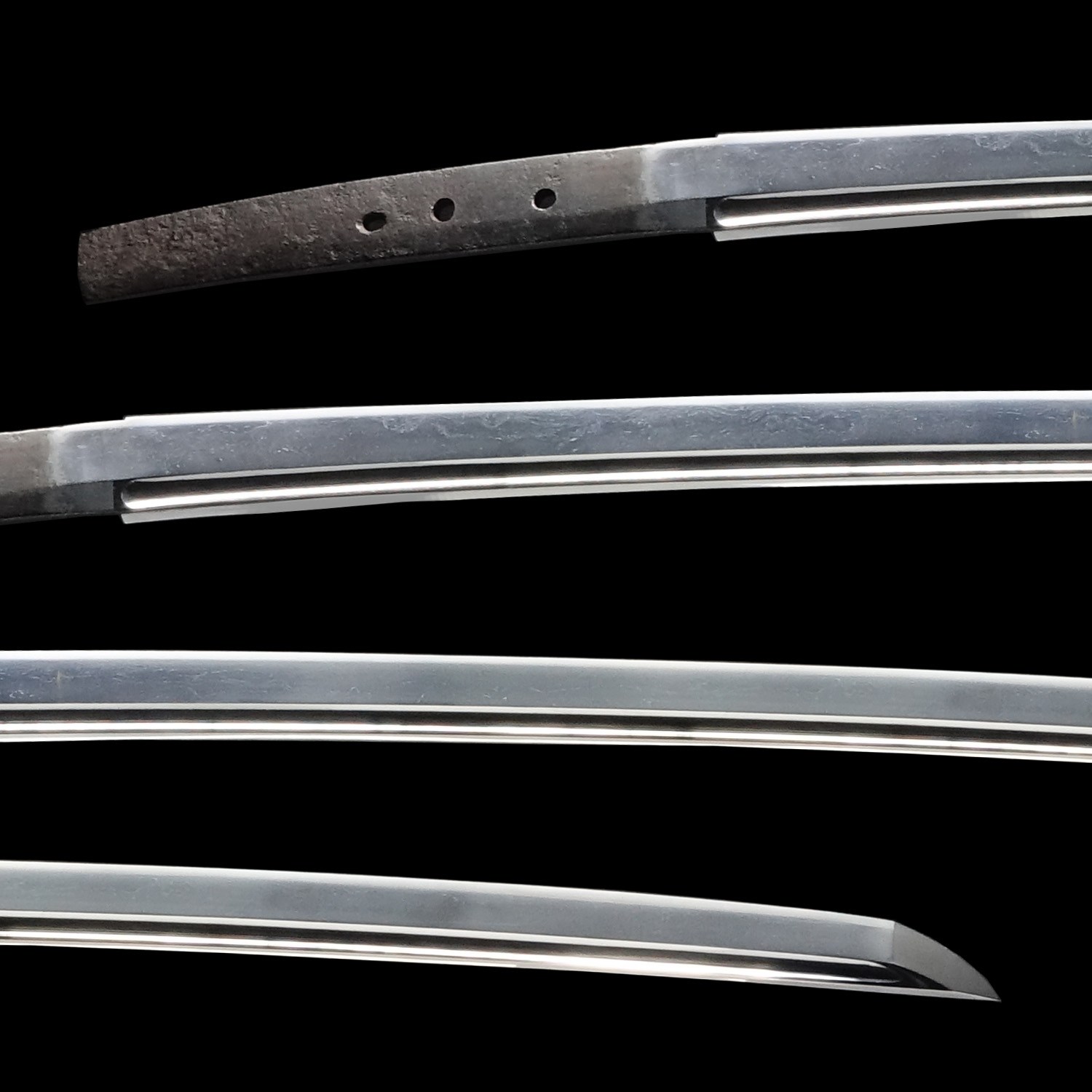
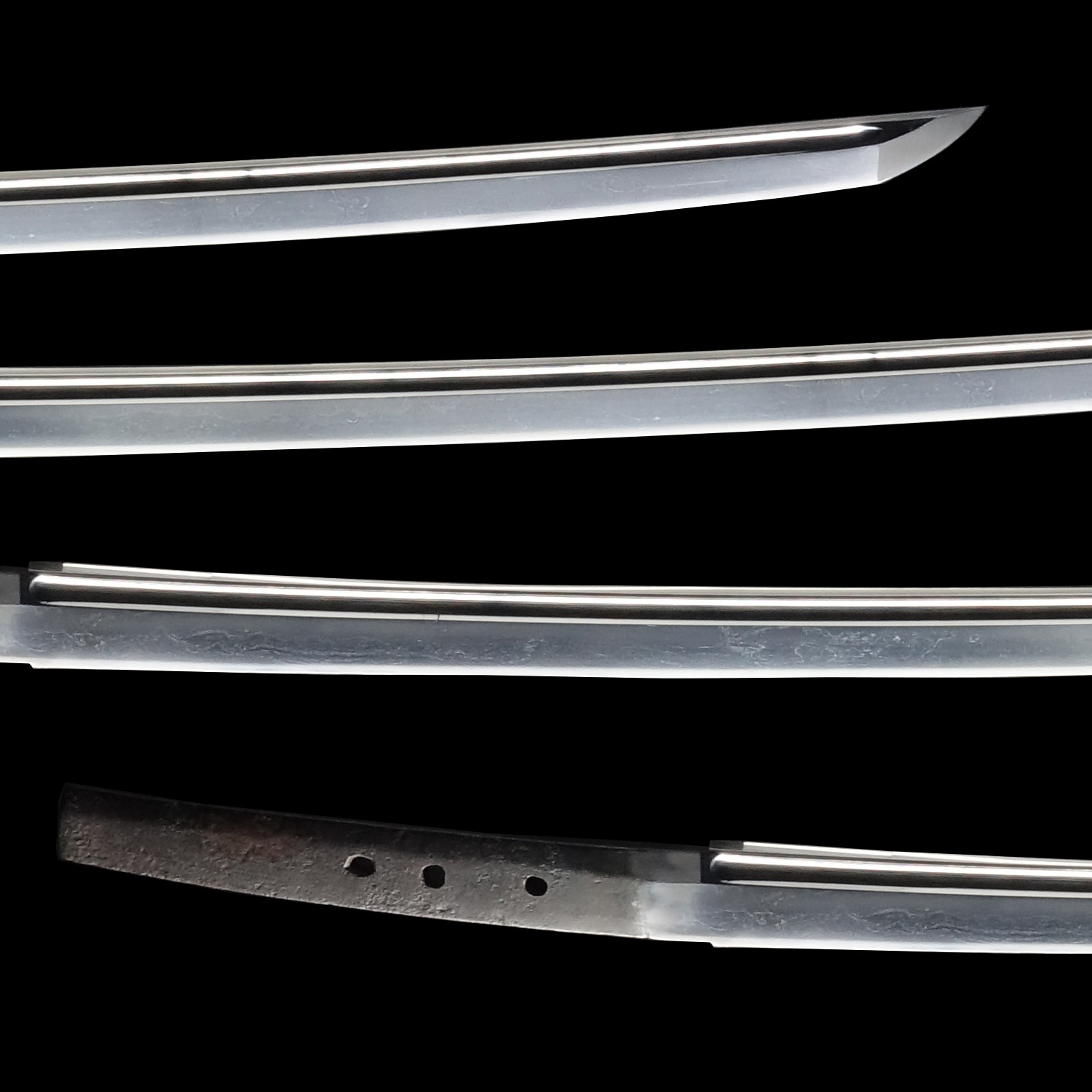
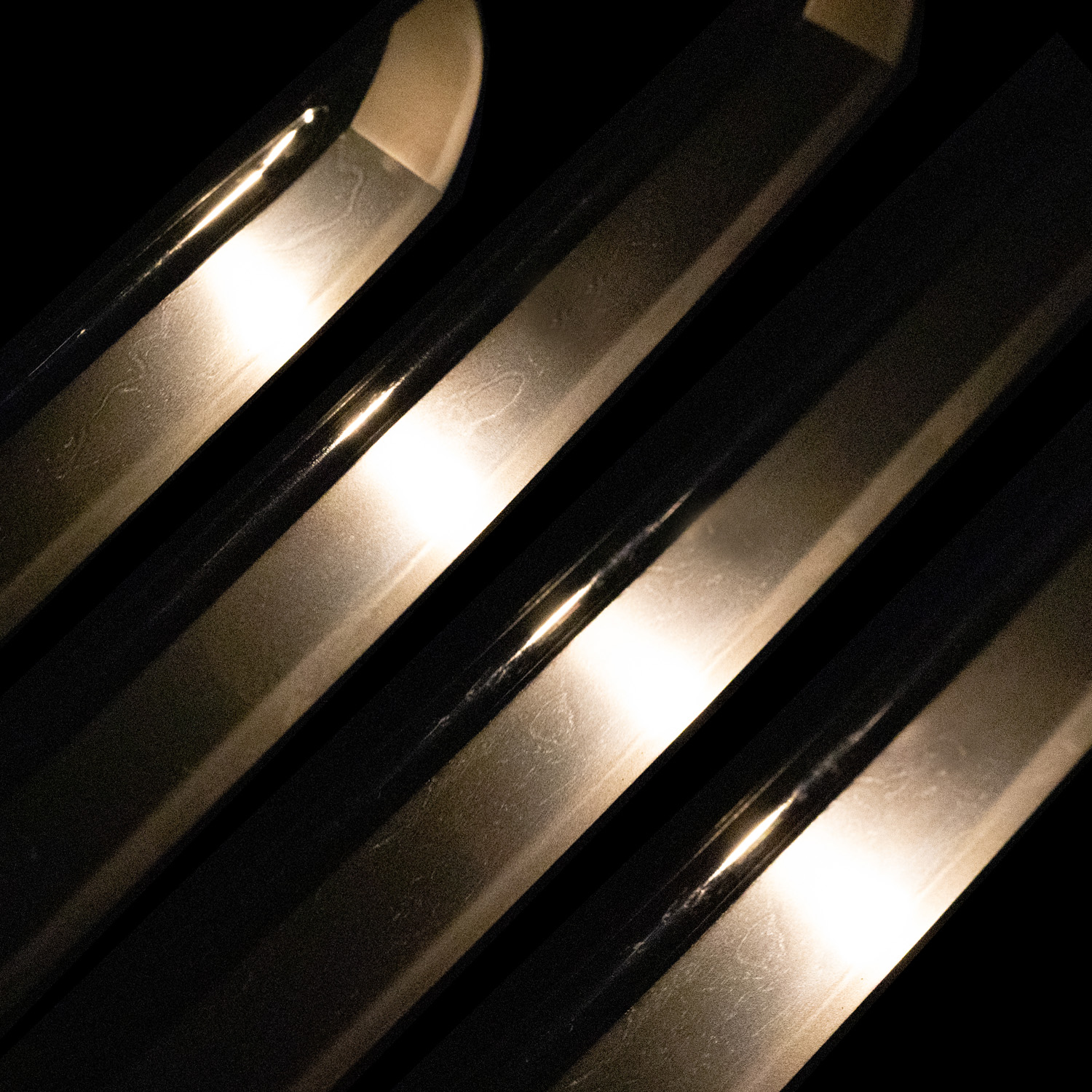
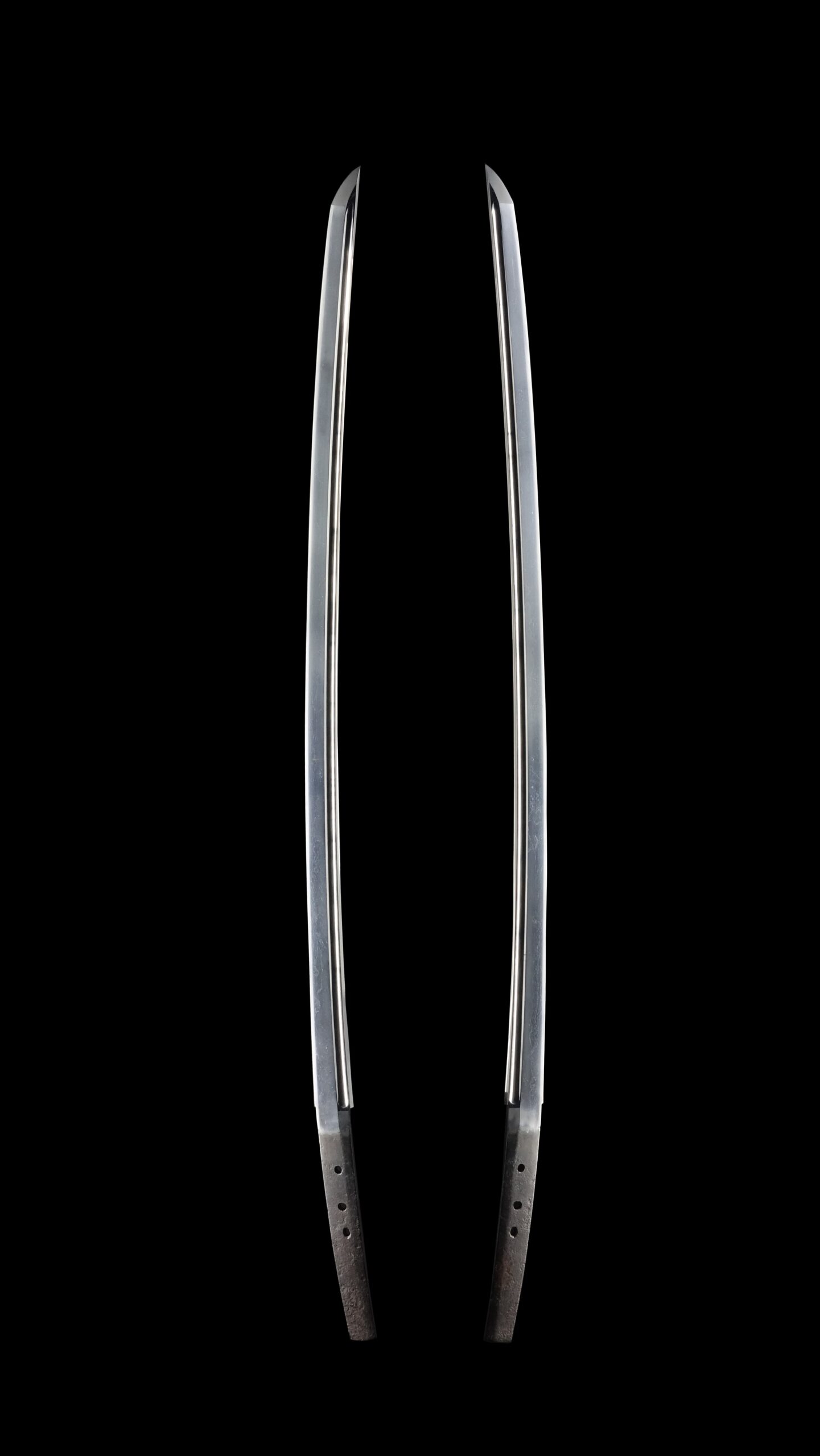
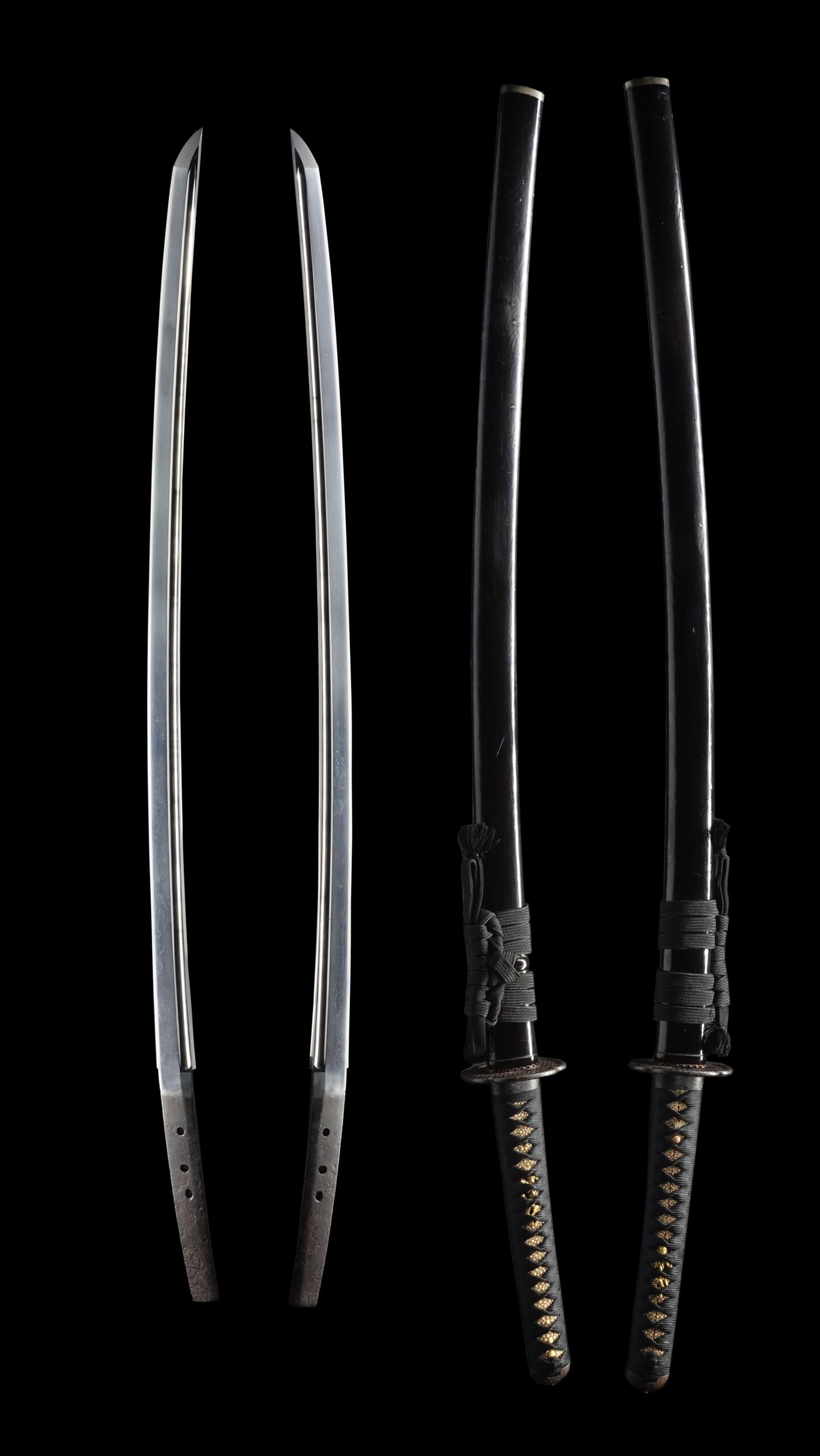
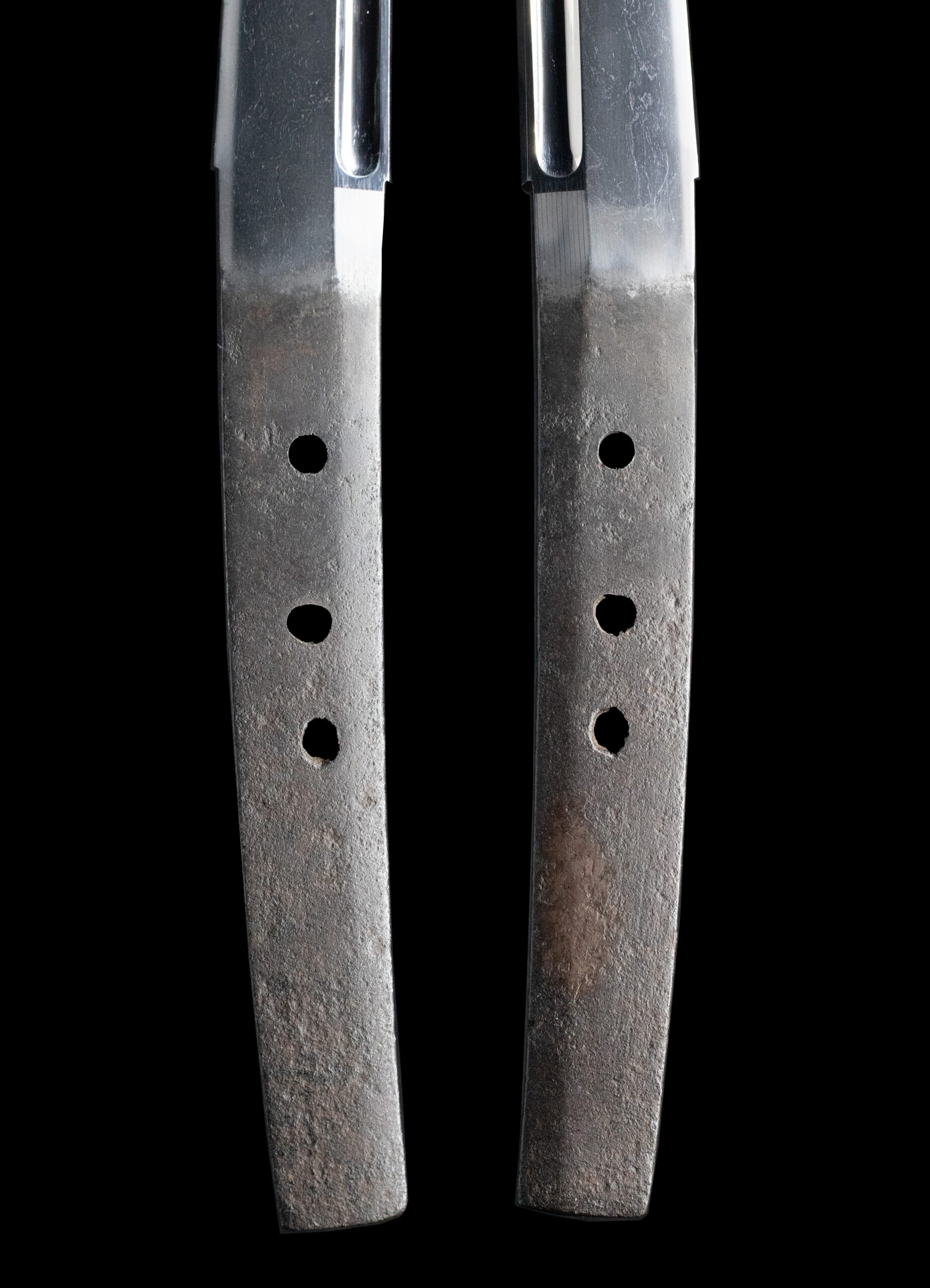
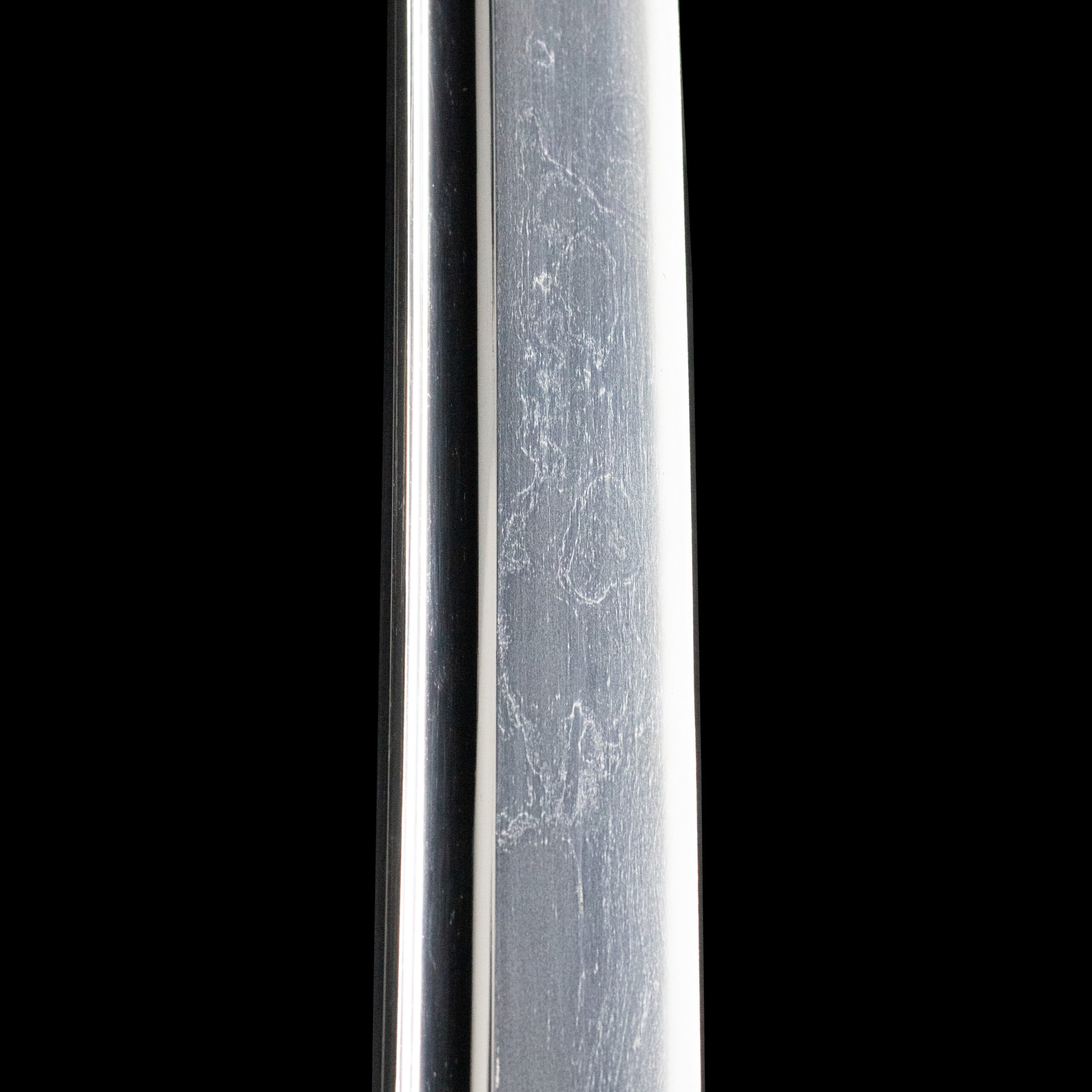
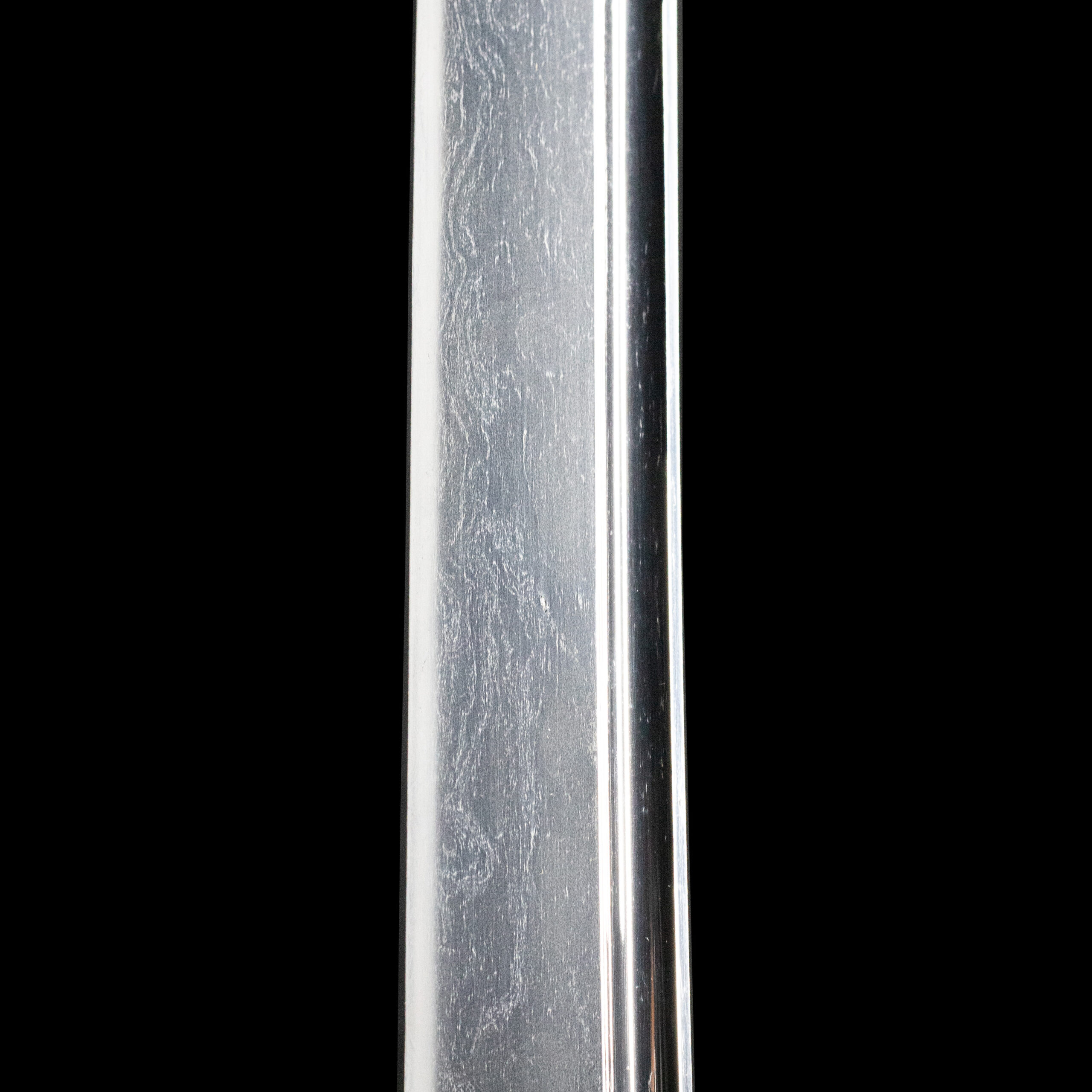
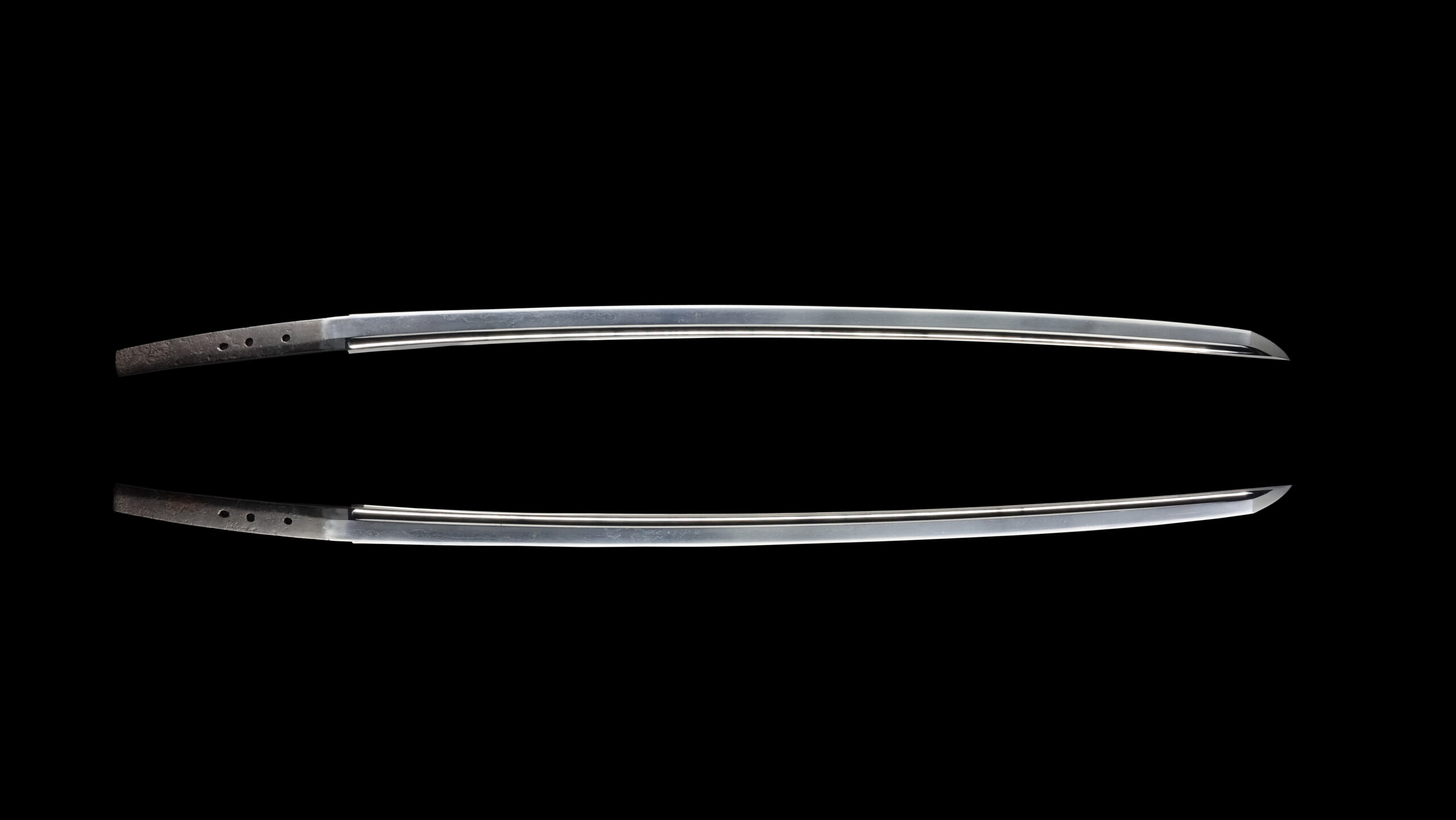
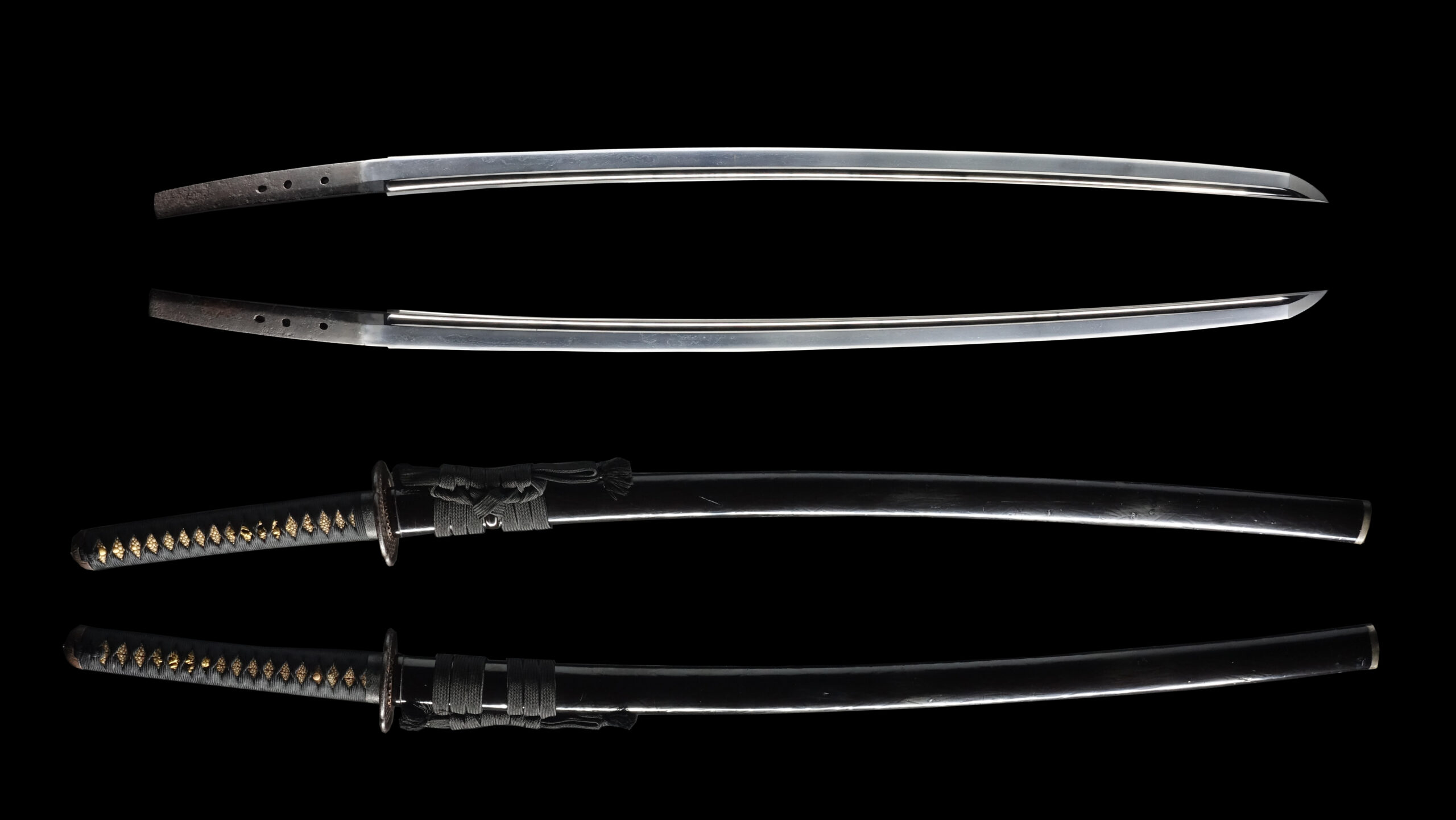
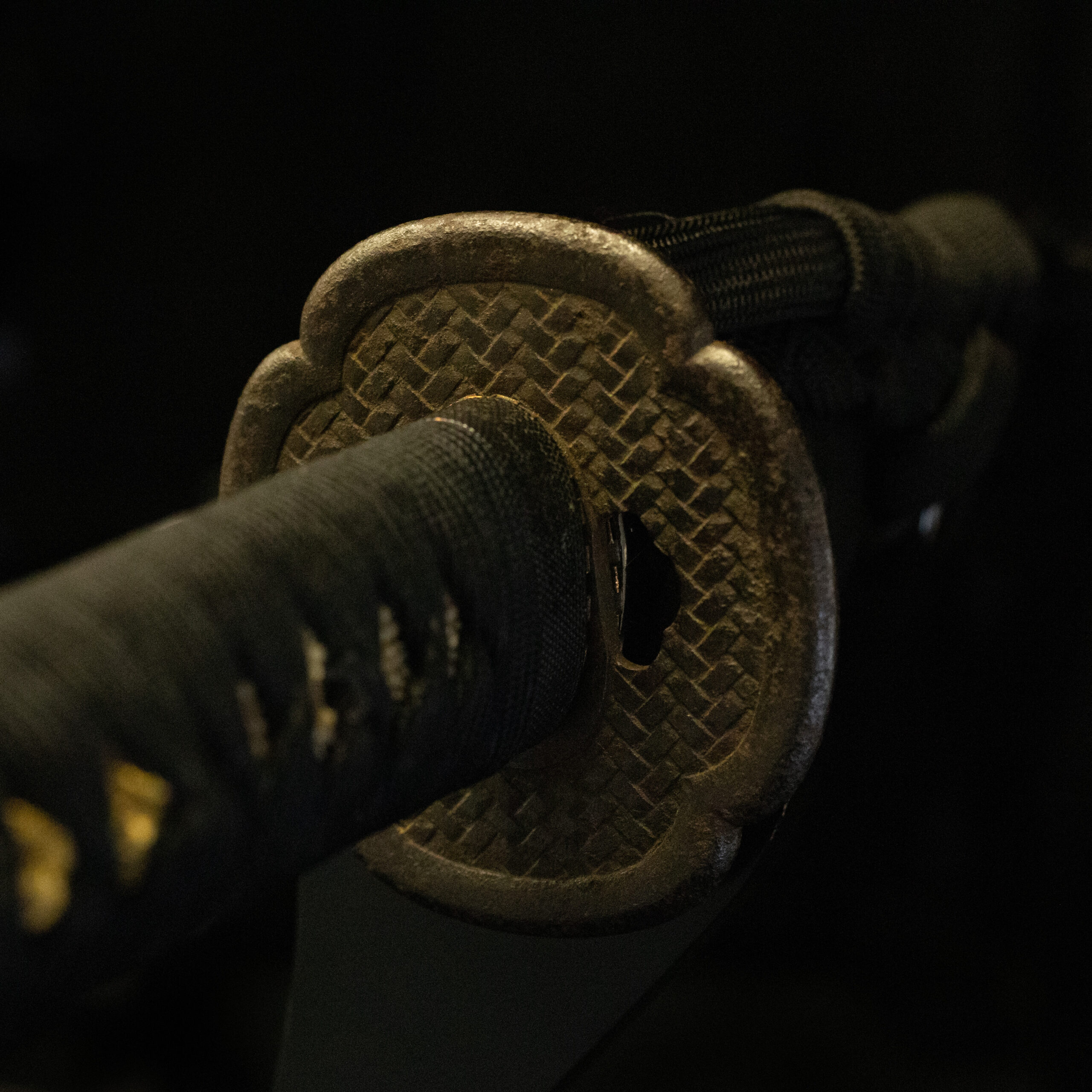
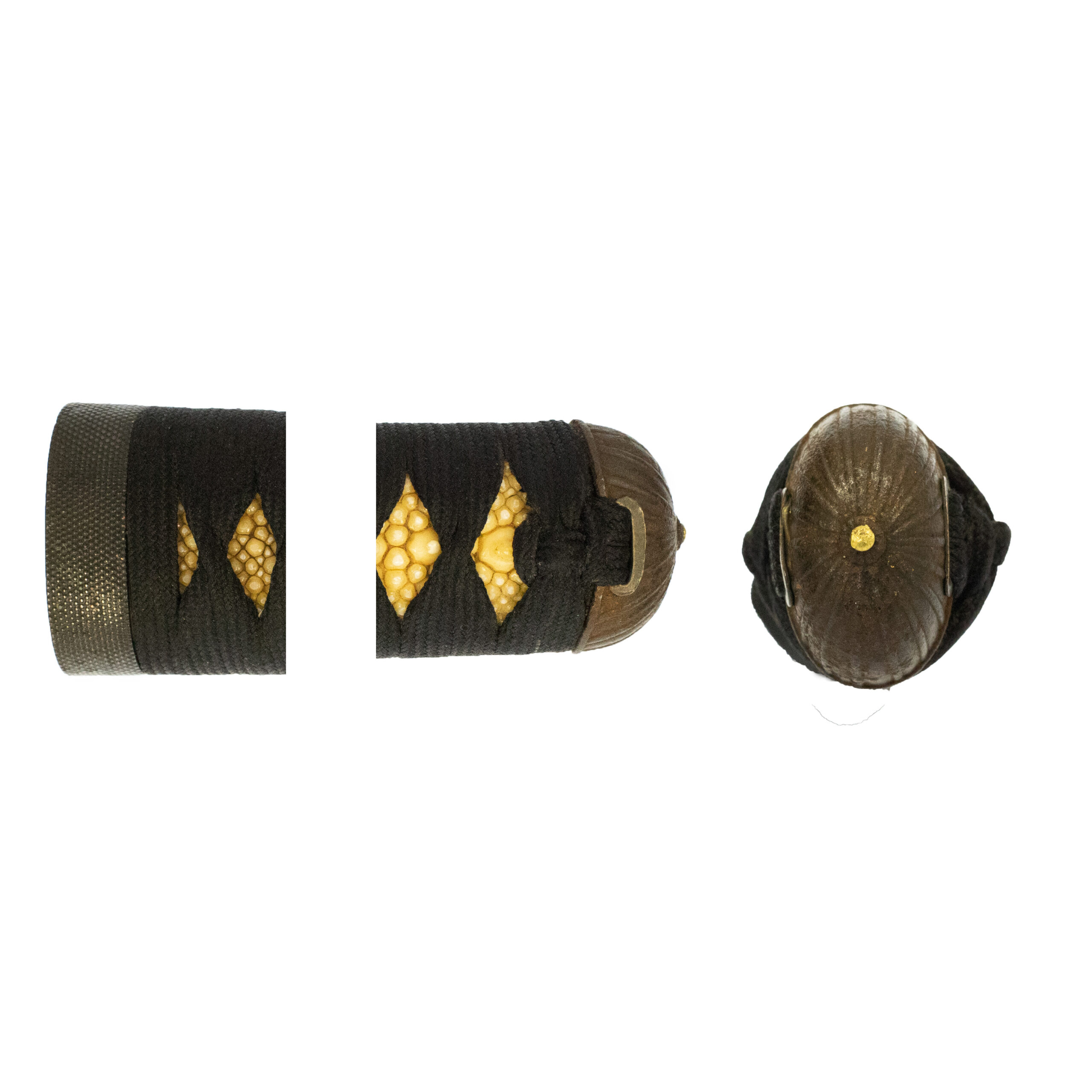
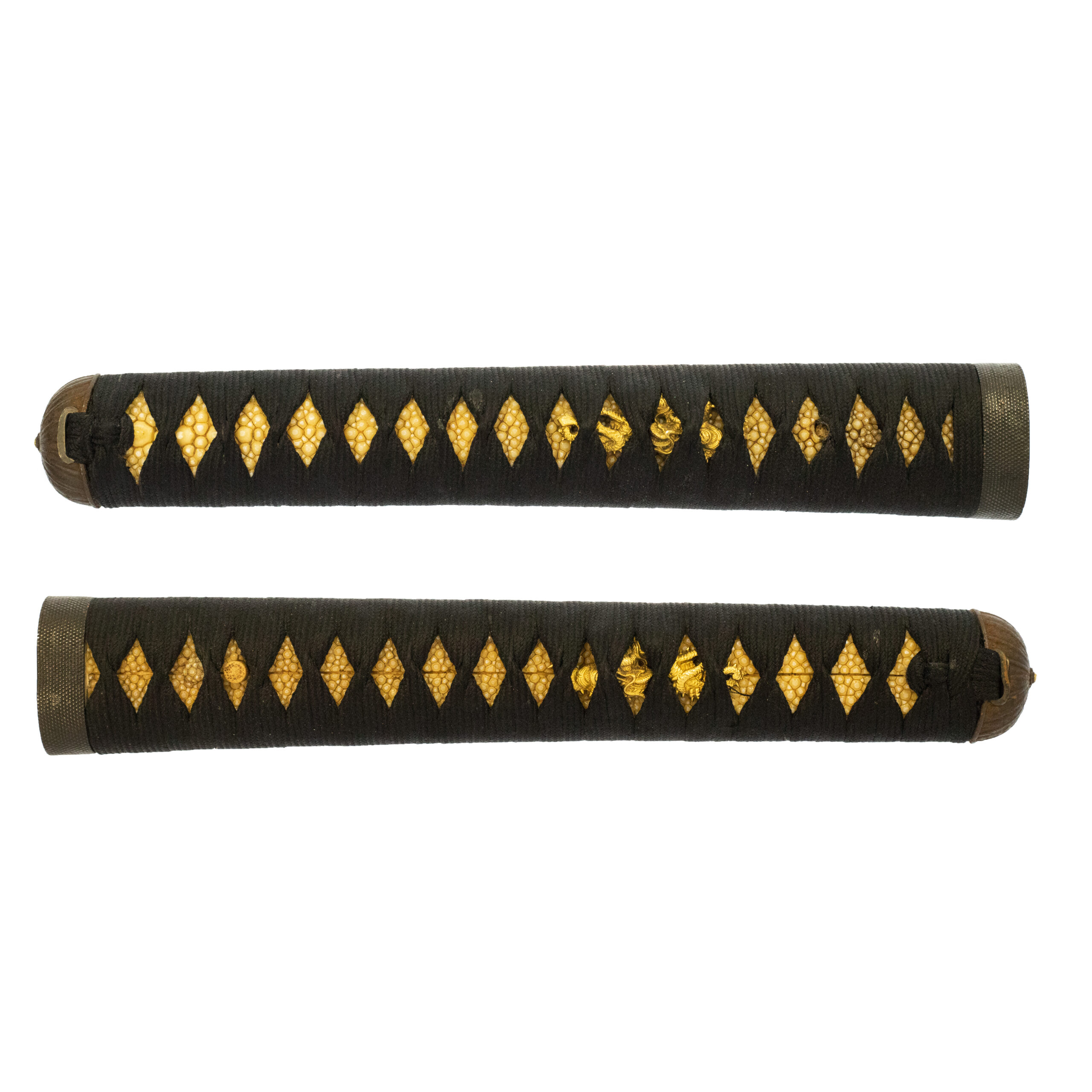
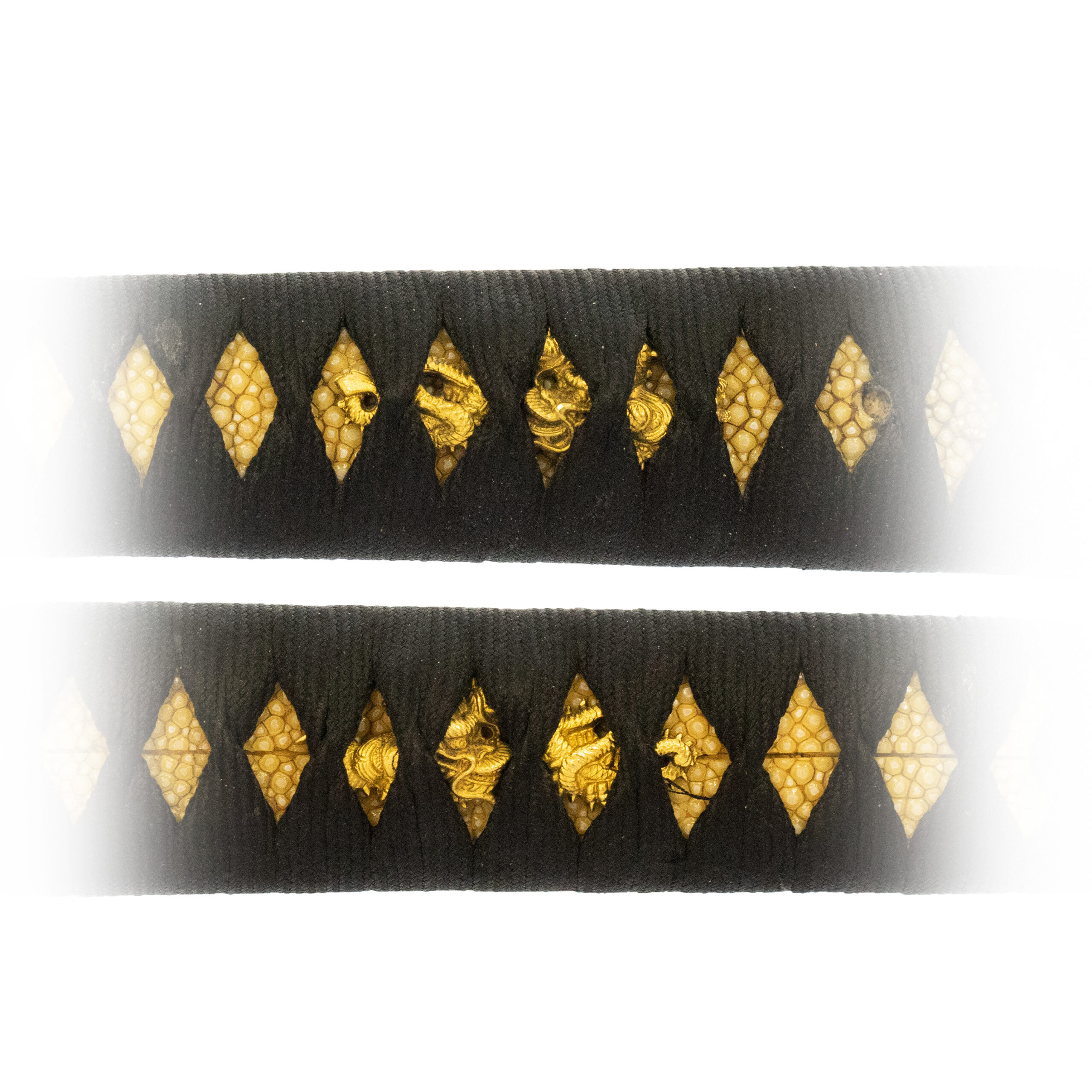
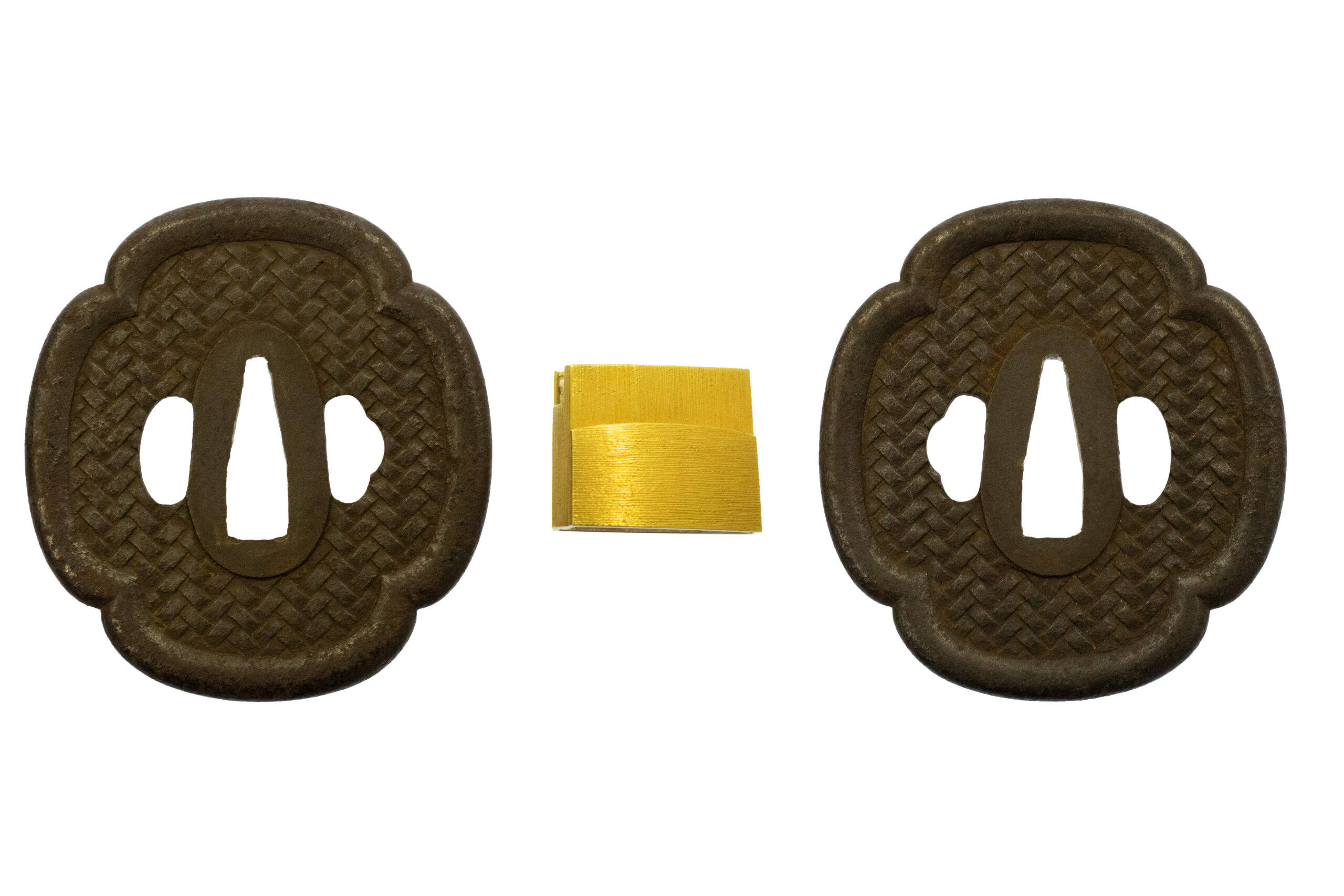
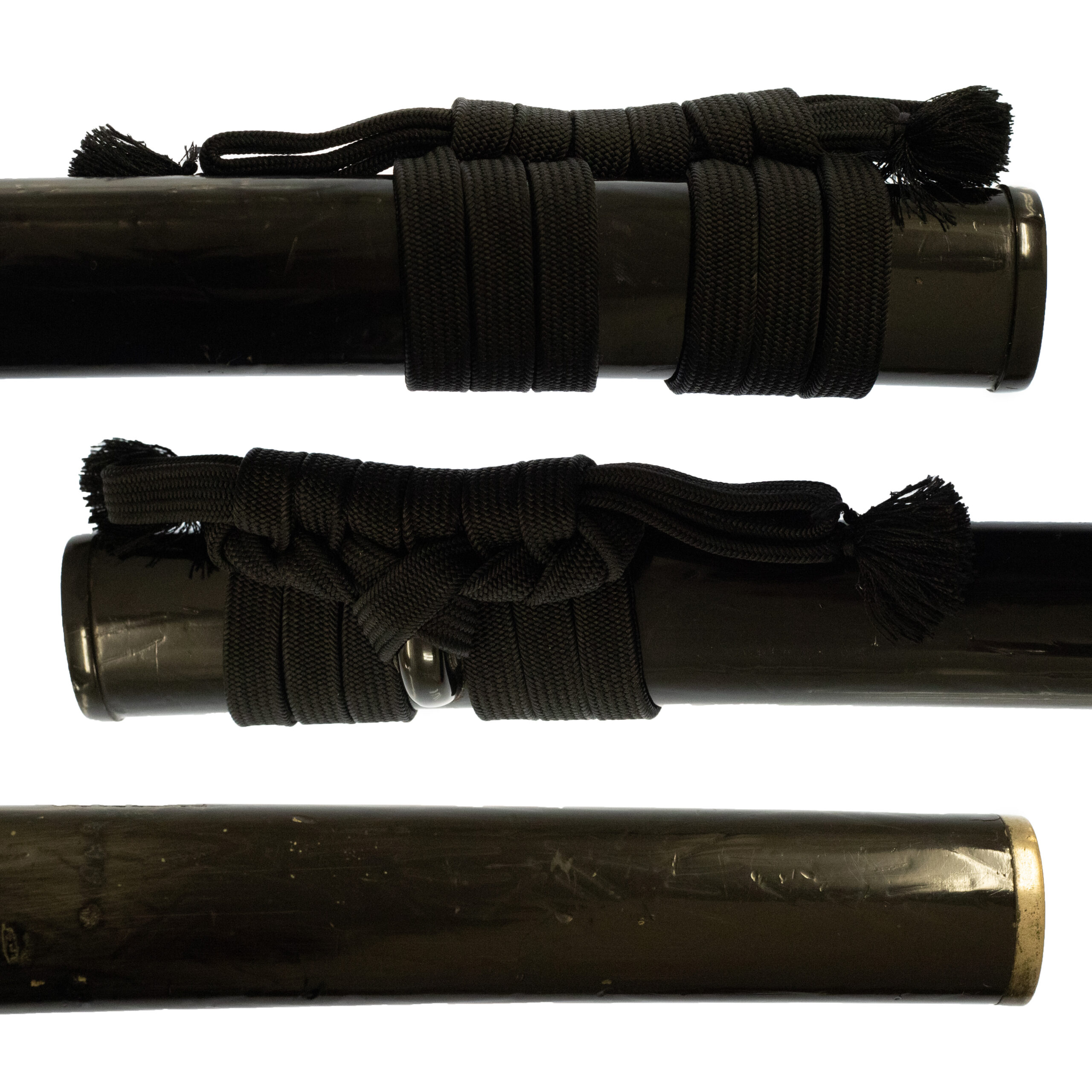
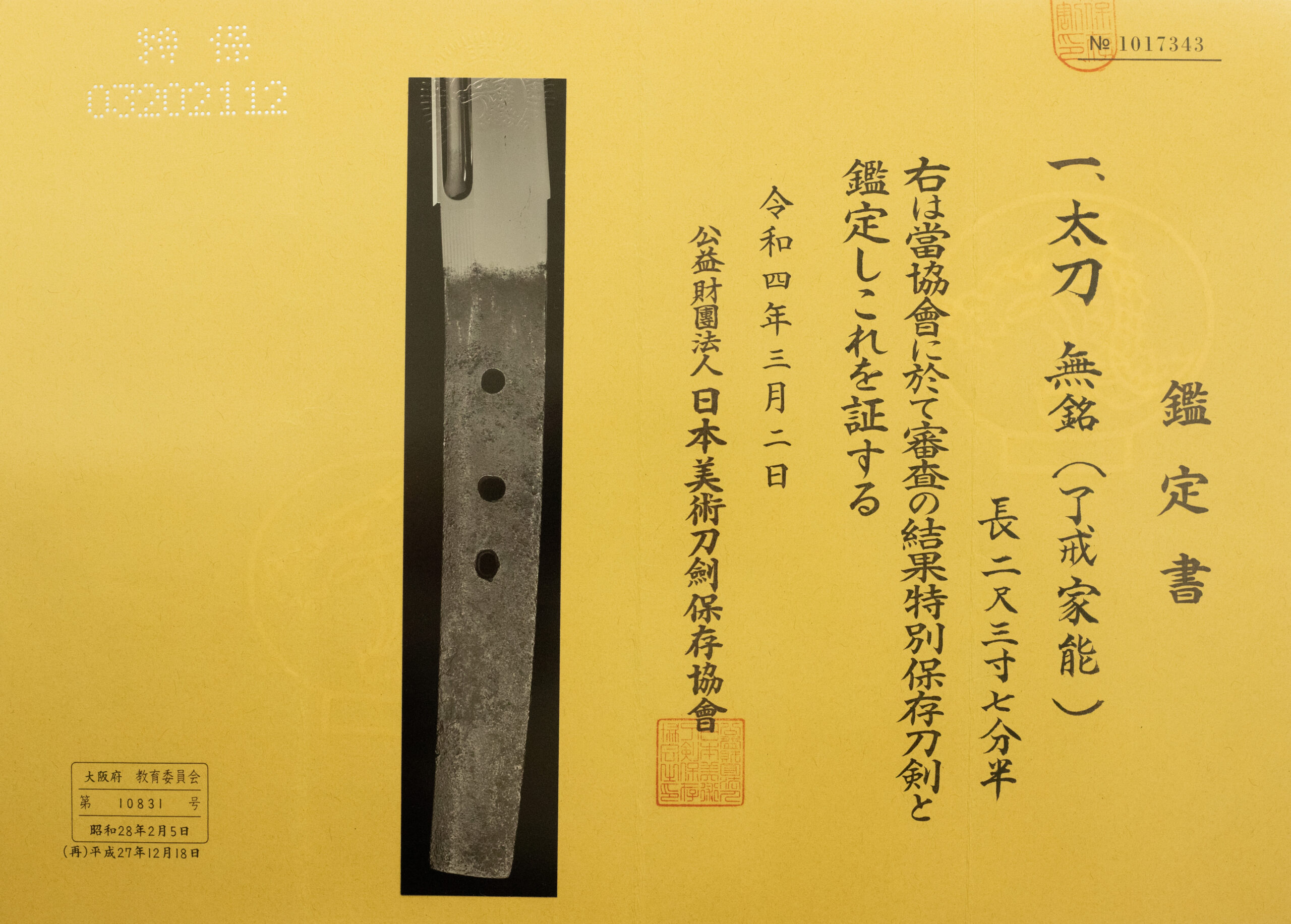
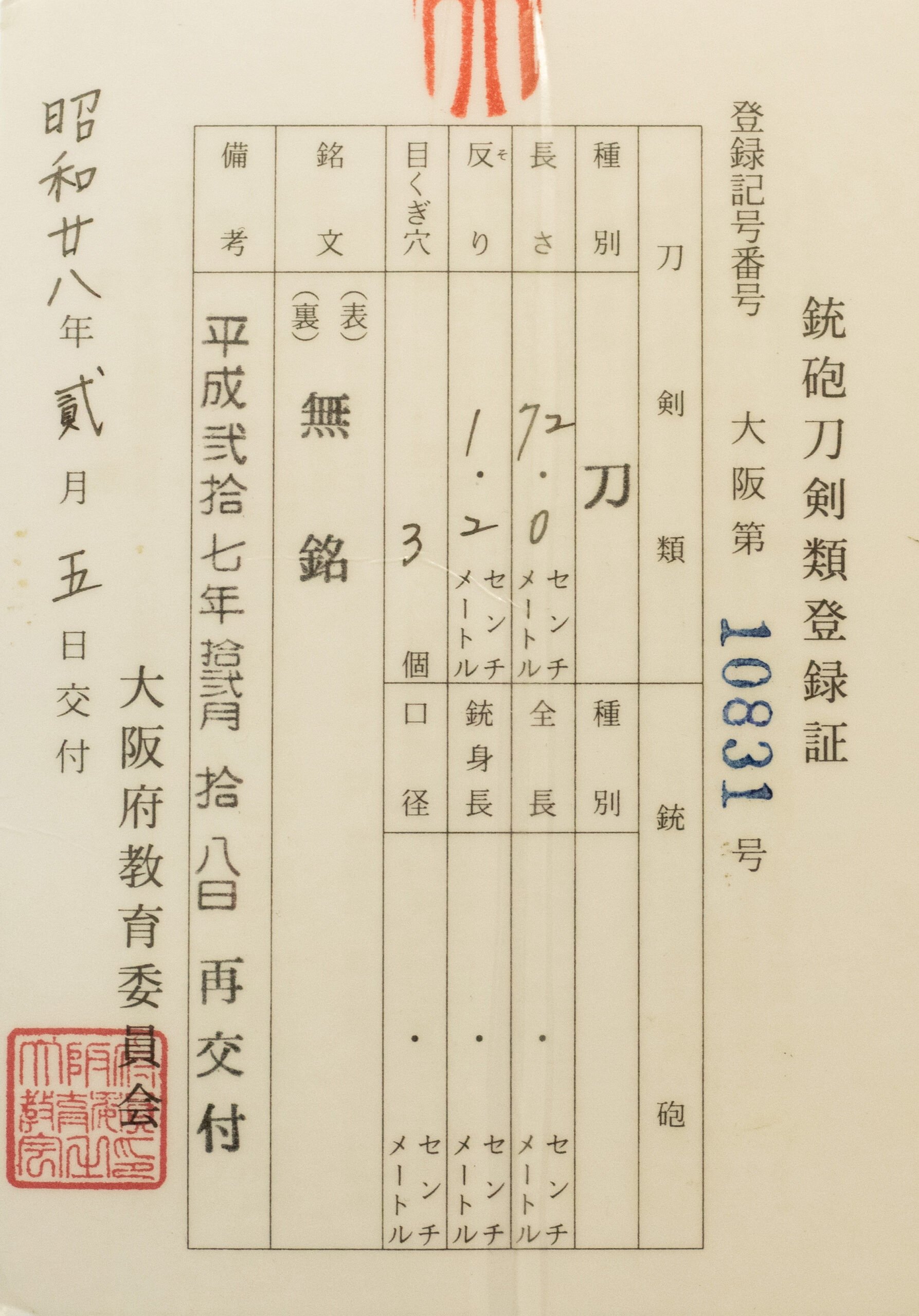
Summary This blade was attributed to Ryokai Ieyoshi (了戒家能) by NBTHK. Ryokai is the school name and he was a member of Tsukushi Ryokai school, which specialized in forging *Yamashiro DEN tradition in Bungo province (Today’s Oita prefecture). According to available records, he was especially active in sword-forging during the Chōroku era (1469-1504: Mid-Late Muromachi Period). His birth name was Ryokai Sukedayu. Ryokai School Ryokai was a swordsmith from the late Kamakura period in Yamashiro Province(Today’s Kyoto). It is said that he was a son of Rai Kuniyuki (来国行) and a younger brother of Rai Kunitoshi (来国俊). Both of them are renowned swordsmiths throughout Samurai history. Ryokai founded his own school, and the apprentices were allowed to use Ryokai in their maker’s names. Ryokai’s son was Ryokai Hisanobu, who took over the school. And his apprentice Ryokai Yoshisada also run the school after Hisanobu. However, Ryokai Yoshisda had to evacuate Yamashiro province during the late 14th century because the battle between the south emperor court and the north emperor court became severe. And as a result, Kyoto city was burnt(the late 1300’s). We called it the Nanbokucho war when the Japanese imperial court was separated into two. Ryokai Yoshisda managed to escape and arrive in Kyushu island at Tsukushi Province (Today’s Fukuoka prefecture), looking for better opportunities. And, Yoshisada founded Tsukushi Ryokai school there. Among Japanese sword experts, Ryokai school in Tsukushi province is called Tsukushi Ryokai to distinguish it from the Ryokai school in Yamashiro province. Since the origin of this school came from Yamashiro province, the blades forged by the Tsukushi Ryokai school have characteristics of *Yamashiro Den tradition. Among Tsukushi Ryokai school, the swordsmiths were named with 能 (Yoshi) such as 家能 (Ieyoshi). Ryokai Ieyoshi (了戒家能) is one of the most prominent figures in Tsukushi Ryokai school. There was also a record of him residing in Echizen (Fukui prefecture) and Yamashiro (Kyoto prefecture). *Yamashiro Den tradition is one of the five most famous traditions in terms of Japanese sword forging techniques and styles. Others are YAMATO, BIZEN, MINO, SOSHU traditions. Based on the characteristic of the blade, NBTHK authenticated it a a Tachi blade. Tachi was mainly used by an armored Samurai with one hand on horseback from the Heian period (794-1185 A.D.) until the early Muromachi period. TACHI was suspended loosely on the left waist with its edge facing the ground so that you could draw it faster to cut down soldiers on the ground. It is stored in a Katana style Koshirae now. It is appraised as a Tokubetsu Hozon Token(特別保存刀剣) issued by NBTHK(Nihon Bijutsu Touken Hozon Kyokai:日本美術刀剣保存協会). Fuchi-Kashira These Fuchi and Kashira parts have different designs. The surface of Fuchi is decorated with the Nanako-Ji (魚子地) technique. By hitting the Nanako-Ji Tagane (魚子地鏨, chisel used for this technique), delicate fish egg-shaped protrusions are made, as seen on this work. The exact size particles are placed at equal intervals without gaps; it shows its maker’s expert skill and enhances the decorativeness of the entire handle. On the other hand, the Kasira part is designed with a straight-line pattern. A small protrusion is on the top, and a linear pattern is applied radially around it. Its rounded shape coupled with this linear pattern makes an appearance that seems to be a Kabuto (兜, Samurai helmet) view from directly above. Tsuka and Menuki The dragon is the motif of this Menuki. It expresses the majestic figures of dragons that twist their slender bodies and look back to intimidate their surroundings. You could see themm from the gaps of the Tsukamaki thread. The golden paint is applied to these dragons, and this coloring remains in good condition. Initially, the dragon was an imaginary creature found in ancient foreign traditions or myths. Furthermore, it is regarded as a symbol of auspicious signs. Its body is likened to nine animals: antlers are deer, the head is a camel, eyes are demons, the neck is a snake, the belly is the Mizuchi (蛟, a mythical animal in Japan that looks like a snake and has a horn and four legs), scales are fish, claws are falcons, palms are tigers, and ears are cows. It was thought that the dragon would reign at the top of all animals because of its odd-looking appearance. We often find the dragon design in sword mountings. It shows that lots of Samurai favored this dignified beast motif. Tsuba and Habaki Yotsu-Mokkou-shaped iron Tsuba that has Kozuka and Kougai holes. Its edge is thicker than the others, giving it a sturdy build. About the design, a continuous geometric pattern is engraved on this Tsuba. This pattern is called the Higaki (檜垣, a fence made of thin cypress boards with wickerwork) or Ajiro (網代). A continuous pattern in which rows of oblique right and left rectangles are alternately combined. The intersection angle is not a right angle, and the rectangle sometimes becomes a parallelogram. It is used for dyeing and weaving tint patterns, and is also seen in bamboo works. The Ajiro is a wickerwork trap, fishing gear made of bamboo instead of a net. Therefore, this design represents a large catch. Also, some people believed it would exorcize evil spirits. At first glance, it looks like a kind of beautiful geometric pattern, but in reality, it might have been designed on this Tsuba with these meanings in mind. Saya * Please keep in mind that there are a few scratches. Authentication Paper They authenticated the blade on Mar. 2nd in the 4th year of Reiwa (2022). They appraised it as Tokubetsu Hozon Touken, the blade especially worth preserving for Japanese society.
Offered by Samurai Museum
This piece has sold
Get an email when a new Ryokai Ieyoshi piece hits the market.

Yamashiro-den · Bungo · around 1469-1487
Fujishiro Chu-jo saku · Tōken Taikan top 49%
2 pieces on the market now
Yamashiro-den · Yamashiro
8 pieces on the market now
The Ryokai school (了戒) took shape in the late-Kamakura capital of Kyoto, in Yamashiro Province, around the smith Ryokai, who worked through the era names Shoo, Einin, Kagen, Enkyo and Ocho at the turn of the fourteenth century. The old account makes him a son or a pupil of Rai Kunitoshi, and one version has him adopted into Kunitoshi's house; because his dated blades place him almost level with Kunitoshi, however, the NBTHK reads him more naturally as a contemporary (an aitedeshi, a fellow disciple) who formed his own line within the wider Rai circle. Whichever account one follows, his is the Rai Yamashiro hand softened by a degree, and from him the Ryokai name descended for several generations, his son Ryo Hisanobu (久信) following as the second master, with a Kyushu branch, the Chikushi Ryokai of Bungo and Buzen, forming by the Nanbokucho and Muromachi eras. What the members hold in common is a quiet manner read against, and just apart from, the Rai parent. Over a packed itame or ko-itame that flows toward masame and stands a little open, fine ji-nie clings and faint chikei enter, while a whitish shirake-utsuri rises in the ji; this paler, drier utsuri, against the clear midare- or jifu-utsuri of Rai proper, is the first thing that separates a Ryokai blade from its source. The temper is a calm chu- or hoso-suguha, mixing here a little ko-choji, ko-gunome or ko-midare, with ko-ashi and yo entering and sometimes a Kyoto reverse ashi; kinsuji and sunagashi run within a tight nioiguchi that grows austere and, in places, clouds into urumi, the moist soft quality the published sources name again and again as a Ryokai point. The boshi closes sugu into a small ko-maru, often brushed with a touch of hakikake. The school stands so close to Rai Kunitoshi that the two are confused at sight; the attribution settles not on any single feature but on the softer ji and ha, the standing masame, the whitish utsuri and the clouding line, the judges noting that compared with Kunitoshi the activity within the temper runs lonelier and the nioiguchi one degree tighter.
Against the sister Enju school the distinction is the boshi: where Enju turns a large deep o-maru and leaves the line bright, Ryokai closes a small ko-maru and clouds into urumi. The masame and the whitish cast carry the line a step toward Yamato and Yamato-den, and downstream toward Nobukuni and the Soshu-shaded work that followed. To kantei a Ryokai blade is to recognize the Rai air of wa-zori and refined steel, then to read the tells that part it from the parent: the jihada leaning to masame and standing where Rai stays smooth, the shirake in place of bright utsuri, and the tight, clouding nioiguchi. Among the members the founder, Ryokai, holds first standing, rated Jo-saku by Fujishiro and represented by slender ubu tachi and tanto signed with a boldly cut two-character mei, several carved with bonji and suken, alongside the bulk of his attributed record in osuriage mumei katana given to him on the hand; one such tanto the published sources call altogether elegant and a representative work, the signature itself of the archetypal type. Hisanobu, the second master, rated Jo-jo saku, carried the father's suguha on with little change, his rare signed tachi and kodachi prized as documentary evidence, one dated piece establishing through his given name that an earlier nationally designated tachi once read as the father's sole work is in fact a joint work of father and son; the remaining members and the later Kyushu generations continue the manner generically. Provenance follows the founder above all: blades passing through the Isahaya, Date and Maeda families, one preserving a tradition that it was a sword worn by Miyamoto Musashi, and the finest pieces held and studied in long-standing public and private collections including the Tokyo National Museum, the Sano Art Museum and Monobe Jinja. A signed ubu Ryokai blade in particular is among the scarcer things a collector of Kyoto Kamakura work will meet, coming to hand only with patience. Learn more →
| Smith | Era | Designated |
|---|---|---|
| Ryokai了戒 | 1288-1305 | 103 |
| Nobumasa信正 | 1345-1350 | 0 |
| Nobuyoshi宣能 | 1444-1449 | 0 |
| Nobumasa信正 | 1390-1394 | 0 |
| Yoshizane能眞 | 1469-1487 | 0 |
The Muromachi period (1392 to 1573)
Muromachi turned sword making into an industry: the uchigatana rose with massed infantry warfare, Osafune and Seki produced bundle swords beside custom orders, and the Ming trade carried Japanese blades abroad by the tens of thousands.
A Hozon-certified blade judged to show notably superior workmanship and a better state of preservation. The bar is higher: re-tempered blades and most unsigned Muromachi/Edo works are excluded.
The NBTHK (Nihon Bijutsu Tōken Hozon Kyōkai, the Society for the Preservation of Japanese Art Swords) is a public-interest incorporated foundation founded in 1948 and supervised by Japan’s Agency for Cultural Affairs (Bunkachō); it is based at the Japanese Sword Museum in Tokyo. Its expert panels physically examine each submitted work (shinsa) and issue a certificate (kanteishō) ranking it by artistic and historical merit. NBTHK papers are the most widely recognized standard of authentication for Japanese swords and fittings.
NBTHK official siteReturns/exchanges limited to defects caused by shipping (except willful misconduct or gross negligence by the company); customers must contact within 72 hours of receiving the product.