Edo was the sword’s age of connoisseurship: the Hon’ami appraisers, the shogunal register of famous blades of 1719, and a thriving literature turned the sword into an object of study even as it ceased to be drawn in war.
 NihontoWatchNihontoWatch
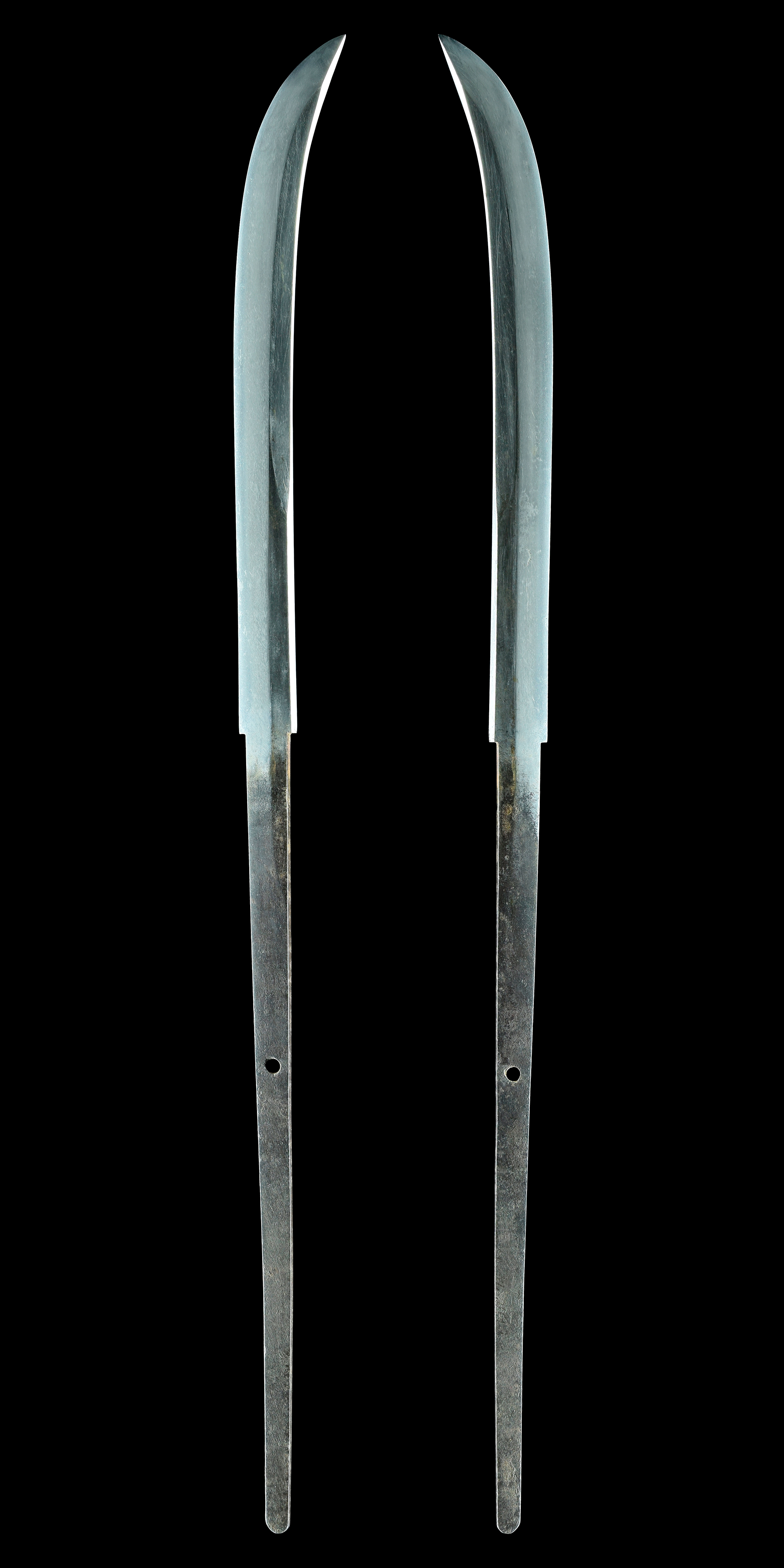
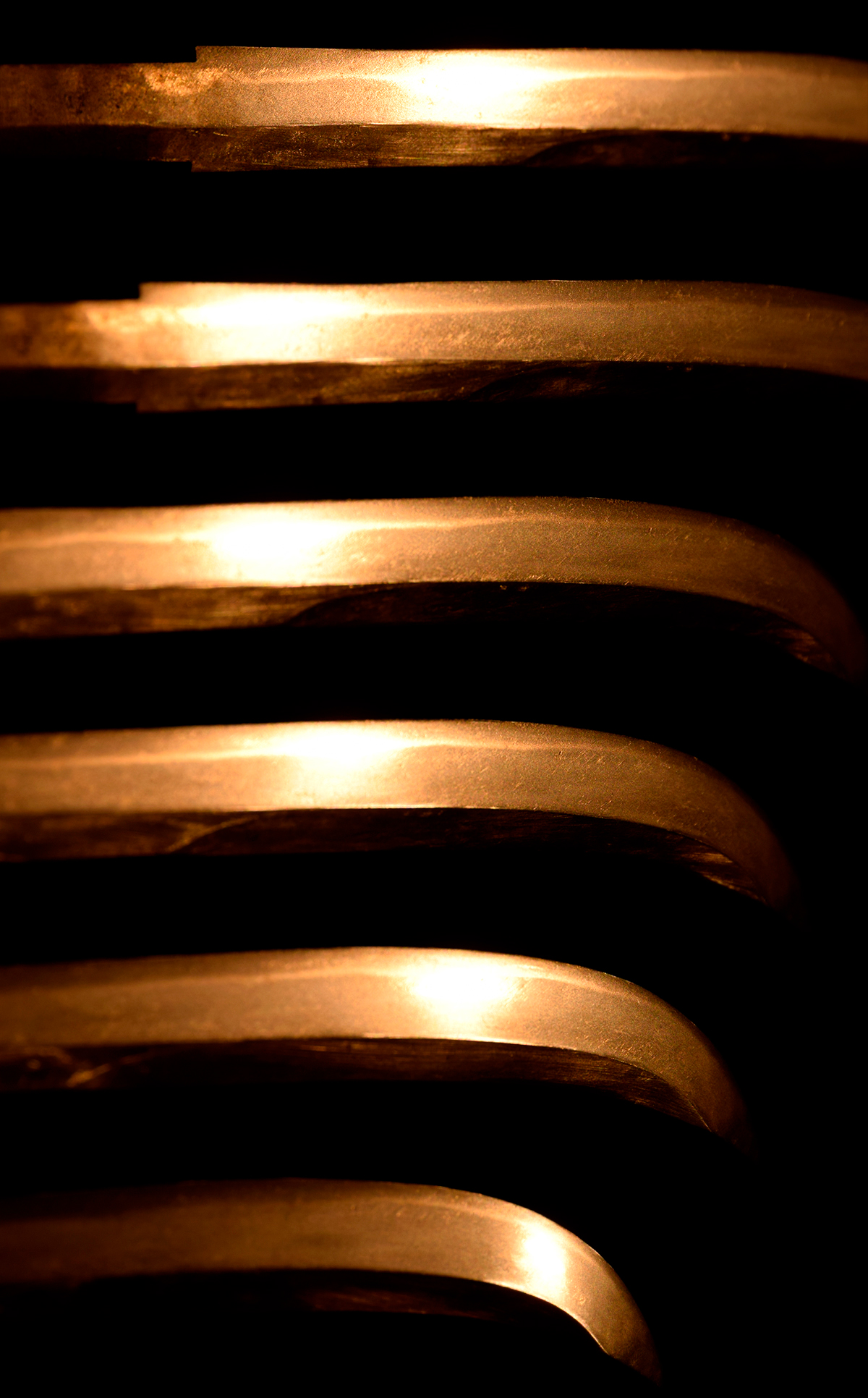
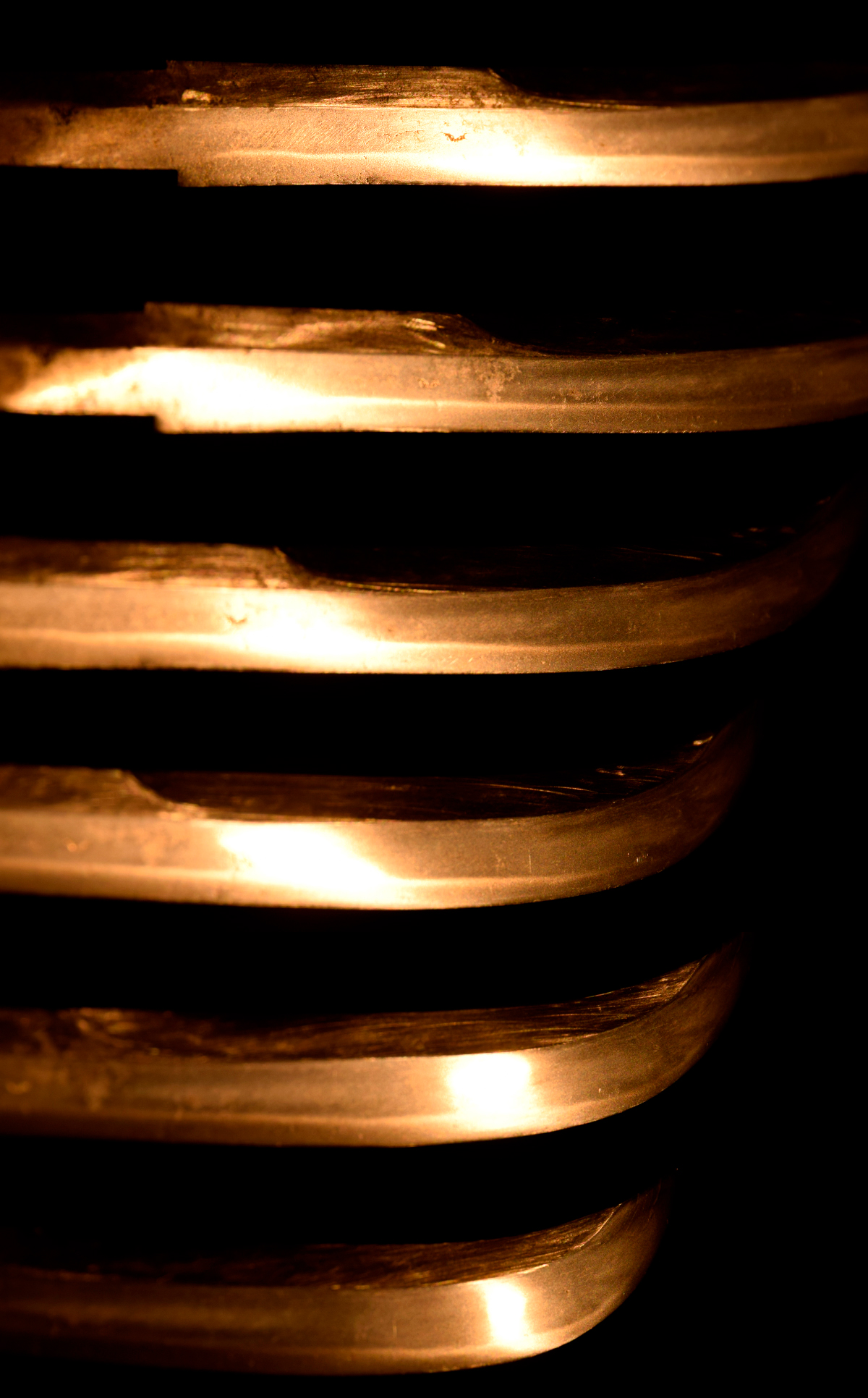
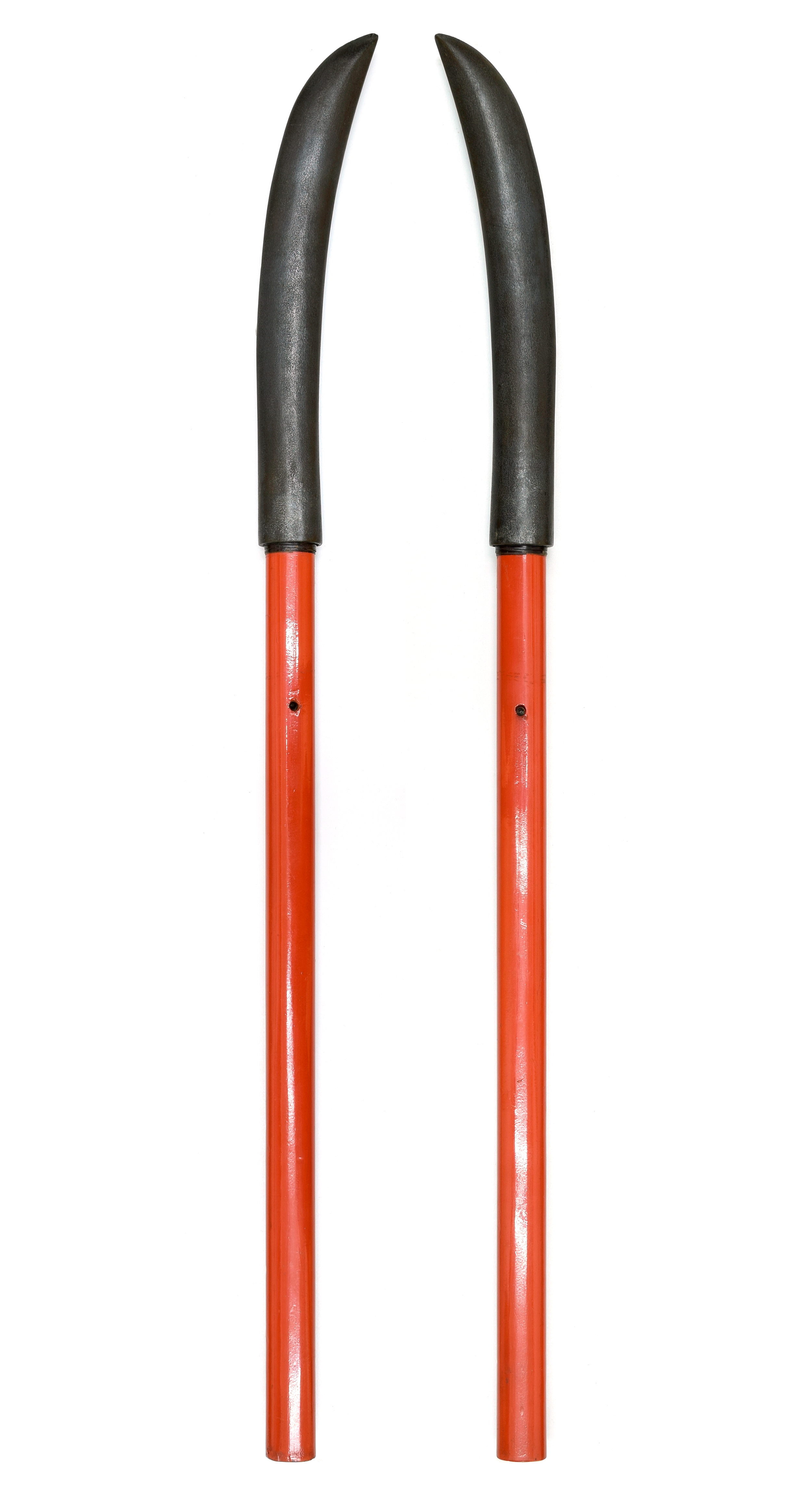
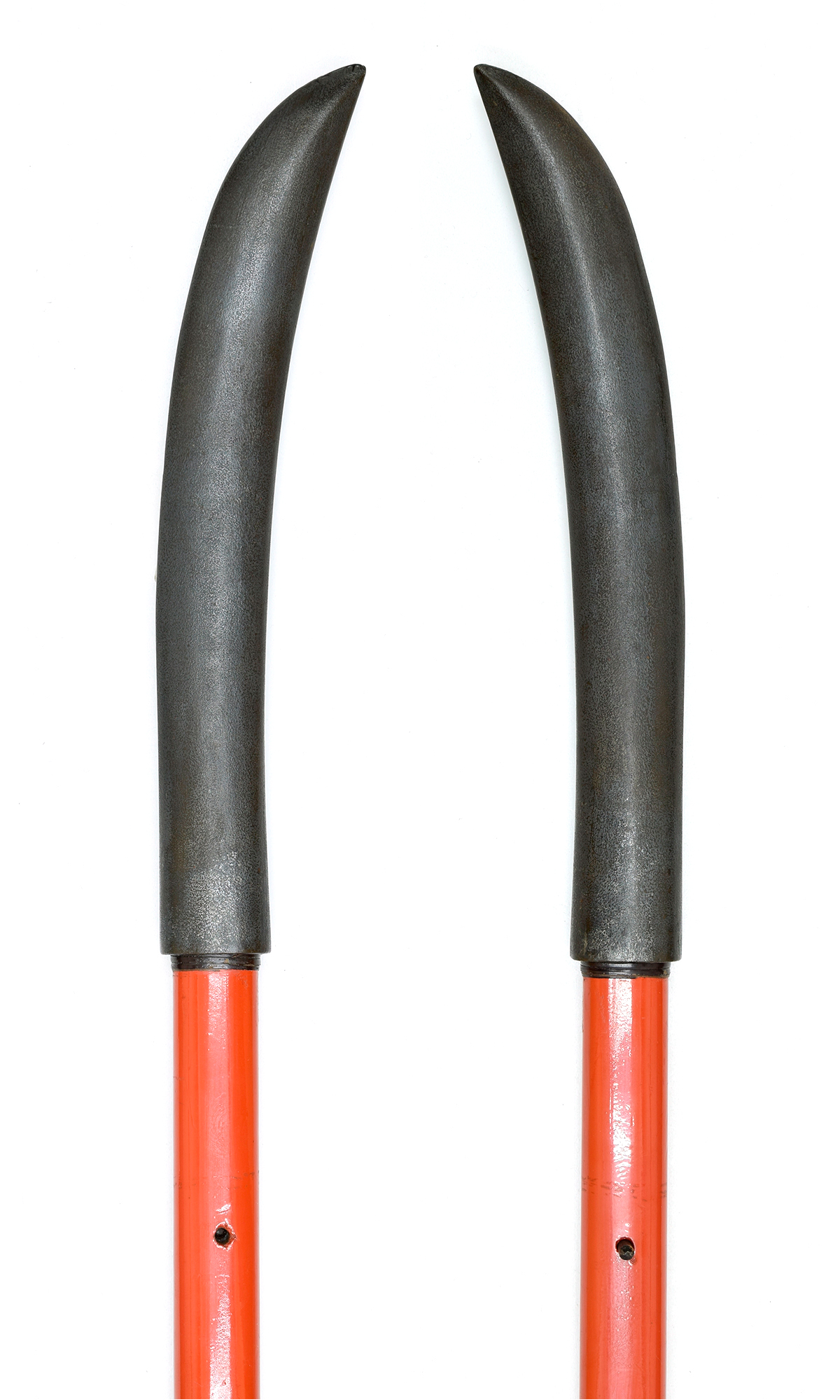
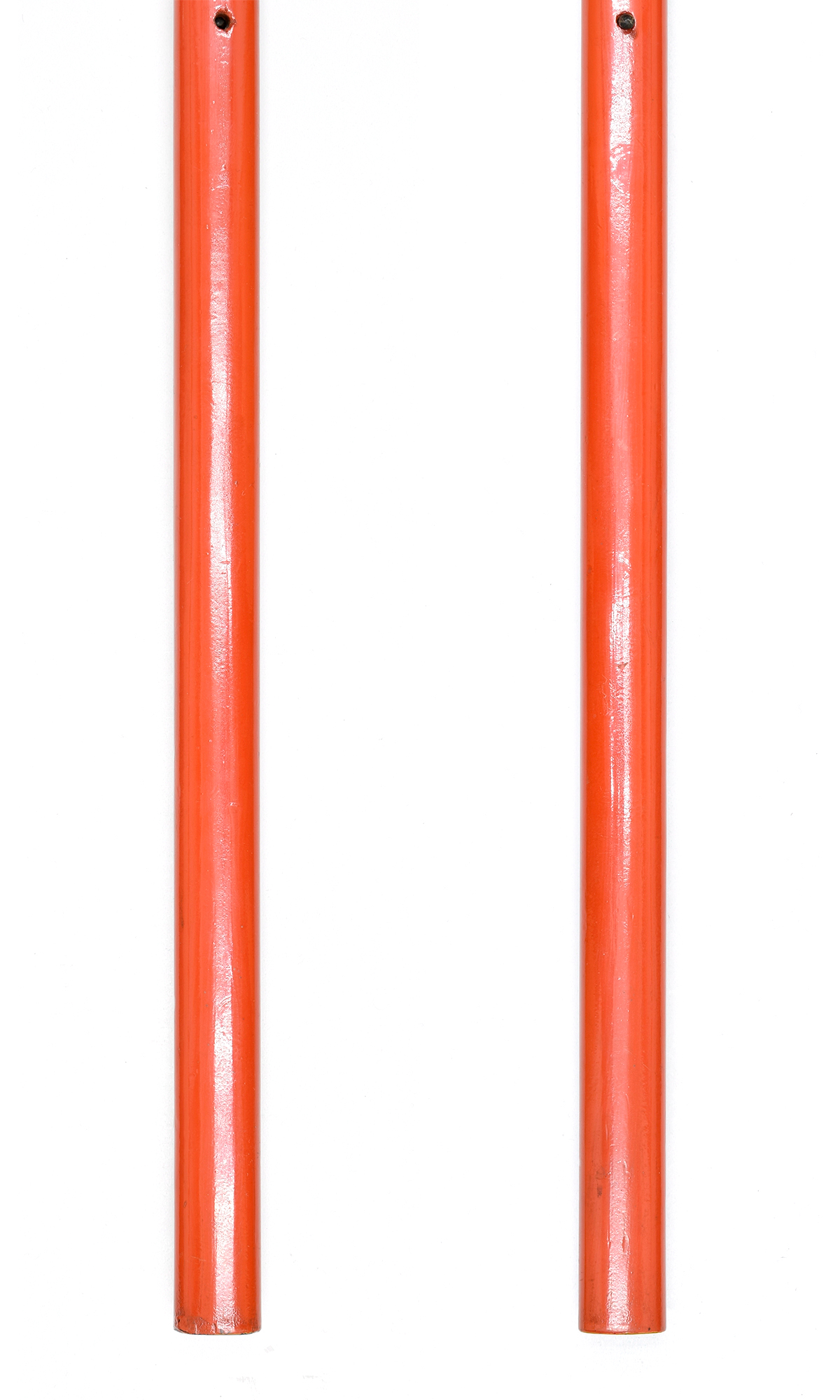
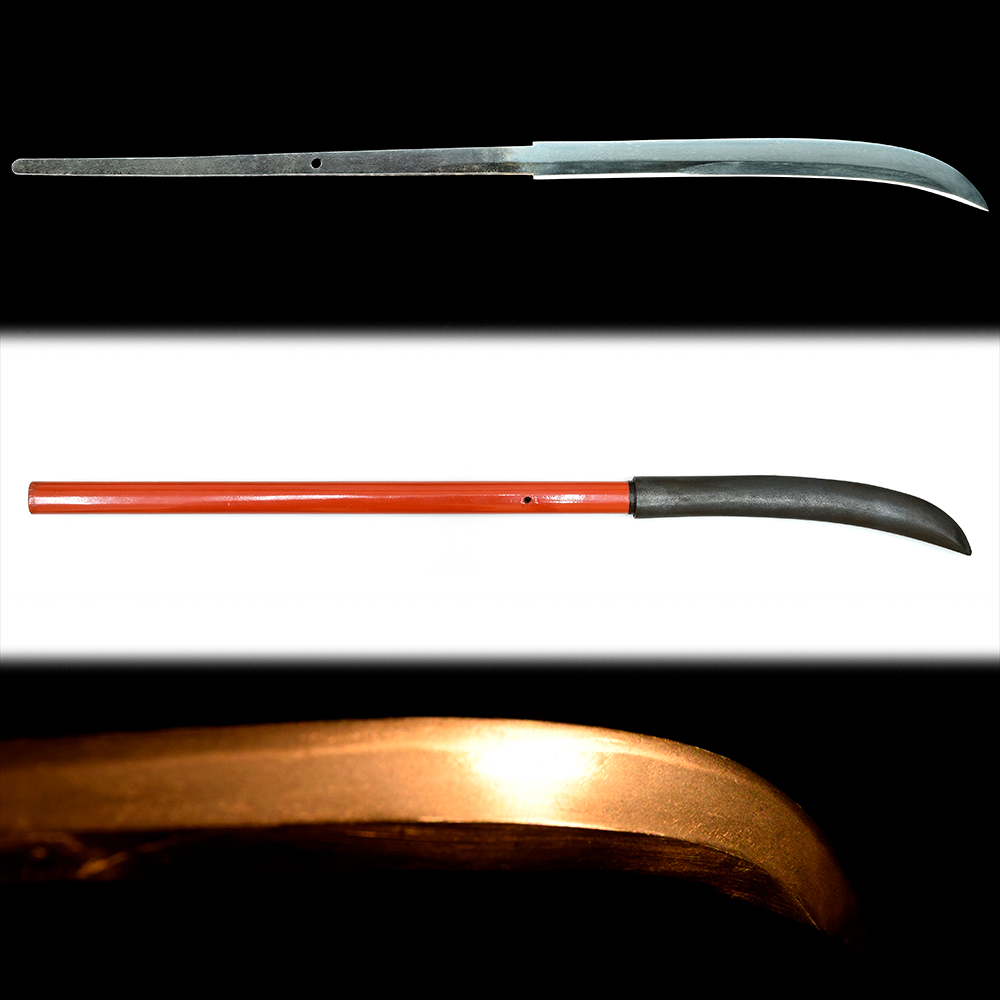
Registered in Kyoto-fu on Heisei 30, September 15. The peaceful Edo period nurtured a rich culture of seasonal festivals. Among these, in daimyo families and wealthy merchant houses, exquisite armor displays and hina accessories that could actually be worn or used were commissioned to pray for the growth of young children. Whether they were authentic tachi scaled down for toddlers or tachi for dolls only a few sun long that housed shinken, their dedication to detail reached the heights of luxury and aesthetic sensibility. This work, a hina-naginata (chigo-naginata), is exactly one such item. Now that the festival display as a whole no longer exists, we can only imagine it, but there is no doubt that it was one piece of a high-grade set of hina accessories that adorned the hina-dan display of a daimyo family or a wealthy merchant. Although small in scale, the authentic tsukurikomi speaks eloquently of its lineage and status. The jigane is a well-kneaded and tight ko-itame hada, a graceful utsuri rises in the jigane, and it is tempered with a suguha with a bright and clear nioiguchi, showing the workmanship of a genuine "honka." It is not a mere gadget-like ornament; the skill required for a single naginata has been firmly poured into it. The currently attached tsuka lacks the kuchigane, dogane, kaburamaki, and ishizuki kanagu, and it is conjectured that a shirasaya-style tsuka was painted and used as a substitute in later years. Originally, a magnificent naginata koshirae must have been provided. While the loss of the tsuka is regrettable, the appearance of such a genuine hina-naginata on the market is itself extremely rare. It is a masterpiece with peerless scholarly value for understanding the festival customs of the Edo period. Upon acquisition, please consider commissioning a high-grade polishing for appreciation and the restoration and production of a naginata tsuka worthy of its status. We hope that you will pass this rare cultural property, commissioned with prayers for the healthy growth of a young child, on to the next generation.
NihontoWatchOffered by Toushin
We couldn’t find current papers for this piece. Ask the dealer whether it has been, or can be, submitted to shinsa. — Hoshi

As written by the shop
Machine translation from the shop's Japanese · may contain errors ·
The Edo period (1615 to 1868)
Edo was the sword’s age of connoisseurship: the Hon’ami appraisers, the shogunal register of famous blades of 1719, and a thriving literature turned the sword into an object of study even as it ceased to be drawn in war.
We could not find an authenticity certificate on the seller’s listing. Japanese swords and fittings are normally papered by the NBTHK (or the NTHK). Without one, the attribution is the seller’s own assessment and has not been independently verified — treat it with caution and ask the dealer about certification before buying.
As a rule we do not accept returns, except when we have sent a different item from the one ordered or when there is a significant discrepancy between the description and the item. If you wish to return an item, please contact us within 3 days of its arrival and then send it back.
¥143,000