 NihontoWatchNihontoWatch
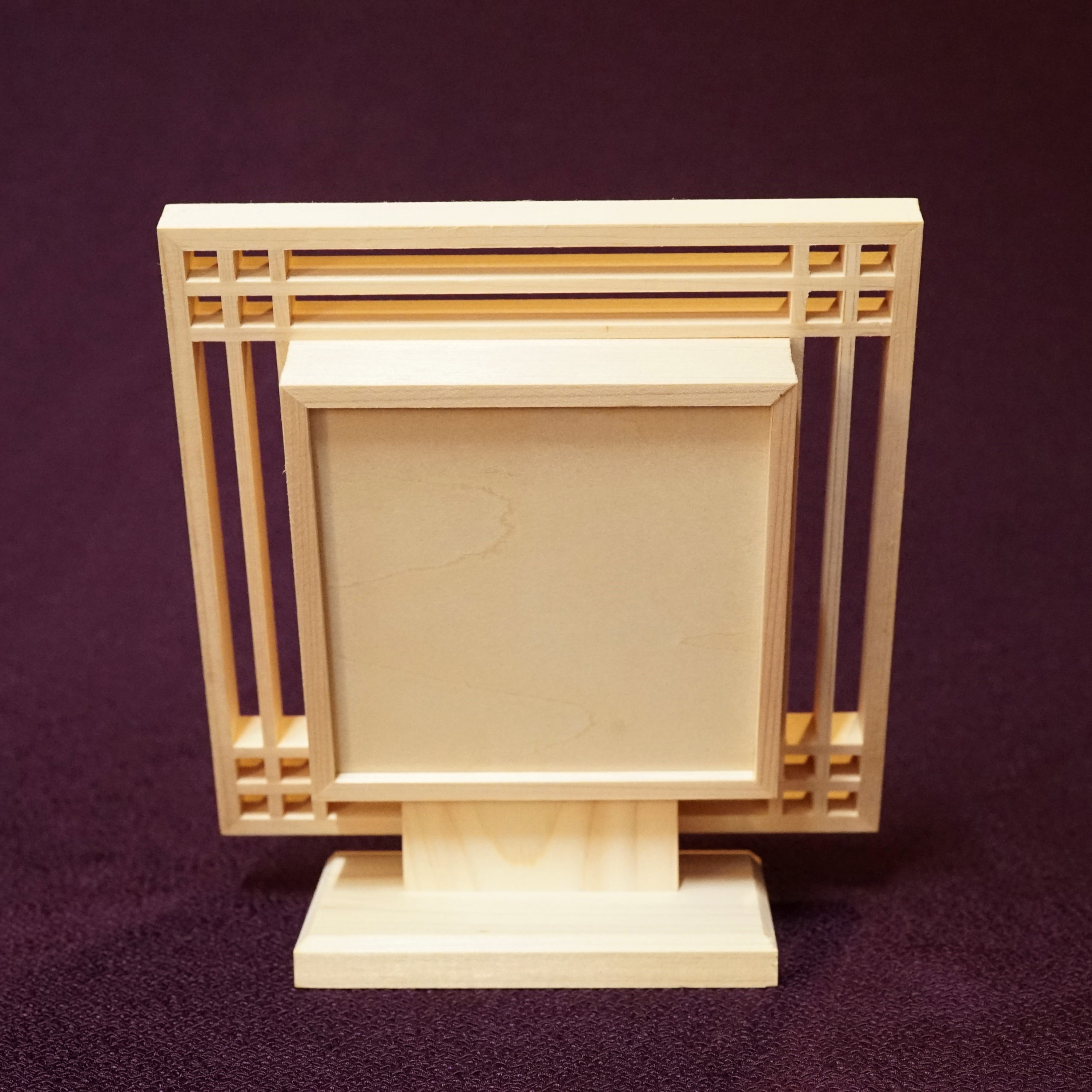
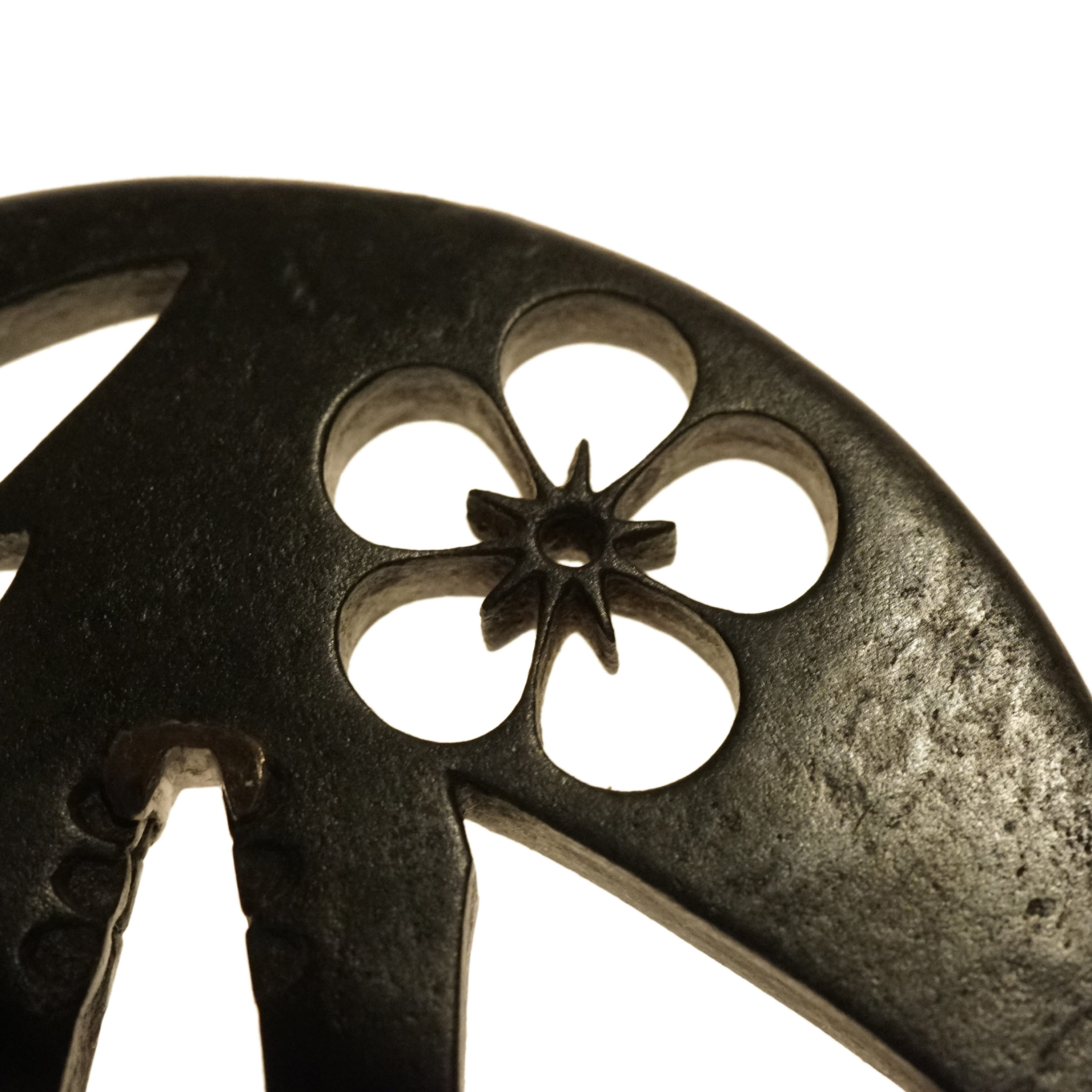
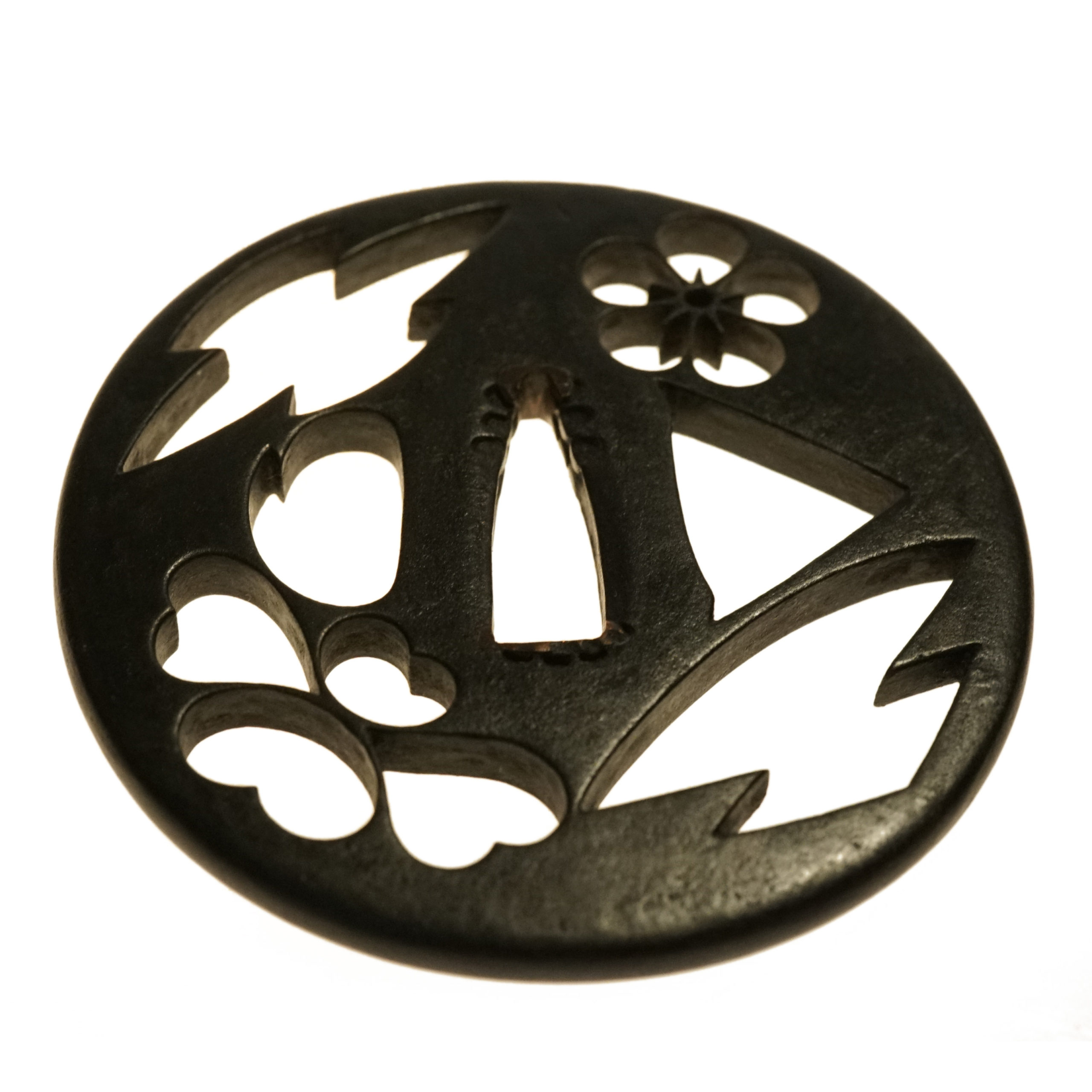
Certified TSUBA Clock that has Utility model registered (registration number: 3221447) -The Only in the World- Samurai Museum presents the one and only antique TSUBA Clock in the world with a registered utility model. If you are looking for having a piece of Samurai history that is one of the kind, this is the best item to buy. Instead of just displaying this Tsuba, why don’t you use it as a clock that marks the passage of time together? To produce TSUBA Clock, we use valuable Tsuba. These Tsuba were preserved by Samurai descendant’s houses for generations. We recommend you purchase this TSUBA Clock for yourself, your family members or significant others so that checking the time would be more pleasant. The beauty of Tsuba never ceases to amaze you. TSUBA Clock Tsuba, which was once made by Japanese metalworkers in the Samurai period, is now brought back to life by our brand-new product TSUBA Clock. We use Tsuba as a clock face and put clock hands in Nakagoana (center hole), which was originally made for inserting Japanese sword. In order to acquire Utility Model Registration Patent (number: 3221447), we prepared a lot of documents and made a lot of efforts. And, finally we are able to sell this special product on our online shop. This iron Tsuba has an oval shape. Abstract crests and flower patterns are engraved with the Sukashi technique (openwork). This flower looks like Ume (Japanese apricot blossom), one of the most popular flower motifs in Japan. This flower begins to bloom in cold season that snow covers its tree; therefore, it’s said it would tell the coming spring. People appreciate its adorable petal shape and scent, gracefully branched tree, and compose many poems. As it comes out in winter by enduring cold, Japanese apricot blossom has been regarded as the symbol of perseverance and vitality. According to the certificate, its creator is Tadatoki, the sixth. It might be Tadatoki, who did well as Akasaka-style Tsuba maker. Akasaka school was established in Edo (Tokyo Pref. today). Tadatoki learned under Tadashige. As Tadashige had made excellent Tsuba, he was uniquely allowed to separate from the original school and become independent after the fourth. Tadatoki improved his skills from Tadashige and appealed Akasaka-style Tsuba. This Tsuba is recognized by The Society for Preservation of Japanese Art Swords, which is known as NBTHK.
NihontoWatchOffered by Samurai Museum
This piece has sold
Get an email when a new Akasaka Tadatoki piece hits the market.

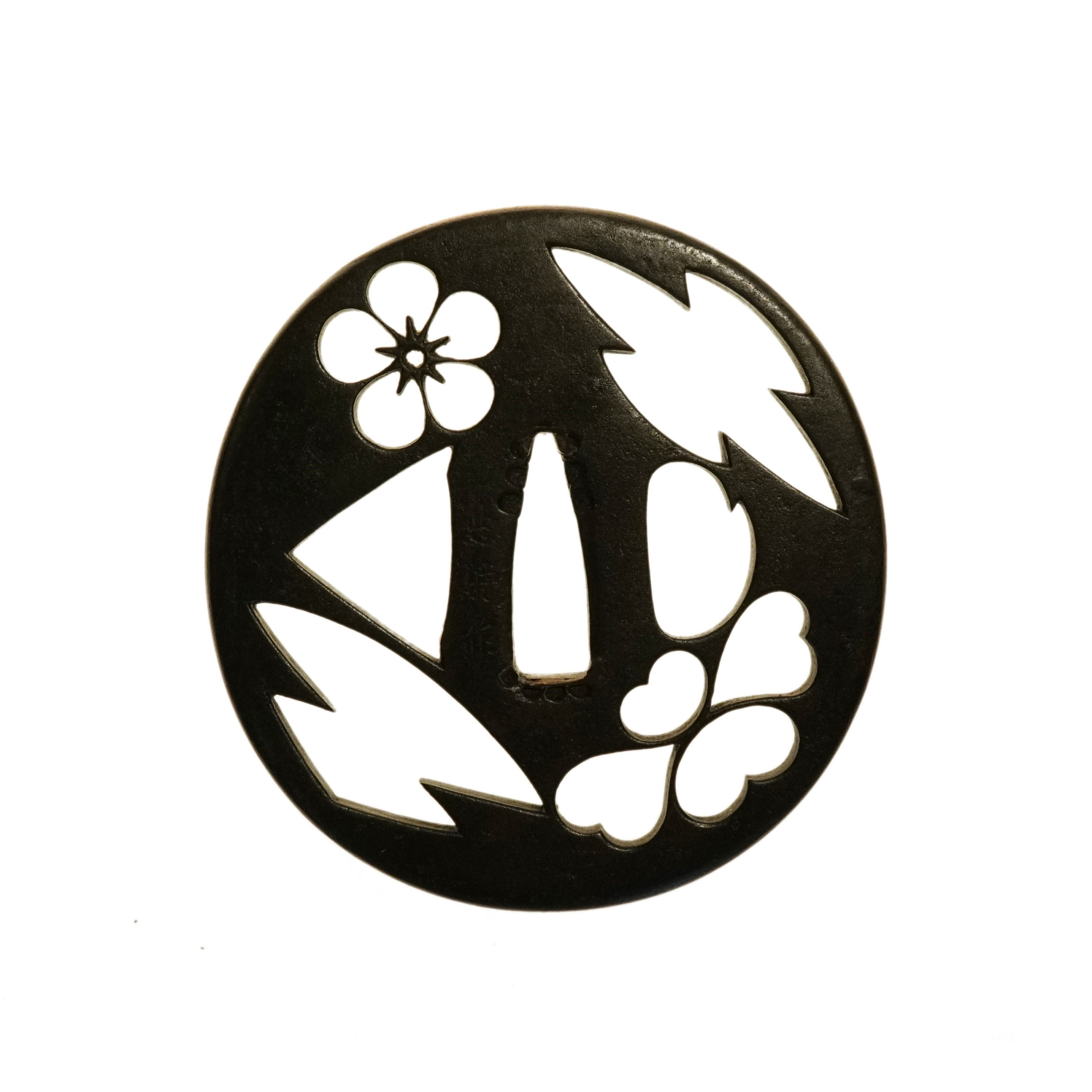
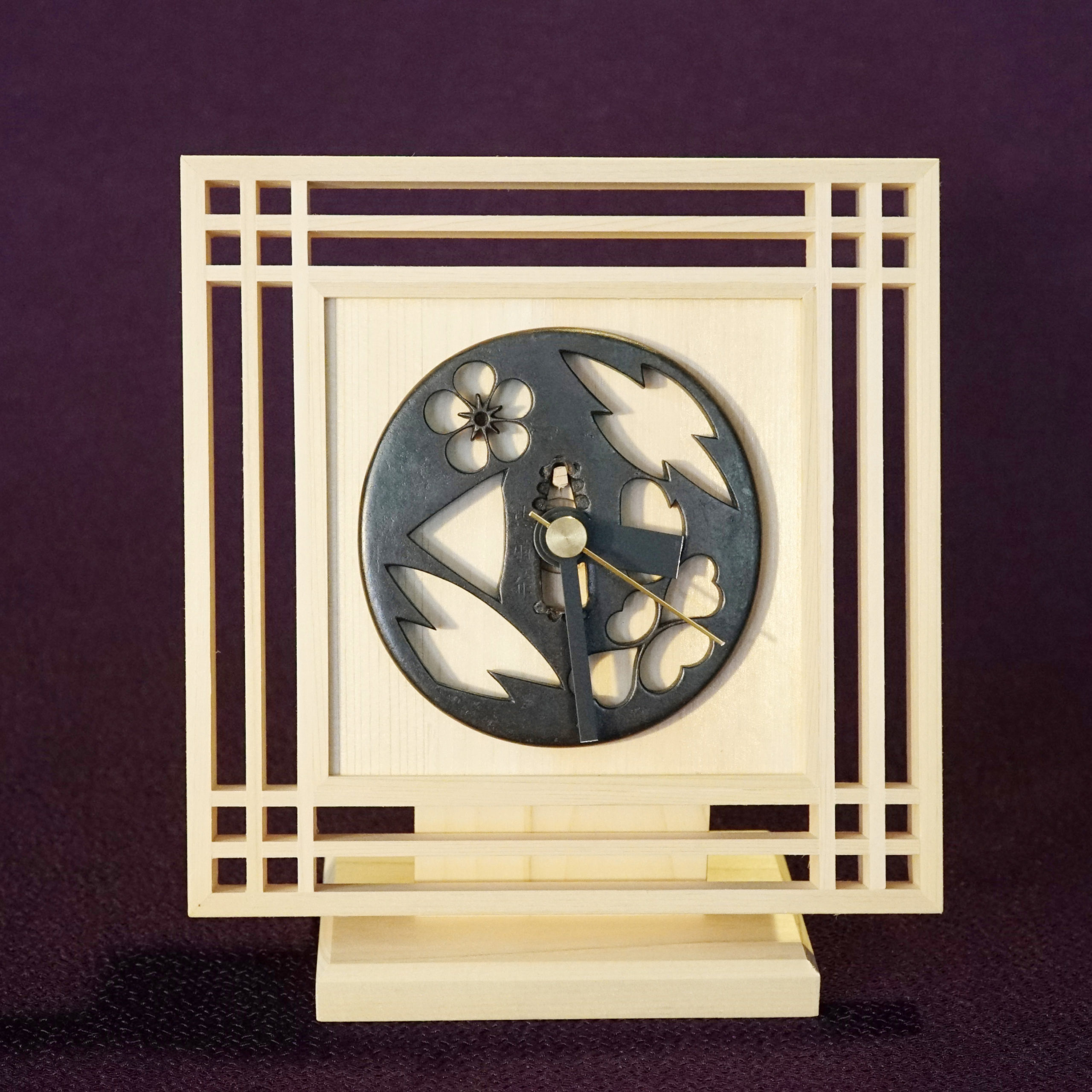
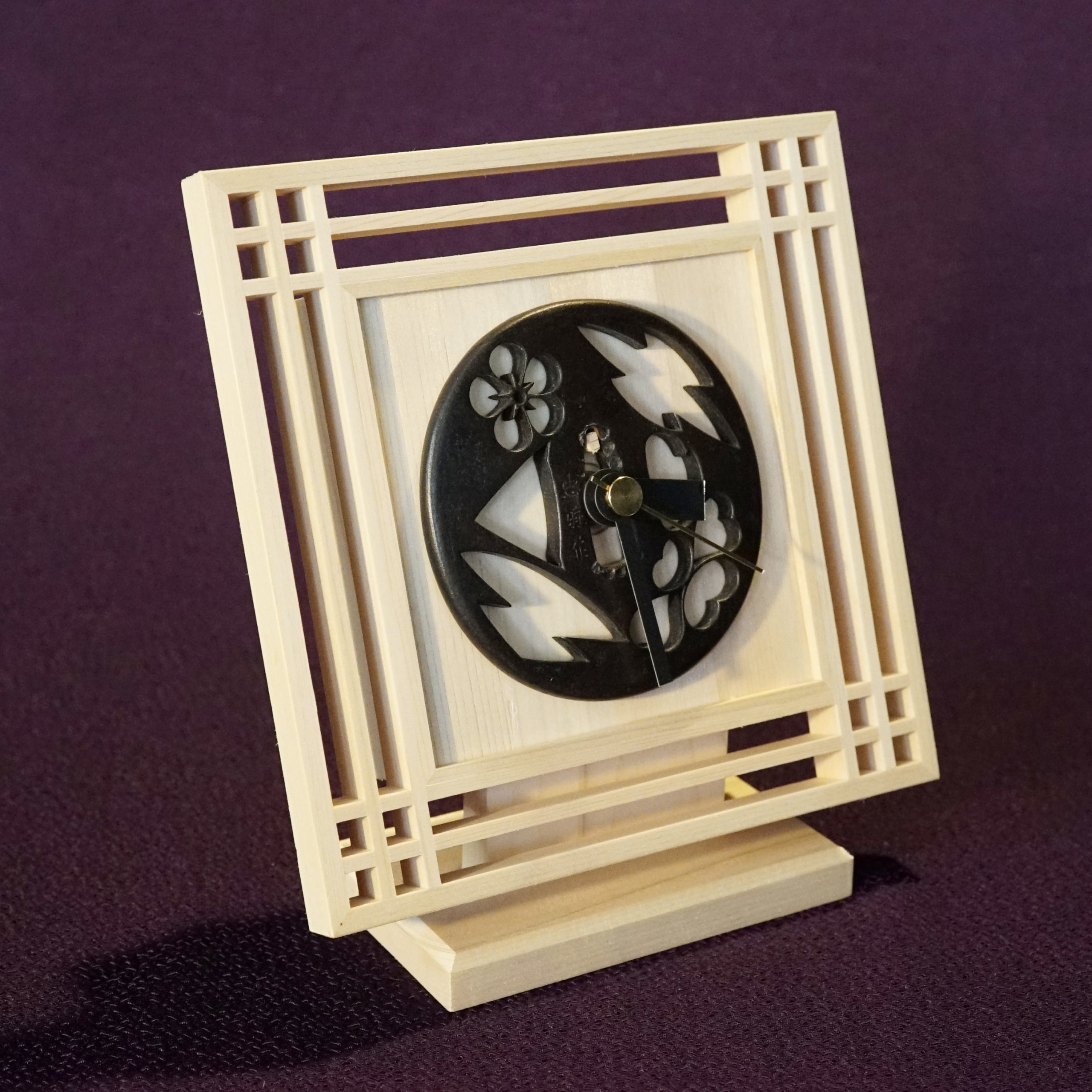
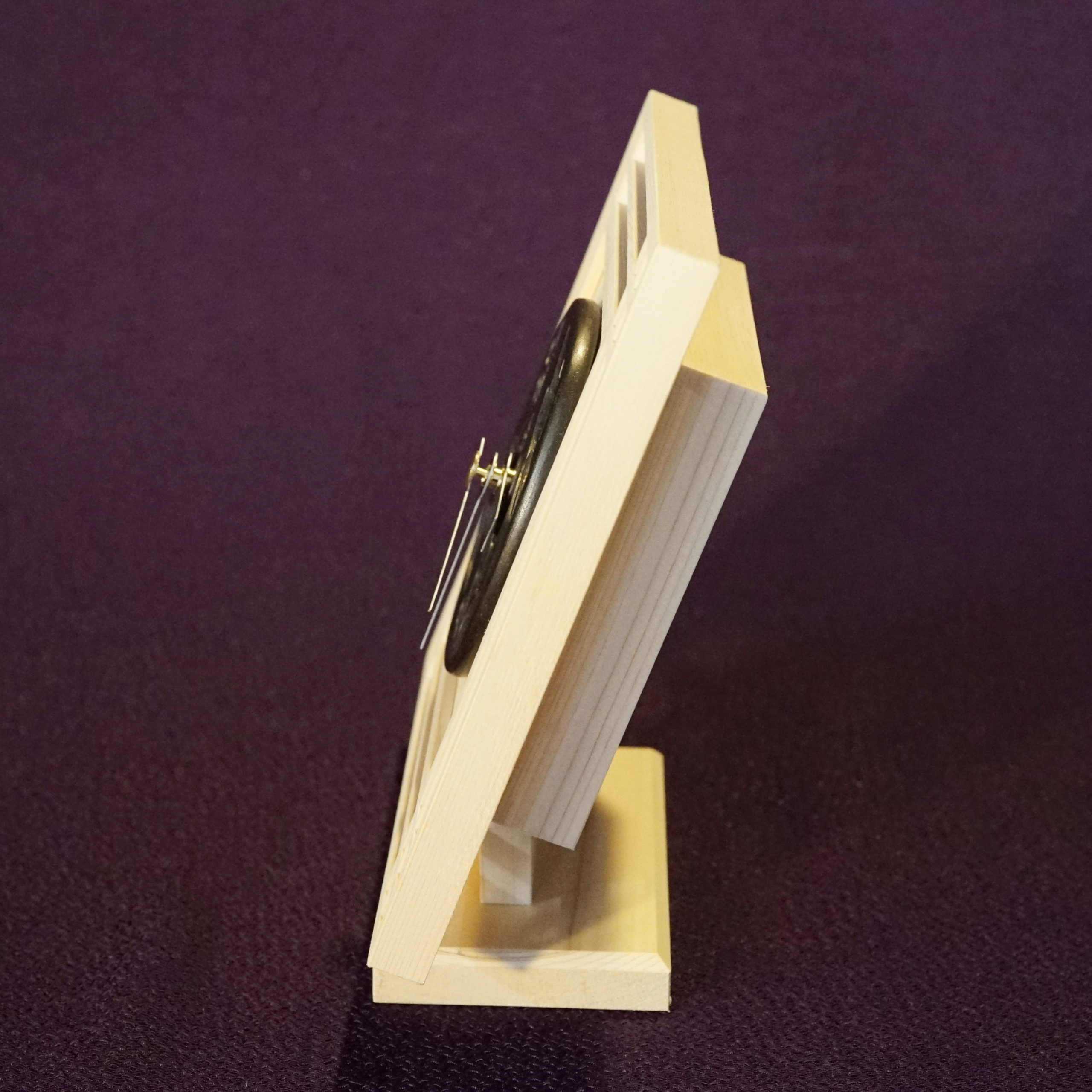
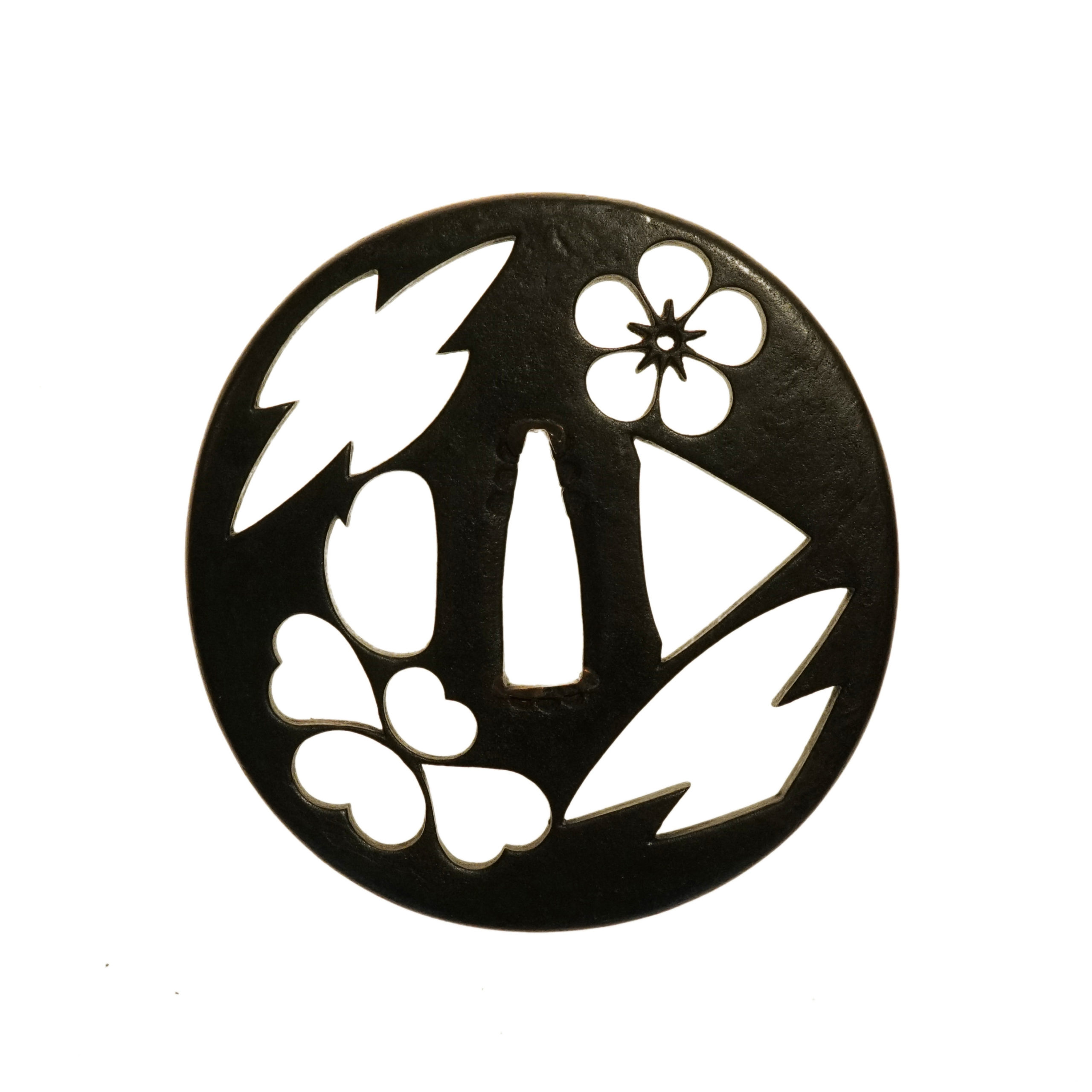
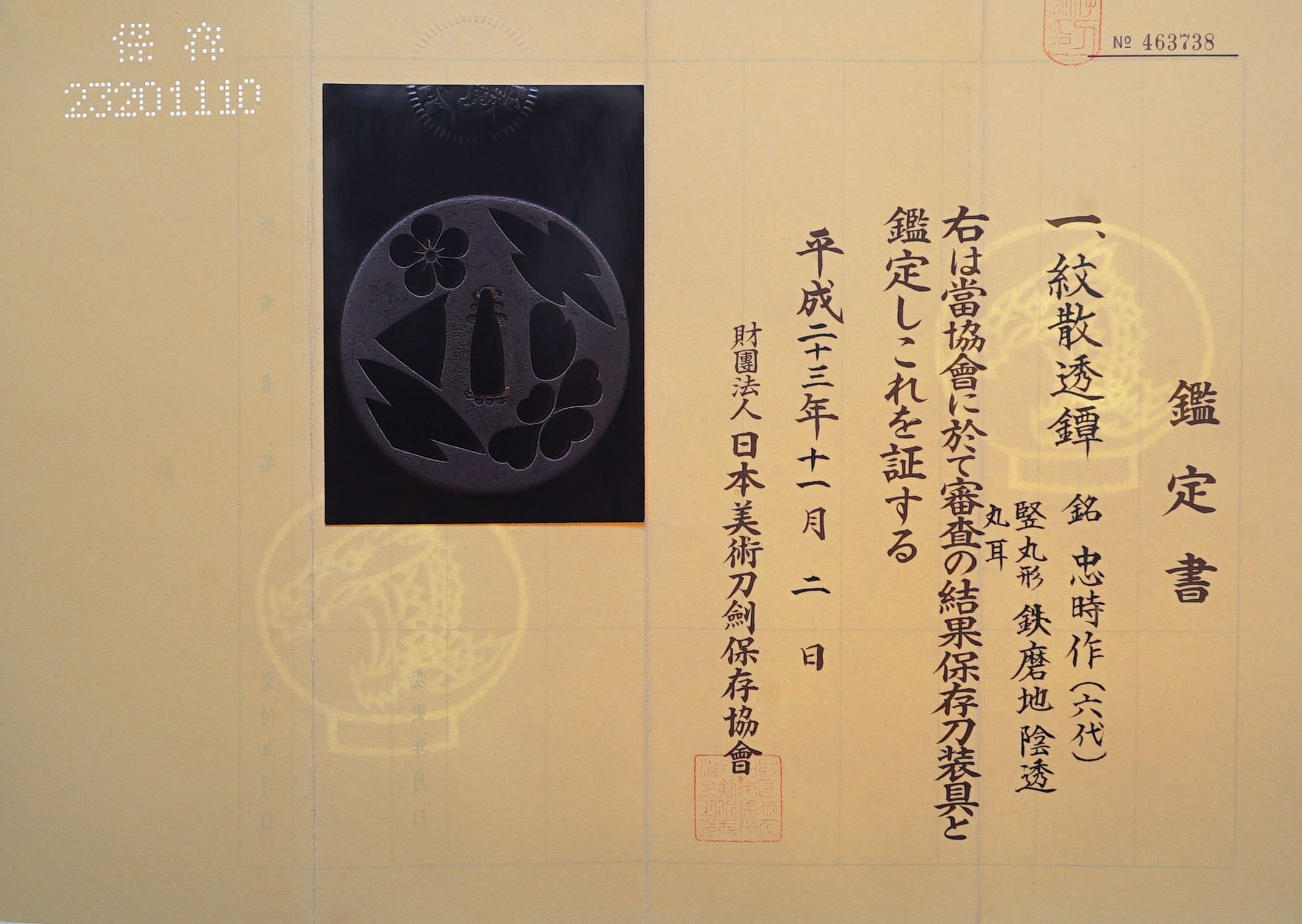
Iron-tsuba · Musashi · around 1704-1764
6 pieces on the market now
Iron-tsuba · Edo
Phase: Akasaka赤坂· 1688–1860
59 pieces on the market now
| Smith | Era | Designated |
|---|---|---|
| Tadamasa忠正 | 1624-1657 | 5 |
| Tadashige忠重 | 1730-1816 | 5 |
| Tadatoki忠時 | 1704-1764 | 0 |
| Juchiku/Toshitake寿竹 | — | 0 |
| Tadanori忠則 | 1730-1780 | 0 |
Certifies a genuine fitting worth preserving: a correct signature, or, if unsigned, an identifiable era and school, with recognized artistic and craft value.
The NBTHK (Nihon Bijutsu Tōken Hozon Kyōkai, the Society for the Preservation of Japanese Art Swords) is a public-interest incorporated foundation founded in 1948 and supervised by Japan’s Agency for Cultural Affairs (Bunkachō); it is based at the Japanese Sword Museum in Tokyo. Its expert panels physically examine each submitted work (shinsa) and issue a certificate (kanteishō) ranking it by artistic and historical merit. NBTHK papers are the most widely recognized standard of authentication for Japanese swords and fittings.
NBTHK official siteReturns/exchanges limited to defects caused by shipping (except willful misconduct or gross negligence by the company); customers must contact within 72 hours of receiving the product.