Muromachi turned sword making into an industry: the uchigatana rose with massed infantry warfare, Osafune and Seki produced bundle swords beside custom orders, and the Ming trade carried Japanese blades abroad by the tens of thousands.
 NihontoWatchNihontoWatch
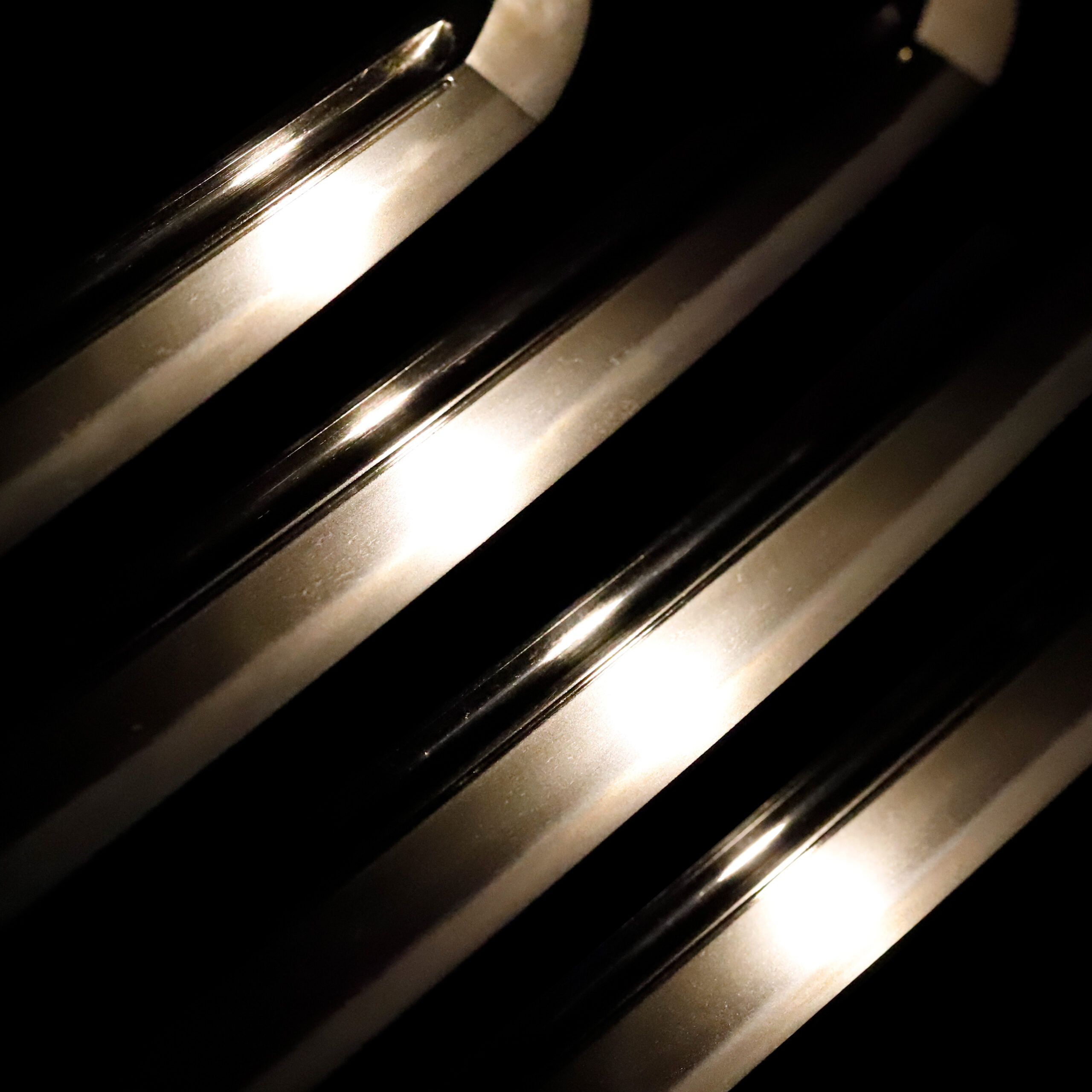
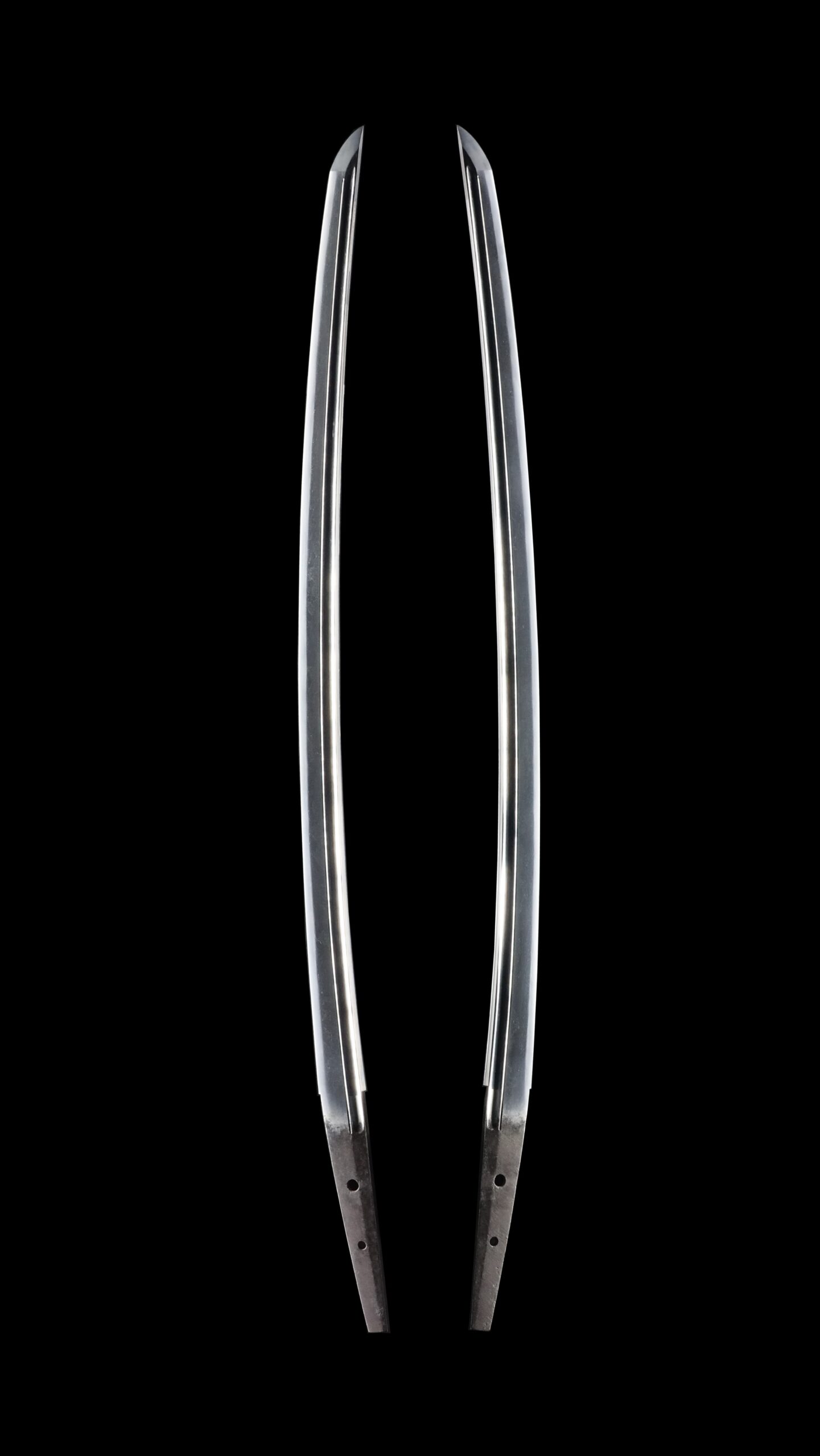
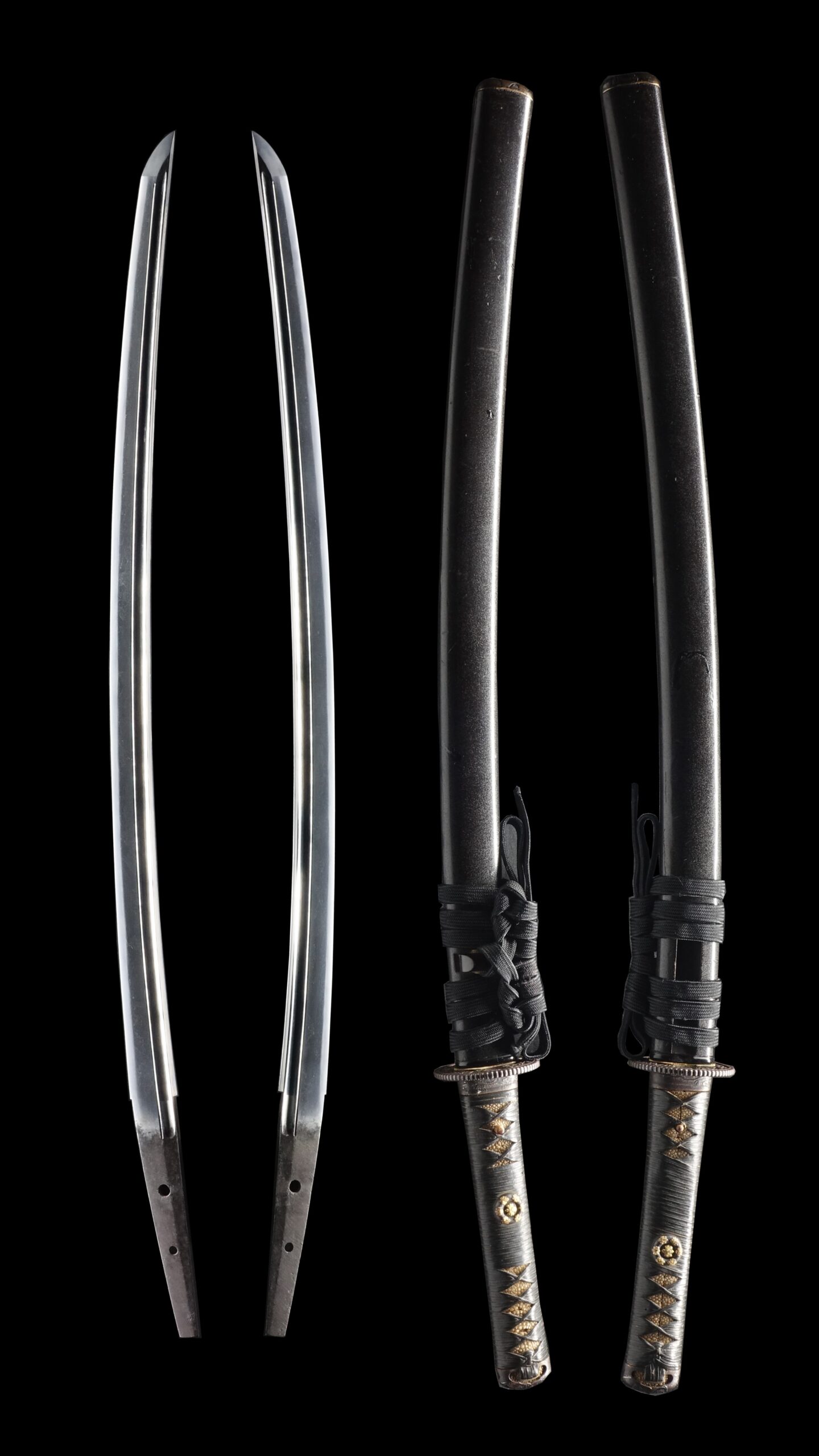
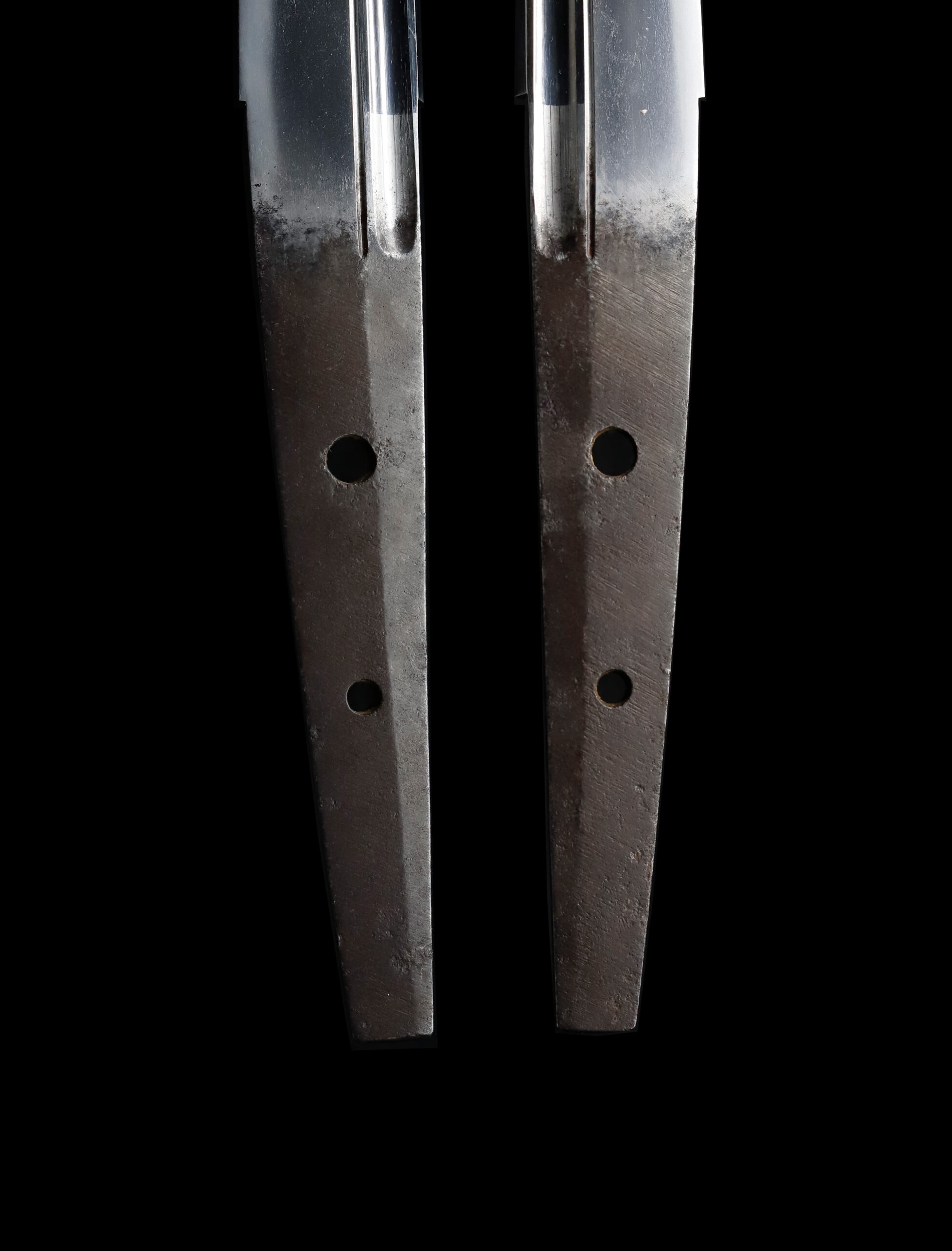
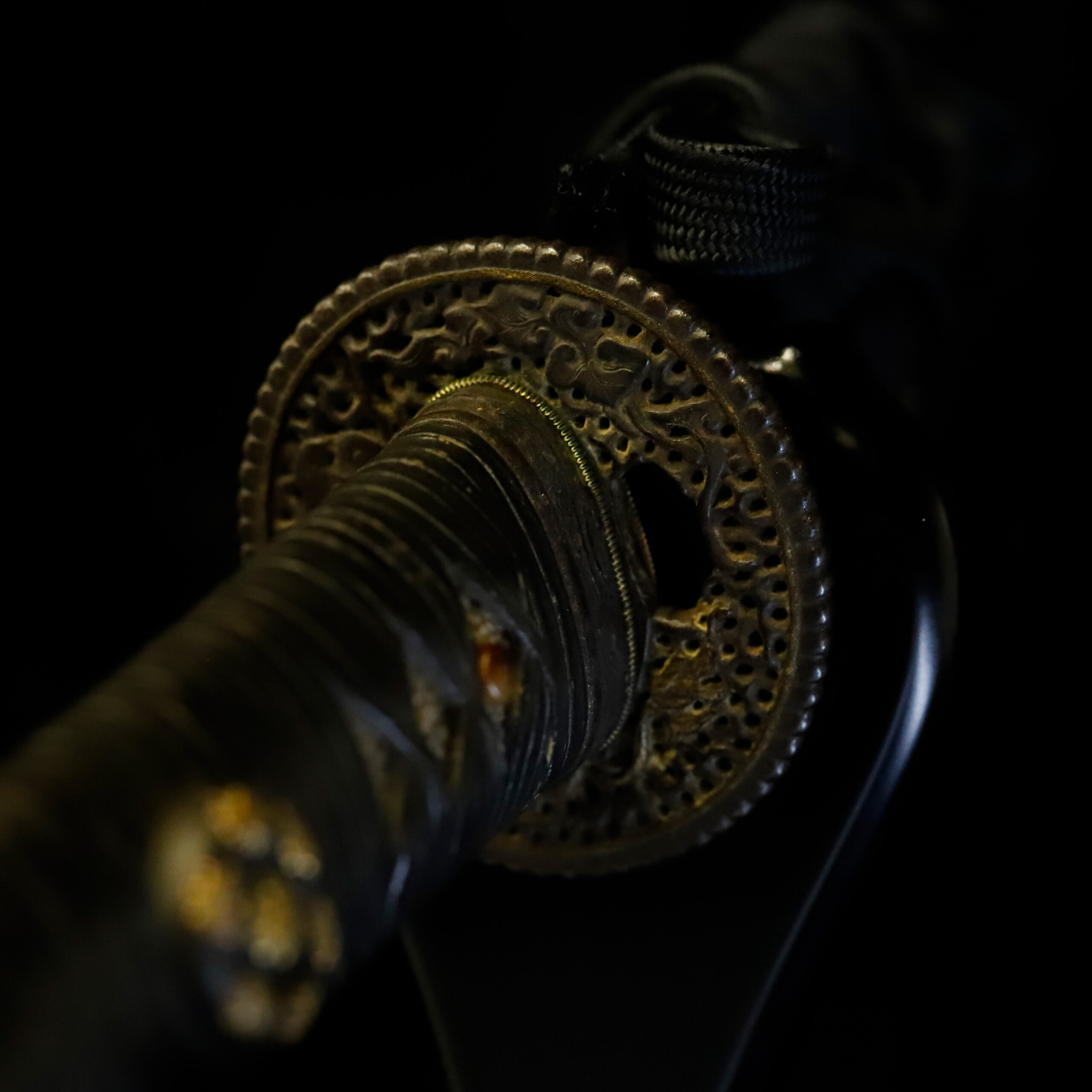
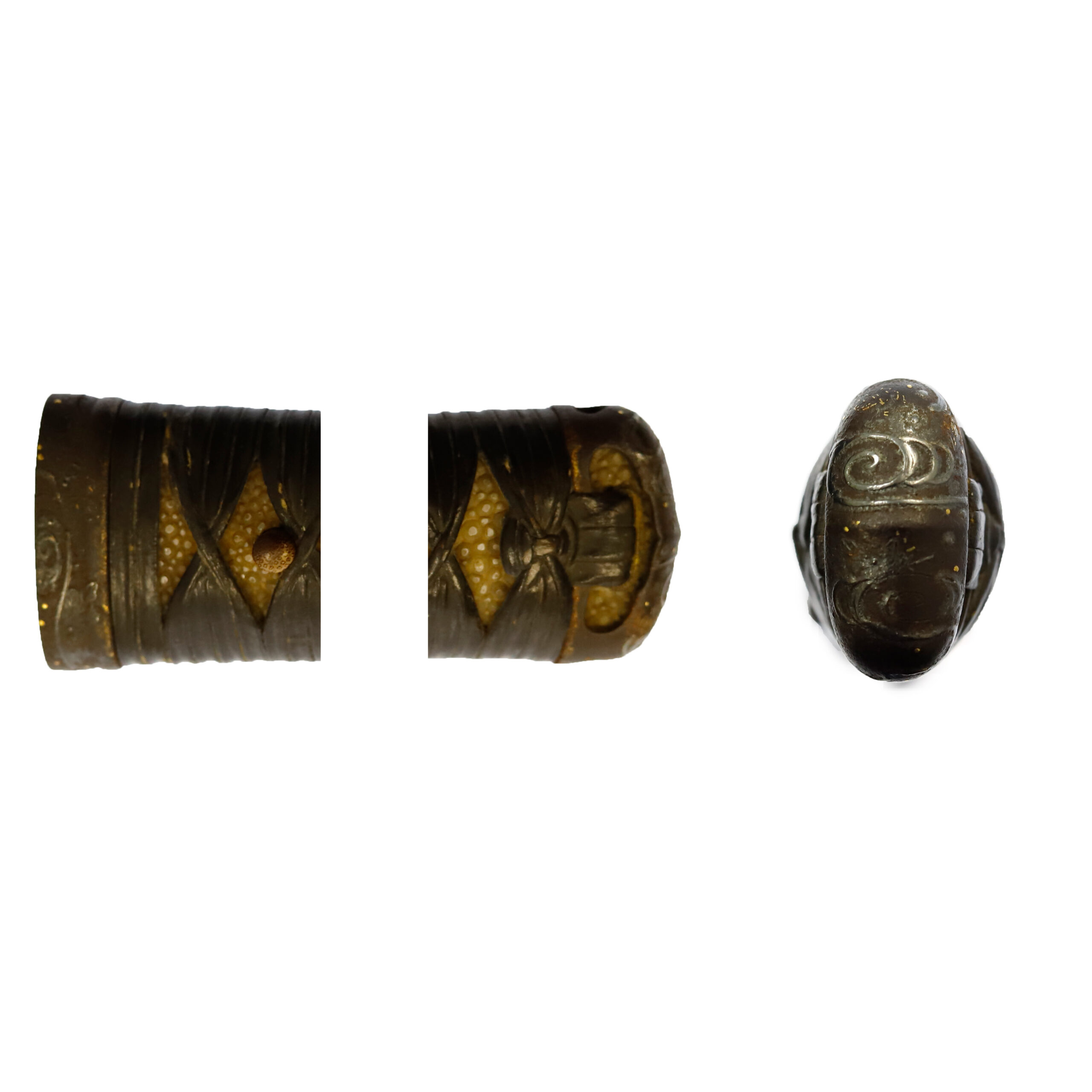
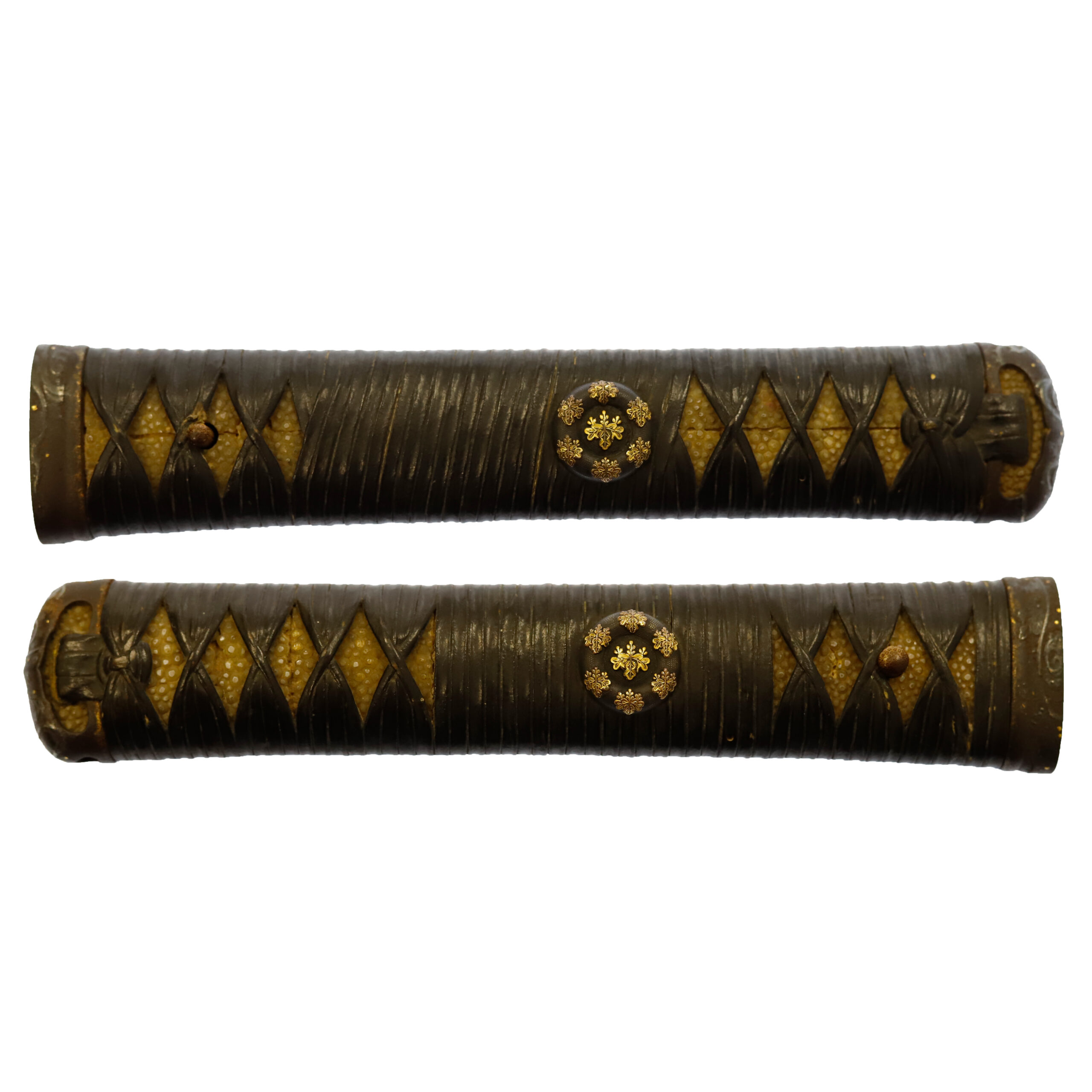
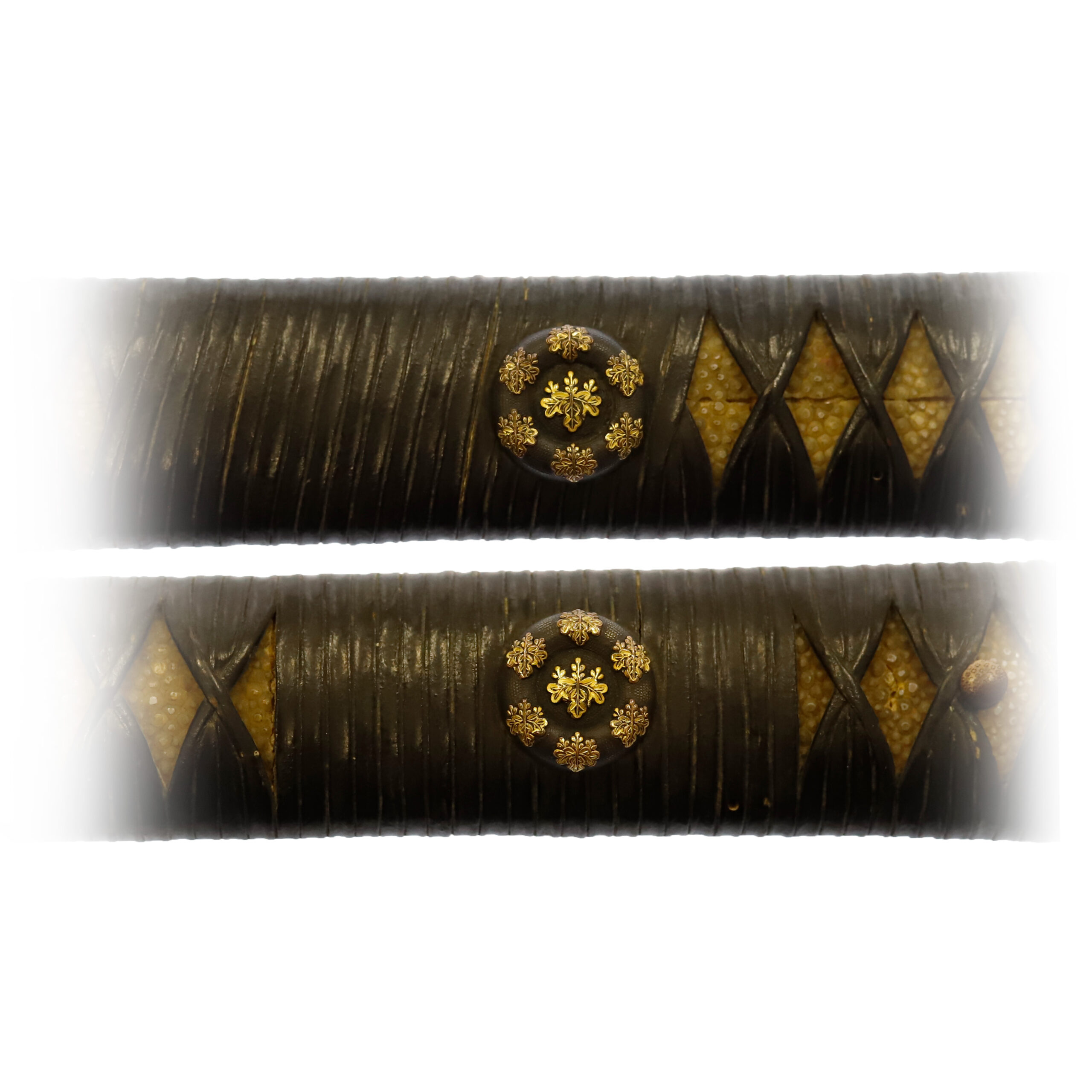
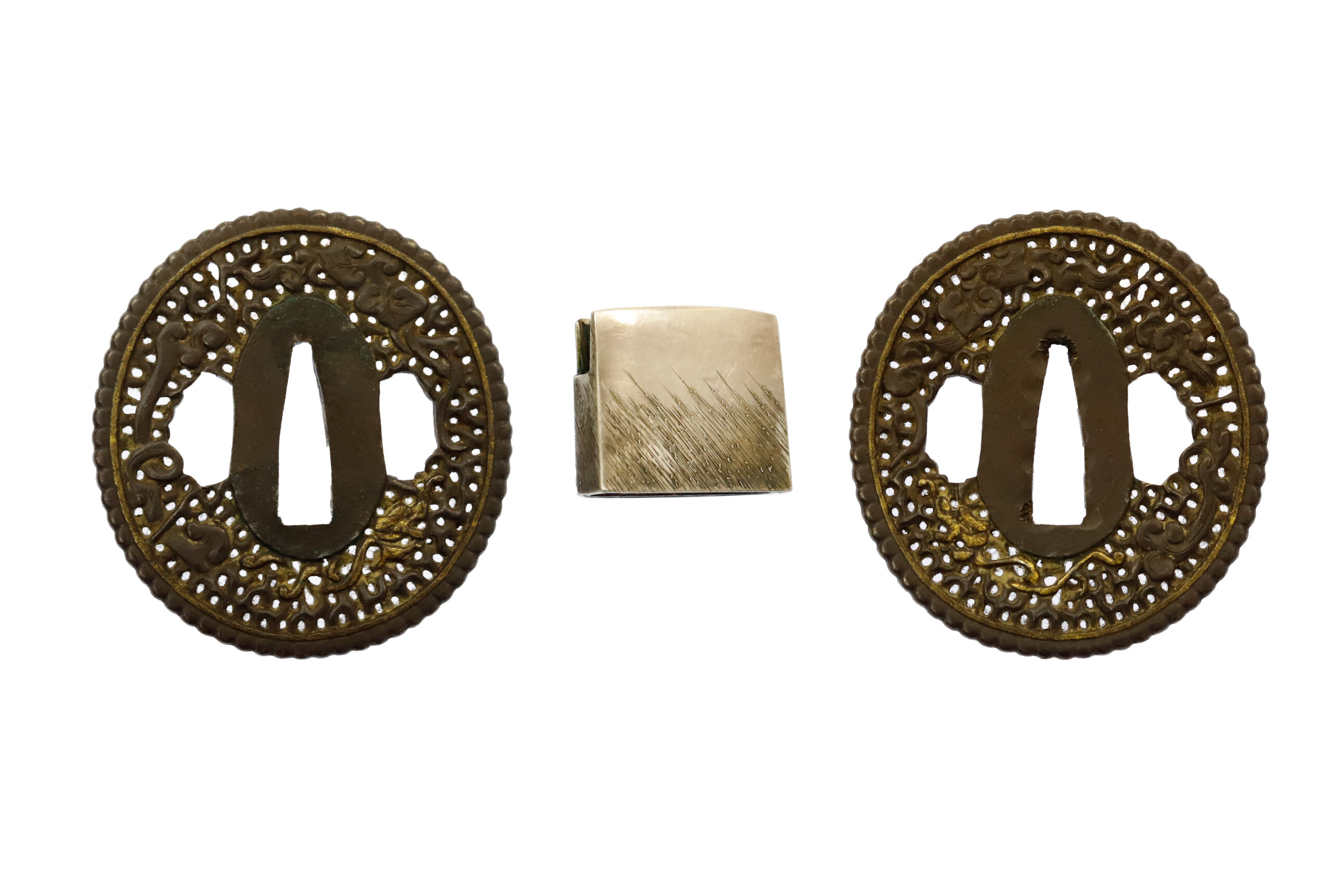
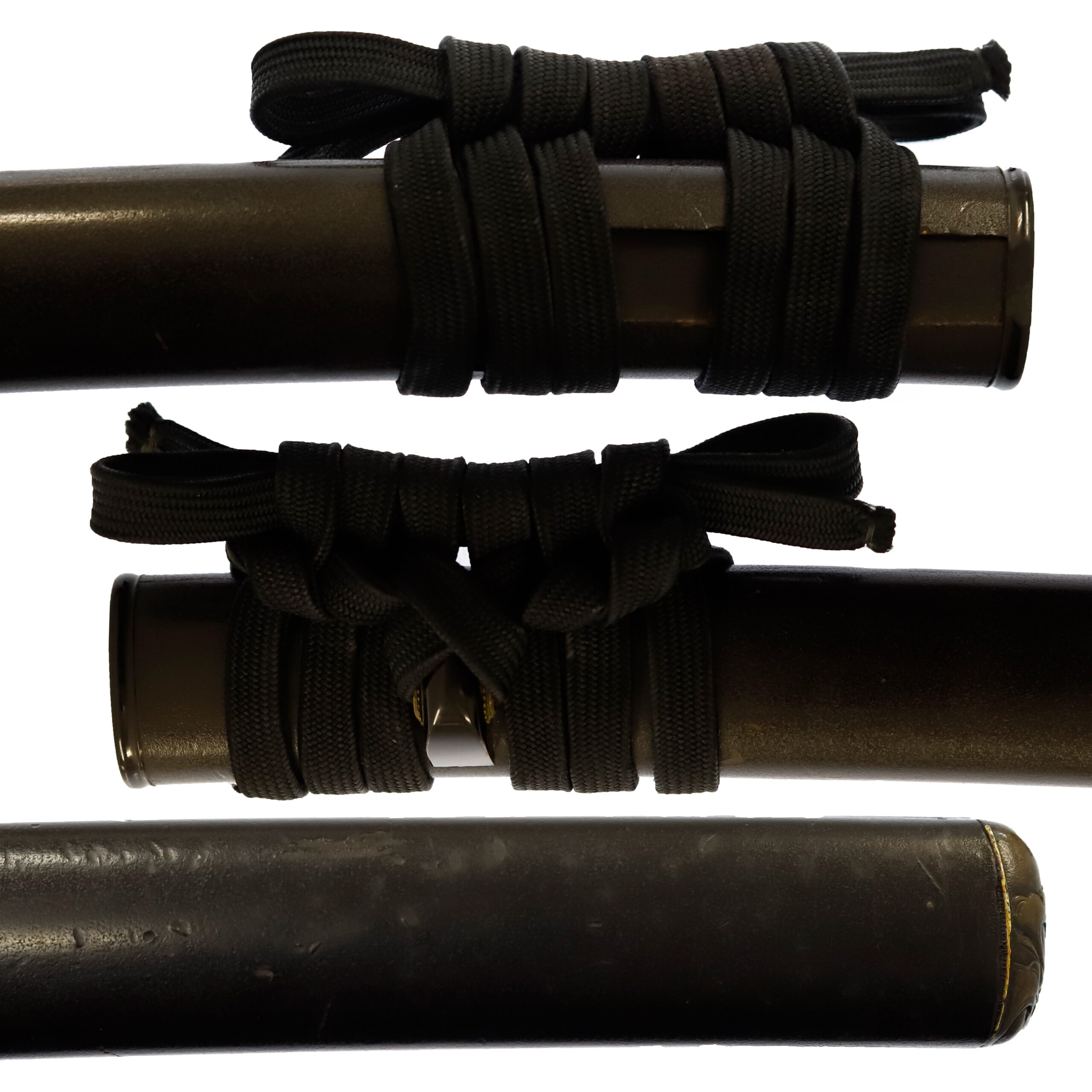
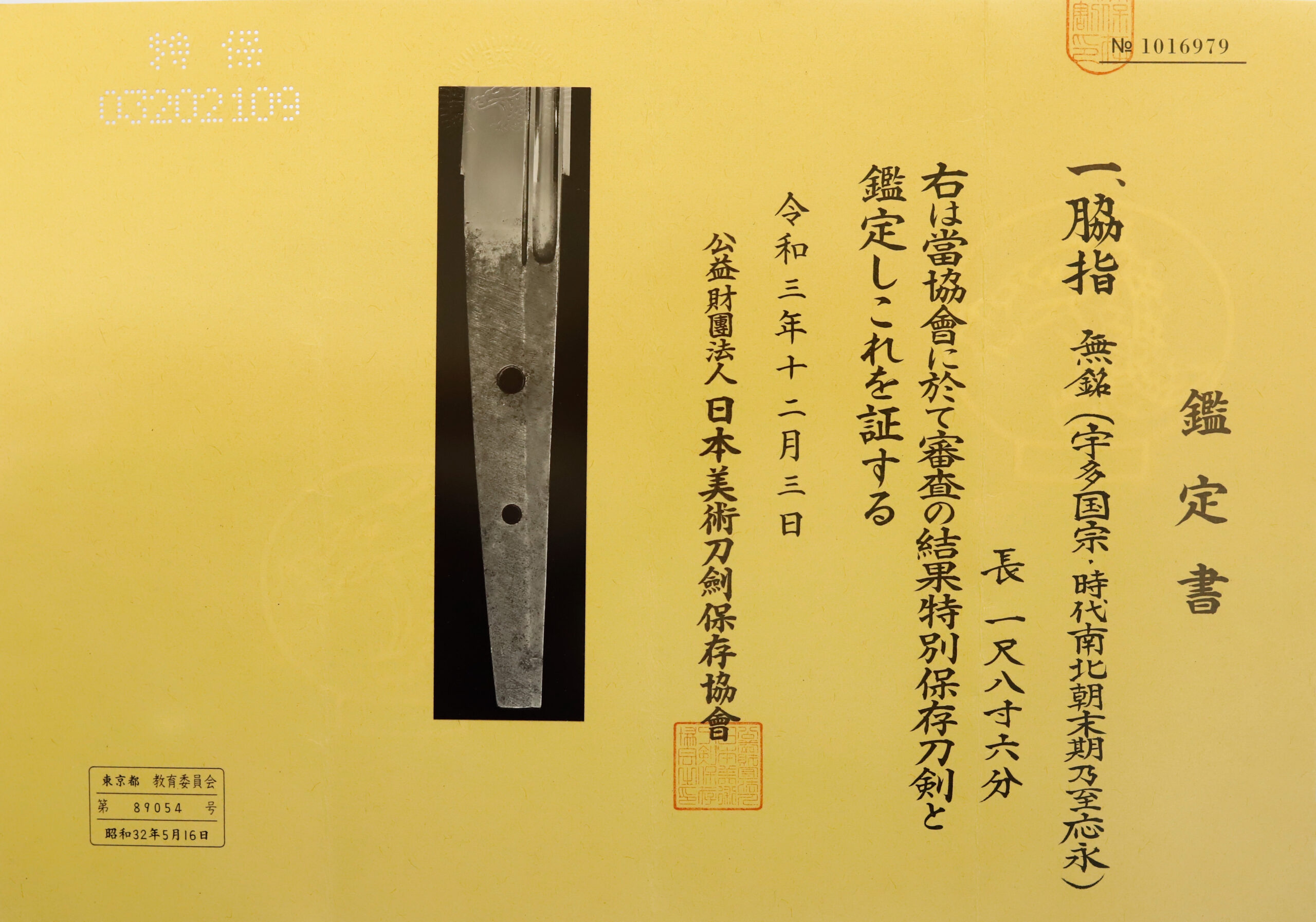
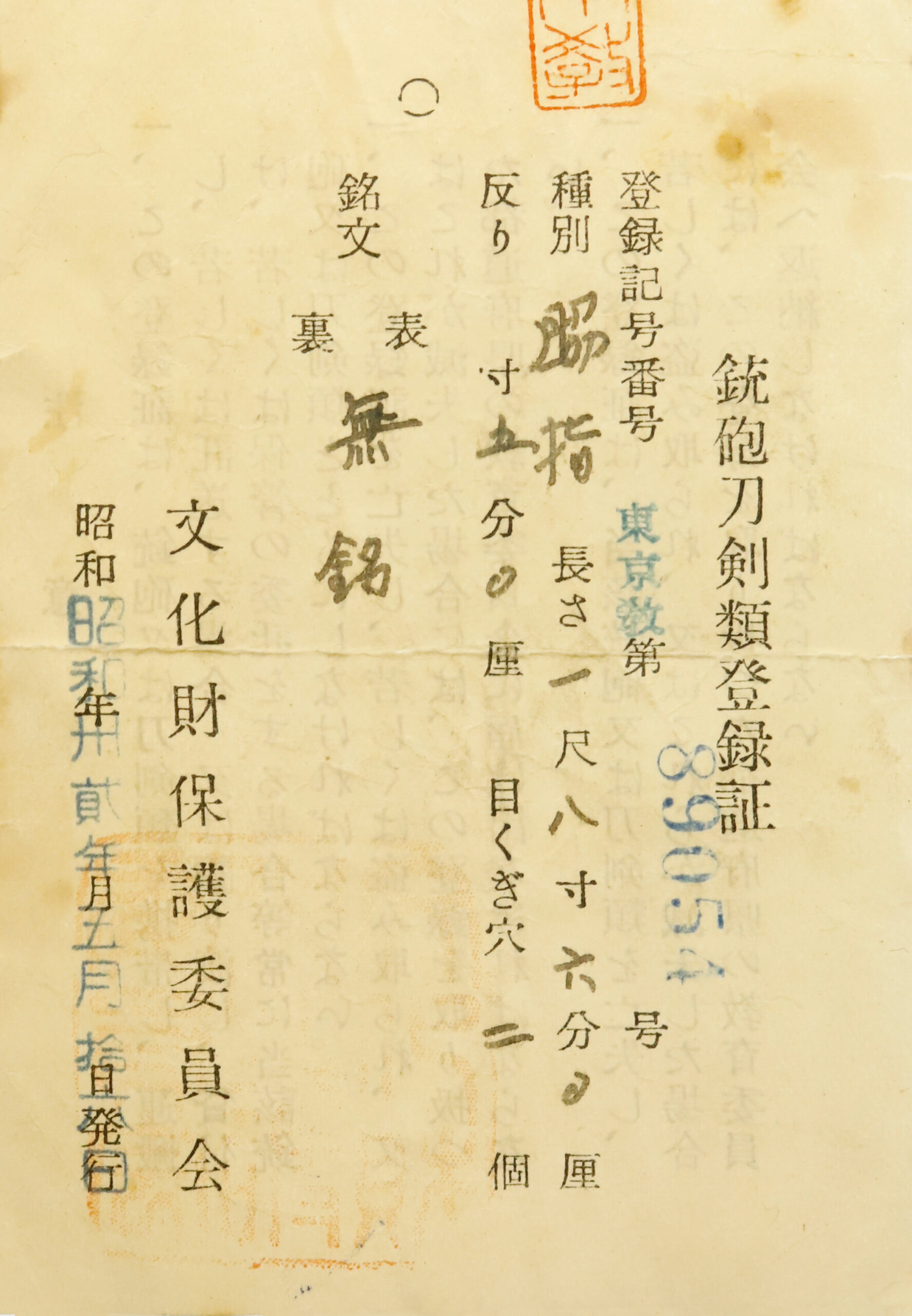
Summary This blade is attributed to Uda Kunimune (宇多国宗) during the late Nanbokucho~O-Ei era (Late 14th century-1428), according to its NBTHK Tokubetsu Hozon appraisal. Kunimune belonged to Uda school. The maker’s name Kunimune lasted a few generations. The first-gen Kunimune was the son of Kunimitsu and a younger brother of Kunifusa. All of them played an essential role in making the school prosperous. Based on its appraisal, we believe it is attributed to the late-gen Kunimune. Uda (宇多) school was especially active during the Nanbokuchoto-mid Muromachi period(approx. 1334–1491). The school was established by Kunimitsu(国光) in the late Kamakura period (late 13th century). The school was located in Etchu province in Toyama prefecture today. Kunimitsu was originally from Yamato Uda Gun(大和宇多郡), located in Nara prefecture but moved to Etchu in the late Kamakura period (1299-1333) with his apprentices, including the first-gen Kunifusa(his older brother), and Kunimune(国宗). It is said that the first-gen Kunimune made significant contributions for the school to flourish after they moved to Etchu province. The school’s name Uda came from the fact that the founder was originally from Uda Gun. Uda school was famous for producing practically designed blades, which were desirable during Nanbokucho- Muromachi period. Among other schools in the Hokuriku region (the northwestern part of Honshu), Uda school was one of the most prominent schools. When the Uda school flourished in the Nanbokucho period, Japan was tumultuous because the imperial court was split into two sides(south and north). There were many conflicts, and many Samurai were deployed. There are two categories in the work of Uda school. One is Ko Uda(Old Uda), and the other is Uda. Ko Uda swords were forged from the late Kamakura period to the Nanbokucho period (1299 – 1393). Uda blades were forged during the Muromachi period. This blade is appraised as a Tokubetsu Hozon Token(特別保存刀剣) issued by NBTHK(Nihon Bijutsu Touken Hozon Kyokai:日本美術刀剣保存協会). Fuchi-Kashira Although some engraving patterns have become challenging to see due to aging, we think the wave pattern is probably the principal design. You could see curved line patterns that express the flow of flowing water. As waves’ movements continue endlessly, the wave pattern represents eternity, immortality, longevity, birth, etcetera. People used this pattern wishing for an indomitable spirit to rechallenge time and time without giving up. Also, since tides repeatedly change the shape and terrain of rocks, some people hoped for a strong will by using this motif. This motif has been appreciated thanks to its dynamic design, especially for men’s Kimono (traditional Japanese costume). The wave pattern might have been incorporated into sword mountings based on such an idea. Tsuka and Menuki The Gosan-no Kiri (五三の桐) patterns are designed on this Menuki. We estimate it was designed here as a family crest. A large one is placed in the center of the circular of Menuki, and six identical family crests are arranged at equal intervals on the circumference. The Kiri (桐) pattern is generally composed of three standing straight inflorescences and three leaves. The number of blooming flowers at each inflorescence means the ranks of this design. The Gosan-no-Kiri pattern is a popular design in that the paulownia motif is used. This pattern was once used by the imperial family and people in authority back then. Today, it is permitted to use by ordinary households and is appreciated as their family crests. The family crest became a mark representing the family, and it became a symbol of authority, especially in Samurai families. It is just a possibility, but this family crest might have been designed here to represent the family lineage of the former owner of this sword. Tsuba and Habaki This Tsuba has the Nanban (南蛮) -style Tsuba. Nanban Tsubas usually have circle shapes or Mokkou shapes. Dragons, foreign letters, or arabesque designs are often engraved and inlaid with gold or silver on the thin iron. This style’s Tsubas have an exotic mood. On both sides of this Tsuba, you would find the figure of a dragon expressed in an abstract design. It seems golden coloring (probably gold or brass inlay) was initially applied to these dragons. Combined with the background pattern, it looks like a dragon is pushing forward through clouds or waves. Initially, the dragon was an imaginary creature found in ancient foreign traditions or myths. The dragon was thought to reign at the top of all animals because of its odd appearance. Furthermore, it is regarded as a symbol of auspicious signs. Its body is likened to nine animals: antlers are deer, the head is a camel, eyes are demons, the neck is a snake, the belly is the Mizuchi (蛟, a mythical animal in Japan that looks like a snake and has a horn and four legs), scales are fish, claws are falcons, palms are tigers, and ears are cows. Saya *Please keep in mind that there is a trace of restoration on this Saya. If you like to have a Kozuka for this Saya, please feel free to contact us. Authentication Paper They authenticated the blade on Dec. 3rd in the 3rd year of Reiwa (2021). They appraised it as Tokubetsu Hozon Touken, the blade especially worth preserving for Japanese society.
Offered by Samurai Museum
This piece has sold
Get an email when a new Uda Kunimune piece hits the market.

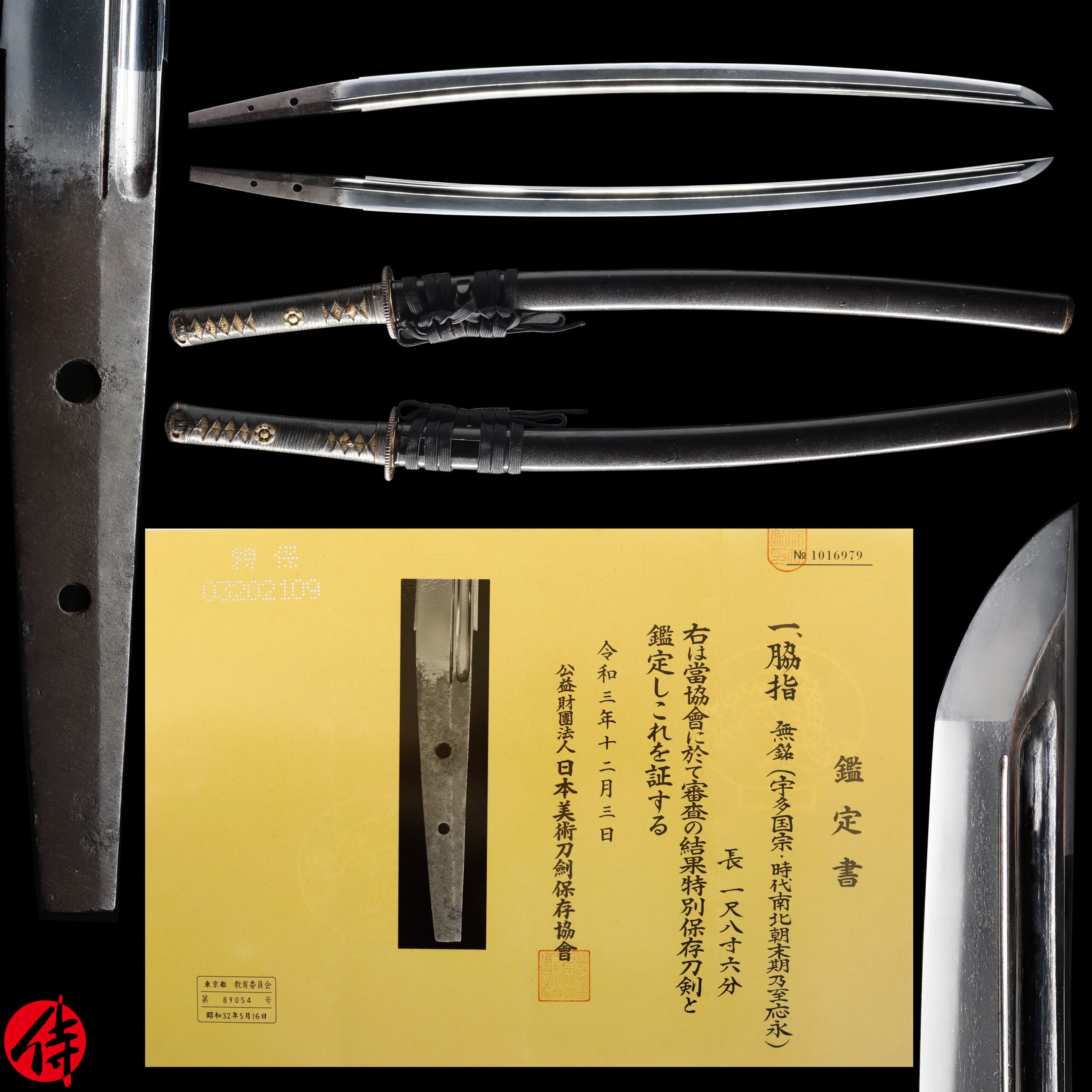
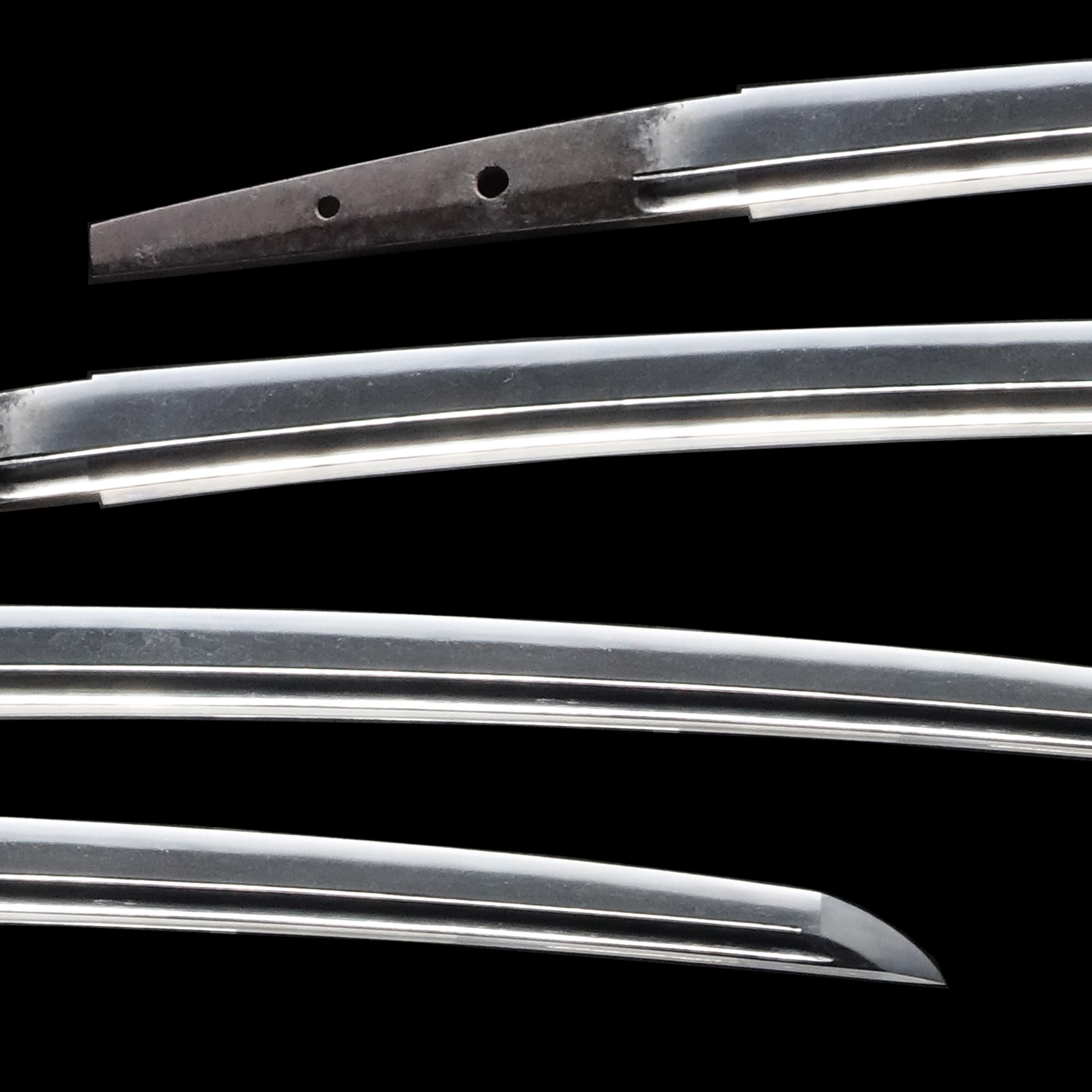
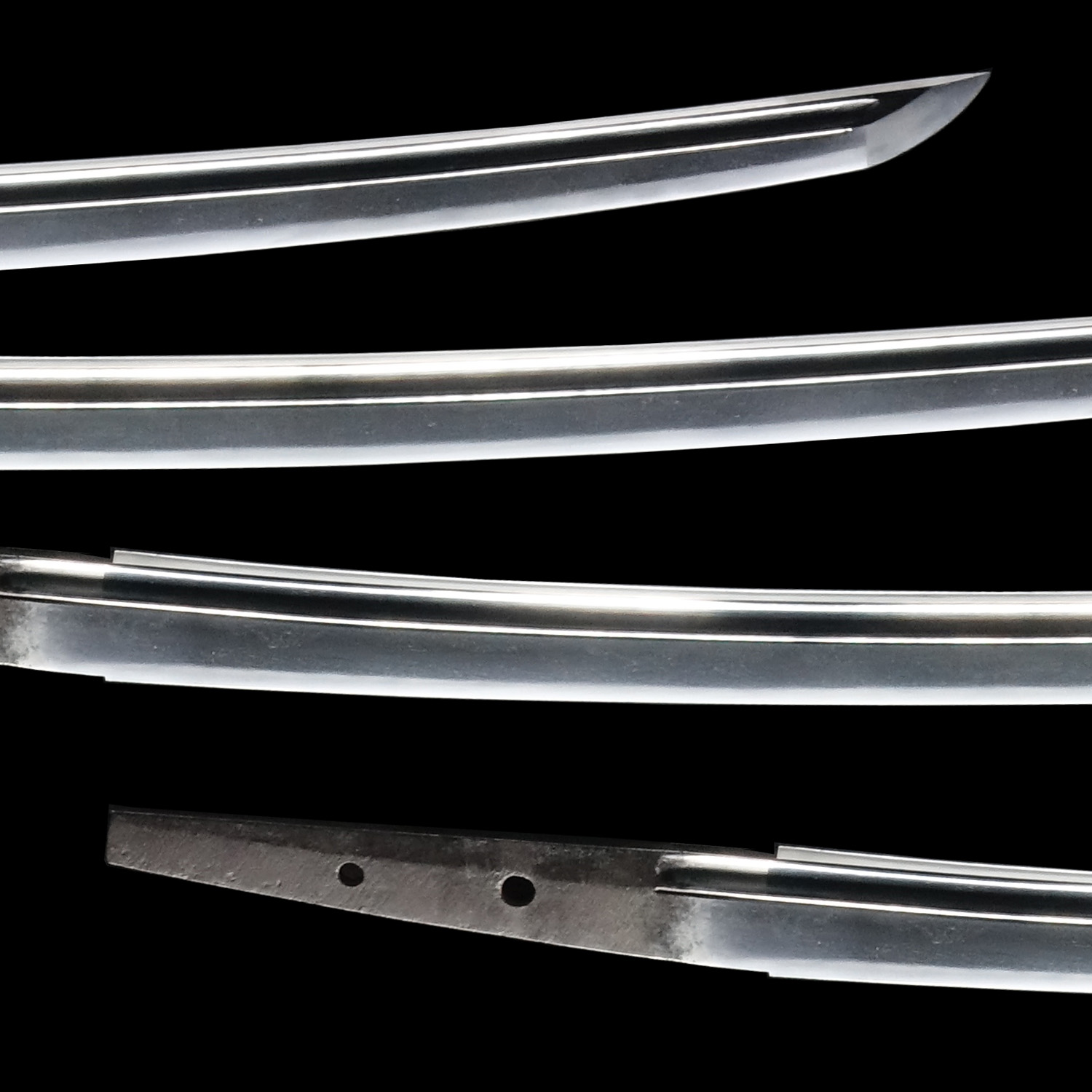
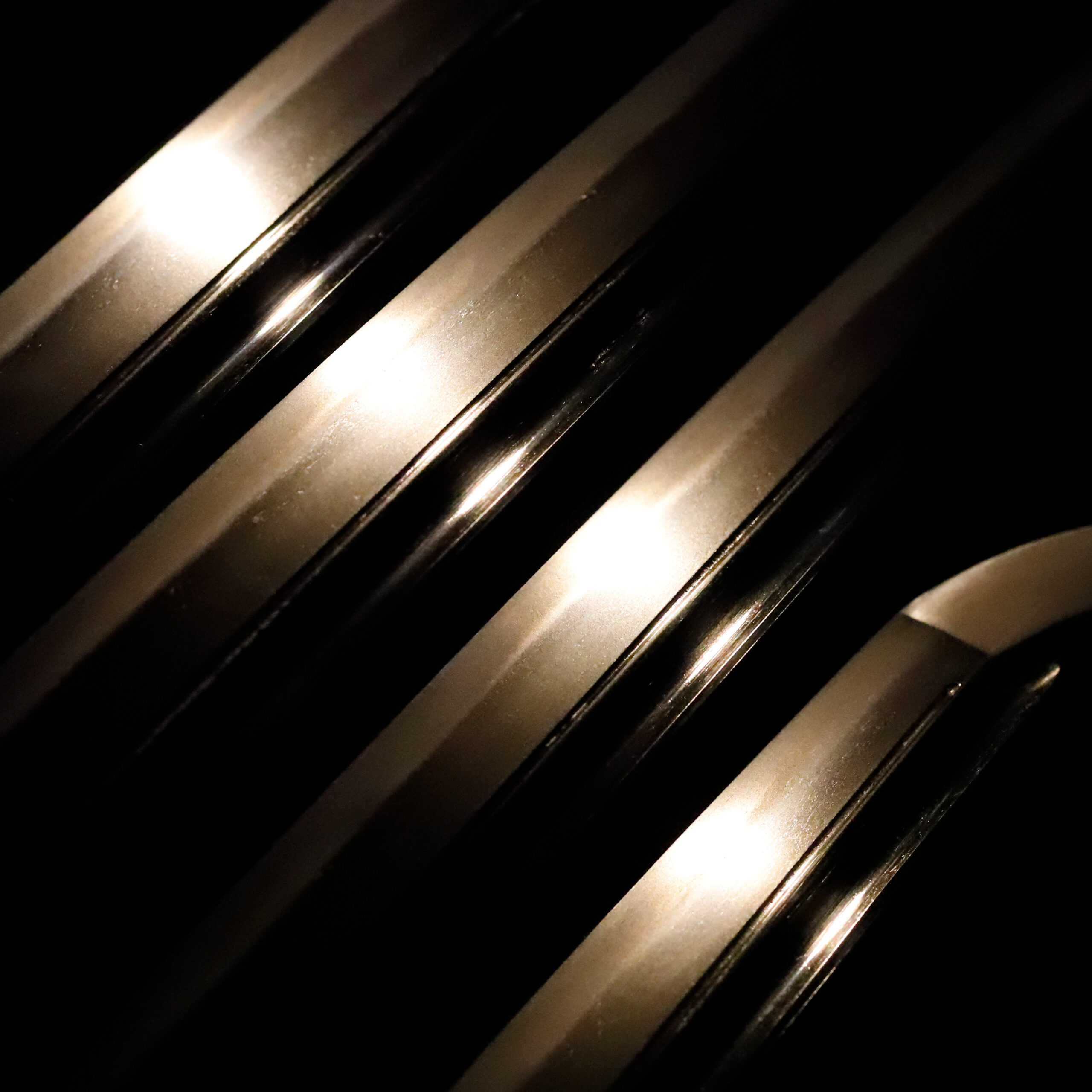
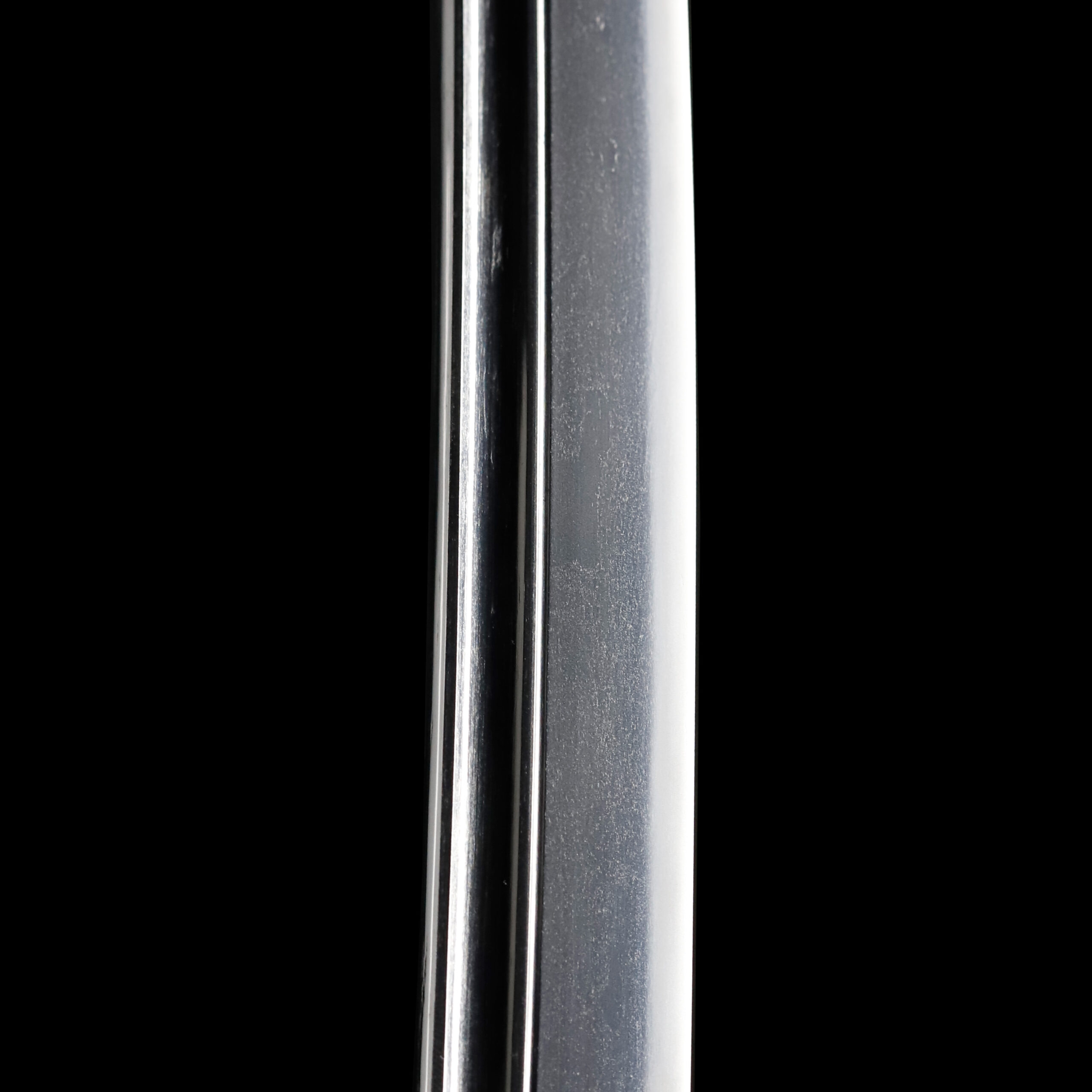
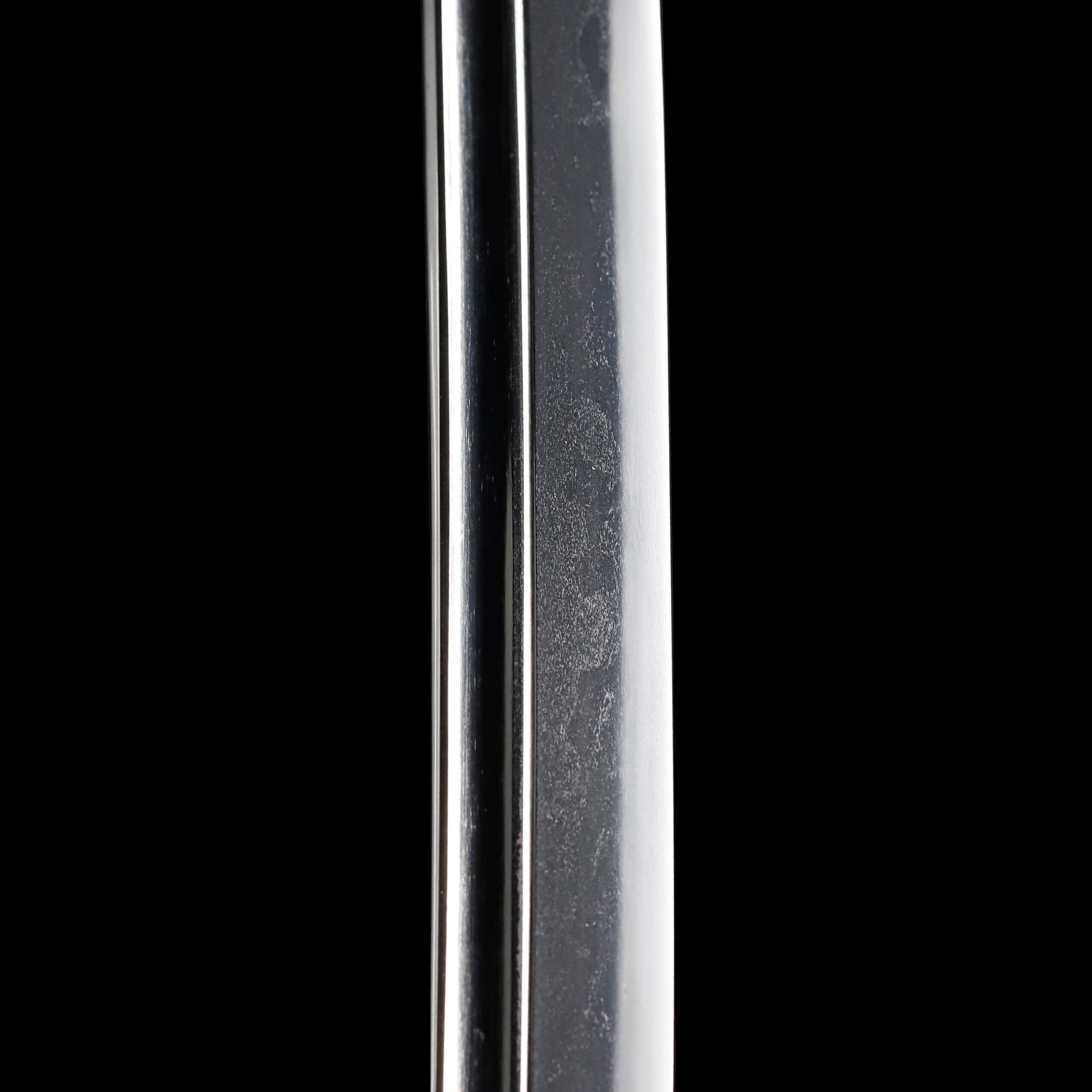
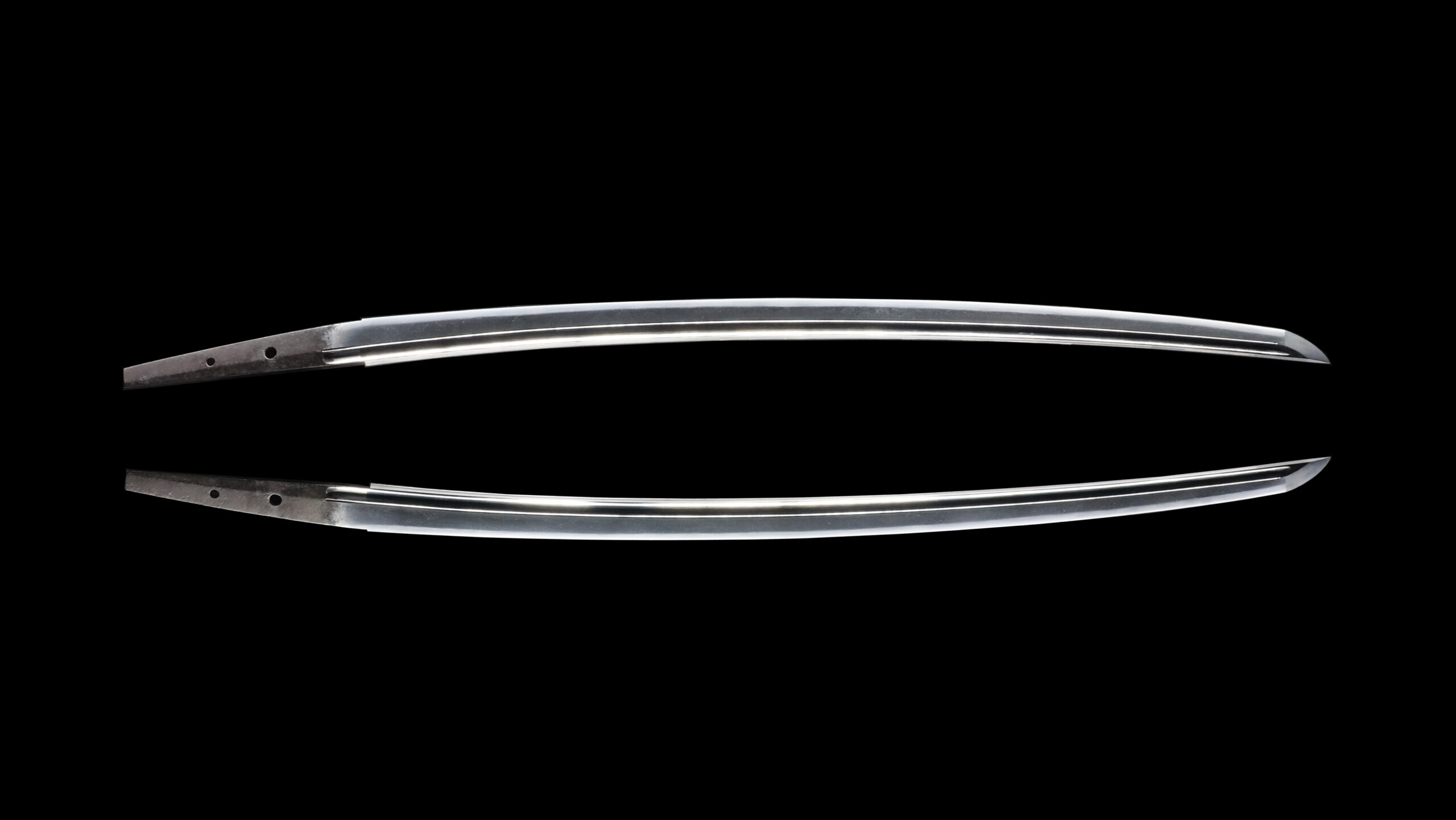
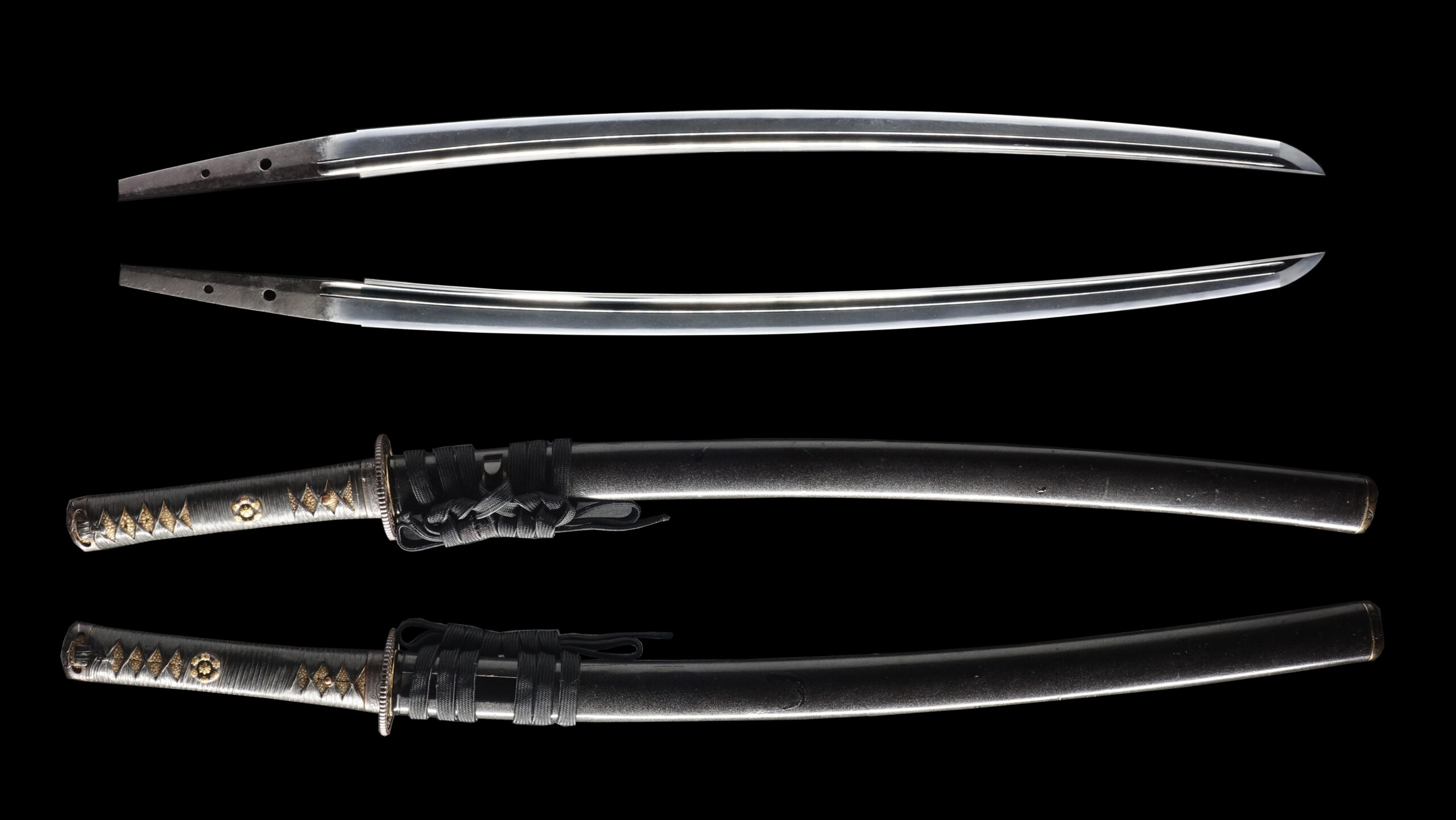
Wakimono · Etchu · around 1394-1428
Tōken Taikan top 37%
1 piece on the market now
Where Kunimune stands among comparable artisans: across all of nihontō, and within tradition, era, and period. The tiers (Foremost · Leading · Major · Notable) weigh official designations from the NBTHK and Japan's Agency for Cultural Affairs, together with historical honors of lasting repute such as the Sansaku and Meibutsu-chō.
Select a lens to see how it's measured.
Wakimono · Etchu
Phase: Uda宇多· 1390–1596
25 pieces on the market now
Where Ko-Uda closes with the Nanbokuchō generations, the chapter that follows opens in early Muromachi and runs to the end of the period. The setsumei draw the boundary plainly: works that descend no later than Nanbokuchō are called Ko-Uda, while everything thereafter is referred to simply as Uda. This later phase is the long Muromachi continuation in Etchū, where the Kuni-named line that began with Ko-Nyūdō Kunimitsu of Uda District in Yamato extends across successive generations sharing single names. Kunihisa, read by the meikan as son of Kunifusa and active from the Ōei era, runs through several generations down to the close of Muromachi; Kunimune carries from Nanbokuchō into Muromachi with dated pieces around Bunmei; and the later registers add Kuninaga, Kuniyoshi, Hirakuni, Sanekuni, Kunikiyo, Tomohisa, and Kunitsugu, names the sources place from Eikyō through Tenshō. Because individuals individuate little, a signed blade of this phase is appraised as the manner of its dated moment rather than the hand of one smith. The steel of the later phase keeps the school's northern foundation while standardizing its expression. The setsumei describe itame mixed with mokume, the grain overall standing (hada-dachi) and tending to flow (nagare), with ji-nie adhering and chikei entering; the jigane leans blackish, and a shirake-utsuri stands distinctly in the ji, sometimes with ji-madara mottling. Over this the temper most often opens as a suguha-based or chū-suguha line into which ko-gunome runs continuously from base to point, ashi and yō entering, ko-nie adhering along a bright nioiguchi, with sunagashi and occasional kinsuji.
A second, more agitated face mixes gunome, ko-notare and pointed togariba with thick nie, yubashiri and tobiyaki that on a Kuninaga wakizashi tend toward hitatsura. Against the earlier Ko-Uda this reads more regularized: where the early generations stayed close to their Yamato and Sōshū models with archaic ji-ha, the later hands settle into the elongated Ōei tantō form (broad for its width, with uchizori) and, in the katana, the wide sun-nobi sugata of advancing Muromachi. The Kunitsugu katana shows this drift toward coarseness directly, its itame standing and rough, the nie uneven and the temper darkening at the edge. To separate later Uda from Ko-Uda is to read the steel before the temper. The whitish, standing jigane with its blackish cast and shirake-utsuri returns a blade to this phase even when a nie-laden midare recalls Sōshū at first glance, and a tightly forged ko-itame may, as with the better Kunihisa pieces, approach Rai Kunimitsu or Rai Kunitsugu before the dark northern grain brings it home. Distinctive markers recur across the named smiths: the bōshi that becomes pointed and is tempered down with a long kaeri, the flaring (susodoshii) nakago-jiri, somewhat coarse rounded nie mixed within the ha, and the particular shaping of the character kuni in the signature. Dated and signed pieces anchor the chronology, from a Kunihisa tantō of Ōei 7 to a Kunimune wakizashi placed around Bunmei and Hirakuni and Sanekuni works set near Tenbun. Provenance for the phase tends toward settled holding, with examples recorded in Honma's inventory of the Imperial collection rather than circulating. Learn more →
| Smith | Era | Designated |
|---|---|---|
| Kunihisa國久 | 1394-1428 | 10 |
| Kunimune國宗 | 1429-1479 | 5 |
| Tomotsugu友次 | 1381-1384 | 3 |
| Kunimune國宗 | 1394-1428 | 3 |
| Kunitsugu國次 | 1469-1487 | 3 |
The Muromachi period (1392 to 1573)
Muromachi turned sword making into an industry: the uchigatana rose with massed infantry warfare, Osafune and Seki produced bundle swords beside custom orders, and the Ming trade carried Japanese blades abroad by the tens of thousands.
A Hozon-certified blade judged to show notably superior workmanship and a better state of preservation. The bar is higher: re-tempered blades and most unsigned Muromachi/Edo works are excluded.
The NBTHK (Nihon Bijutsu Tōken Hozon Kyōkai, the Society for the Preservation of Japanese Art Swords) is a public-interest incorporated foundation founded in 1948 and supervised by Japan’s Agency for Cultural Affairs (Bunkachō); it is based at the Japanese Sword Museum in Tokyo. Its expert panels physically examine each submitted work (shinsa) and issue a certificate (kanteishō) ranking it by artistic and historical merit. NBTHK papers are the most widely recognized standard of authentication for Japanese swords and fittings.
NBTHK official siteReturns/exchanges limited to defects caused by shipping (except willful misconduct or gross negligence by the company); customers must contact within 72 hours of receiving the product.