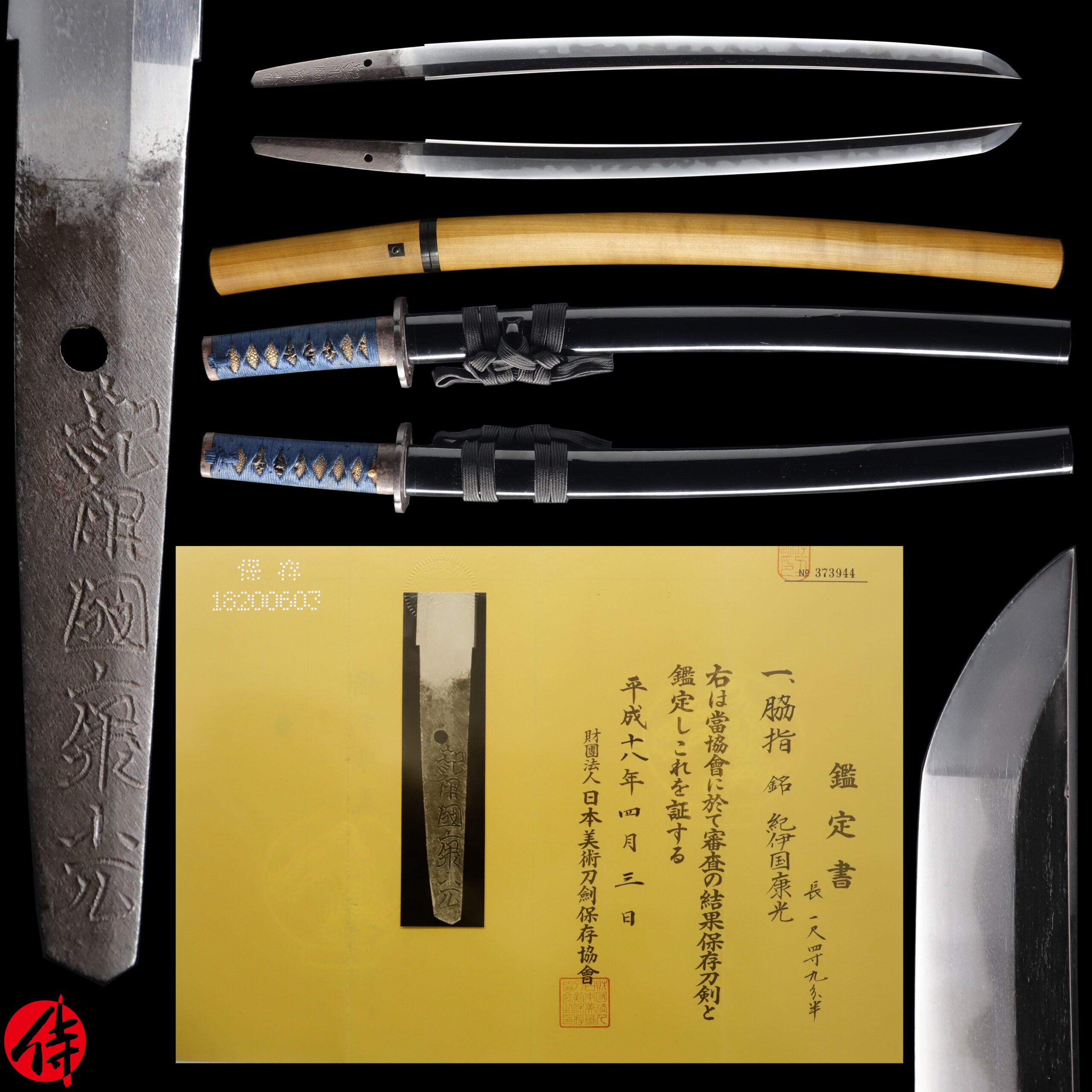
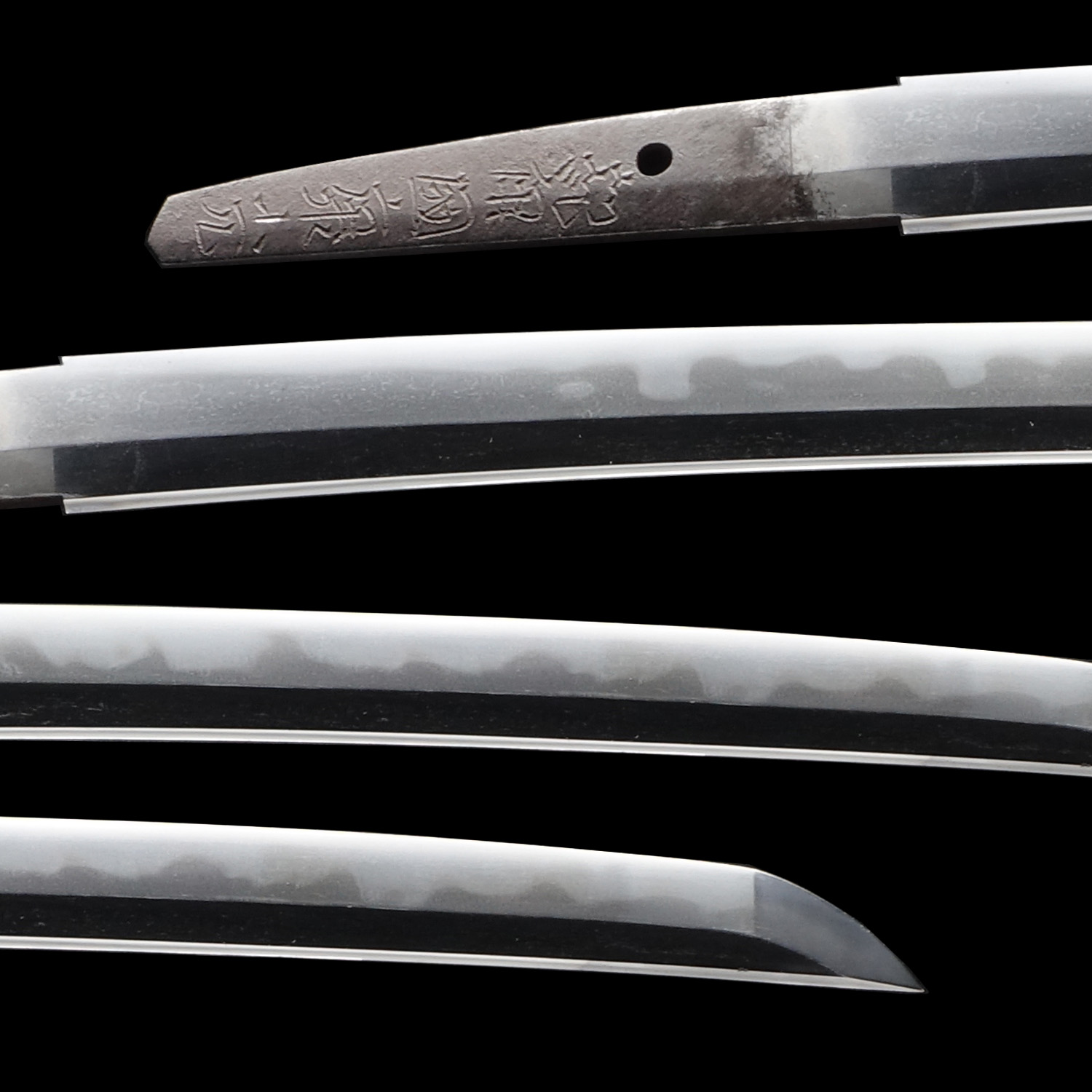
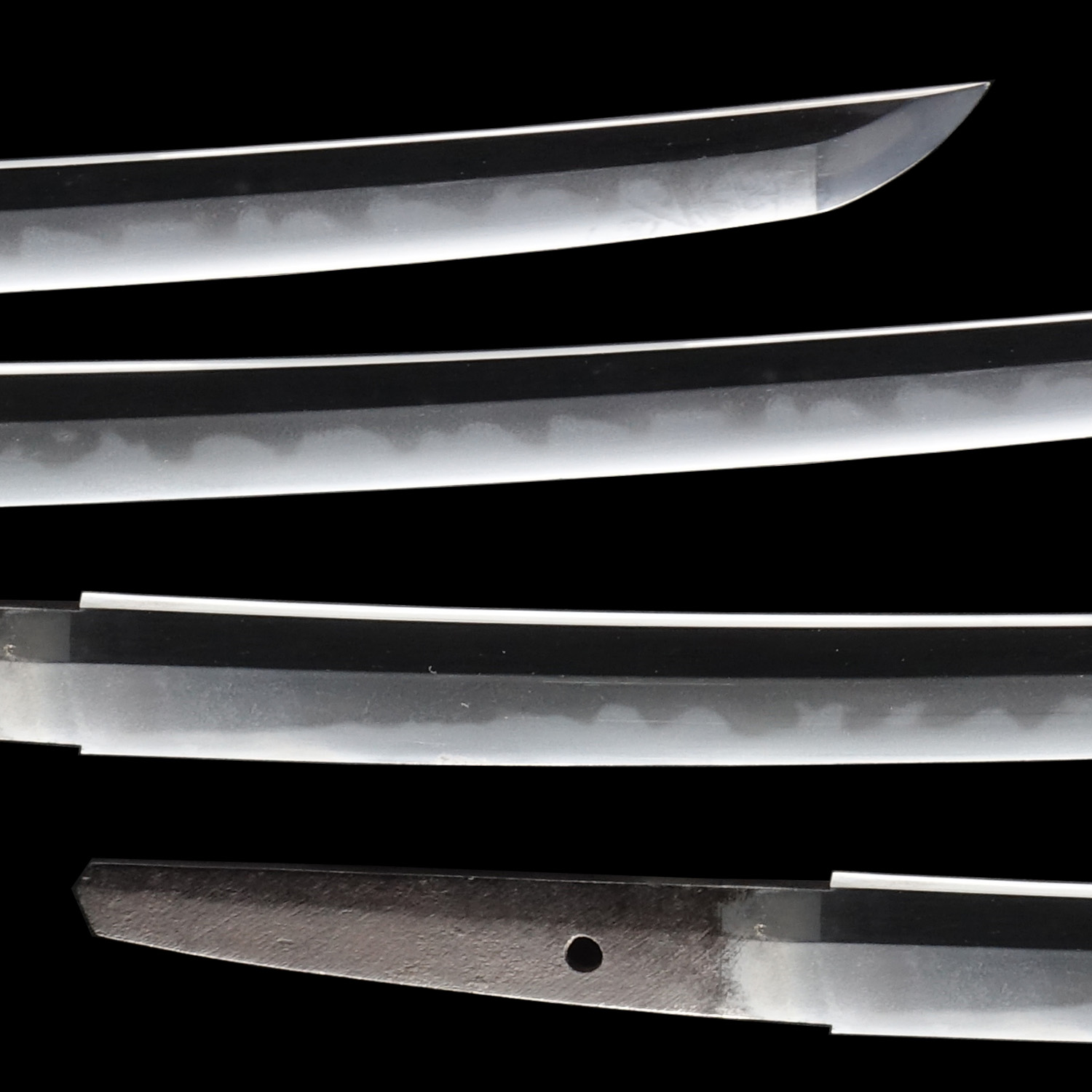
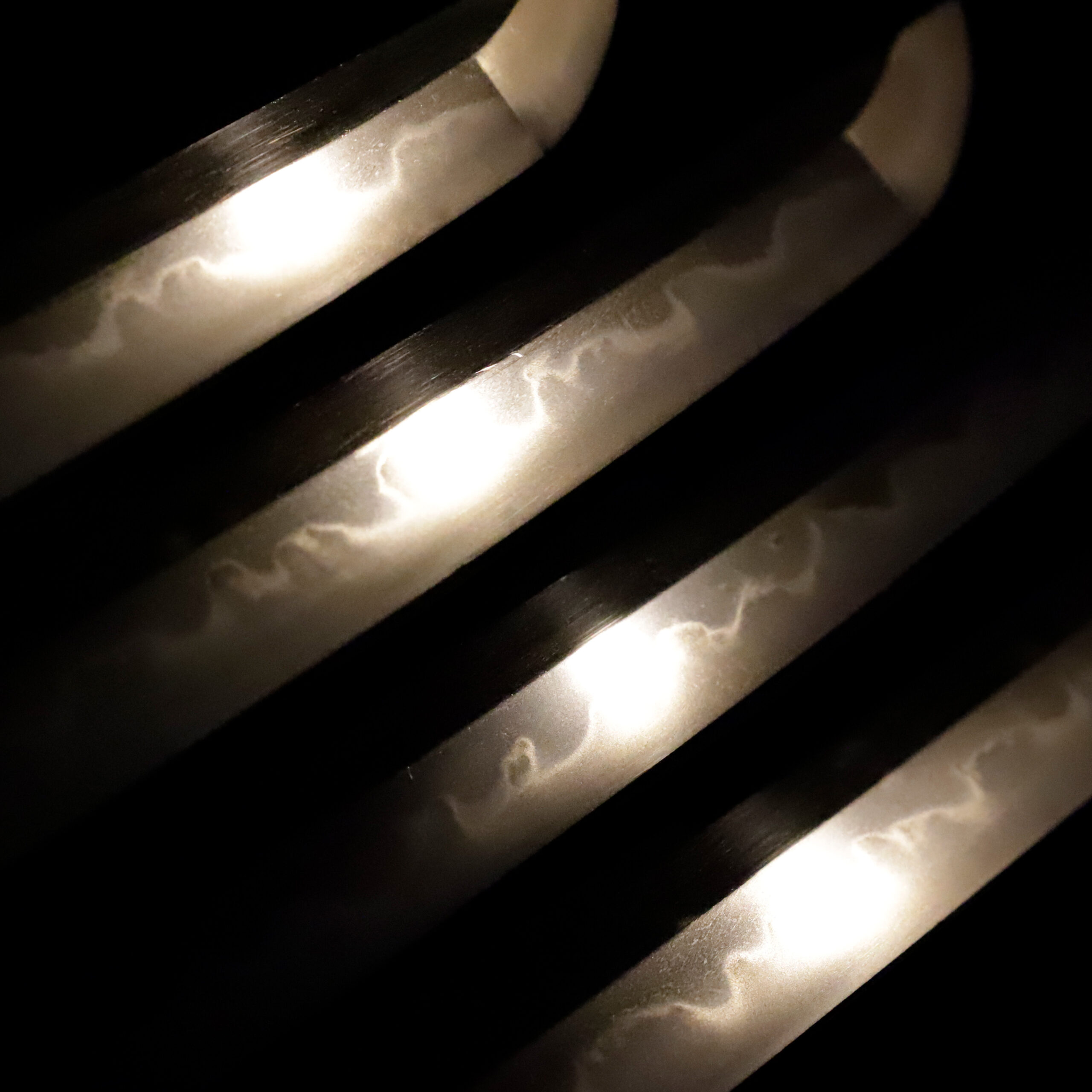
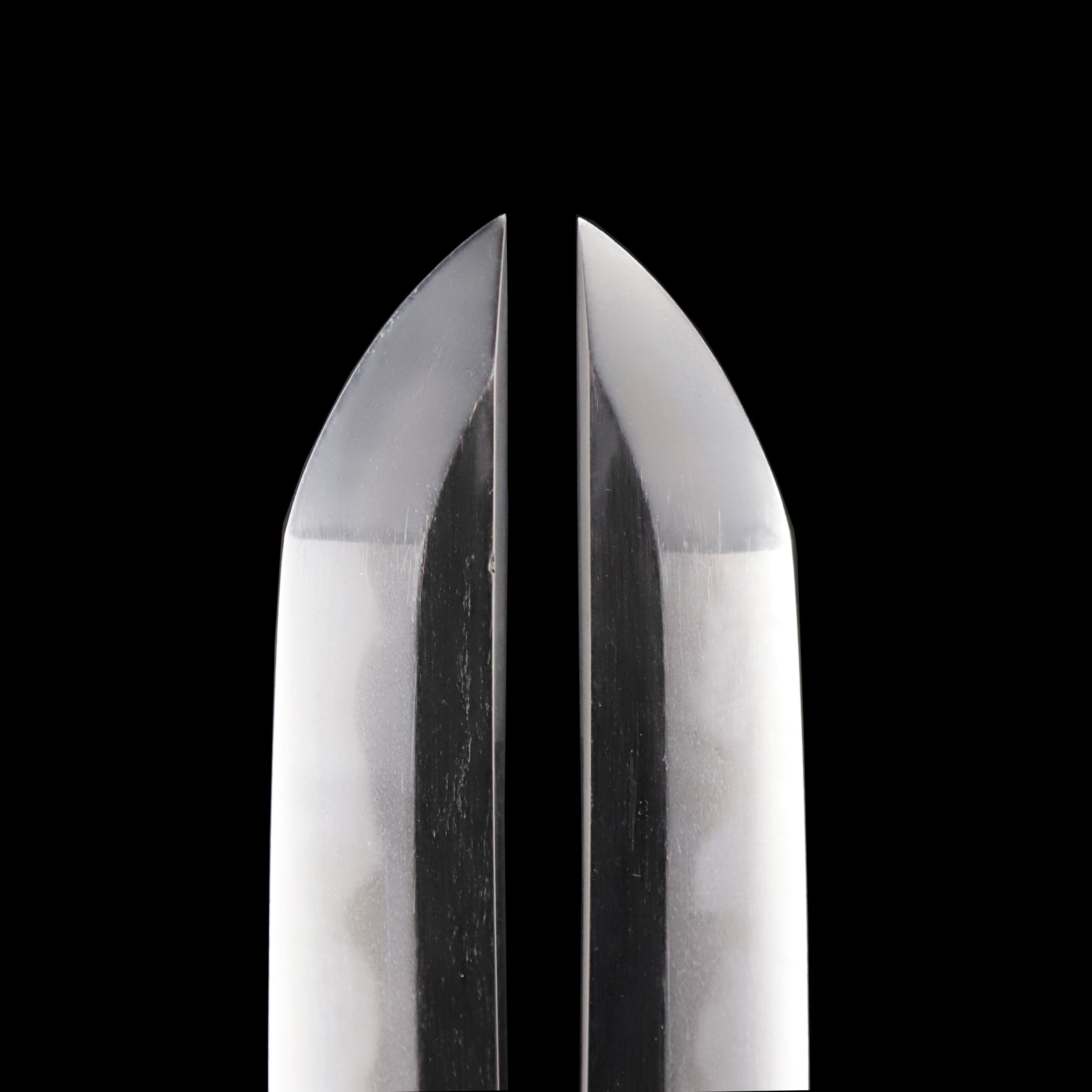
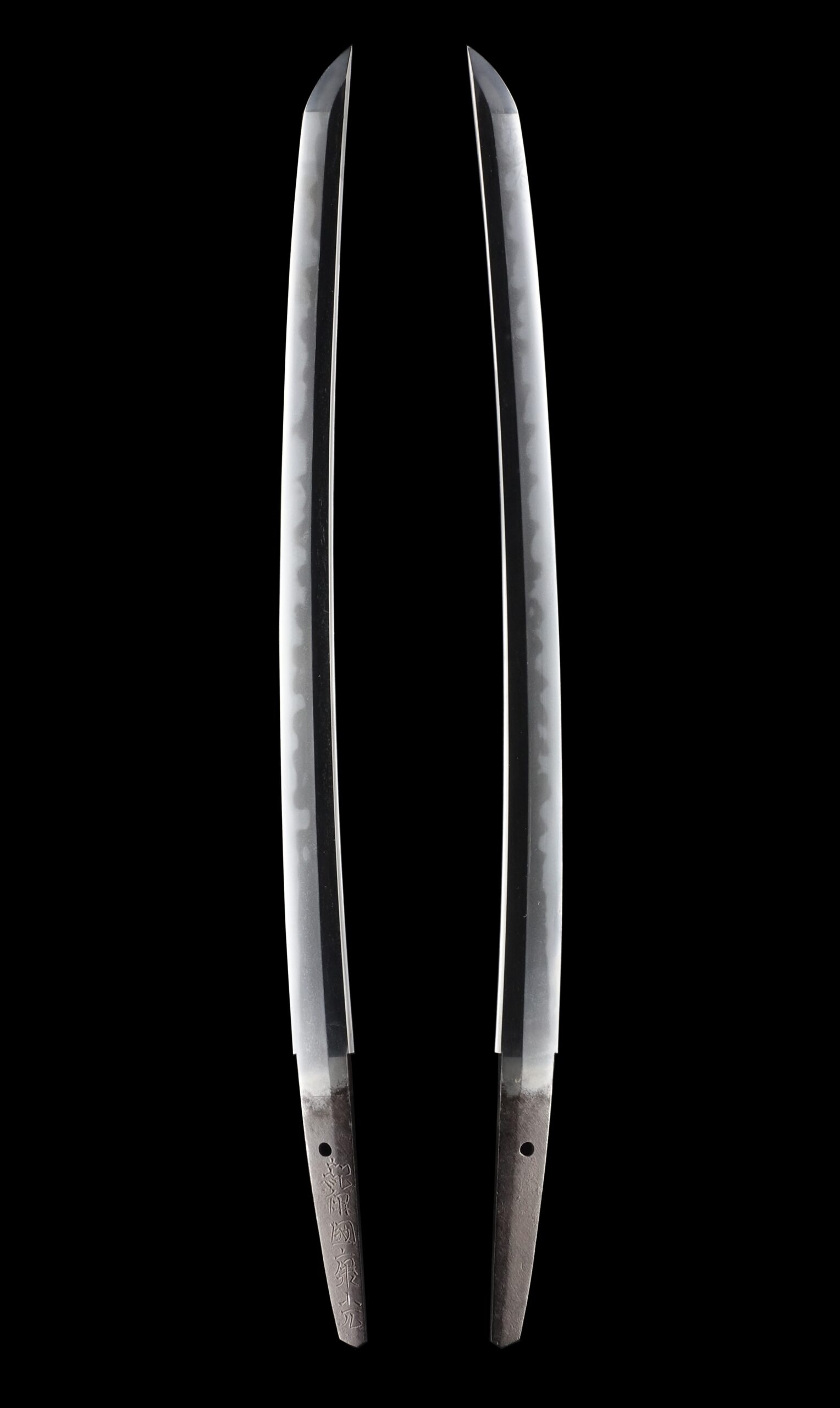
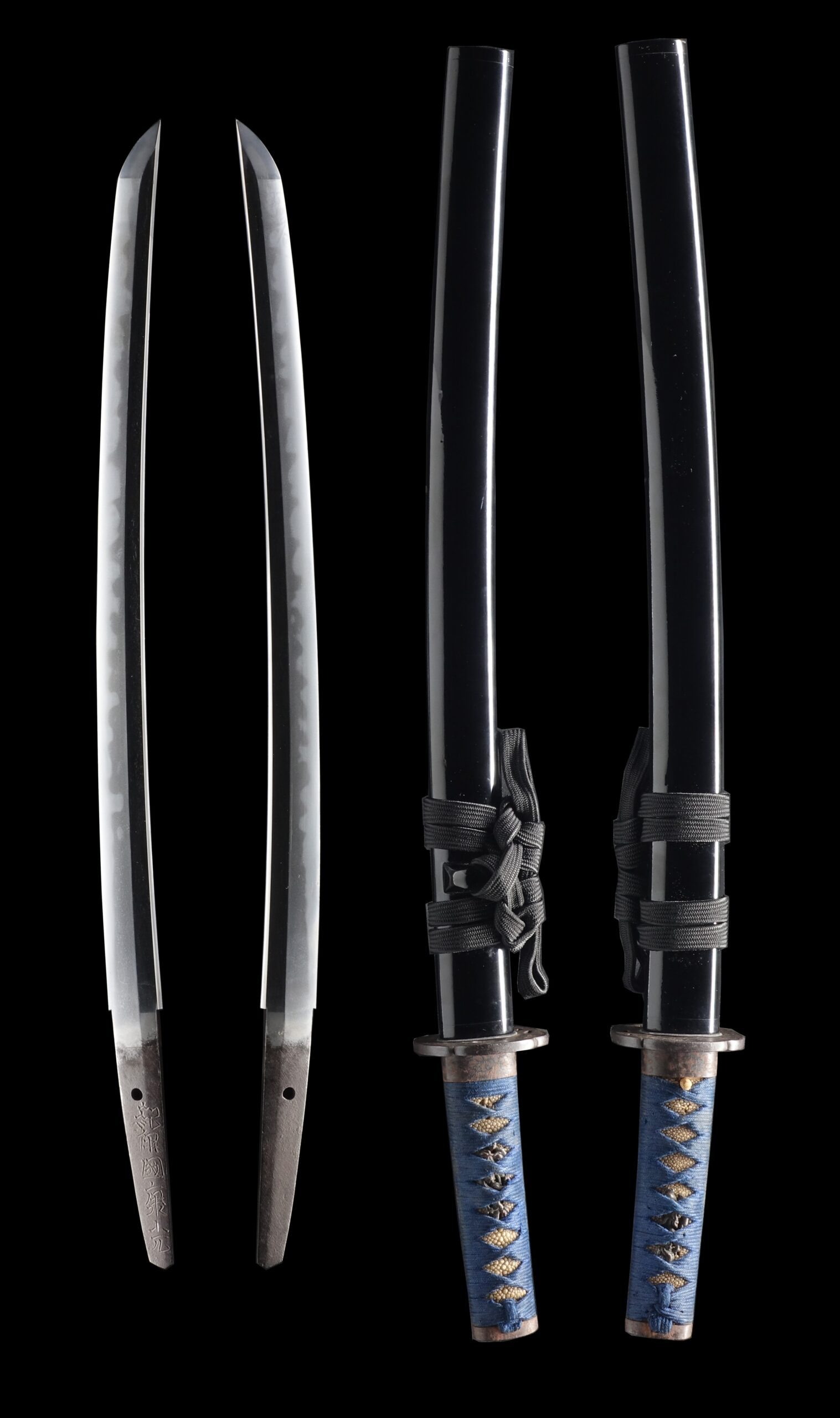
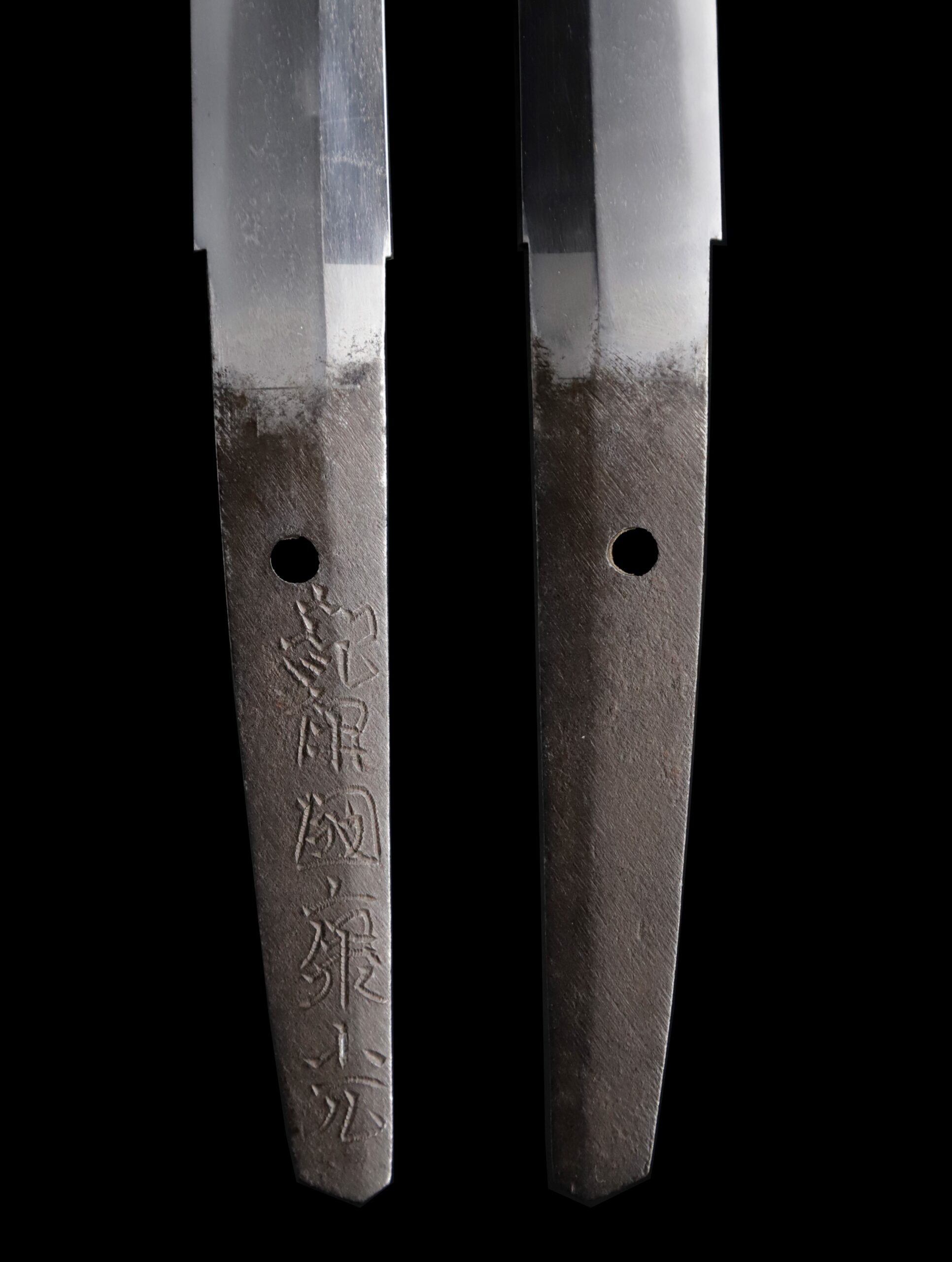
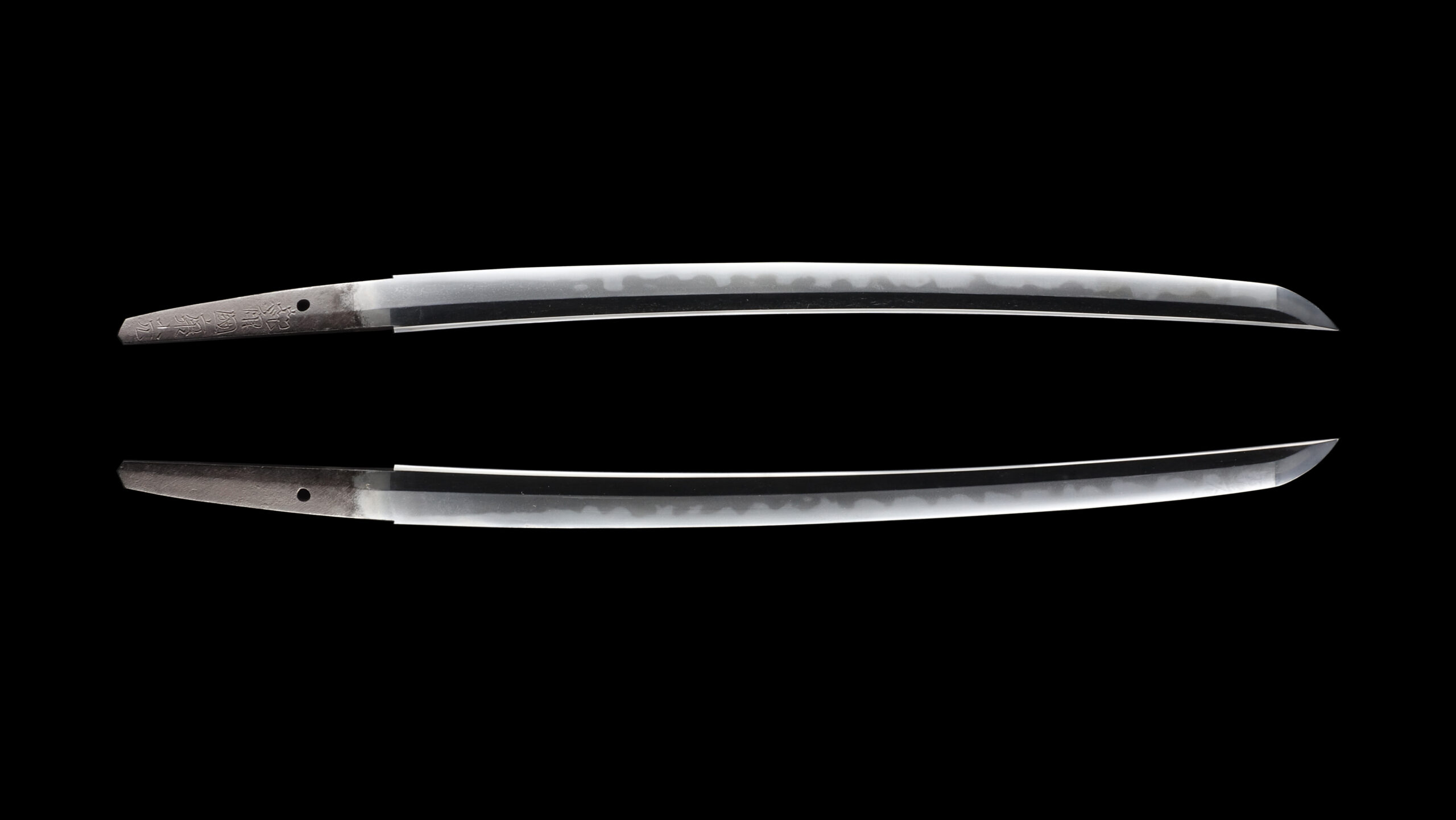
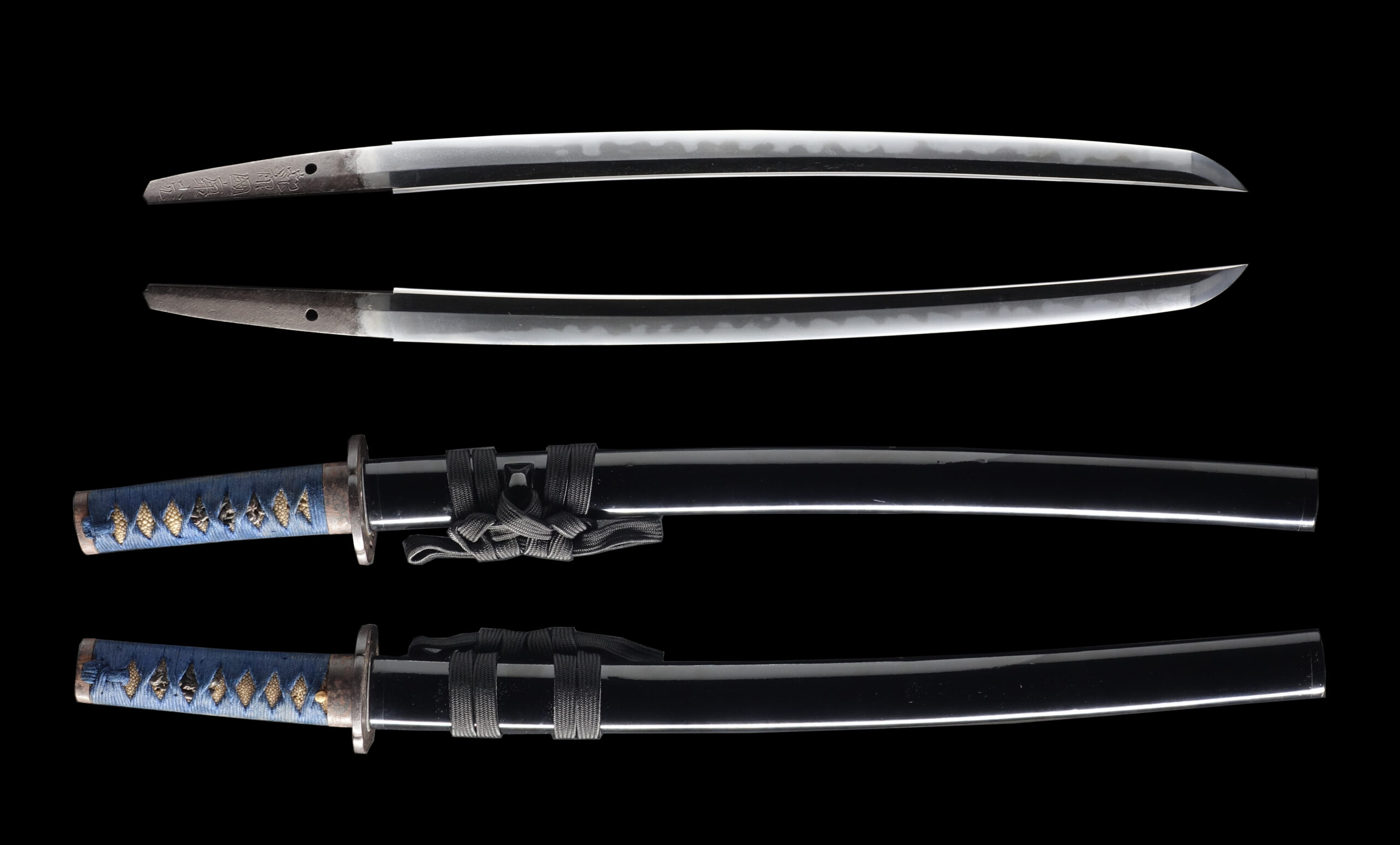
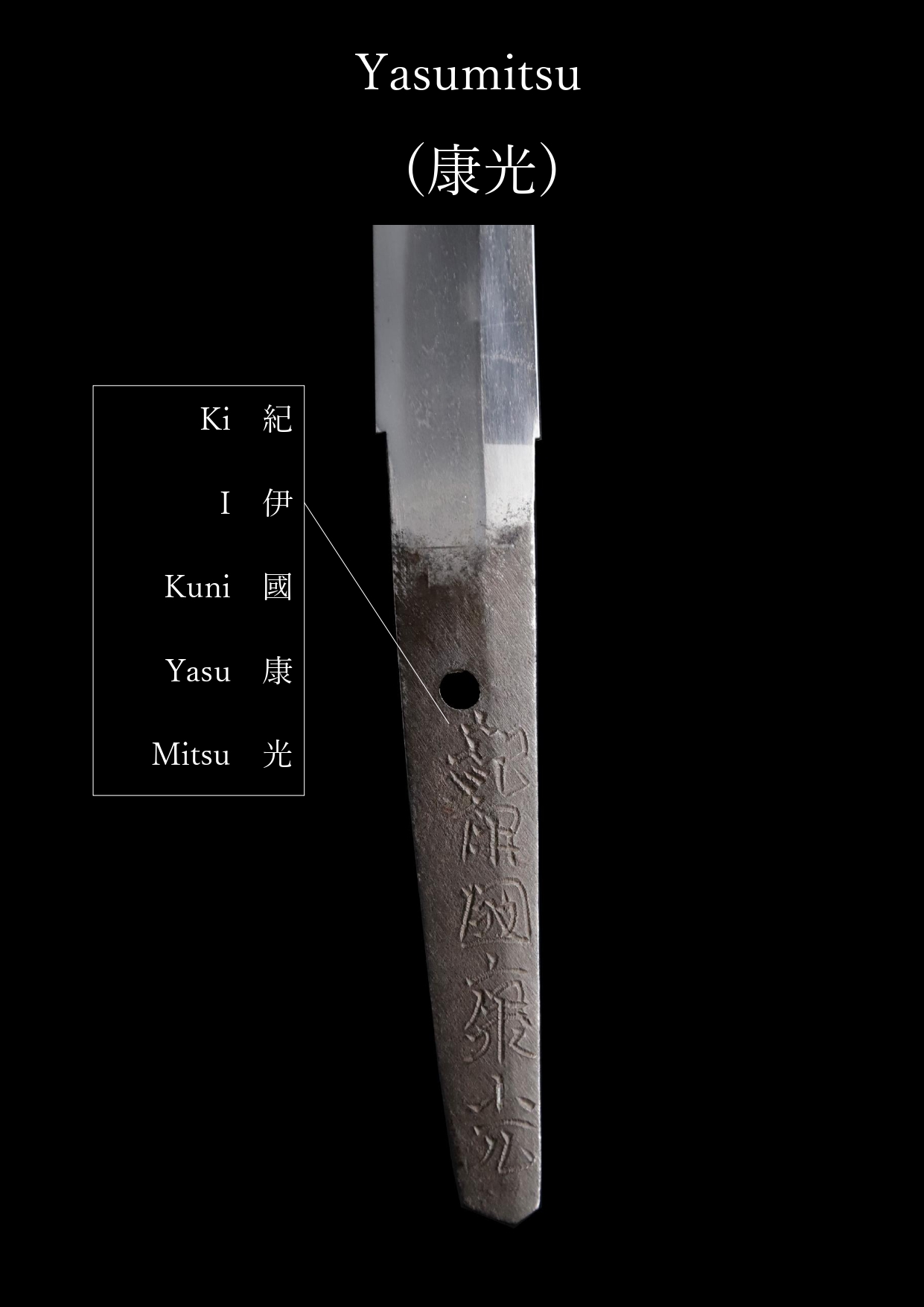
This blade was signed by Kii Koku Yasumitsu (紀伊国康光), who belonged to Kishu Ishido school. He was active in sword-forging during the Enpo era (early Edo period: 1673-1681). He was an apprentice of Yasutsuna (康綱). Kii koku, also known as Kishu, is the name of the province located in Wakayama prefecture today. His master is known as one of the most famous swordsmiths from the Kishu Ishido school during the early Edo period. It is said that Yasumitsu often did a Daisaku for Yasutsuna. Daisaku is a regular act where an apprentice or a child of the swordsmith signed his master’s name with his master’s permission or forged a blade on behalf of the master. That means that his master highly acknowledged Yasutsuna’s craftsmanship. For this reason, there are not remaining work created by Yasumitsu.
Ishido school was initially founded by Sukenaga, an offspring of Ichimonji Sukemune, who had created Fukuoka Ichimonji school in Bizen province(Today’s Okayama prefecture).
During 1492-1501(Mid Muromachi period), Sukenaga and his school moved from Bizen province to Omi province after being summoned by Gamou family, a powerful feudal line in that region. Sukenaga started to live in front of Ishido temple, and he changed his surname to Ishido. It was common for a swordsmith to name add where he lived to his maker’s name back then.
As of the early Edo period, many Ishido swordsmiths in Omi province moved to other parts of Japan. There are four major branches: Edo, Osaka, Kishu(Wakayama prefecture), and Chikuzen(Fukuoka prefecture). Omi Ishido school was the origin of whole other Ishido branches that flourished during the Edo period.
Following this trend, Bitchu no Kami Tachibana Yasuhiro, the master of Yasutsuna, moved to Kishu province from Omi province. It is said that Yasuhiro was the founder of Kishu Ishido school. Yasutsuna and his master forged swords near Wakayama castle in Kishu province and Yasumitsu followed them. Kishu province was ruled by Kishu Tokugawa clan,a direct lineage from the Tokugawa clan, who ruled the Edo government. Kishu Tokugawa clan is known as GOSANKE, which is eligible to take over Shogun’s position.
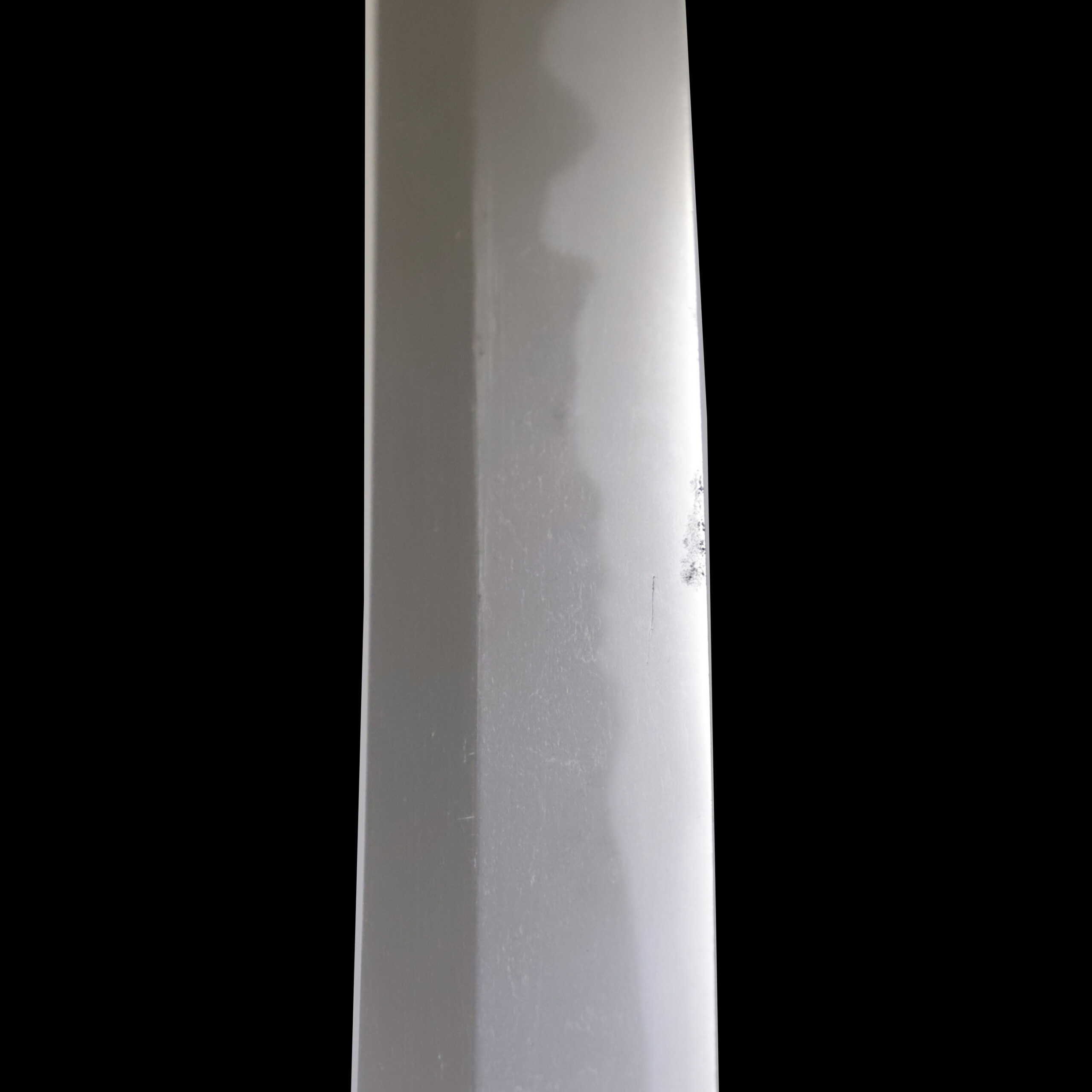
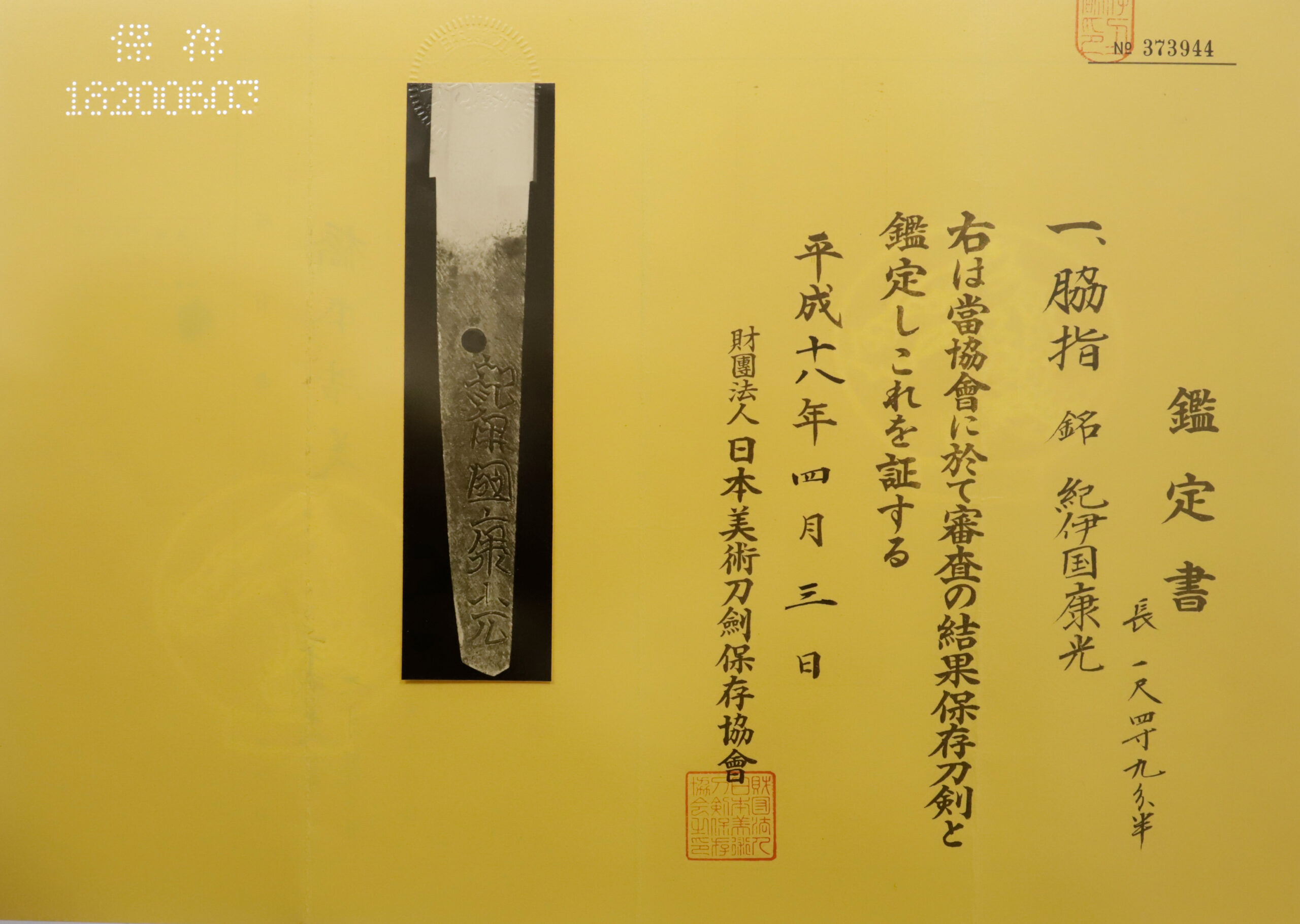
This blade is appraised as a Hozon Token(保存刀剣) issued by NBTHK(Nihon Bijutsu Touken Hozon Kyokai:日本美術刀剣保存協会).
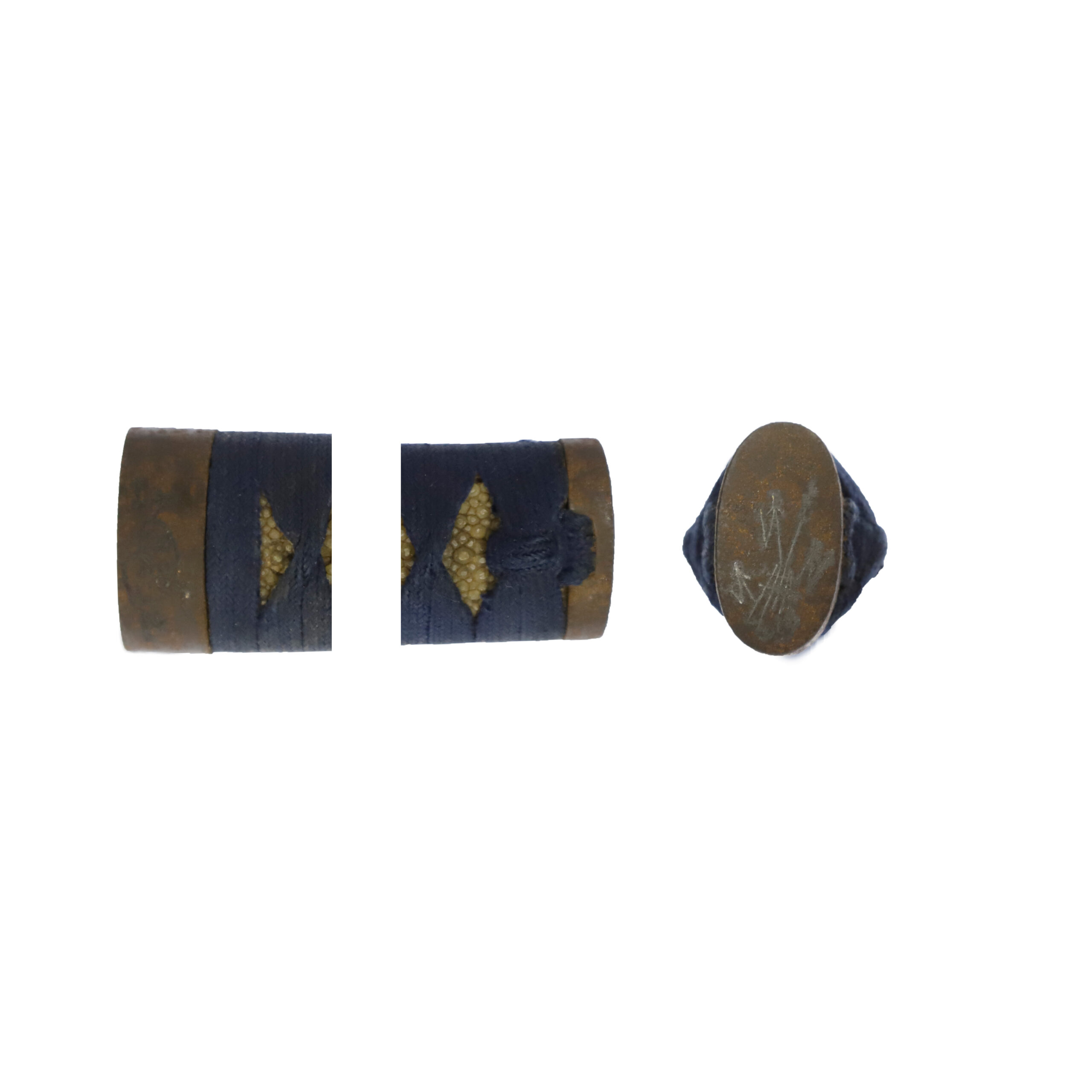
Fuchi-Kashira
The Matsuba (松葉, pine needles) pattern is designed on this Fuchi Kashira. Although the surface is quite worn due to aging, we could find pine needle designs on the Kashira part.
Even if the leaves fall, the roots of the two pine leaves are firmly connected and will not separate; therefore, this plant motif has been treated as a lucky charm. Shoguns and Daimyos set their own patterns in the Edo period and called it Sadame Mon (定め紋). Tokugawa Tsunayoshi (1680-1709), the 5th Shogun of the Edo Shogunate, used the Matsuba design for his Sadame Mon.
Tsuka and Menuki
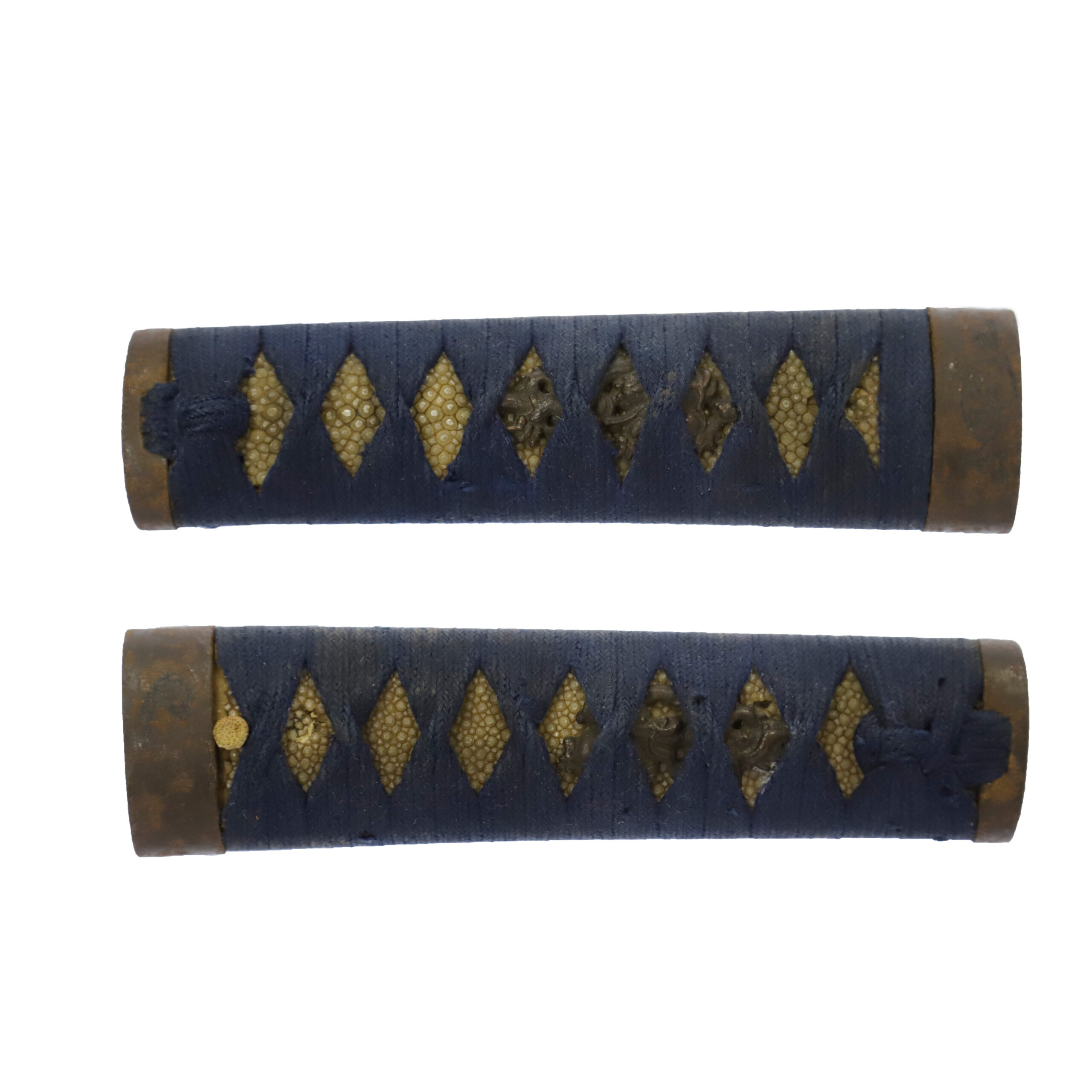
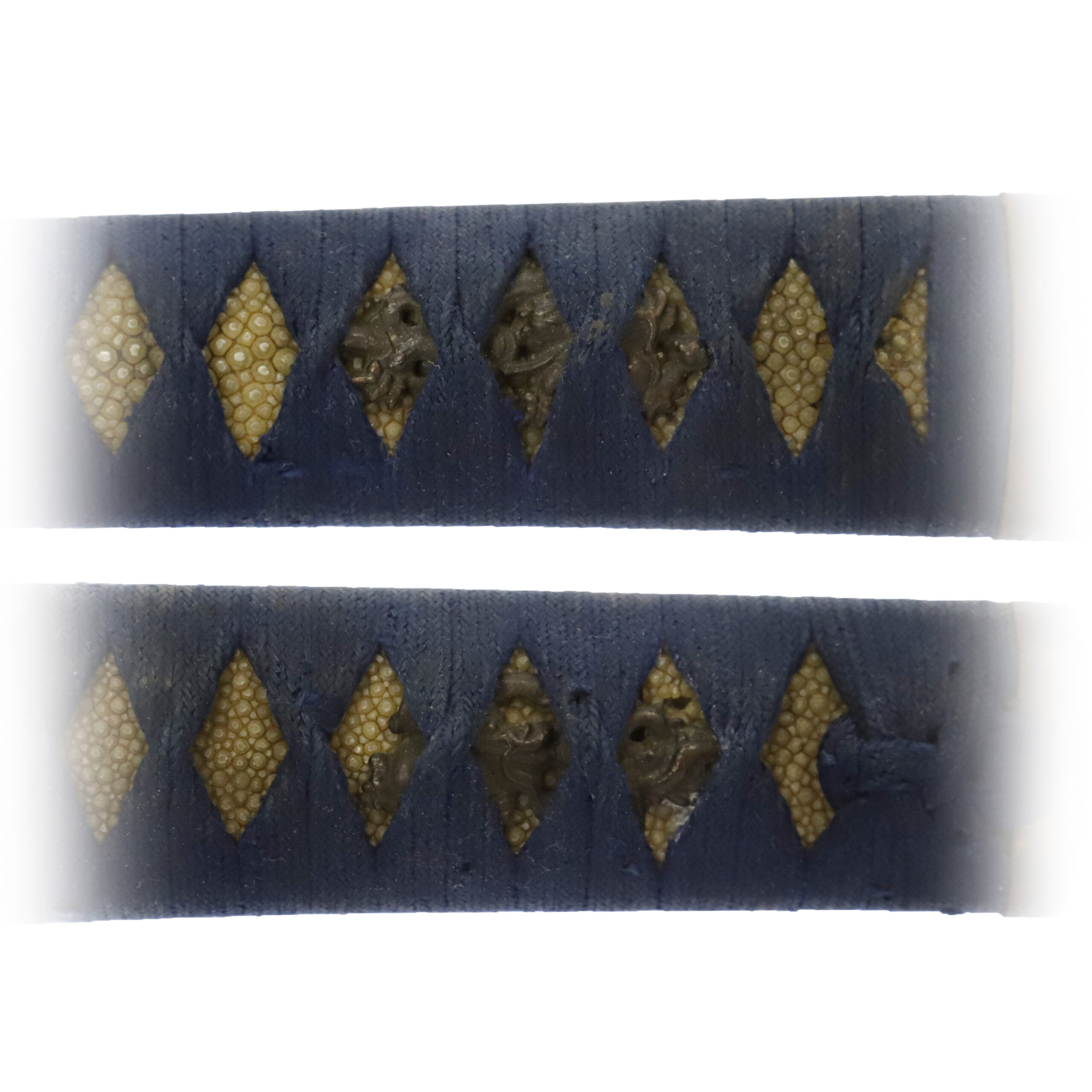
We could find a figure of an animal motif through the gaps of the Tsukamaki thread. We estimate these animals expressed dragons. Initially, dragons were imaginary creatures found in ancient foreign traditions and myths. Furthermore, it is regarded as a symbolic beast of auspicious signs. Its body is likened to nine animals: antlers are deer, the head is a camel, eyes are demons, the neck is a snake, the belly is the Mizuchi (蛟, a mythical animal in Japan that looks like a snake and has a horn and four legs), scales are fish, claws are falcons, palms are tigers, and ears are cows. It was thought that the dragon would reign at the top of all animals because of its odd-looking appearance.
Tsuba and Habaki
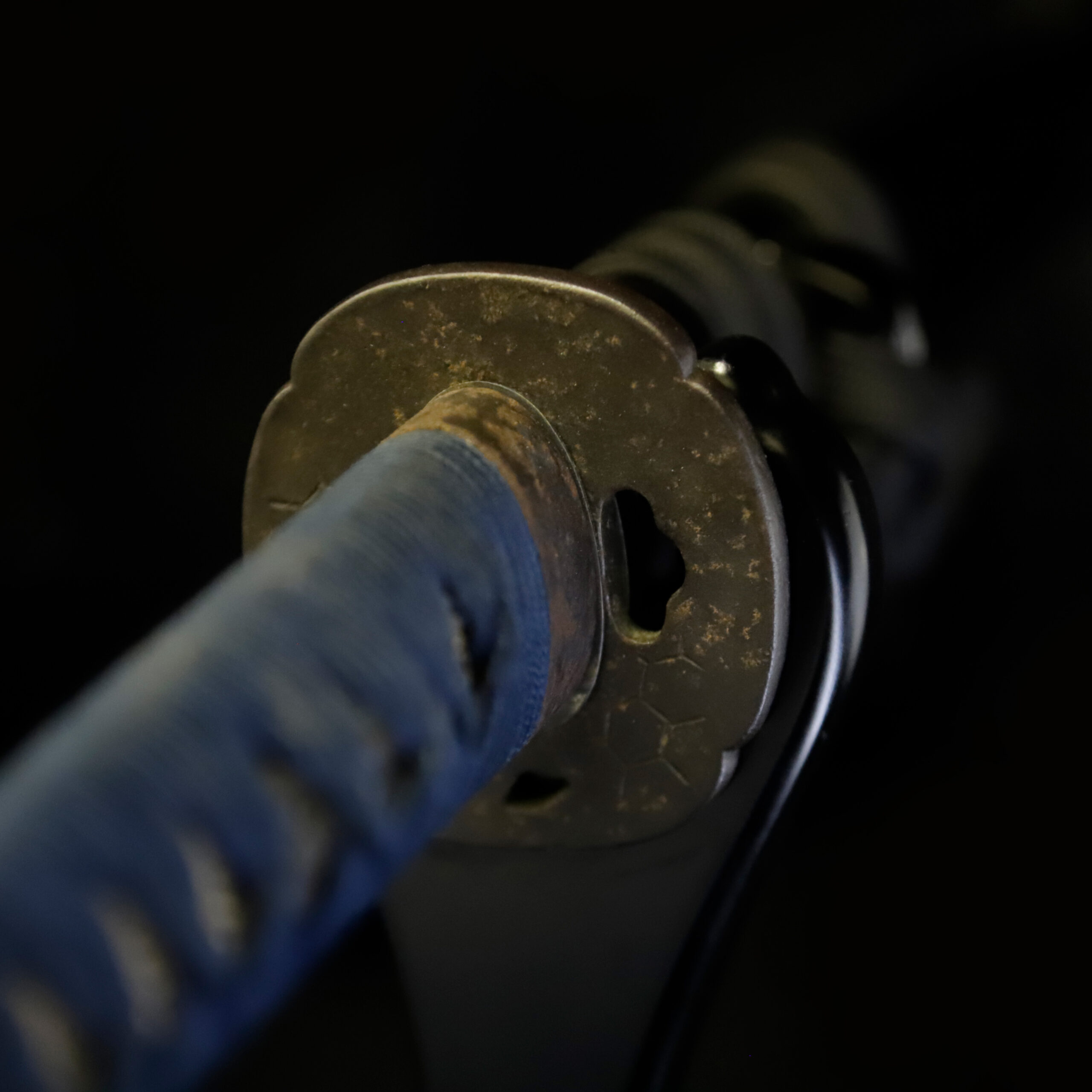
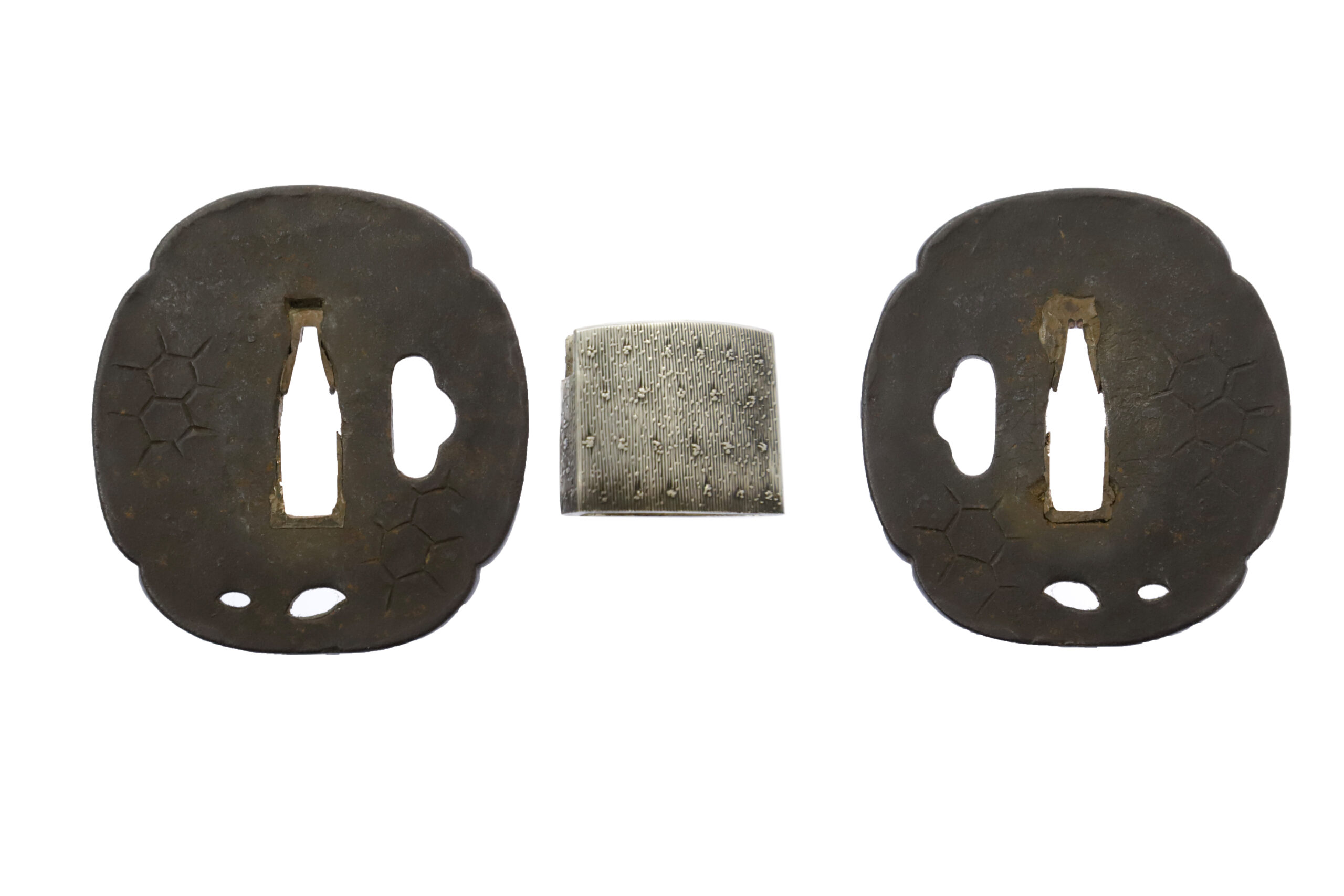
This Yotusu-Mokkou-shaped iron Tsuba has a Kougai hole. About the design, the Kikkou (亀甲) pattern is engraved on this Tsuba. This design describes a turtle’s shell. It is a continuous geometric pattern connecting regular hexagons up and down. According to a theory, this design was brought from the continent in the Asuka (592-710) and Nara period (710-794). A proverb says turtles live long lives. Therefore, turtle and turtle’s shell patterns represent longevity. In addition, as this continuous hexagonal pattern does not get out of its shape, it is said people wished for eternal prosperity by using this design. When this design was brought to Japan, it was monopolized by the aristocracy so that ordinary people even could not see it. It was such a prestigious design at that time. The Kikkou pattern was applied to various items such as Kimonos (着物, traditional Japanese costume), the Obi (帯, belt for Kimono), porcelains, etcetera. Samurai warriors started using the Kikkou pattern in the Kamakura period (1185-1333), and it has become widely known among the general public.
Authentication Paper
NBTHK,, also known as Nihon Bijutsu Touken Hozon Kyokai (the Society for the Preservation of the Japan Art Sword), is one of the oldest Japanese sword appraising organizations in modern-day Japan. They authenticated the blade on April 3rd in the 18th year of Heisei (2006). They appraised it as Hozon Touken, the blade worth preserving for Japanese society.

 NihontoWatch