Summary
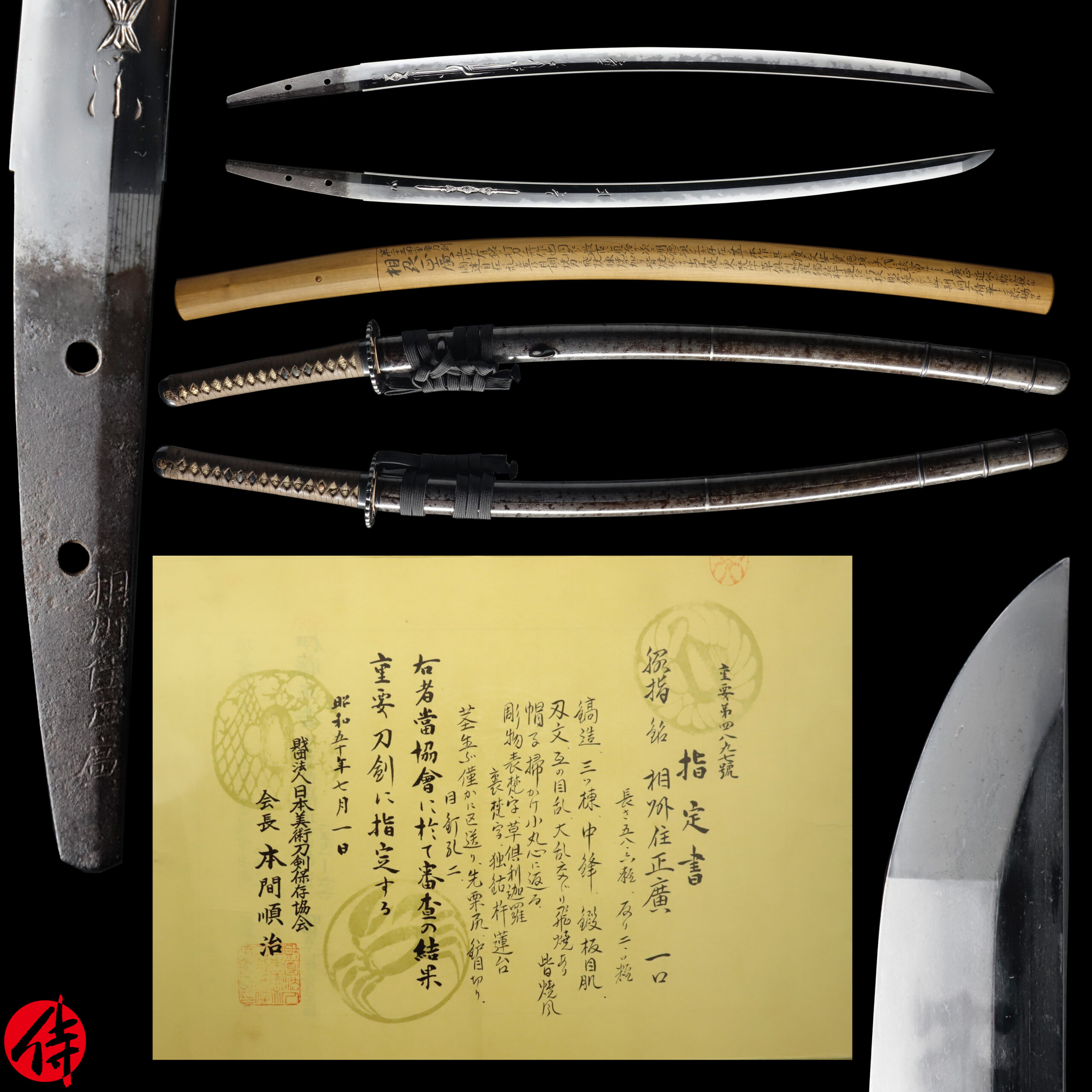
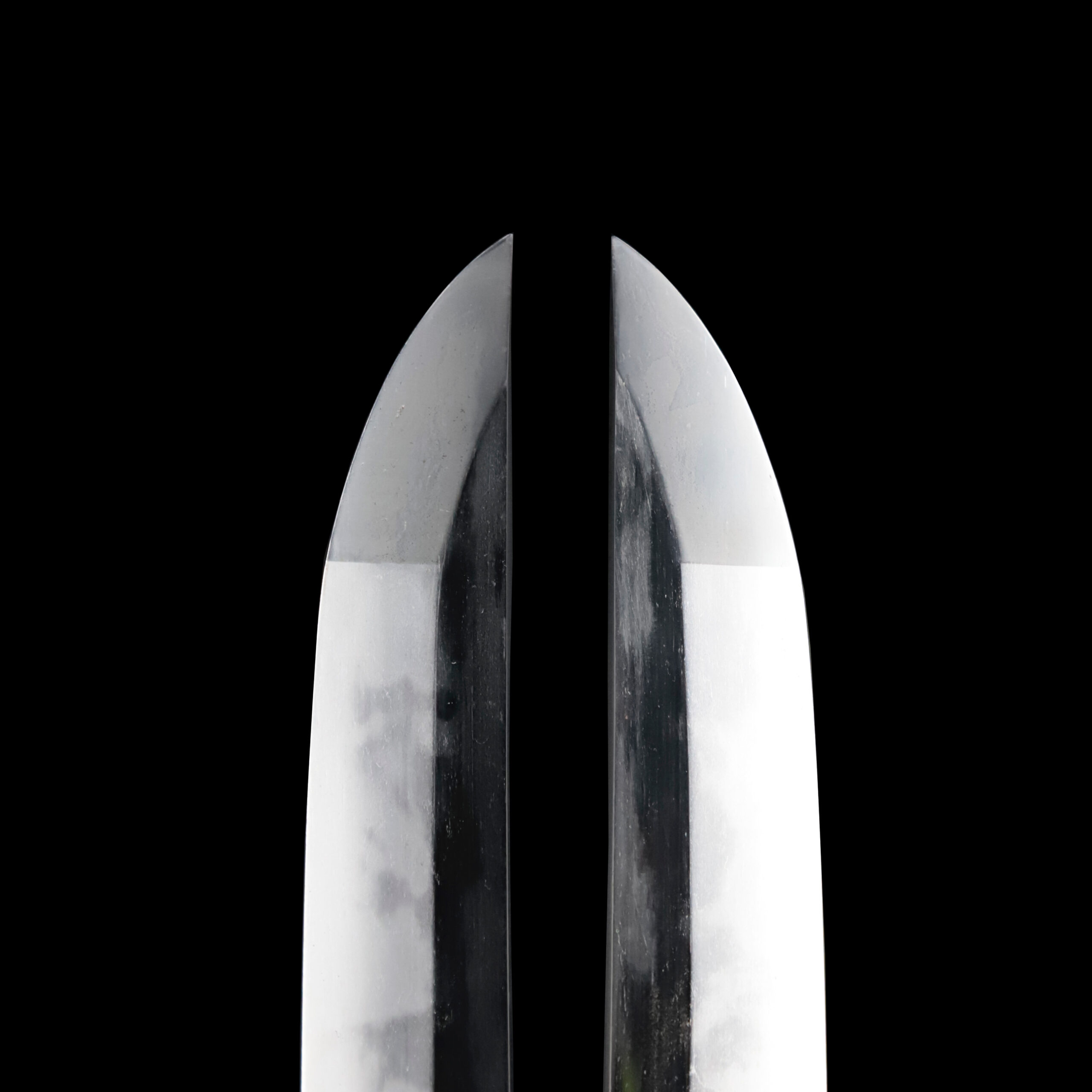
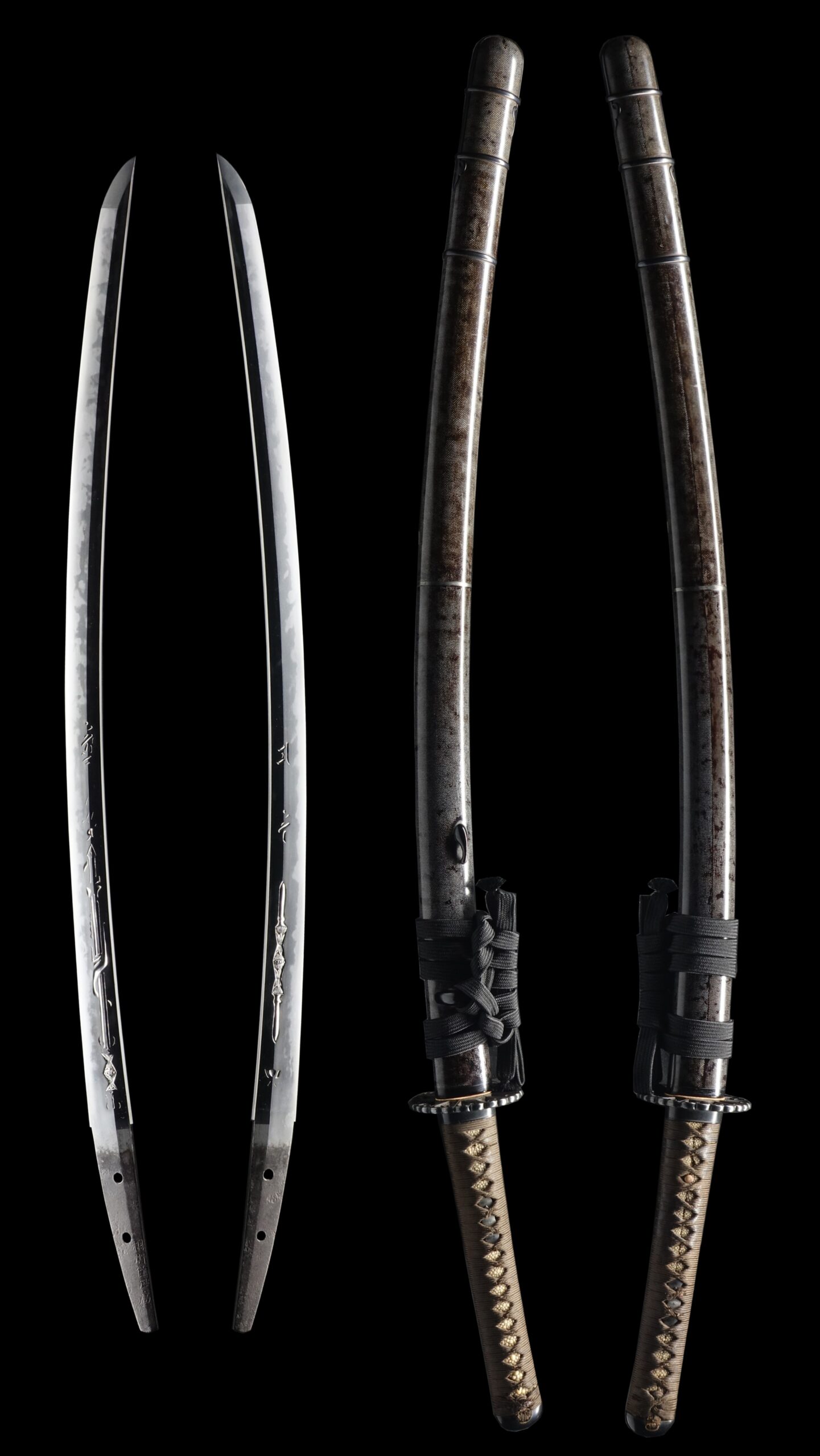
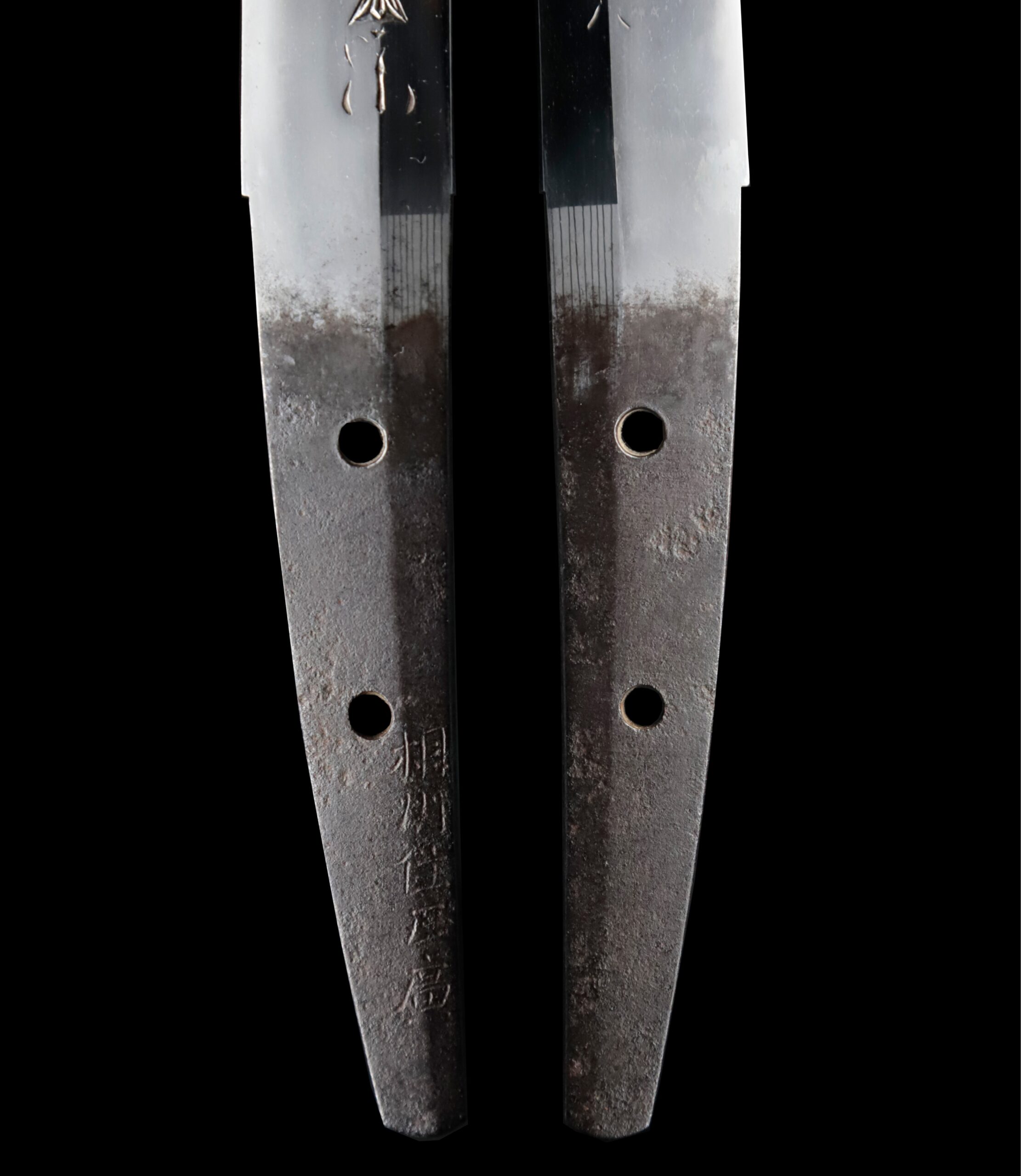
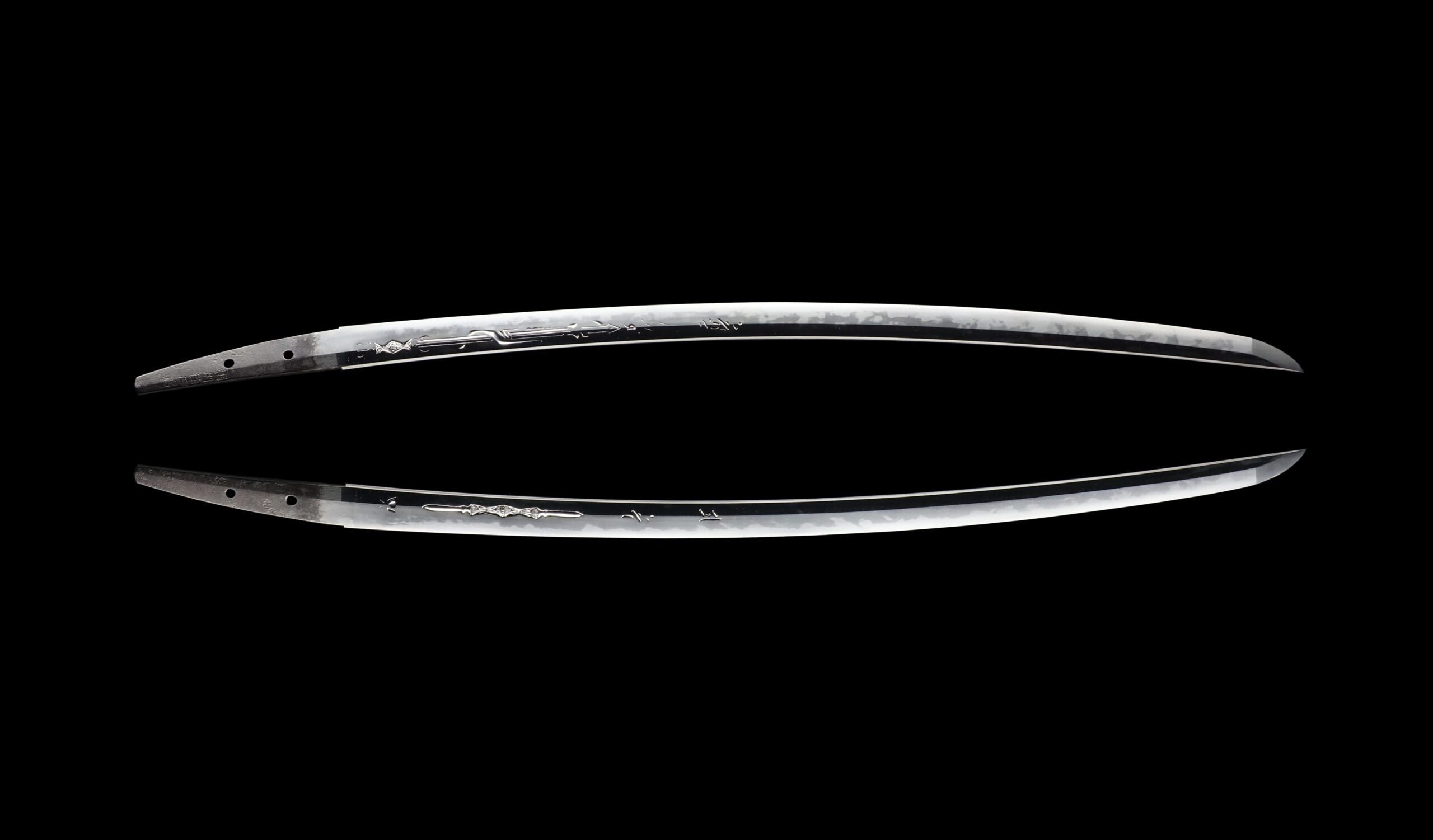
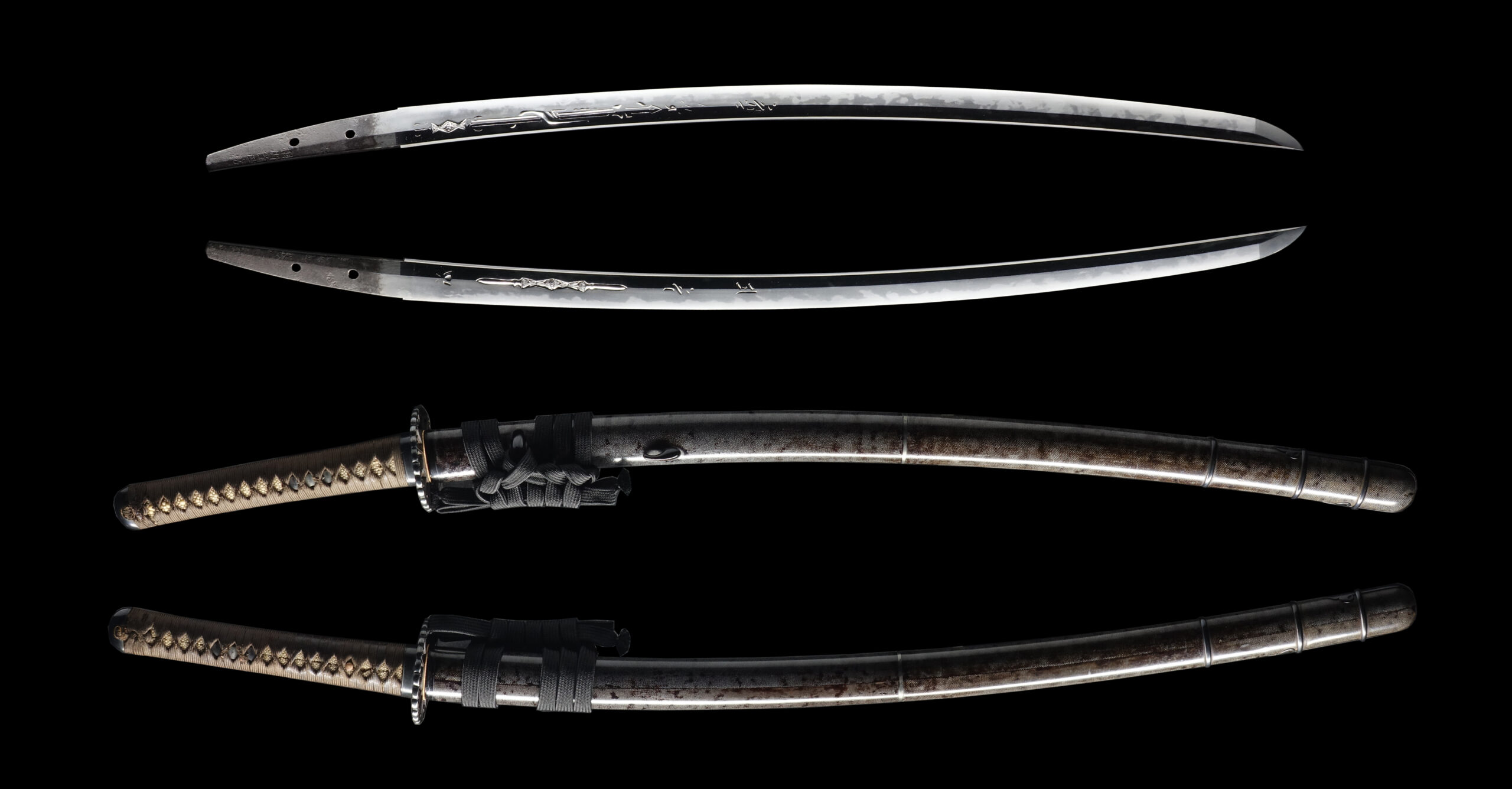
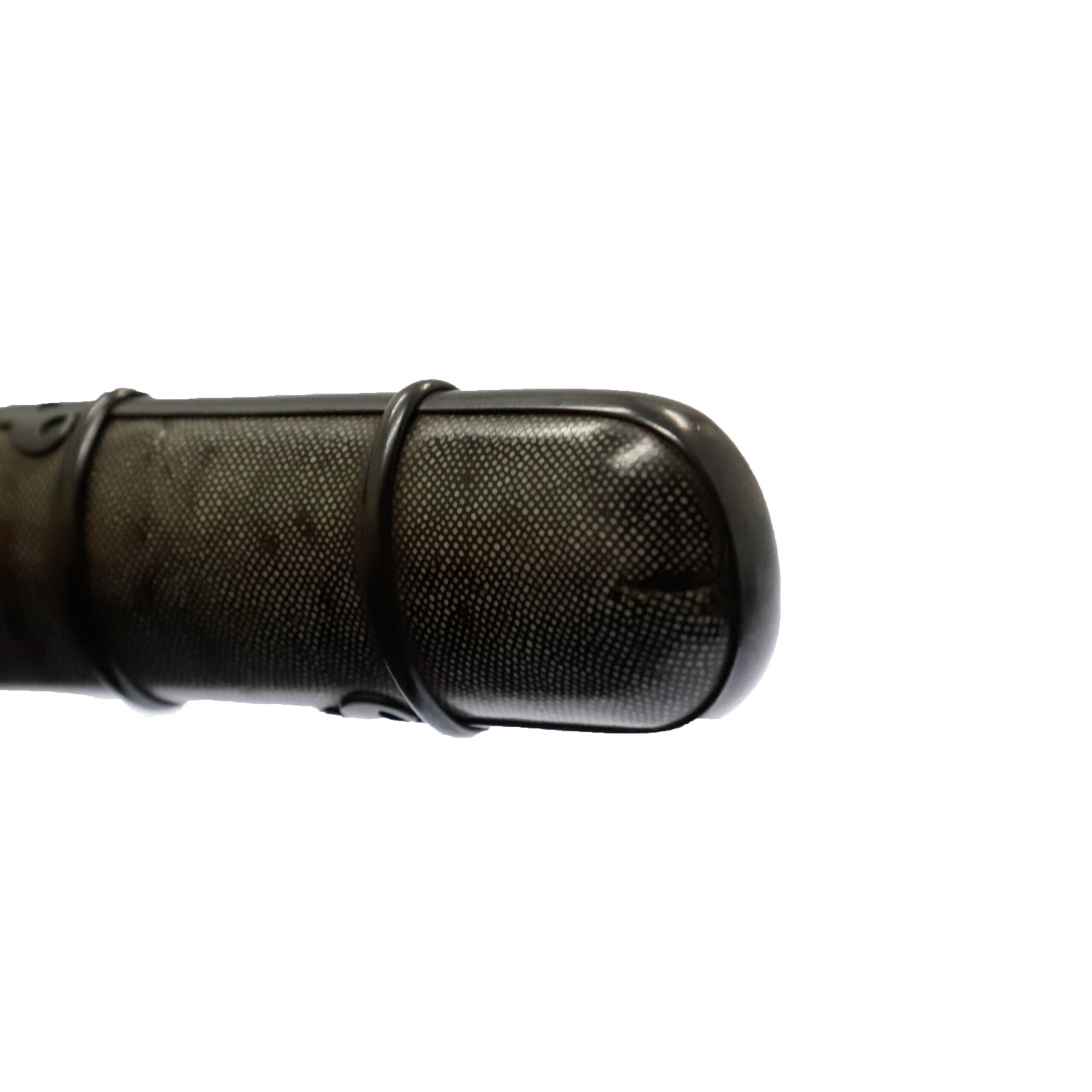
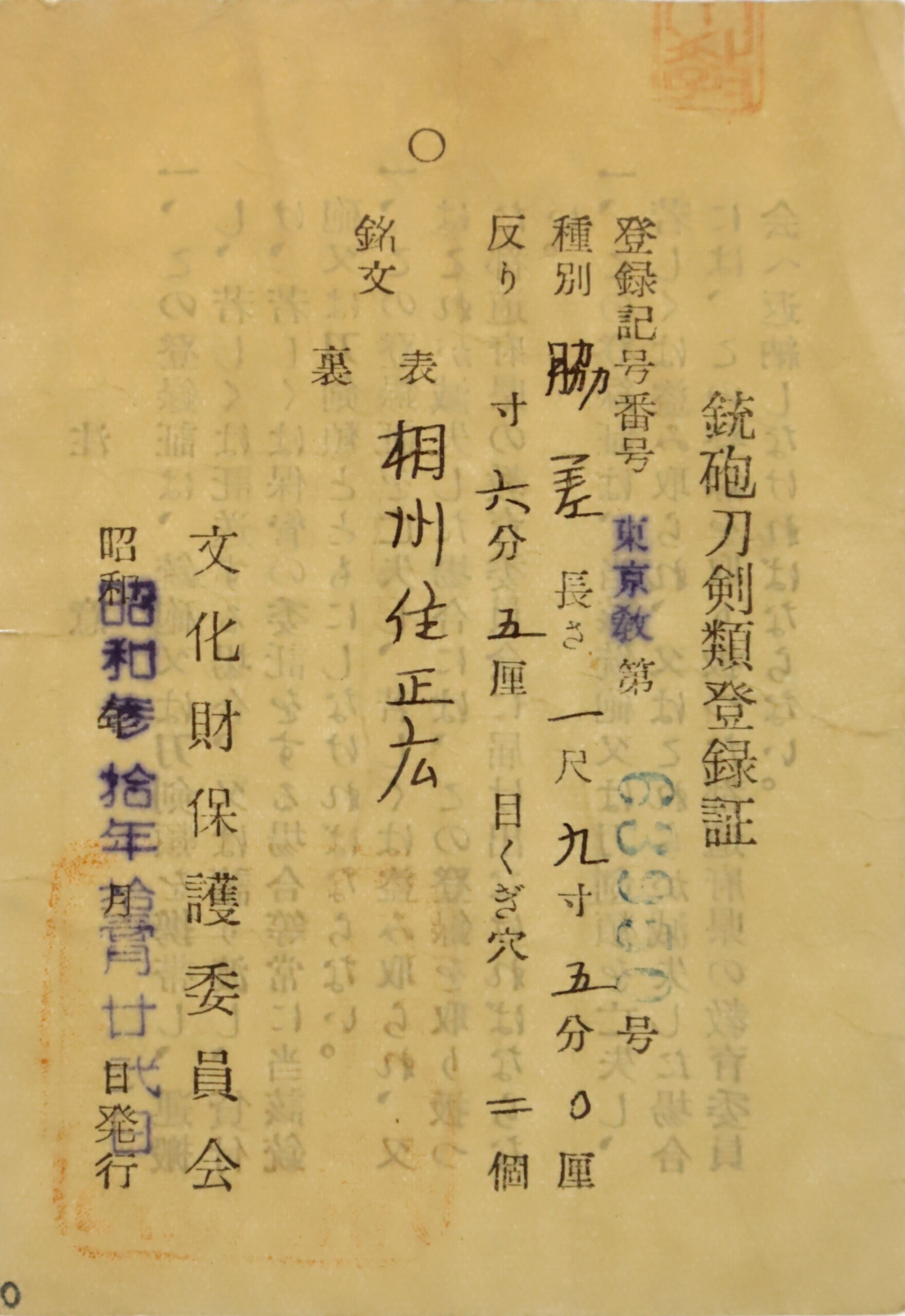
This blade was signed by Soshu Jyu Masahiro (相州住正広). Soshu is the name of the province located in today’s Kanagawa prefecture. Soshu Jyu means a resident of this province. According to available records, the maker’s name Masahiro lasted 4-5 generations from the Nanbokucho-late Muromachi period(mid 14th -late 16th century). Based on the characteristic of this blade, NBTHK mentions that it was approximated made during Hotoku-Kosho era (1449-1466: Mid-Late Muromachi period).
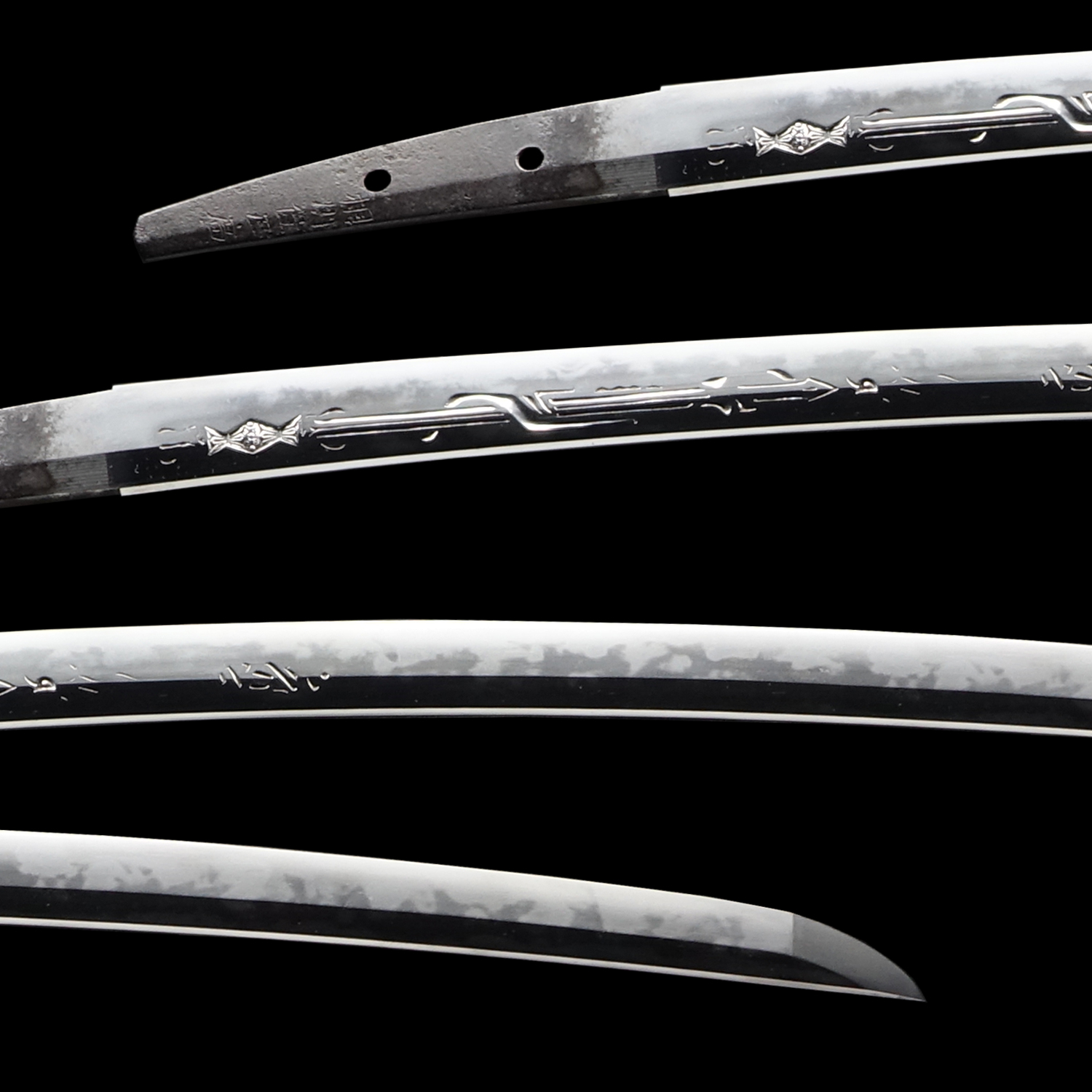
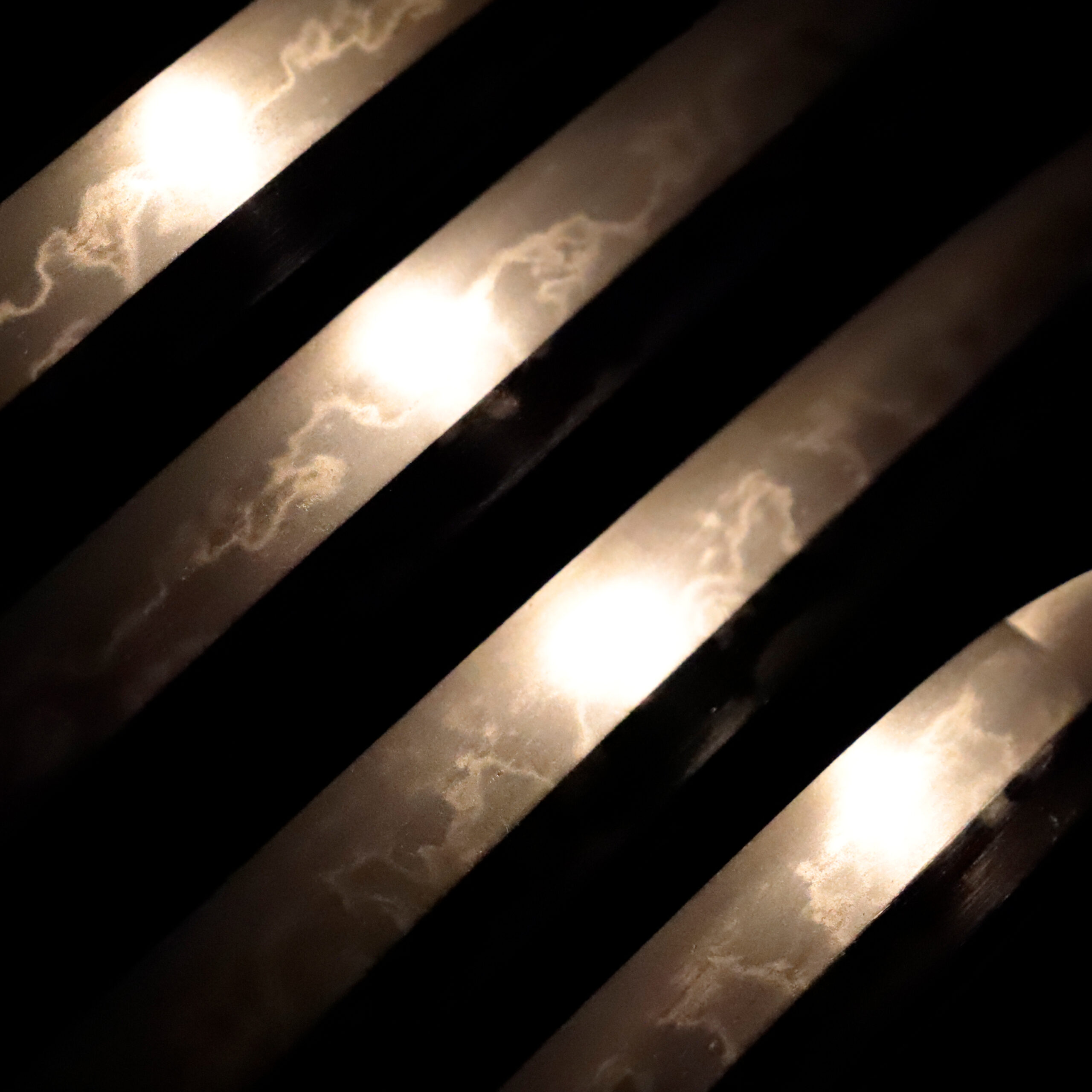
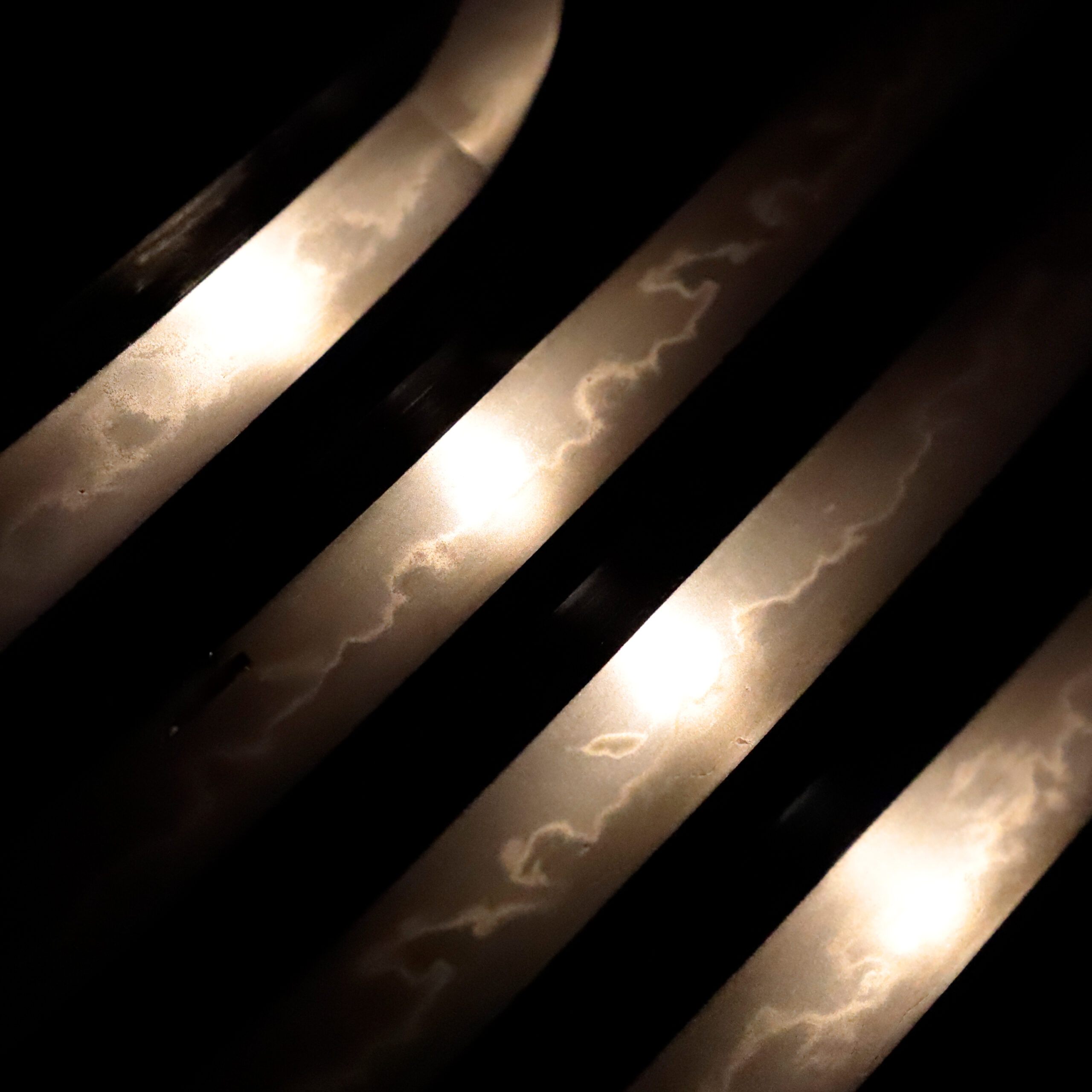
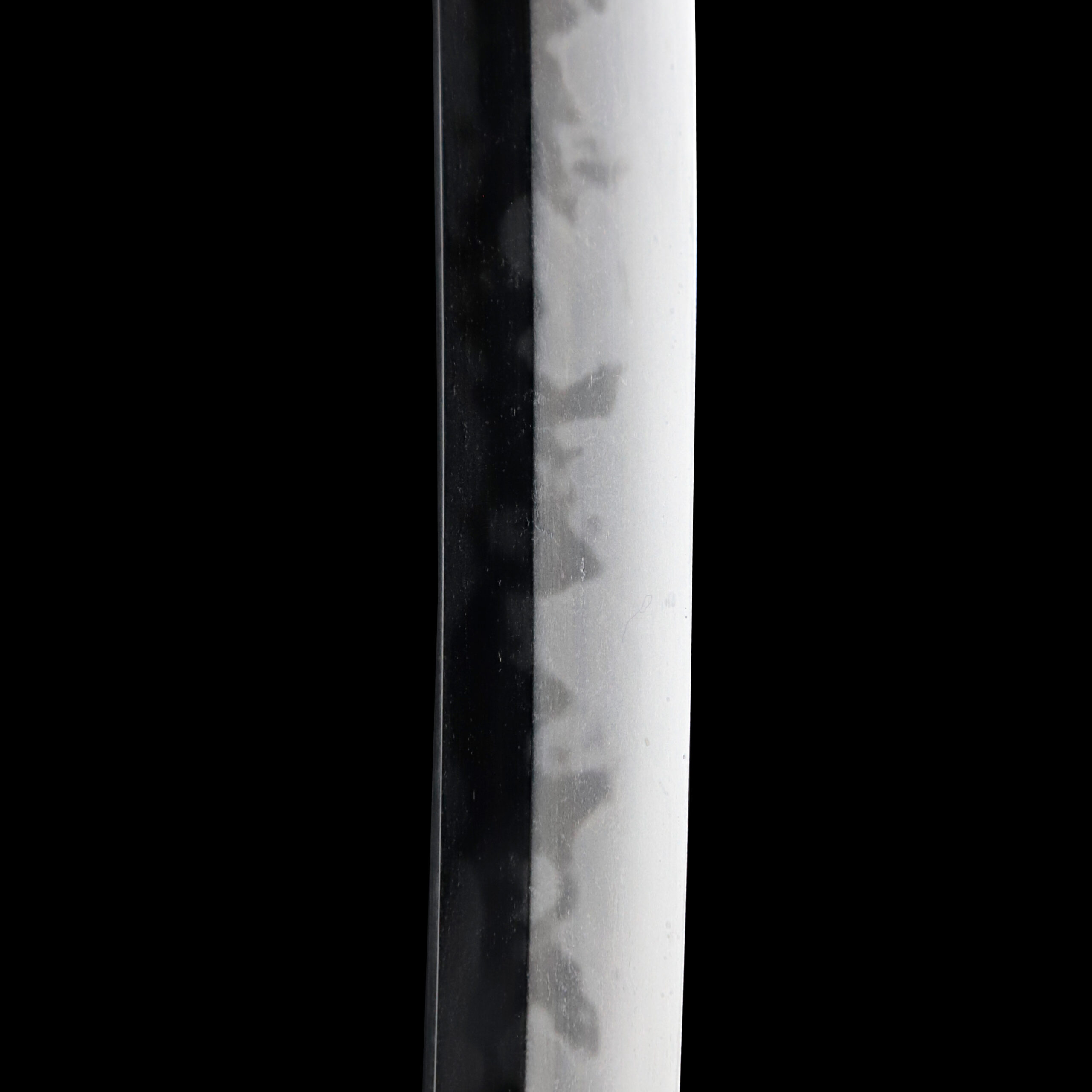
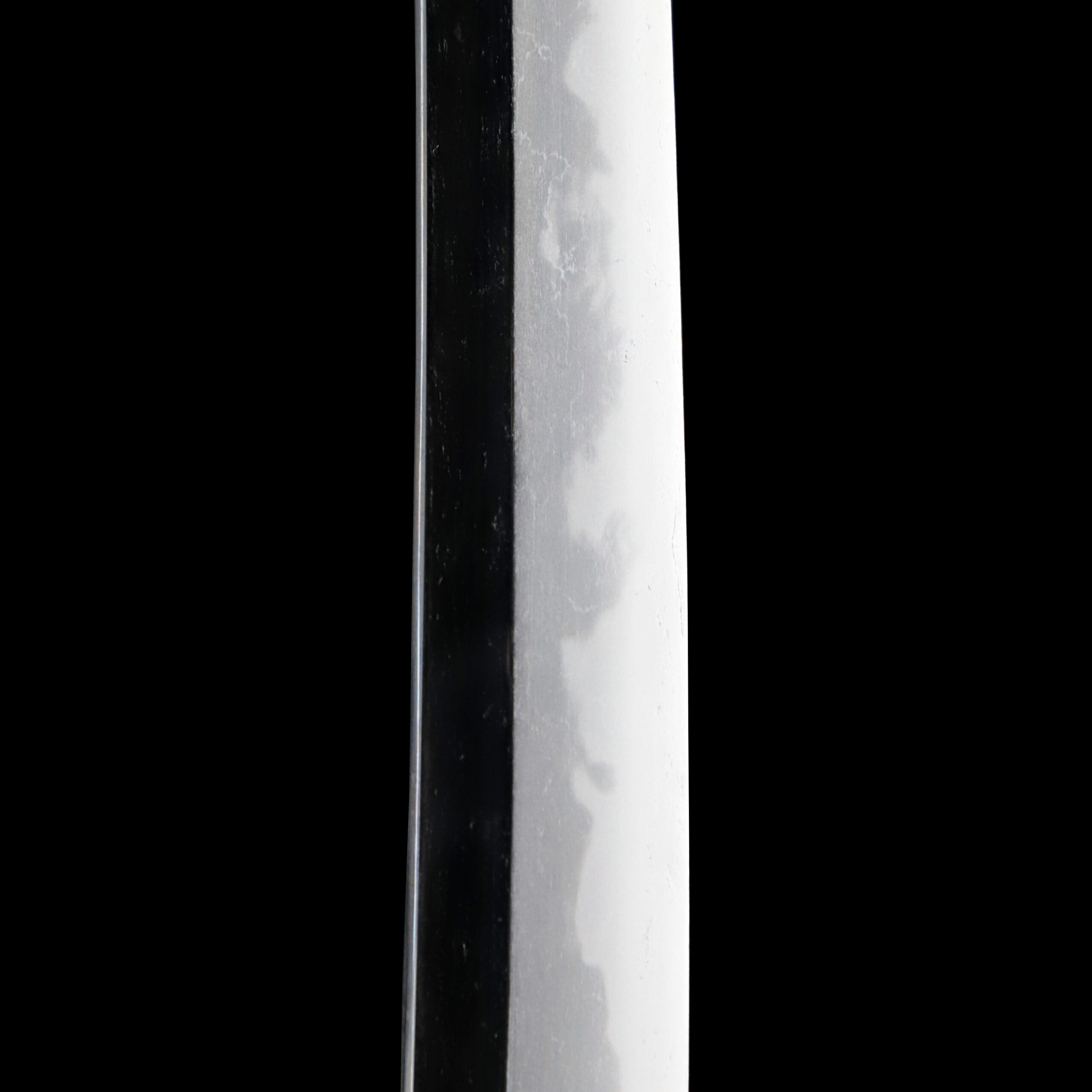
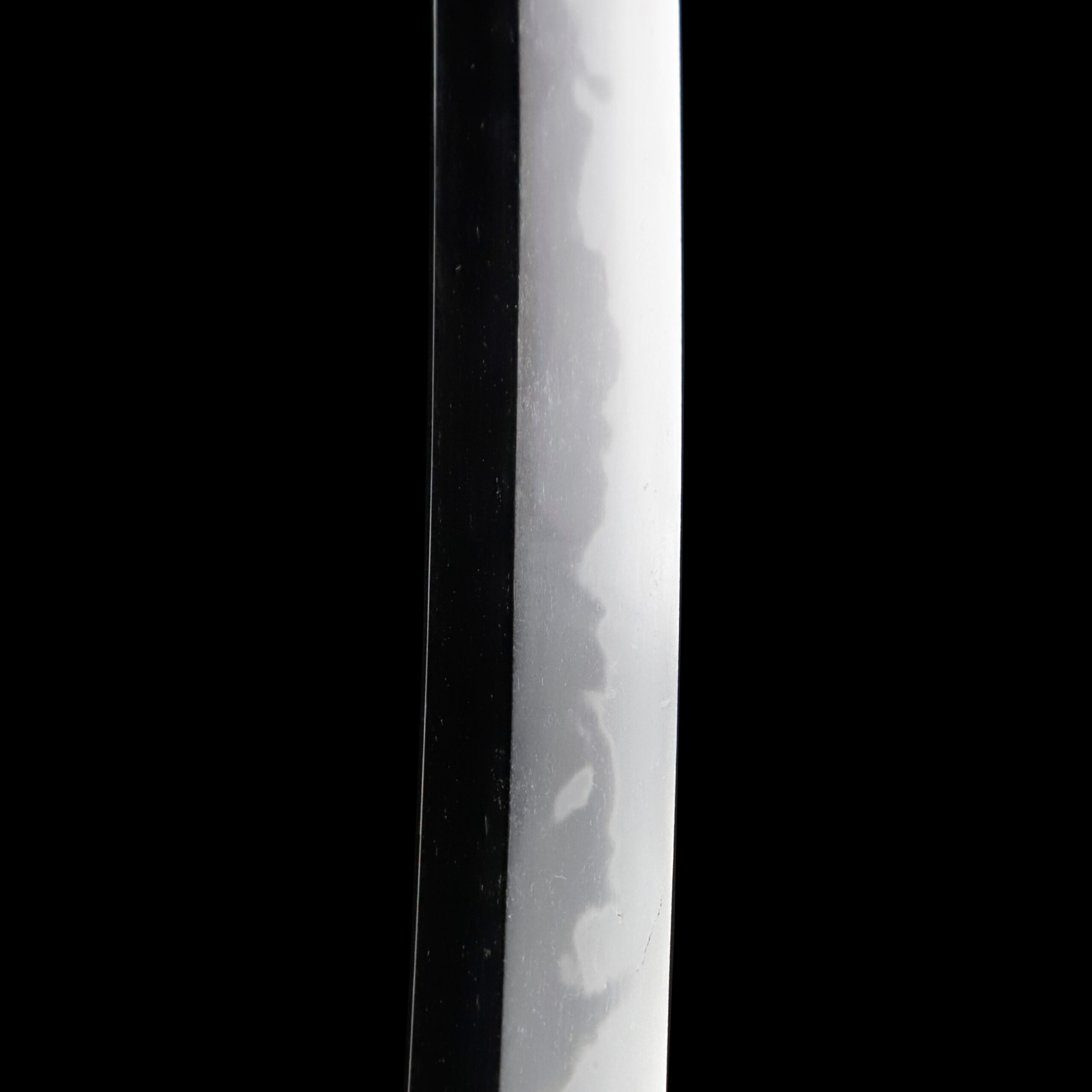
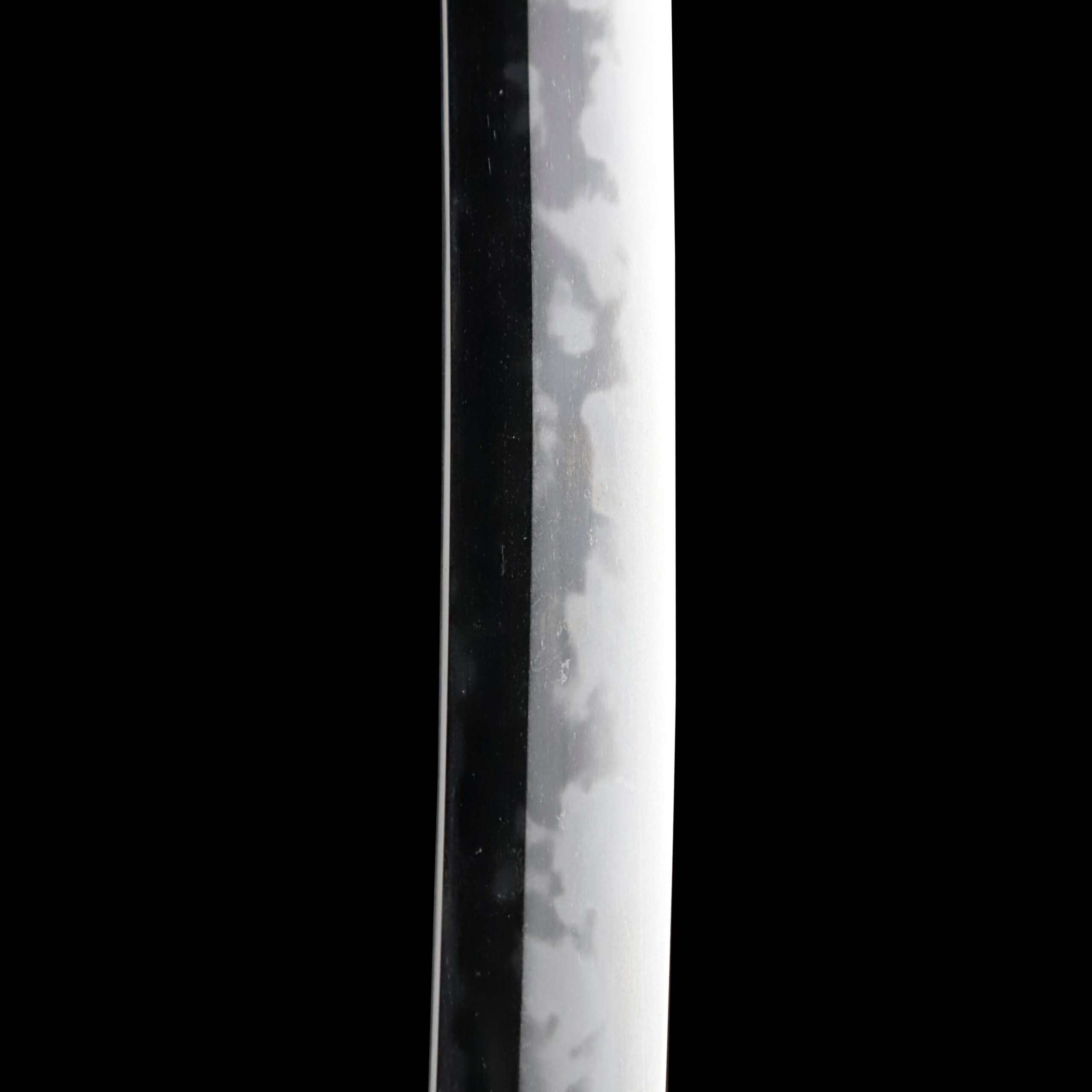
The first-gen Masahiro is said to have been an apprentice of Masamune, one of the most famous swordsmiths in Japanese history. According to one theory, a late-gen Masahiro served Hojo Ujitsuna (北条氏綱), the head of the Hojyo clan in Odawara castle town. And, Masahiro received one of the letters, Tsuna (綱) from his master and changed his maker’s name to Tsunahiro (綱廣). During Sengoku Jidai (Warring state period), Masahiro forged swords to meet the high demand for weapons. Masahiro was one of the most famous swordsmiths who mastered Soshu traditions (Soshu DEN) along with Masamune, Sadamune and Hiromitsu. This blade has beautiful Hitatsura. Hitatsura is a type of Hamon (tempering line) where Hamon liberally spreads across the width of the blade.
Soshu Den
Swordsmiths residing in Soshu province (Today’s Kanagawa prefecture) used a particular sword-forging tradition called Soshu Den. And, Shimada school also used this tradition to forge blades. Shoshu Den was born in the middle of the Kamakura period (mid 13th century). Back then, the Yamato and Yamashiro traditions were highly developed, and there were a few renowned swordsmiths from those regions. However, the sword-forging practice was in its infancy in the Kanto area, where the Soshu region was located.
At the beginning of the Kamakura government, which was established in 1185, the first Shogun, Minamoto Yoritomo, prioritized making a lot of rules to have its political stability. And he couldn’t afford to hire swordsmiths within the same region or train them. Therefore, the Kamakura government originally ordered weapons to the swordsmiths in the other areas, such as Yamato and Yamashiro.
But, since the government was established, the demand for weapons increased exponentially in the government, and they had to figure out how to meet those demands from Samurai who served Kamakura shogunate. Then, the 5th head of the Shogun, Hojo Tokiyori, invited two renowned swordsmiths from other parts of Japan. They were Awataguchi Kunitsuna from Yamashiro province and Bizen Saburo Kunimune from Bizen province. And the 7th-gen Shogun Koreyasu Shino also invited Fukuoka Ichimonji Sukezane from Bizen province.
It is said that those three swordsmiths played an essential role in creating the Soshu Den and making the foundation of the Soshu Den. Also another famous figure in the Soshu den is Intou Kunimitsu, an adopted son of Awataguchi Knitsuna. And Kunimitsu passed his excellent craftsmanship to Yukimitsu, his apprentice. And Masamune, one of the most famous swordsmiths in Japanese history, was an apprentice of Yukimitsu. And Masamune was the one that brought Shoshuden to nationwide fame. The tradition Masamune completed became an example of other swordsmiths who learned Soshu Den. Also, Soshu Den influenced many renowned swordsmiths during the Koto- Shinto era. One of examples is Inoue Shinkai from Osaka and Suishinshi Masahide from Edo.
Horimono (Engraving)
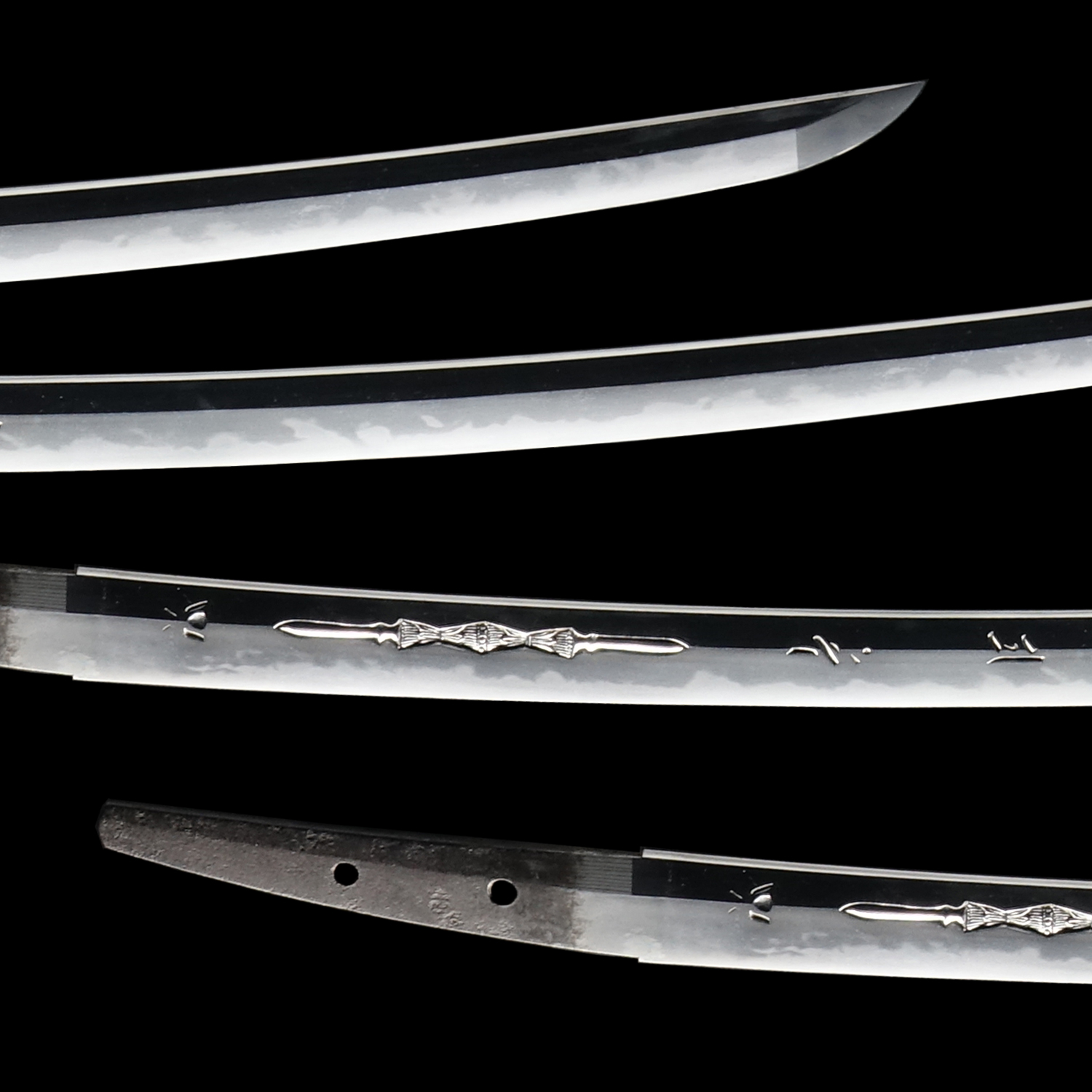
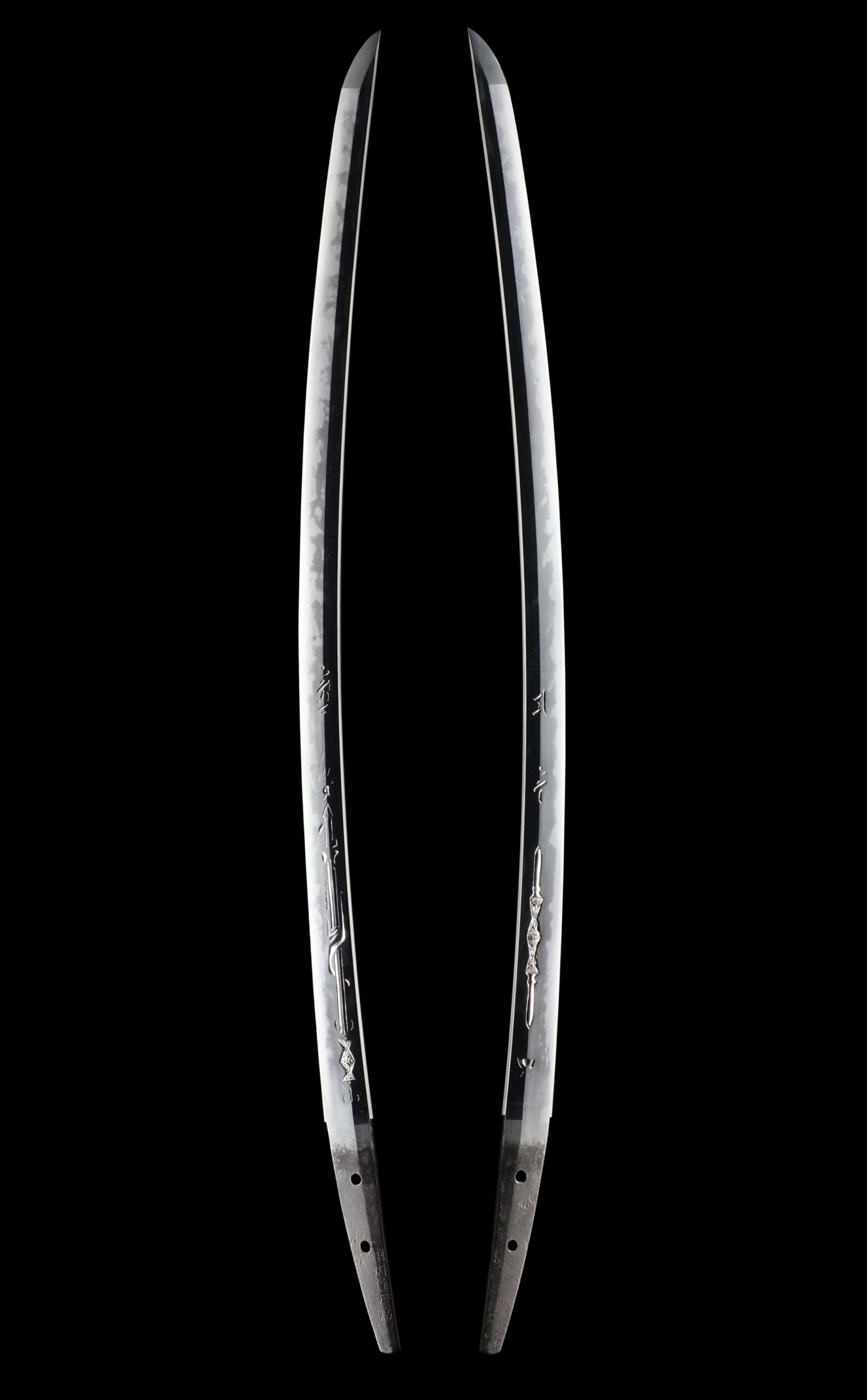
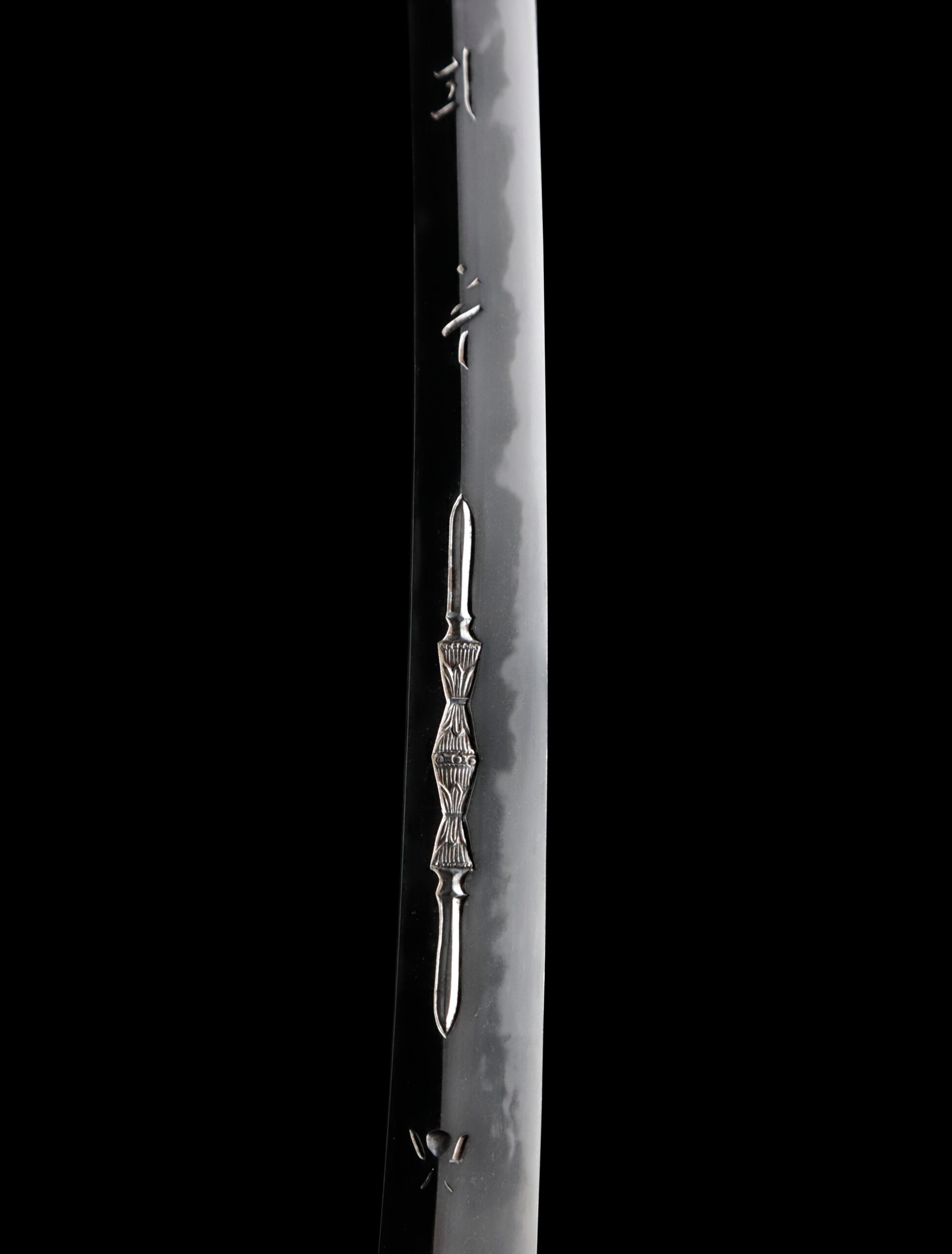
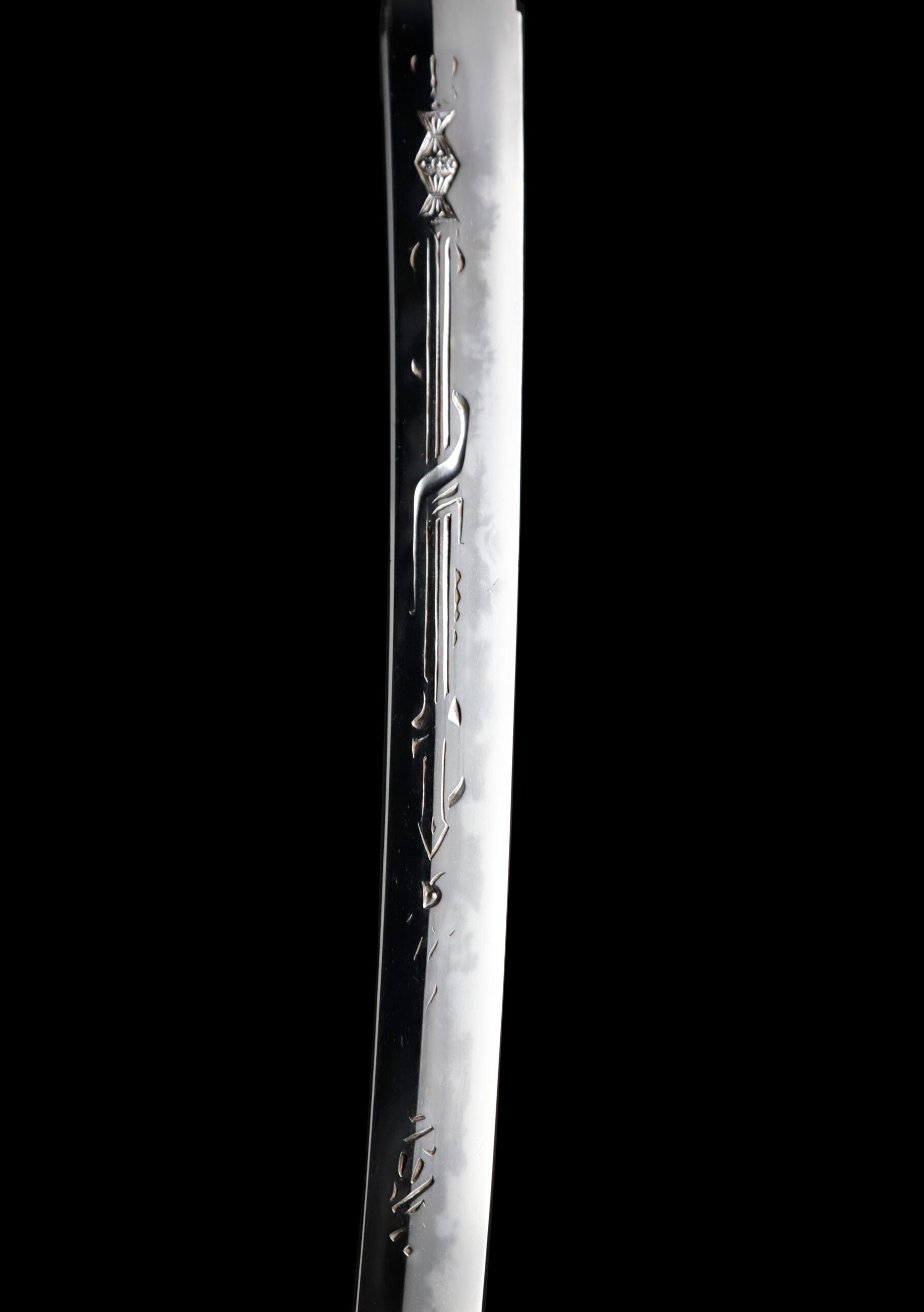
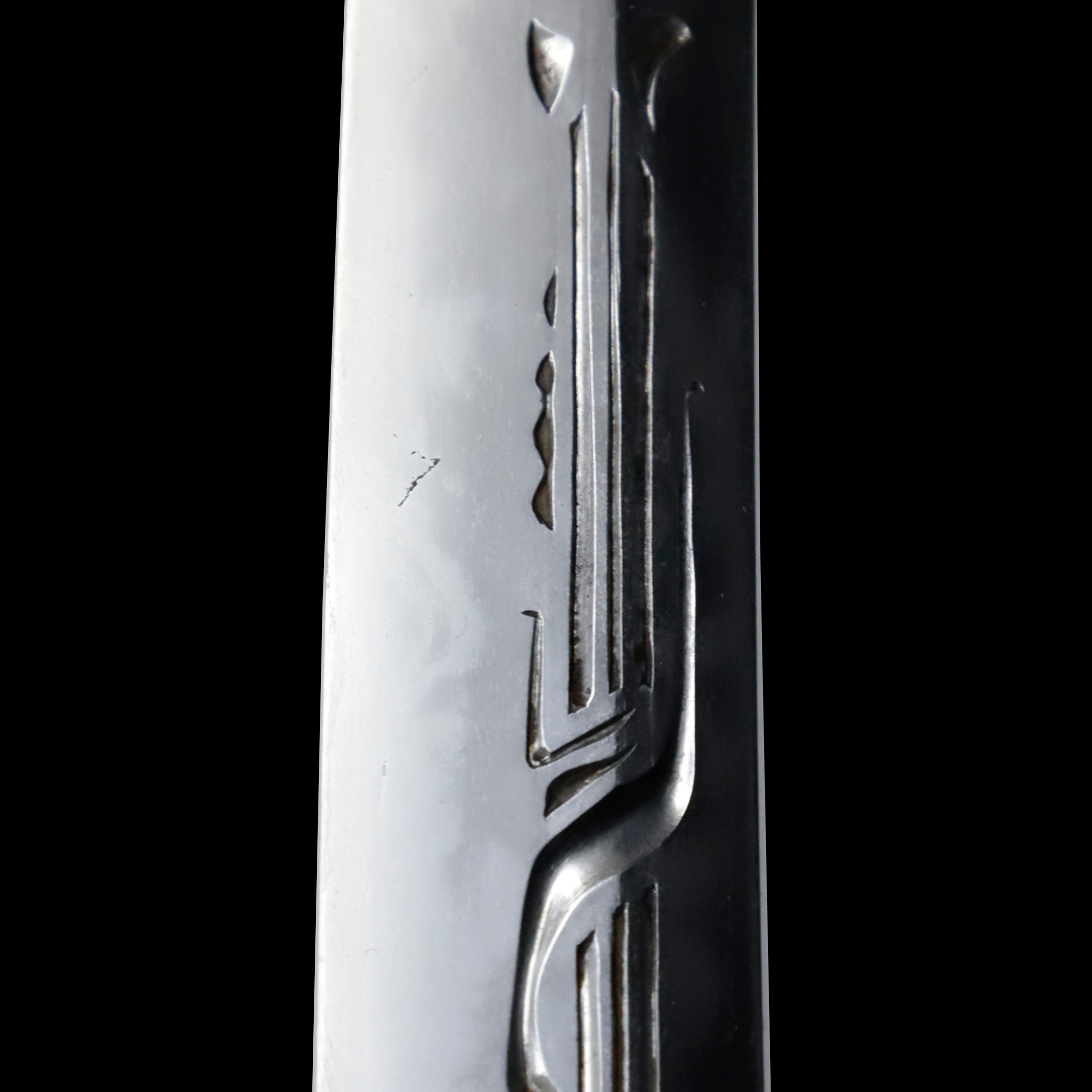
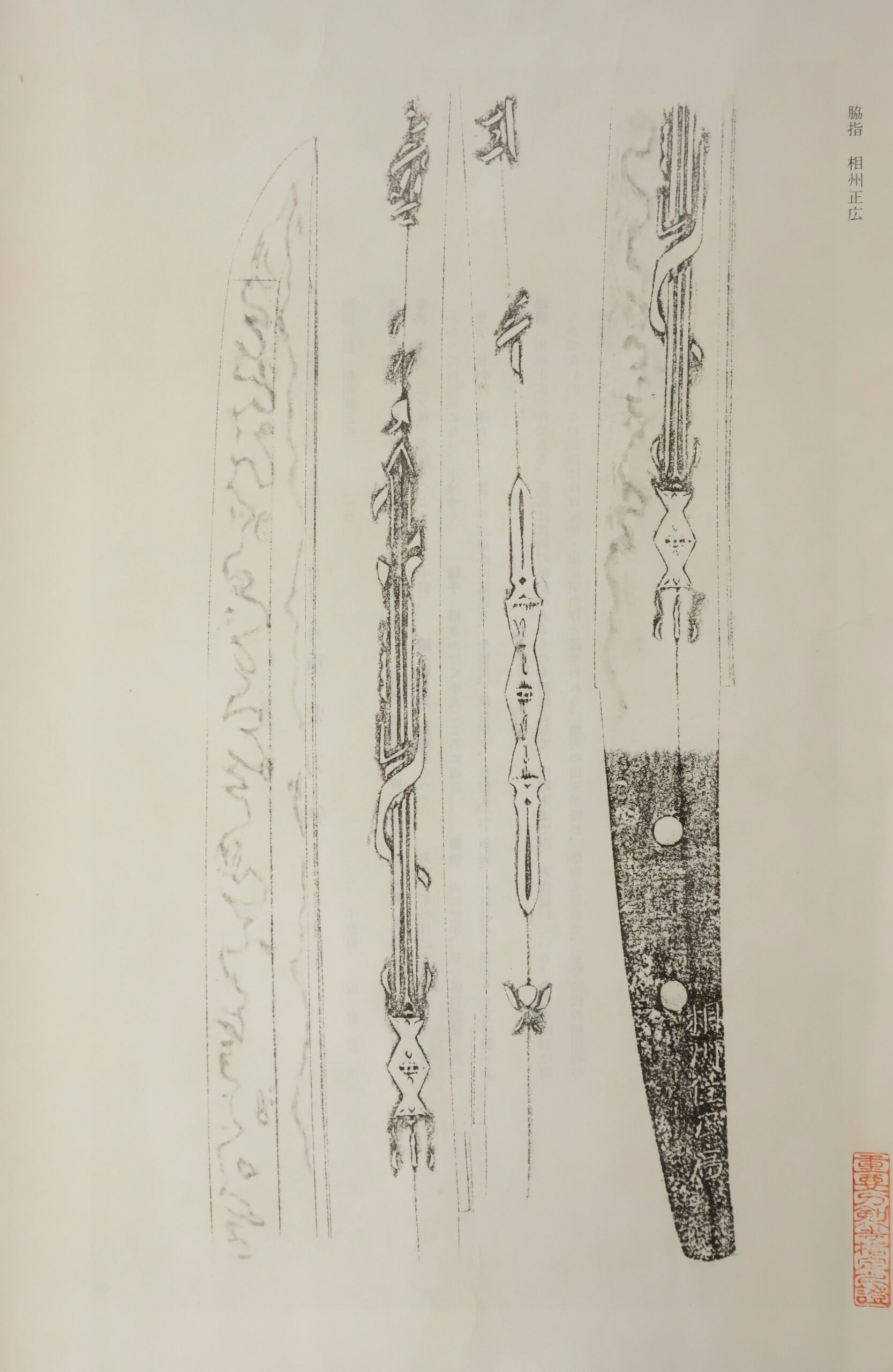
Different kinds of objects are engraved on this blade. They are Kusakurikara Ken(草倶利伽羅剣), Dokko (独鈷), Rendai (蓮台) and Bonji (梵字: Sanskrit letter). These items are all related to Buddhism.Kurikara is the sword that Fudo Myo-O (不動明王, acalanātha) holds with his right hand. Fudo Myo-O is one of the objects of worship in Buddhism. According to a theory, it is the incarnation of Dainichi Nyorai (大日如来, Mahāvairocana, the principal image of esoteric Buddhism). Kurikara-ken was named after its appearance that Kurikara Ryu-O (倶利伽羅龍王, dragon) is winding around the sword. It is believed Kurikara-Ken could cut off worldly desires: Sandoku (三毒). Sandoku is the three fundamental human desires; Ton (貪, greed), Jin (瞋, anger, grudge), Chi (癡, delusion, complaint). Kusakurikara is similar kind of the double edged blade. Dokko (独鈷) is one of the tools for Buddhism prayers. Rendai is the base for displaying a buddha statue. And, Bonji is another word for Sanskrit characters.
Appraisal
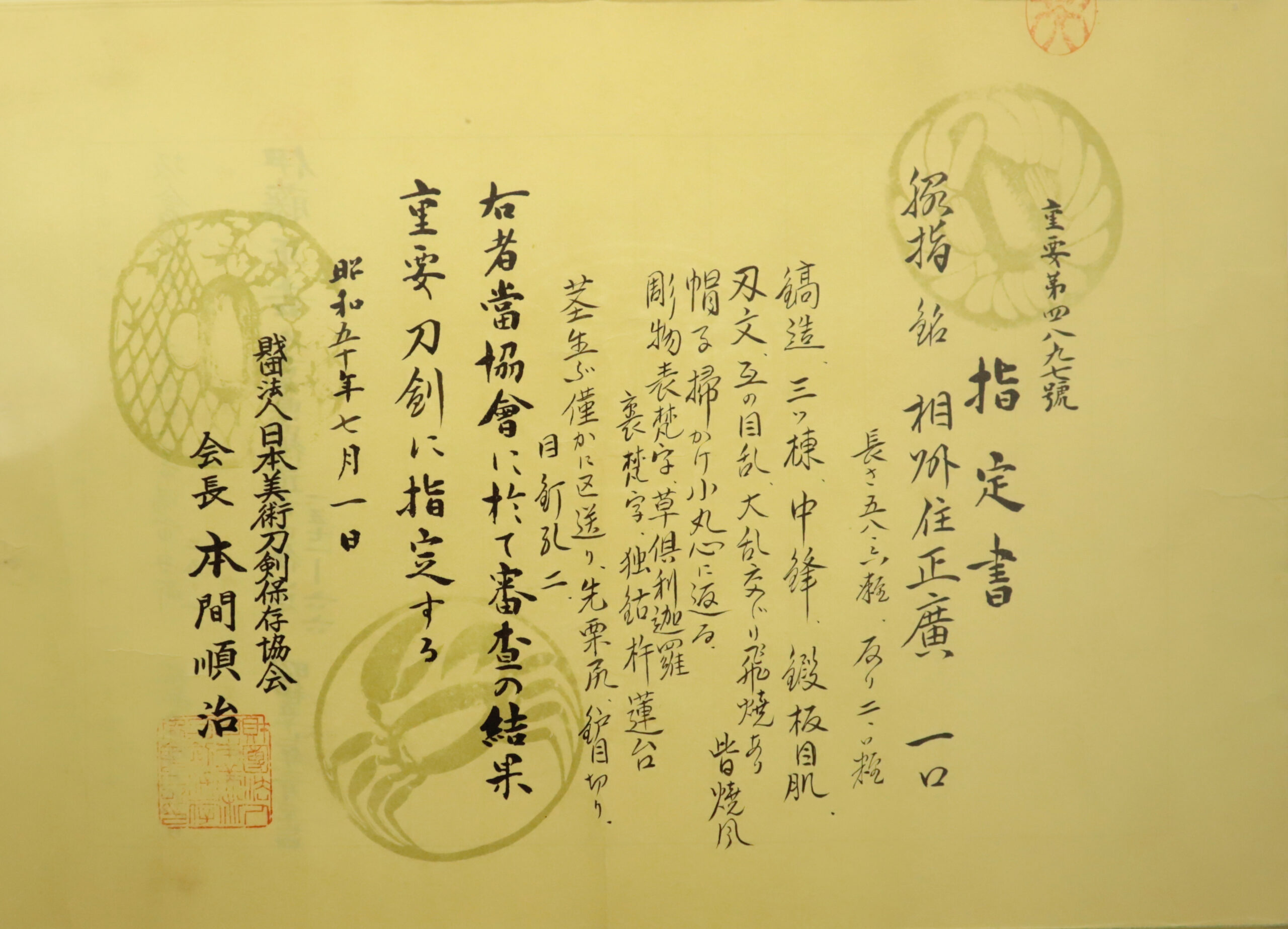
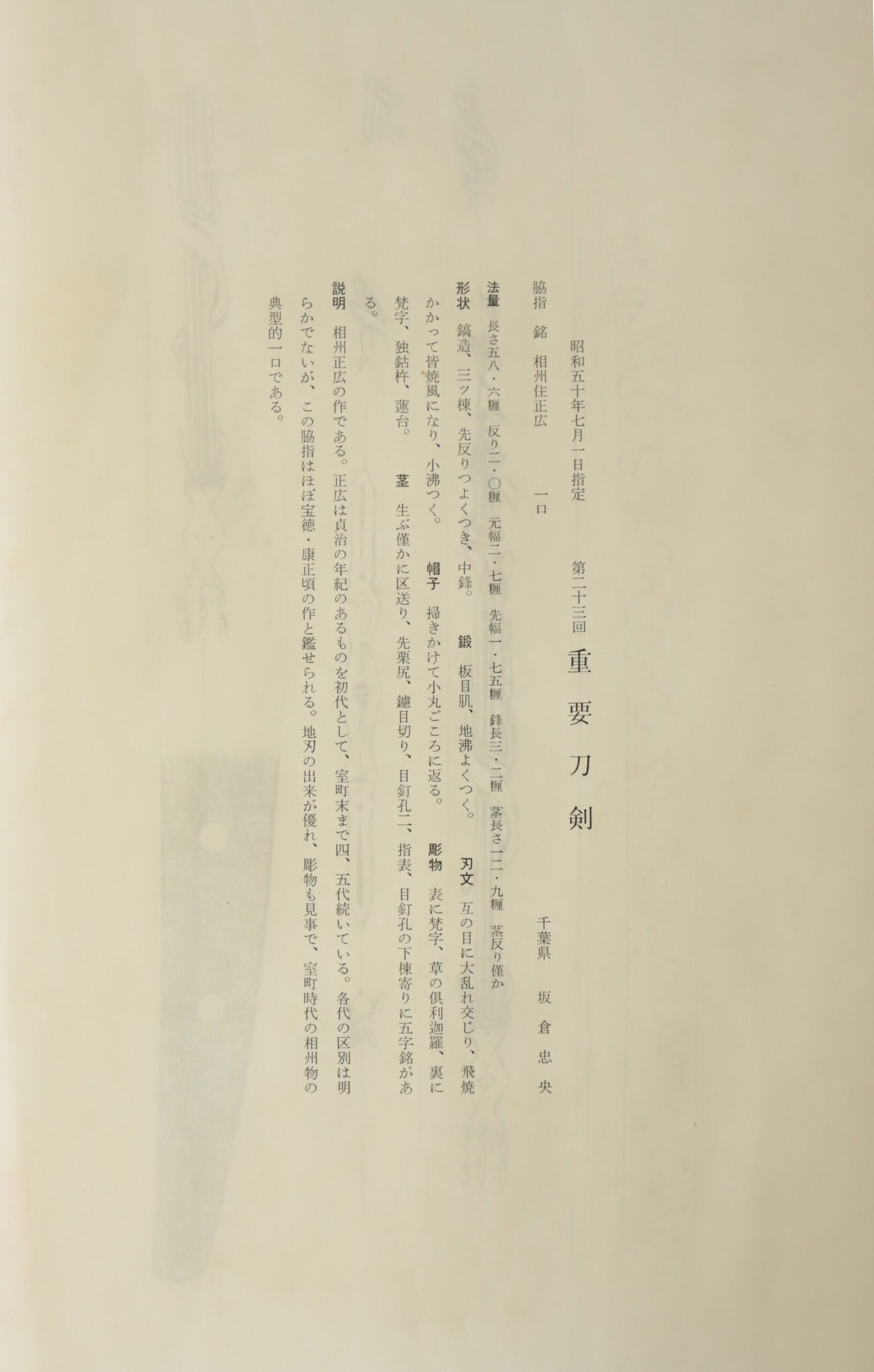
This blade is appraised as a JUYO TOKEN(重要刀剣) issued by NBTHK (Nihon Bijutsu Touken Hozon Kyokai:日本美術刀剣保存協会). JUYO is one rank higher than Tokubetsu Hozon. To be eligible for a Juyo Token, it needs to be appraised as a Tokubetsu Hozon Token first. It is extremely rare for an antique Japanese sword to be appraised as JUYO TOKEN, and it is highly desirable among Japanese sword collectors.
*Please keep in mind that there are visible Kitae kizu on this blade. If you like to check the detailed condition, please feel free to contact us.
Authentication Paper
They authenticated the blade on July 1st in the 50th year of Showa (1975). They appraised it as JUYO TOKEN, the blade exceptionally worth preserving for Japanese society.