After the Ōnin War broke the Ashikaga order, a century of Sengoku warfare armed nearly every province in Japan. The era rewards a discriminating eye: routine work exists in quantity, and beside it stand custom blades of the first rank.
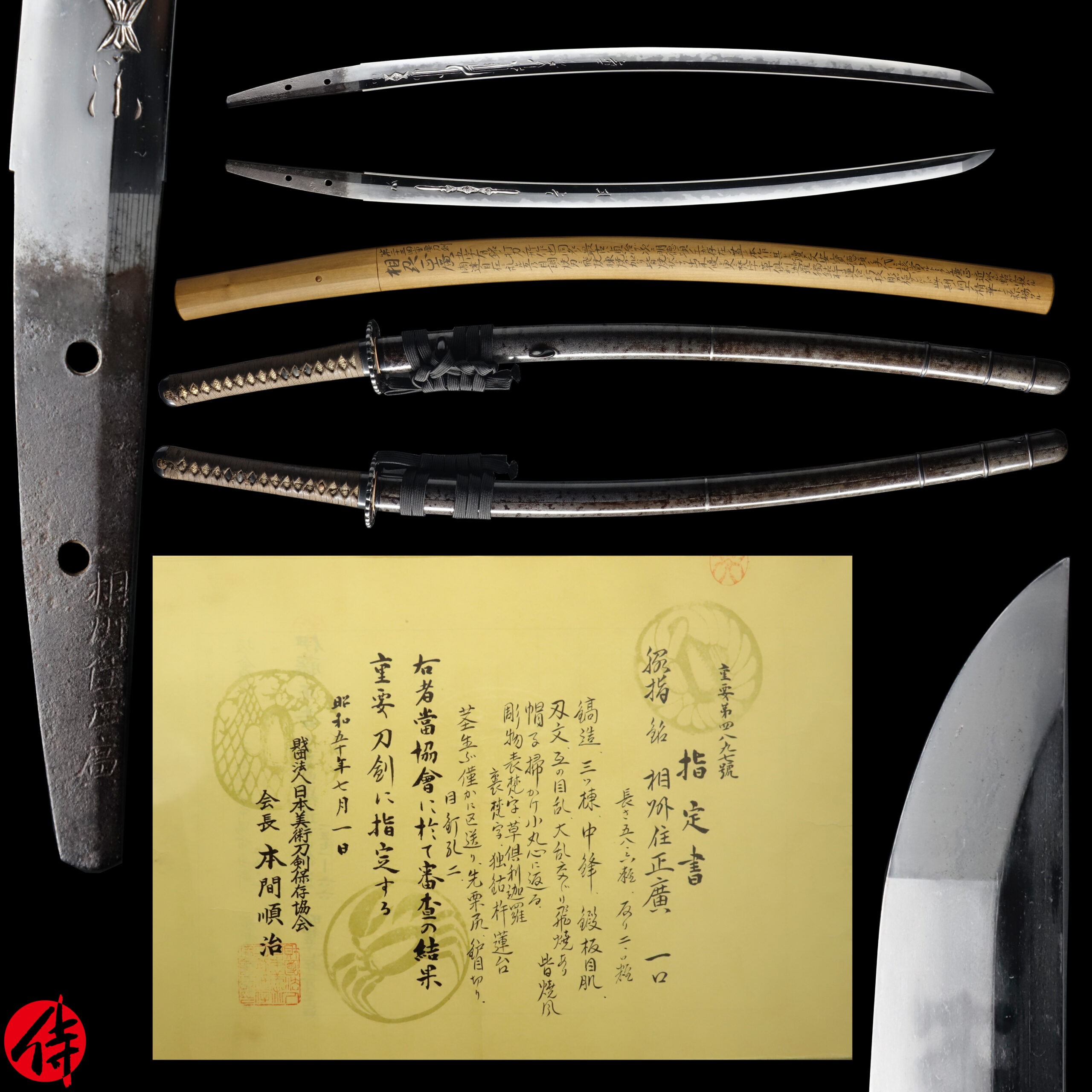
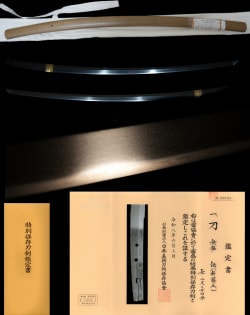
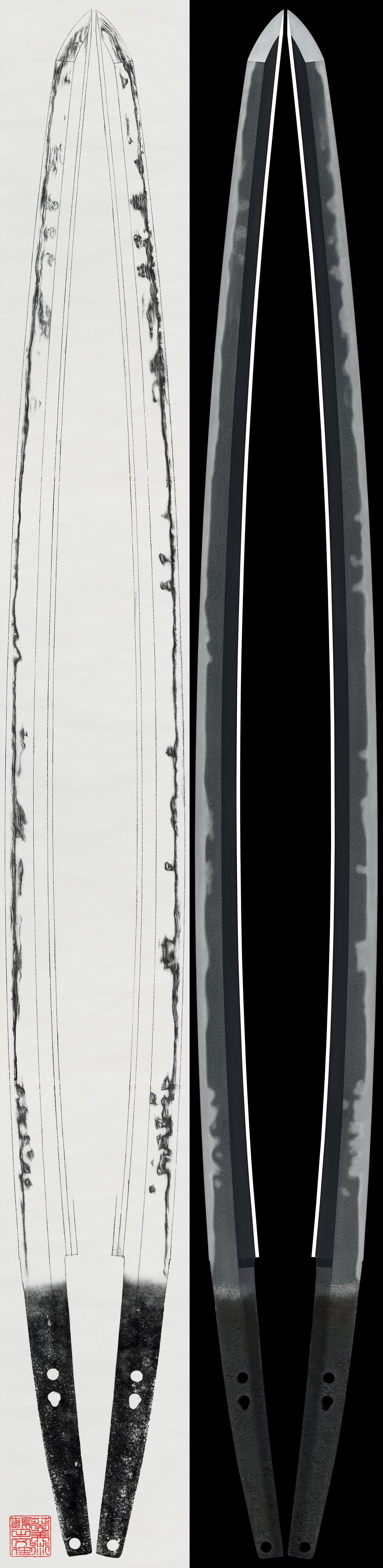
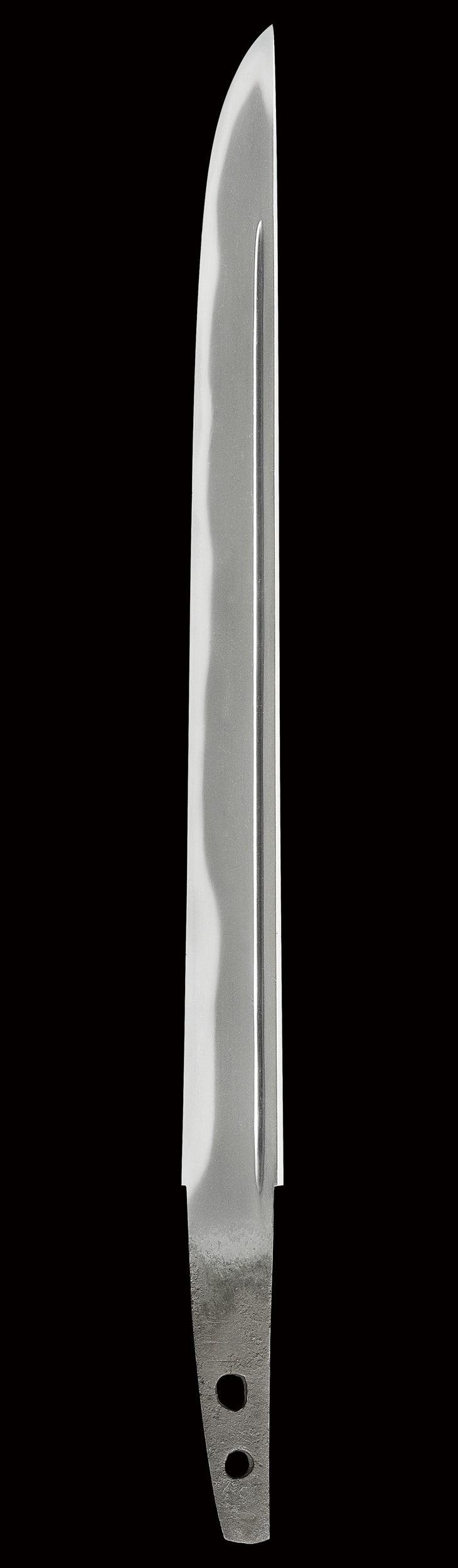
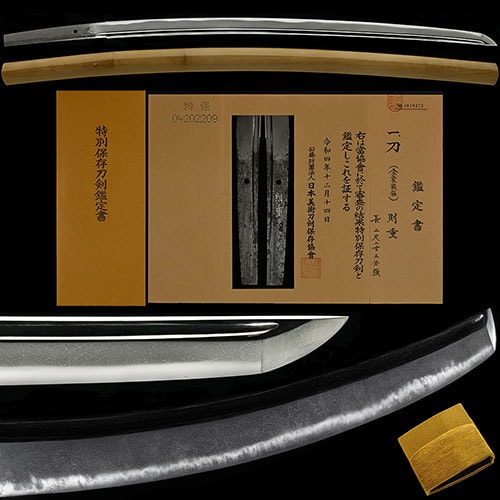
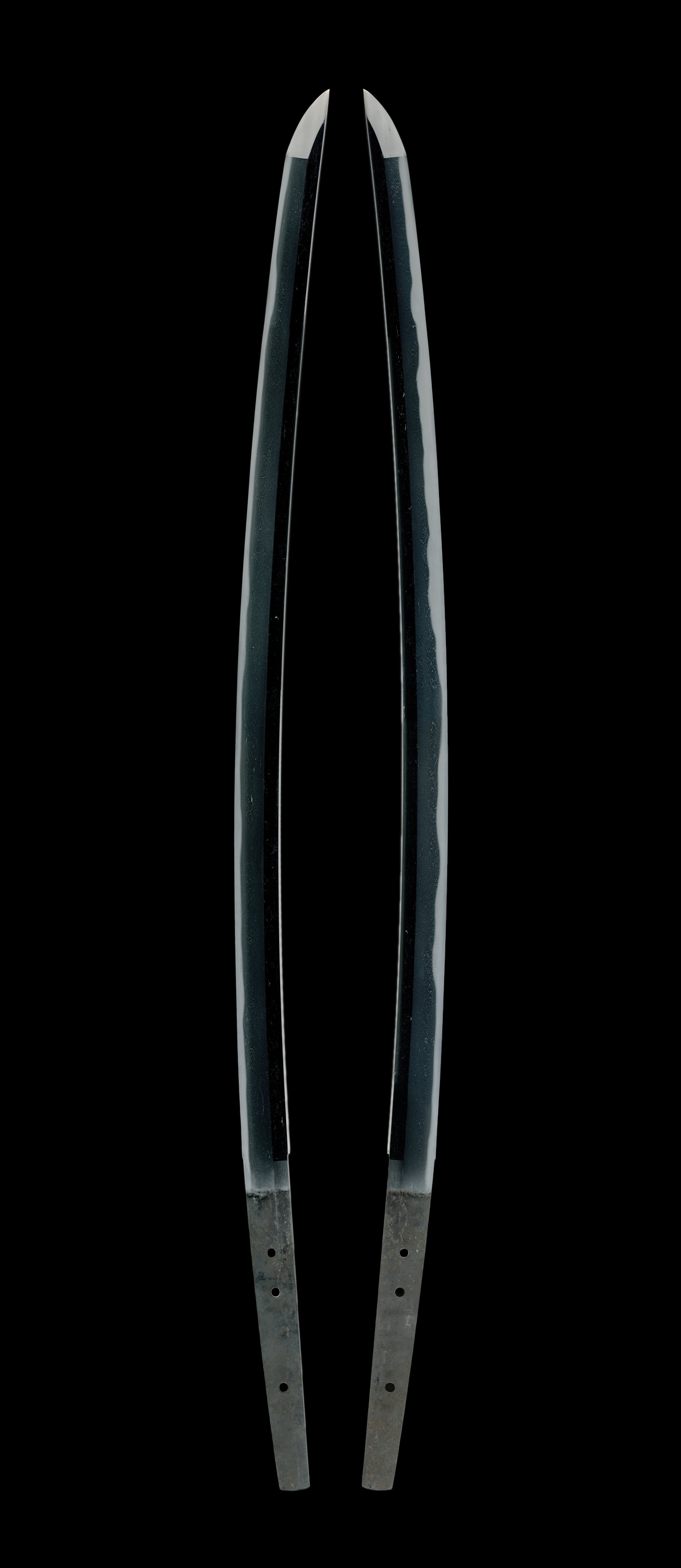
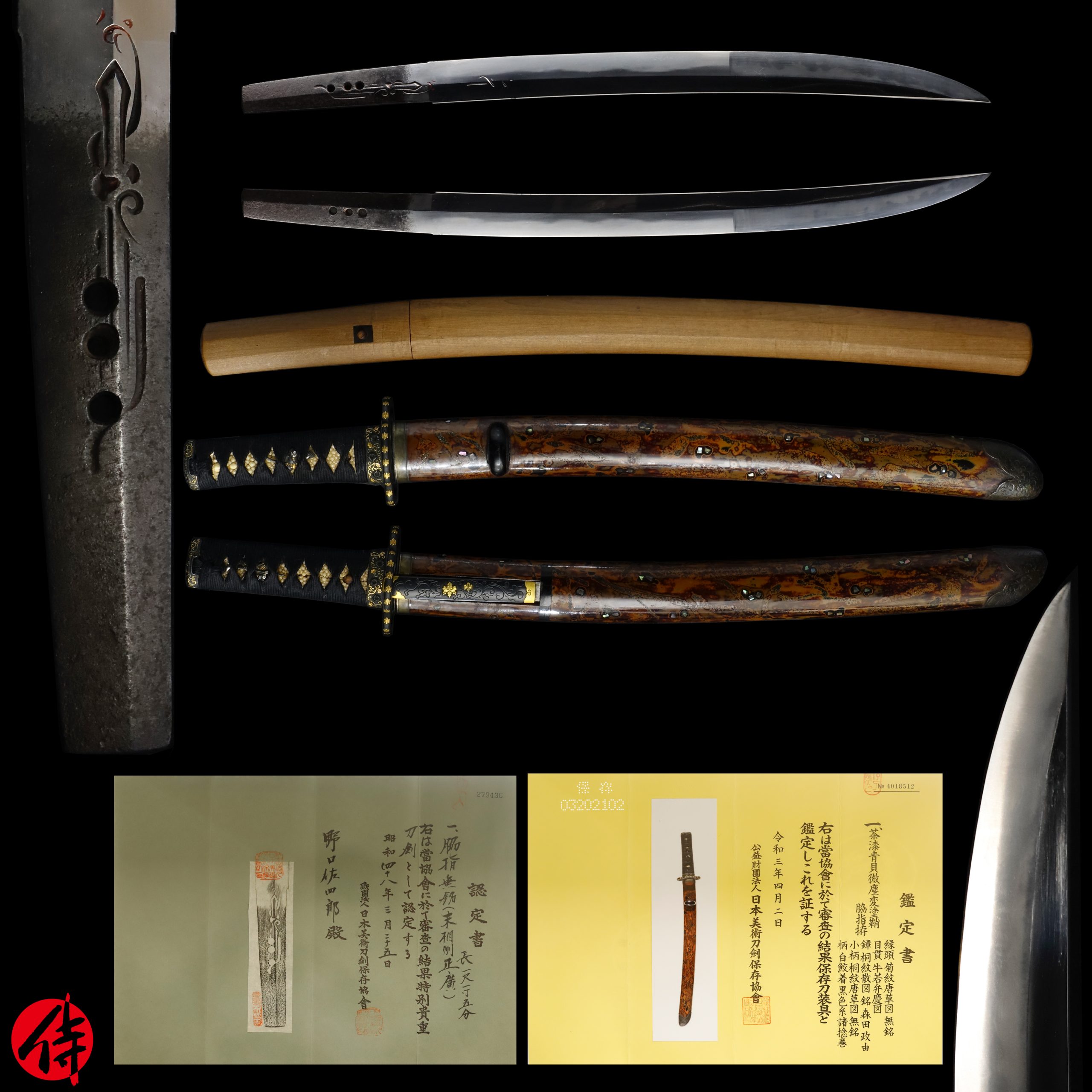
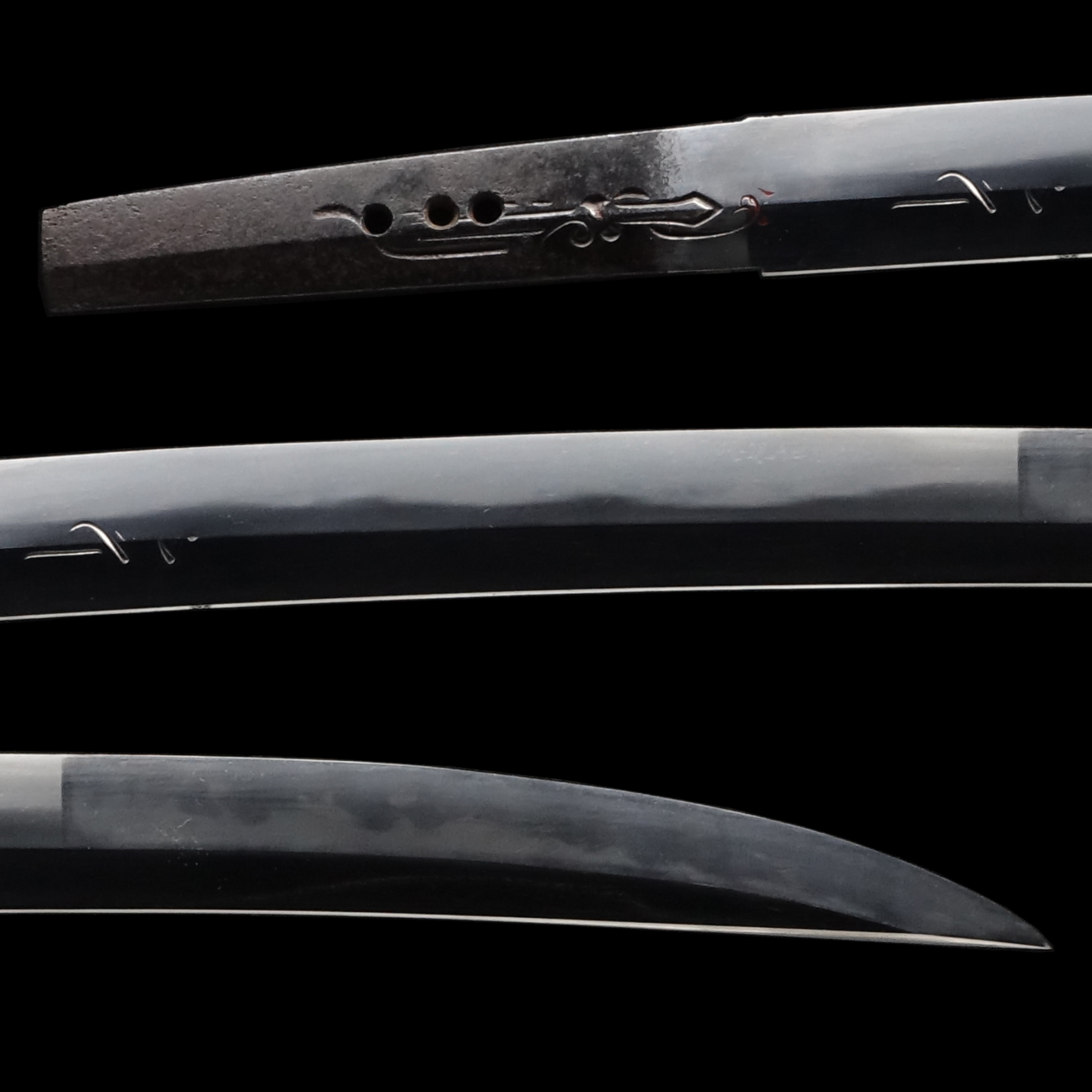
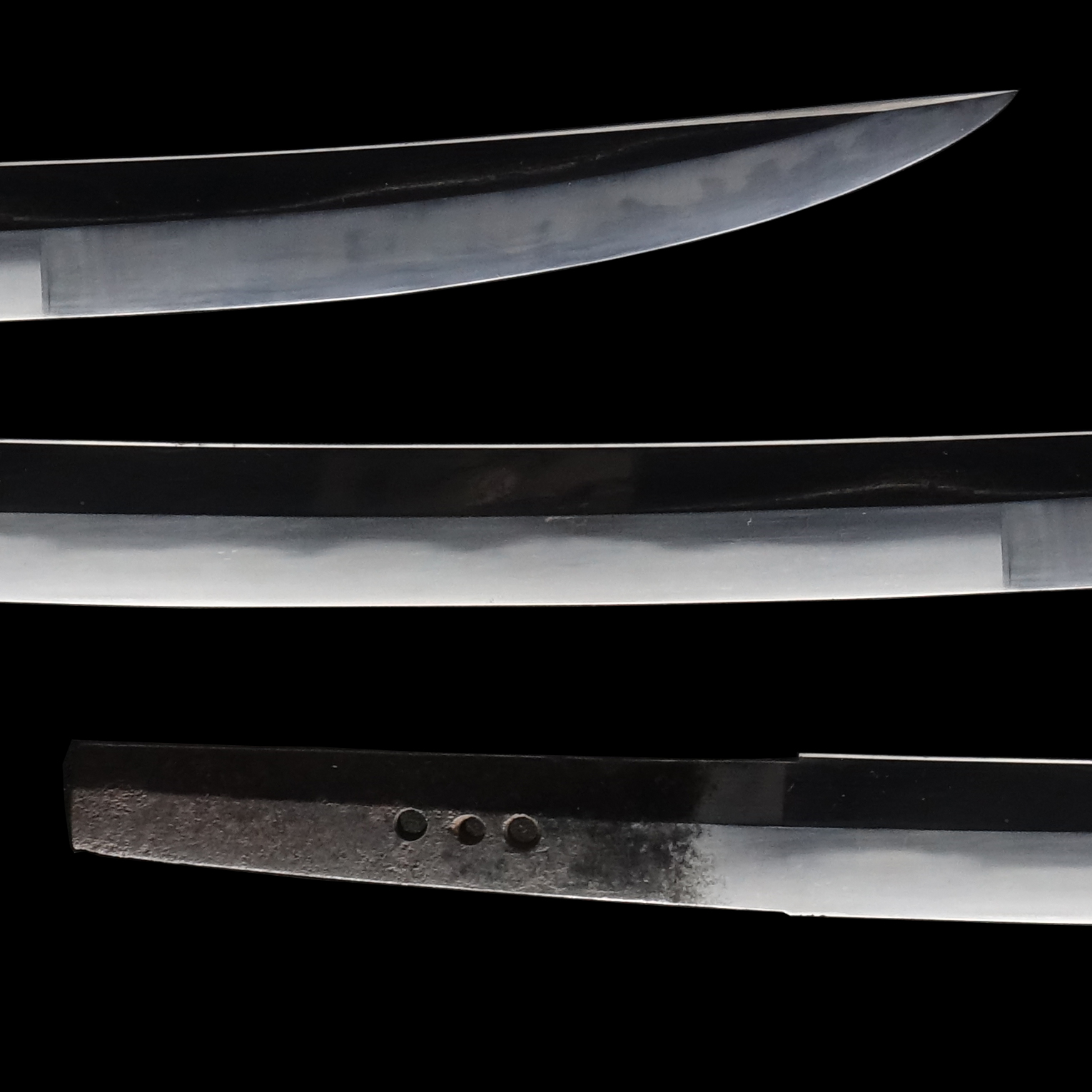
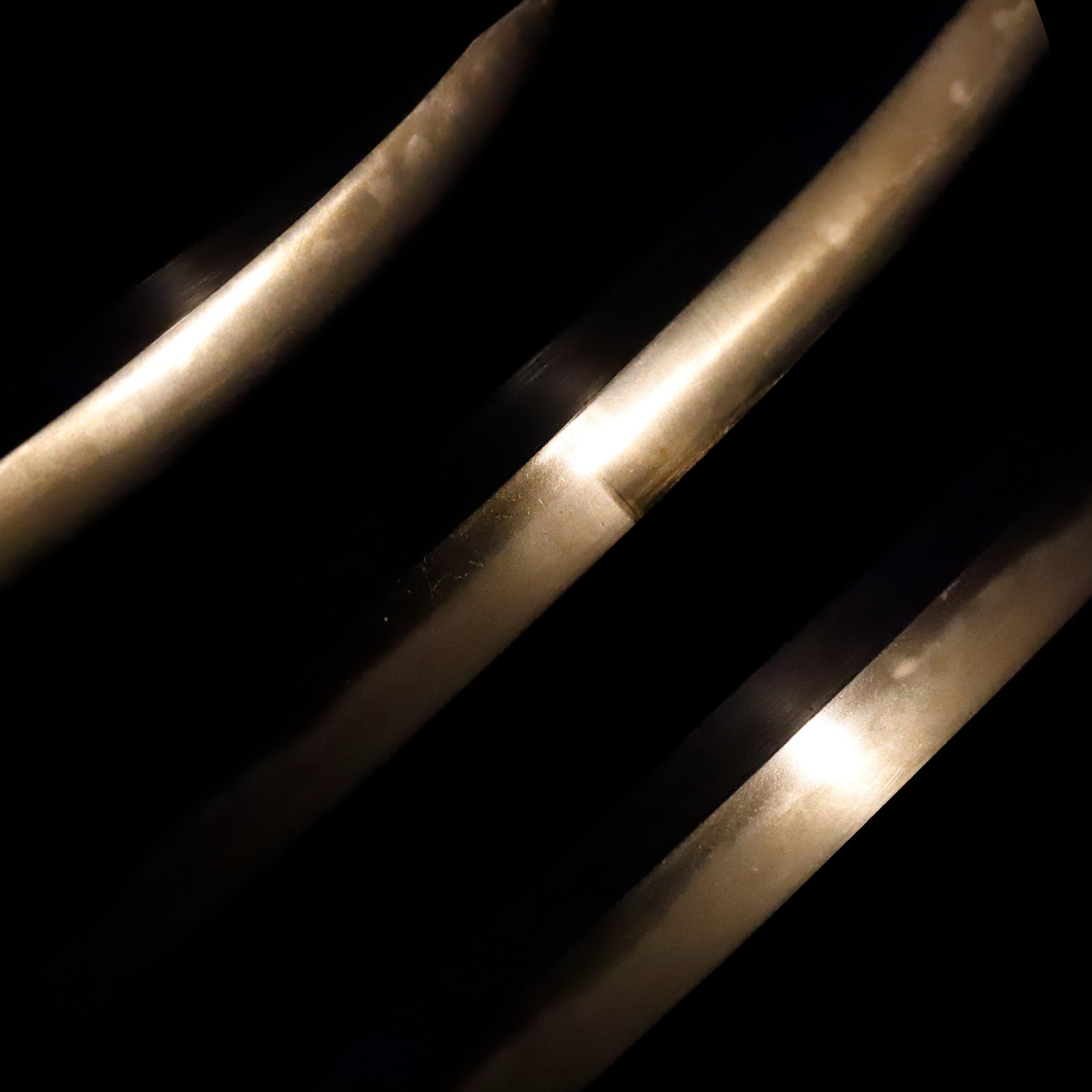
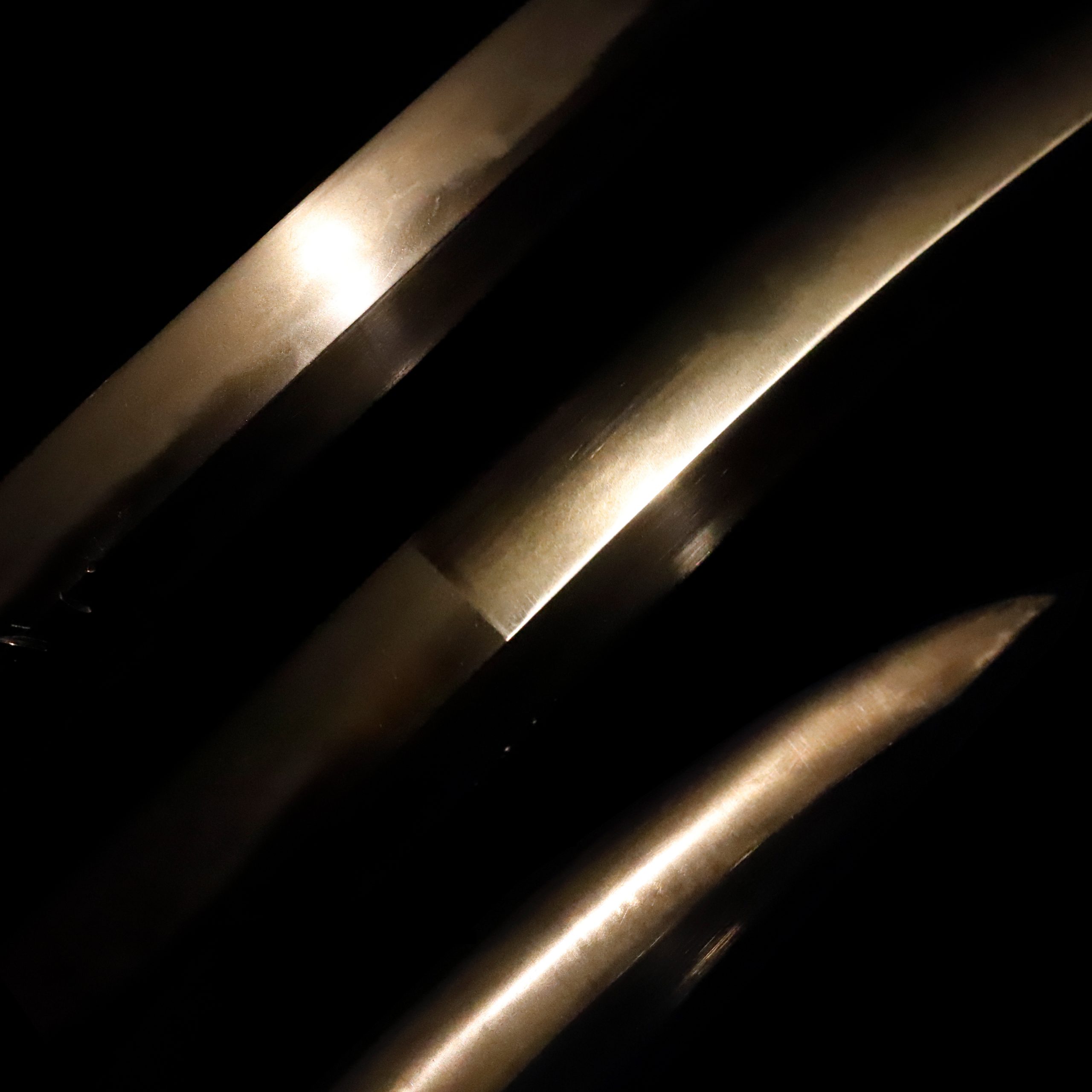
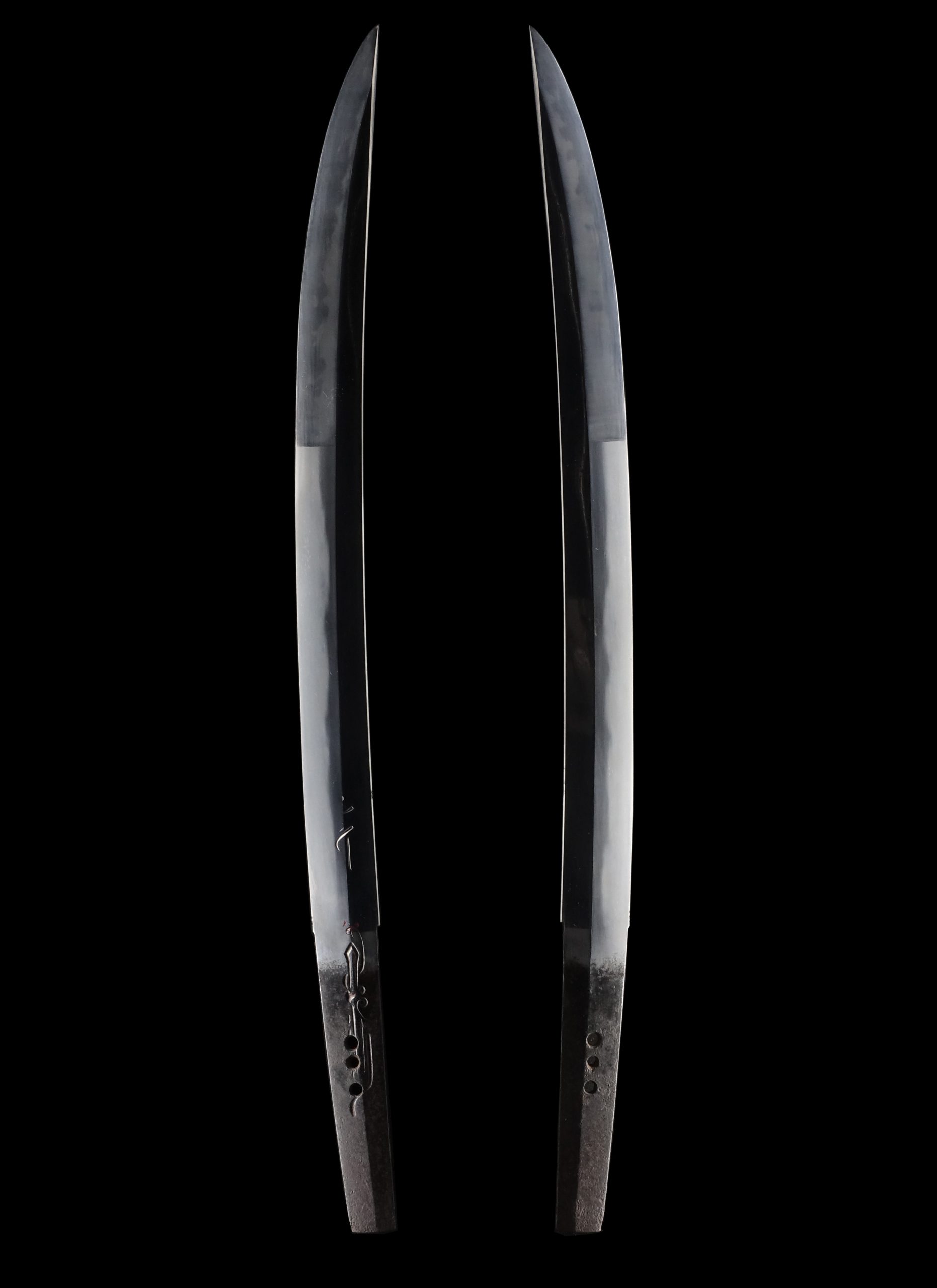
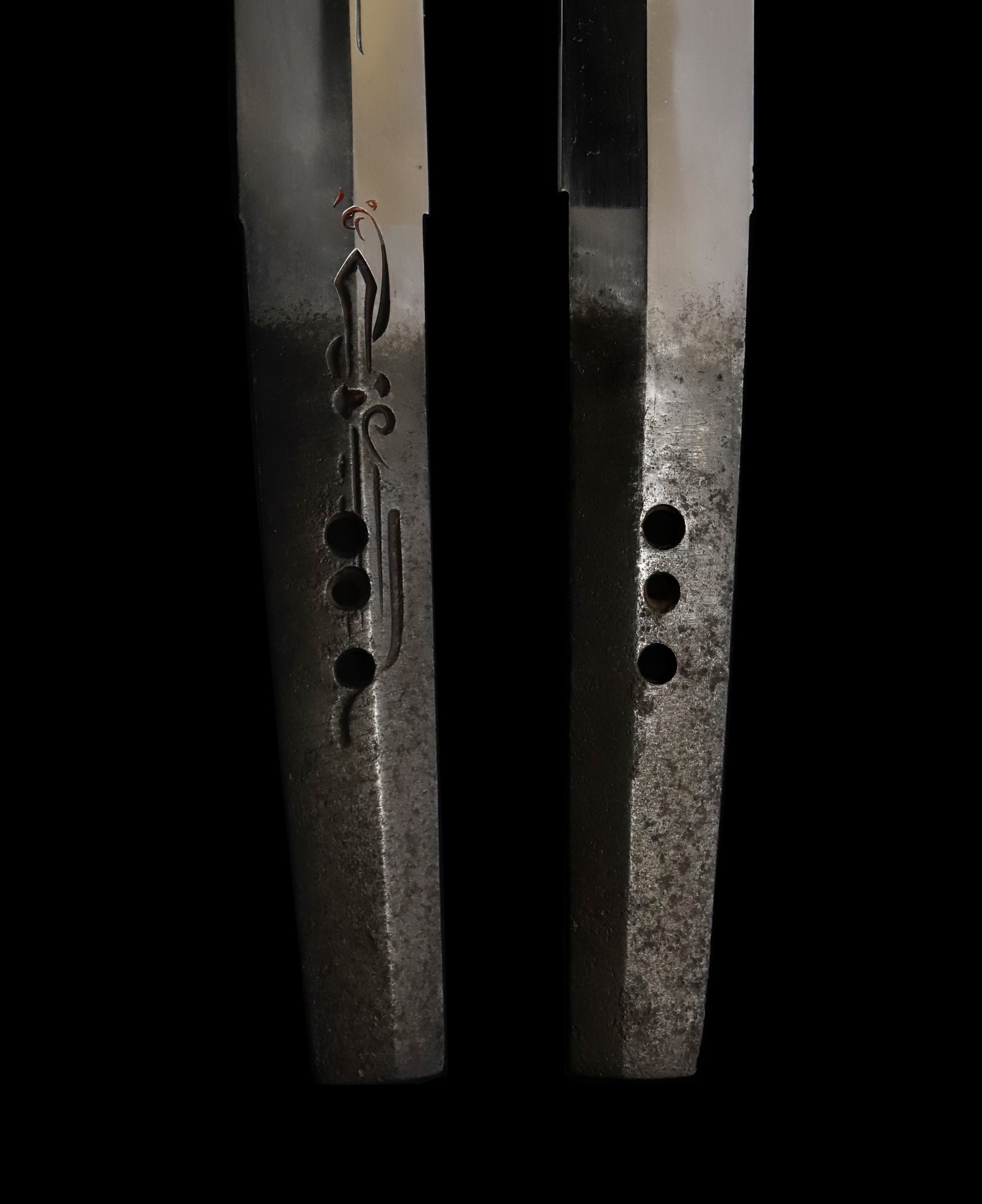
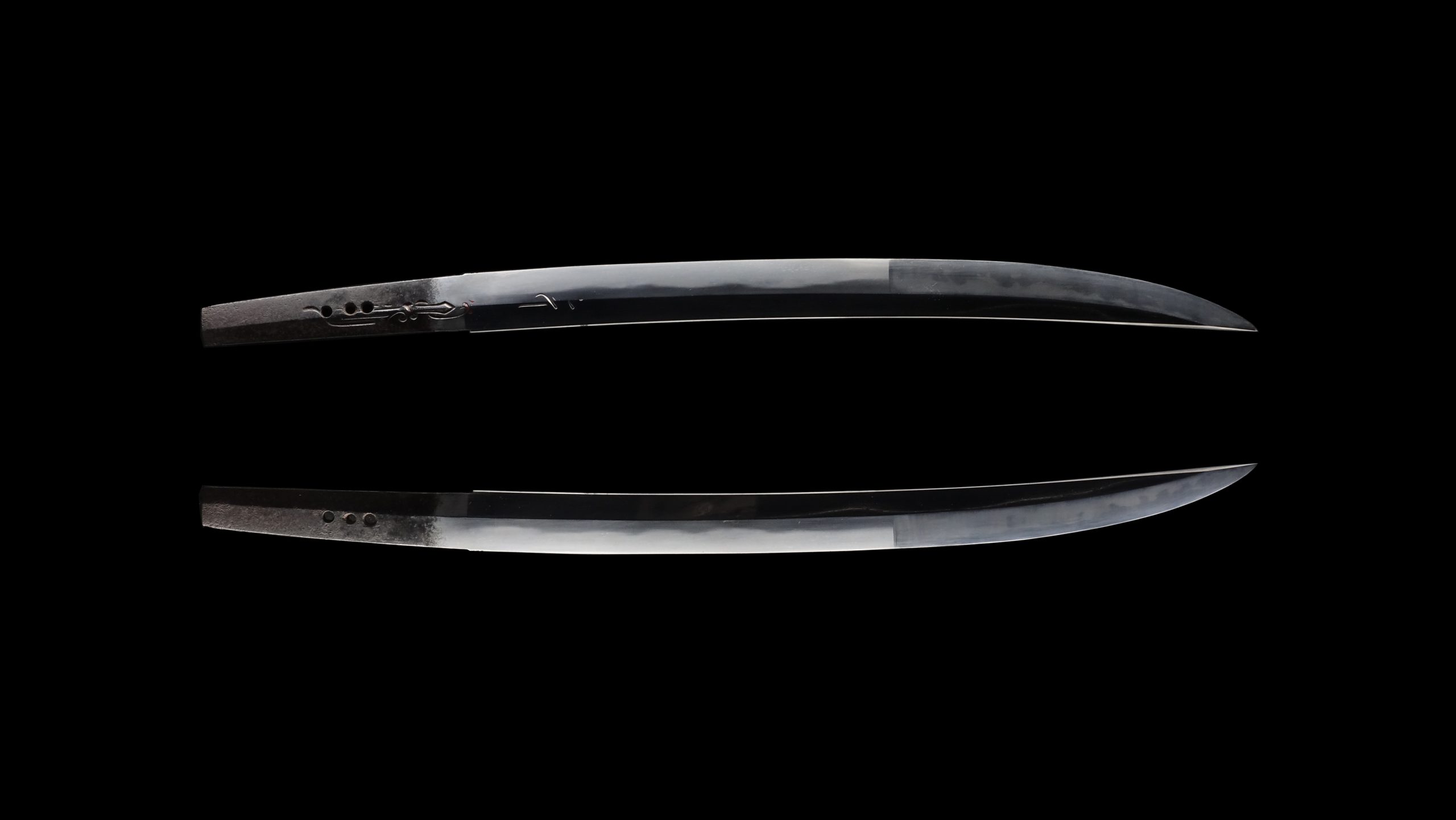
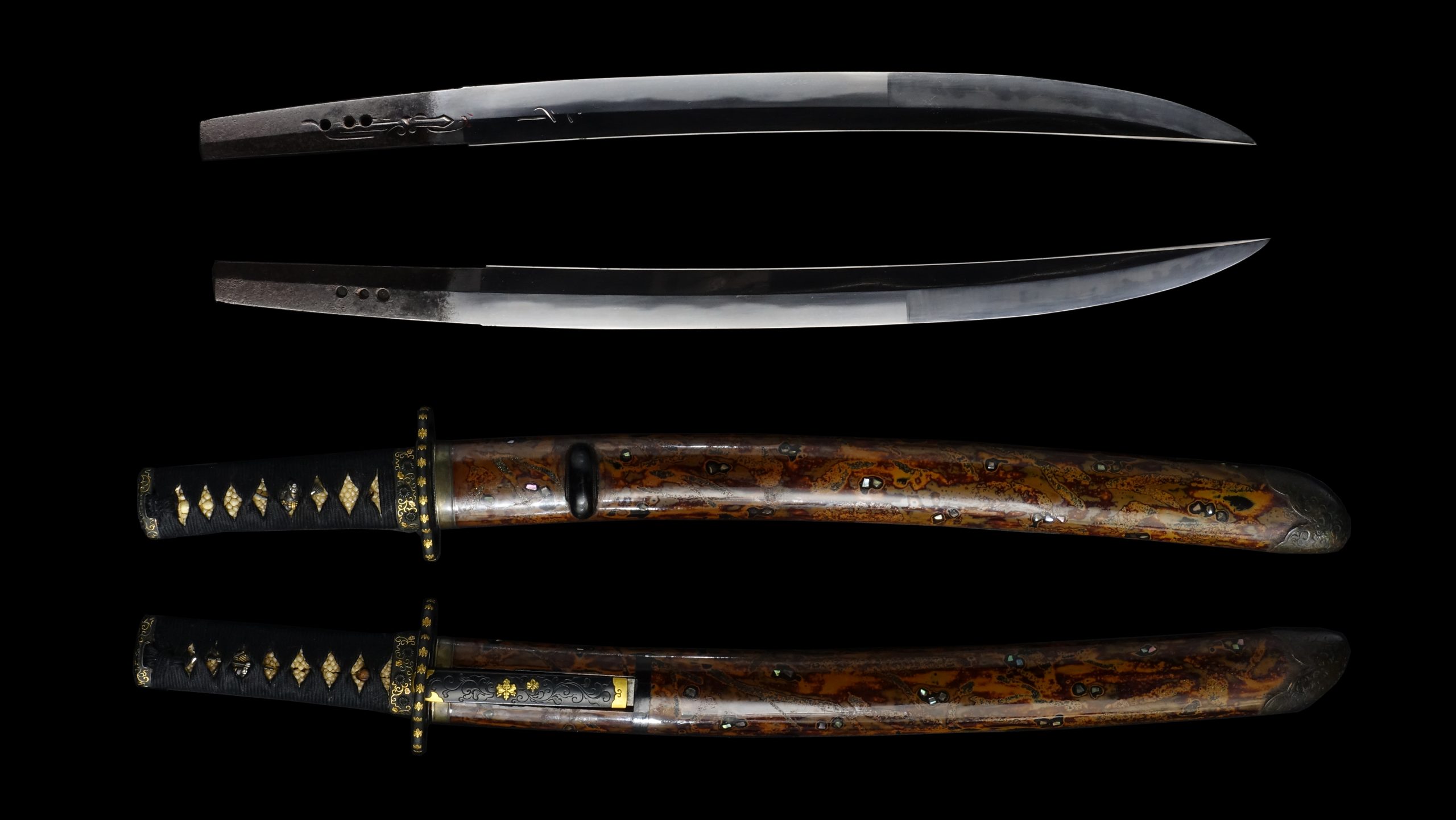
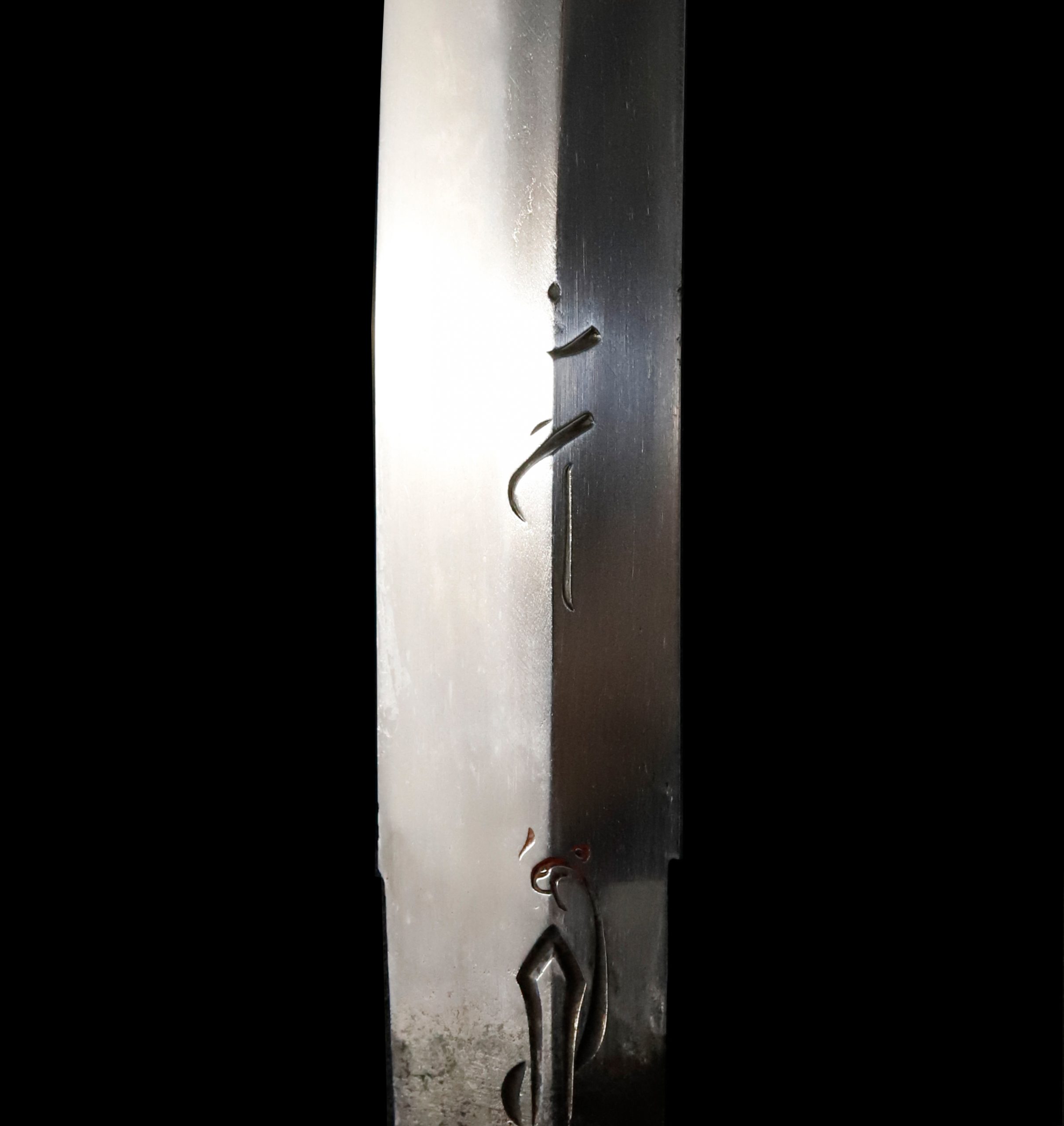
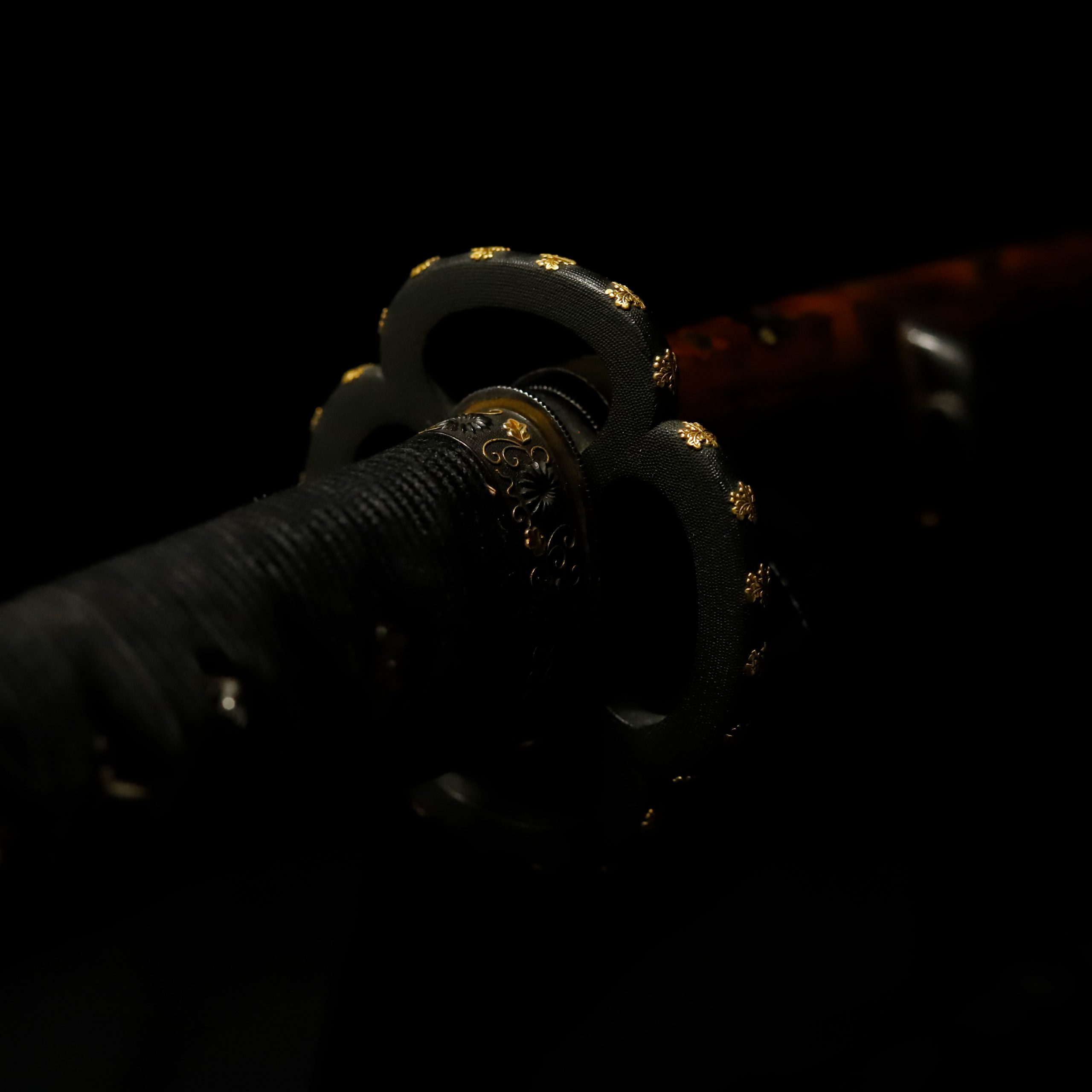
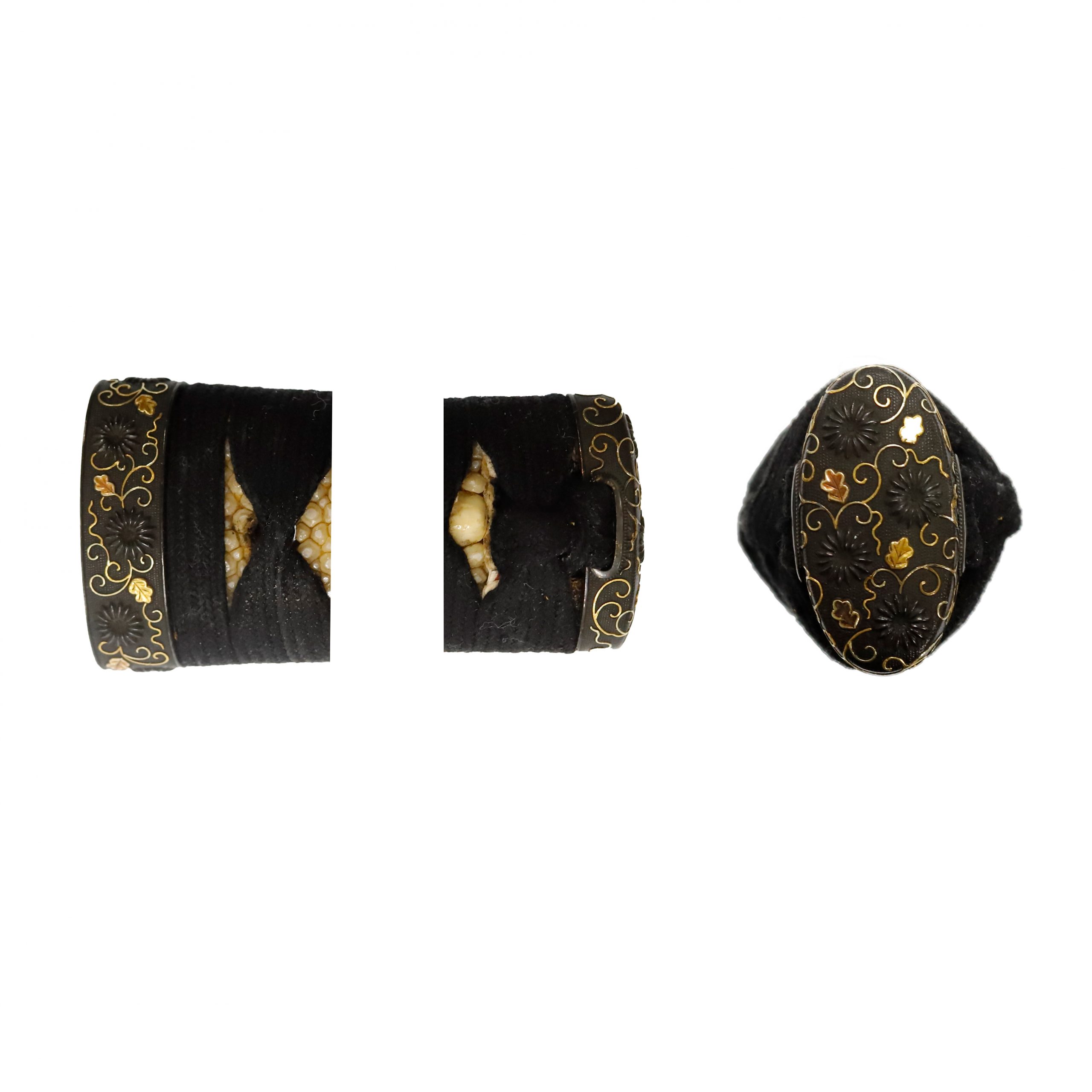
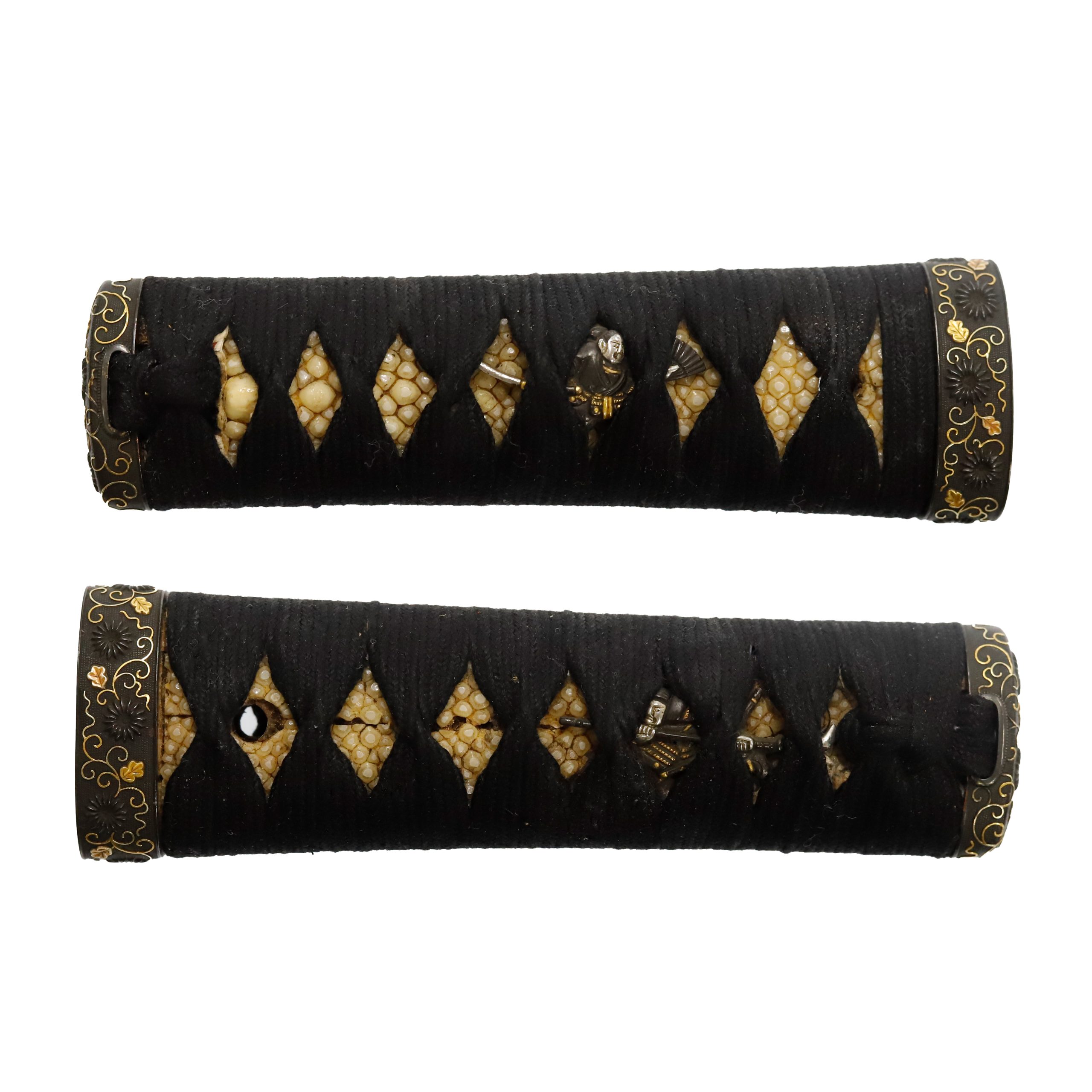
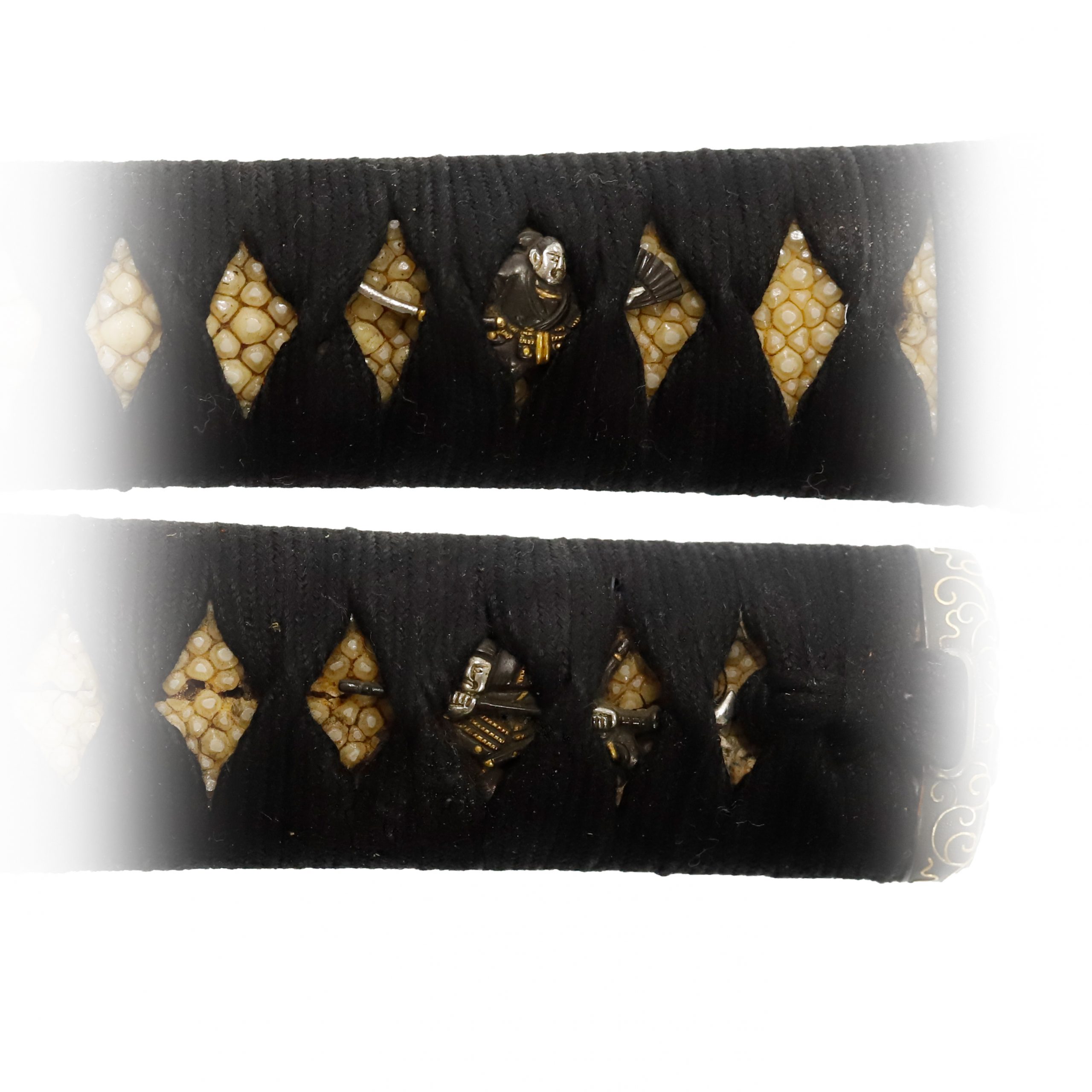
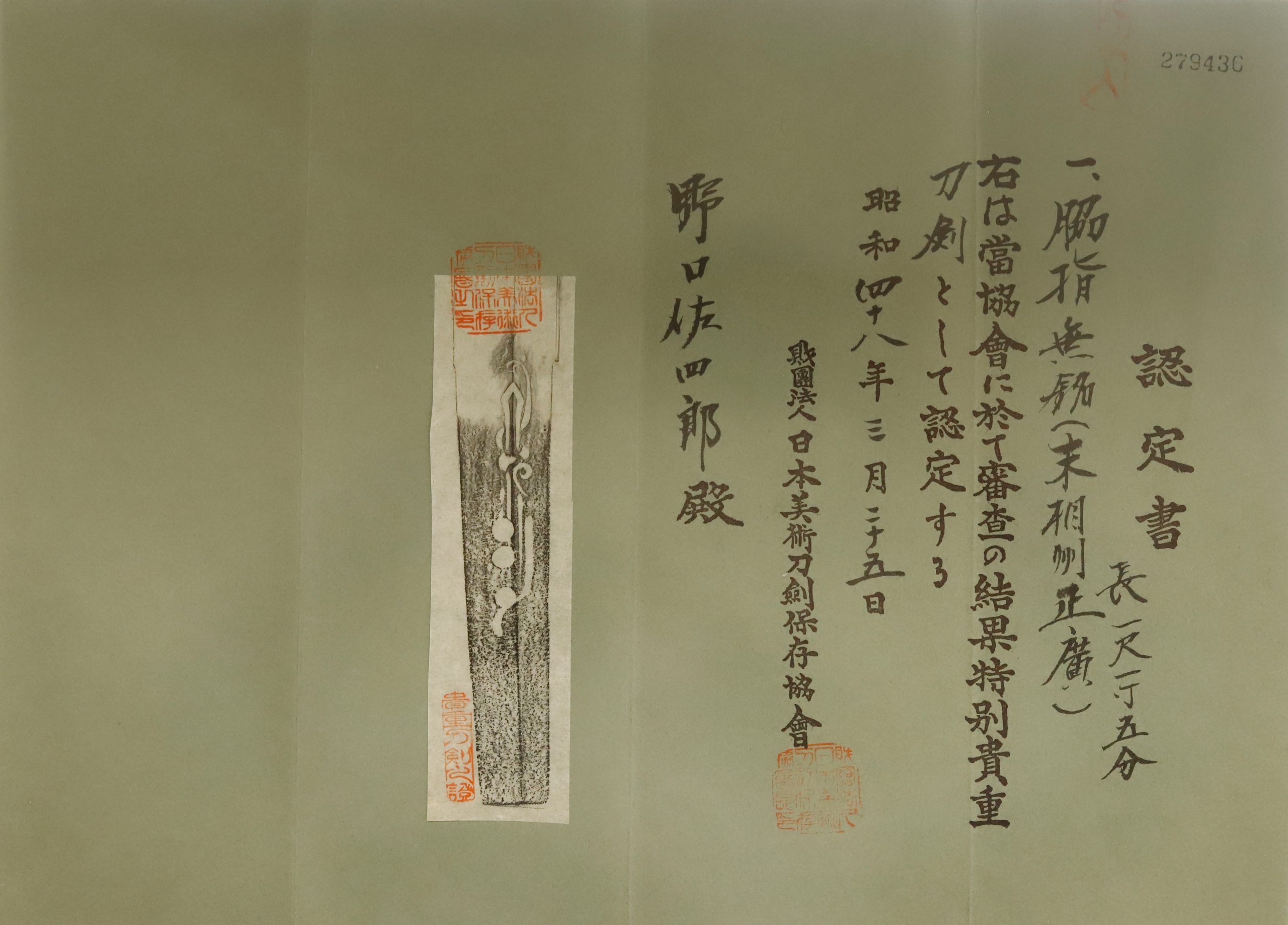
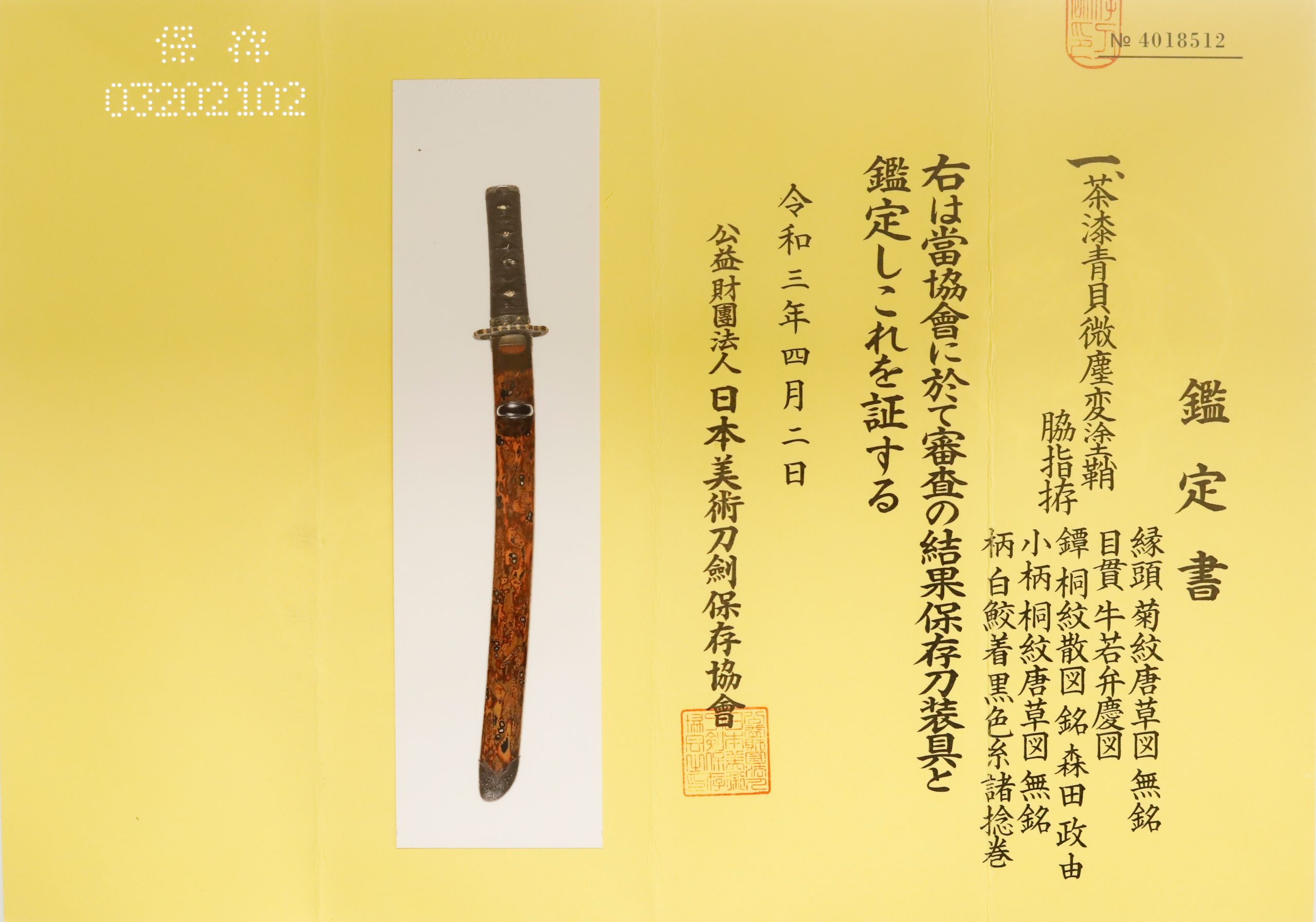
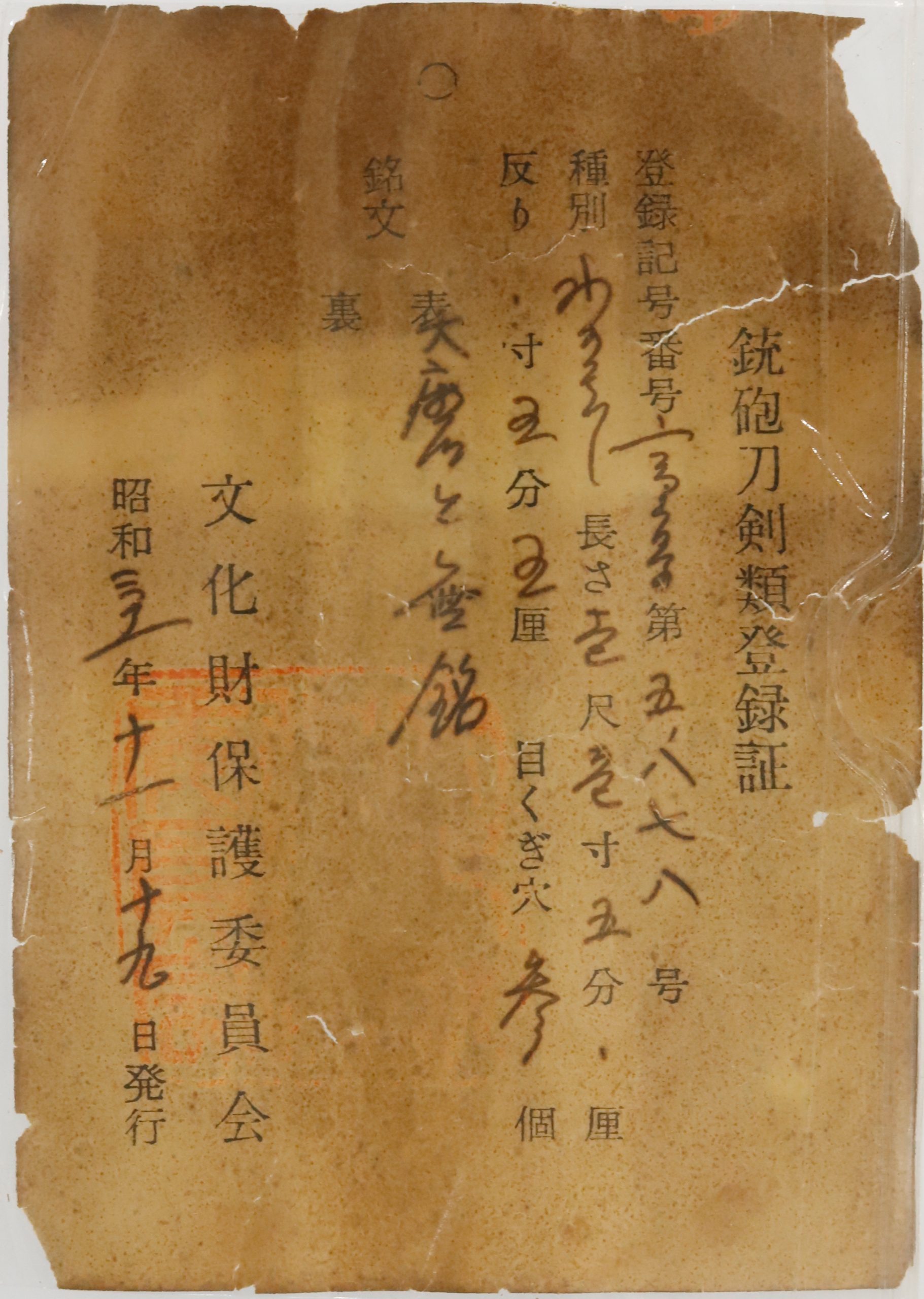
This antique wakizashi is attributed to Sue Soshu Masahiro, a smith active in Sagami province during the mid-late Muromachi period. It features Horimono of a Sanscrit letter and Kurikara Ken, and is constructed in the Osoraku Zukuri style. The blade comes with an NBTHK Tokubetsu Kicho certificate and a koshirae with an NBTHK Hozon certificate.
 NihontoWatch
mumei · Soshu · Muromachi · nagasa 33.6cm · sori 1.66cm
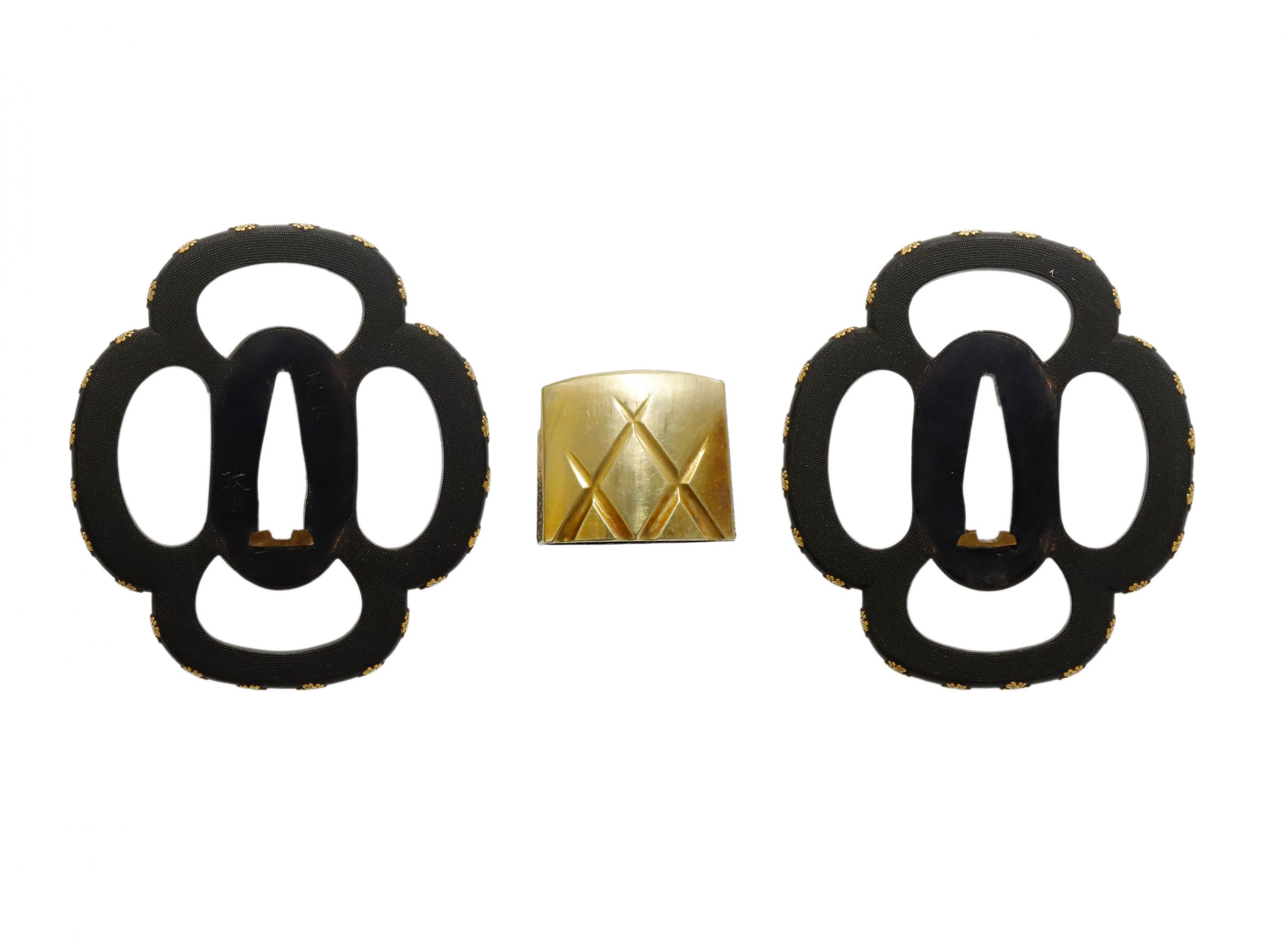
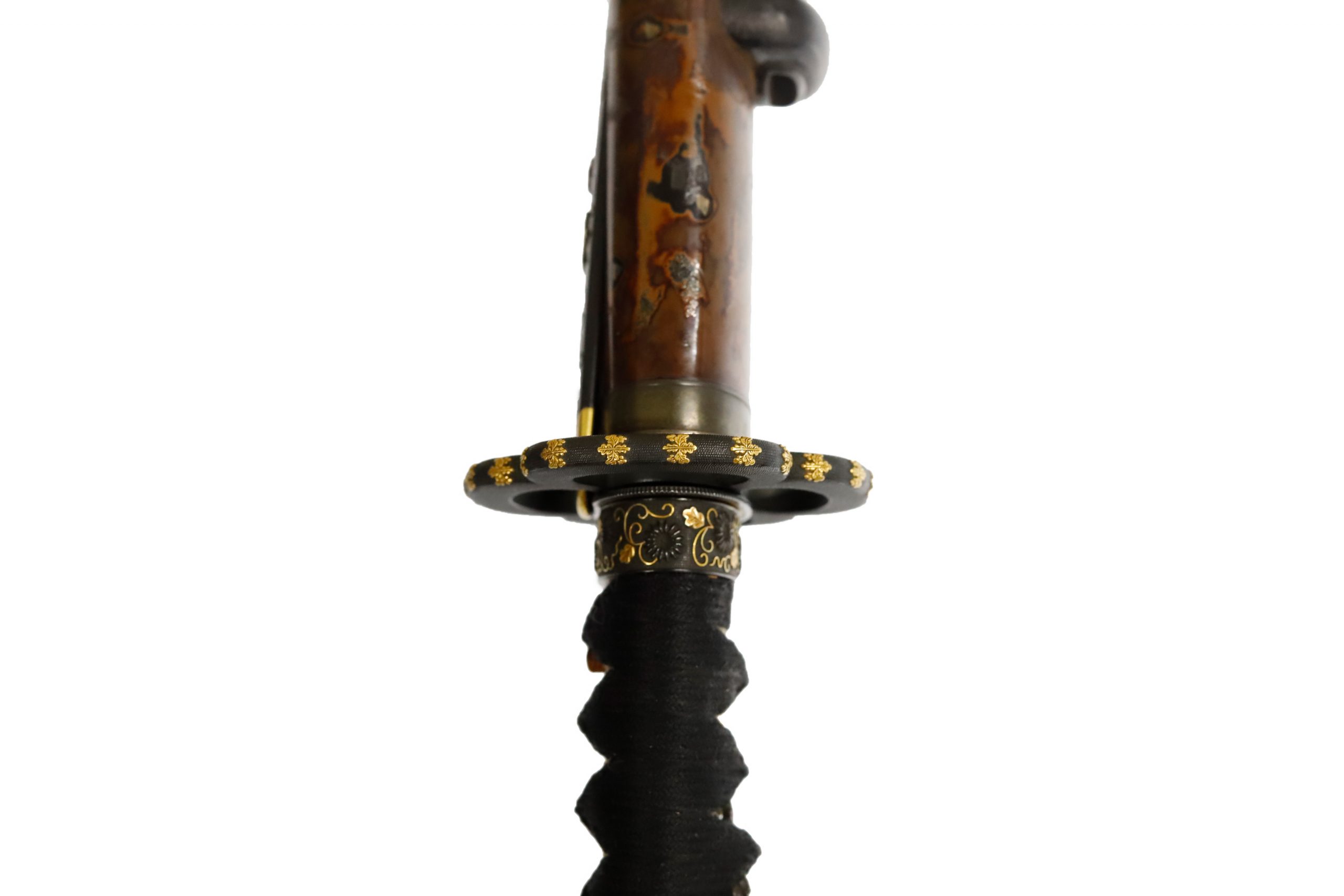
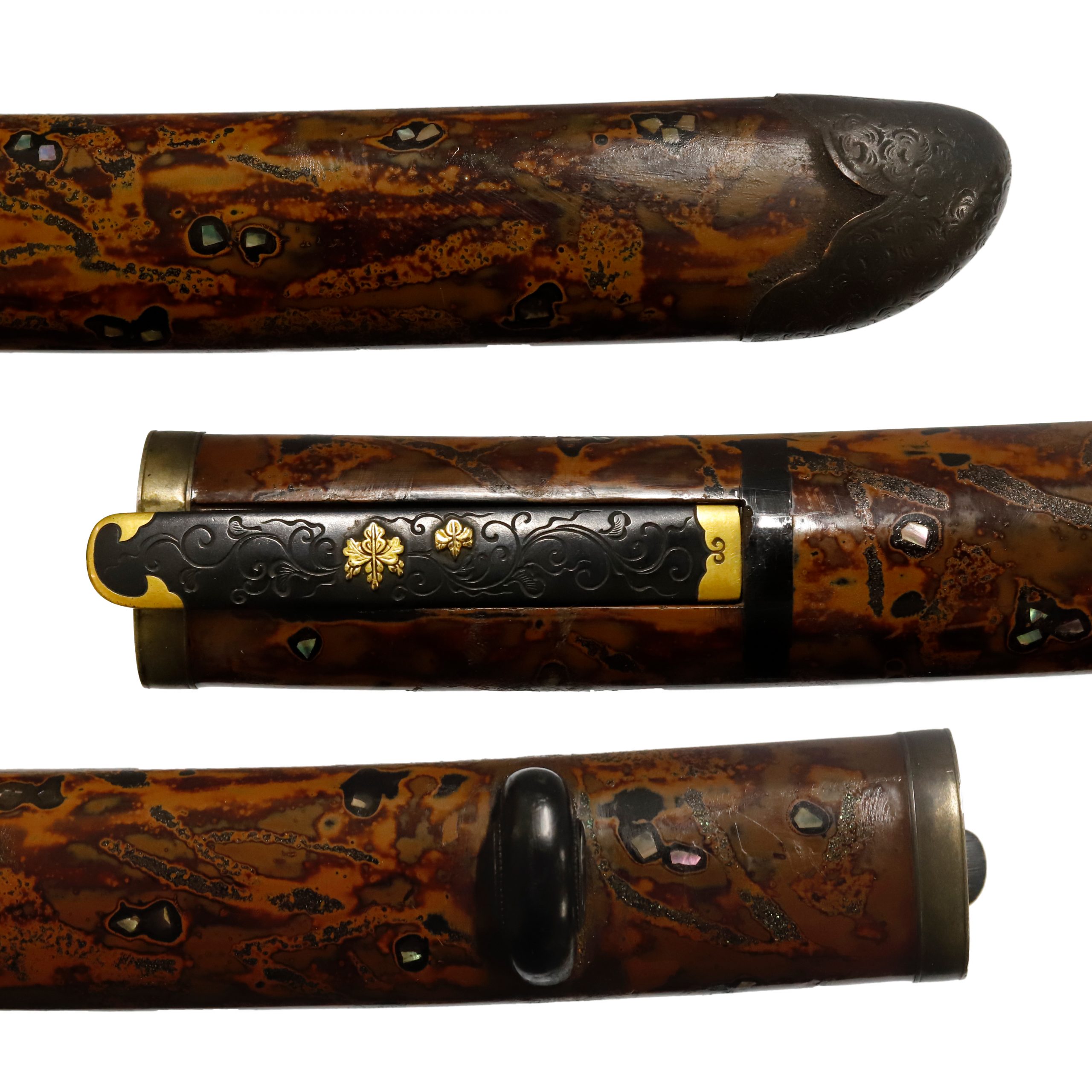
Sagami · around 1452-1455
Tōken Taikan top 49%
The Muromachi period (1392 to 1573)
After the Ōnin War broke the Ashikaga order, a century of Sengoku warfare armed nearly every province in Japan. The era rewards a discriminating eye: routine work exists in quantity, and beside it stand custom blades of the first rank.
This work carries older NBTHK “Kichō”-era papers, which the NBTHK no longer issues and now regards as unreliable. To confirm the attribution, submission to an official Japanese examination body (such as the NBTHK or NTHK) for modern certification could be considered.
Returns/exchanges limited to defects caused by shipping (except willful misconduct or gross negligence by the company); customers must contact within 72 hours of receiving the product.
This antique wakizashi is attributed to Sue Soshu Masahiro, a smith active in Sagami province during the mid-late Muromachi period. It features Horimono of a Sanscrit letter and Kurikara Ken, and is constructed in the Osoraku Zukuri style. The blade comes with an NBTHK Tokubetsu Kicho certificate and a koshirae with an NBTHK Hozon certificate.
NihontoWatchmumei · Soshu · Muromachi · nagasa 33.6cm · sori 1.66cm
Sagami · around 1452-1455
Tōken Taikan top 49%
The Muromachi period (1392 to 1573)
After the Ōnin War broke the Ashikaga order, a century of Sengoku warfare armed nearly every province in Japan. The era rewards a discriminating eye: routine work exists in quantity, and beside it stand custom blades of the first rank.
This work carries older NBTHK “Kichō”-era papers, which the NBTHK no longer issues and now regards as unreliable. To confirm the attribution, submission to an official Japanese examination body (such as the NBTHK or NTHK) for modern certification could be considered.
Returns/exchanges limited to defects caused by shipping (except willful misconduct or gross negligence by the company); customers must contact within 72 hours of receiving the product.