Sengoku Seki was an industry: smiths organized under their tutelary Kasuga shrine, arming the war bands of central Japan. Magoroku Kanemoto’s sanbonsugi and the finest Kanesada work prove quality survived inside mass production.
 NihontoWatchNihontoWatch
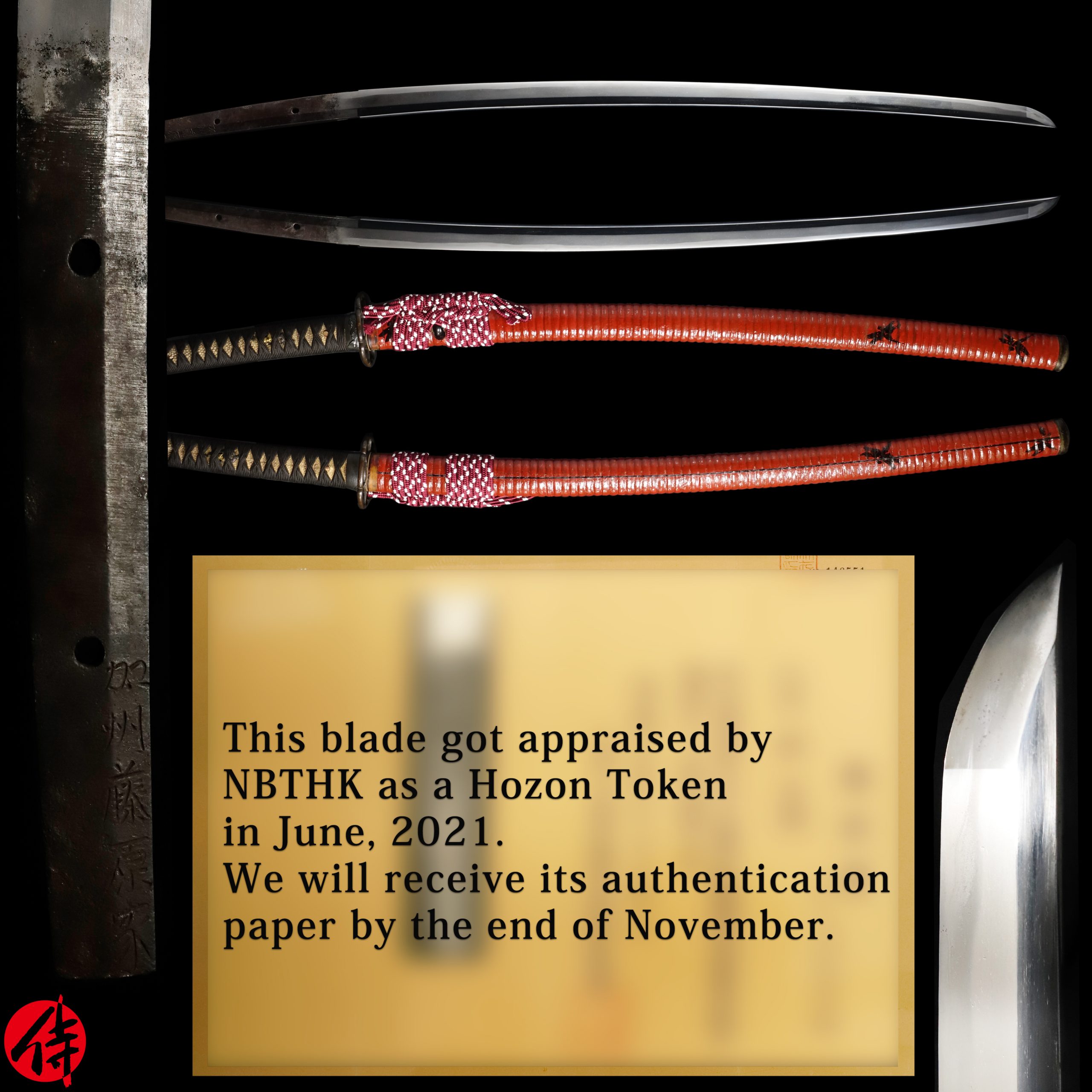
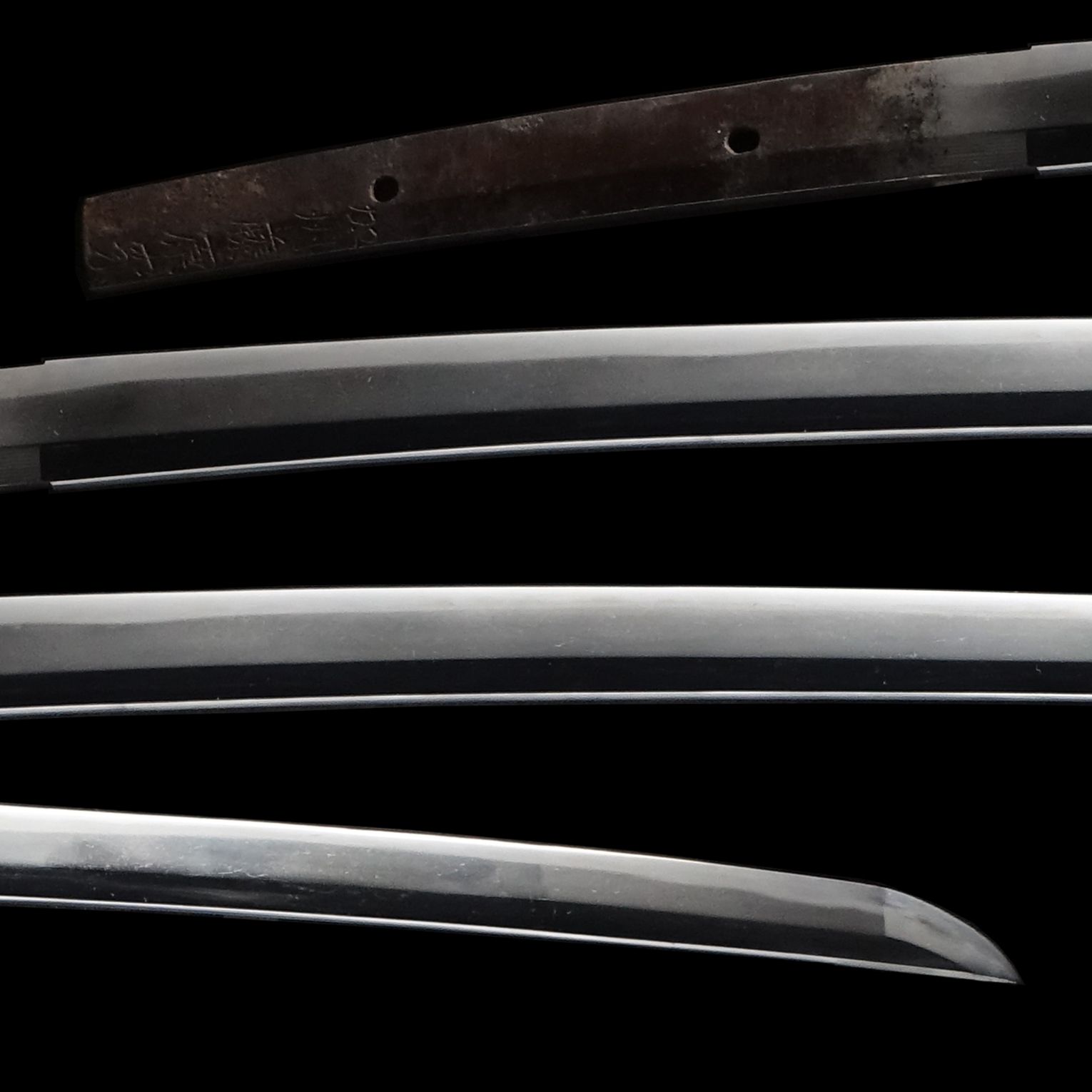
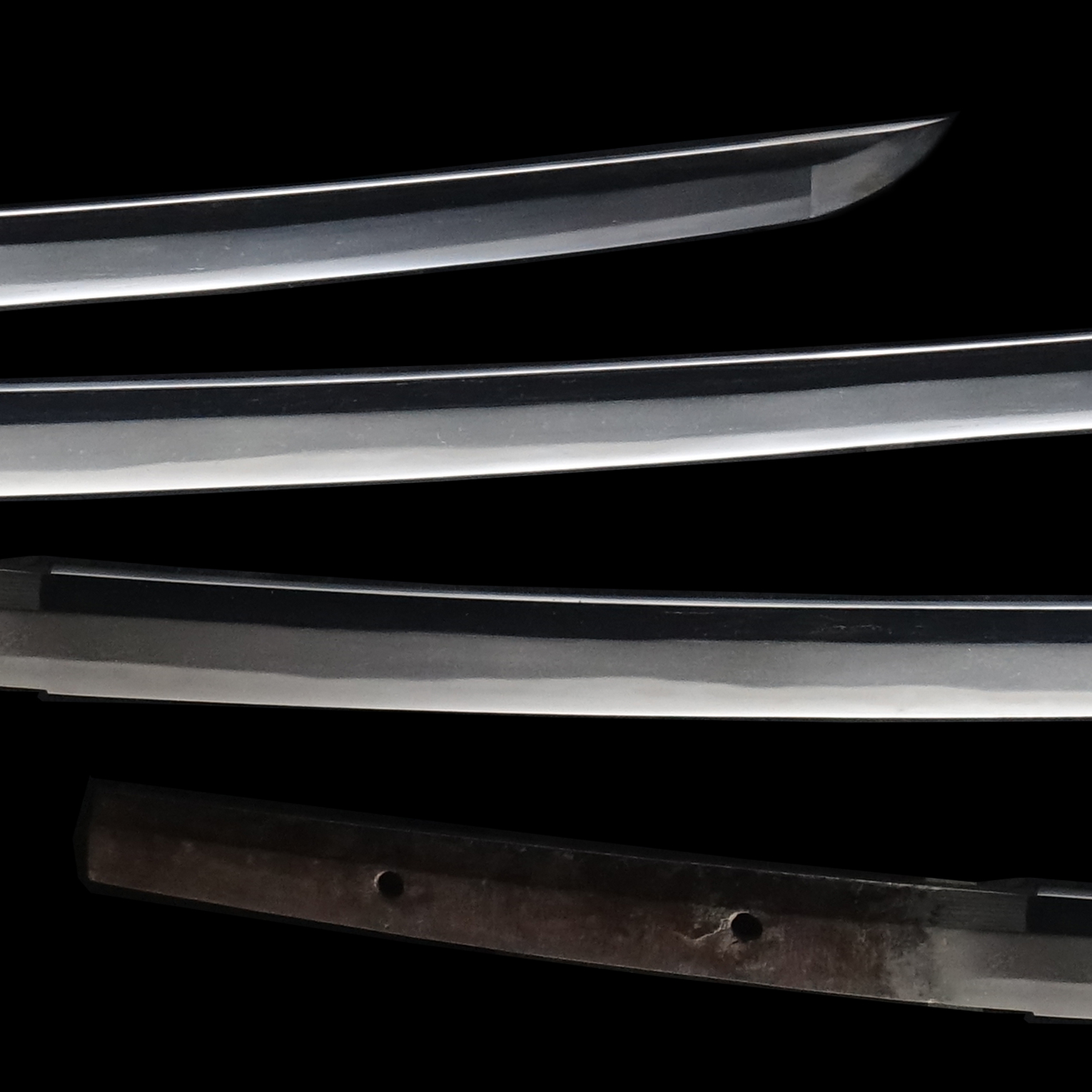
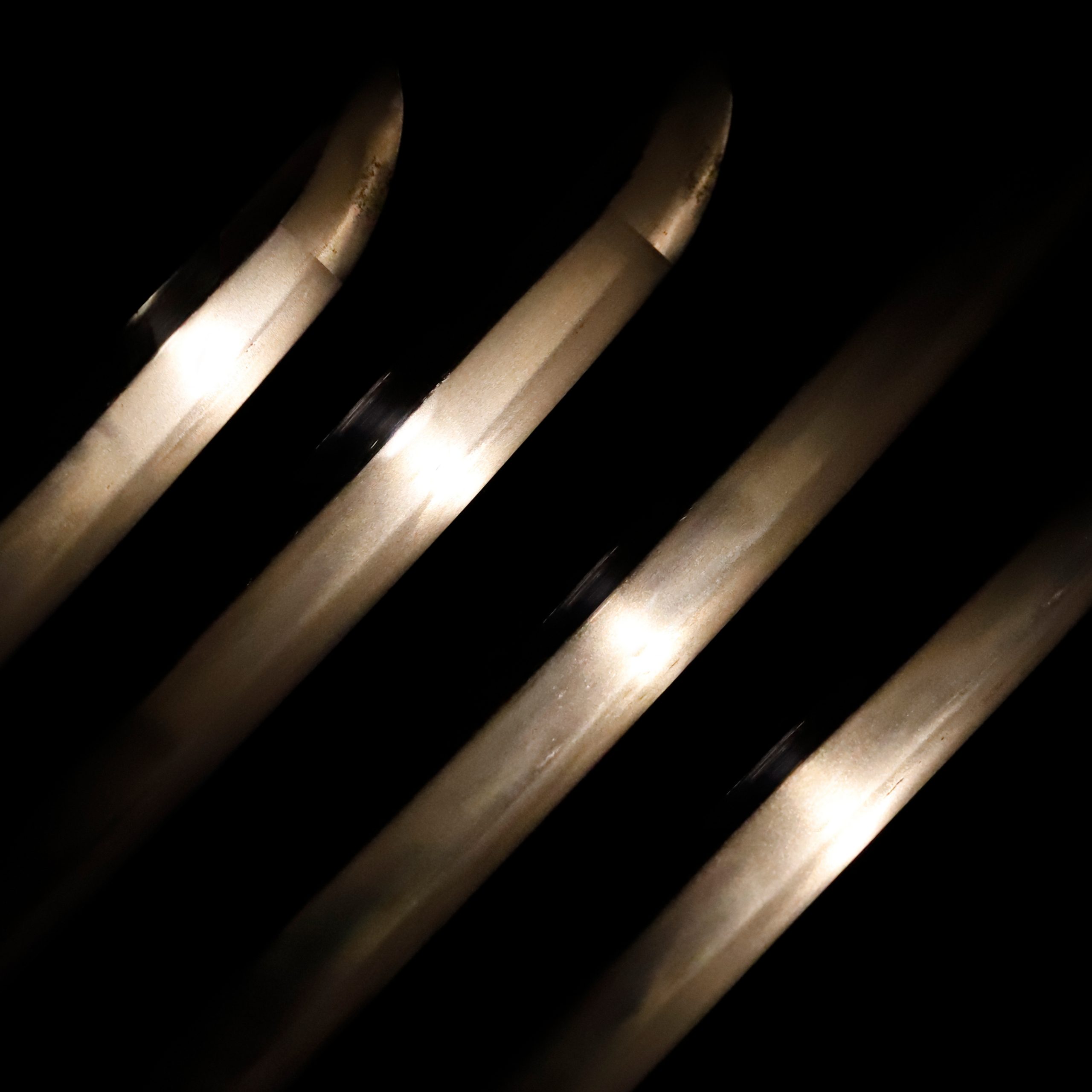
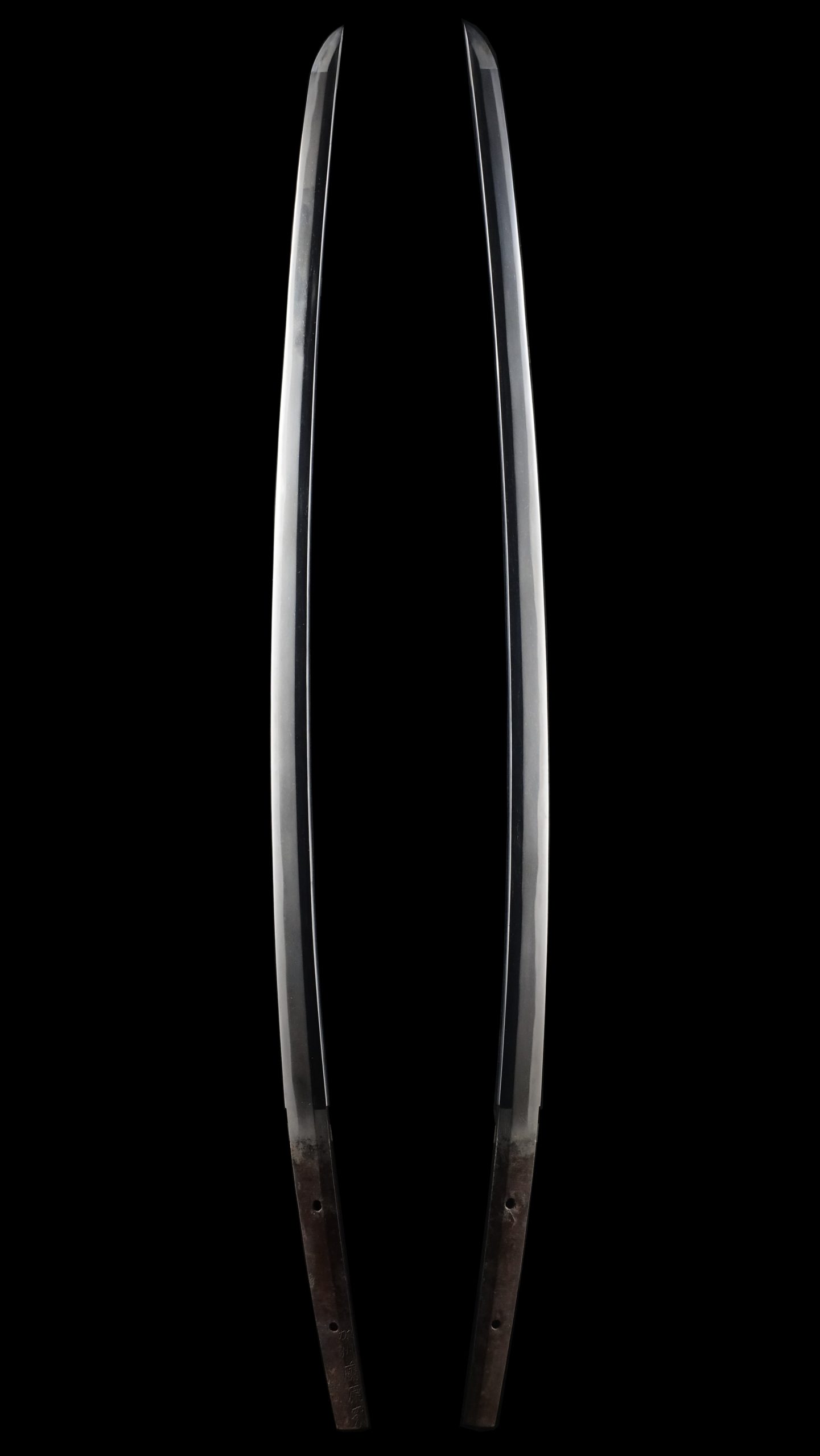
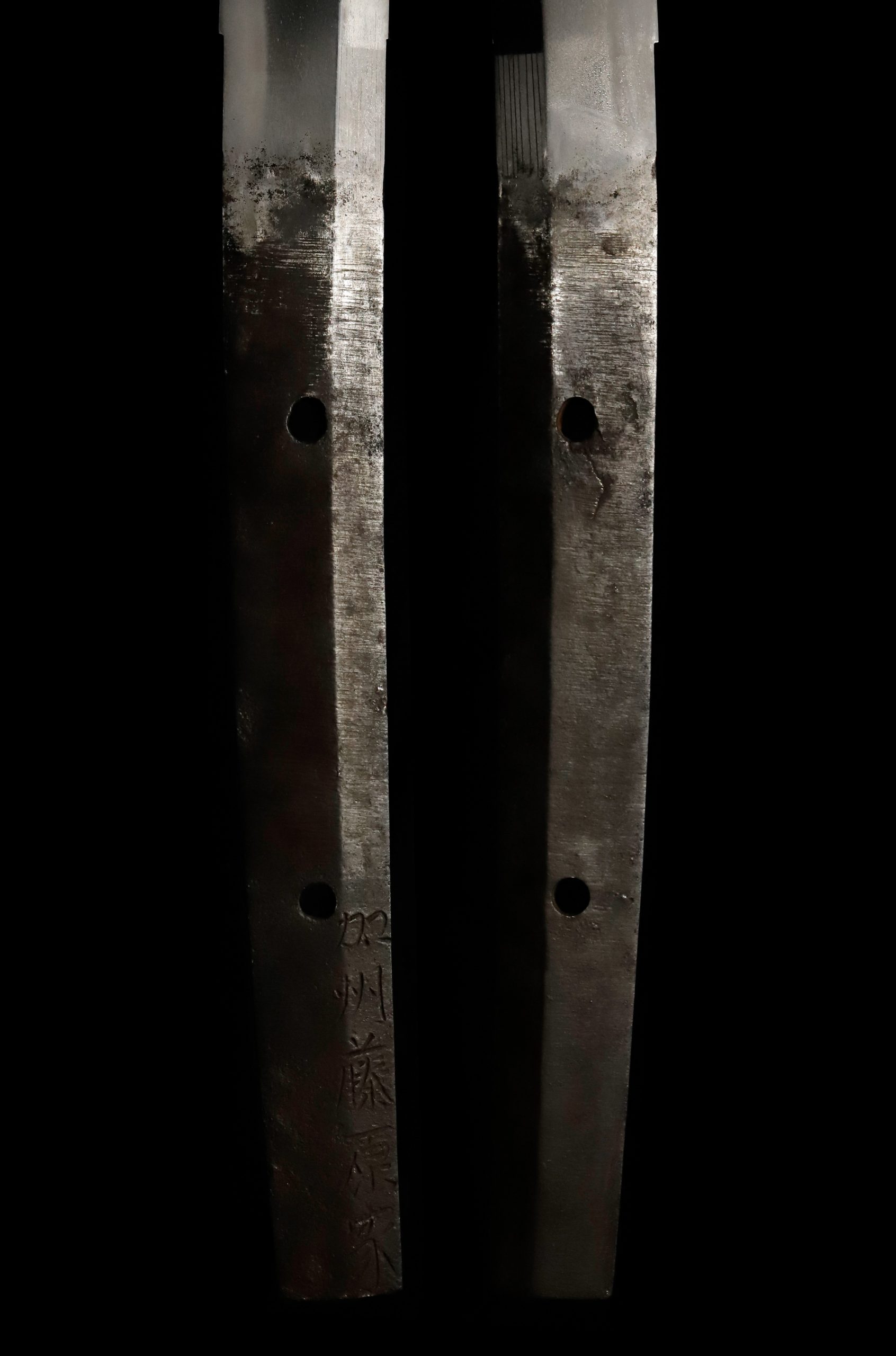
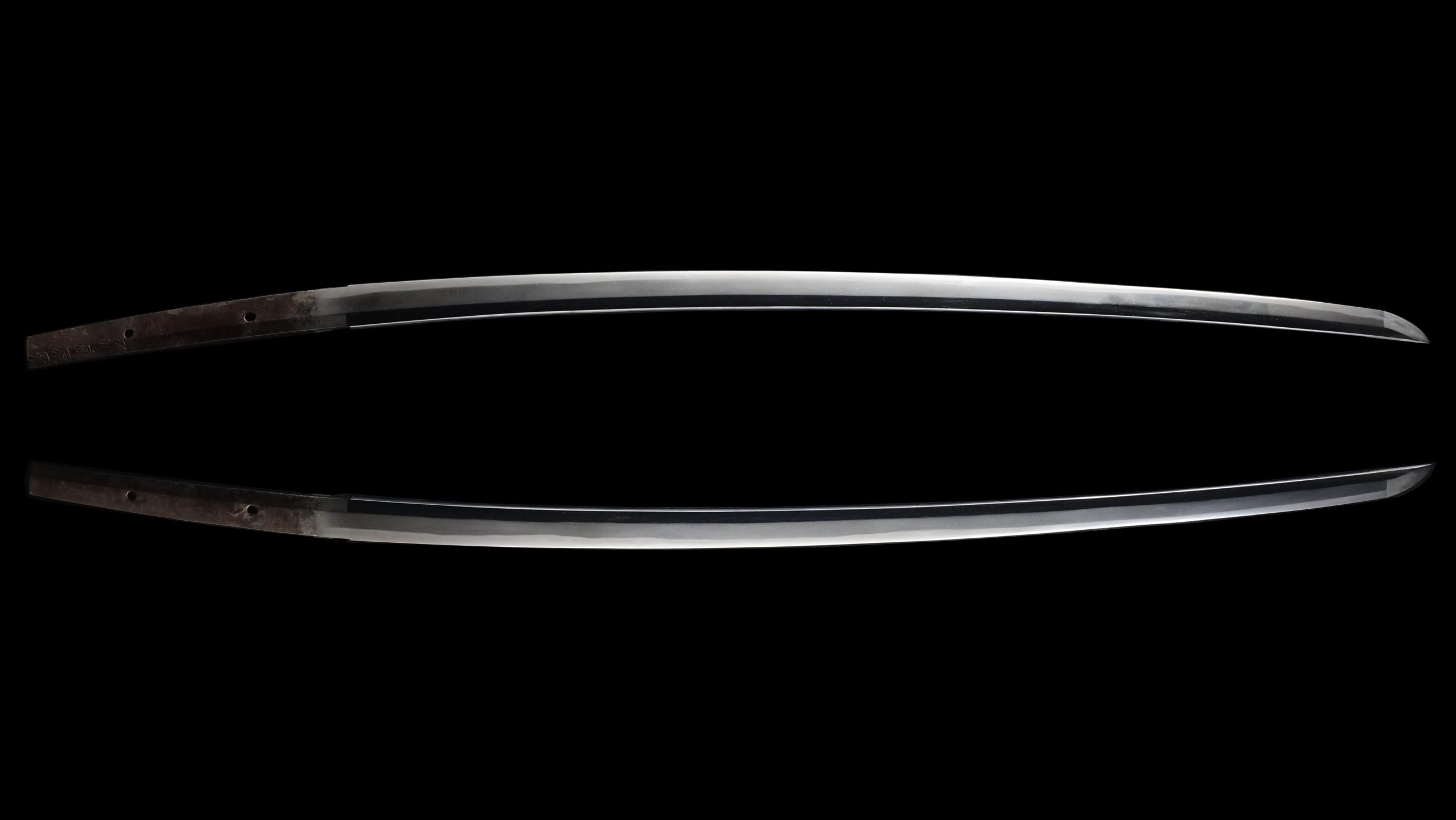
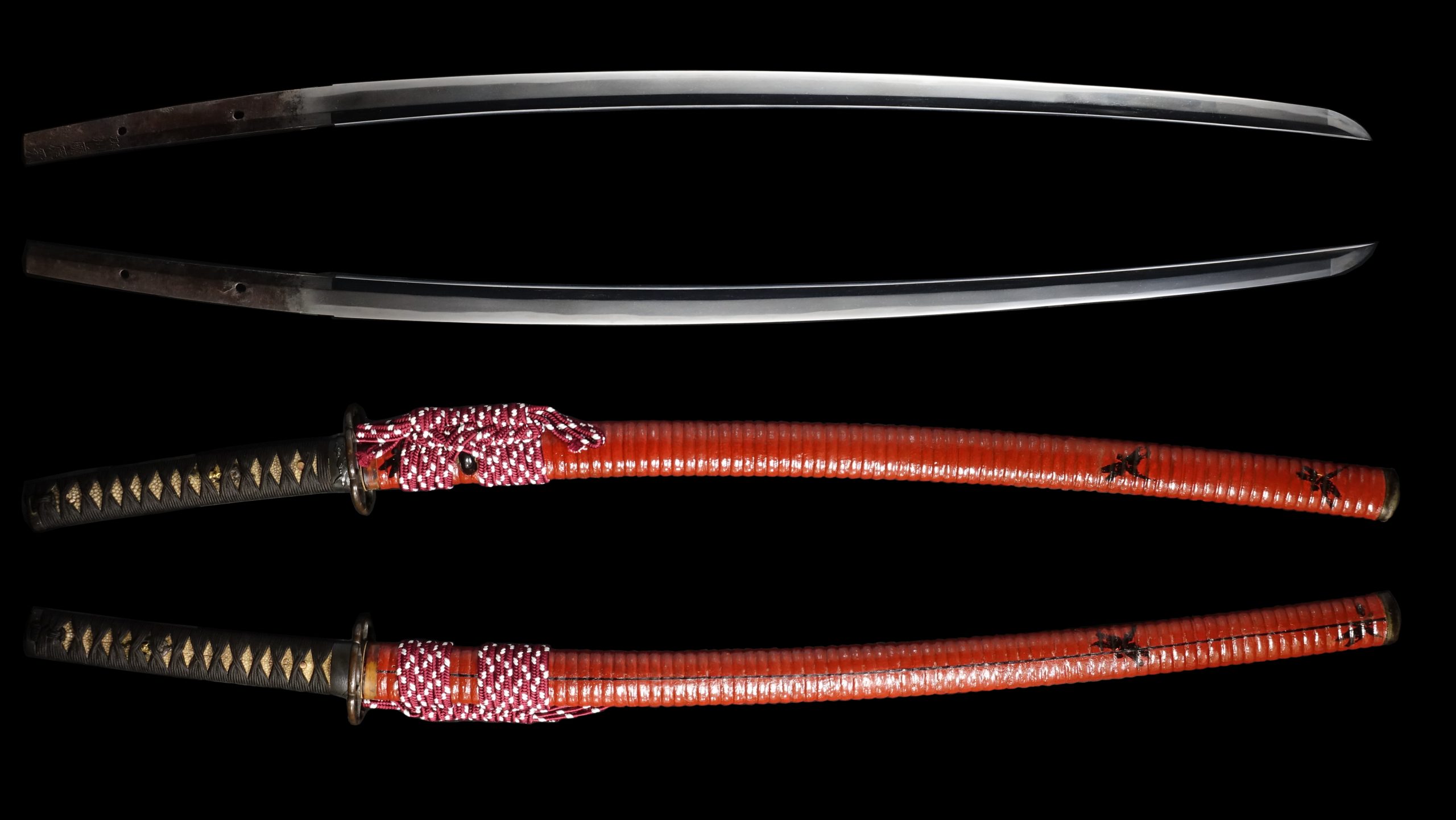
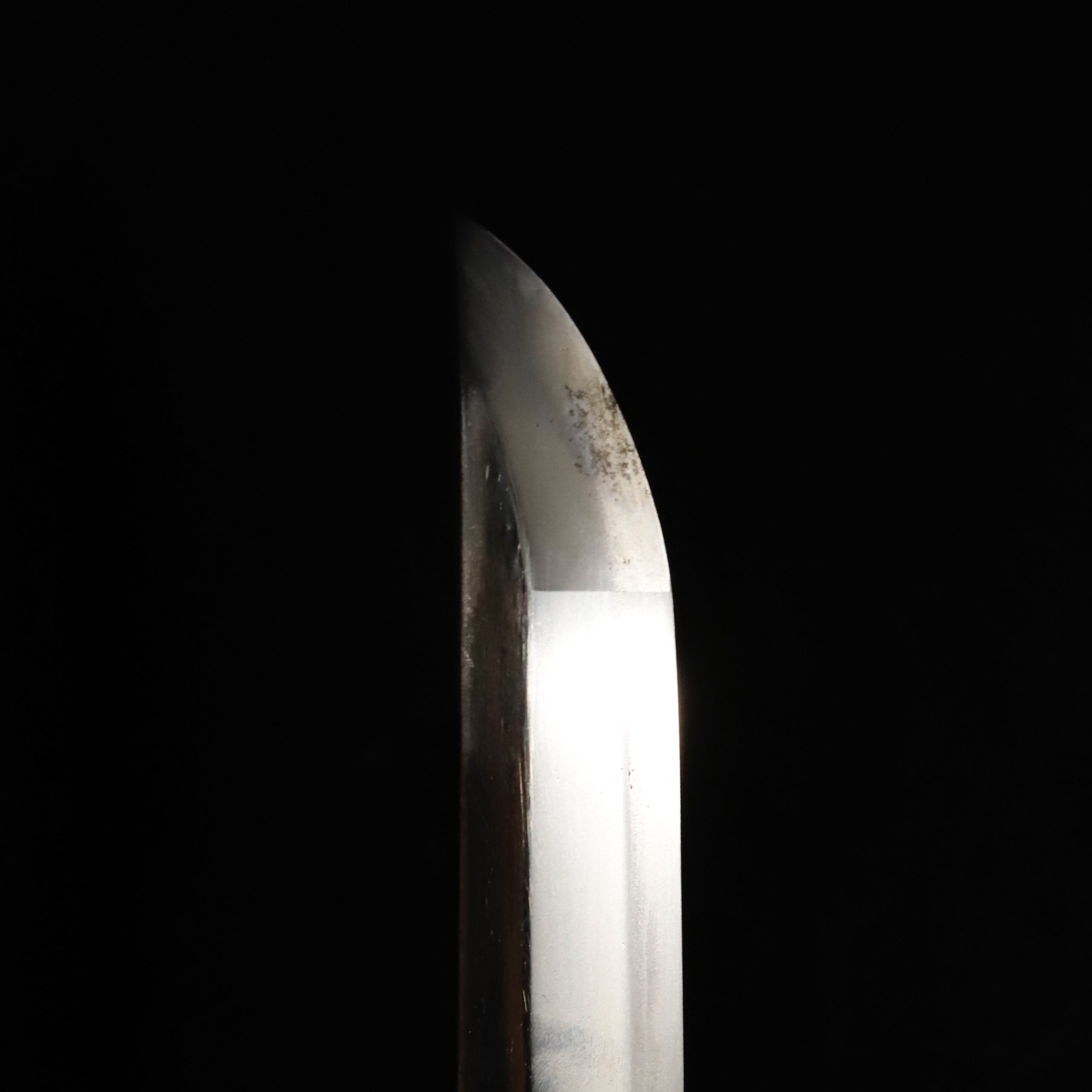
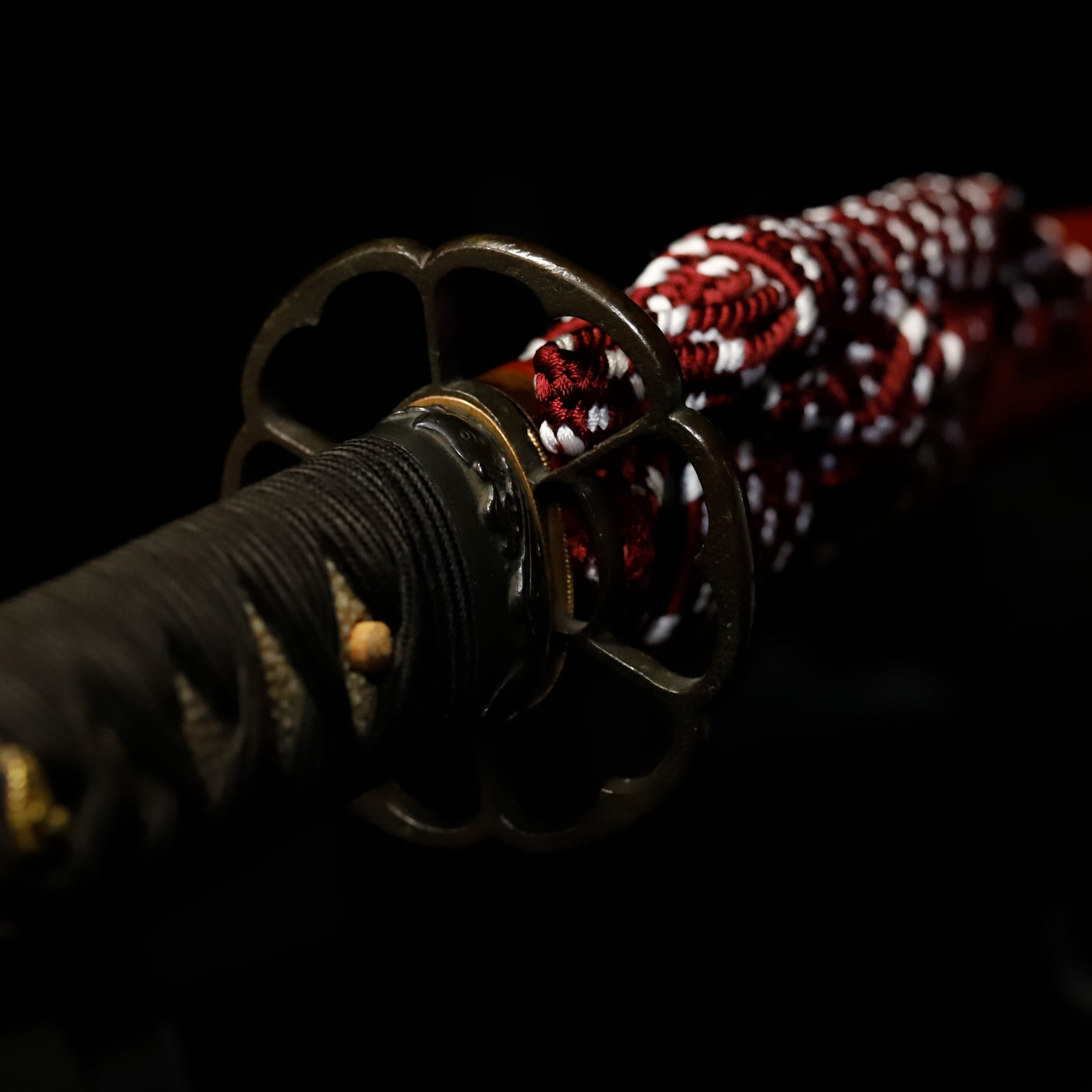
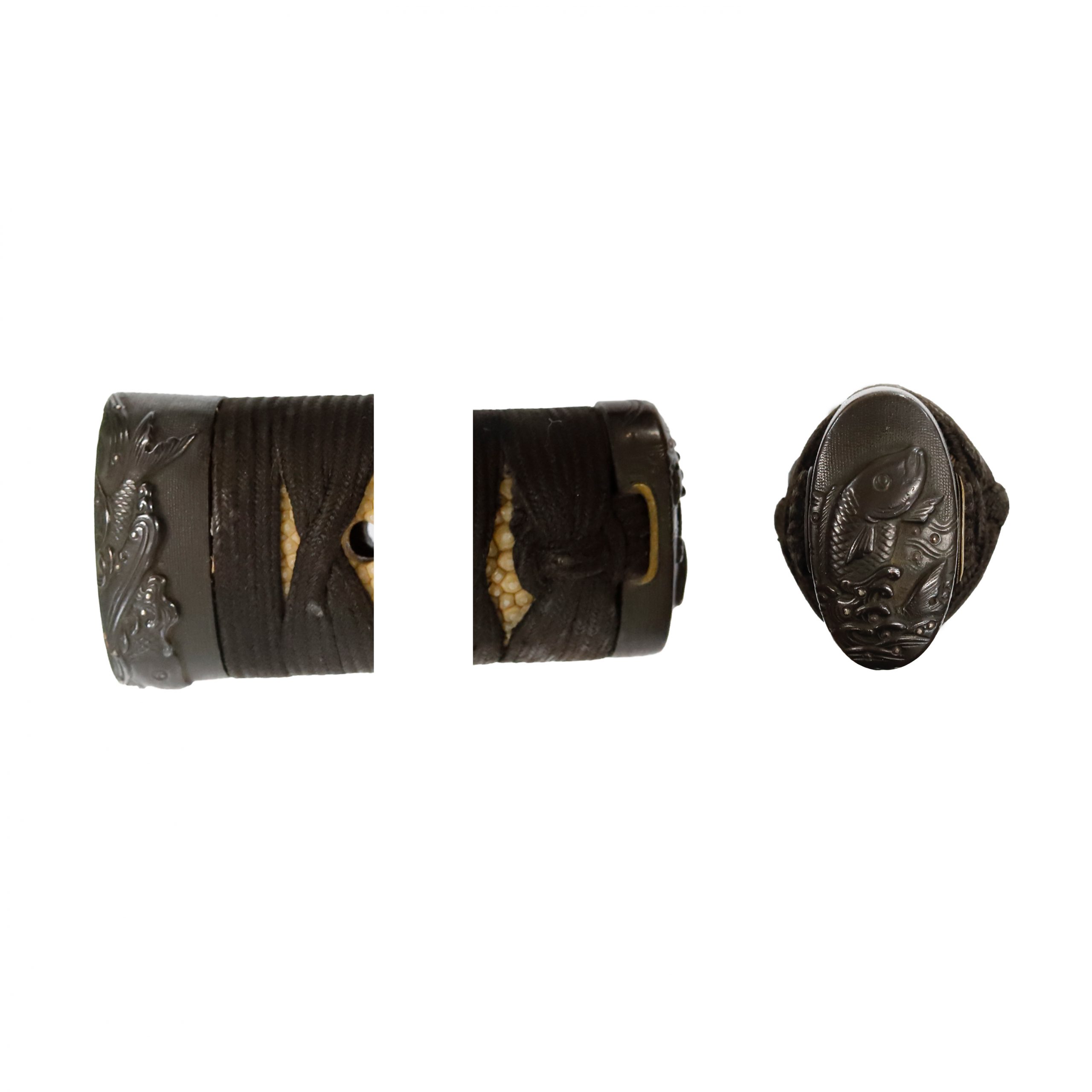
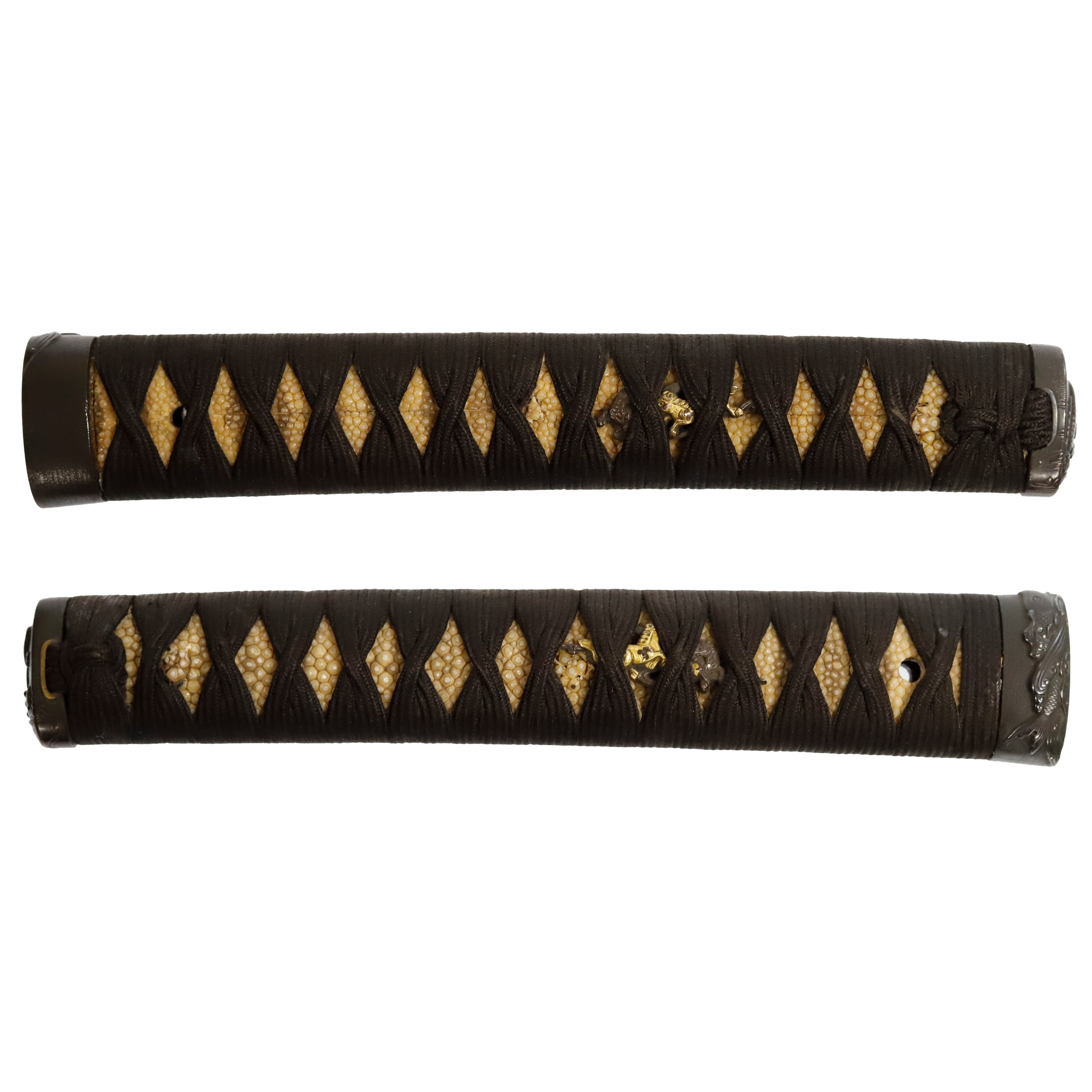
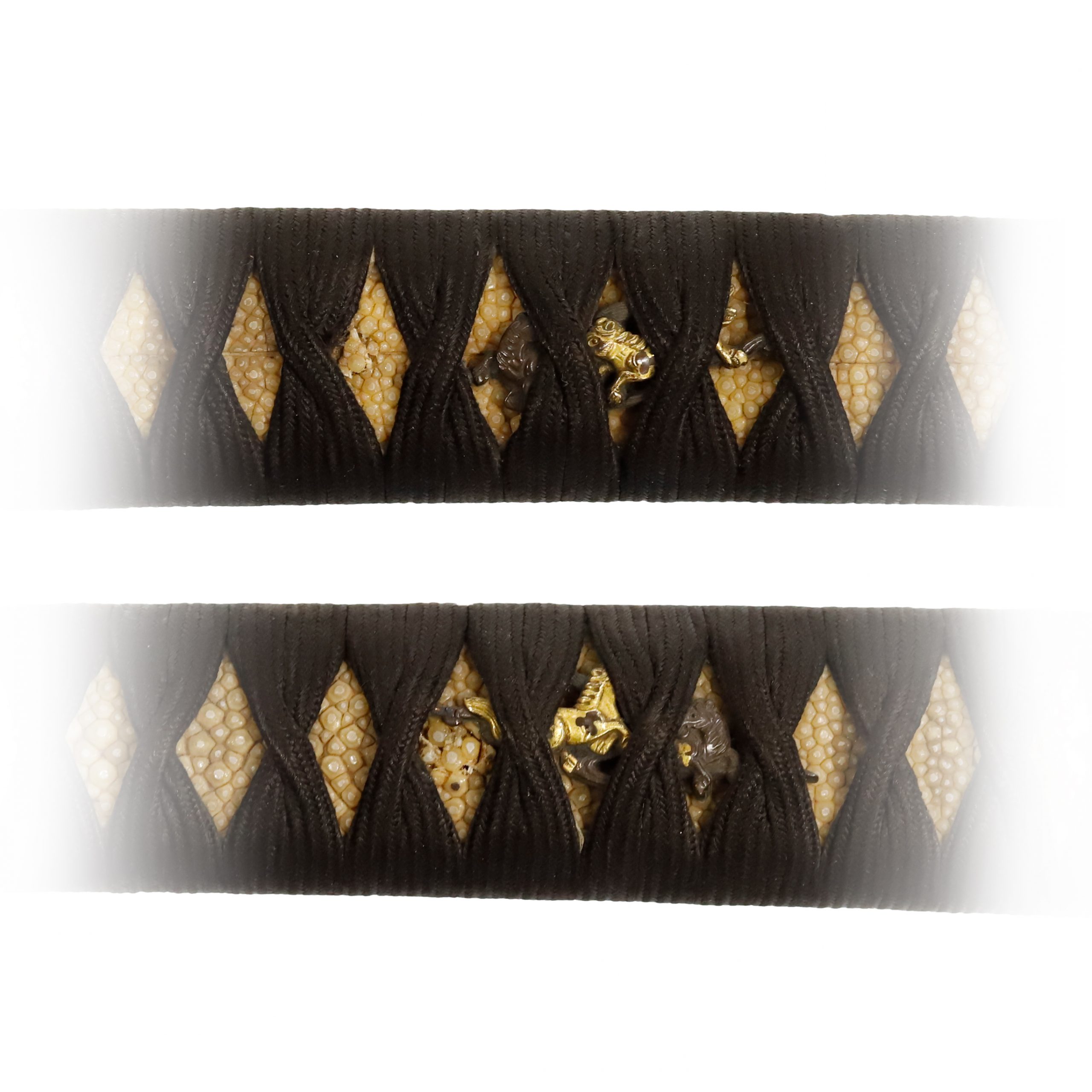
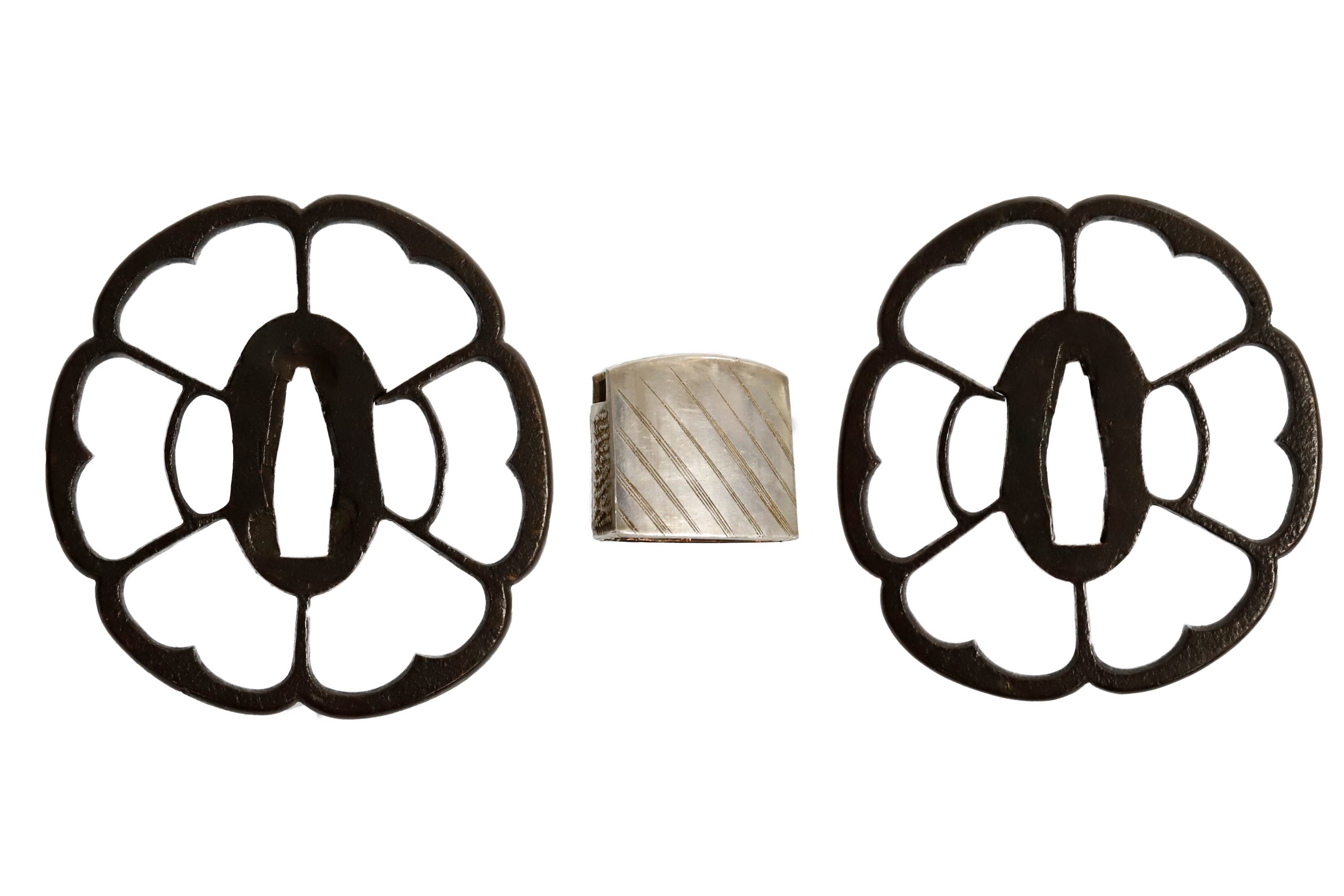
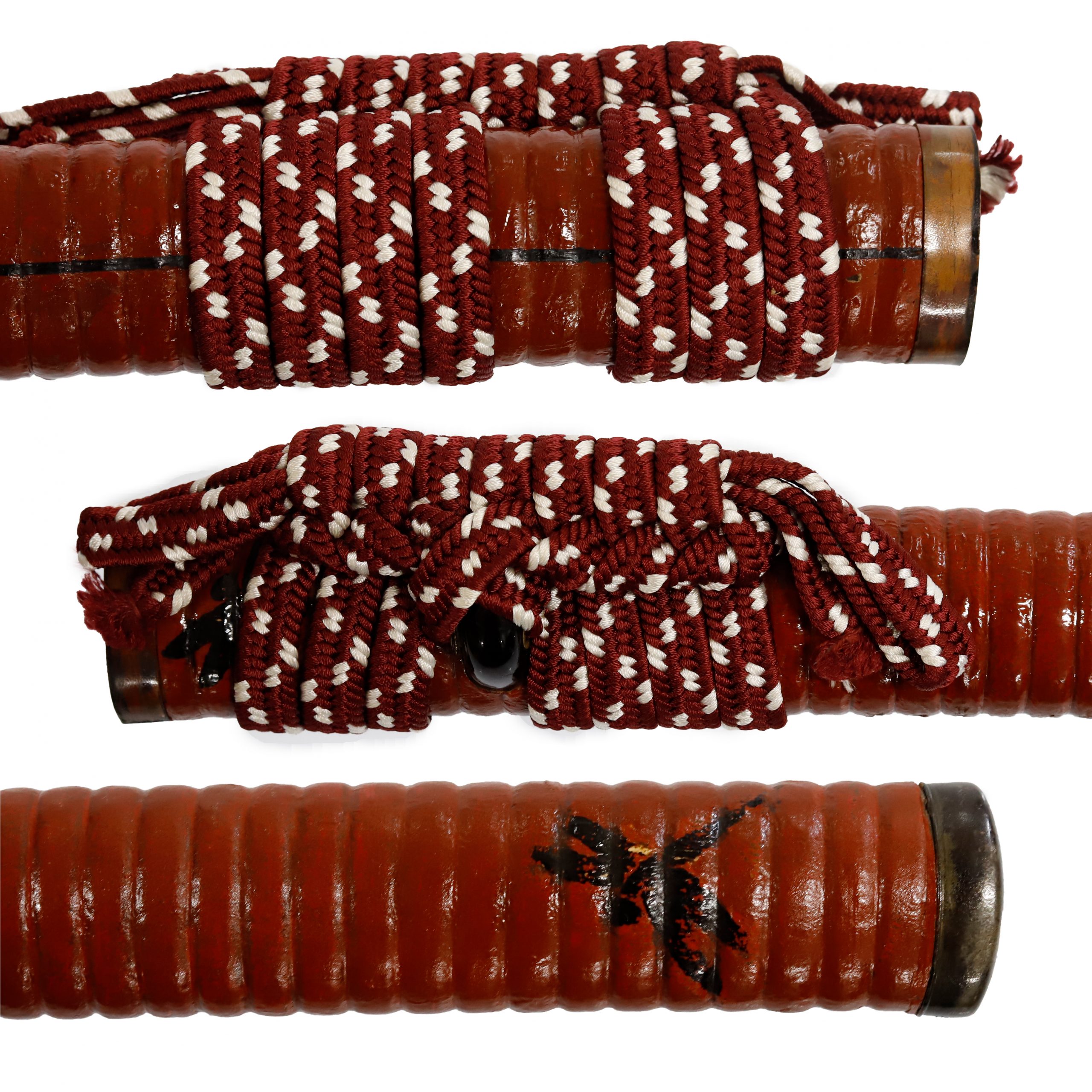
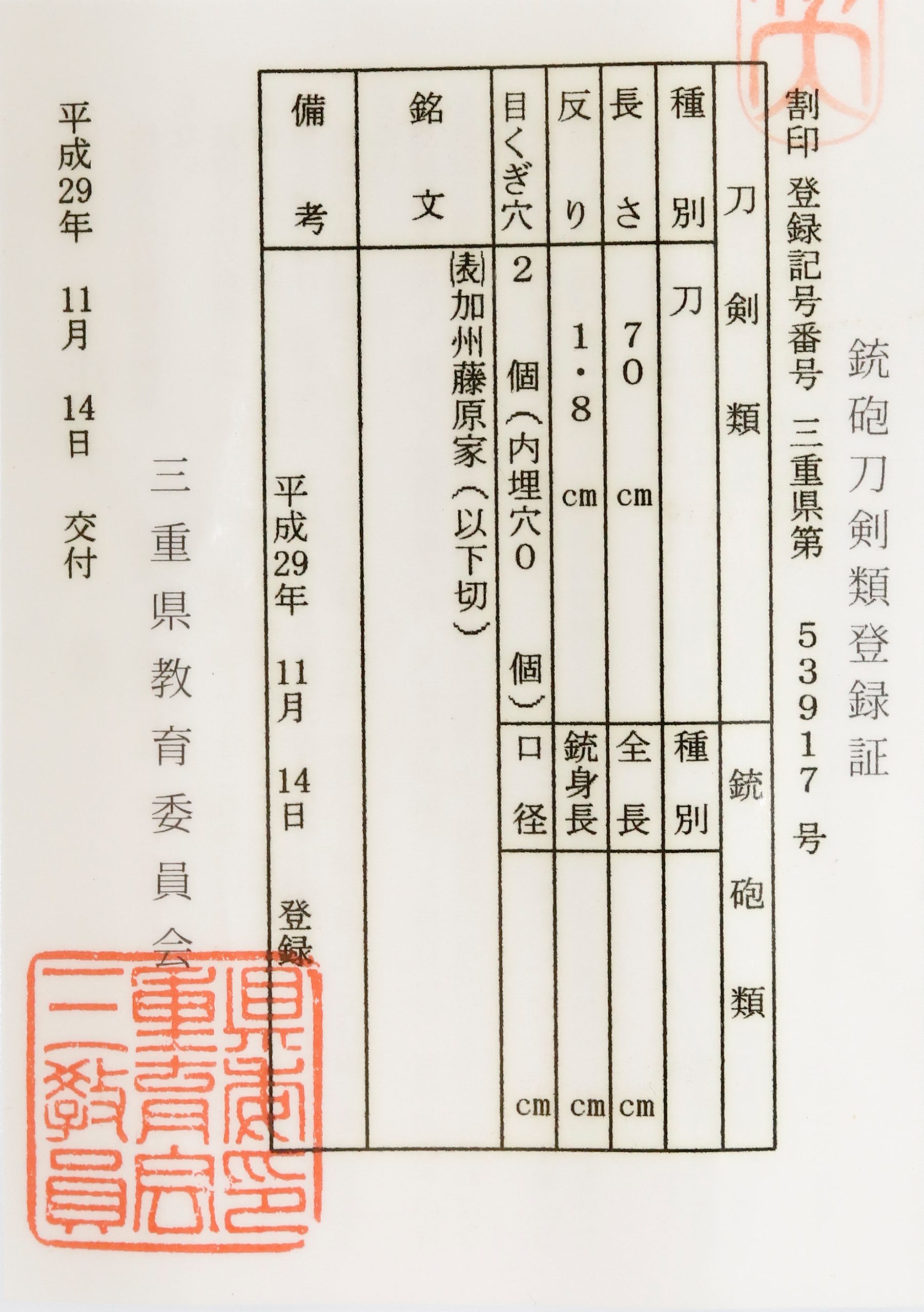
According to NBTHK’s appraisal , it was signed by Kashu Fujiwara Ietsugu(加州藤原家次), while Tsugu part was cut due to Suriage (the blade size adjustment) in the past. Ietsugu is also known as Kaga Aoe, being active in sword-forging in the late Muromachi period(late 16th century) in Kaga domain(Today’s Ishikawa prefecture). It is said that Ietusugu belonged to the Kashu Sanekage school, which was prosperous during the Muromachi period, forging many swords for high-class Samurai. Ietsugu resided in Kashu province(today’s Ishikawa prefecture), forging swords for living. This province was ruled by Maeda clan when Ietsugu was alive. Maeda clan was originally a retainer of Oda family, who ruled Owari province. (today’s Nagoya area in Aichi prefecture) The first head of the Maeda clan was Toshie Maeda. He climbed the social ladder of Samurai society, and he became the feudal lord of Kaga Province(today’s Ishikawa prefecture). It is said that he had a vast rice fief that fed 100 million grown-up adults, which is called Hyakuman Goku. The Maeda clan was one of the most powerful lines in Samurai history. Toshie Maeda had a close tie with Oda Nobunaga and Hideyoshi Toyotomi. This blade was appraised as a Hozon Token(保存刀剣) issued by NBTHK(Nihon Bijutsu Touken Hozon Kyokai:日本美術刀剣保存協会) on June, 2021. We are expecting to receive this paper by the end of October. There is partial rust on the Boshi area(near the tip of the blade). While its current condition is good enough to be appreciated, we will be happy to have it polished without additional charge if you are okay with waiting for an additional 1-2 month. We do business with a professional Japanese sword polisher. Fuchi-Kashira Swimming fish are designed on this Fuchi Kashira. These fish might be the Tai (鯛, sea bream); it is a good-luck bringer, so it has often been used for celebrations. Also, this fish is a symbol of the Ebisu (恵比寿) God, who is the member of the Shichifukujin (七福神, the Seven Gods of Good Fortune). The Ebisu God usually has a fishing pole and a sea bream, so initially, he was the God of fishing. Ports will be done well by the comings and goings of ships. Safe voyages will bring profitable businesses; therefore, the Ebisu became famous as the God of trade. In addition, it is believed to be the God of good match or wealth in some areas. Although the Ebisu God himself is not depicted for this Fuchi Kashira, it might suggest this God’s existence. Tsuka and Menuki The running horses are the motif of this Menuki. It seems gold metal was initially applied to these horses. This animal has been around human life for a long time, not only as our food but also for transportation or carriage of luggage. In Japan, horses were thought as vehicles for gods to be dedicated to shrines in ancient times. A theory says it is the origin of Ema (絵馬, picture tablet used as an offering at a shrine) today. Horses had played an important role in ancient rituals and festivals. After Samurai appeared, wearing large armor or performing archery riding a hose became martial arts. Equestrian tactics became the pillar of military action and security activities. It is said that is why the Japanese sword began to have a curve to make it suitable for slashing (the Japanese sword was straight in the beginning). That is, this animal had a deep relationship with the Samurai culture. Understandably, the horse motif is found in sword mountings. Tsuba and Habaki Mokkou-shaped Tsuba is made from iron. The Mokkou (木瓜) shape, its origin is a shape of eggs that are rest in a nest. When a quince (it is written 木瓜 in Japanese) is cut into round slices, its cross-section looks similar to this shape; therefore, it was named the Mokkougata Tsuba. The Yotsu-Mokkougata (a combination of four Mokkou shapes) Tsuba is often seen. This Tsuba’s shape is a combination of six Mokkous; it seems as if the flower with six petals is in bloom. Saya This Saya is decorated with bright vermilion color. And dragonflies are designed with black ink. Dragonfly has been inhabiting since a long time ago in Japan. As they bag preys quickly, its heroic figure was sometimes regarded as the object of belief. During the Warring States period, the dragonfly was called “Kachimushi (勝ち虫, winning insect)” because of its fearless character; it moves only forward, not backward. Above all, many Samurais loved the combination of the dragonfly and the iris flower or the arrow. Arrow was one of the Samurai’s primary weapons. Iris flower is called “Shoubu (菖蒲)” in Japanese, and there is the word “Shoubu (勝負),” which means battle. So, “Shoubu” (菖蒲, iris flower) and “Shoubu” (勝負, fight) those two wards have the same pronunciation; therefore, the iris flower pattern reminds Samurai battle. Authentication Paper They authenticated the blade in June in the third year of Reiwa (2021). They appraised it as Hozon Touken, the blade worth preserving for Japanese society. We arre expecting to receive the authentication paper by the end of this November. Registration Number The Board of Education in Mie prefecture issued a registration paper for this sword .It is called Jyu Token Rui Torokusho(銃刀剣類登録証).
Kaga School加賀派
Offered by Samurai Museum
This piece has sold
20 on the market
Get an email when new Kaga School work hits the market.

Mino-den · Kaga
20 pieces on the market now
The Kaga inlay tradition (Kaga zōgan) emerged in Kaga Province during the early Edo period, centered on the castle town of Kanazawa under the patronage of the Maeda clan. This distinctive form of hira-zōgan is said to have developed when craftsmen specializing in stirrup decoration (abumi-shi) adapted their metalworking techniques to tsuba and other sword fittings, flourishing from the early seventeenth century through the Kyōhō era (1716–1736). Working against polished grounds of shakudō, shibuichi, or occasionally refined copper (suaka), these artisans created works characterized by their compositional sophistication and technical precision, establishing a regional aesthetic that would influence later generations of metalworkers. The hallmark of Kaga workmanship lies in its masterful deployment of multiple colored metals—gold, silver, copper, shakudō, and shibuichi—inlaid in flat relief against dark, highly polished grounds. Motifs range from naturalistic subjects such as autumn grasses, butterflies, and mandarin ducks beneath willows to more formal designs including paulownia crests and brocade wrappers, all rendered with meticulous kebori line engraving that adds refinement to the broader inlay work.
The compositions typically extend across the entire surface of the guard, creating an effect of visual richness and decorative abundance. Against jet-black shakudō or the warm tonality of suaka, the multicolored inlays achieve a luminous clarity, producing works of elegant splendor (fūryū) that balance technical virtuosity with restrained taste. The tradition's influence extended beyond its geographic center, with works attributed to Kaga methods appearing in collections throughout Japan. Large-scale presentation pieces demonstrate the school's capacity for ambitious design, while the consistent quality of execution across surviving examples suggests a well-established workshop system with shared technical standards. Though individual makers within the tradition rarely signed their work, the distinctive aesthetic—characterized by full-surface compositions, polished dark grounds, and precise multicolor inlay—remains immediately recognizable, preserving the legacy of Kanazawa's metalworking excellence through the Edo period. Learn more →
| Smith | Era | Designated |
|---|---|---|
| Sanekage真景 | 1362-1368 | 47 |
| Takahira高平 | 1621-1644 | 9 |
| Kagemitsu景光 | 1362-1368 | 4 |
| Ietsugu家次 | 1528-1558 | 2 |
| Kagehira景平 | 1661-1673 | 1 |
Mino in the Muromachi period
Sengoku Seki was an industry: smiths organized under their tutelary Kasuga shrine, arming the war bands of central Japan. Magoroku Kanemoto’s sanbonsugi and the finest Kanesada work prove quality survived inside mass production.
Certifies a genuine blade worth preserving: a signature confirmed correct, or, if unsigned, an era, province, and school that the NBTHK can reliably identify.
The NBTHK (Nihon Bijutsu Tōken Hozon Kyōkai, the Society for the Preservation of Japanese Art Swords) is a public-interest incorporated foundation founded in 1948 and supervised by Japan’s Agency for Cultural Affairs (Bunkachō); it is based at the Japanese Sword Museum in Tokyo. Its expert panels physically examine each submitted work (shinsa) and issue a certificate (kanteishō) ranking it by artistic and historical merit. NBTHK papers are the most widely recognized standard of authentication for Japanese swords and fittings.
NBTHK official siteReturns/exchanges limited to defects caused by shipping (except willful misconduct or gross negligence by the company); customers must contact within 72 hours of receiving the product.