Hizen swords were a domain enterprise: the Nabeshima sent Tadayoshi to study under Umetada Myōju around 1596, then built a licensed school around him. Nine generations carried its famously consistent konuka-hada work into the Meiji era.
 NihontoWatchNihontoWatch
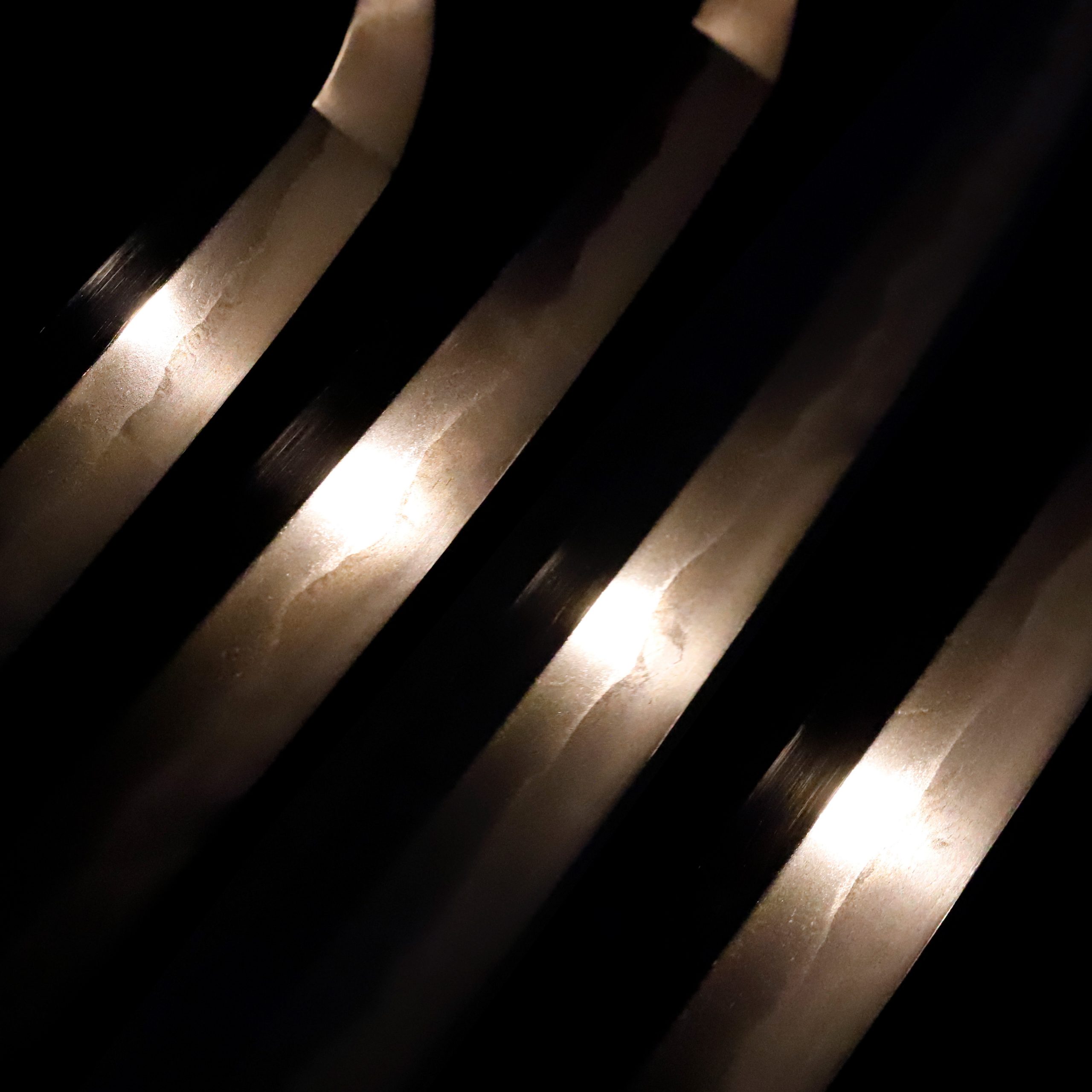
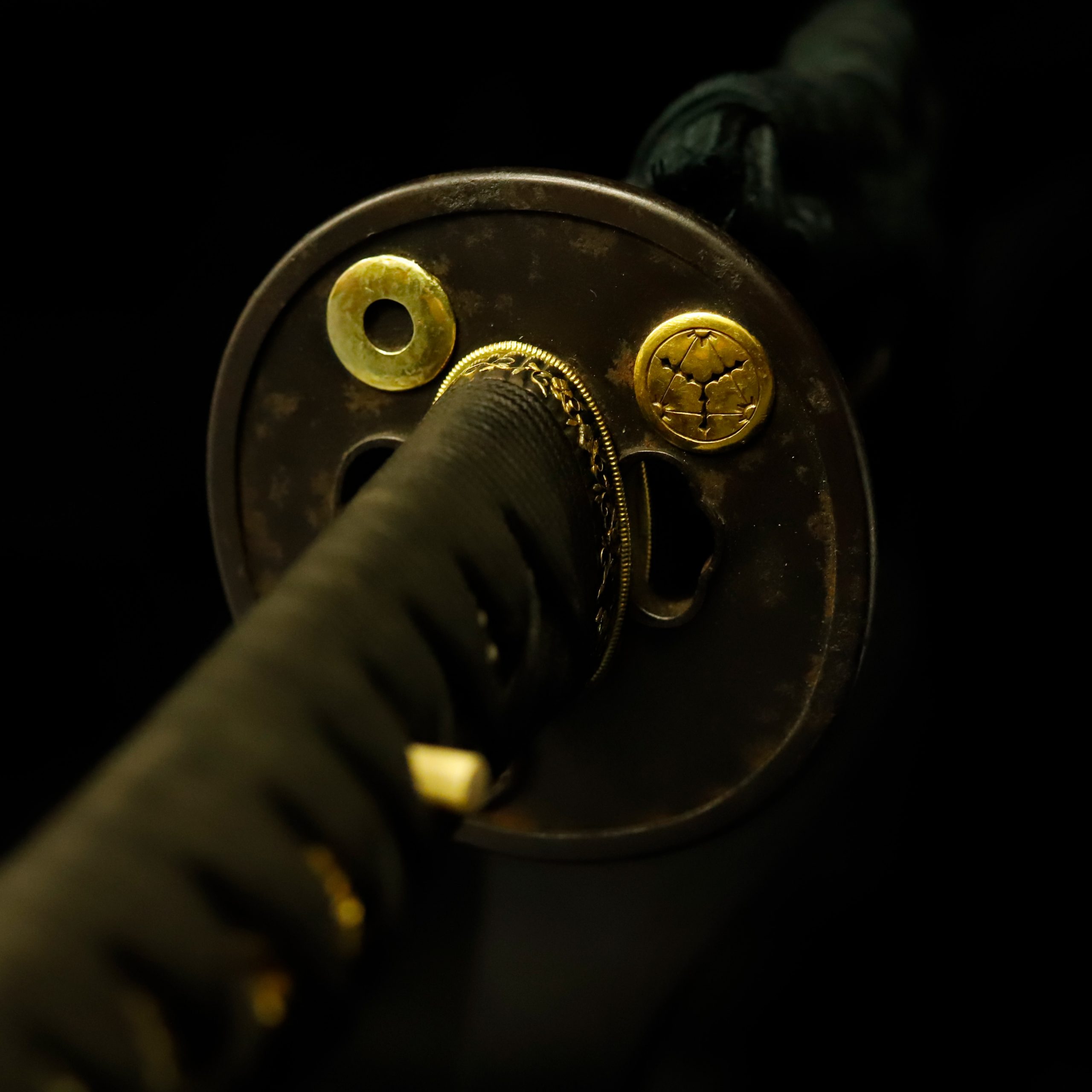
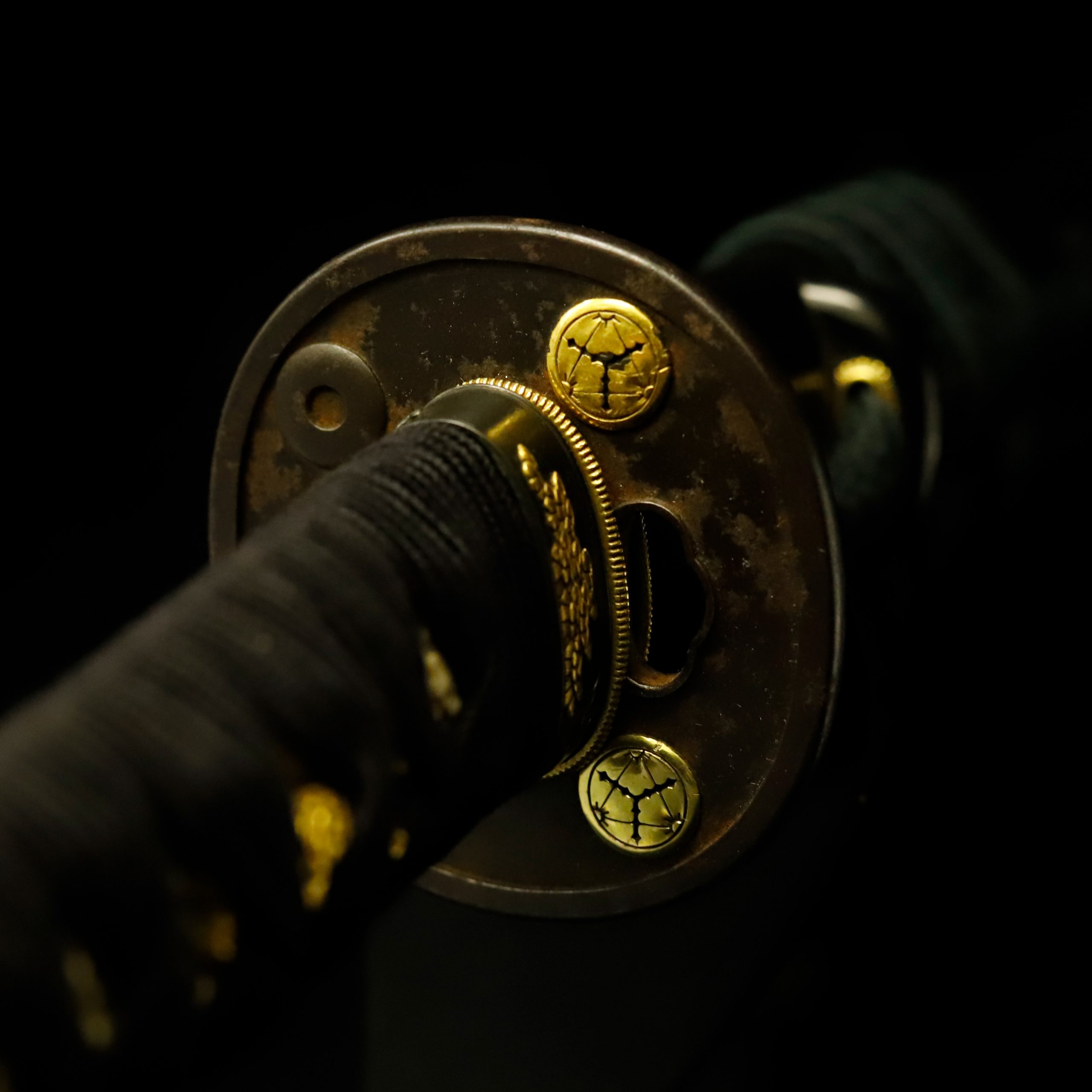
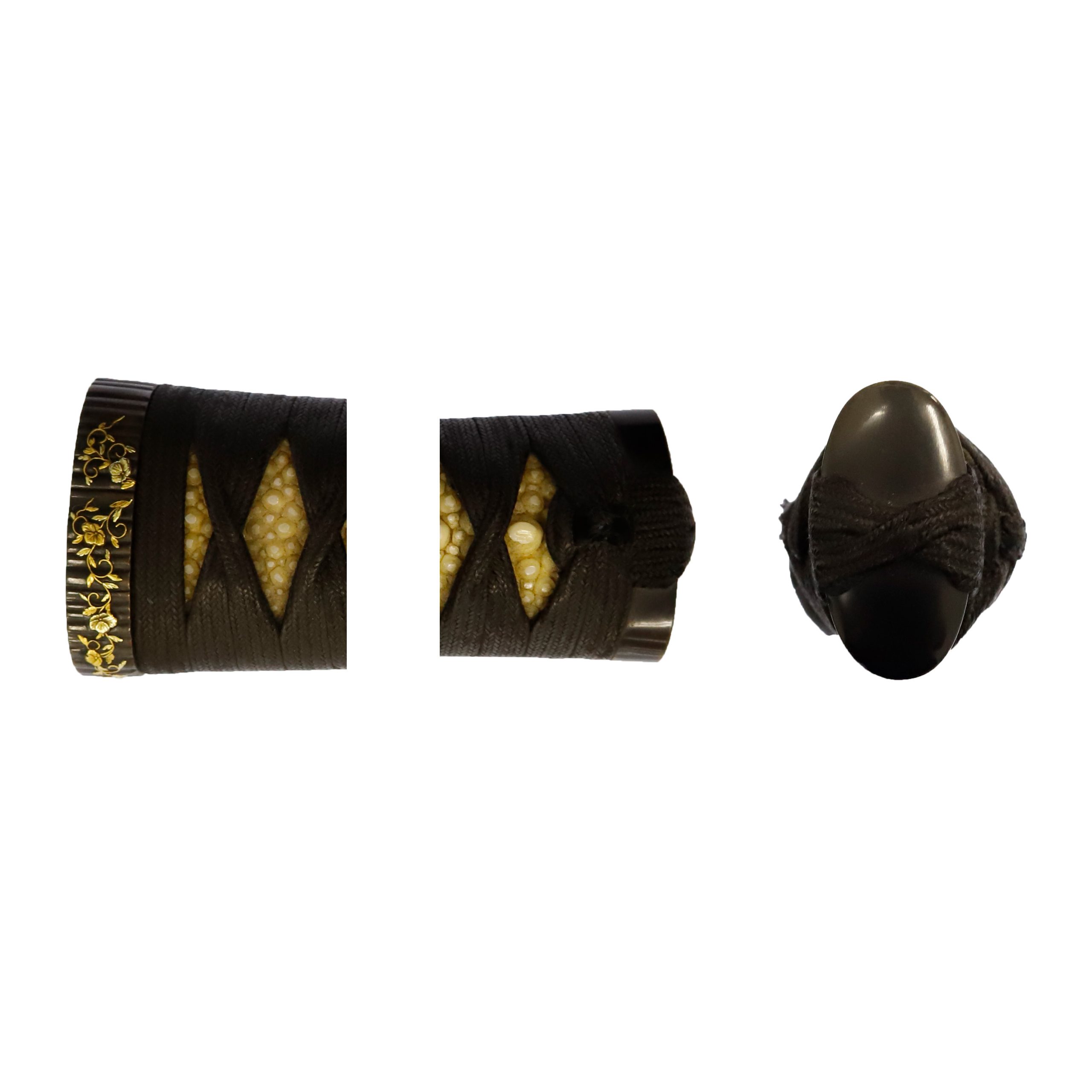
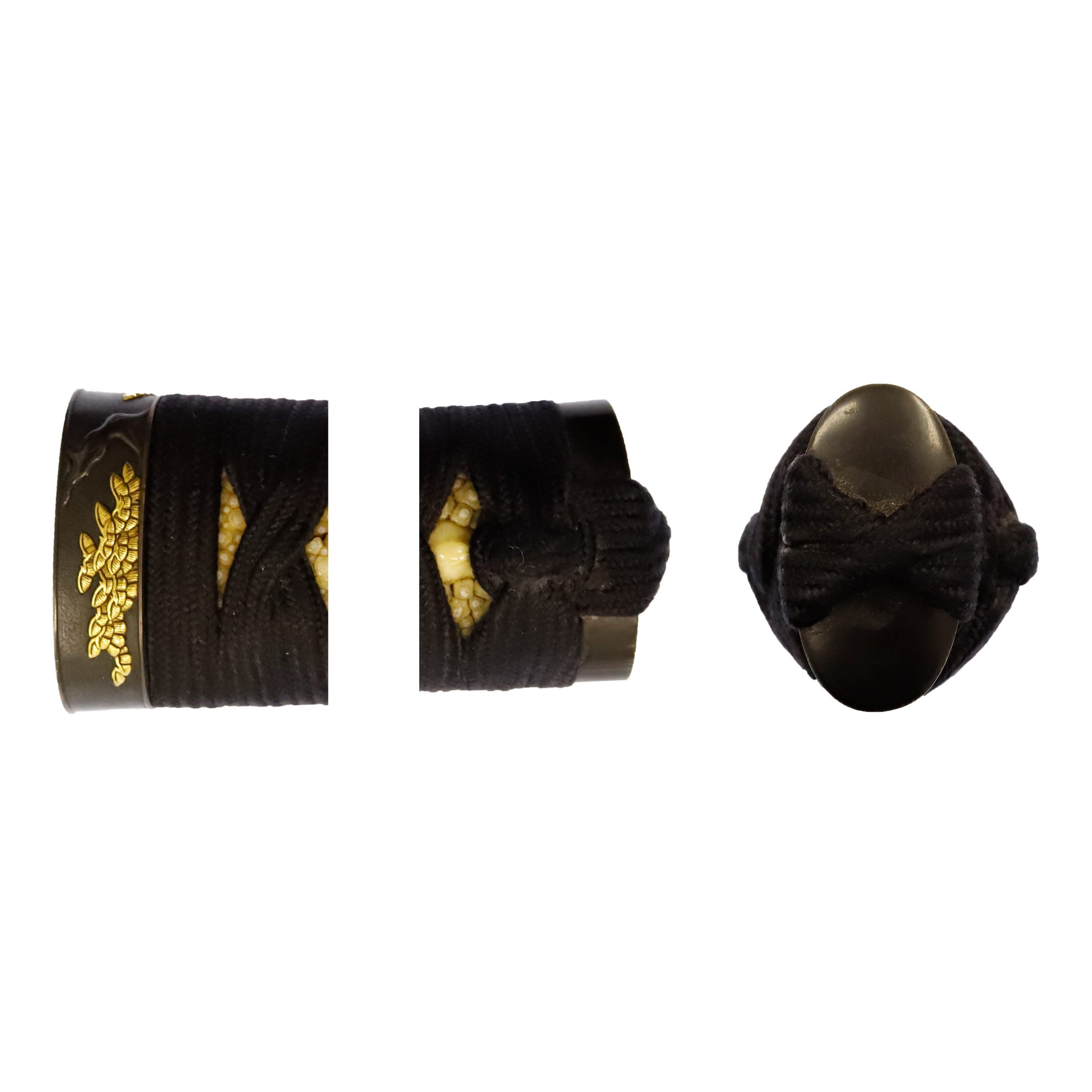
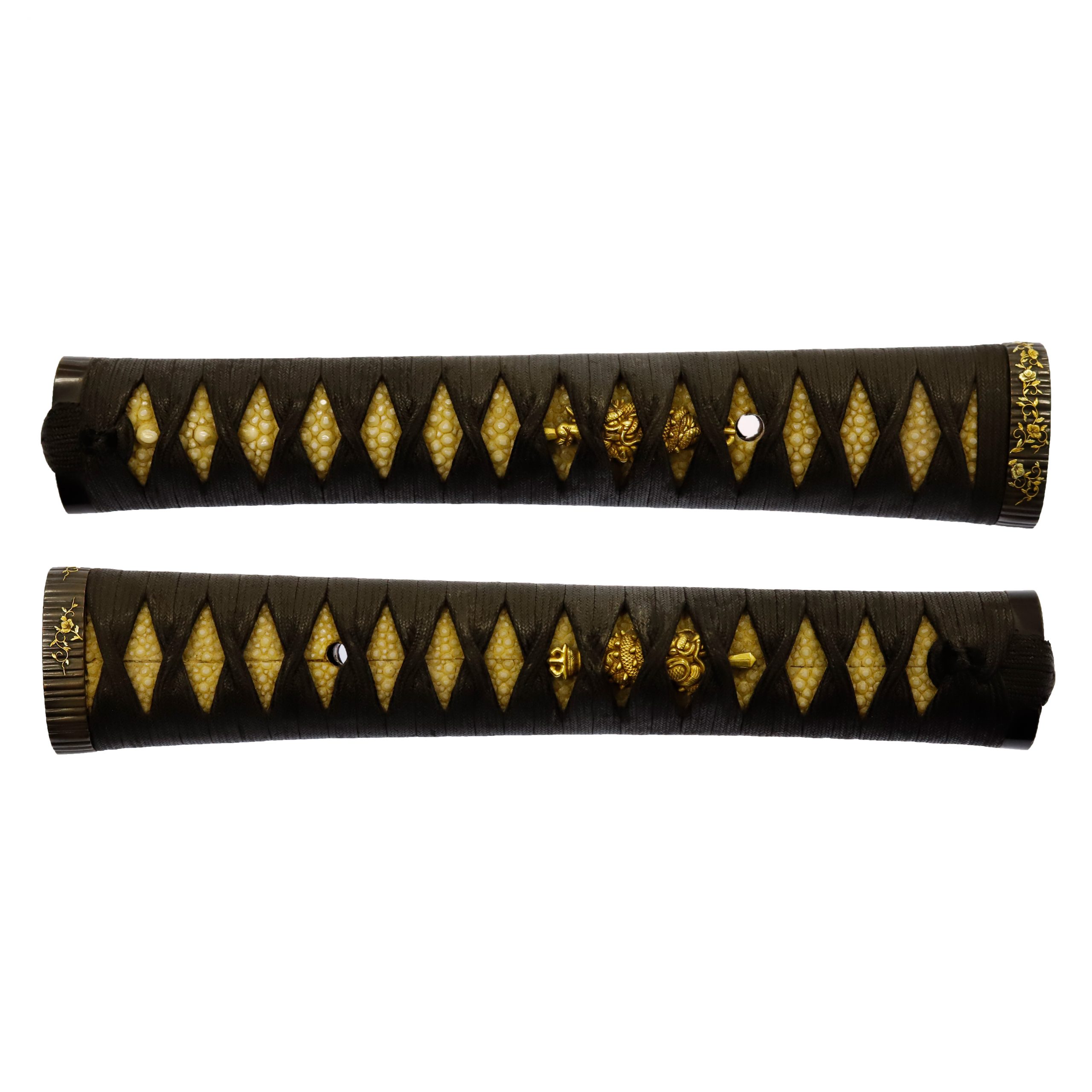
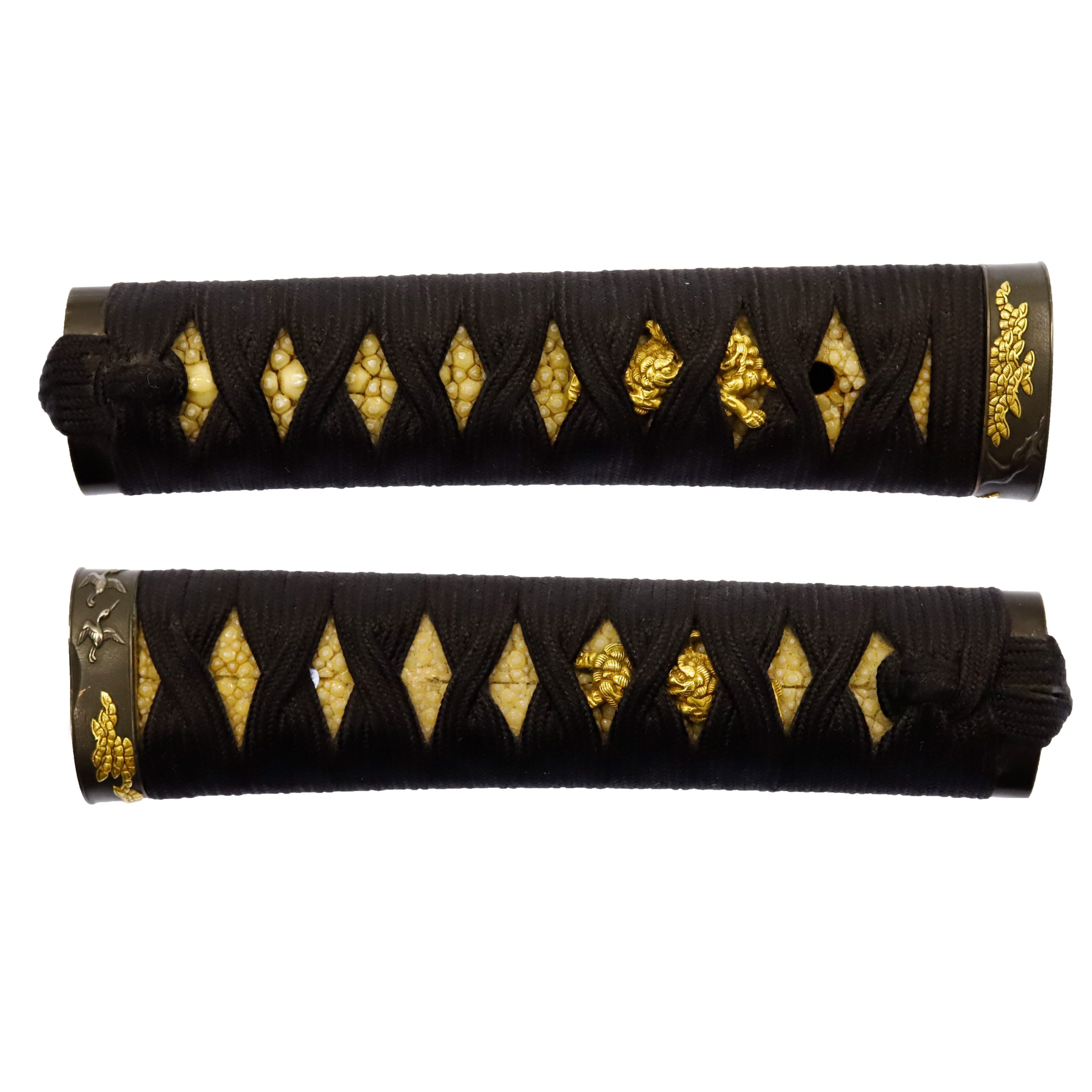
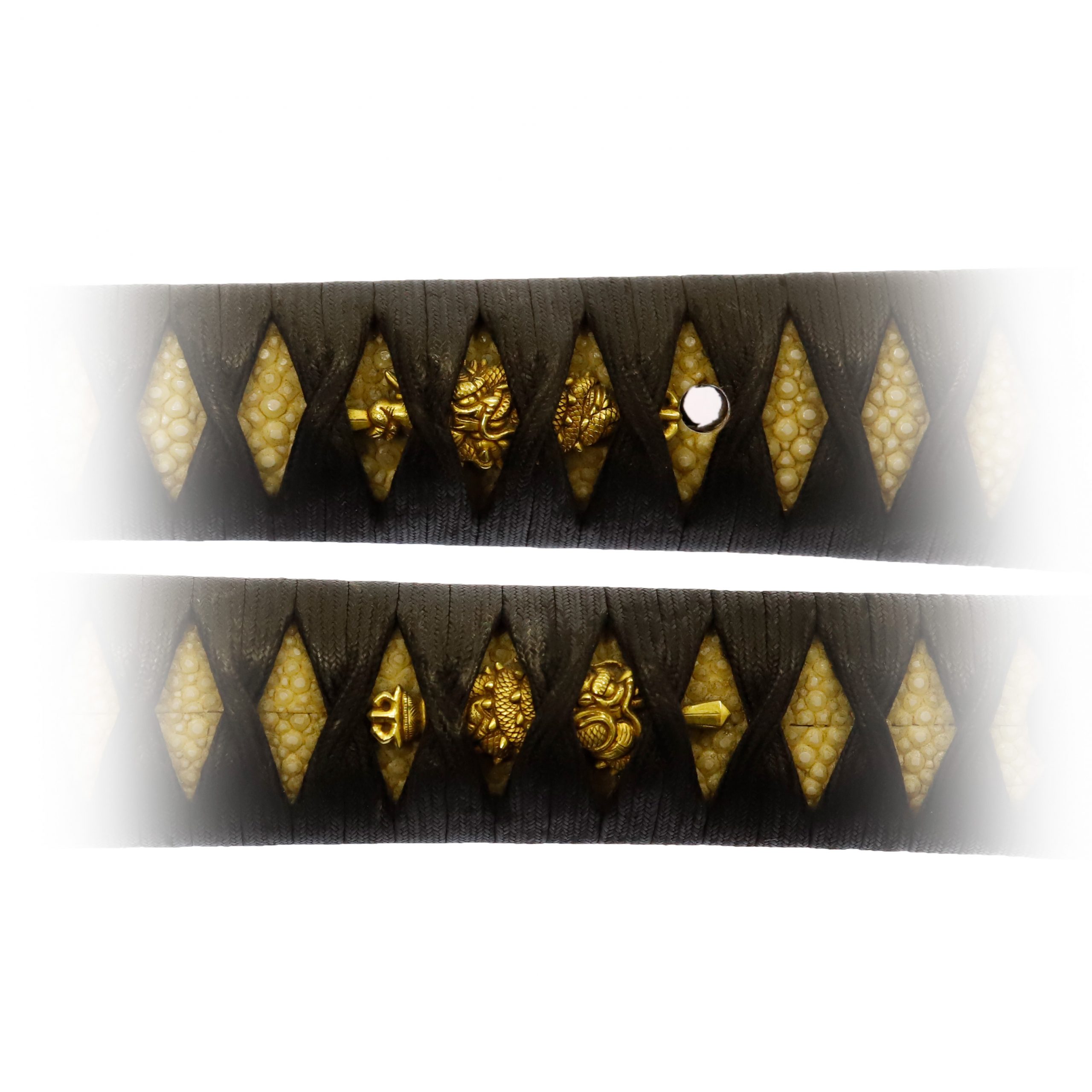
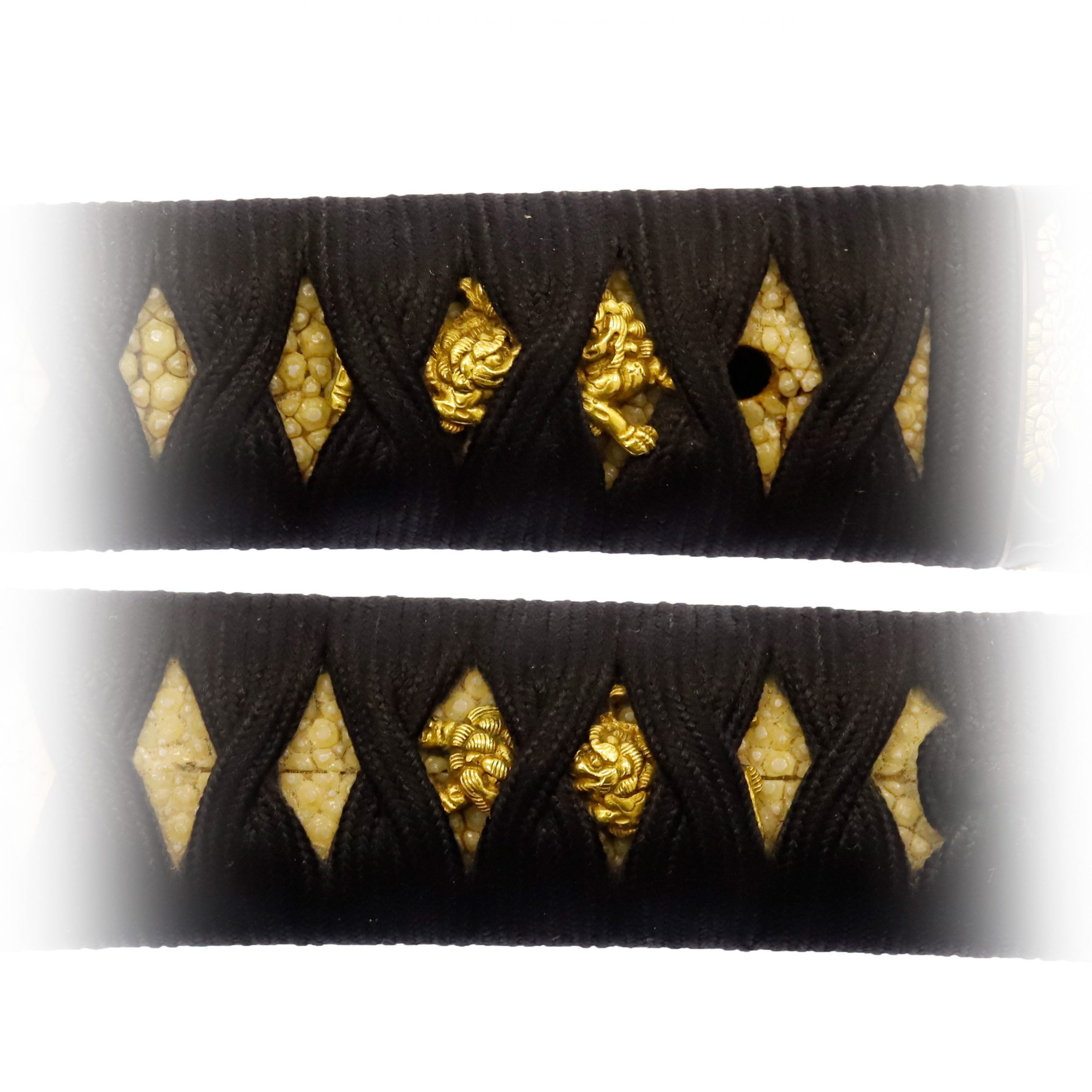
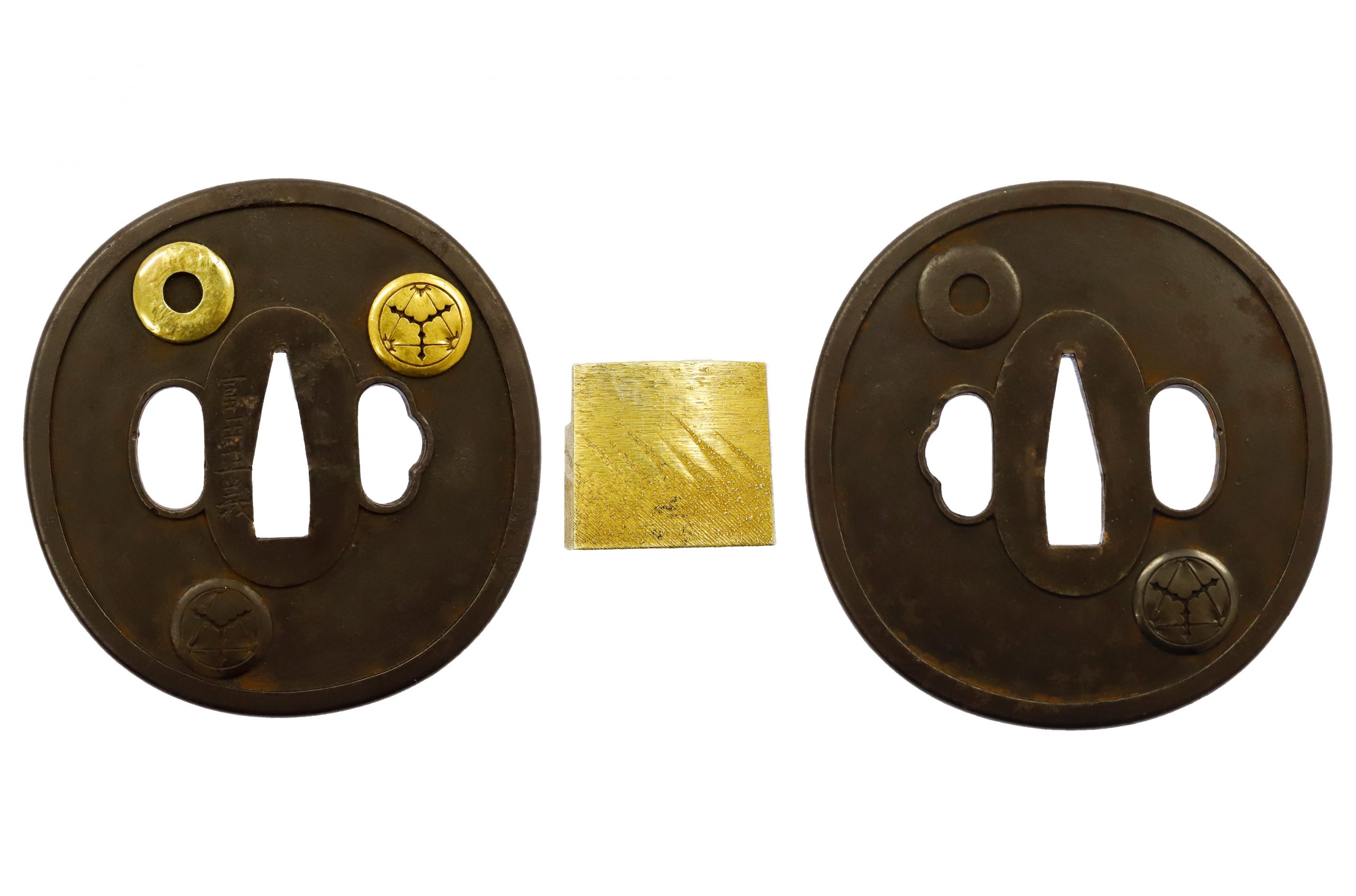
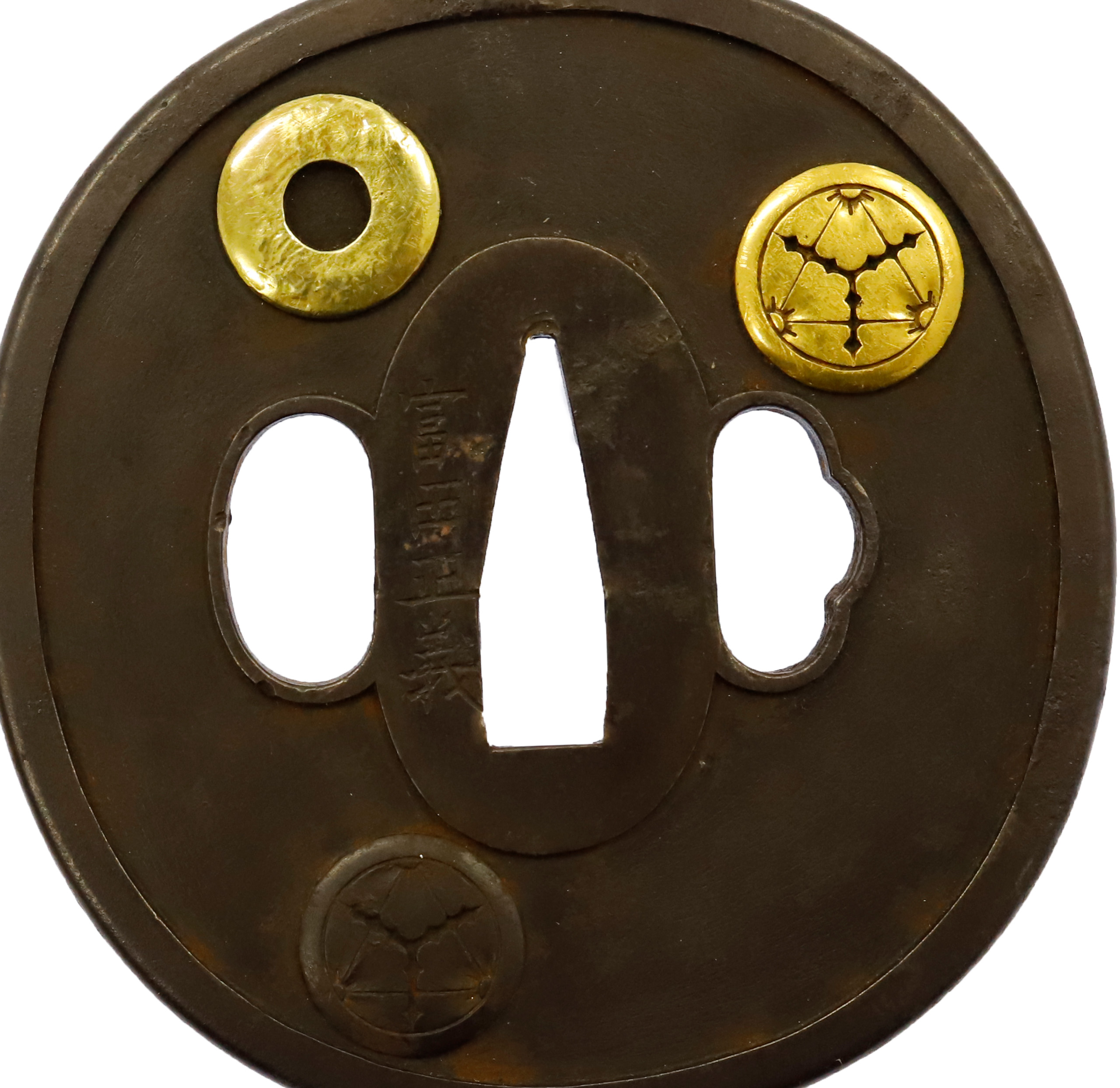
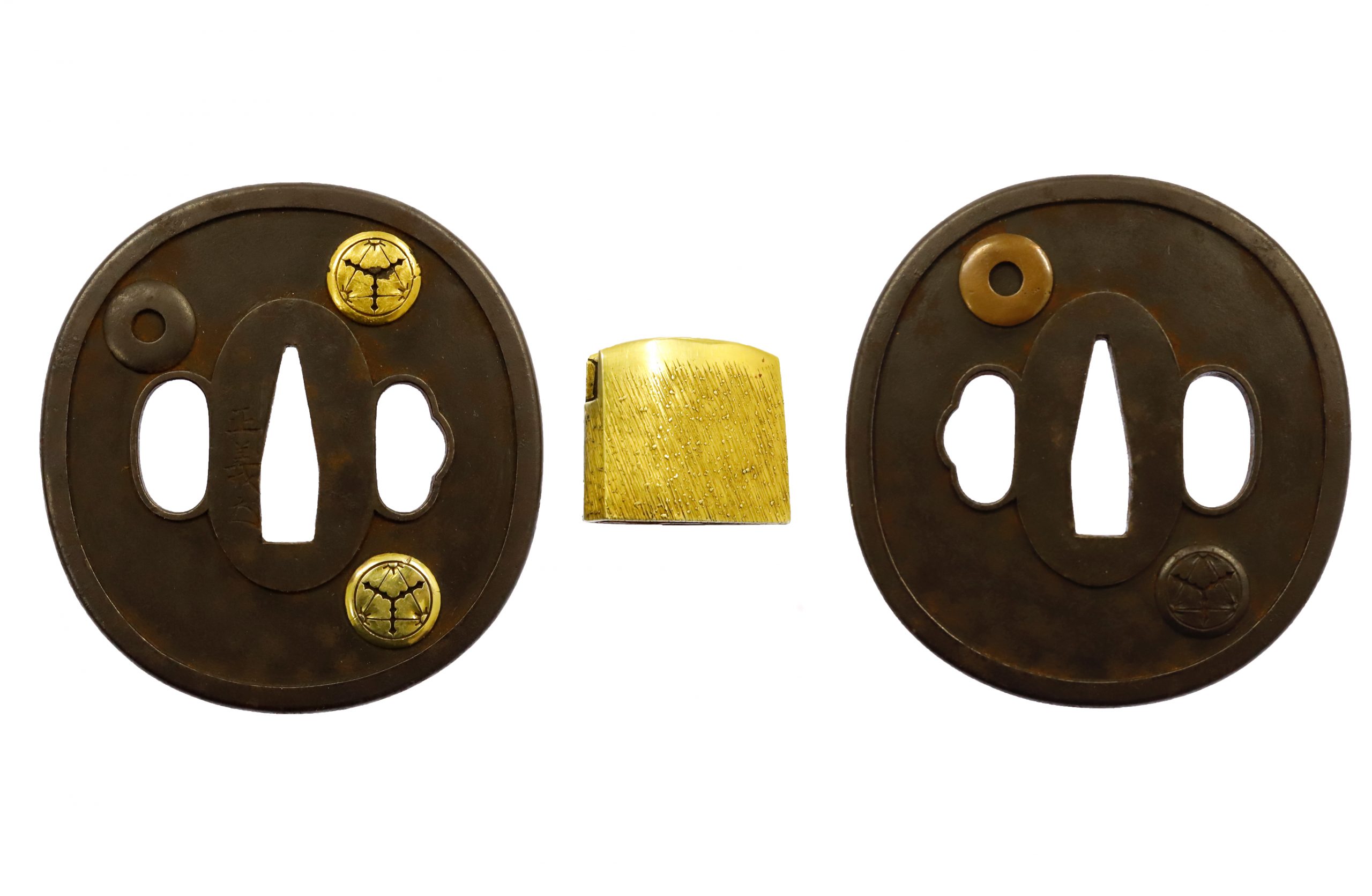
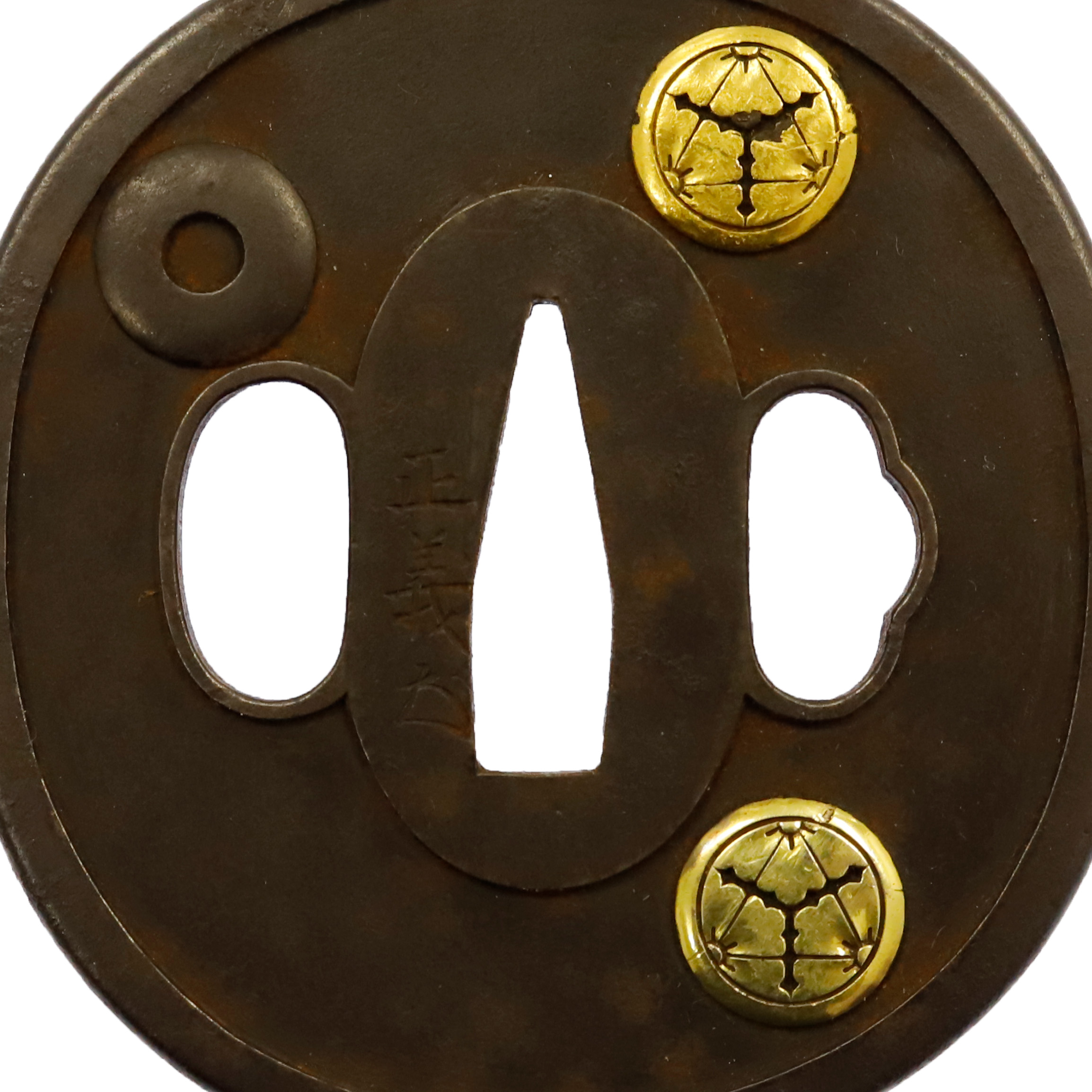
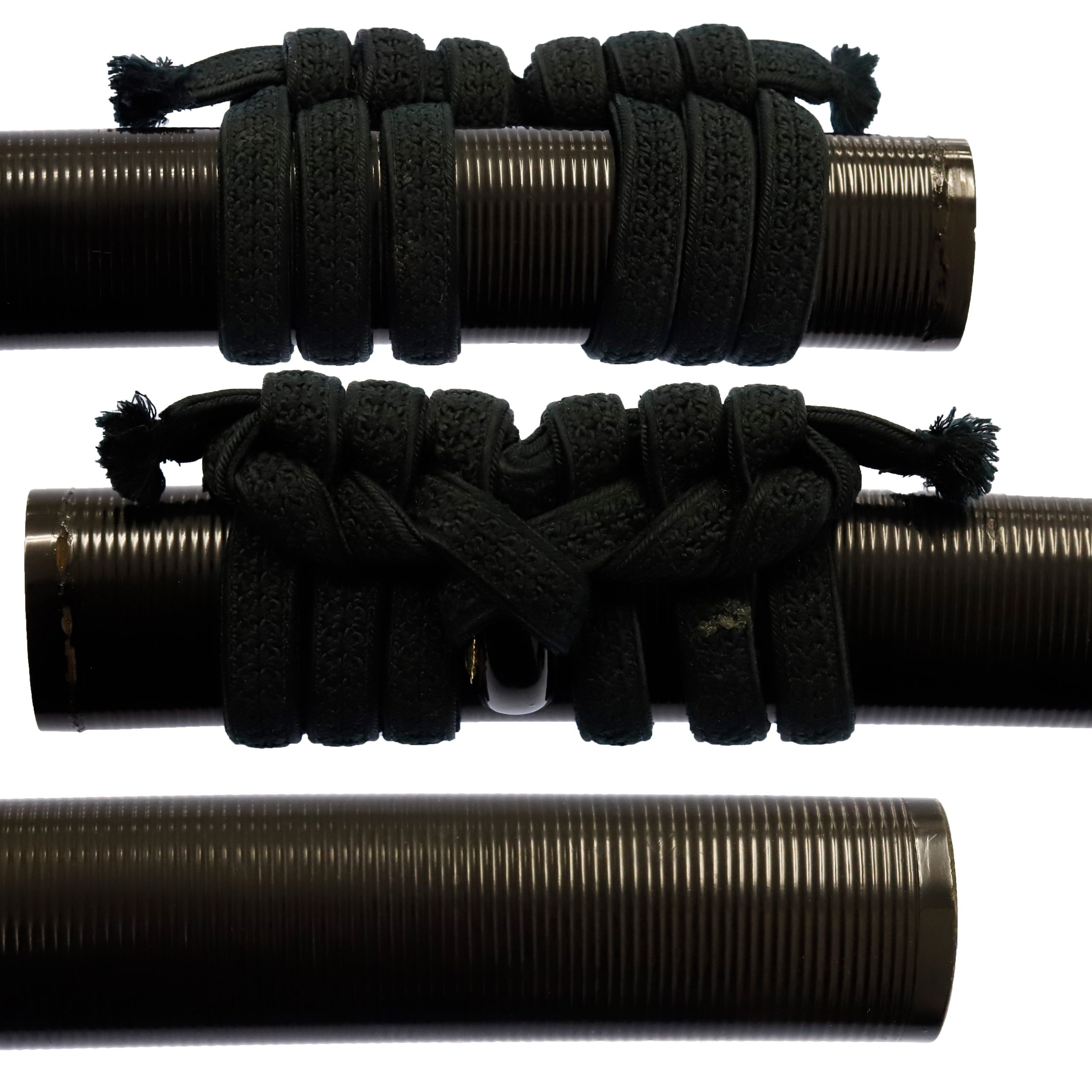
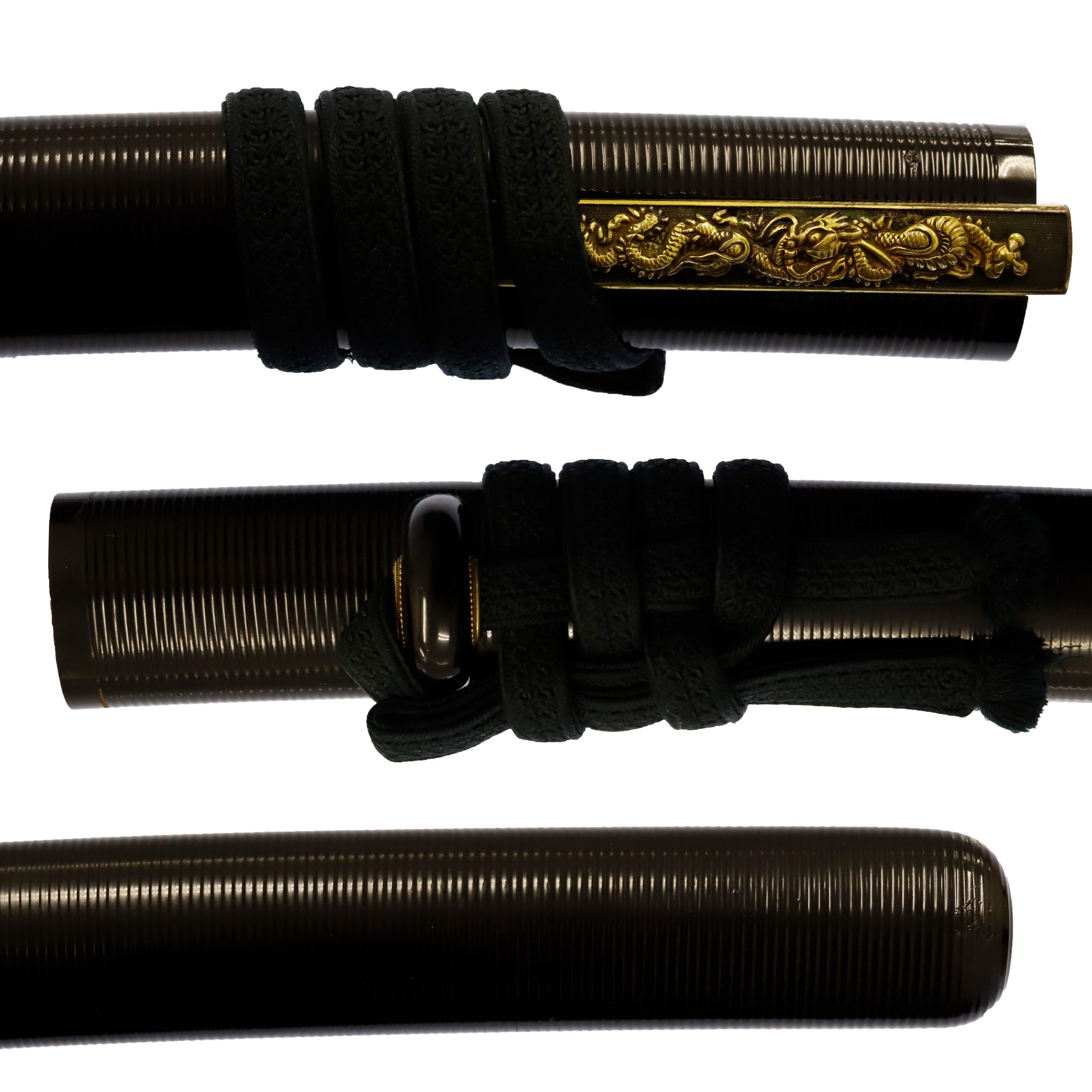
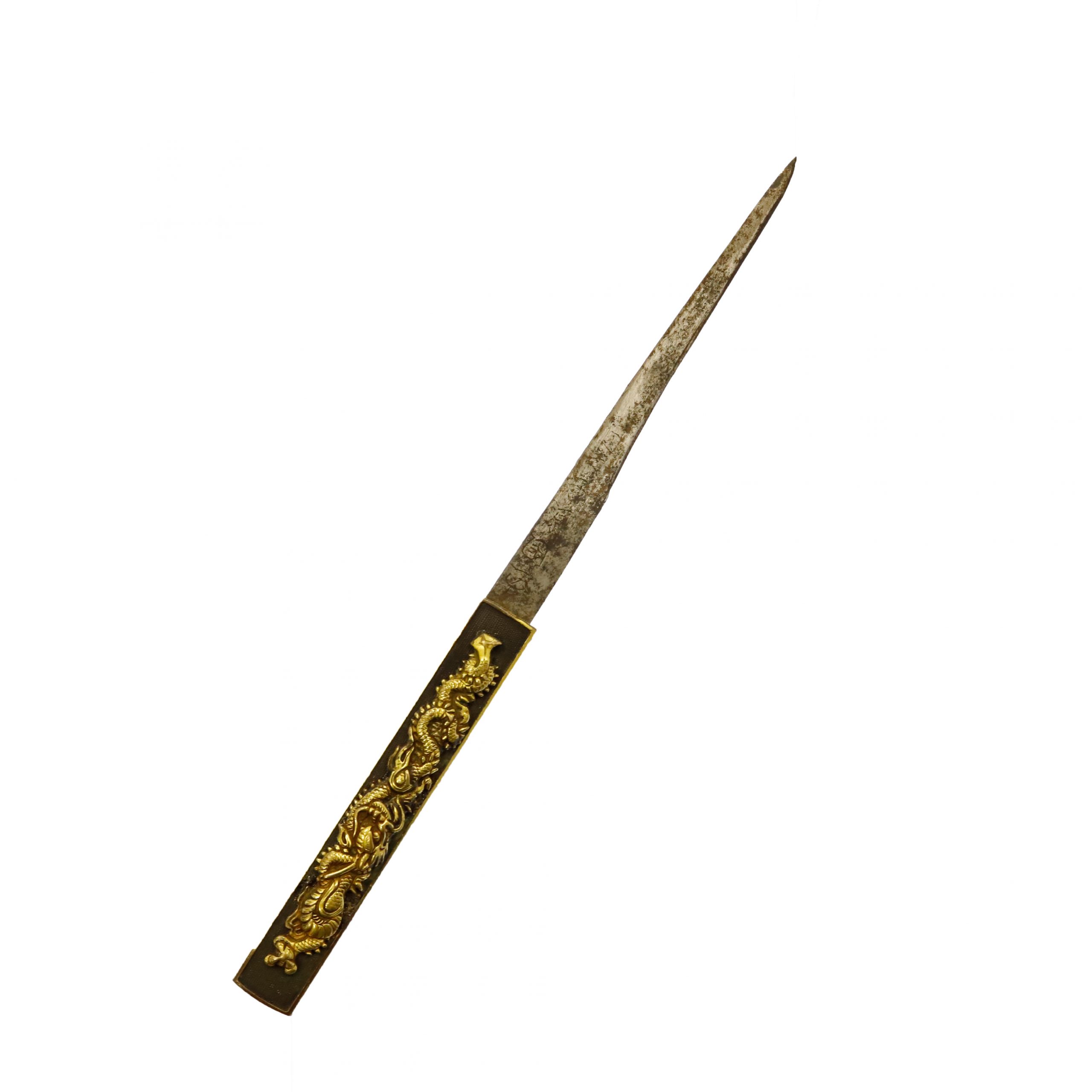
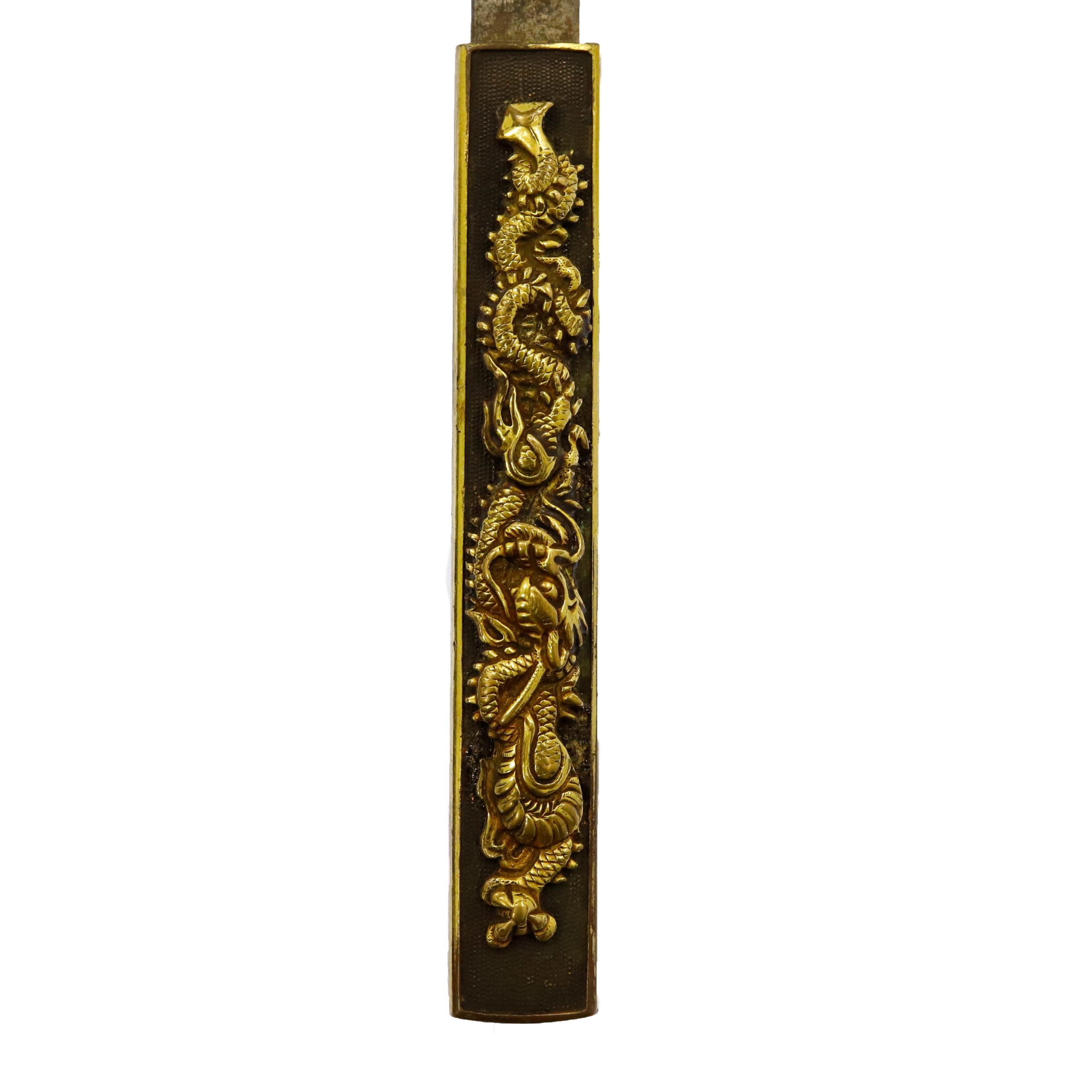
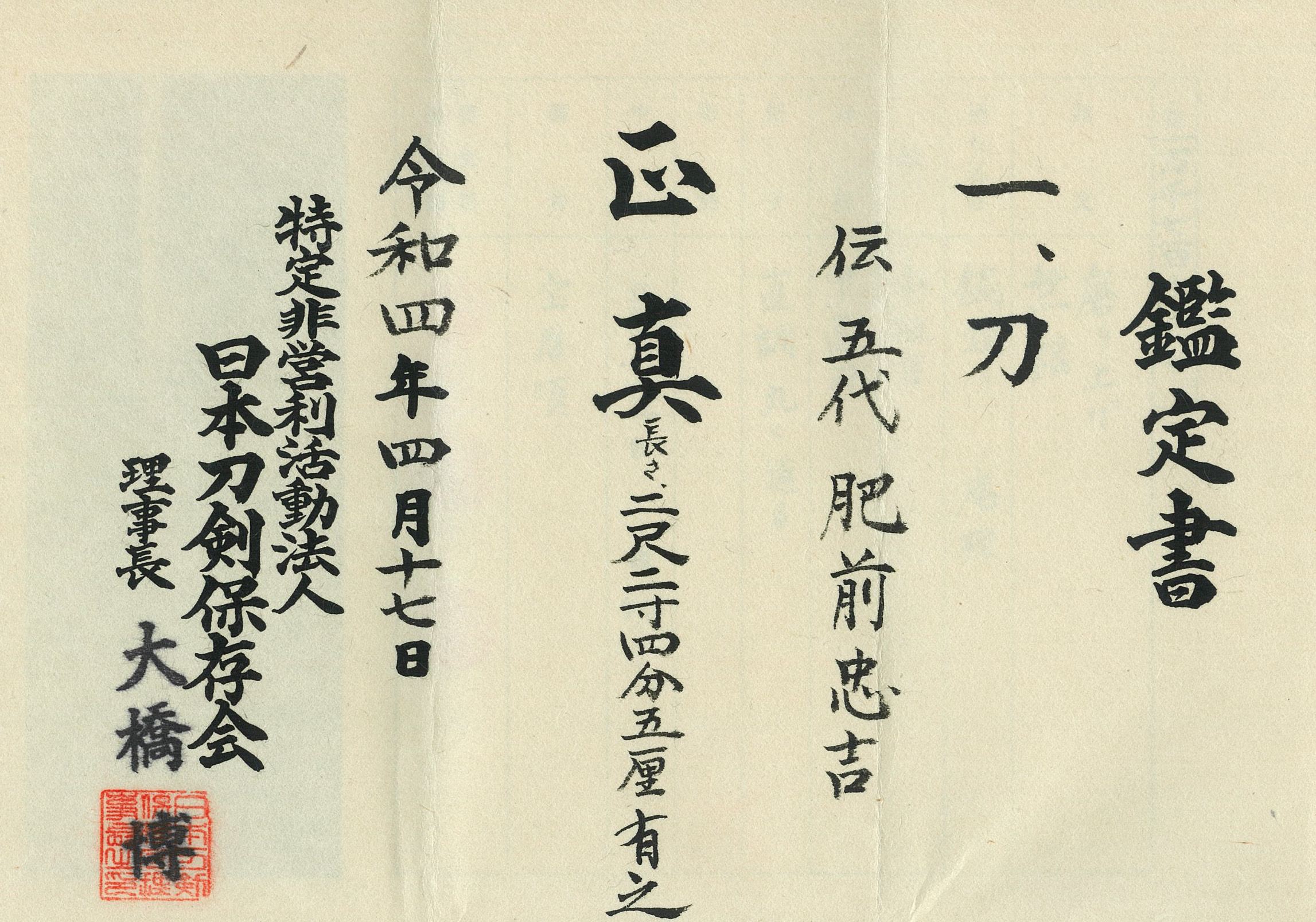
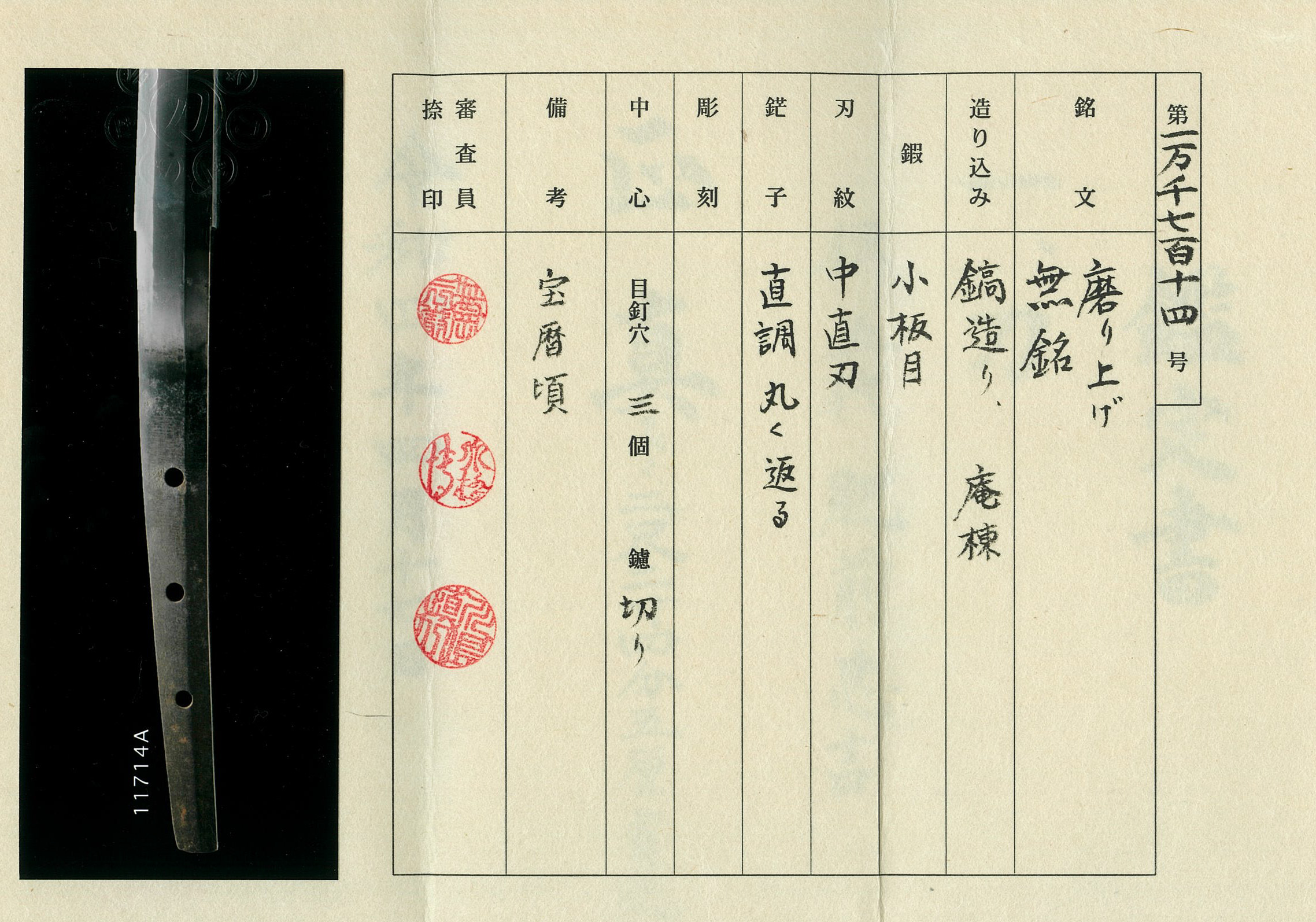
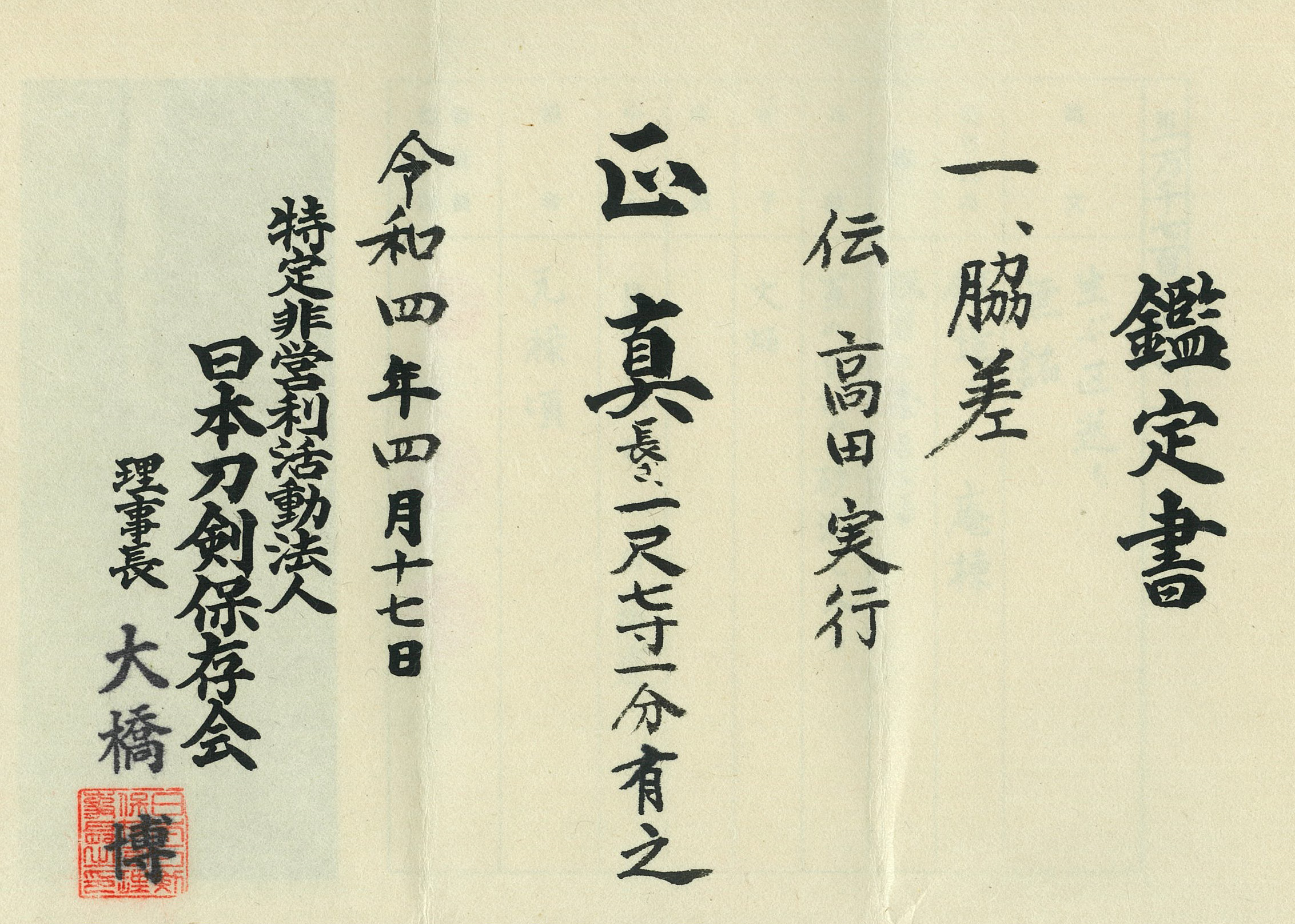
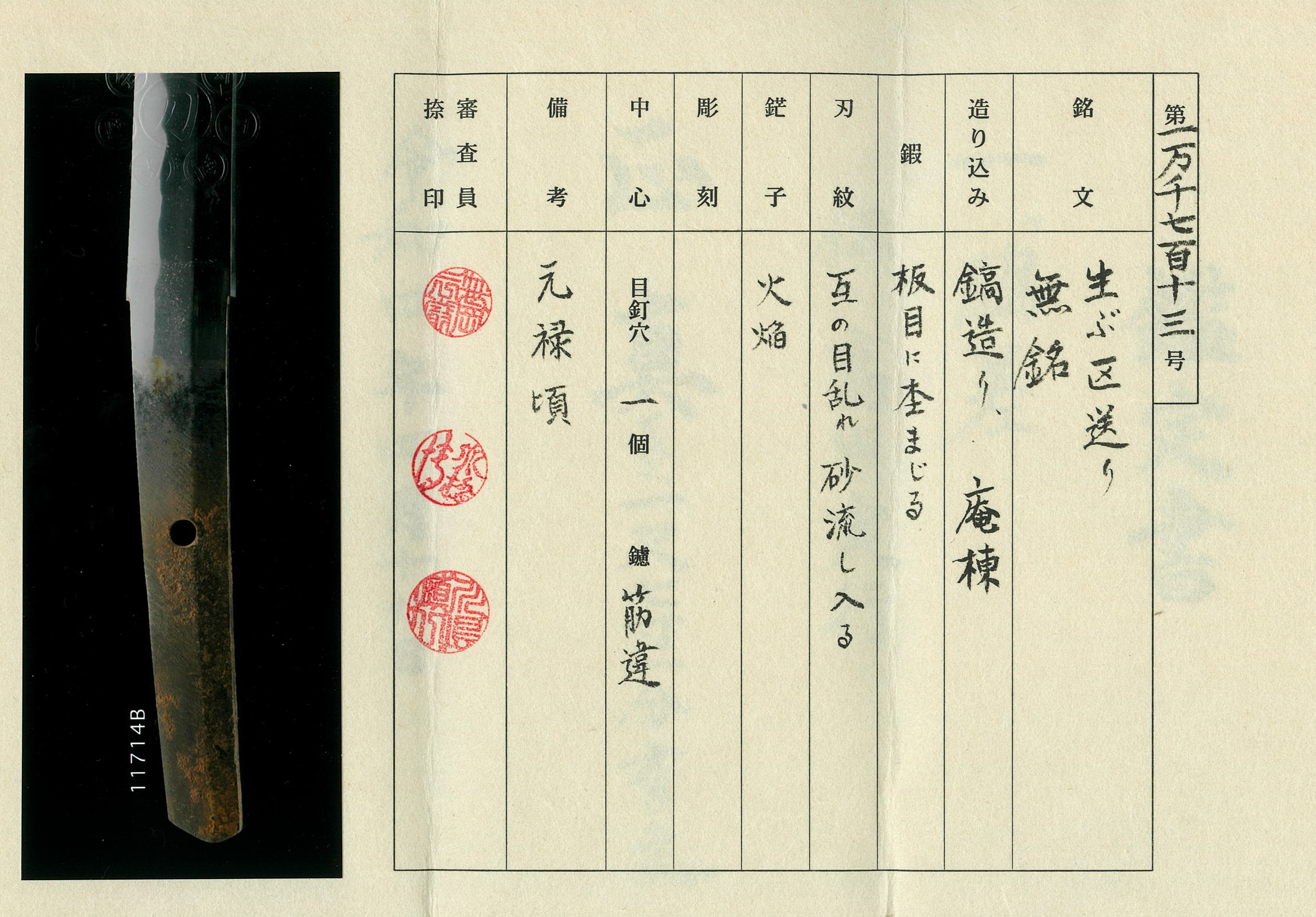
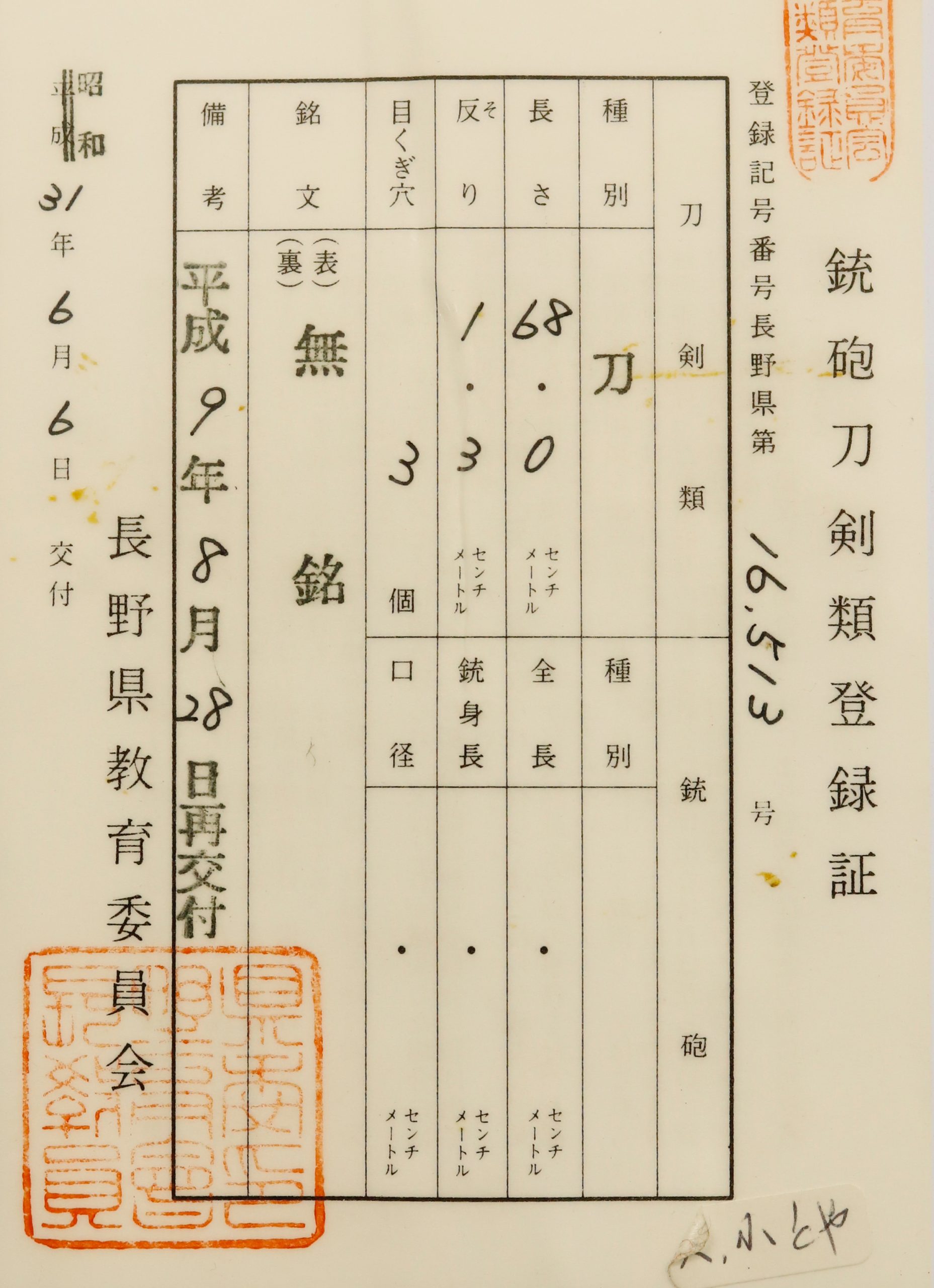
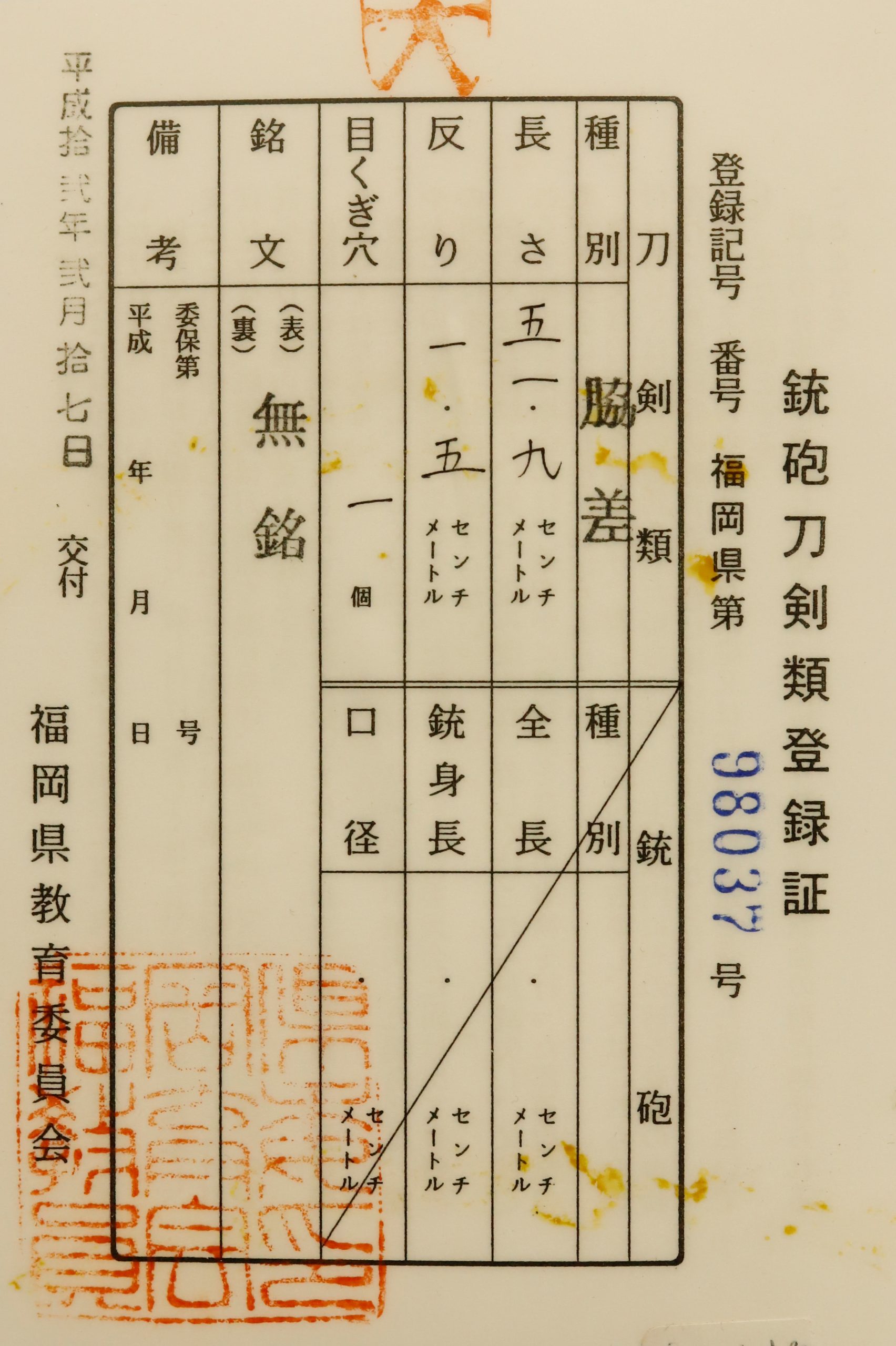
■Katana attributed to 5th gen Tadayoshi This blade was attributed to a work of the 5th generation Hizenkoku Tadayoshi (五代肥前国忠吉) during the Houreki era (1751-1764: the mid-Edo period), according to NTHK’s appraisal in this April. Hizenkoku is the name of the province located in Today’s Saga prefecture. The 5th-gen Tadayoshi was born as the son of the 4th-gen Tadayoshi in the 9th year of the Genroku era (1696). Being surrounded by skilled swordsmiths from a very early age, he started to be engaged in sword-forging from the first year of the Kyoho era (1716). He first signed as Tadahiro (忠廣) when his father was alive. However, he started to take over his father’s name and sign Tadayoshi after the 4th-gen died in 1747. The swordsmith name Tadayoshi lasted nine generations from the Azuchi Momoyama-Edo period (1572-1868). During the Edo period, they served the Nabeshima clan, who ruled the Saga domain where Hizen province was located. The first gen Tadayoshi school The first-gen Tadayoshi was born and raised in the Saga domain. In 1596, under the domain’s order, he went to Kyoto to learn the sword-forging technique from Umetada Myojyu(埋忠明寿), one of the greatest swordsmiths in the early Edo period. He improved his craftsmanship and returned to the Saga domain two years later (1598). The first head of the Nabeshima clan, Nabeshima Katsushige, appreciated the work of the first-gen Tadayoshi very much. Then, Katsushige appointed him as his Okakaekaji, a swordsmith who exclusively forged swords for a specific domain or clan. And Tadayoshi started to stay near Saga castle, which is the headquarter of the Nabeshima clan. And, he founded Hizen Tadayoshi school, which trained more than 100 swordsmiths during the Edo period. 5th gen Tadayoshi is one of them. Hizen Domain The swordsmiths in the Hizen province worked under the auspices of the Nabeshima clan such as Yoshikane. They could produce beautiful Jigane-patterned blades, also known as Hizen To, using and mixing carbon steel made in western countries. Hizen Koku had been flourishing by international trading. The geographic location of this domain made it possible to have easy access to western carbon steel. ■Wakizashi This blade was attributed to a work of Fujiwara Takada Saneyuki (藤原高田実行) during the Genroku era (1680-1709: the mid-Edo period), according to NTHK’s appraisal this April. Takada school was founded by Takada Tomoyuki in Takada village, Ohita prefecture, during the Nanbokucho period. (1334-1338 A.D). Tomoyuki went to Bizen province(today’s Okayama prefecture) to master the sword-forging techniques of BIZEN and came back to the village and trained his apprentices. That is how Takada school started. Those who forged swords in Takada village before the Edo period are called Taira Takada and Fujiwara Takada during the Edo period. This blade is categorized as a Taira Takada sword. The swordsmith name Saneyuki lasted six generations, and it is said that the first-gen Saneyuki was the son of Tomoyuki. During Sengoku Period(the warring state period: from late 15 C to late 16 C), the Takada school forged many swords for feudal lords on Kyushu island. It is said that the reputation of the blades forged by Takada school was close to MINO or BIZEN swords, two of which are the most famous sword forging places. This highly skilled sword forging technique was passed down to later generations in the Edo period. Generally speaking, Kyushu island was prosperous in sword-making because of the long trading history with Asian countries. To gain an advantage in trading, many feudal lords on this island fought against each other. Takada school was able to receive many orders as the demand increased among those lords. The material of Japanese swords(high-quality iron sand and charcoal) was abundant in the mount Sobo Katamuki, located near Takada village. We believe Takada school prospered because of its geographic location and natural resources. ■What is Daisho? Daisho is a pair of two Japanese swords Samurai carried. During the Edo period, having Daisho in public places was considered social status for Samurai. Furthermore, Samurai were required to wear them under the law back then. Daisho is written as 大=Big and 小=Small. Dai part means Katana, and Sho part means Wakizashi. We are confident you would like this Daisho Koshirae. And based on the style of the sword mounting, they are categorized as DENCHU KOSHIRAE(Sword mountings for entering a castle), which is very formal style of the mountings. -Katana Jimon(Jihada) -Katana -Wakizashi Fuchi-Kashira Both Fuchi Kashiras are decorated with plant motifs. Kashira parts have the same simple design and have glossy black color. A kind of flower is designed on Katana’s Fuchi. And pine tree is designed on Wakizashi’s Fuchi. Golden paint is applied to these motifs, and this coloring makes ornamental looks of these Fuchi Kashiras. Pine trees keep their green color throughout the years by withstanding severe heat and cold; therefore, people have thought this plant pattern represents eternal youth. Furthermore, its color is called the Tokiwa-Iro (常盤色, evergreen trees’ dark green color with brown), and pine trees have another name Tokiwa-Gi (常盤木). Tokiwa means immutability, so the Tokiwa-Iro is a color that praises green with a wish for longevity and prosperity. The pine tree design gives us an elegant and noble impression; it might be another reason people love this motif. Tsuka and Menuki Firstly, please look at Katana’s handle. Seeing through the gaps of the Tsukamaki thread, the dragon coils its body around the sword. This design is called the Kurikara Ken (倶利伽羅剣). It is said the Fudo Myo-O (不動明王, acalanātha) brings this sword. The Fudo Myo-O is a protective god in Buddhism, particularly in Japanese Shingon Buddhism. This god was also known as a god of wars. According to a theory, this sword has the power to punish evils, crush worldly desires, and achieve the effects of religious training. Next, if you focus on Wakizashi’s handle, you will find animals that have curly hair. We believe this motif is the Karajishi (唐獅子). The Shishi (獅子) means a lion in Japanese, and the Karajishi is a lion brought from the continent to Japan in the Toh period (唐, Tang dynasty, 618-907). The Karajishi typically has curly hair for its head, neck, body, and tail, as you see in this work. In Buddhism, the Karajishi is regarded as a symbol of wisdom, and Monju Bosatu (文殊菩薩, Manjushri Bodhisattva) rides lions. According to a theory, the Karajishi is the origin of Komainu (狛犬, stone guardian dogs that exorcize evil spirits). It shows this beast motif has been familiar to Japanese people since ancient times. Both Menukis are colored with golden paint, and this coloring remains in good condition. It makes an elegant color contrast with the black color of Tsukamaki thread. Tsuba and Habaki Oval-shaped Tsubas that have Kozuka and Kougai holes. Both Tsubas have the same design. You would see circle-shaped marks on both sides of these Tsubas. The one is simply a ring pattern. And another one’s motif is a kind of flower. We think these symbols are family crests. The family crest is one of the unique Japanese cultures that has continued from ancient times to today. It represents one’s lineage, rank, and social standing of a family. According to a theory, during the period that strong clans gained renown, people started using the family name. The name of the land was used as the family name to distinguish the family members who moved to other areas from the others. Therefore, a family crest has a role in showing the family name. After that, court nobles and Samurai families also started using family crests. As you see in these Tsubas, they favorably used family crests for arms such as swords or armor. Kozuka A Kogatana (小刀, small knife) is stored in the Kozuka. A dragon is designed, and its body is colored with golden paint. Initially, the dragon was an imaginary creature found in ancient foreign traditions or myths. Furthermore, it is regarded as a symbol of auspicious signs. Its body is likened to nine animals: antlers are deer, the head is a camel, eyes are demons, the neck is a snake, belly is the Mizuchi (蛟, a mythical animal in Japan that looks like a snake and has a horn and four legs), scales are fish, claws are falcons, palms are tigers, and ears are cows. It was thought that the dragon would reign at the top of all animals because of its odd-looking appearance. Authentication Paper NTHK, also known as NPO Nihon Touken Hozon Kai, is the oldest organization for sword authentication of Japanese swords in modern times. It was established in 1910 during the post-Samurai era. They authenticated the Katana and Wakizashi blade on April 17th in the 4th year of the Reiwa era (2022). Registration Number The Board of Education in Nagano prefecture issued a registration paper for the Katana blade and that in Fukuoka issued one for the Wakizashi.
Offered by Samurai Museum
This piece has sold
105 on the market
Get an email when a new Hizen Tadayoshi piece hits the market.

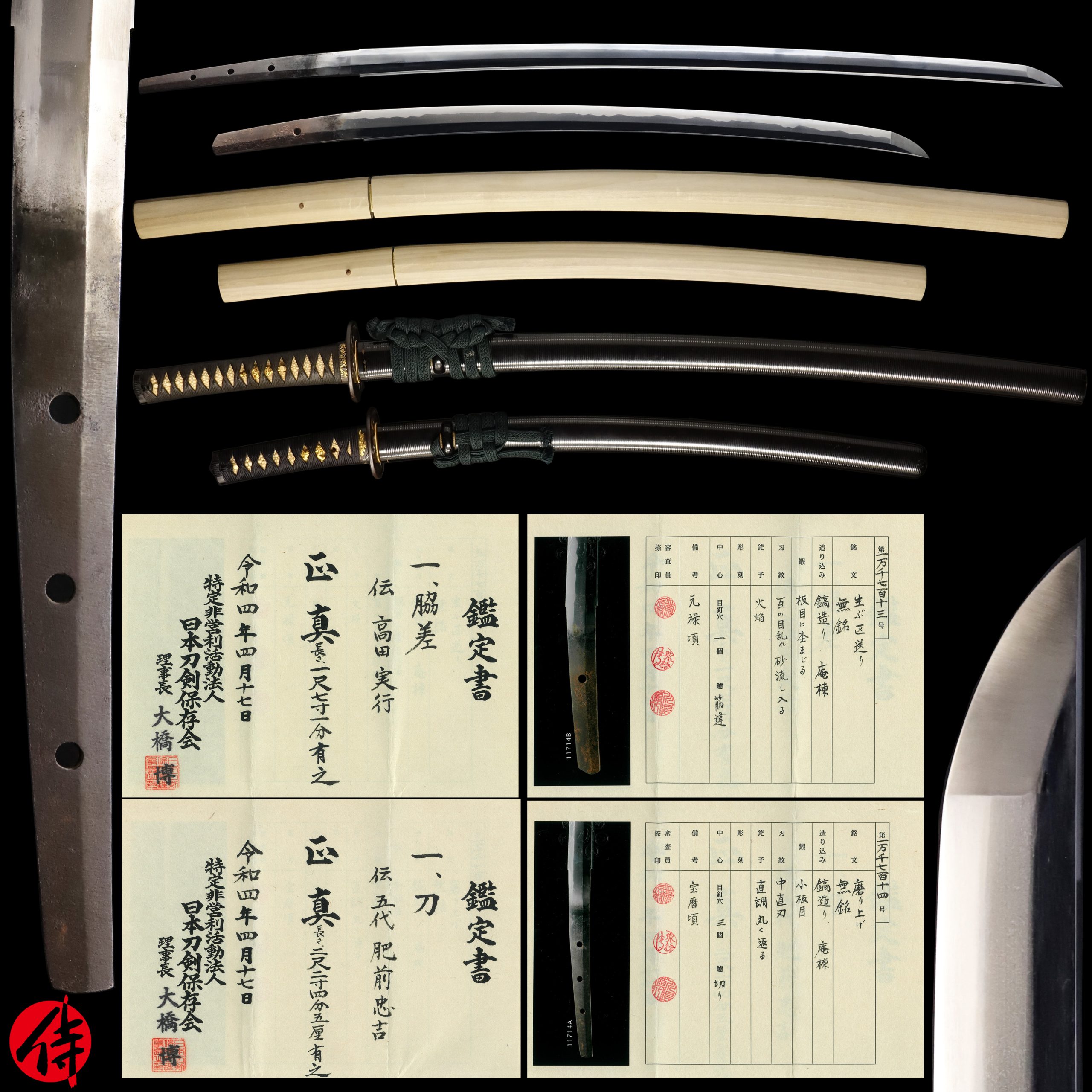
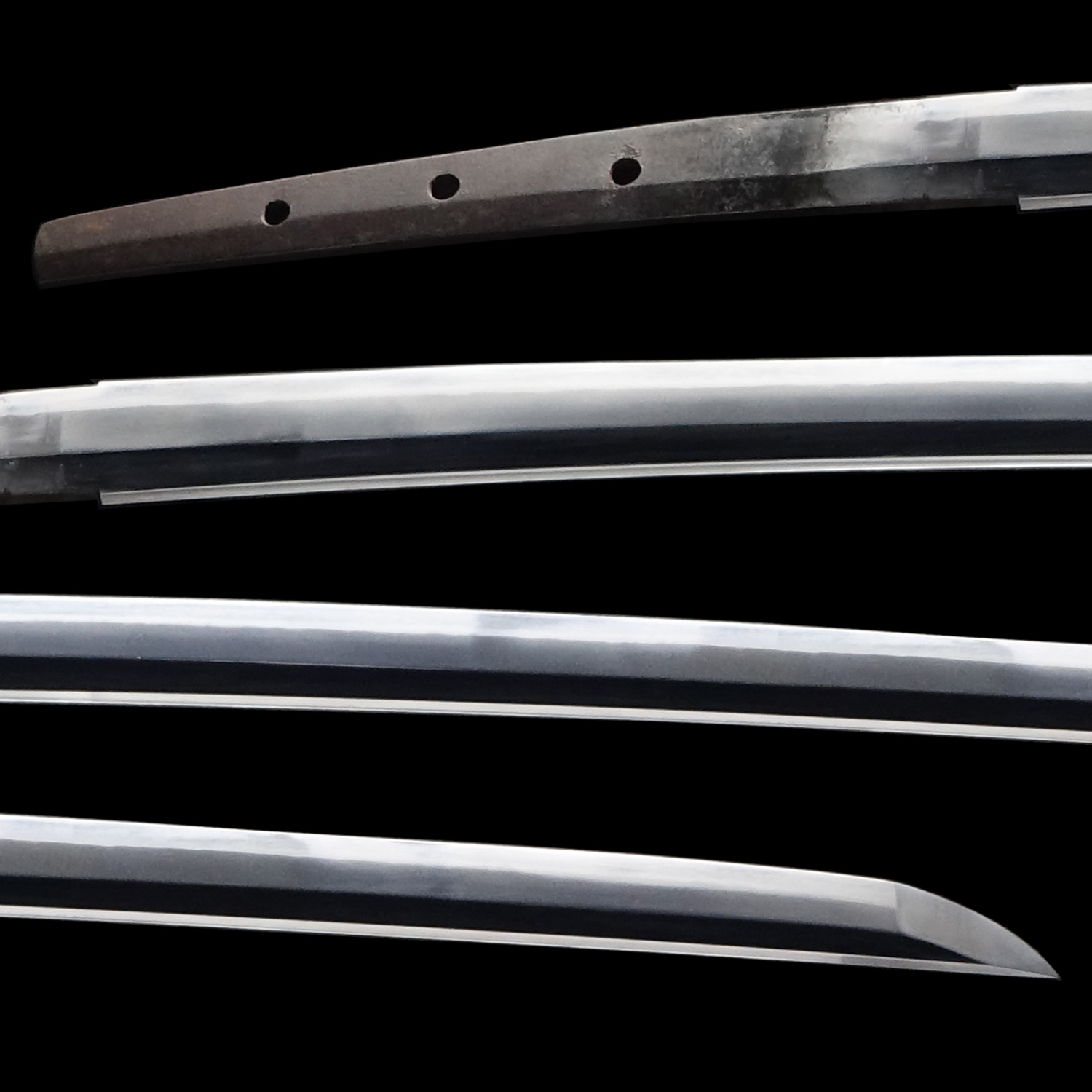
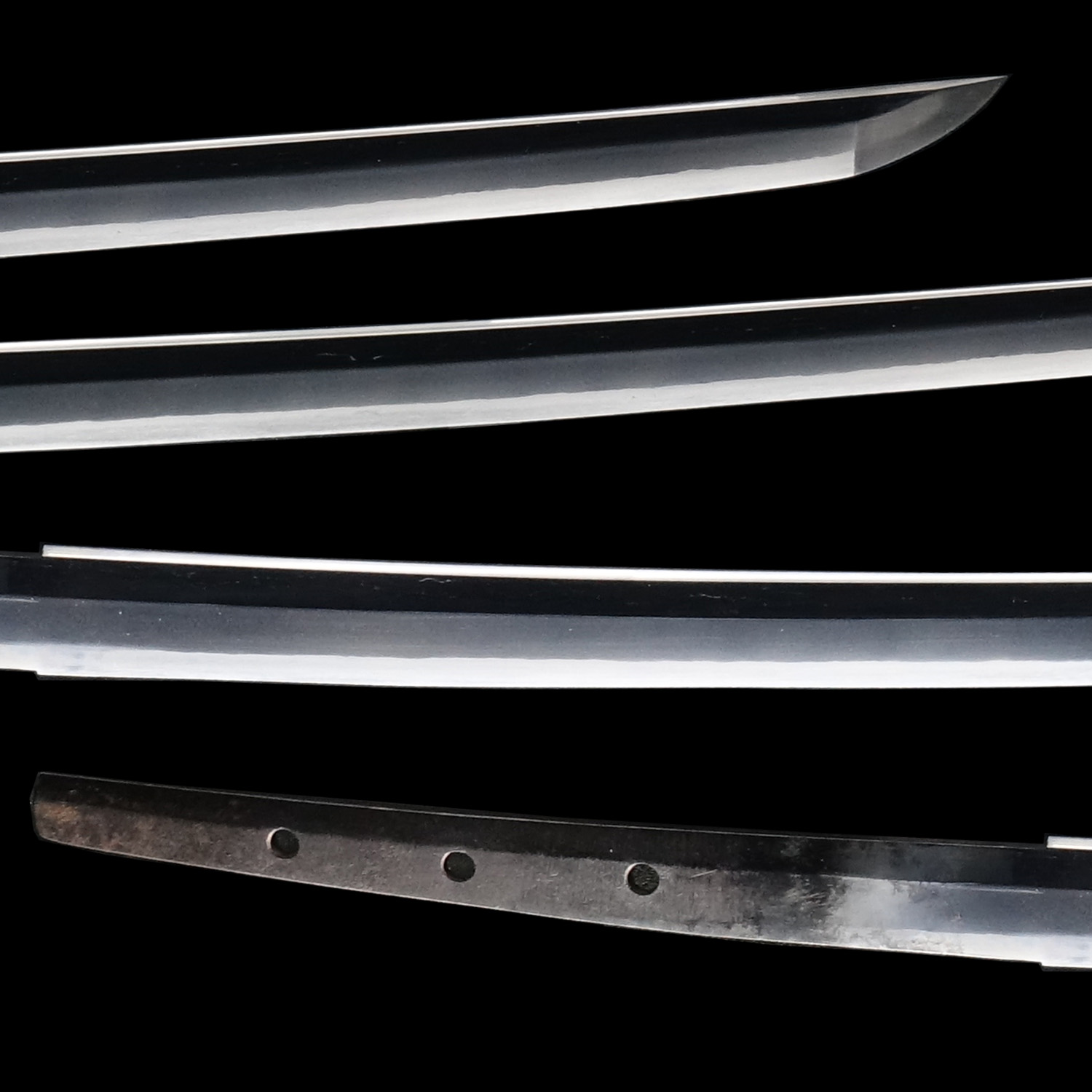
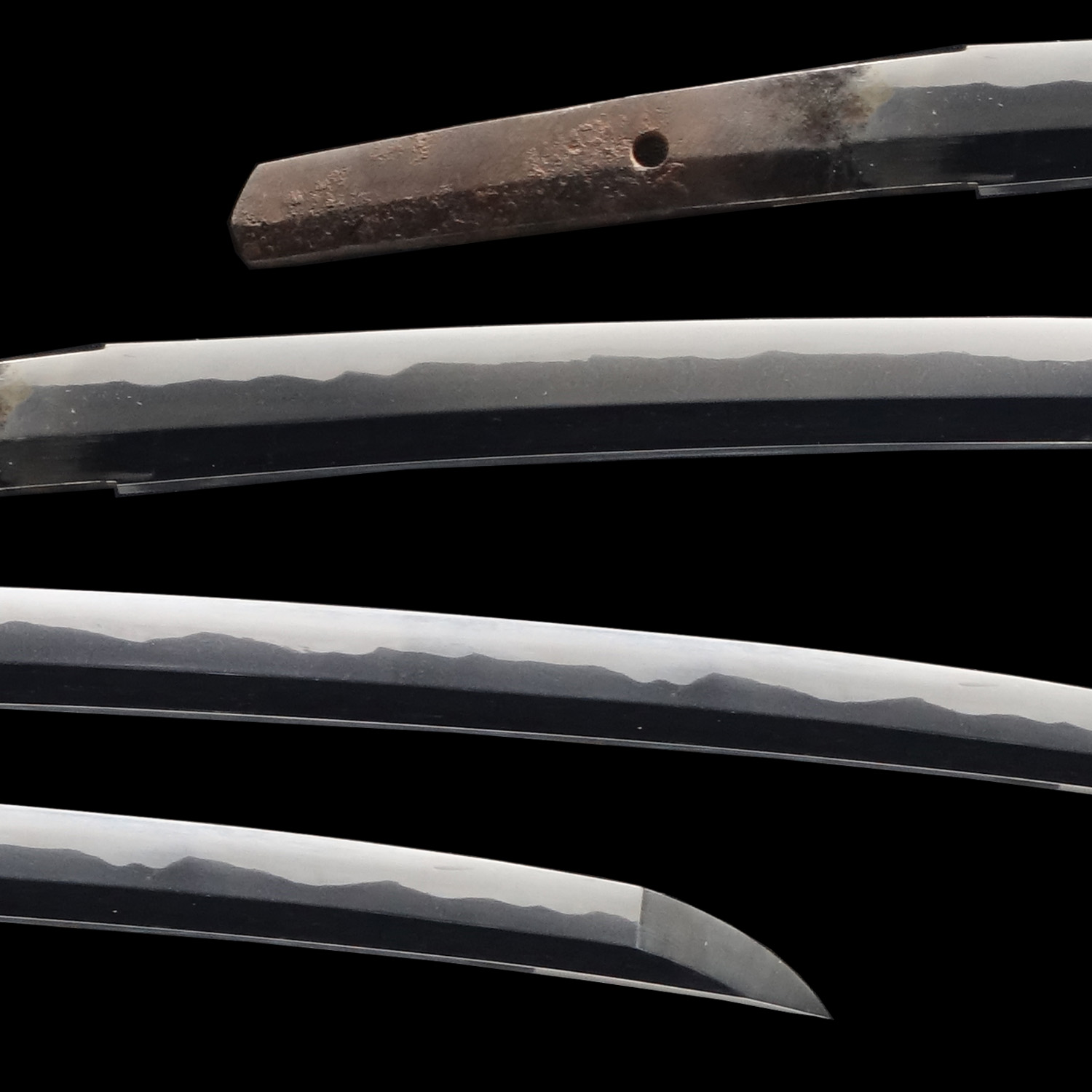
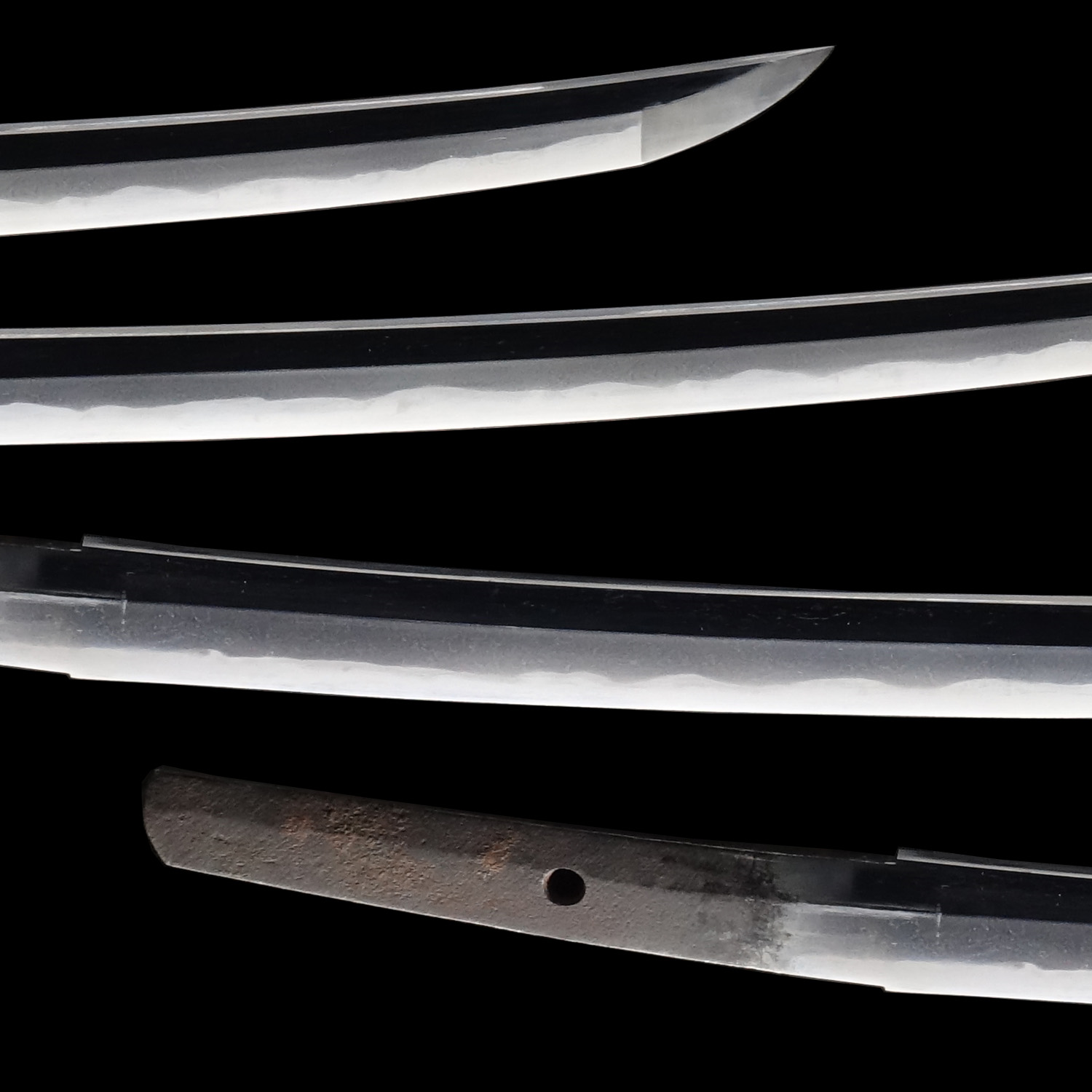
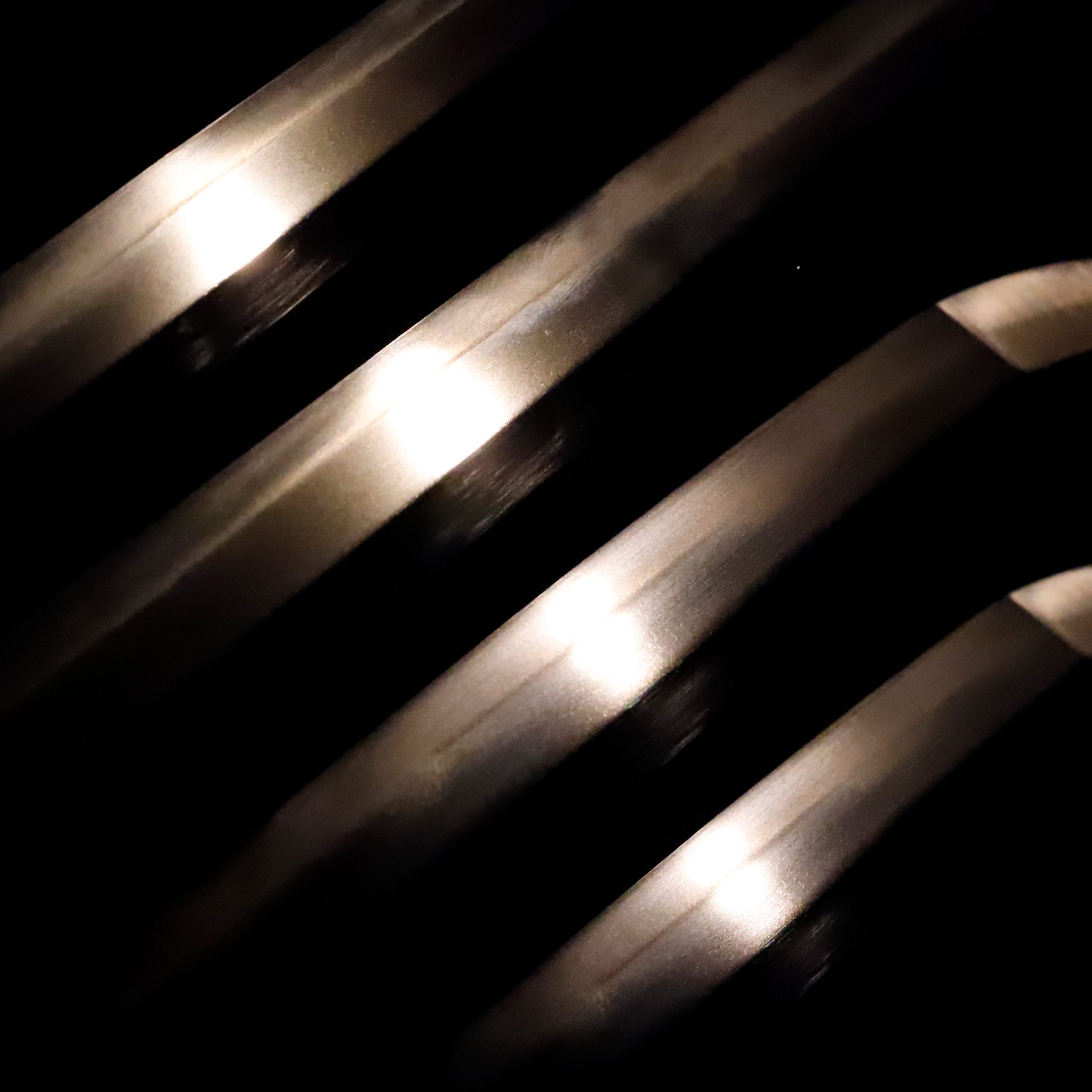
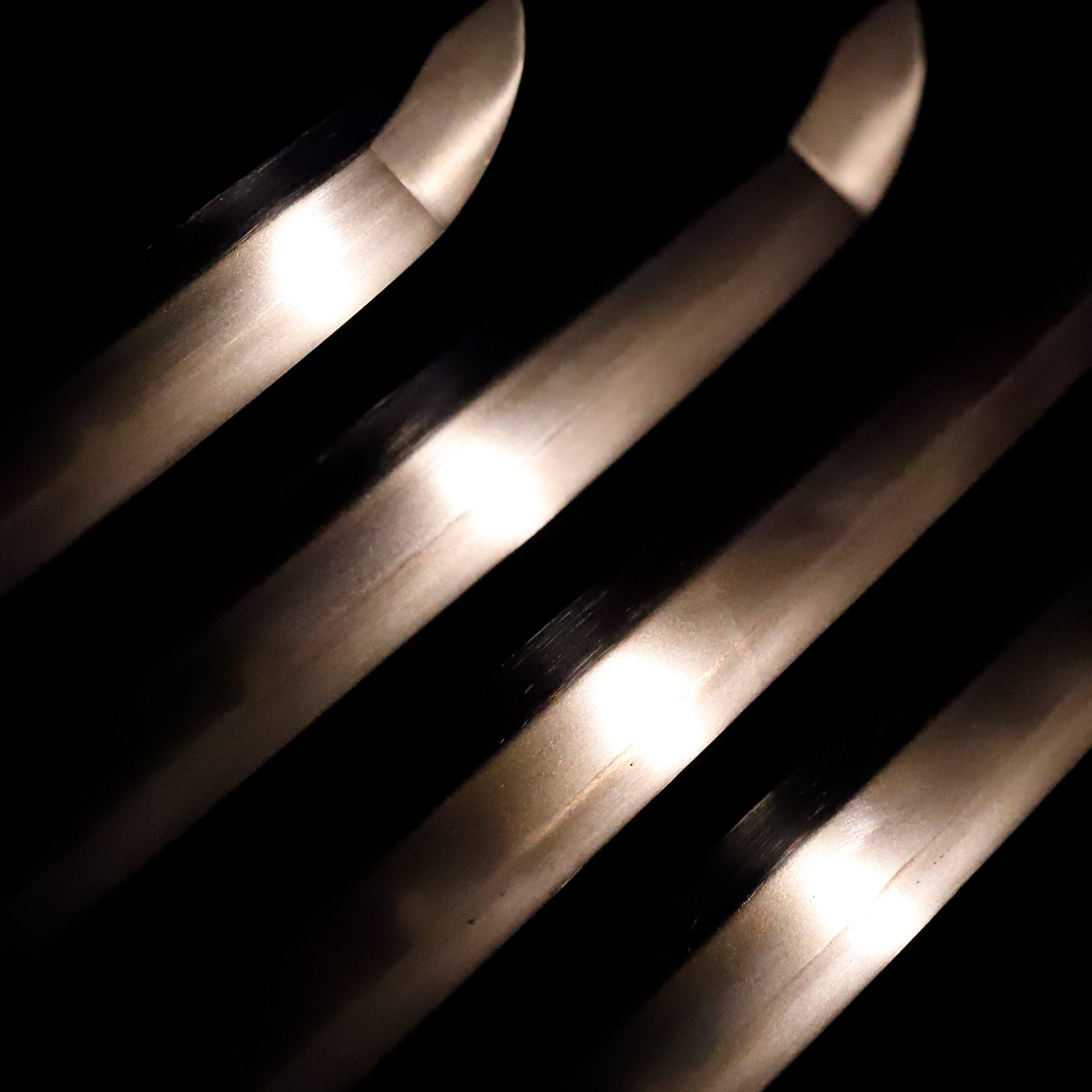
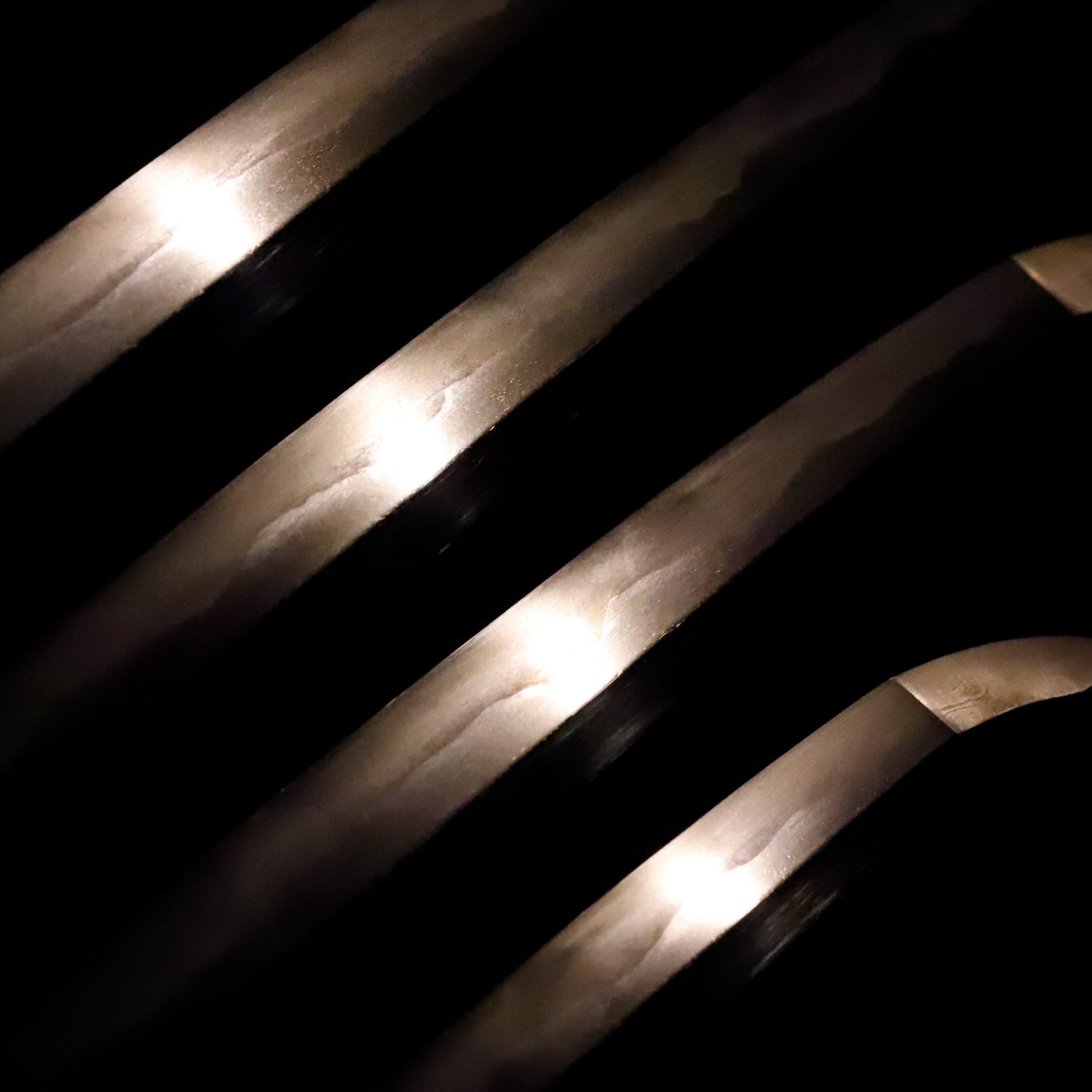
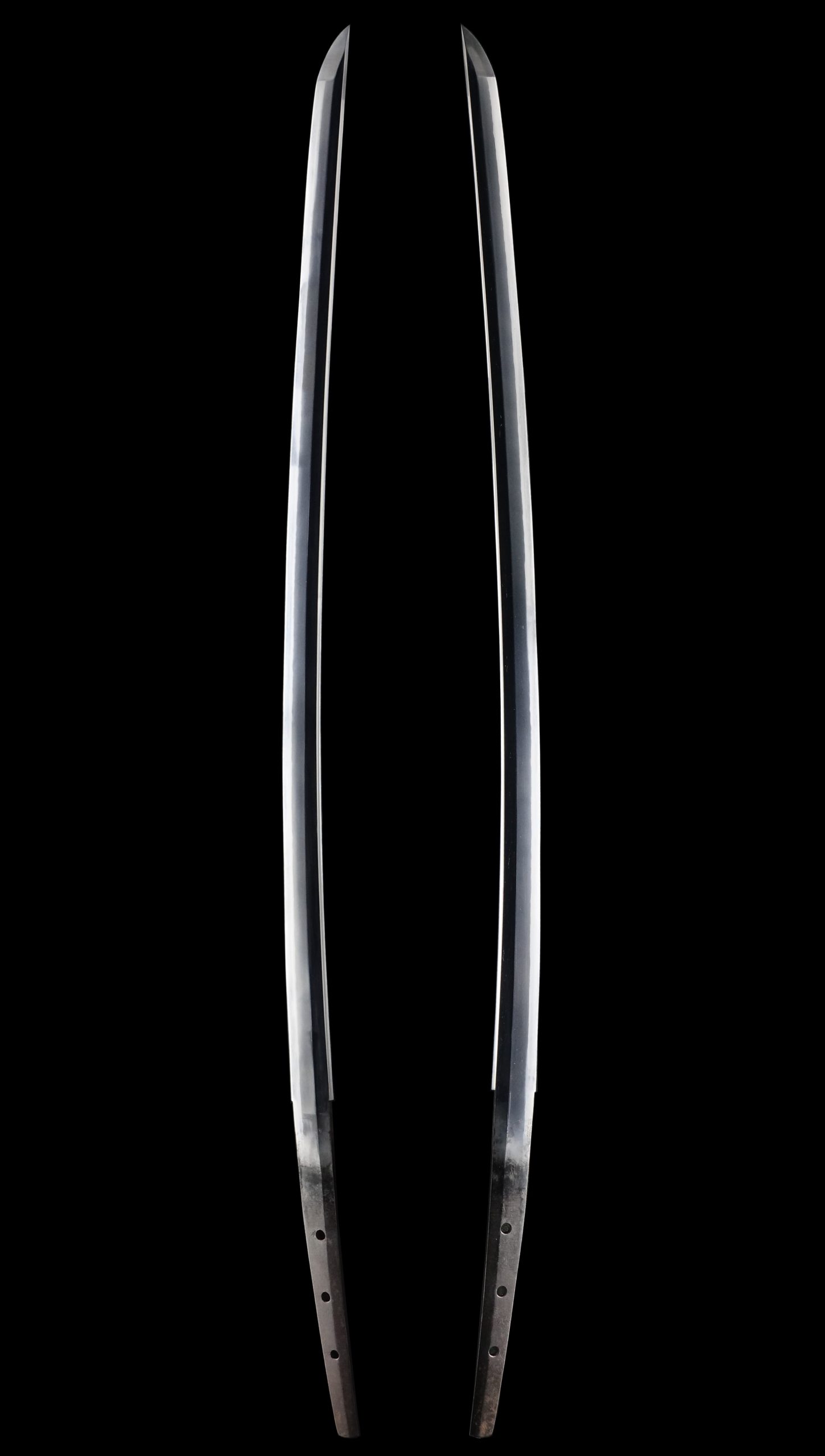
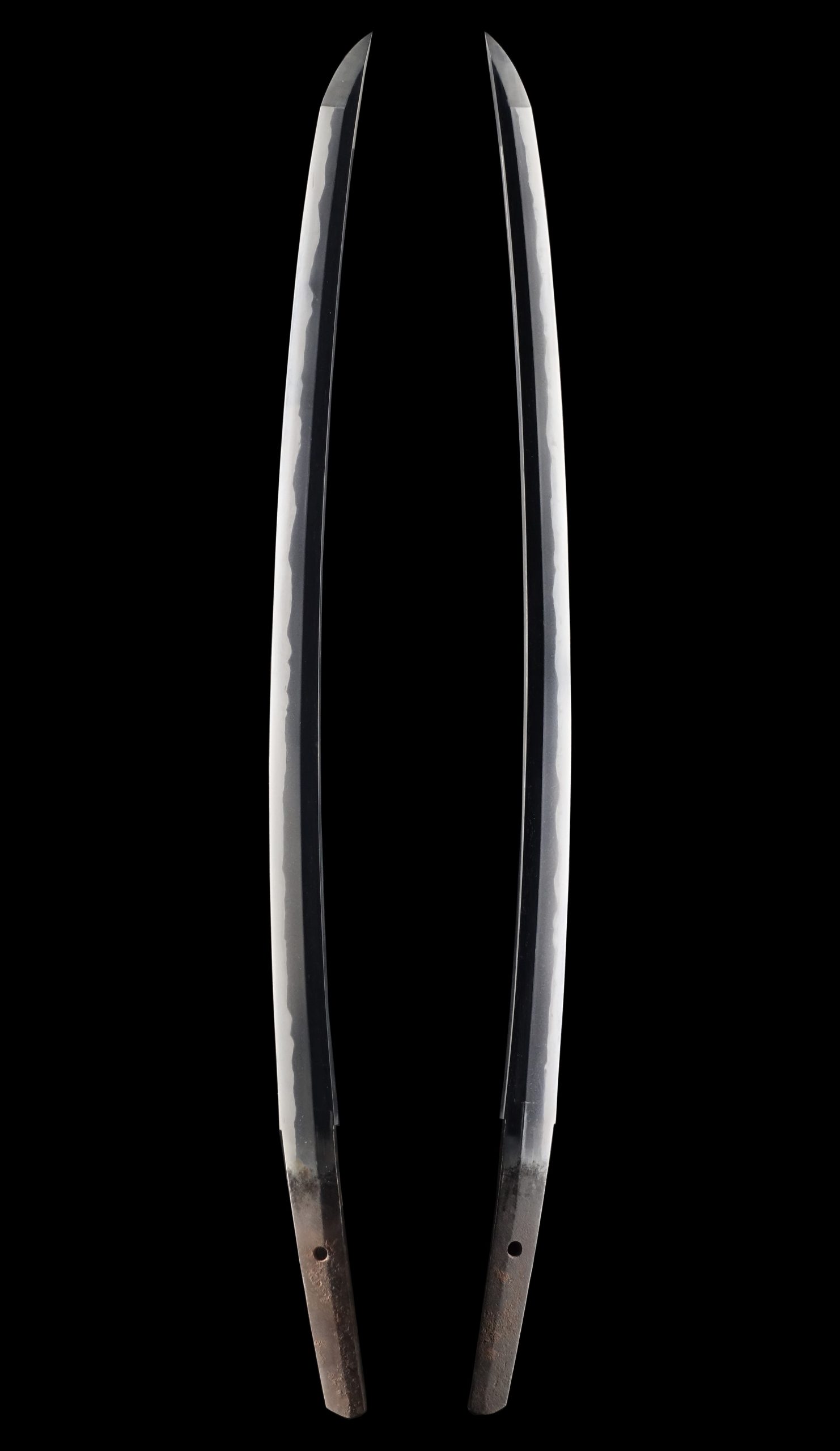
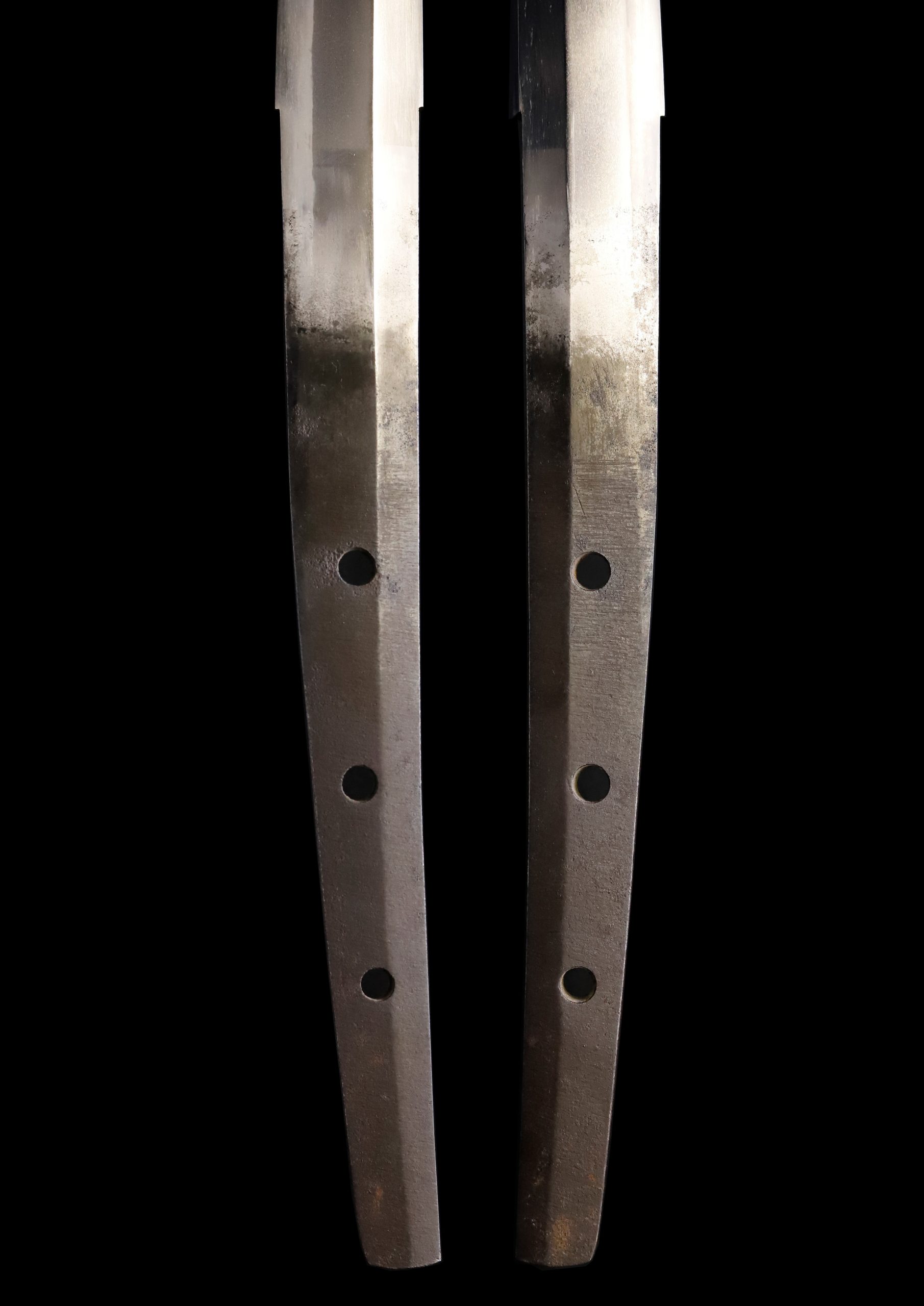
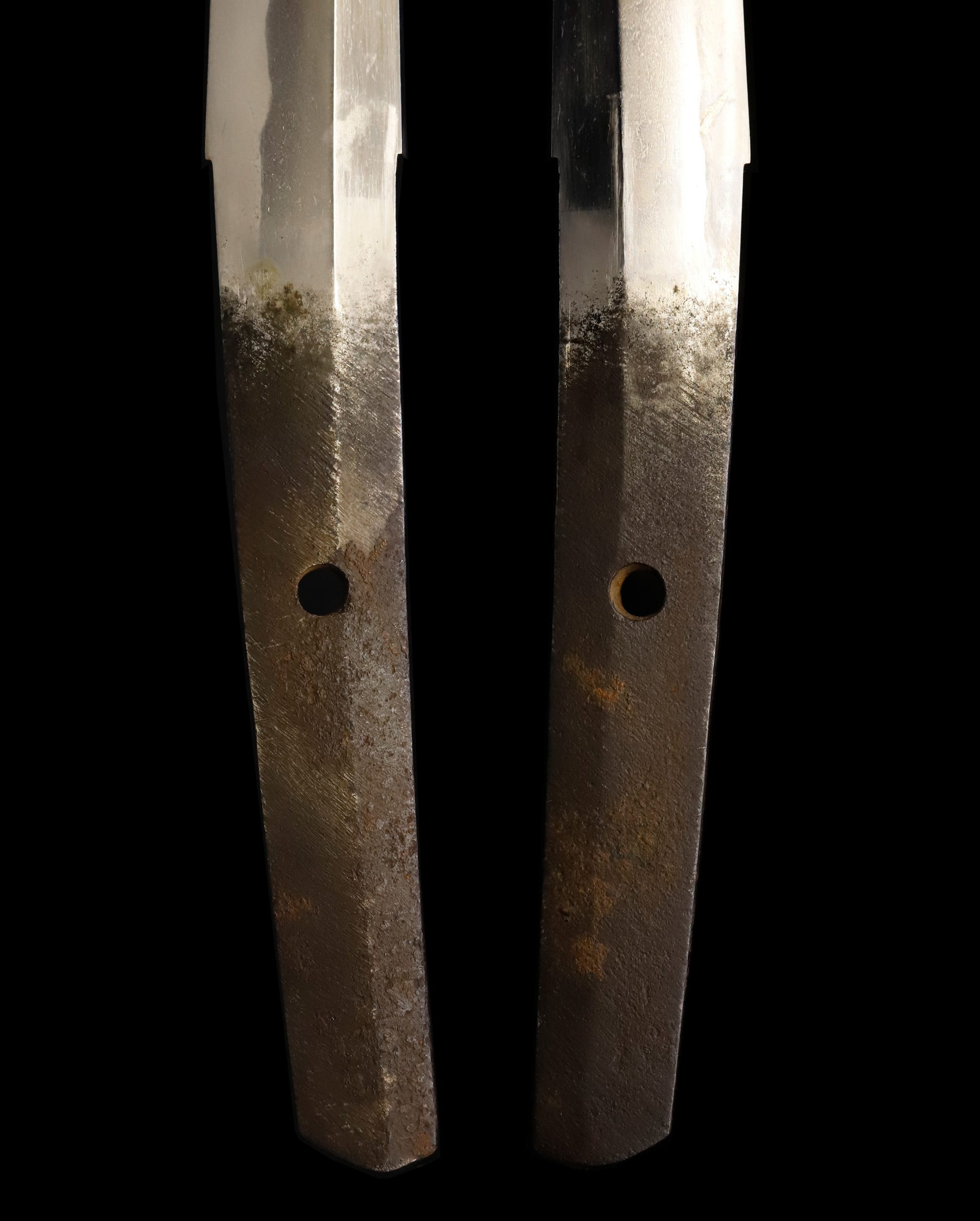
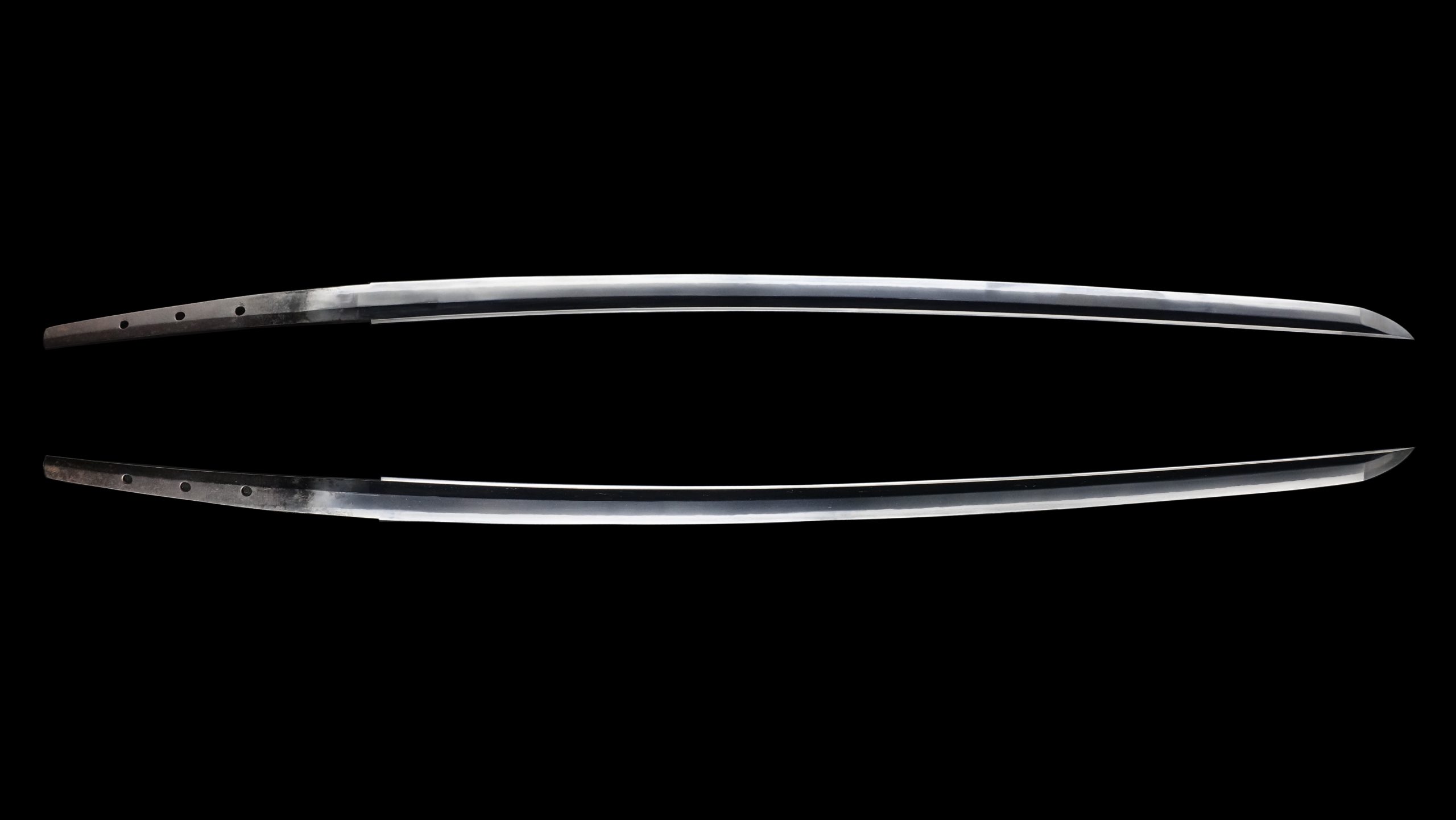
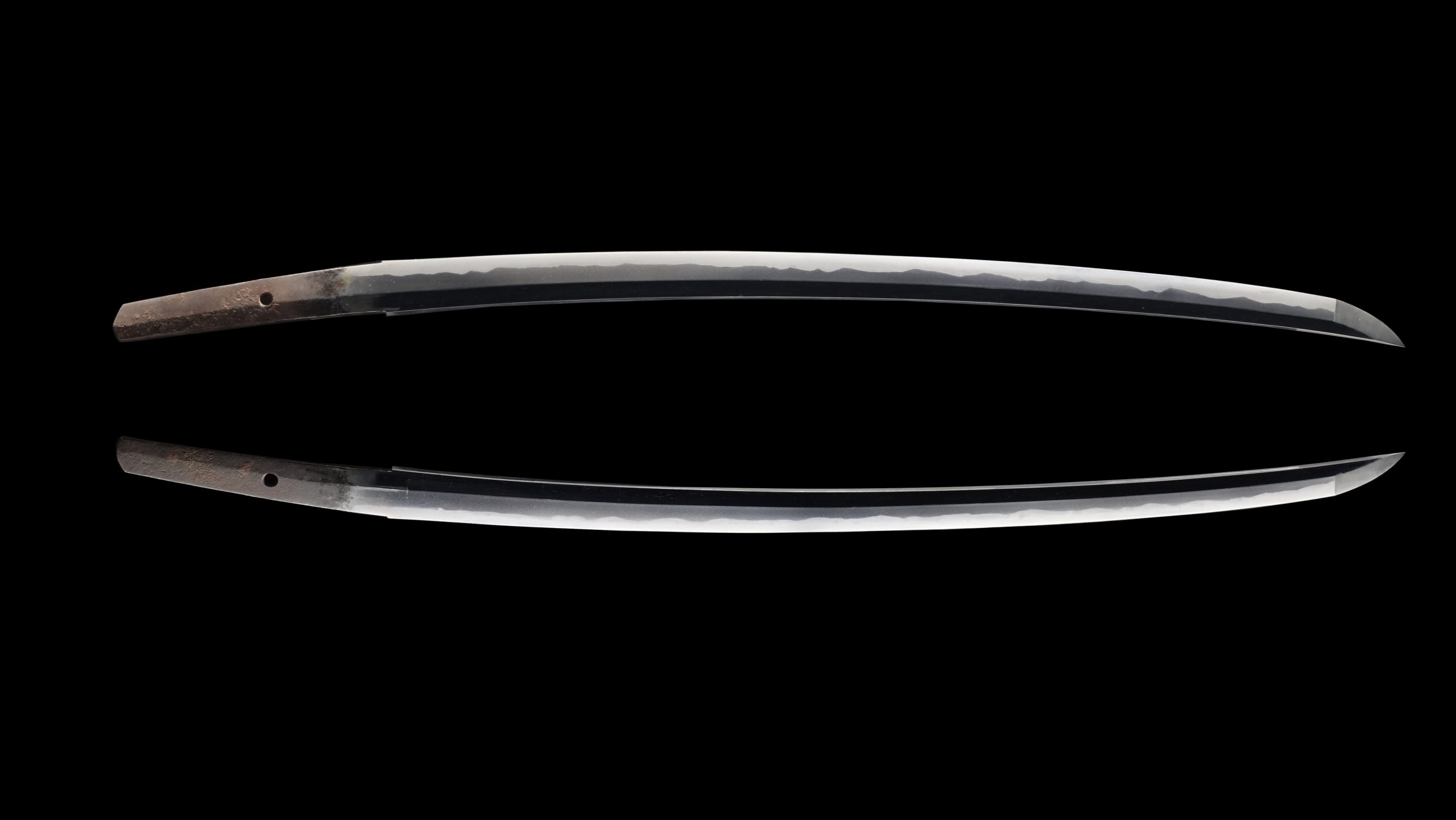
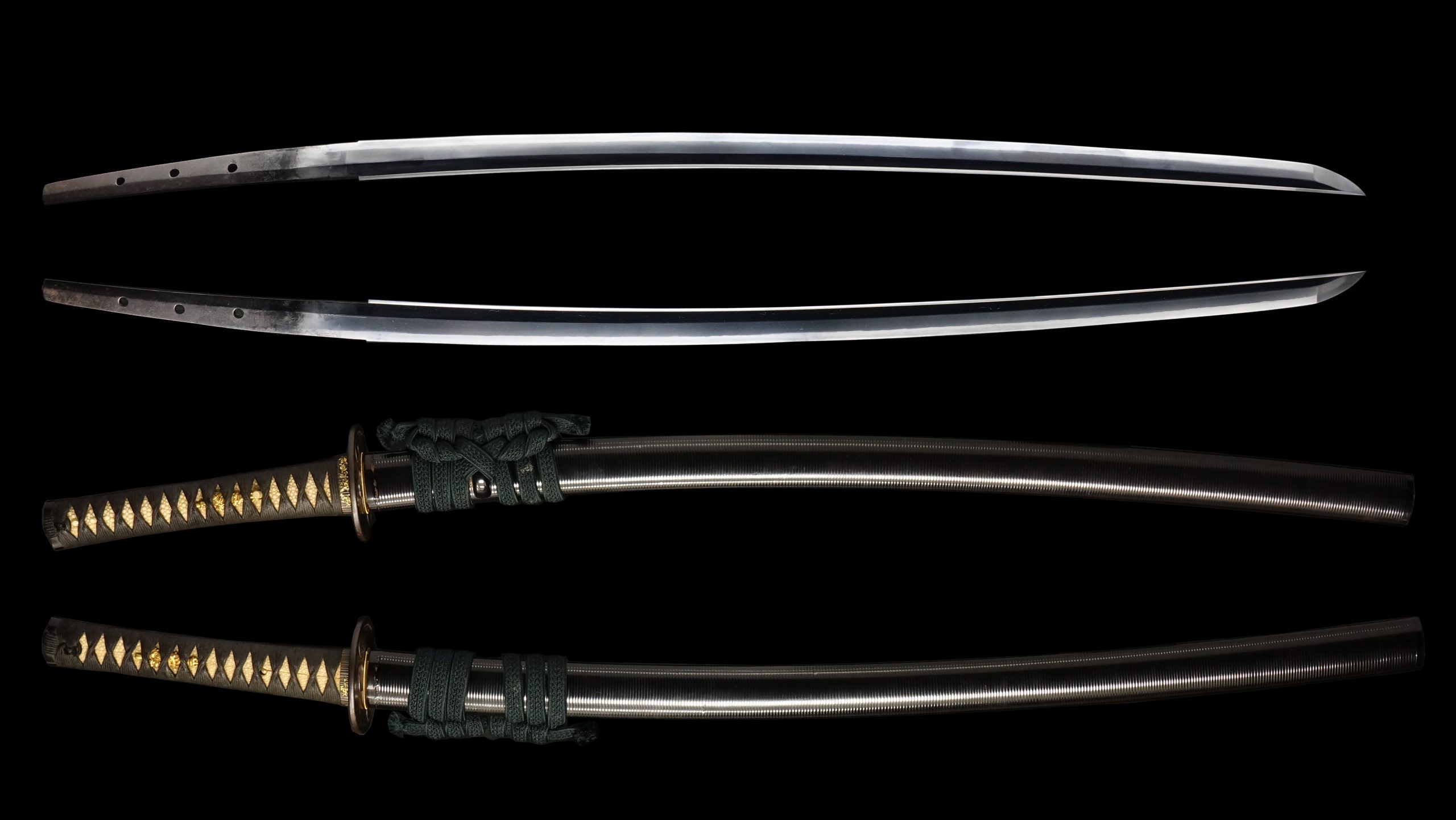
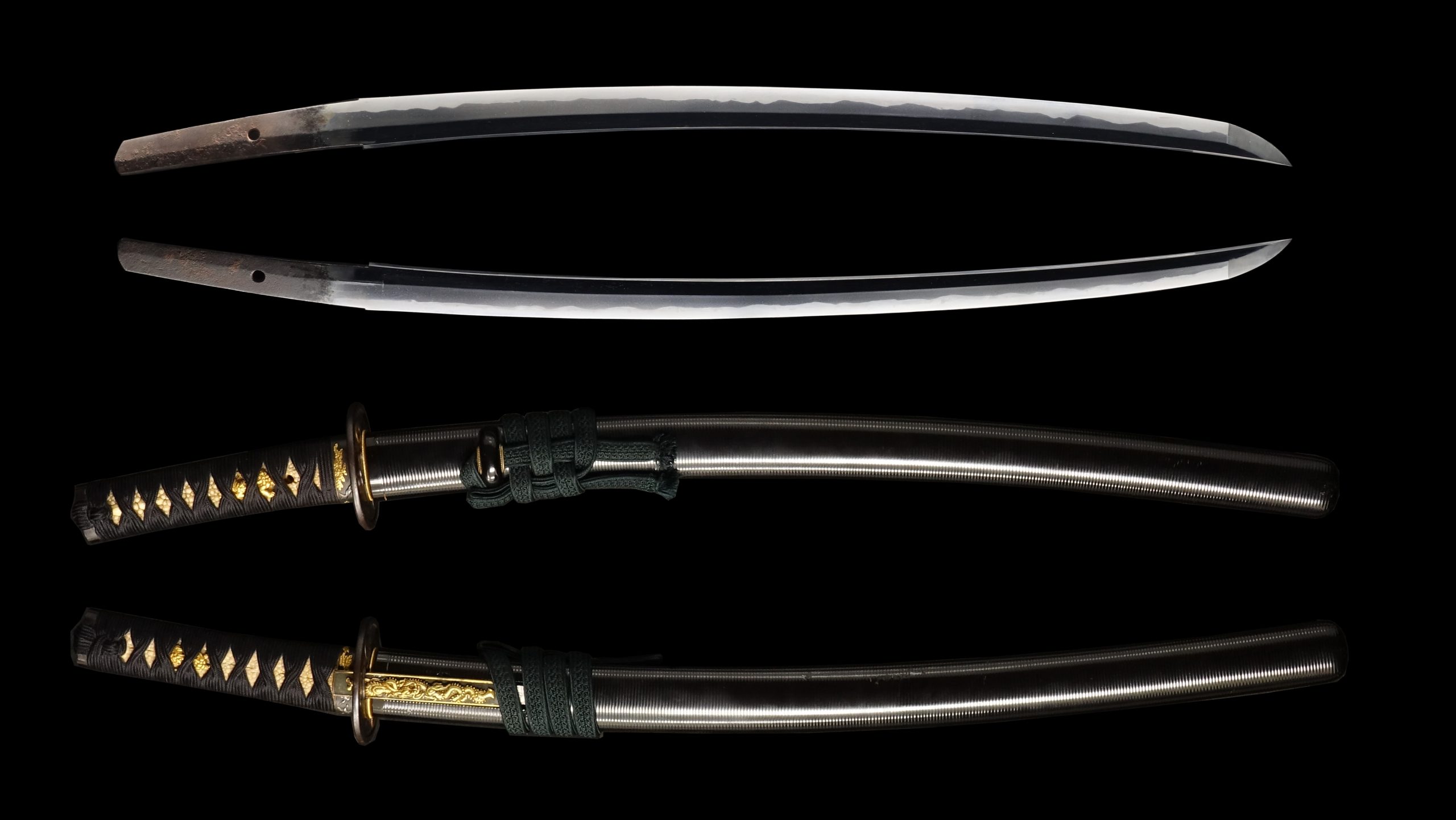
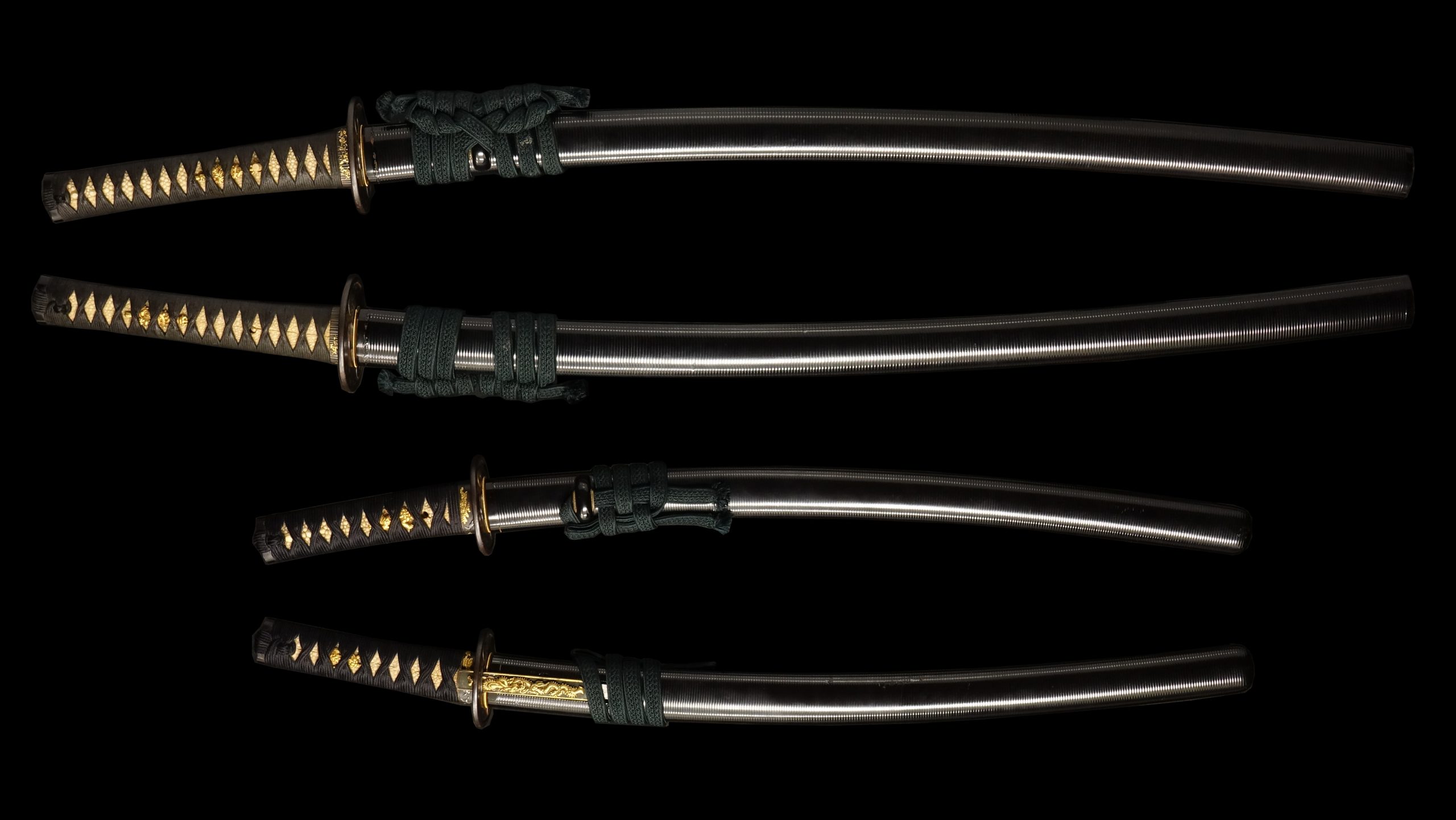
Shinto · Hizen · around 1748-1751
Fujishiro Jo saku · Tōken Taikan top 49%
Shinto · Hizen
105 pieces on the market now
The Hizen school began with a single domain commission. In Keicho 1 (1596) the Nabeshima of Hizen ordered Hashimoto Shinzaemon, the smith who would sign Tadayoshi, up to Kyoto with the carver Munenaga; there he entered the gate of Umetada Myoju and studied forging while Munenaga learned the chisel. The two returned to the province in Keicho 3 (1598), and Tadayoshi settled in the castle town below Saga, where under the domain's patronage the line grew into the dominant sword-making house of Kyushu. His own work runs from Keicho 5 (1600) to his death in Kan'ei 9 (1632); in Genna 10 (1624) he received the court title Musashi Daijo, changed his name to Tadahiro, and shifted his clan name from Minamoto to Fujiwara, so that the late Musashi Daijo blades are the founder under a second name. From him the house became a true generational institution: his son the second-generation Omi Daijo Tadahiro carried it forward as its most prolific hand, the third-generation Mutsu no Kami Tadayoshi returned its highest finish, and a Tosa no Kami branch took the founder's signature when he set it aside. Around this main line grew a circle of disciples and collateral hands, the waki-Hizen or Soba-Hizen smiths, several of them, like Yoshiie and Hironori, working as daisaku substitute makers whose own signed pieces are therefore scarce. The school's signature is its steel. Over a ko-itame forged so tightly it shows no slackness, fine ji-nie gathers in minute particles until the surface takes on the rice-bran konuka-hada (also written komenuka-hada) that no other school produces, fine chikei entering throughout and the ji notably clear and bright.
The orthodox temper laid upon it is a chu-suguha or hiro-suguha, sometimes tinged with a shallow notare and ko-gunome, the nioiguchi deep with finely clustered ko-nie and tightened to a bright clarity, the boshi running straight to a quiet ko-maru. The founder aimed this suguha toward the Rai school yet departed from it, his nioiguchi tighter and his forging carrying more vigor; the third generation refined it to what the published sources call the strongest and most precise hand of the first three generations. Against that calm register the house also worked a showier one, the Hizen choji-midare mixing gunome, long ashi, kinsuji and sunagashi, a manner the published sources already find more often in the founder's late Musashi Daijo work than in his Tadayoshi years, and one the second generation made his own. The branches pushed further from the suguha standard: Tadakuni of the Ogi domain ran sunagashi more conspicuously than any other Hizen hand and reached toward old Ichimonji in his o-choji; Masahiro and Yukihiro favored a flamboyant long-ashi choji over the calm main line; and the Iyo no Jo Munetsugu line worked apart in the Soshu-den, building a midareba on notare with a pointed togariba and a jihada that tends to stand and tone slightly blackish. A collector seeks Hizen-to first for that steel, and reads it the same way the appraiser does: a bright suguha lying over a clear, tight konuka-hada identifies the school before the signature is consulted, and the quiet ko-maru boshi on the ura-signed tang confirms the main-line practice. Generation and branch are then told within that frame, the third generation's powerful sugata recalling not his father but his grandfather, the waki-Hizen hands set apart by their irregular temper, their sujikai file marks and a sashi-ura signature, the Munetsugu line by its Soshu togari. The main line, made in real numbers across so long a span, reaches the market more readily than any Kamakura master, so a papered example is within reach of a patient collector, while the founder's own work and the finest konuka-suguha of the third generation come to open hands only from time to time. Provenance runs back through the house the school served, blades recorded to Nabeshima Katsushige and Nabeshima Naomoto and passing onward to the Owari Tokugawa, the Satake and the Imperial families; documentary inscriptions sharpen the picture further, a Myoju soemei attesting the founder's discipleship, Umetada carving adding flowers to brocade on his late blades, and the gold-inlaid cutting tests of Yamano Kanjuro and Yamano Ka'emon, rare on Hizen work, naming the edge as well as the hand. Learn more →
| Smith | Era | Designated |
|---|---|---|
| Tadayoshi忠吉 | 1596-1632 | 155 |
| Tadayoshi忠吉 | 1660-1686 | 61 |
| Tadahiro忠廣 | 1633-1693 | 133 |
| Masahiro正廣 | 1624-1655 | 30 |
| Tadakuni忠國 | 1648-1652 | 32 |
Hizen: a domain enterprise
Hizen swords were a domain enterprise: the Nabeshima sent Tadayoshi to study under Umetada Myōju around 1596, then built a licensed school around him. Nine generations carried its famously consistent konuka-hada work into the Meiji era.
The NTHK’s principal certificate, issued for a blade of considerable quality. It confirms a genuine signature, or, for an unsigned (mumei) work, records the judges’ attribution to a smith or school. The paper carries a detailed worksheet with a numerical point score.
The NTHK (Nihon Tōken Hozon Kai, the Society for the Preservation of the Japanese Sword) is the oldest of Japan’s sword-appraisal bodies, founded in 1910, decades before the NBTHK. After the death of its long-serving head it divided into two successor societies, the NTHK and the NTHK-NPO, both of which continue to hold shinsa. NTHK blade certificates are known for a detailed worksheet that records a numerical point score alongside the judges’ written opinion (fitting papers carry the judges’ opinion without a point score), and the society is especially respected for its attribution of unsigned (mumei) work.
Returns/exchanges limited to defects caused by shipping (except willful misconduct or gross negligence by the company); customers must contact within 72 hours of receiving the product.