Edo was the sword’s age of connoisseurship: the Hon’ami appraisers, the shogunal register of famous blades of 1719, and a thriving literature turned the sword into an object of study even as it ceased to be drawn in war.
 NihontoWatchNihontoWatch
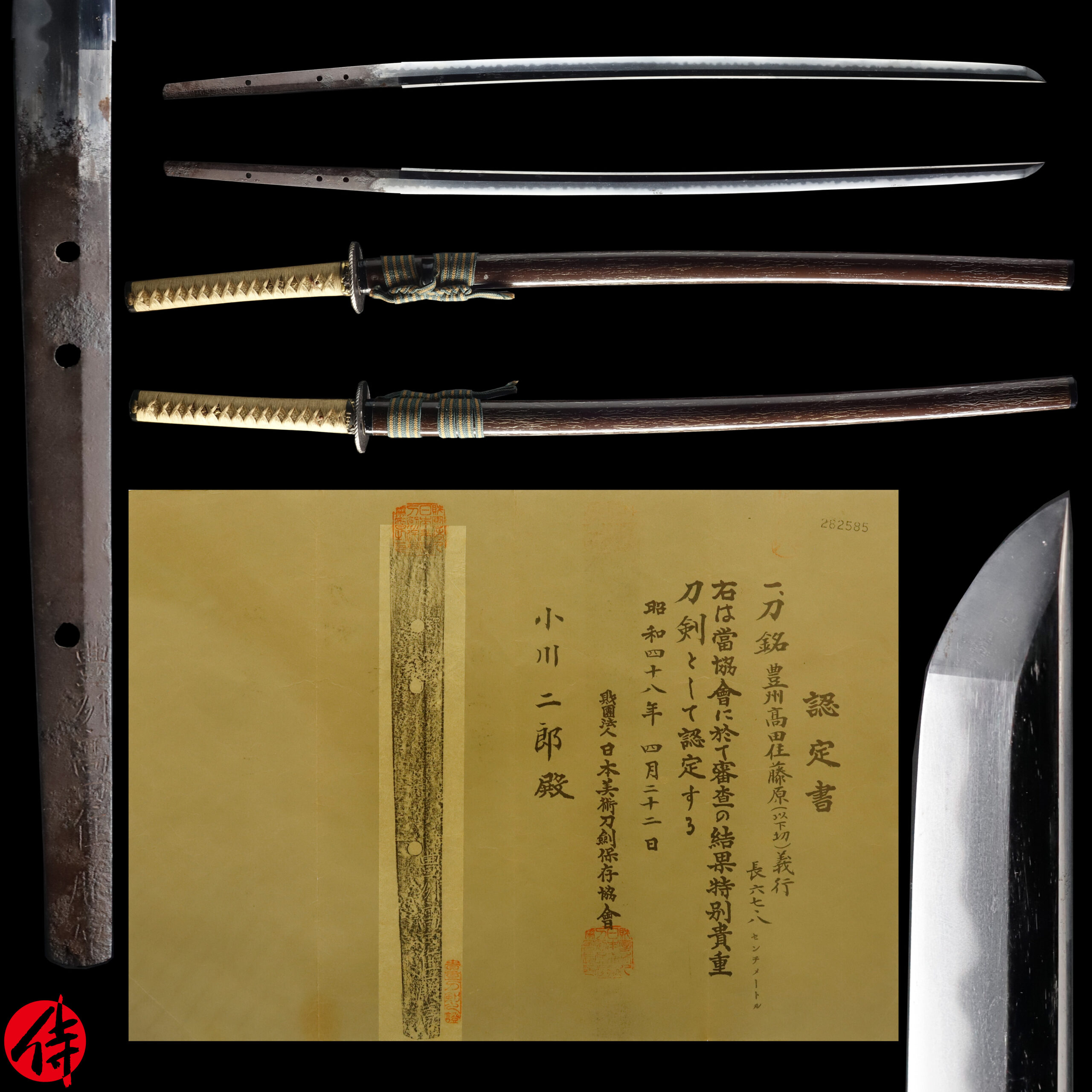
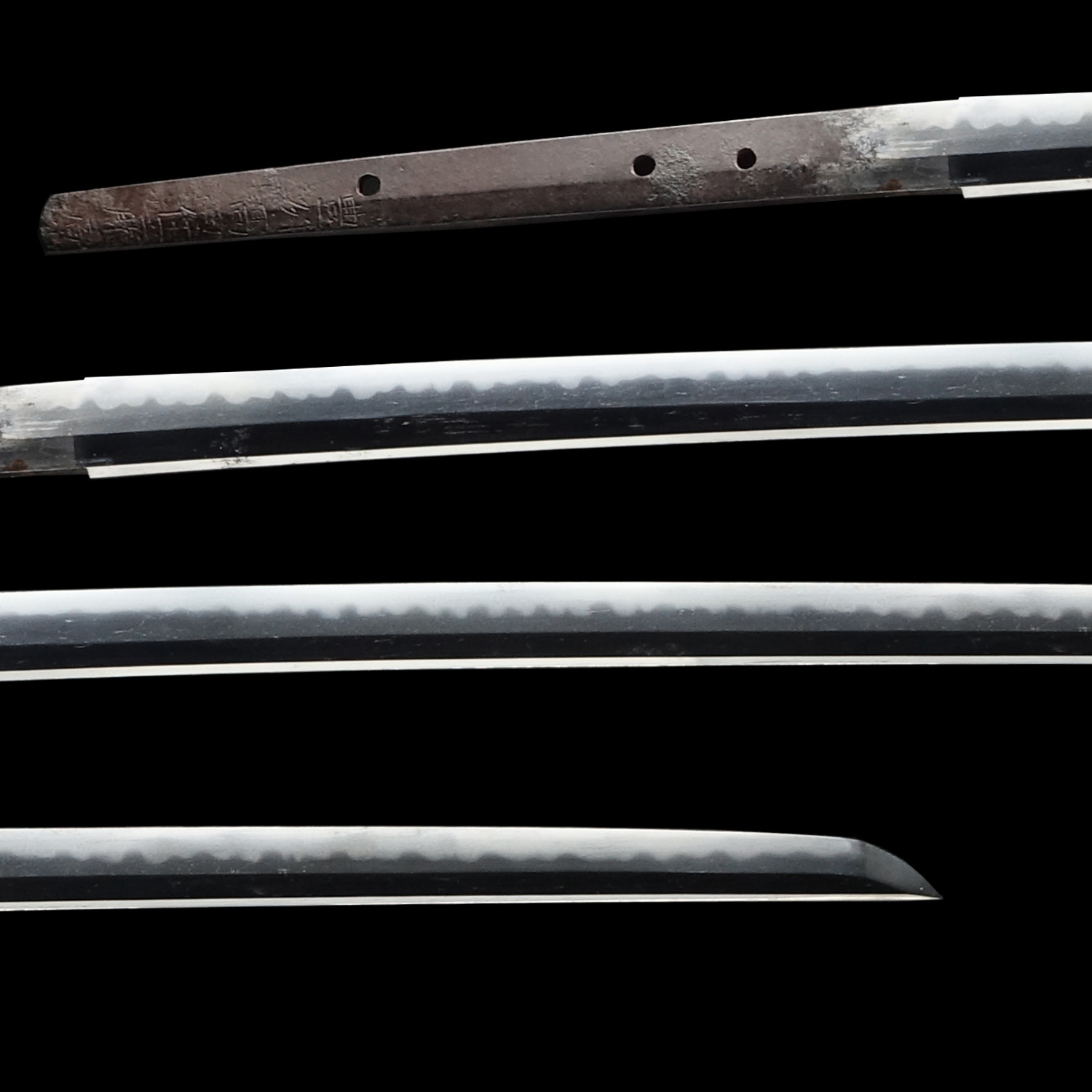
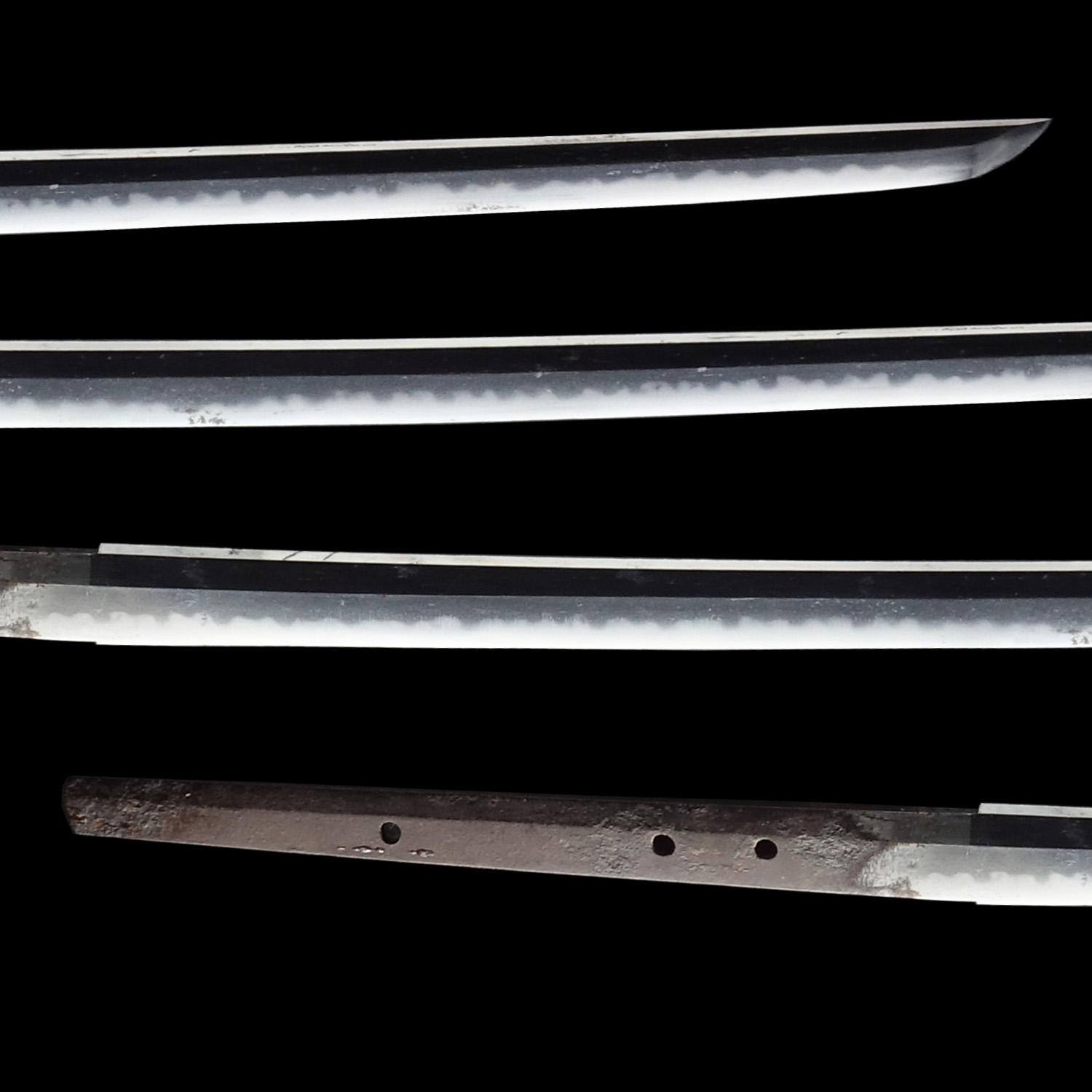
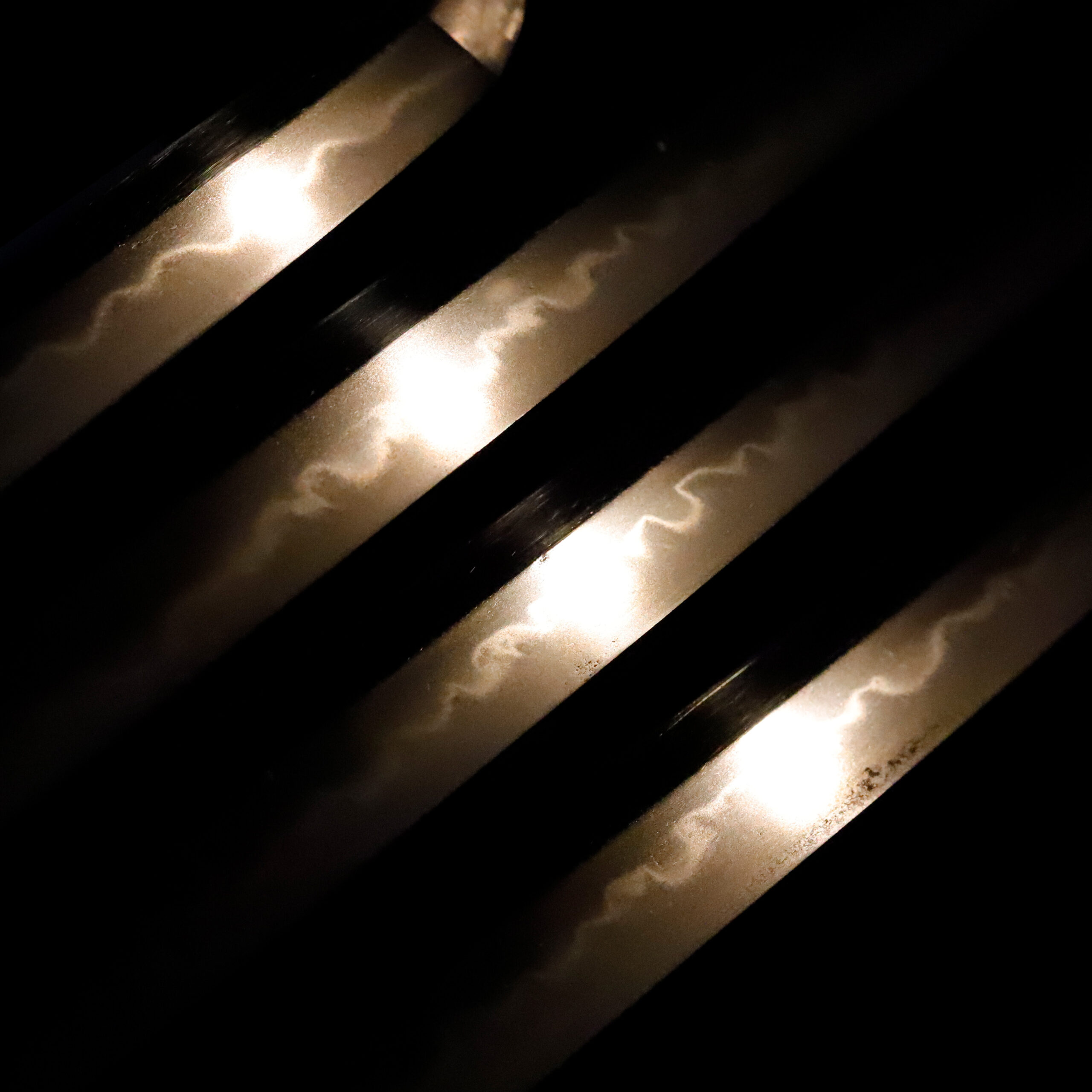
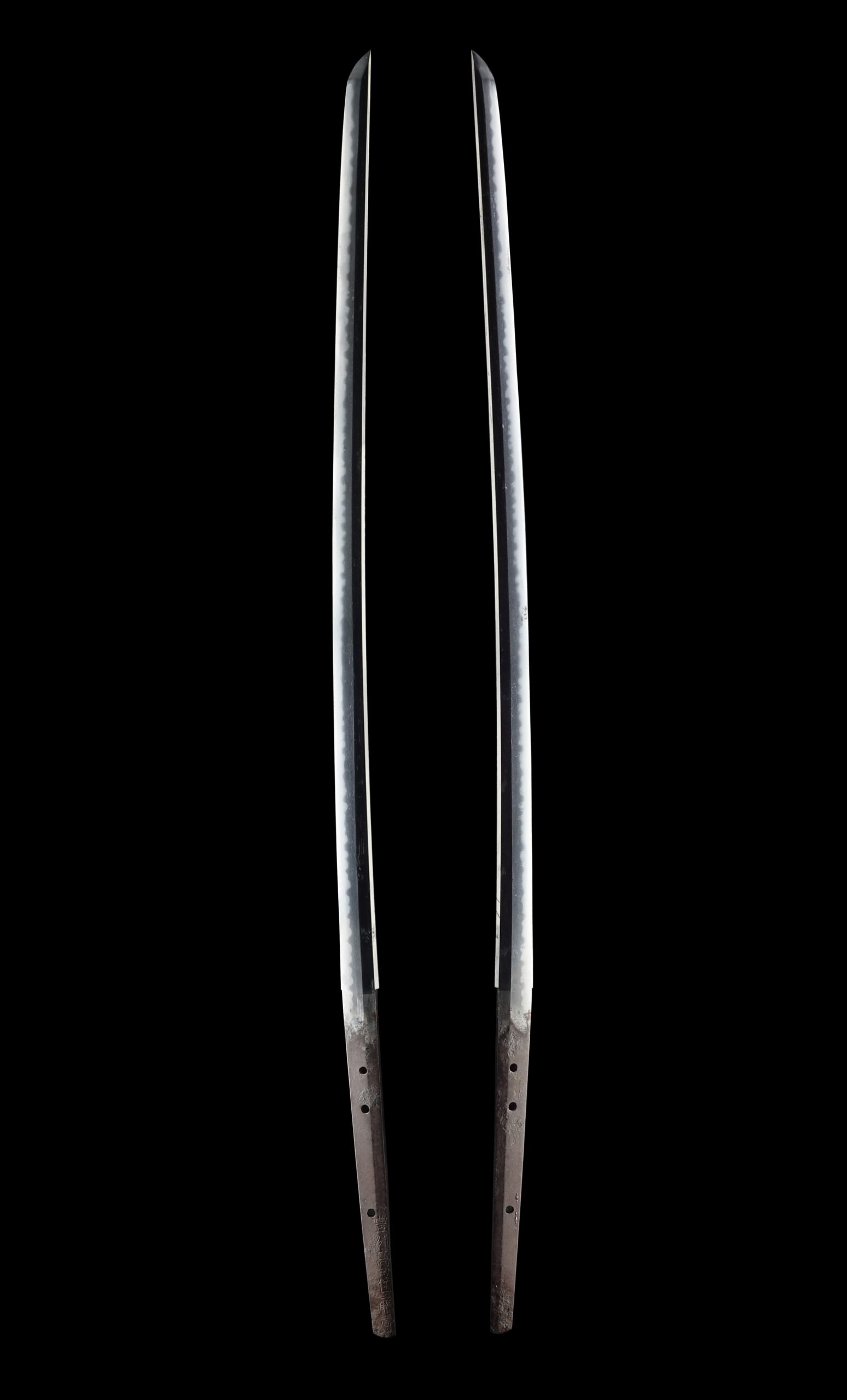
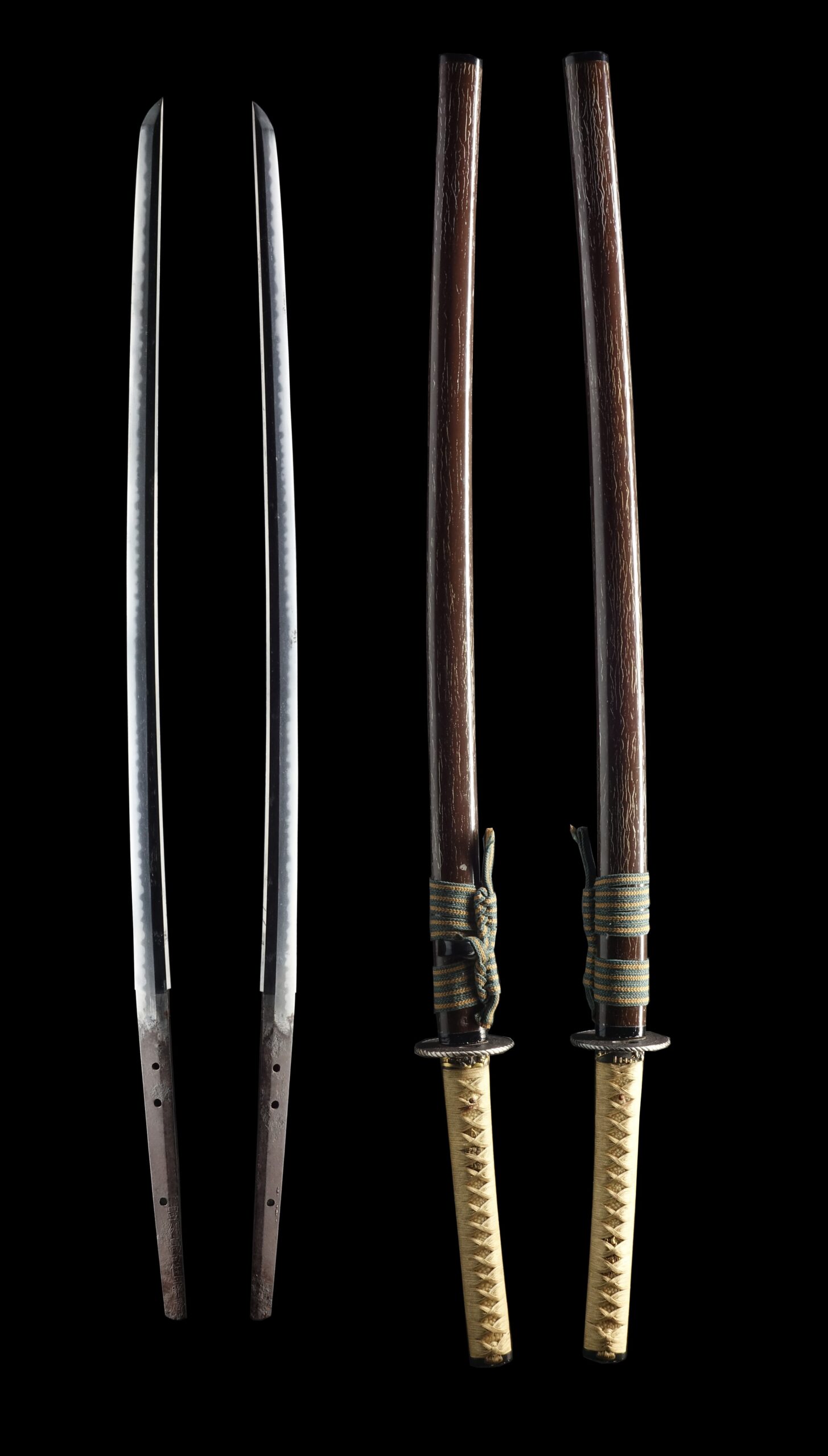
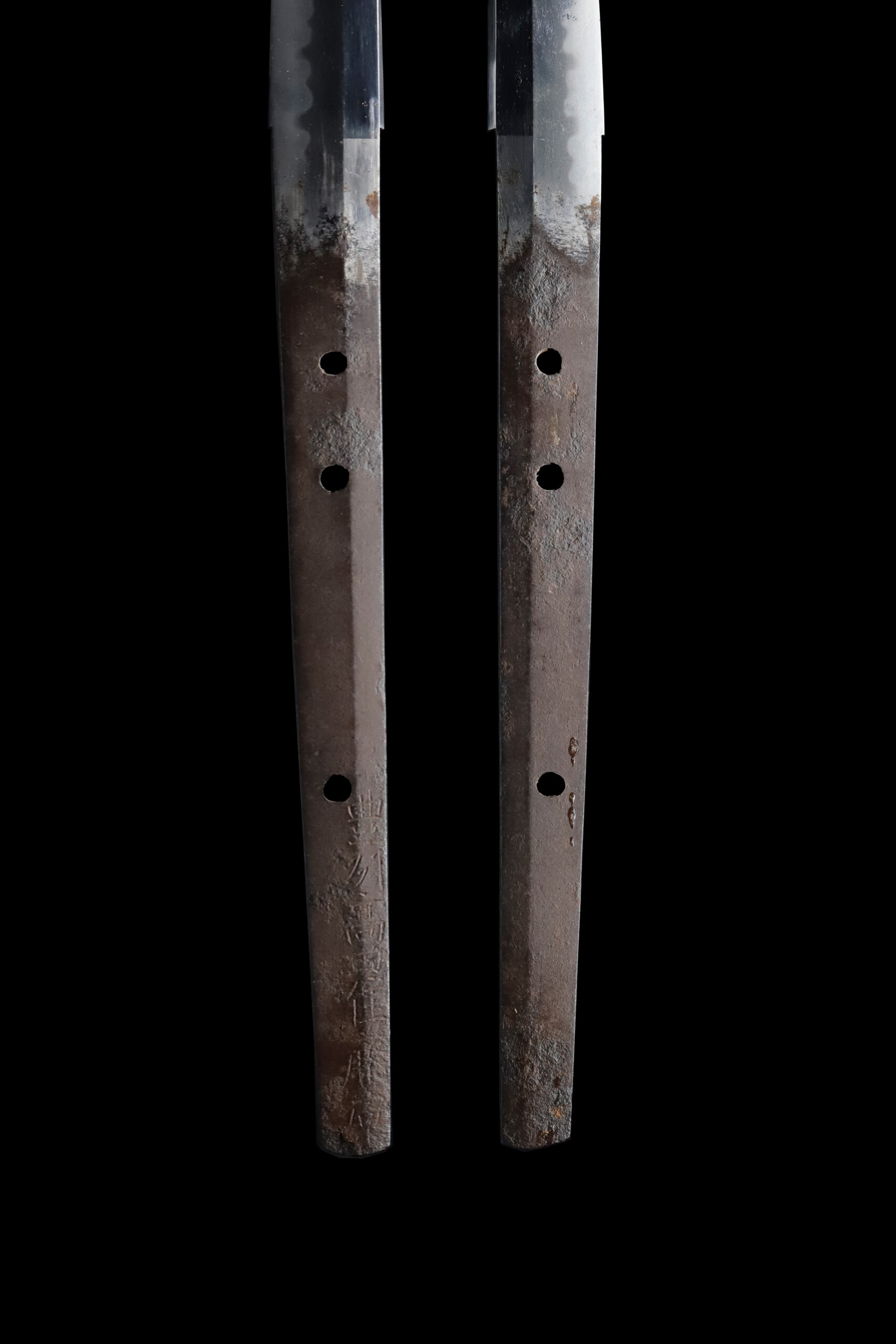
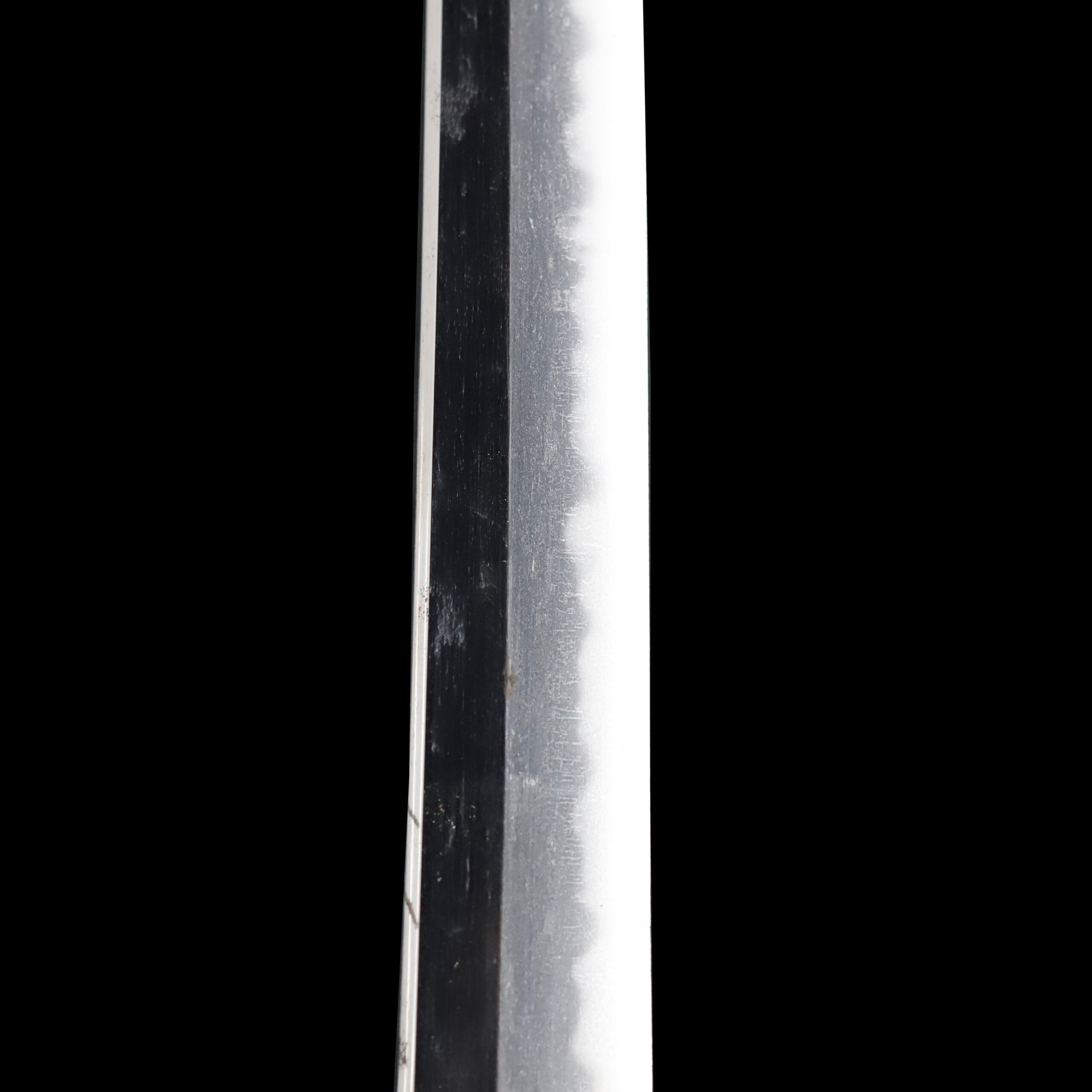
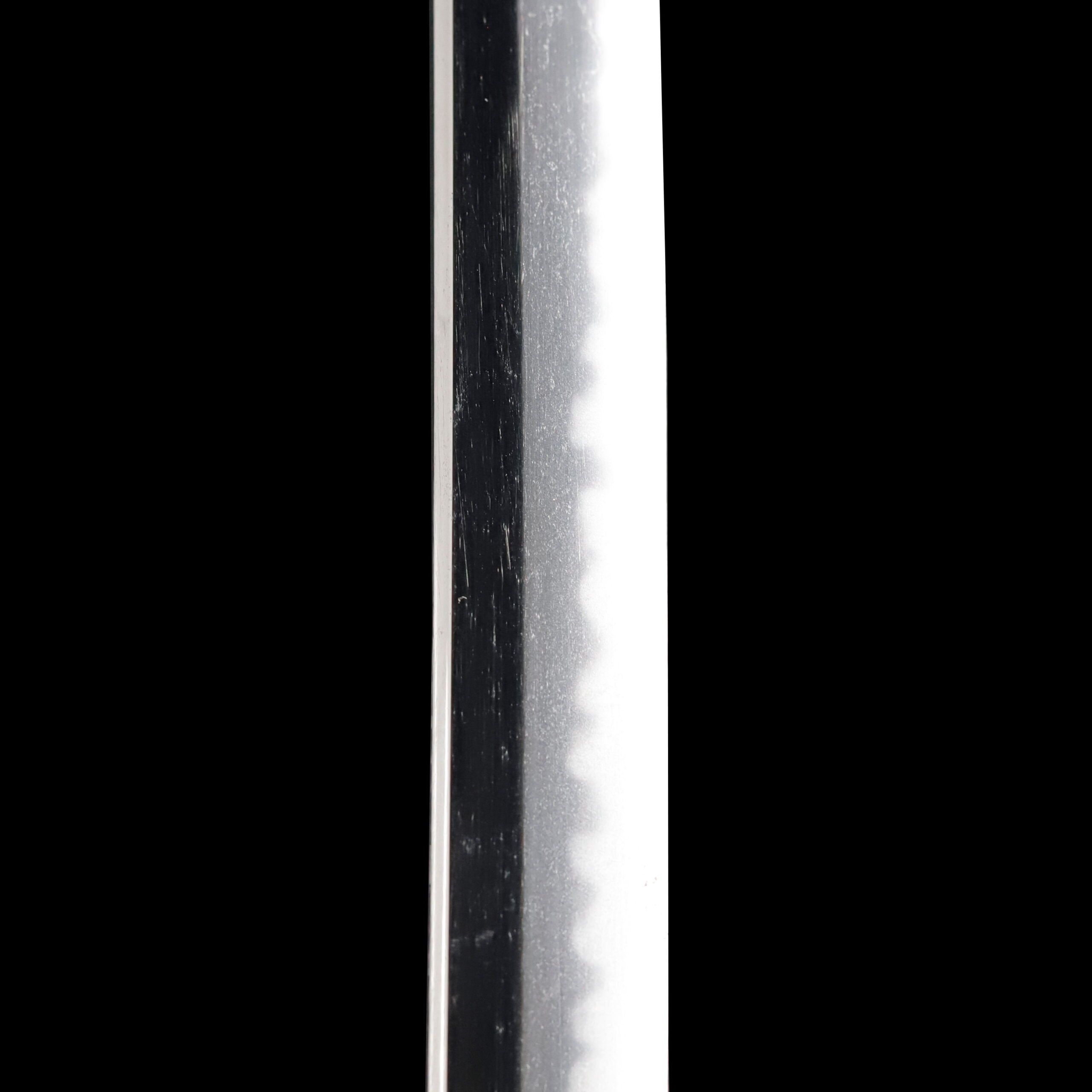
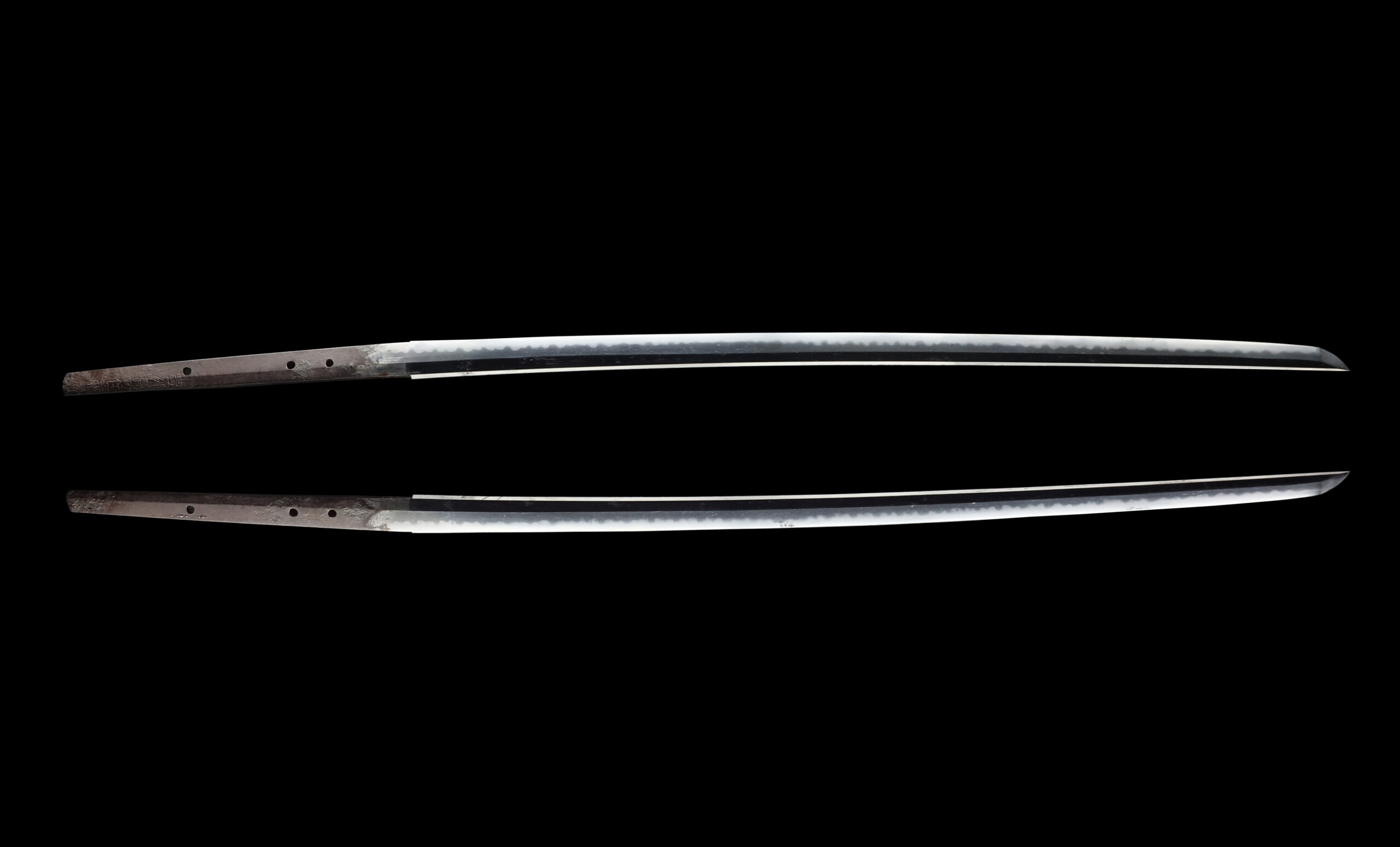
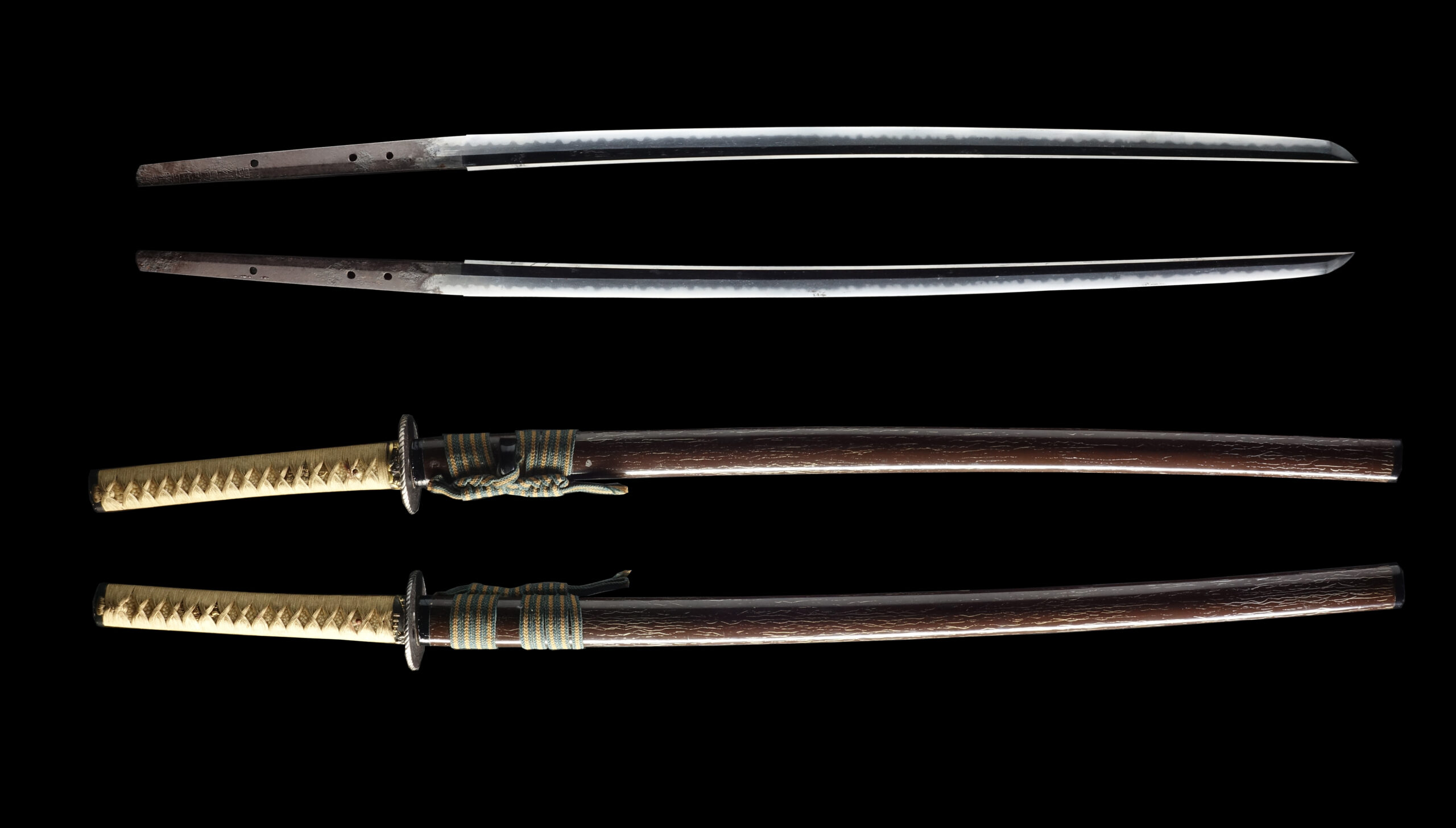
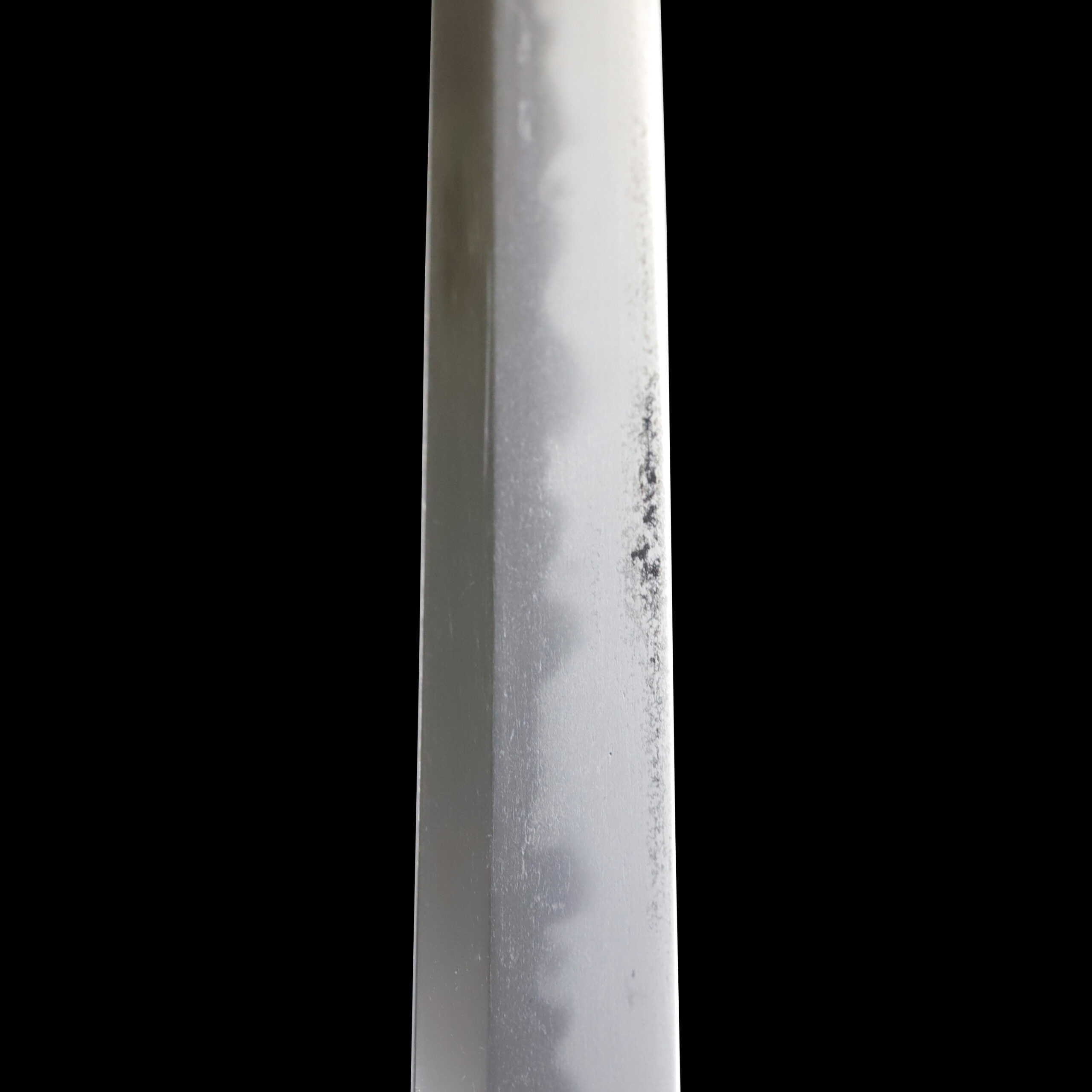
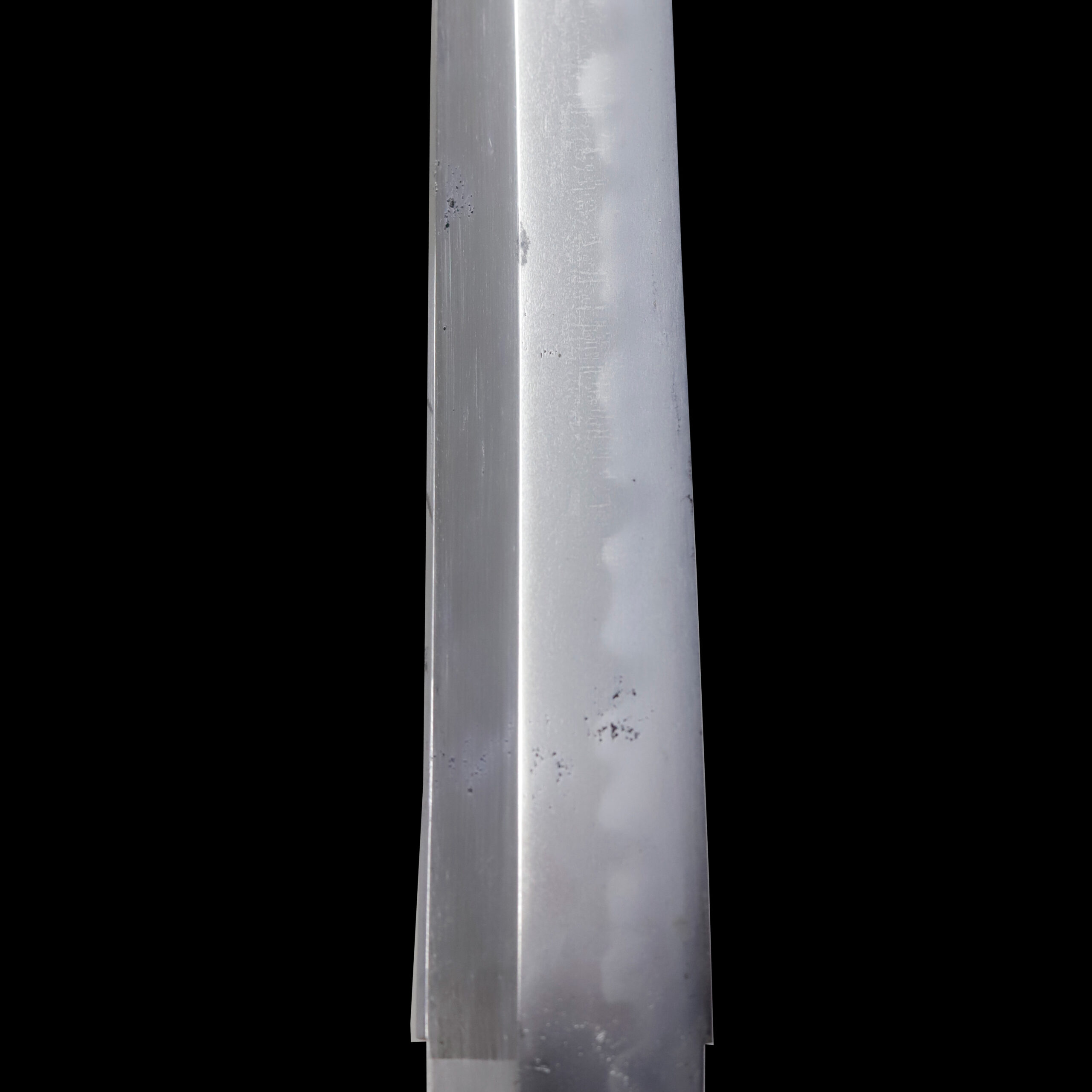
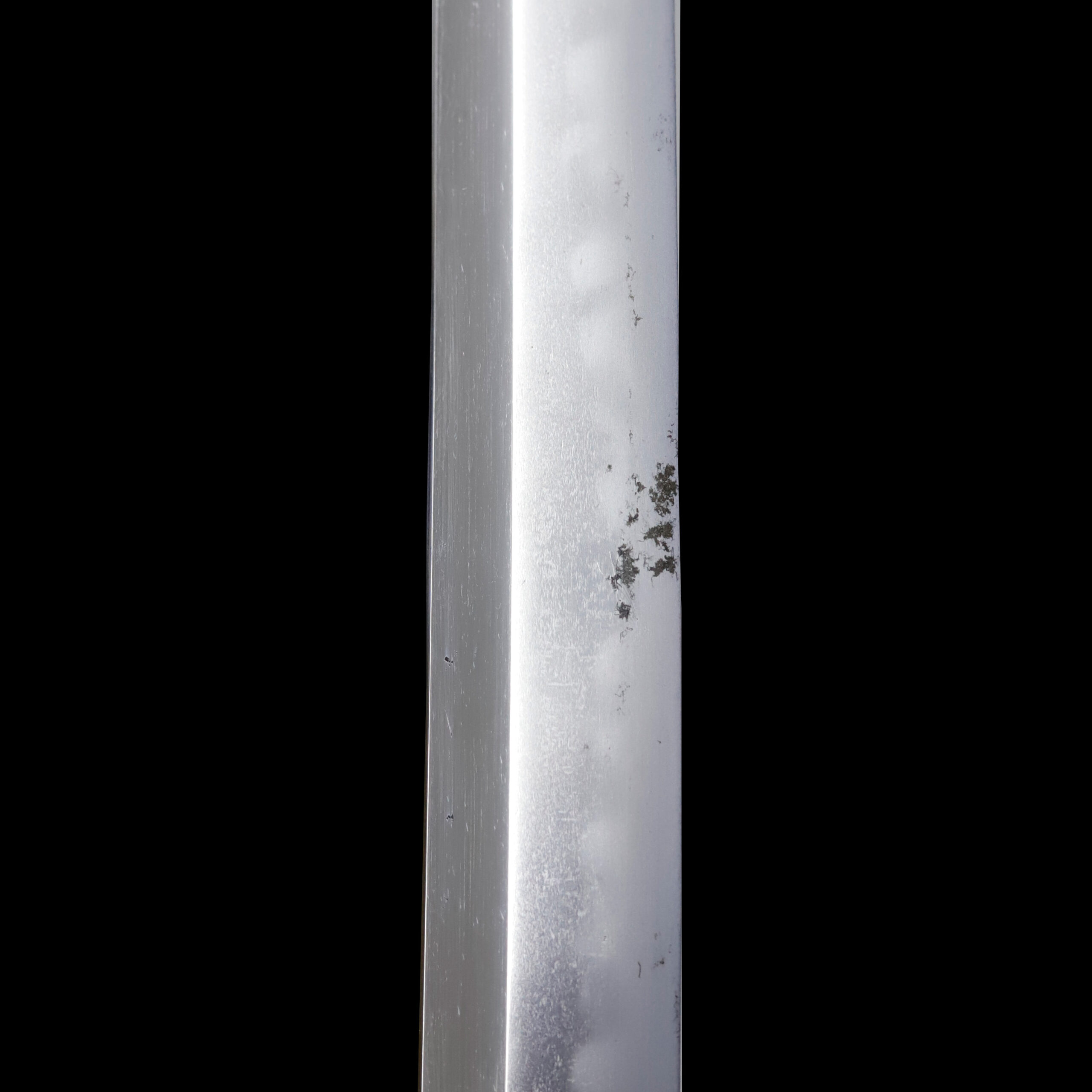
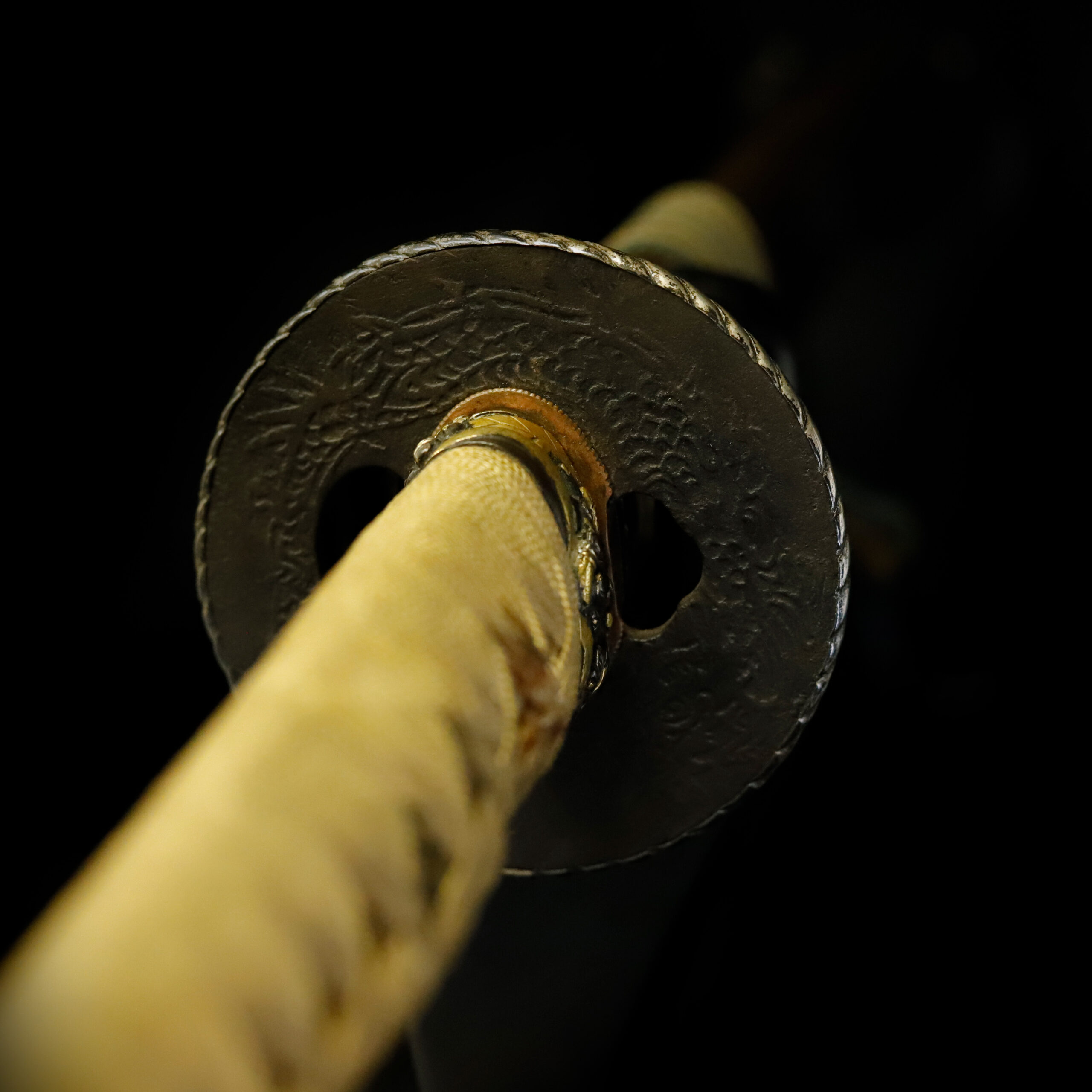
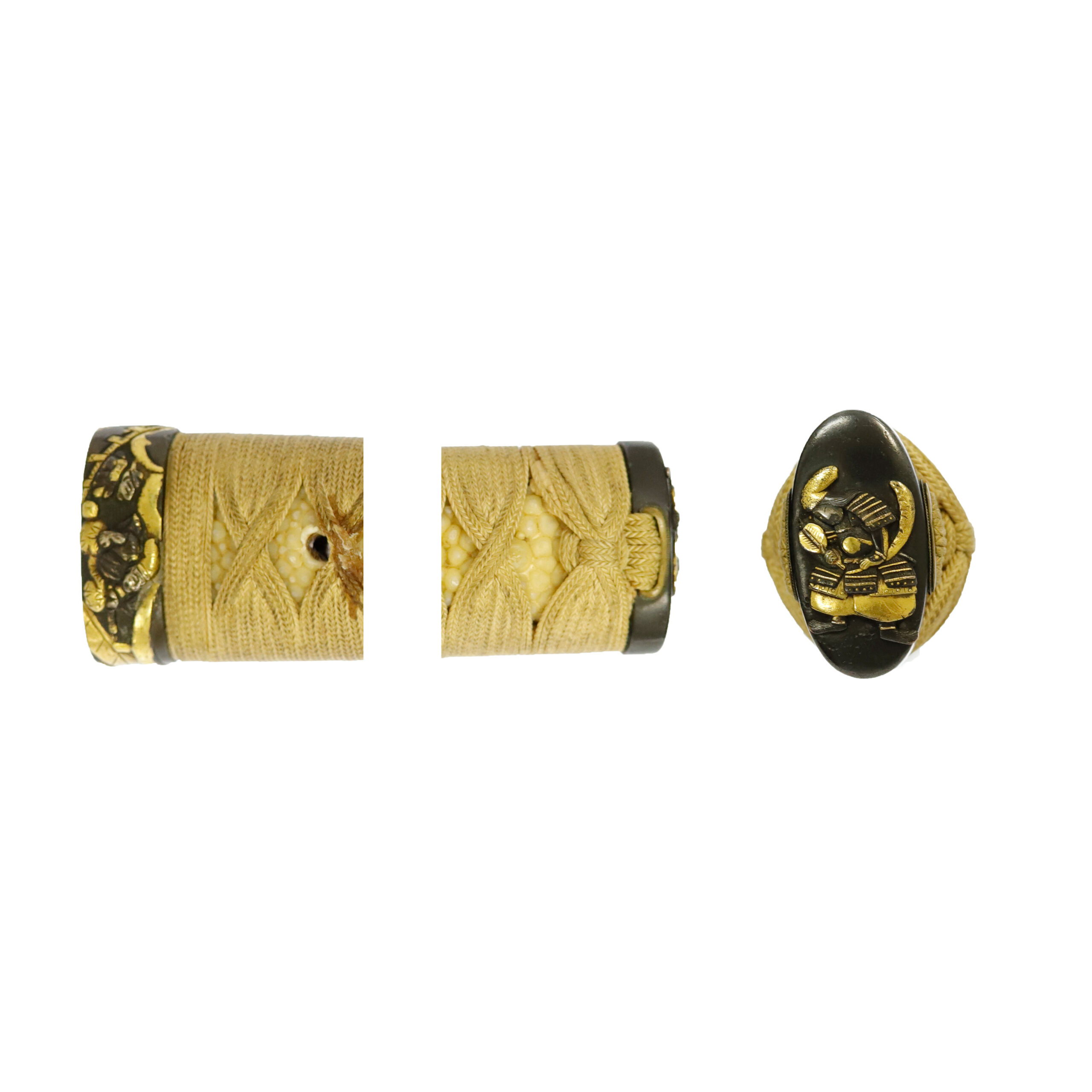
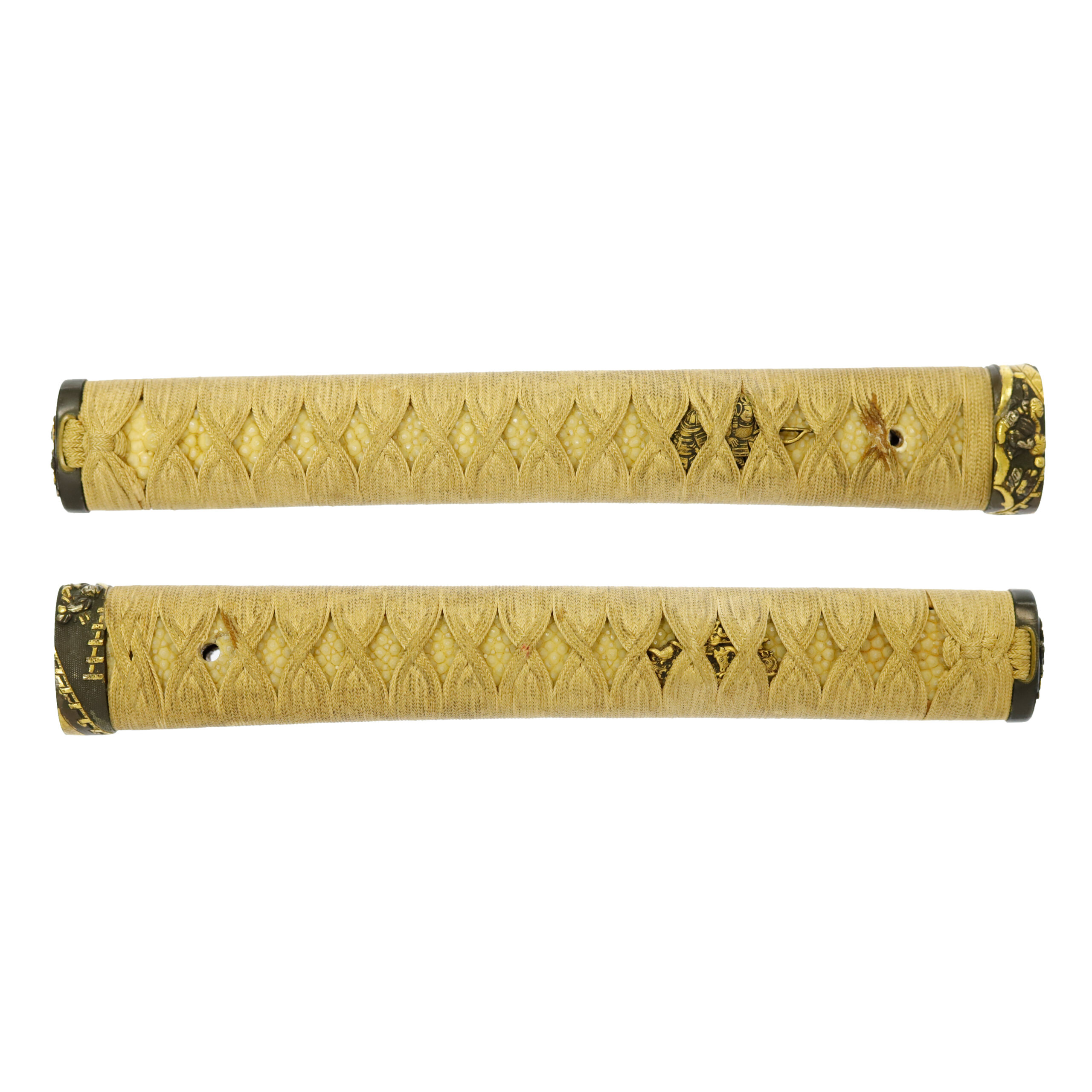
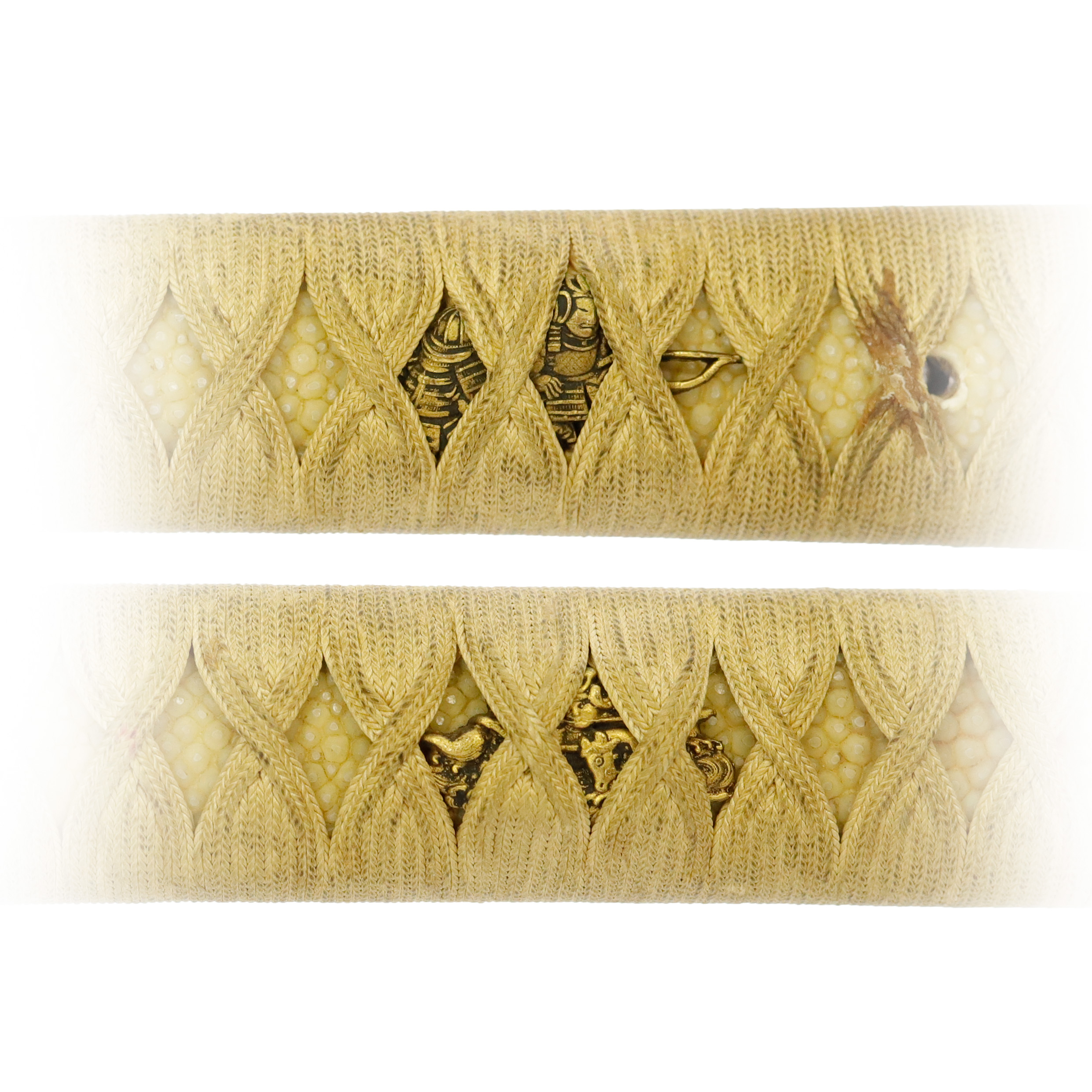
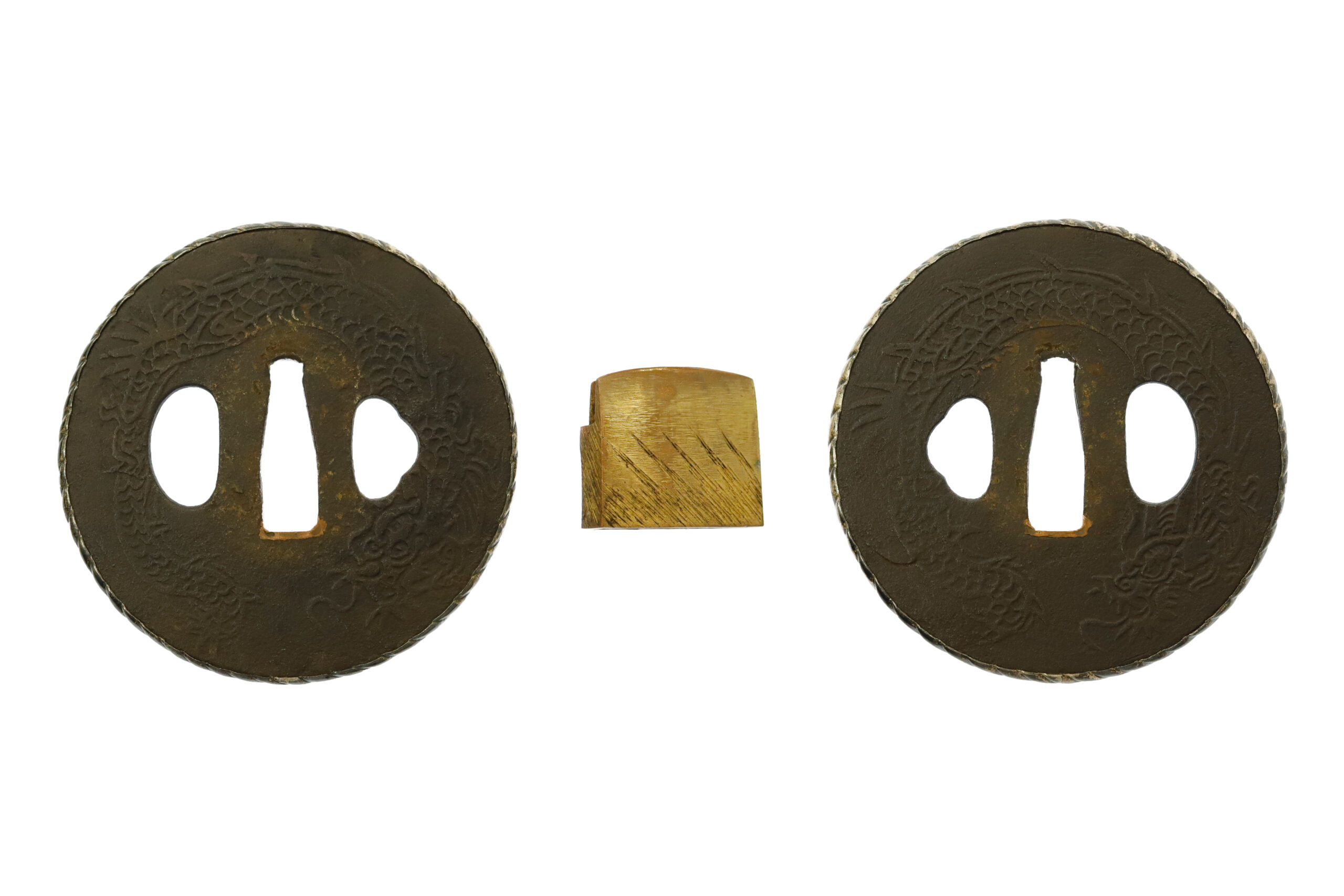
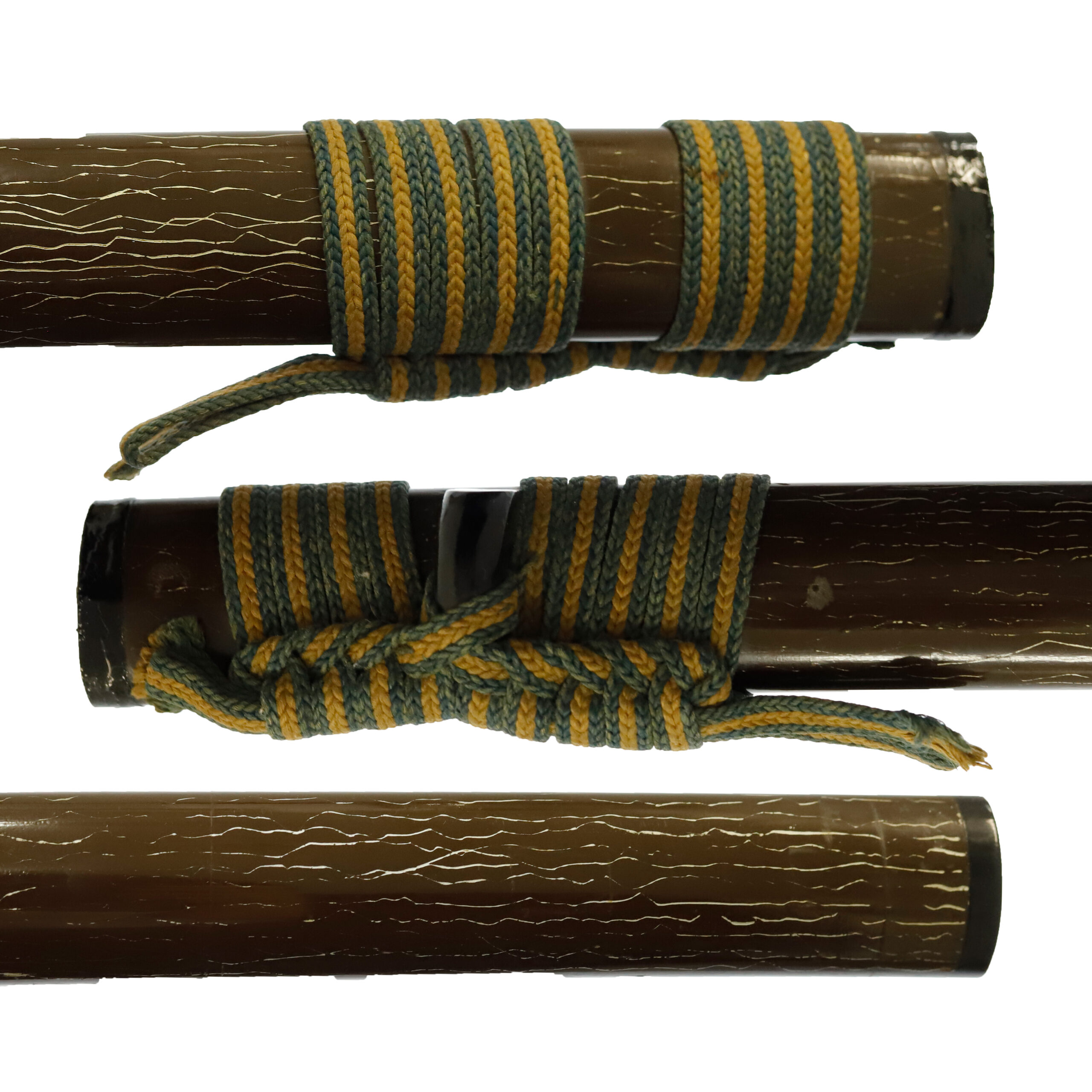
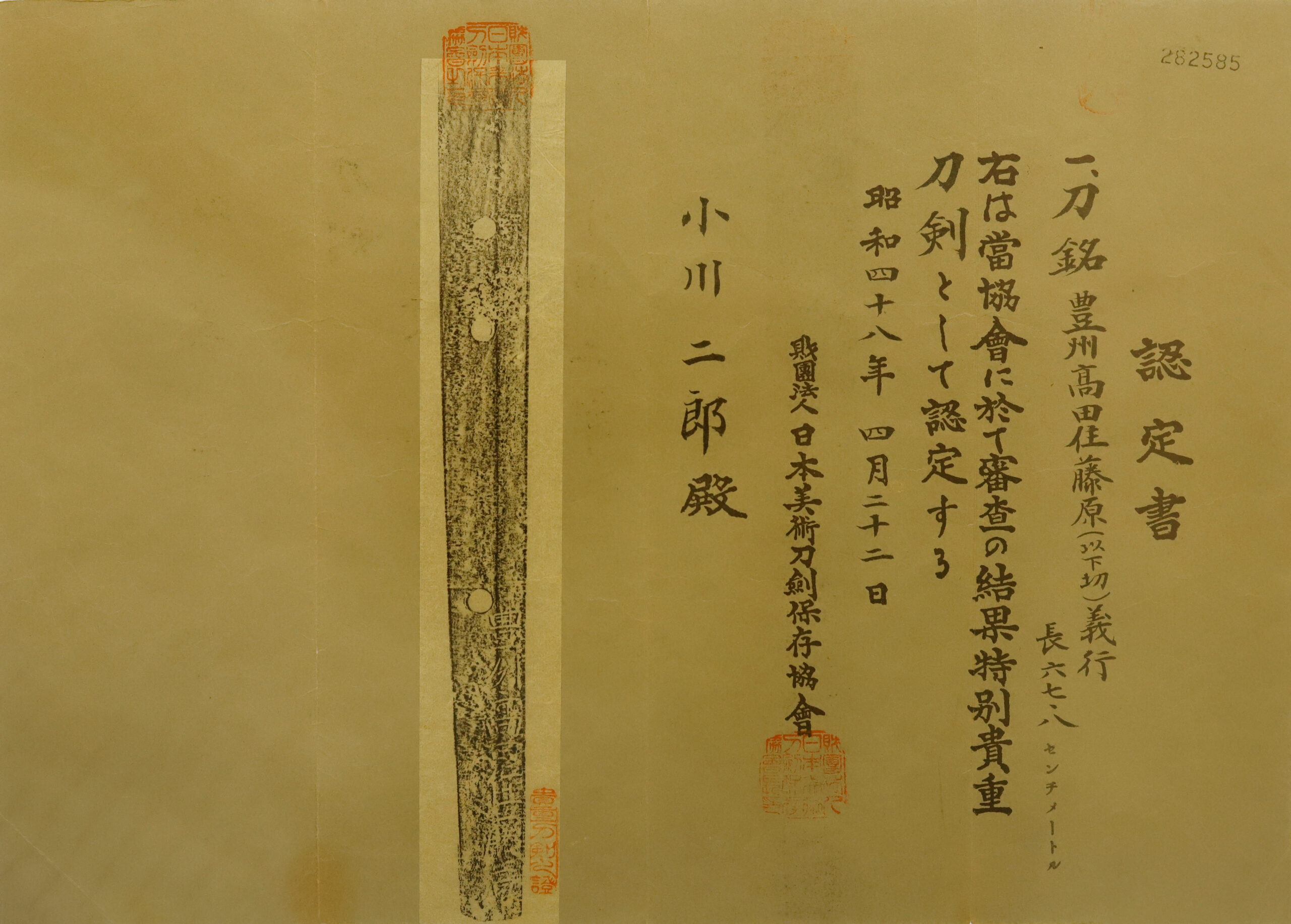
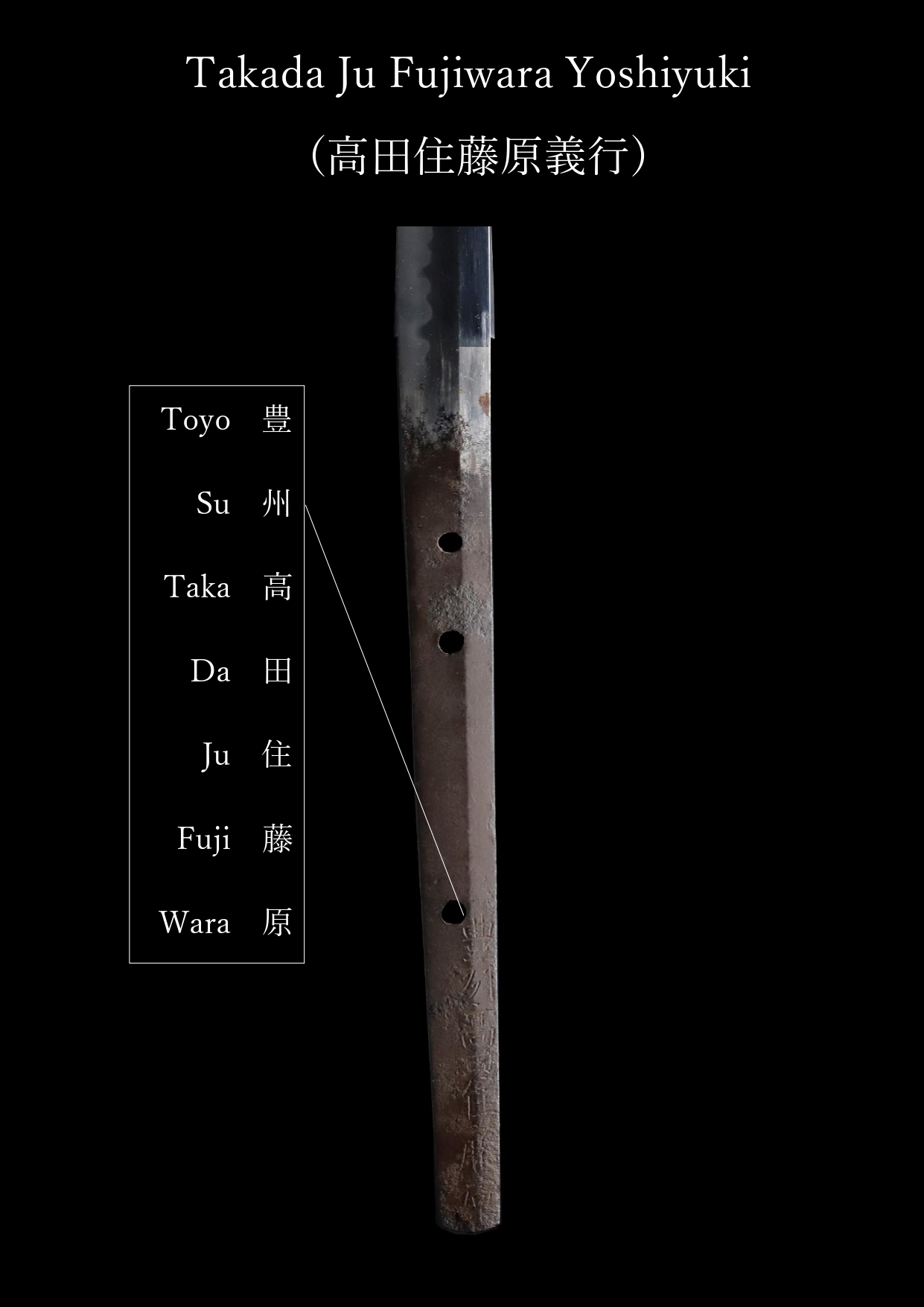
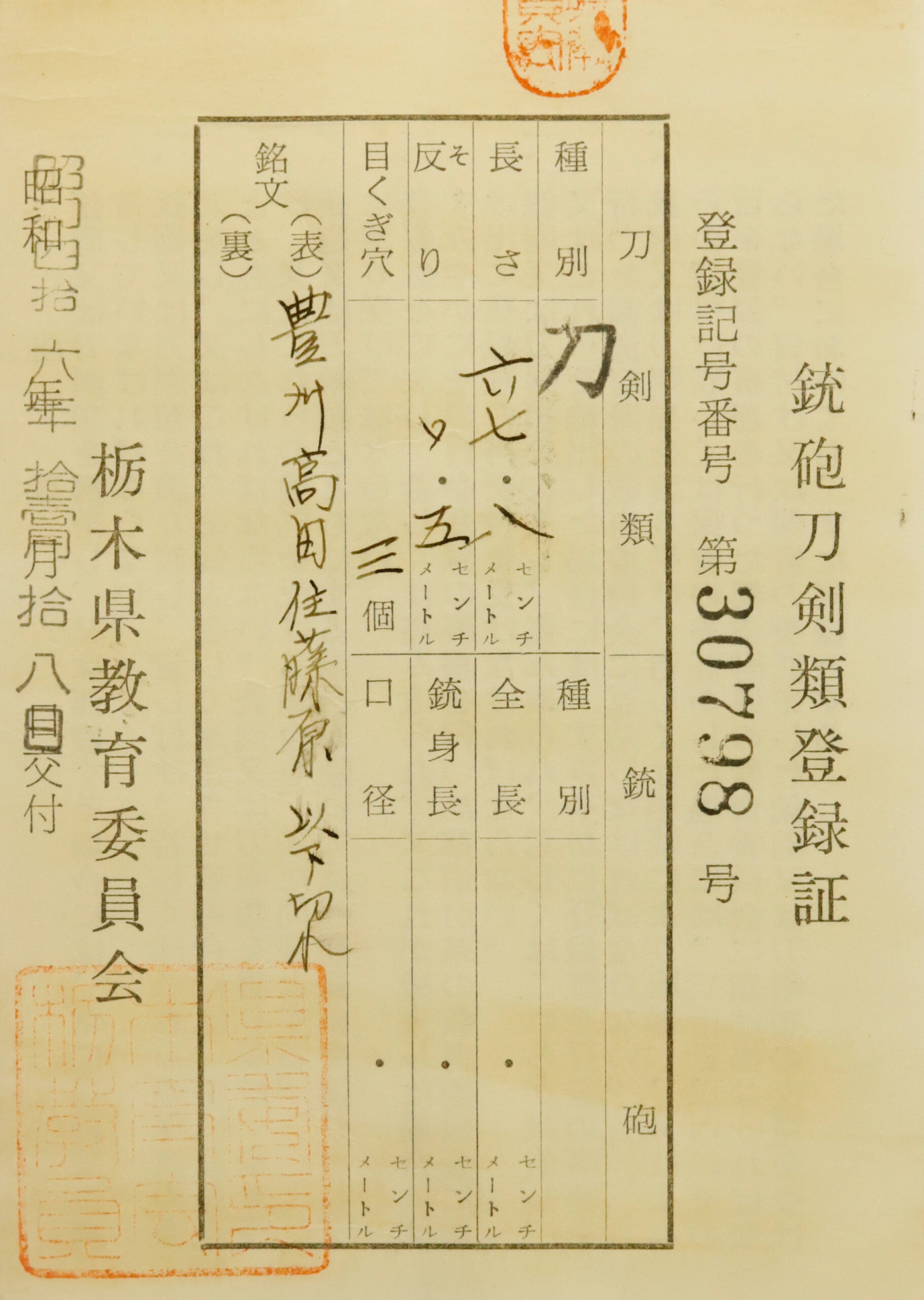
This blade was attributed Hoshu Takada Jyu Fujiwara Yoshiyuki (豊州高田住藤原義行) by NBTHK while Yoshiki part was cut due to the size adjustment (Suriage ) in the past. Hoshu was located in today’s Ohita prefecture and Takada is the village in which Yoshiyuki lived. Yoshiyuki was active during the early Edo period (1661-1673) according to available records. Takada school was founded by Takada Tomoyuki in Takada village, Ohita prefecture, during the Nanbokucho period. (1334-1338 A.D). Tomoyuki went to Bizen province(today’s Okayama prefecture) to master the sword-forging techniques of BIZEN and came back to the village and trained his apprentices. That is how Takada school started. Those who forged swords in Takada village before the Edo period are called Taira Takada and Fujiwara Takada during the Edo period. Based on the NBTHK certificate, this blade is categorized as Fujiwara Takada. During Sengoku Period(the warring state period: from late 15 C to late 16 C), the Takada school forged many swords for feudal lords in Kyushu island. It is said that the reputation of the blades forged by Takada school was close to MINO or BIZEN swords, two of which are the most famous sword forging places. This highly skilled sword forging technique was passed down to later generations in the Edo period. Generally speaking, Kyushu island was prosperous in sword-making because of the long history of trading with Asian countries. To gain an advantage in trading, many feudal lords on this island fought against each other. Takada school was able to receive many orders as the demand increased among those lords. The material of Japanese swords(high-quality iron sand and charcoal) was abundant in the mount Sobo Katamuki, located near Takada village. We believe Takada school prospered because of its geographic location and natural resources. *Please keep in mind that there are visible black rust on the blade. We will have these rust part polished without additional charge after you purchase this Katana. There might be trace of black rust after it is polished. Fuchi-Kashira Samurai warriors are designed on this Fuchi Kashira. A Samurai who wears gorgeous armor and brings a Gunbai (軍配, Sumo referee’s fan today) is depicted on the Kashira part. Judging from this belonging, he is a military commander of some high rank. The Gunbai is a tool that is related to the Samurai culture. Its shape is an Uchiwa (団扇, Japanese fan) shape. Fans were brought to Japan from the continent in the Nara period (710-794). According to a theory, Uchiwas were used in the court or the aristocracy back then. In addition, after the Ohnin-Bunmei era (応仁・文明年間, 1467-1487), military commanders used Gunbai-Uchiwa (軍配団扇), which is made of leather or iron. They encouraged their subordinates by using it. Also, it was used for ordering the arrangement of an army: For example, the placement of troops, the date and time of the advance, and retreat. It is the origin of the Gunbai, which Sumo (相撲, Japanese wrestling) referees use to judge victory or defeat today. In this way, metalworks that incorporate motifs related to Samurai costumes into sword mountings are often seen. It might have encouraged Samurai warriors who went to battlefields. Tsuka and Menuki The same as the Fuchi Kashira, this Menuki’s design is Samurai warriors. The Kassen Zu (合戦図) is a theme that depicts battlefields. The upper side Menuki, we could see two warriors and one of them brings a bow. On the other hand, the lower side Menuki’s motif is a Samurai who rides his horse. Golden paint is applied to several parts, and this coloring adds decorativeness to this work. Tsuba and Habaki The edge of this oval-shaped Tsuba is covered with a silvery metal plate. It adds decorativeness to this Tsuba and also has a practicality that protects the Tsuba from damage. Initially, the dragon is an imaginary creature found in ancient foreign traditions or myths. Furthermore, it is regarded as a symbolic beast of auspicious signs. Its body is likened to nine animals: antlers are deer, the head is a camel, eyes are demons, the neck is a snake, the belly is Mizuchi (蛟, a mythical animal in Japan that looks like a snake and has a horn and four legs), scales are fish, claws are falcons, palms are tigers and ears are cows. It was thought that the dragon would reign at the top of all animals because of its odd-looking appearance. Authentication Paper They authenticated the blade on April 22nd in the 48th year of Showa (1973). They appraised it as Tokubetsu Kicho Token, an old form of the certificate.
Offered by Samurai Museum
This piece has sold
Get an email when a new Yoshiyuki piece hits the market.

As written by the shop
Bungo · around 1661-1673
Tōken Taikan top 87%
1 piece on the market now
The Edo period (1615 to 1868)
Edo was the sword’s age of connoisseurship: the Hon’ami appraisers, the shogunal register of famous blades of 1719, and a thriving literature turned the sword into an object of study even as it ceased to be drawn in war.
This work carries older NBTHK “Kichō”-era papers, which the NBTHK no longer issues and largely disavows today. To confirm the attribution, submission to an official Japanese examination body (such as the NBTHK or NTHK) for modern certification could be considered.
Returns/exchanges limited to defects caused by shipping (except willful misconduct or gross negligence by the company); customers must contact within 72 hours of receiving the product.