War at home and trade abroad made Muromachi Bizen the busiest forge region in Japan: a century of Sengoku demand after the Ōnin War, and export missions to Ming China carrying blades by the tens of thousands.
 NihontoWatchNihontoWatch
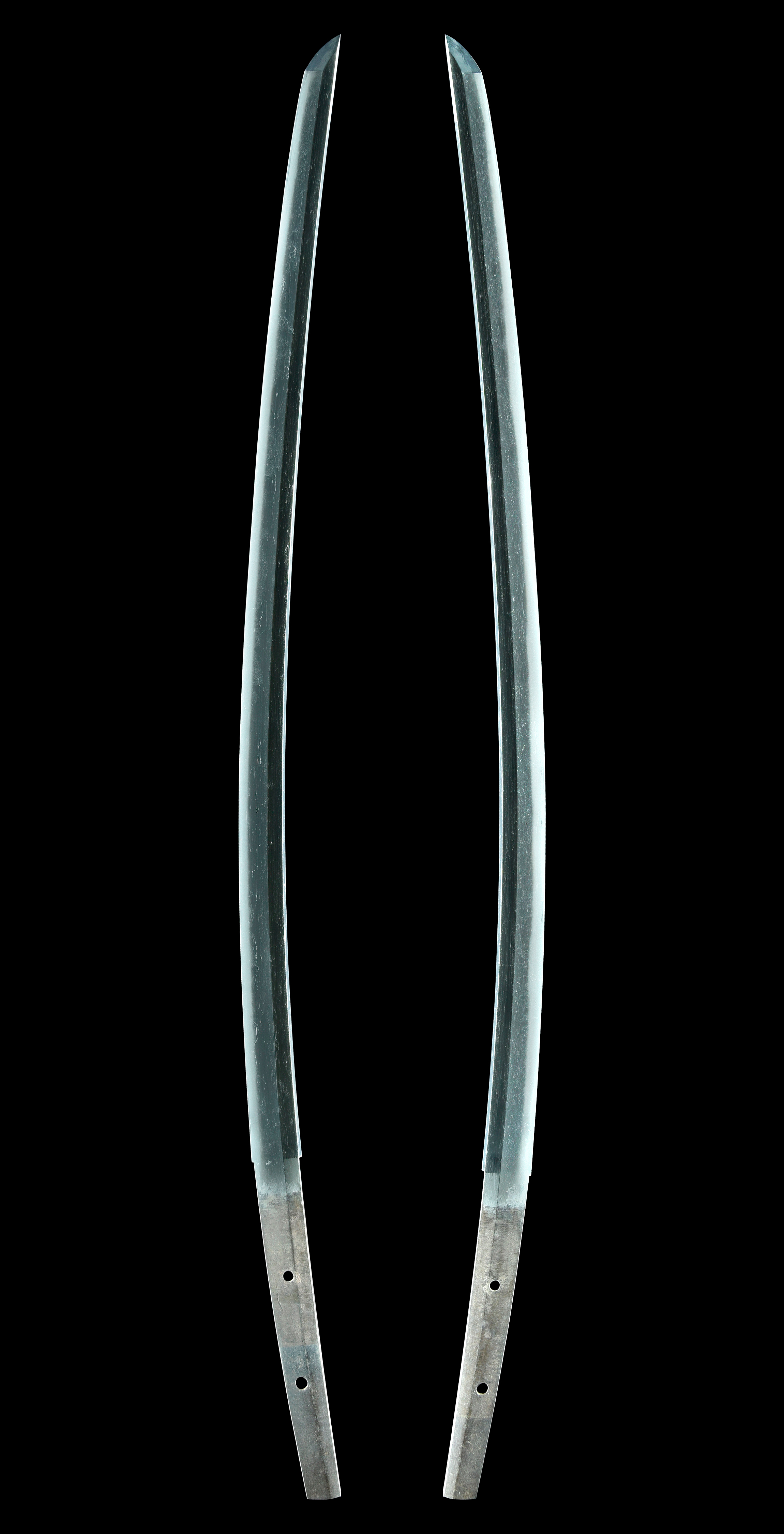
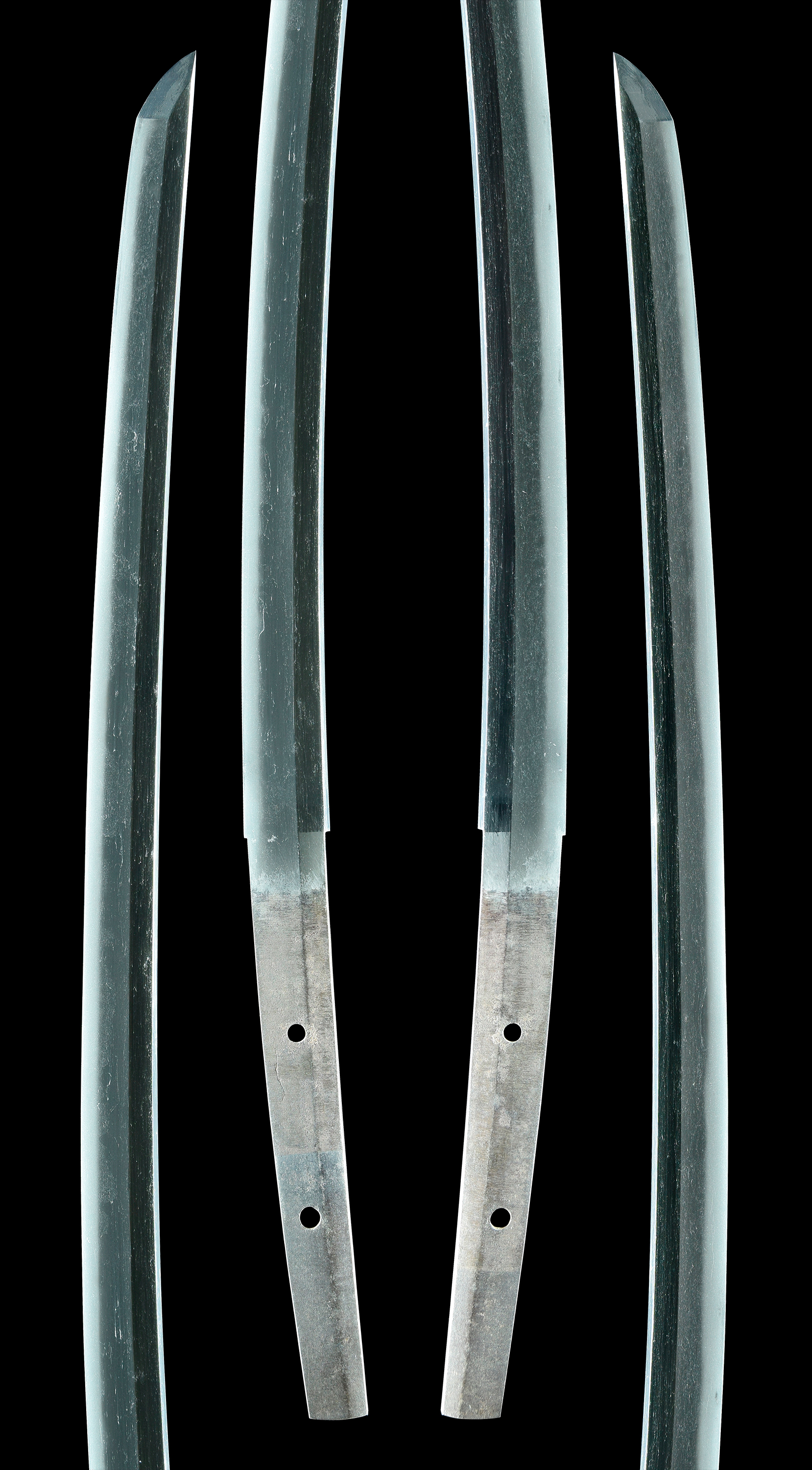
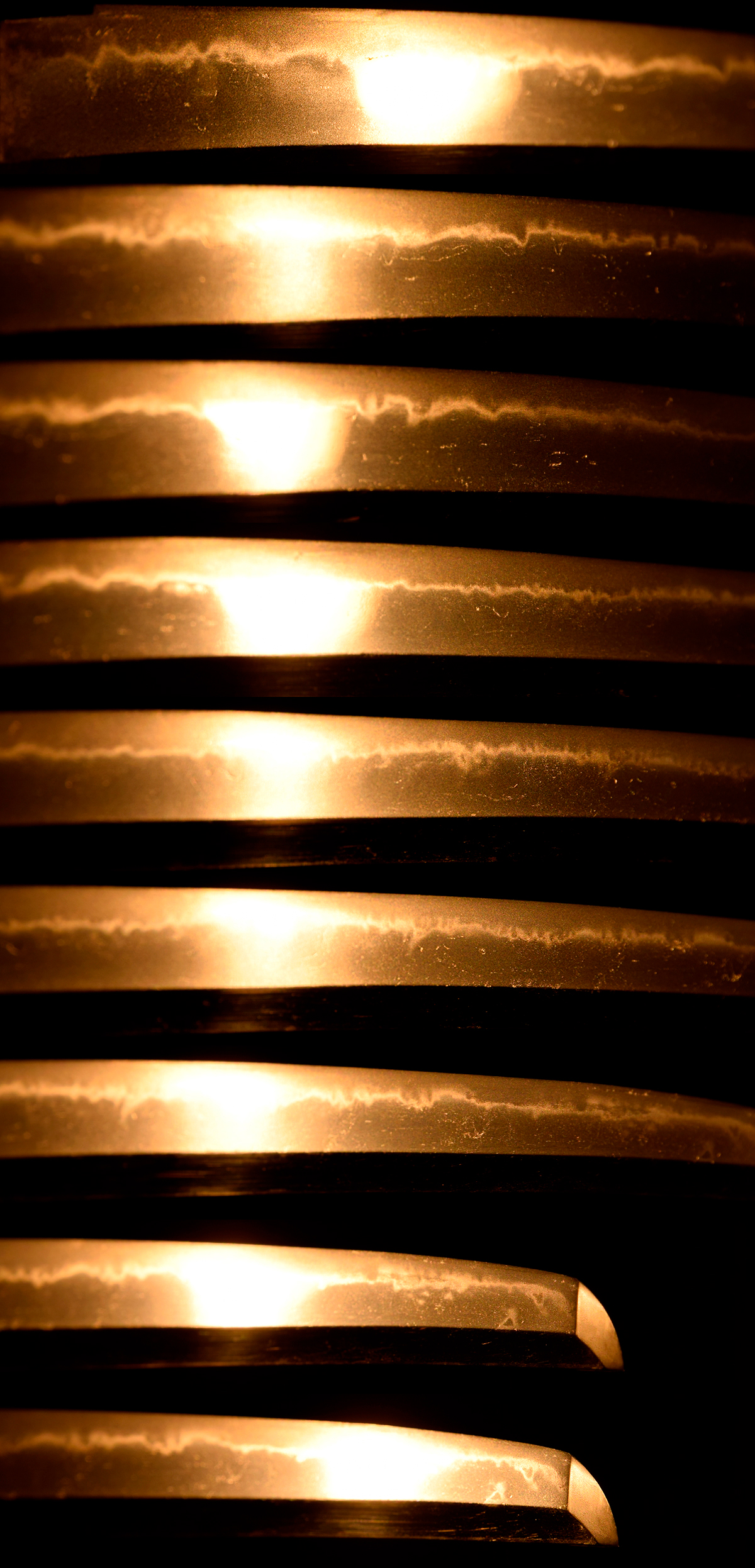
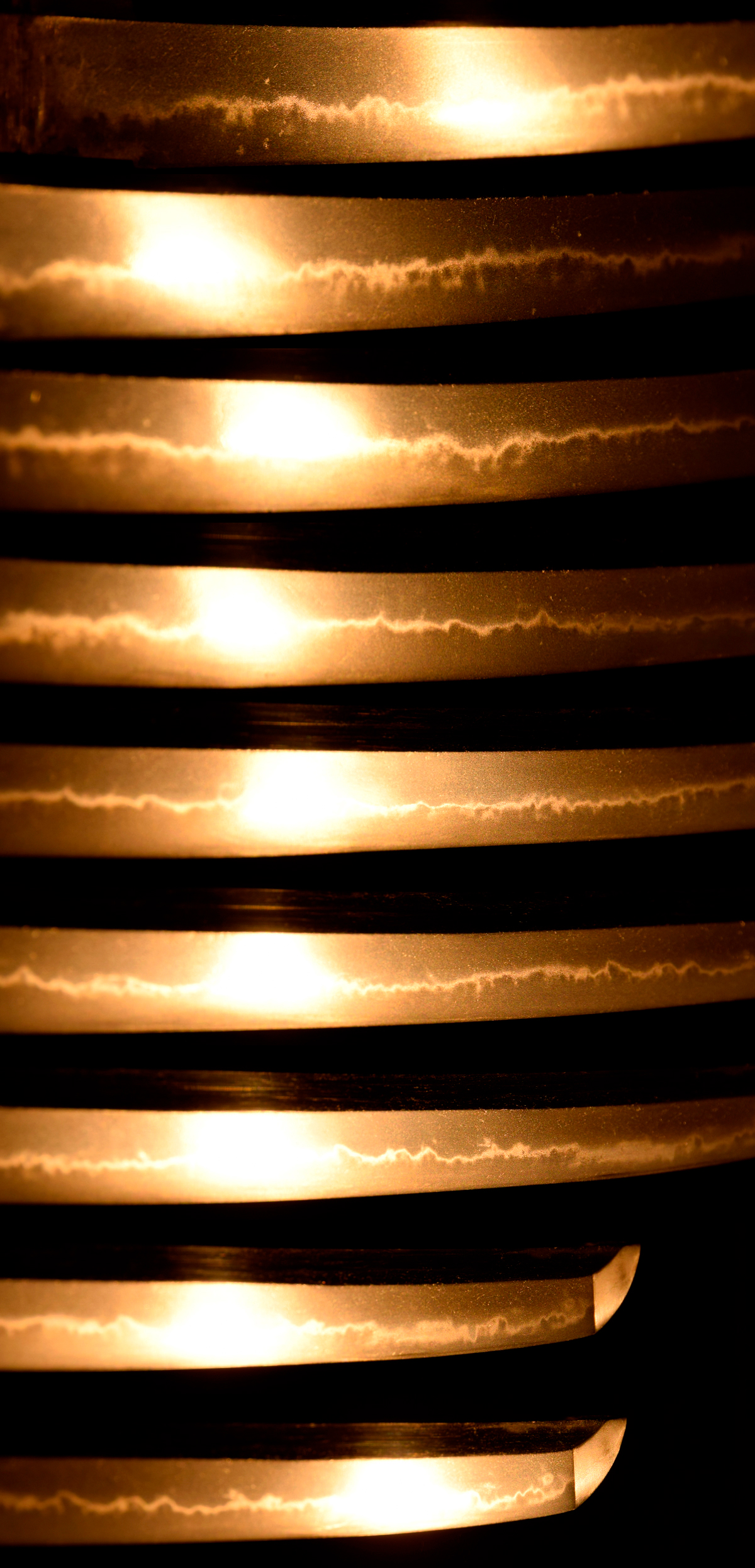
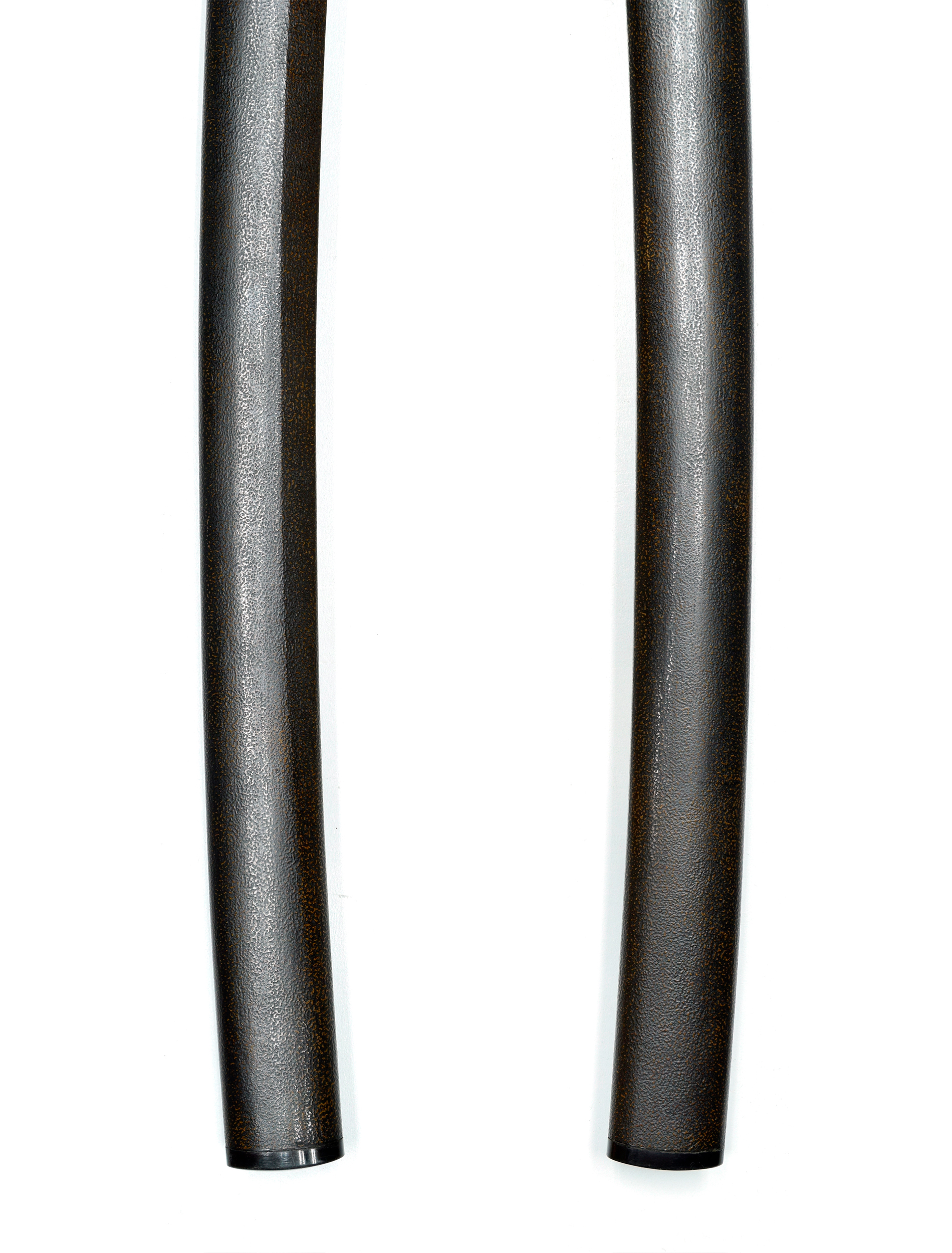
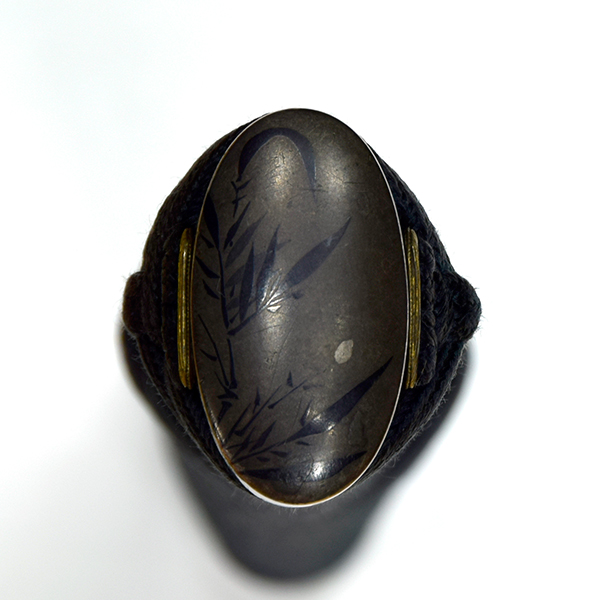
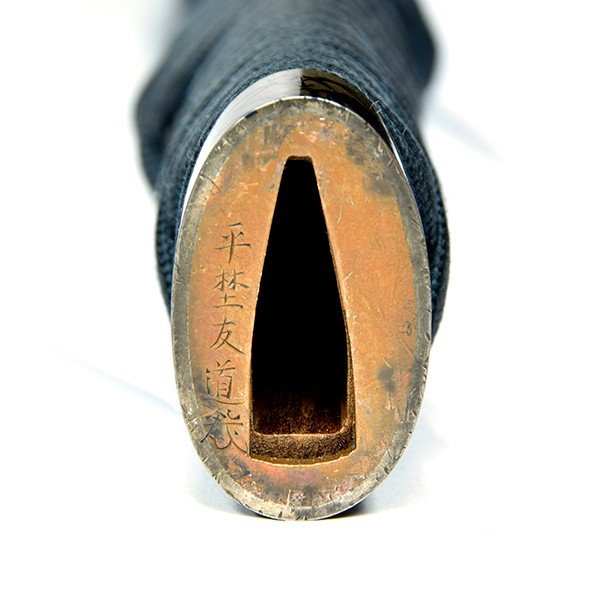
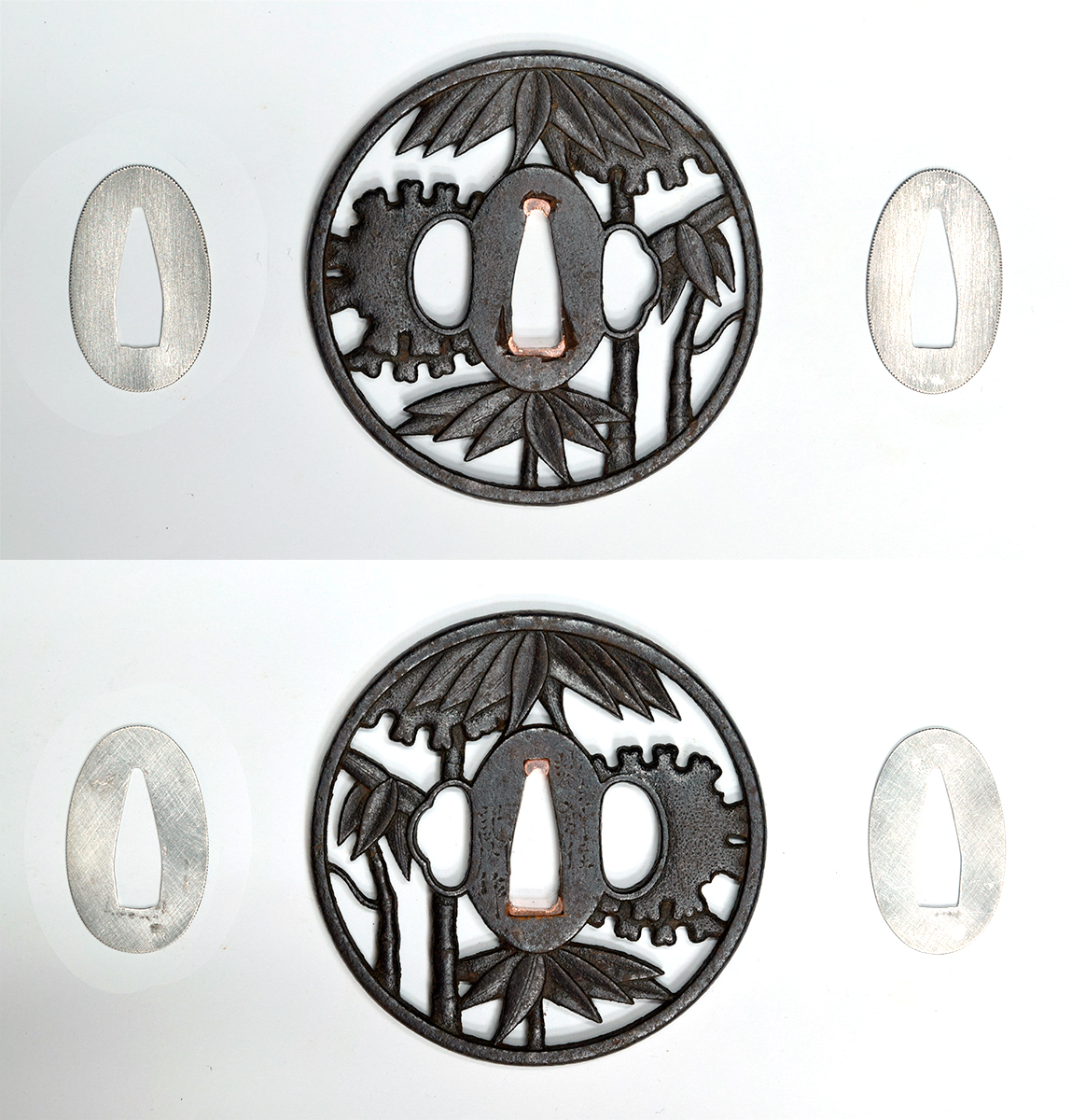
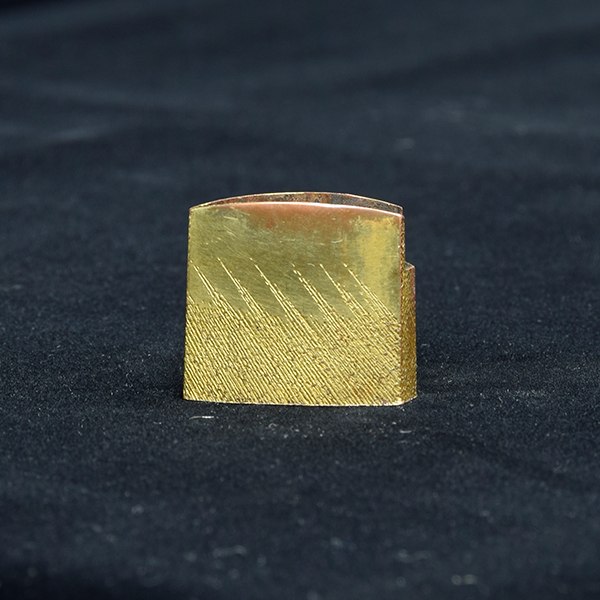
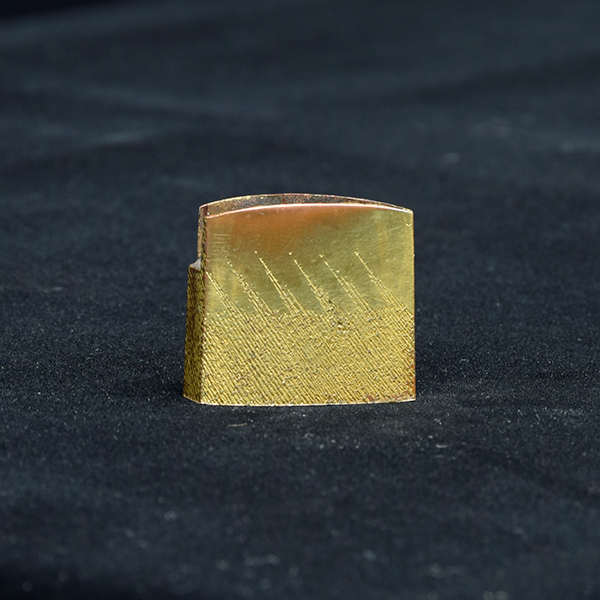
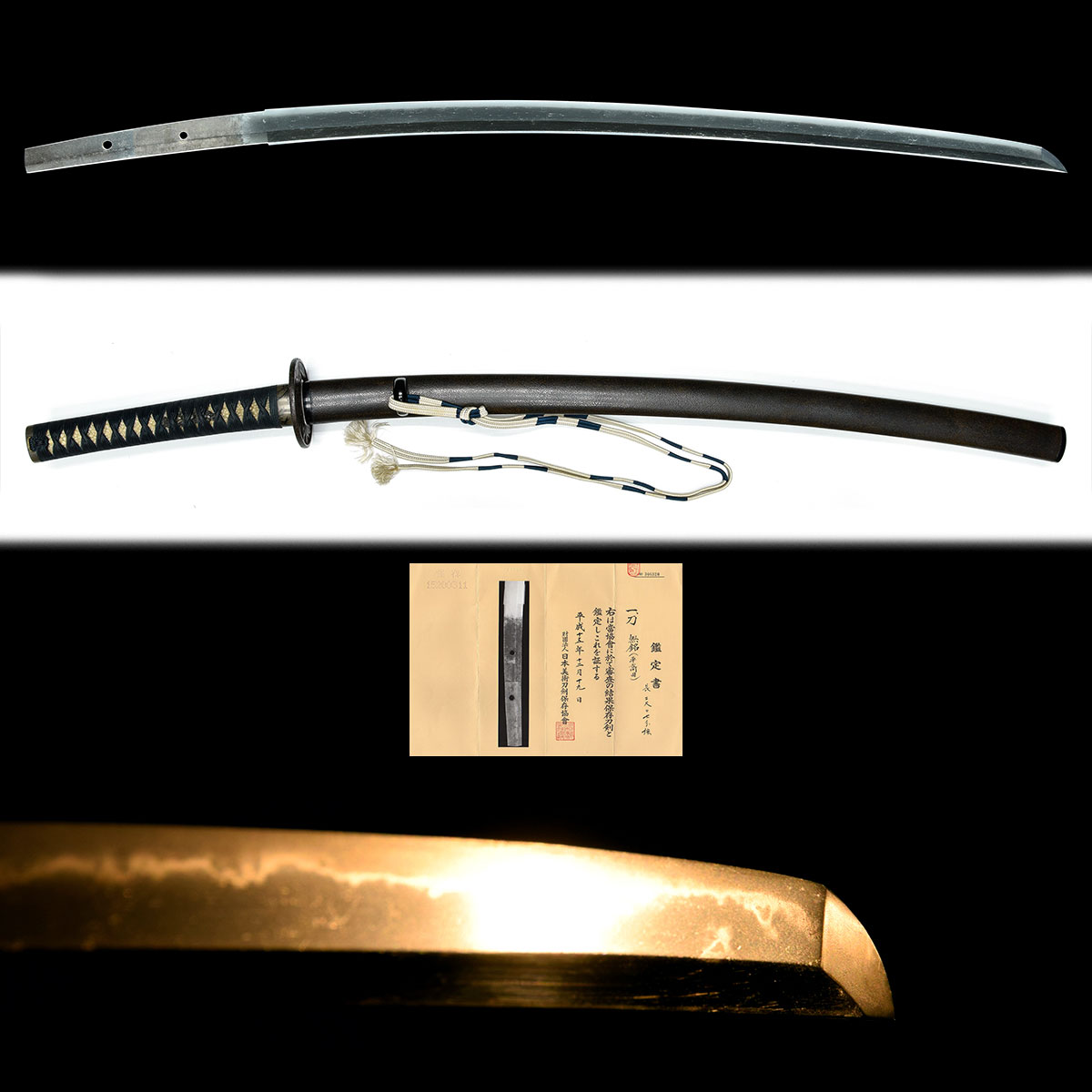
豊州高田派は、豊後国高田地区(現大分市鶴崎近辺)で栄えた刀工一派で、古刀期の作に平姓を銘切るものが多いことから、それらを平高田と称し、新刀期以降は藤原姓を銘切るようになったことから、藤原高田と汎称します。 古来より実用刀としての評価が高い一派で、武用刀として数多の武将に愛用されました。 この刀は杢目鍛えの地鉄が肌立ち、明るい小沸本位の刃文は刃縁沸付いて小足が盛んに入り、古雅な雰囲気を漂わせる出来口で、付属する拵の保存状態は抜群。鞘には経年による傷や凹みが無く、平埜友道作の四分一磨地に竹を墨象嵌とした素晴らしい縁頭が添えられています。鐔もそれに合わせた竹に雪華紋透かし鐔が掛けられ、更には当店にて鐔の責金と銀切羽を新調致しましたので、鐔鳴りも無くしっかりとしています。是非とも拵も保存刀装審査を御受審頂き、内外共に大切に後世に伝え遺して下さい。
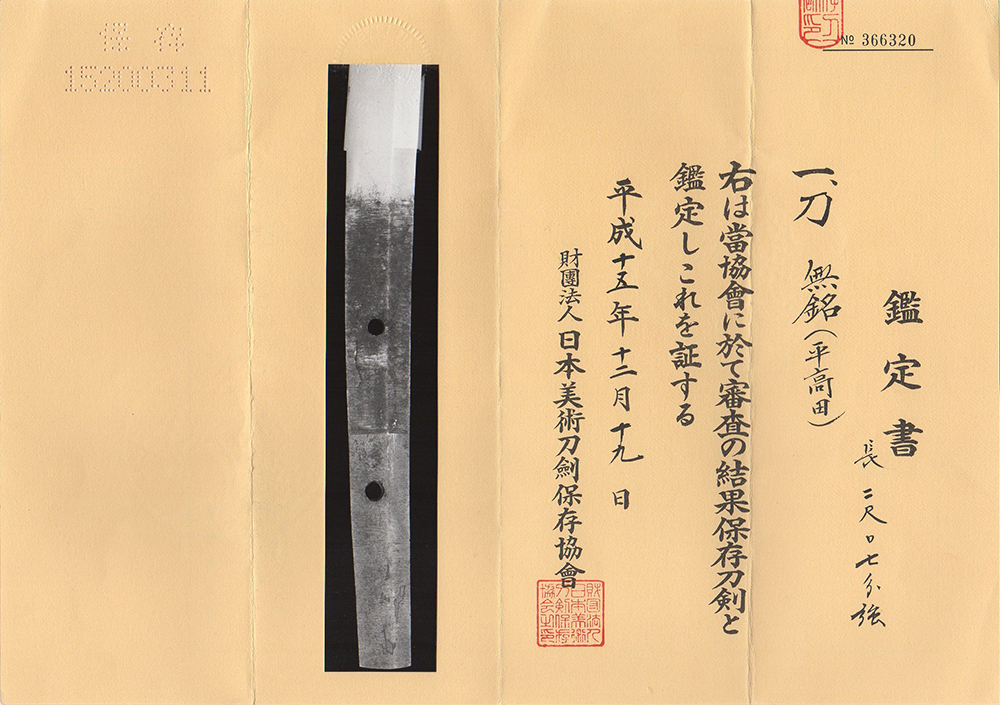
Certificate reading — 無銘(平高田)
NihontoWatchOffered by Toushin
30 on the market

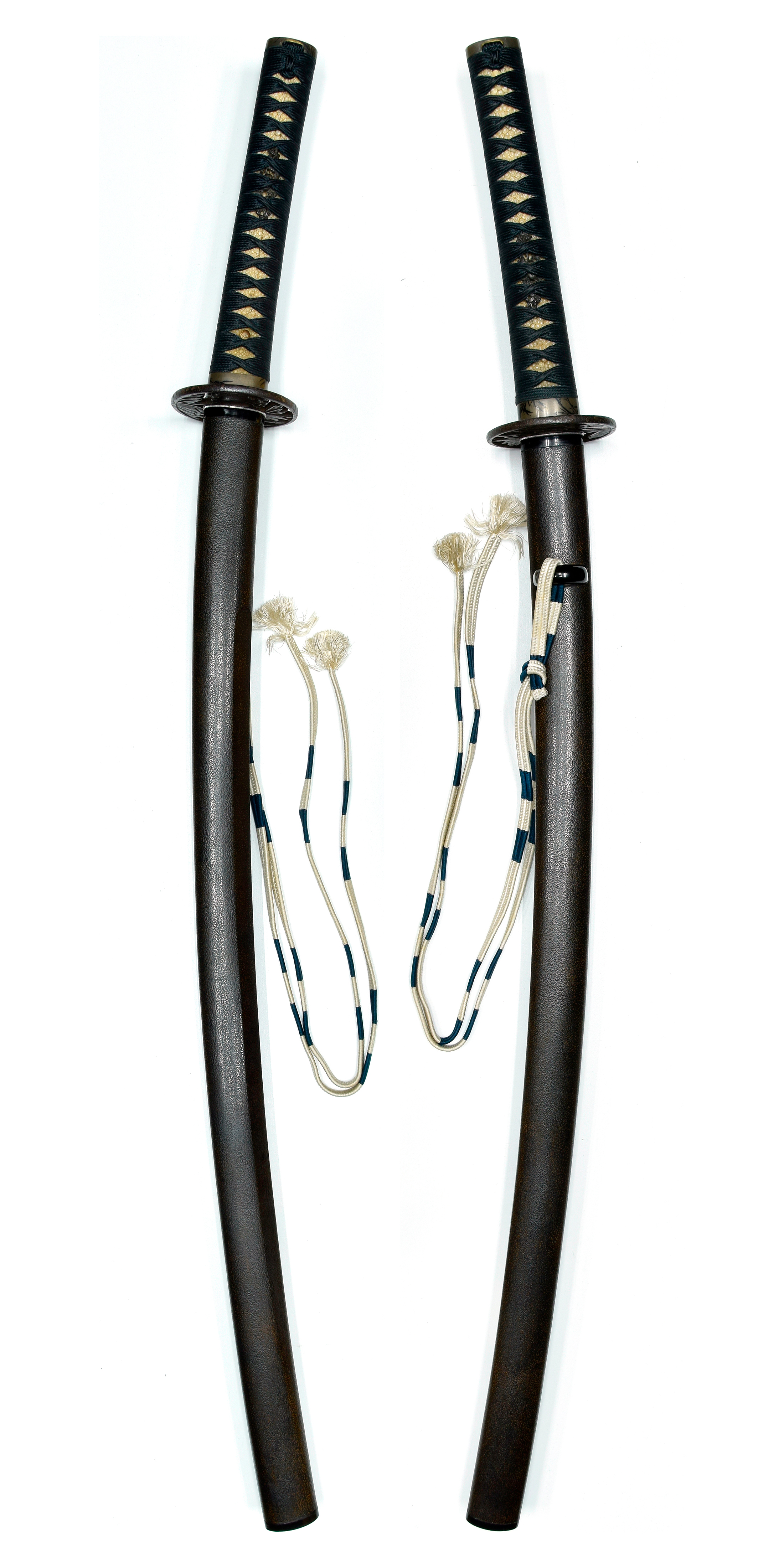
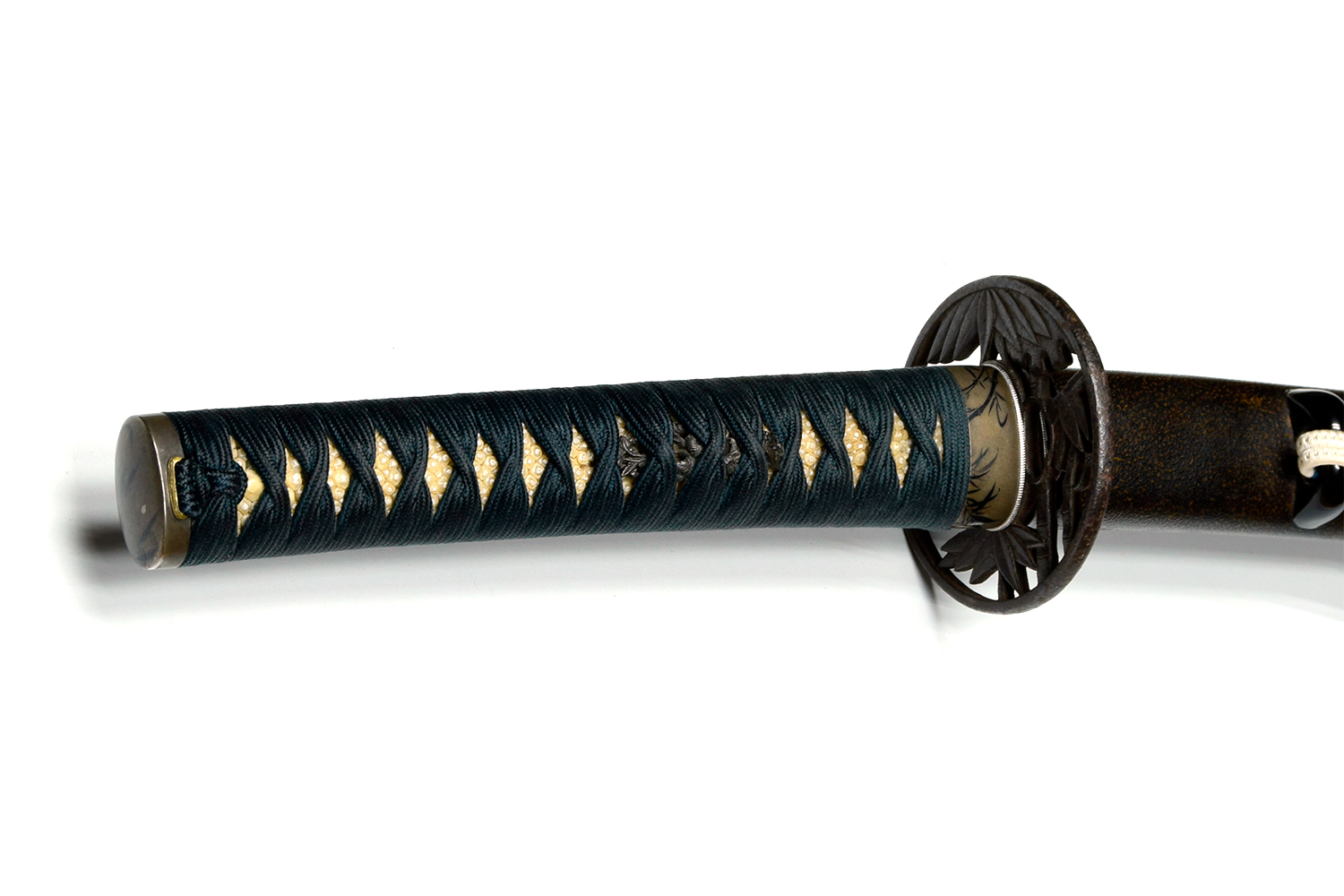
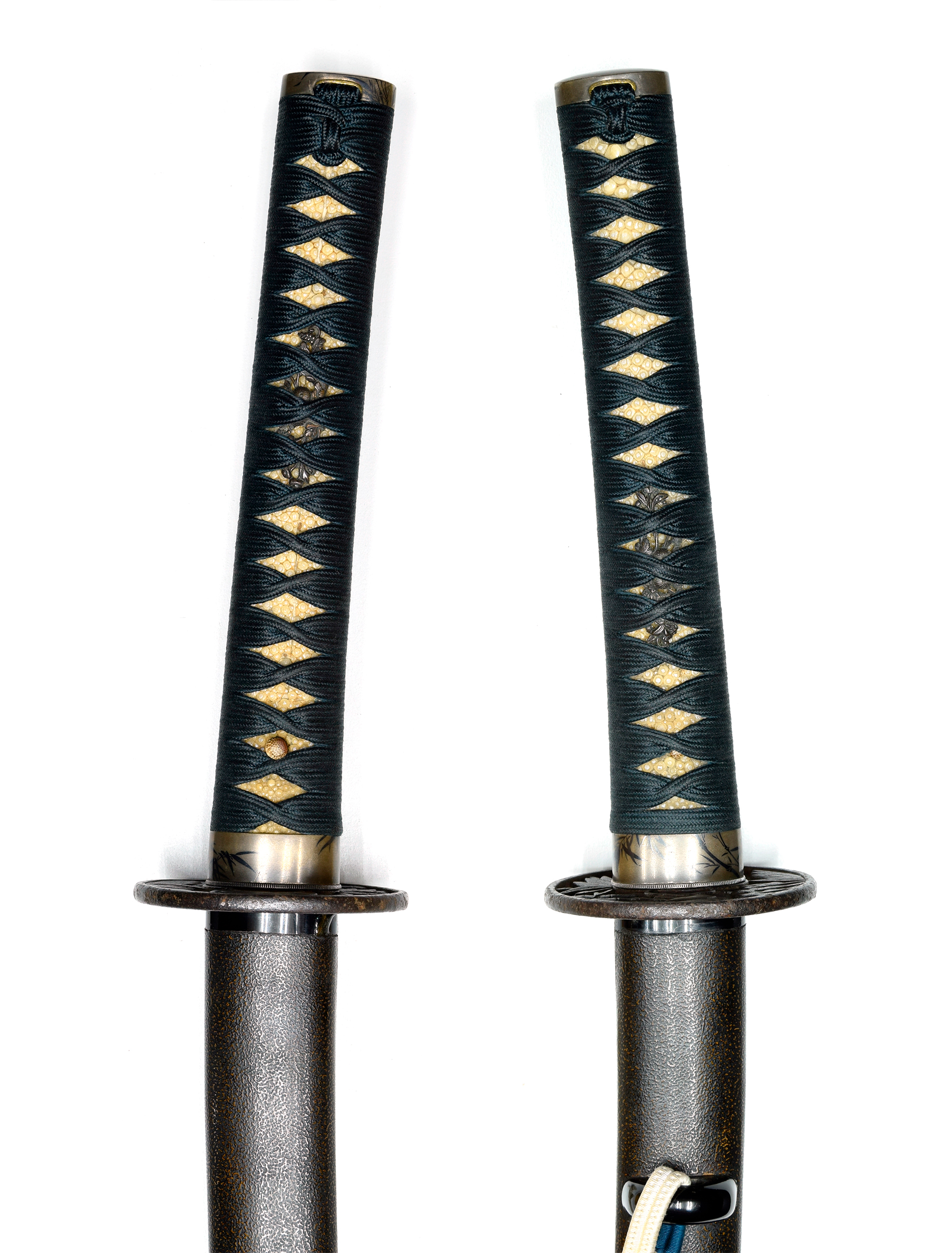
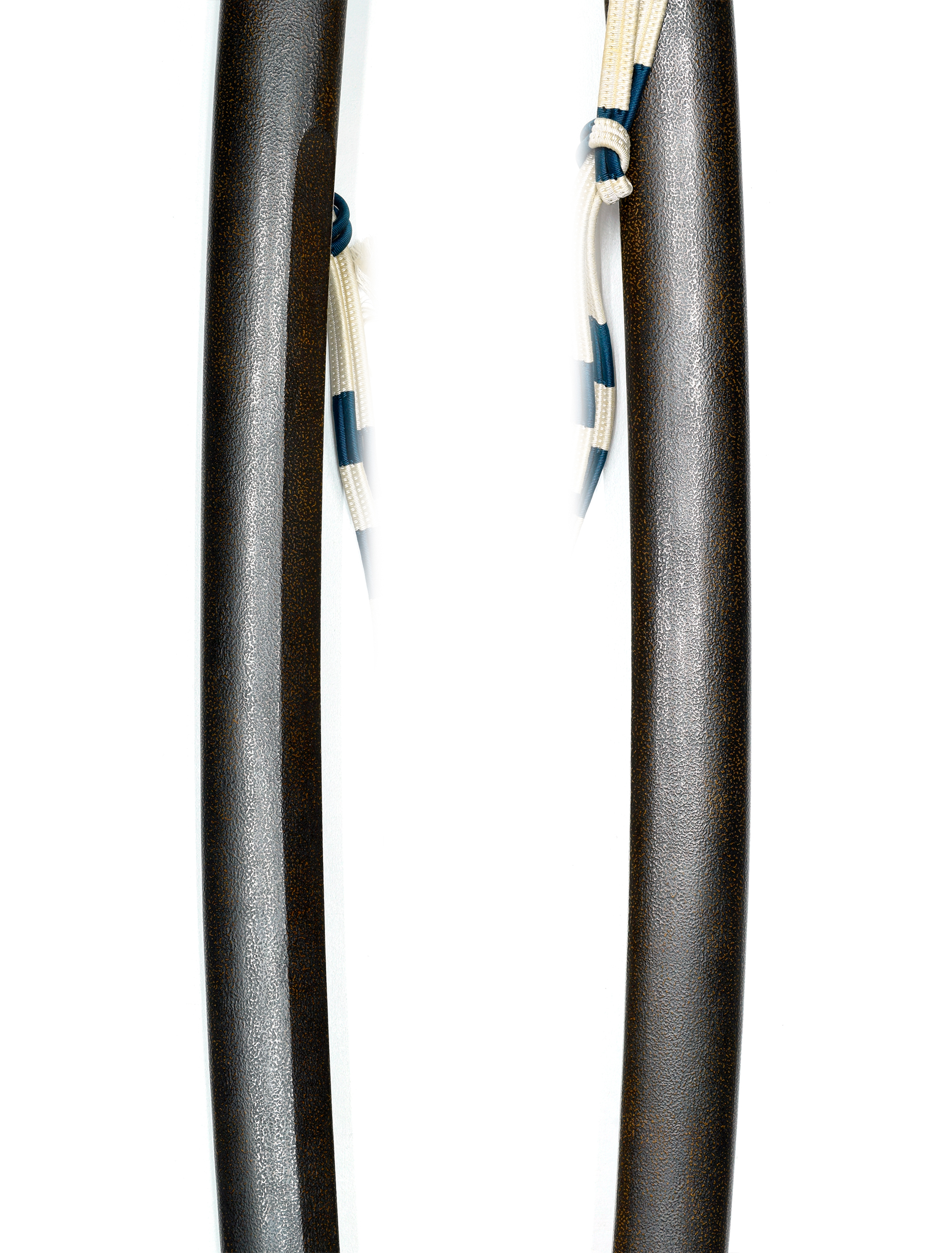
As written by the shop
(Translation unavailable)
Bizen-den · Bungo
30 pieces on the market now
In Bungo Province on Kyushu, the early Kamakura masters Sadahide and Yukihira appeared and then, for a span, distinguished makers ceased; the setsumei repeatedly mark this gap before the line that became the Takada school took hold. The school was founded in the Nanbokuchō period by Tomoyuki, who arose at Takada Manor (Takada-shō) and signed in the long form "Hōshū Takada-shō Fujiwara Tomoyuki," with dated work surviving from the Shōhei (1349) and Jōji eras into the 1360s. Beside him the registers place Tokiyuki, said to be his son or disciple, and Masayuki, thought to belong to a separate line, whose Kentoku 2 (1371) tantō carries Southern Court dating and a Kurikara relief following the example of Yukihira. From these Nanbokuchō roots the lineage ran continuously through Muromachi and on into the shintō era. The naming itself tracks the periods: Nanbokuchō smiths prefixed Fujiwara; from Muromachi they signed Taira and shared the characters 盛・守・鎮・統, so the group is broadly called Taira-Takada (Heike or Hira-Takada); late in the line they returned to Fujiwara, and that stream, carried into the Edo period, is distinguished as Fujiwara-Takada. Named Muromachi hands in the setsumei include Taira Naomori (a ken dated Ōnin 3, 1469), Taira Nagamori, Takada Tatemori (Meiō 10, 1501), Taira Shizunori, and Fujiwara Shinkiyo. Across the blades a consistent vocabulary recurs. The jihada is itame mixed with mokume, frequently tending toward standing grain (hada-dachi) and, in the early work, drifting toward masame or nagare; ji-nie and chikei appear, the steel often carries a darkish kanagu tone with patches of jifu, and a whitish shirake-utsuri (sometimes a faint midare-utsuri) stands out conspicuously.
The temper runs from suguha and chū-suguha mixed with ko-gunome up to gunome-midare, with nie adhering and ashi and yō entering; kinsuji and sunagashi run through, and in fuller-tempered work tobiyaki, muneyaki and hitatsura develop (as in Nagamori's Eishō wakizashi). Founder-period Tomoyuki work is recognized by angular gunome spaced at wide intervals, an overall subdued (shizumi) impression, strong shirake with jifu, and a manner the setsumei liken to Sue-Sa and the Samonji group; the school as a whole shows Bizen-leaning utsuri, Yamato-tinged masame and nagare, and at its summit, in Shizunori, work judged to take Rai Kuniyuki as its model. Branch and period read off the signature prefix and the shape: deep curvature with an arched, upturned profile through mid-Muromachi, then broader blades with shallower sori and an extended chū-kissaki in the later phase. " Among the smiths the setsumei single out Nagamori as the most accomplished of the Heike-Takada, a suguha specialist with notably good jigane and skilled horimono, his name carried across several generations and dated freely in the Eishō and Daiei eras; one of his blades was bestowed by Shimazu Tsugutoyo of Kagoshima on the retainer Honda Chikaaki, and Tatemori is rated near him. The line reached into early shintō through Kunifusa, a disciple of Shizumasa of Takada who moved to Uwajima in Iyo, served Date Hidemune, and worked in a Horikawa manner. Provenance runs through the descriptions: Masayuki's tantō was transmitted in the Shōnai Sakai family with a Hon'ami Kōchū origami of Kyōhō 6 and recorded in the Kōzan oshigata and Umetada Meikan, and Nagamori's tachi survives with a maki-e and raden scabbard. The cutting-oriented robustness of the work, weighty in hand with thick kasane and a sturdy build, reflects the taste of an age of warfare, and these blades served as practical arms across Kyushu. The setsumei are candid that Takada has drawn a generally low evaluation in the field, and several of the registered pieces are framed expressly as answering that judgment, restoring the standing of a long lineage on the strength of its best surviving work. Learn more →
| Smith | Era | Designated |
|---|---|---|
| Tomoyuki友行 | 1350-1367 | 15 |
| Kunifusa國房 | 1615-1624 | 5 |
| Akiyuki鑑行 | 1532-1555 | 0 |
| Kagenari景也 | 1661-1673 | 0 |
| Chikayuki及行 | 1661-1673 | 0 |
Bizen in the Muromachi period
War at home and trade abroad made Muromachi Bizen the busiest forge region in Japan: a century of Sengoku demand after the Ōnin War, and export missions to Ming China carrying blades by the tens of thousands.
Certifies a genuine blade worth preserving: a signature confirmed correct, or, if unsigned, an era, province, and school that the NBTHK can reliably identify.
The NBTHK (Nihon Bijutsu Tōken Hozon Kyōkai, the Society for the Preservation of Japanese Art Swords) is a public-interest incorporated foundation founded in 1948 and supervised by Japan’s Agency for Cultural Affairs (Bunkachō); it is based at the Japanese Sword Museum in Tokyo. Its expert panels physically examine each submitted work (shinsa) and issue a certificate (kanteishō) ranking it by artistic and historical merit. NBTHK papers are the most widely recognized standard of authentication for Japanese swords and fittings.
NBTHK official siteAs a rule we do not accept returns, except when we have sent a different item from the one ordered or when there is a significant discrepancy between the description and the item. If you wish to return an item, please contact us within 3 days of its arrival and then send it back.
¥495,000