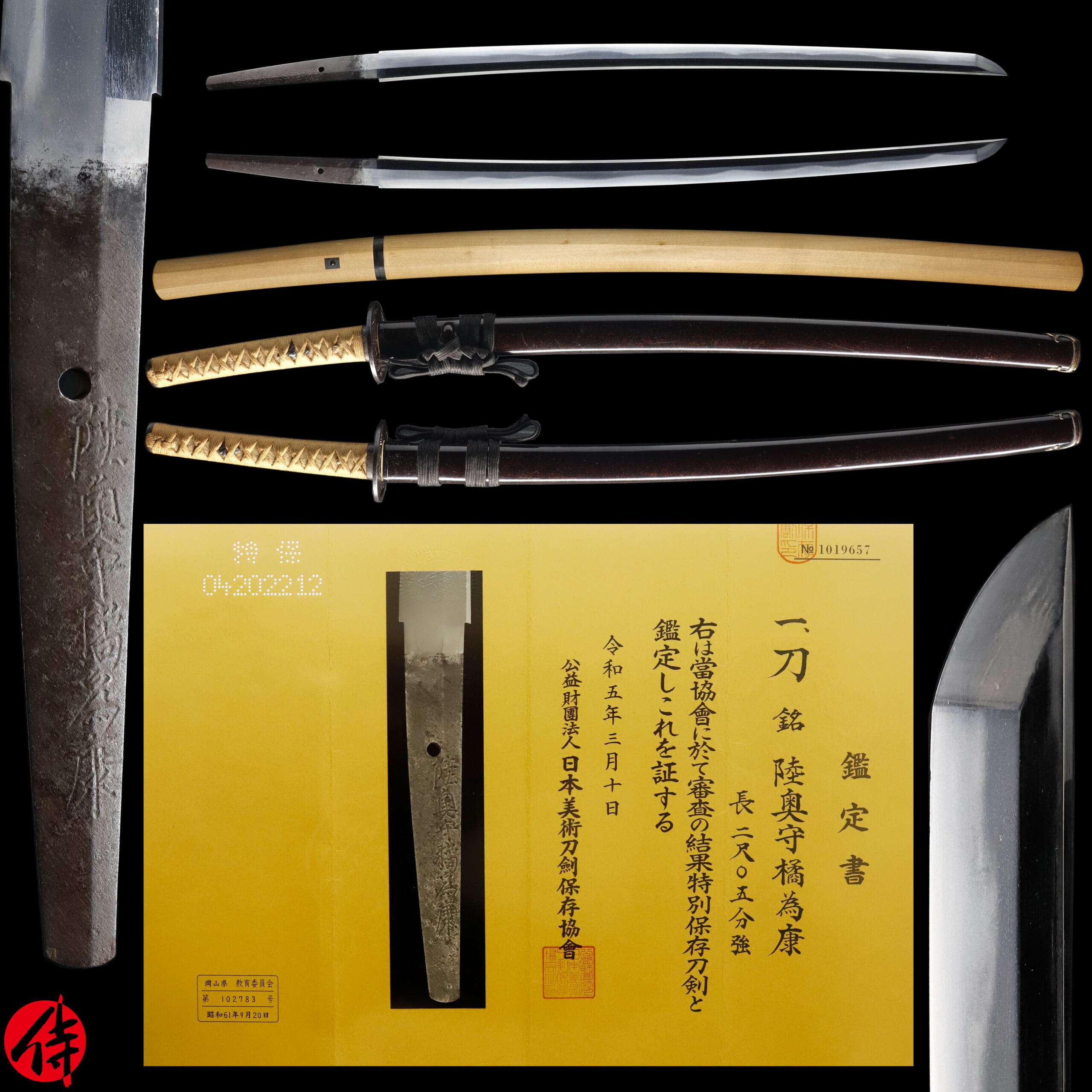
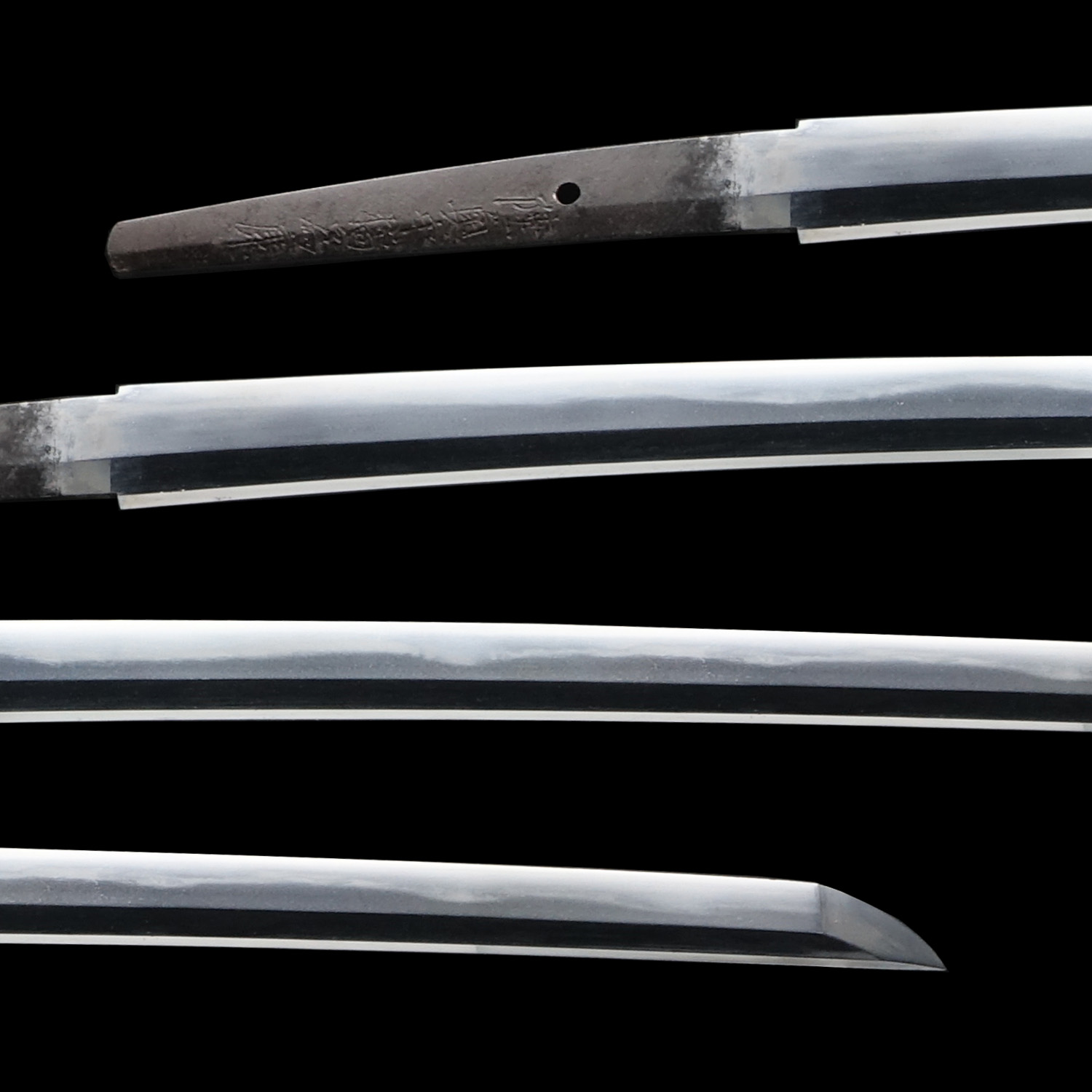
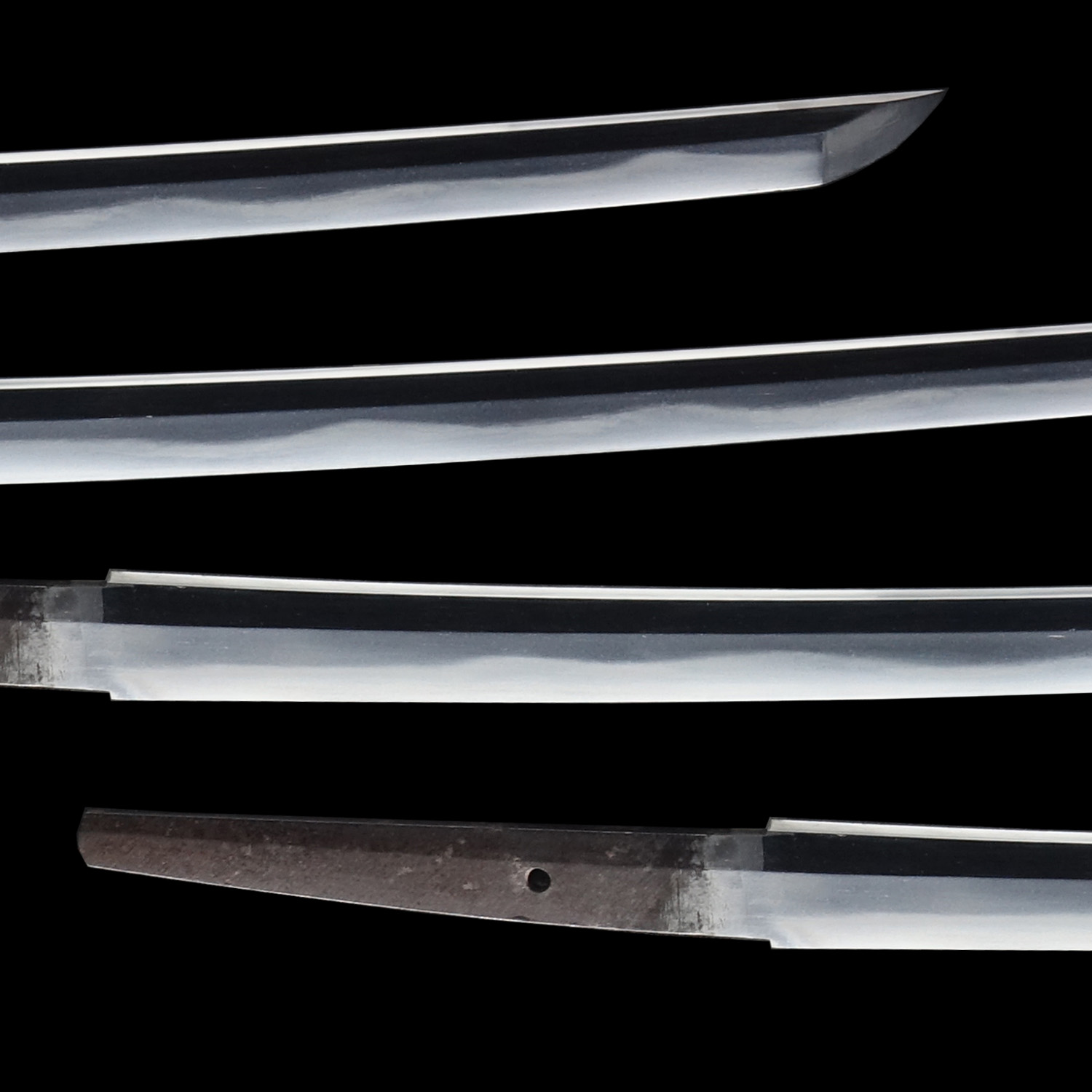
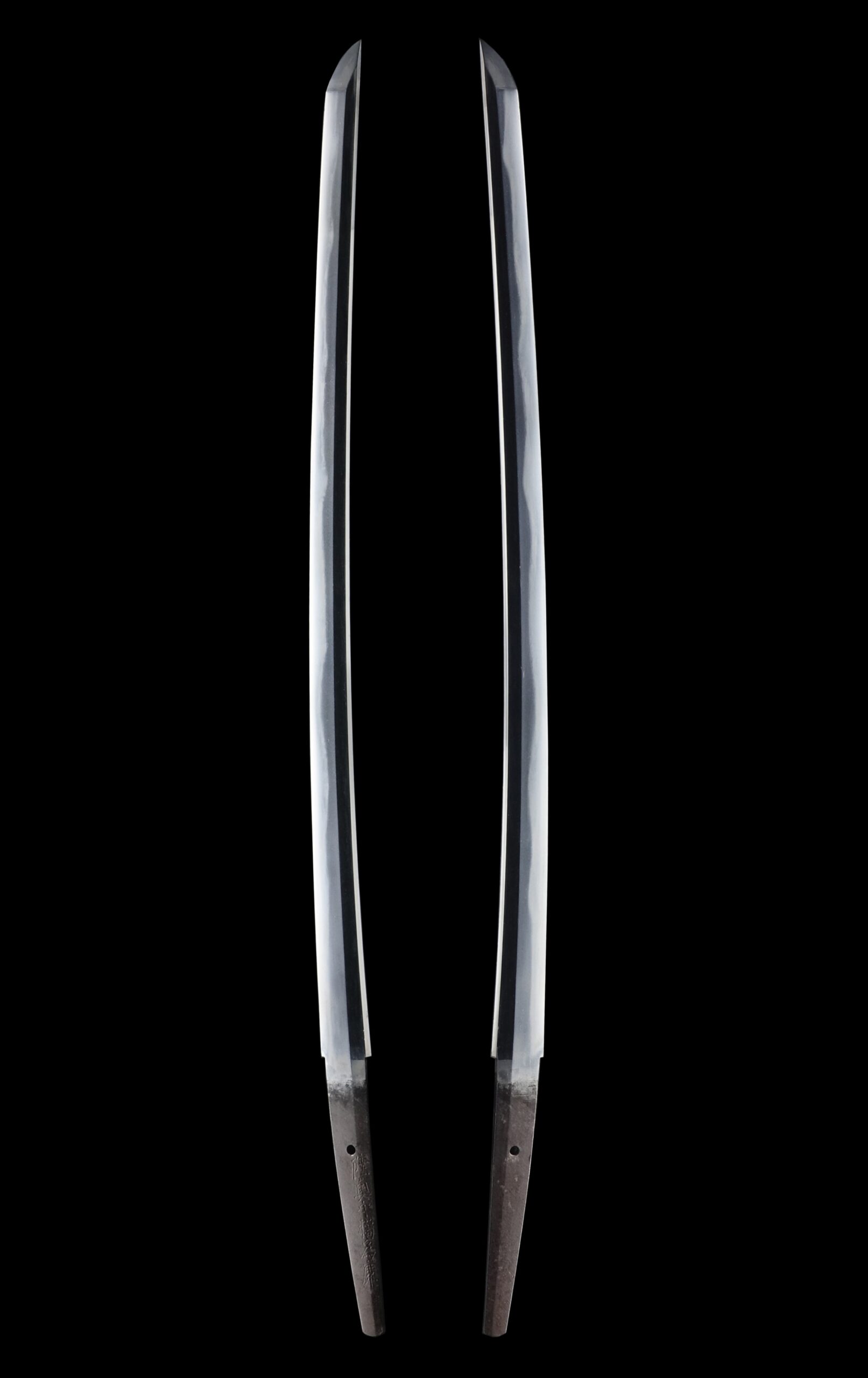
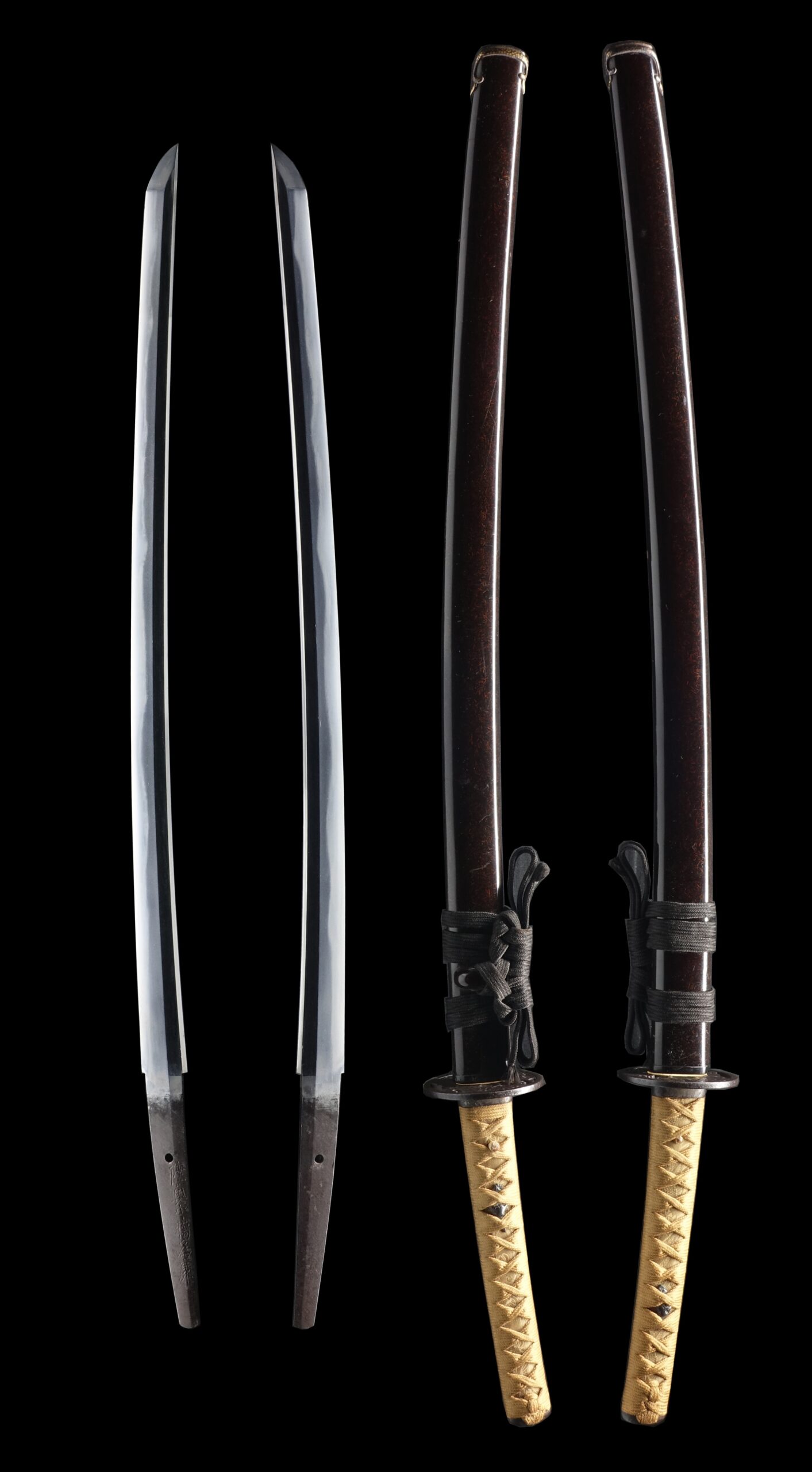
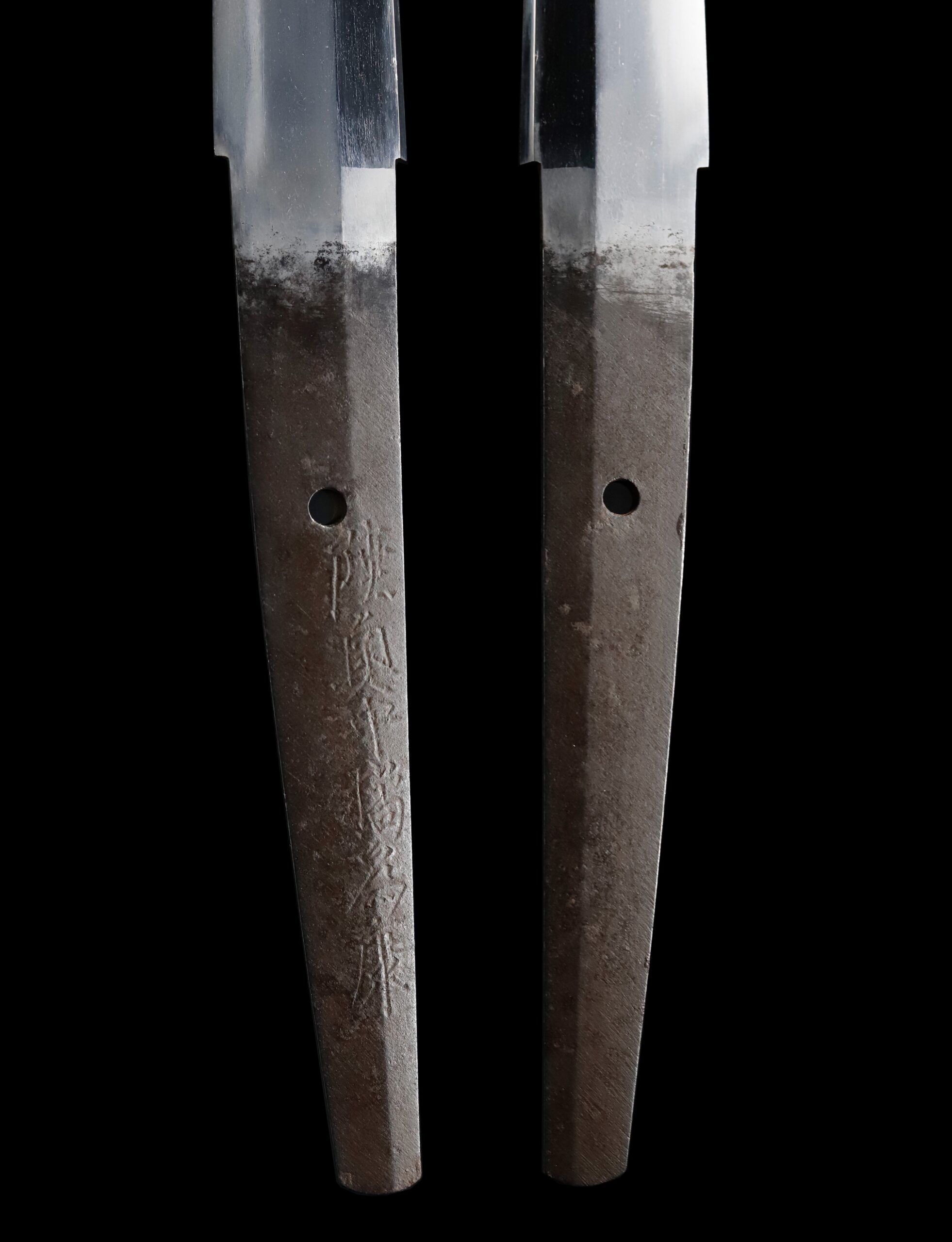
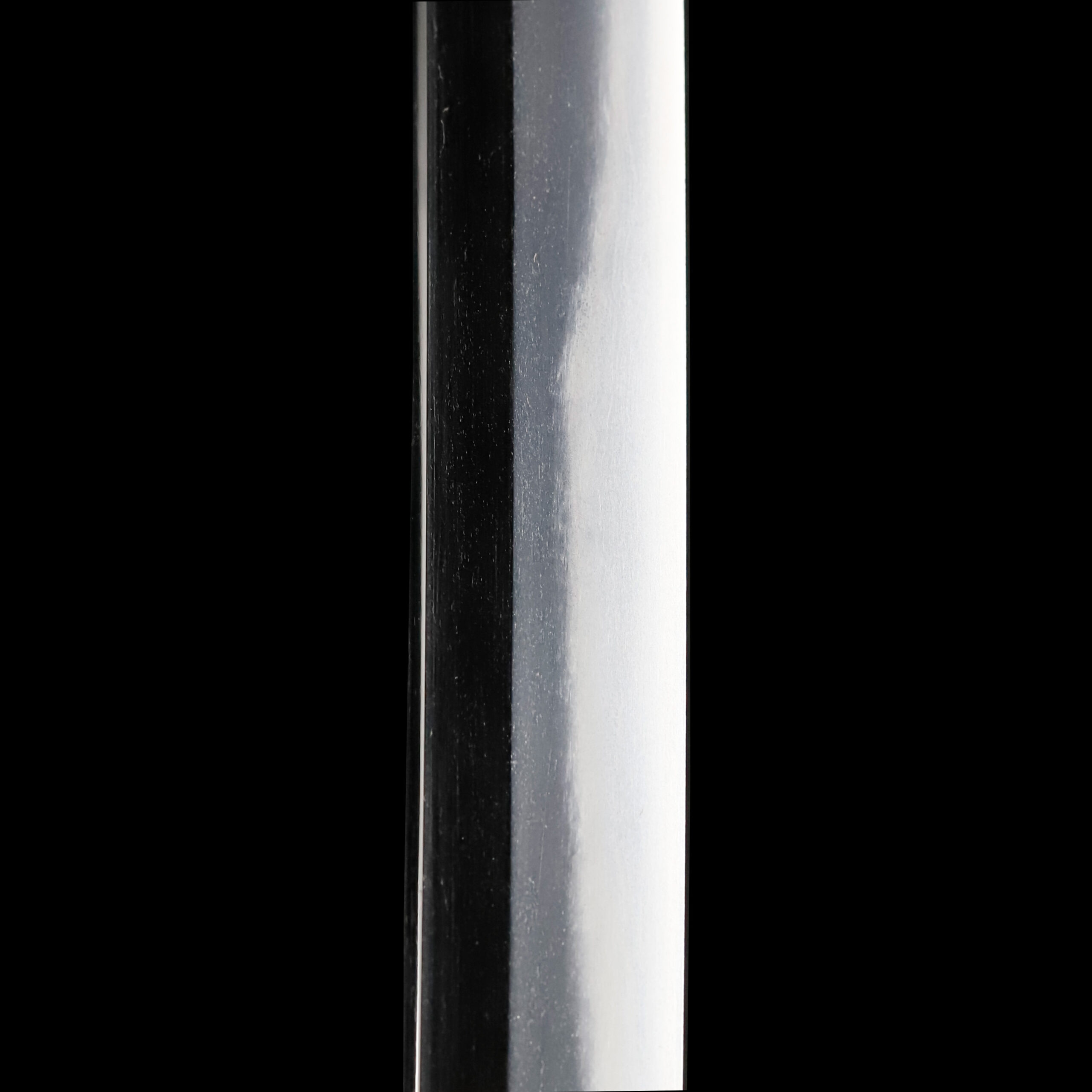
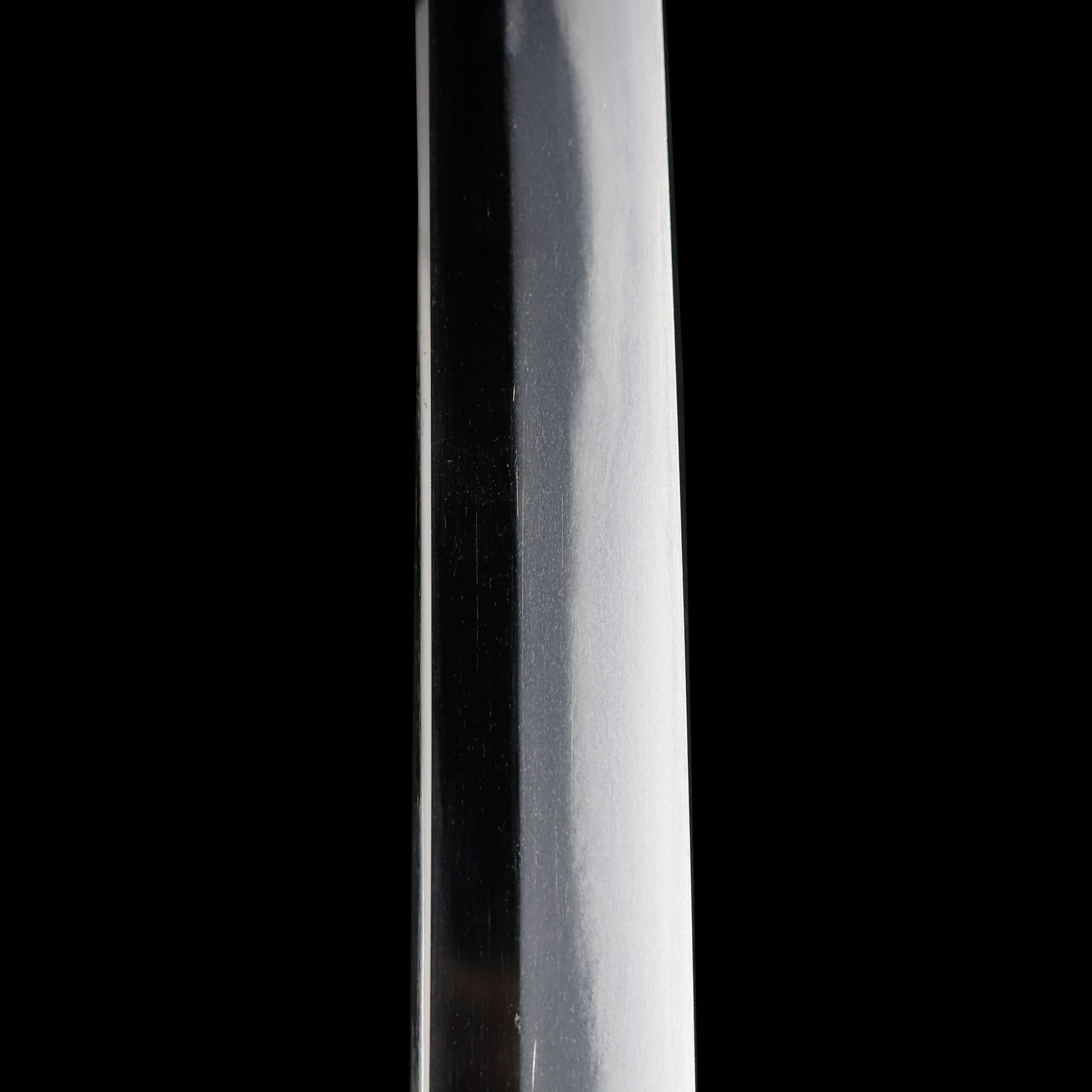
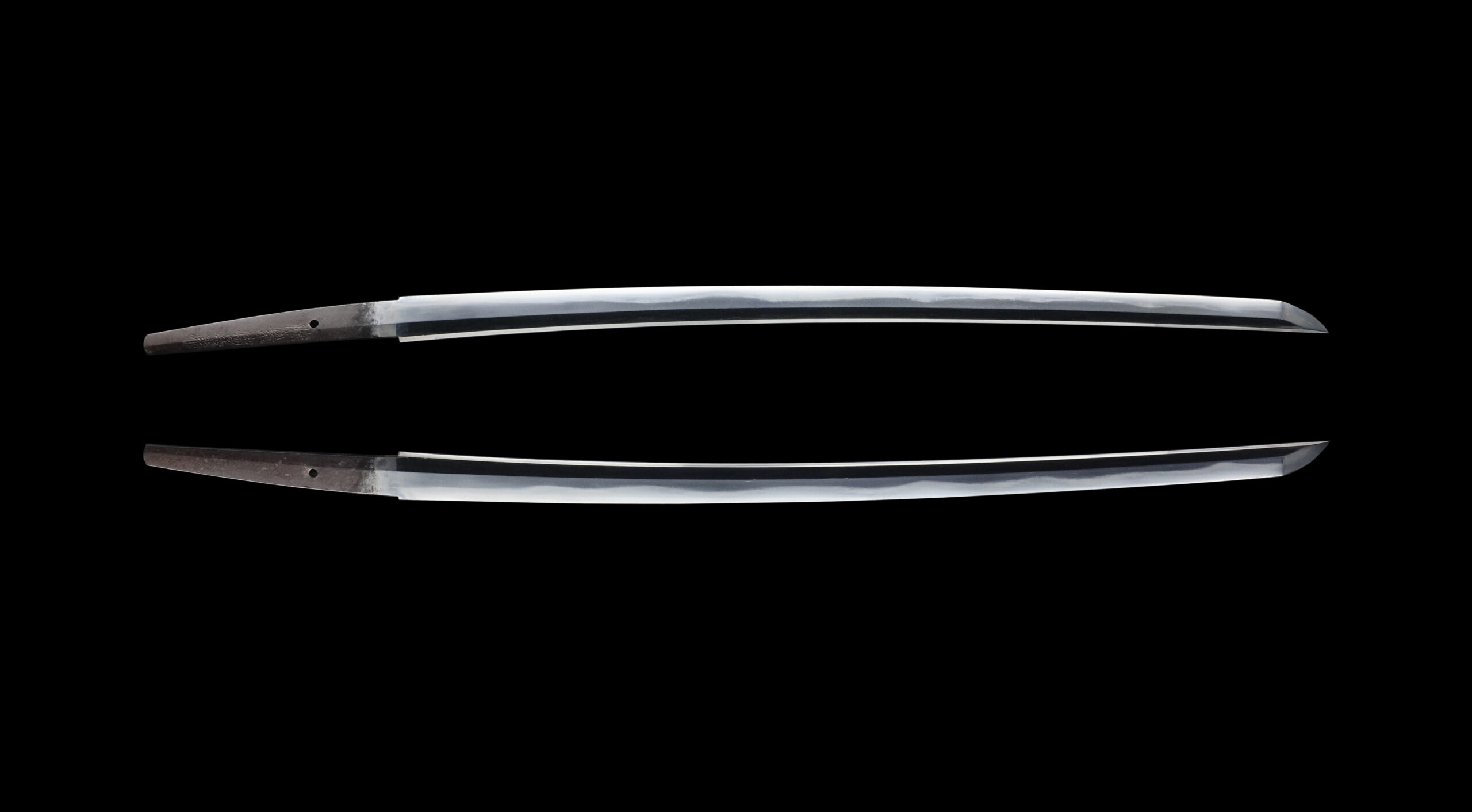
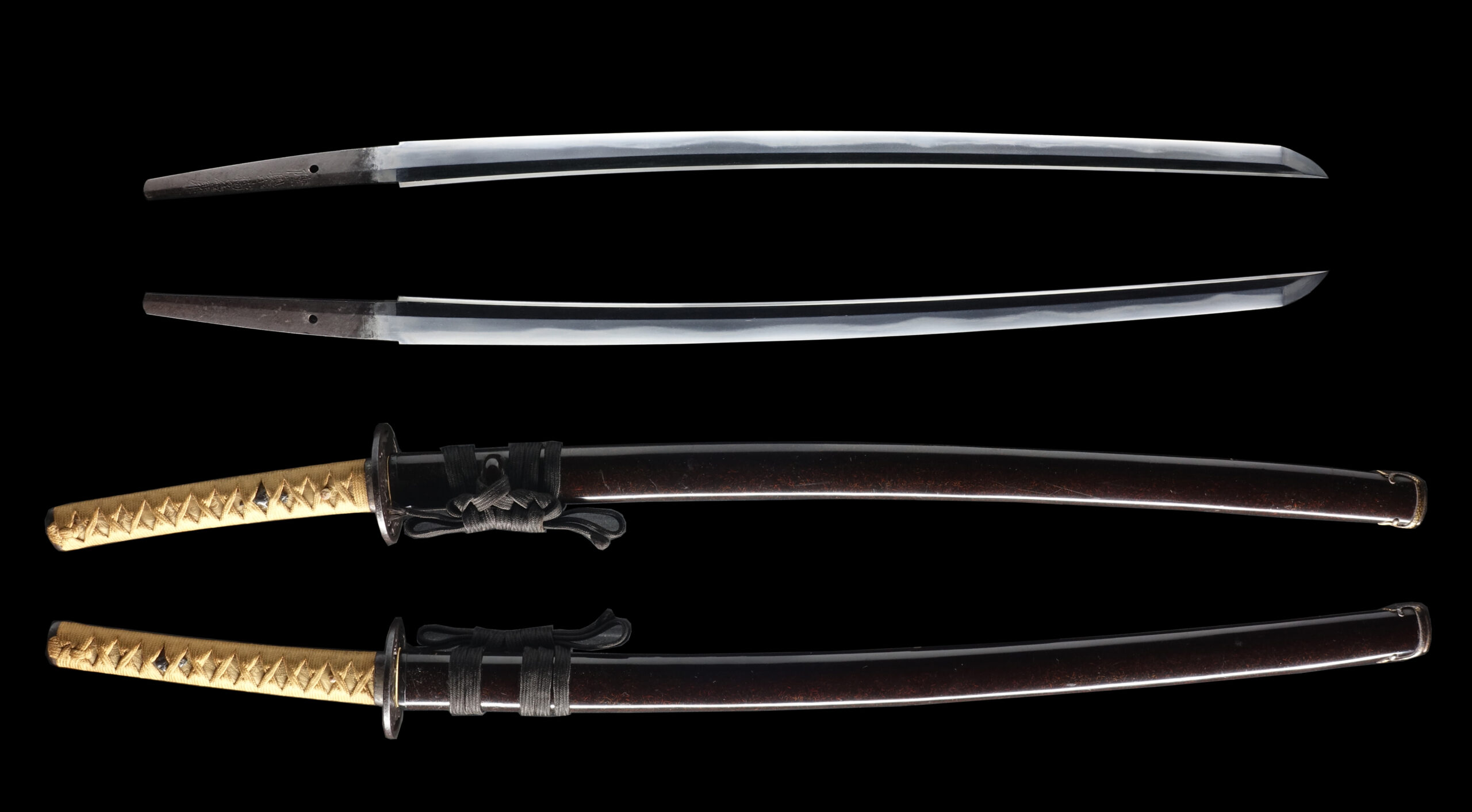
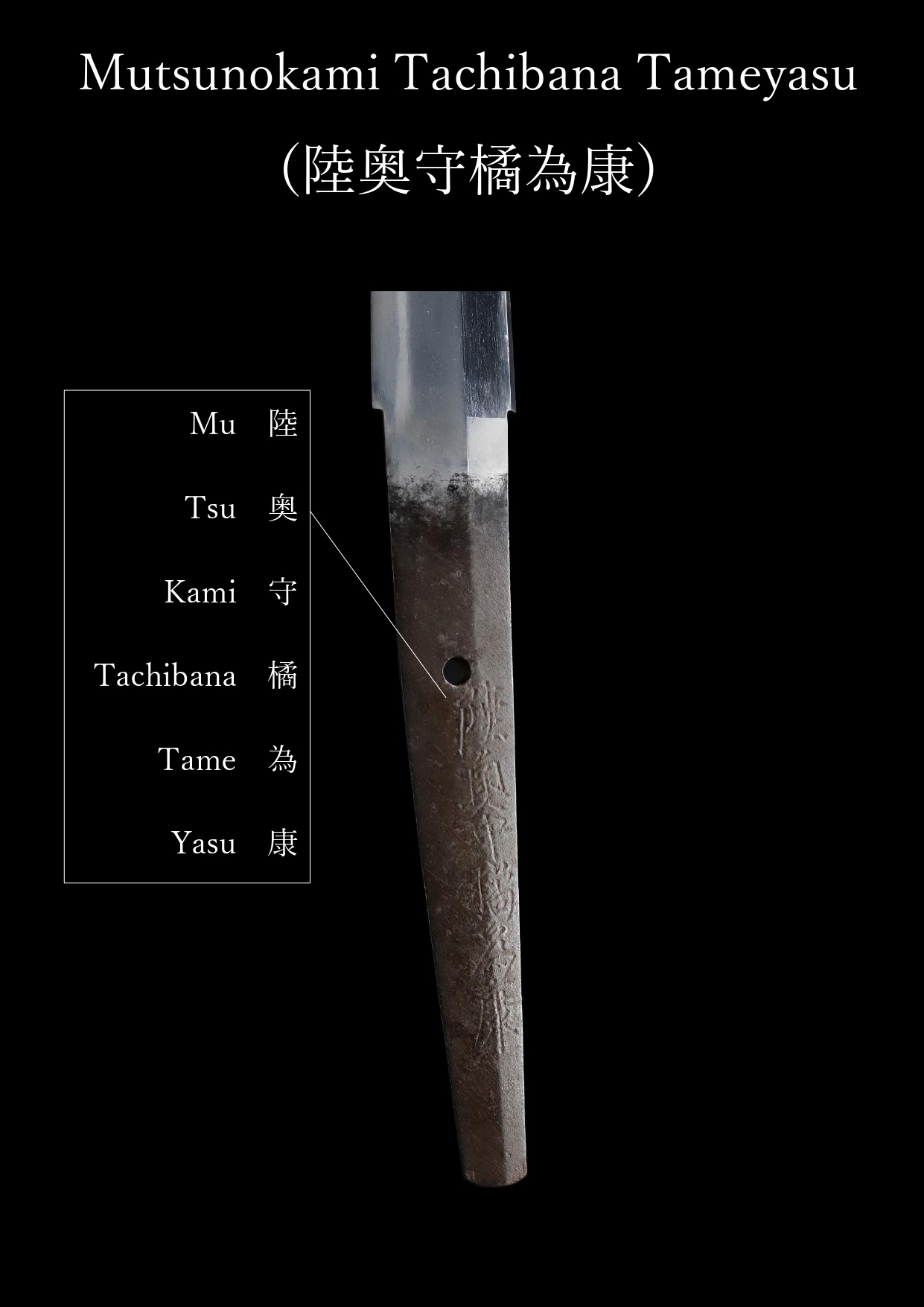
This blade was forged by Mutsu no kami Tachibana Tameyasu(陸奥守橘為康) during the Kanbun-Enpo era(1661-1681:Early Edo period). Tameyasu was the maker’s name used by the second-gen Kishu Ishido Yasuhiro at the end of his career.
His father was Tosa Shogen Tachibana Yasuhiro(土佐将監橘康廣), and his younger brother is Bitchu no kami Yasuhiro, both of whom are famous swordsmiths.His real name is Tomita Goro Zaemon(富田五郎左衛門). Tameyasu belonged to a prestigious sword school called Kishu Ishido and Osaka Ishido School.
His father was born in Omi province, located in Shiga prefecture. And he belonged to Omi Ishido school during the early Edo period.
Ishido school was initially founded by Sukenaga, an offspring of Ichimonji Sukemune, who made Fukuoka Ichimonji school in Bizen province(Today’s Okayama prefecture).
During 1492-1501(Mid Muromachi period), Sukenaga and his school moved to Omi province from Bizen province after being summoned by Gamou family, a powerful feudal line in that region. Sukenaga started to live in front of Ishido temple, and he changed his surname to Ishido.
As of the early Edo period, many Ishido swordsmiths moved to other parts of Japan. There are four areas: Edo, Osaka, Kishu(Wakayama prefecture), and Chikuzen(Fukuoka prefecture). Omi Ishido school is the origin of whole other Ishido branches that flourished during the Edo period. Following this trend, his father moved to Kishu province from Omi province. It is said that the father was the founder of Kishu Ishido school. Tameyasu and his father forged swords near Wakayama castle in Kishu province first.
And, they moved to Settsu city in Osaka. They also built the foundation of Osaka Sekido school.Tameyasu is known as one of the most prominent figures that made Osaka Isido school prosperous during the early Edo period.
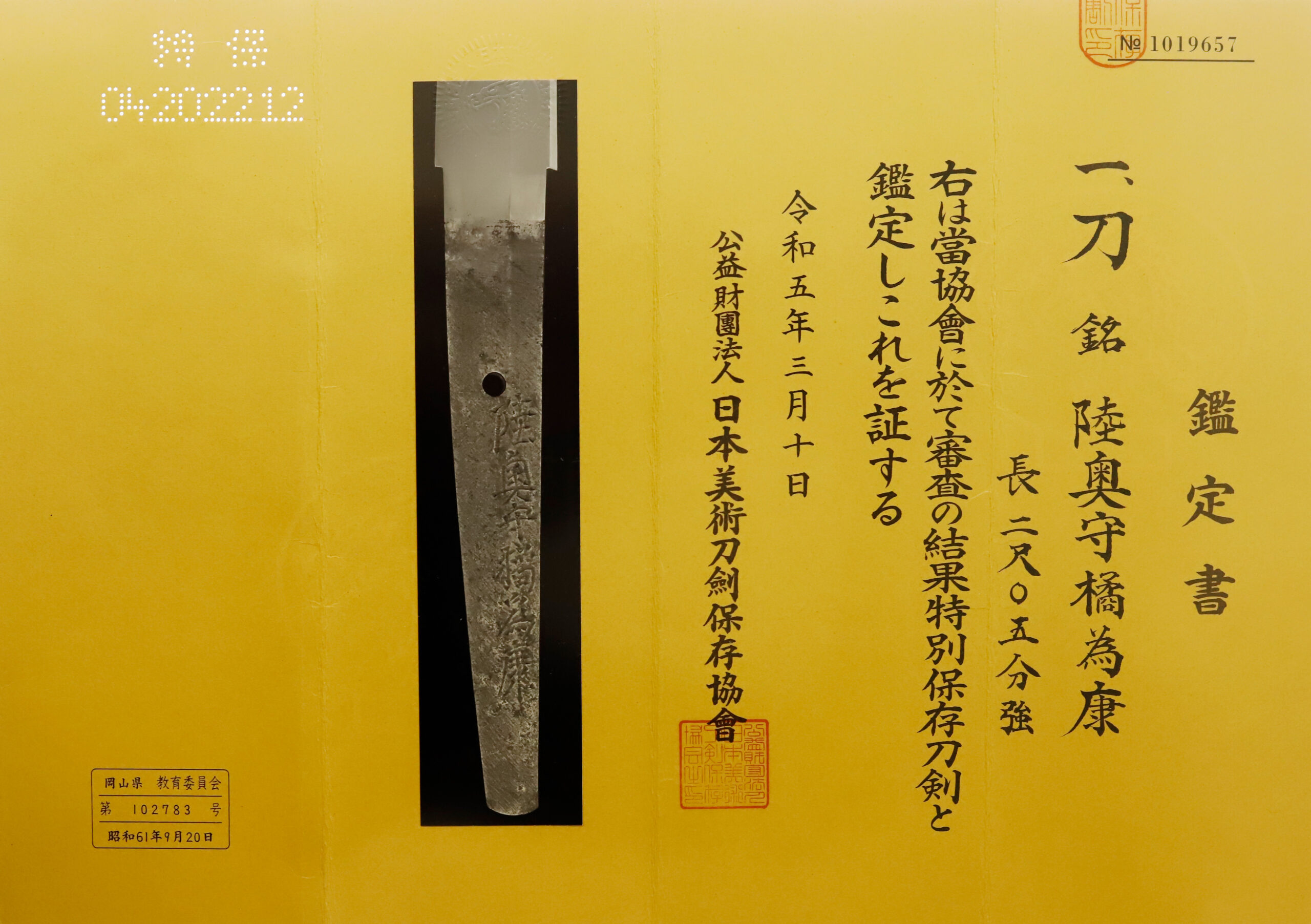
It is appraised as a Tokubetsu Hozon Token(特別保存刀剣) issued by NBTHK(Nihon Bijutsu Touken Hozon Kyokai:日本美術刀剣保存協会).
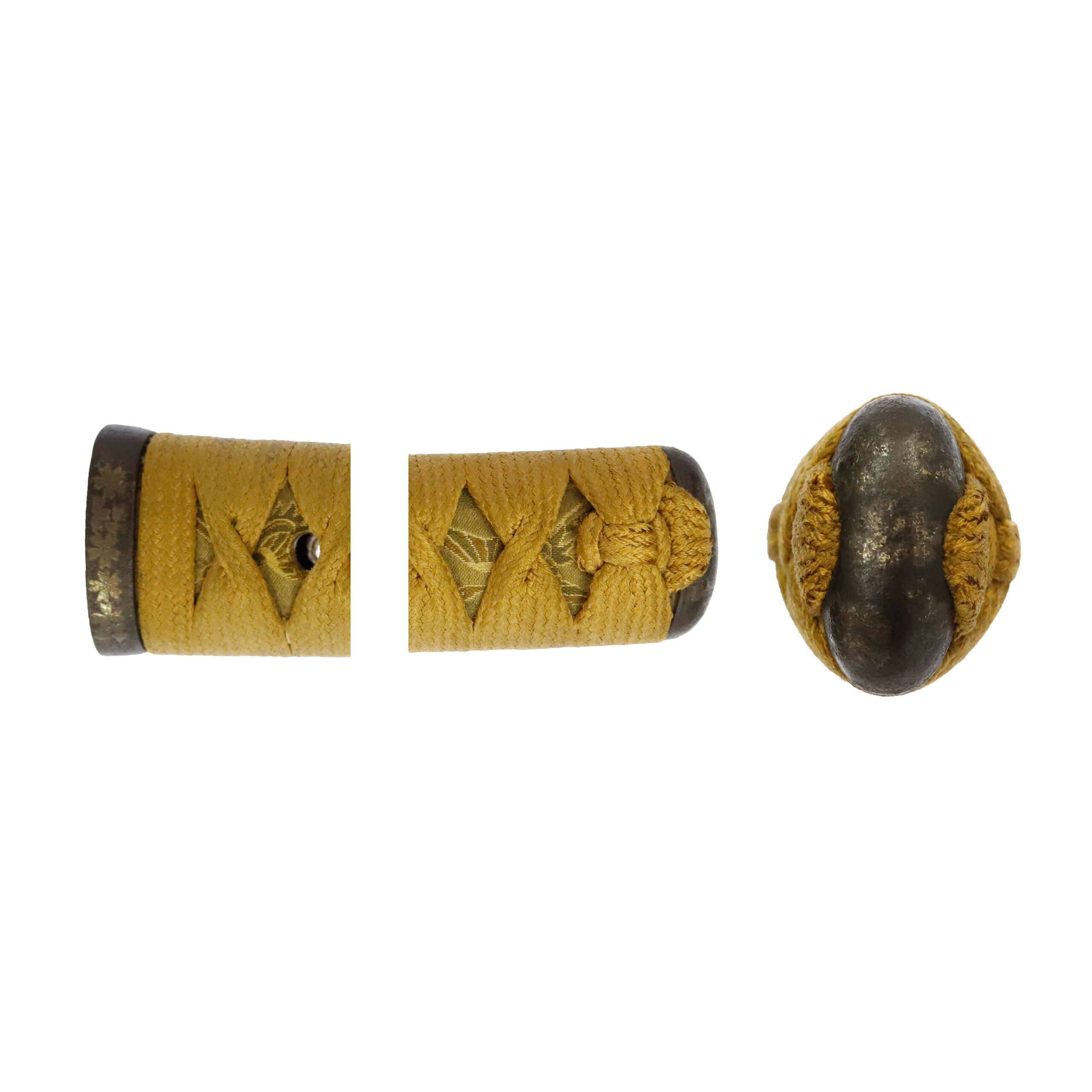
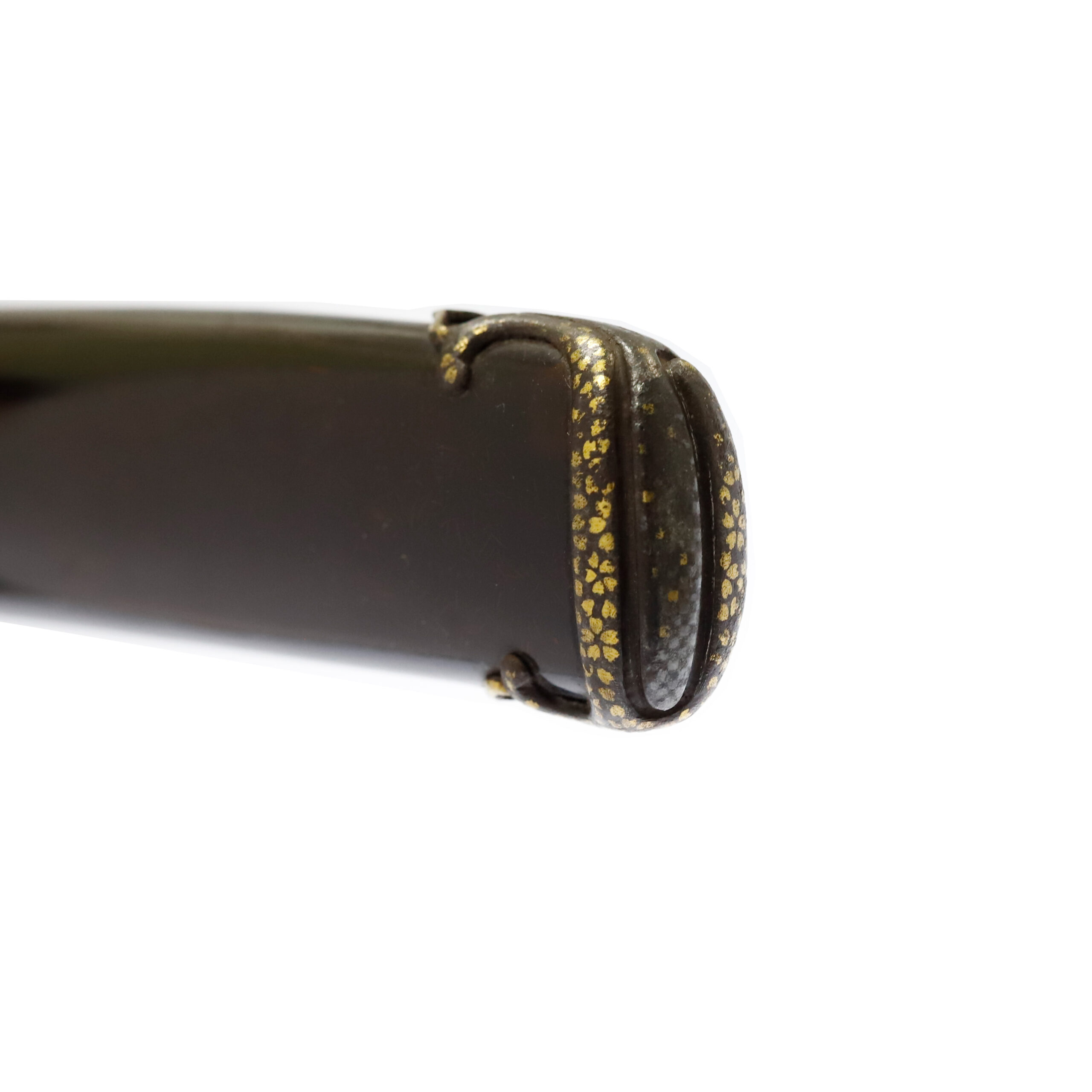
Fuchi-Kashira
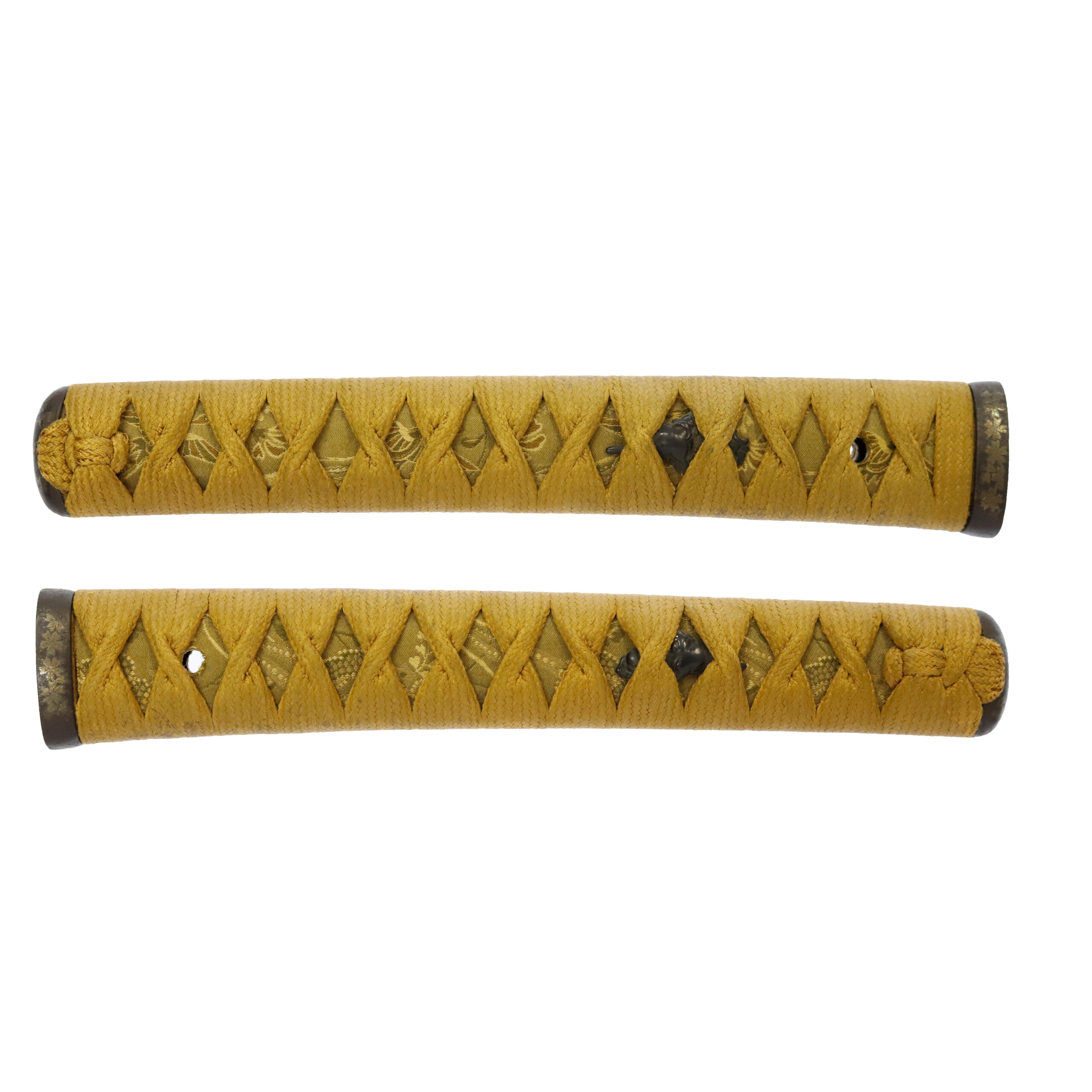
The Sakura (桜, cherry blossom) pattern is designed on this Fuchi Kashira. Cherry blossom is one of the seasonal things of spring, and it has been loved for a long time in Japan. Its pattern is designed not only for sword mountings but also for Kimonos (着物, traditional Japanese costume) and furnishings. A theory says that the god of grain exists in cherry blossoms. Therefore, this flower pattern has been treated as the symbol of a plentiful harvest. People held a traditional custom under cherry blossom trees to pray for a bumper year in ancient times.
It is said this is the origin of the cherry blossom viewing picnic today. Until the Kamakura period, people in politics, or rather those in the upper class, enjoyed cherry blossom viewing. This event has spread to the ordinary people in the Edo period. It is said that cherry blossoms were planted as a disaster prevention measure. According to a theory, it was impossible to build embankments along all the rivers, which would flood during heavy rains. Therefore, it is said that by planting cherry blossoms as an alternative to the embankment, ordinary people had more opportunities to enjoy cherry blossom viewing. In any way, we would say that this flower is familiar to Japanese people.
Tsuka and Menuki
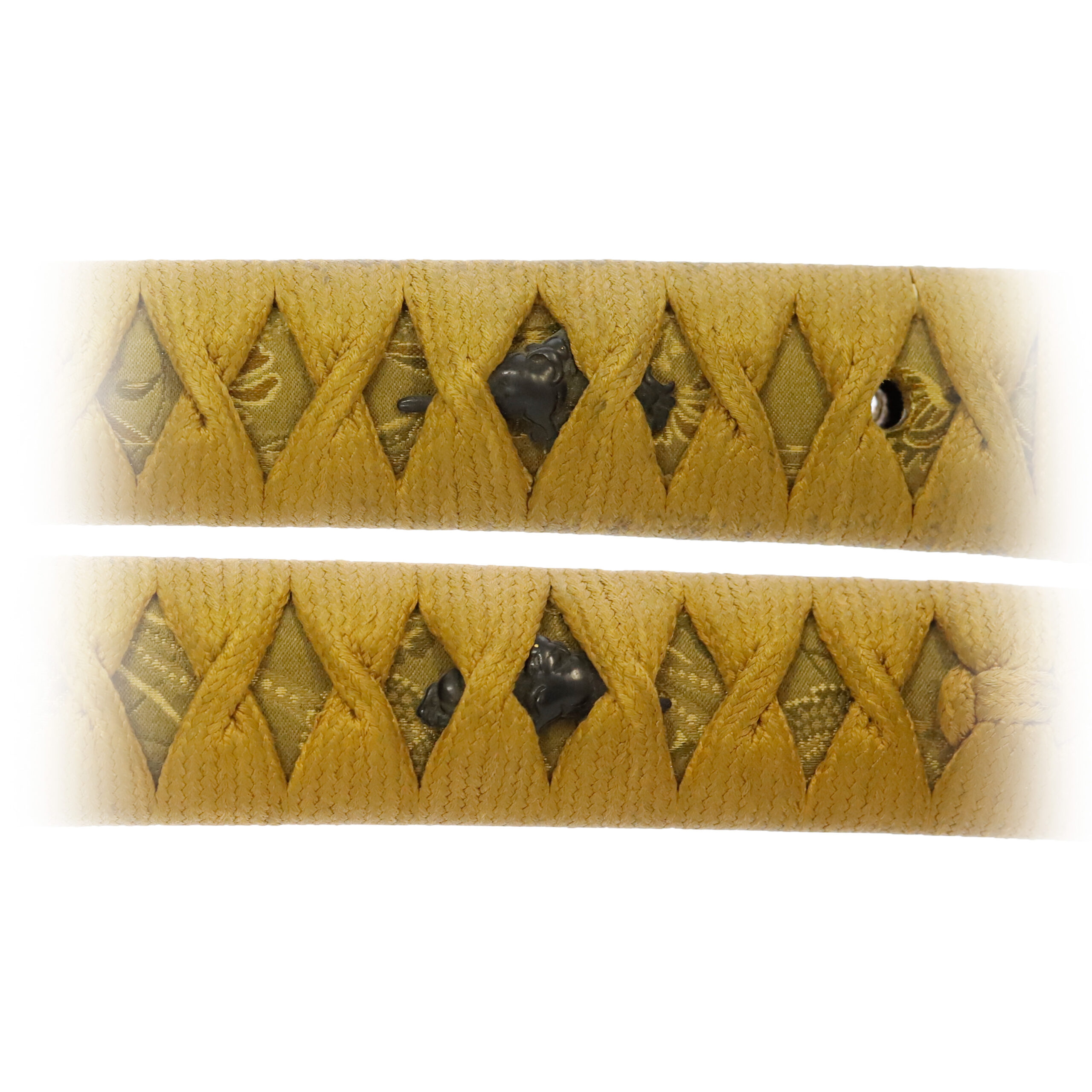
Seeing from the gaps of the Tsukamaki thread, we could see a kind of animal figures. We estimate Ushis (牛, cow) are the motifs of this Menuki. Cows have been familiar with human life since ancient times. They are indispensable in multiple situations: food, labor force for farming, or carrying goods. People have thought this hard-working animal’s figure symbolizes integrity. According to a theory, that is why the cow was added to the twelve signs of the Japanese zodiac.
In addition, the Japanese name of cow, “牛,” is also written as “丑.” There is the letter “紐,” which means string in Japanese. Now you would notice that “丑” is used in the “紐” letter. Therefore, there is an idea that considers “丑” has a meaning such as connect (tie) or take (grasp). Based on these ideas, Samurai might have associated this animal design with the meaning such as “form a connection” or “grab the victory” and incorporated this design for sword mountings, as you see in this Menuki.
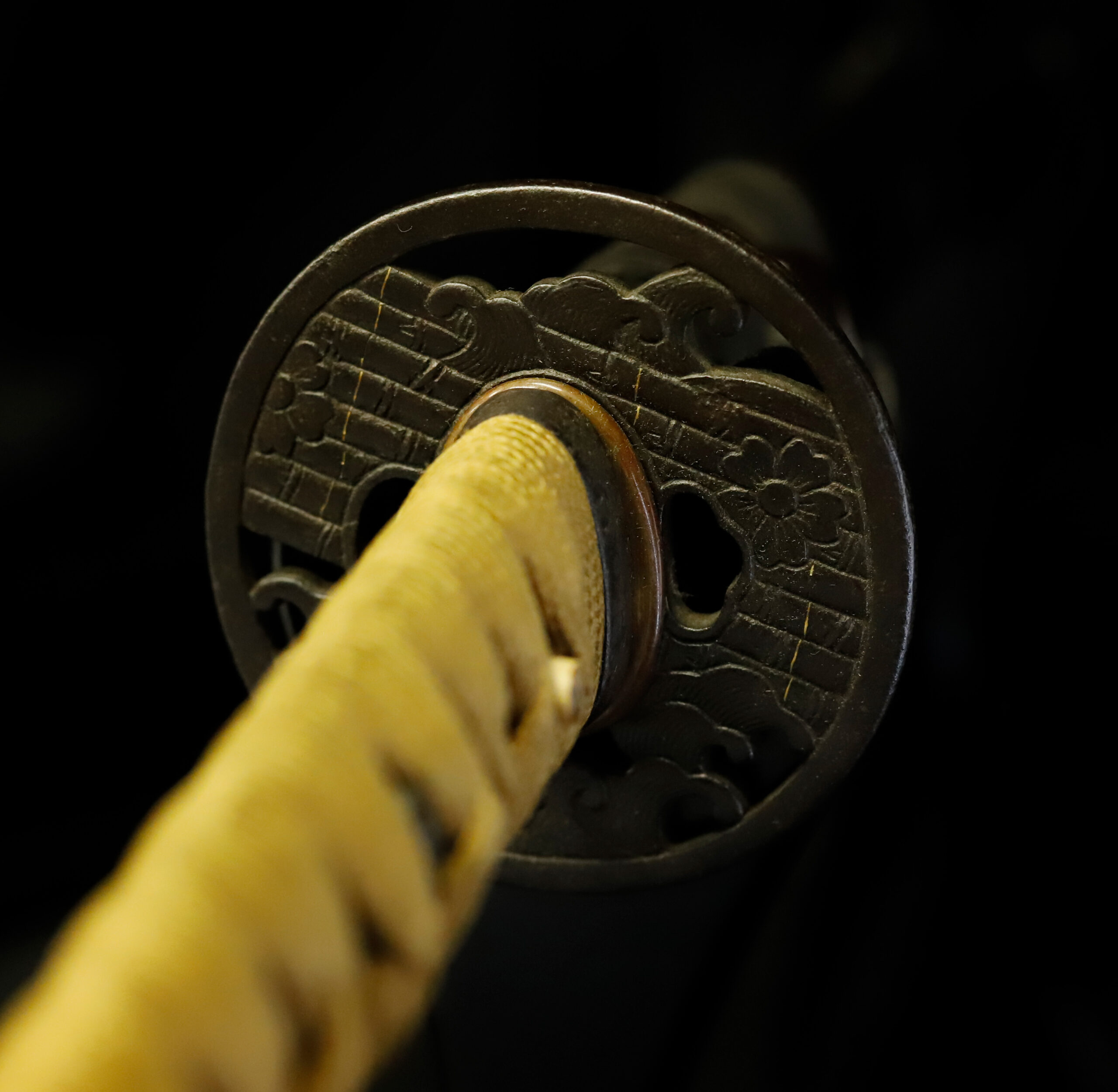
Tsuba and Habaki
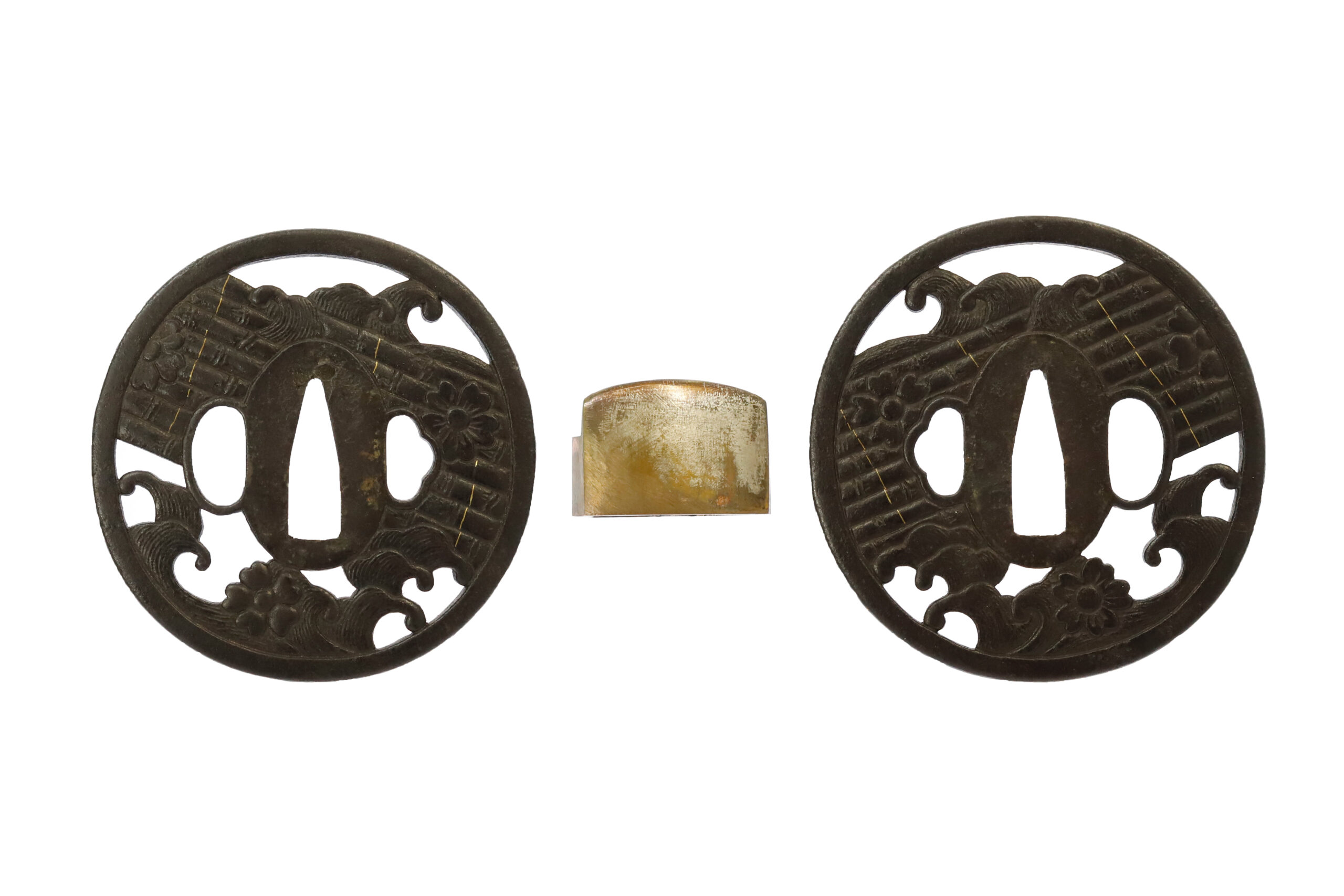
The same as the Fuchi Kashira, this Tsuba’s design is related to cherry blossom. We could see cherry blossoms, waves, and a raft on this screen. This design is called the Hanaikada (花筏, flower raft) pattern. Initially, it refers to the way flowers fall and fall into the river. However, this pattern depicts a raft made of wood when it is treated as a design. Also, the pattern of cherry blossoms floating in running water is also called the Sakuragawa (桜川) and represents “the beginning of things never ending = a continuation of happy things.” This Tsuba might be designed based on such an auspicious idea.
Authentication Paper
They authenticated the blade on March 10th in the 5th year of Reiwa (2023). They appraised it as Tokubetsu Hozon Touken, the blade especially worth preserving for Japanese society.



 NihontoWatch