Around 1800 Suishinshi Masahide argued in his writings that the craft must return to the old masters’ methods: the fukkotō revival. His greatest successor Naotane worked convincingly in Bizen and Sōshū manners that had been dead for centuries.
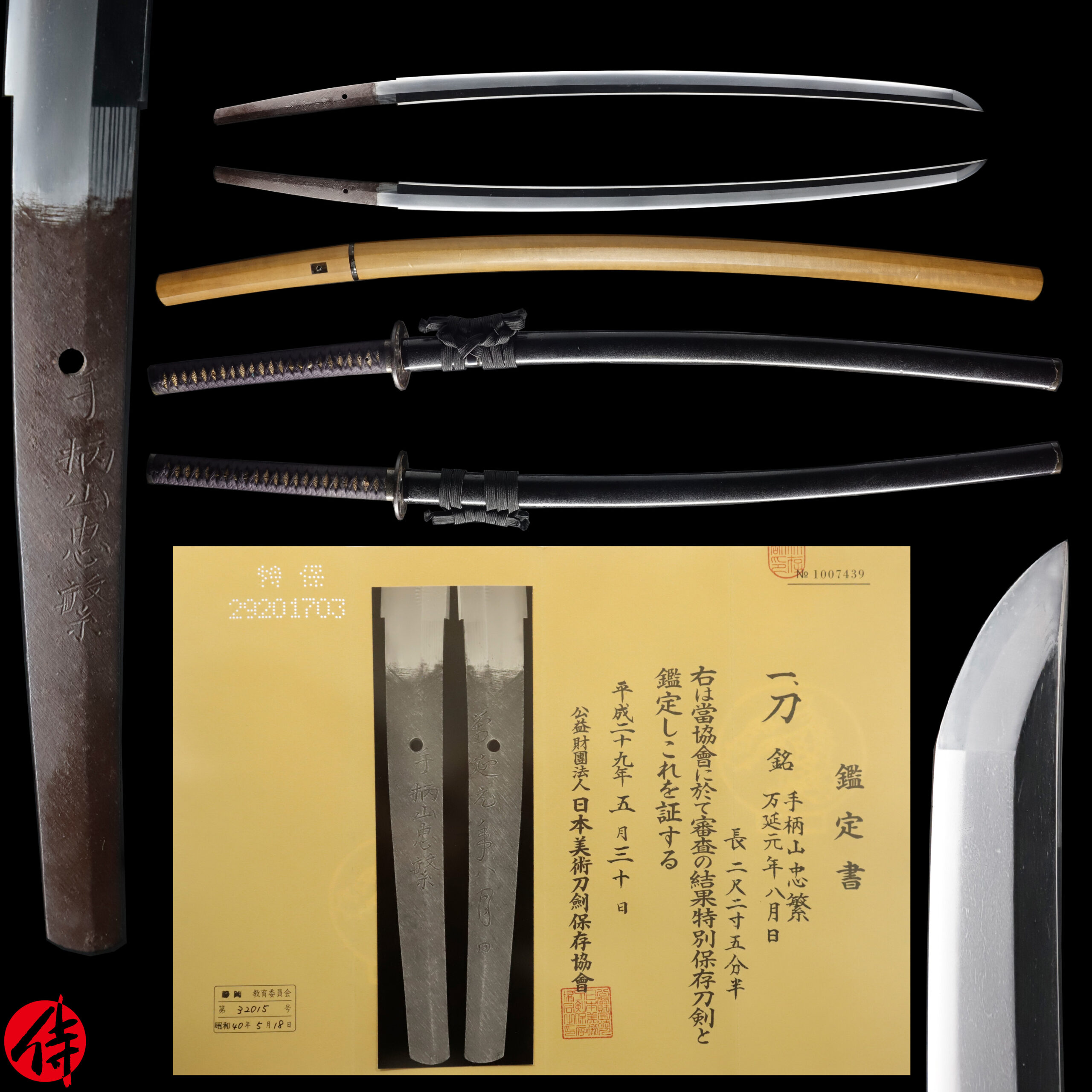
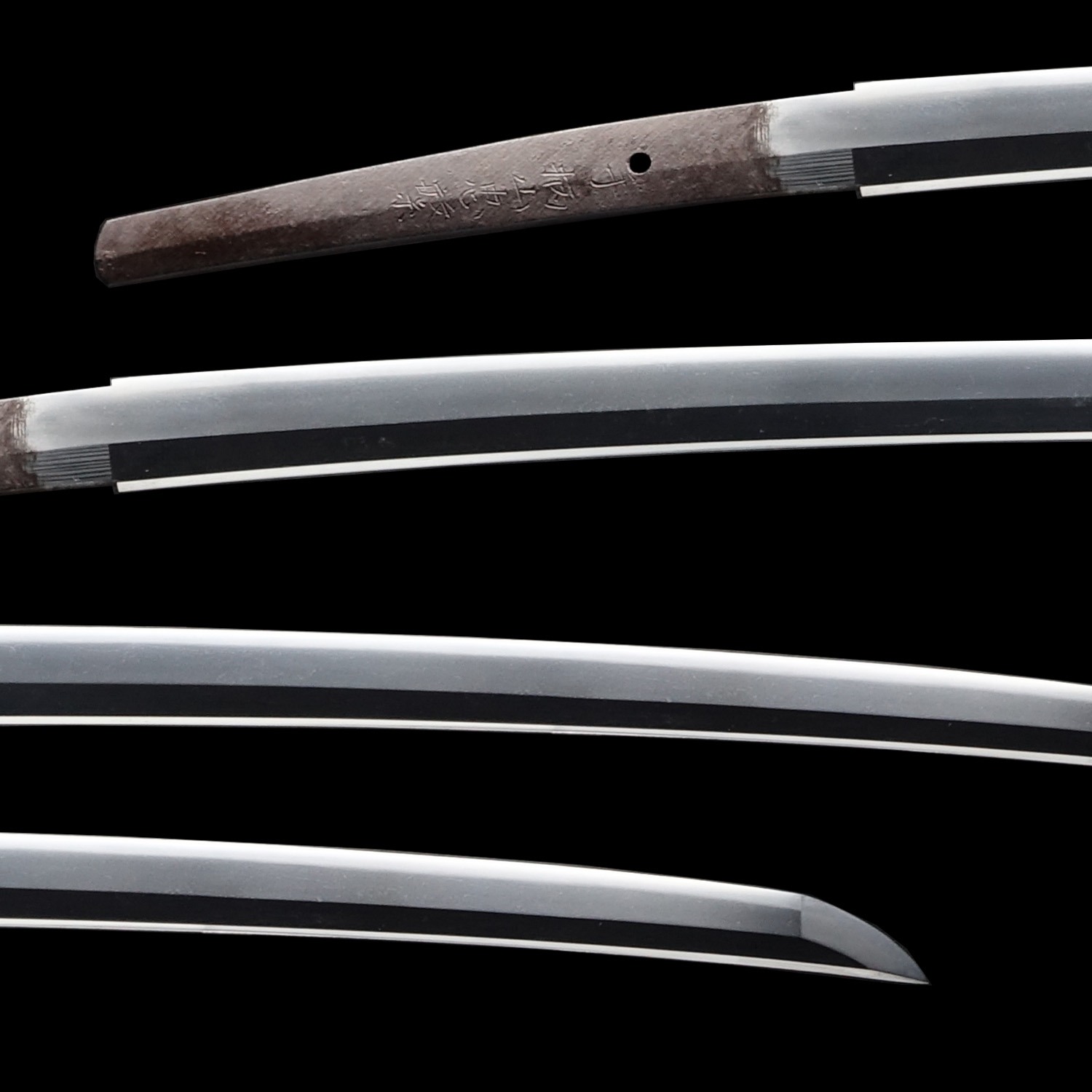
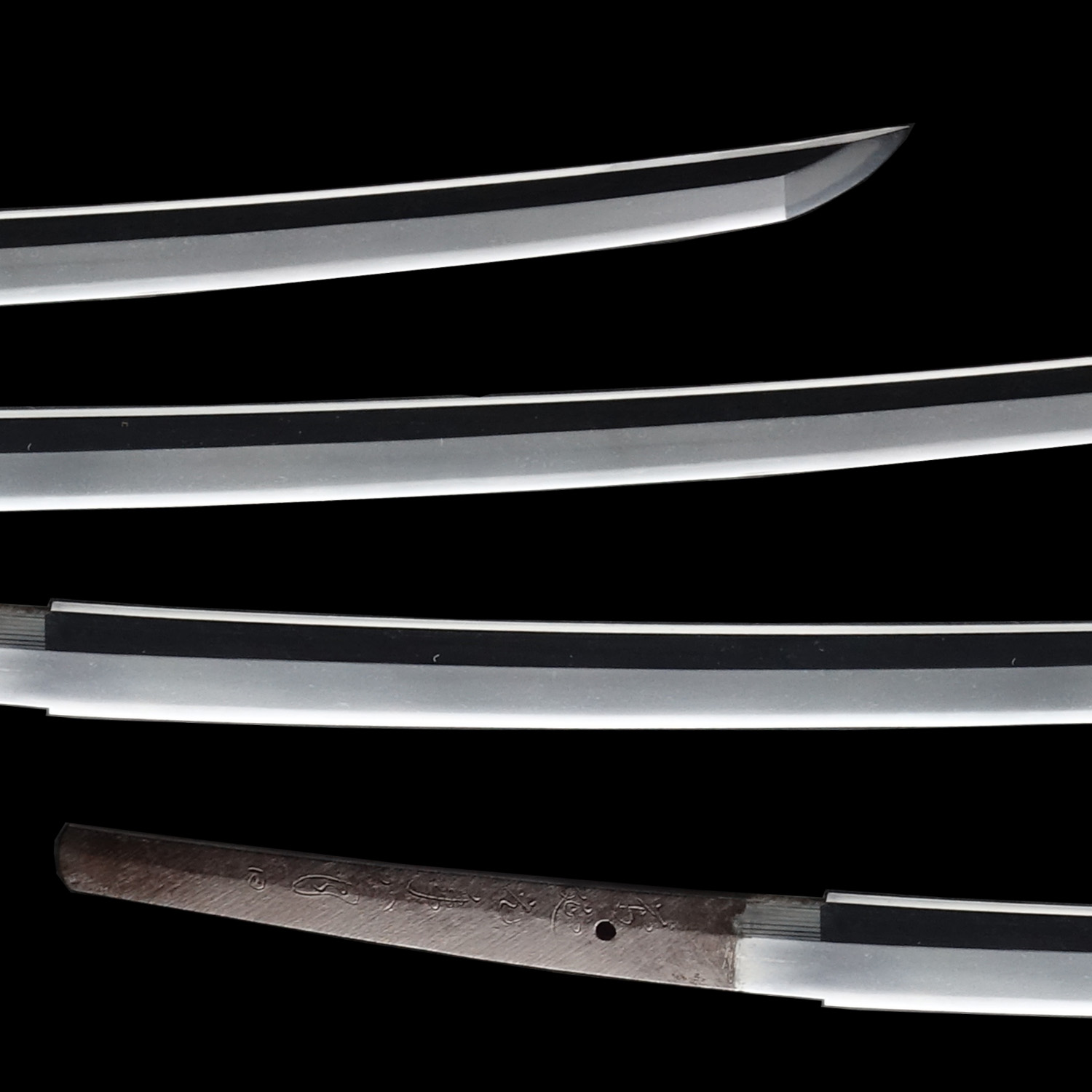
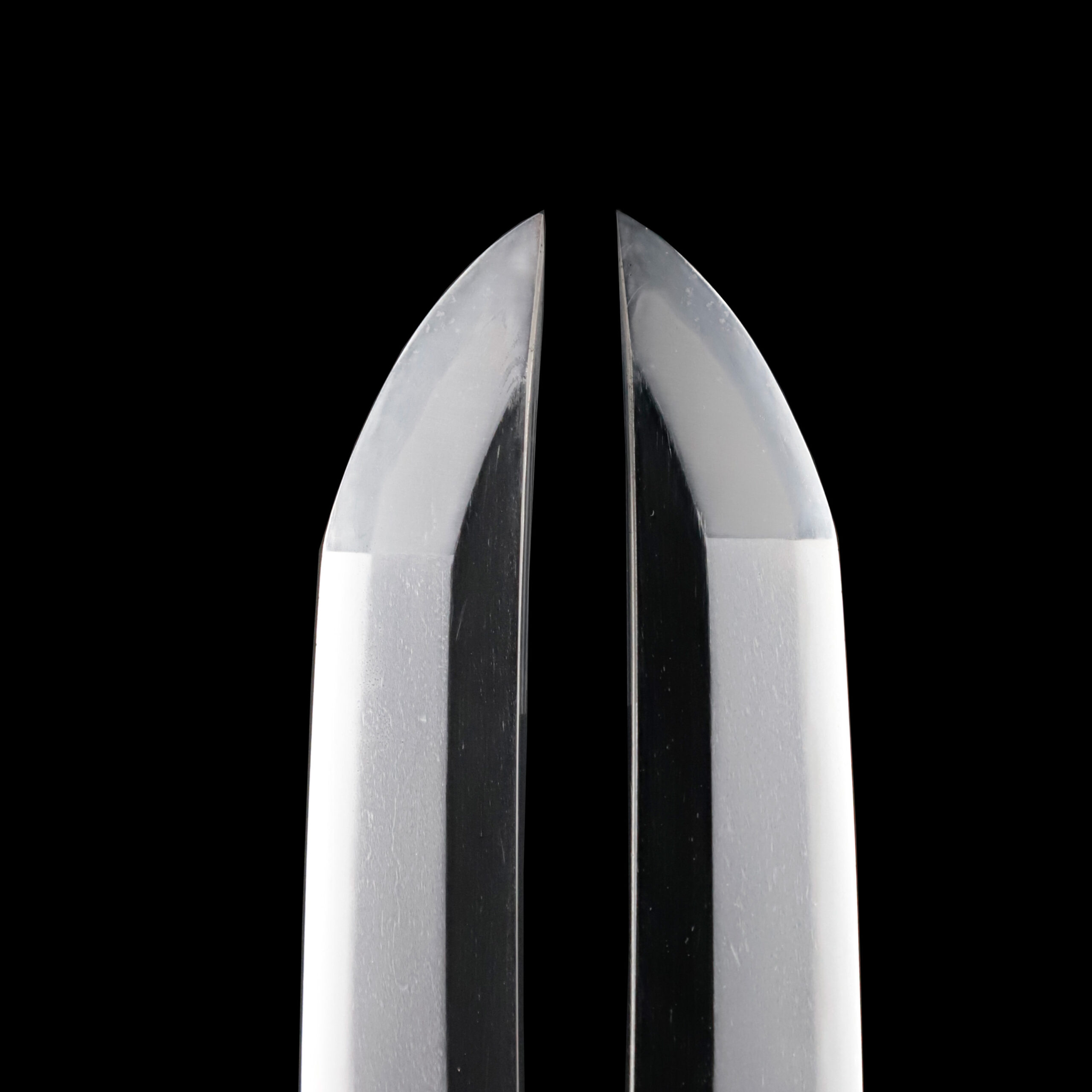
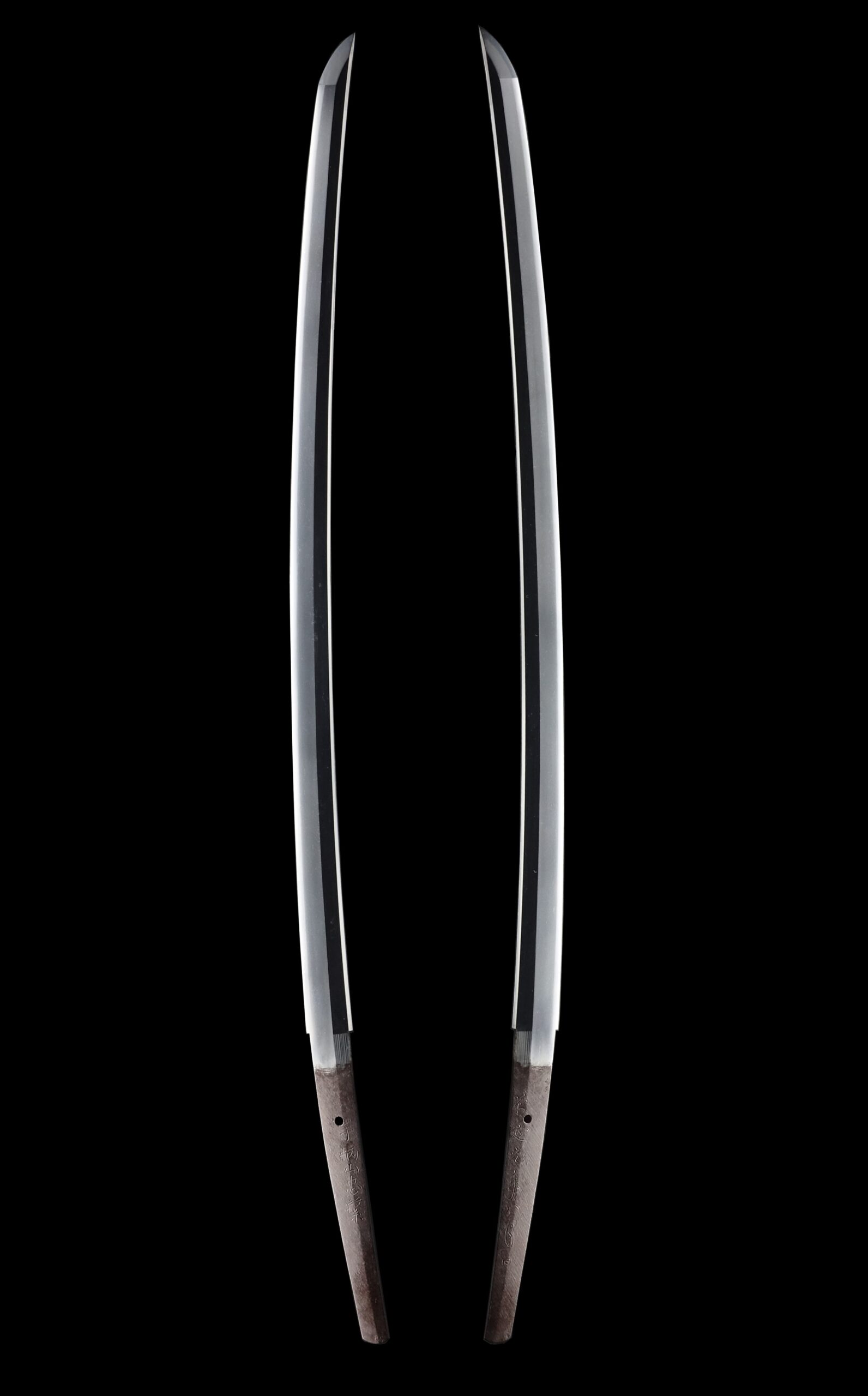
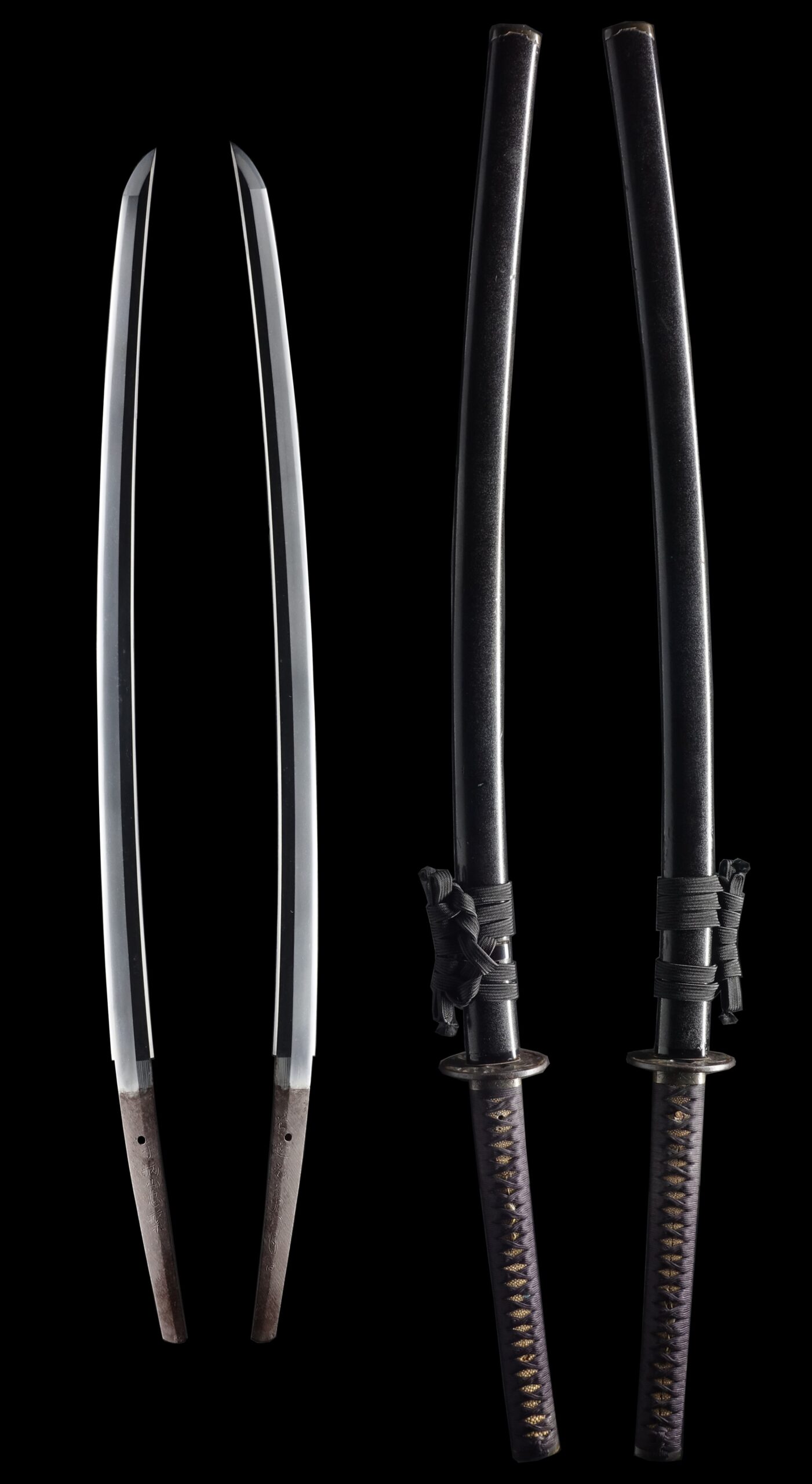
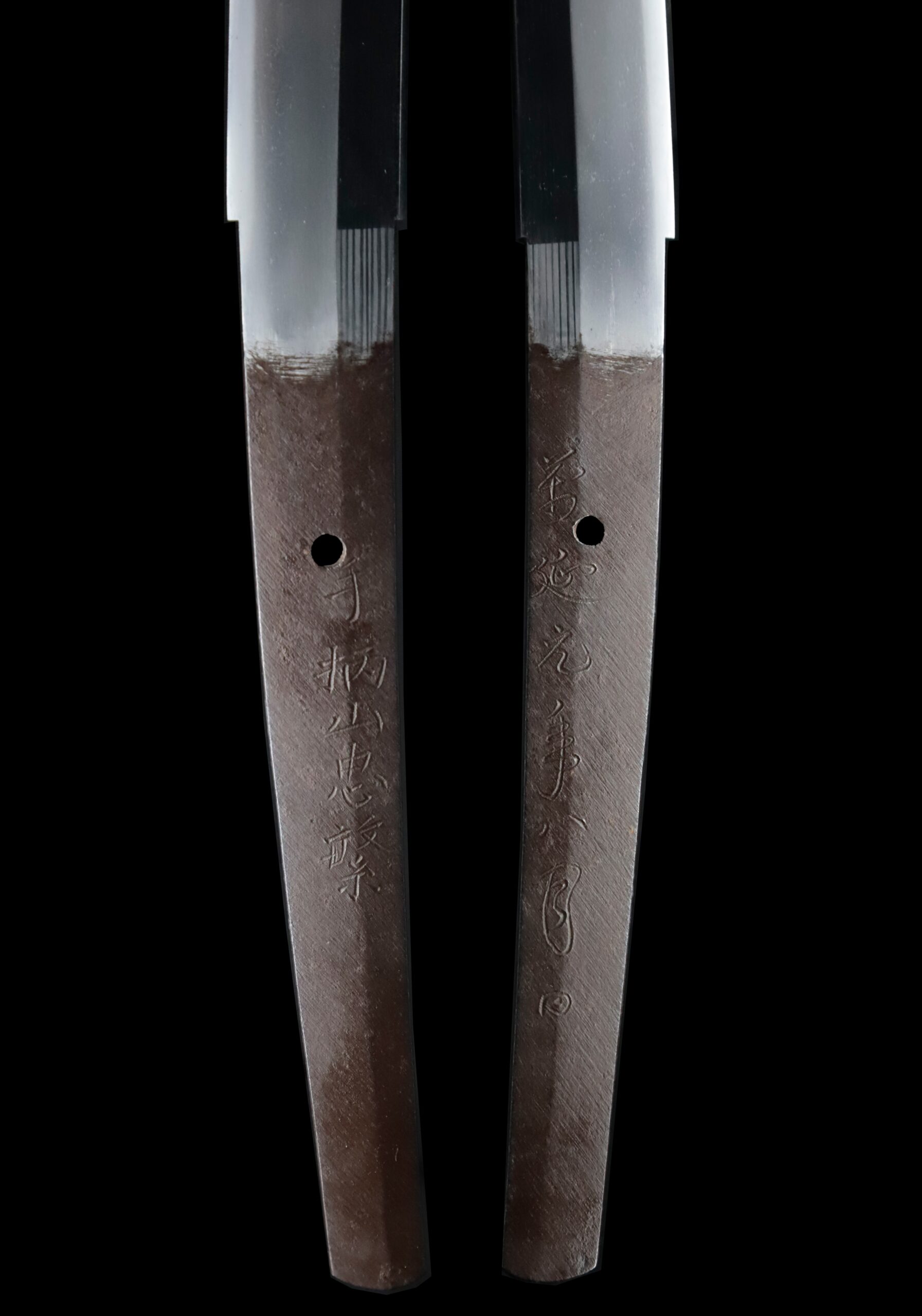
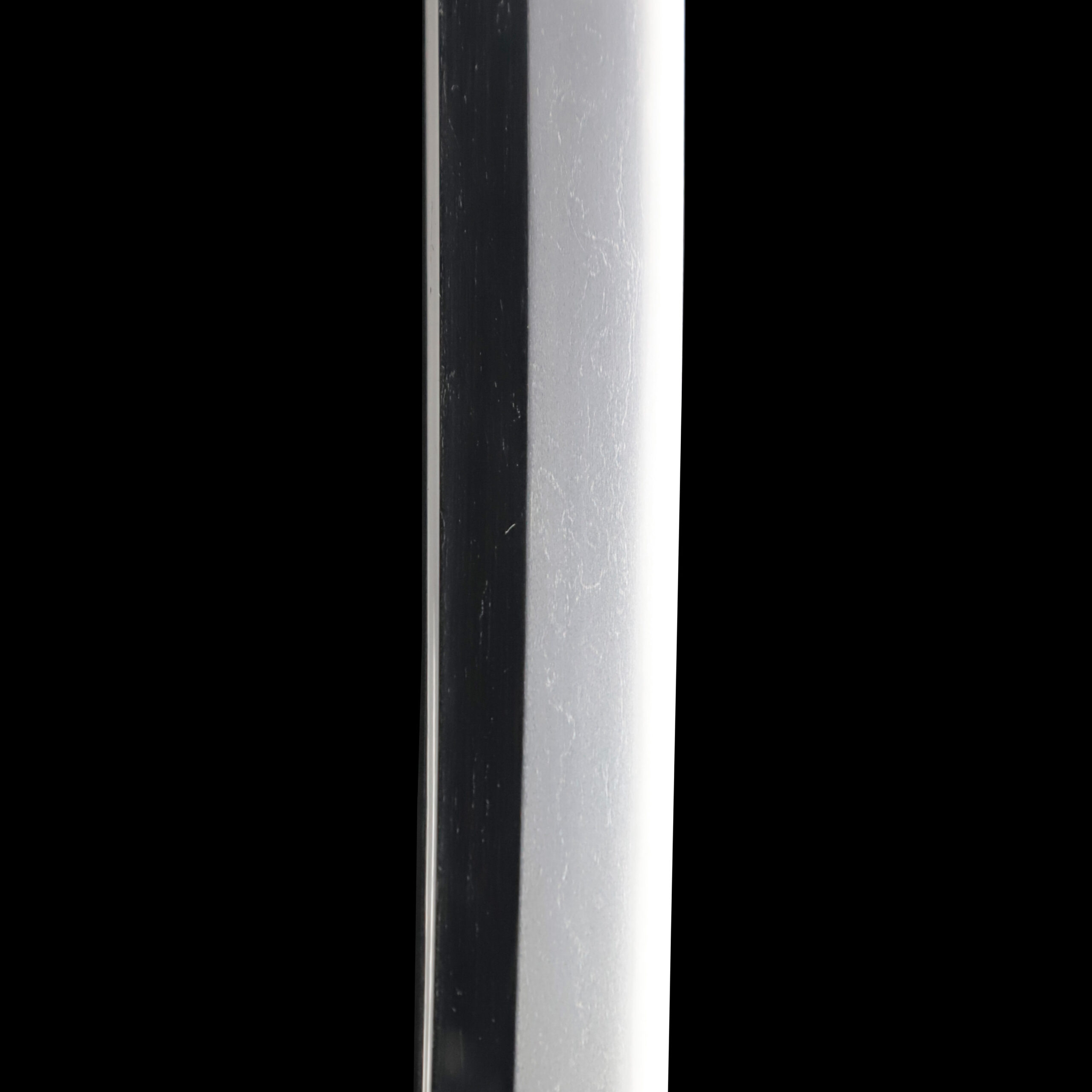
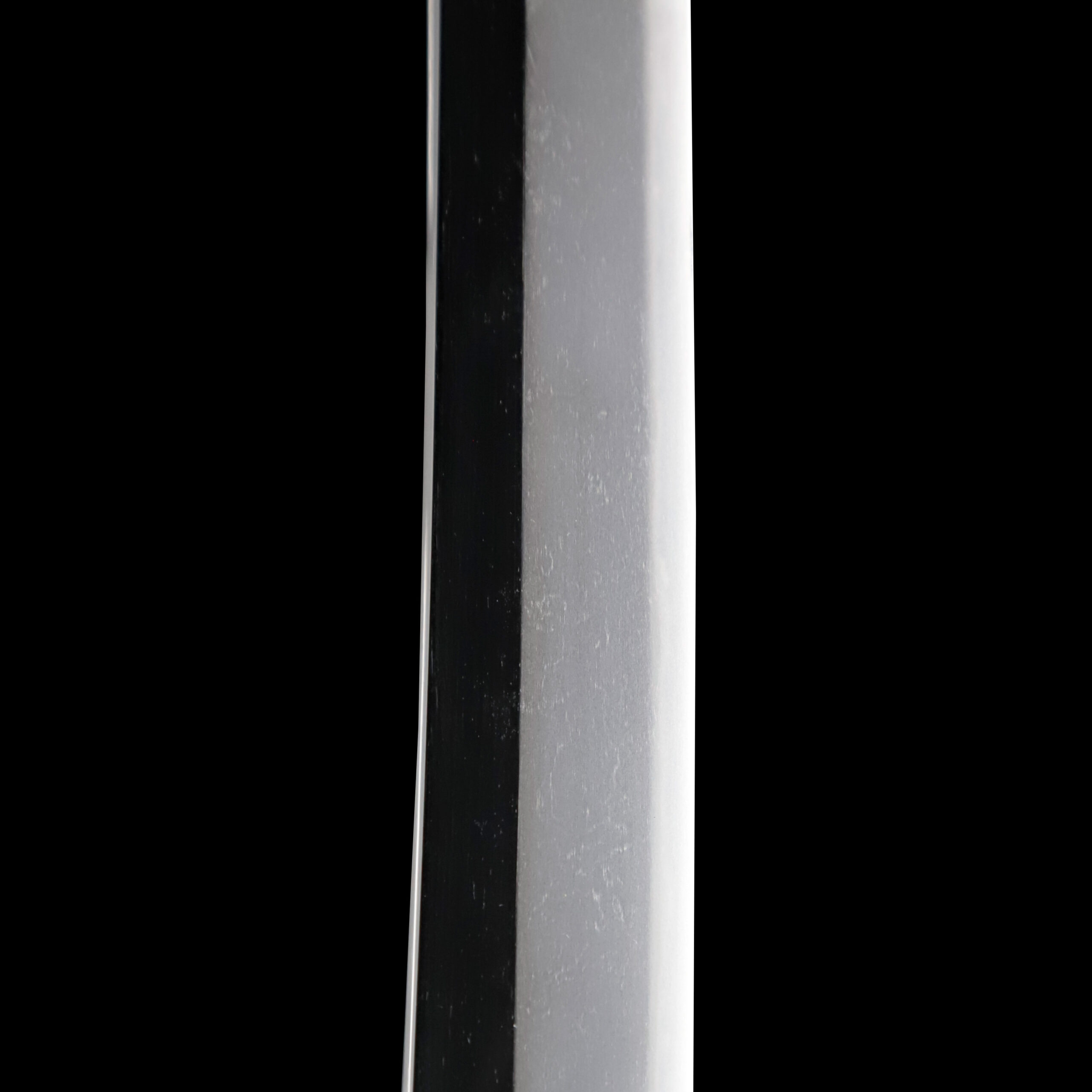
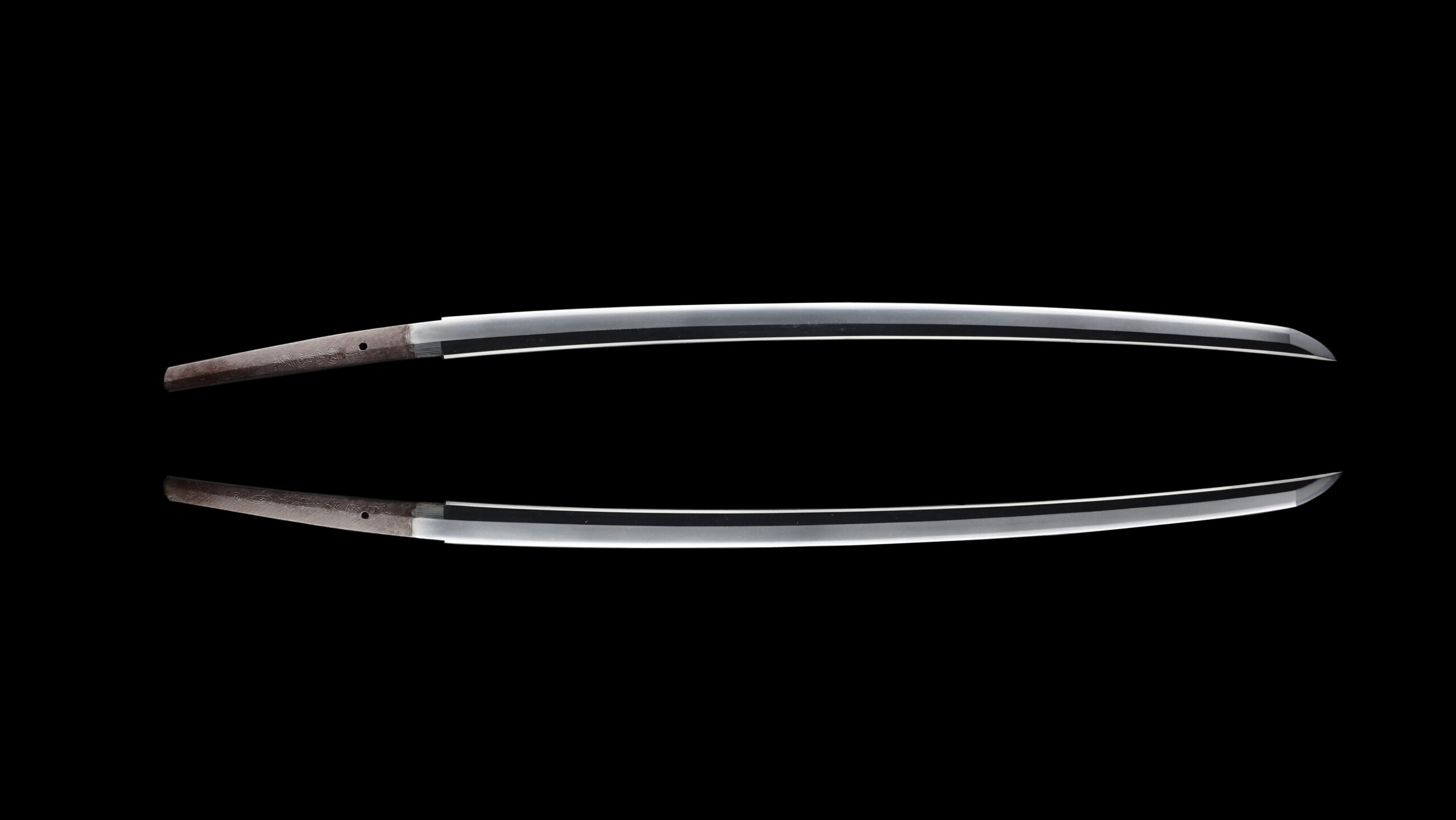
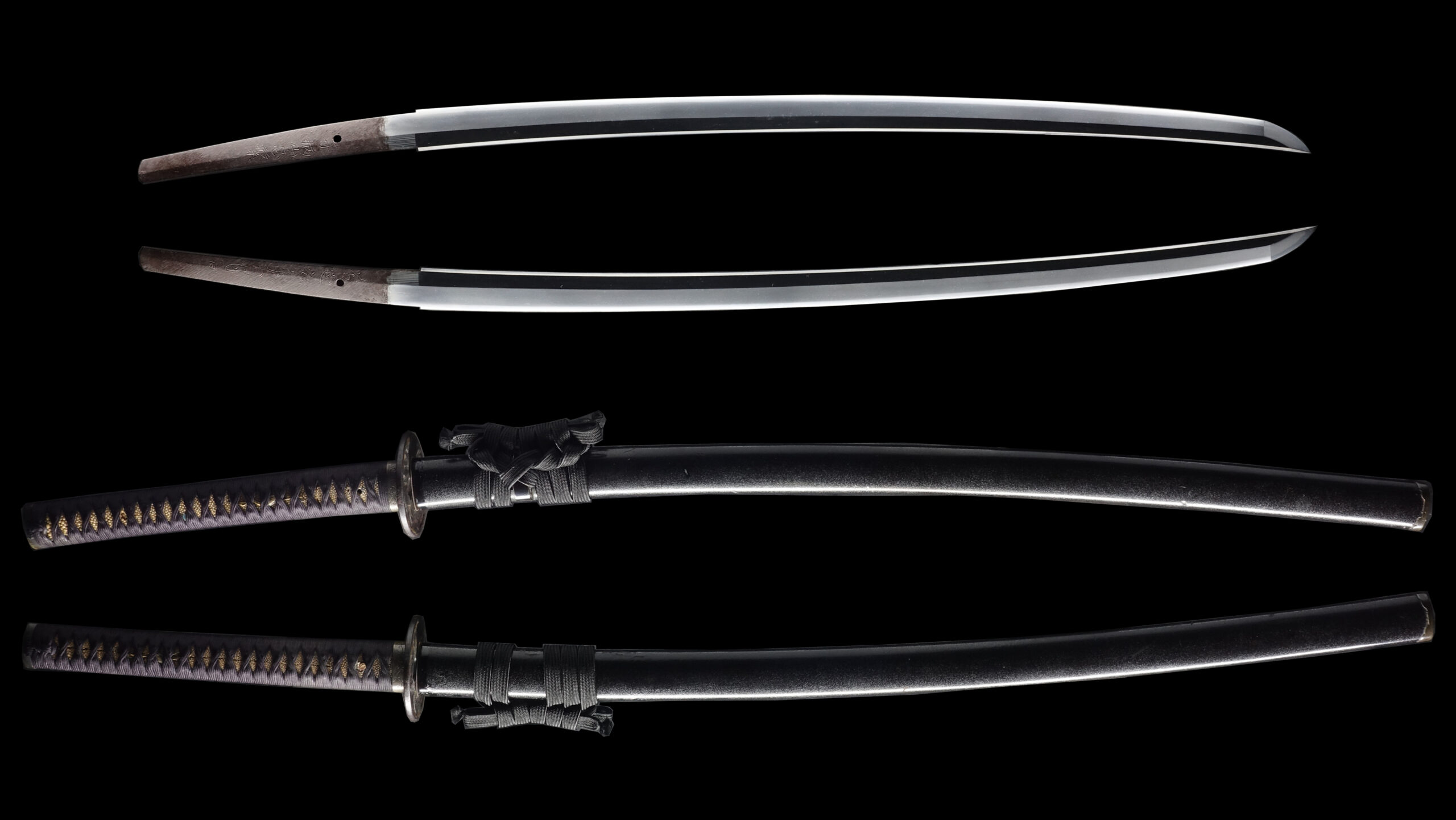
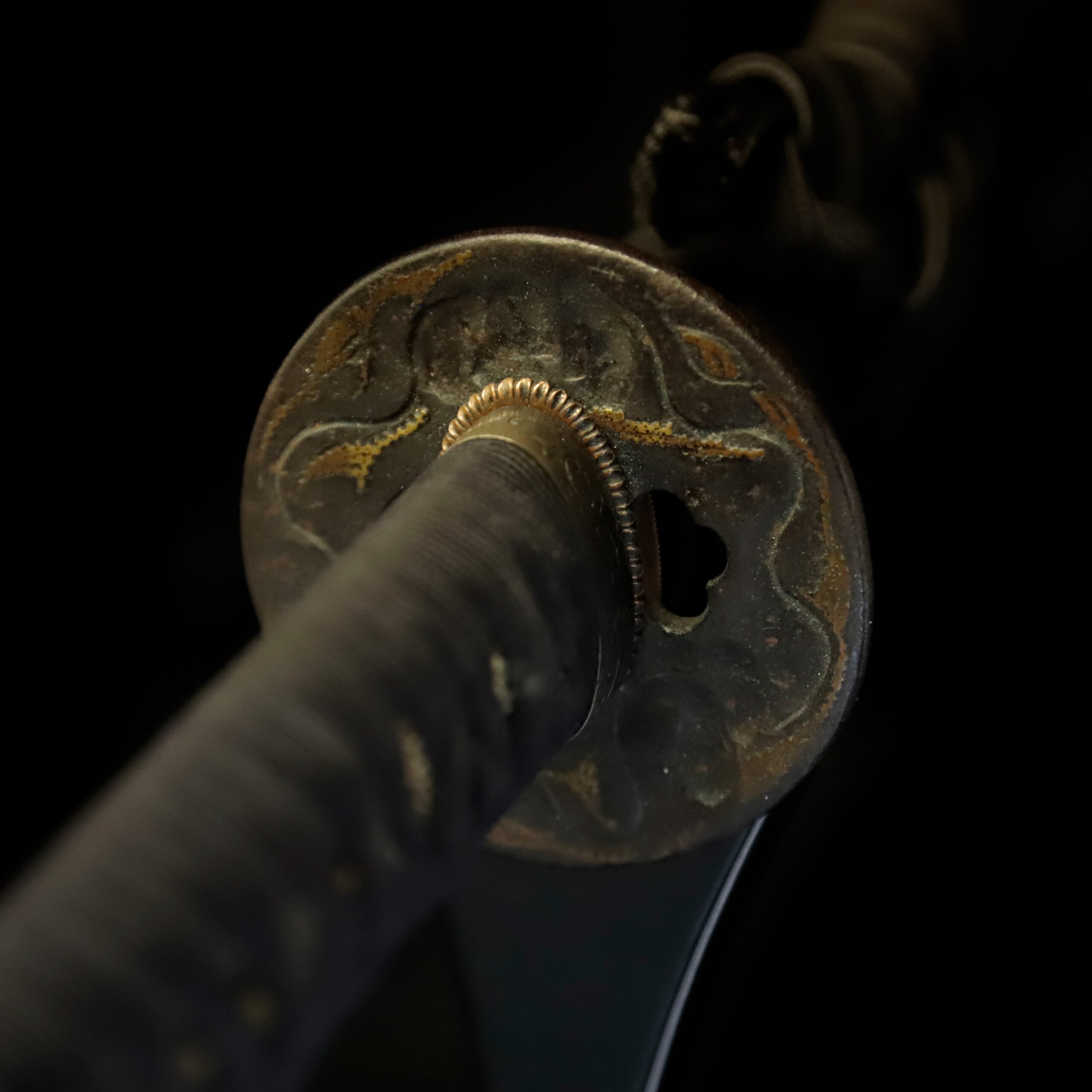
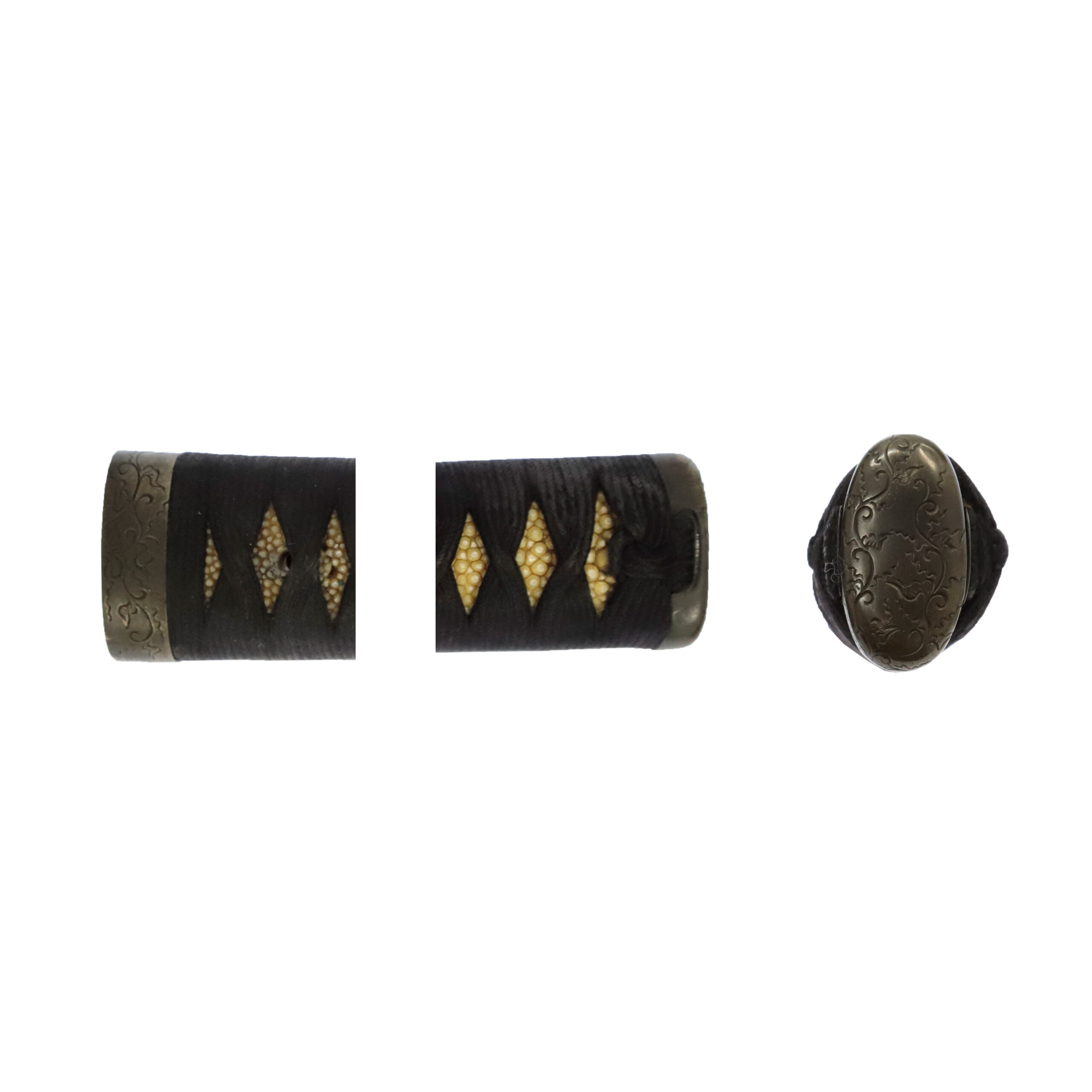
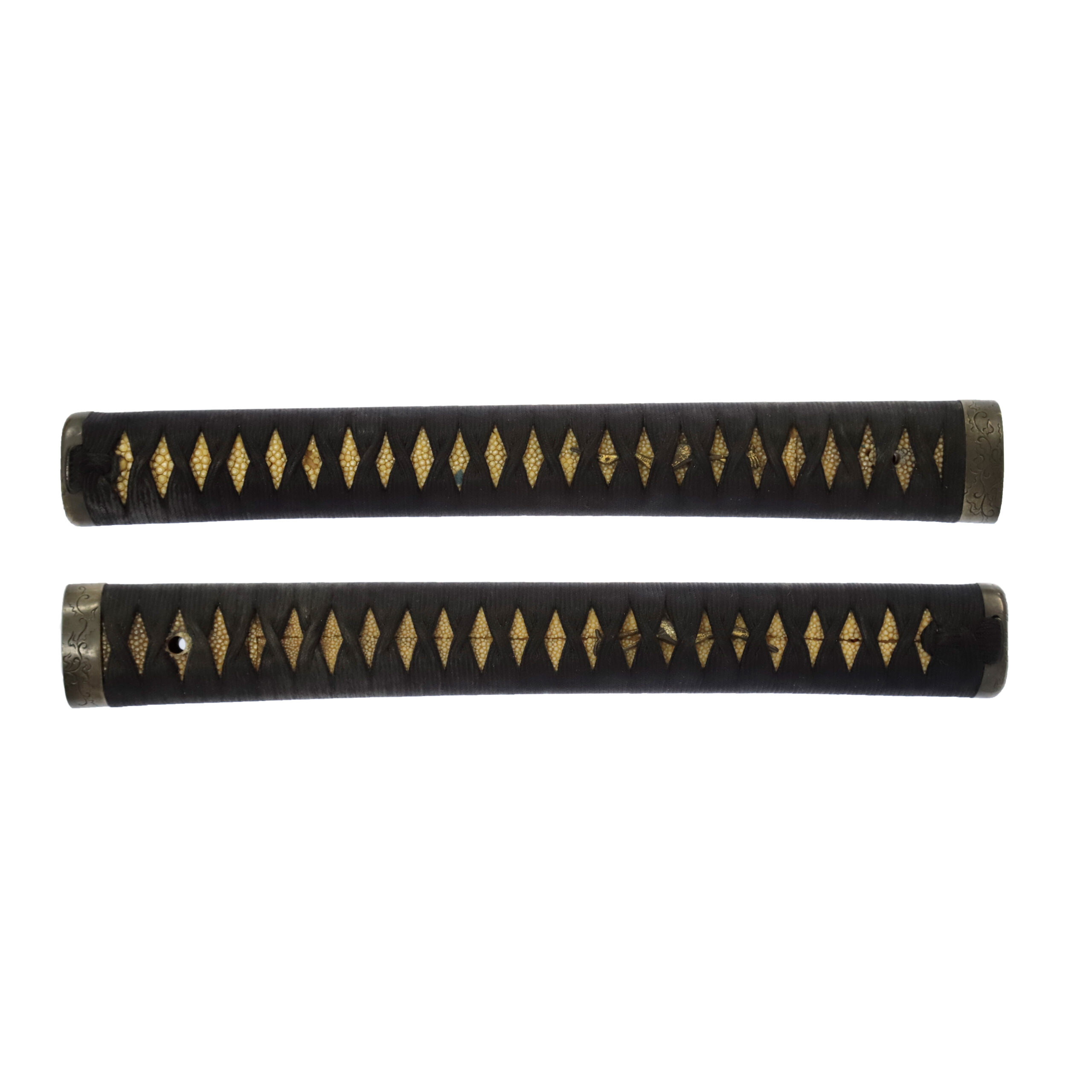
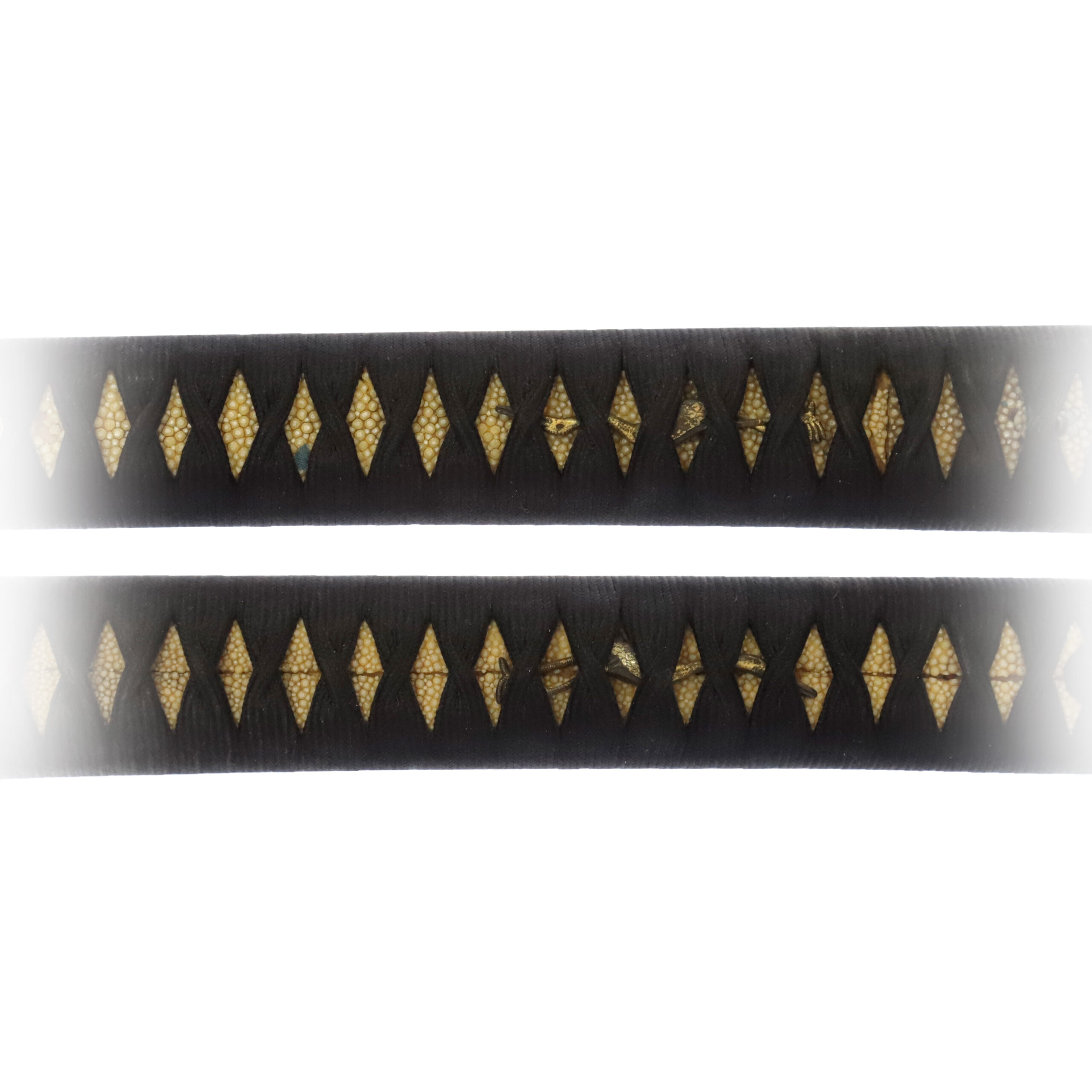
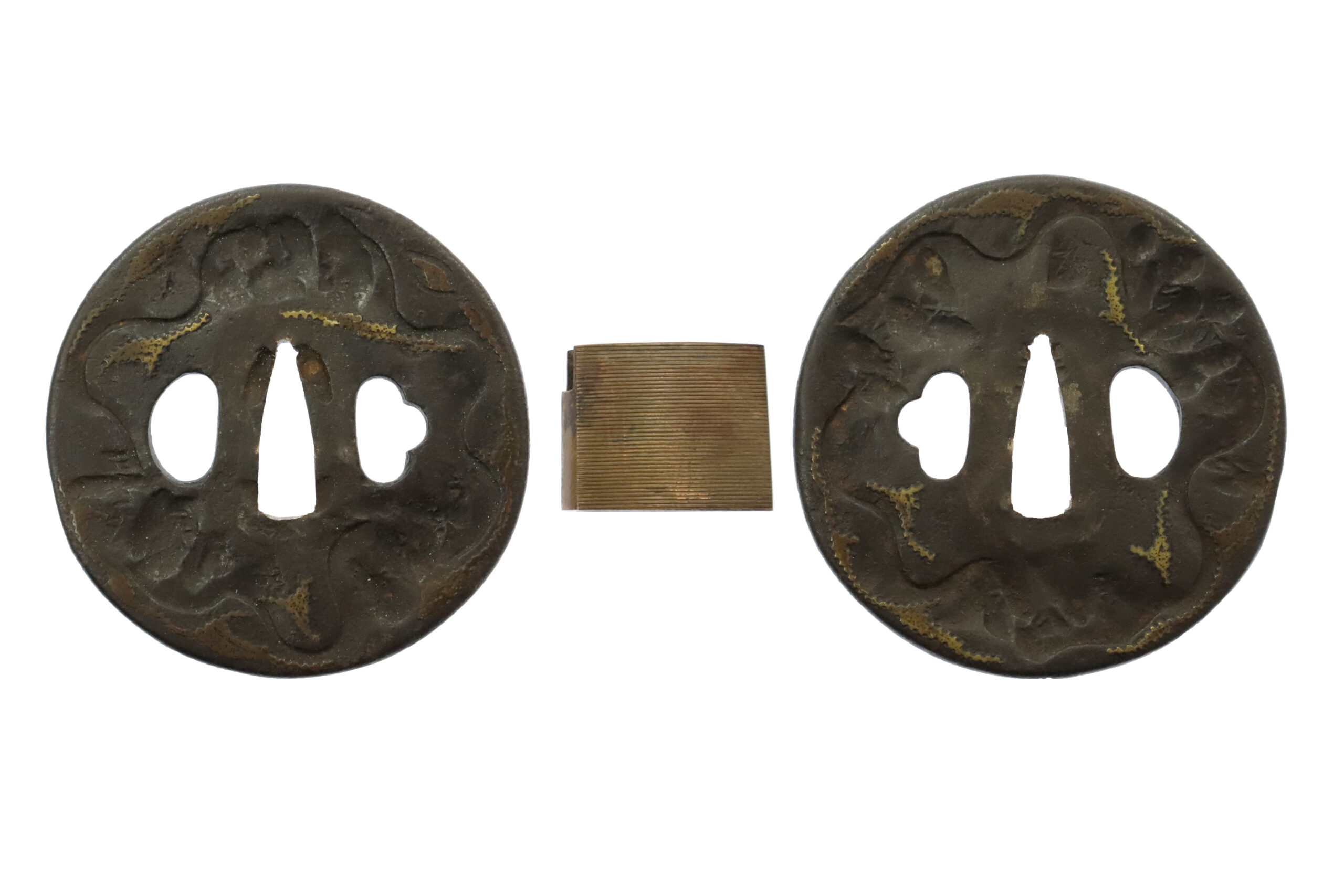
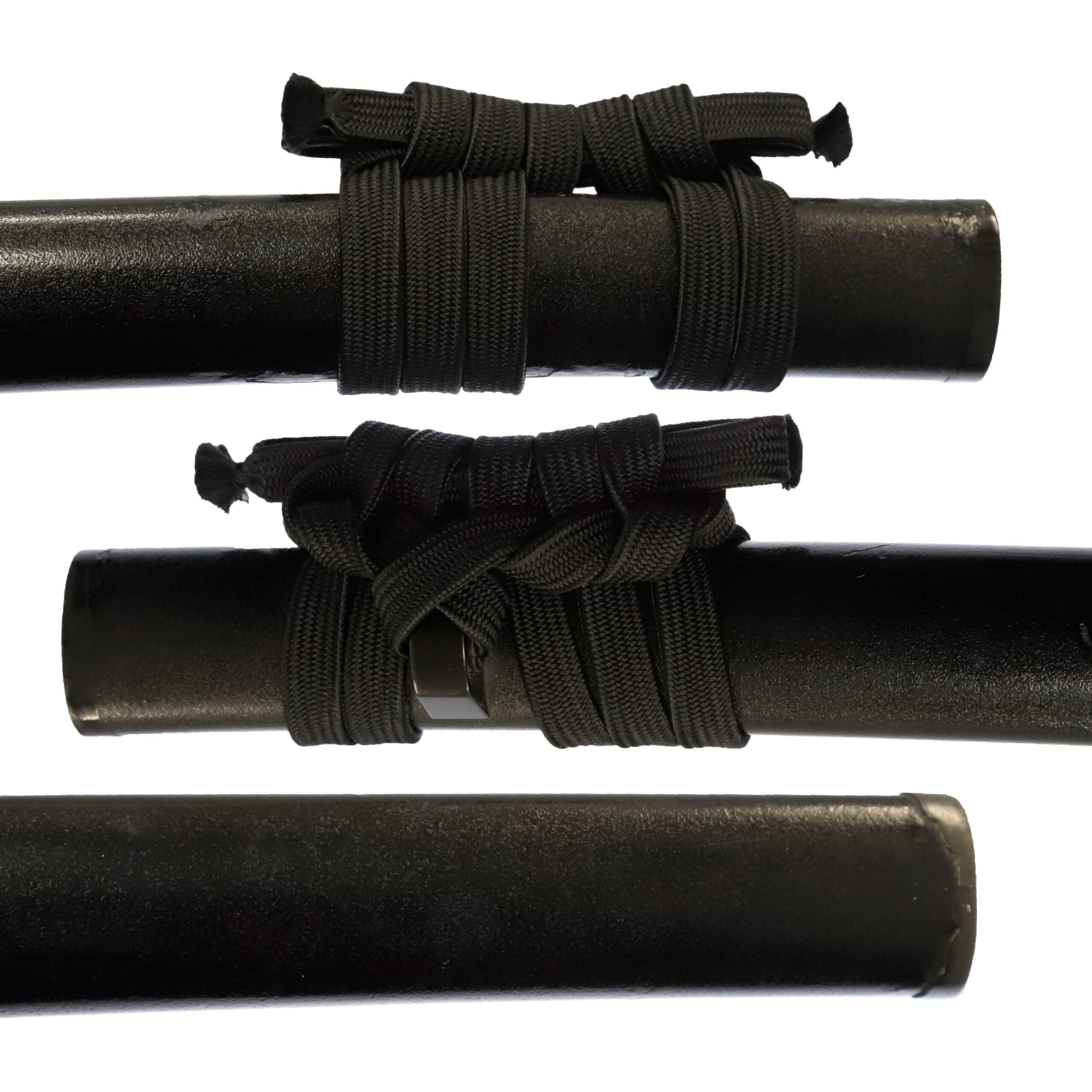
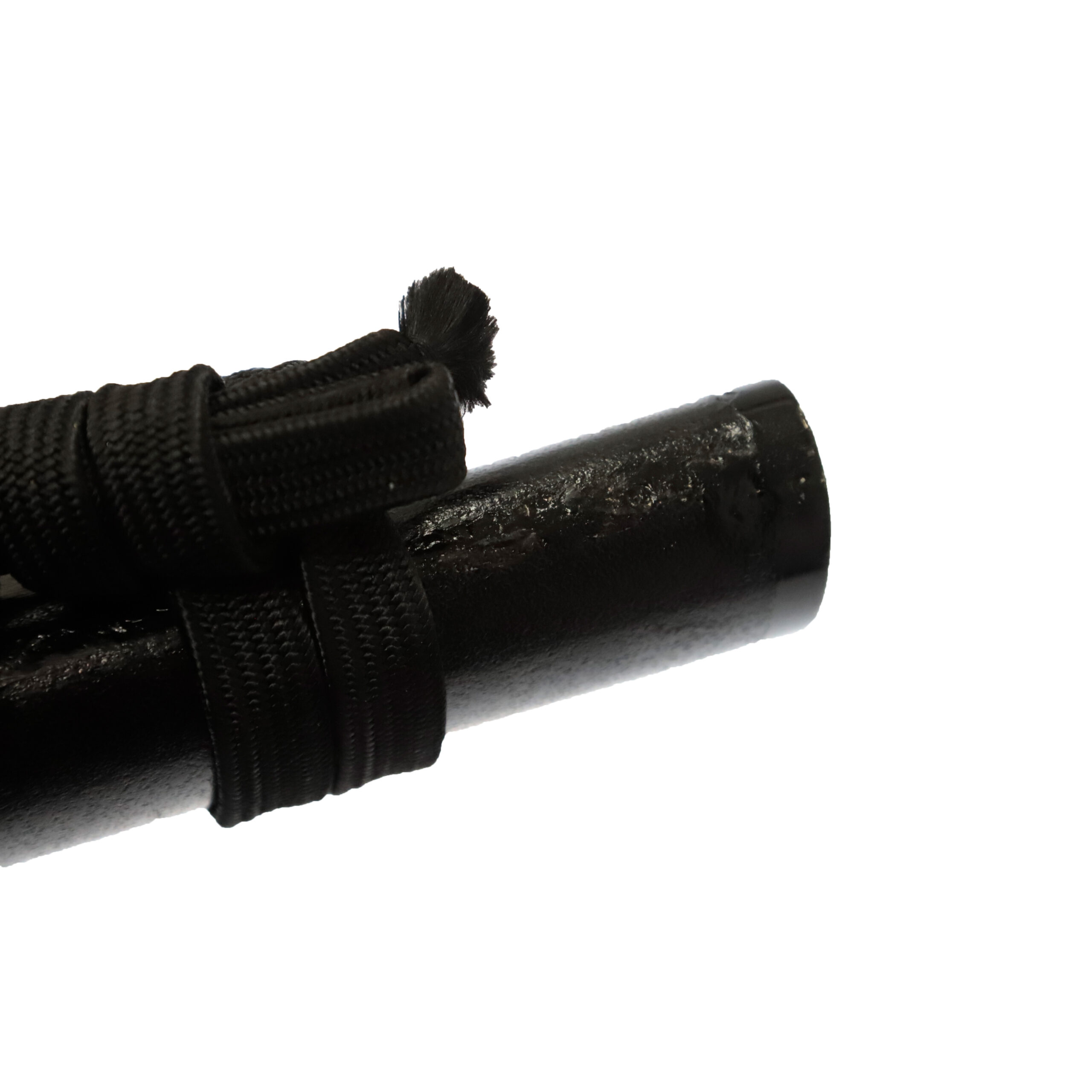
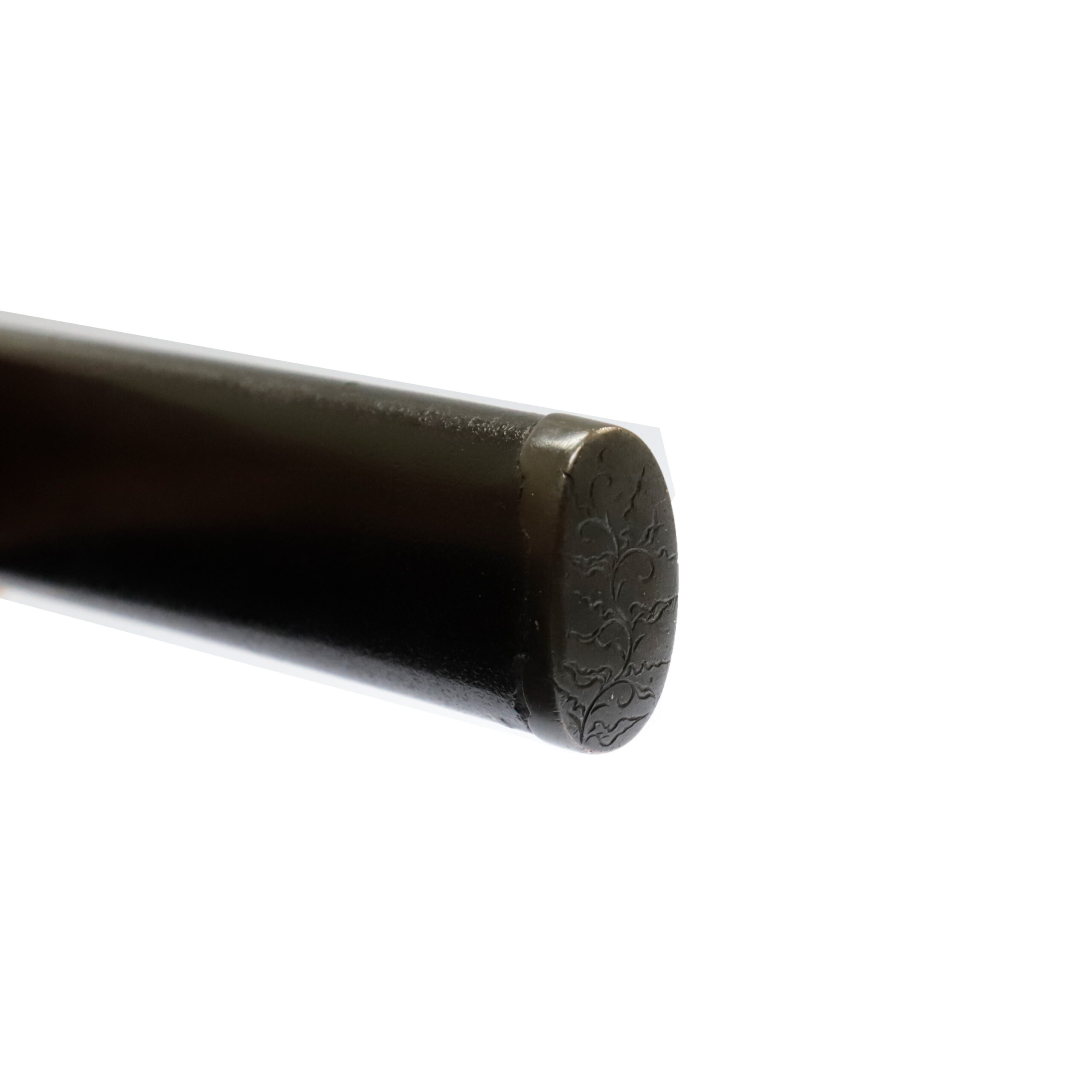
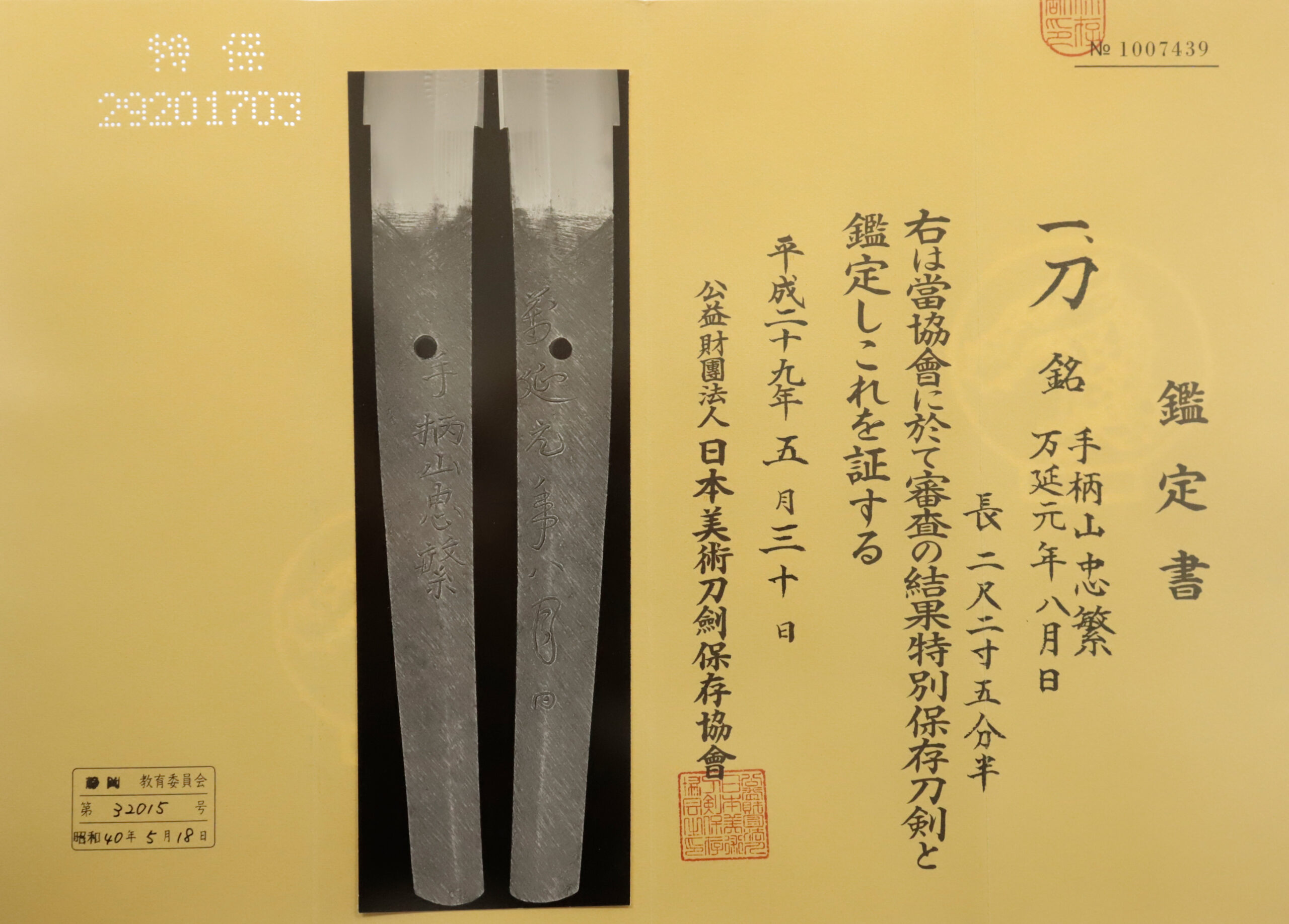
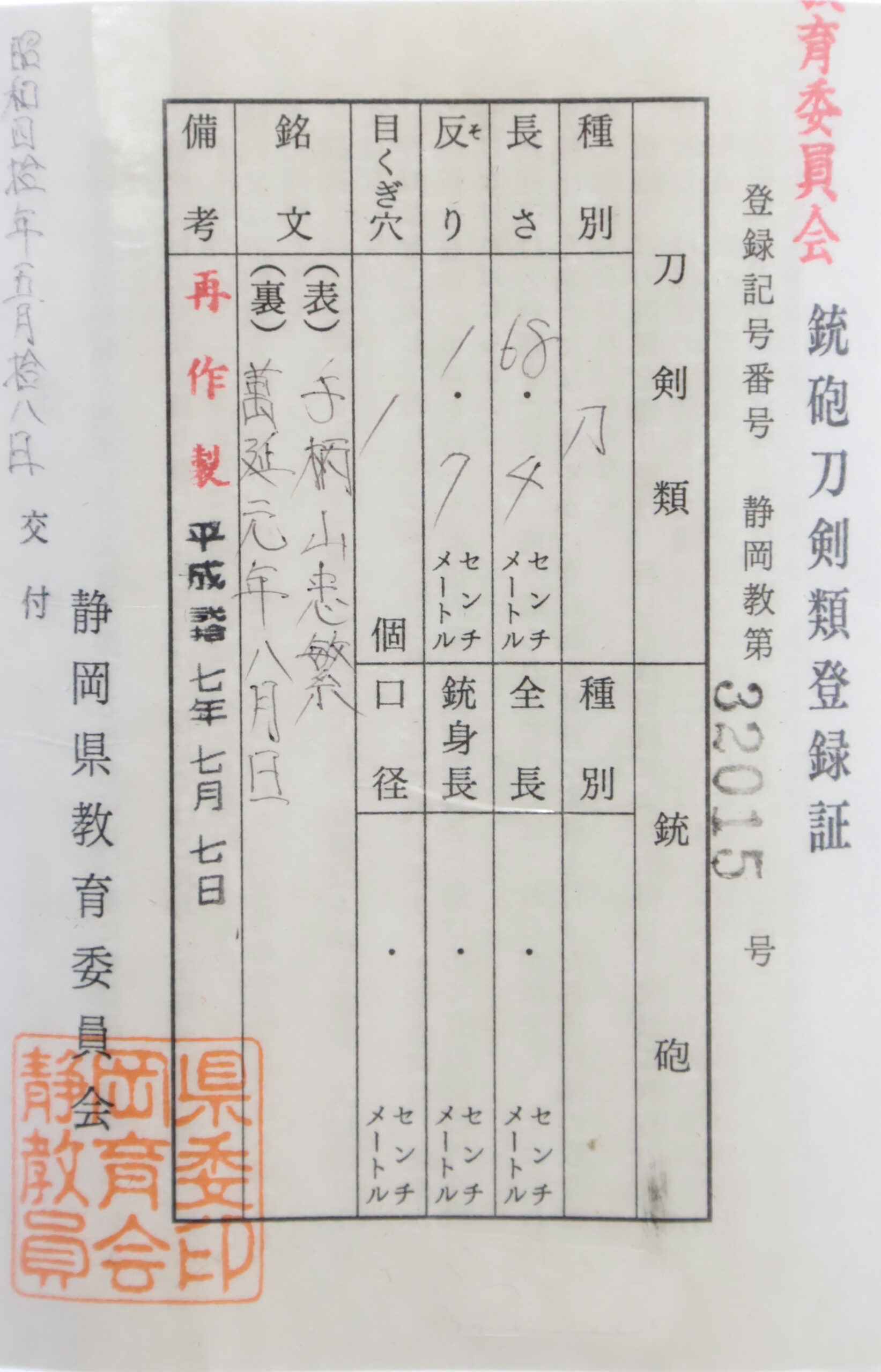
Summary This blade was signed by Tegarayama Tadashige (手柄山忠繁) in the first year of the Man-En era (1860: The end of the Edo period). Banshu is another name for Harima province in today’s Hyogo prefecture. Tegarayama is the school Tadashige belonged to. The founder of this school is Ujishige. The maker’s name, Ujishige, lasted a few generations. His Master (Tegarayama Ujishige) First, Ujishige signed 氏重. While the name’s pronunciation was the same, a different Kanji character was used for the second letter. They used 氏重 as their maker’s name between the 1 -3 generations. And they received Yamato Daijo, an honorable official title from the imperial court, for their excellent craftsmanship. However, the fourth generation Ujishige had to change it to 氏繁 by the order made by Harima province. In 1788, the 4th-gen Ujishige was hired by Matsudaira Sadanobu, the third head of Shirakawa domain in Fukushima prefecture, as an Okakaekaji. Okakaekaji is a swordsmith exclusively serving one domain or lord. And the 4th-gen Ujishige was also forged in Edo city (Today’s Tokyo). He received Kai no Kami in 1803, being acknowledged by Matsudaira Sadanobu. It is said that one of the blades forged by the 4th-gen Ujishige was owned by Nagakura Shinpachi, a member of Shinsengumi (新選組), a military unit formed as guards or Shogun at the end of the Edo period. The school’s name Tagarama came from the fact that they forged blades near Tegarayama mountain. Tegara means achievement in Japanese, and because of this auspicious name, the blades made by members of Tegarama school were popular among high-class Samurai. The Background History Japan enjoyed a relatively peaceful time from the early Edo period to the mid-Edo period(the 1600s-1760s) because of the stable economy and the powerful government run by Tokugawa Shogun. Samurai didn’t have many opportunities to utilize his Katana sword in public or on battlefields during this time. Thus, they carried their swords more as a symbol of their social status. The demand for weapons decreased accordingly compared to the previous Warring state period called Sengoku Jidai. (1467-1600) However, toward the end of the Edo period(1764-1876), the Japanese sword’s role changed dramatically. With the poverty spreading in Japan, there were so many riots initiated by the civilians. Japanese sword started to play an essential role in maintaining public safety. Pressure from foreign countries to open Japanese borders also forced Samurai to order strong-looking swords to survive this tumultuous time. We believe many swordsmiths, including Tadashige, made great efforts to forged high-quality, practical blades for their masters to prepare for battles. There was a civil war between Tokugawa’s military government and the new Meiji government at the end of the Edo period. That means the original owner of this Katana might have seen the moment when Samurai’s life changed forever. This blade has a strong looking and must have been practical to use in that demanding time. This blade is appraised as a Tokubetsu Hozon Token (特別保存刀剣) issued by NBTHK(Nihon Bijutsu Touken Hozon Kyokai:日本美術刀剣保存協会). *Please keep in mind that there is a very tiny chip on the tip of the blade. Fuchi-Kashira Karakusa pattern is applied to this Fuchi Kashira. A pattern in which stems and leaves of vines are twined and make curves. Since ivy has a strong vitality and grows up without interruption, people regarded this design as a symbol of prosperity and longevity. Vine is called Tsuru (蔓) in Japanese, and it has another pronunciation; “Man.” There is a word 万 (it is also read Man), which means ten thousand. In the Karakusa pattern, leaves and vines are connected like Obi (帯, belt). The word “帯” can also be read “Tai.” Due to its pronunciation, the term “代 (Tai)” is associated. From this word-association game, an idiom 万代 is associated, and it means a thousand generations. In other words, we could imagine that people used this design wishing prosperity and longevity for their clans for a long time. Tsuka and Menuki We believe crane is the motif of this Menuki. There is a proverb that says cranes and turtles live a long life. It says cranes have even one thousand years lifespan; therefore, cranes and turtles have been considered as the symbol of longevity since a long time ago. Also, as cranes make compatible couples, its pattern represents happy marriage. Due to its pure white feathers and dignified appearance, it was favorably used as a good omen design for various ornaments or furnishings such as Kimono (着物, traditional Japanese costume) or Obi (帯, belt for Kimono). Senbazuru (千羽鶴, thousand cranes) is one of Japan’s most popular Origami craft, which is made of Origami paper. A thousand cranes of paper are jointed, and it is mainly used for wishes of recovering. Tsuba and Habaki This circle-shaped iron Tsuba has Kozuka and Kougai holes. Brass inlays are partially applied here and there, enhancing the decorativeness of this work. The undulating pattern of curved lines is engraved on both sides. We assume this design came from a wave pattern or traces of crawling insects. Either way, it is a design that gives off a powerful impression. Saya *Please keep in mind that there are a few places where you see the restoration work in this Saya. Authentication Paper They authenticated the blade on May 30th in the 29th year of Heisei (2017). They appraised it as Tokubetsu Hozon Touken, the blade especially worth preserving for Japanese society.
Offered by Samurai Museum
This piece has sold
9 on the market
Get an email when new Tegarayama School work hits the market.


Shinshinto · Harima
9 pieces on the market now
At the foot of Mount Tegara in Himeji, Harima province, a family of smiths took the mountain's name as their own across successive generations, descending from the first-generation Yamato no Daijō Fujiwara Ujishige. The setsumei trace this Banshū line through its best-documented figure, Tegarayama Masashige[[c:1]], commonly called Asashichi or Chōshichi and using the art name Tankasai. He was the younger brother of the third-generation Tegarayama Ujishige, first succeeded to the name of the fourth-generation Ujishige, and only later changed his signature to Masashige. In Tenmei 8 (1788) he entered the service of Matsudaira Sadanobu, lord of Shirakawa in Ōshū, as a retained smith (kakae-kaji) and moved to Edo, where he resided at Surugadai in Kanda; in the fourth month of Kyōwa 3 (1803) he received the honorary title Kai no Kami. One setsumei records that in Edo he studied under Suishinshi Masahide. Around the start of the Bunsei era he forged for a time in Osaka before returning to Edo, and from his lord Rakuō he was granted the two characters "Shinmyō," which he cut on the works he held most successful. The hand the setsumei describe is a Soshu-toned revival built on the tōran-midare of Tsuda Echizen no Kami Sukehiro, whose style Masashige privately admired (shishuku). The forging runs to tightly compacted ko-itame-hada with ji-nie adhering thickly, fine chikei entering, and at times a quiet near-muji ground; the steel reads clear.
Most blades open with a suguha or sugu yakidashi at the base and then rise into a billowing tōran-style large gunome-midare, mixed with notare, slightly pointed (togari-gokoro) elements, and arrow-nock (yahazu) shapes likened to surging waves. The temper carries deep nioi, evenly adhering ko-nie, ashi and yō, with sunagashi and kinsuji threading the edge and tobiyaki, yubashiri, and muneyaki breaking out above it; the nioiguchi tends bright. The bōshi is generally sugu ending in ko-maru, sometimes with hakikake and a long kaeri. Beyond this signature manner he also worked shallow notare of wide yakihaba and plain suguha, so the orderly large gunome that refuses to collapse, the pointed accents within the ha, and the wide mihaba of his forms serve as the readiest marks of his work. Across the register the kantei points cluster around that controlled tōran and its lively ji and ha, while one wakizashi, mingling yahazu into the edge, prompts the observation that Gonnoshin Terukane may also have been in mind. Self-carved horimono recur and aid attribution: jewel-chasing and ascending or descending dragons, bonji, the sankō-tsuka-ken, and hi, with tangs reading "hori dōsaku" to record the smith's own chisel. Several inscriptions carry documentary weight, naming Surugadai and Shundai in Buyō as places of forging, Ishū Dewa iron also used by Katayama Munetsugu, and a commission for Kosugi Tamenaga, a retainer of the Koga domain; a Juyo wakizashi signed "Ōshū Shirakawa kashin Masashige" bears self-cut dragon, bonji, and sankō-tsuka-ken recorded on its tang. The blades signed with bold, thick-chisel mei over ubu tangs finished in keshō ō-sujikai, dated through the Kansei and Kyōwa years, mark Tegarayama as a Himeji-rooted shinshintō line whose strength lay in the recreation of Sukehiro's waves. Learn more →
| Smith | Era | Designated |
|---|---|---|
| Masashige正繁 | 1789-1801 | 13 |
| Ujishige氏繁 | 1751-1764 | 0 |
| Ujishige氏繁 | 1781-1789 | 0 |
| Ujishige氏繁 | 1789-1801 | 0 |
| Masanao正直 | 1804-1818 | 0 |
The Shinshintō revival
Around 1800 Suishinshi Masahide argued in his writings that the craft must return to the old masters’ methods: the fukkotō revival. His greatest successor Naotane worked convincingly in Bizen and Sōshū manners that had been dead for centuries.
A Hozon-certified blade judged to show notably superior workmanship and a better state of preservation. The bar is higher: re-tempered blades and most unsigned Muromachi/Edo works are excluded.
The NBTHK (Nihon Bijutsu Tōken Hozon Kyōkai, the Society for the Preservation of Japanese Art Swords) is a public-interest incorporated foundation founded in 1948 and supervised by Japan’s Agency for Cultural Affairs (Bunkachō); it is based at the Japanese Sword Museum in Tokyo. Its expert panels physically examine each submitted work (shinsa) and issue a certificate (kanteishō) ranking it by artistic and historical merit. NBTHK papers are the most widely recognized standard of authentication for Japanese swords and fittings.
NBTHK official siteReturns/exchanges limited to defects caused by shipping (except willful misconduct or gross negligence by the company); customers must contact within 72 hours of receiving the product.