The twentieth century nearly killed the craft twice: wartime distortion, then the occupation ban. The NBTHK’s founding in 1948 and licensed forging from 1953 rebuilt the sword as an art, crowned by Living National Treasures and the mukansa rank.
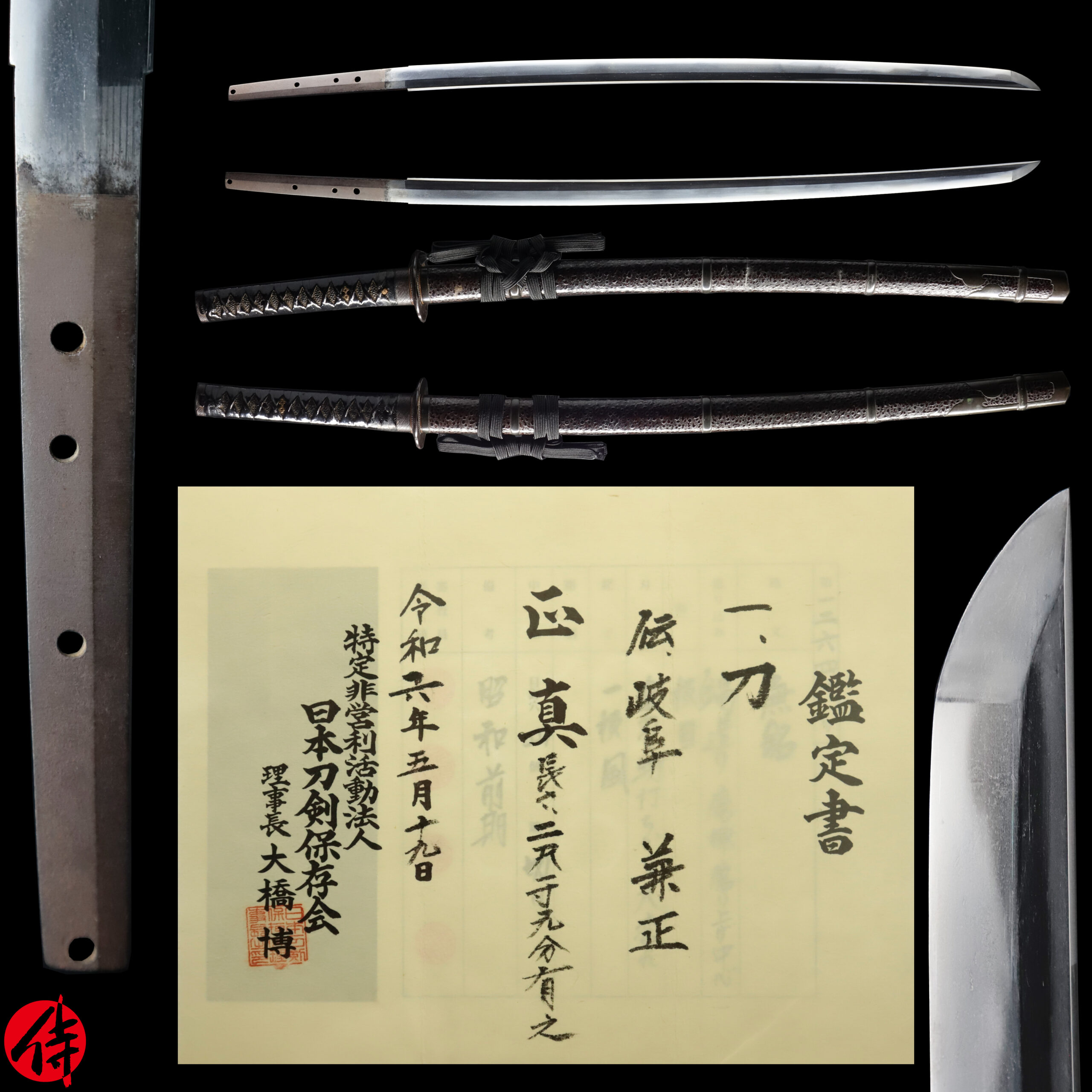
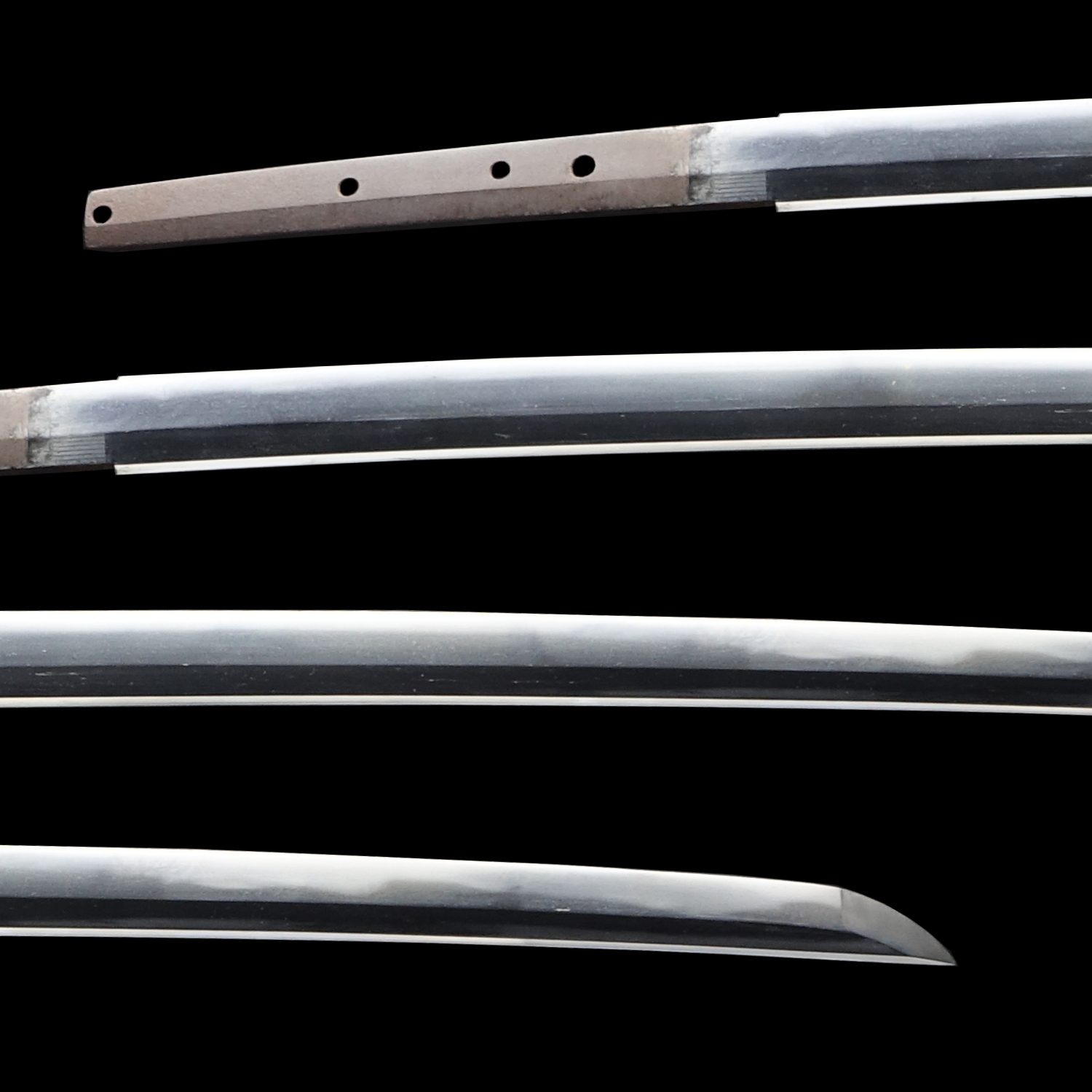
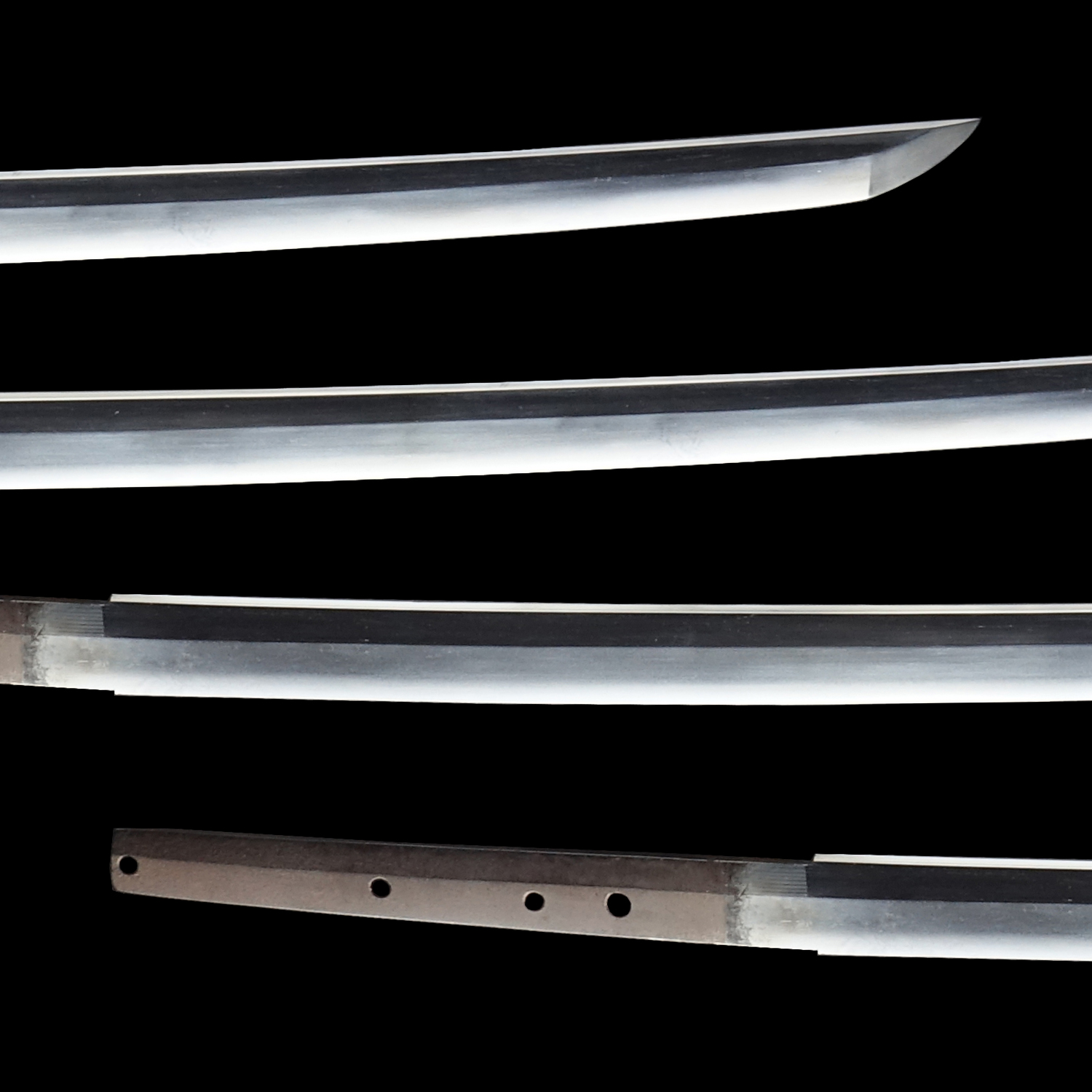
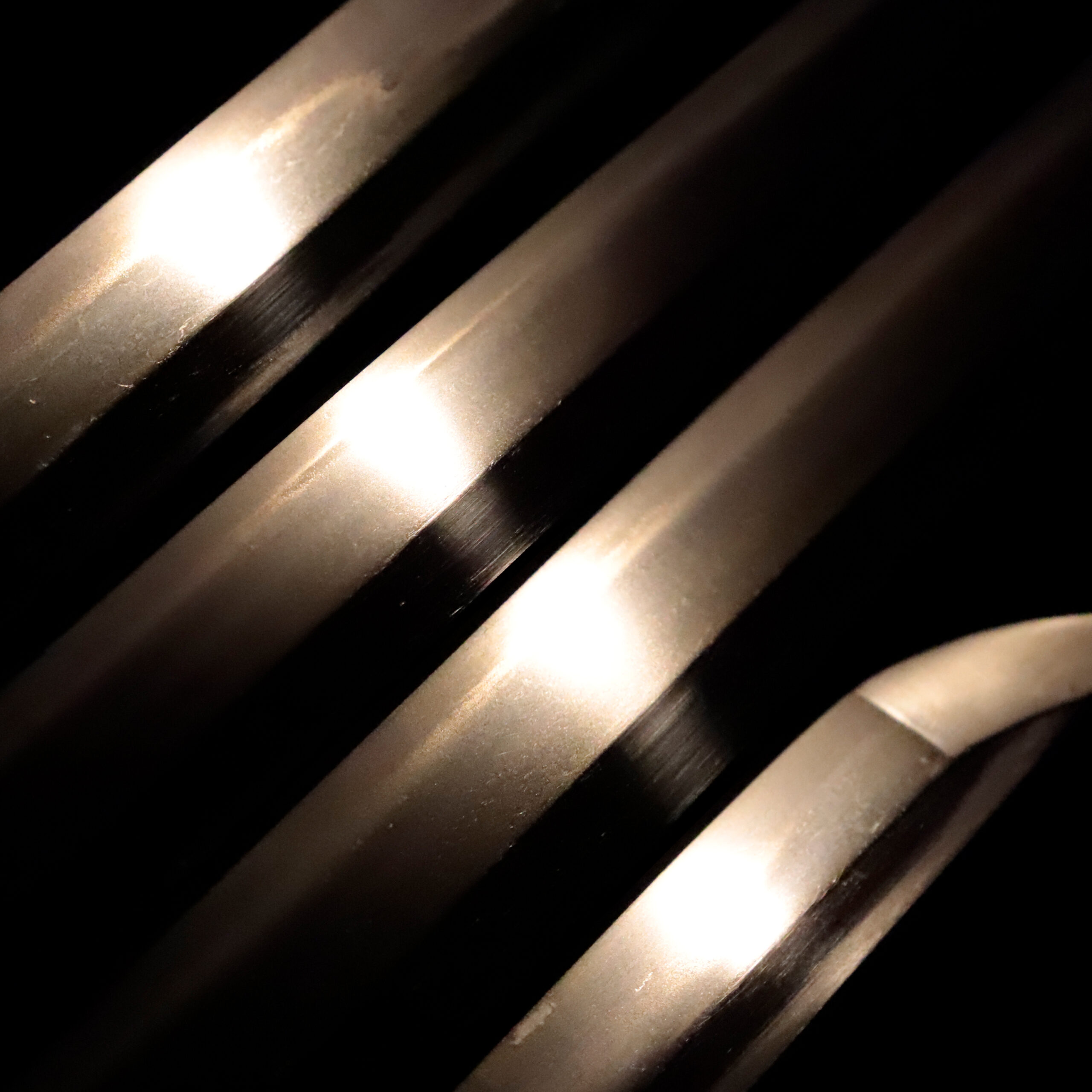
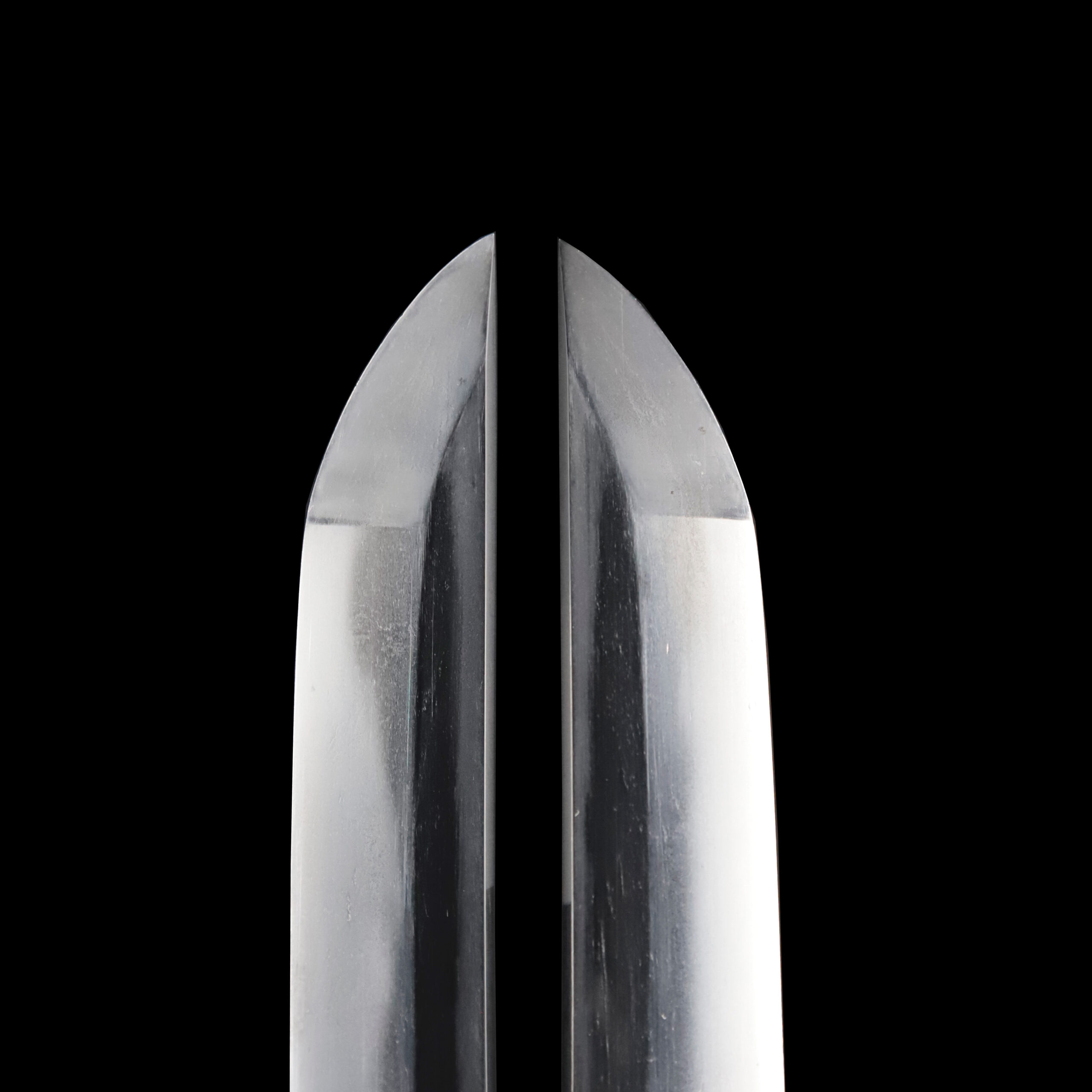
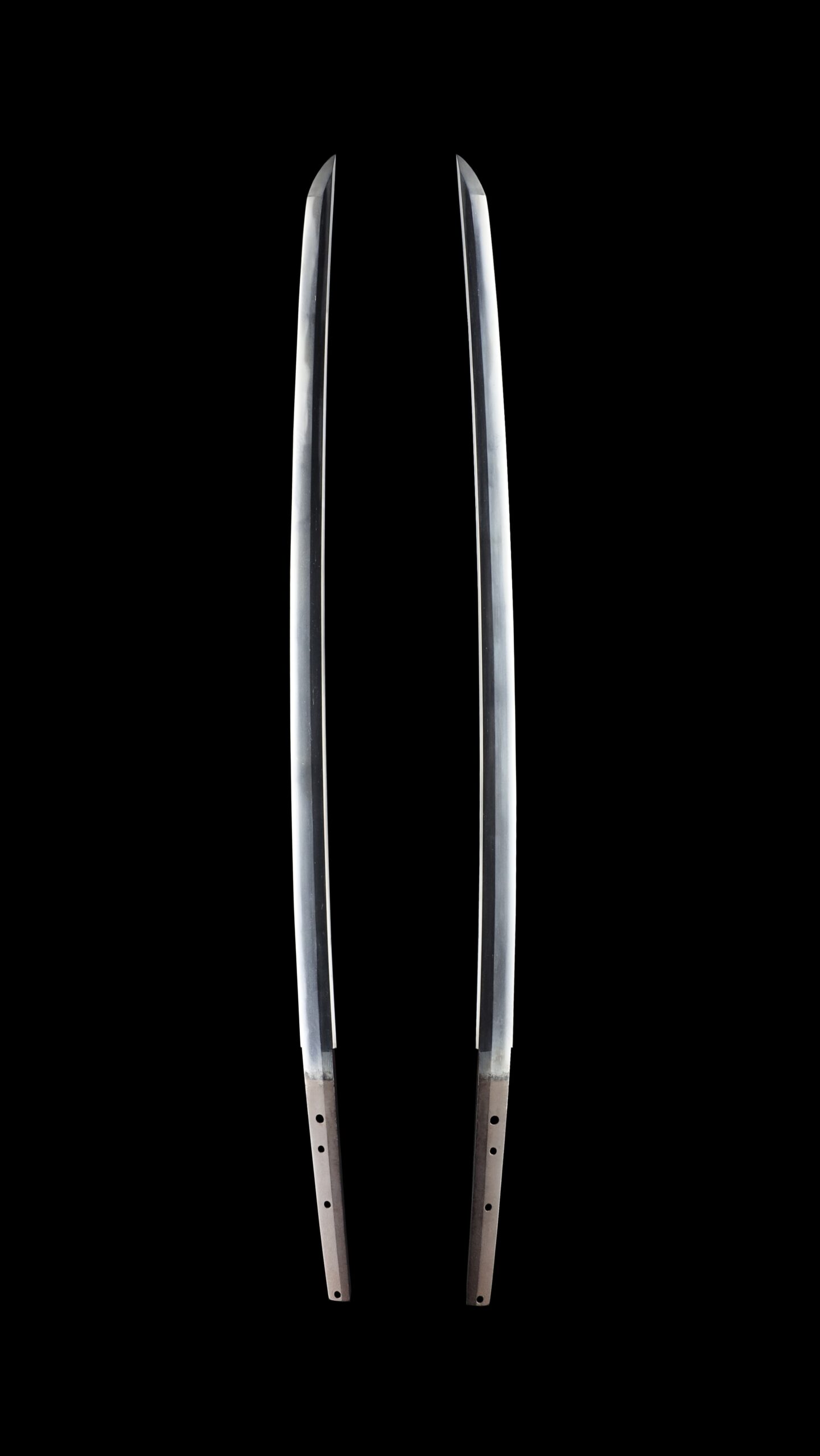
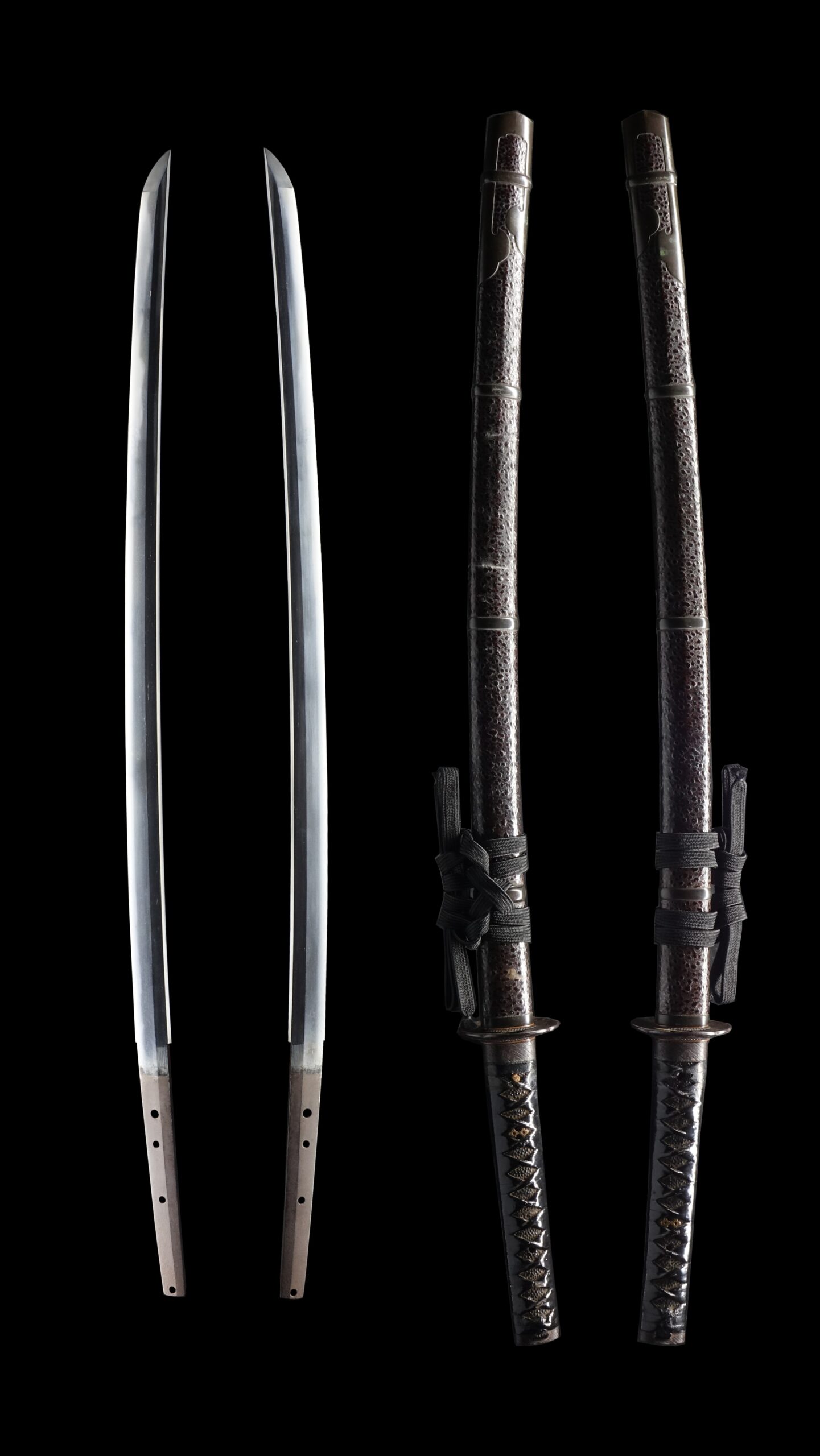
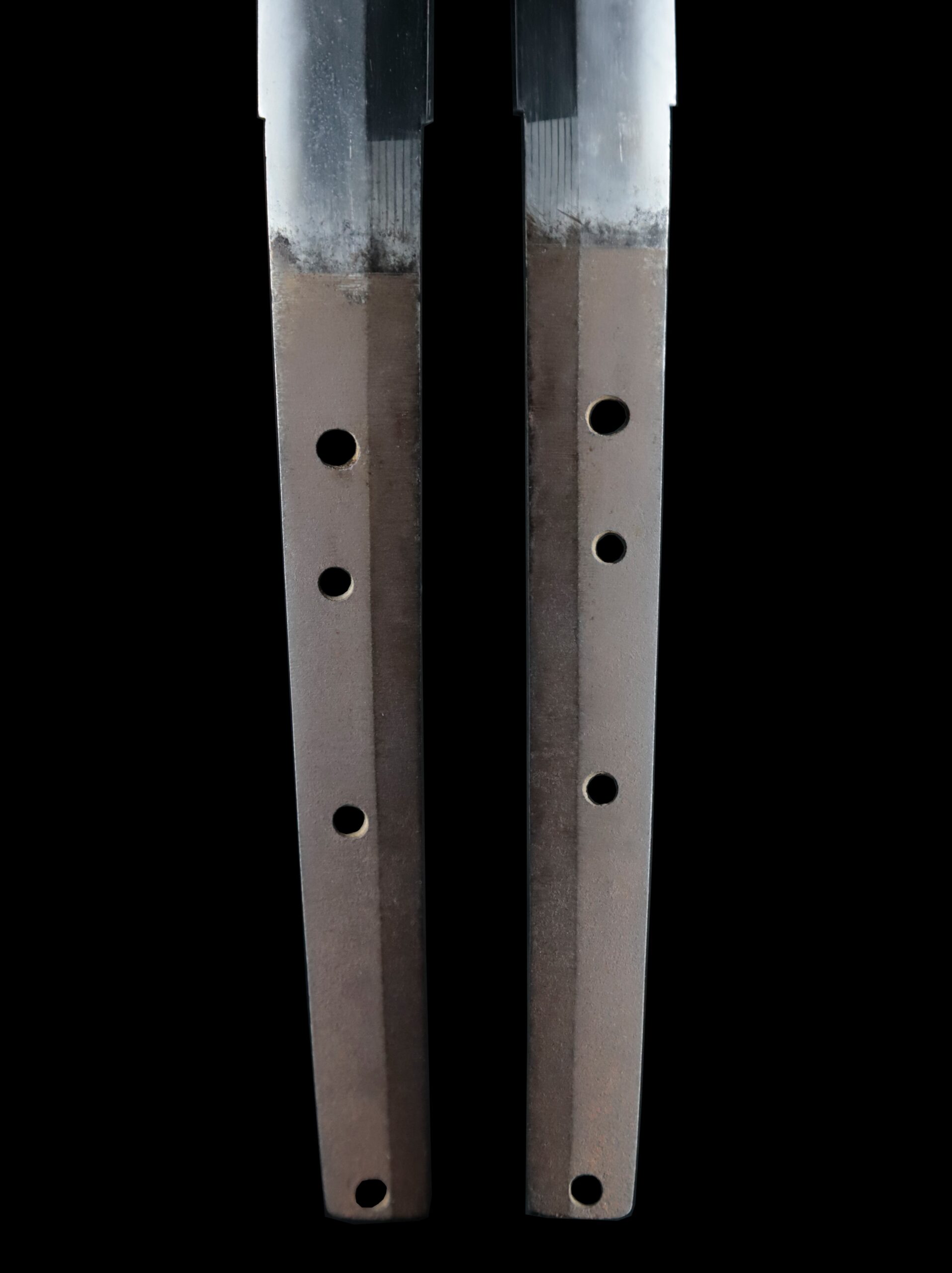
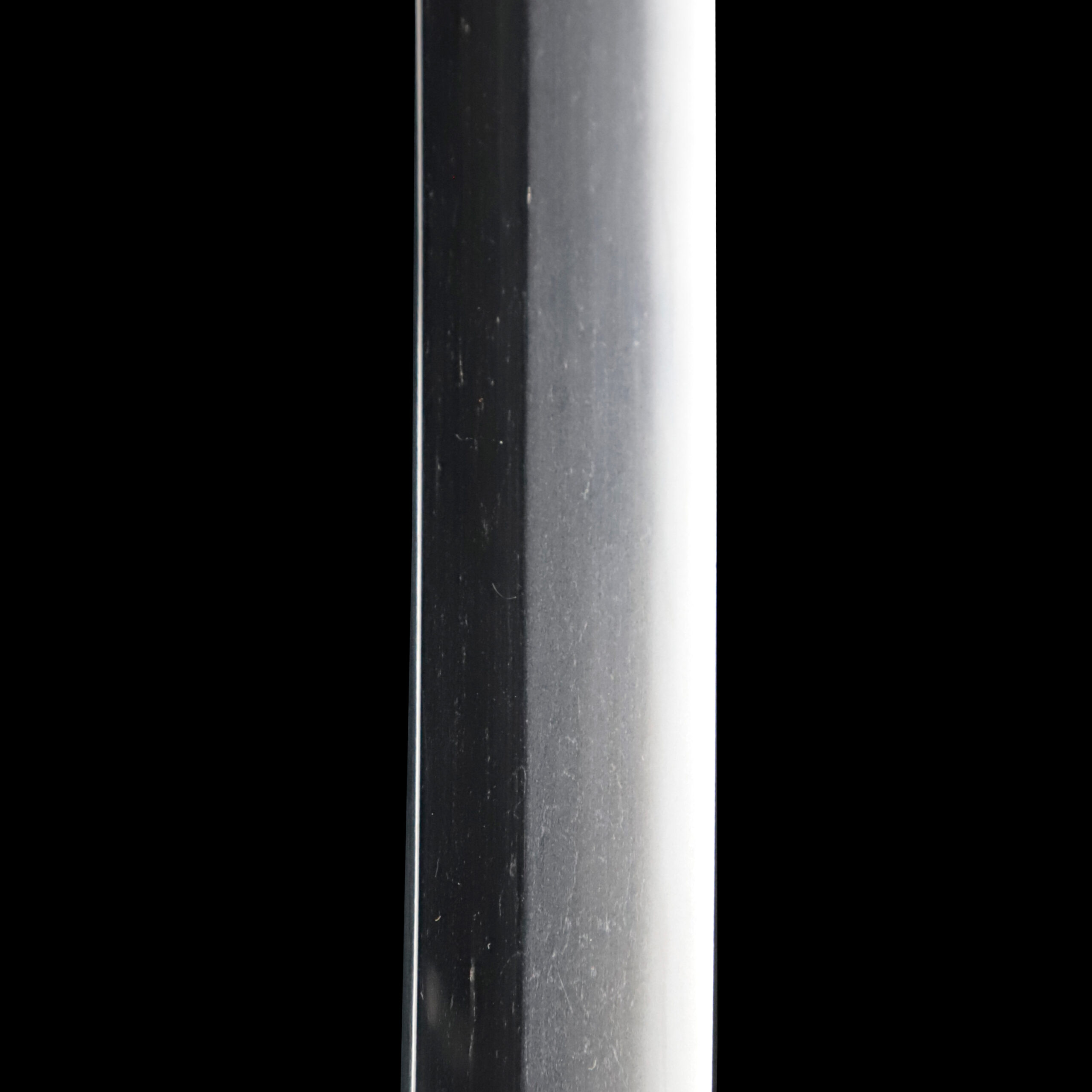
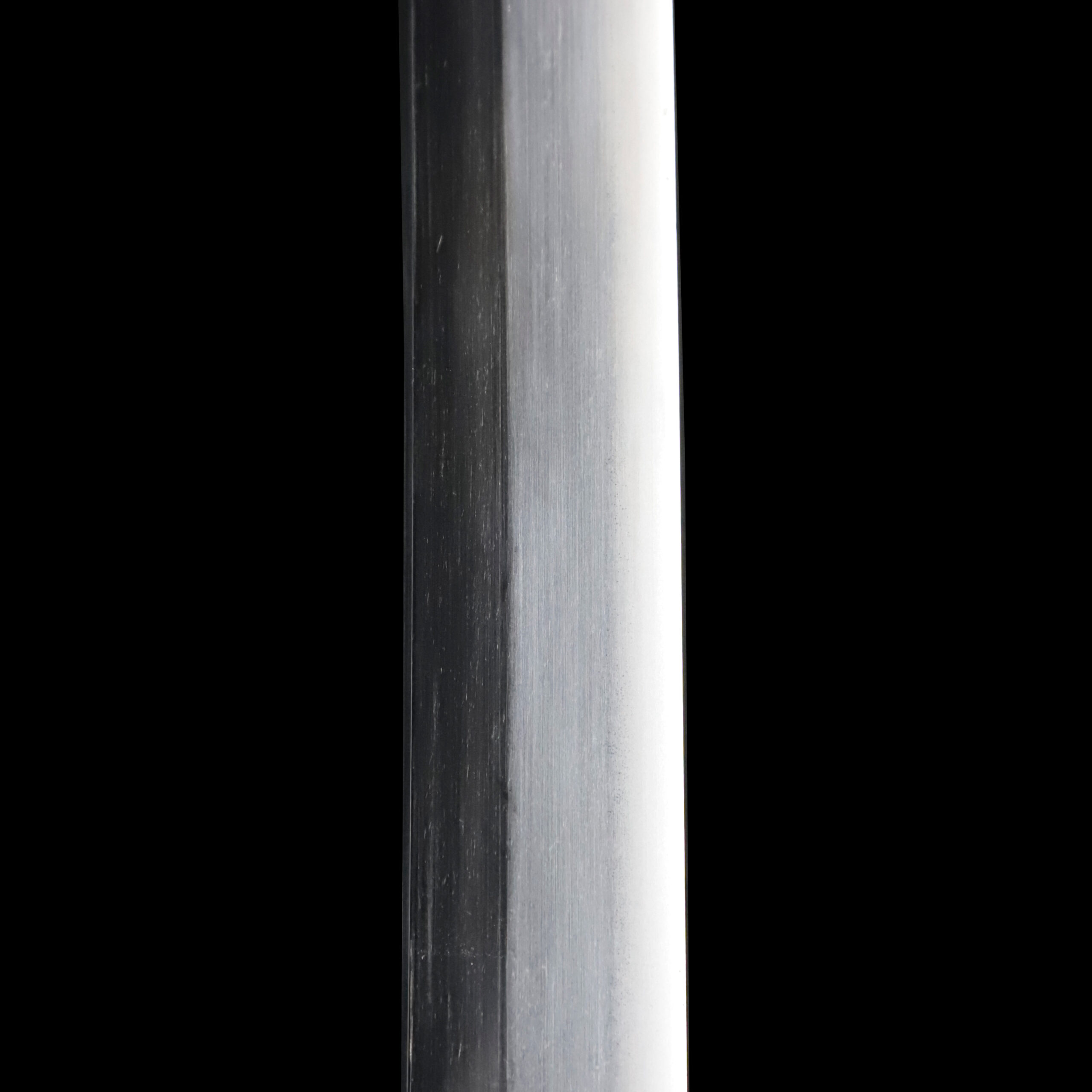
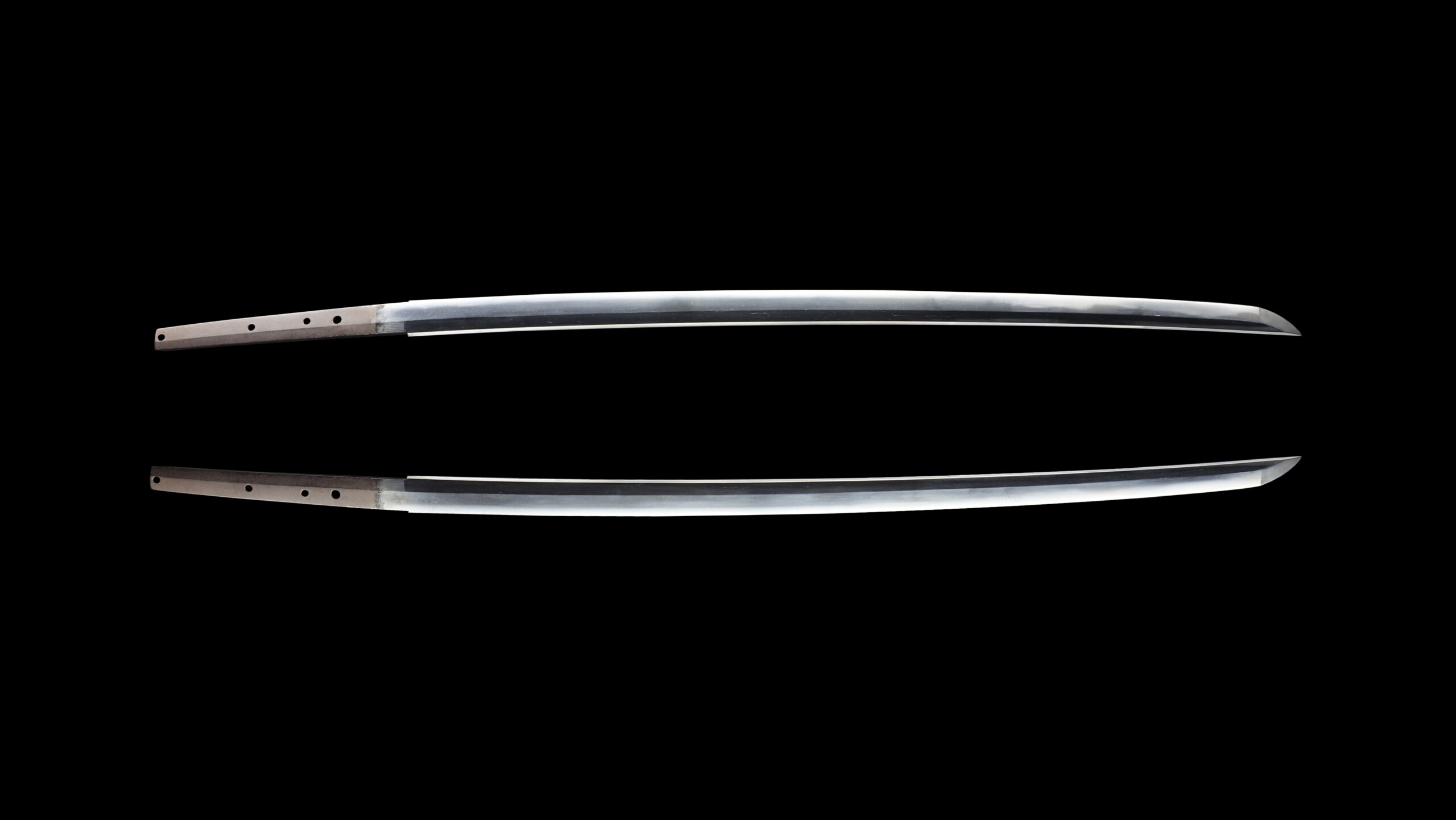
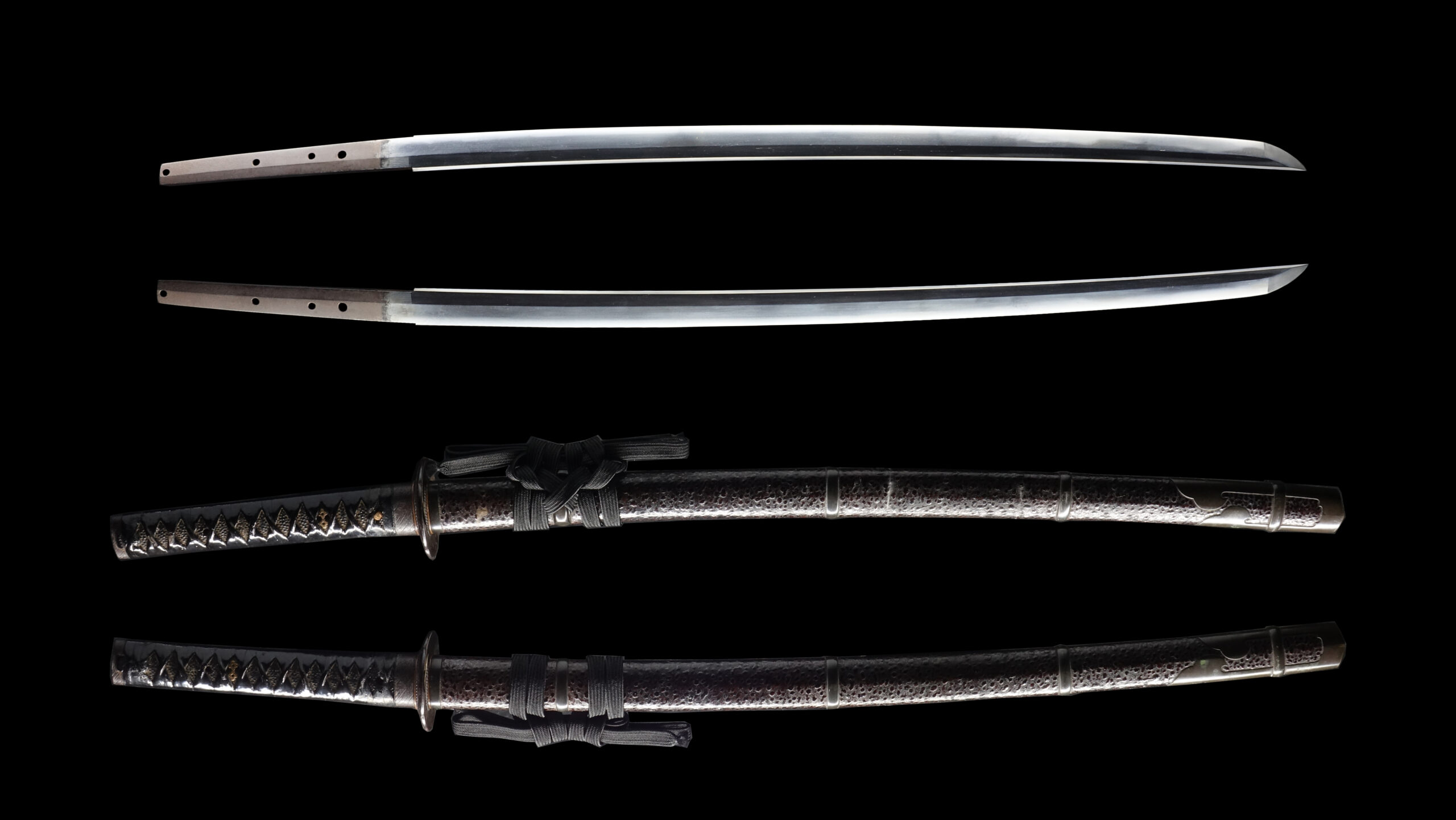
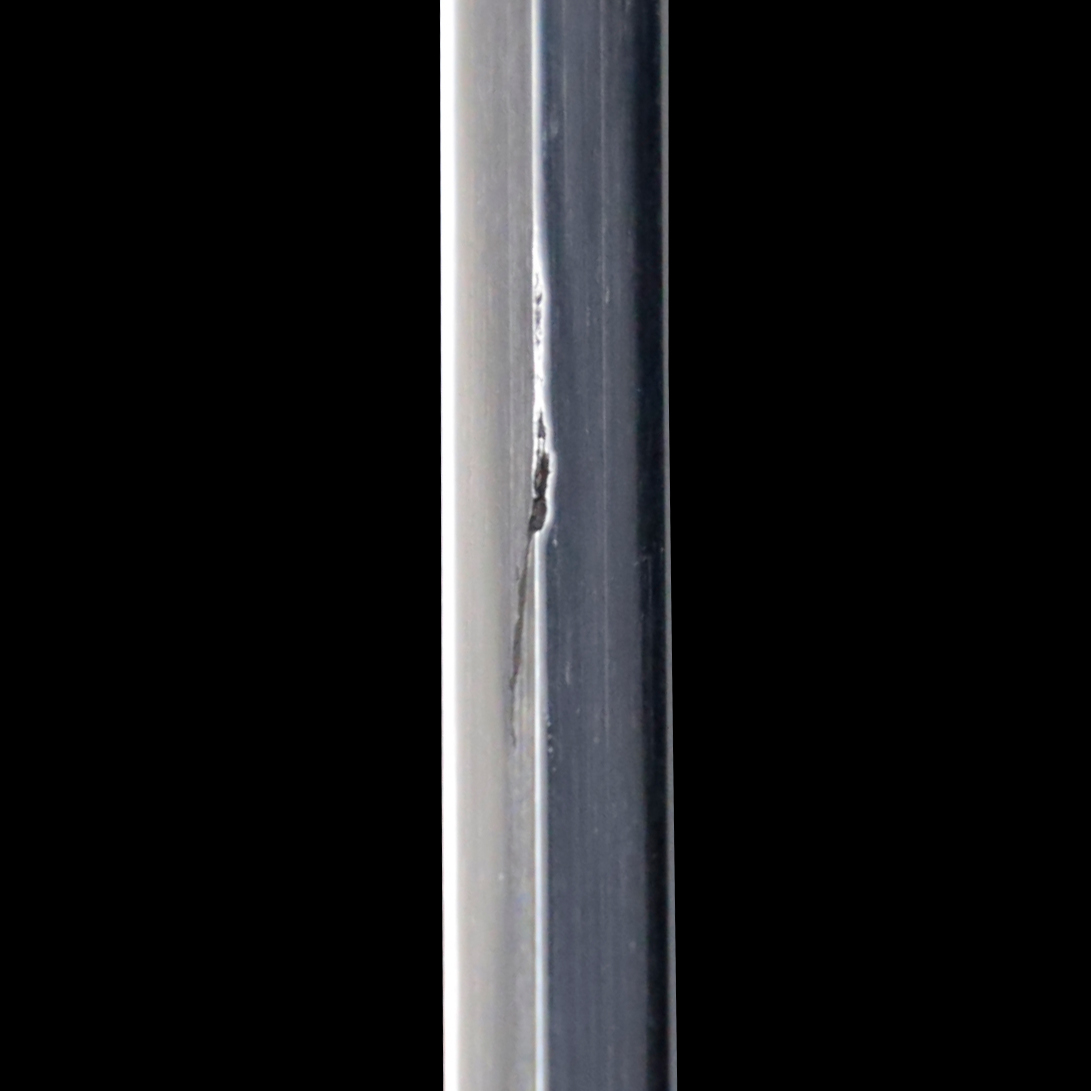
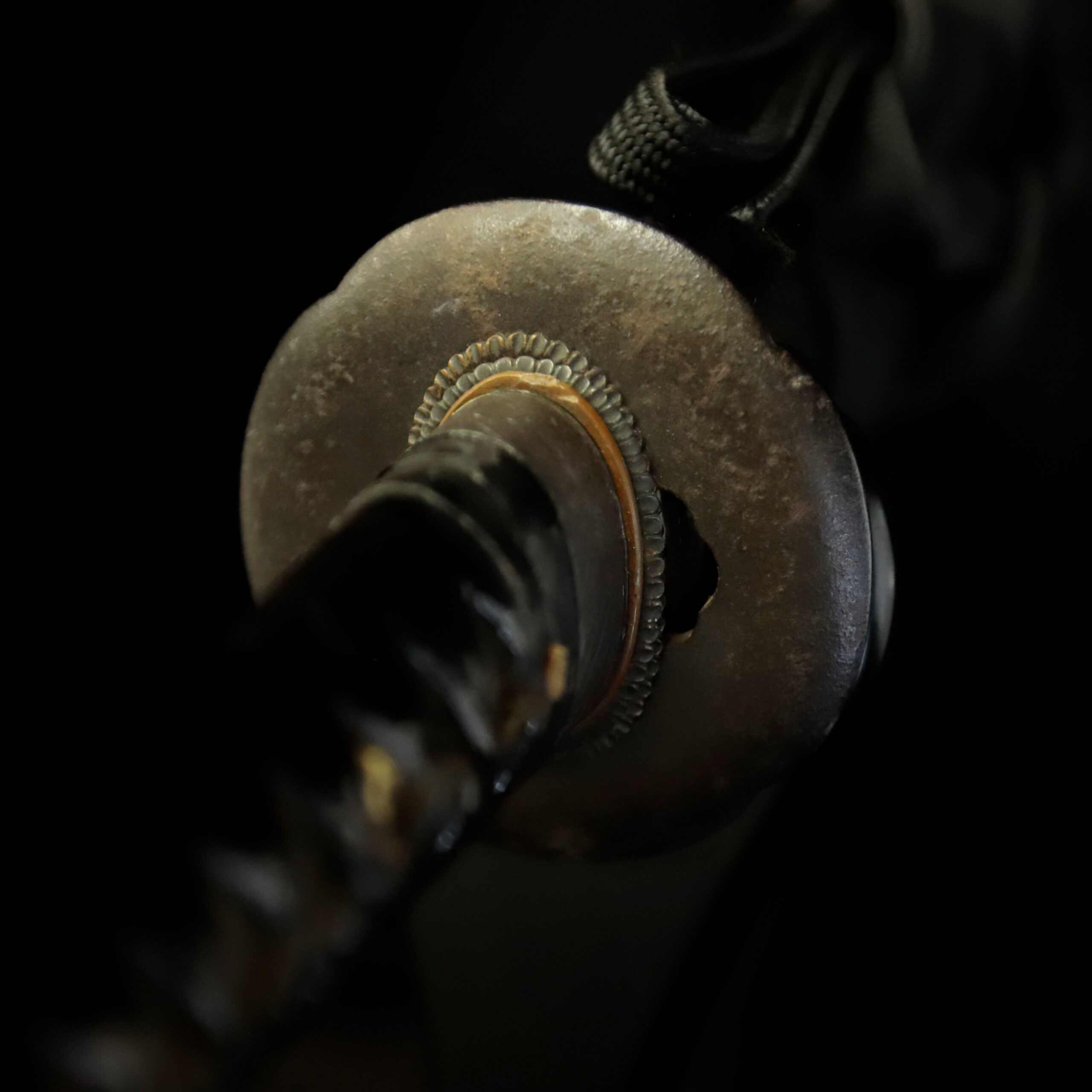
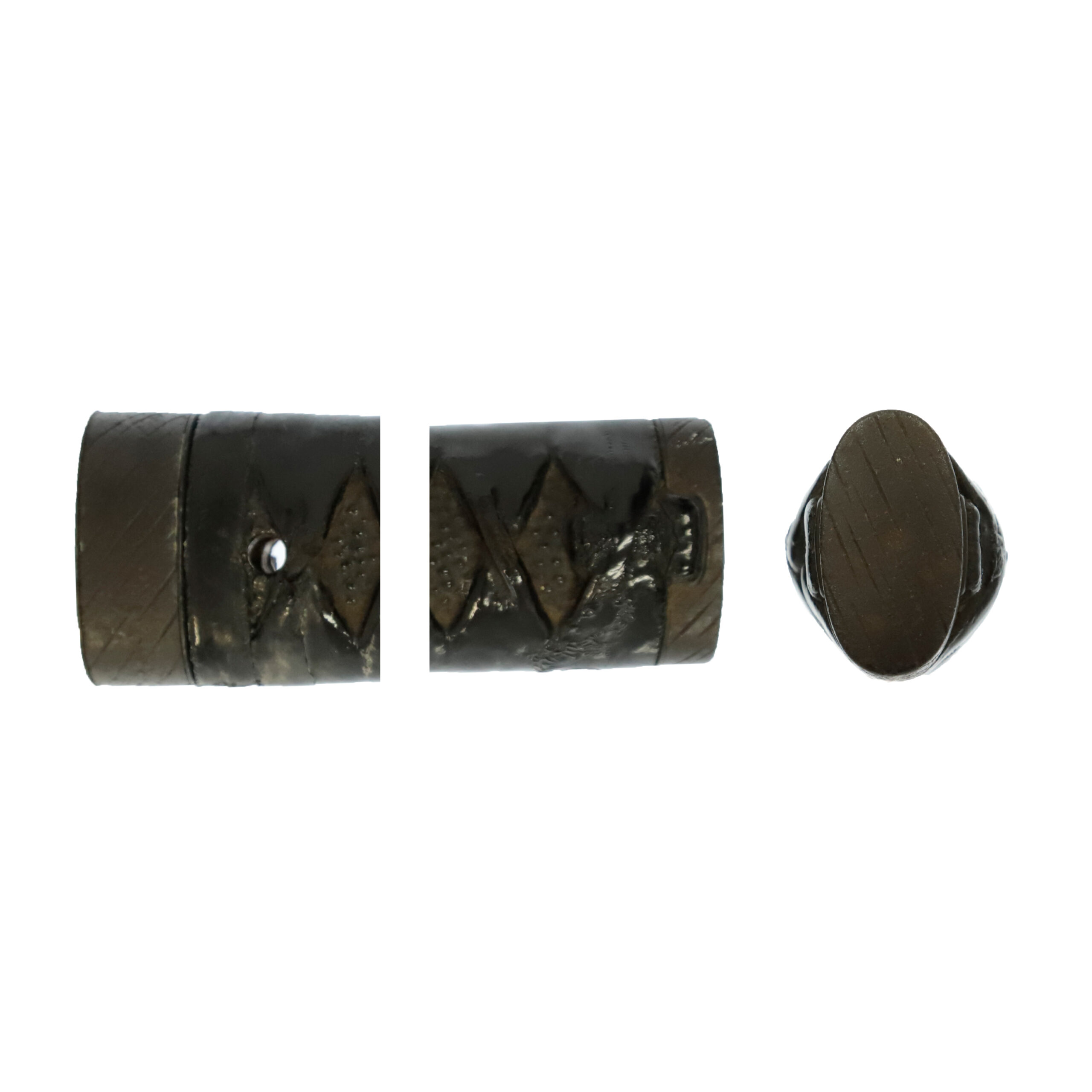
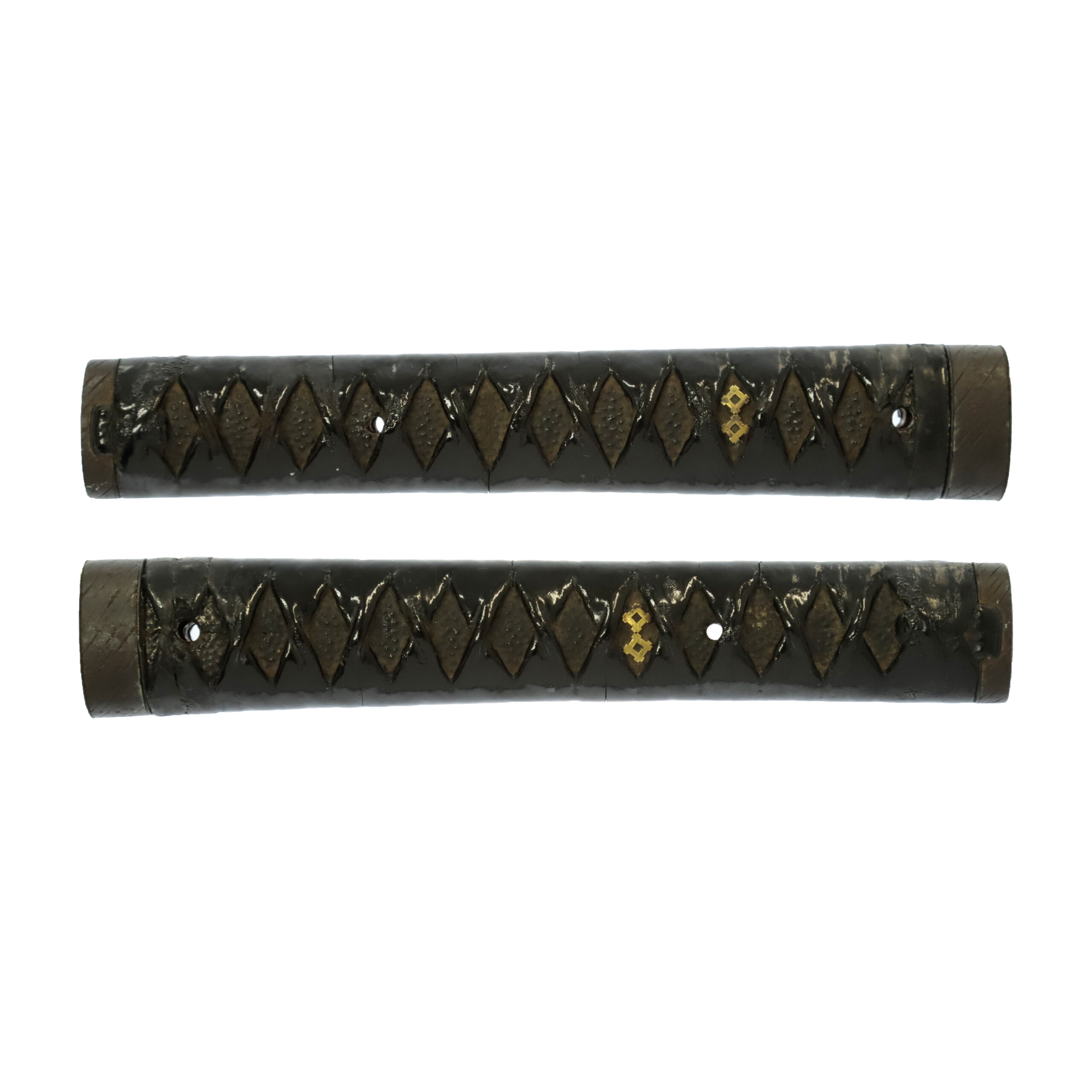
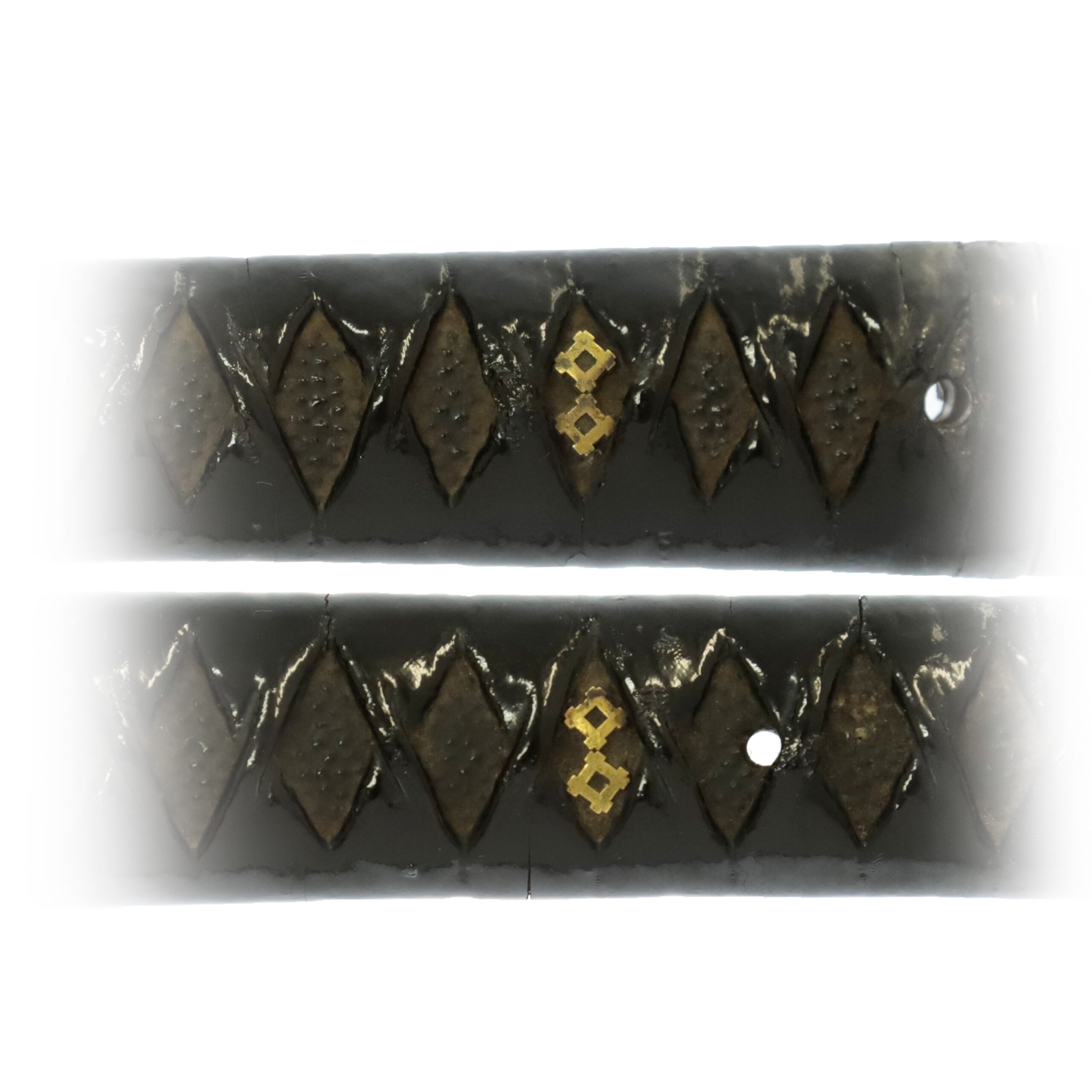
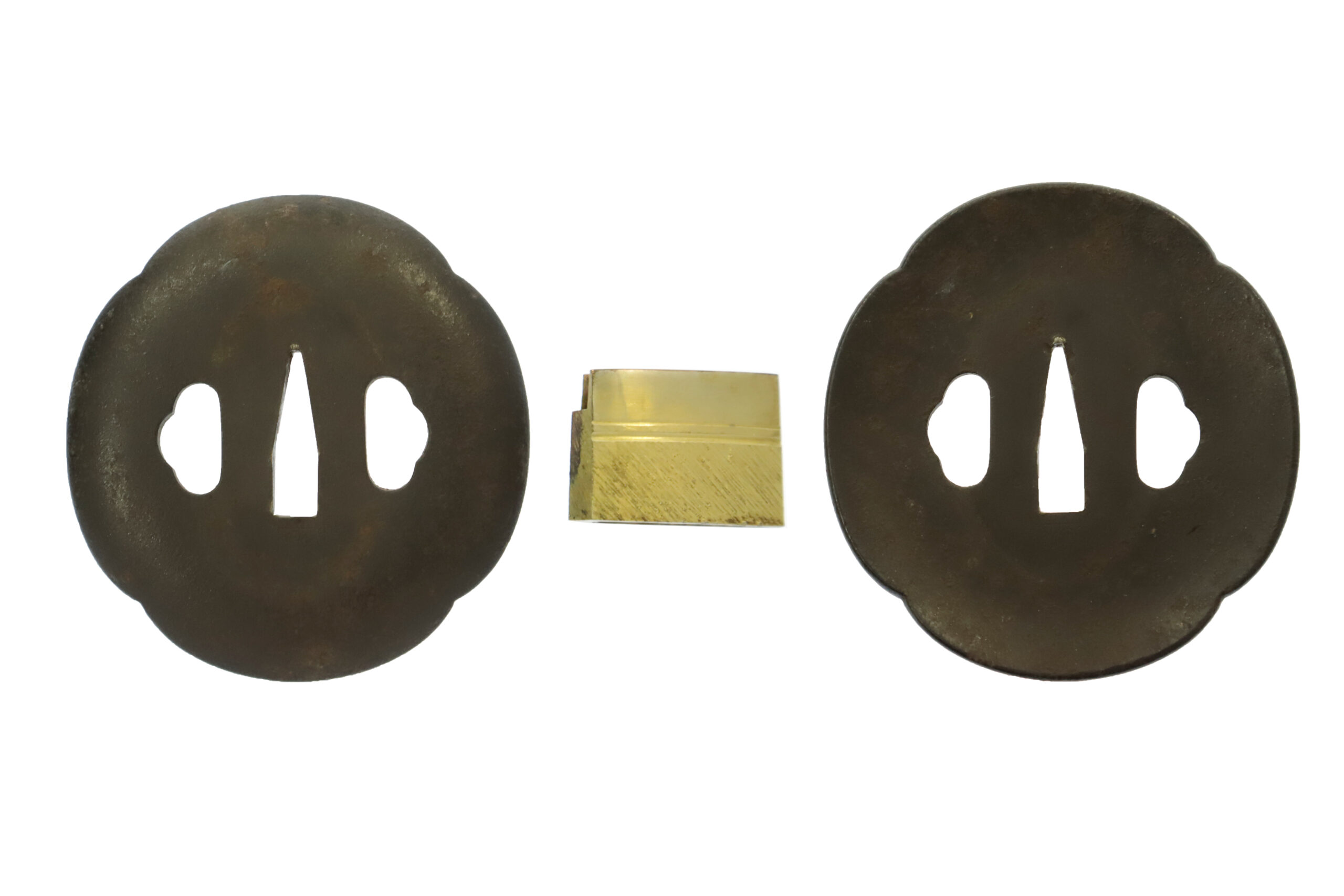
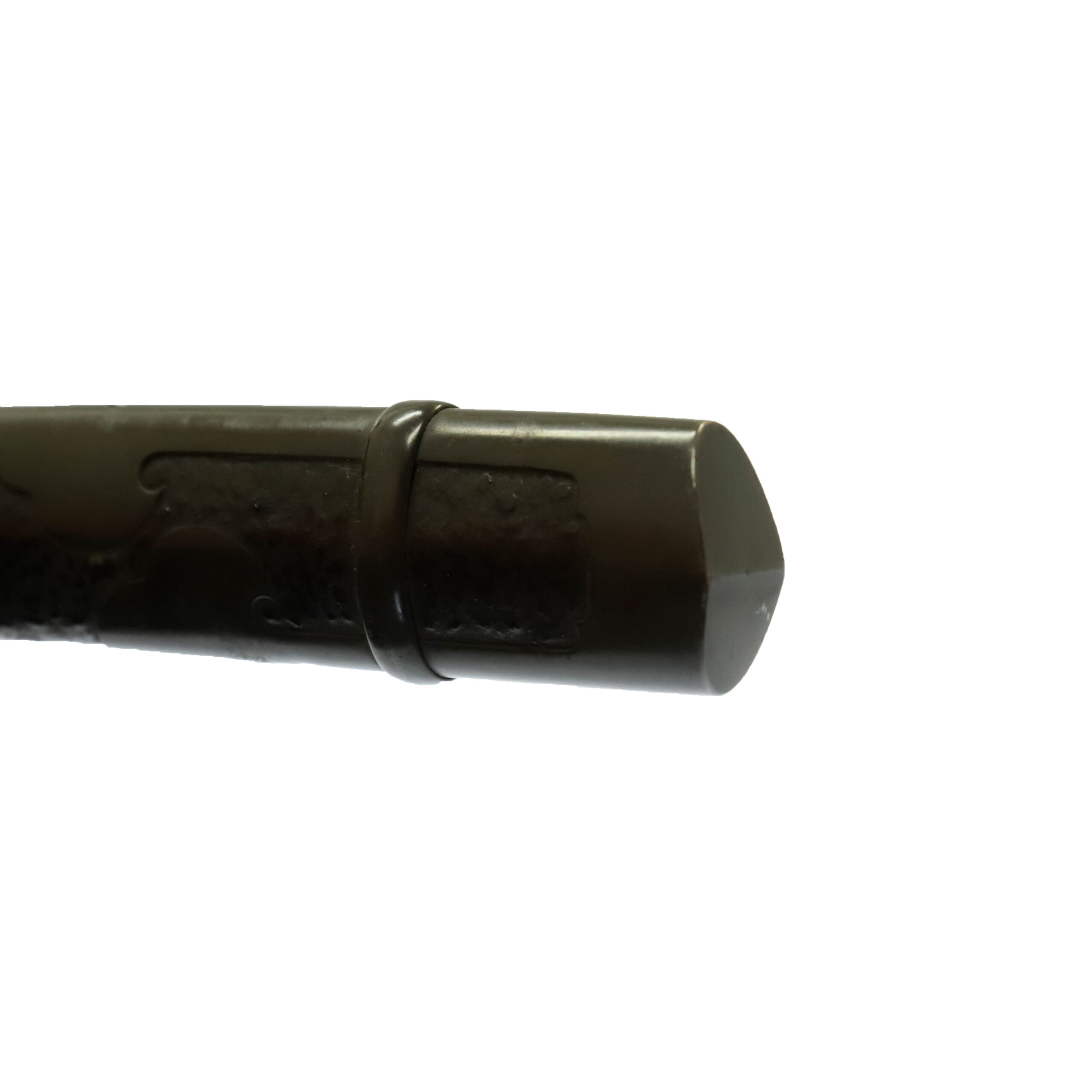
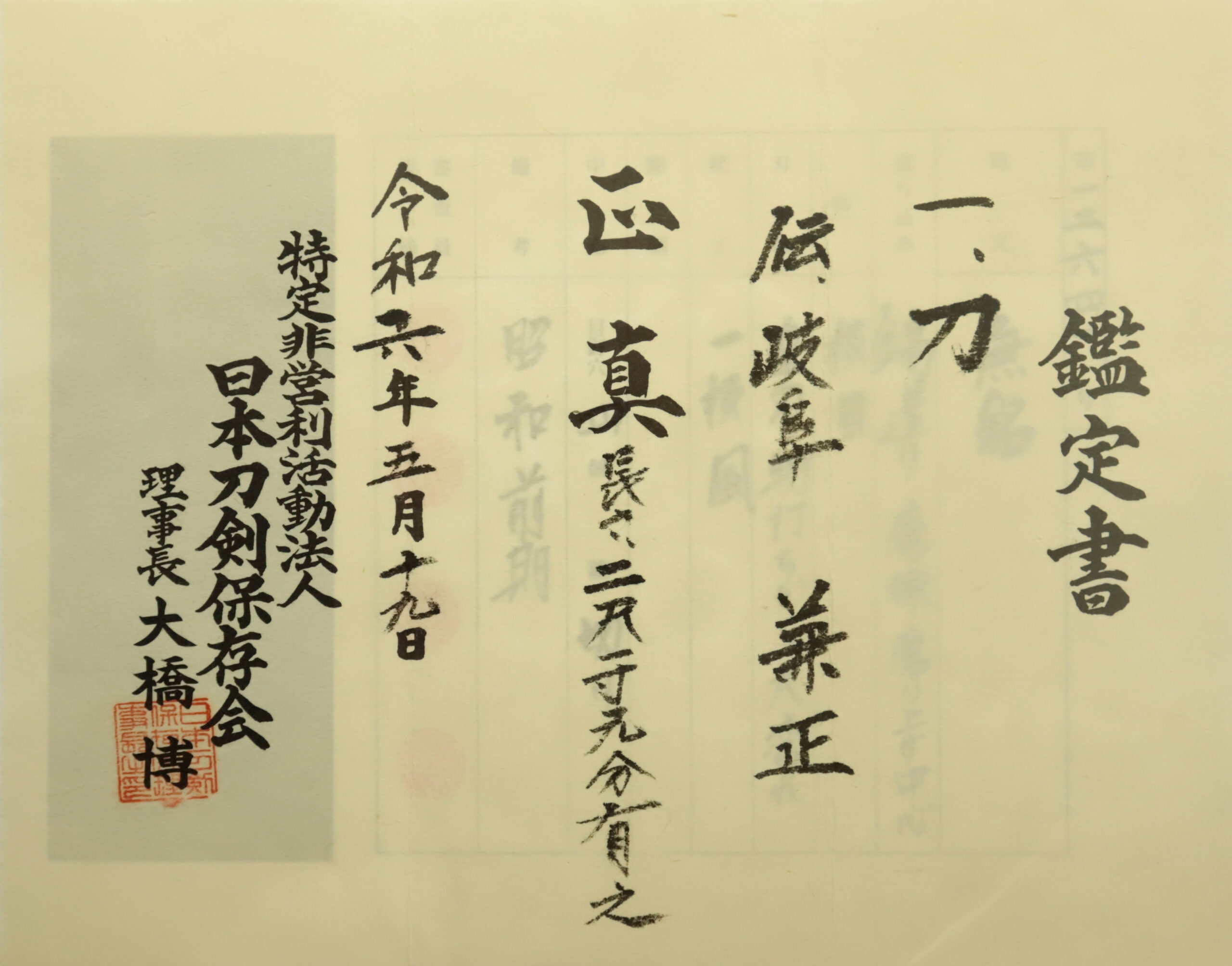
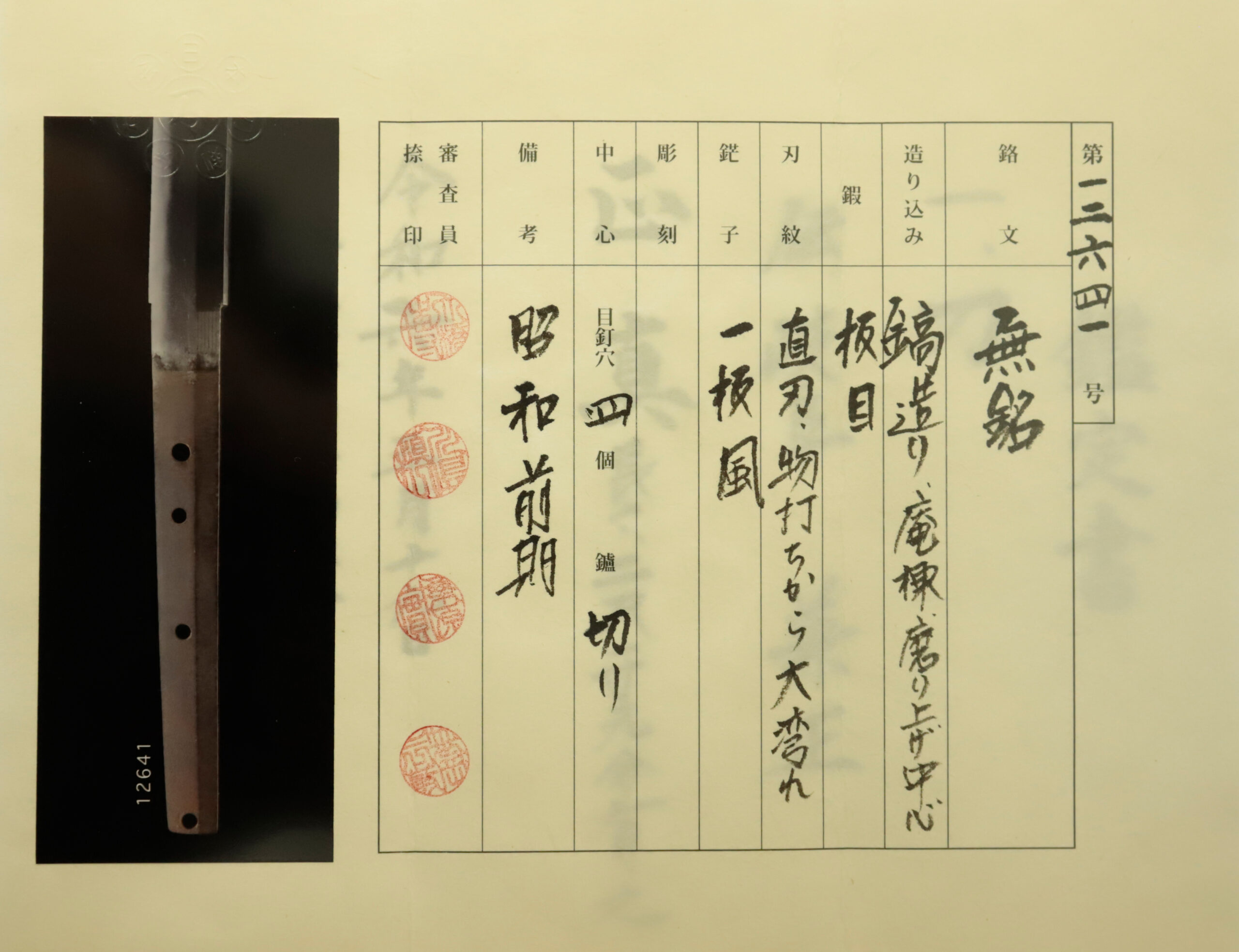
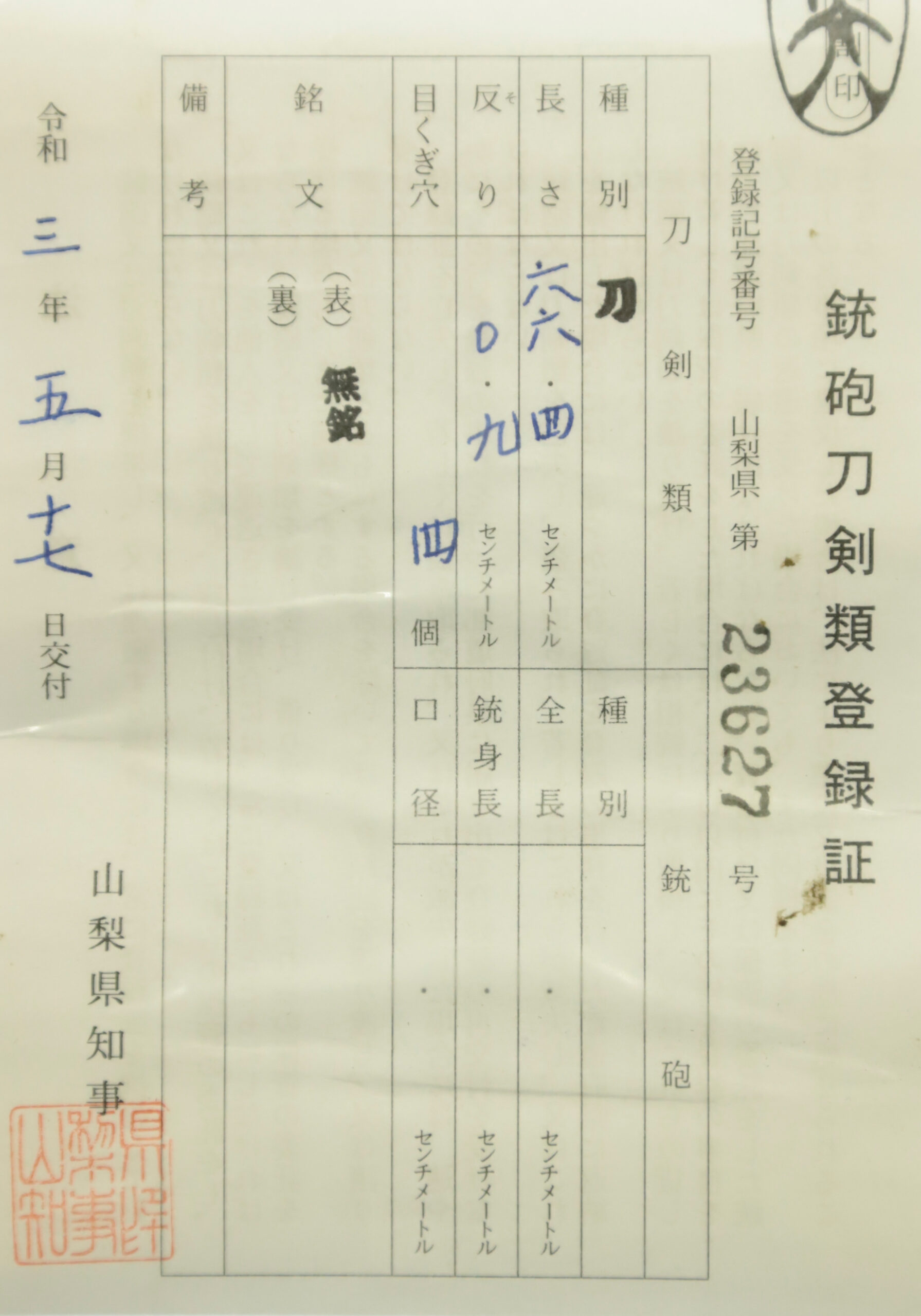
Summary This blade is attributed to Noshu Seki ju Kanemasa (濃州関住兼正), whose real name is Ono Masami (大野正巳) and one of the most famous swordsmiths using the most difficult sword forging technique called the Shihozume-gitae (四方詰鍛え). He was born in 1923 and active during the early Showa era (Early 20th century) in Gifu prefecture. Also, his excellent sword forging skill was designated as the Important intangible cultural property of Japan in the Gifu Prefecture in 1997. About Modern Swordsmith There are around 150-200 registered swordsmiths in Japan today. To legally produce Japanese swords, one needs to pass the national exam given by the Agency for Cultural Affairs(Bunka-Cho) and receive the license. Before taking the exam, one must finish his or her apprenticeship under a licensed master for more than five years. Those who practice Iaido(居合道) tend to use those modern swords, and there are modern Japanese sword collectors nationwide. The modern Japanese sword makers are researching old ways to forge swords and trying to recreate ancient-style swords. They are the ones who keep the tradition of Japanese history alive. *Please keep in mind that there are couple of Kitae Kizu on the blade. Tsuka and Menuki The handle is covered with stingray skin to reinforce the handle and not slip when its owner holds it. The black lacquered skin includes the handle. If you focus on Menuki, you will see golden motifs. It is a family crest called the Idutsu (井筒). The Idutsu (井筒) crest is a family crest with a well motif. Generally, the well-shaped wooden structure surrounding the above-ground part of the well is called the Igeta (井桁), and the circular one is called the Izutsu. In the family crests, the square one is called the Izutsu. A well is a crucial place filled with water and should not be polluted. In other words, it is thought that it came to be used as a family crest because it is indispensable for life. A theory says the simplicity of this motif was favored among Samurai families. Tsuba and Habaki This Tsuba is categoraized as the Wan-gata Tsuba (椀形鍔), whose shape is similar to a Japanese traditional bowl called the Wan (椀). This type of Tsuba is made by hammering out from the back side to give it a saucer-like bulge, similar to a bowl. Authentication Paper NTHK, also known as NPO Nihon Touken Hozon Kai, is the oldest organization for sword authentication of Japanese swords in modern times. It was established in 1910 during the post-Samurai era. They authenticated the blade on May 19th in the 6th year of Reiwa (2024), which is the highest appraisal in NTHK.
Kanemasa兼正
Offered by Samurai Museum
This piece has sold
Get an email when a new Kanemasa piece hits the market.


As written by the shop
Mino · around 1926-1989
2 pieces on the market now
Shōwa to the present: destruction and revival
The twentieth century nearly killed the craft twice: wartime distortion, then the occupation ban. The NBTHK’s founding in 1948 and licensed forging from 1953 rebuilt the sword as an art, crowned by Living National Treasures and the mukansa rank.
The NTHK’s principal certificate, issued for a blade of considerable quality. It confirms a genuine signature, or, for an unsigned (mumei) work, records the judges’ attribution to a smith or school. The paper carries a detailed worksheet with a numerical point score.
The NTHK (Nihon Tōken Hozon Kai, the Society for the Preservation of the Japanese Sword) is the oldest of Japan’s sword-appraisal bodies, founded in 1910, decades before the NBTHK. After the death of its long-serving head it divided into two successor societies, the NTHK and the NTHK-NPO, both of which continue to hold shinsa. NTHK blade certificates are known for a detailed worksheet that records a numerical point score alongside the judges’ written opinion (fitting papers carry the judges’ opinion without a point score), and the society is especially respected for its attribution of unsigned (mumei) work.
Returns/exchanges limited to defects caused by shipping (except willful misconduct or gross negligence by the company); customers must contact within 72 hours of receiving the product.