






The twentieth century nearly killed the craft twice: wartime distortion, then the occupation ban. The NBTHK’s founding in 1948 and licensed forging from 1953 rebuilt the sword as an art, crowned by Living National Treasures and the mukansa rank.
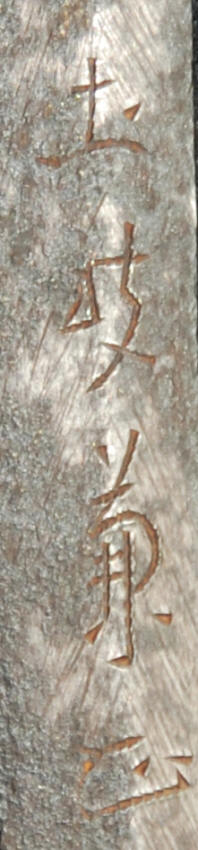
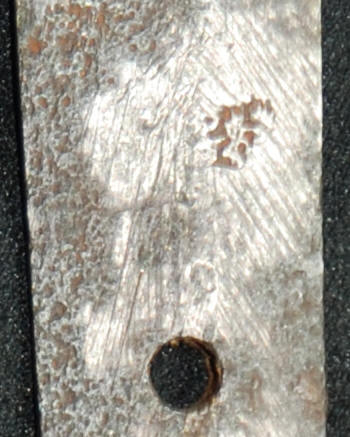
A mounted gendai katana signed, Seki stamp (unintelligible) Kanemasa Hawatare: 2 shaku 1 sun 6 bu 7 rin (65.5 cm /25.7"). Motohaba: 3.07 cm. Sakihaba: 2.25 cm. Kasane: 7.22 mm`. Hako, gunome togare midare in konie. Some crab claw patterns. There are slightly hard spots in the togare, classically seen in oil tempered blades. There is a good deal of work in the hamon not associated with normal arsenal productions. Masame hada. Shingunto tsuka, and a modern black lacquer saya in excellent condition. Because of the non-arsenal pattern of the hamon, I suspect that Kanemasa was a swordsmith who was conscripted into making swords for the war effort. Gunome togare. Ashi iri, Crab claw Classic Mino Seki Yasuremei Sakura arsenal stamp
Offered by Nihonto US
2 on the market


Mino · around 1926-1989
2 pieces on the market now
Shōwa to the present: destruction and revival
The twentieth century nearly killed the craft twice: wartime distortion, then the occupation ban. The NBTHK’s founding in 1948 and licensed forging from 1953 rebuilt the sword as an art, crowned by Living National Treasures and the mukansa rank.
We could not find an authenticity certificate on the seller’s listing. Japanese swords and fittings are normally papered by the NBTHK (or the NTHK). Without one, the attribution is the seller’s own assessment and has not been independently verified — treat it with caution and ask the dealer about certification before buying.
Three day, no penalty, inspection on every item. Returns must be in the same condition as shipped. Actual costs will be charged on returned items. No restocking fee. If you did not like the item is a good enough reason for return.
$1,250