After the Ōnin War broke the Ashikaga order, a century of Sengoku warfare armed nearly every province in Japan. The era rewards a discriminating eye: routine work exists in quantity, and beside it stand custom blades of the first rank.
 NihontoWatchNihontoWatch
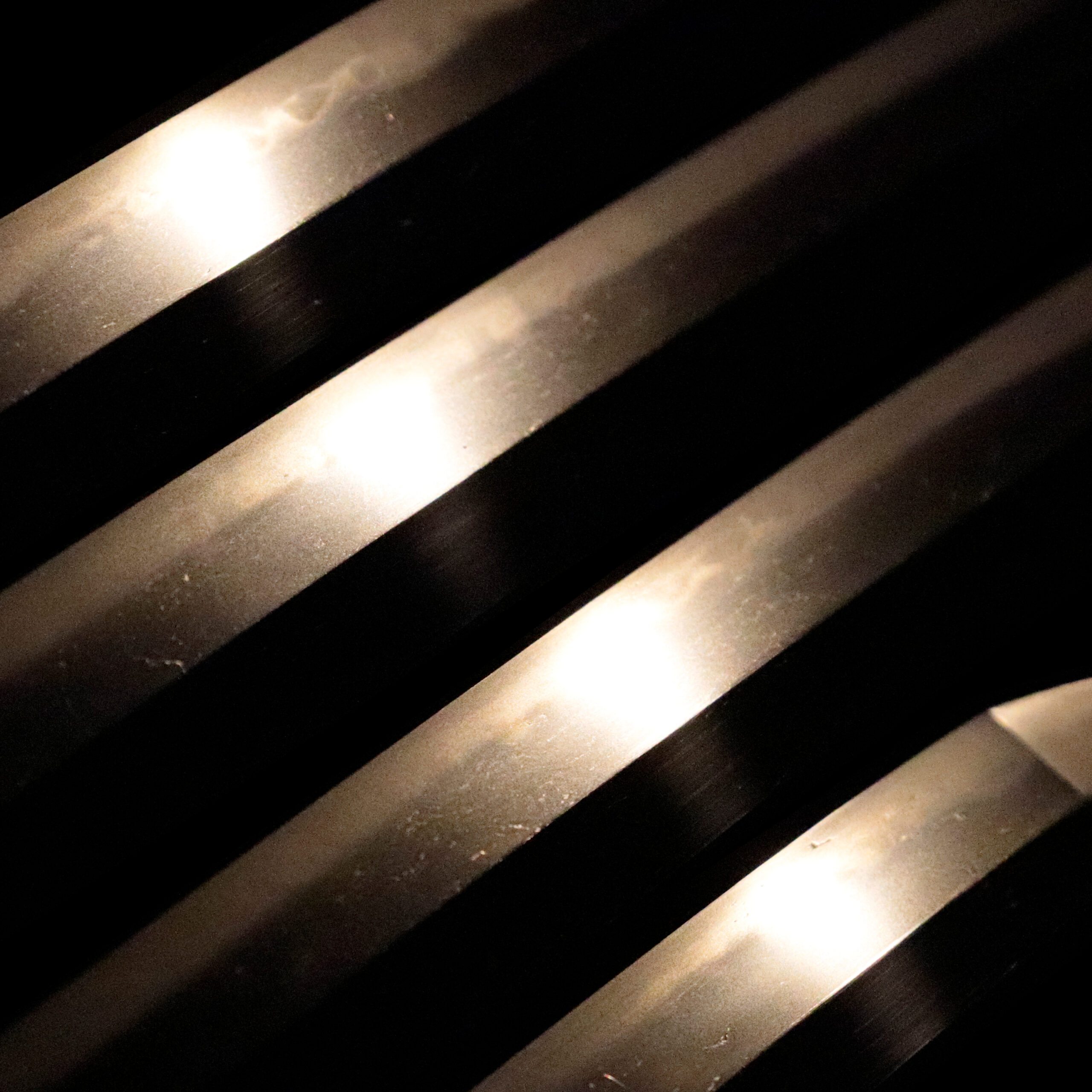
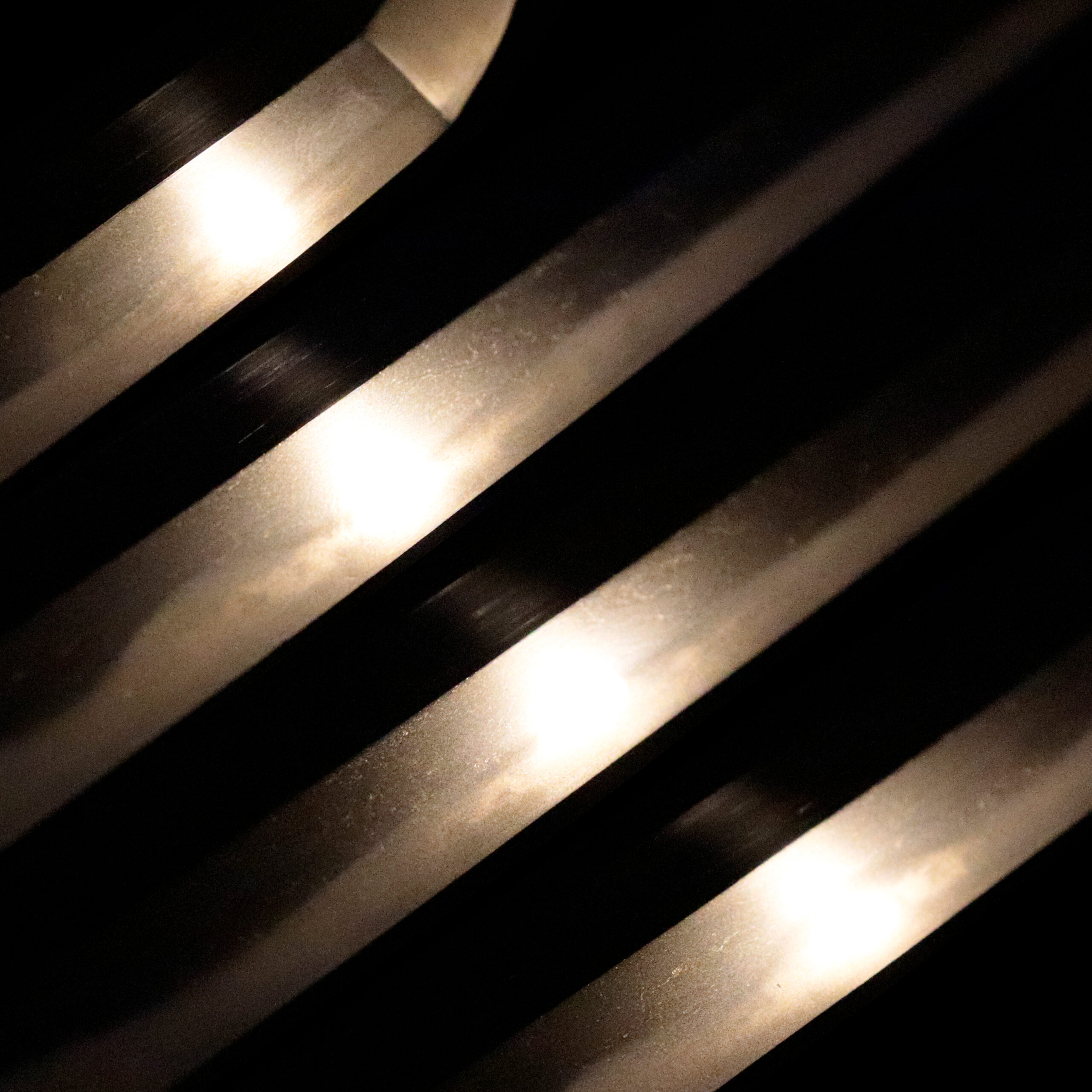
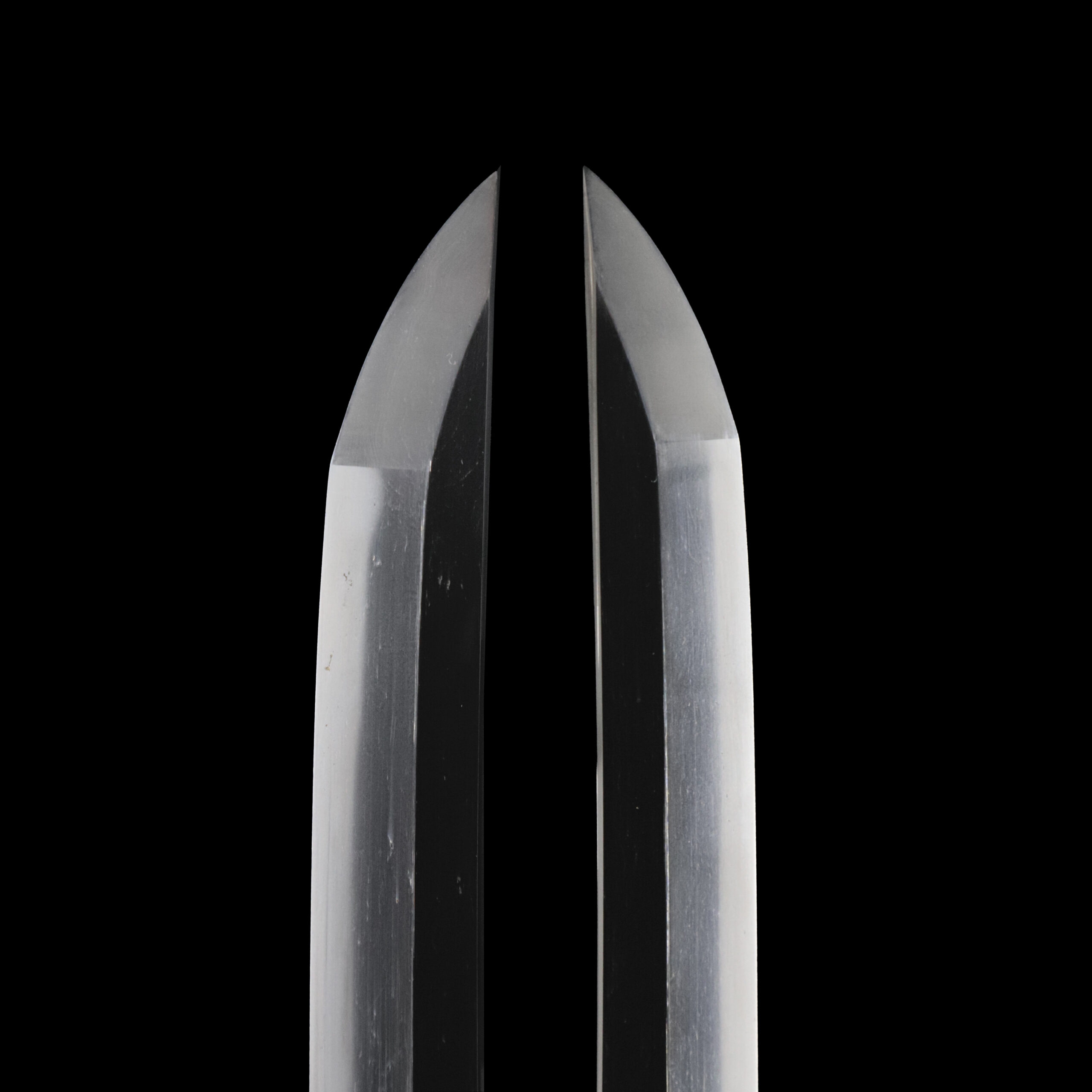
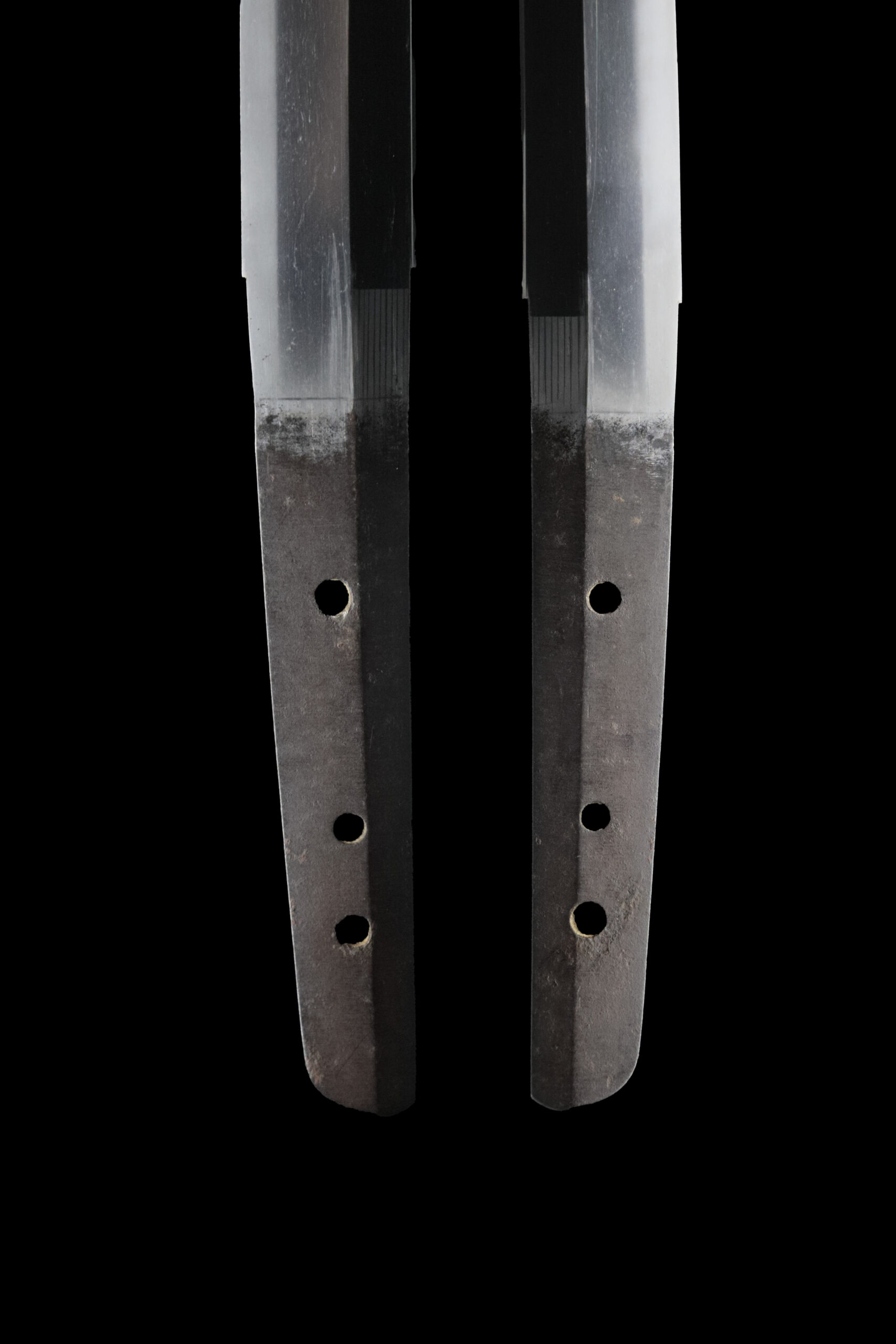
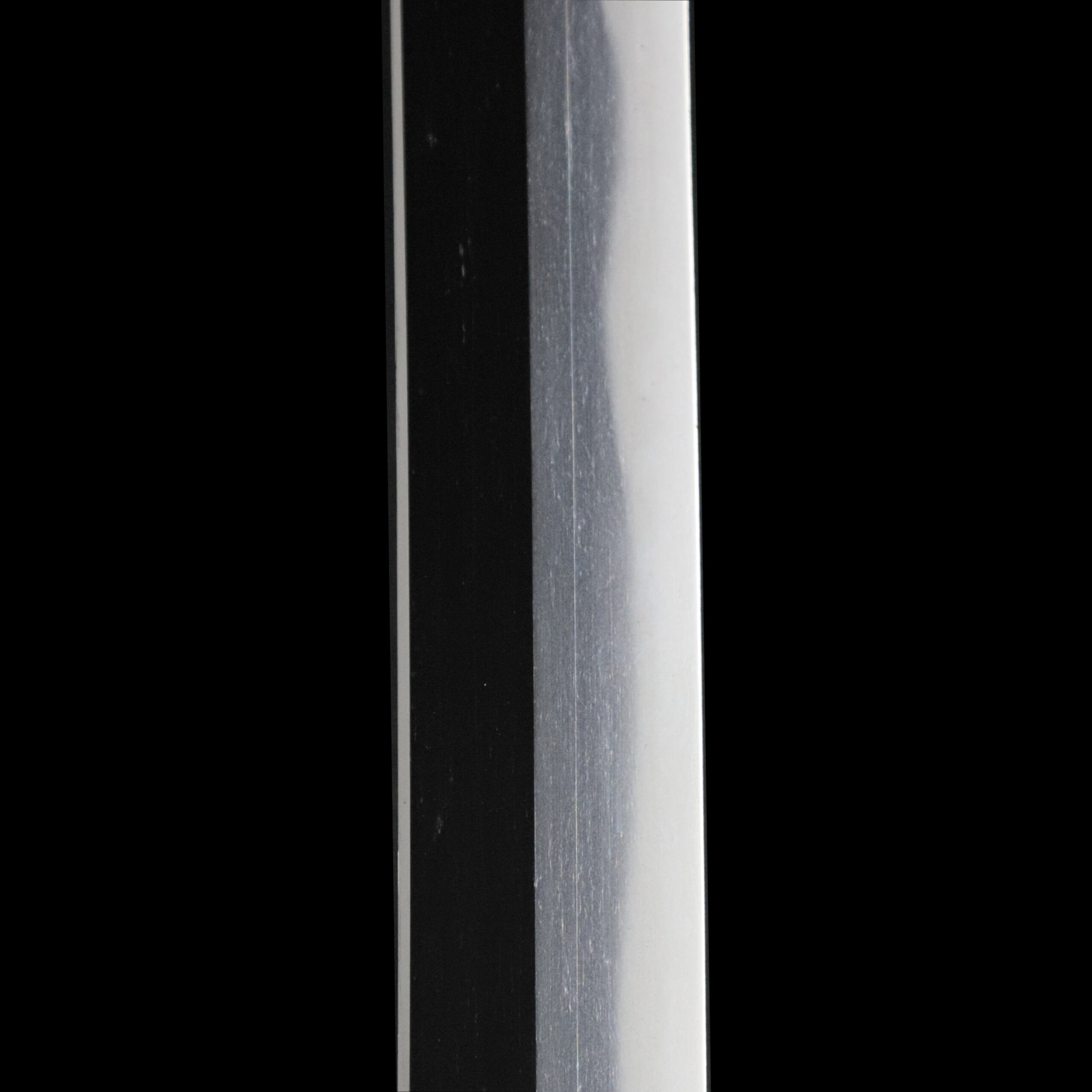
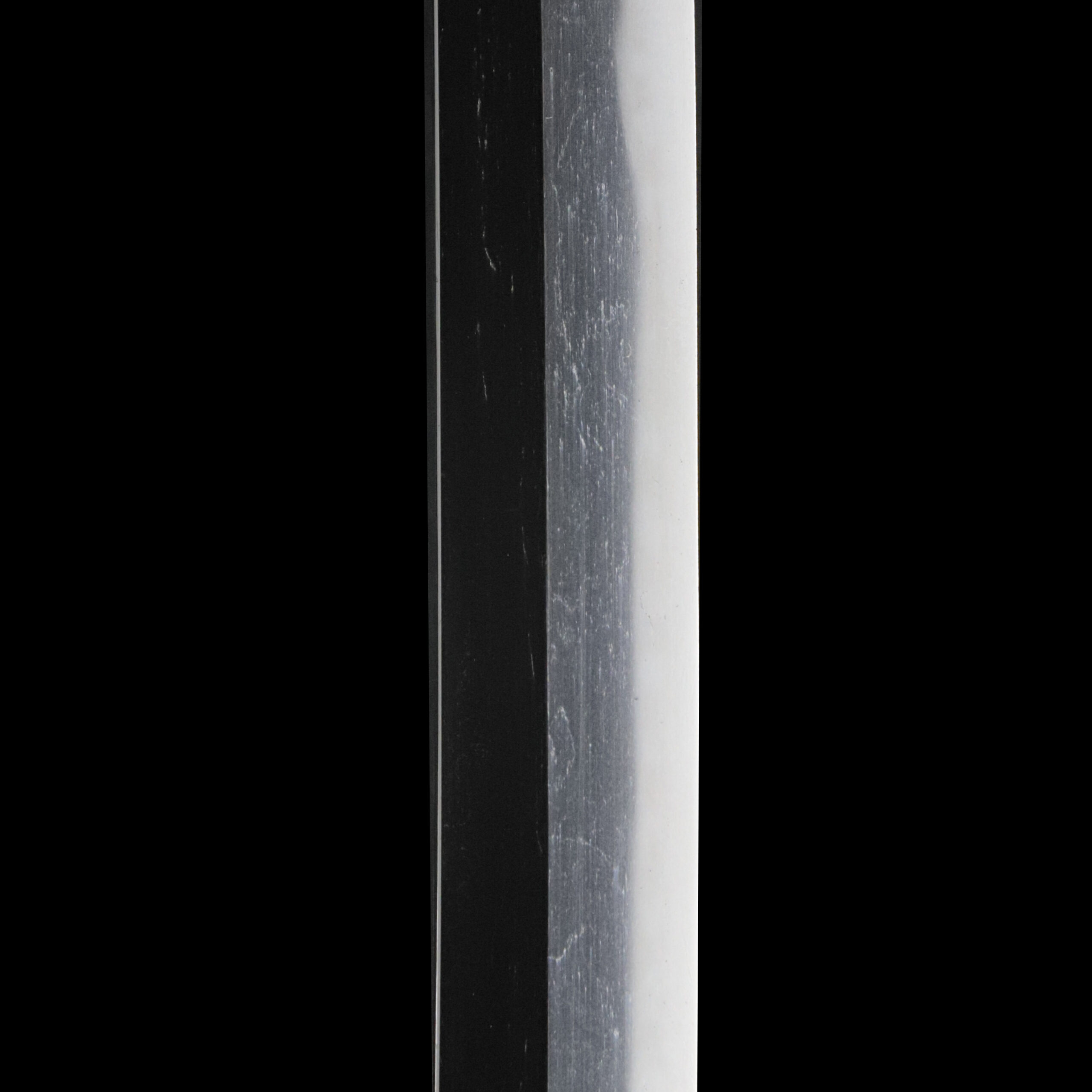
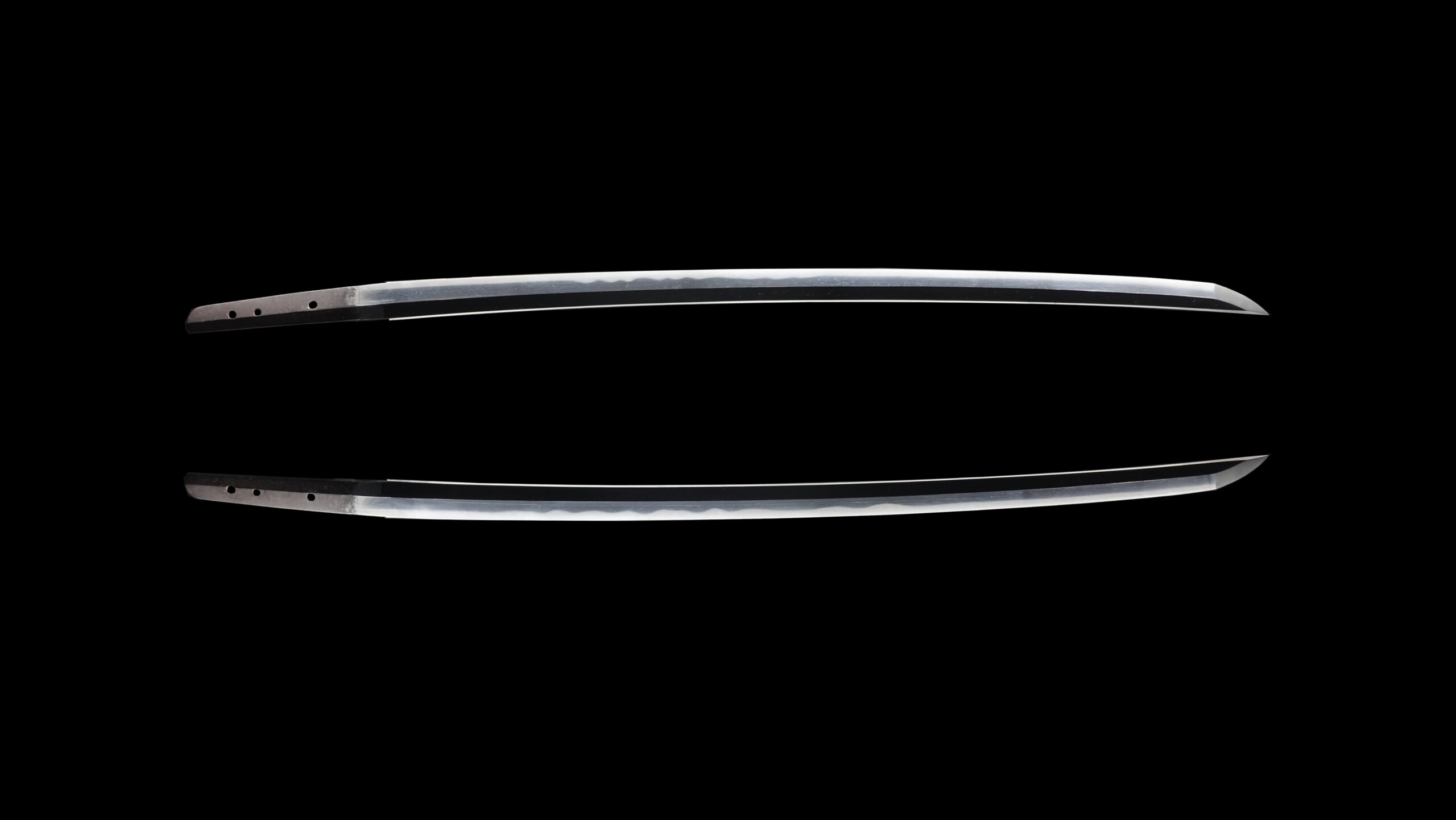
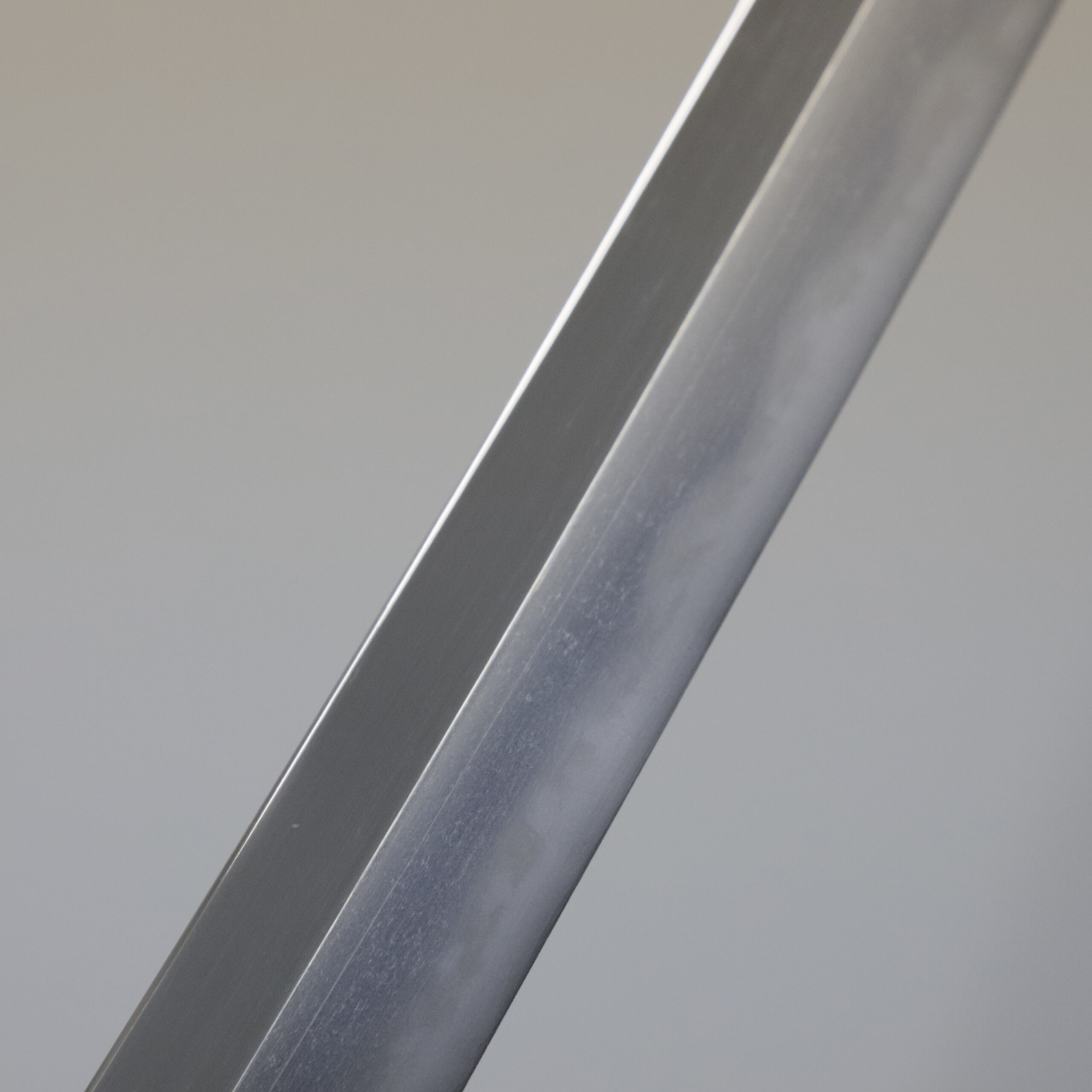
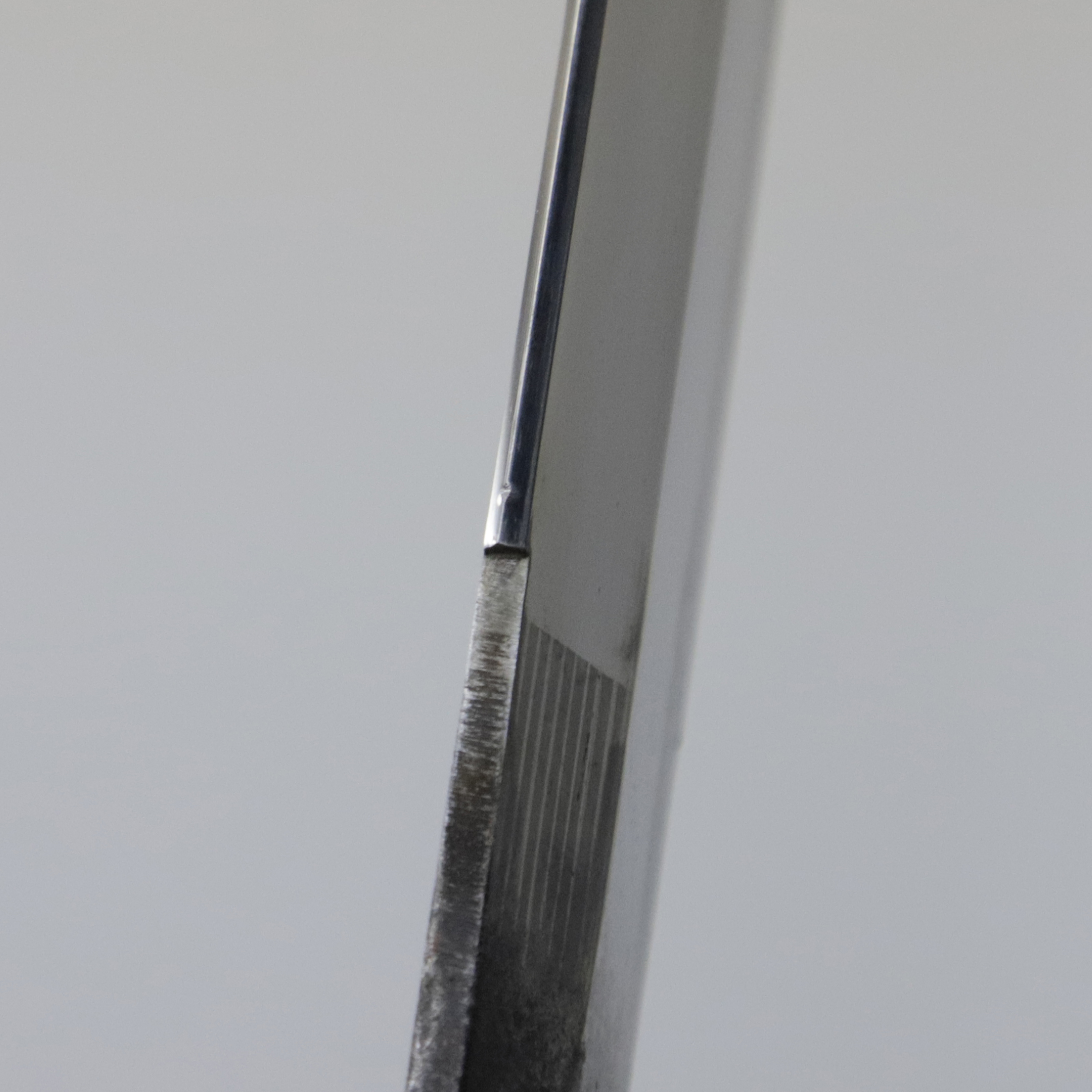
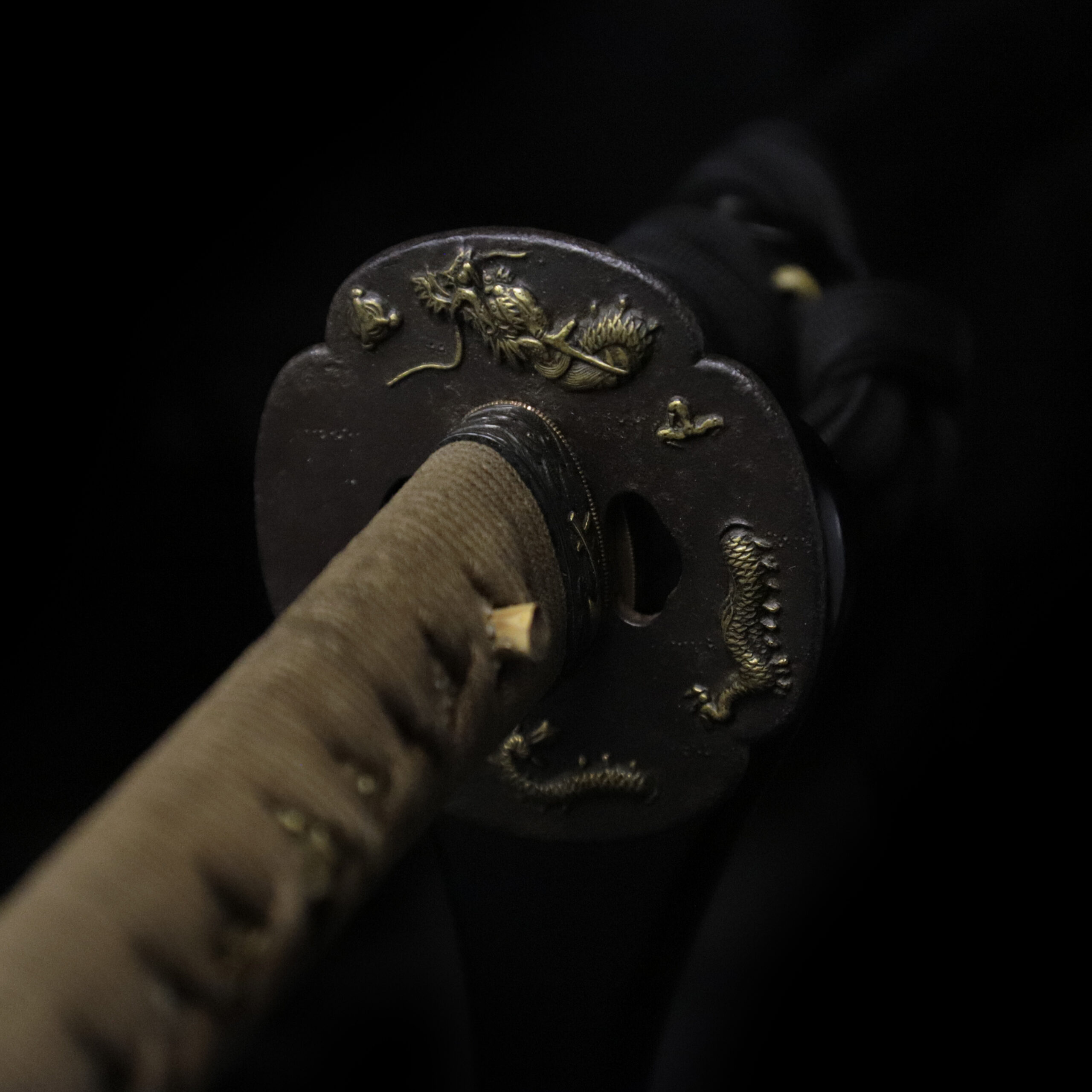
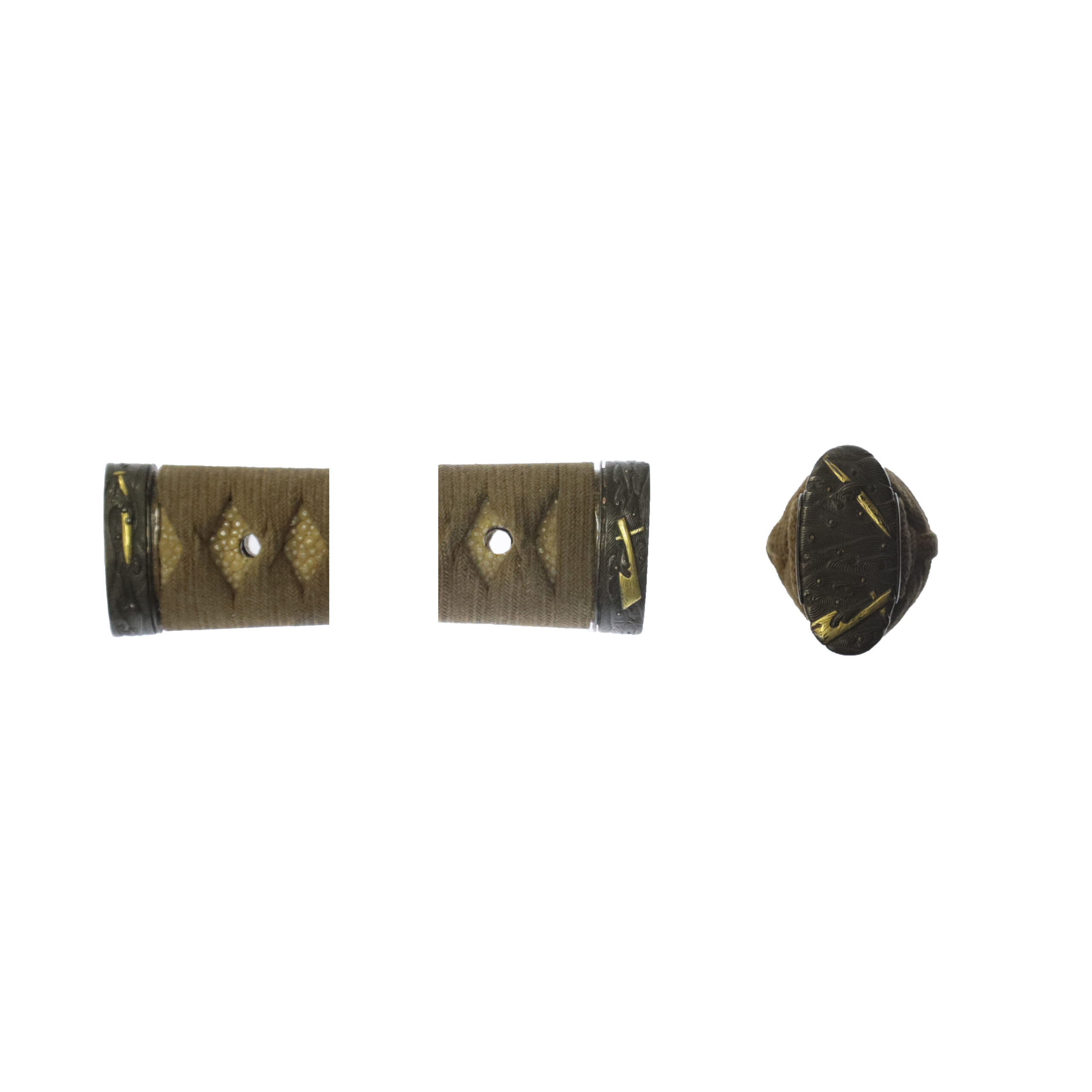
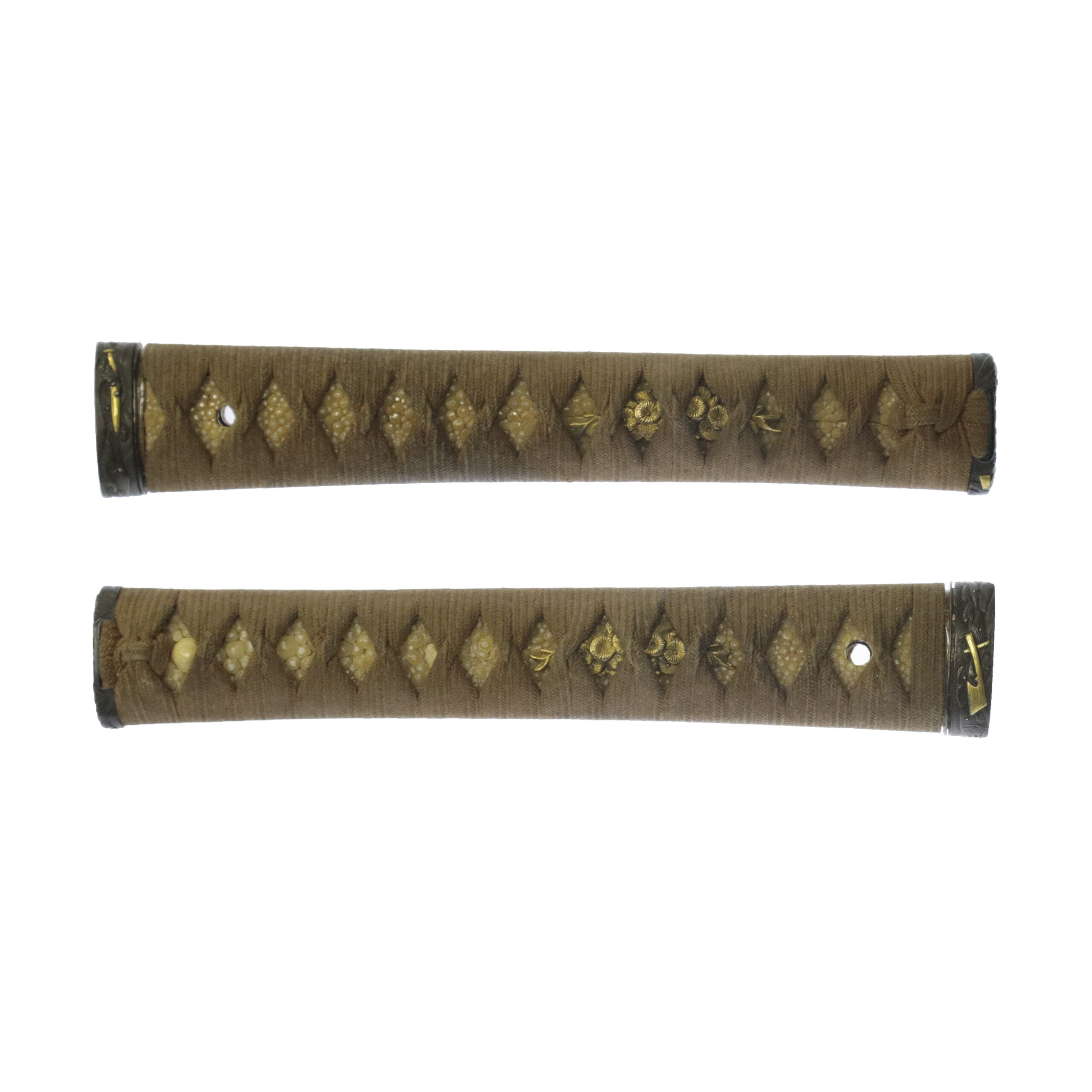
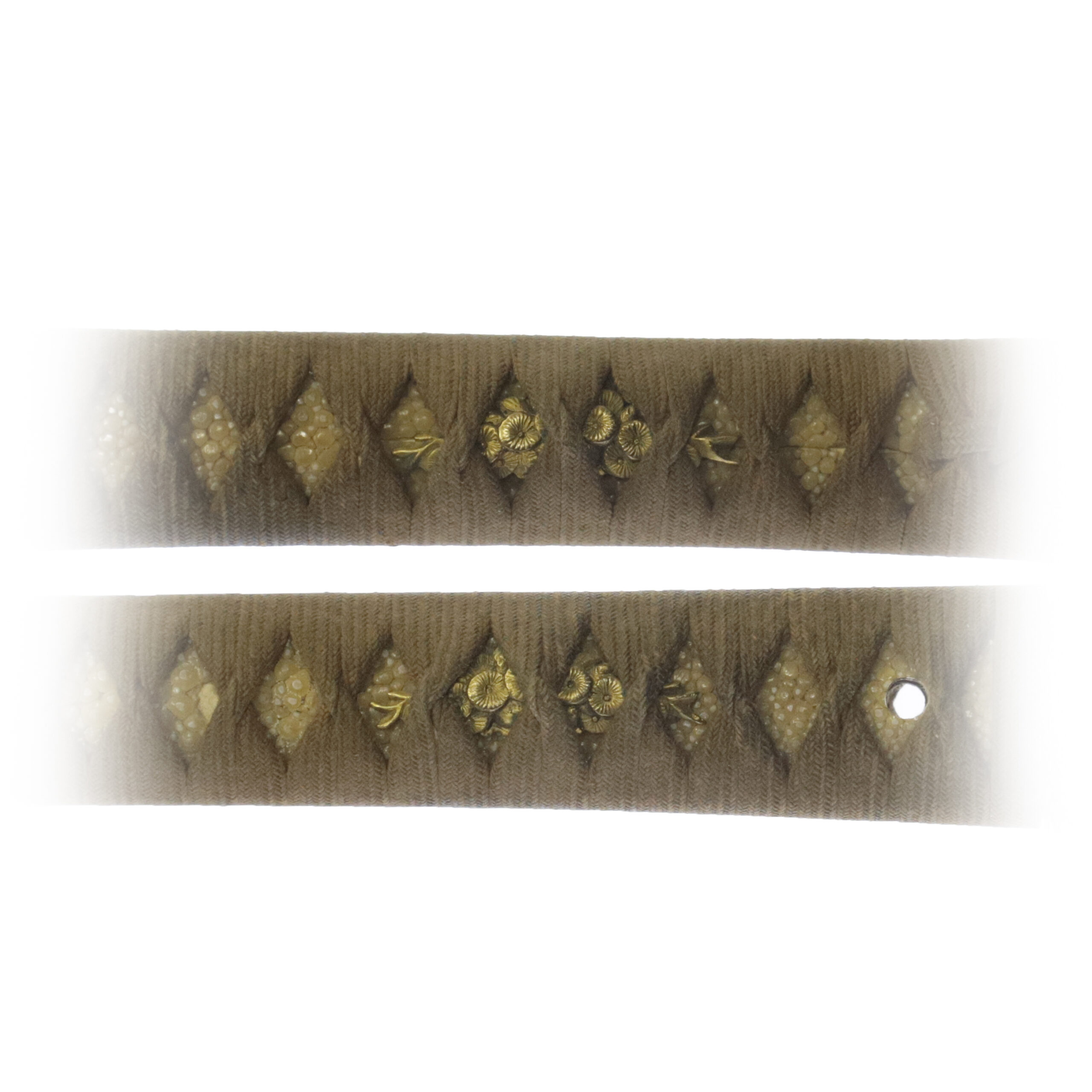
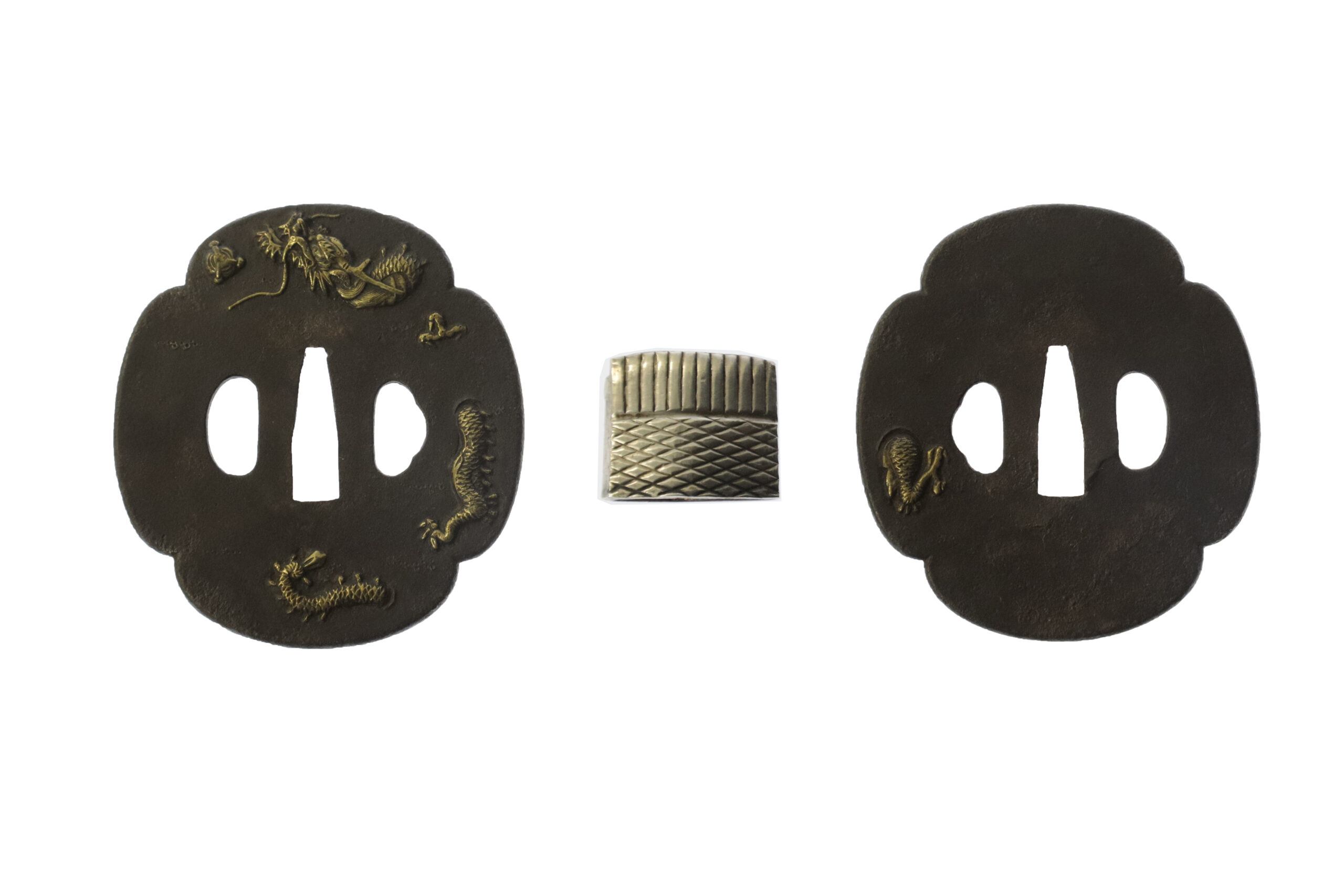
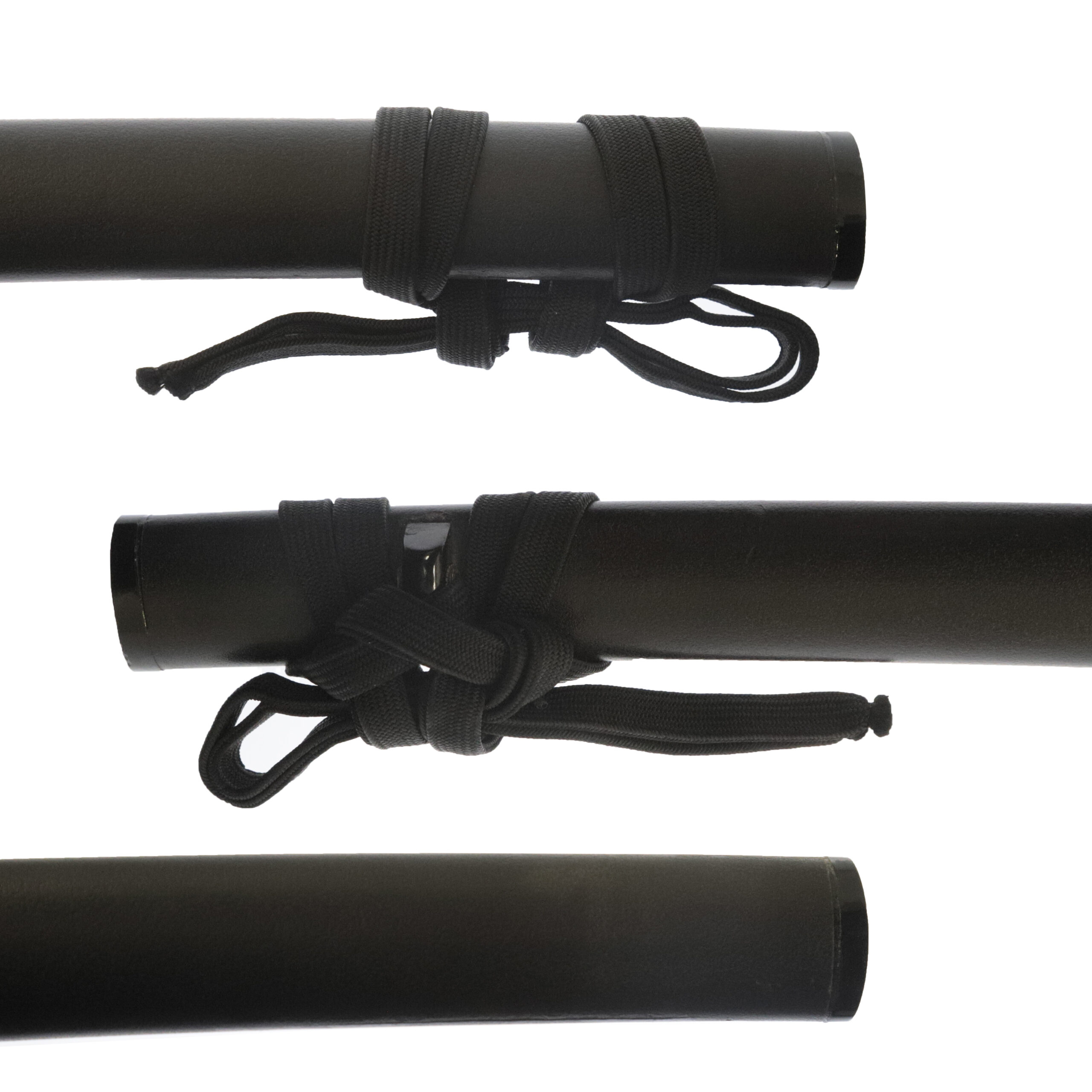
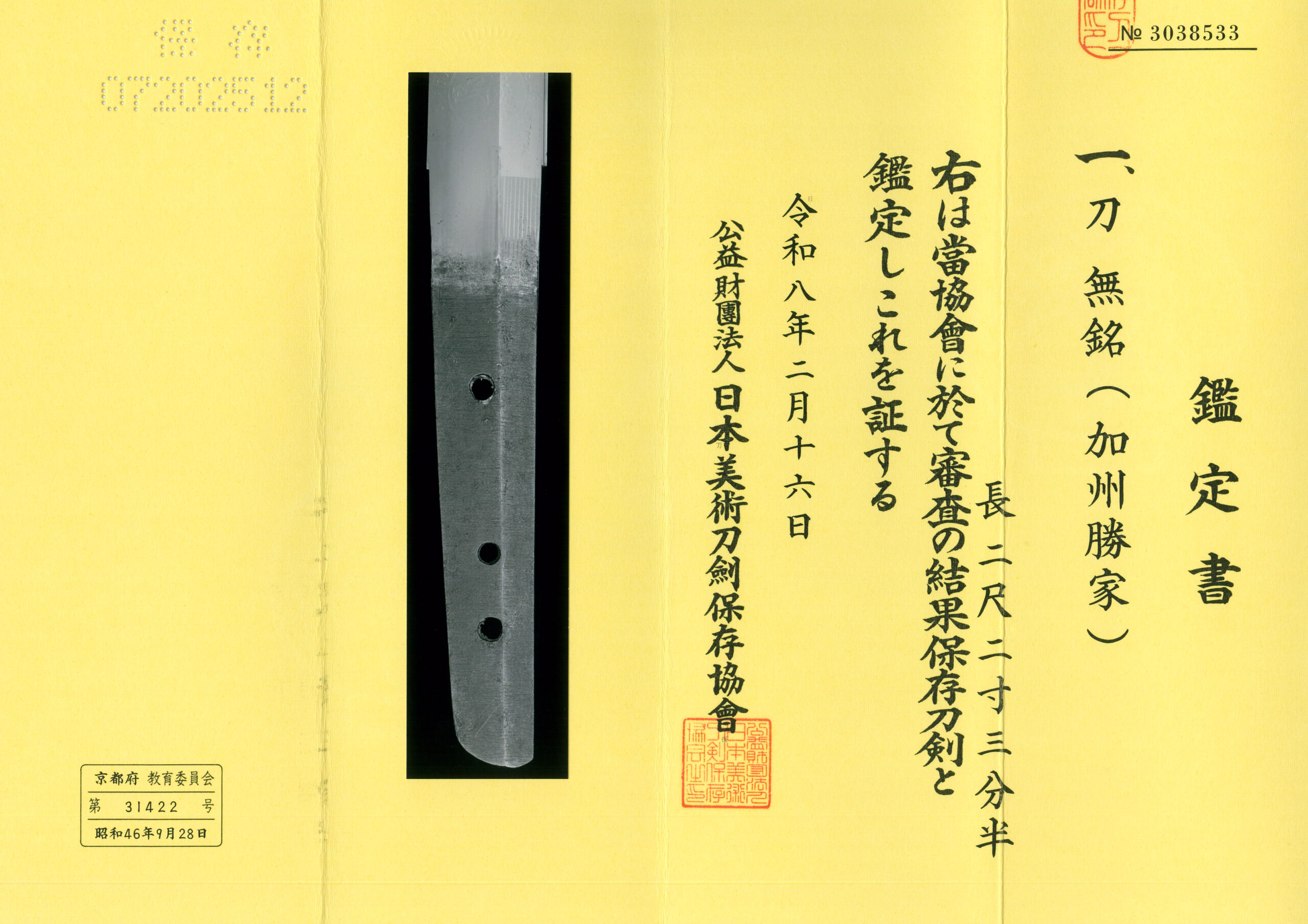
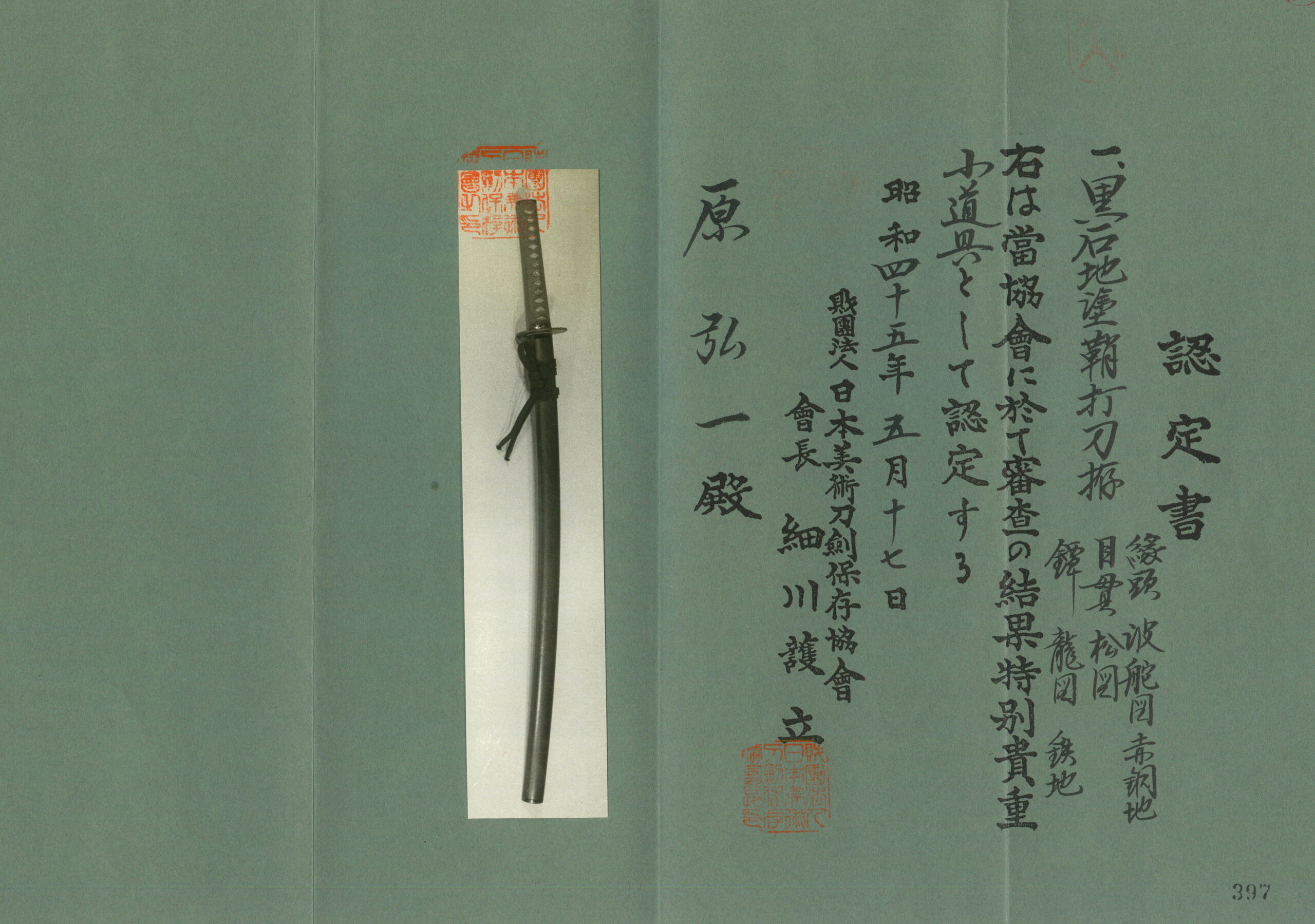
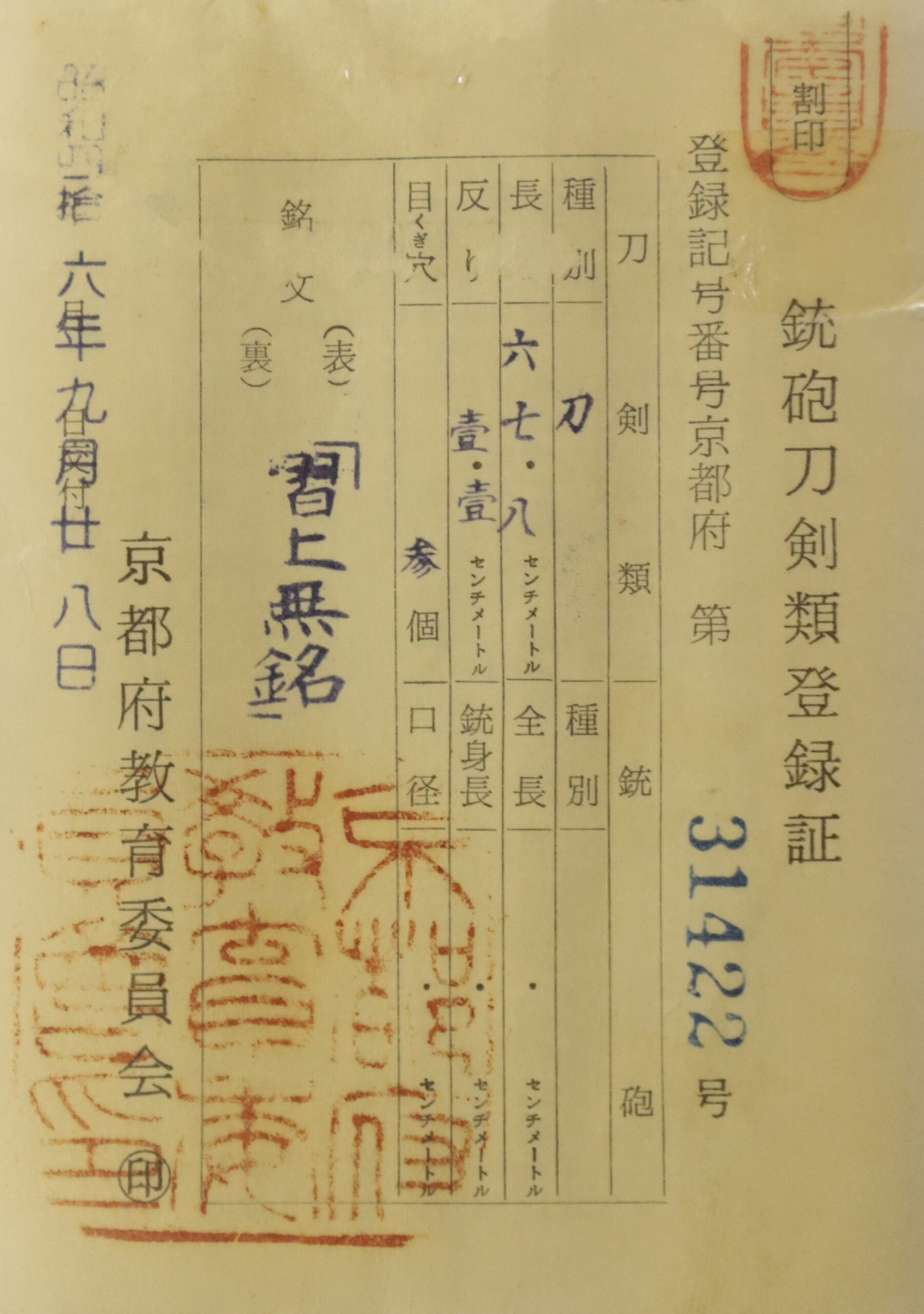
This blade is attributed to Kashu Katsuie (加州勝家). Kashu is another name of Kaga province (today’s Ishikawa prefecture), and it means that he resided in this area when he forged this blade. The swordsmith name “Katsuie” (勝家) lasted several generations from the middle of the Muromachi period to the early Edo period (1450s-1650s), and we believe the attribution was given to a late generation Katsuie in the late Murimachi period (the late 15th – mid 16th century). The first generation Katsuie was originally from Mino province, famous for the sword-forging tradition called MINO-DEN (美濃伝). He and his apprentices moved to Kaga Koku (today’s Ishikawa prefecture) in the middle of the Muromachi period (1450’s). They founded a Darani (陀羅尼) school after being hired by the monks who lived there. However, from the second generation, Katsuie served the famous feudal clan, Maeda clan, forging swords for famous Samurais. It was honorable for any swordsmiths to serve a feudal clan exclusively. This blade might have been made in the middle of Sengoku Jidai (Warring States period) when there was so much rivalry between warlords trying to gain political power nationwide. It would be nice to have a piece that survived through this period. Maeda Clan Maeda clan was originally a retainer of Oda family, who ruled Owari province (today’s Nagoya area in Aichi prefecture). The first head of the Maeda clan was Toshie Maeda. He climbed the social ladder of Samurai society and became the feudal lord of Kaga province (today’s Ishikawa prefecture). He had a vast rice fief that fed 1 million grown-up adults, which is called Hyakuman Goku. The Maeda clan was one of the most influential families in Samurai history. Toshie Maeda had a close tie with Oda Nobunaga and Hideyoshi Toyotomi. This blade is appraised as a Hozon Token (保存刀剣) issued by NBTHK (Nihon Bijutsu Touken Hozon Kyokai:日本美術刀剣保存協会). *Please keep in mind that there are a couple of Kitae Kizu on the blade. Fuchi-Kashira The theme of these Fuchi-Kashira is the hatō-zu motif (波濤図), a traditional Japanese design depicting turbulent ocean waves. In addition, a small boat-like figure appears to be rendered in gold inlay (kin-zōgan), showing it being tossed about by the raging waves. The wave motif symbolizes the dynamic and ever-changing power of nature, as well as resilience, strength, and the ability to overcome adversity. Such patterns were favored in sword fittings because the movement of water was seen as a metaphor for a samurai’s unyielding spirit and determination. Tsuka and Menuki This menuki features a traditional design based on a Kikka-kago (菊花籠), a flower basket filled with chrysanthemum blossoms. Flower baskets (花籠, hana-kago) have long been used in Japanese culture as decorative vessels for arranging and displaying seasonal flowers, symbolizing elegance, refinement, and an appreciation for nature. The chrysanthemum (菊, kiku) holds a particularly important place in Japanese aesthetics and culture. As a symbol associated with longevity, nobility, and autumn, it has been admired for centuries and is also connected to the Imperial family of Japan. Because chrysanthemums bloom gracefully even in the colder seasons, they have traditionally been regarded as symbols of endurance, dignity, and vitality. The elegant appearance of the chrysanthemum basket design reflects the refined artistic sensibilities of traditional Japanese decorative art. Tsuba and Habaki The theme of the Tsuba is the dragon (龍, Ryu). Initially, the dragon is an imaginary creature found in ancient Chinese traditions or myths. Furthermore, it is regarded as a symbolic beast of auspicious signs. Its body is likened to nine animals: antlers are deer, the head is a camel, eyes are demons, the neck is a snake, belly is Mizuchi (蛟, mythical animal in Japan which looks like a snake and have a horn and four legs), scales are fish, claws are falcons, palms are tigers, and ears are cows. It was thought that the dragon would reign at the top of all animals because of its odd-looking appearance. Also, in Japan, there is a belief that worships dragon as a water god and is called Ryujin Shinkou (竜神信仰). Since rice cultivation flourished in this country, water is always an essential resource. Therefore, the dragon motif has been familiar to Japanese people since a long time ago. Saya The surface of these Saya is decorated with the Ishime-Ji (石目地). Its base was hit by Tagane (鏨, chisel for metalworking), and it makes a rough surface that seems stone. Authentication Paper They authenticated the blade on February 16th in the 8th year of Reiwa (2026). They appraised it as Hozon Touken, the blade worth preserving for Japanese society. Authentication Paper They authenticated its Koshirae on May 17th in the 45th year of Showa (1970). They appraised it as Tokubetsu Kichou Touken, an old form of the certificate.
Offered by Samurai Museum
Its only papers are older green Kichō papers, which the NBTHK largely disavows today. Ask the dealer whether it has passed current shinsa. — Hoshi
17 on the market

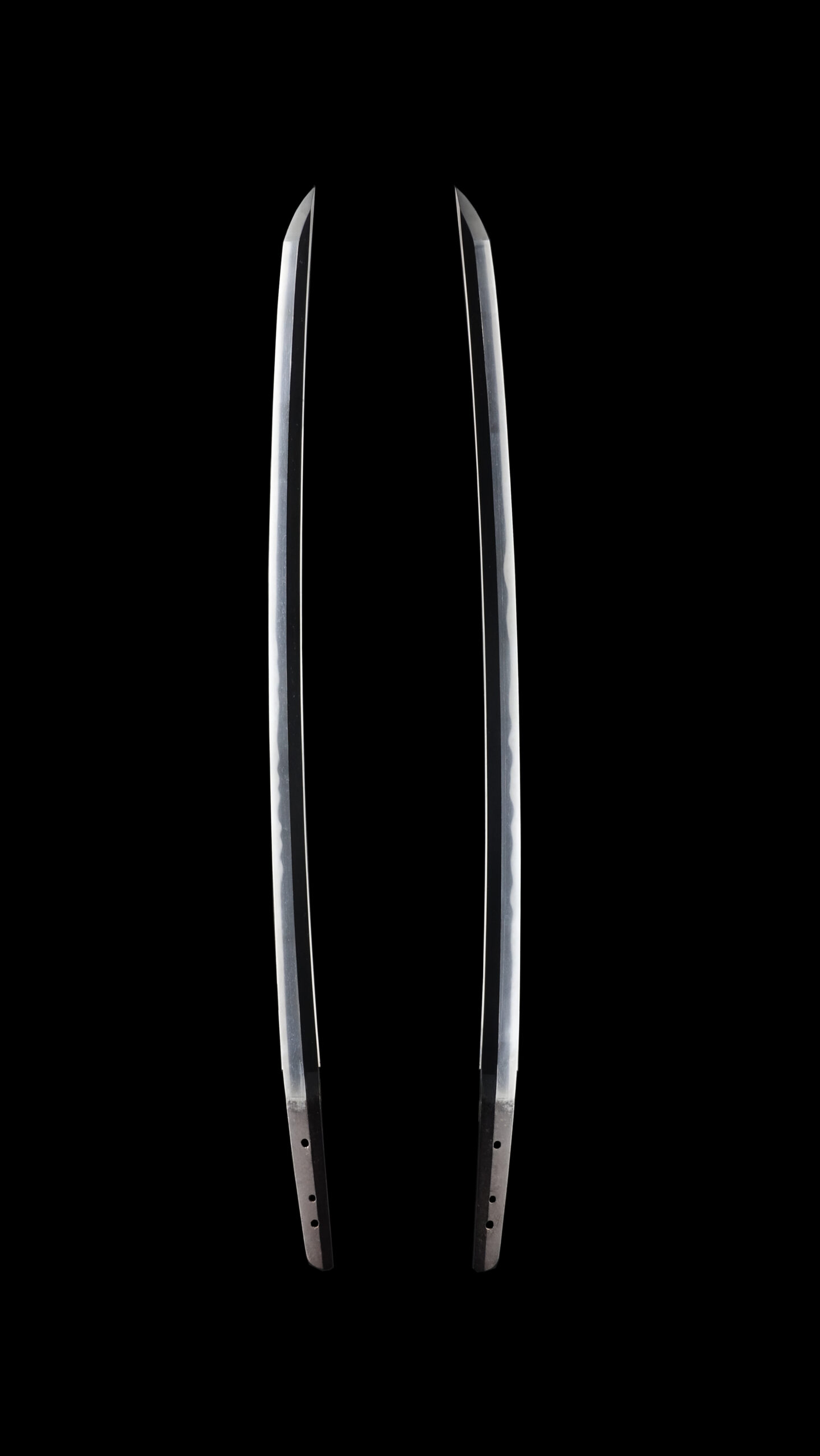
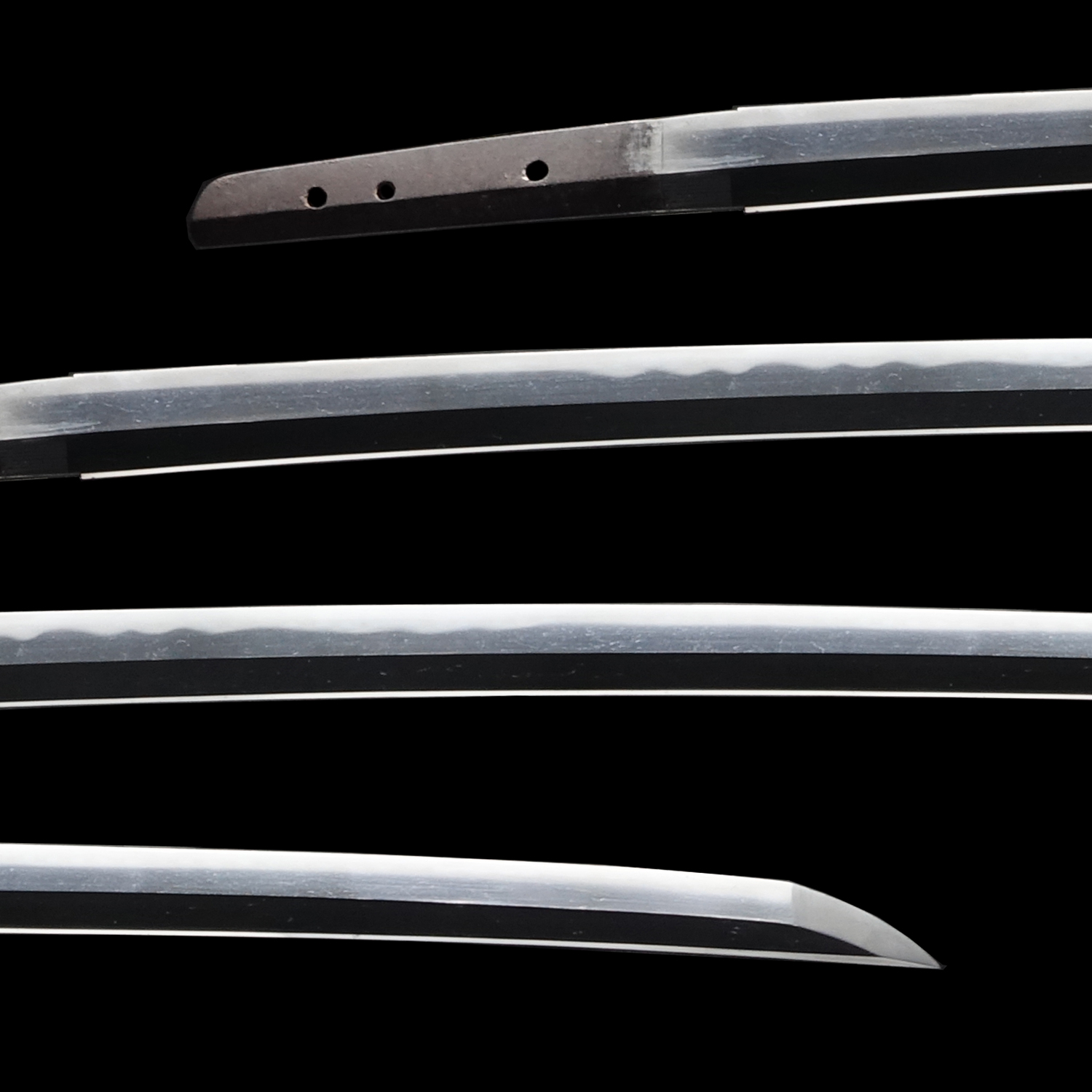
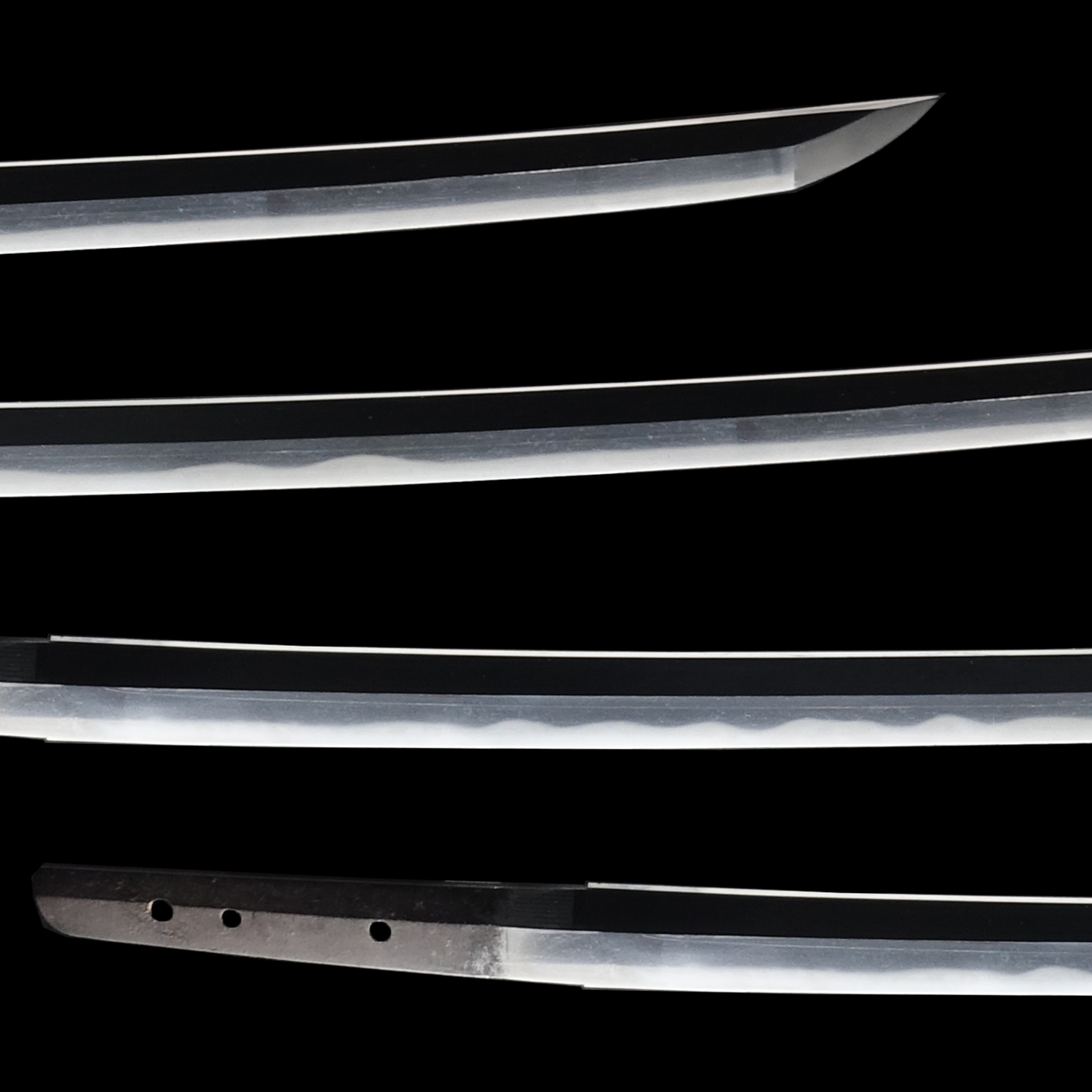
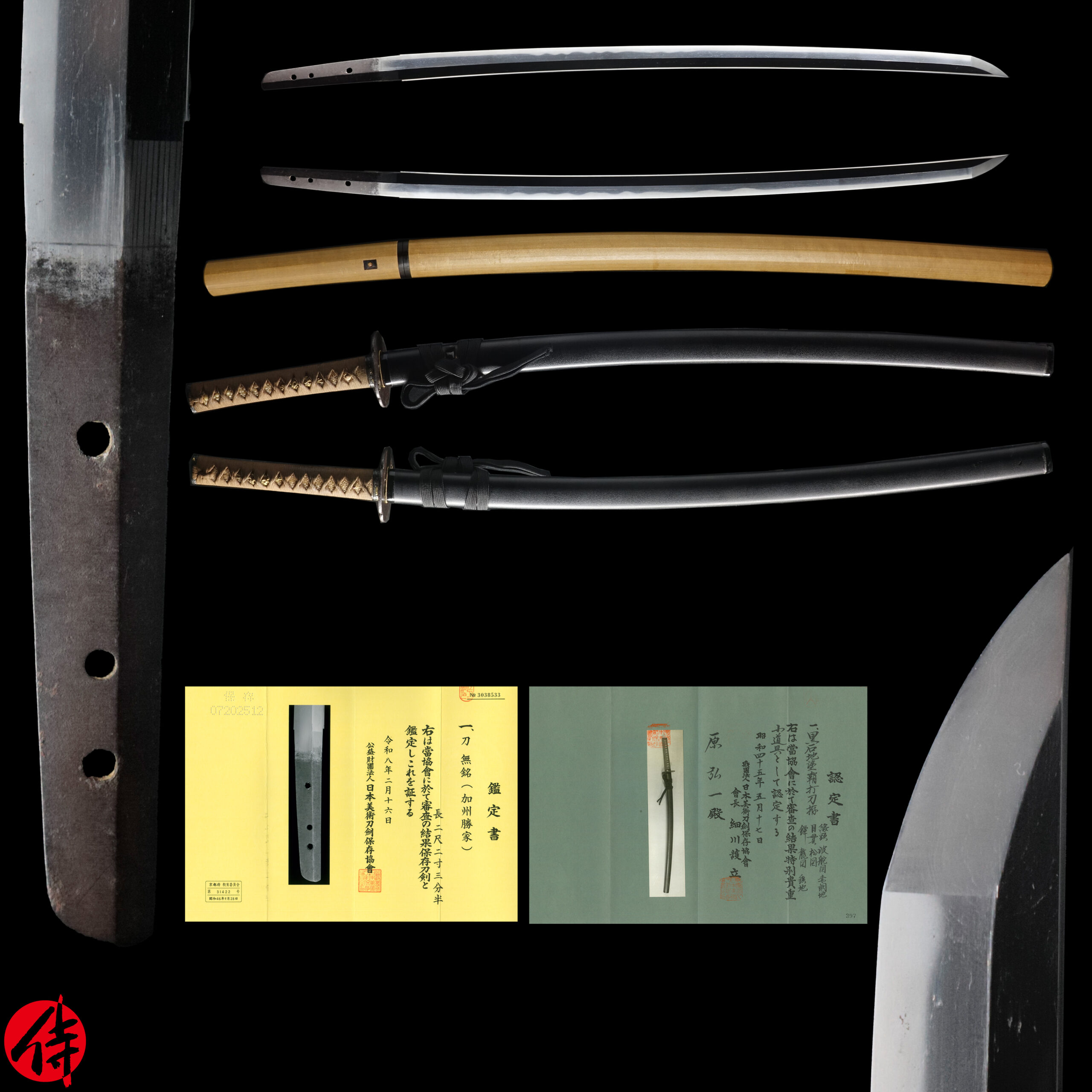
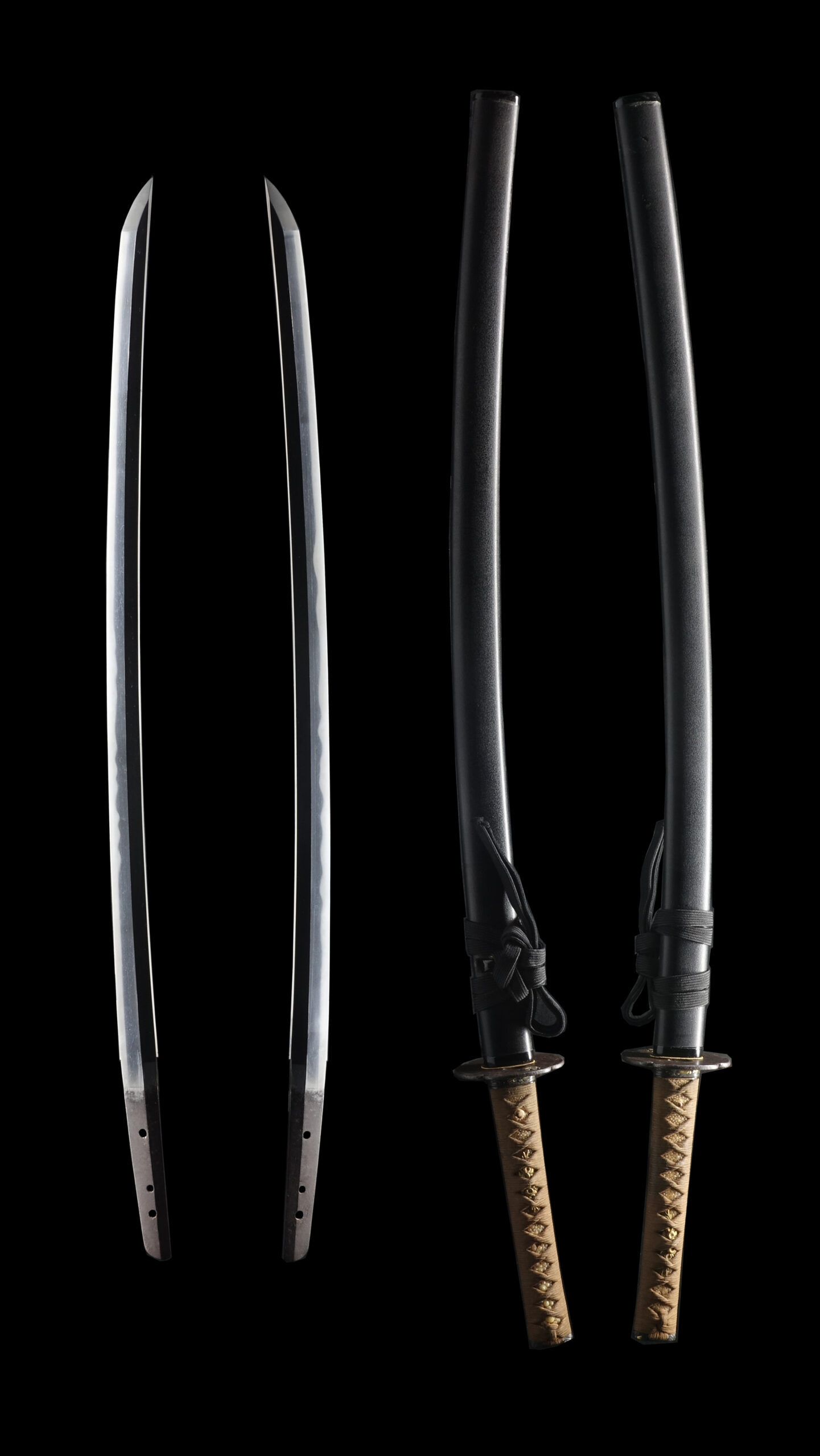
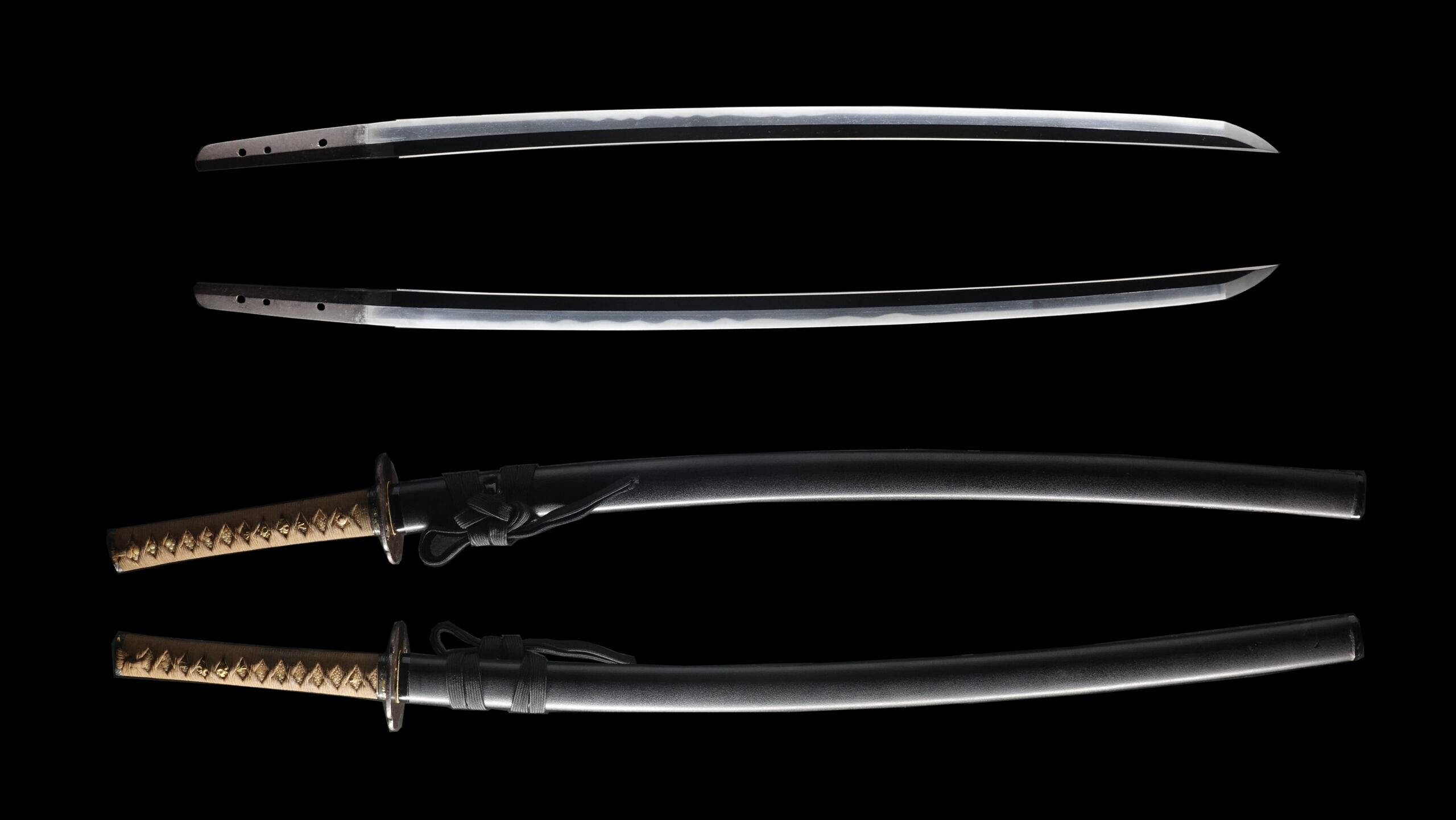
Yamashiro-den · Kaga
17 pieces on the market now
Among the provincial lineages of the Hokurikudo, the Fujishima school took its name and its base from the village of Fujishima in Kaga province, where Tomoshige stands as founder and the name he set down passed through several generations from the close of the Nanbokucho period across the Muromachi and on into the early-modern Shinto era. The members place the chronological anchor with care: the earliest firmly dated work is a tanto of Oei 2 (1395), and the NBTHK finds nothing among the surviving blades that goes back earlier than Nanbokucho. Old documentary tradition reads the first generation as a pupil of Rai Kunitoshi of Yamashiro, alternatively of Kashu Sanekage or Rai Toshimune, but the published sources doubt each reading in turn, finding no stylistic tie to Rai Kunitoshi and a chronological impossibility with Sanekage; judging from the make and the nakago finish, they settle by elimination toward the Yamato tradition, close to the Yamato Shikkake hand. A tachi held at Atsuta Shrine and a two-character ken read as the oldest surviving piece bracket the early end of the line. The recognition of the school lives in its jigane. The members agree on a board-grained itame that mixes in mokume and runs to nagare, standing somewhat open (hada-dachi), the surface gathering ji-nie and chikei, the steel carrying a distinct blackish cast named kan'a-iro and tied directly to the northern provinces as hokkoku-hada; a faint whitish shirake-utsuri rises quietly against this dark ground rather than a bright Bizen reflection. Over that ji the school tempers a gunome-midare into which box-shaped (hako-ba), pointed and angular (togariba) teeth enter together with notare and ko-notare, the ashi running rather long, the ha nie-laden with sunagashi sweeping it and kinsuji entering, small tobiyaki and muneyaki scattered here and there.
The NBTHK reads the feel of it as a make in which Bizen temperament and Mino flavor coexist, the boshi running straight or midare-komi into a ko-maru, often swept with hakikake or running to yakizume. The members also mark the short blades apart: on the tanto the hand can quiet to a ko-itame and a narrow hoso-suguha or low ko-gunome with ko-nie, the nioiguchi sometimes clouding to urumi, the boshi turning jizo-like or returning deep, this the simplest face of the Yamato base while the dark steel keeps its northern mark. To kantei a Fujishima blade the eye works the conjunction rather than any single trait: the standing dark ji read together with the box-and-pointed midare and the constant sunagashi names the school where a clean Bizen choji or a true Yamashiro ko-itame would not. The members note works read variously toward an Aoe air, toward Naoe Shizu and Sekishu Naotsuna, the Mino and northern lines the school sits between, kin in feel to the Etchu and Echizen smiths of the same region. Among the membership Tomoshige carries the name and the standing; Fujishiro rates the founder Chu-jo saku and places others among the middle ranks of the koto smiths, and the most highly regarded work falls in the Oei generation while the Muromachi work survives most often. The single finest piece is a great spear (o-mi-yari) signed Fujishima Tomoshige and carved with a sanko-ken and the deity-name Myoken Daibosatsu, which the published sources judge not merely the best spear of the school but one of the representative famous spears of its age; surviving naginata by the line are noted as rare, their ubu-nakago valued as dating evidence. Provenance gathers around named houses recorded in the blades themselves, an Oei katana descended in the Inaba daimyo house and a tanto recorded in Honma's inventory of the Imperial collection, heritage pieces in long-standing hands; yet the line is not among the unattainable names, and a Juyo Tomoshige remains a realistic if uncommon encounter for the patient collector, valued for the way a single dark-steeled blade carries the whole northern school in its ji. Learn more →
| Smith | Era | Designated |
|---|---|---|
| Tomoshige友重 | 1394-1428 | 15 |
| Tomoshige友重 | 1346-1370 | 5 |
| Tomoshige友重 | 1324-1326 | 5 |
| Fujishima藤島 | 1394-1428 | 4 |
| Yukimitsu行光 | 1340-1346 | 0 |
The Muromachi period (1392 to 1573)
After the Ōnin War broke the Ashikaga order, a century of Sengoku warfare armed nearly every province in Japan. The era rewards a discriminating eye: routine work exists in quantity, and beside it stand custom blades of the first rank.
This work carries older NBTHK “Kichō”-era papers, which the NBTHK no longer issues and largely disavows today. To confirm the attribution, submission to an official Japanese examination body (such as the NBTHK or NTHK) for modern certification could be considered.
Returns/exchanges limited to defects caused by shipping (except willful misconduct or gross negligence by the company); customers must contact within 72 hours of receiving the product.
¥840,000