

The Haitōrei edict of 1876 ended sword wearing and nearly ended the craft itself. Military demand and imperial patronage kept a remnant alive, and in 1906 Gassan Sadakazu and Miyamoto Kanenori were named Artists to the Imperial Household.
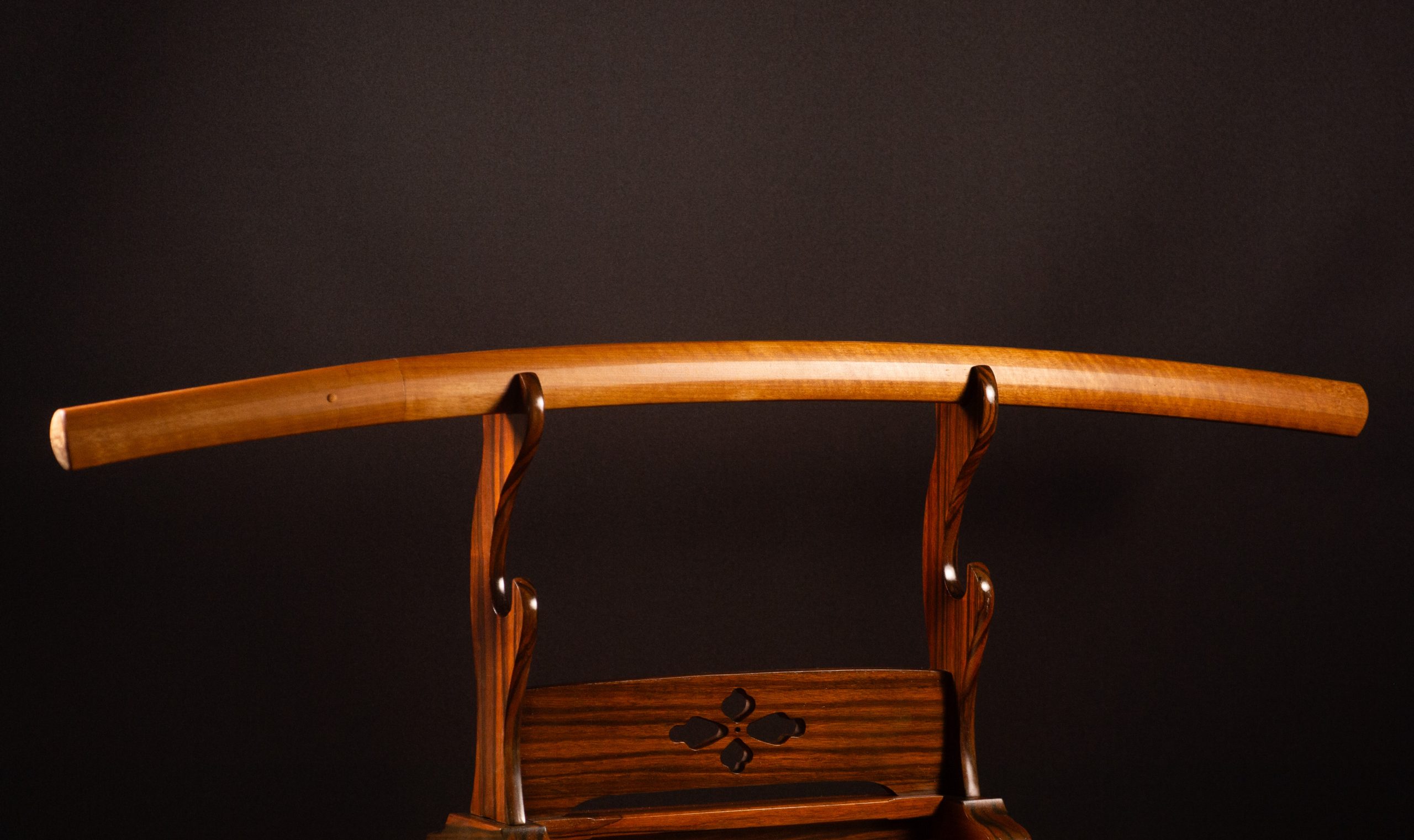
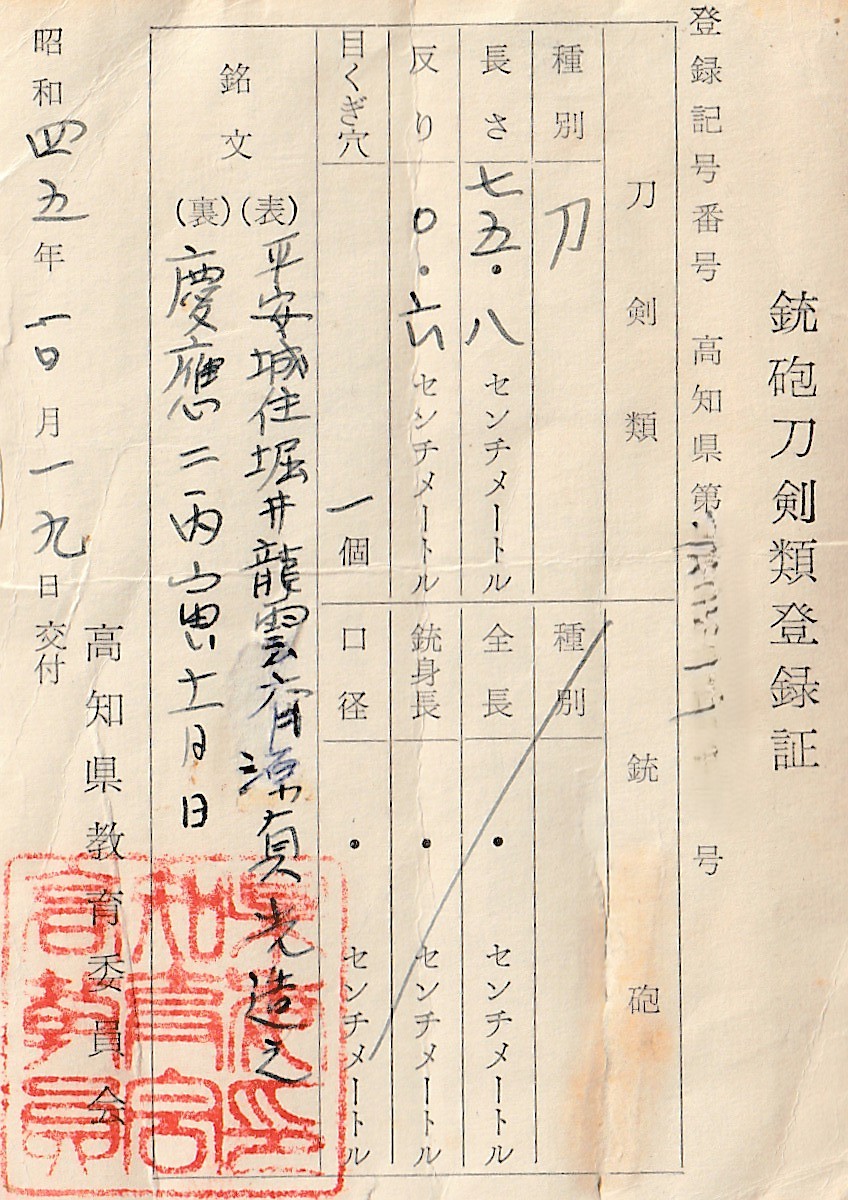
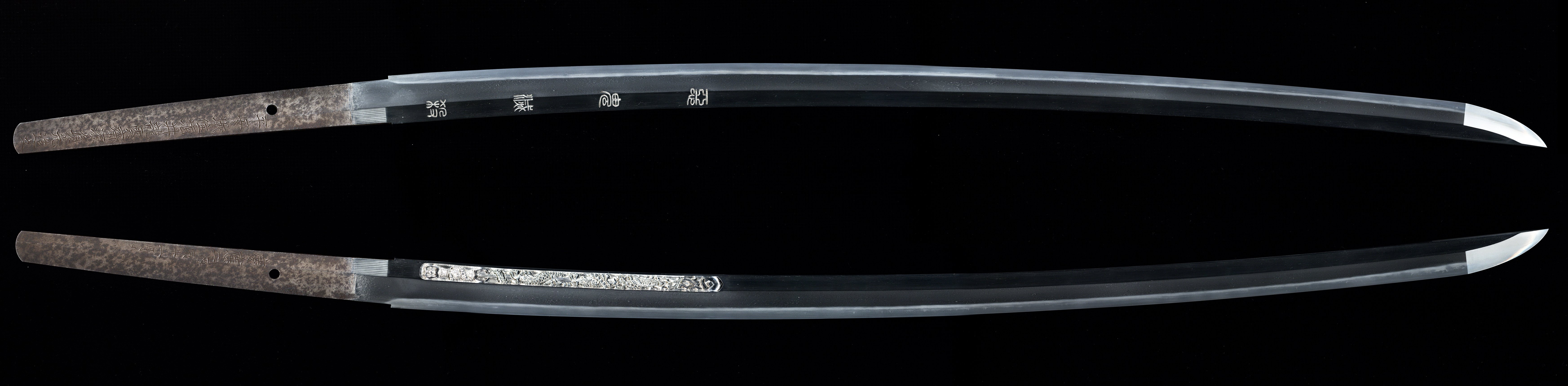
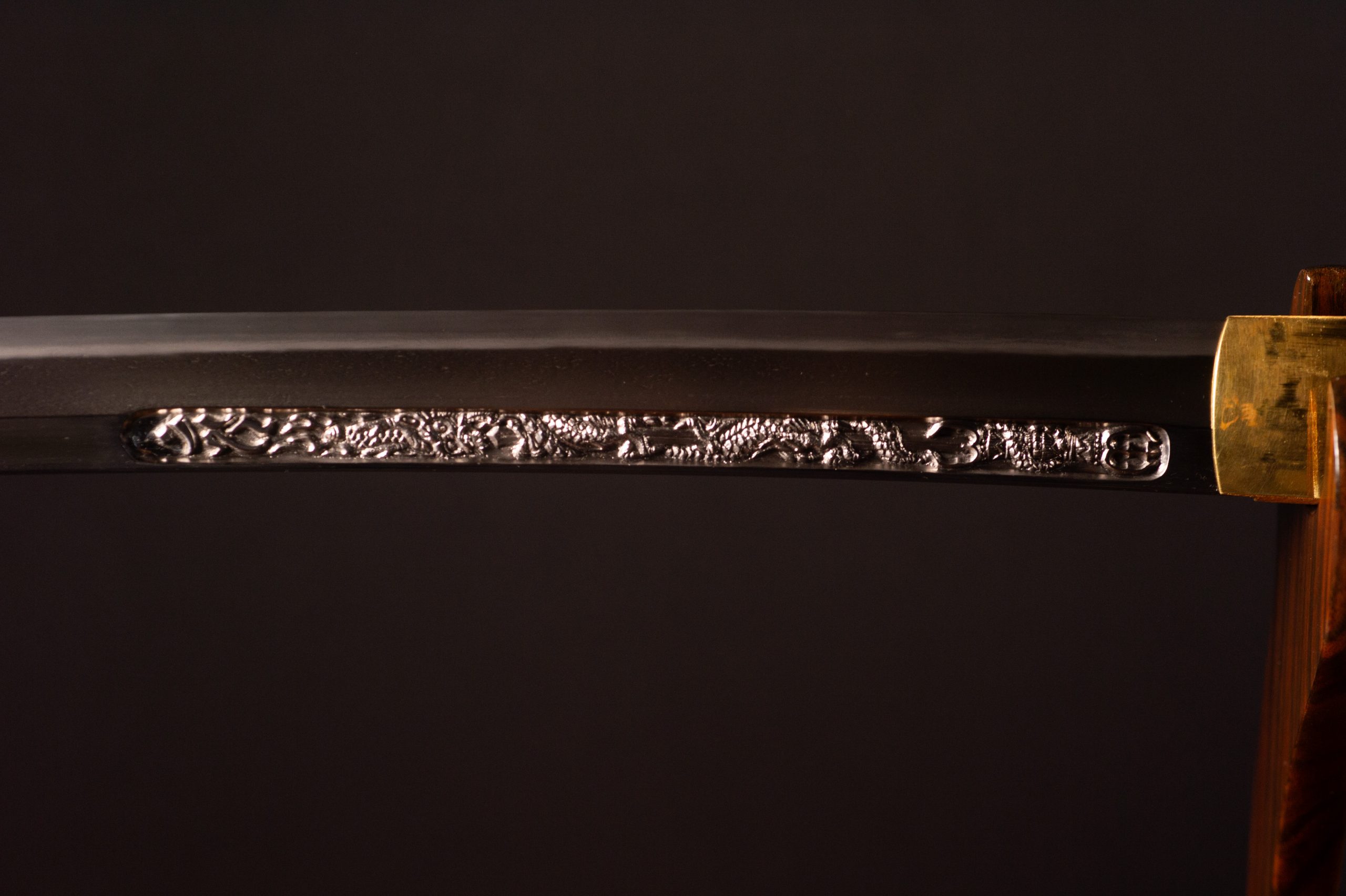
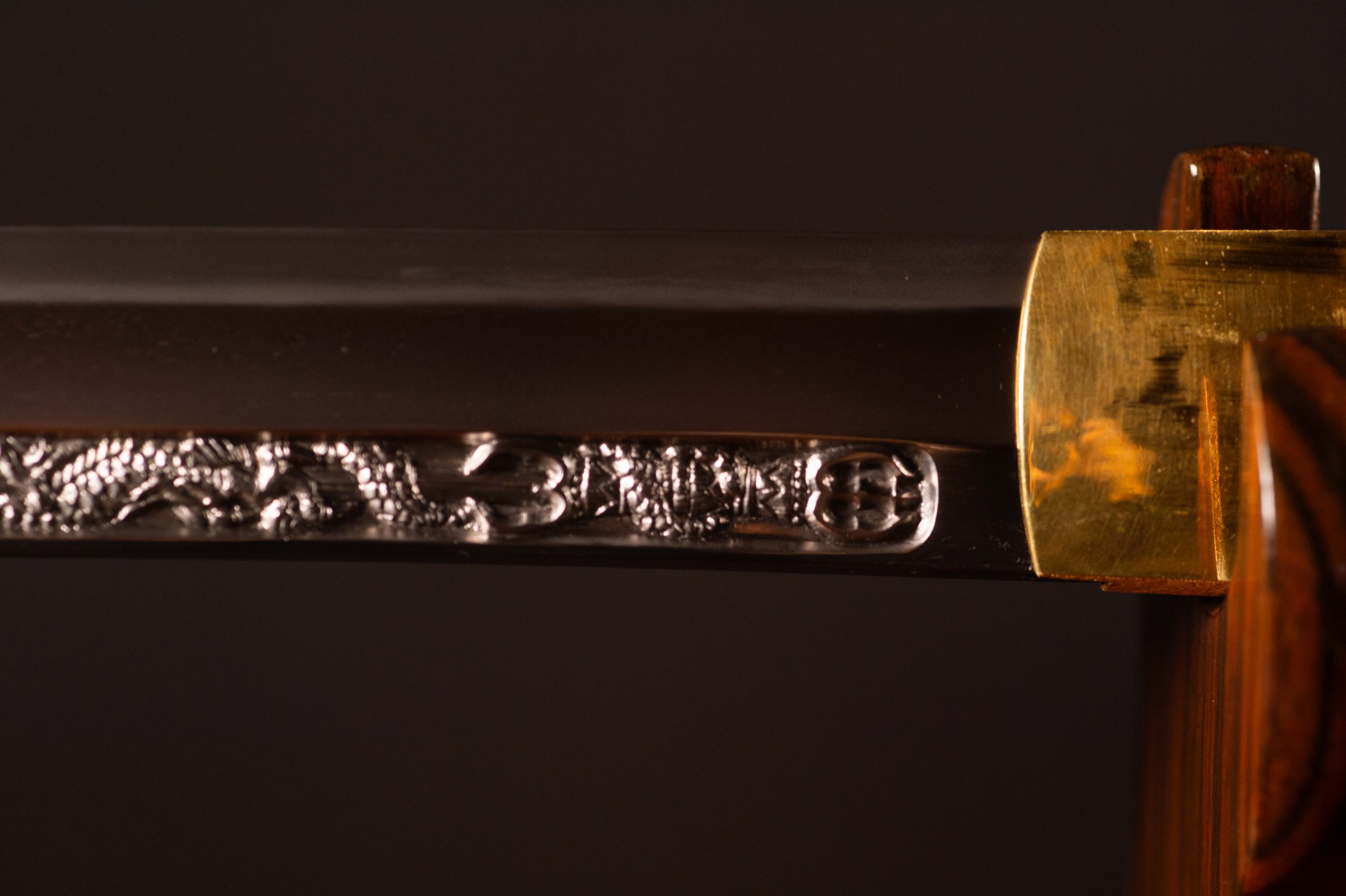
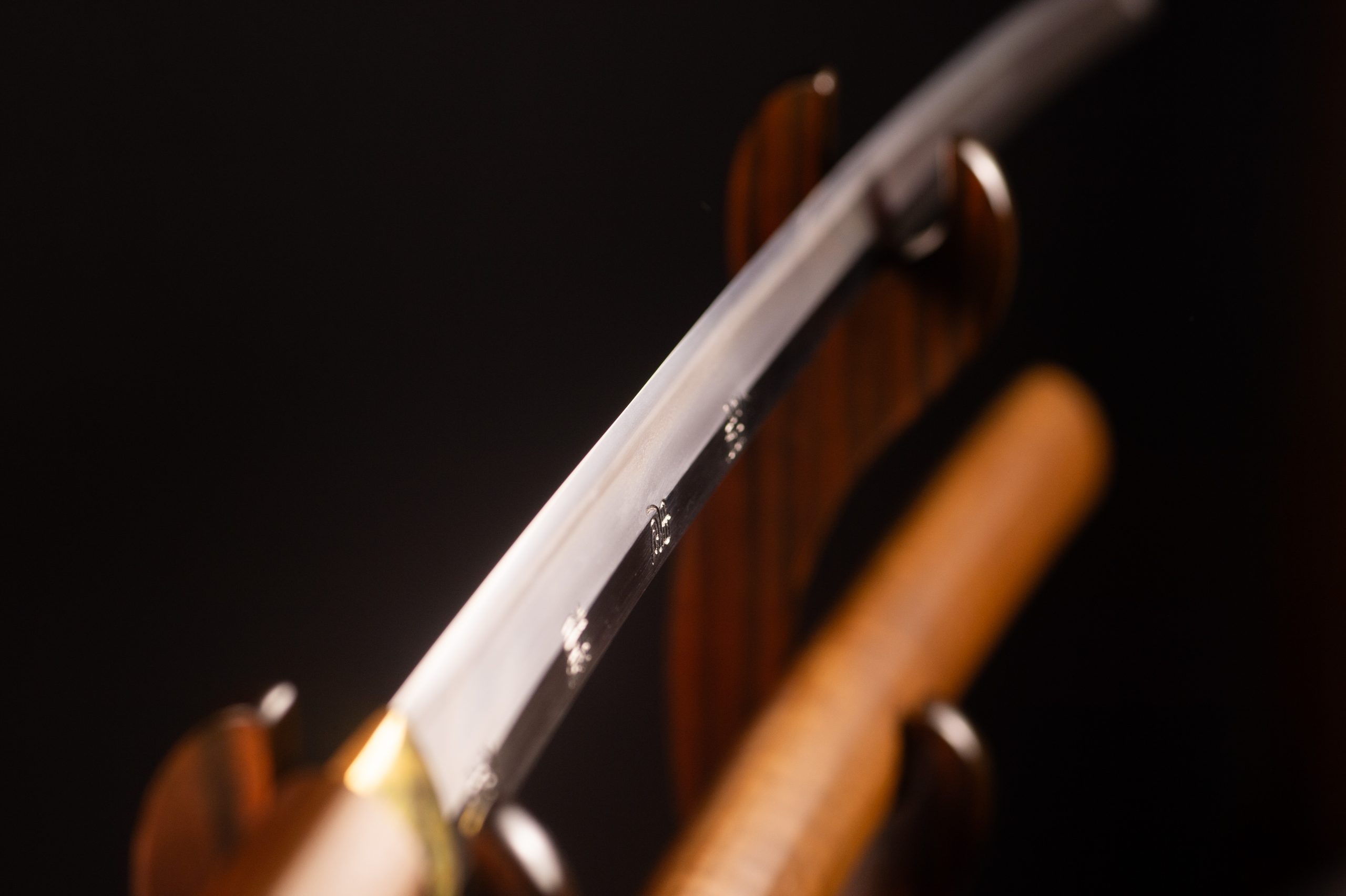
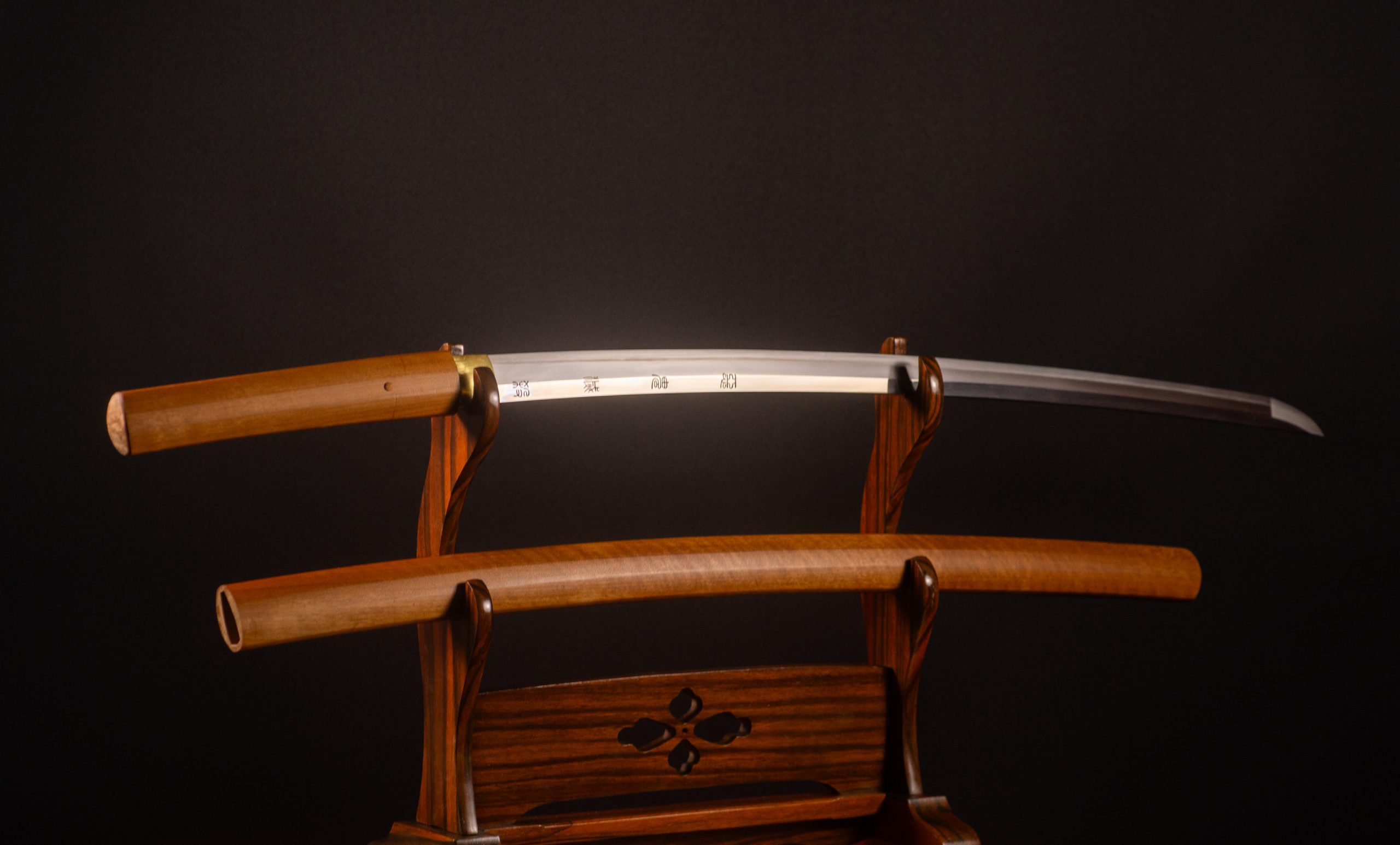
Description ITEM DESCRIPTION: Comes with kimono or cotton bag. Comes with certificate of supein Nihonto. Comes with copy of Tokosusho. Comes with NBTHK Tokobetsu hozon. Katana in shirasaya signed Heianjō-jū Horii Ryūunsai Minamoto Sadamitsu, dated to the eleventh month of Keiō 2, 1866, accompanied by NBTHK Tokubetsu Hozon Tōken certification. This is a sword of considerable presence from the very end of the Edo period, made during the Bakumatsu years, immediately before the Meiji Restoration transformed the samurai world forever. The blade has an impressive certified length of approximately 75.4 cm, giving it a commanding and elegant silhouette. Its sugata conveys strength without losing refinement: this is a long katana with a noble and imposing appearance, far above the visual presence of more ordinary examples. The nakago retains mature patination and bears a long, well-arranged inscription. The signature 平安城住堀井龍雲斎源貞光造之 identifies the smith as Sadamitsu, resident of Heianjō, the classical name for Kyoto. The date 慶応二丙寅十一月日 places the work precisely in November 1866. This exact dating adds substantial historical value: the sword is not merely attributed to a broad period, but fixed to a specific moment at the close of the samurai age. The blade is enriched by remarkable double horimono. One side bears a Kurikara-ryū, the dragon associated with Fudō Myōō coiled around a straight ritual sword, or ken. This is one of the most powerful motifs in Japanese esoteric Buddhist sword iconography. The opposite side displays several bonji, Sanskrit Siddham seed syllables connected with protective Buddhist deities. Together, the dragon, the ritual sword and the bonji form a coherent spiritual programme of protection, authority and purification. The shirasaya is particularly appropriate for a blade of this level. It protects the steel with restraint, allows the sword itself to remain the centre of attention, and reinforces its status as a serious collector’s piece. Here, the ab
Offered by Supein Nihonto
This piece has sold
27 on the market
Get an email when a new Gassan Sadamitsu piece hits the market.


Shinshinto · Yamashiro · around 1868-1912
Tōken Taikan top 95%
Shinshinto · Settsu
27 pieces on the market now
| Smith | Era | Designated |
|---|---|---|
| Sadaharu貞晴 | 1865-1868 | 0 |
| Sadayoshi貞吉 | 1926-1989 | 0 |
| Yoshiaki吉明 | 1844-1848 | 0 |
| Naonobu直信 | 1854-1860 | 0 |
| Sadayoshi貞吉 | 1830-1863 | 0 |
Meiji: survival after the edict
The Haitōrei edict of 1876 ended sword wearing and nearly ended the craft itself. Military demand and imperial patronage kept a remnant alive, and in 1906 Gassan Sadakazu and Miyamoto Kanenori were named Artists to the Imperial Household.
14-day return if items arrive damaged or in unexpected condition; customer bears return shipping + insurance; items returned in original condition with all accessories; antique armour non-returnable; only regular priced items refundable; shipping costs non-refundable.