Perry’s arrival in 1853 unraveled the Tokugawa peace and created the first mass demand for working swords in two centuries. Kiyomaro, called the Masamune of Yotsuya, died on its eve; Munetsugu and Yukihide carried the boom to the end.
 NihontoWatchNihontoWatch
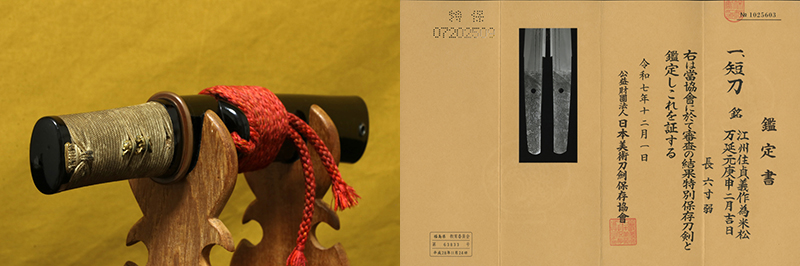
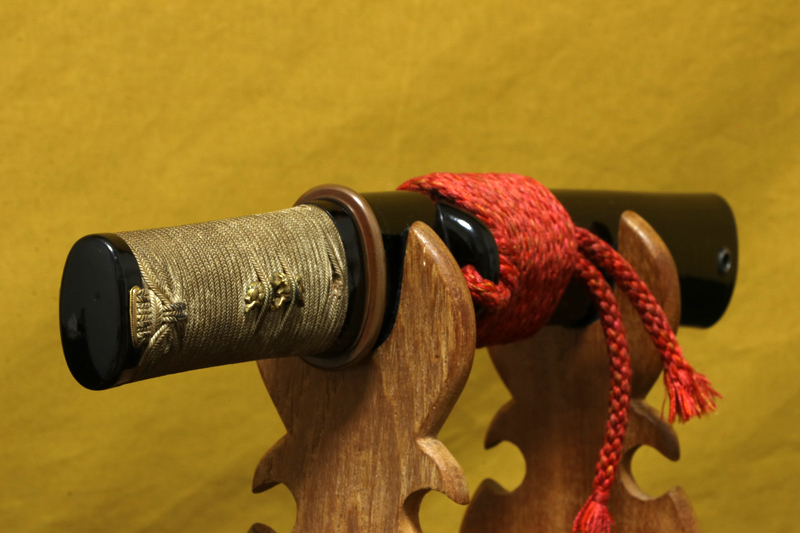
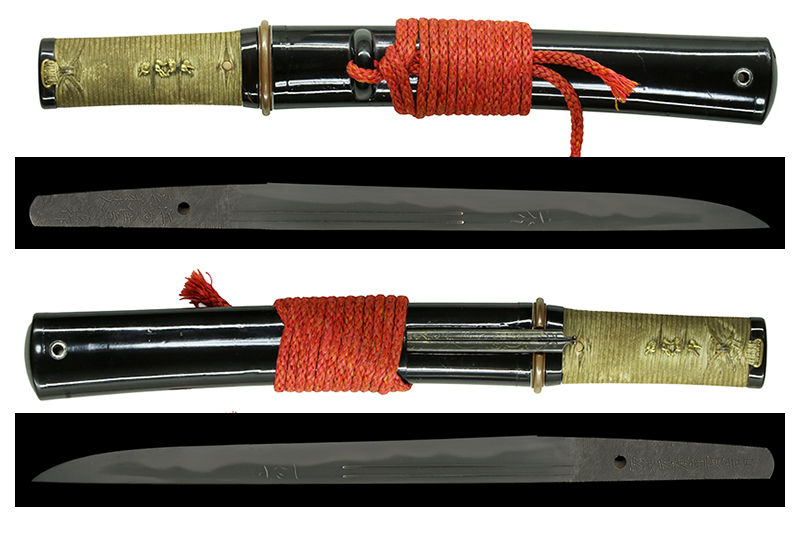
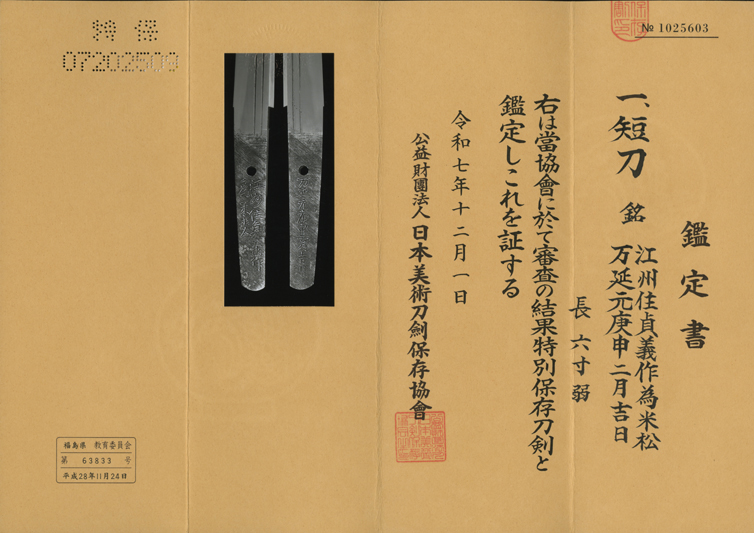
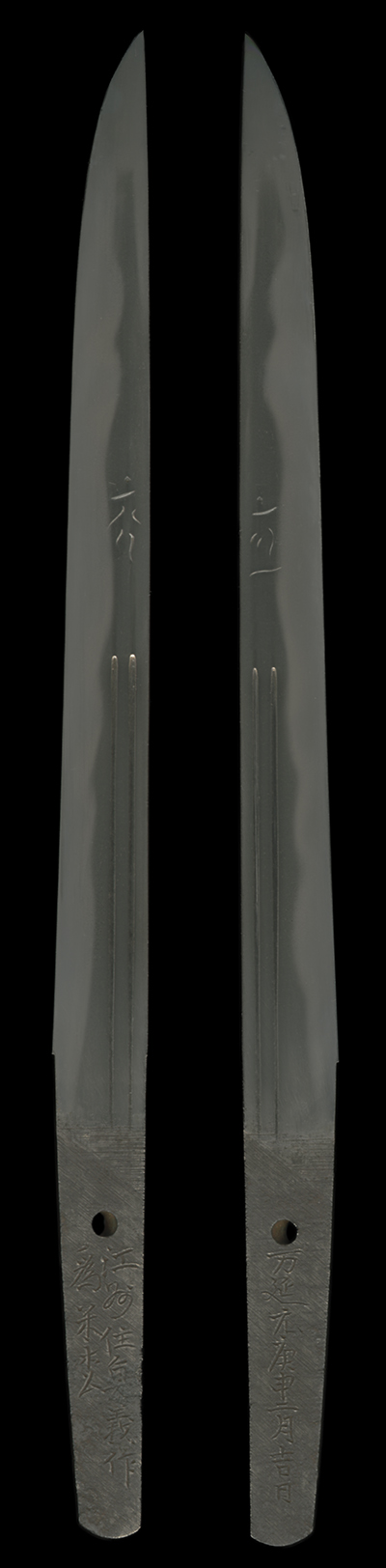
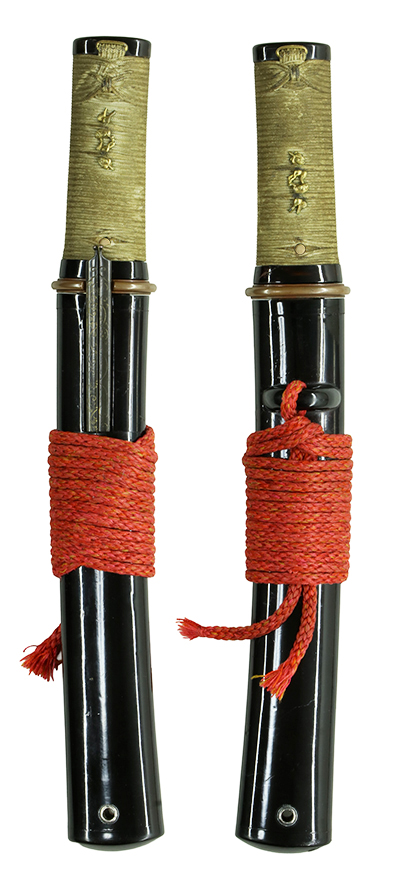
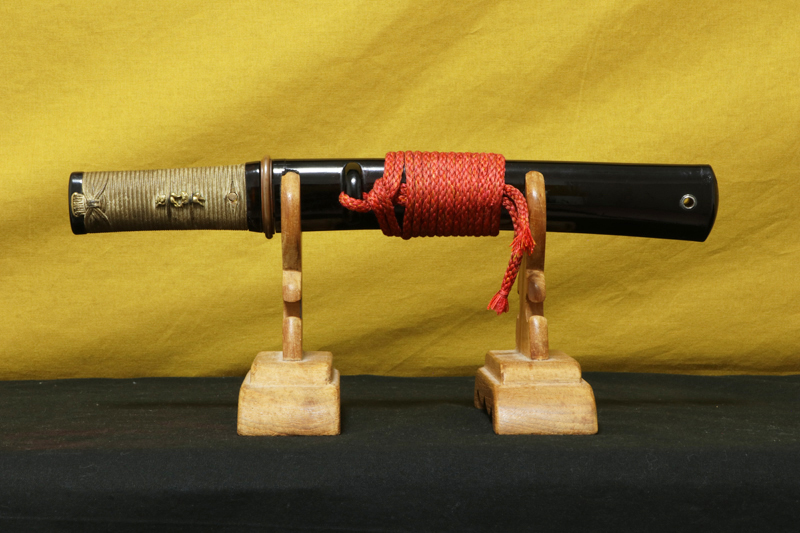
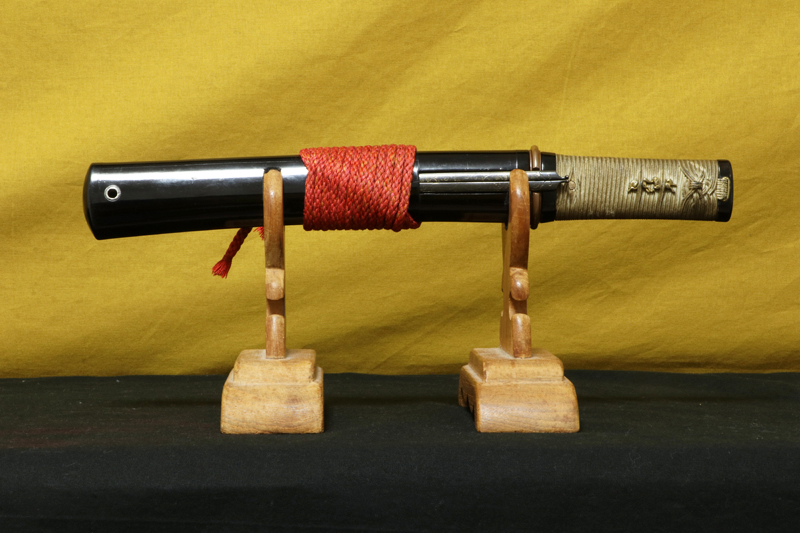
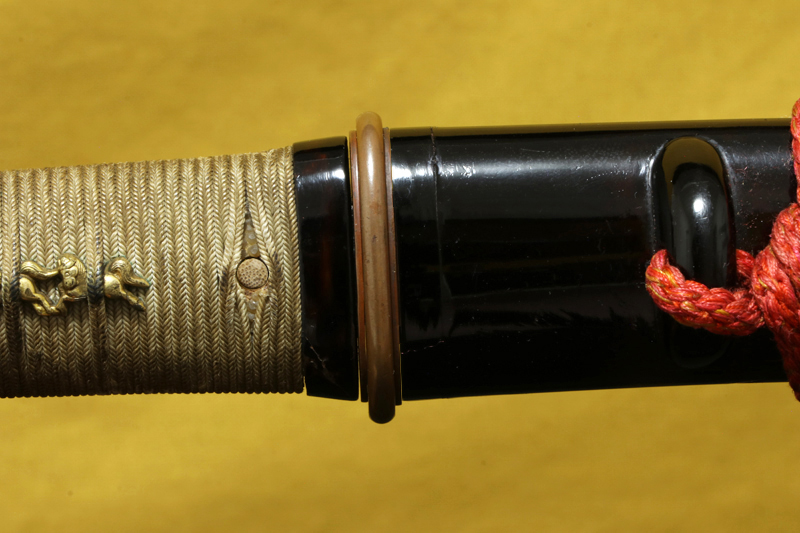
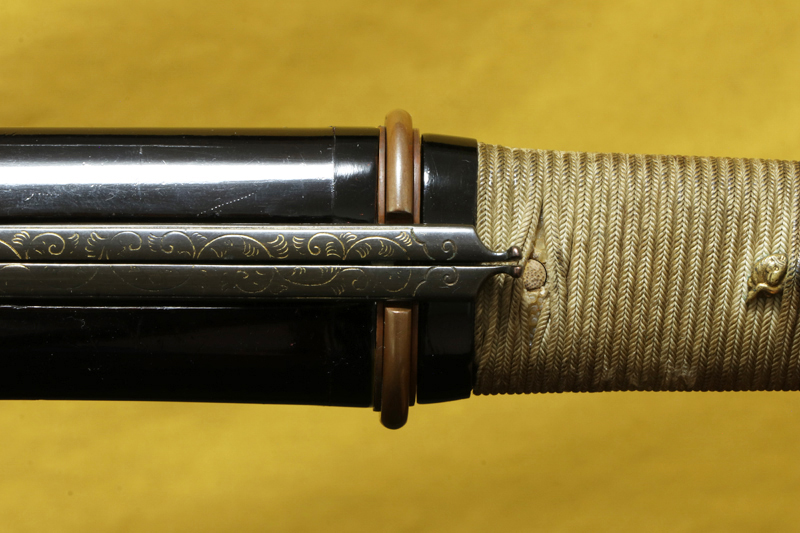
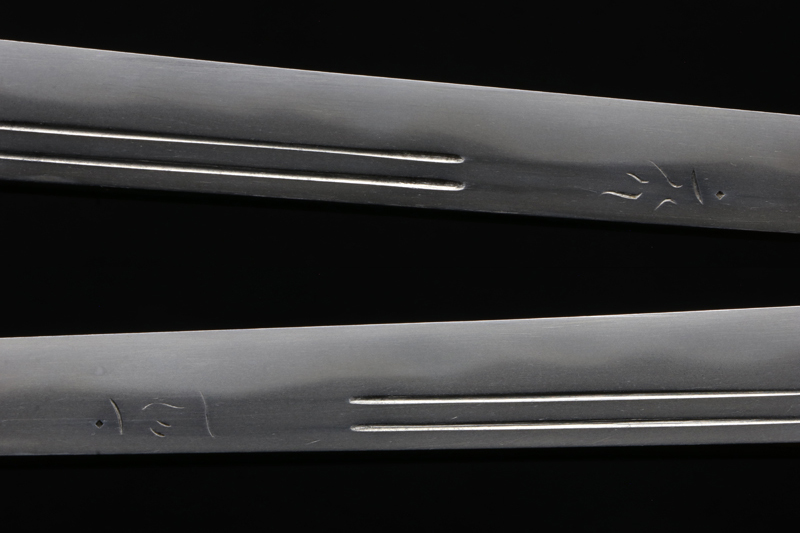
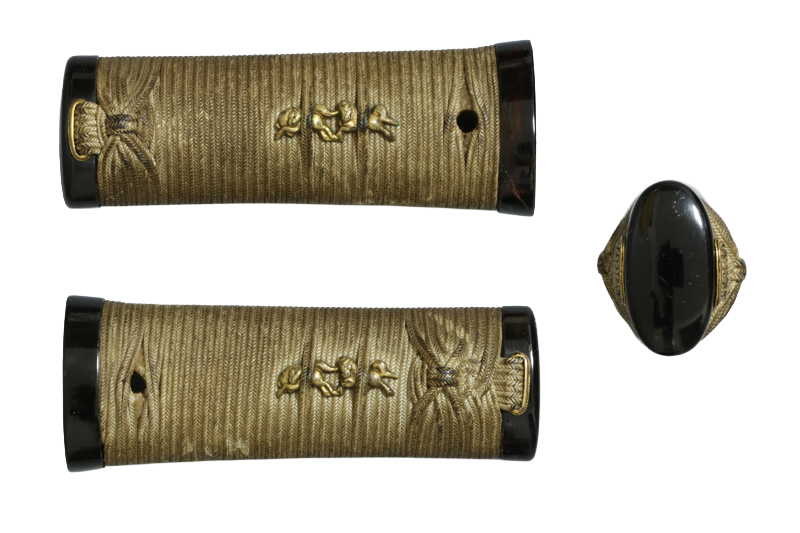
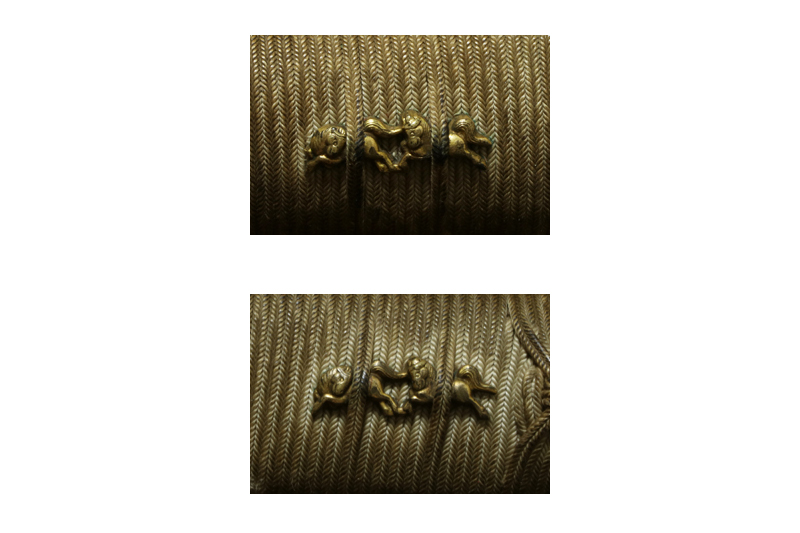
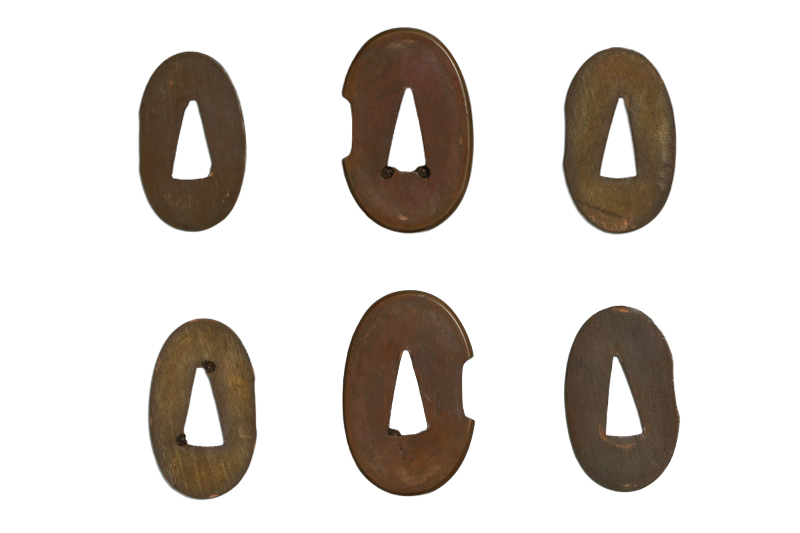
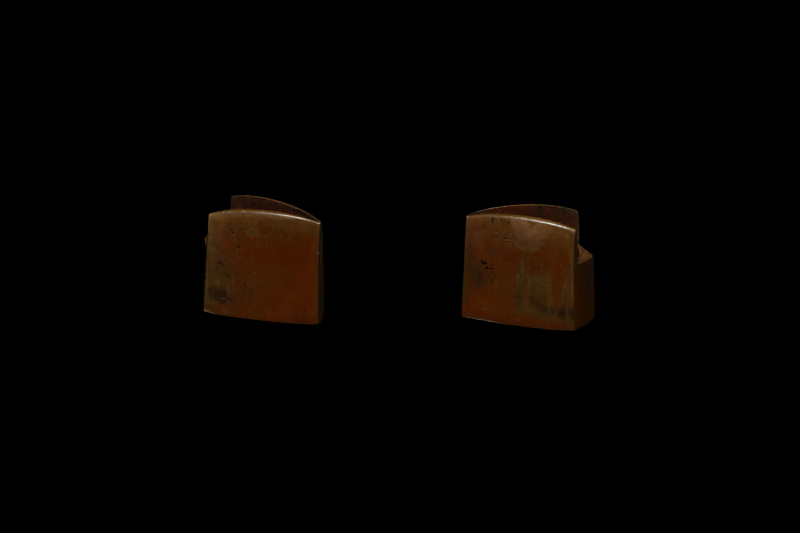
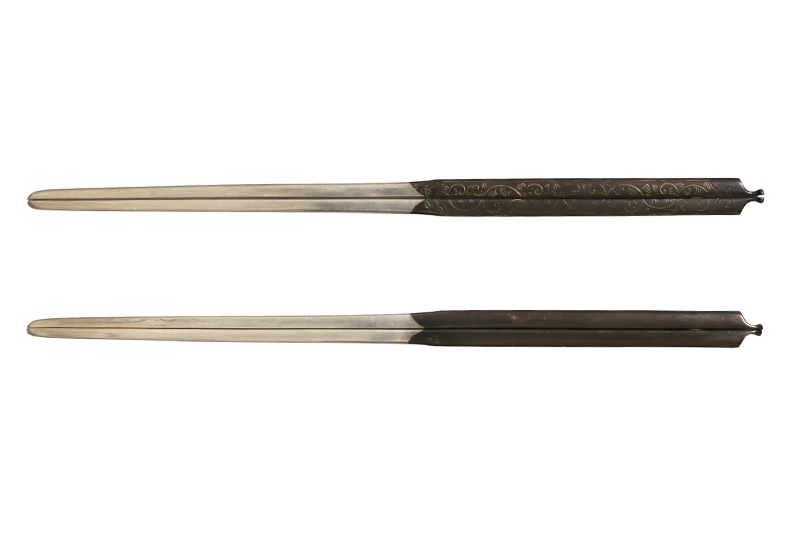
Tokubetsu Hozon Token. Gosyu ju Sadayoshi(Gassan Sadayoshi) saku Tame Yonematsu with Aikuchi Koshirae. 幕末の月山貞吉一族に連なる刀工、貞義の作品です。 本作は、六寸の短刀に月山らしい相州伝を焼いた見どころの多い逸品です。 拵も幕末のもので、気品ある仕立てとなっています。 コレクションにふさわしい一振りです。 This is a work by Sadayoshi, a swordsmith connected to the Gassan Sadakichi family line of the Bakumatsu period. This piece is an outstanding six-sun tanto, rich in points of interest, and superbly displays the Gassan-style Soshu tradition. The koshirae is also from the Bakumatsu period and is finished with a refined elegance. It is a blade well suited for a collection. 「刀姿 sword figure」 平造り庵棟、身幅重尋常、反り無し大鋒。茎は生で化粧鑢がかかる、茎尻は栗尻。 Hira-zukuri construction with an iori-mune back; the blade has standard width and thickness, no curvature, and a large kissaki. 「彫物 carving」 彫物は表に護摩箸と不動明王の梵字、裏には護摩箸と文珠菩薩の梵字が彫られる。 The carvings feature gomabashi and the Sanskrit seed character of Fudō Myōō on the front, and gomabashi and the Sanskrit seed character of Monju Bosatsu on the reverse. 「地鉄 jigane」 地鉄は小目肌が良く詰み刃寄り流れ心となり、地沸厚く付く。 The jigane is a well-forged, tightly packed ko-mokume, showing a slightly nagare tendency toward the edge, and is covered with thick ji-nie. 「刃紋 hamon」 刃紋は沸出来の湾れ互の目、焼き幅広く、刃縁沸が付き砂流しかかり、刃中は金筋が働く。釯子は乱れ込み小丸に返る。 The hamon is a nie-deki notare-gunome, with a broad yakihaba; nie forms along the habuchi, sunagashi appears, and kinsuji are active within the tempered edge. The boshi enters in midare-komi and turns back in a ko-maru. 「特徴 detailed」 江州住貞義は、幕末の大坂の刀工で、幕末の名工・月山貞吉の弟子です。銘には「浪花住月山貞義精鍛」と切るものもあります。 銘鑑に載っているのはそれだけで、ほかに詳しい情報はありません。しかし、銘に「月山」と切っていることから、一族であることはまず間違いなく、単なる門人ではないと思われます。また、月山貞一の生国である近江で打っていることにも、何らかの意味があるのかもしれません。 本作の刀身は、相州伝を色濃く示した出来で、彫物もセンス良く施されています。コンディションは古研ぎのため、ややヒケがありますが、軽い研ぎで取れる程度です。 拵は幕末のもので、何とも言えぬ気品を備えています。コンディションも最高です。 幕末の月山一族の作品であることはまず間違いないと思われます。さらに深く研究してみてはいかがでしょうか。 Gōshu-ju Sadayoshi was an Osaka swordsmith of the late Edo period (Bakumatsu) and a disciple of the renowned Bakumatsu master Gassan Sadakichi. Some of his signatures are also cut as “Naniwa-ju Gassan Sadayoshi Seitan”. Only this much is recorded in the meikan, and no further detailed information is available. However, since he signed with the name “Gassan,” there can be little doubt that he was a member of the family and not merely an ordinary disciple. Moreover, the fact that he worked in Ōmi, the native province of Gassan Sadaichi, may also carry some significance. This blade shows a workmanship strongly expressive of the Sōshū tradition, and the carvings are tastefully executed. As it is in an old polish, there are some slight polishing streaks, but they are minor enough to be removed with a light polish. The koshirae is from the Bakumatsu period and possesses an indescribable elegance. Its condition is also excellent. There seems little doubt that this is a work of the Gassan family from the Bakumatsu period. Why not study it more deeply? 「拵 Koshirae」 ハバキ(habaki) :素銅一重の磨き地。 鍔(tsuba) :素銅地喰み出し鍔。 縁頭(futikasira):水牛の角 目貫(menuki) :金地群馬の図 柄(tsuka) :蛇腹糸薄茶色の一貫巻。 鞘(saya) : 黒呂 笄(kougai) :素銅地唐草金布目象嵌割笄。 「刀剣の状態 condition of blade」 研:古研ぎのため、少しヒケが有りますが、地刃は良く見えます。また軽い研ぎで綺麗になります。 傷:欠点に成るような傷は有りません。
Osaka Gassan School大阪月山派
Offered by Giheiya
This piece has sold
27 on the market
Get an email when new Osaka Gassan School work hits the market.

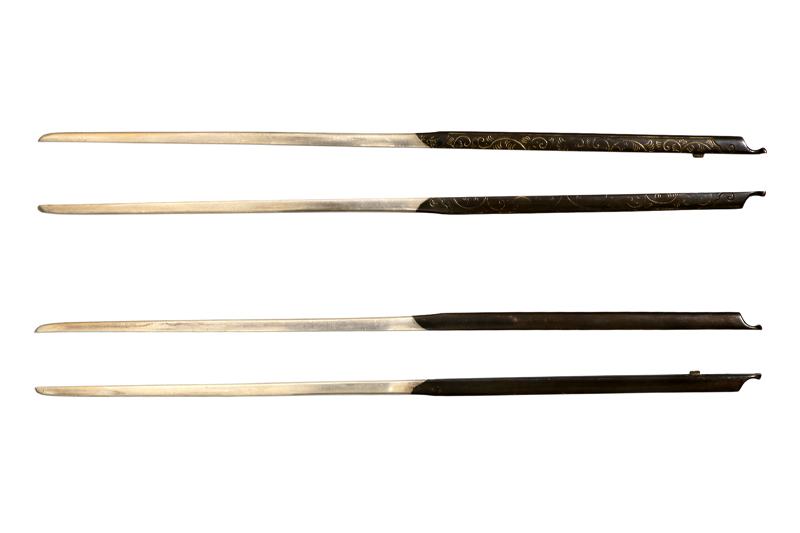
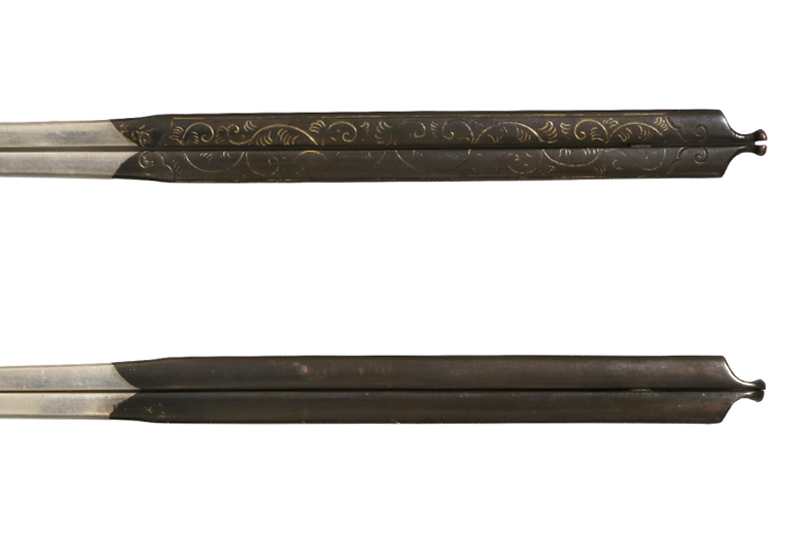
As written by the shop
Shinshinto · Settsu
27 pieces on the market now
| Smith | Era | Designated |
|---|---|---|
| Sadaharu貞晴 | 1865-1868 | 0 |
| Sadayoshi貞吉 | 1926-1989 | 0 |
| Yoshiaki吉明 | 1844-1848 | 0 |
| Naonobu直信 | 1854-1860 | 0 |
| Sadayoshi貞吉 | 1830-1863 | 0 |
Bakumatsu: the last war market
Perry’s arrival in 1853 unraveled the Tokugawa peace and created the first mass demand for working swords in two centuries. Kiyomaro, called the Masamune of Yotsuya, died on its eve; Munetsugu and Yukihide carried the boom to the end.
A Hozon-certified blade judged to show notably superior workmanship and a better state of preservation. The bar is higher: re-tempered blades and most unsigned Muromachi/Edo works are excluded.
The NBTHK (Nihon Bijutsu Tōken Hozon Kyōkai, the Society for the Preservation of Japanese Art Swords) is a public-interest incorporated foundation founded in 1948 and supervised by Japan’s Agency for Cultural Affairs (Bunkachō); it is based at the Japanese Sword Museum in Tokyo. Its expert panels physically examine each submitted work (shinsa) and issue a certificate (kanteishō) ranking it by artistic and historical merit. NBTHK papers are the most widely recognized standard of authentication for Japanese swords and fittings.
NBTHK official siteWithin 3 days of the item's arrival, we offer a refund or an exchange. Return shipping and the bank transfer fee for the refund are at the customer's expense.