Edo was the sword’s age of connoisseurship: the Hon’ami appraisers, the shogunal register of famous blades of 1719, and a thriving literature turned the sword into an object of study even as it ceased to be drawn in war.
 NihontoWatchNihontoWatch
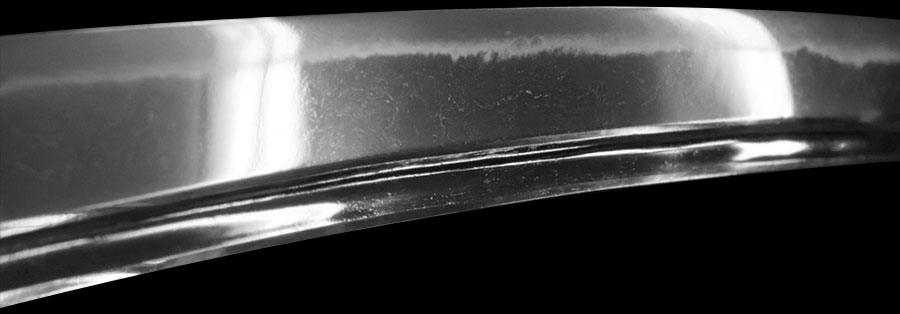
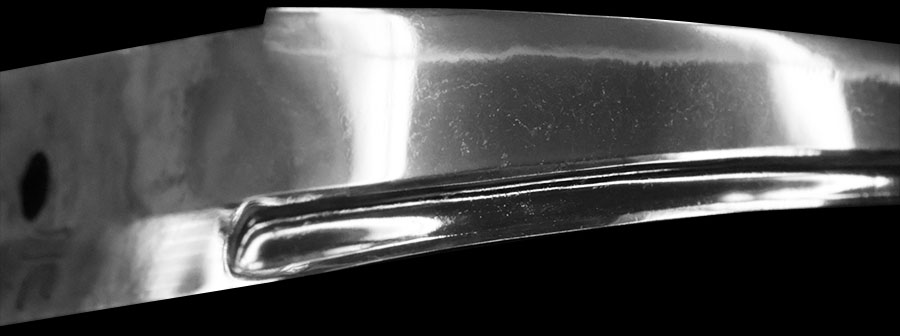
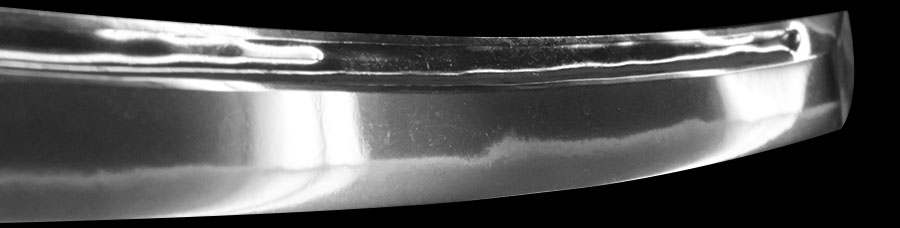
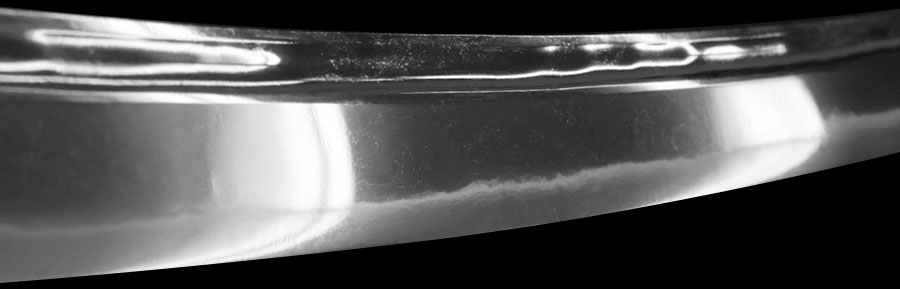
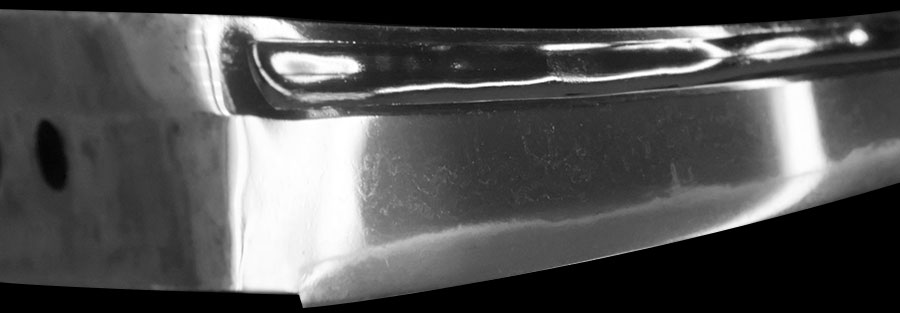
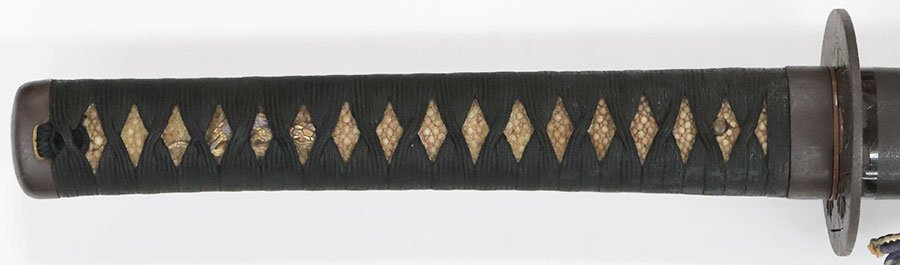
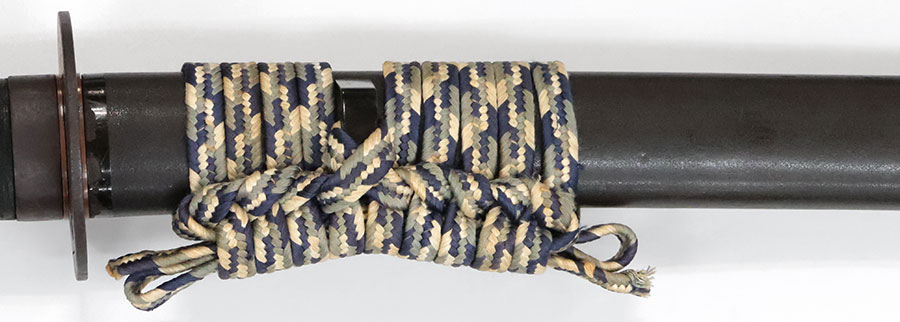
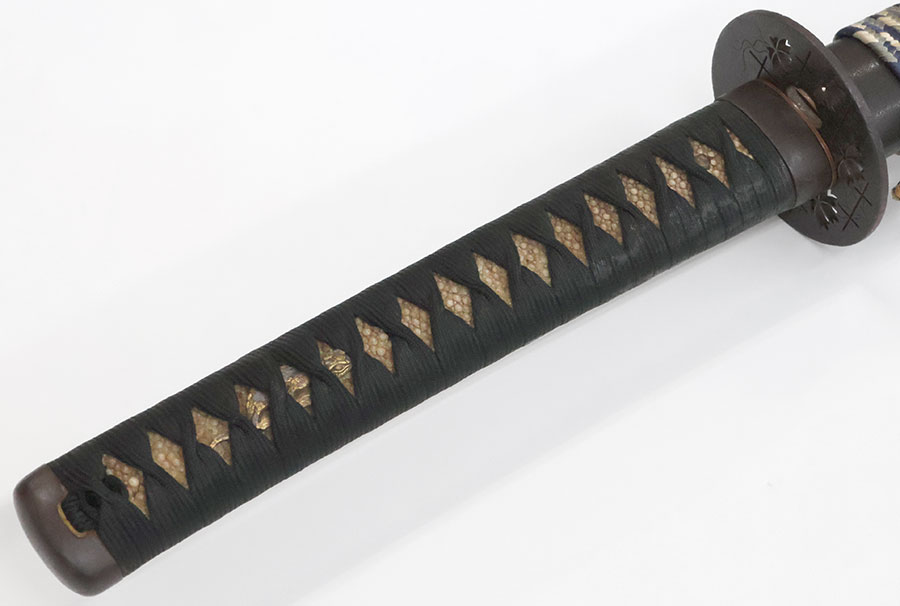
An ultra-gigantic katana (a phantom masterpiece) Saijo Owazamono It has appeared, it has appeared; a gigantic katana by Hizen no Kuni Mutsu no Kami Tadayoshi, famous as the third generation of Hizen no Kuni Tadayoshi, which has been cherished for generations in an old family. It is a masterpiece that is an object of envy in the sword world, but for now, please treat it as a sword with a hopeful mei full of dreams. His real name was Hashimoto Shinzaburo, the eldest son of the second generation Omi Daijo Tadahiro. Because his period of acting as a substitute smith for his father Tadahiro was long, and because he passed away at the young age of 50, his works are few, and it has been called a phantom masterpiece since olden times. His skill is comparable to the first generation Tadayoshi, but because the number of swords produced is extremely small, it is a masterpiece that has been very highly valued since long ago; however, at present, please treat it as a sword with a hopeful mei full of dreams. He is a master smith ranked alongside Kotetsu of the East, and Sukehiro and Shinkai of the West. This katana has a dignified, gigantic, and magnificent sugata with a wide motohaba and a wide sakihaba with a large kissaki; the jigane is forged in ko-itame hada mixed with mokume hada, and the horimono consists of deeply carved, skillful bo-hi. The hamon is a spirited suguha style tempered in nioi-deki with ko-nie, and is skillfully done. The mei is also fluently cut as Hizen no Kuni Mutsu no Kami Tadayoshi, but for now, please treat it as a sword with a hopeful mei full of dreams. The grand koshirae from the Edo period adds further splendor to this katana. On this occasion, we received this sword from a member of an old family who said, "This is a sword our family has cherished for generations, but we have grown old, so please pass it on to someone who will treasure it." The Nara Prefecture Board of Education made a clerical error by writing "Hi" as "Bi," but that is a charming mistake and the change of ownership can be done as is. To those who wish to own a dream-filled, gigantic Hizen no Kuni Mutsu no Kami Tadayoshi, we offer this specially at an ultra-low price through the owner's kindness; please do enjoy it.
NihontoWatch肥前国陸奥守忠吉 Hizennokuni Mutsunokami Tadayoshi
Offered by Nipponto
The dealer describes this signature as hoped-for (kibō-mei), not guaranteed. Please judge it as an unsigned piece. — Hoshi







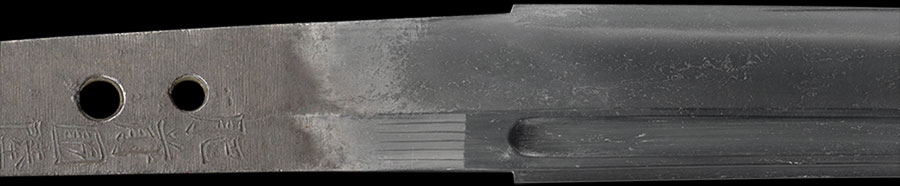





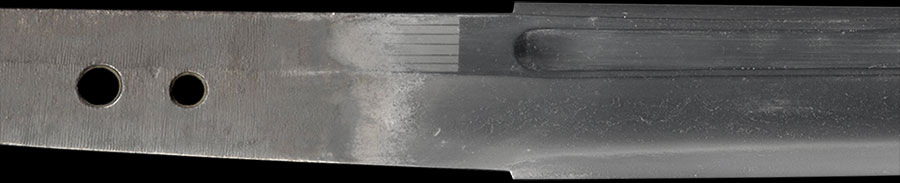

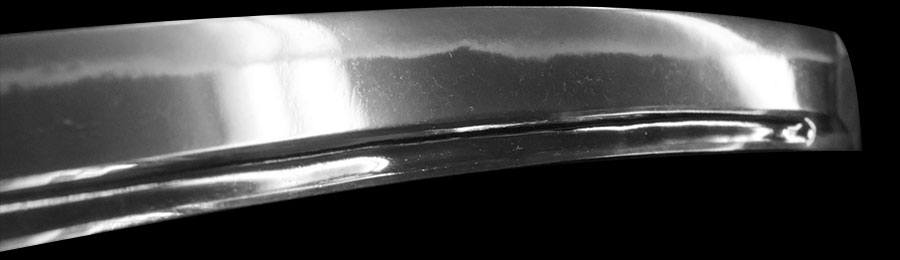



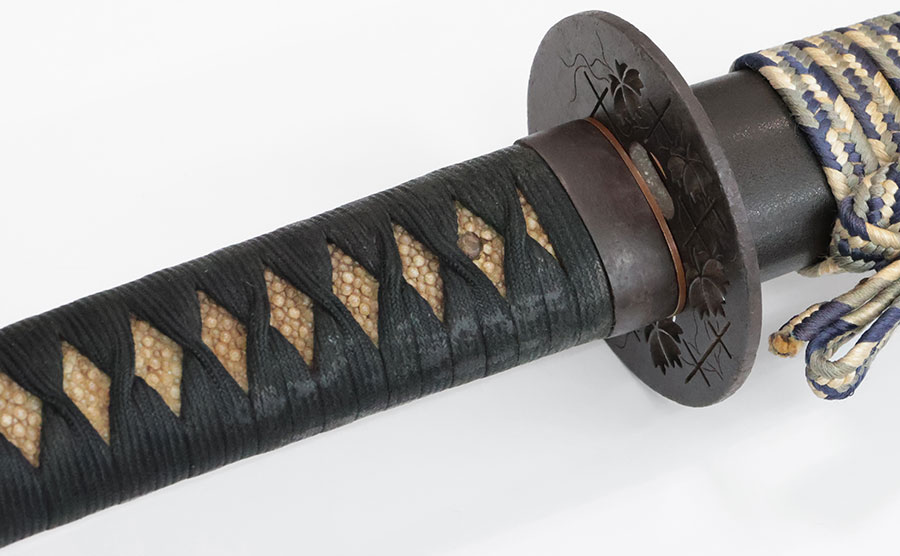
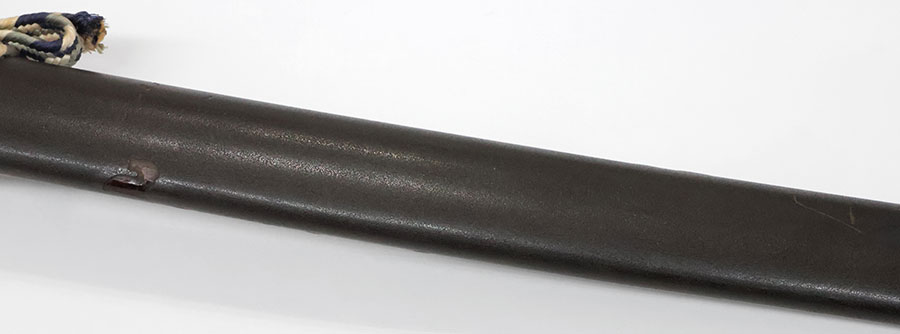
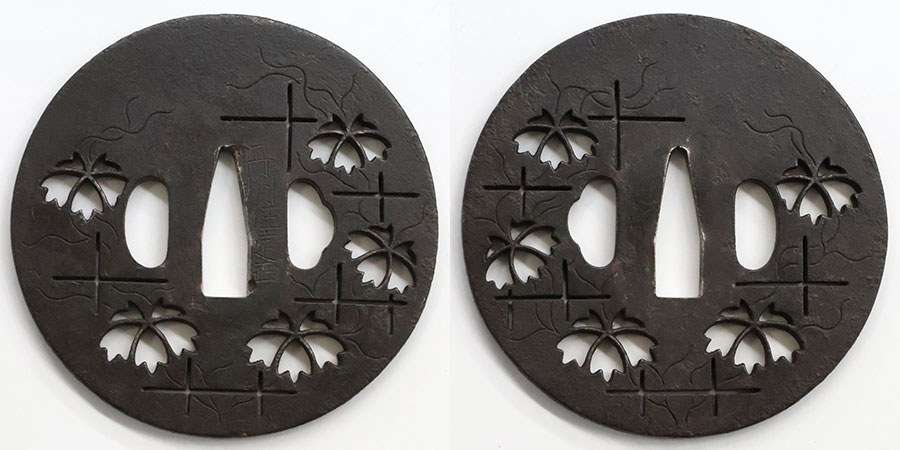


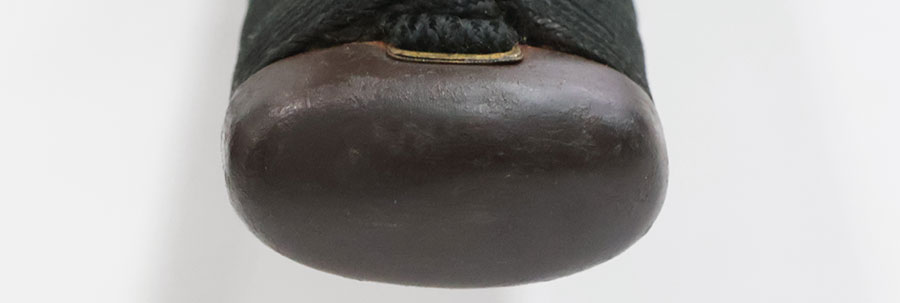
As written by the shop
Machine translation from the shop's Japanese · may contain errors ·
The Edo period (1615 to 1868)
Edo was the sword’s age of connoisseurship: the Hon’ami appraisers, the shogunal register of famous blades of 1719, and a thriving literature turned the sword into an object of study even as it ceased to be drawn in war.
We could not find an authenticity certificate on the seller’s listing. Japanese swords and fittings are normally papered by the NBTHK (or the NTHK). Without one, the attribution is the seller’s own assessment and has not been independently verified — treat it with caution and ask the dealer about certification before buying.
For returns due to customer circumstances, the cost is the customer's responsibility. For returns due to our mis-shipment or a defective item, we bear the cost.
¥380,000