In the Sengoku era the school served a second warrior court: the Later Hōjō at Odawara, whose patronage kept the Tsunahiro line forging hitatsura for the uchigatana age until the castle fell to Hideyoshi in 1590.
 NihontoWatchNihontoWatch
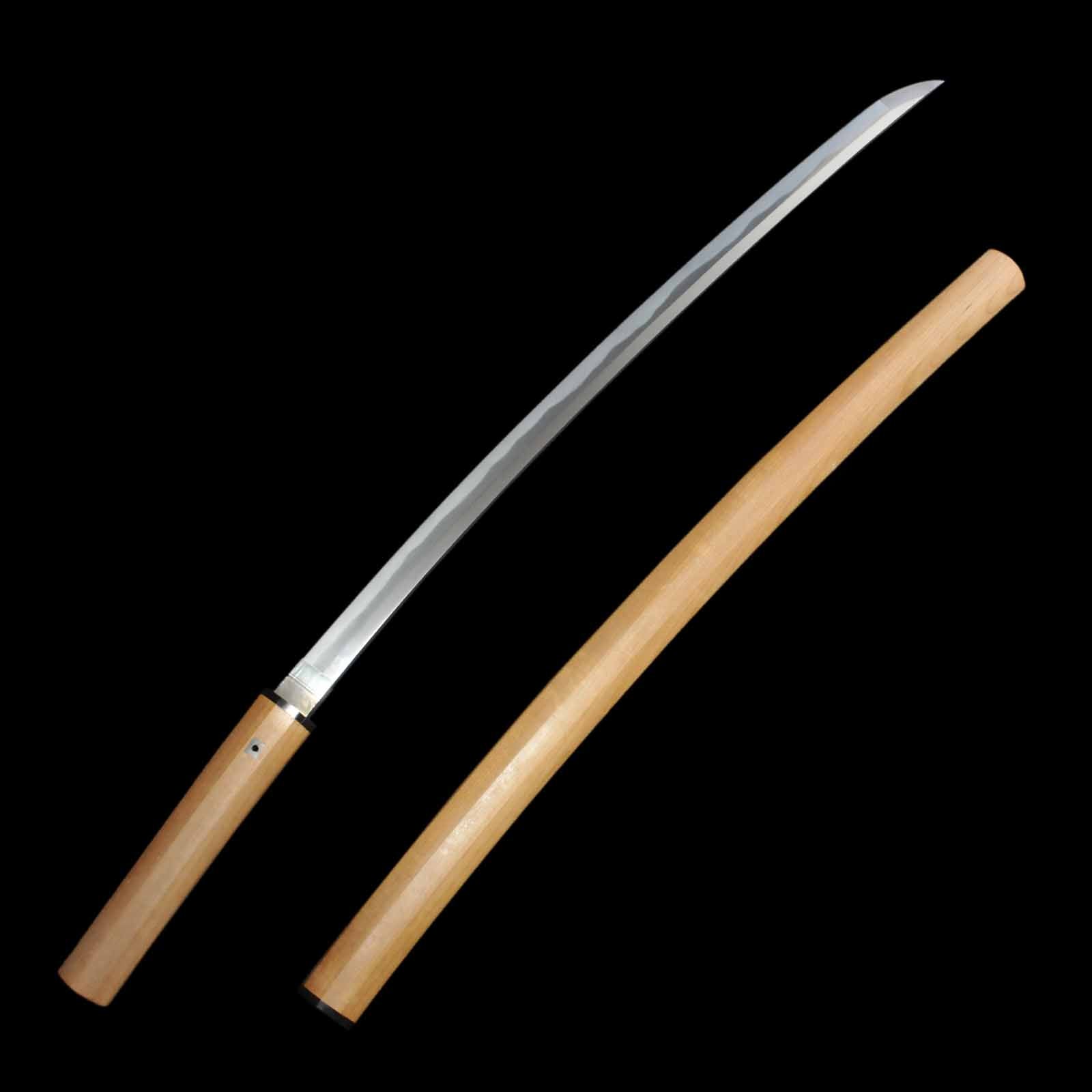
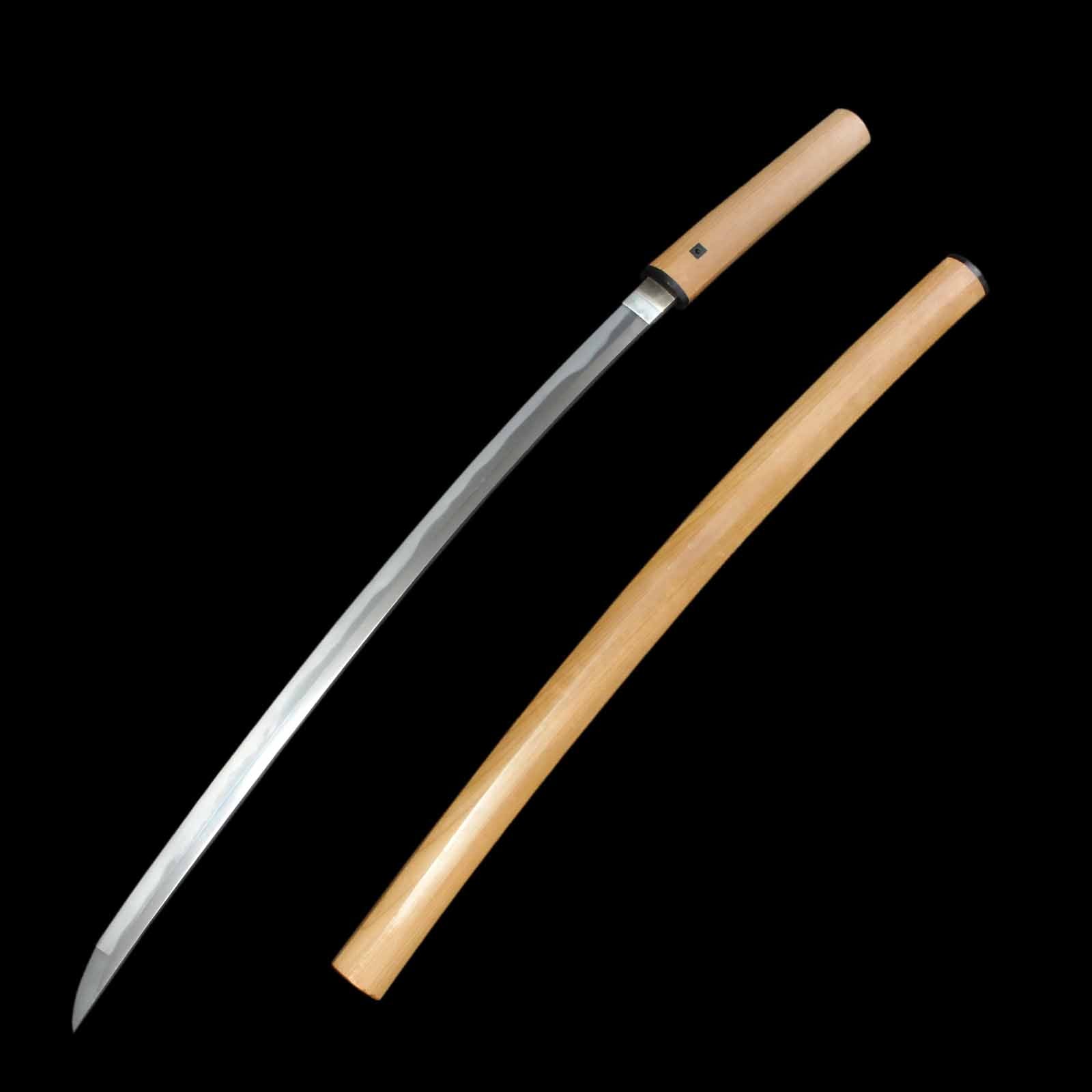
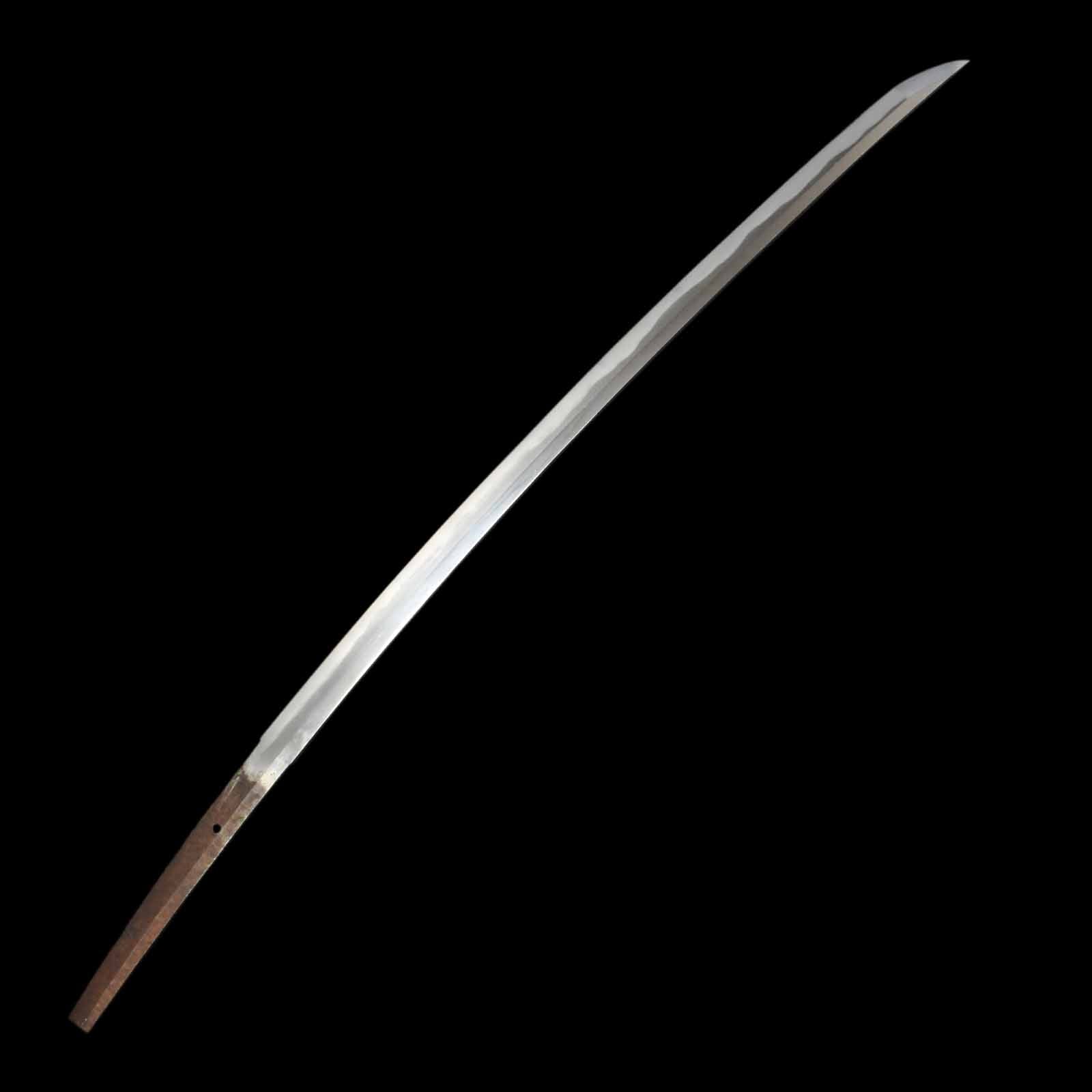
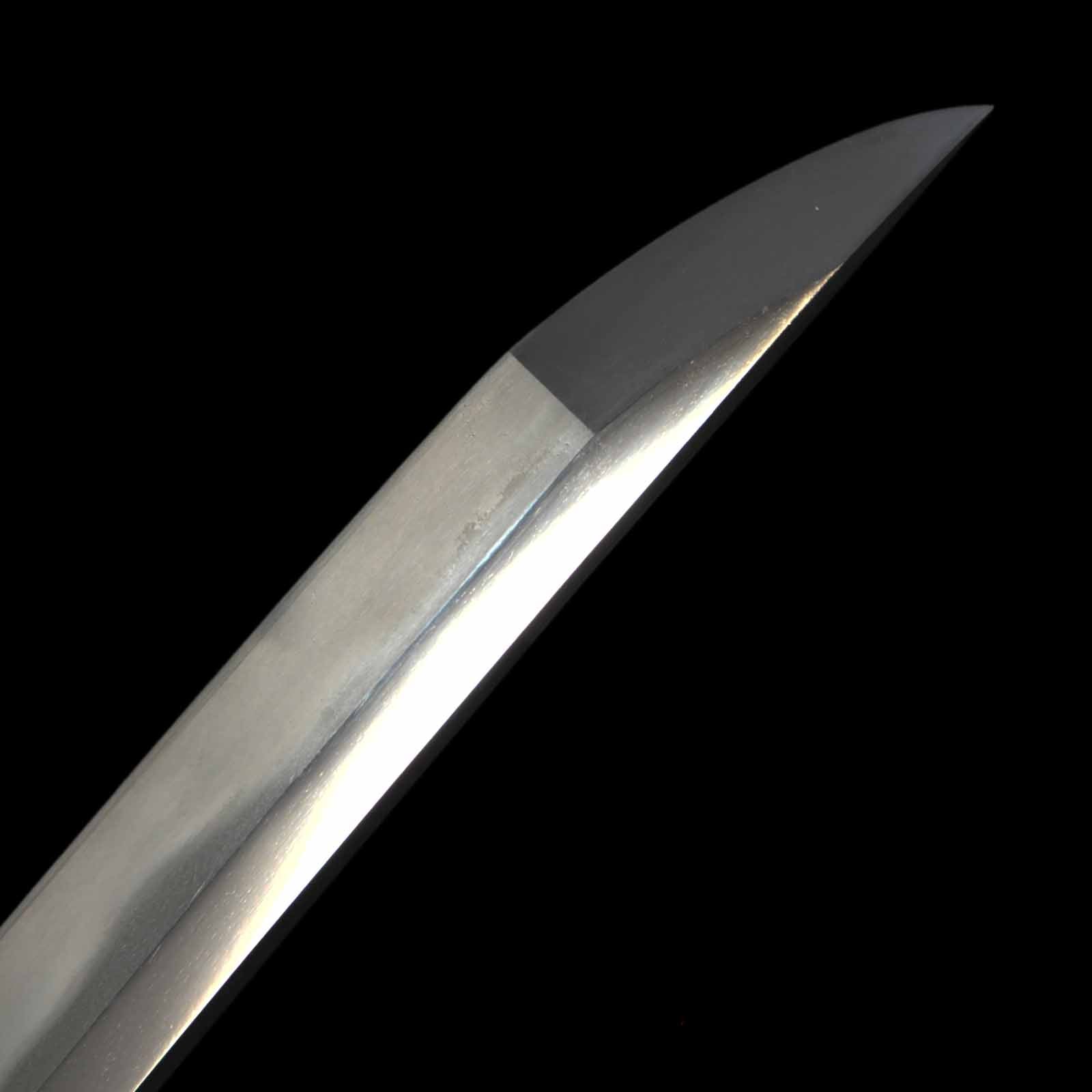
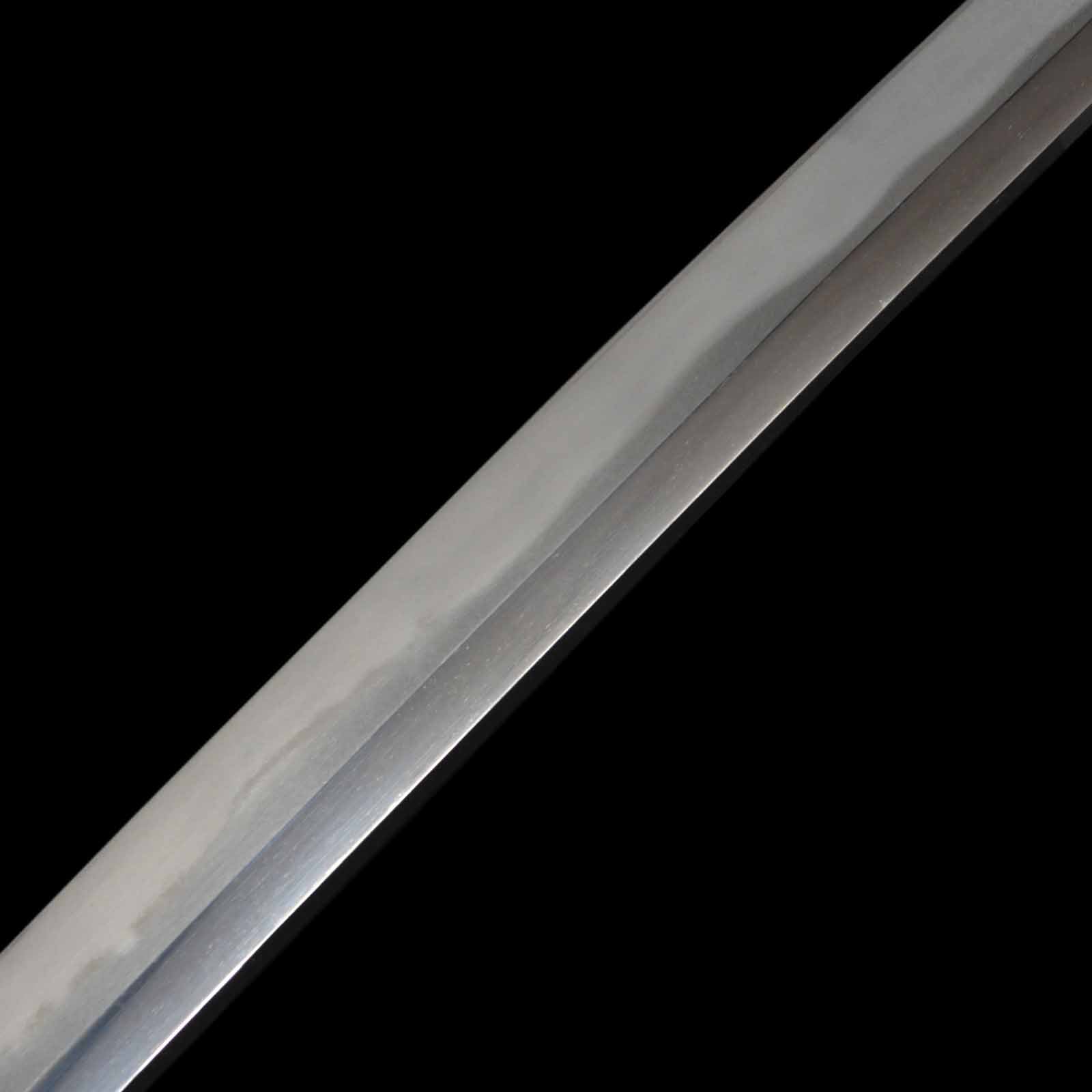
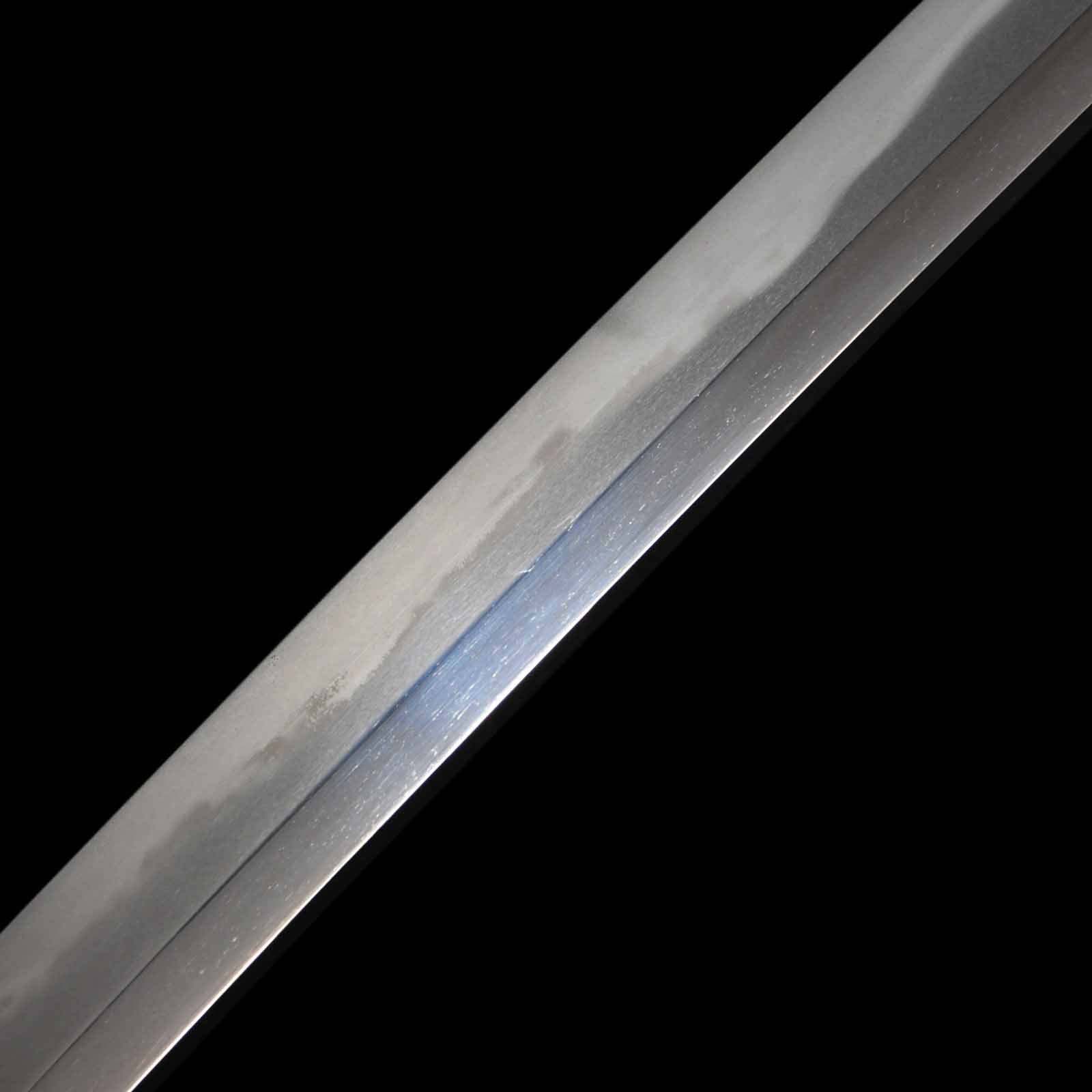
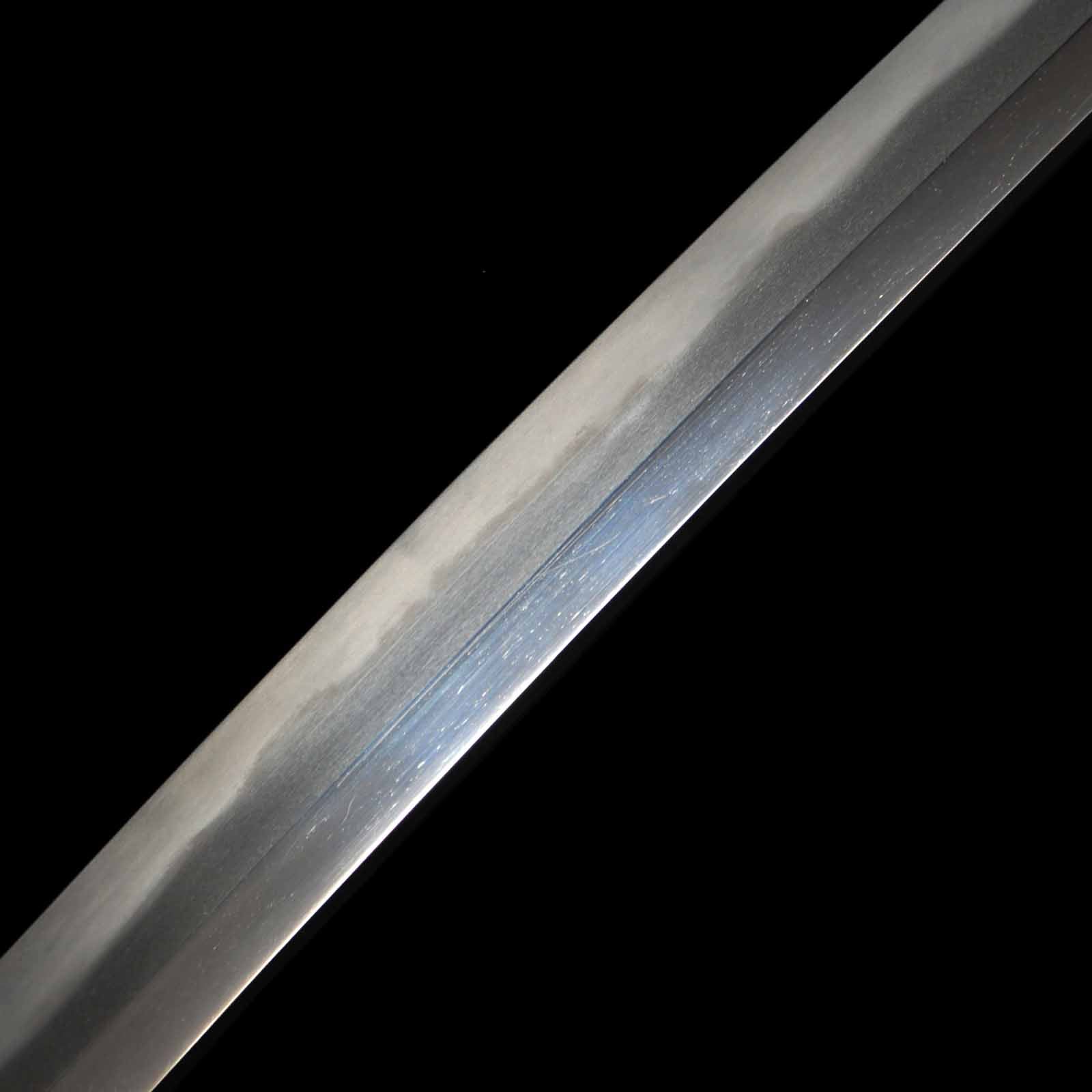
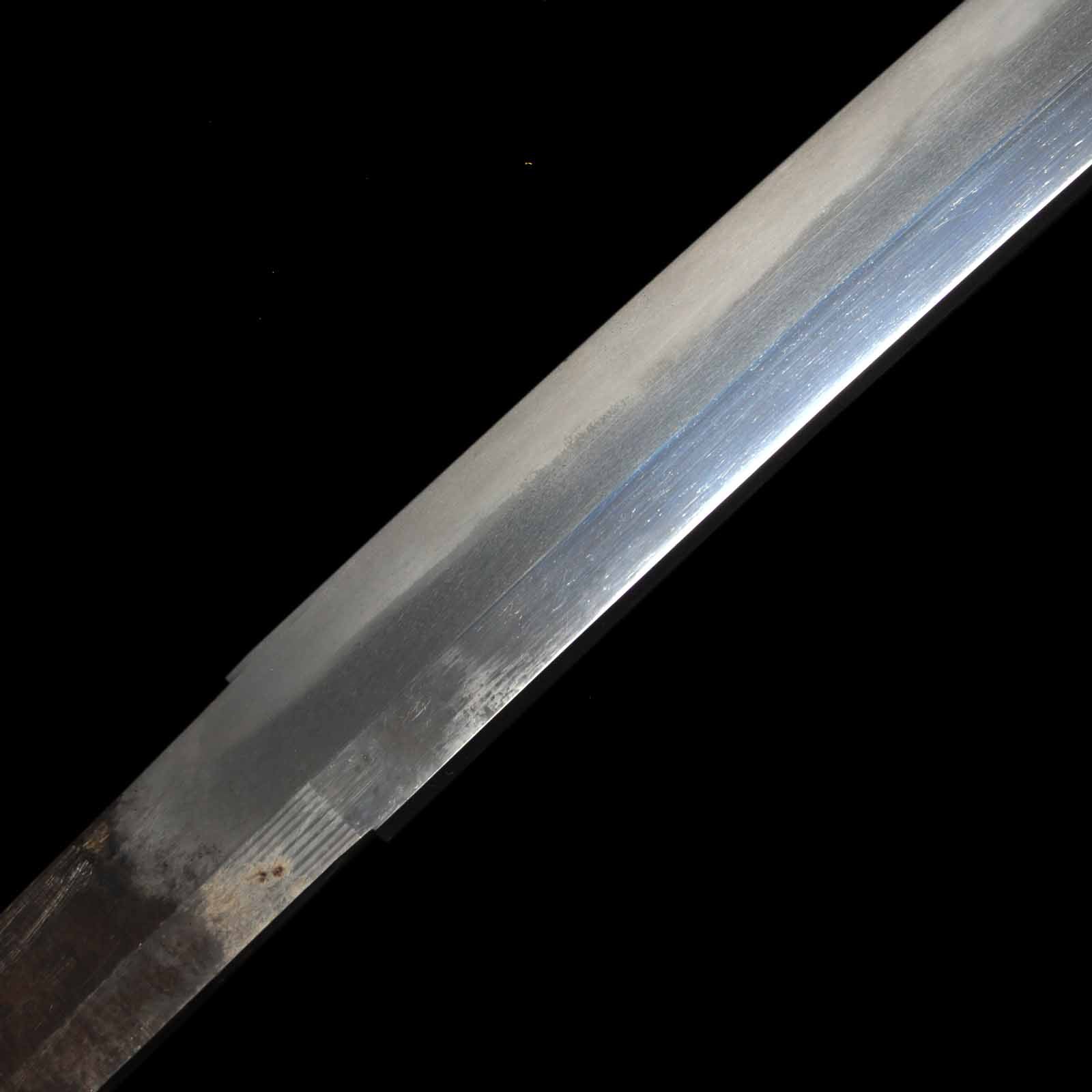
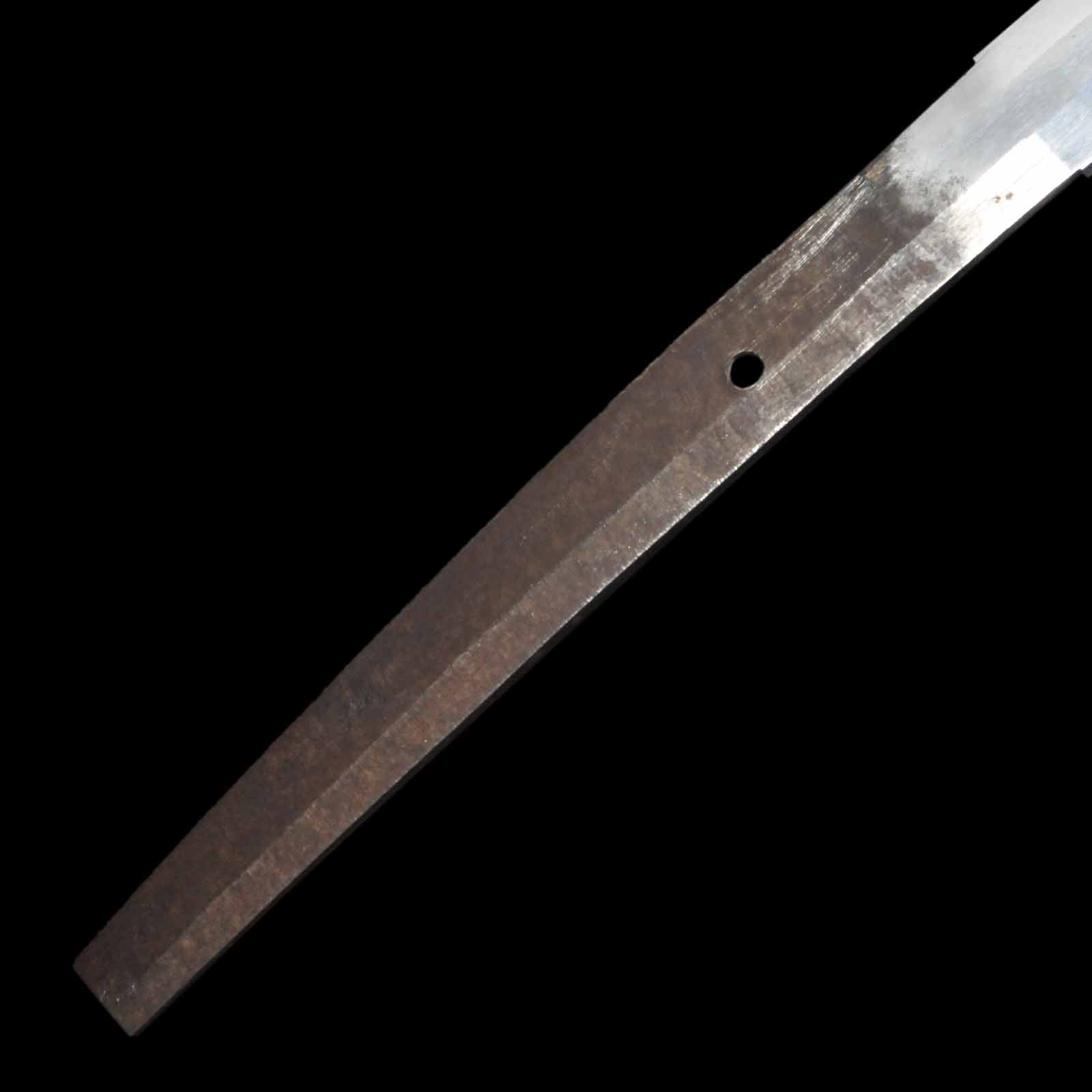
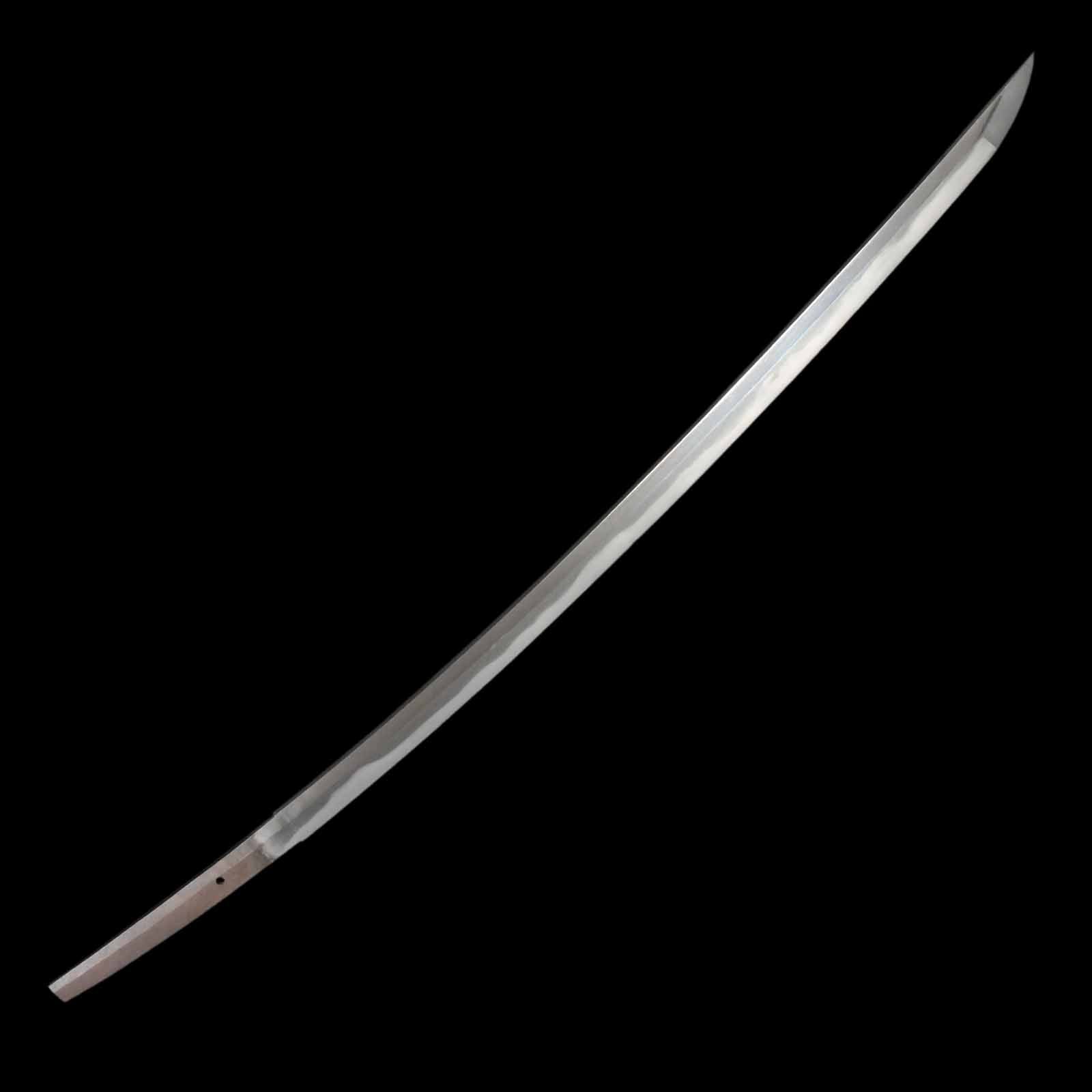
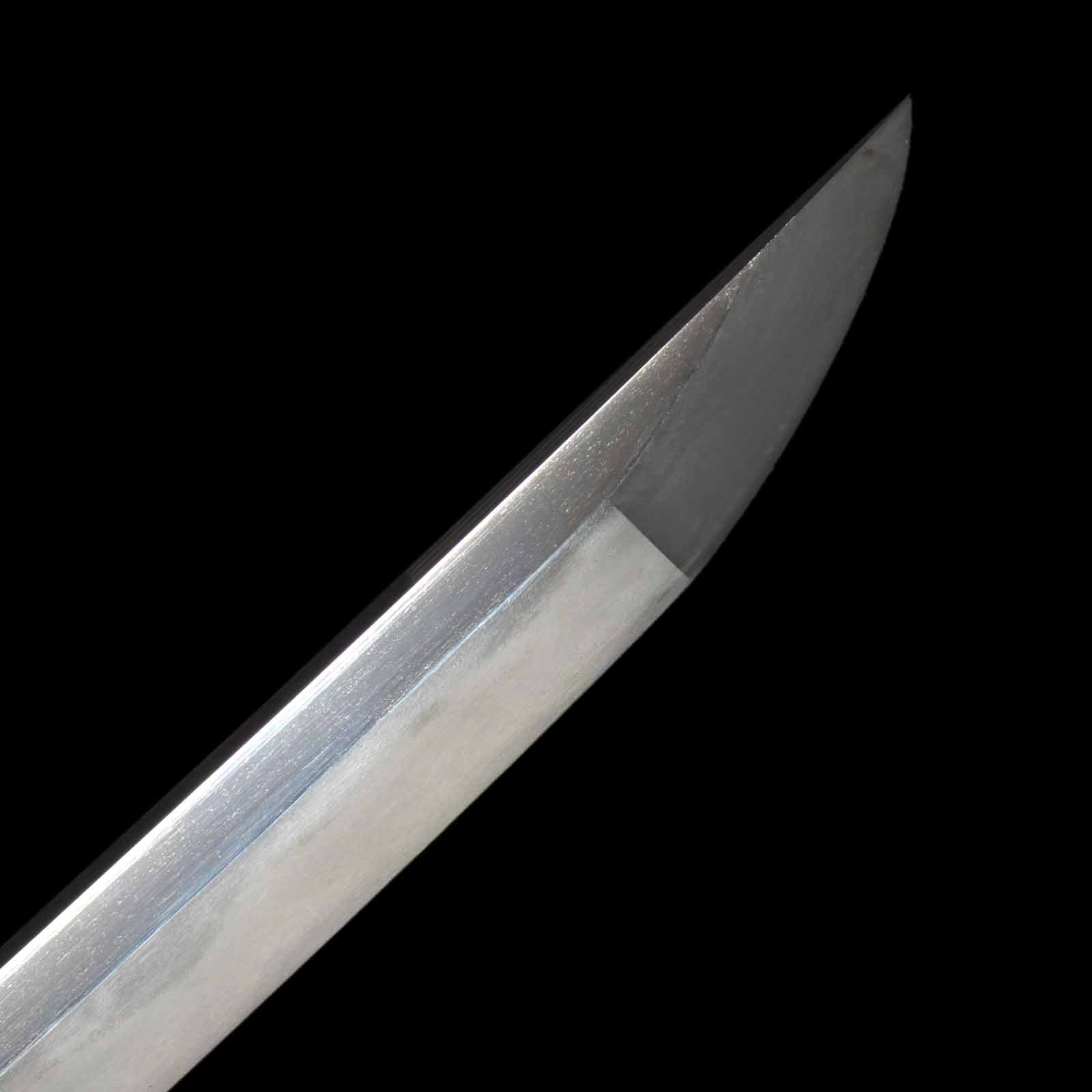
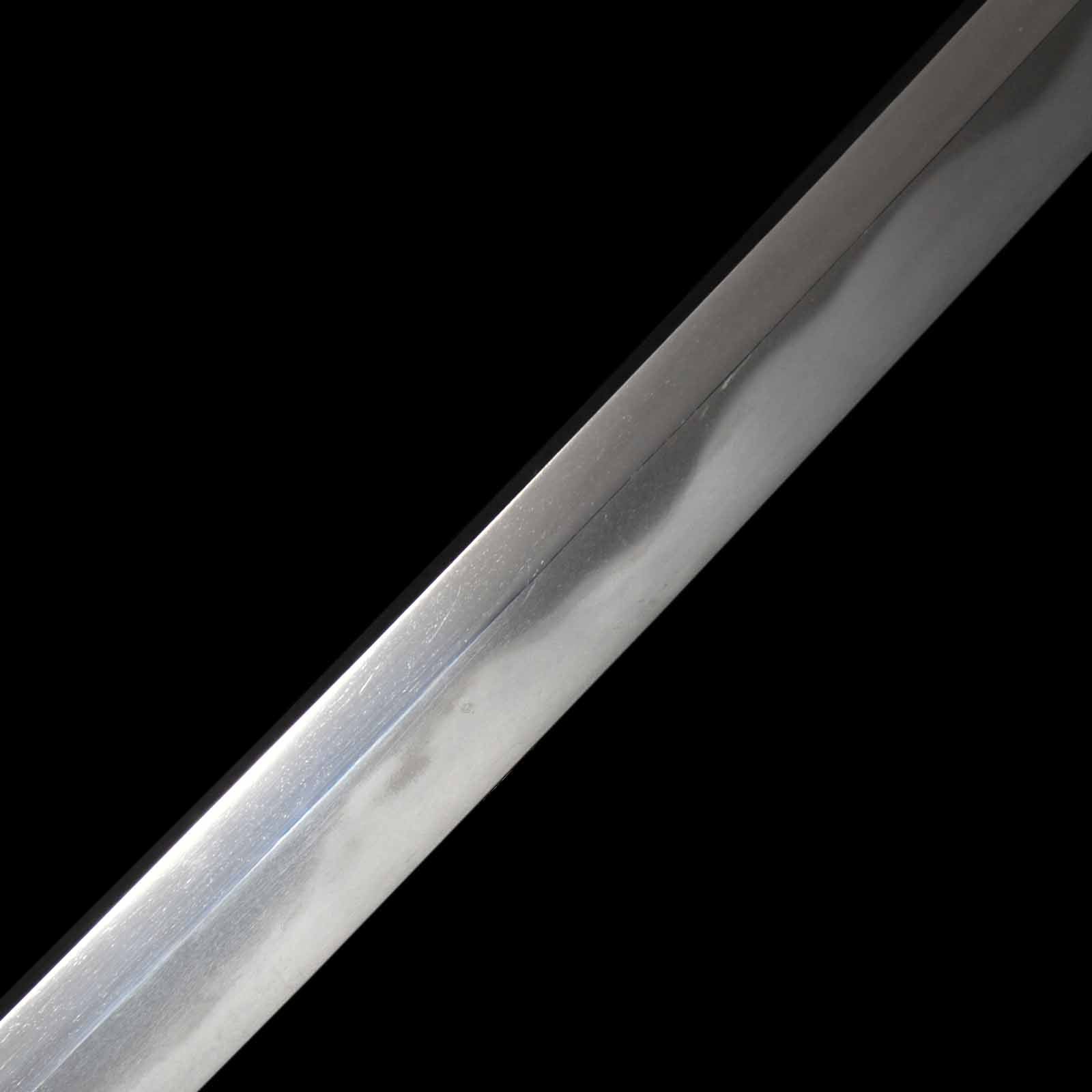
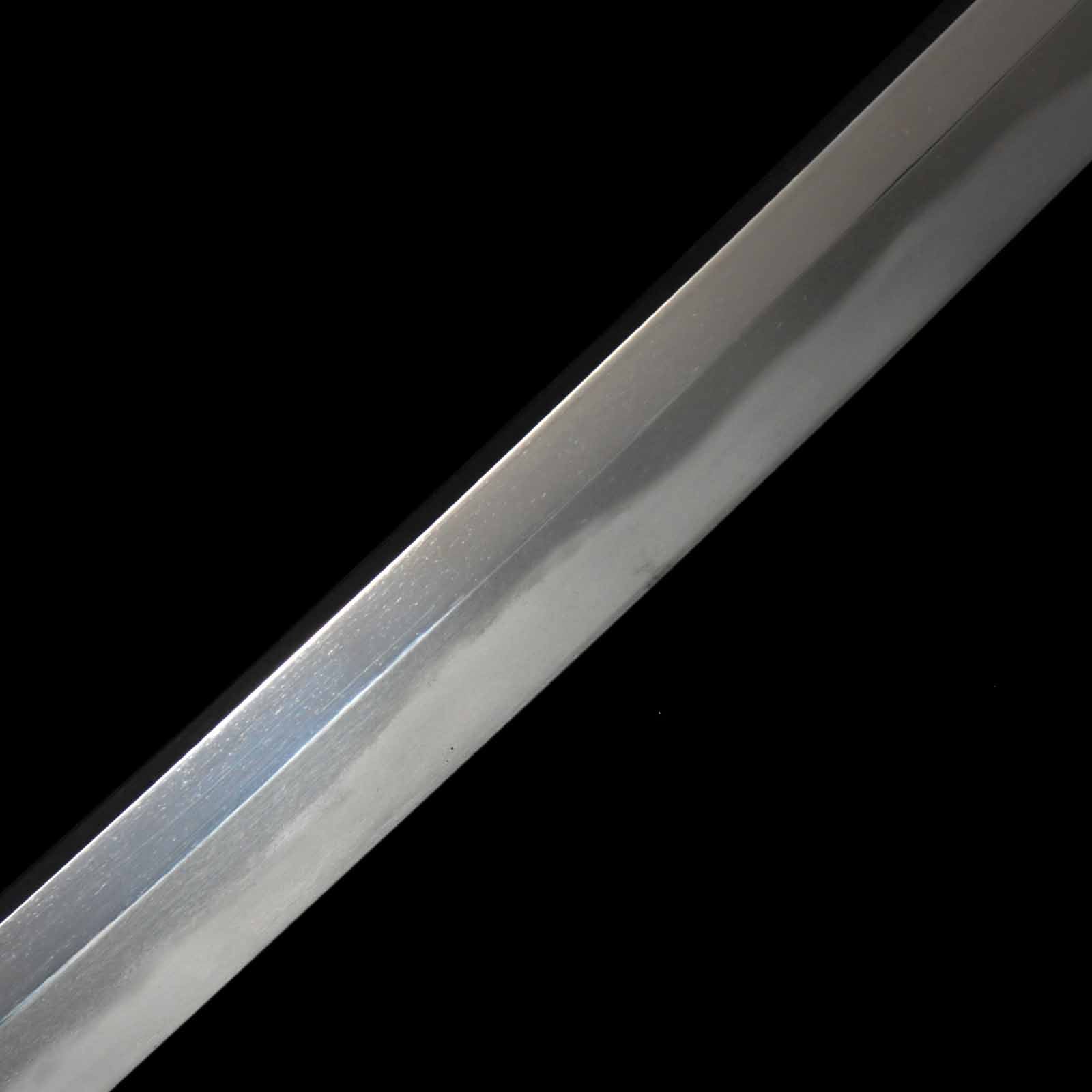
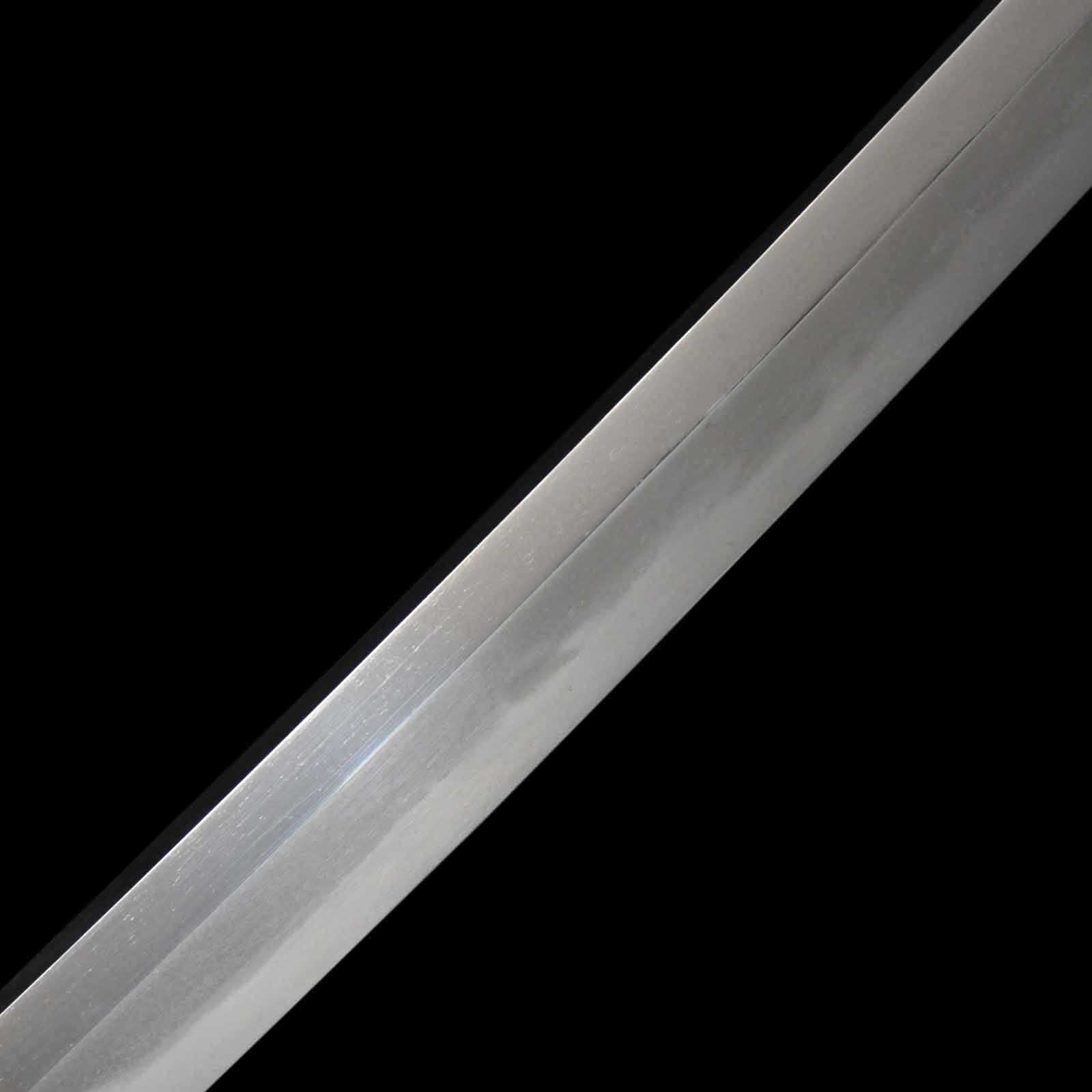
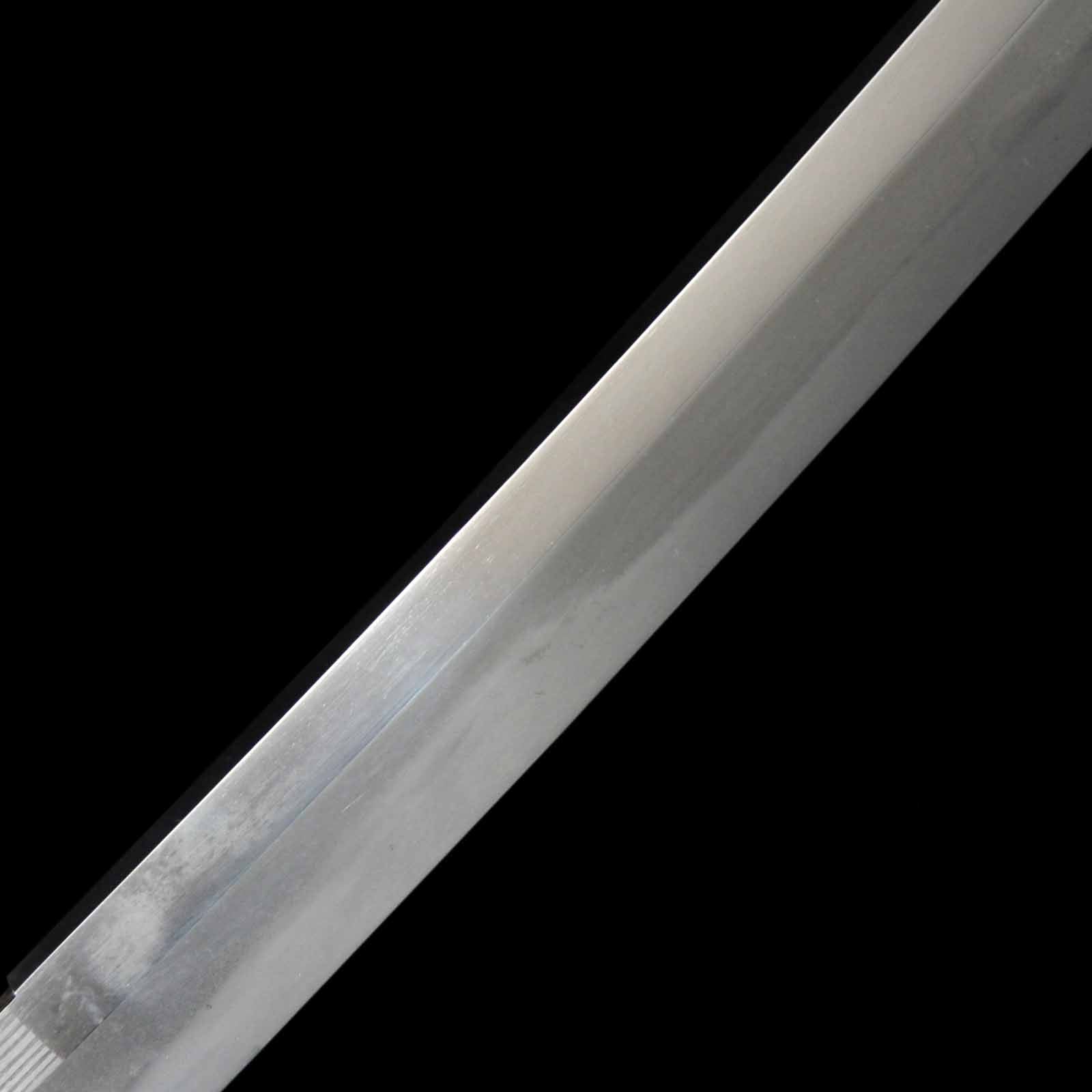
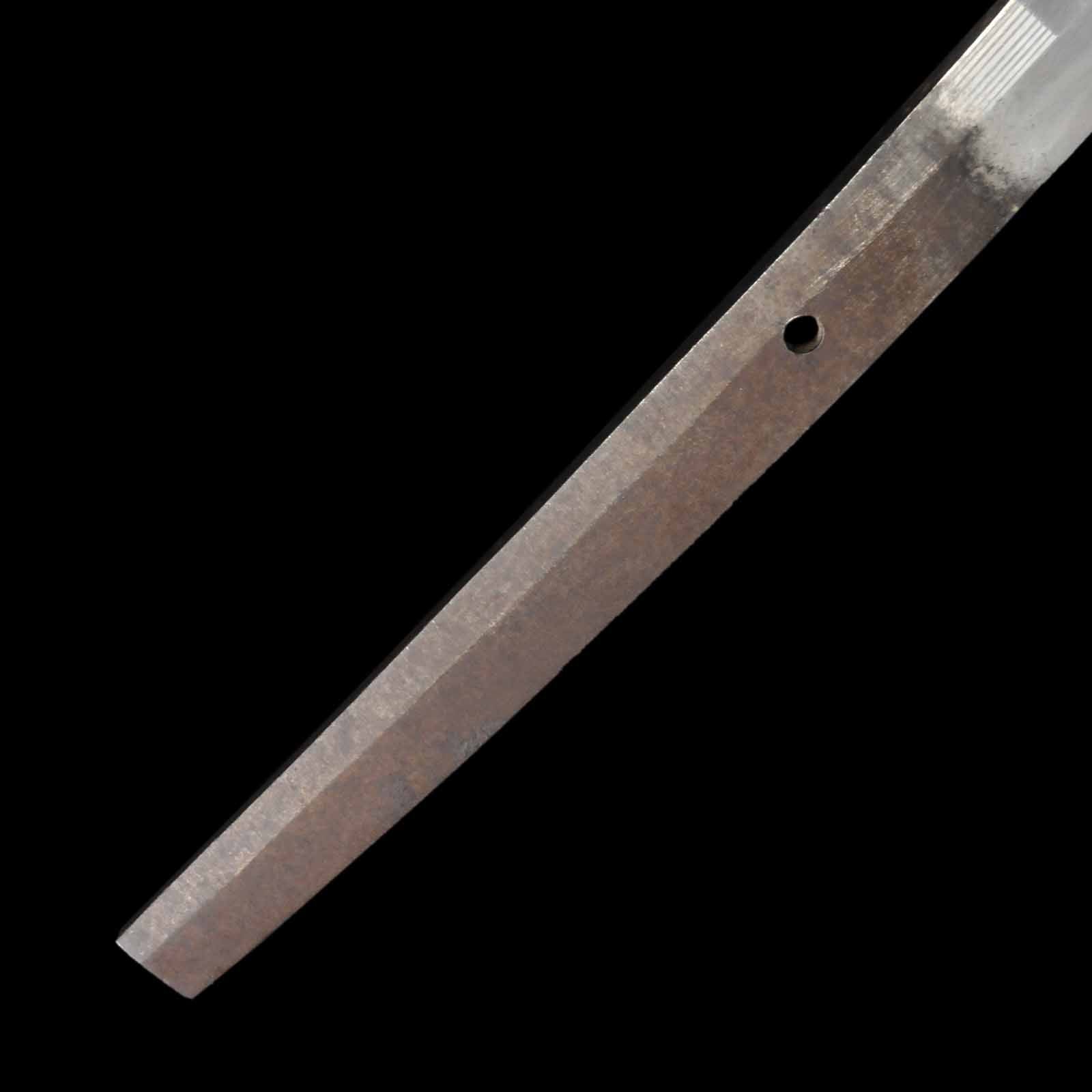
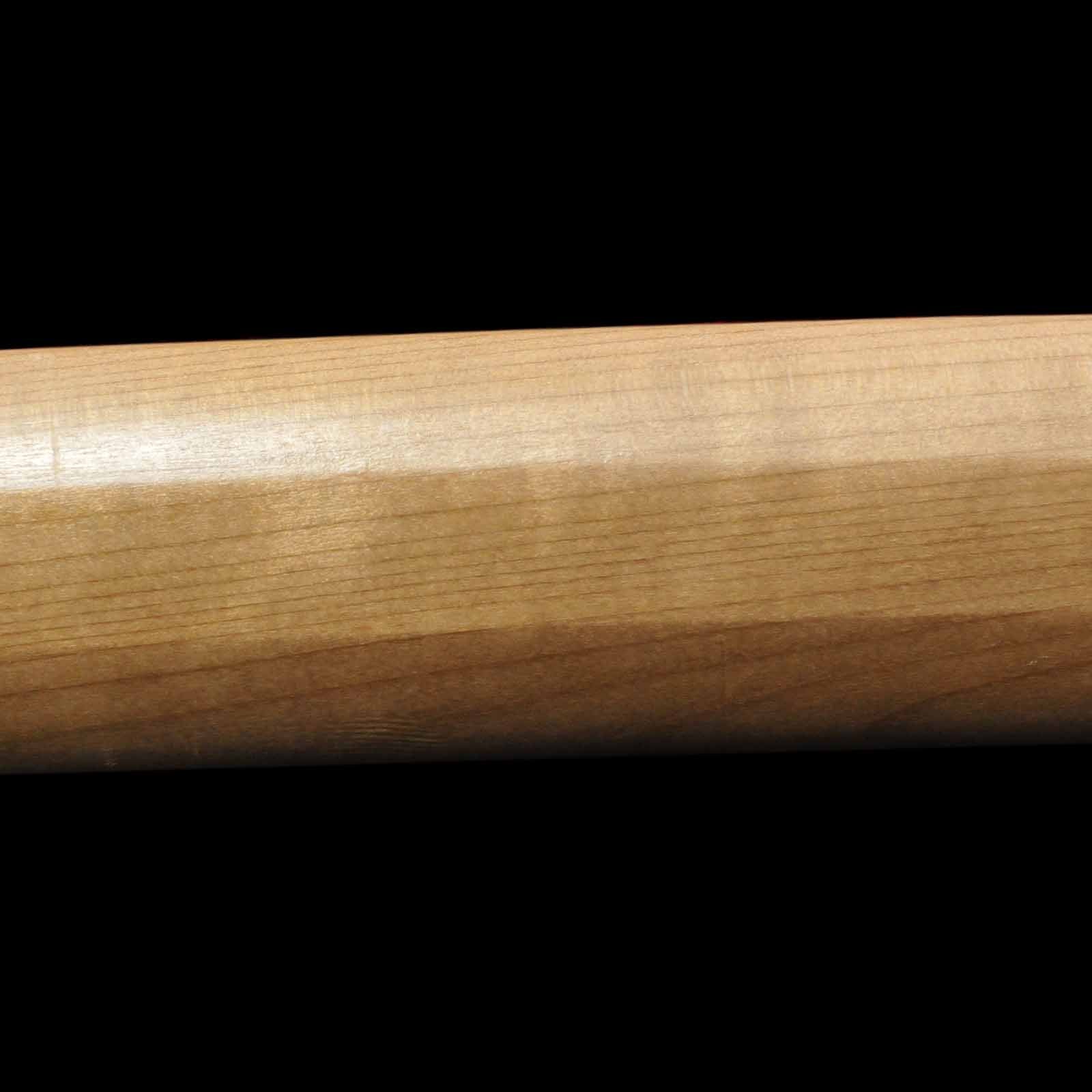
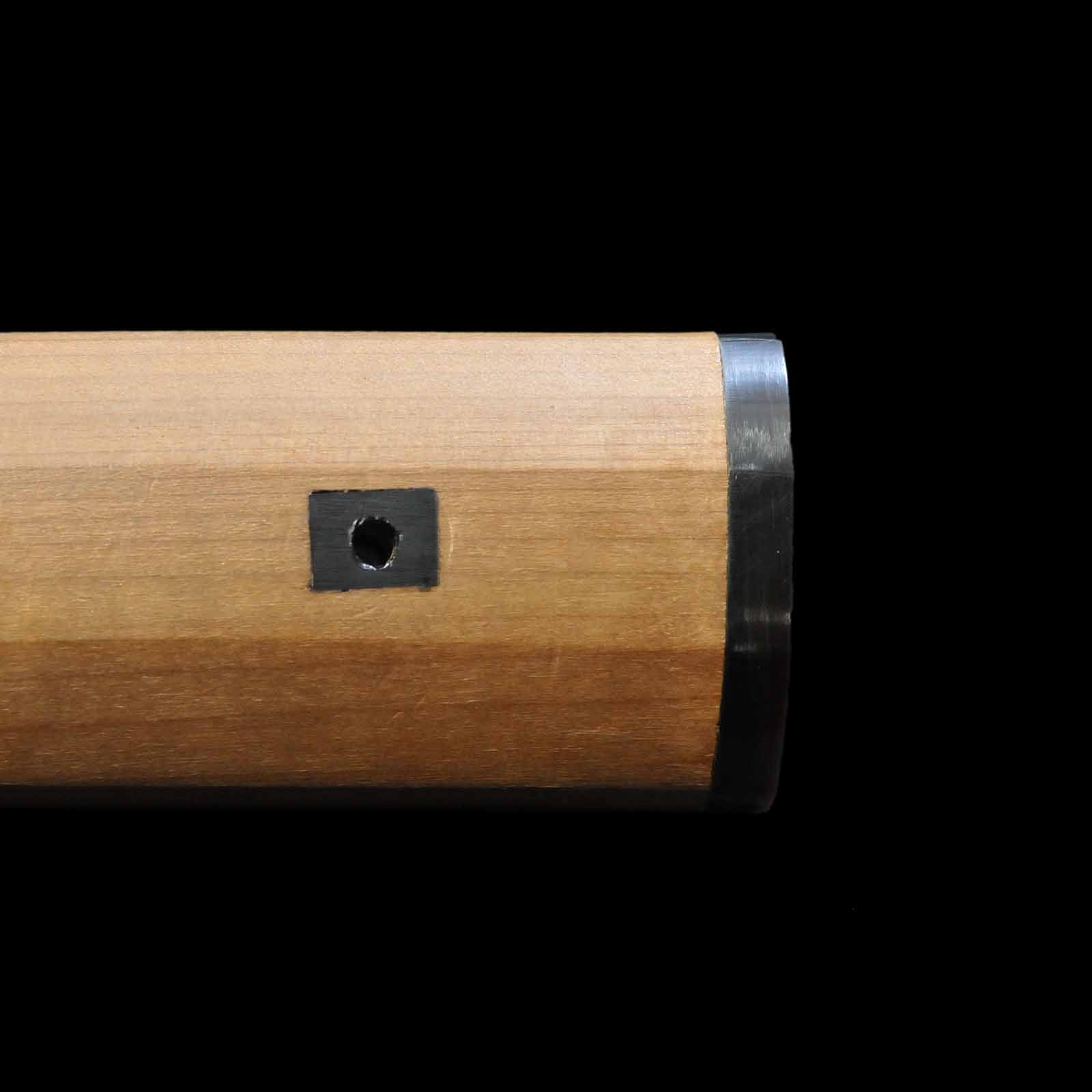
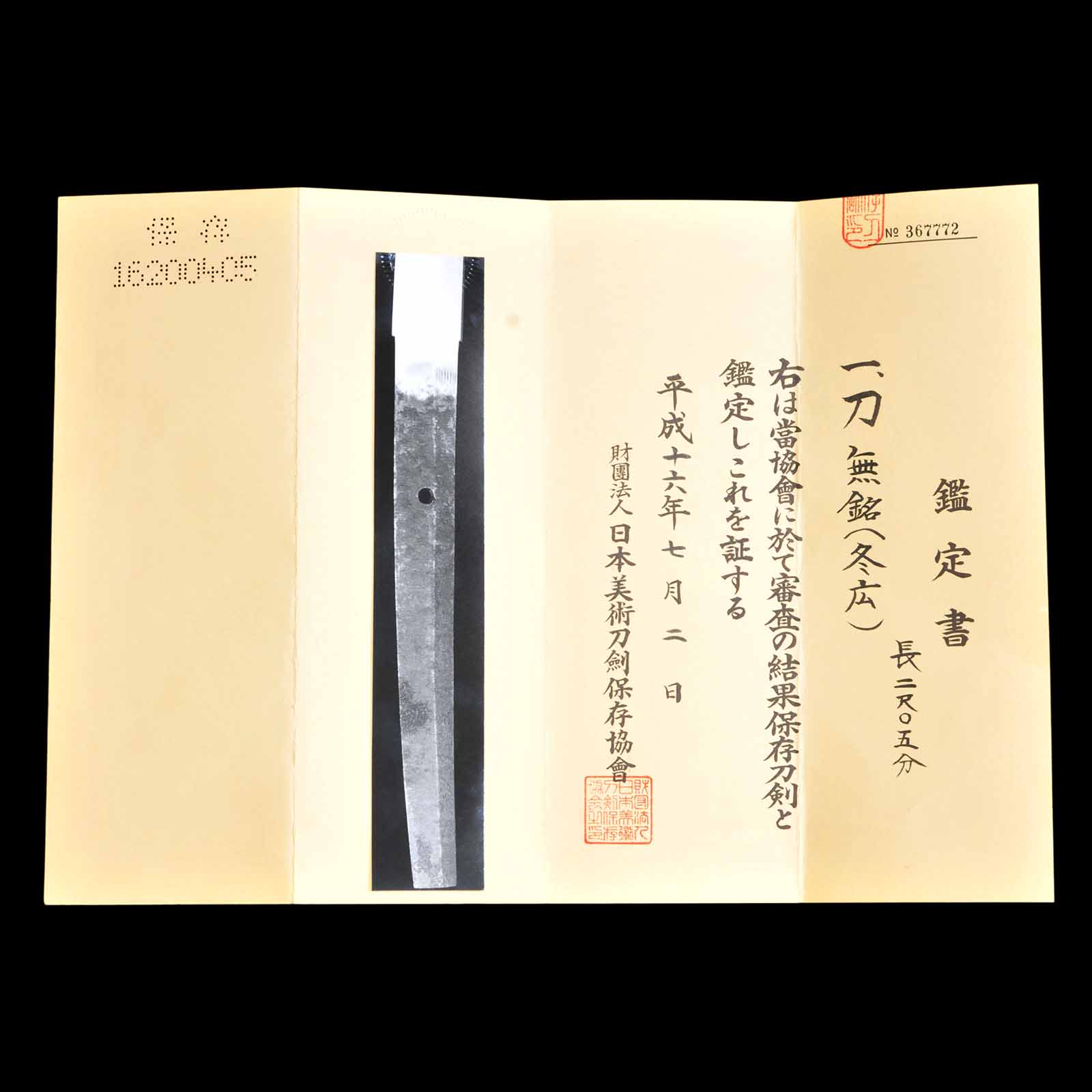
This piece, although unsigned, is a Japanese sword recognized by the Japanese Society for Preservation of Art Swords as being the work of the legendary Fuyuhiro. The condition of this sword is exceptionally well preserved considering its age, and it is in good condition with no flaws or chips. The hada of the sword shows koitame with active yubashiri and has a gentle notare niedeki hamon. There are many hataraki within the ha, such as aranye and kinsen. Also, the tip of this sword is o-boshi, longer and larger than usual, making it a very powerful piece. It is estimated that this katana was originally longer, and the name of the smith is no longer known because it was shortened for suriage, but the Society for Preservation of Japanese Art Swords has identified this katana as the work of Fuyuhiro. Fuyuhiro was the son of Hirotsugu, who lived in Soshu, and moved to Obama in the Wakasa region around 1460 to make swords. Since then, the family of swordsmiths prospered for a long time until the late Edo shogunate period. The imposing style of this piece suggests that it was made between the late Koto period and the early Shinto period. A Fuyuhiro piece with a certificate of authenticity is now available for sale at a very reasonable price. You definitely should not miss this one. Blade length: 62.2 cm Curvature: 1.3 cm Number of Mekugi hole: 1 Sakihaba: 20.9 mm Sakikasane: 4.2 mm Motohaba: 26.0 mm Motokasane: 5.5 mm Signature: No signature Era: Late Koto to Early Shinto Structure: Shinogi-zukuri, Iori-mune Jigane: Itame Hamon: Notare Boshi: Ichimai Weight(Blade only): 550 g Nakago: Suriage Koshirae: Shirasaya Original Registration No.: Mie 43046 Please contact us if the katana you are looking for is not listed here.
NihontoWatchOffered by Tozando
This piece has sold
7 on the market
Get an email when new Wakasa Fuyuhiro School work hits the market.
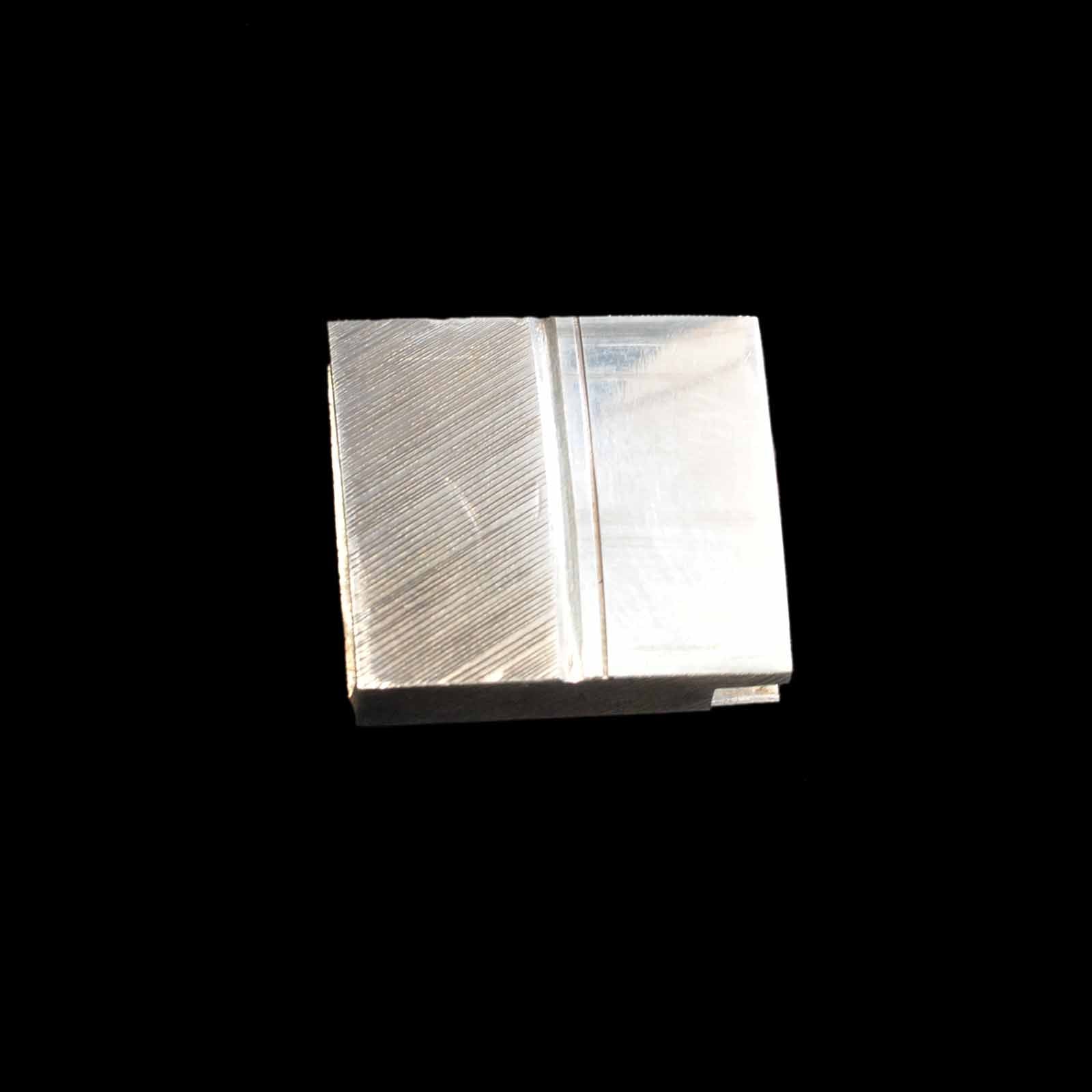
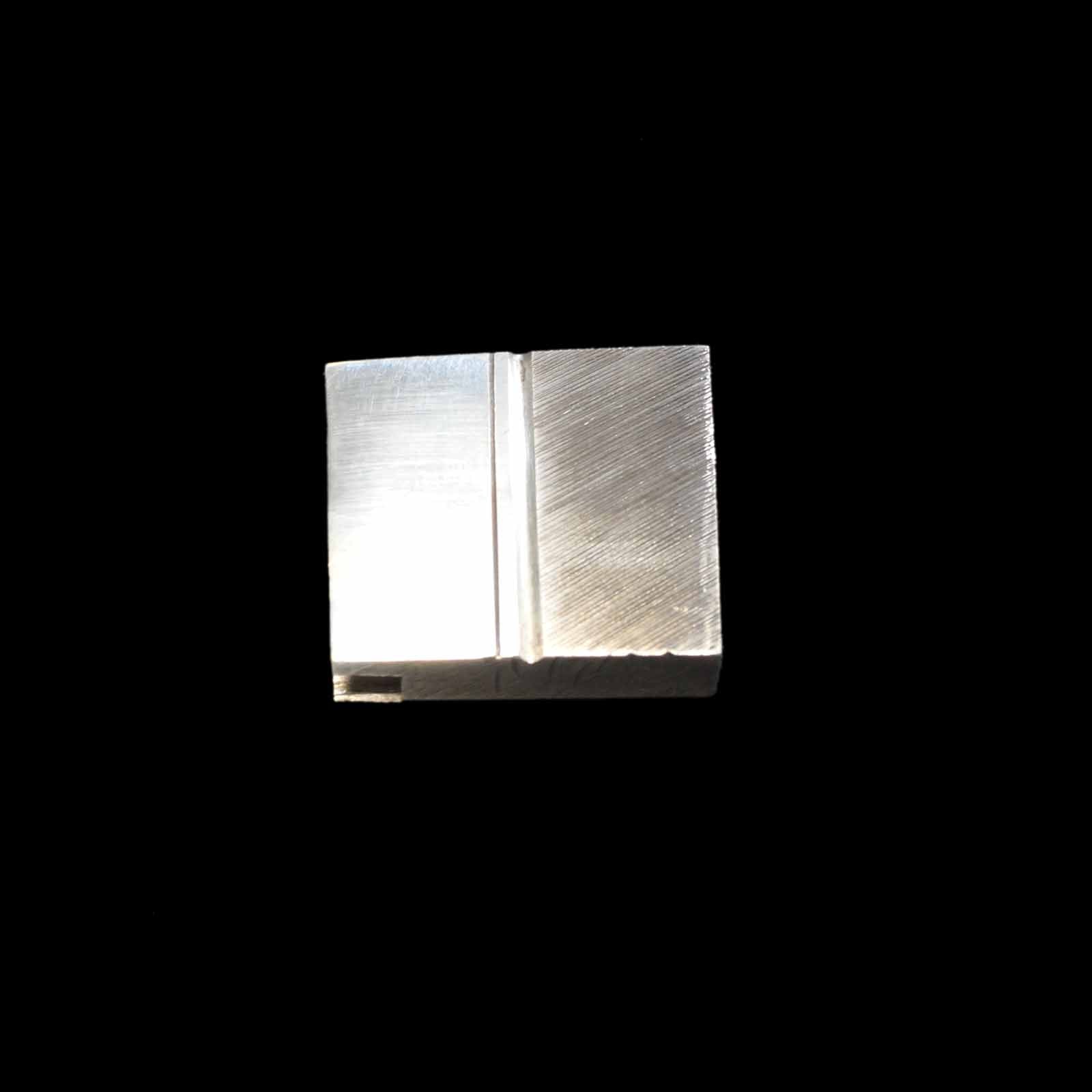
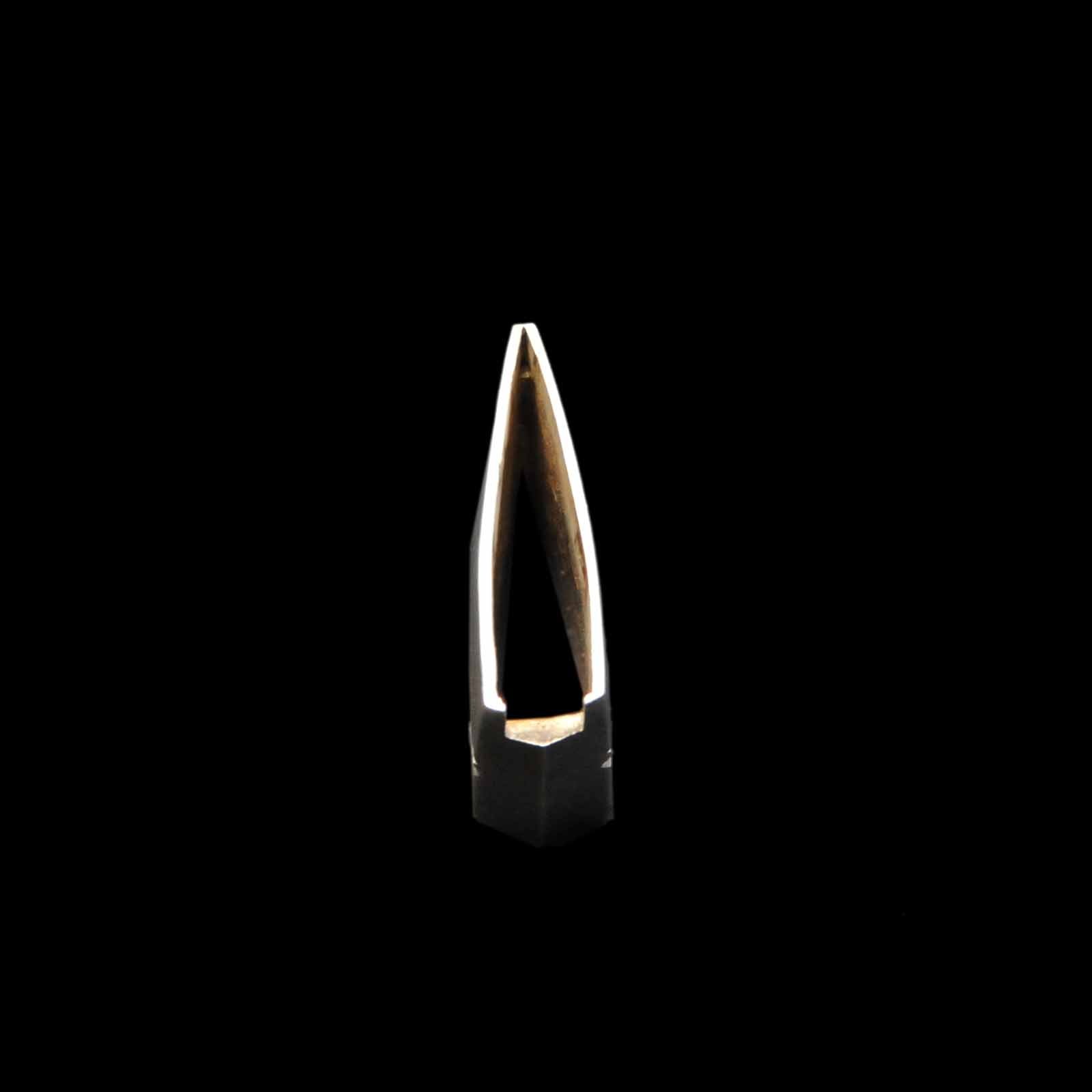
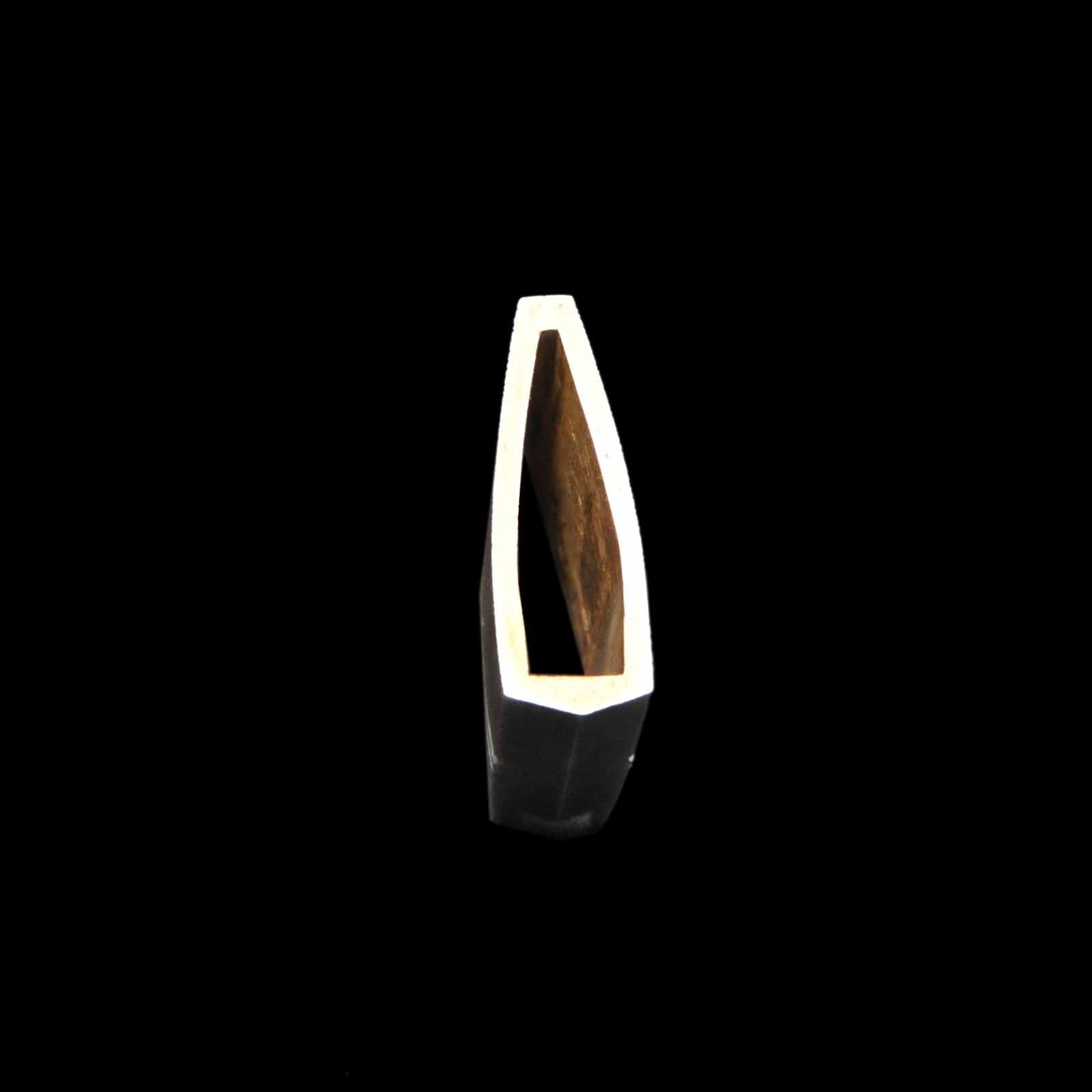
Soshu-den · Wakasa
7 pieces on the market now
The Fuyuhiro line worked at Obama in Wakasa Province, and the setsumei consistently trace its founder to Sagami. He is recorded as the son of the third-generation Hirotsugu of Sagami, said to have relocated to Obama around the Kōshō era (1455 to 1457), with one blade instead reporting that he studied under Tsunahiro of Sagami. The earliest hand is identified on a two-character mei attributed to the first-generation Wakasa Fuyuhiro, and the name continued thereafter, the lineage held to have run for some five generations and the signature extending into the shinshintō period and the closing years of the Edo period. " Several blades carry residence inscriptions for places far from Wakasa, among them Hōki, Unshū, Izumo, Bizen, and Bitchū, including a katana made at Matsuyama in Bitchū; whether these issued from one man or several is left by the setsumei as a matter for further study. The descent from Sagami places the line within the Soshu-den, working its late, provincial idiom. Across these blades the forging is itame mixed with mokume and nagare, repeatedly described as inclining toward hada-dachi, or standing grain, with ji-nie and frequent chikei. Two tempering modes recur. One follows late Sōshū and Sue-Sōshū taste, a wide notare or ō-notare mixed with ko-gunome, ko-chōji, and togariba, carrying ashi and yō, nie that adheres thickly and at times coarsely, with sunagashi and kinsuji, and in the most active examples tobiyaki and muneyaki that build into hitatsura. The other approaches Sue-Bizen, seen in a gunome-midare with koshi-biraki tendency or a tighter nioiguchi over ko-nie.
A third register appears as a broad suguha-chō set with ko-gunome and ko-notare. The bōshi is typically midare-komi, turning ko-maru or pointed with hakikake. To read the hand, the setsumei point to the standing grain and bright nioiguchi, the often grand sakizori construction with extended or ō-kissaki, and the carving: bō-hi with soe-hi, and on one blade a kurikara with bonji and goma-bashi whose manner is likened to Heianjō Nagayoshi rather than to Sōshū. Generations and modes separate by whether the workmanship leans Sue-Sōshū or Sue-Bizen. For kantei, the setsumei treat the place-stating signatures and dated tangs as the principal documentary value, several blades singled out for the clarity their inscriptions bring to the line's chronology and geographic reach; one Tenshō 8 katana adds the invocation "Hachiman Daibosatsu" beside the mekugi-ana and "Jūdai" cut on the mune. The recurring open question of the far-flung residence signatures, Hōki through Bitchū, frames the standing of the name as one whose precise membership the register still weighs. Among individual works, the writers name a suriage katana as a kessaku, a wholly hardened blade close to late Bizen, and a two-character first-generation piece judged the finest in jigane and hamon. Accompanying uchigatana koshirae survive on two katana, one with shakudō nanako fittings bearing the "Misu aoi" crest, the other a black-lacquered leather katate-maki mounting whose saya is held close in date to the blade. The setsumei present Fuyuhiro as a capable smith adept in both suguha and midare and in horimono, his Wakasa workshop carrying the Soshu-den into the late Muromachi and beyond. Learn more →
| Smith | Era | Designated |
|---|---|---|
| Fuyuhiro冬廣 | 1521-1568 | 5 |
| Fuyuhiro冬廣 | 1487-1489 | 0 |
| Fuyuhiro冬廣 | 1624-1644 | 0 |
| Fuyuhiro冬廣 | 1501-1504 | 0 |
| Fuyuhiro冬廣 | 1661-1673 | 0 |
Sōshū in the Muromachi period
In the Sengoku era the school served a second warrior court: the Later Hōjō at Odawara, whose patronage kept the Tsunahiro line forging hitatsura for the uchigatana age until the castle fell to Hideyoshi in 1590.
Certifies a genuine blade worth preserving: a signature confirmed correct, or, if unsigned, an era, province, and school that the NBTHK can reliably identify.
The NBTHK (Nihon Bijutsu Tōken Hozon Kyōkai, the Society for the Preservation of Japanese Art Swords) is a public-interest incorporated foundation founded in 1948 and supervised by Japan’s Agency for Cultural Affairs (Bunkachō); it is based at the Japanese Sword Museum in Tokyo. Its expert panels physically examine each submitted work (shinsa) and issue a certificate (kanteishō) ranking it by artistic and historical merit. NBTHK papers are the most widely recognized standard of authentication for Japanese swords and fittings.
NBTHK official siteAs a general rule, returns/exchanges are not accepted on Japanese sword orders unless damaged upon delivery. Other items: returns/exchanges accepted within 7 days of delivery. Cancellation for personal reasons incurs a 30% restocking fee (70% refunded). Return shipping must be prepaid and insured by the buyer; shipping/handling fees are non-refundable. Contact katana@tozando.co.jp to initiate a return.