Muromachi turned sword making into an industry: the uchigatana rose with massed infantry warfare, Osafune and Seki produced bundle swords beside custom orders, and the Ming trade carried Japanese blades abroad by the tens of thousands.
 NihontoWatchNihontoWatch
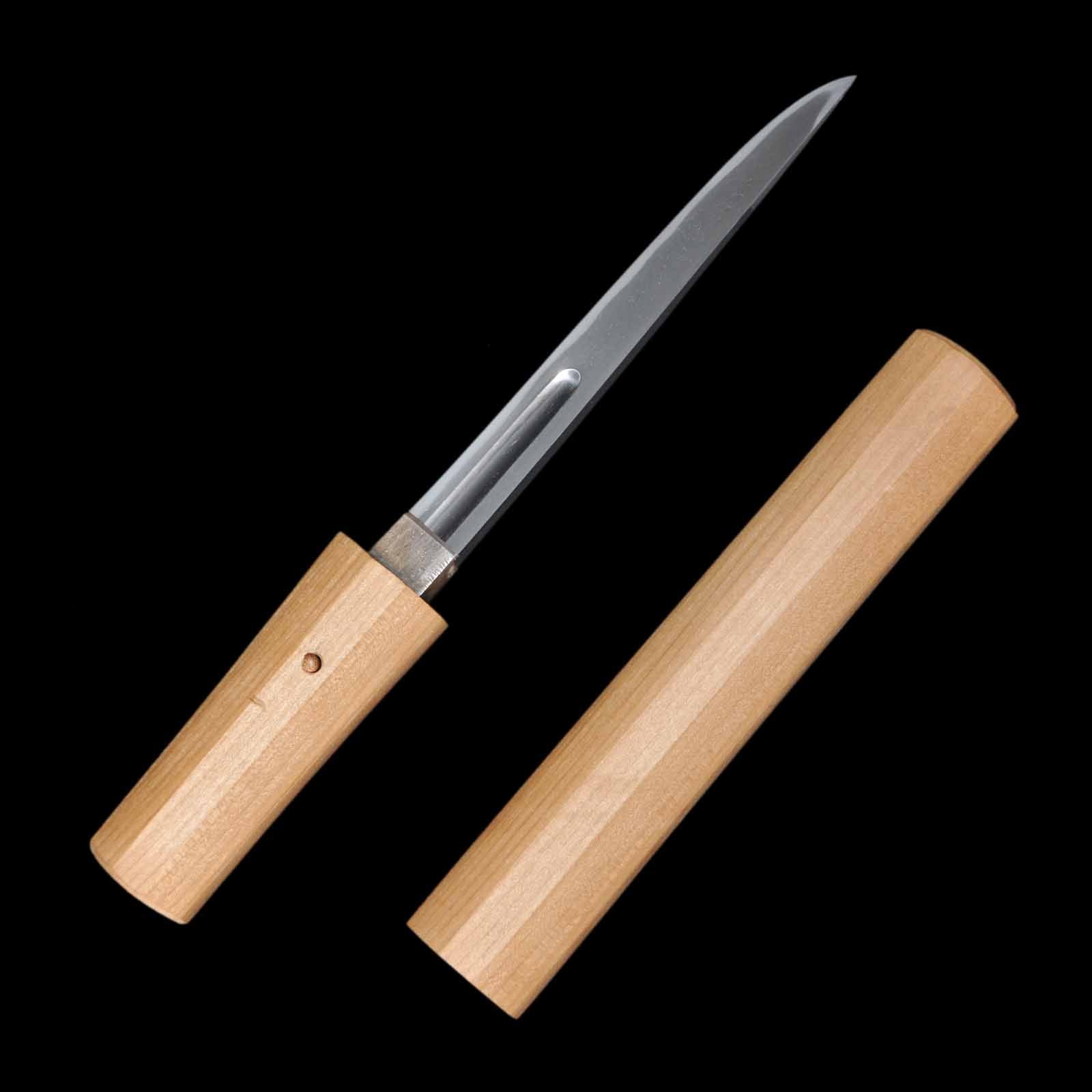
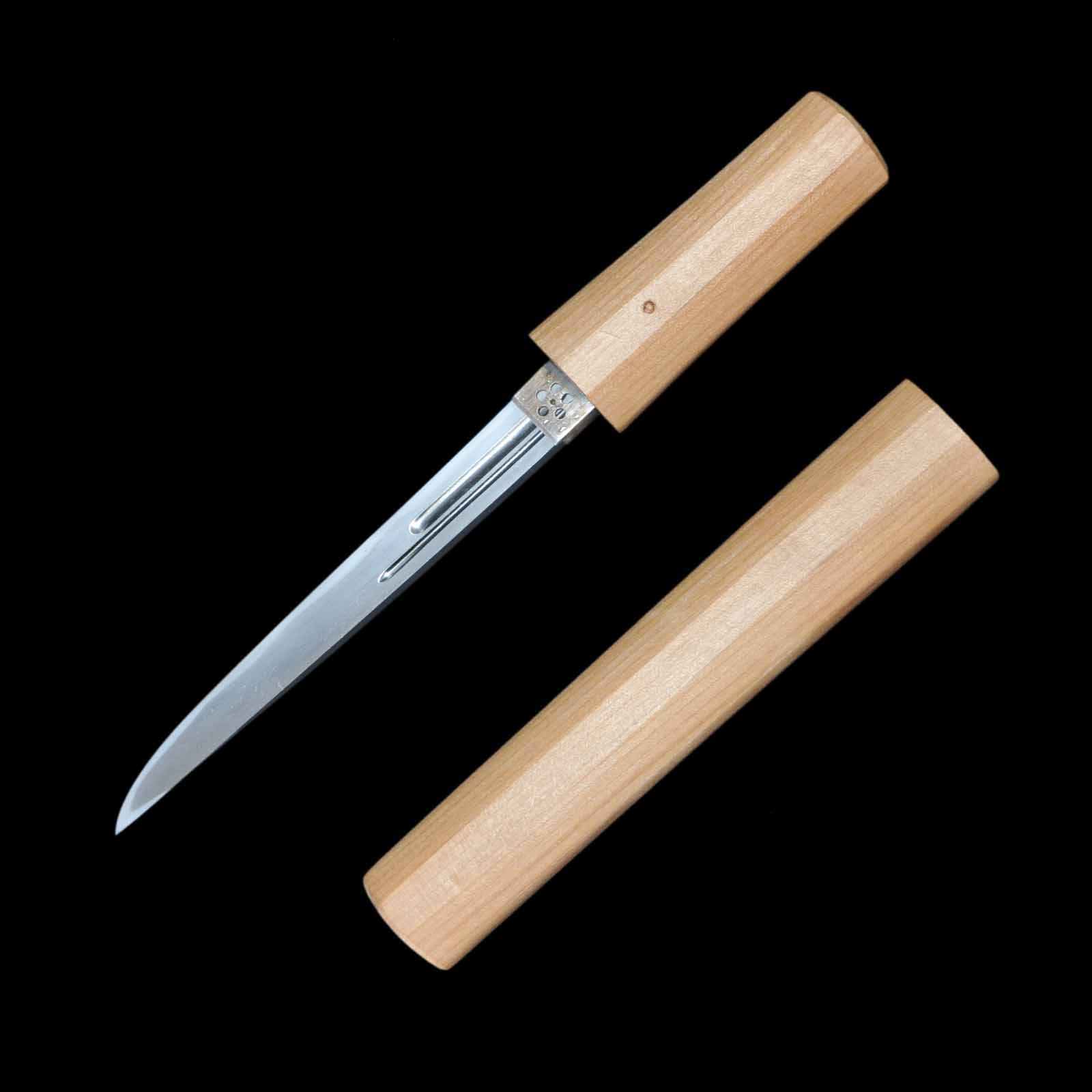
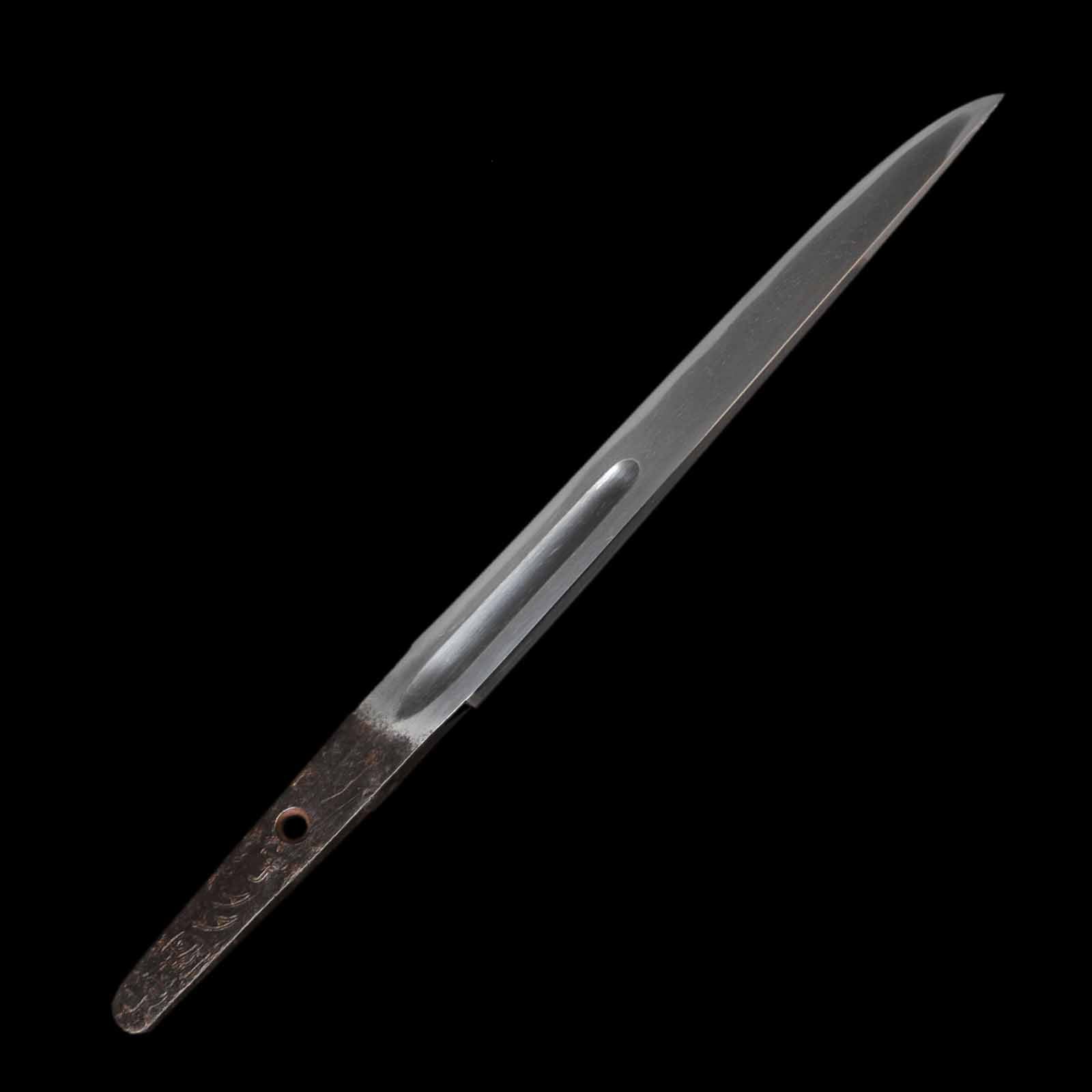
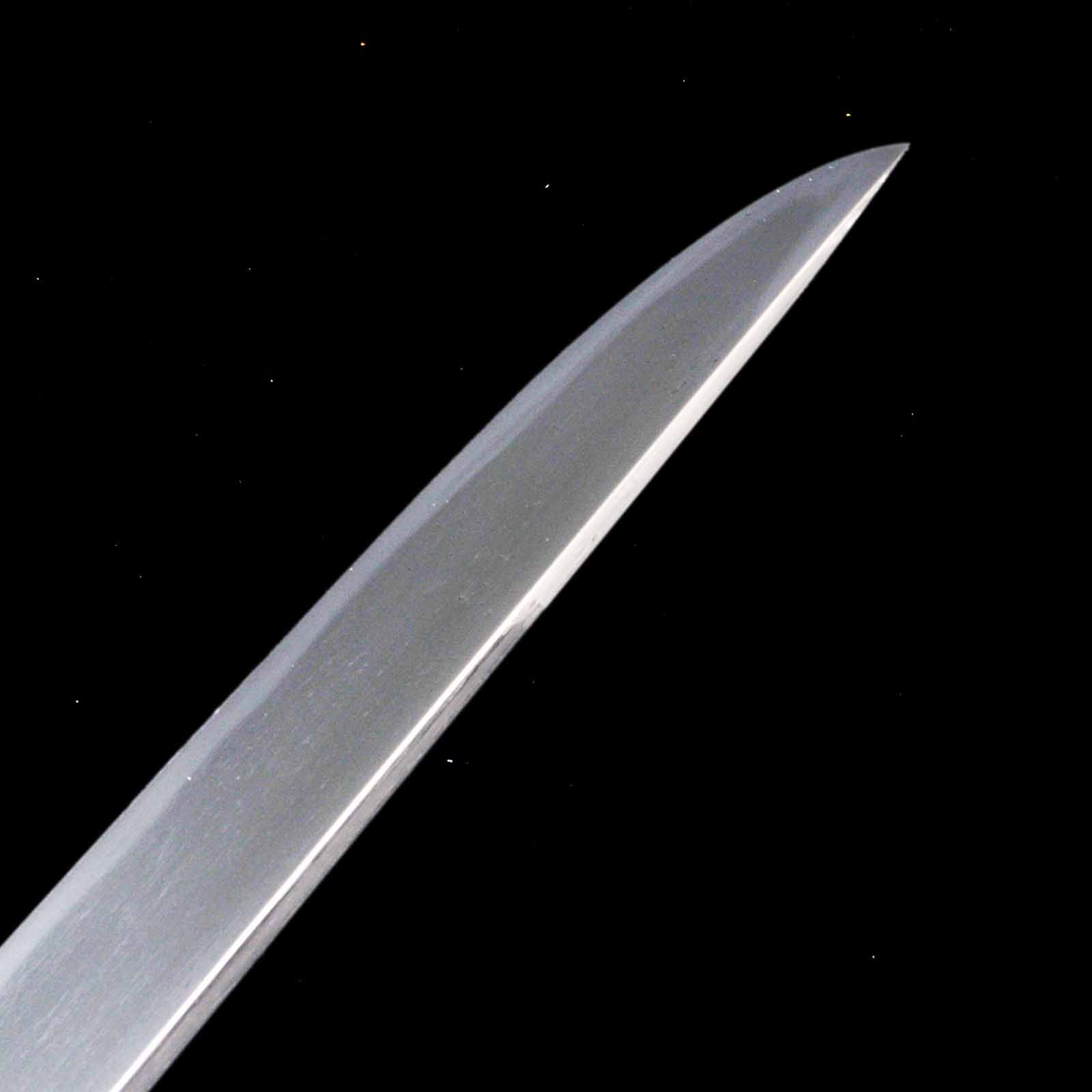
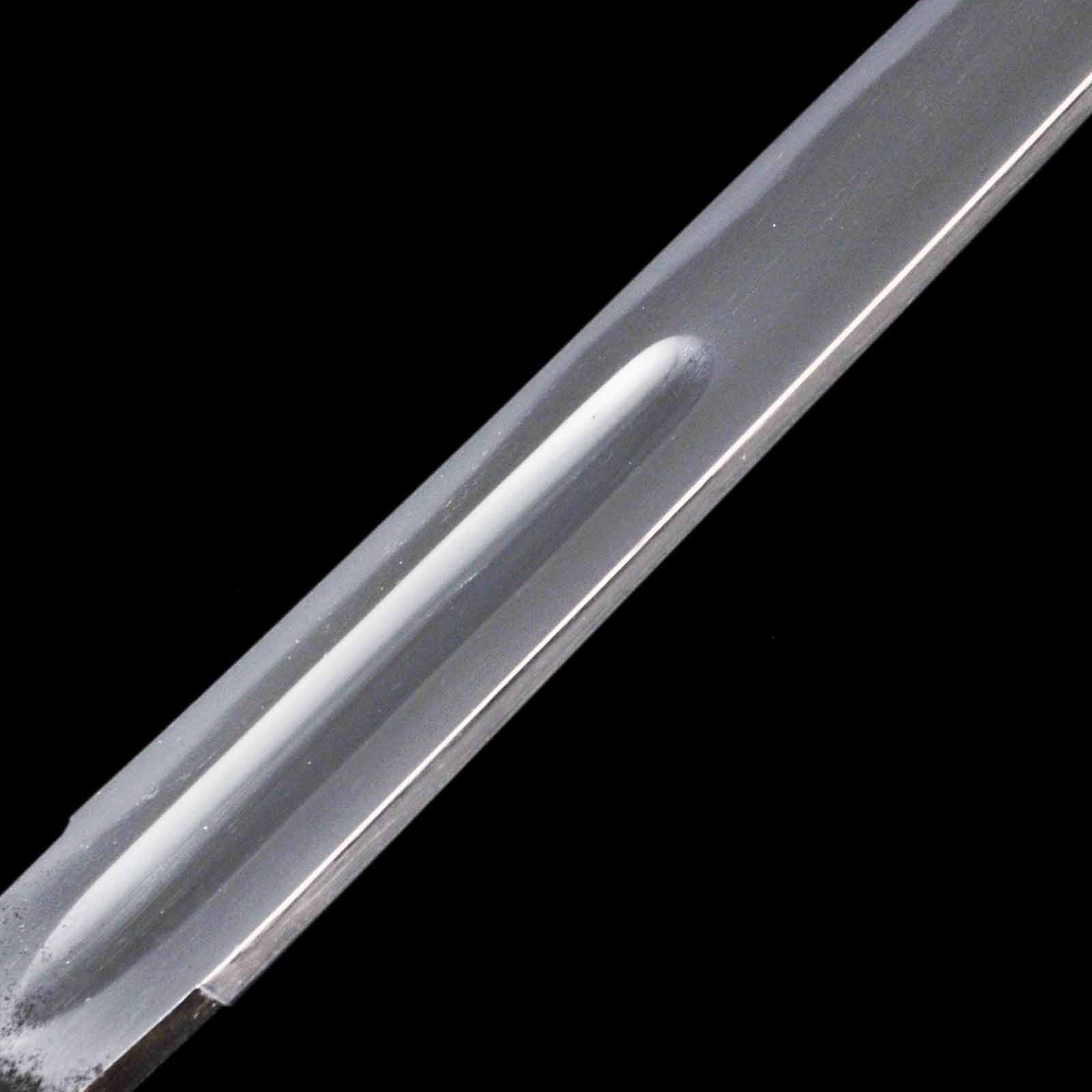
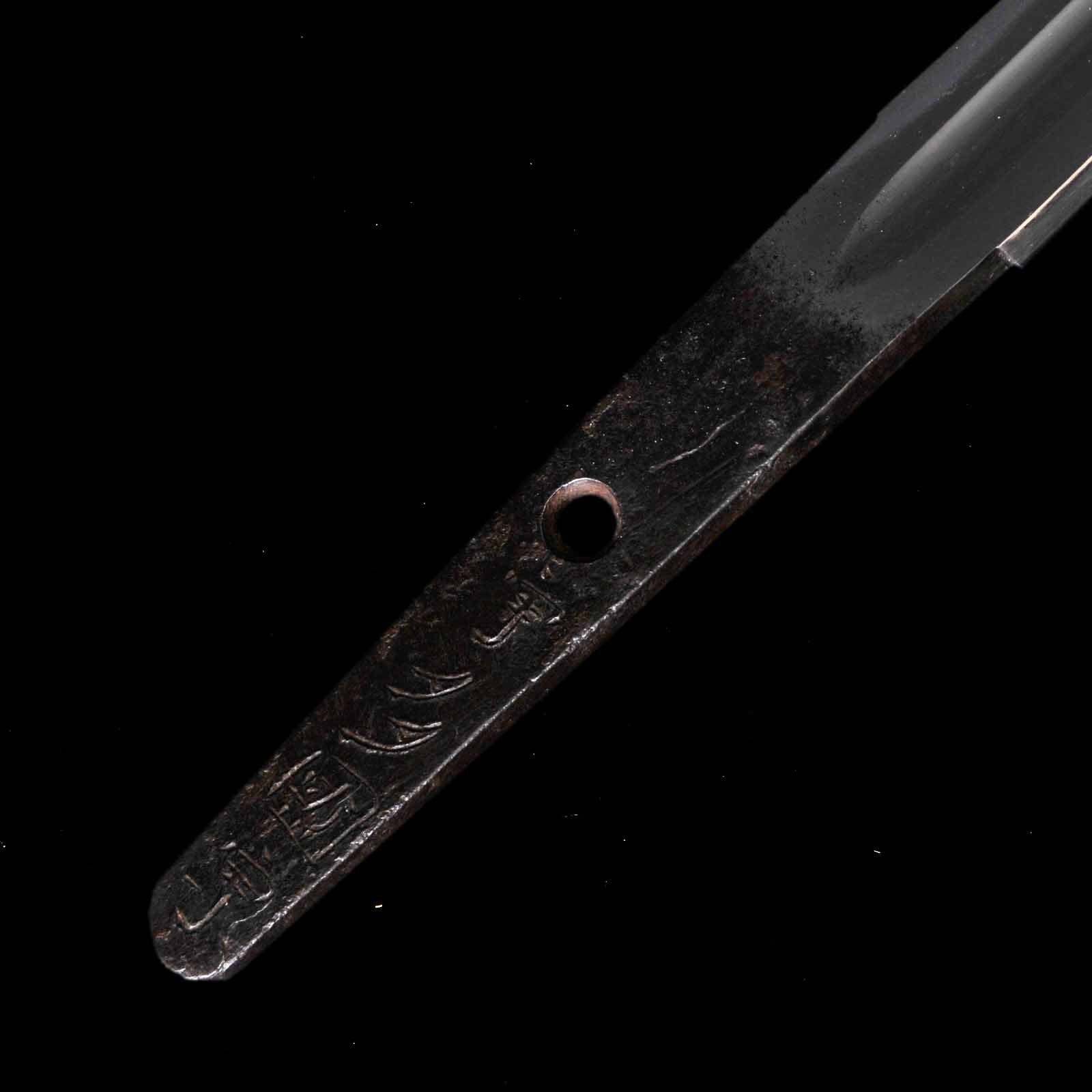
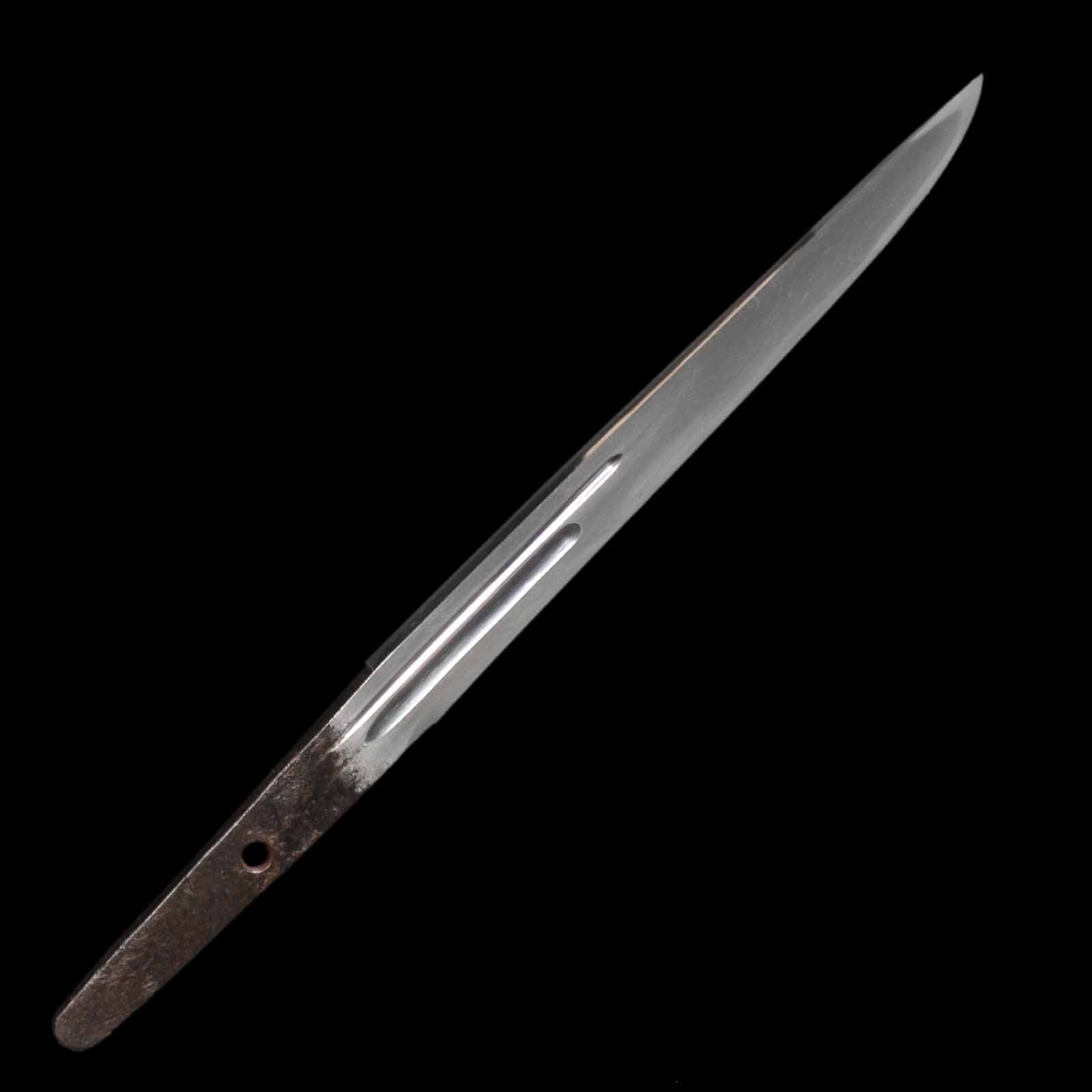
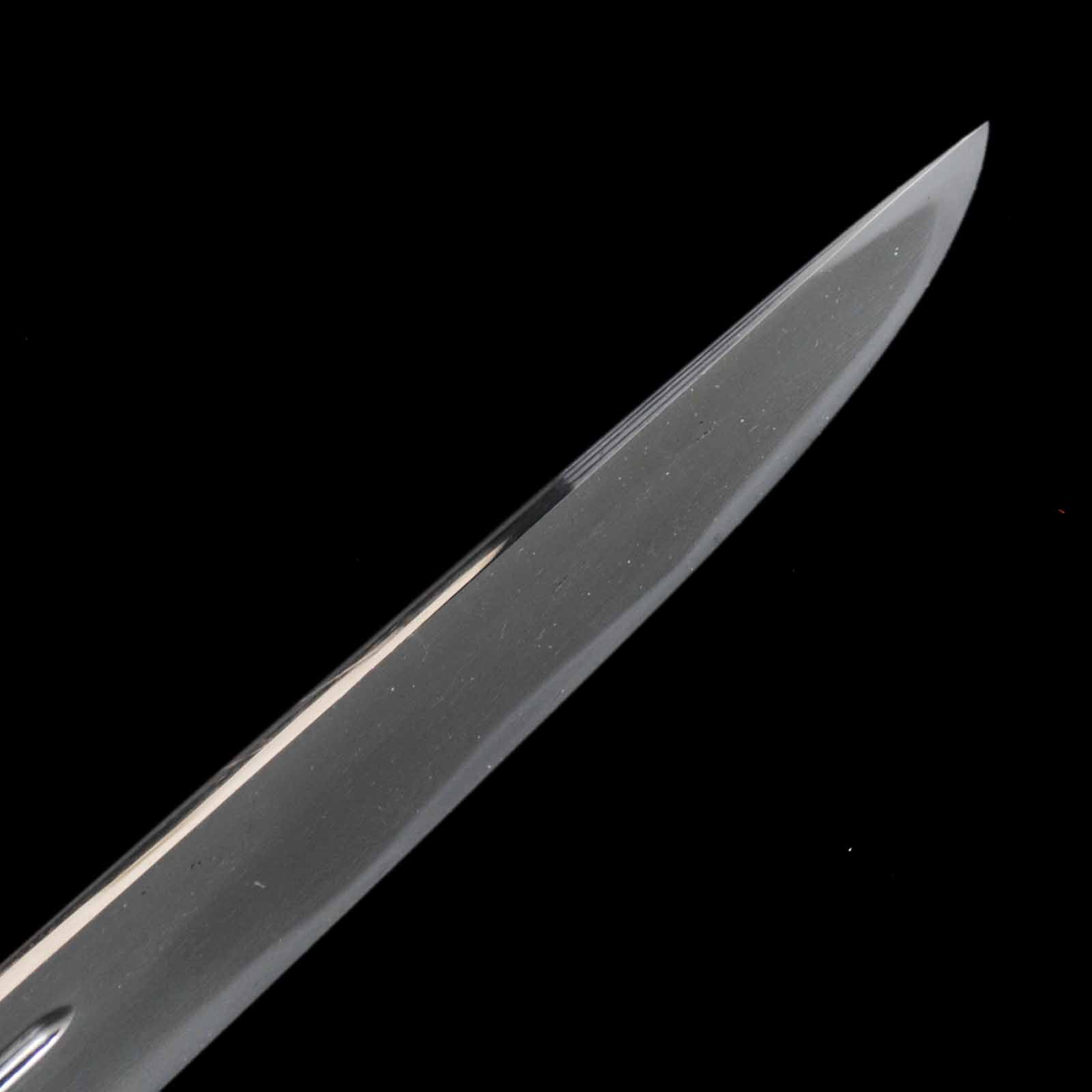
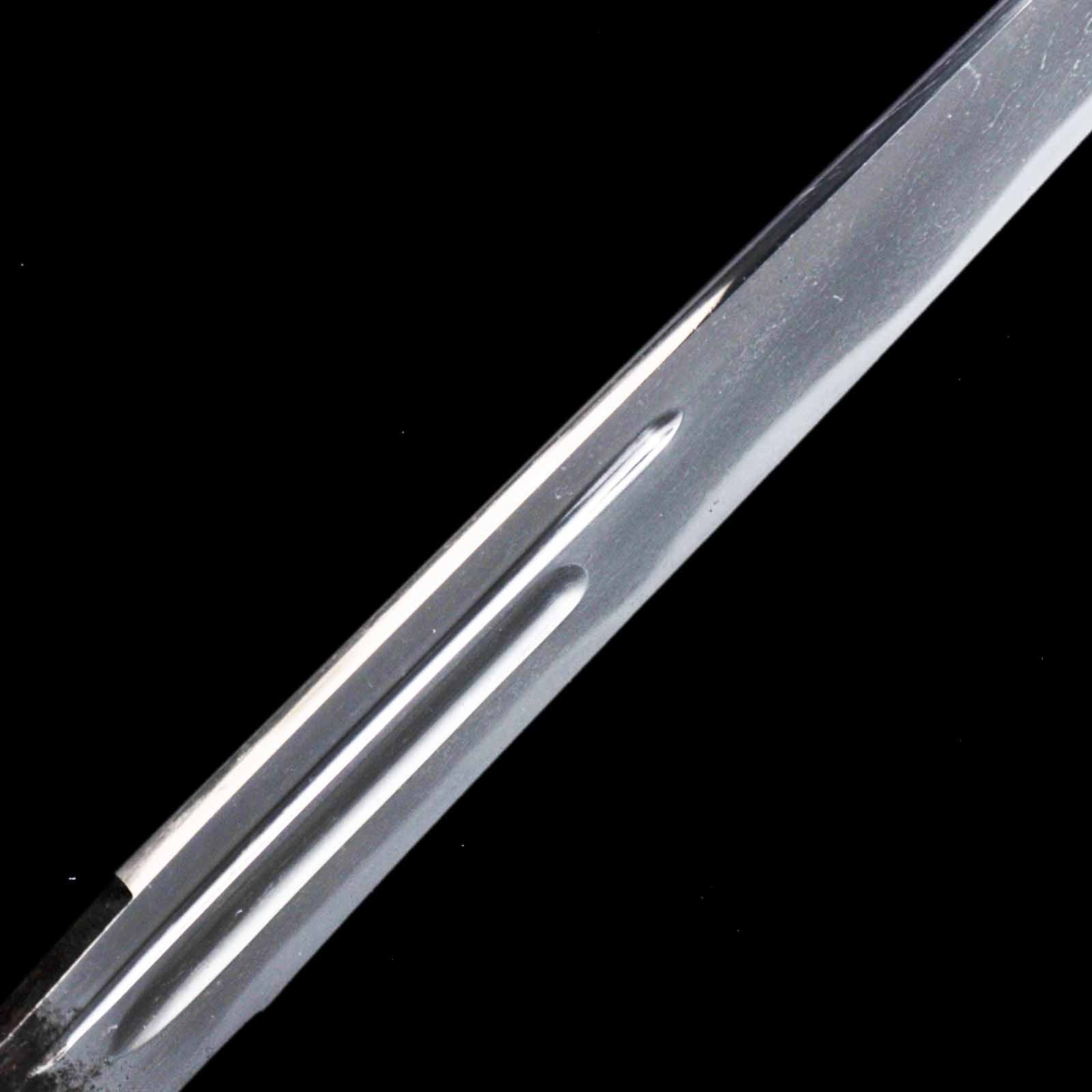
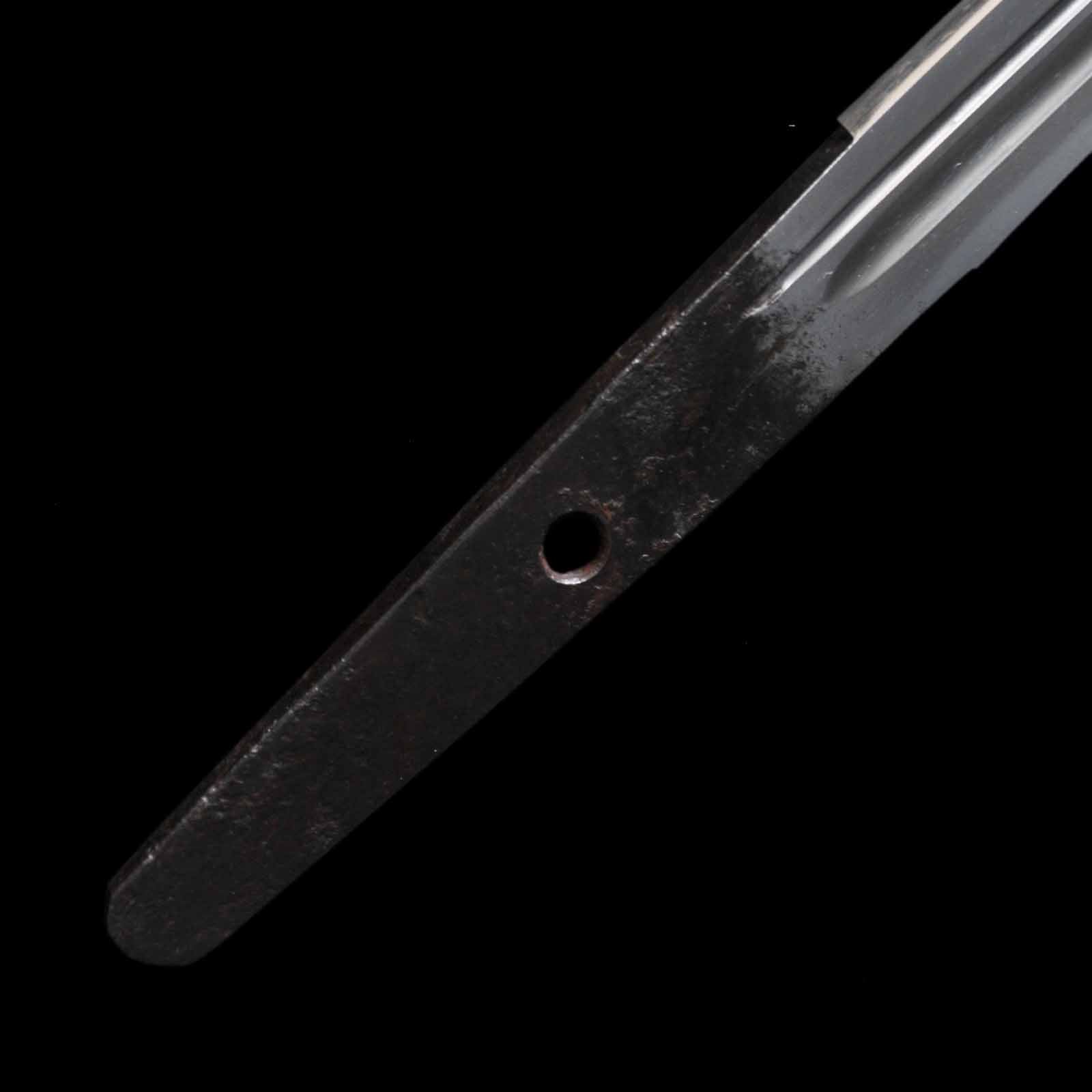
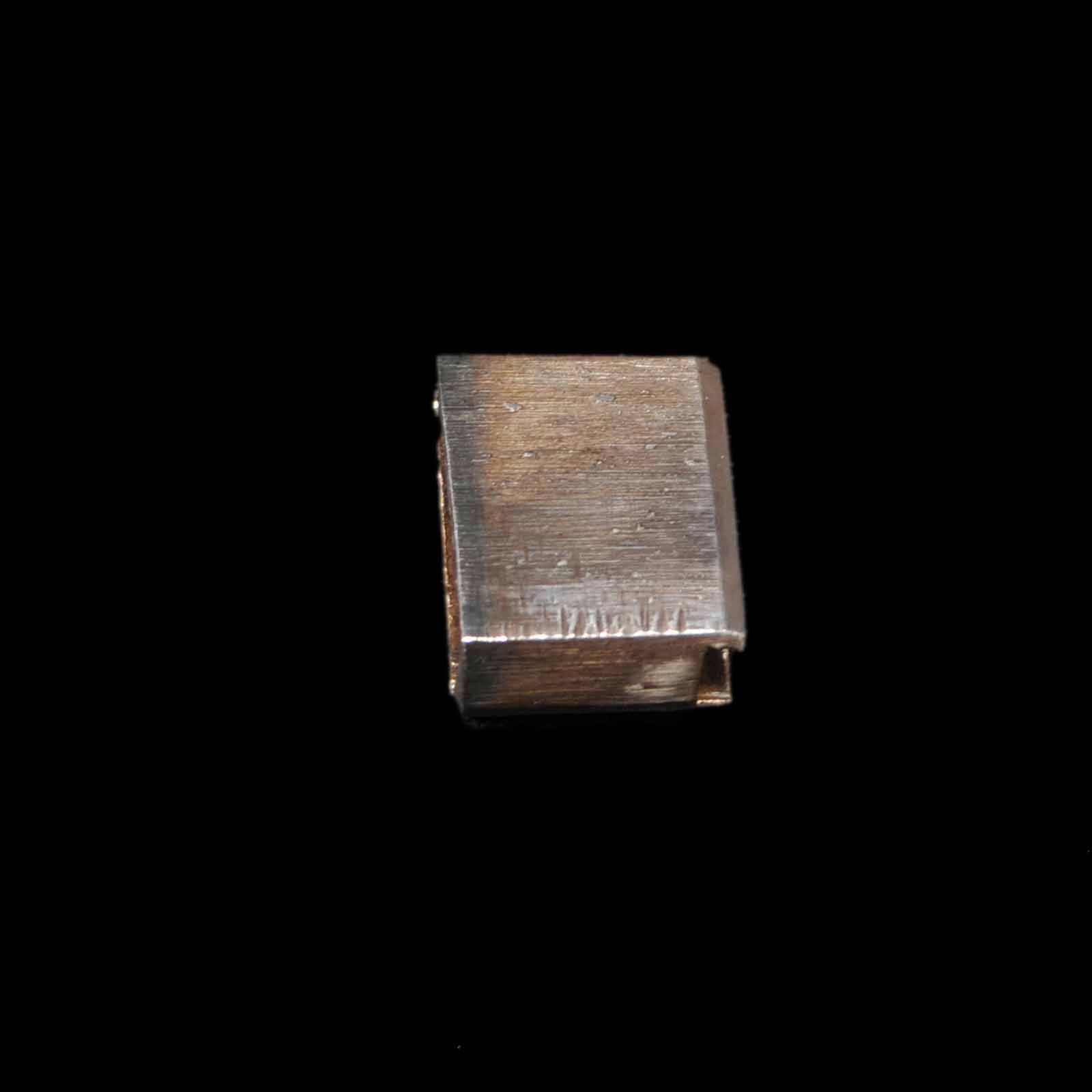
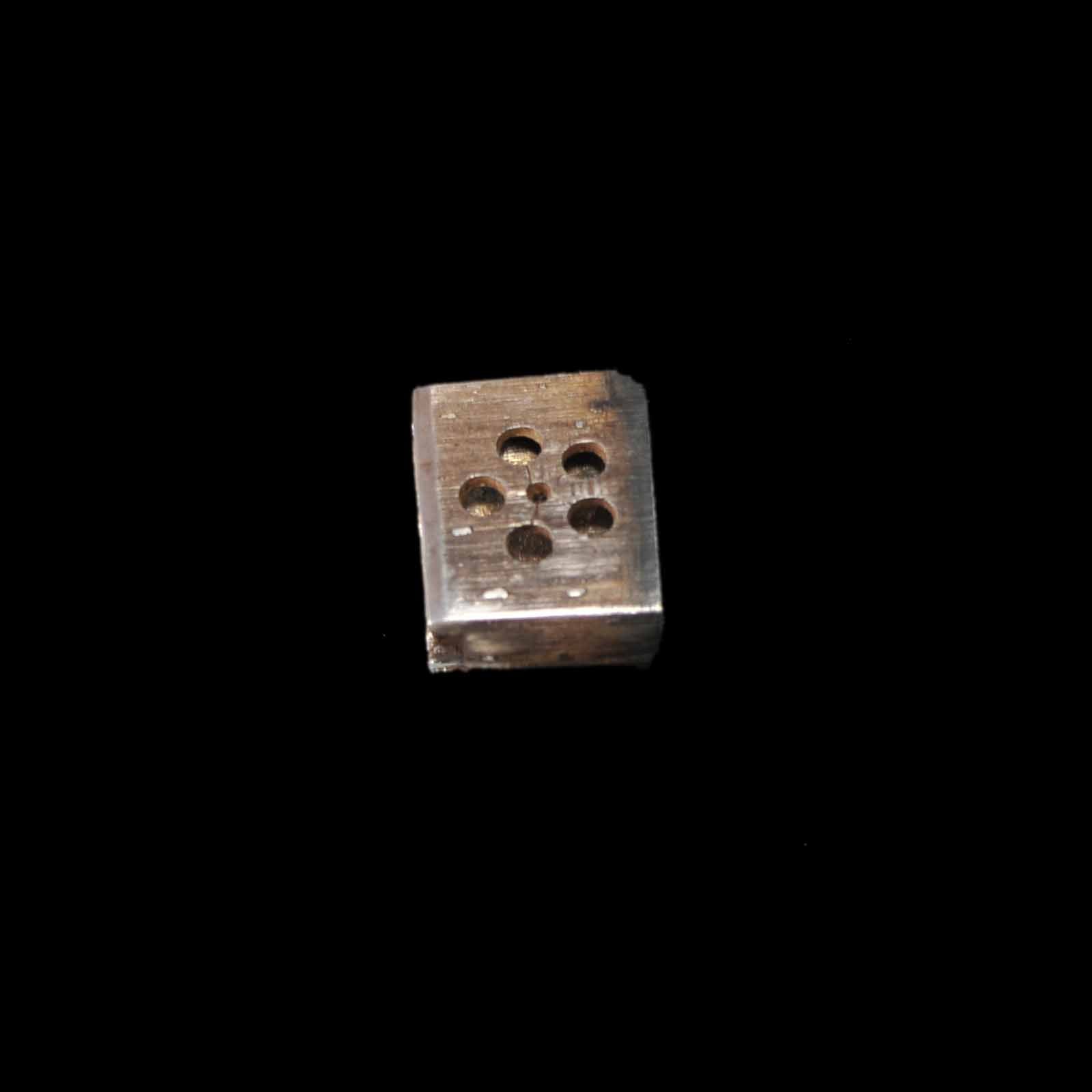
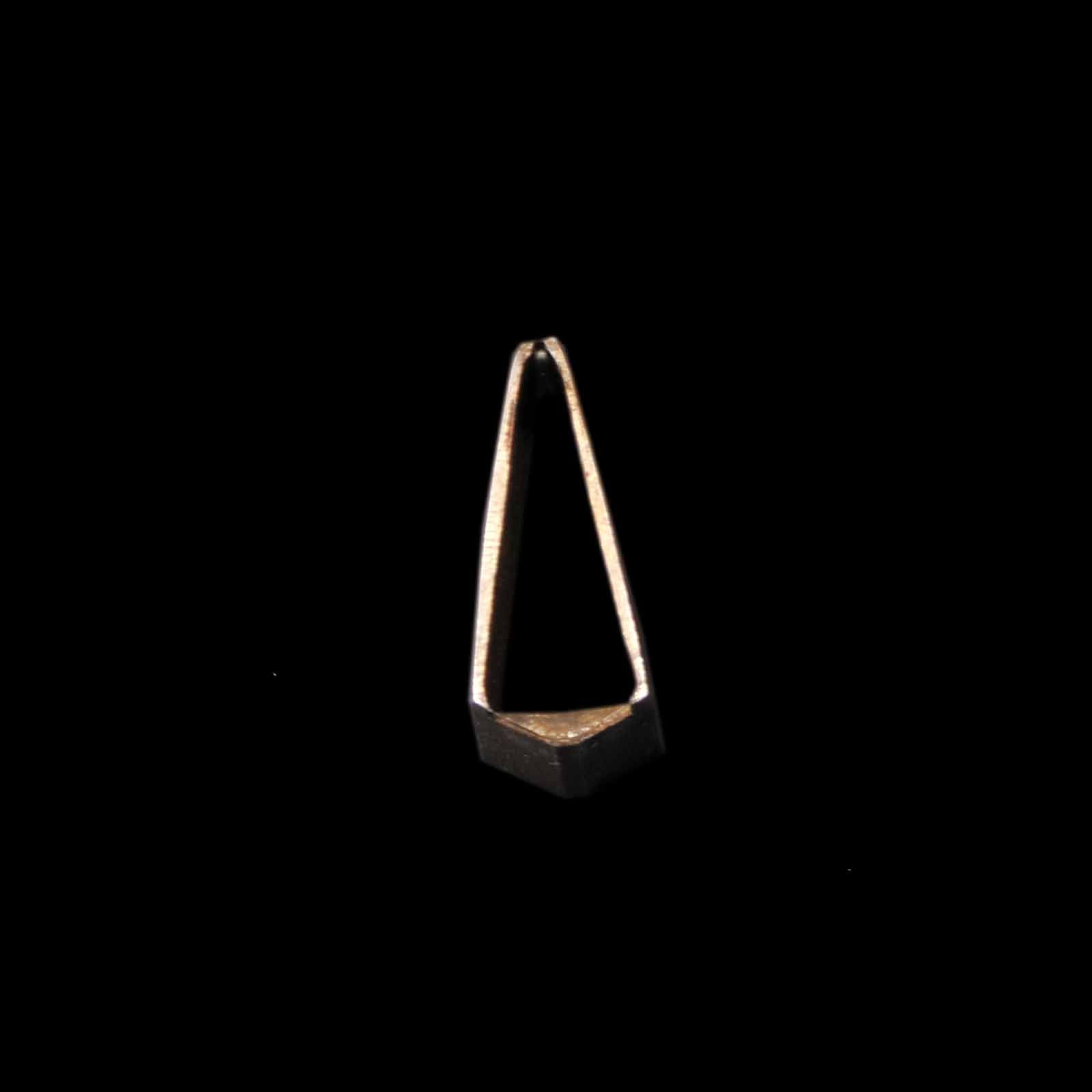
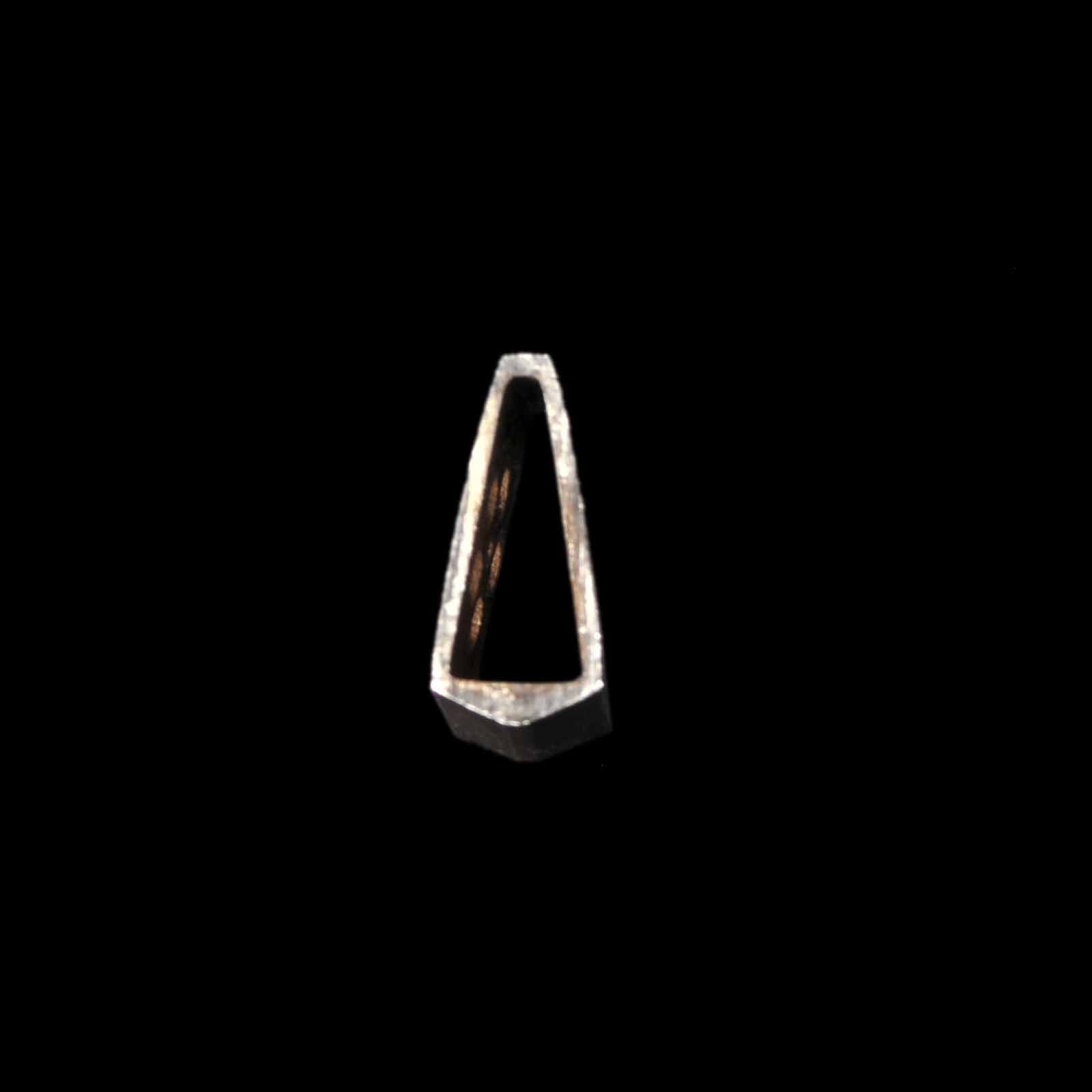
This dagger is small and is what is called a kaiken. Kaiken means a sword that is kept inside a kimono, and it can be said to be a short sword for self-defense. Since carrying a katana was forbidden inside a castle, its value was recognized as a weapon for self-defense in the event of a surprise attack. It is said that many masterpieces have been handed down from ancestors, even by feudal lords. This piece is in an extremely well-preserved state of sharpening, with no flaws or defects. The hada is a well-packed itame hada with some hataraki such as chikei. The thin notare hamon with niedeki is very elegant and graceful. The blade is engraved with a groove, one on the sashiomote side and two on the sashiura side. The habaki on the sashiura side is decorated with a six-pointed star family crest. On the nakago is engraved the inscription Uda Kunimune. Uda was a group of swordsmiths who appeared in the late Kamakura period (1185-1333). Kunimitsu was the founder of the group, which flourished over the Muromachi period (1333-1568). Kunimune was a son of Kunimitsu and flourished for several generations after him. Tozando offers a great selection of swords at reasonable prices. Don't miss this opportunity. Blade length: 16.3 cm Curvature: 0.0 cm Number of Mekugi hole: 1 Motohaba: 18.6 mm Motokasane: 6.4 mm Signature: Uda Kunimune(front) Era: Koto Structure: Hira-zukuri, Iori-mune Jigane: Itame Hamon: Notare Boshi: O-maru Weight(blade only): 9 g Nakago: Ubu Fitting: Shirasaya Original Registration No.: Tokyo 324722 Please contact us if the katana you are looking for is not listed here.
NihontoWatchOffered by Tozando
This piece has sold
25 on the market
Get an email when new Uda School work hits the market.
Wakimono · Etchu
25 pieces on the market now
Among the provincial lineages that carried the Yamato-den northward, the Uda school (宇多) of Etchu province holds a distinct place. Its origin lies in the late Kamakura period, when the monk-smith Kunimitsu, remembered as Ko-Nyudo Kunimitsu, migrated from Uda District in Yamato to Etchu around the close of the era. From this founder descended a long line of Kuni-named smiths; the reference registers carry Kunifusa and Kunimune as sons of the founder, Kunitsugu and Kunihisa among the generations that followed, the studio names recurring through the Oei, Hotoku, Bunmei and Tenbun eras down to the end of Muromachi and on into shinto times. The school worked the tanto (broad for its length, with little curvature) more readily than the tachi or uchigatana, and because its smiths individuate little, a signed Uda blade is read less as one hand than as the manner of its period. The school is identified first off the steel rather than the temper. The shared forging is an itame that runs and tends to stand, flowing toward masame and mixing mokume, with standing o-hada and ji-nie throughout; the steel turns whitish and at times blackish, so that a shirake-utsuri or faint bo-utsuri stands in the ji. Over this northern jigane the temper ranges from a chu-suguha opening shallowly into ko-notare and ko-midare to a vigorous gunome carrying pointed elements, ashi and yo entering, ko-nie well adhered along a tight nioiguchi. The Yamato activity of hotsure and kuichigai-ba names the old province along the habuchi, while kinsuji and sunagashi run through nearly every surviving blade.
From this base the corpus divides: a quieter Yamato-rooted suguha face, seen on the tanto; a Soshu-leaning midare face traced to Kunifusa's study under Etchu Norishige, in which the nie thickens and grows at times coarse with yubashiri and broadened yakihaba; and a refined register in which a compacted ko-itame gathers abundant ji-nie and a round, luminous nie scatters through the yakiba. Ko-Uda, the earlier work of the Nanbokucho and early Muromachi generations, reads cleaner and closer to its Yamato and Soshu models; the later Uda hands run coarser and more provincial in character. To kantei an Uda blade is to find its Yamato roots wearing a coarser northern character. The whitish, standing jigane with its masame tendency and shirake-utsuri returns the blade to the school when the temper alone might recall a Yamashiro or Soshu hand; a nie-laden example reads as Soshu at first glance and is brought home by the dark, standing steel and the nioiguchi that holds rather than glows. The best members close the distance to their models: Kunihisa, the Oei-era hand the published sources read against the founder, forged a ko-itame bright enough that the judges found his finest wakizashi and tanto all but mistakable for Rai Kunimitsu or Kunitsugu, while his standing itame and shirake-utsuri keep him within Uda. Kunimune and Kunitsugu carry the same two faces over the one northern steel, the dated and signed pieces (a Bunmei 11 katana, a Bunmei 17 yari) valued as research material for the school as much as for their make. Signed Uda blades are uncommon, so the school's standing rests heavily on mumei attributions read by jigane and temper. Provenance tends toward long, settled holding, with designated work resting in shrines and museums, and some recorded in Honma's inventory of the Imperial collection, rather than circulating, so that a signed Uda piece comes to a private collector only from time to time and with patience, a clear window onto how the Yamato tradition was carried into the northern provinces. Learn more →
| Smith | Era | Designated |
|---|---|---|
| Kunihisa國久 | 1394-1428 | 10 |
| Kunimune國宗 | 1429-1479 | 5 |
| Tomotsugu友次 | 1381-1384 | 3 |
| Kunimune國宗 | 1394-1428 | 3 |
| Kunitsugu國次 | 1469-1487 | 3 |
The Muromachi period (1392 to 1573)
Muromachi turned sword making into an industry: the uchigatana rose with massed infantry warfare, Osafune and Seki produced bundle swords beside custom orders, and the Ming trade carried Japanese blades abroad by the tens of thousands.
As a general rule, returns/exchanges are not accepted on Japanese sword orders unless damaged upon delivery. Other items: returns/exchanges accepted within 7 days of delivery. Cancellation for personal reasons incurs a 30% restocking fee (70% refunded). Return shipping must be prepaid and insured by the buyer; shipping/handling fees are non-refundable. Contact katana@tozando.co.jp to initiate a return.