Power sat in Kamakura, but taste was still made in Kyōto. The Awataguchi school’s pear-skin steel became a byword for perfection, and the Rai line supplied dignified tachi to the court, senior warriors, and the great temples alike.
 NihontoWatchNihontoWatch
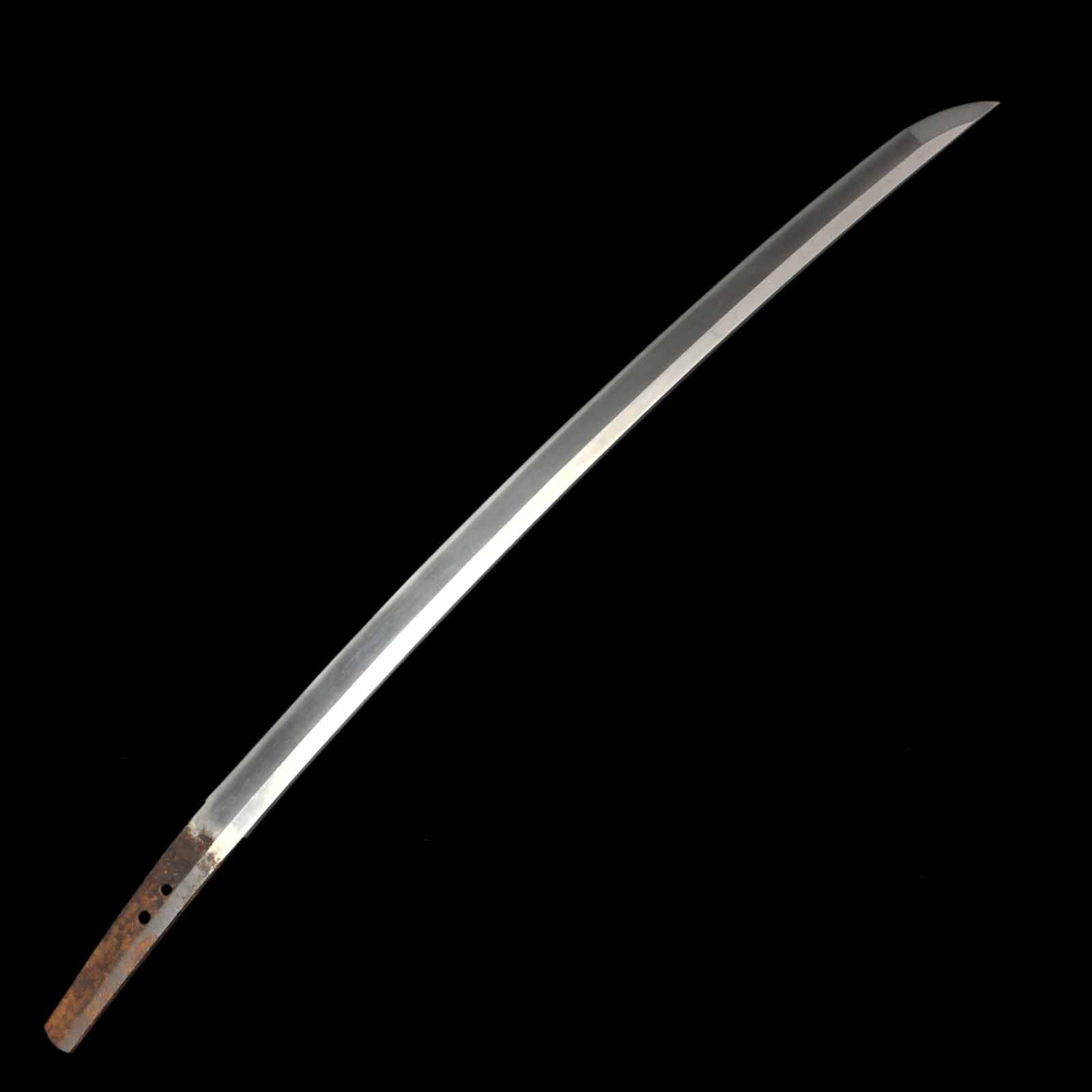
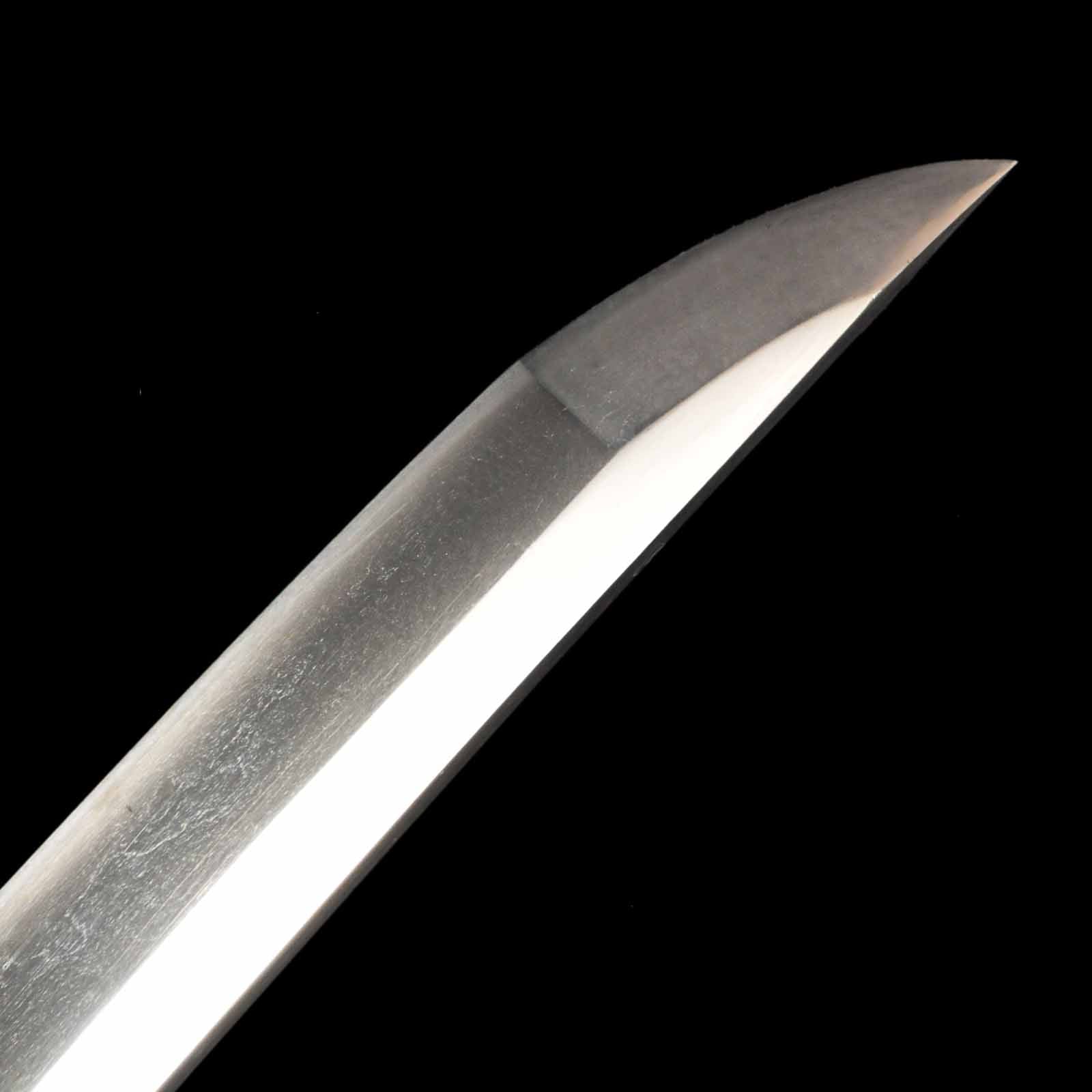
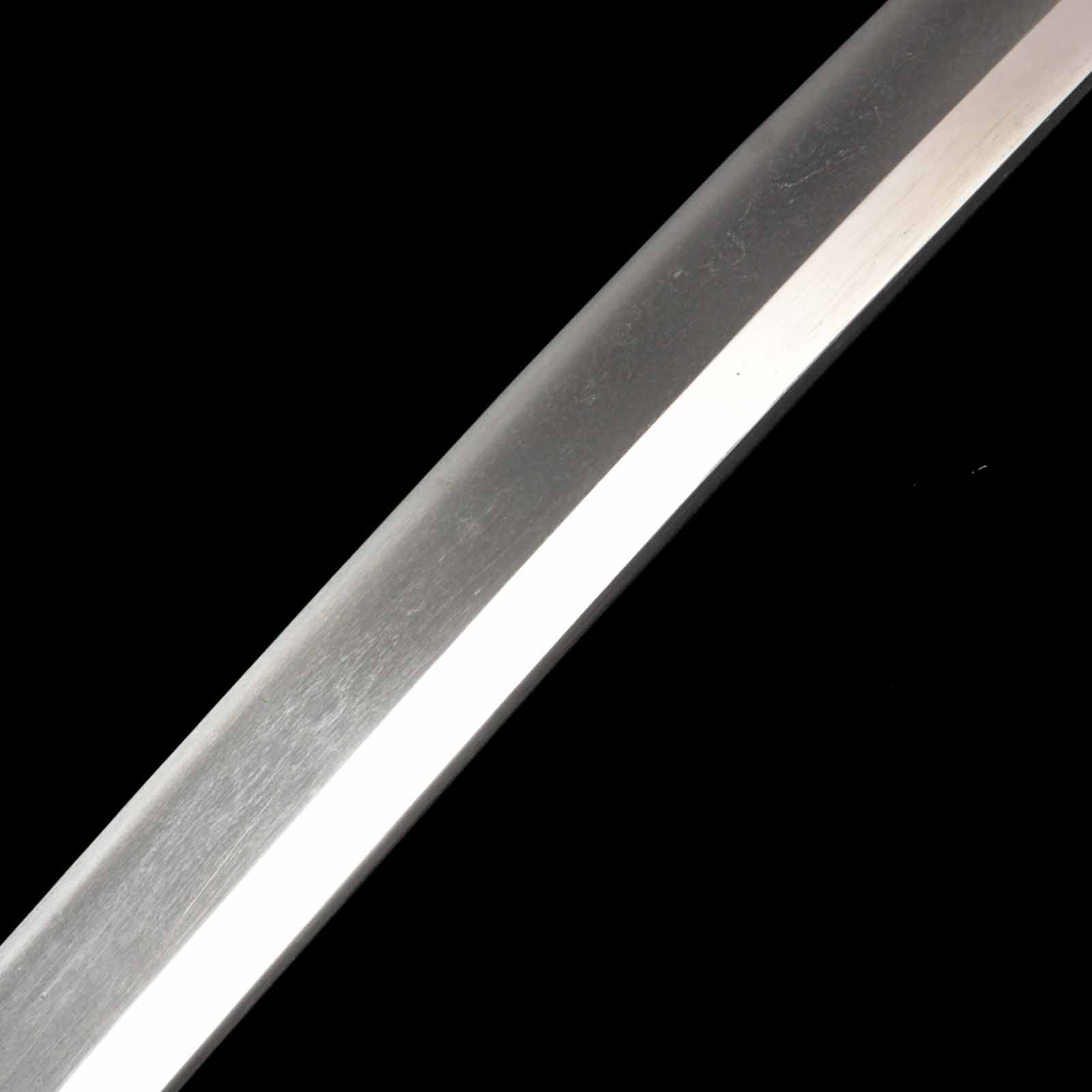
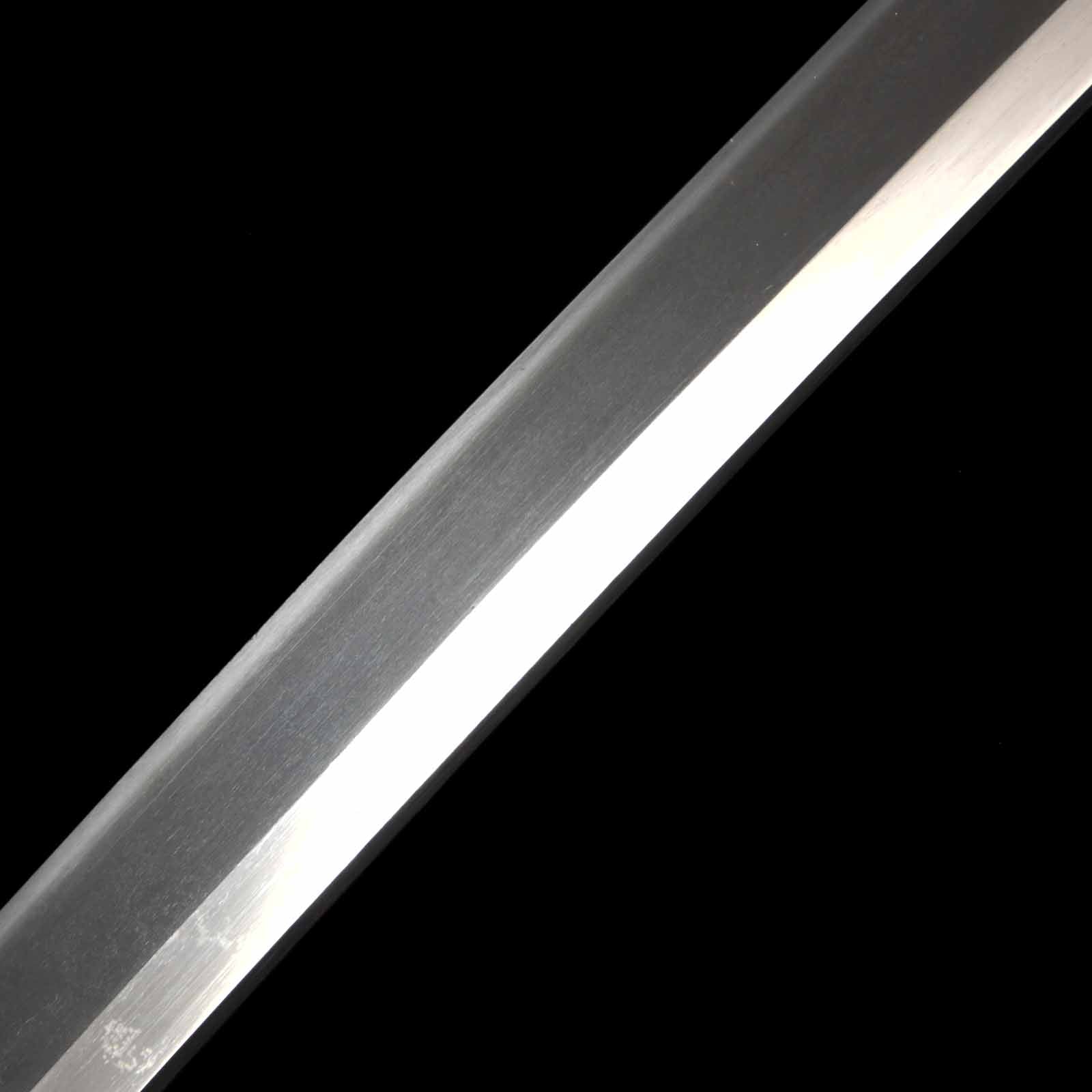
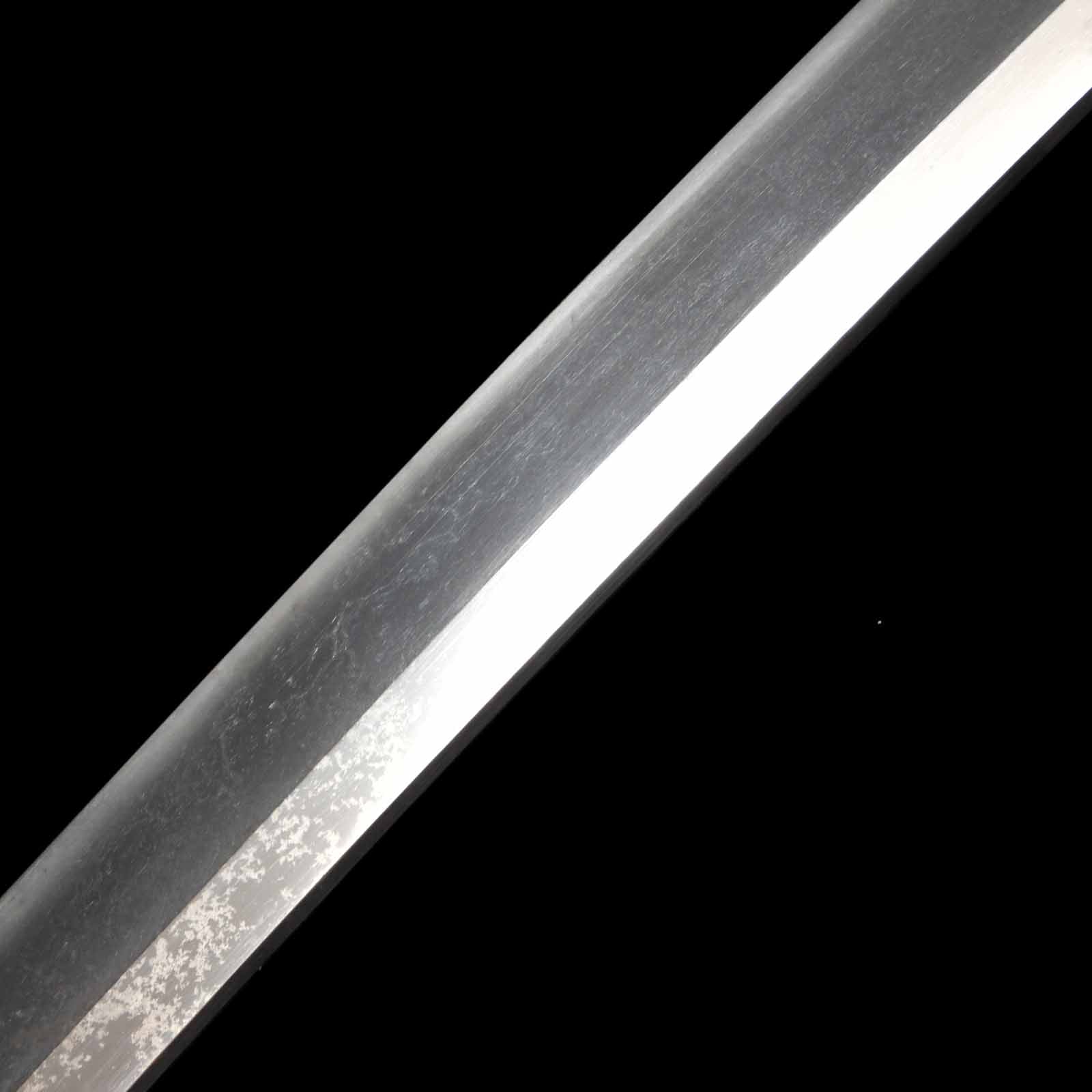
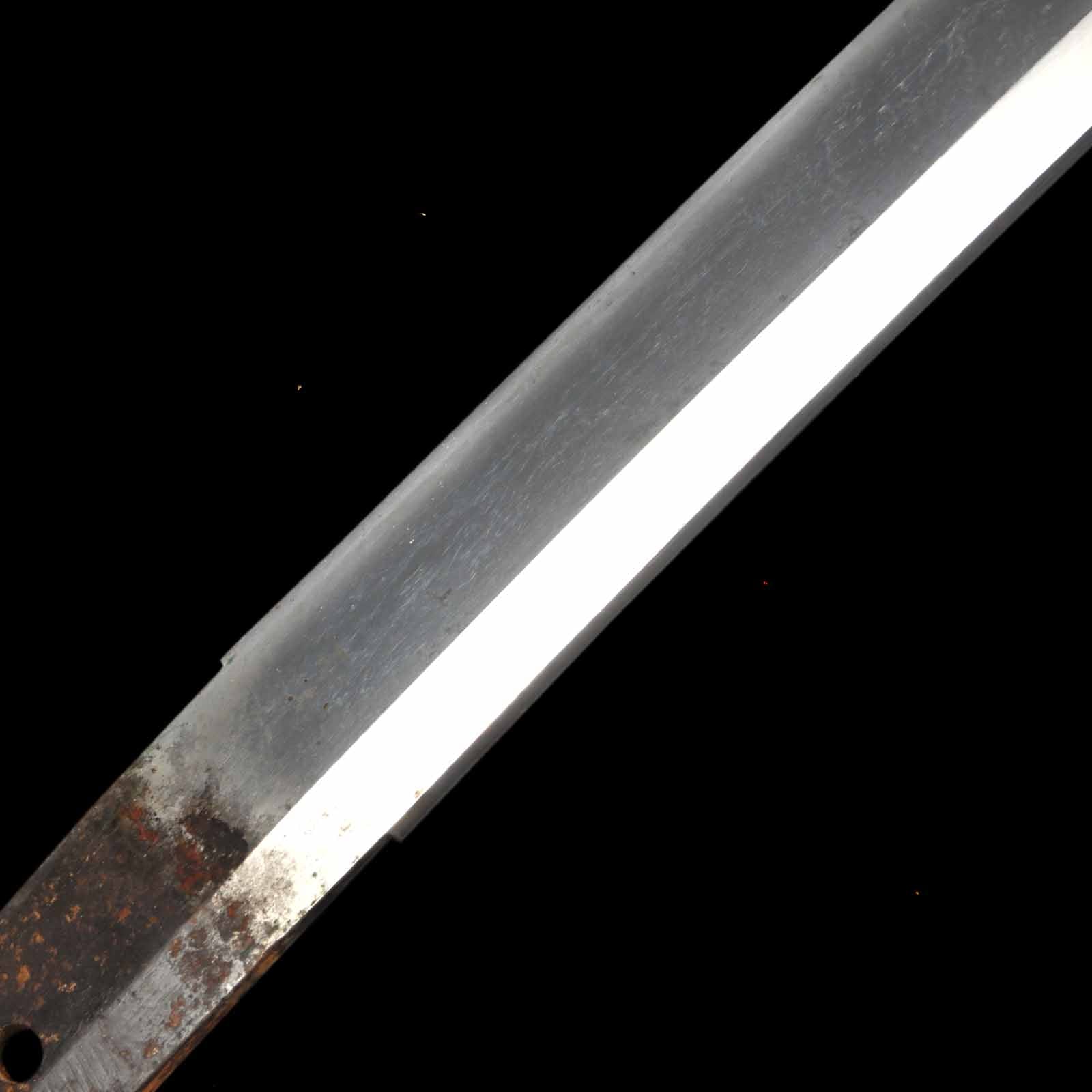
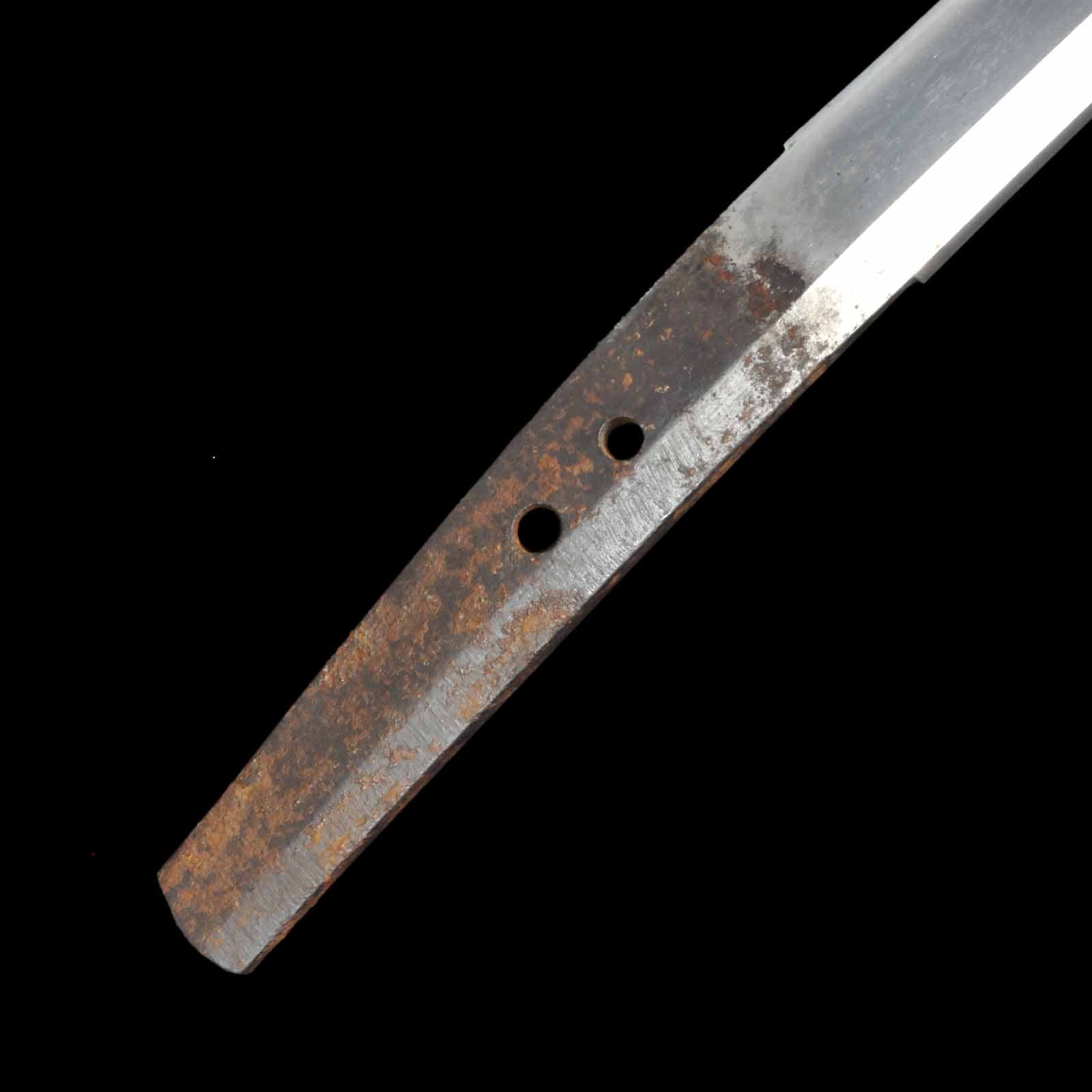
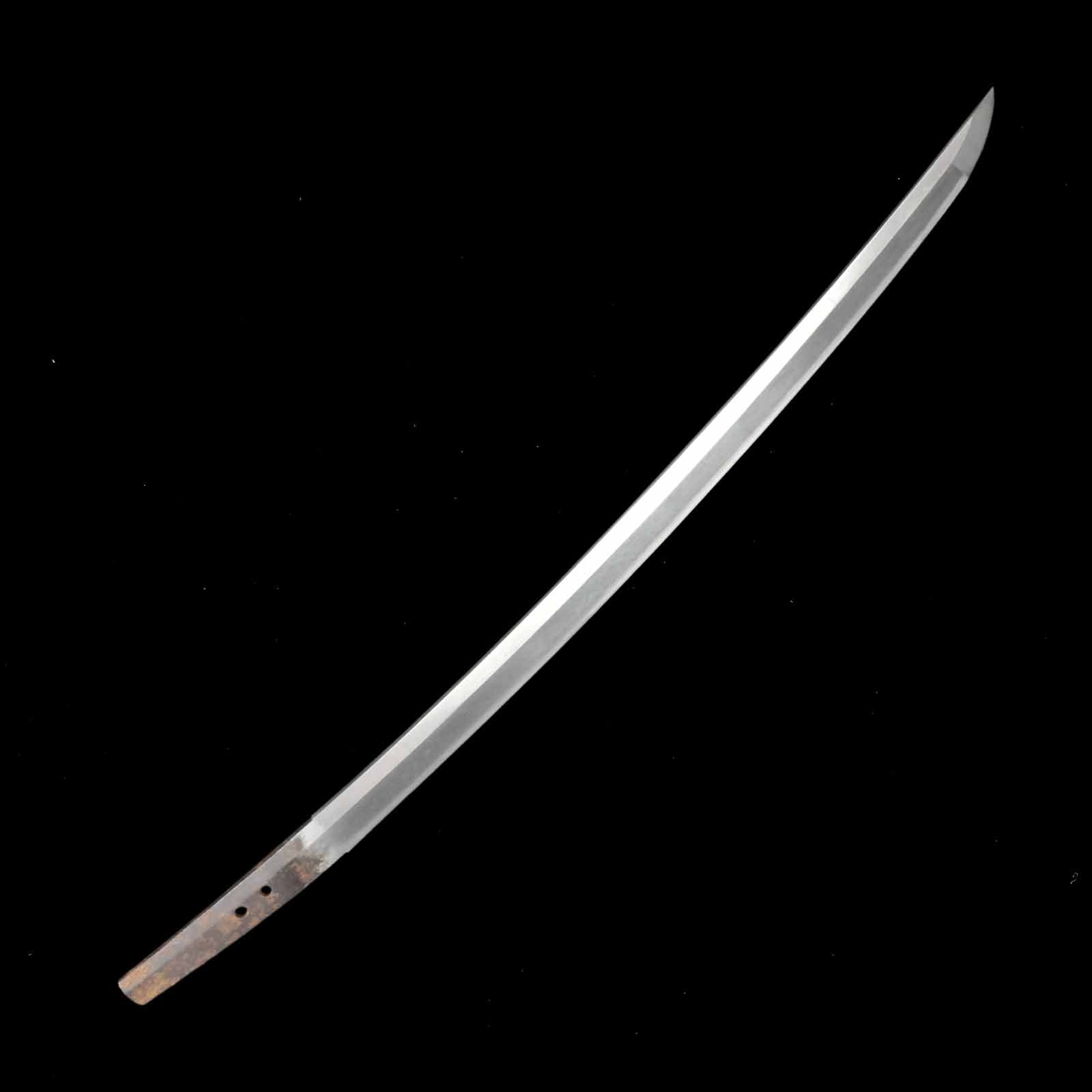
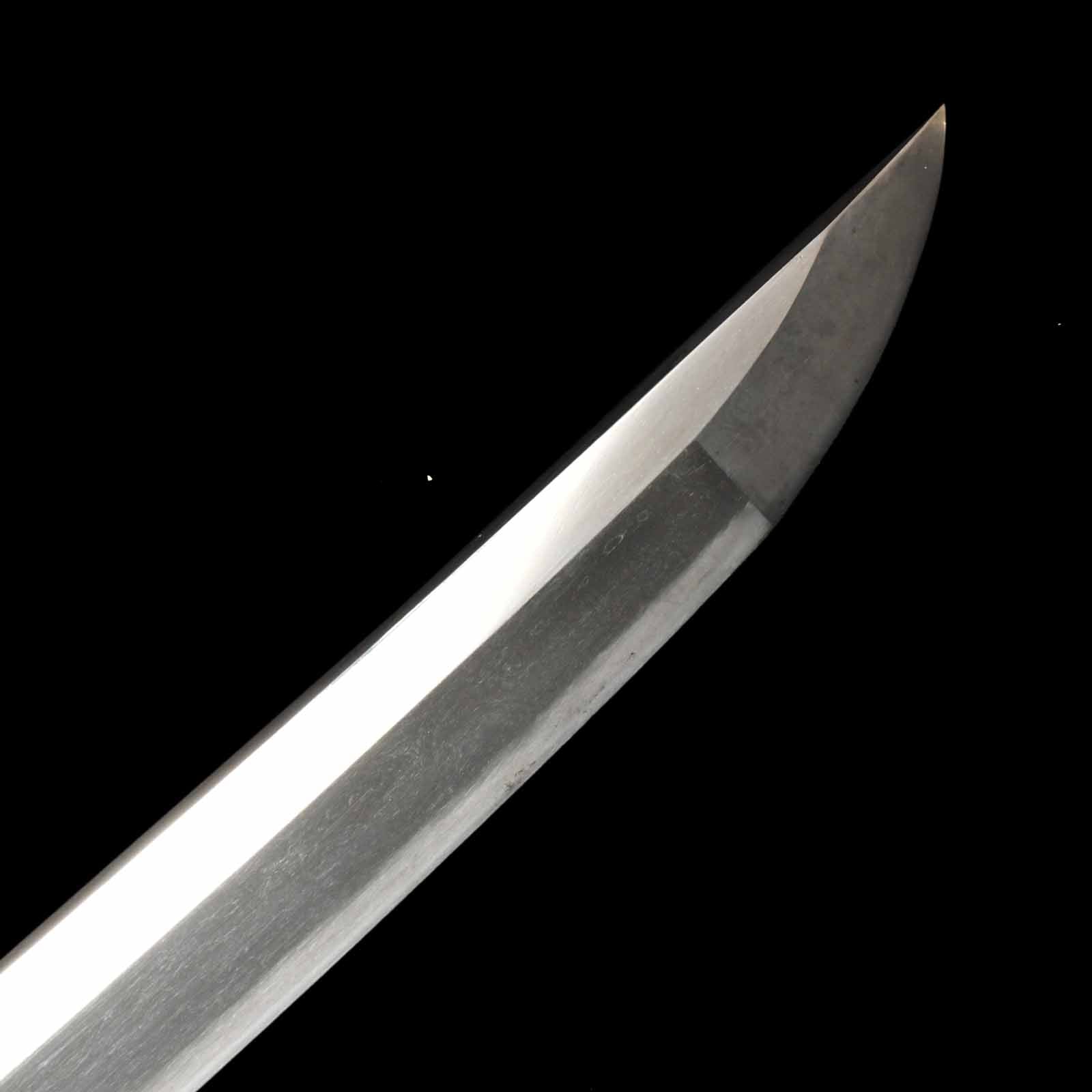
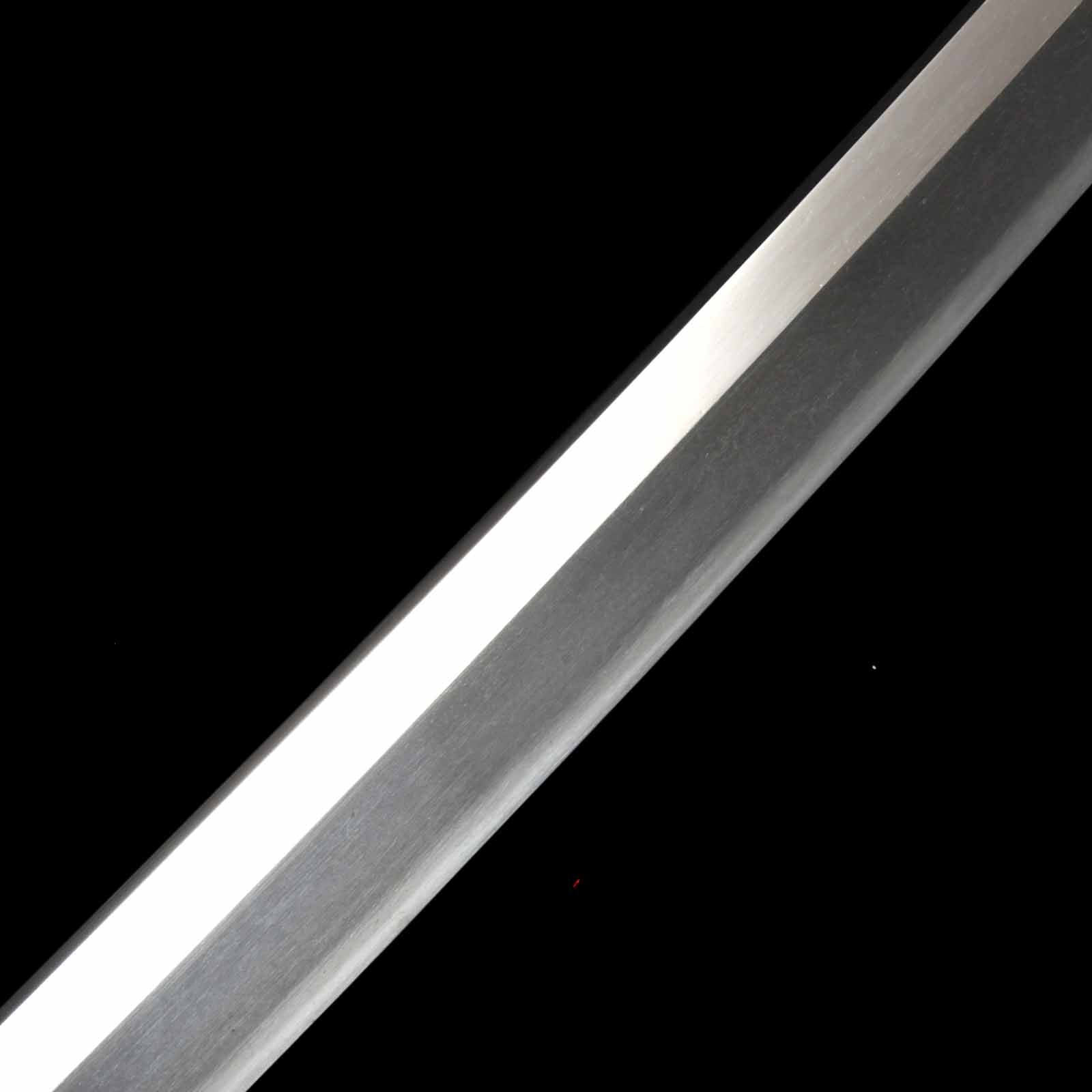
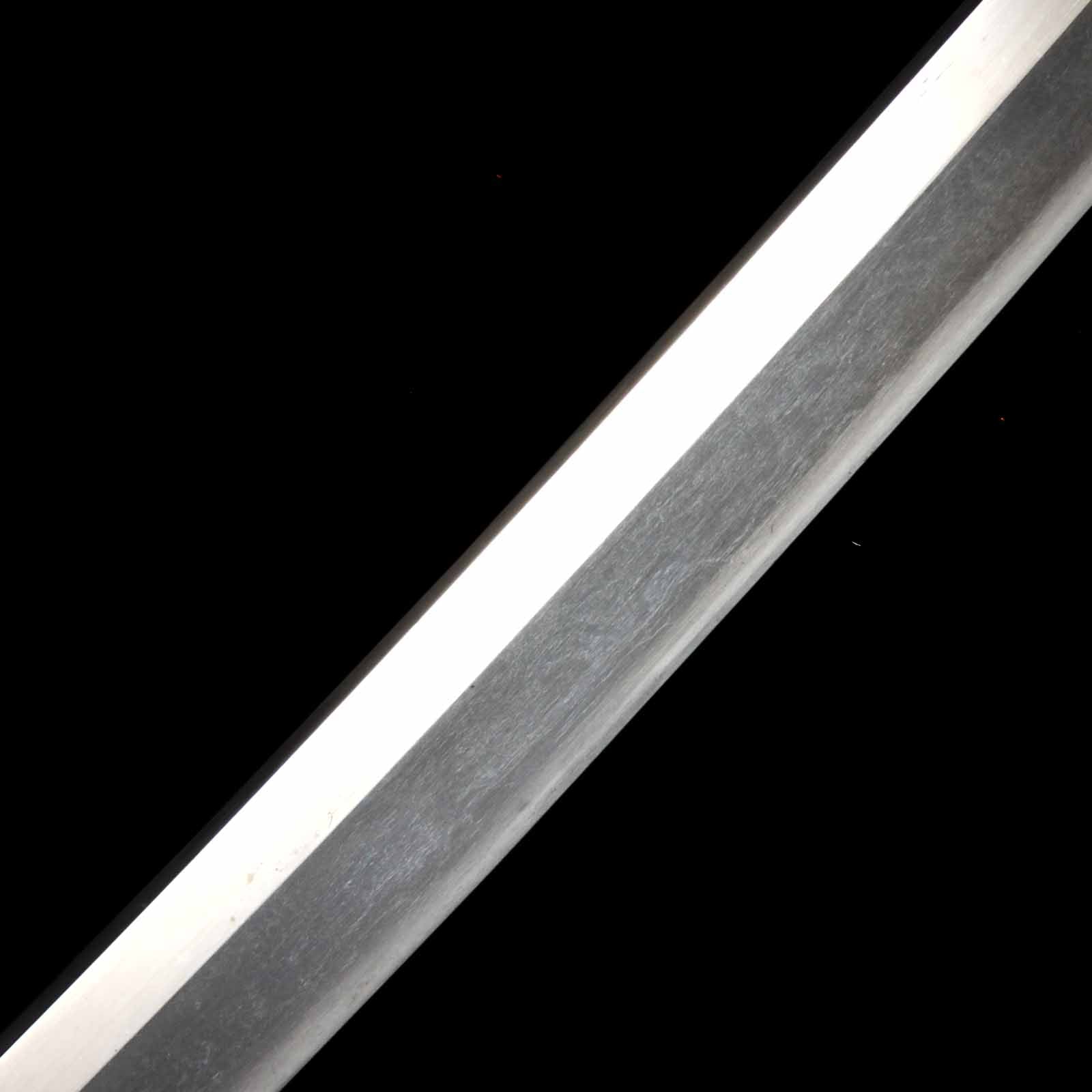
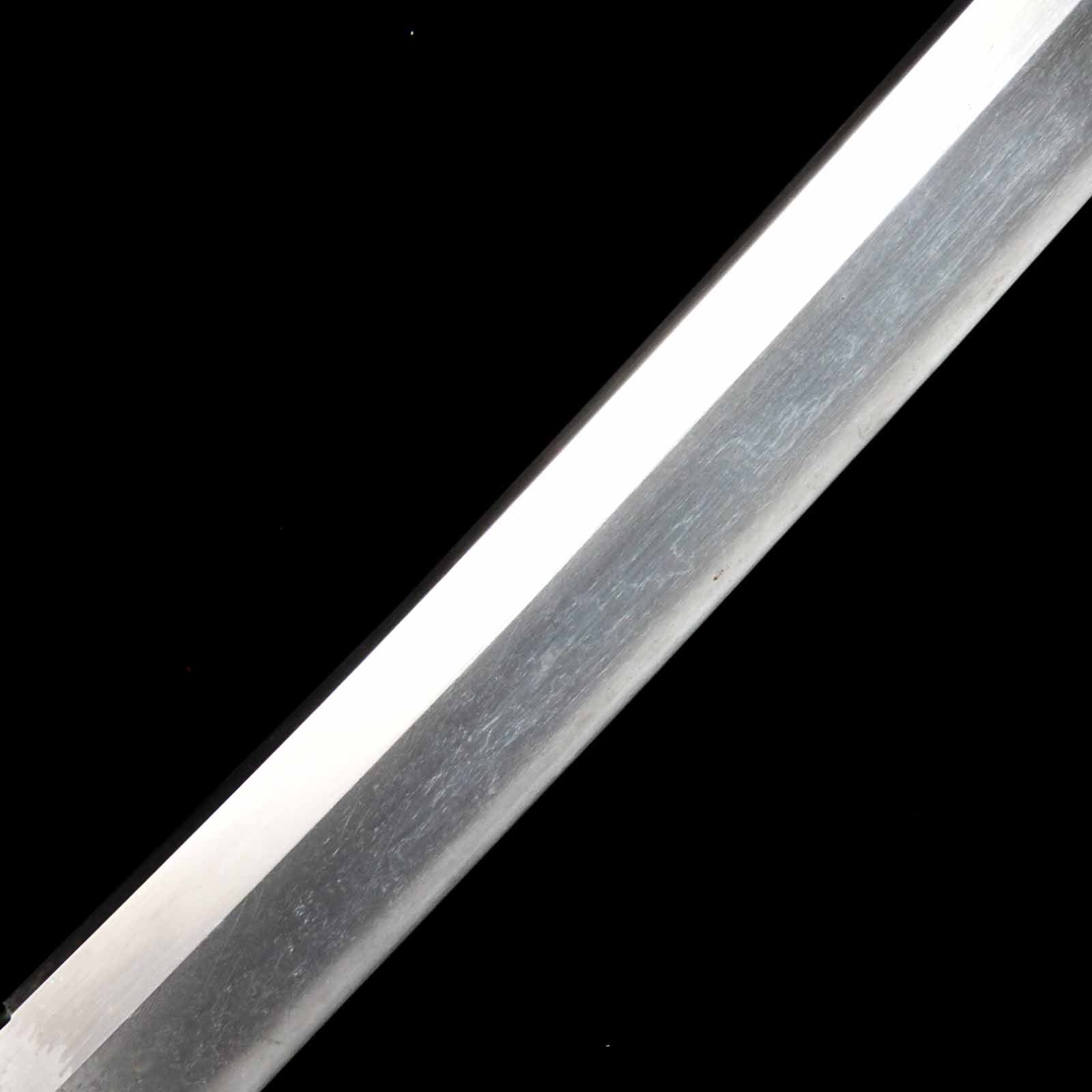
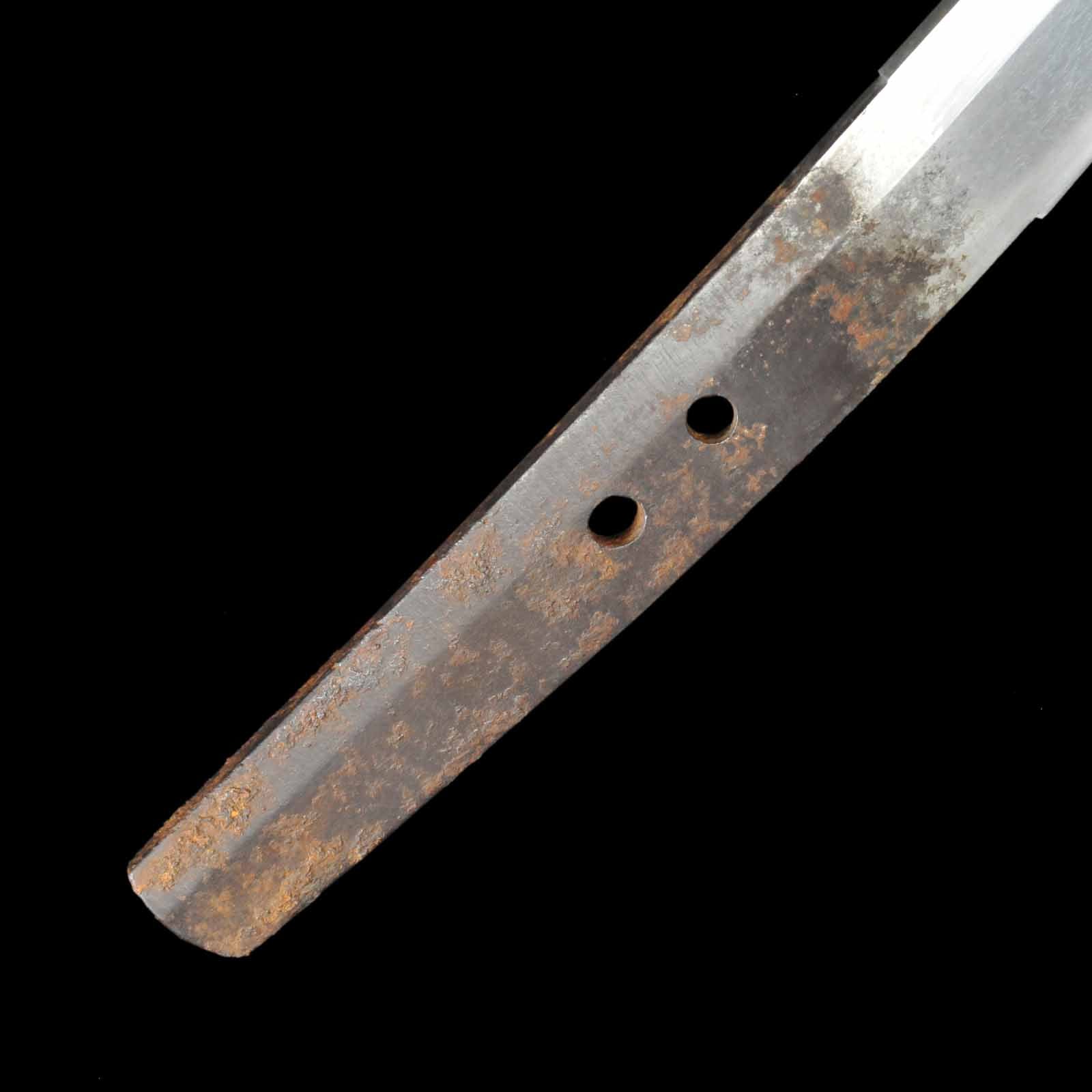
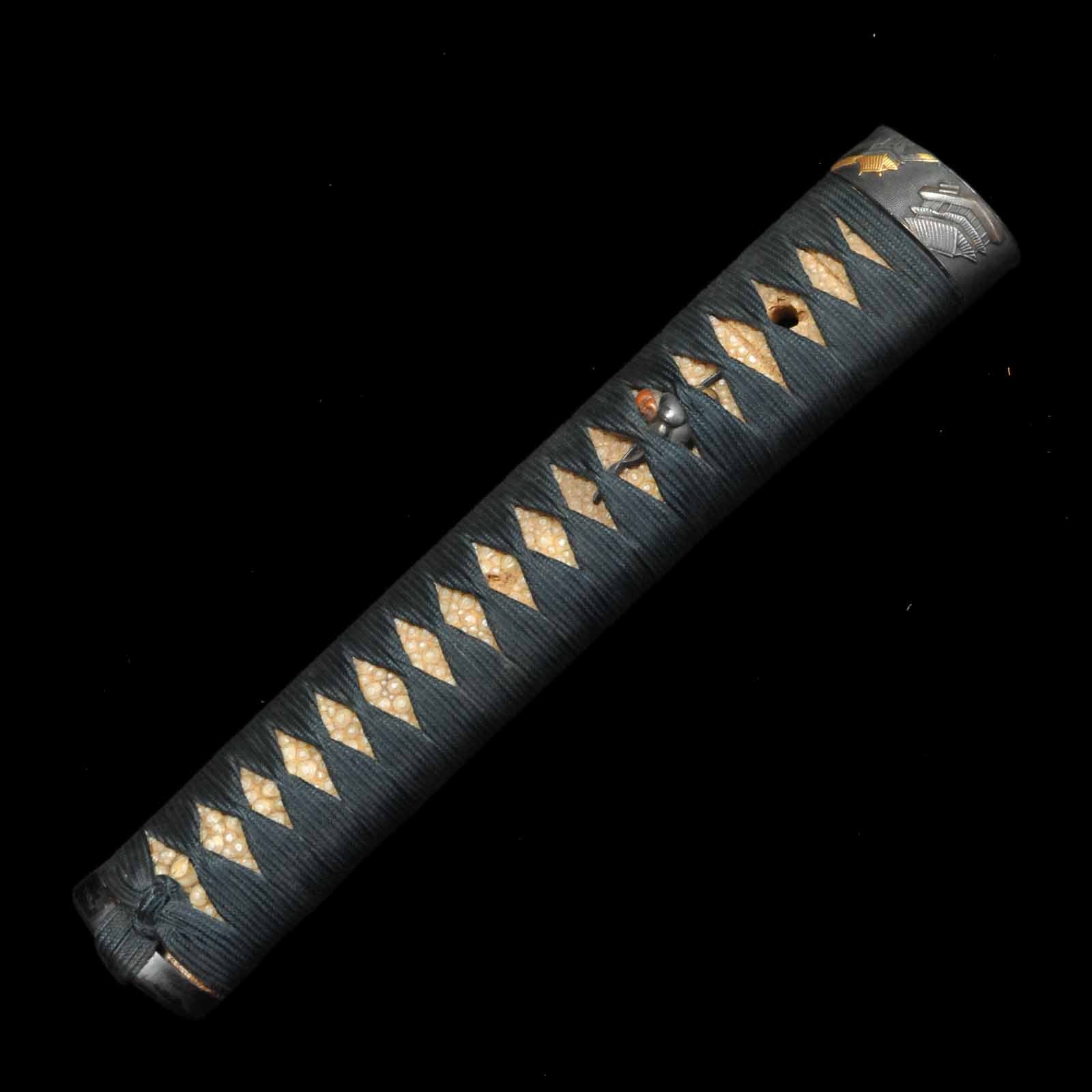
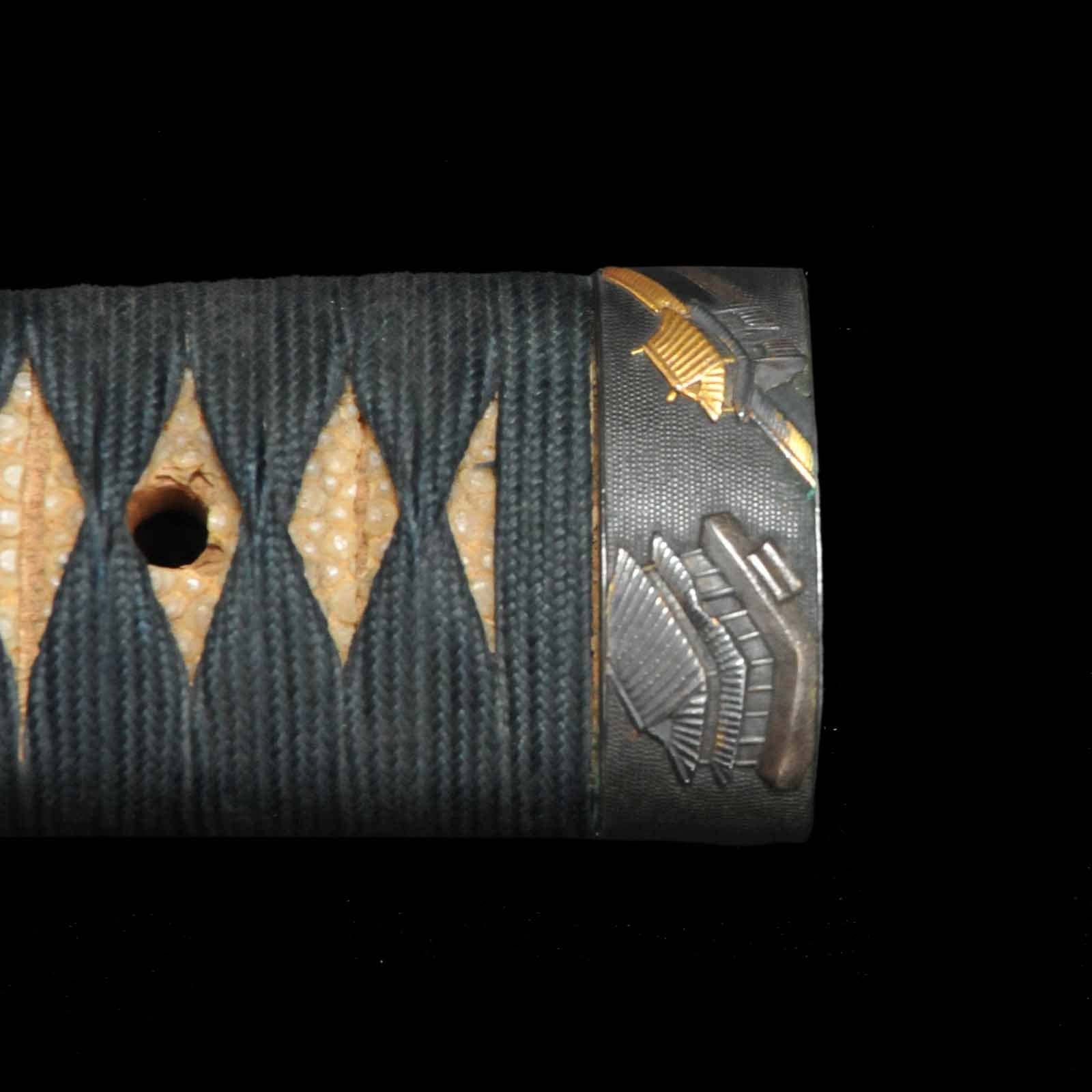
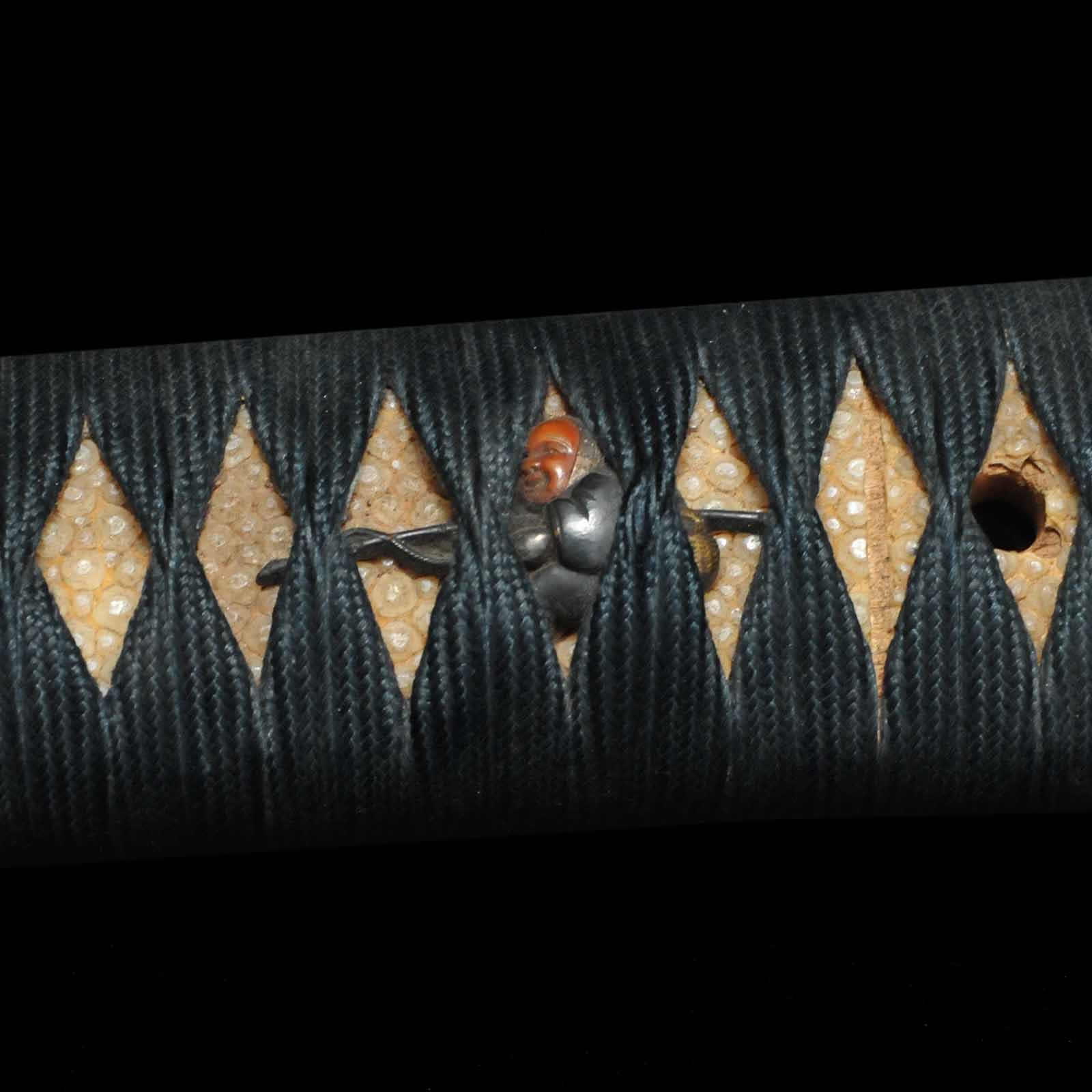
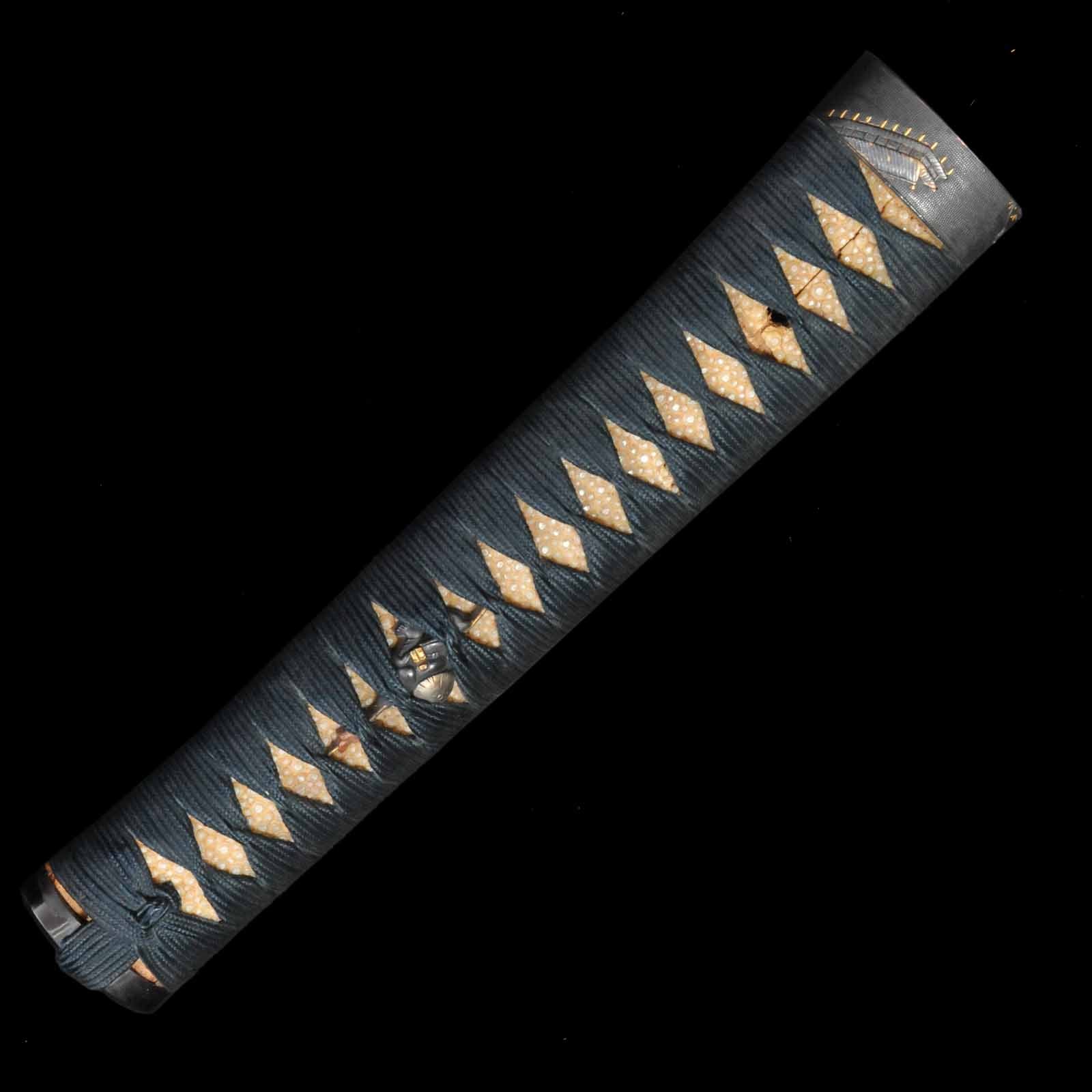
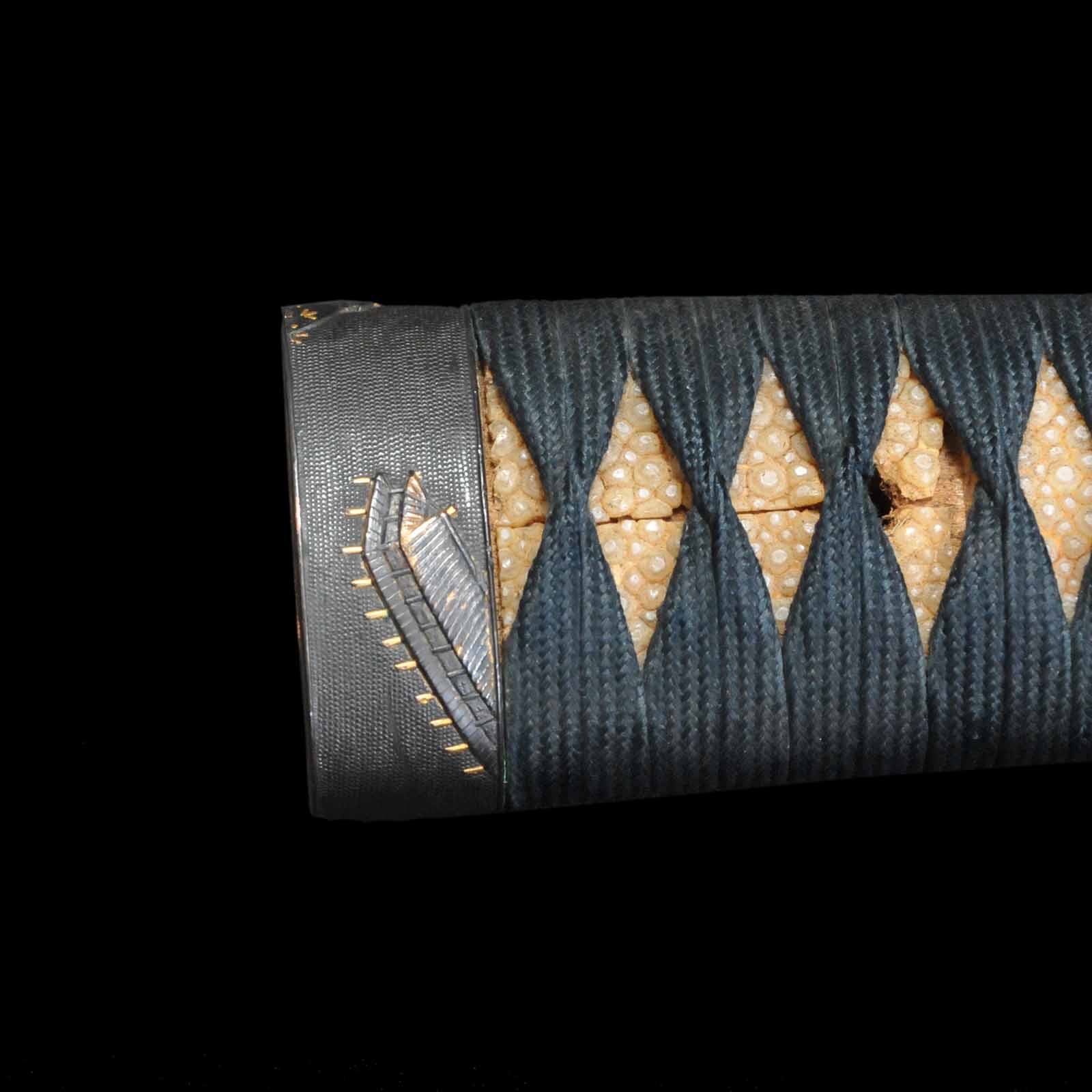
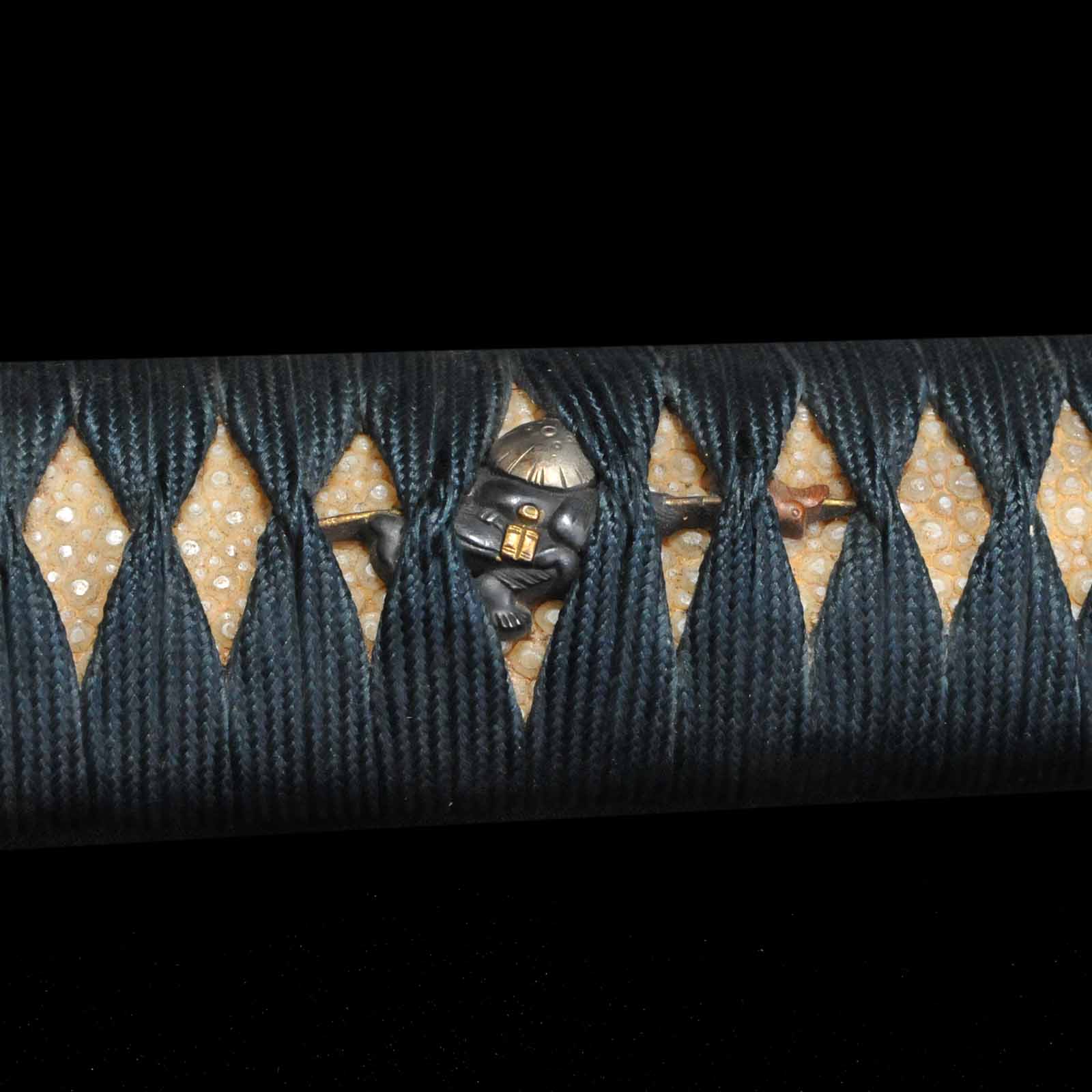
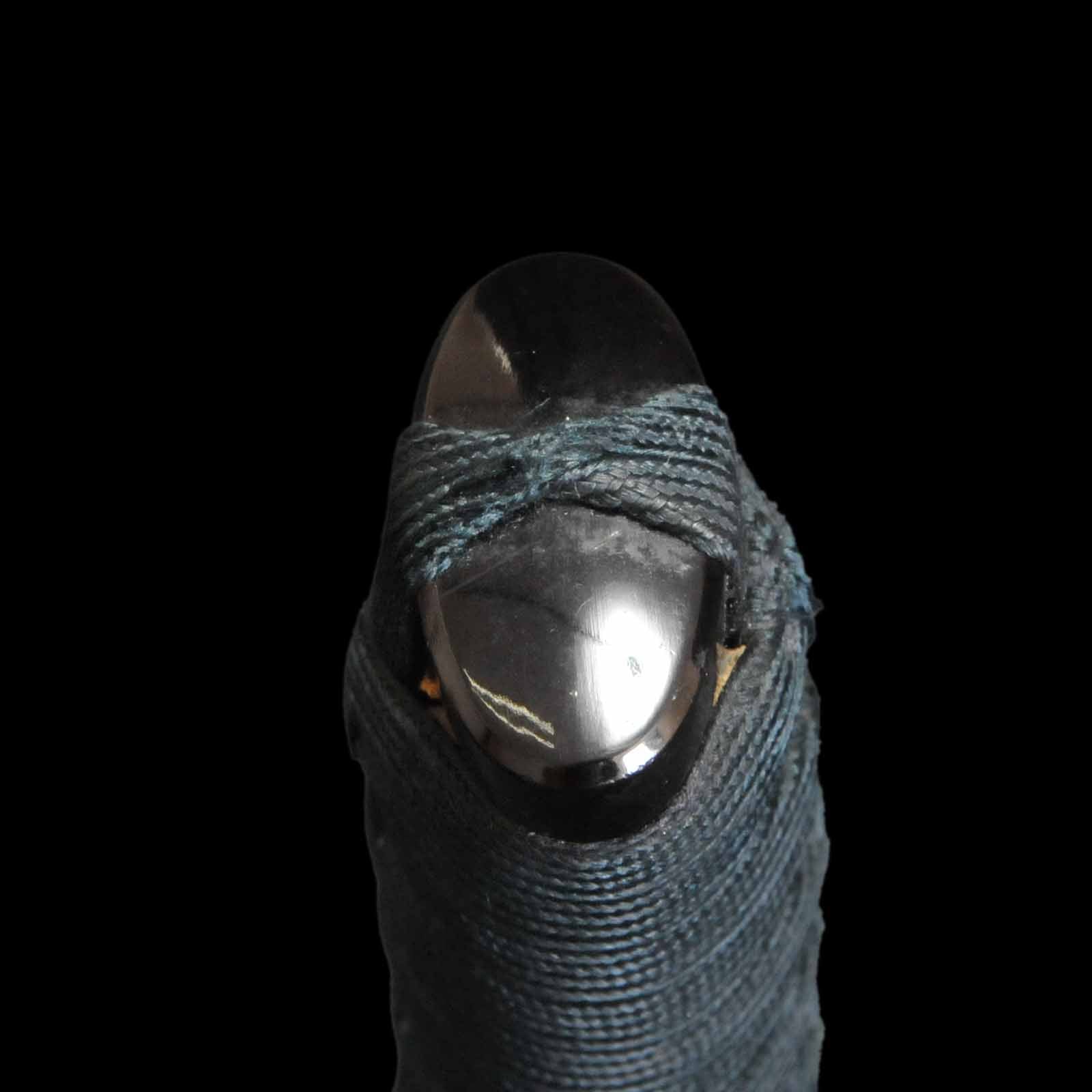
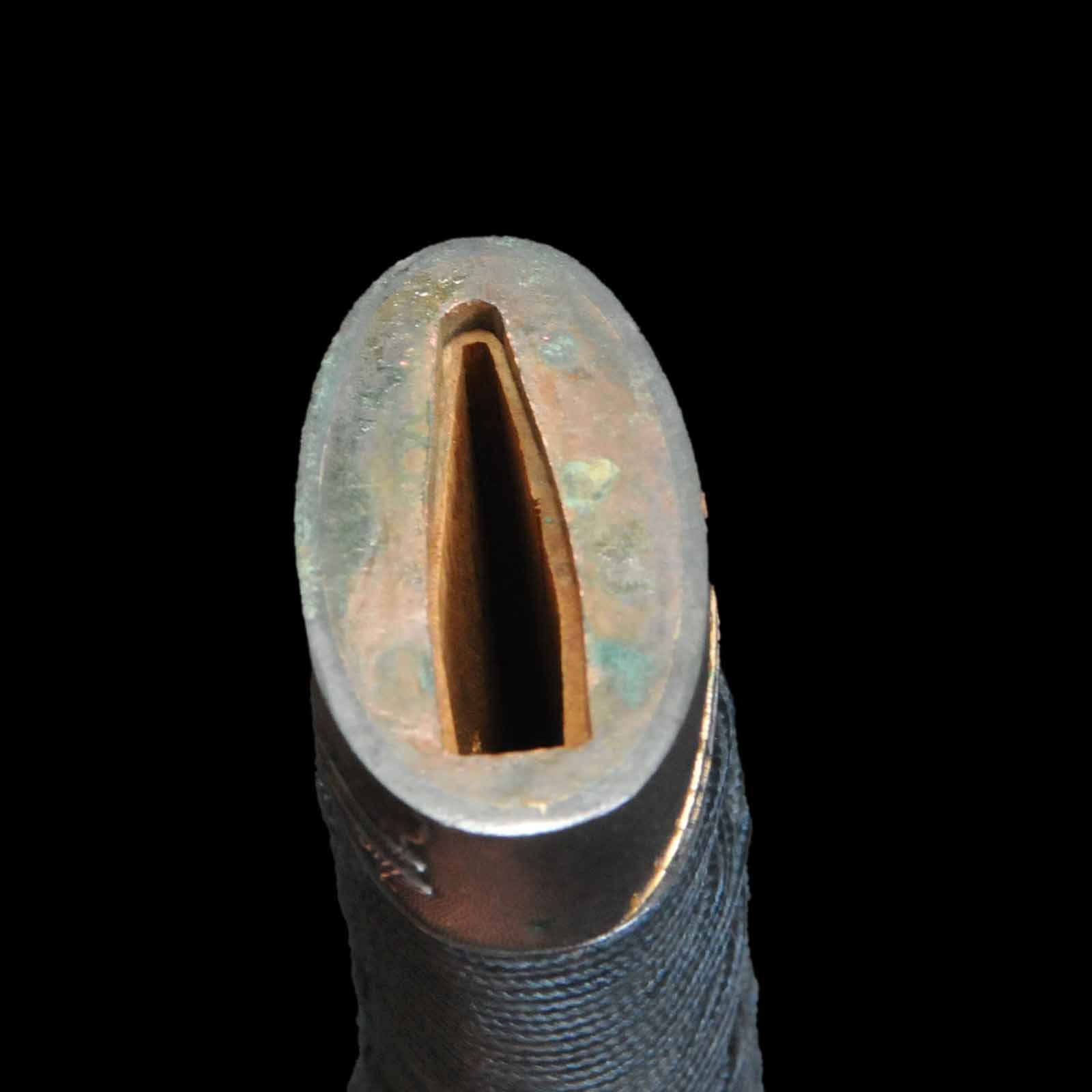
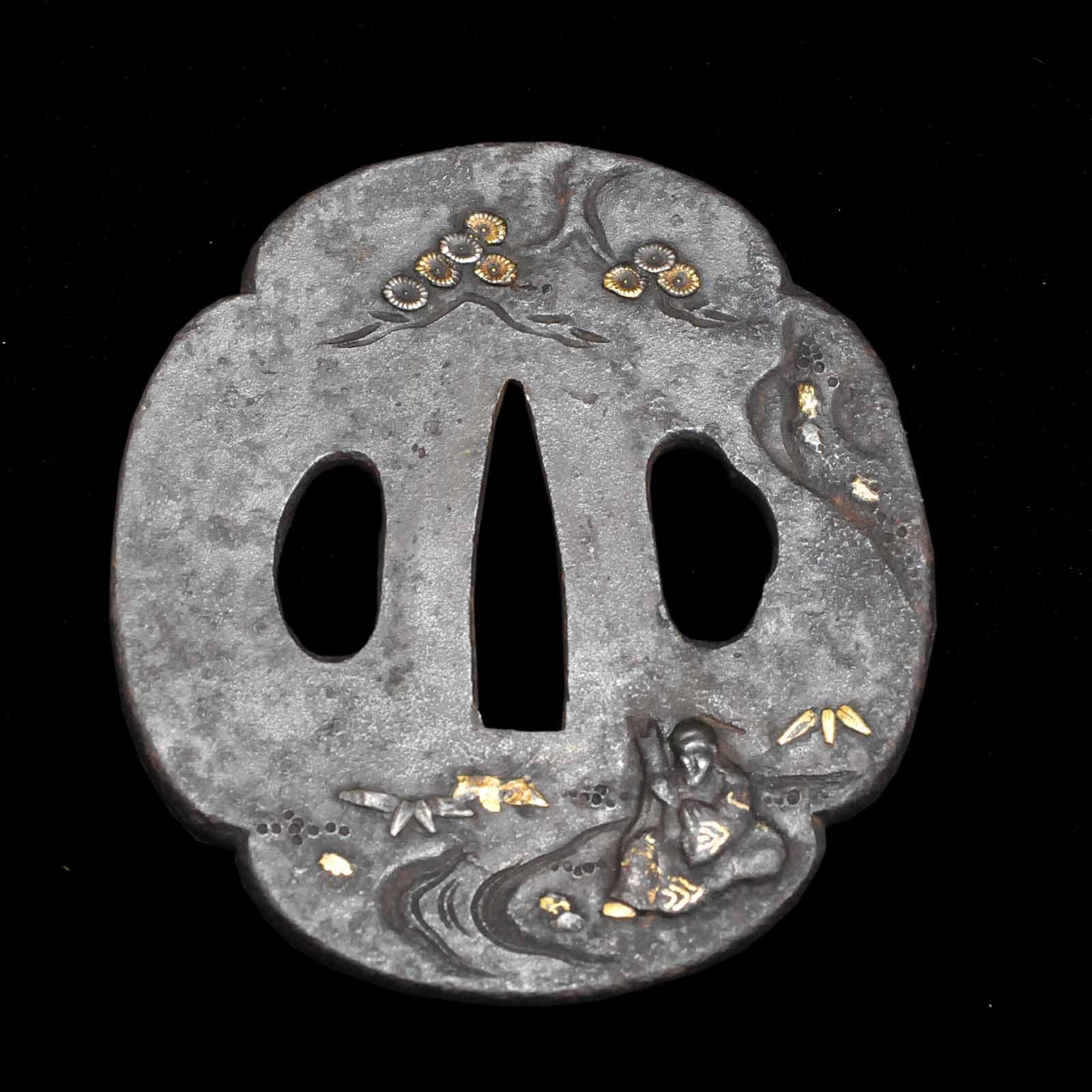
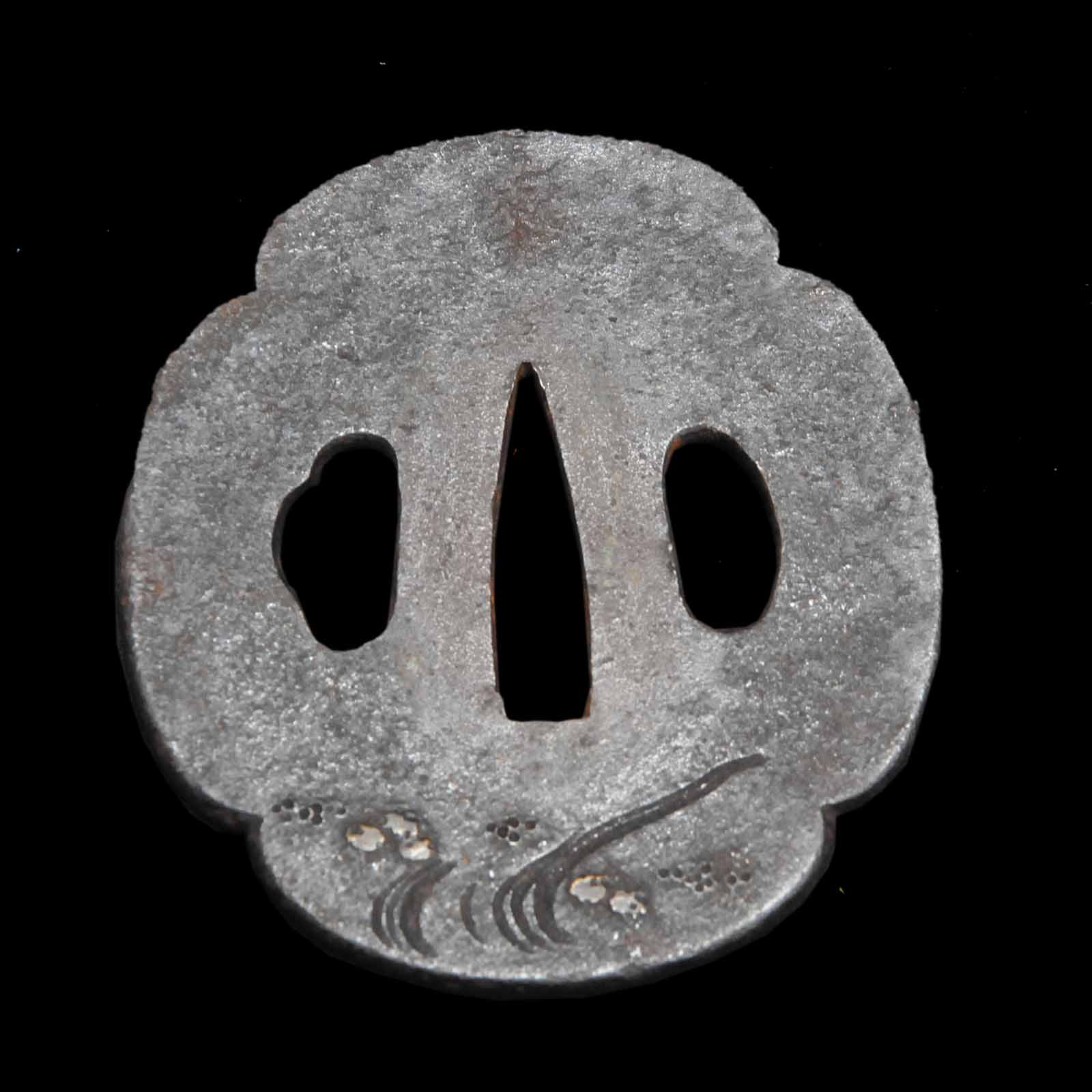
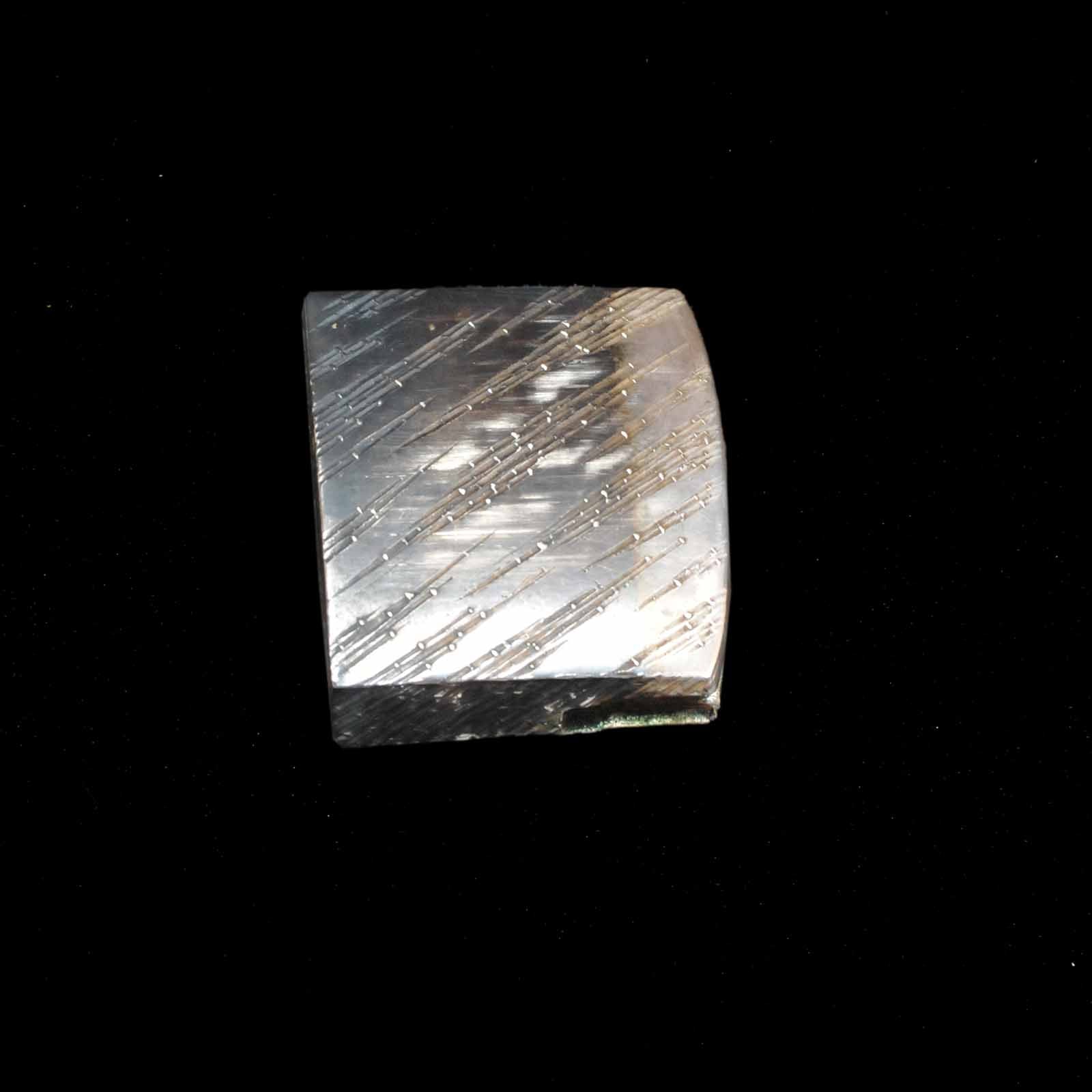
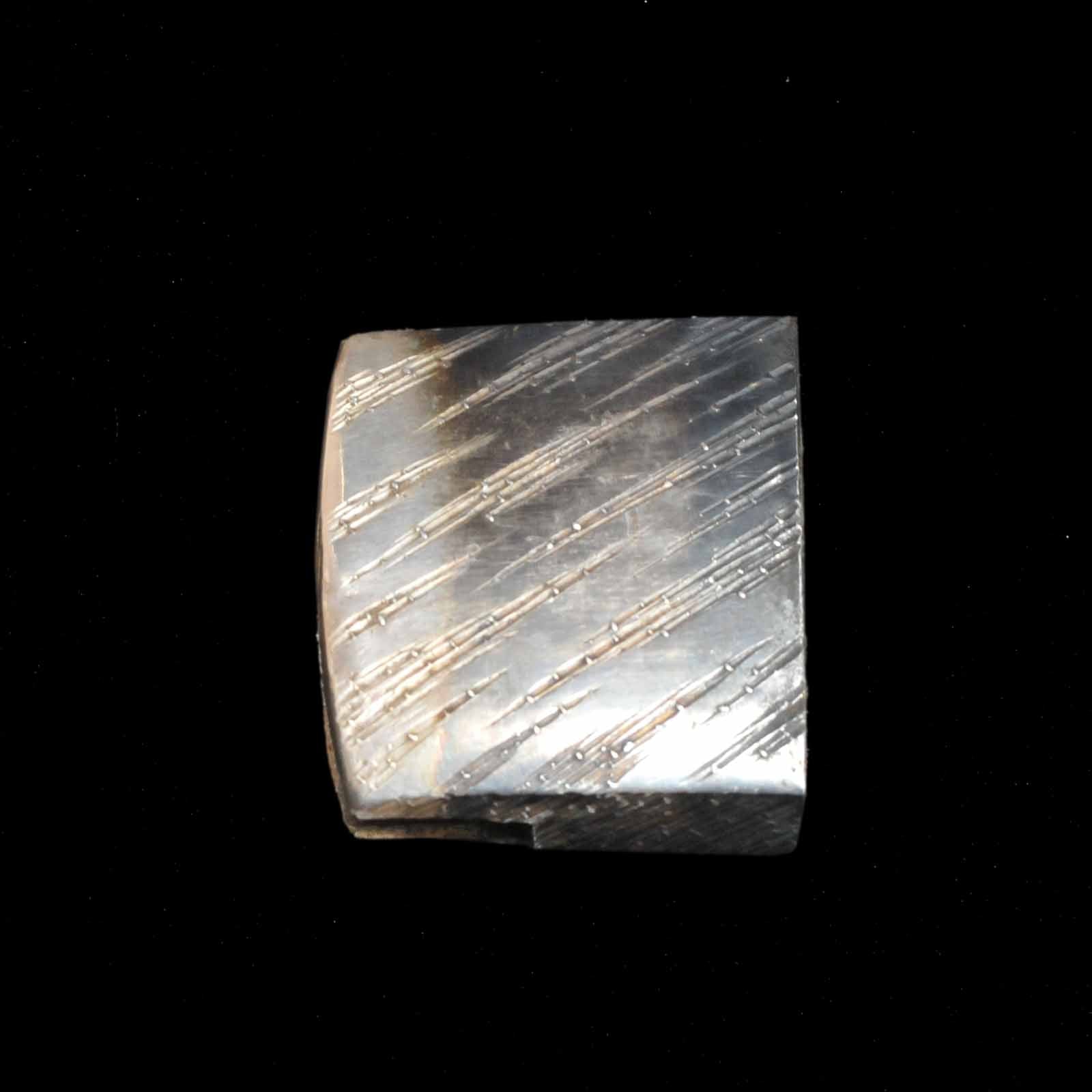
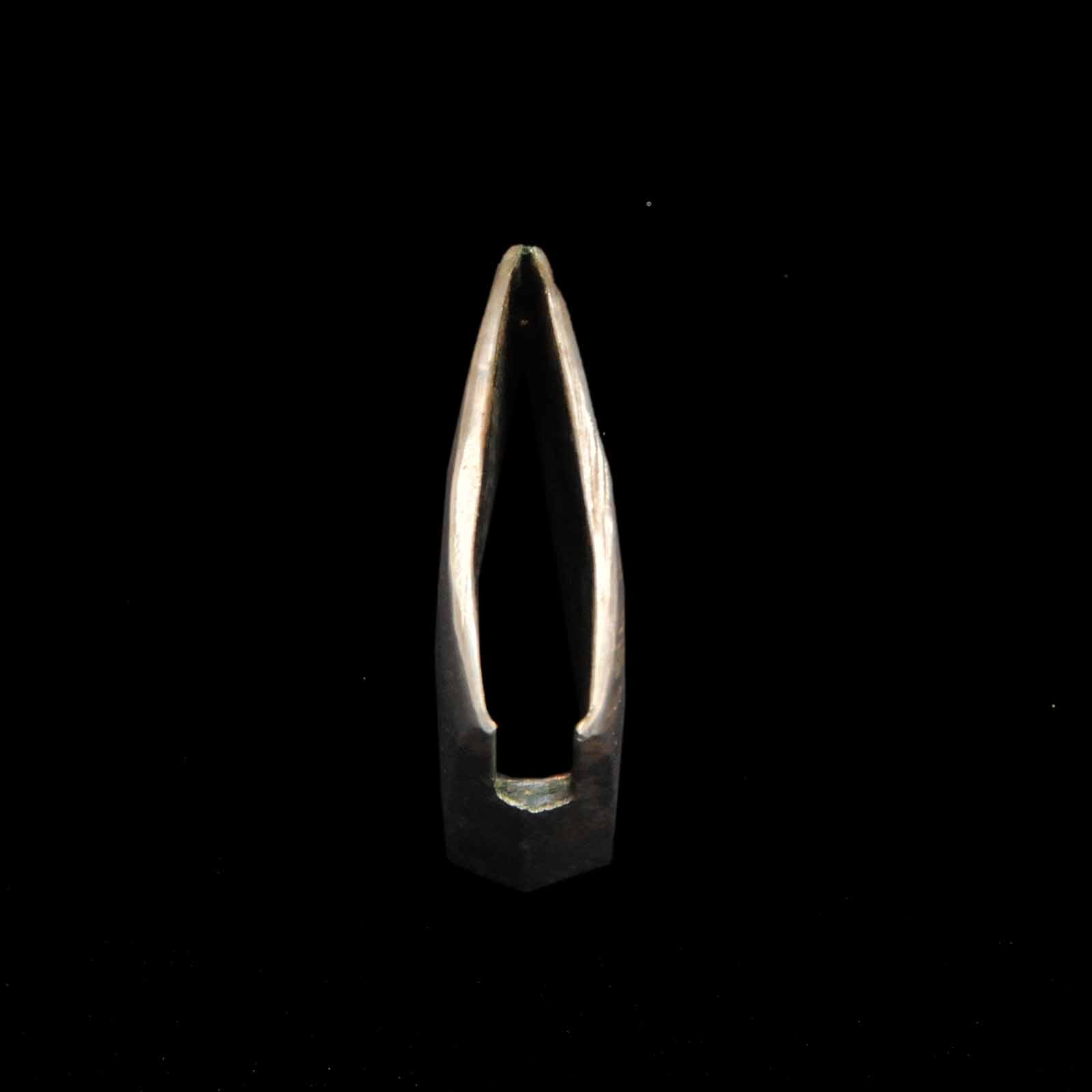
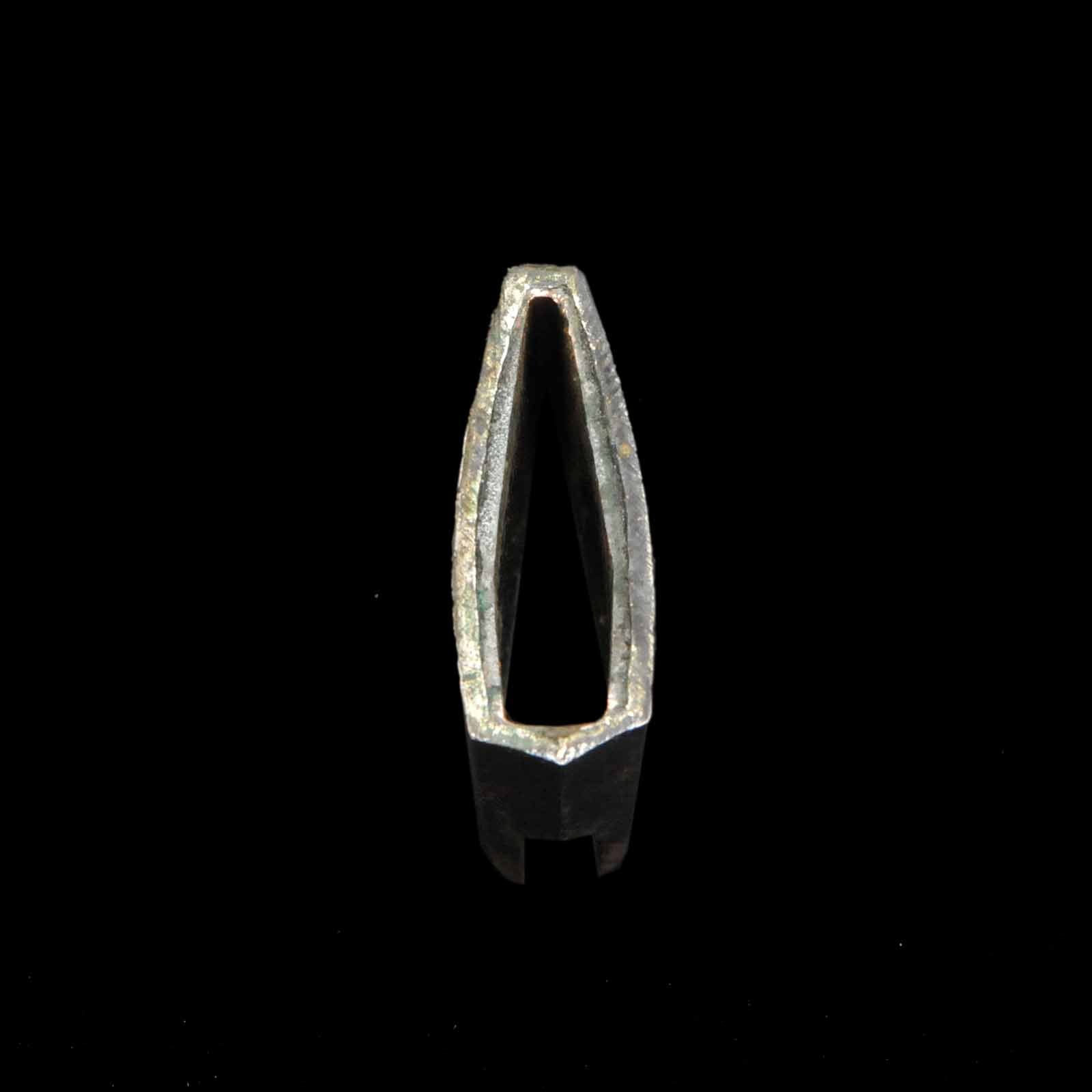
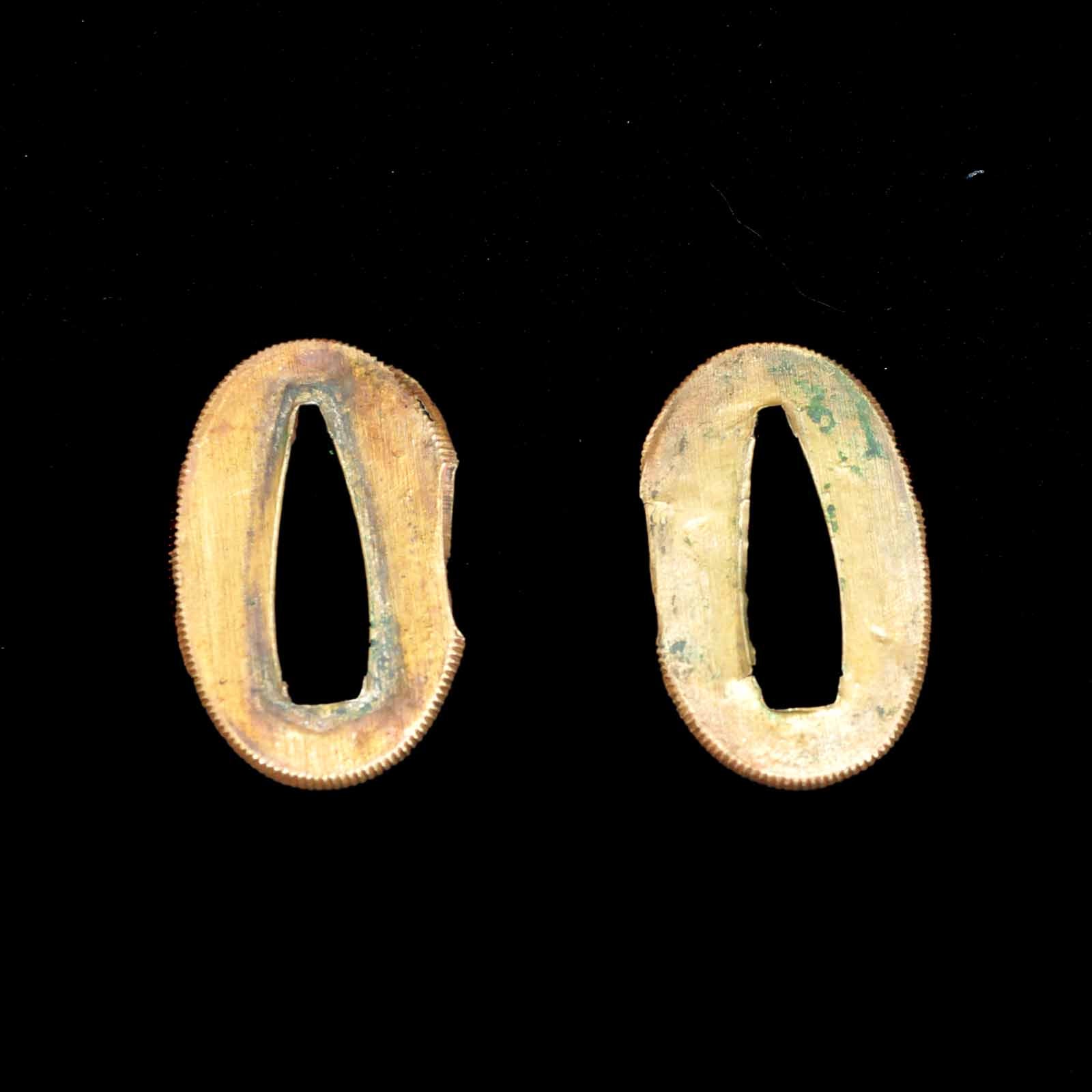
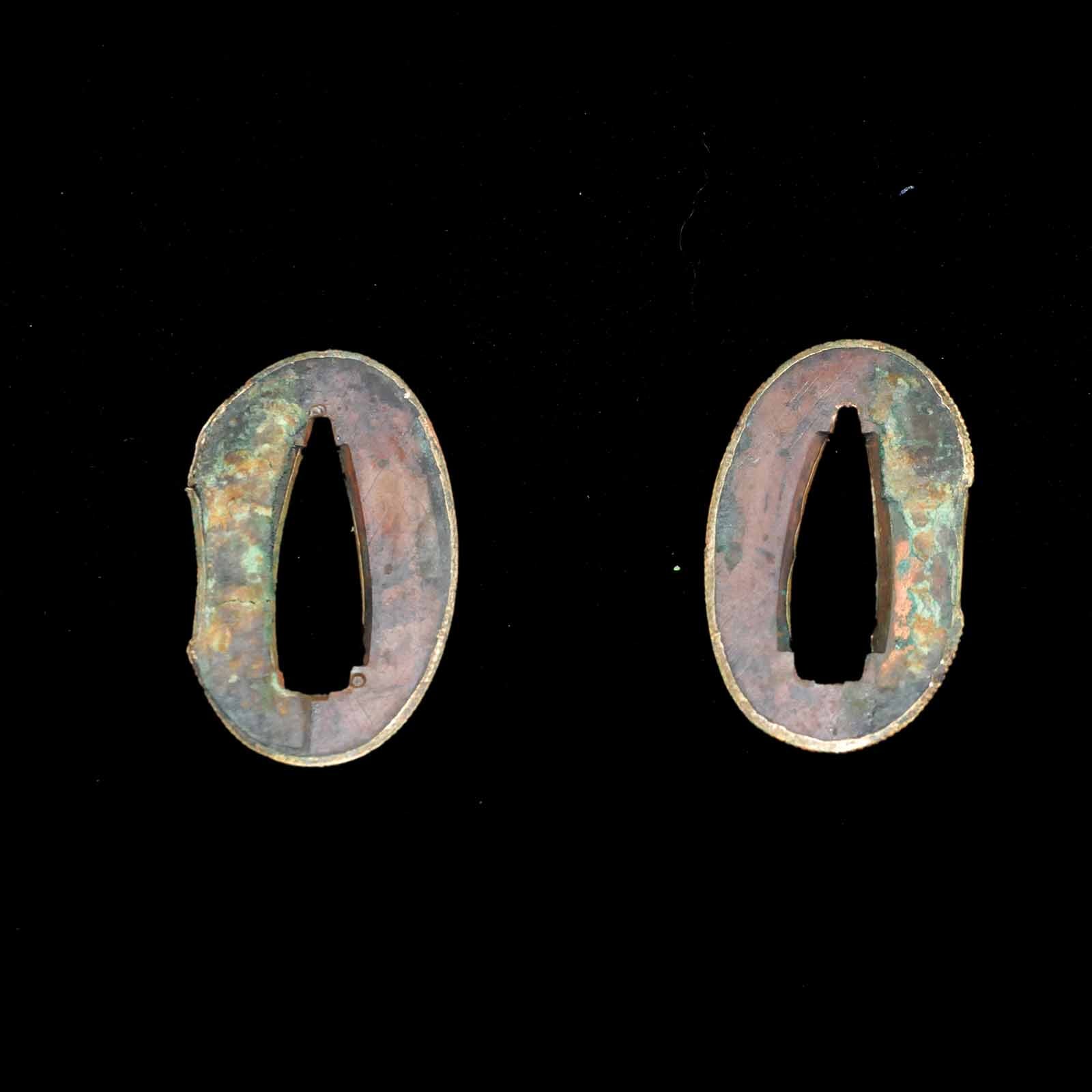
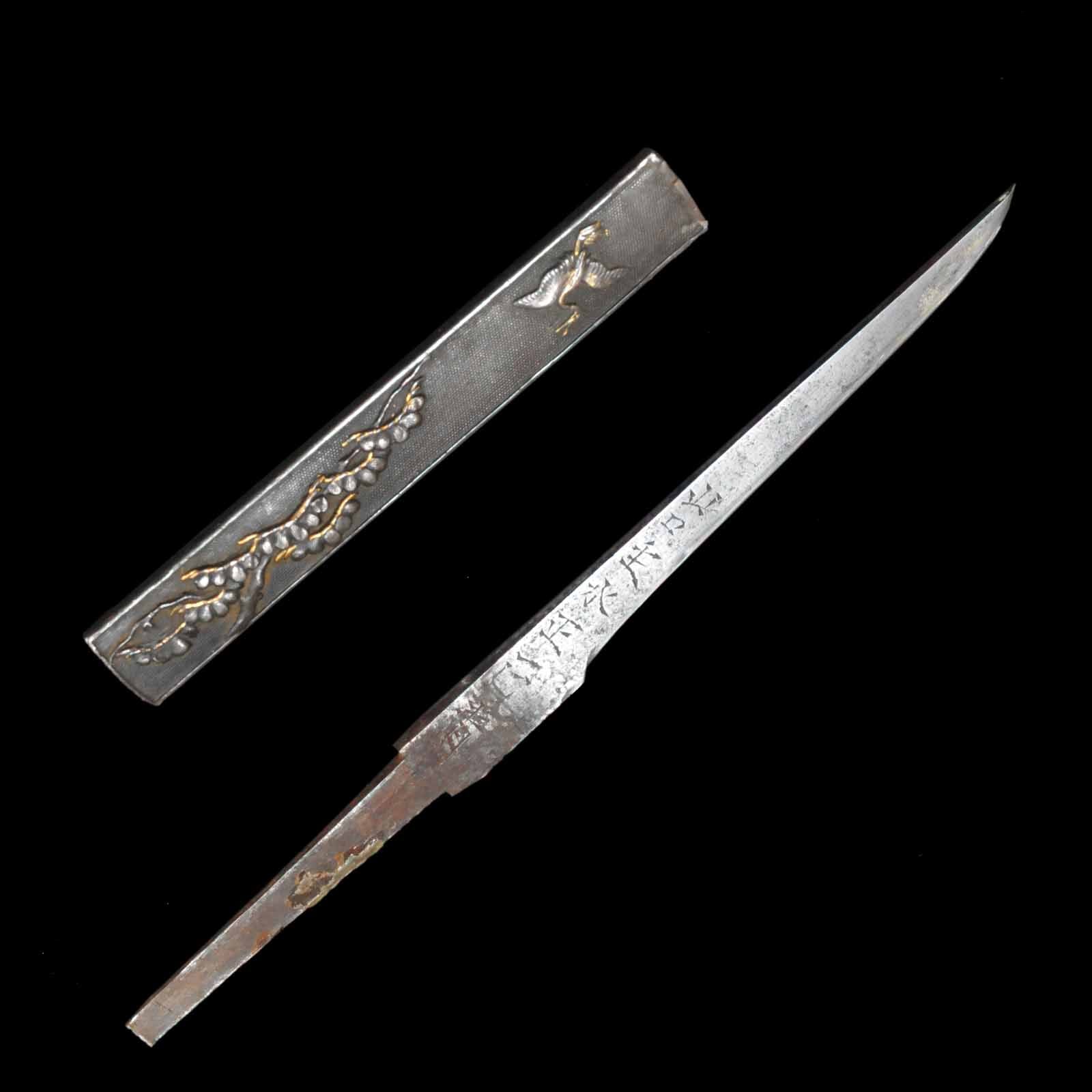
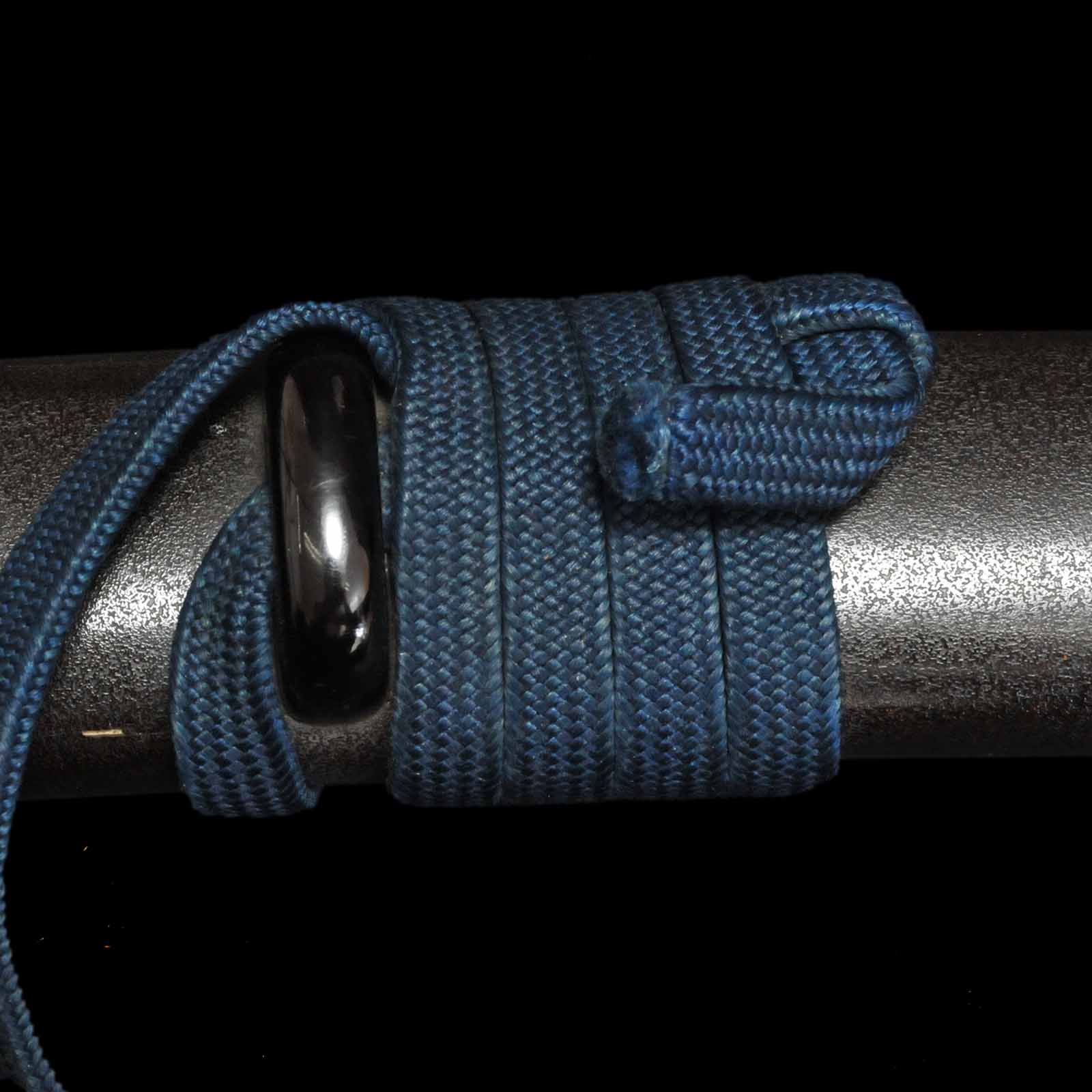
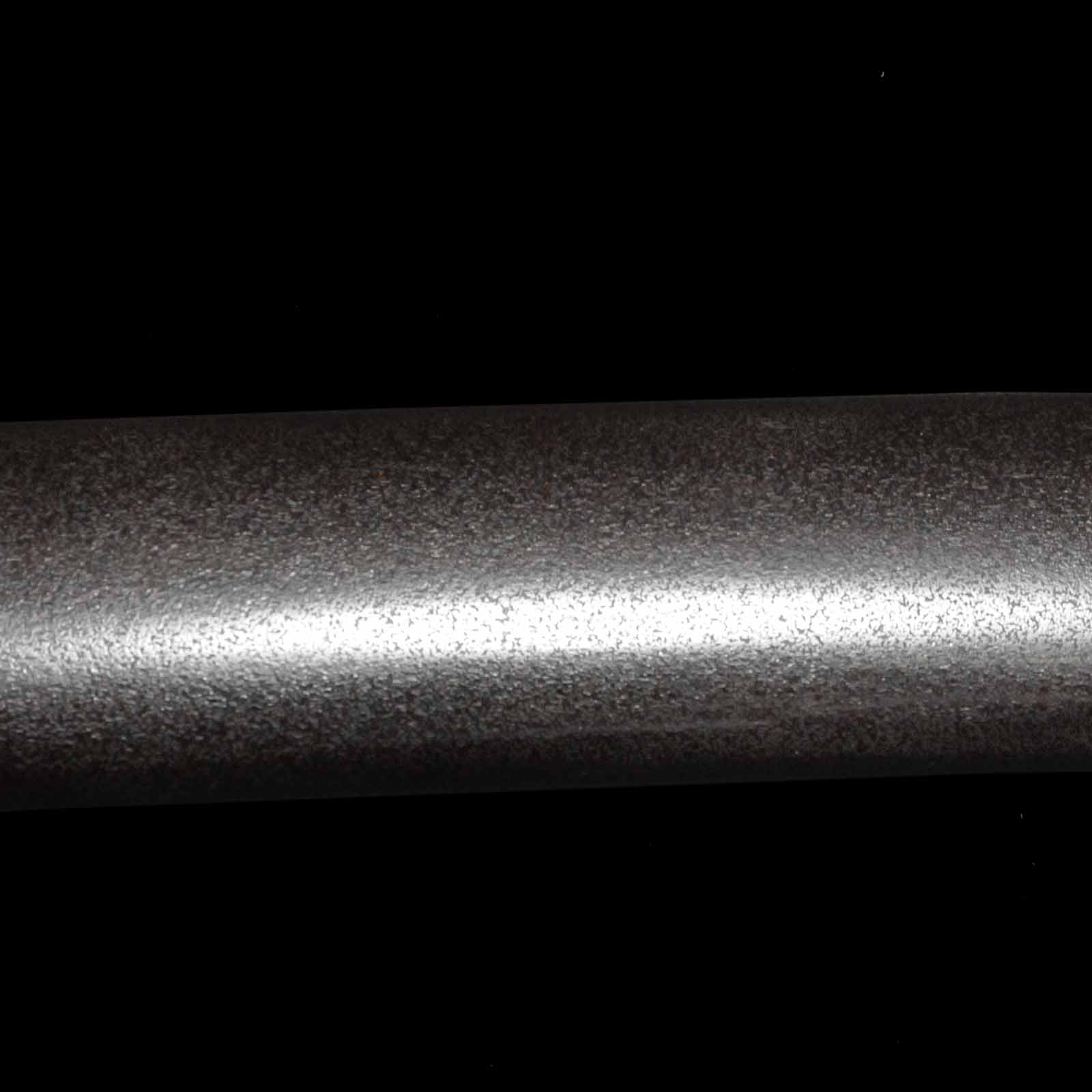
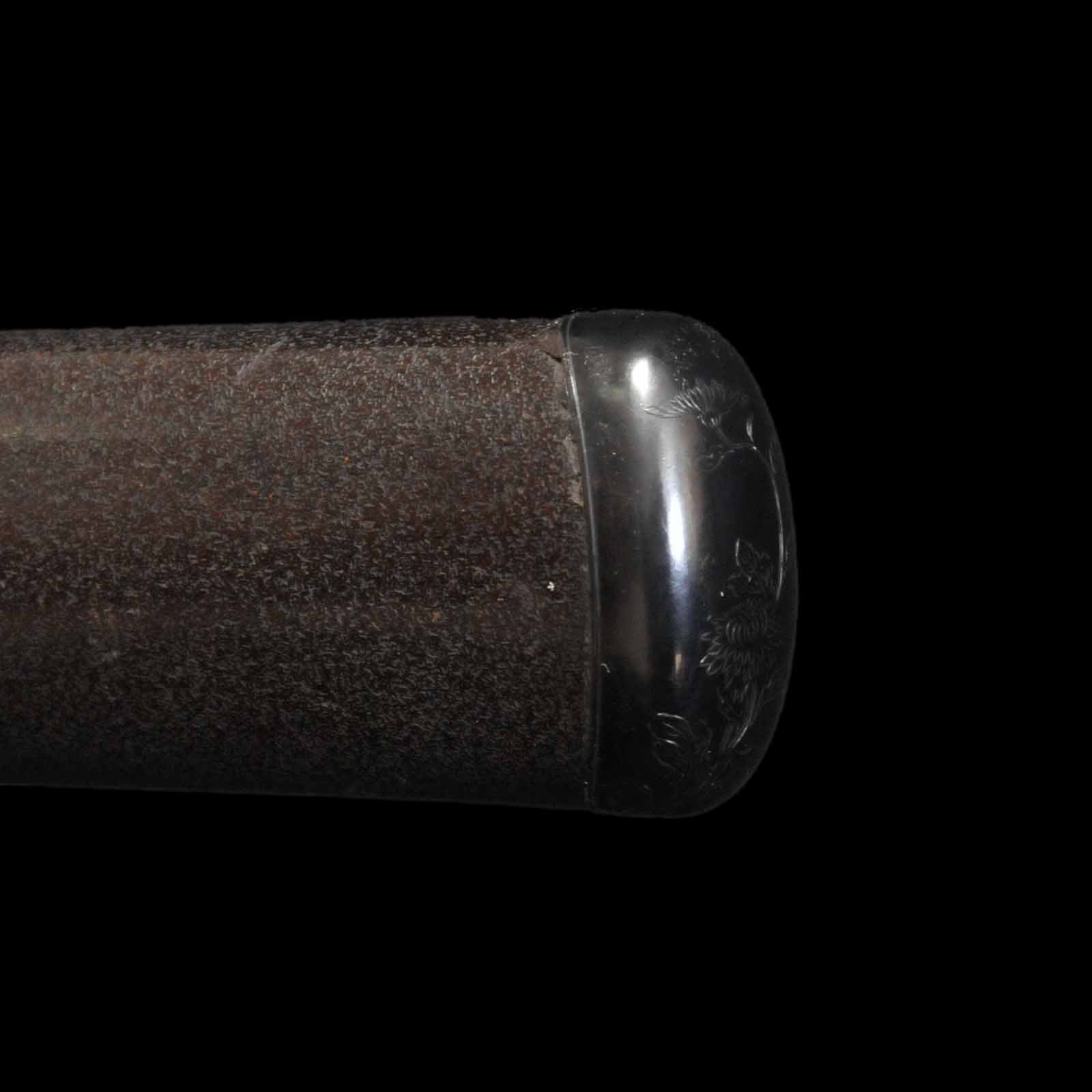
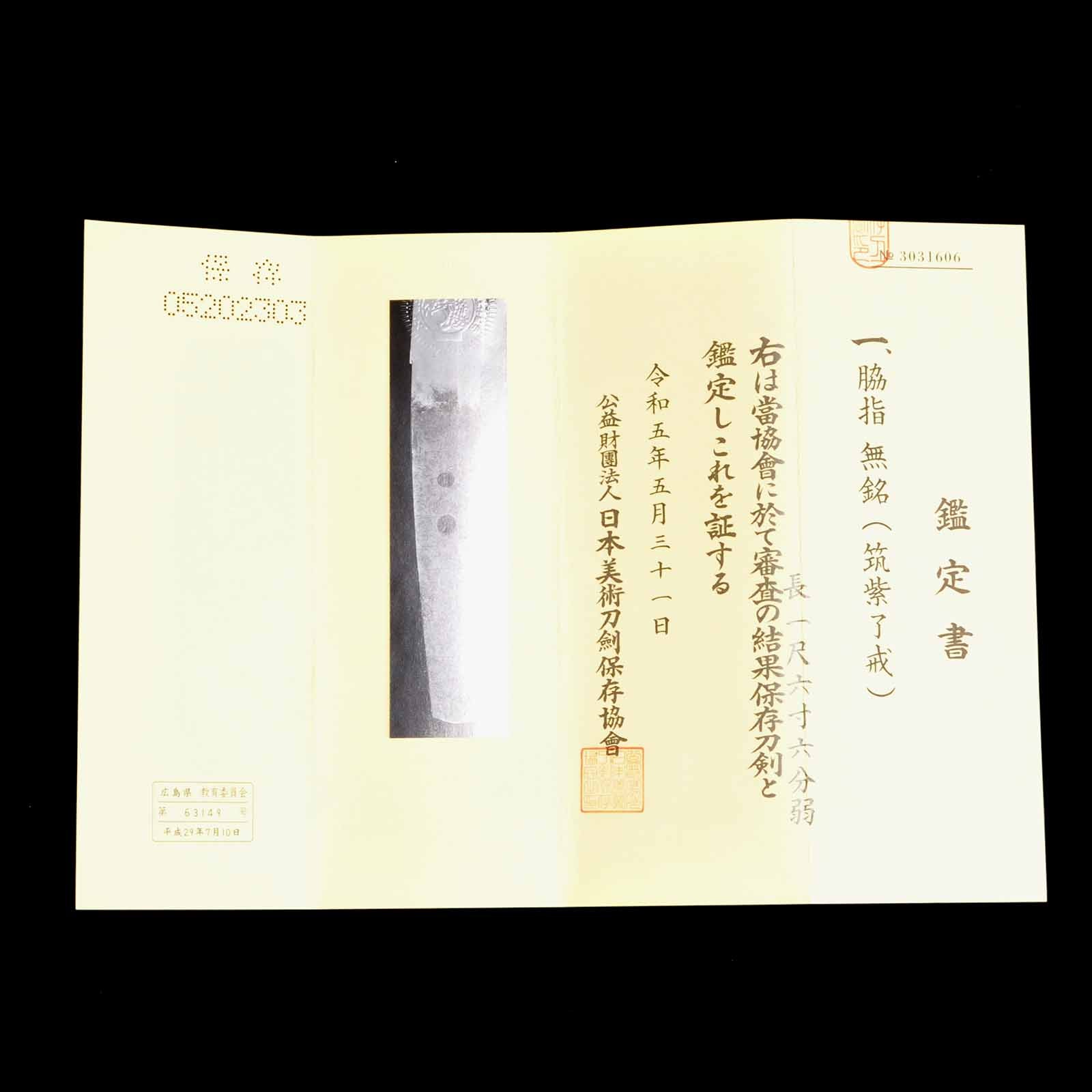
This sword is a koto wakizashi from the early Muromachi period. The sword is in relatively good condition considering its age. The hada has a koto style with a mokume pattern mixed with itame. The hamon is a thin suguha, typical of Kyoto style. Although this sword is unsigned, the Society for Preservation of Japanese Art Swords has identified this wakizashi as a work of the Chikushu Ryokai school, judging from its characteristics. The Chikushu Ryokai is a branch of the Rai school, which developed during the Kamakura period (1185-1333), and its founder was Rai Kunitoshi. After the Muromachi period, the Ryokai school was a group of swordsmiths who migrated to Kyushu. That is why very much their work shows the characteristics typical of Kyoto. Regarding koshirae, tsugagashira is made of buffalo horn and is in the Tensho style. The tsuba, fuchigane, menuki, and kozuka are set. The metal kojiri strengthens the butt of the scabbard. The legendary Ryokai wakizashi is offered this time at a very reasonable price. Blade length: 50.1 cm Curvature: 1.2 cm Number of Mekugi hole: 2 Sakihaba: 20.4 mm Sakikasane: 3.0 mm Motohaba: 27.5 mm Motokasane: 4.1 mm Signature: No signature Era: Koto Structure: Shinogi-zukuri, Iori-mune Jigane: Itame with partly Mokume Hamon: Hoso-suguha Boshi: Omaru ni Kaeru Weight(without Saya): 610g Nakago: Suriage Original Registration No.: Hiroshima 63149 Please contact us if the katana you are looking for is not listed here.
NihontoWatchOffered by Tozando
This piece has sold
8 on the market
Get an email when new Ryokai School work hits the market.
Yamashiro-den · Yamashiro
8 pieces on the market now
The Ryokai school (了戒) took shape in the late-Kamakura capital of Kyoto, in Yamashiro Province, around the smith Ryokai, who worked through the era names Shoo, Einin, Kagen, Enkyo and Ocho at the turn of the fourteenth century. The old account makes him a son or a pupil of Rai Kunitoshi, and one version has him adopted into Kunitoshi's house; because his dated blades place him almost level with Kunitoshi, however, the NBTHK reads him more naturally as a contemporary (an aitedeshi, a fellow disciple) who formed his own line within the wider Rai circle. Whichever account one follows, his is the Rai Yamashiro hand softened by a degree, and from him the Ryokai name descended for several generations, his son Ryo Hisanobu (久信) following as the second master, with a Kyushu branch, the Chikushi Ryokai of Bungo and Buzen, forming by the Nanbokucho and Muromachi eras. What the members hold in common is a quiet manner read against, and just apart from, the Rai parent. Over a packed itame or ko-itame that flows toward masame and stands a little open, fine ji-nie clings and faint chikei enter, while a whitish shirake-utsuri rises in the ji; this paler, drier utsuri, against the clear midare- or jifu-utsuri of Rai proper, is the first thing that separates a Ryokai blade from its source. The temper is a calm chu- or hoso-suguha, mixing here a little ko-choji, ko-gunome or ko-midare, with ko-ashi and yo entering and sometimes a Kyoto reverse ashi; kinsuji and sunagashi run within a tight nioiguchi that grows austere and, in places, clouds into urumi, the moist soft quality the published sources name again and again as a Ryokai point. The boshi closes sugu into a small ko-maru, often brushed with a touch of hakikake. The school stands so close to Rai Kunitoshi that the two are confused at sight; the attribution settles not on any single feature but on the softer ji and ha, the standing masame, the whitish utsuri and the clouding line, the judges noting that compared with Kunitoshi the activity within the temper runs lonelier and the nioiguchi one degree tighter.
Against the sister Enju school the distinction is the boshi: where Enju turns a large deep o-maru and leaves the line bright, Ryokai closes a small ko-maru and clouds into urumi. The masame and the whitish cast carry the line a step toward Yamato and Yamato-den, and downstream toward Nobukuni and the Soshu-shaded work that followed. To kantei a Ryokai blade is to recognize the Rai air of wa-zori and refined steel, then to read the tells that part it from the parent: the jihada leaning to masame and standing where Rai stays smooth, the shirake in place of bright utsuri, and the tight, clouding nioiguchi. Among the members the founder, Ryokai, holds first standing, rated Jo-saku by Fujishiro and represented by slender ubu tachi and tanto signed with a boldly cut two-character mei, several carved with bonji and suken, alongside the bulk of his attributed record in osuriage mumei katana given to him on the hand; one such tanto the published sources call altogether elegant and a representative work, the signature itself of the archetypal type. Hisanobu, the second master, rated Jo-jo saku, carried the father's suguha on with little change, his rare signed tachi and kodachi prized as documentary evidence, one dated piece establishing through his given name that an earlier nationally designated tachi once read as the father's sole work is in fact a joint work of father and son; the remaining members and the later Kyushu generations continue the manner generically. Provenance follows the founder above all: blades passing through the Isahaya, Date and Maeda families, one preserving a tradition that it was a sword worn by Miyamoto Musashi, and the finest pieces held and studied in long-standing public and private collections including the Tokyo National Museum, the Sano Art Museum and Monobe Jinja. A signed ubu Ryokai blade in particular is among the scarcer things a collector of Kyoto Kamakura work will meet, coming to hand only with patience. Learn more →
| Smith | Era | Designated |
|---|---|---|
| Ryokai了戒 | 1288-1305 | 103 |
| Nobumasa信正 | 1345-1350 | 0 |
| Nobuyoshi宣能 | 1444-1449 | 0 |
| Nobumasa信正 | 1390-1394 | 0 |
| Yoshizane能眞 | 1469-1487 | 0 |
Yamashiro in the Kamakura period
Power sat in Kamakura, but taste was still made in Kyōto. The Awataguchi school’s pear-skin steel became a byword for perfection, and the Rai line supplied dignified tachi to the court, senior warriors, and the great temples alike.
As a general rule, returns/exchanges are not accepted on Japanese sword orders unless damaged upon delivery. Other items: returns/exchanges accepted within 7 days of delivery. Cancellation for personal reasons incurs a 30% restocking fee (70% refunded). Return shipping must be prepaid and insured by the buyer; shipping/handling fees are non-refundable. Contact katana@tozando.co.jp to initiate a return.