 NihontoWatchNihontoWatch
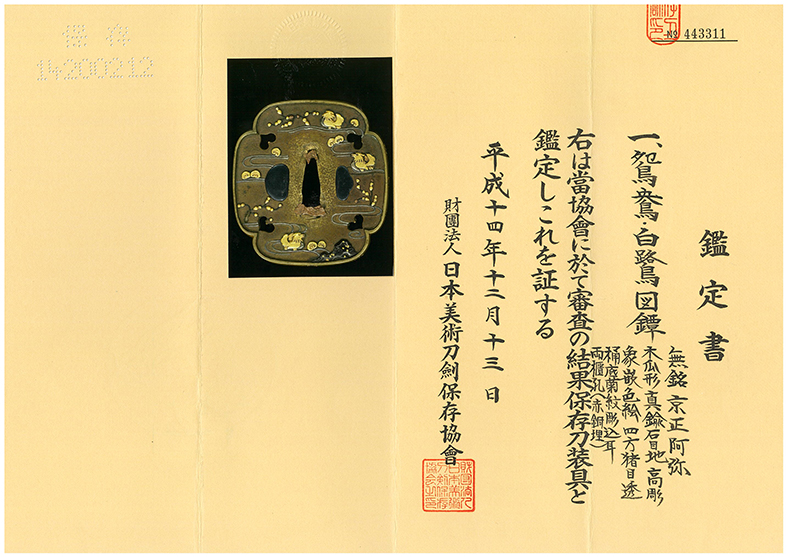
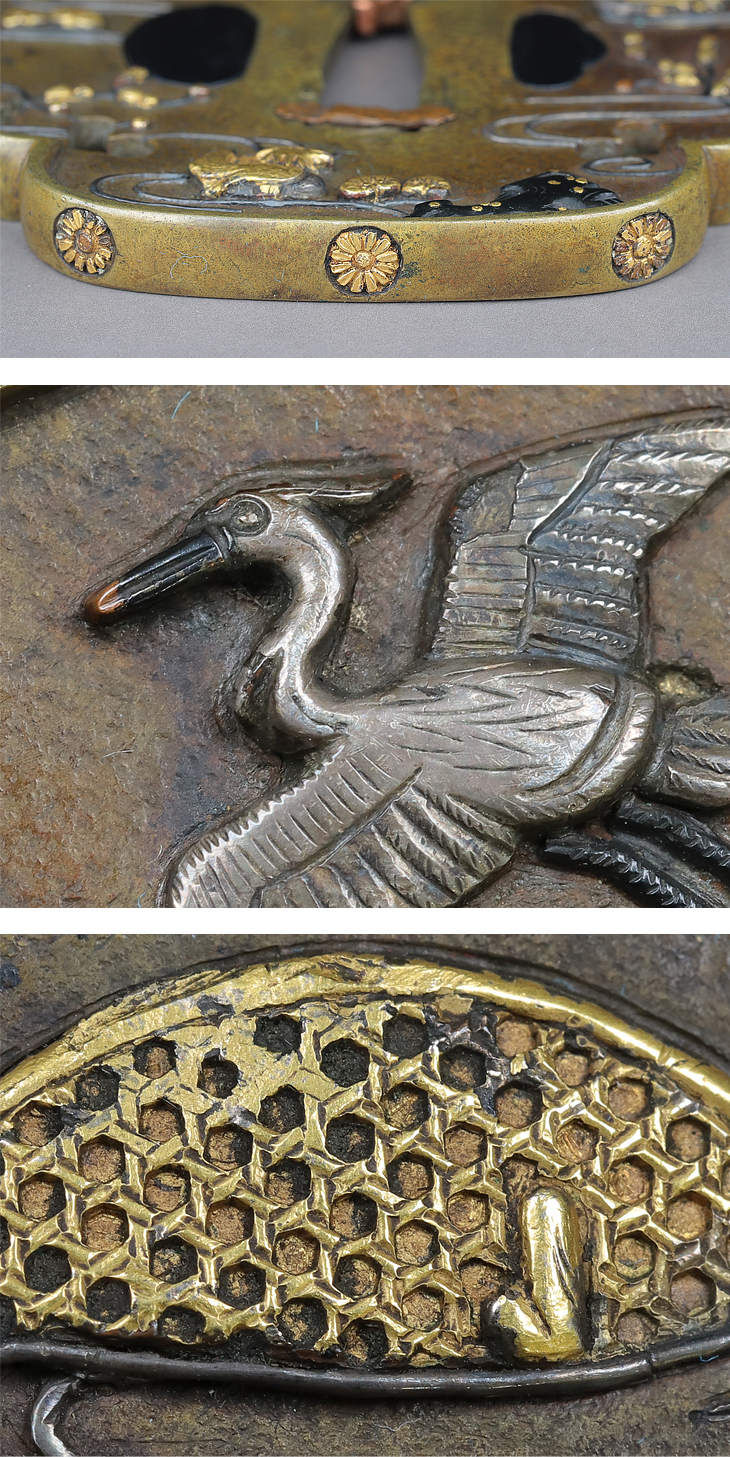
Early Edo With Hozon Tosogu Kanteisho Published in Token Bijutsu (September issue, Heisei 20) Length 77.2 Width 72.2 Thickness at seppa-dai 3.2 Mimi 6.5 Brass ishime-ji mokko-gata, takabori, zogan iroe, shiho inome sukashi, okesoko kikumon horikomi mimi, ryohitsukana (shakudo ume) Regarding Kyo Shoami, in contrast to the Ko-Shoami of the Muromachi to Momoyama periods, works thought to have been made in Kyoto from the Momoyama to early Edo periods are called Kyo Shoami. It is a tsuba with a truly Kyoto-like elegant design, featuring mandarin ducks playing by the water on the omote and a snowy heron on the ura. The birds are zogan with gold, silver, shakudo, and suaka, the water flow is silver sen-zogan, and the mimi is inlaid with chrysanthemum crests; it is a tsuba that makes one feel a calm Kyoto miyabi. In a kiri box
Certificate reading — 無銘(京正阿弥)
NihontoWatchOffered by Samurai Nippon
11 on the market

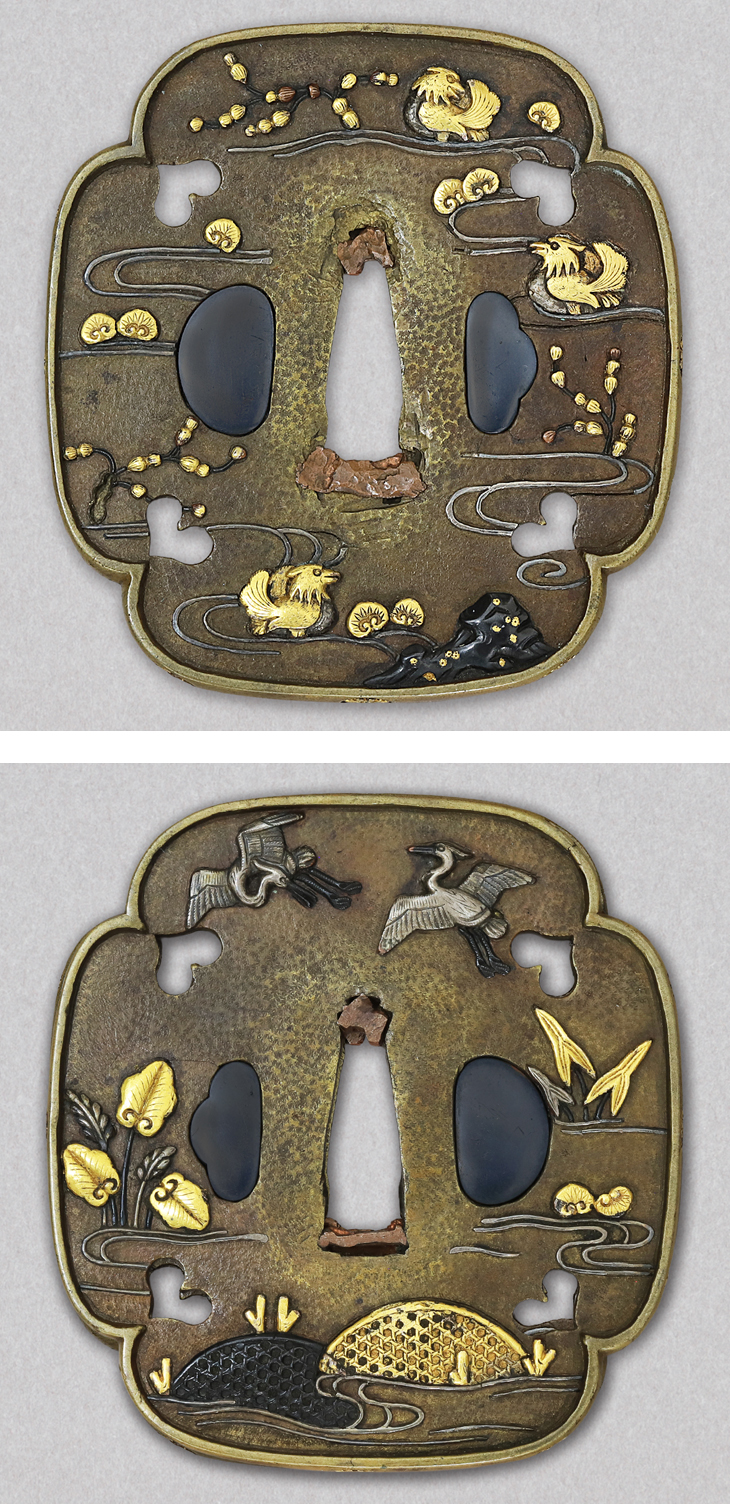
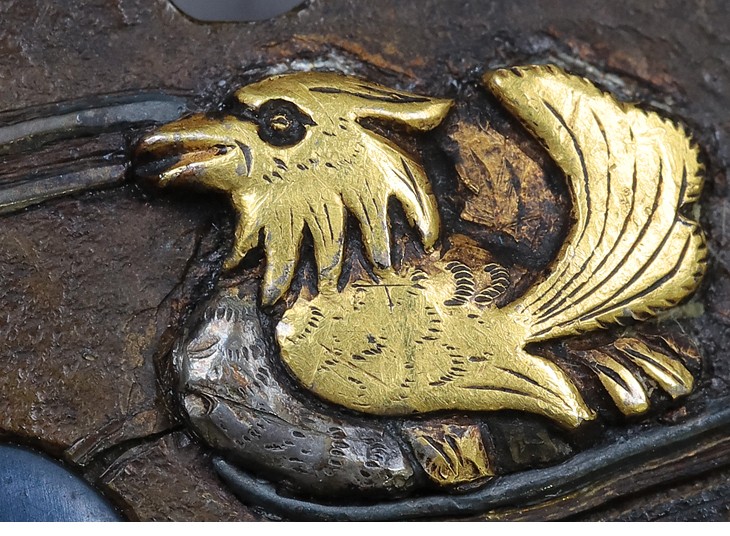
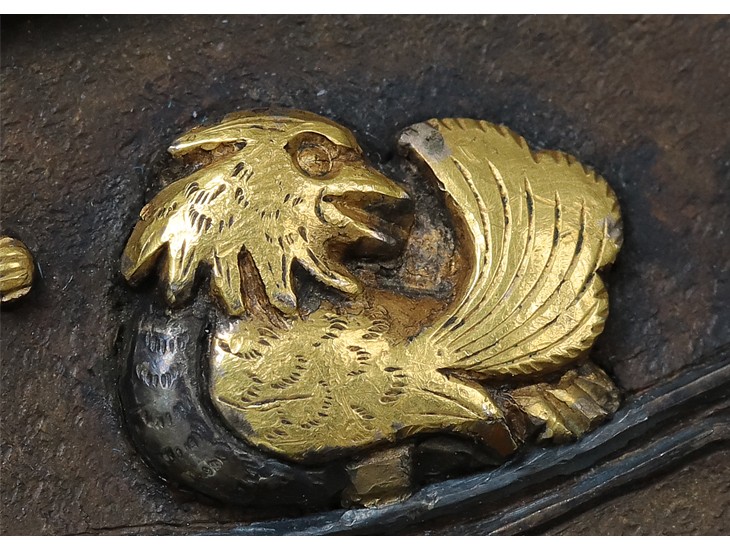
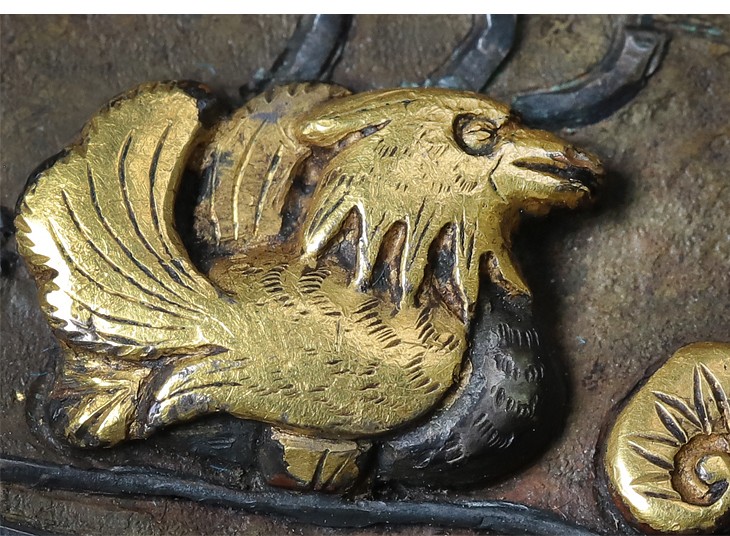
As written by the shop
Machine translation from the shop's Japanese · may contain errors ·
Iron-tsuba · Yamashiro
11 pieces on the market now
Certifies a genuine fitting worth preserving: a correct signature, or, if unsigned, an identifiable era and school, with recognized artistic and craft value.
The NBTHK (Nihon Bijutsu Tōken Hozon Kyōkai, the Society for the Preservation of Japanese Art Swords) is a public-interest incorporated foundation founded in 1948 and supervised by Japan’s Agency for Cultural Affairs (Bunkachō); it is based at the Japanese Sword Museum in Tokyo. Its expert panels physically examine each submitted work (shinsa) and issue a certificate (kanteishō) ranking it by artistic and historical merit. NBTHK papers are the most widely recognized standard of authentication for Japanese swords and fittings.
NBTHK official siteFor one-of-a-kind items such as swords, sword fittings and antiques, other customers may be waiting for the item, so please contact us about a return within 3 days of its arrival and ship it back within 8 days. Refunds are made on the day the returned item arrives.
¥275,000