 NihontoWatchNihontoWatch
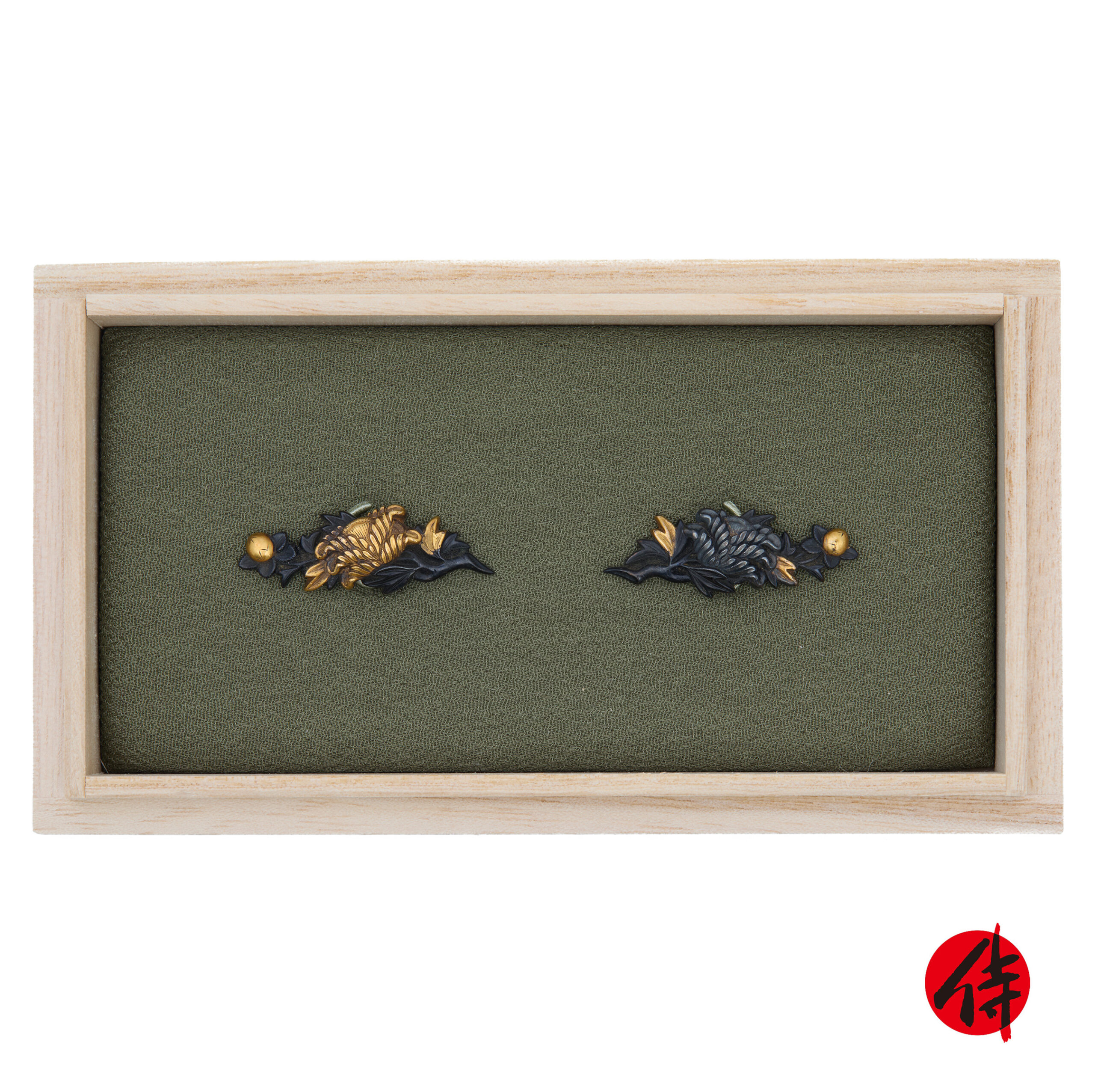
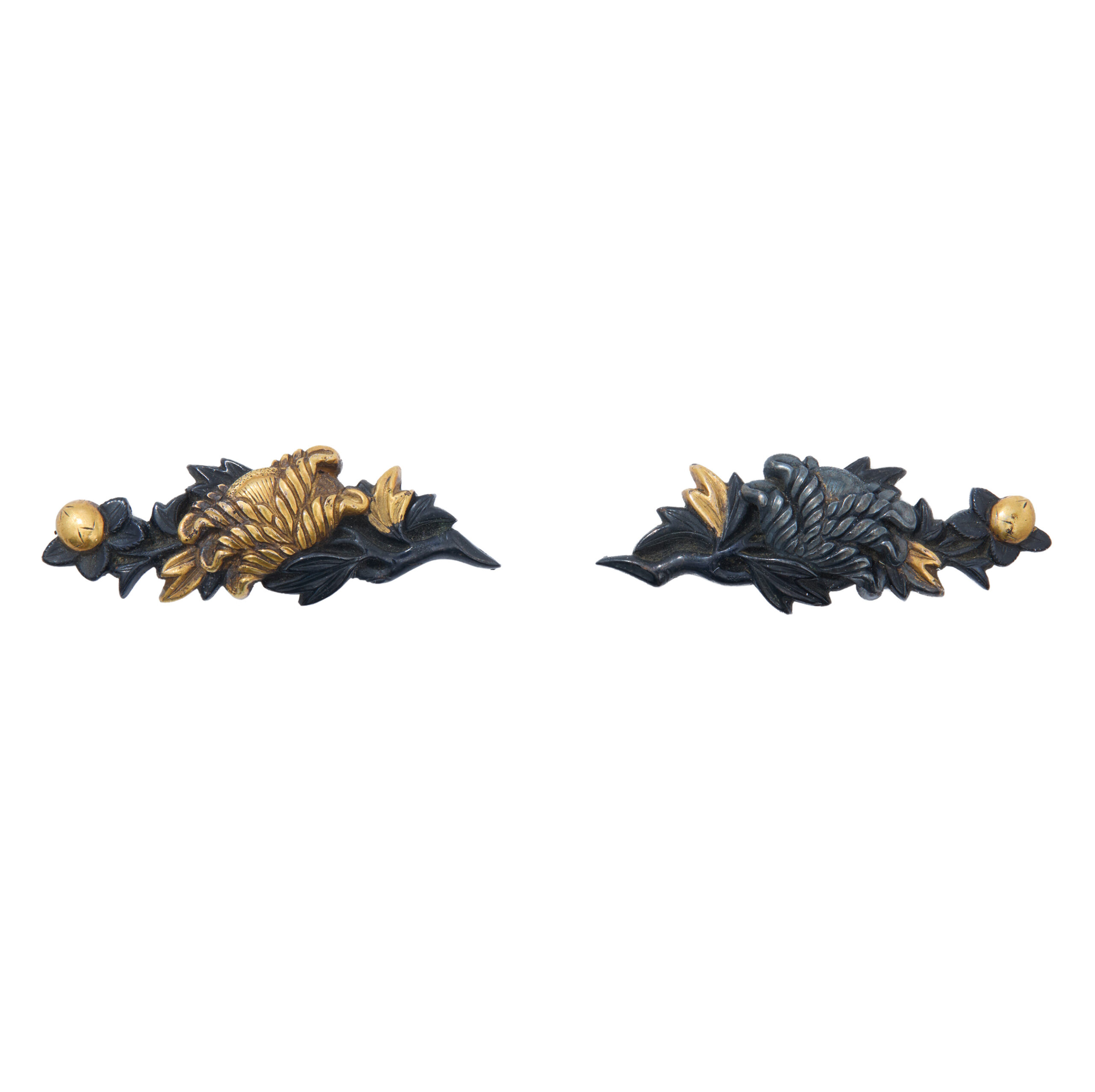
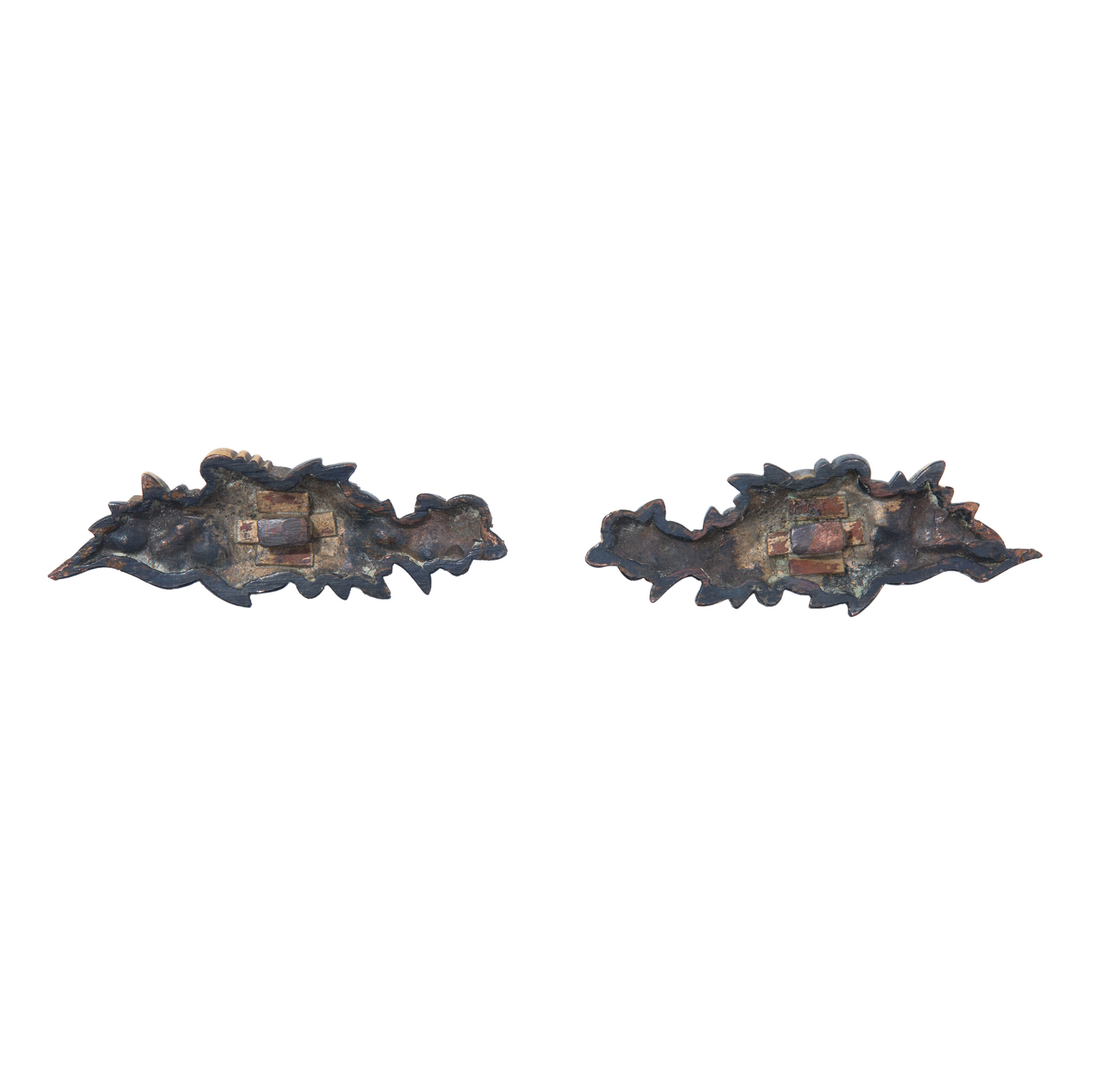
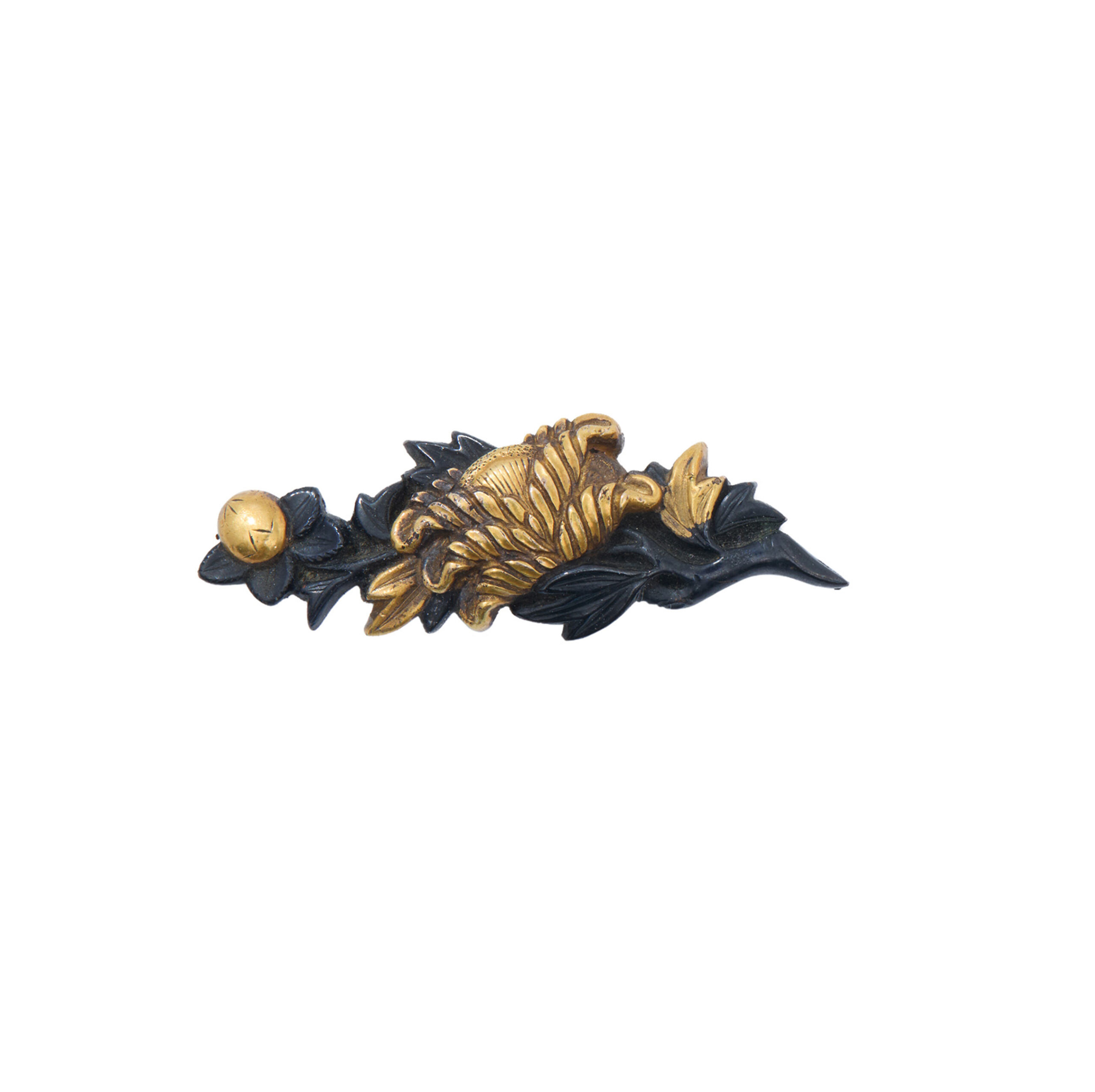
The motif of this Menuki seems to be Botan (牡丹, peony), which has been called the king of flowers. Peony represents happiness, wealth, nobleness, and gorgeousness. This flower pattern has been treated as a kind of good-omen motif; people regarded it as a rich harvest sign. Peony is called “Botan” in Japanese. When we write this flower’s name in Japanese, its second letter means mountain hermit medicine that would give us eternal youth. Based on the meaning of this letter, the peony pattern symbolizes eternal youth and longevity. This flower, however, is multi-petaled like a chrysanthemum, so it could perhaps be classified as Tenjiku Botan (天竺牡丹, dahlia). The plant is said to have been introduced to Japan at the end of the Edo period. It was named Tenjiku Botan because its flowers resemble peonies and came via the Dutch Indies: the word Tenjiku means India. Also, we estimate this Menuki is made from the Shakudou (赤銅), it is an alloy of copper and gold. This material has often been used for making sword mountings due to its properties. And the Shakudou gives the works elegant black color. While some colorings have partly faded due to aging, it seems that the gold overglaze painting, called the Kin Iro-e (金色絵), was initially applied to this Menuki. It makes an elegant color contrast with copper’s black color. Also, it adds decorativeness to this work.
NihontoWatchOffered by Samurai Museum
This piece has sold
Get an email when new Kyo-kanagushi School work hits the market.

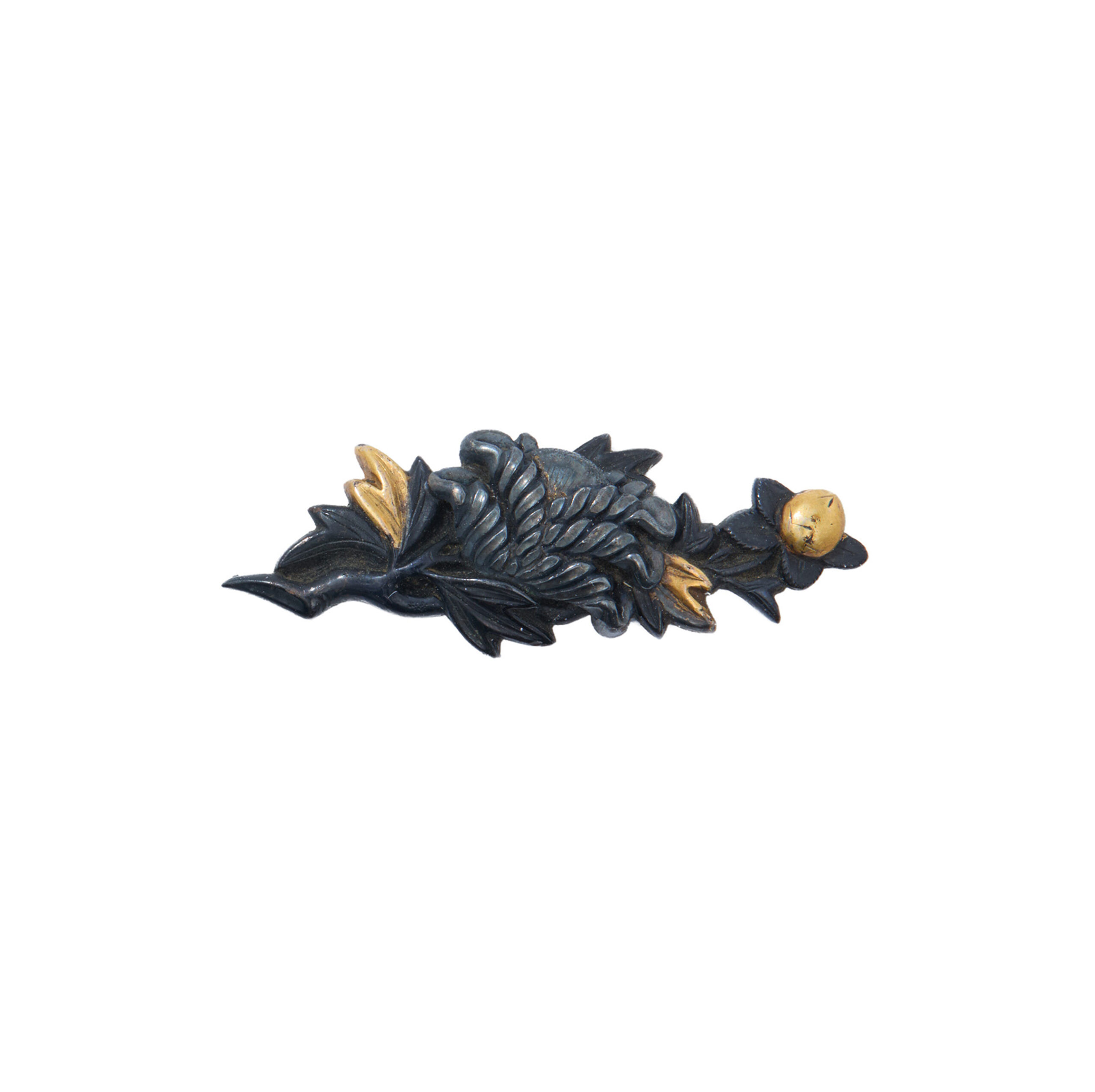
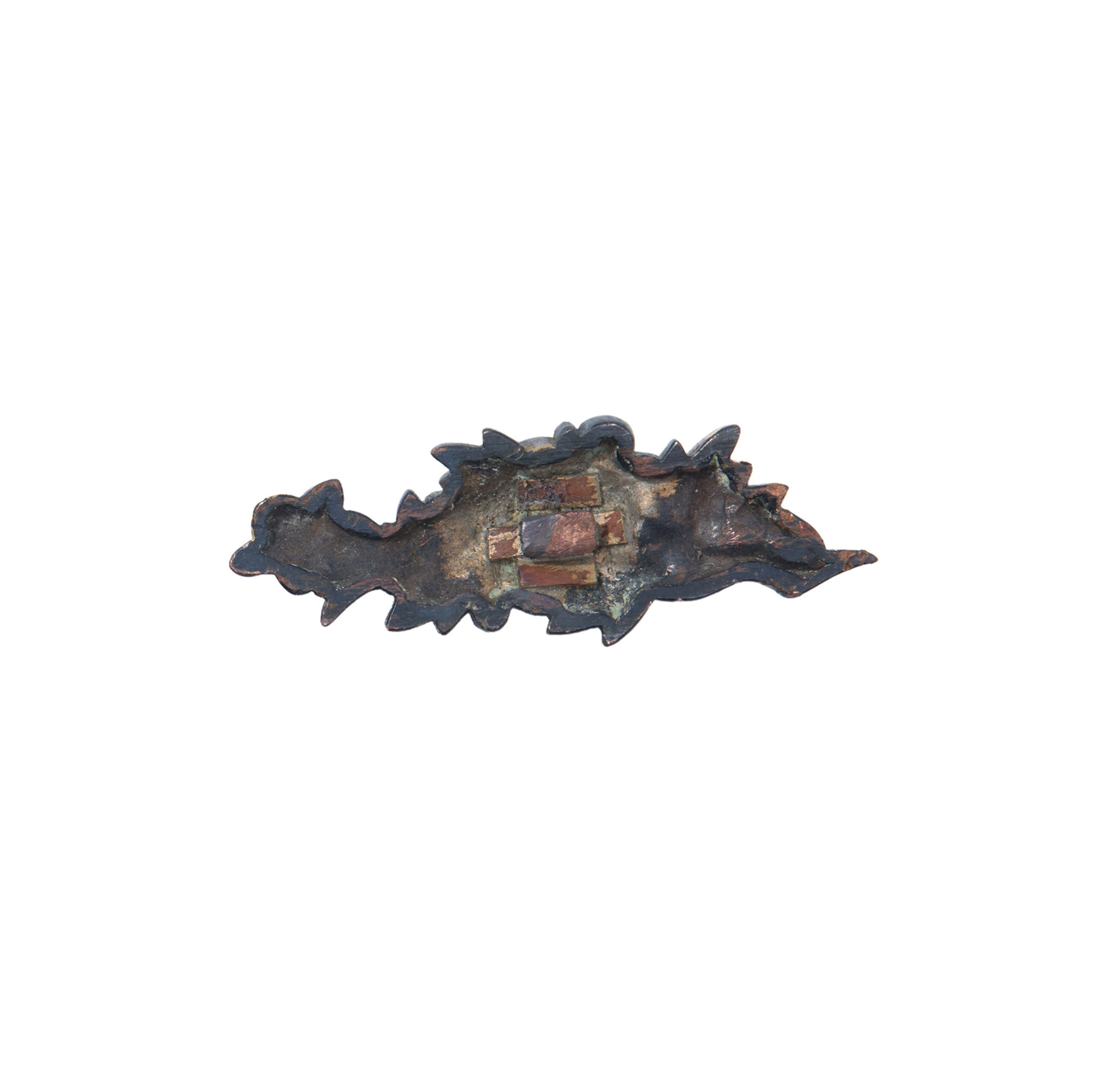
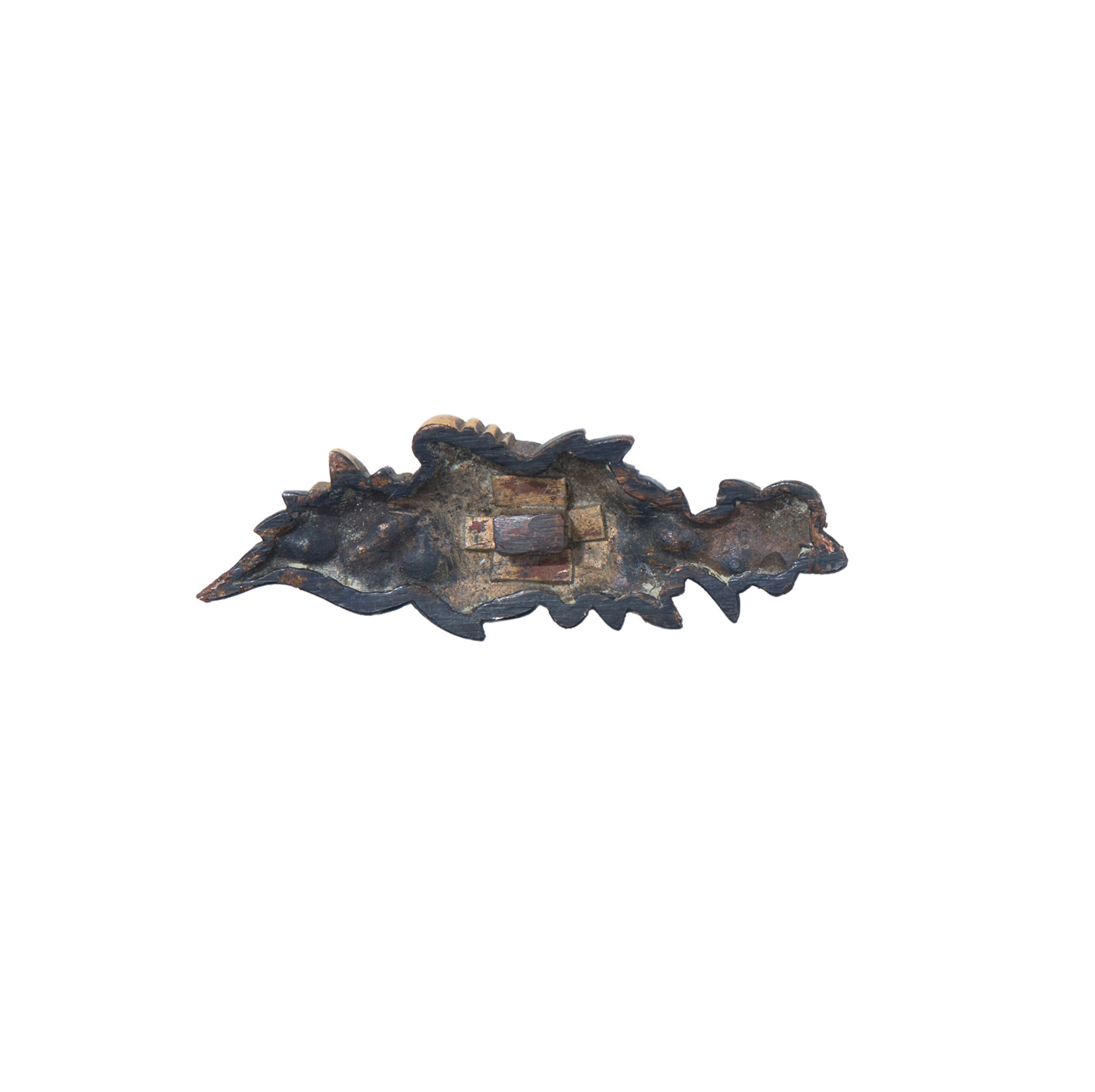
Kyo-kanagushi School
Edo
Unsigned
Kinko · Yamashiro
Returns/exchanges limited to defects caused by shipping (except willful misconduct or gross negligence by the company); customers must contact within 72 hours of receiving the product.