 NihontoWatchNihontoWatch
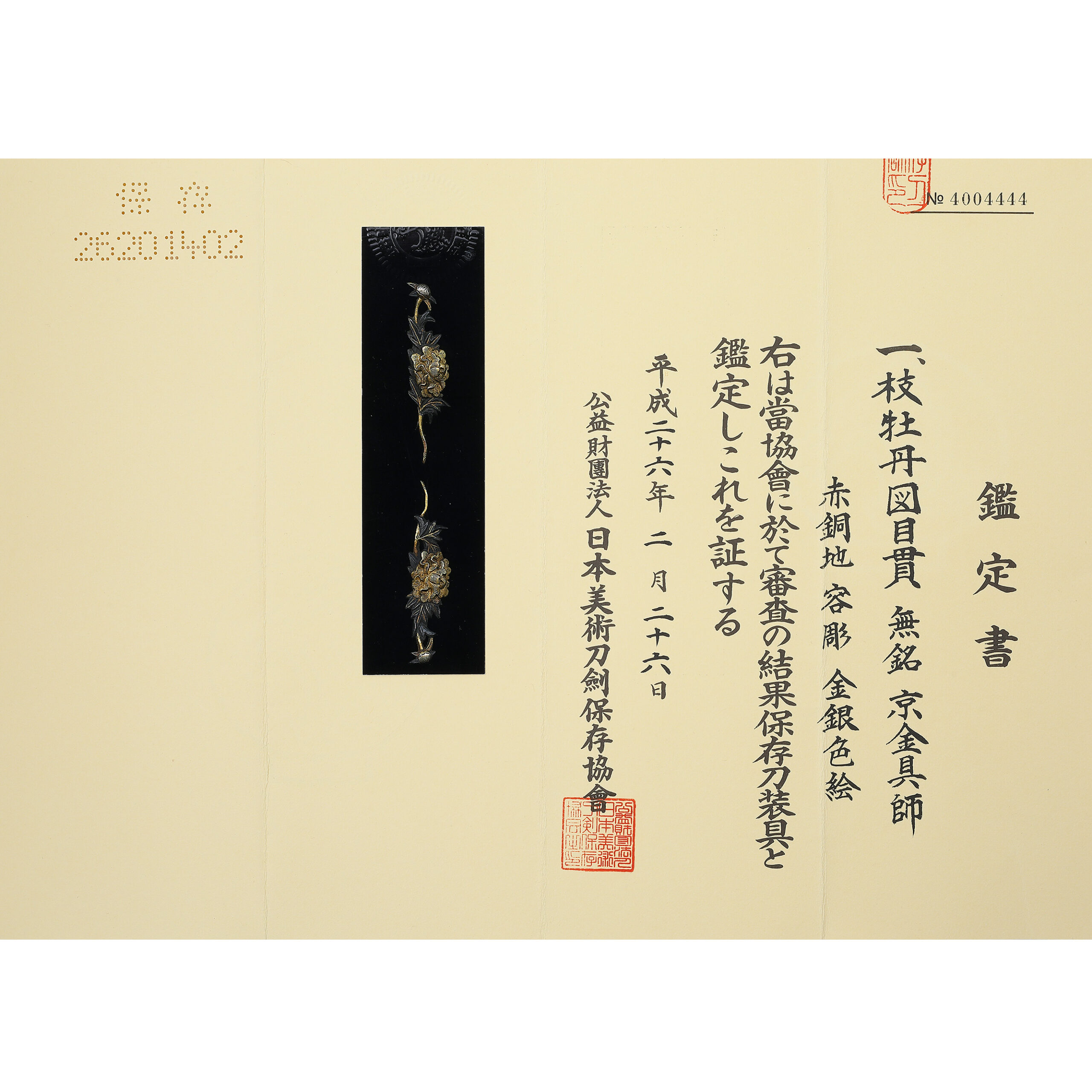
This Menuki is recognized by The Society for Preservation of Japanese Art Swords, which is known as NBTHK. According to the certificate, this Menuki is attributed to the work of Kyo Kanagu shi (京金具師). The Kyo Kanagu shi refers to a metal fitting craftsman living in Kyoto in the Edo period. They created a variety of metal fittings, including Tsubas and Menukis. Also, this Menuki is made from the Shakudou (赤銅), it is an alloy of copper and gold. This material has often been used for making sword mountings due to its properties. Also, the Shakudou gives the works elegant black color. On this Menuki, gold and silver overglaze paintings, called the Kin Gin Iro-e (金銀色絵), are also applied elegantly. The theme of this Menuki is the Eda Botan (枝牡丹, a branch of peony), which was also used as a family crest of regents regent family in the Edo period. The branch peony crest is a design in which a peony flower is centered, branches are extended to the left and buds are attached, and a leaf is folded. Peony has been called the “king of flowers.” Also, peony represents happiness, wealth, nobleness, and gorgeousness. This flower pattern has been treated as a kind of good-omen motif; people regarded it as a rich harvest sign. Peony is called “Botan” in Japanese. When we write this flower’s name in Japanese, its second letter means mountain hermit medicine that would give us eternal youth. Based on the meaning of this letter, the peony pattern symbolizes eternal youth and longevity. A B Authentication Paper They authenticated the Menuki on February 26th in the 26th year of Heisei (2014). They appraised it as Hozon Tousougu, the Menuki worth preserving for Japanese society.
NihontoWatchKyo-kanagushi School京金具師派
Offered by Samurai Museum
This piece has sold
Get an email when new Kyo-kanagushi School work hits the market.

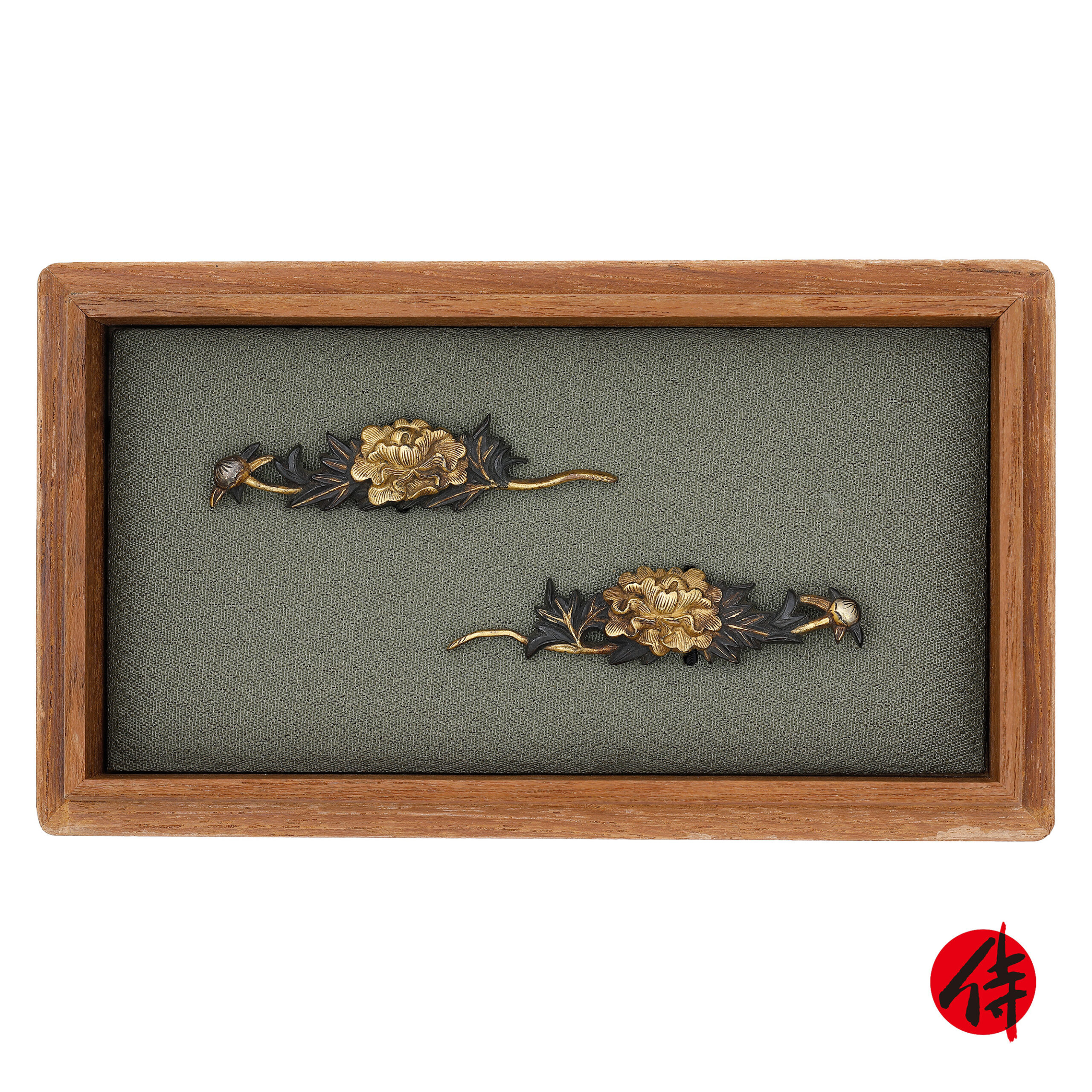
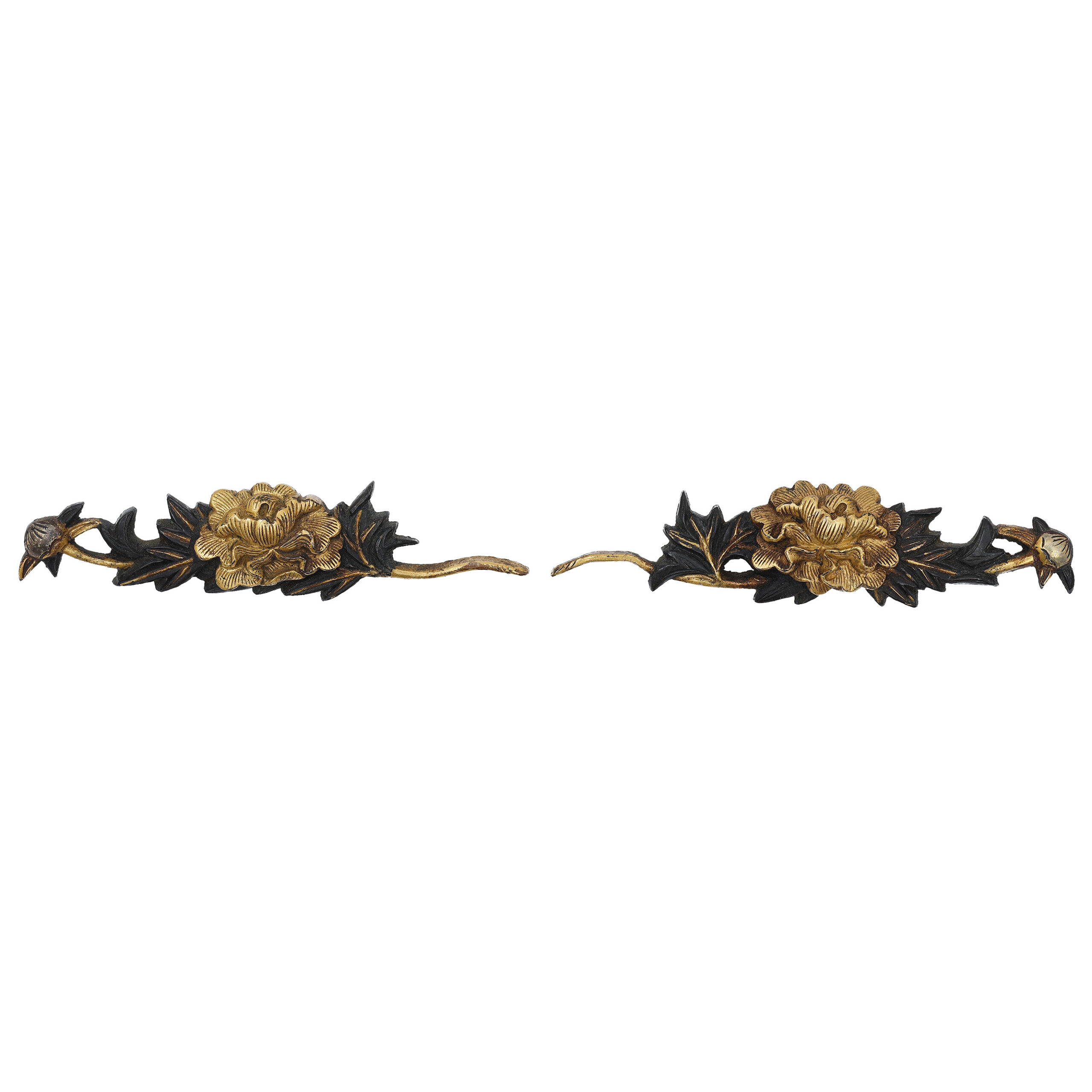
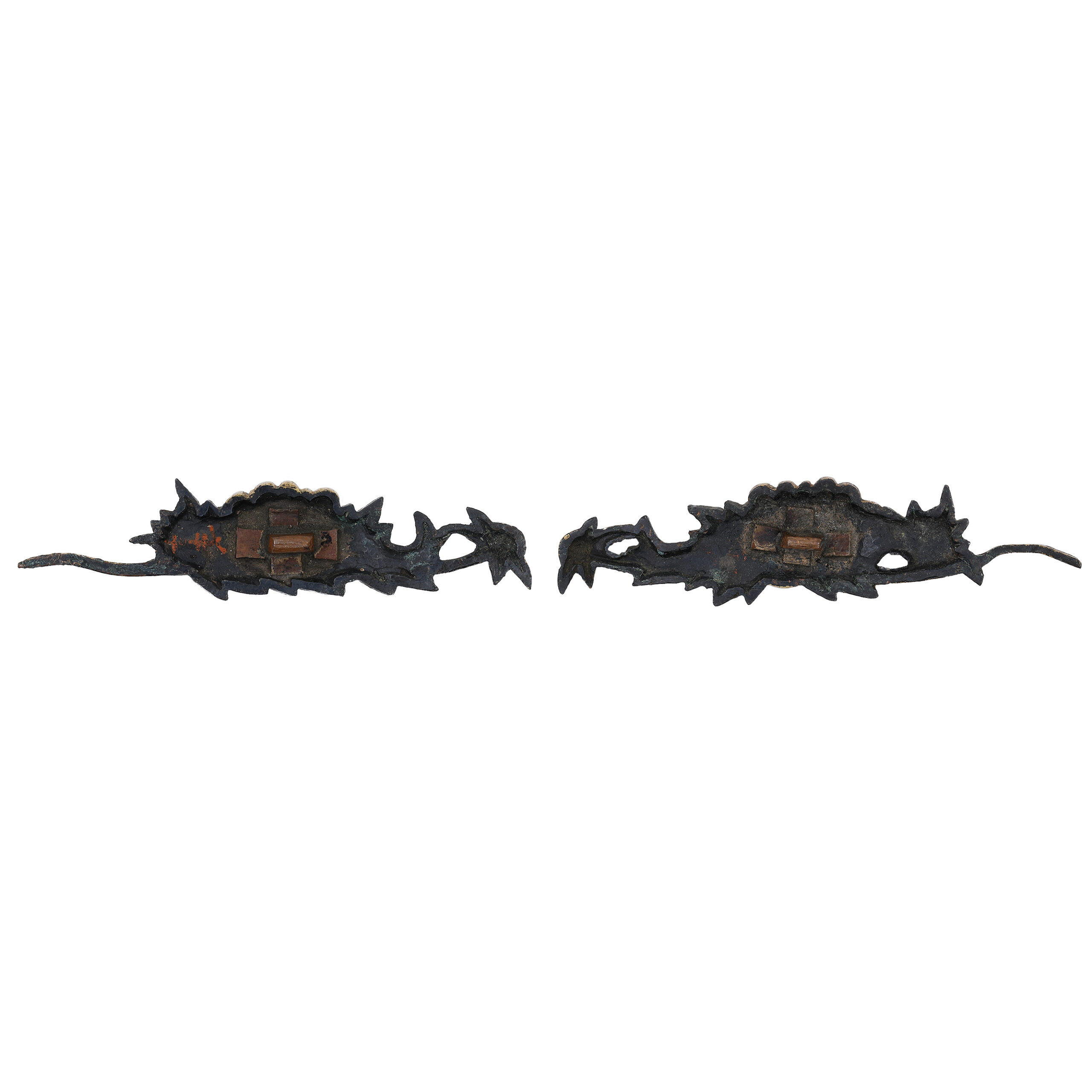
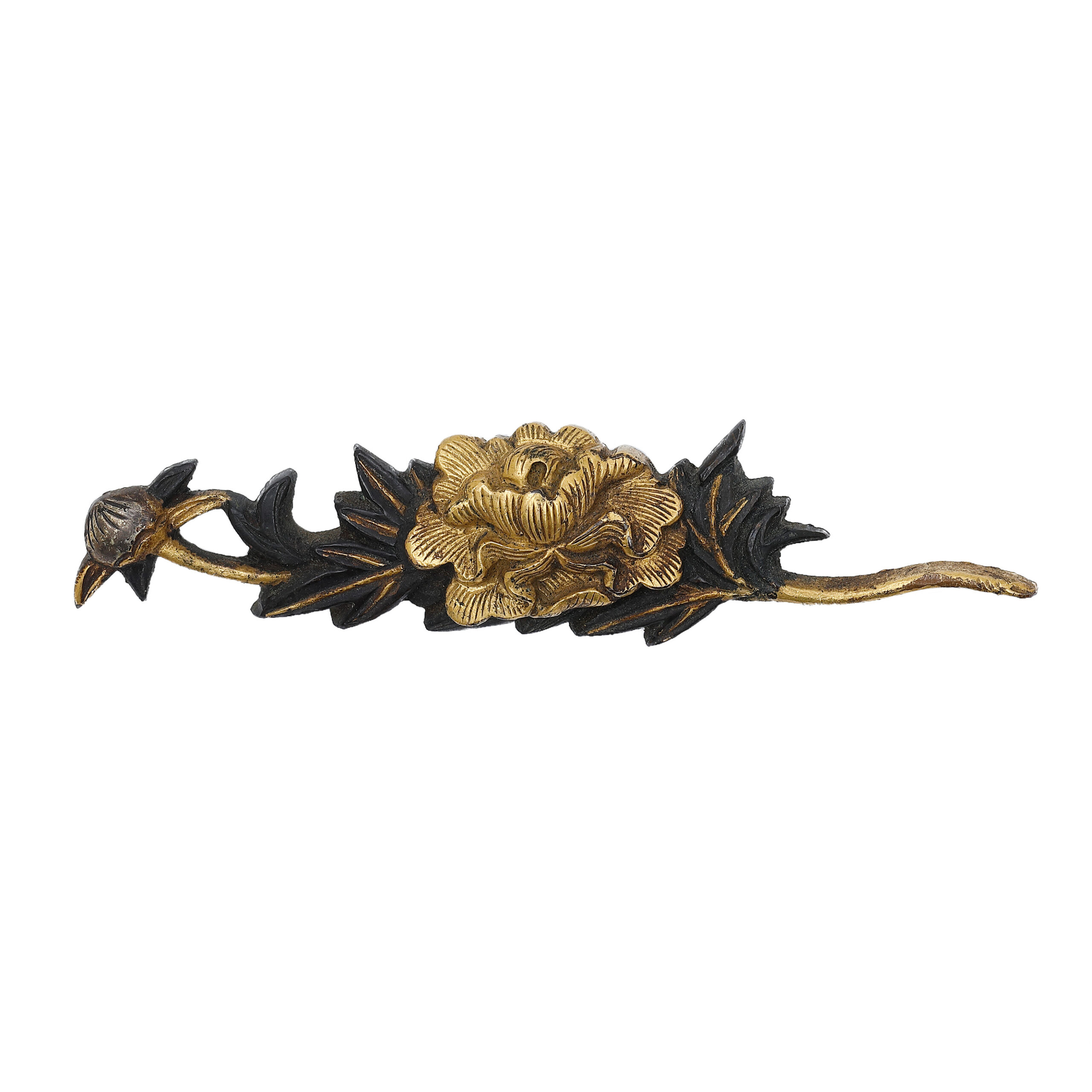
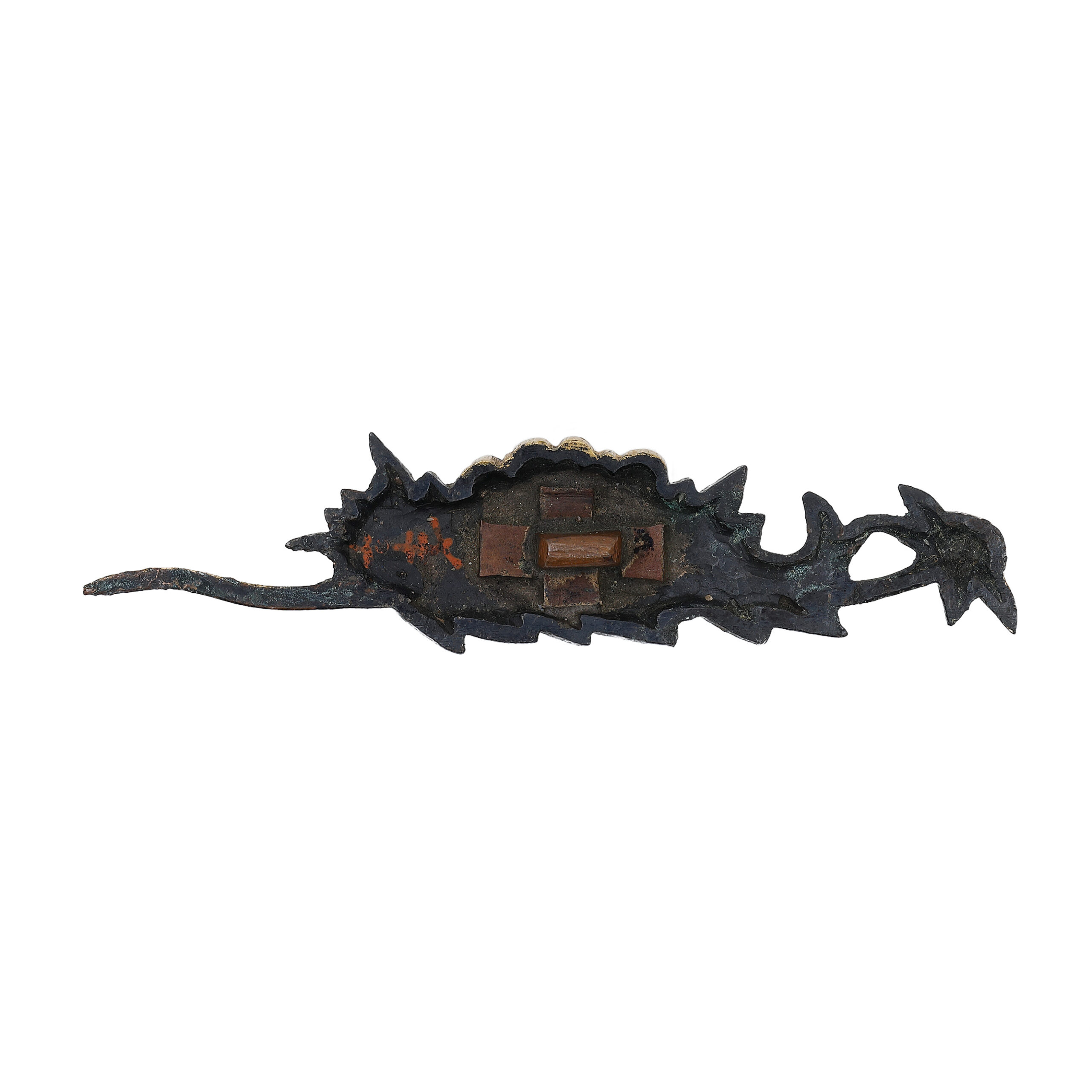
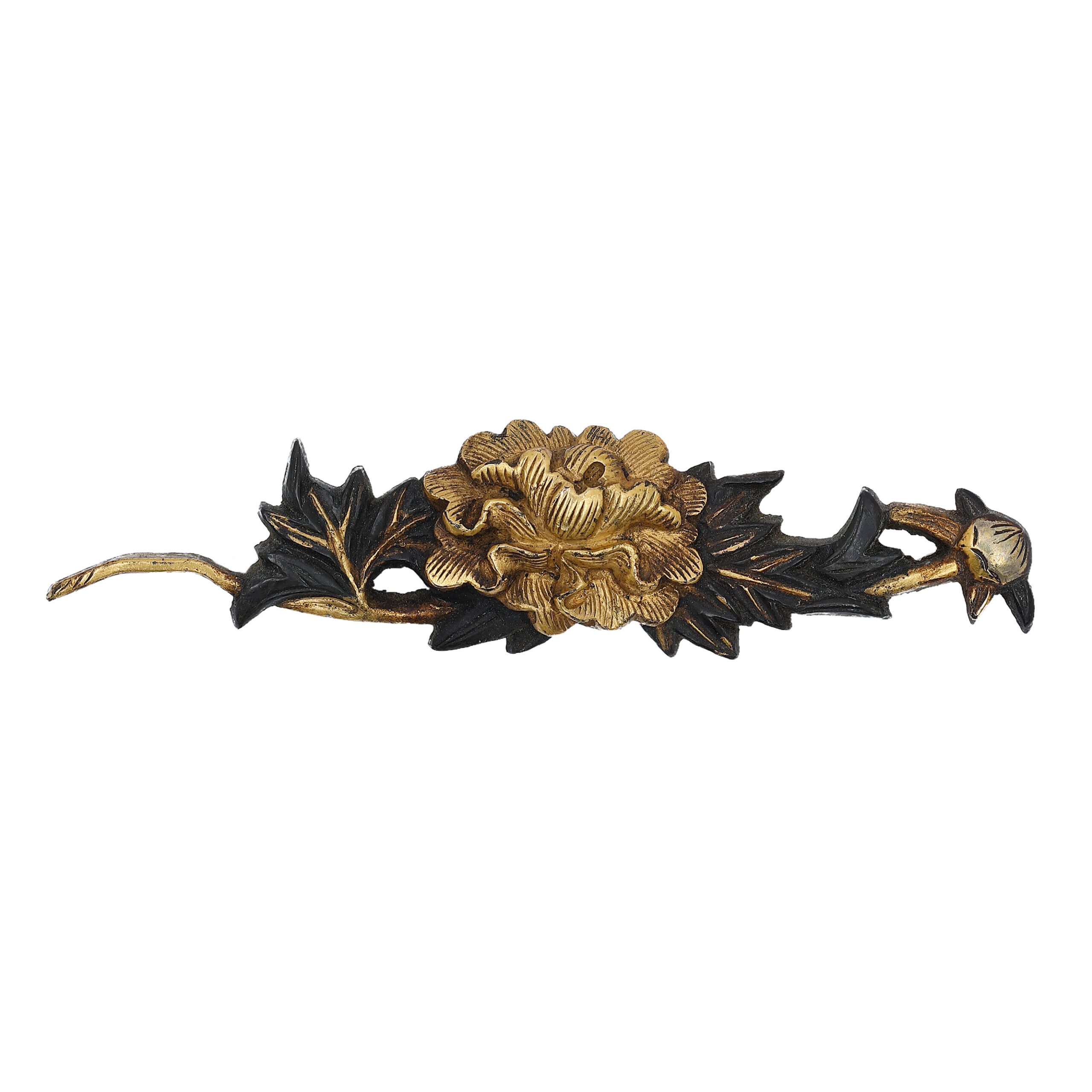
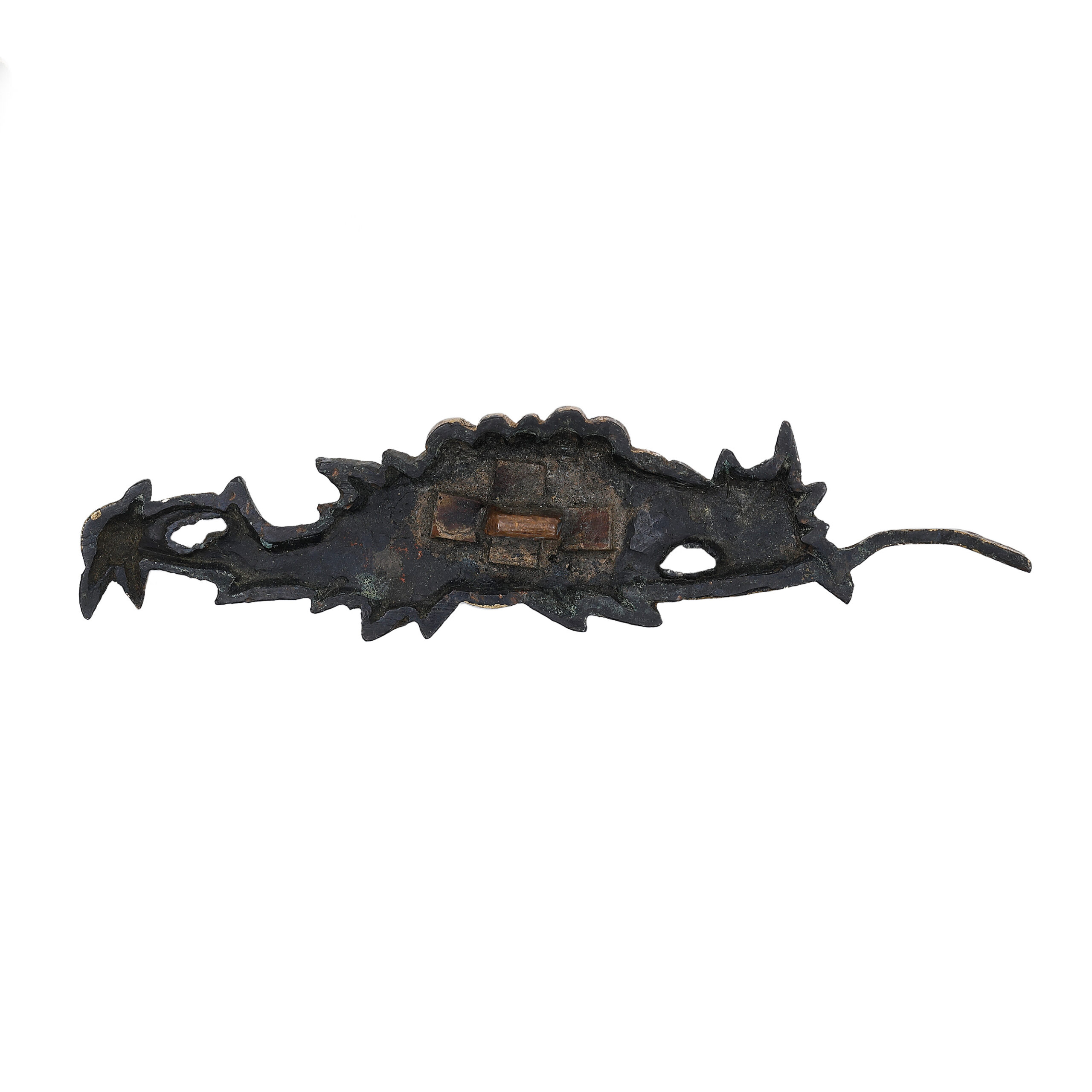
Kyo-kanagushi School
Edo
Kyoto
Unsigned
Hozon (NBTHK)
Kinko · Yamashiro
Certifies a genuine fitting worth preserving: a correct signature, or, if unsigned, an identifiable era and school, with recognized artistic and craft value.
The NBTHK (Nihon Bijutsu Tōken Hozon Kyōkai, the Society for the Preservation of Japanese Art Swords) is a public-interest incorporated foundation founded in 1948 and supervised by Japan’s Agency for Cultural Affairs (Bunkachō); it is based at the Japanese Sword Museum in Tokyo. Its expert panels physically examine each submitted work (shinsa) and issue a certificate (kanteishō) ranking it by artistic and historical merit. NBTHK papers are the most widely recognized standard of authentication for Japanese swords and fittings.
NBTHK official siteReturns/exchanges limited to defects caused by shipping (except willful misconduct or gross negligence by the company); customers must contact within 72 hours of receiving the product.