The twentieth century nearly killed the craft twice: wartime distortion, then the occupation ban. The NBTHK’s founding in 1948 and licensed forging from 1953 rebuilt the sword as an art, crowned by Living National Treasures and the mukansa rank.
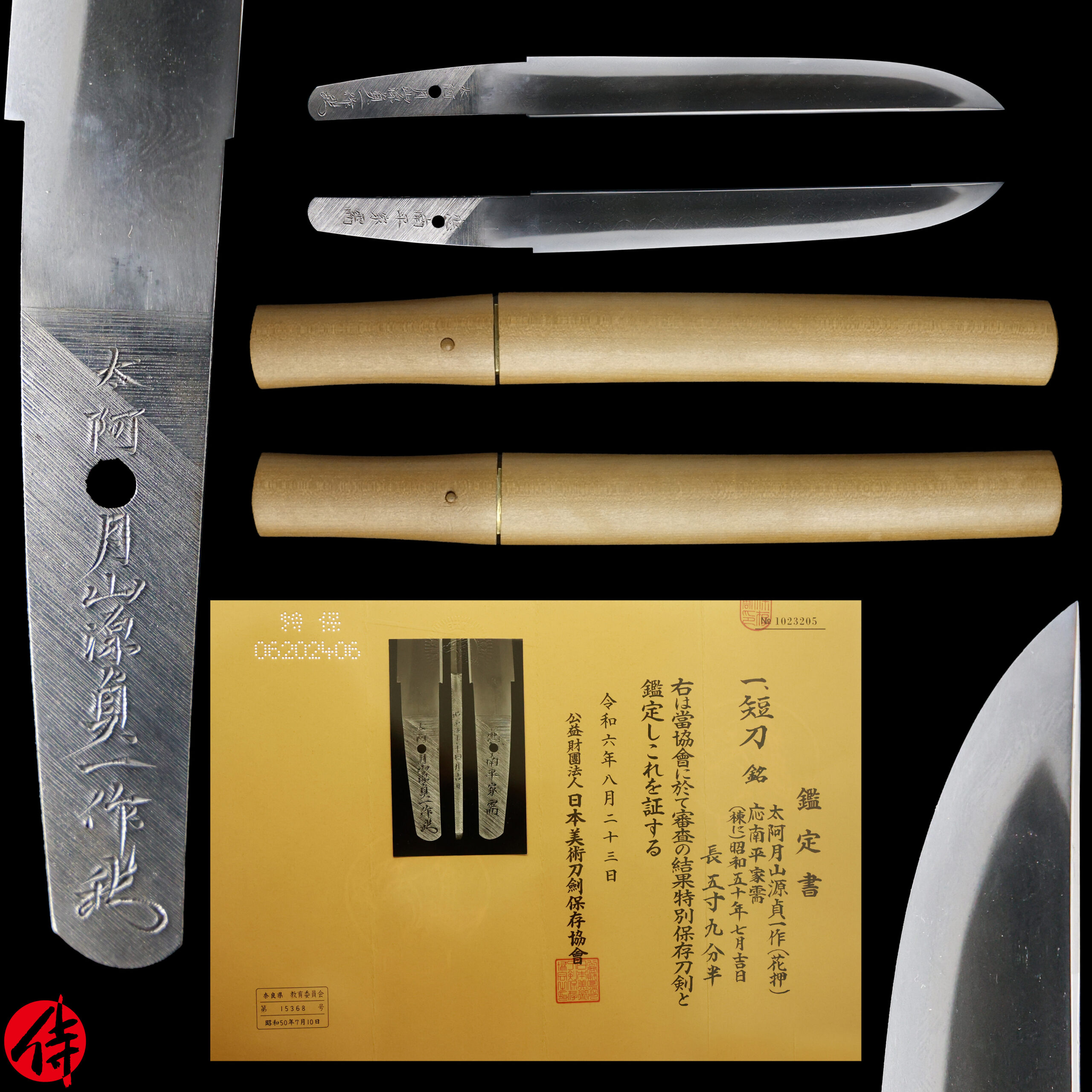
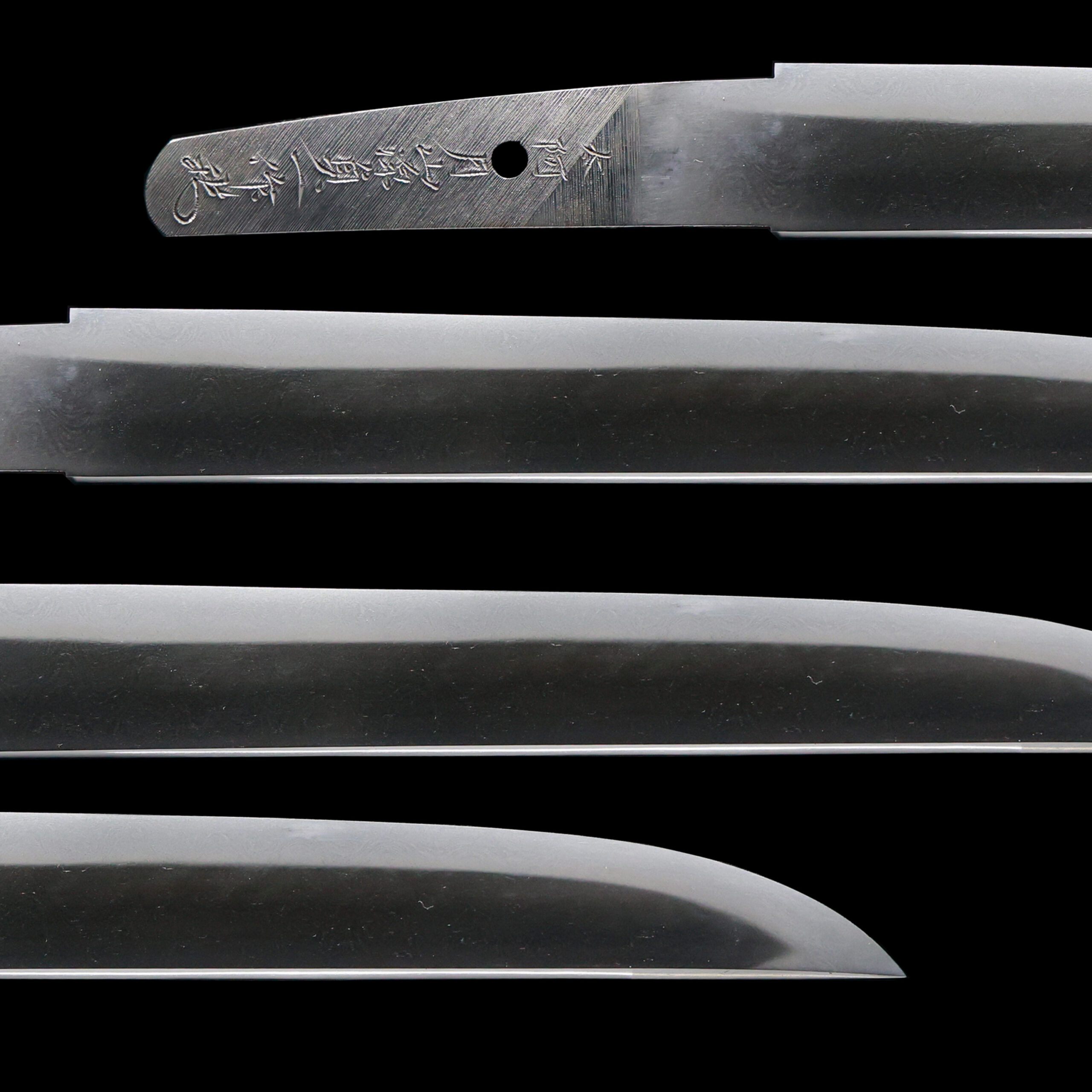
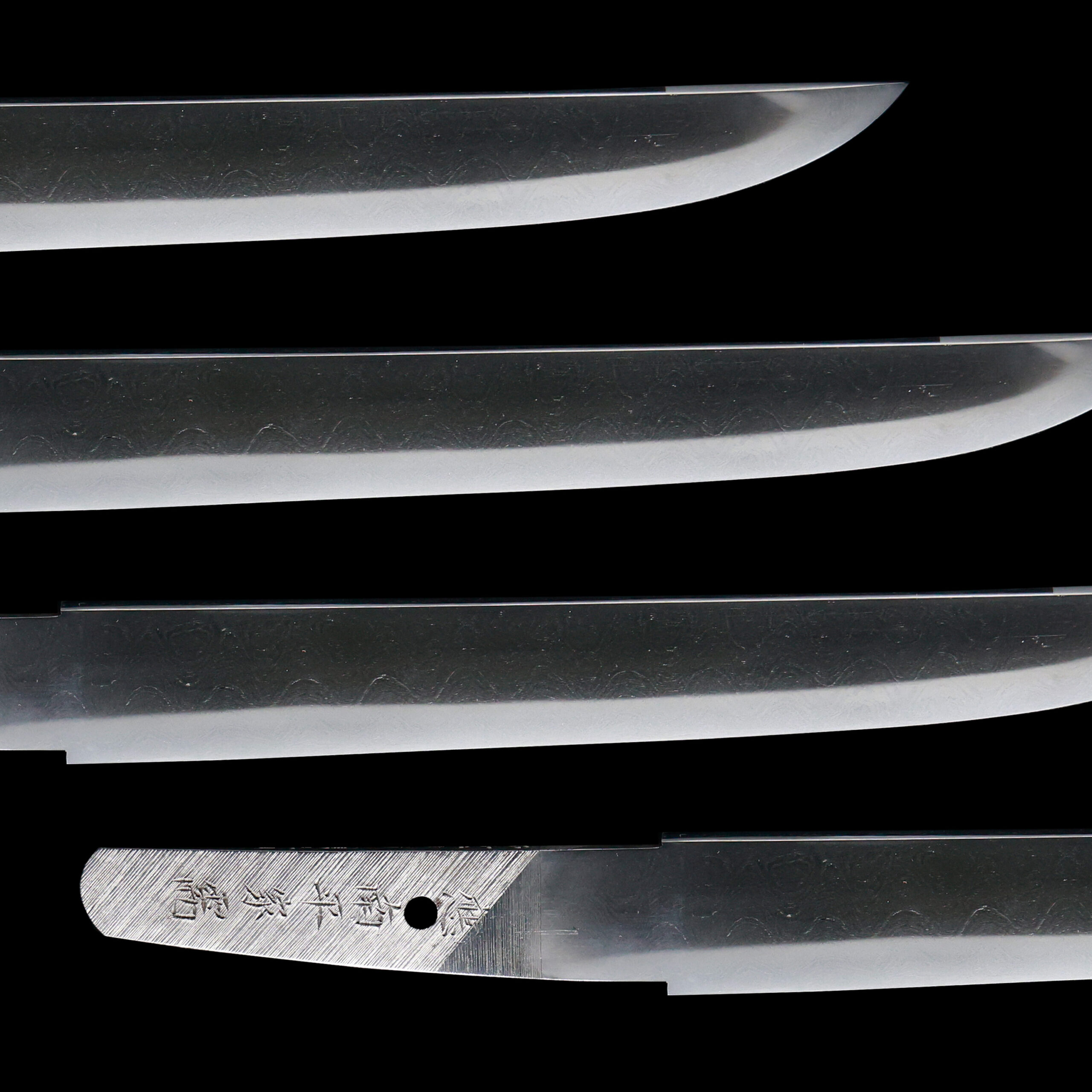
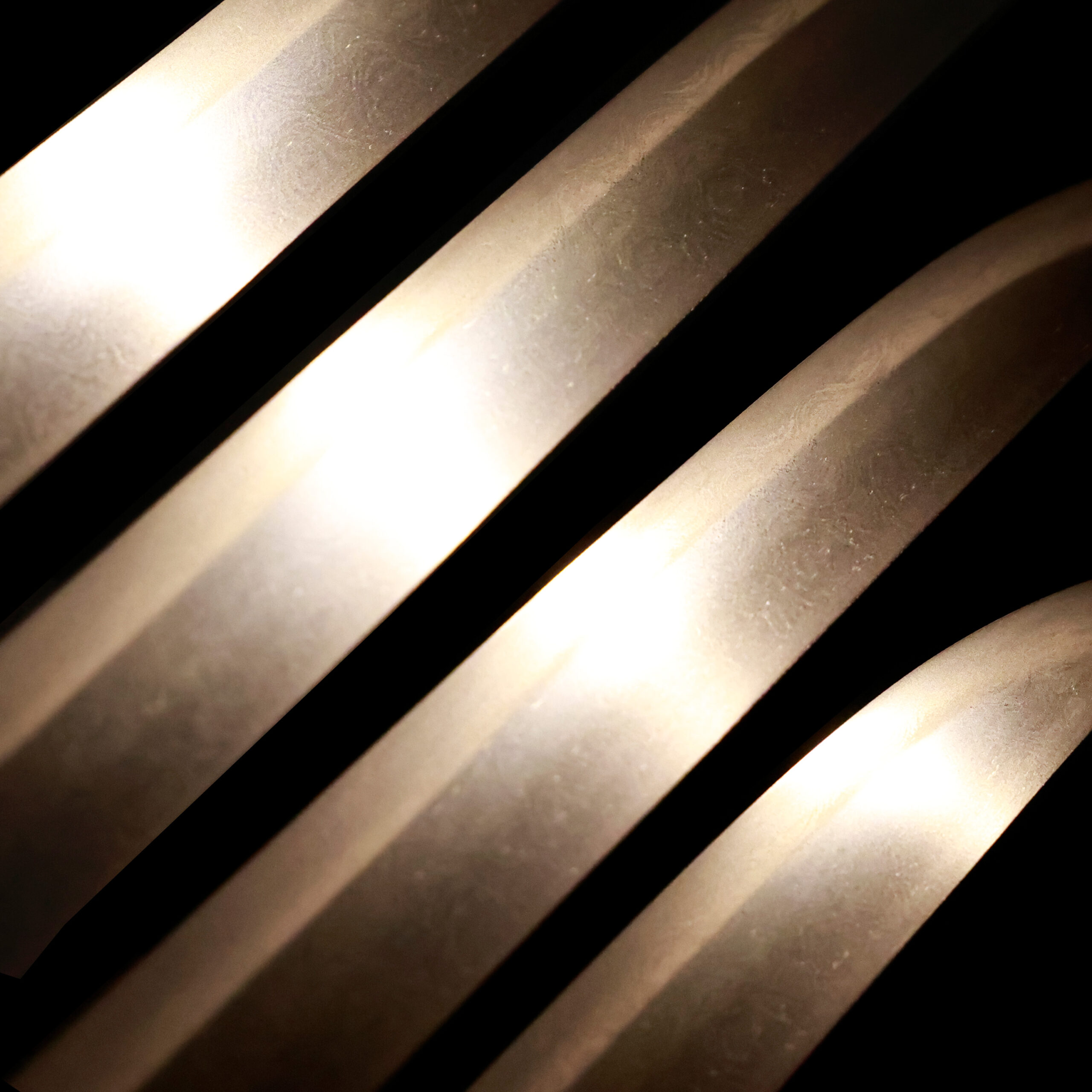
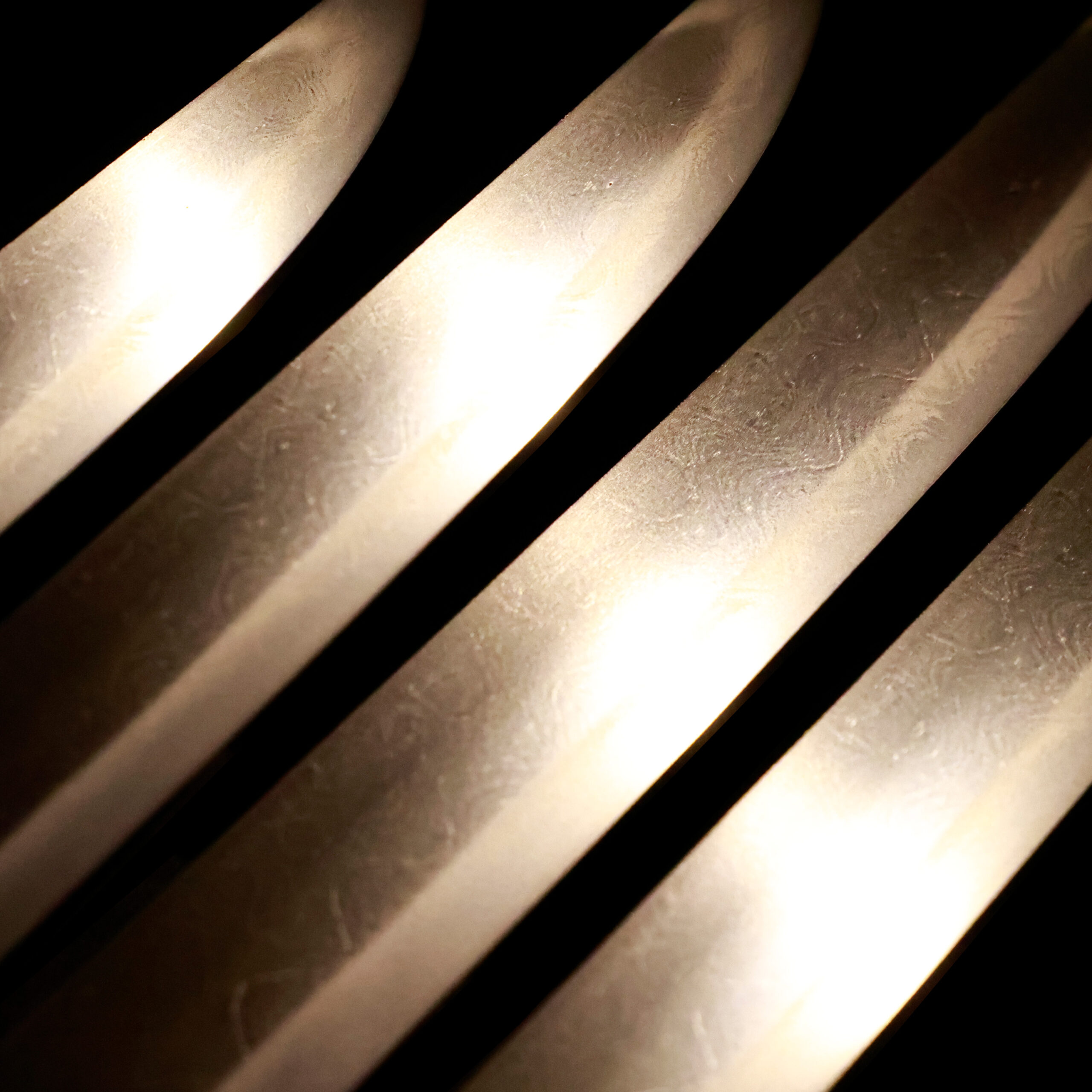
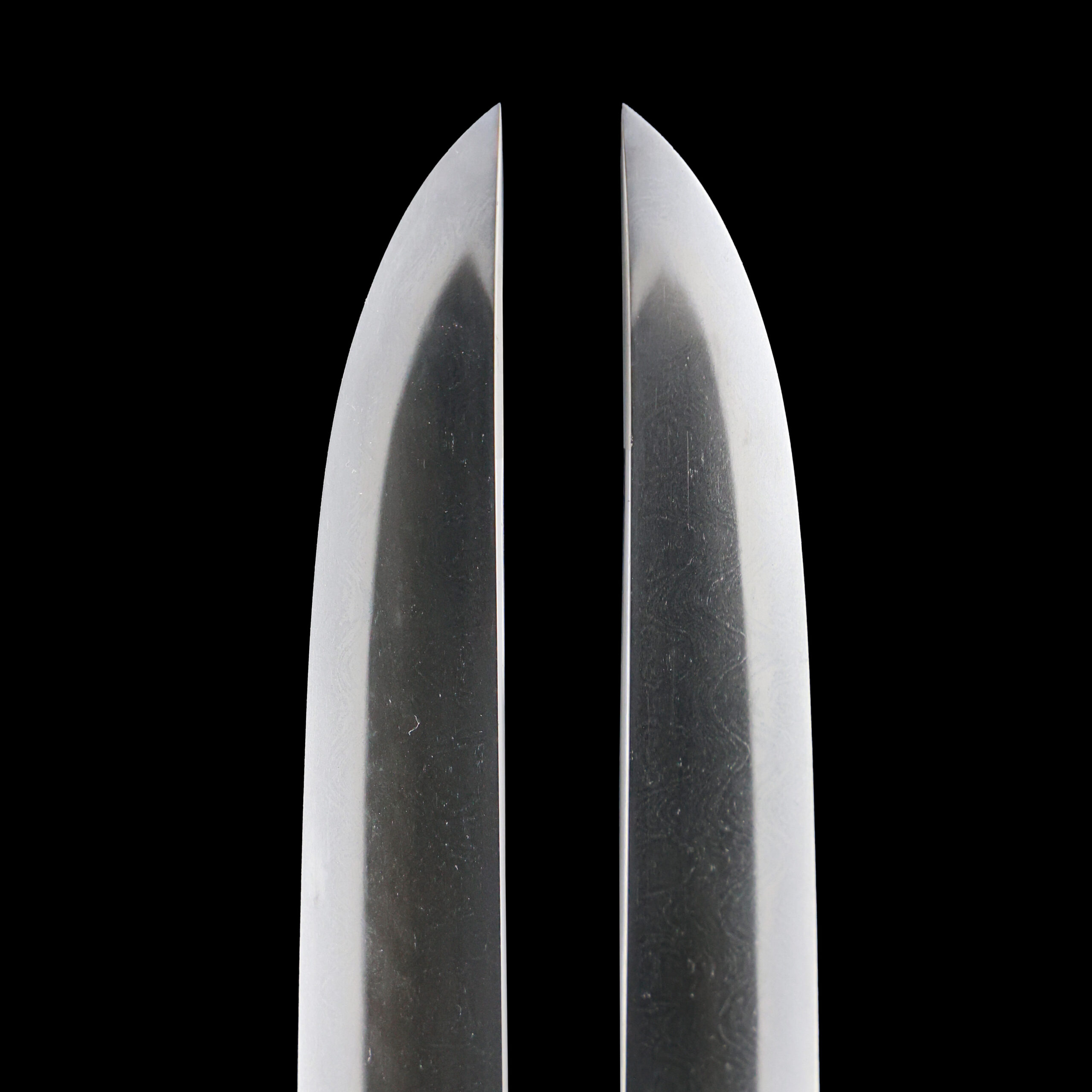
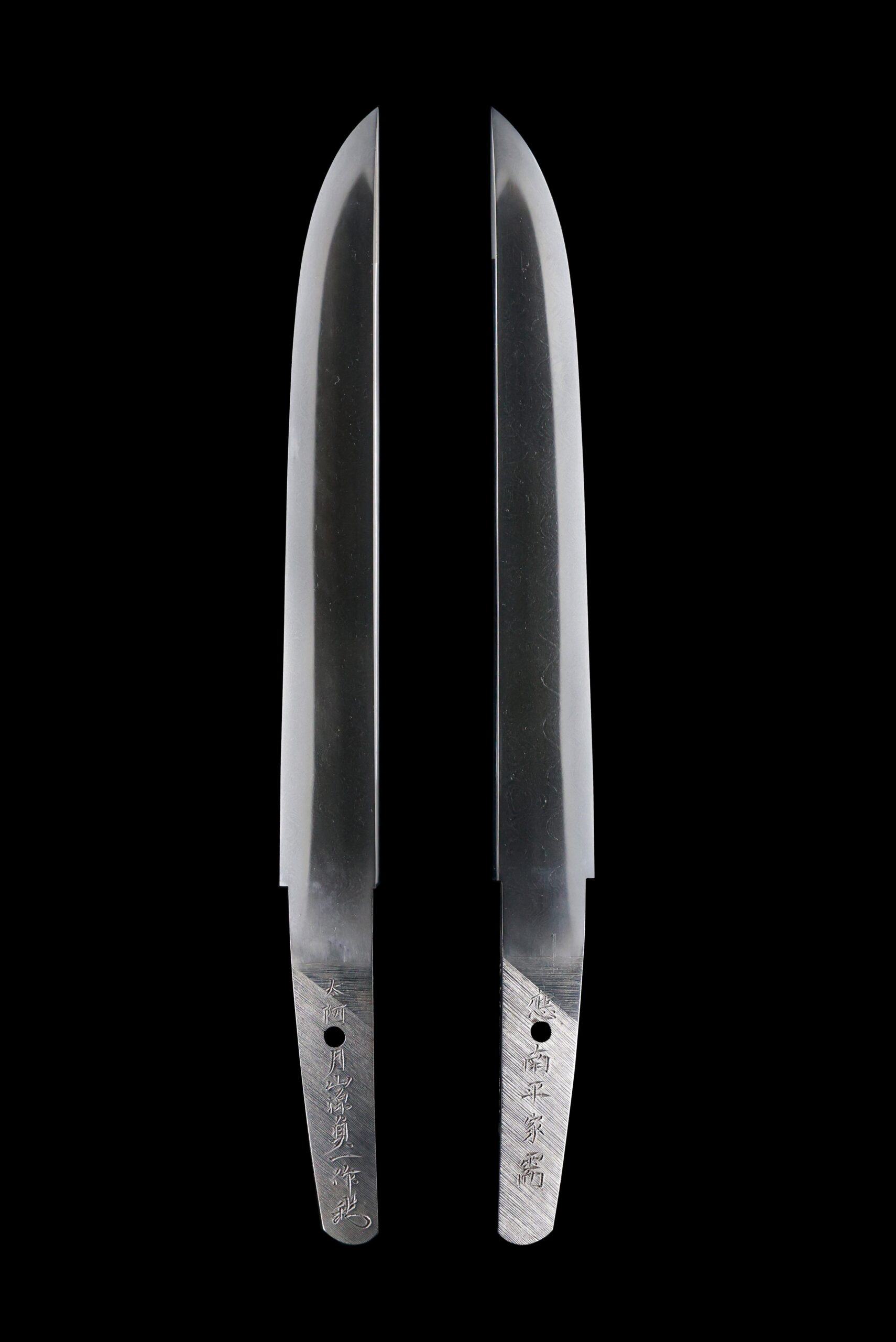
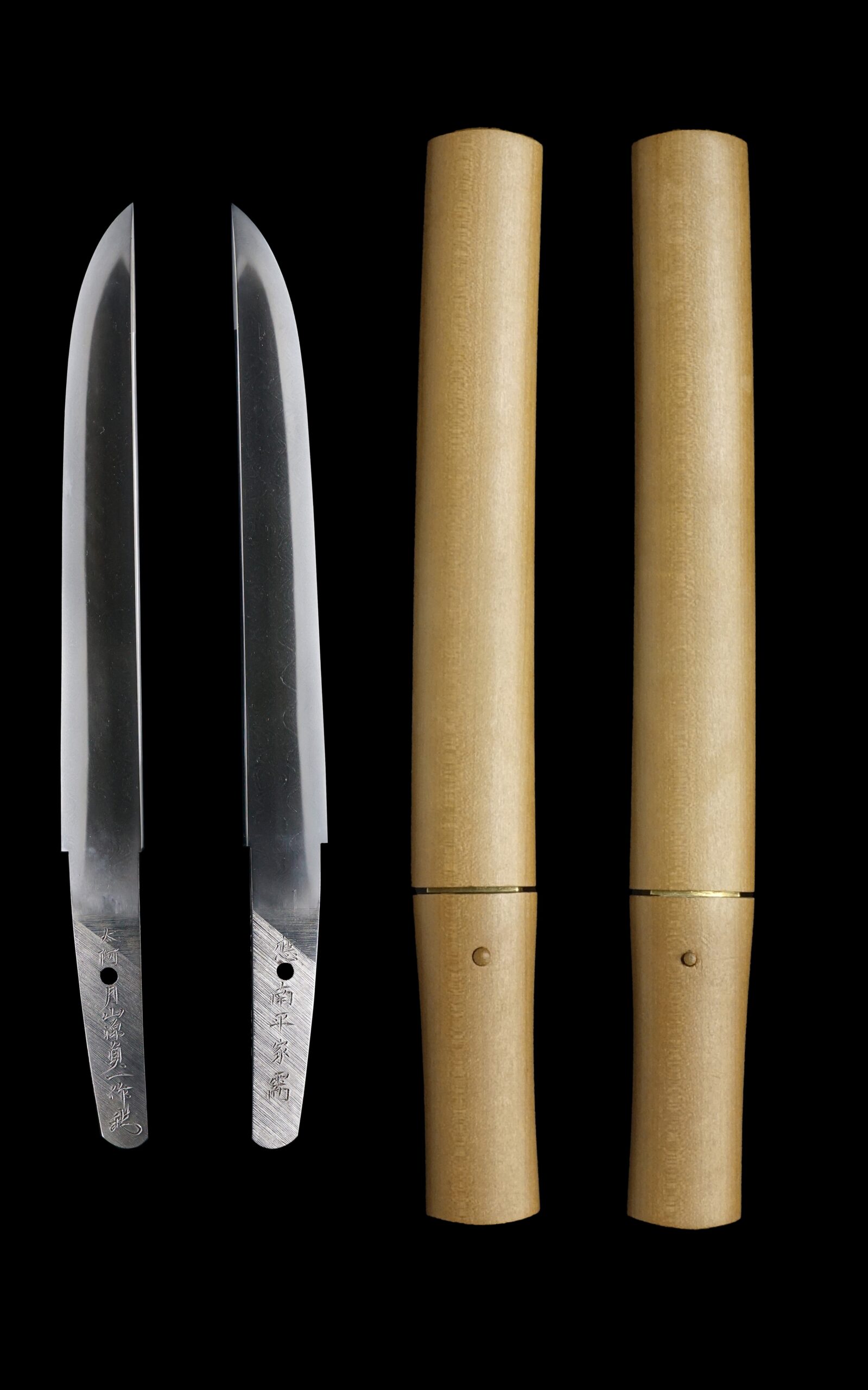
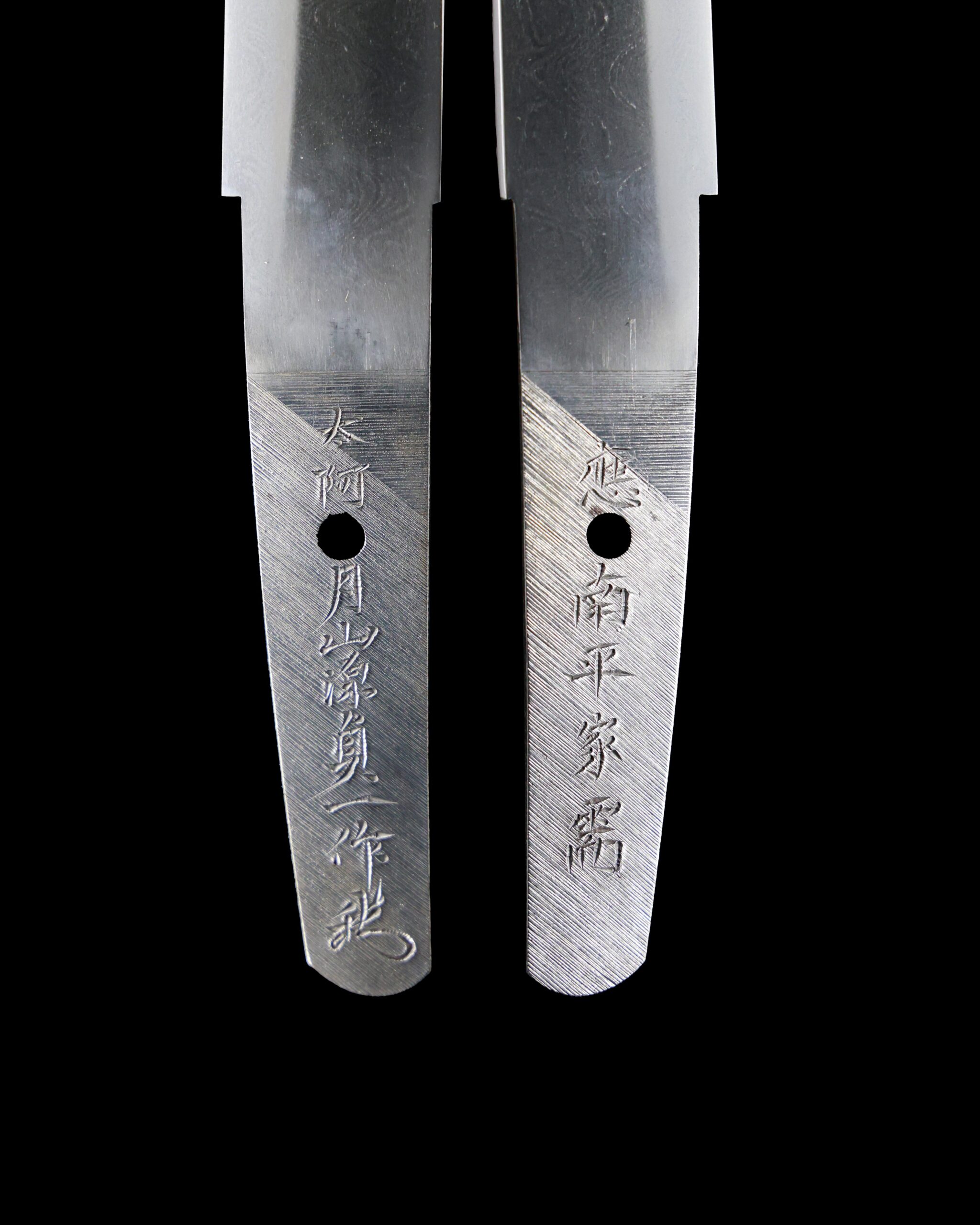
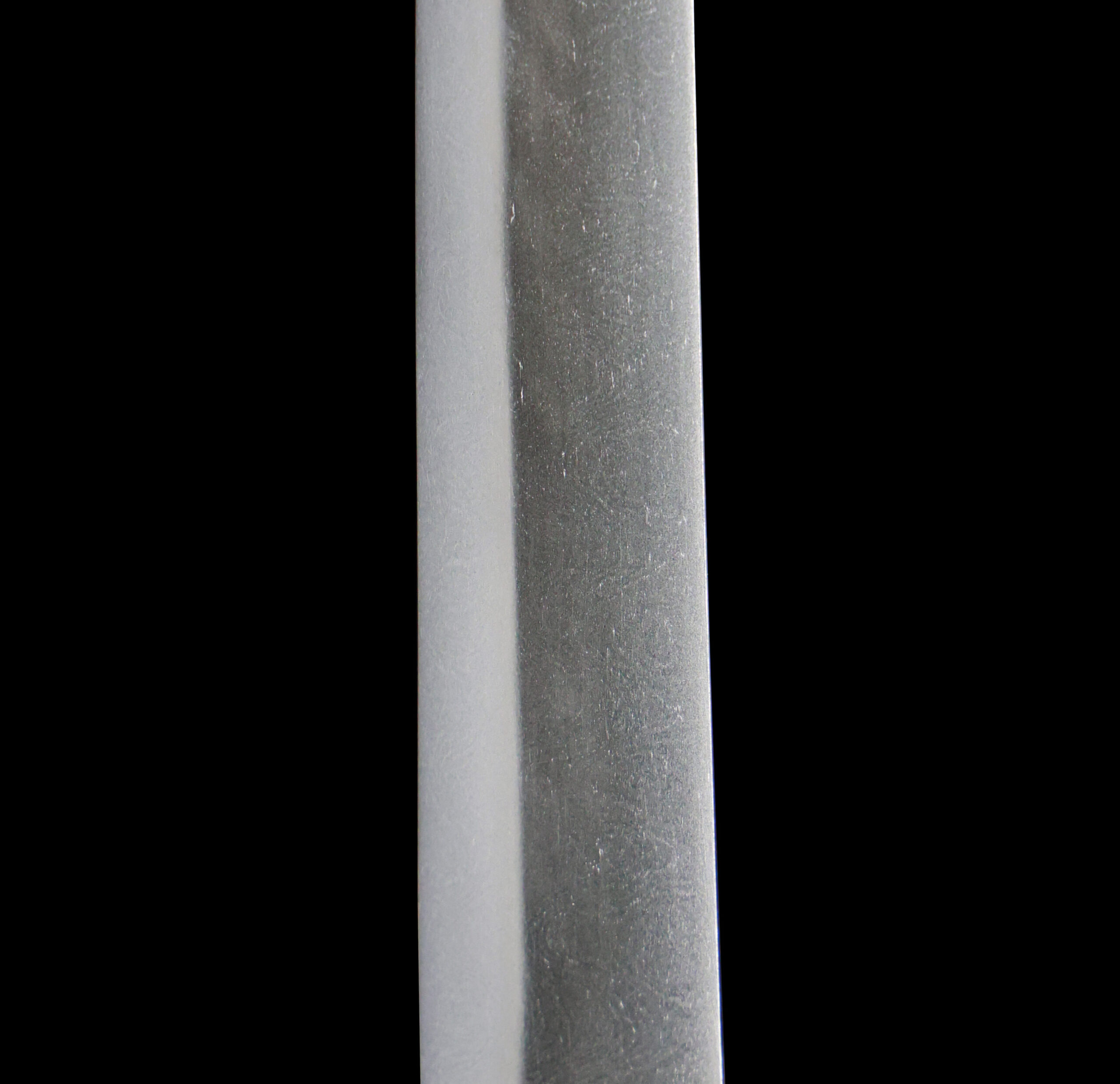
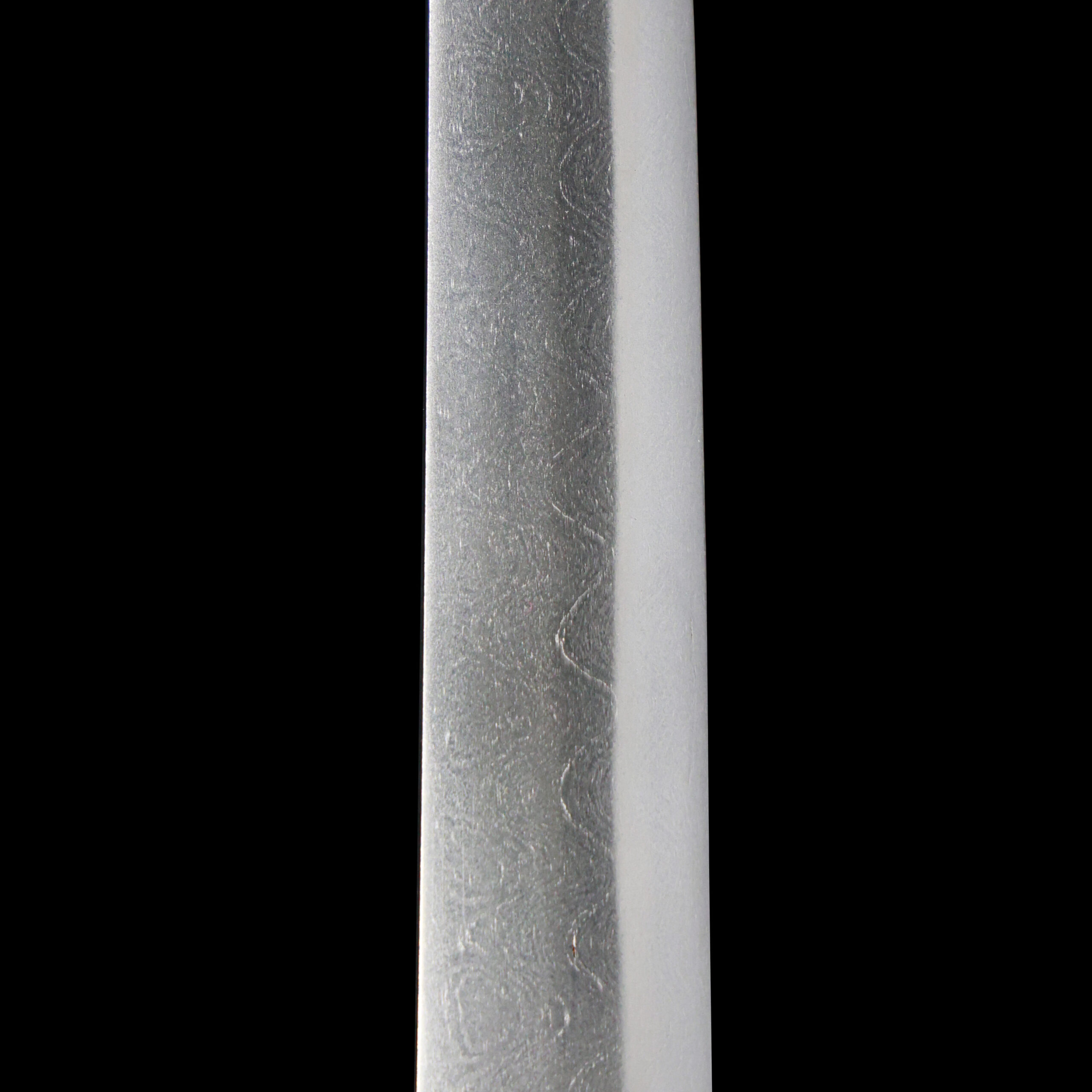
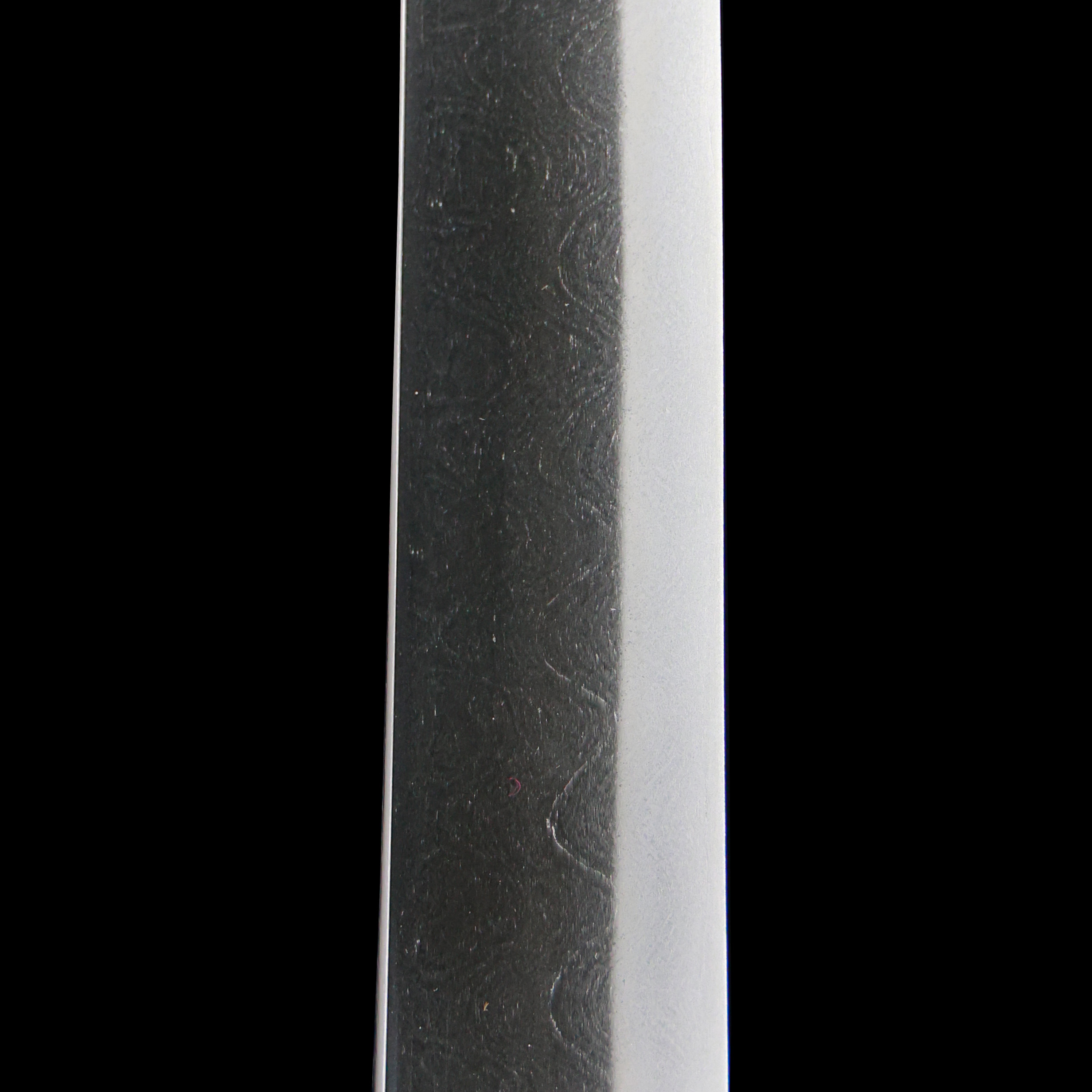
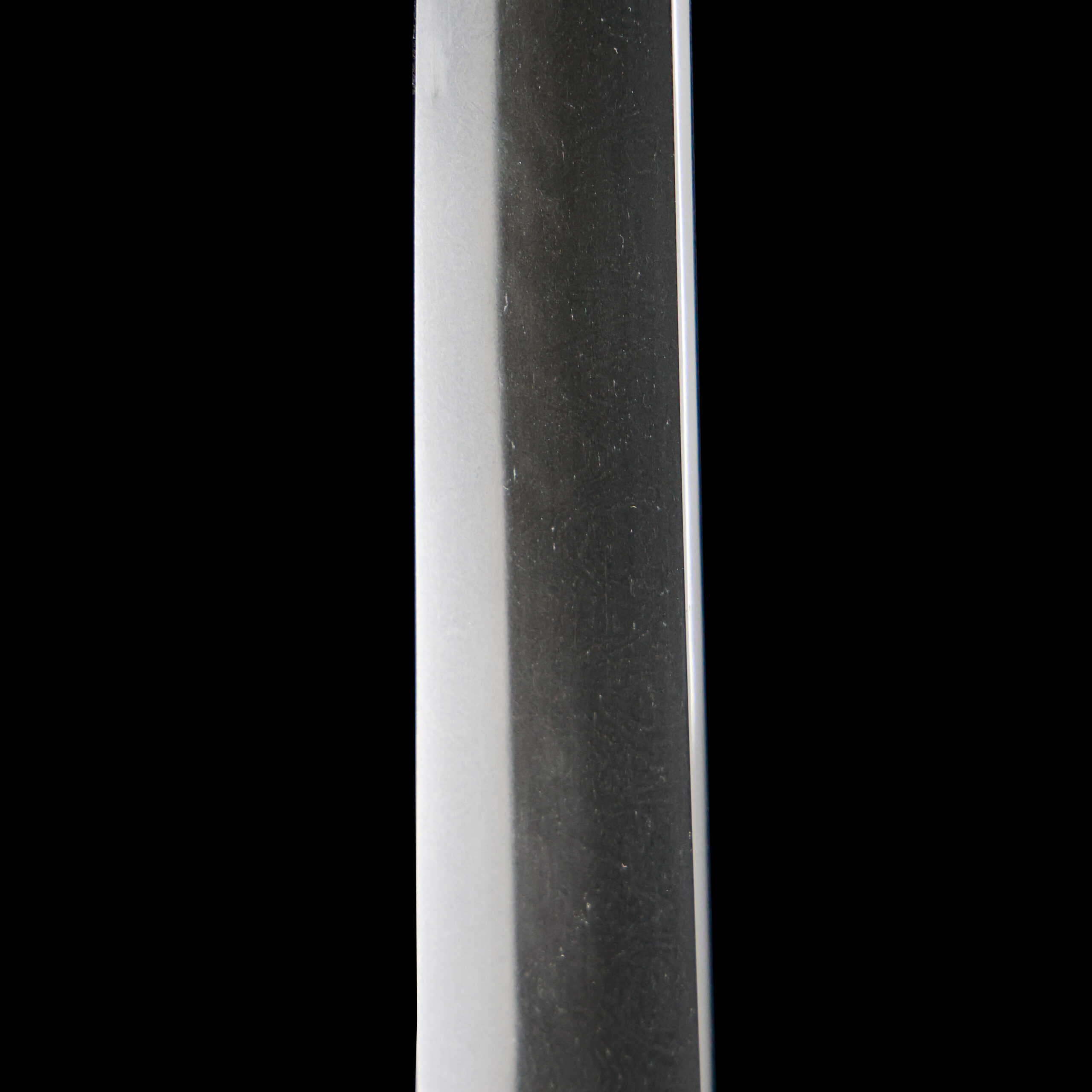
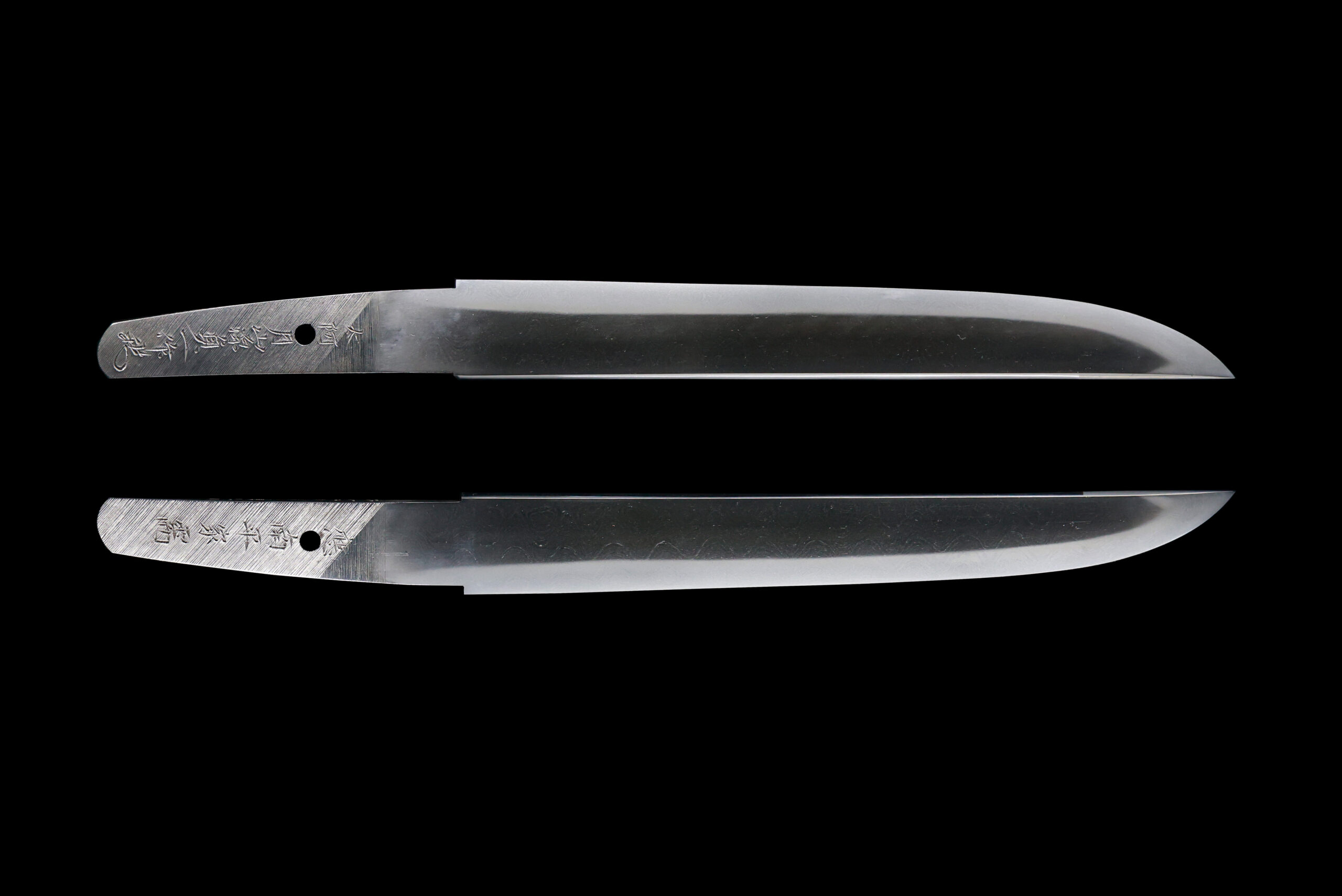
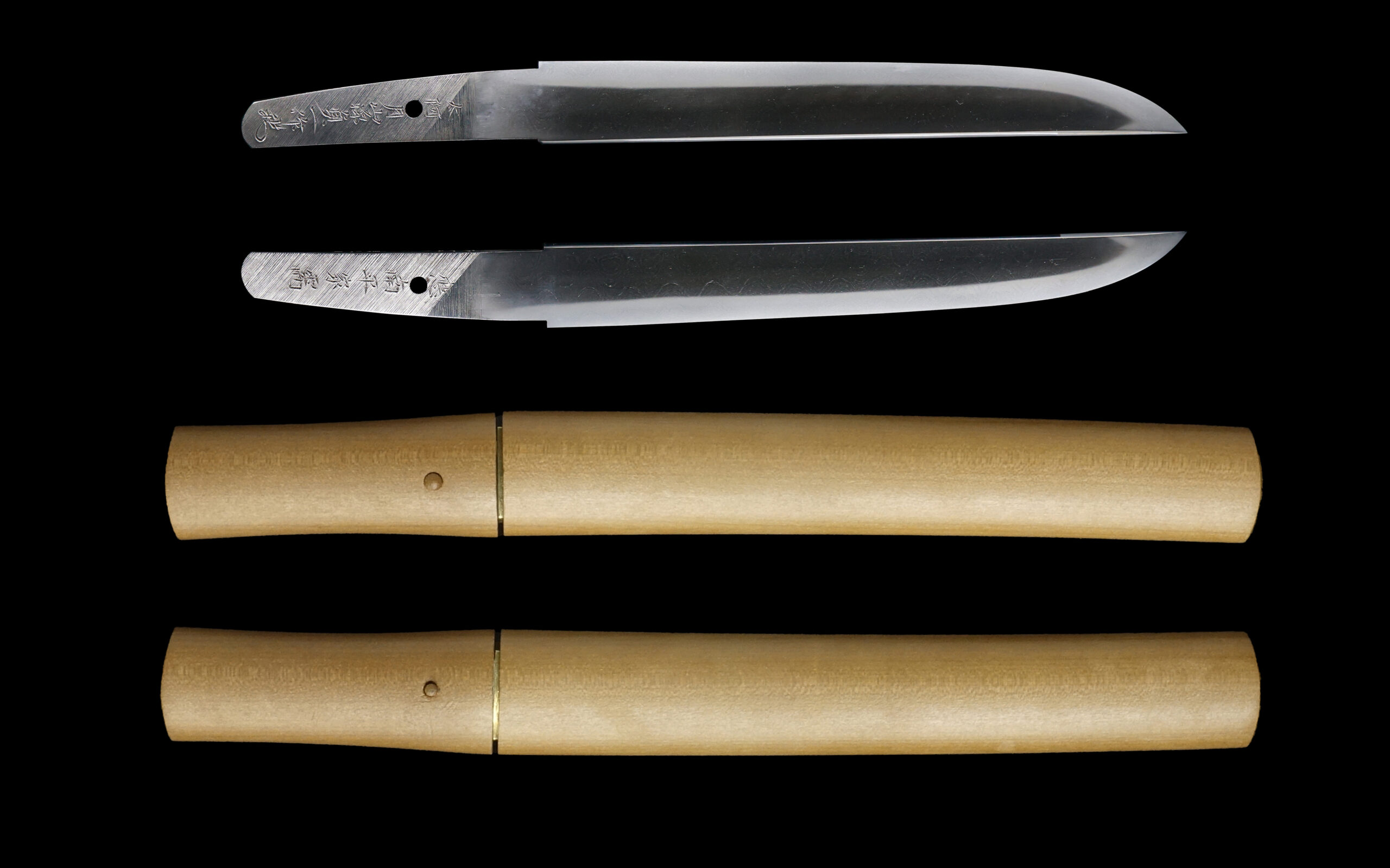
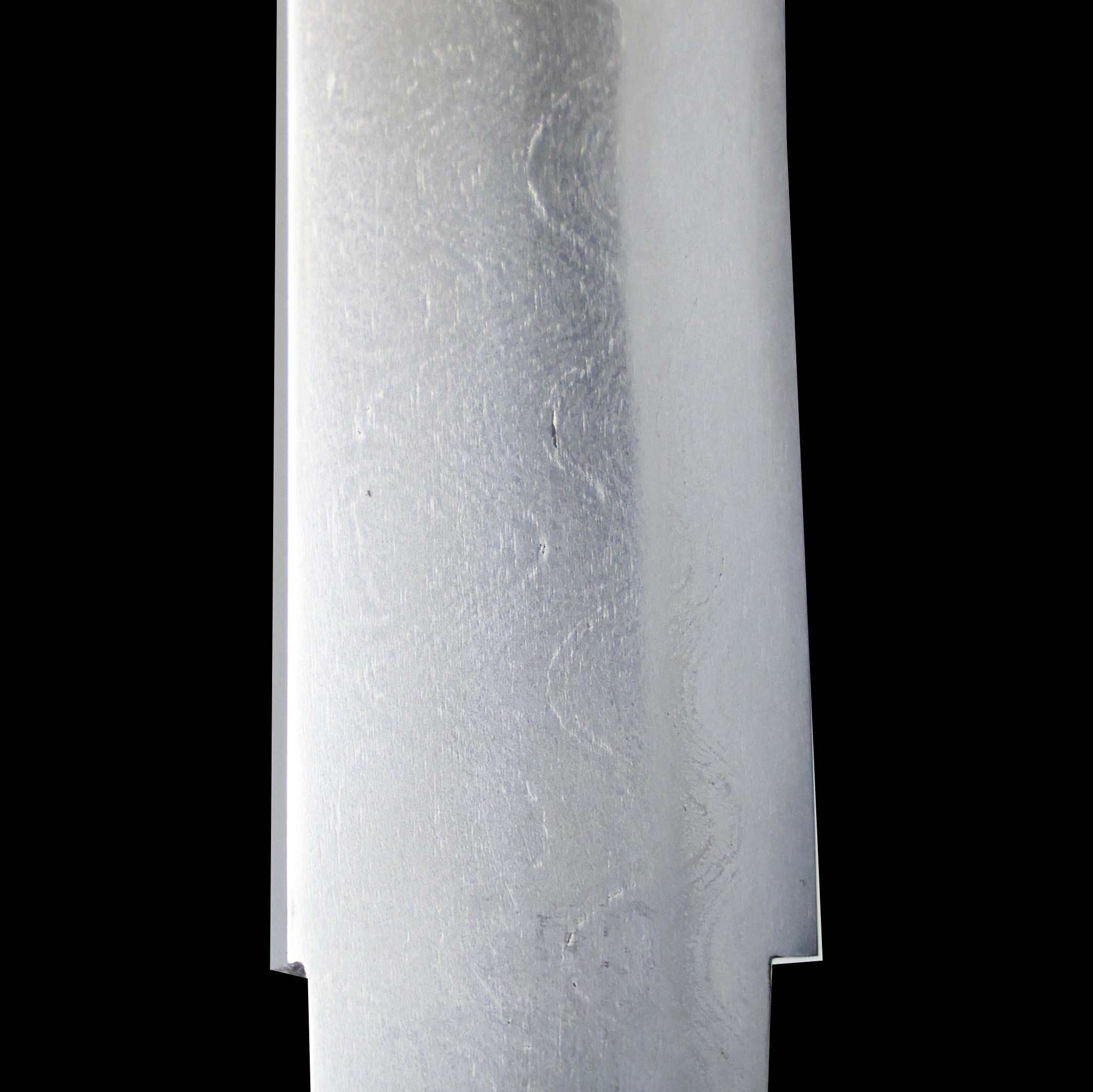
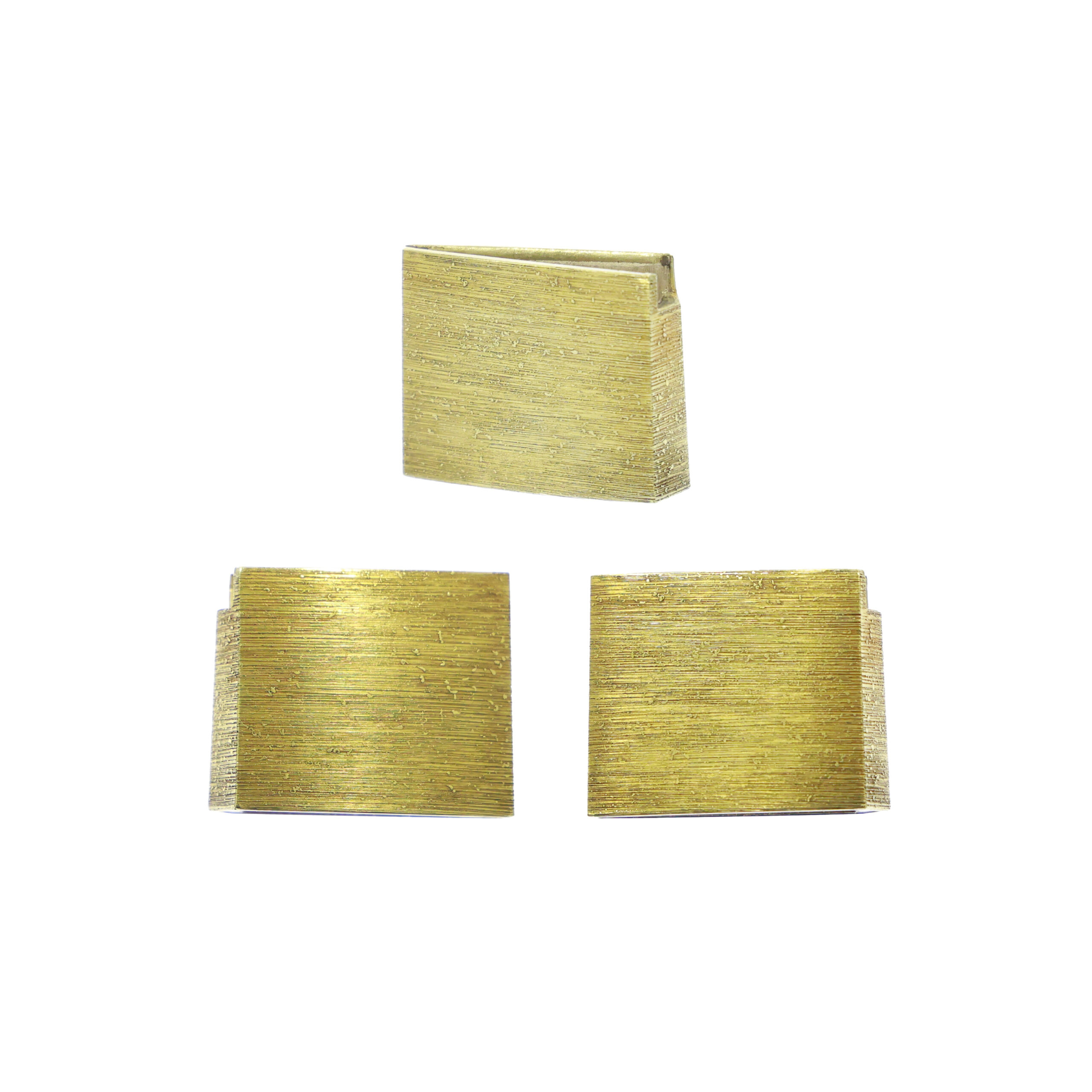
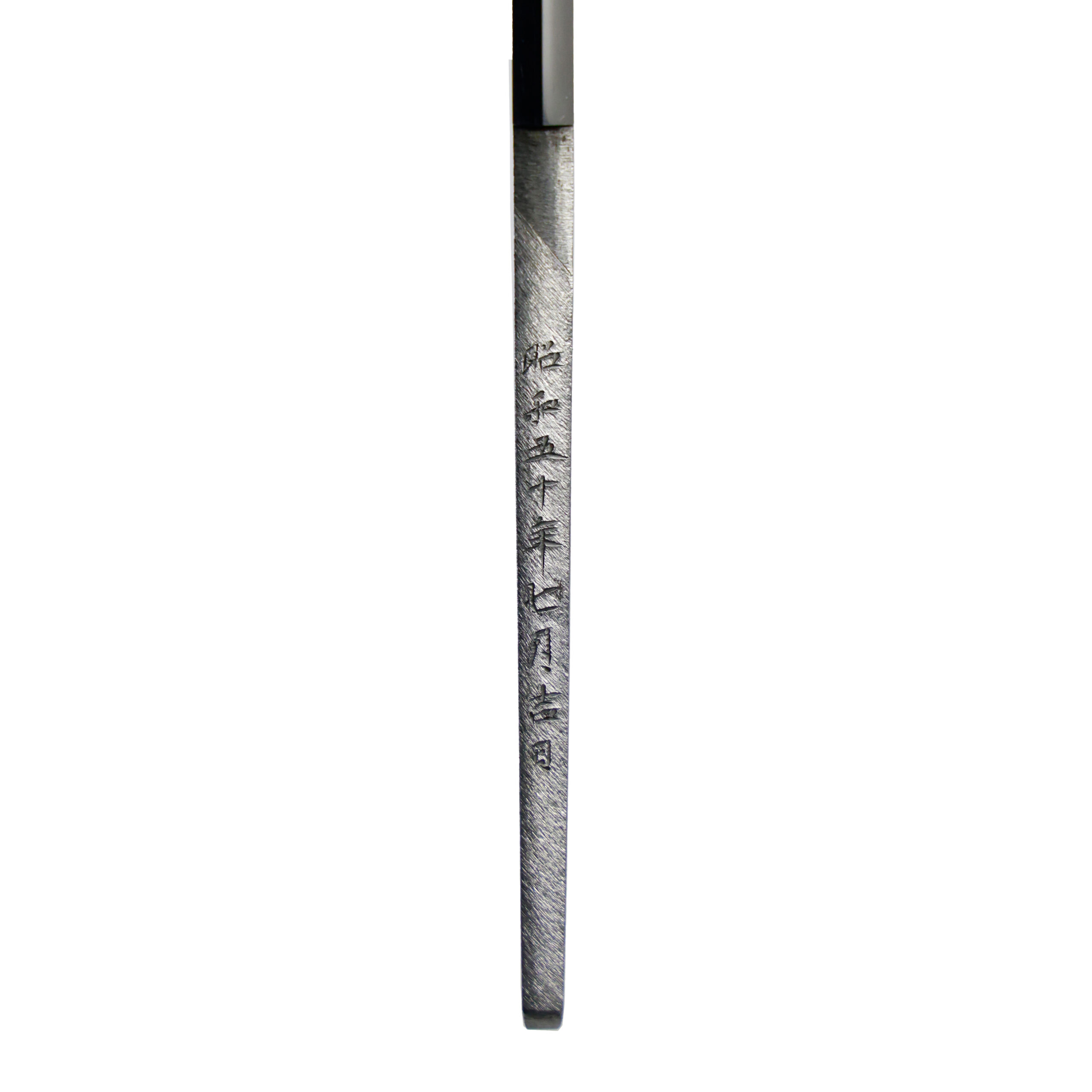
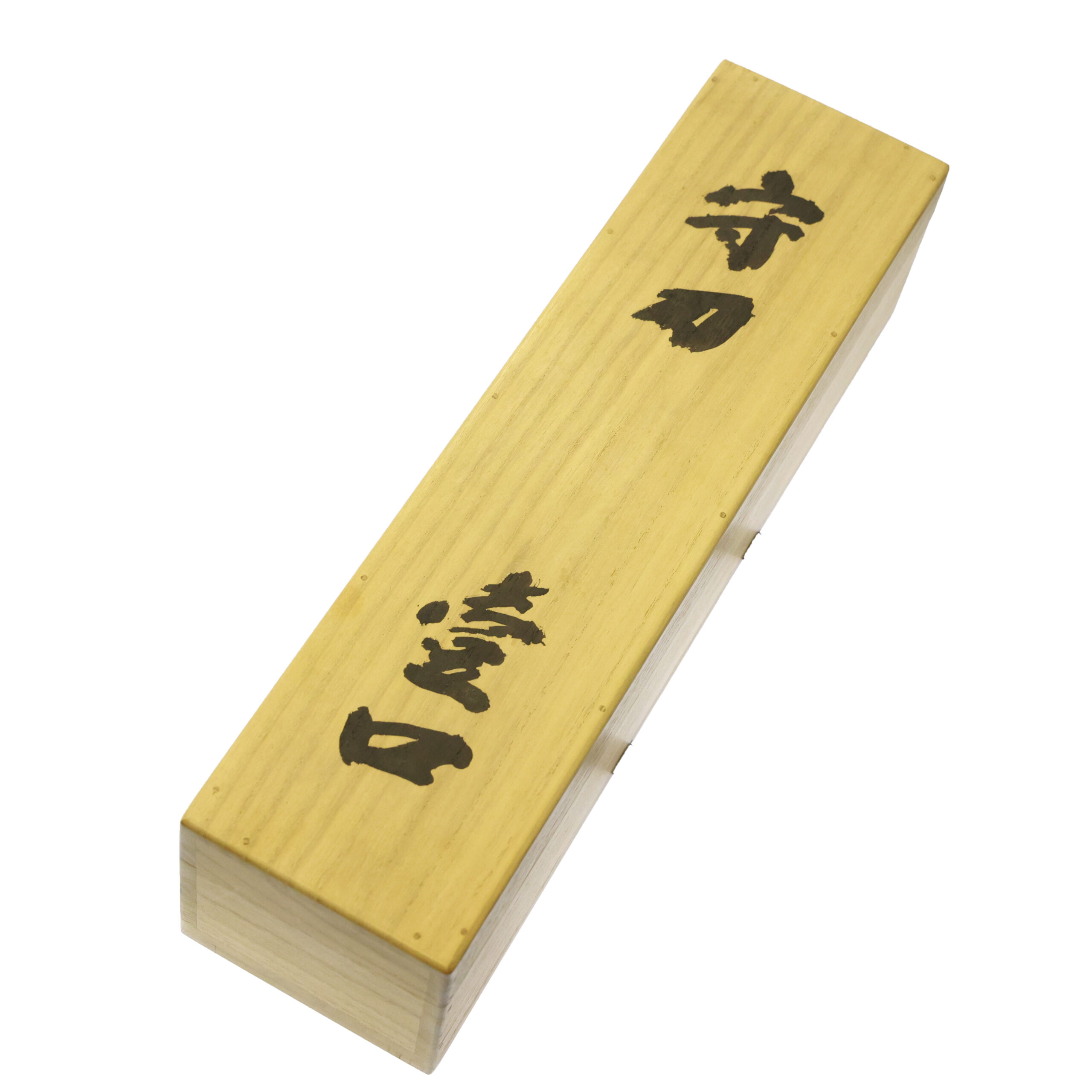
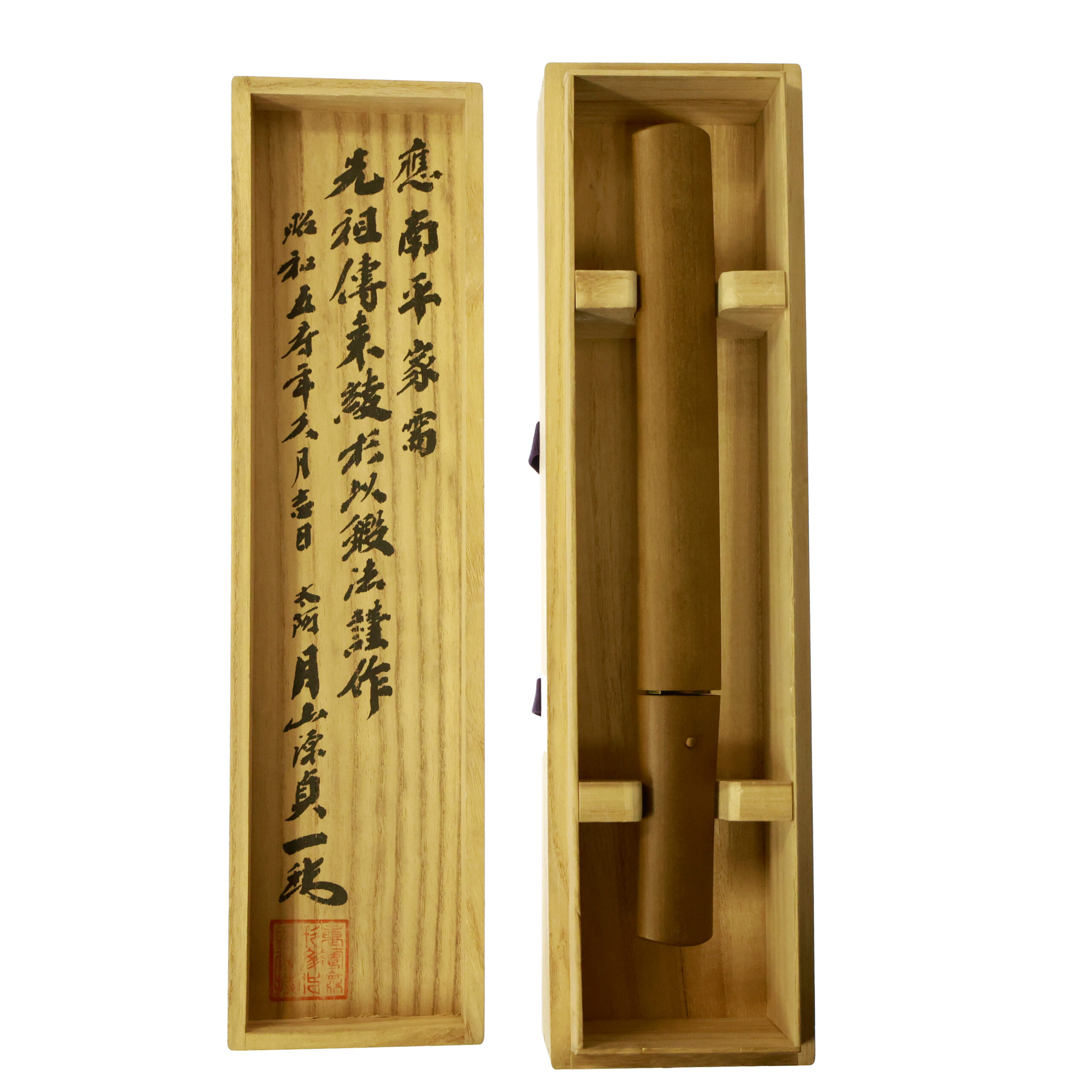
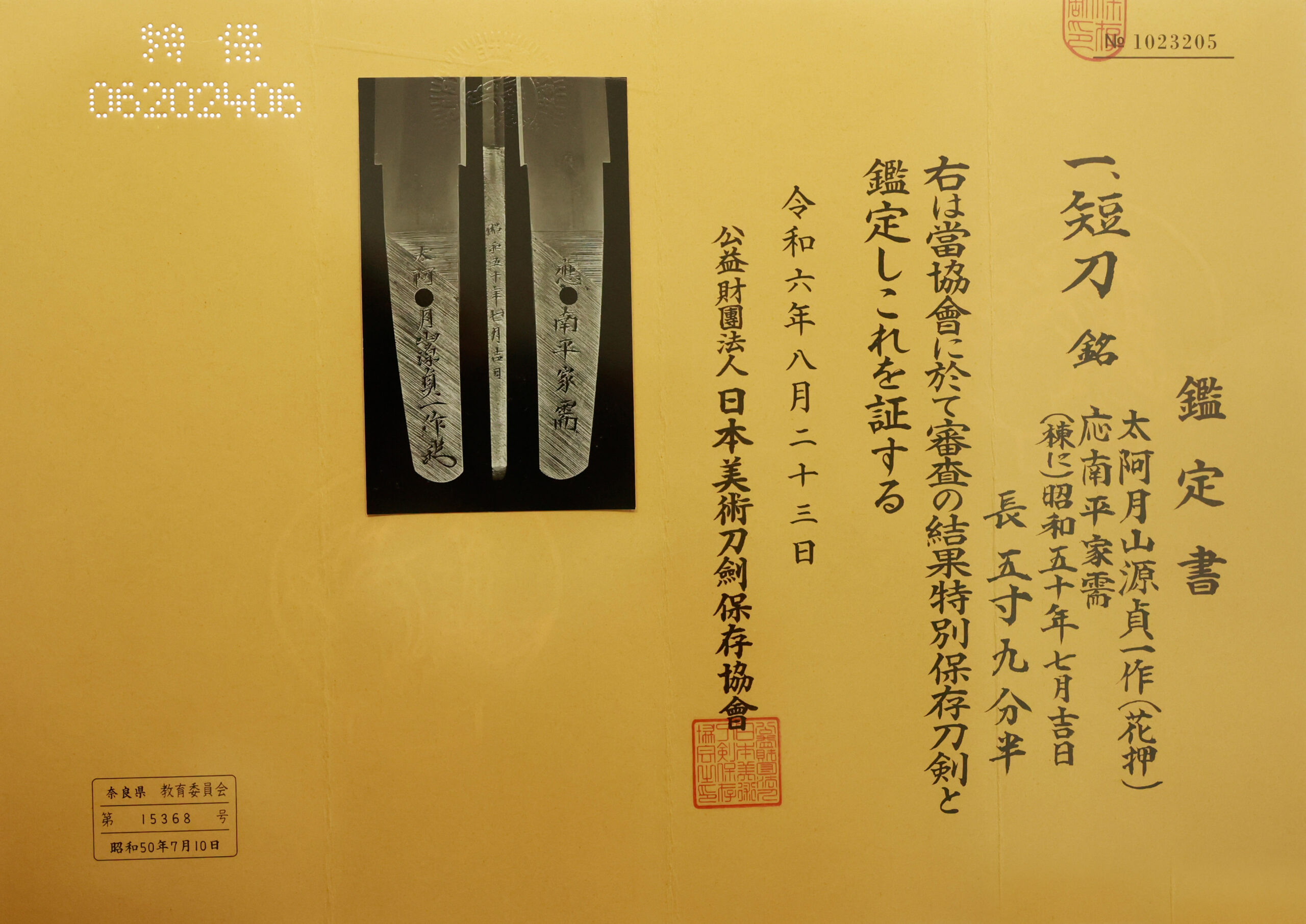
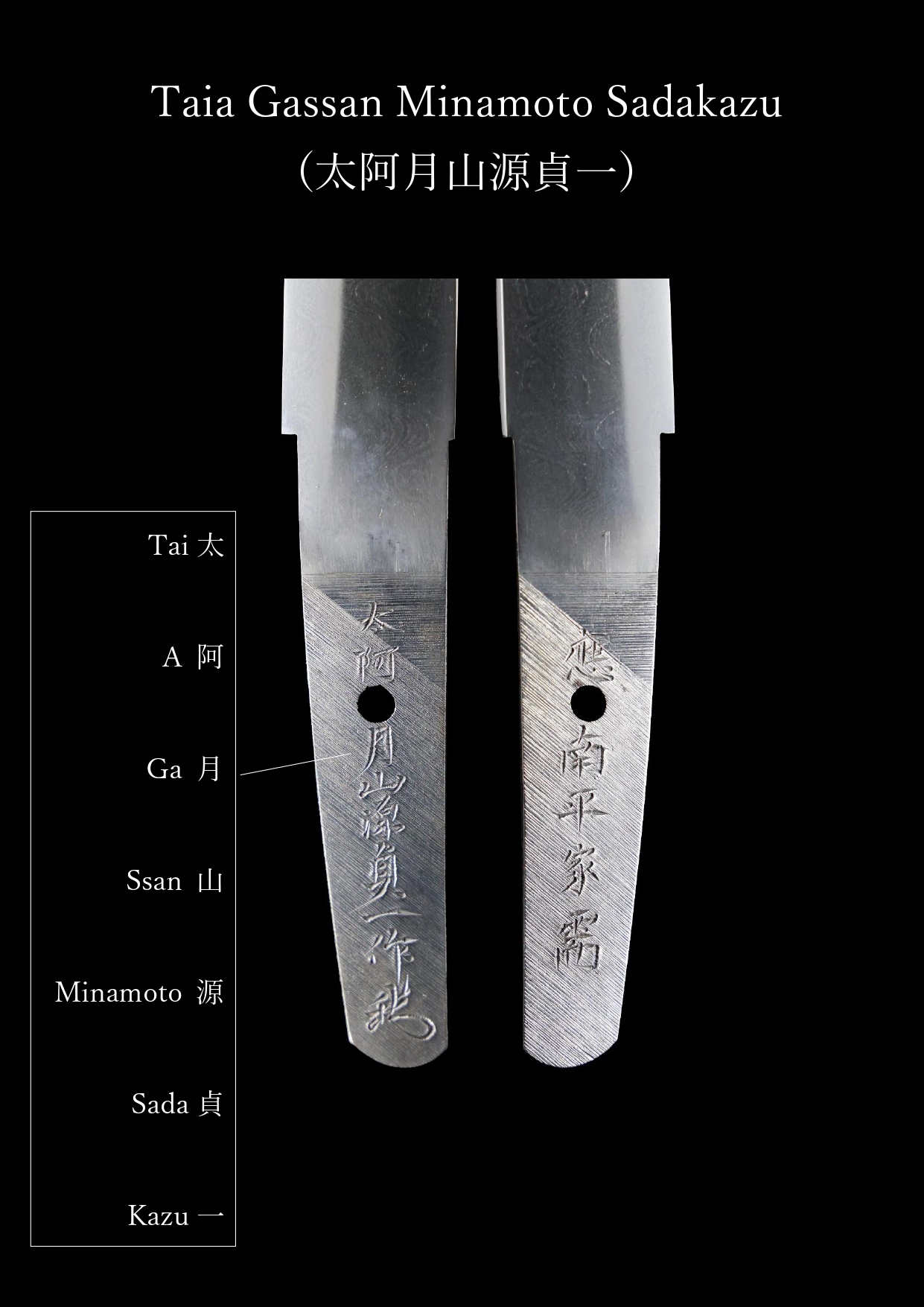
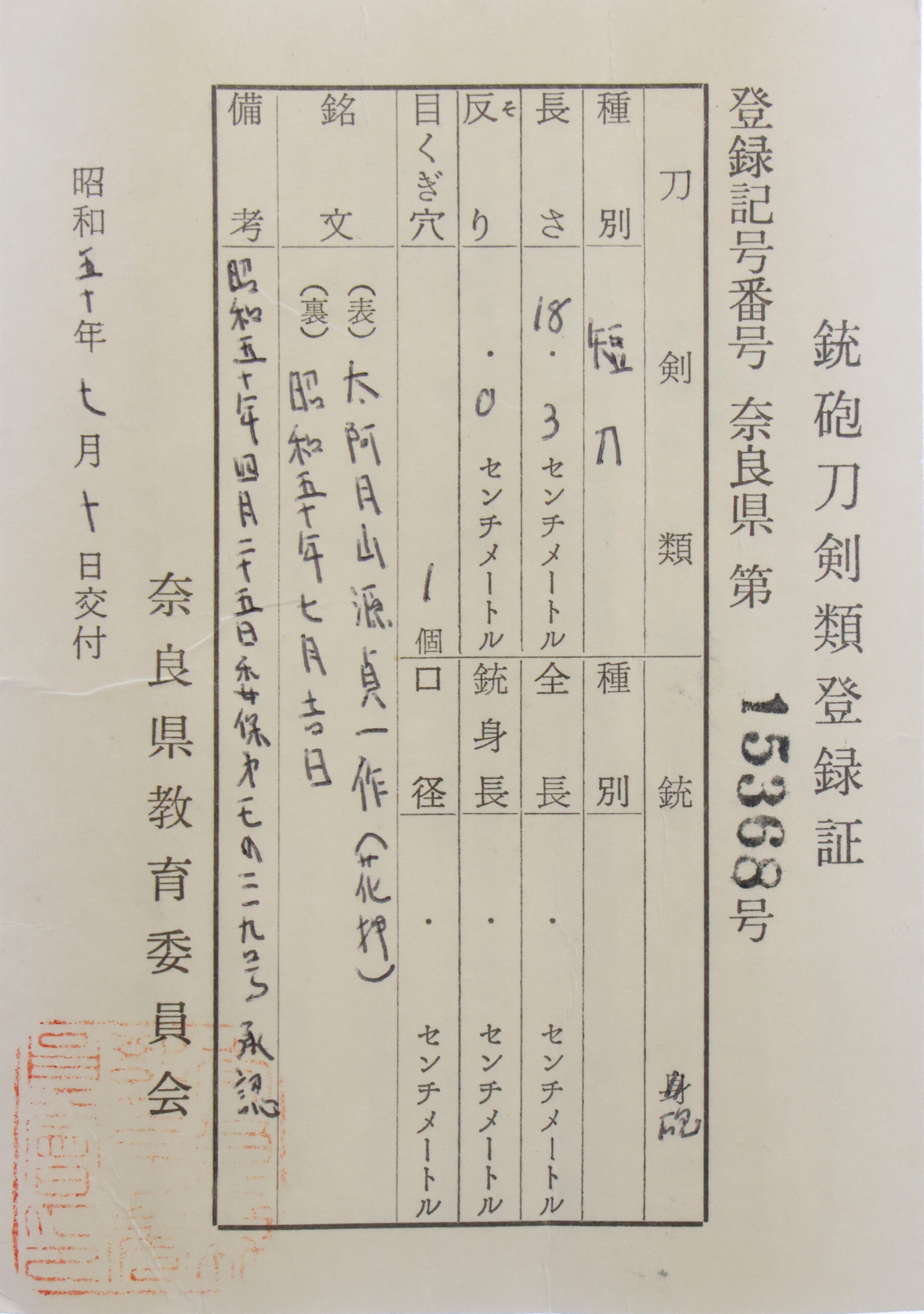
Summary This blade was signed by Taia Gassan Minamoto Sadakazu (太阿月山源貞一) on July 1975 in Osaka. Below the signature, there is a Kao (花押: stylized signature) and the engraving of “応南平家需” means he made this blade for 南平家 family. It is also believed that this blade is a blade for Omamori Gatana (お守刀). It is recorded that this type of blade was first made around 1182, and was often given to children and women in Samurai society, as it was believed to have spiritual power to exterminate demons and monsters. Sadakazu is also known as the second-gen Sadakatsu as his grandfather used the same maker’s name. the seond-gen Sadakazu was born in 1907 as the child of Gassan Sadakatsu. He started learning sword-forging techniques from his father in in 1918 and he first signed Sadamitsu (貞光). During and after the world war Ⅱ, he played an important role in the preservation of the refined sword-forging techniques. Sadakazu was the head of the Osaka Gassan school (大阪月山鍛冶), and was recognized as a Living National Treasure (人間国宝) by the Japanese government in 1971. That means that this blade was forged after he became a Living National Treasure of Japan. Gassan Sadakatsu (father), the first-gen Sadakazu (grandfather), Sadayoshi (great grandfather) Gassan Sadakatsu was born in Osaka in the second year of the Meiji era (1869) as the son of Gassan Sadakazu and grandson of Gassan Sadayoshi, two of the most famous swordsmiths during the late Edo-early Meiji period. Sadakatsu learned sword-forging techniques from his father in his childhood. You can barely find the blades signed by him before the 7th year of the Taisho era (1918) because he dedicated himself to assisting his father. In that sense, this blade is very rare one. From the 10th year of the Taiso era (1920), his craftsmanship was highly recognized by Ichiki Kitokuro, Minister of the Imperial House. And, Sadakatsu was assigned to forge blades for the imperial family members. Sadakatsu also forged many blades for the Japanese navy/army generals. After his father, Gassan Sadakazu, deceased, Sadakatsu took over Gassan school and trained many skilled apprentices. Gassan Sadakazu, his third son, and Takahashi Sadatugu, his apprentice, became the national treasures of Japan in their career. Sadakatsu died on December 24th, 1943. The first-gen Sadakazu was born as the son of the Tsukamoto family in Omi province(today’s Shiga prefecture) in 1836. Sadakazu was adopted by Gassan Sadayoshi(月山貞吉), one of the most famous swordsmiths in Osaka prefecture when he was seven years. Sadakazu started his training under Gassan Sadayoshi when he was 11 years old. And at incredible speed, he was able to master a lot of complex techniques. According to available records, his first blade was created in 1851 when he was 16 years old. Gassan Sadayoshi founded Gassan school in Osaka in 1833. While Gassan school had been known as one of the most prestigious schools from the Kamakura period(late 12th century), its presence faded in the early-mid Edo period. However, after Sadayoshi became a highly-regarded swordsmith at the end of the Edo period, the whole school flourished again because of his continuous effort and superb craftsmanship. Gassan Sadakazu supported Sadayoshi, and they spent many years researching traditional Gassan-style swords and finally made Ayasugihada, the signature design of Gassan school. Ayasguhihada looks undulating grain pattern in the Jihada(steel surface), which resembles a Japanese cedar grain. Sadakatsu also mastered creating Ayasugi hada and you can see this grain pattern on this blade the second-gen Sadakazu also mastered from his ancestors. It is appraised as a Tokubetsu Hozon Token (特別保存刀剣) issued by NBTHK (Nihon Bijutsu Touken Hozon Kyokai:日本美術刀剣保存協会). *Please keep in mind that there is one noticeable Kitae Kizu on this blade. If you like to know the detailed condition of this blade, please feel free to contact us. Authentication Paper They authenticated the blade on August 23rd in the 6th year of Reiwa (2024). They appraised it as Tokubetsu Hozon Touken, the blade especially worth preserving for Japanese society.
Offered by Samurai Museum
This piece has sold
35 on the market
Get an email when new Gassan School work hits the market.


Wakimono · Dewa
35 pieces on the market now
Mount Gassan rises among the Dewa Sanzan, the three sacred peaks of northern Japan bound to the mountain asceticism of Shugendō, and the swordsmiths who took the mountain's name worked in its shadow in Ōshū, Dewa Province. The setsumei record that smiths signing "Gassan" are noted in the Kanchiin-bon Meizukushi as early as the Heian period, and the lineage's oldest surviving signed blade is a tachi simply signed Gassan, kept at the Gassan Shrine and judged to date from the late Nanbokuchō to early Muromachi period. Around that same early Nanbokuchō moment the corpus places Gassan Nagamitsu, whose signed tachi answers to the "Ushū Gassan group, around the Ryakuō era" recorded in the Meikan, and Shōgun, a Nanbokuchō hand sometimes identified with Gunshō, dated Genchū 3 (1386). A later branch is carried by Gassan Chikanori, working into the mid and late Muromachi (an ubu wakizashi dated Eishō 9, 1512). The line was revived in Osaka in the closing Tokugawa and Meiji years by Gassan Sadayoshi and his adopted son Gassan Sadakazu, who endured the Haitōrei edict and was appointed Teishitsu Gigei-in (Artist to the Imperial Household) in Meiji 39; his own adopted son Gassan Sadaichi continued the title into Taishō. The forging is the school's signature. " Over the itame base the grain flows (nagare) and tends to stand; ji-nie adheres and chikei enter, and the northern steel takes a dark, metal-like (kana-iro) hue read as Ōshū temperament.
The temper of the old line is a suguha whose nioiguchi is shizumi (subdued), at times mixed with gunome and ko-midare and softened toward urumi, the bōshi turning back in ko-maru. Departures within the corpus mark the lineage's range: Chikanori's late work can drop the ayasugi entirely and absorb Sue-Bizen and Osafune manners, while the Osaka revival smiths command itame with thick ji-nie, flamboyant nie-laden midare, kinsuji, and sunagashi in a full Sōshū idiom, and both Sadakazu and Sadaichi added meticulous horimono, from Bishamonten kurikara to taki kaen Fudō and dragon carvings carved by the same hand that forged the blade. For recognition the setsumei point first to the wave-grain ayasugi and the subdued, often slightly urumi northern nioiguchi, and where these recede, to the dark steel and standing grain that still betray an Ōshū hand. Signed examples of the old line are described as extremely rare, which raises the documentary weight of Nagamitsu's tachi and Shōgun's dated tantō. Provenance threads through the school's own sanctuary: the founding tachi and an Important Art Object tachi both reside at the Dewa Sanzan and Gassan Shrines. The Osaka revival is anchored by Sadaichi tantō signed Teishitsu Gigeiin, recorded in Honma's inventory of the Imperial collection, alongside a Sadakazu wakizashi made on commission for Prince Kuni. Across six centuries the setsumei track a single mountain workshop, from the subdued ayasugi of the Dewa founders through a Muromachi offshoot that turned toward Bizen, to the Imperial-rank carvers of Osaka who reproduced the old wave-grain while mastering the wider traditions. Learn more →
| Smith | Era | Designated |
|---|---|---|
| Tomosada友定 | 1532-1555 | 0 |
| Naonori直則 | 1830-1844 | 0 |
| Toshiyasu俊安 | 1504-1521 | 0 |
| Nagahisa長久 | 1334-1338 | 0 |
| Hisatoshi久利 | 1392-1573 | 0 |
Shōwa to the present: destruction and revival
The twentieth century nearly killed the craft twice: wartime distortion, then the occupation ban. The NBTHK’s founding in 1948 and licensed forging from 1953 rebuilt the sword as an art, crowned by Living National Treasures and the mukansa rank.
A Hozon-certified blade judged to show notably superior workmanship and a better state of preservation. The bar is higher: re-tempered blades and most unsigned Muromachi/Edo works are excluded.
The NBTHK (Nihon Bijutsu Tōken Hozon Kyōkai, the Society for the Preservation of Japanese Art Swords) is a public-interest incorporated foundation founded in 1948 and supervised by Japan’s Agency for Cultural Affairs (Bunkachō); it is based at the Japanese Sword Museum in Tokyo. Its expert panels physically examine each submitted work (shinsa) and issue a certificate (kanteishō) ranking it by artistic and historical merit. NBTHK papers are the most widely recognized standard of authentication for Japanese swords and fittings.
NBTHK official siteReturns/exchanges limited to defects caused by shipping (except willful misconduct or gross negligence by the company); customers must contact within 72 hours of receiving the product.