Edo was the sword’s age of connoisseurship: the Hon’ami appraisers, the shogunal register of famous blades of 1719, and a thriving literature turned the sword into an object of study even as it ceased to be drawn in war.
 NihontoWatchNihontoWatch
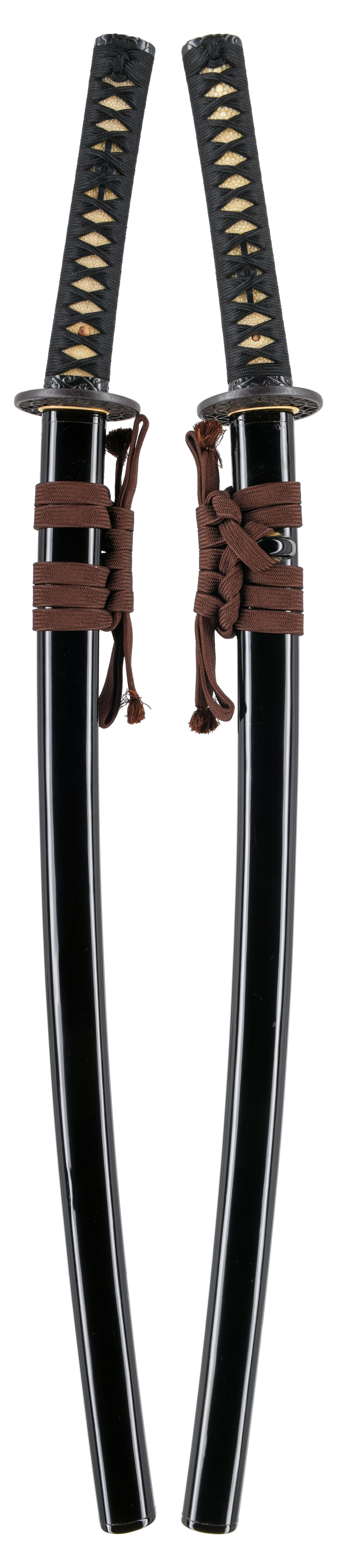
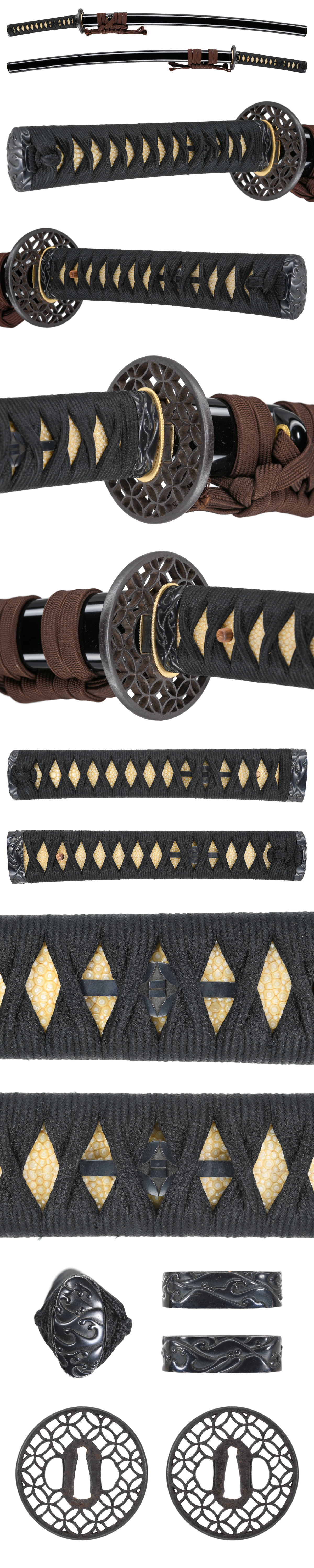
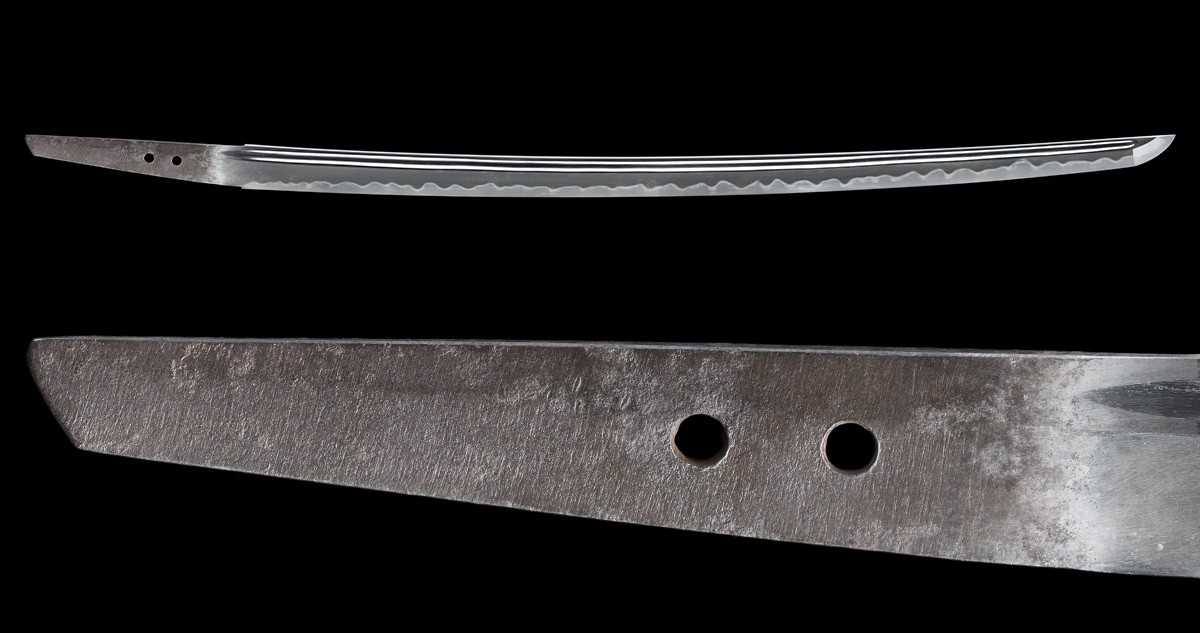
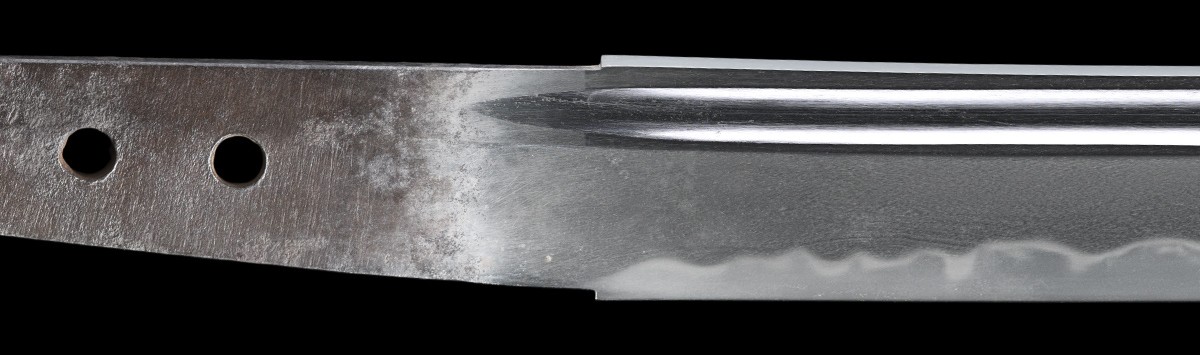
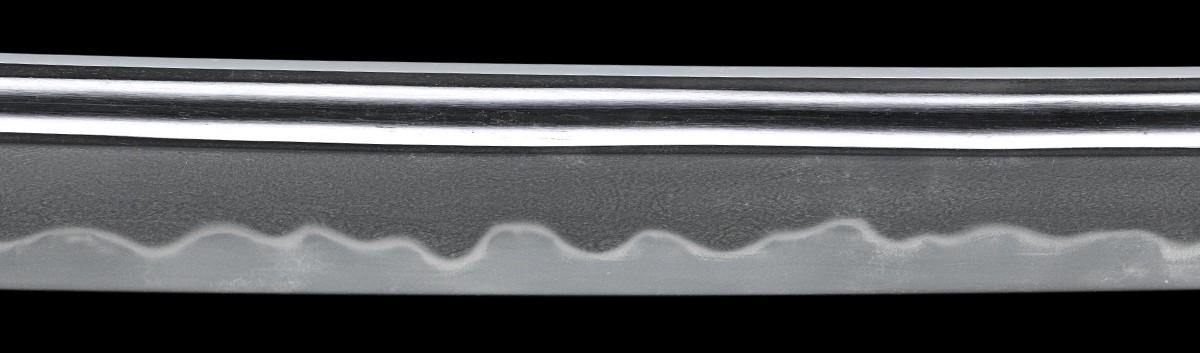
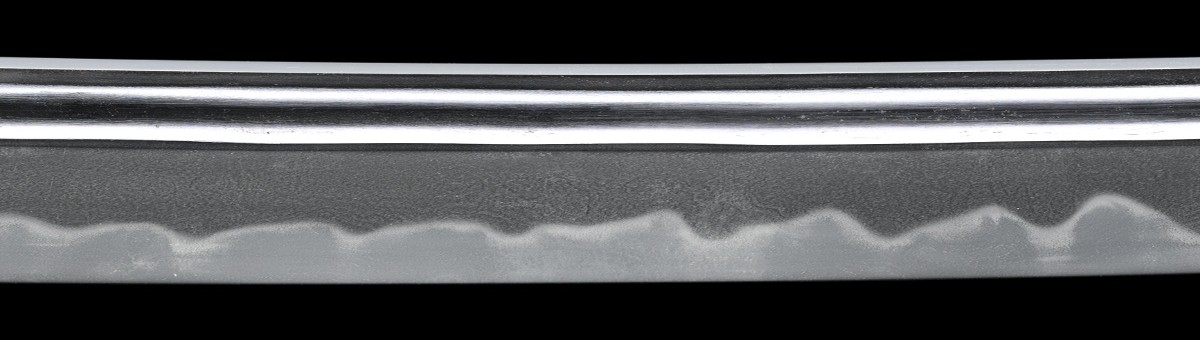
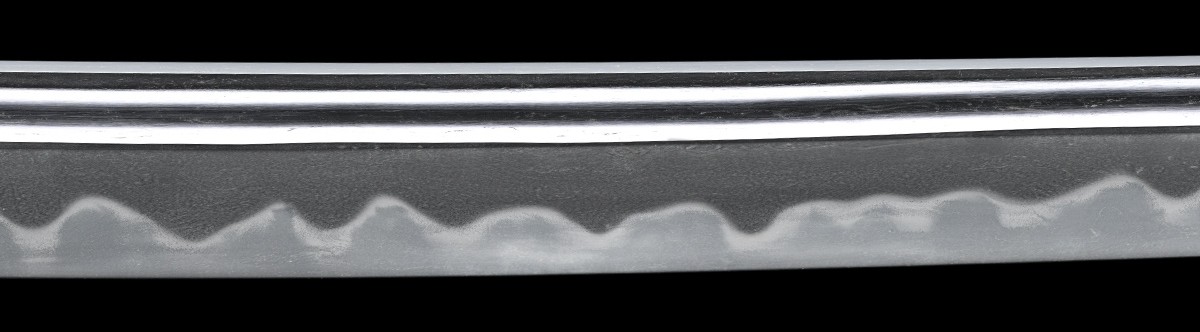
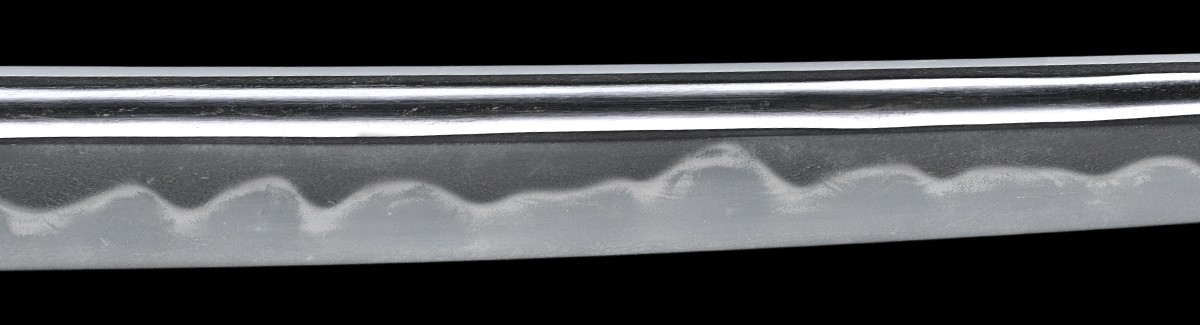
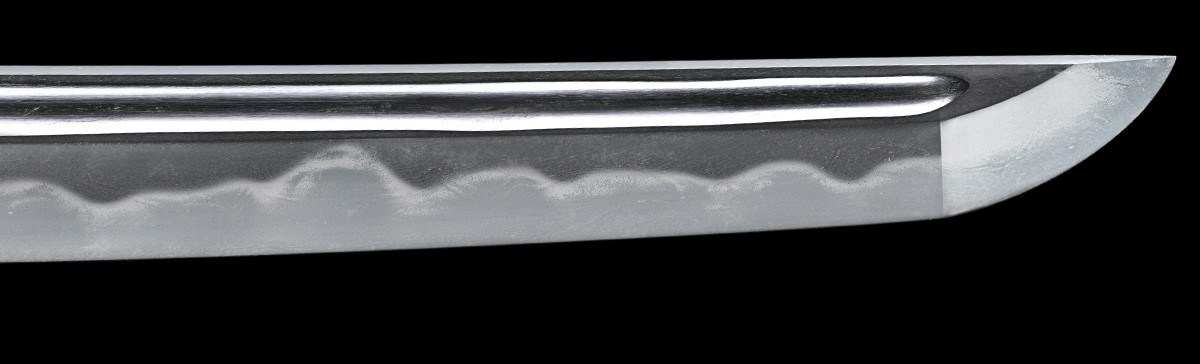
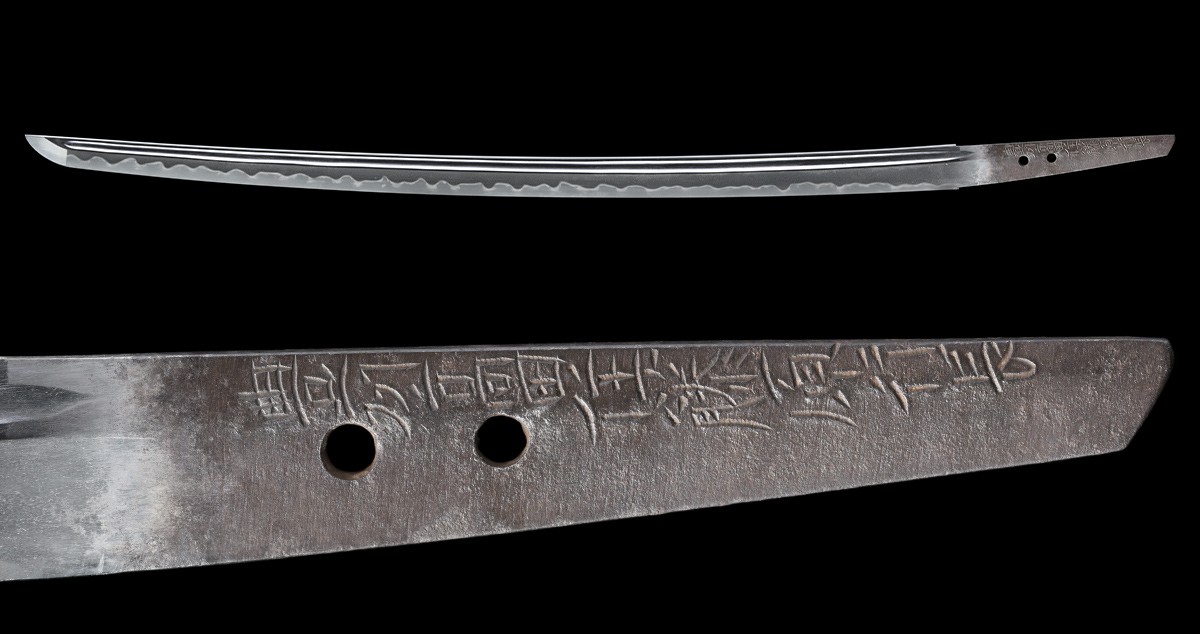
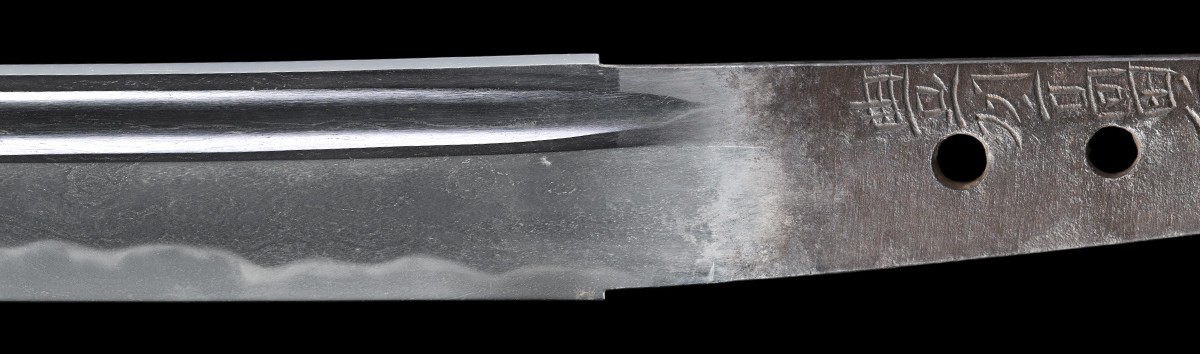
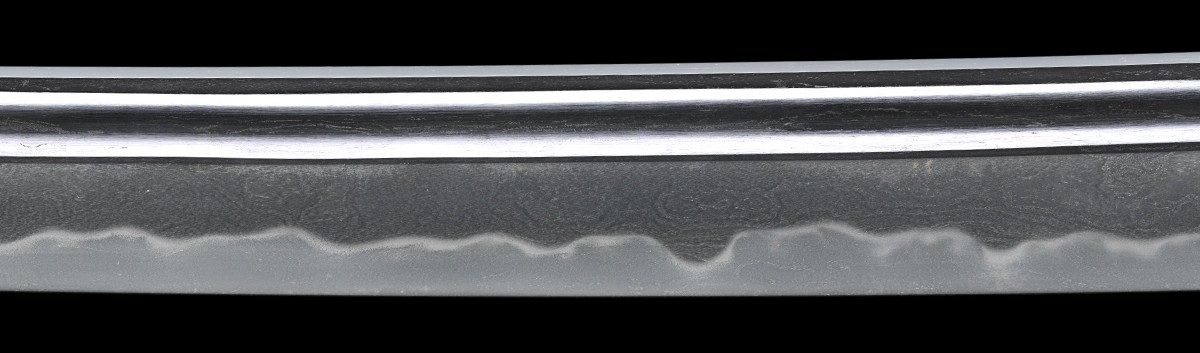
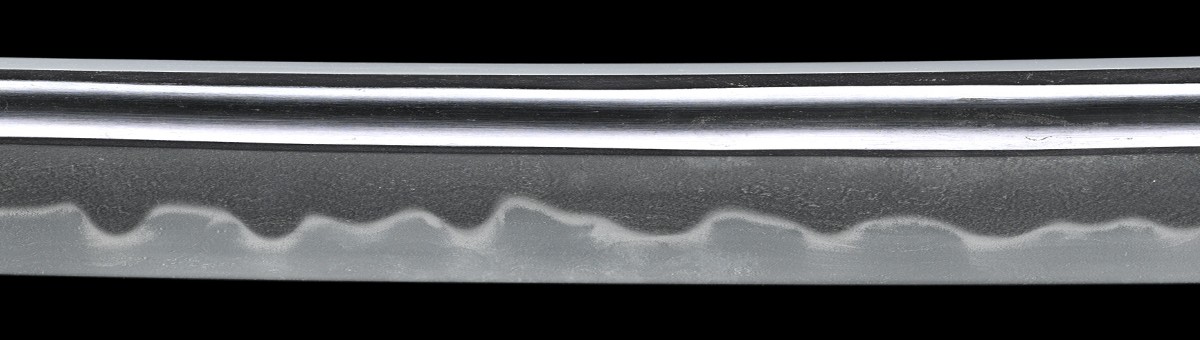
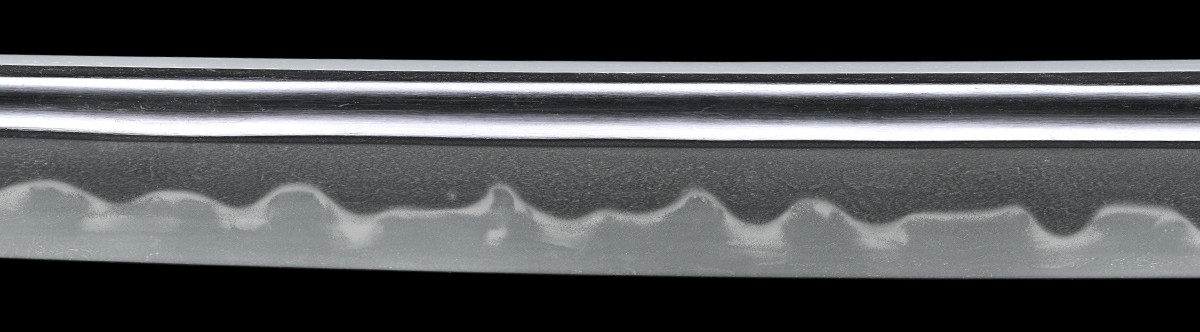
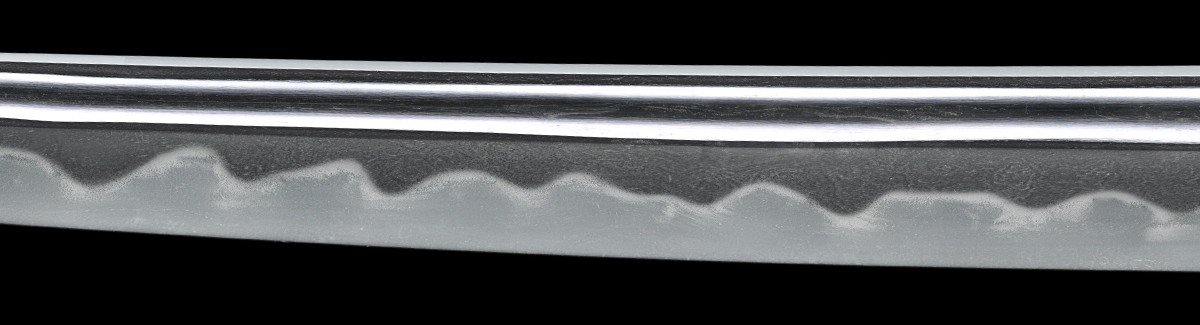
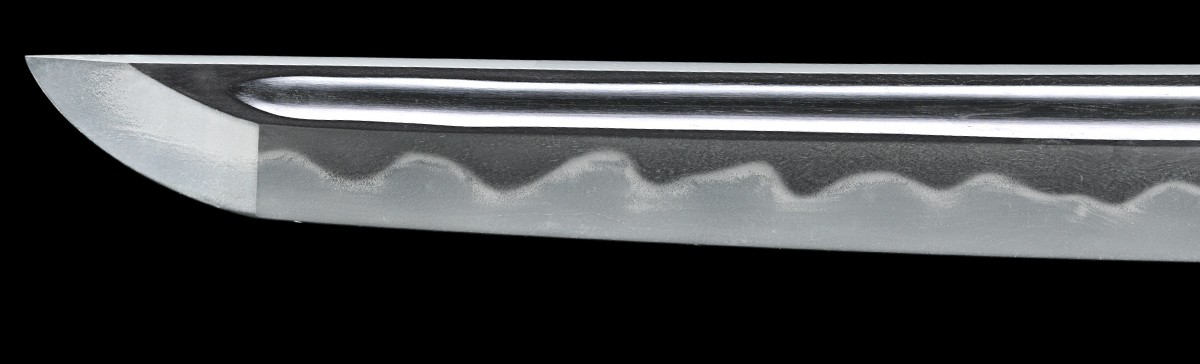
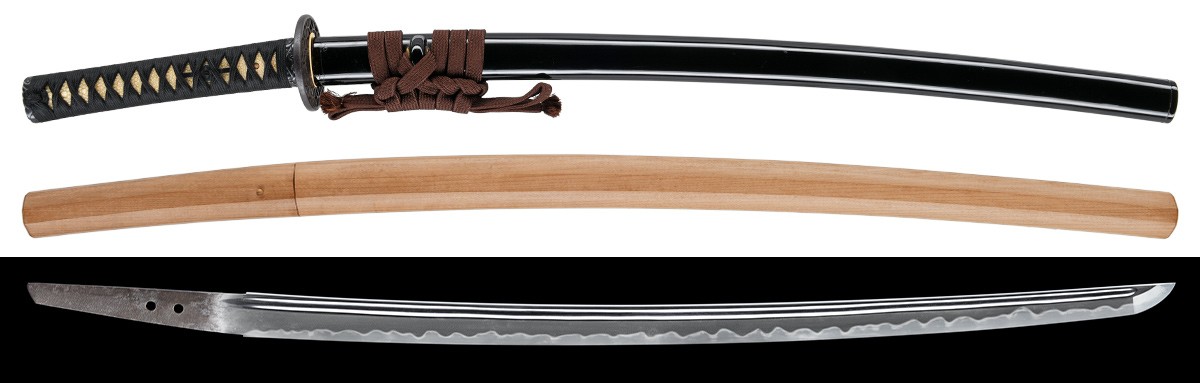
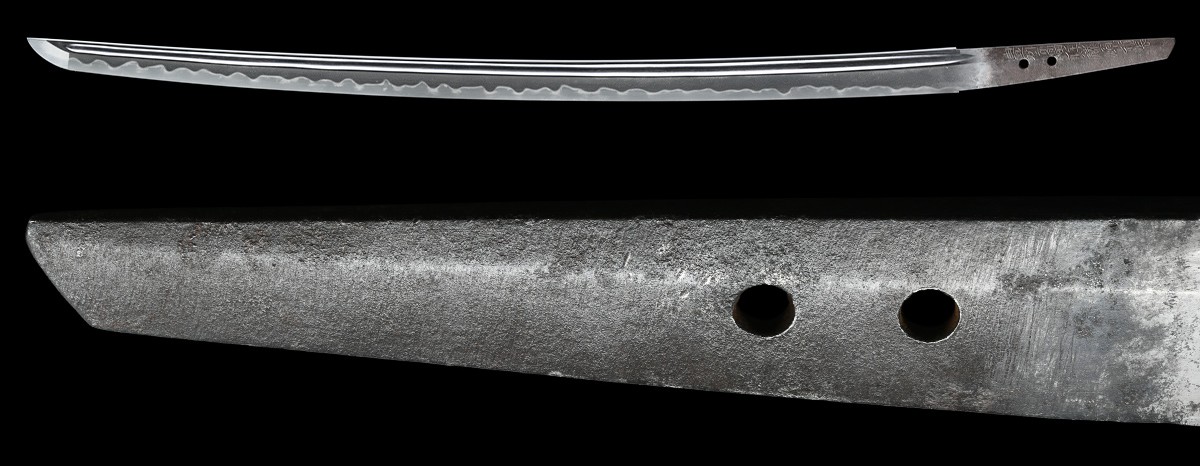
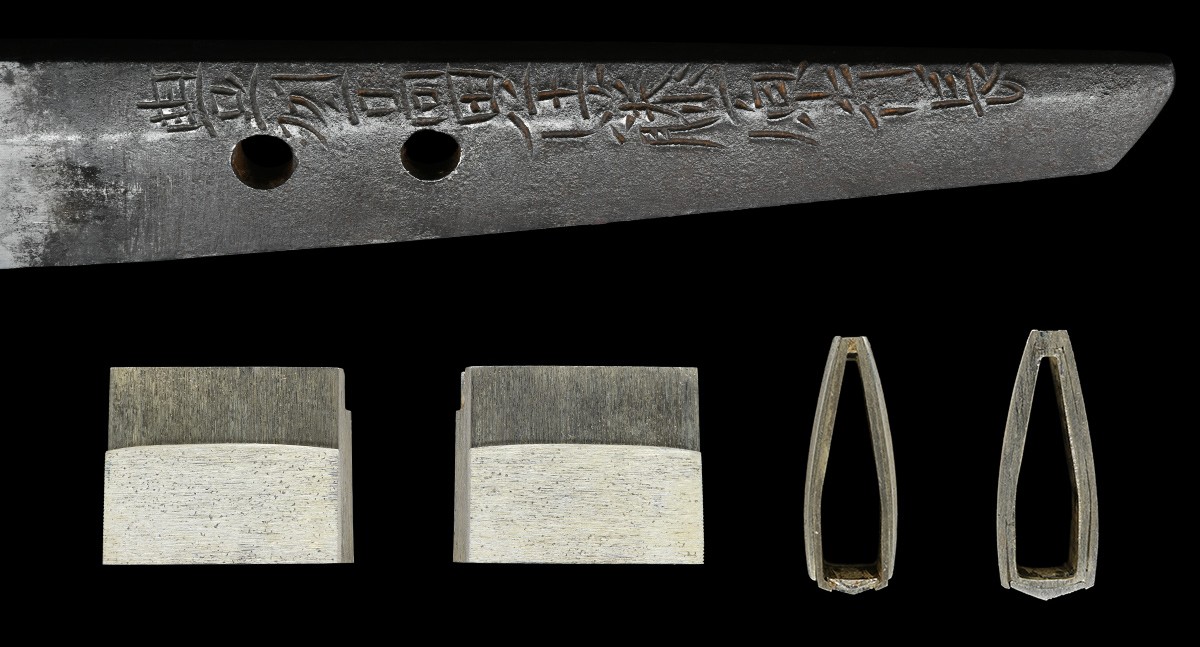
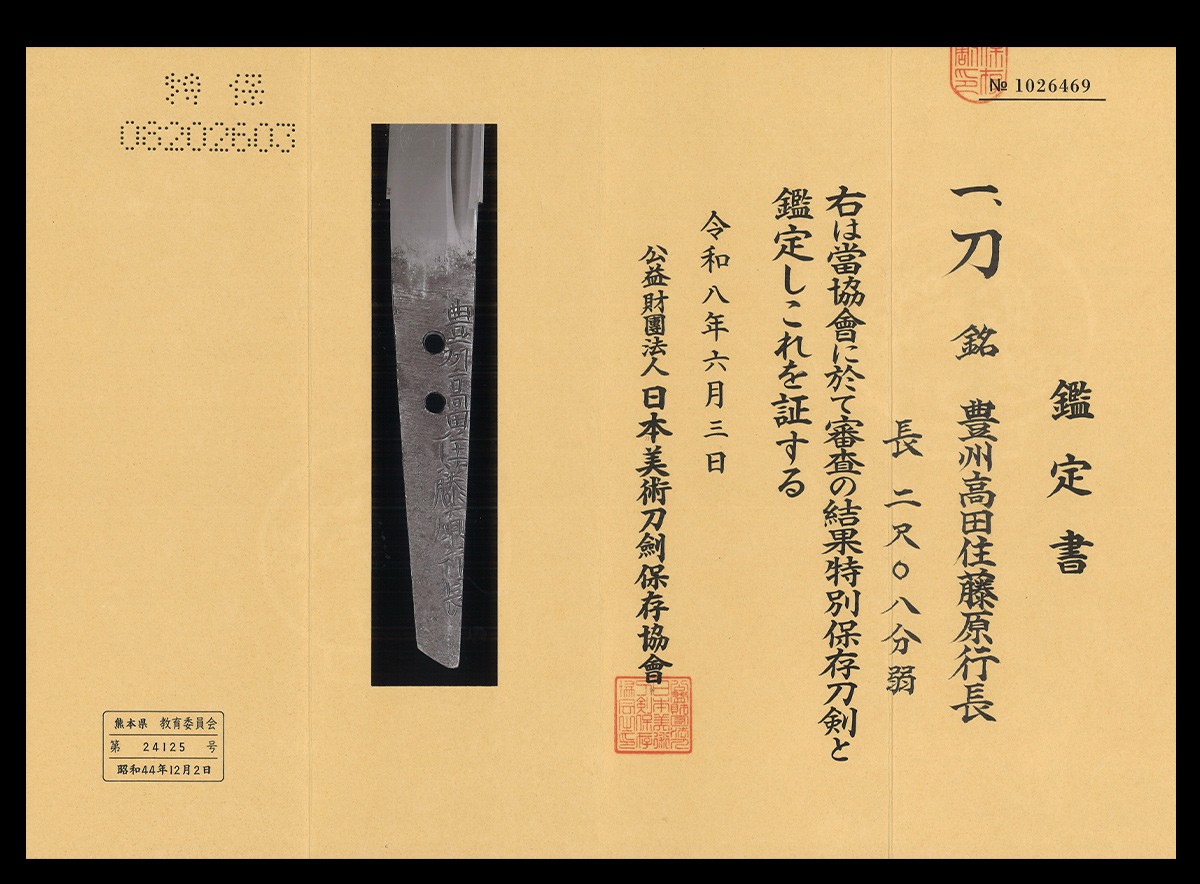
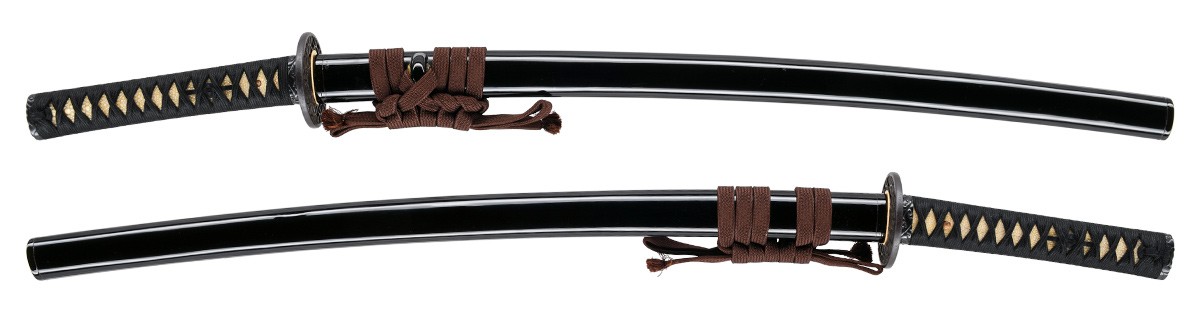
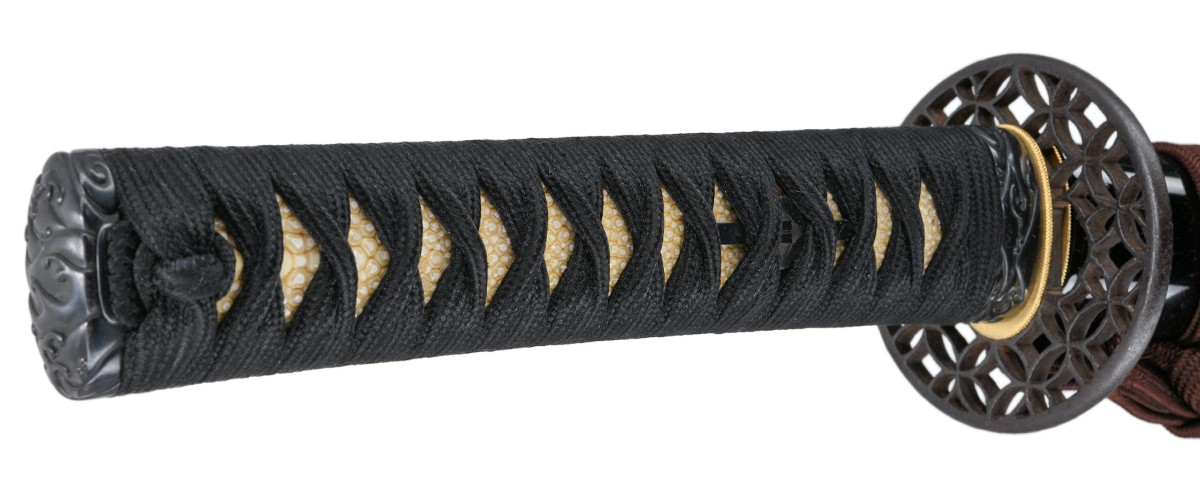
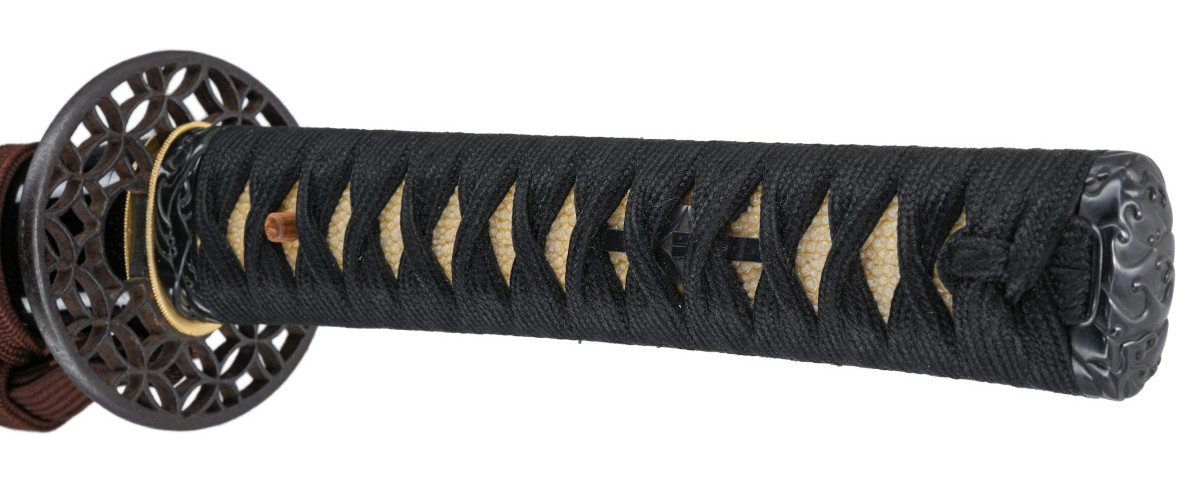
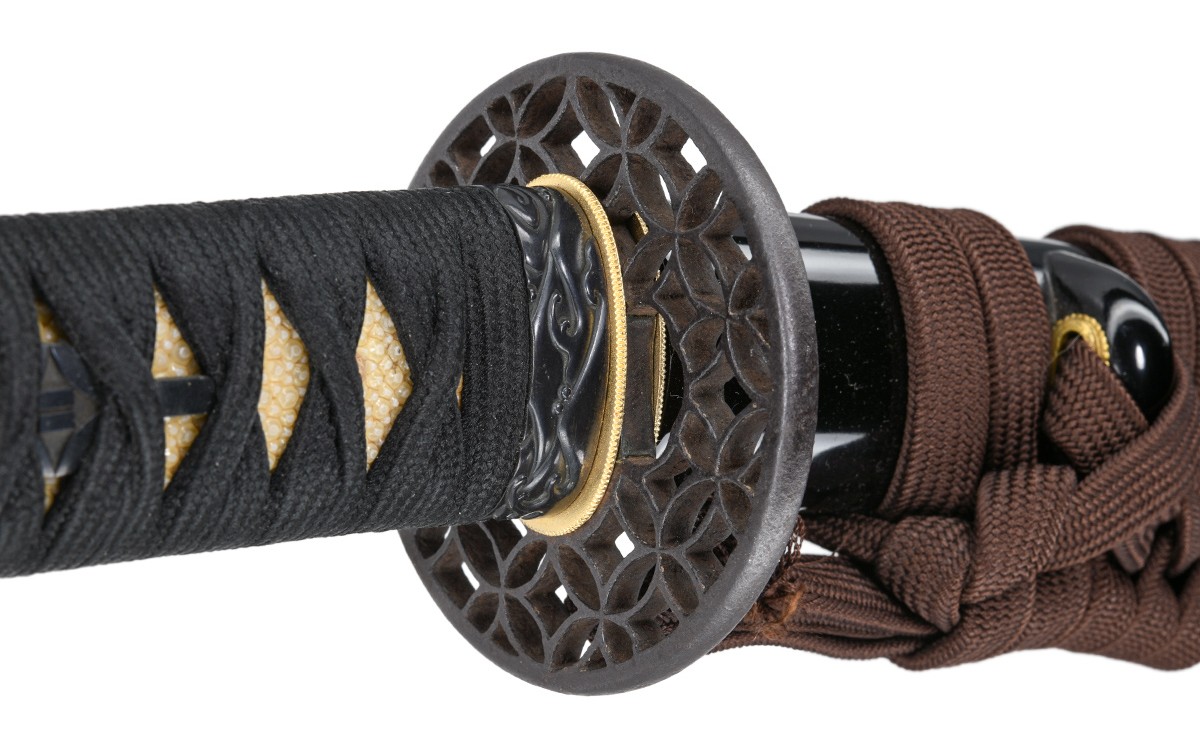
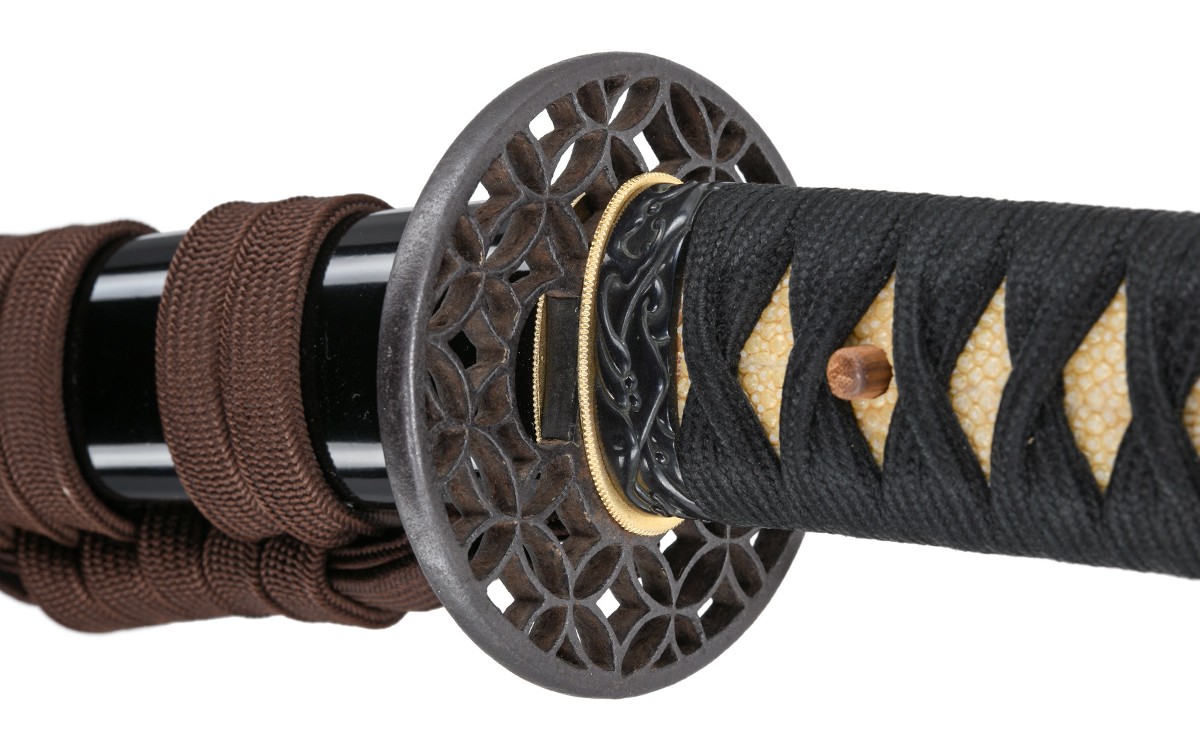
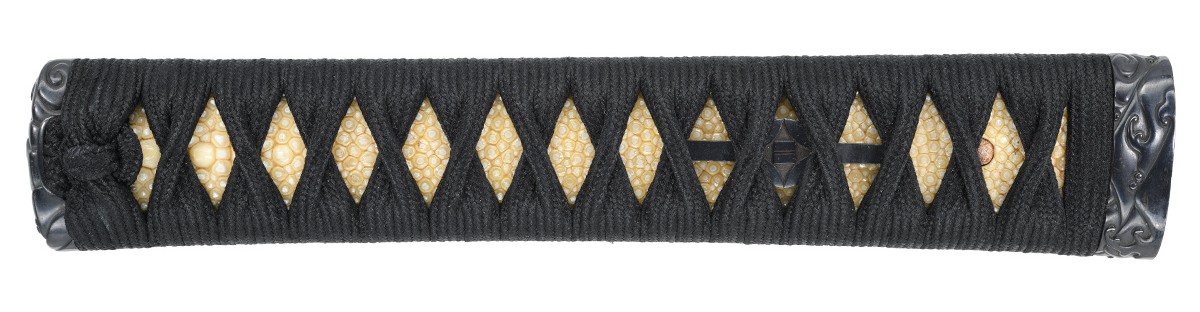
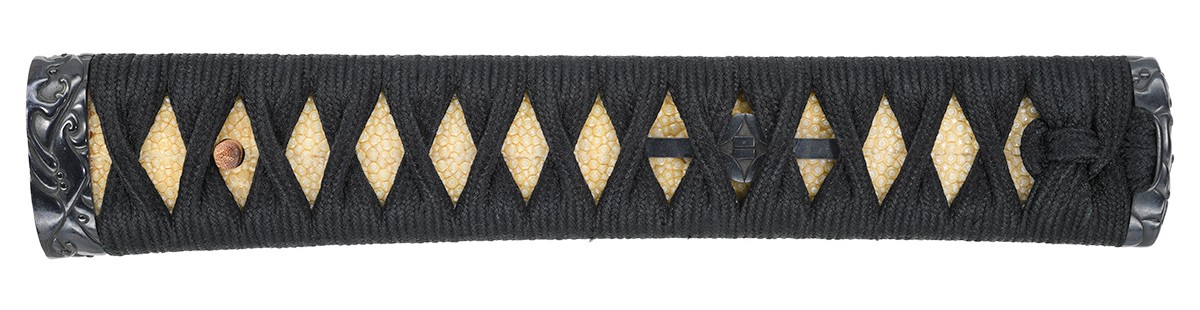
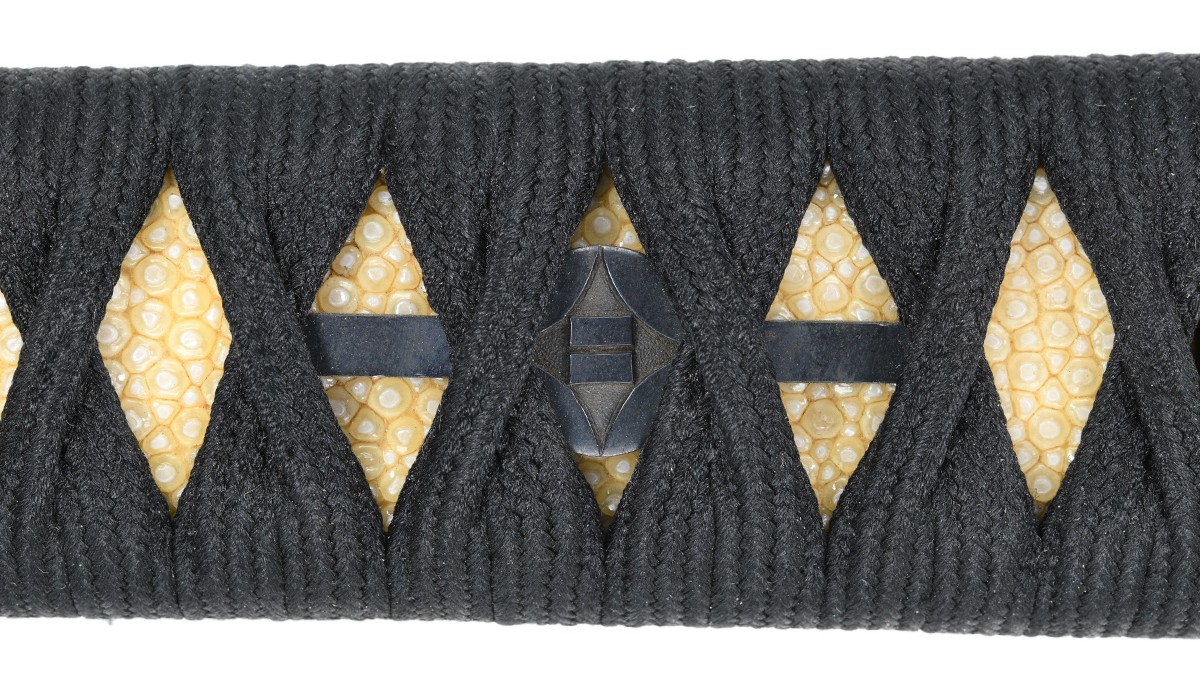
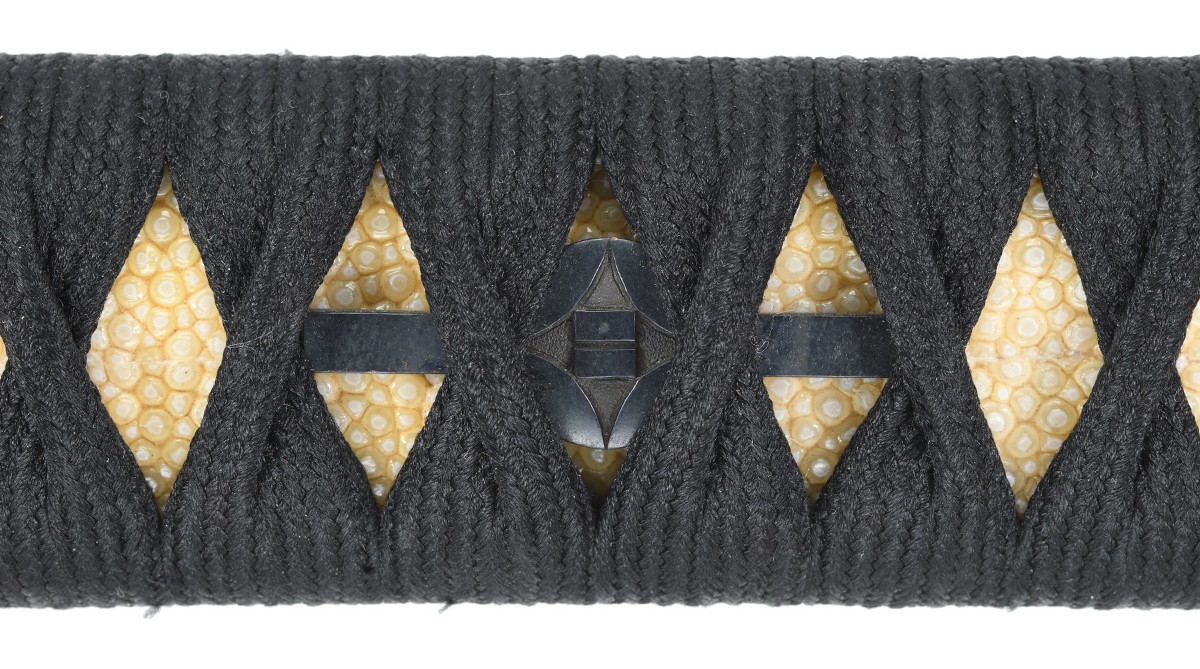
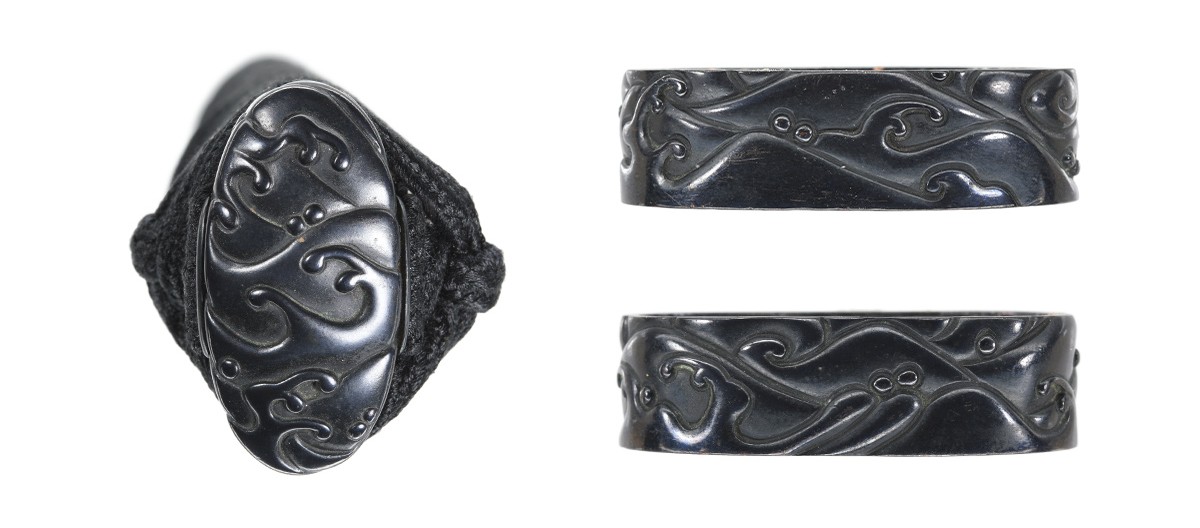
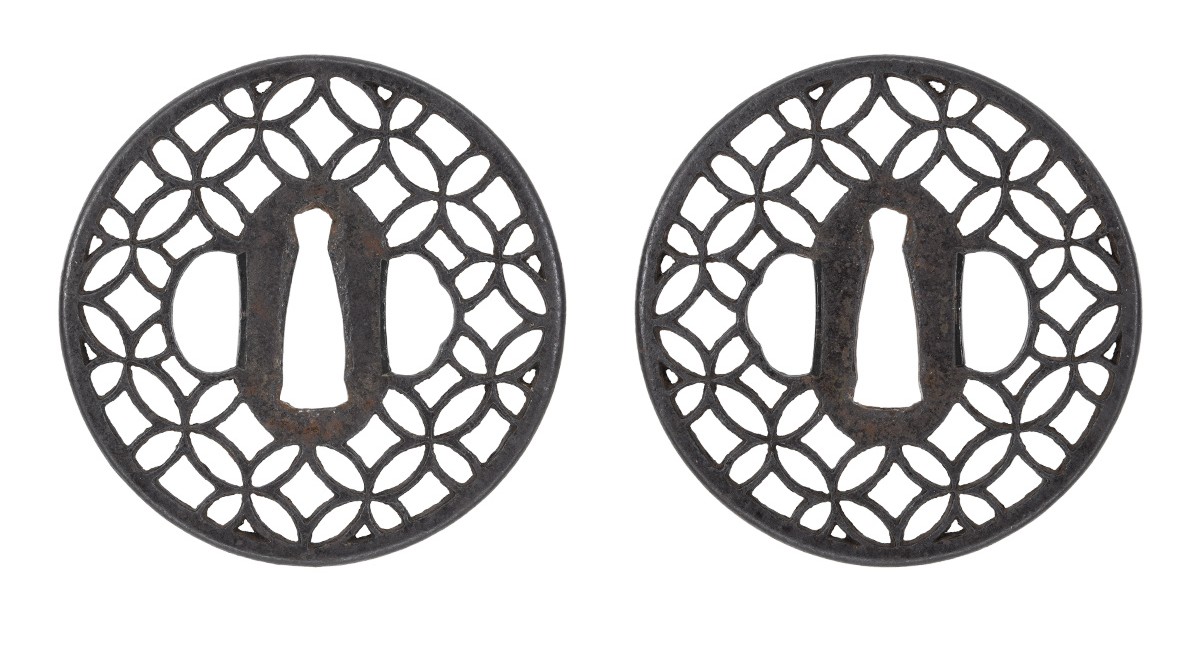
The Takada school is said to have been founded by Tomoyuki, who resided in Takada-no-sho in Bungo Province during the Nanbokucho period, and it formed a major school comprising many swordsmiths from the Muromachi period through the Edo period. Many swordsmiths of this school used the characters "Shizu," "Yuki," or "Mune" in their names, and principal smiths include Muneyuki, Munekage, Yukinaga, Shigeyuki, Sadayuki, Masayuki, Tadayuki, Teruyuki, Yukimitsu, and Toyomasa. Because most Takada smiths of the Muromachi period used the surname "Taira" in their mei, and those of the Edo period used the surname "Fujiwara," works from the Muromachi period are generally distinguished as "Taira Takada" and those from the Edo period as "Fujiwara Takada." Takada Yukinaga was a swordsmith of the Takada school in that province who was active from around Keicho to around Manji. Although his swordsmith rank is Shinto Chu-jo saku, the sharpness of his works has an established reputation, and he is ranked as Ryo-wazamono in the wazamono rankings. Other inscribed mei include "Hoshu Takada-ju Fujiwara Yukinaga" and "Fujiwara Yukinaga." The sugata of this katana has a nagasa of slightly less than 2 shaku 0 sun 8 bun, with ordinary mihaba and kasane, a somewhat shallow sori, and ends in a chu-kissaki. Bo-hi are carved through on the omote and ura. The jitetsu is a well-kneaded itame-hada mixed with mokume, with fine ji-nie and chikei running along the hadame, resulting in a refined texture. The yakiba is gunome mixed with angular and pointed blades, with ashi, yo, and nie-sunji active within the ha, covered in ko-nie, and the nioiguchi is bright and clear. The boshi is sugu with a slight hakikake at the tip and returns. The nakago is ubu, with shallow katte-sagari yasurime, and bears the swordsmith's mei. A sword by Hoshu Takada-ju Fujiwara Yukinaga. The well-kneaded itame-hada mixed with mokume is moist and clear, and the hamon is a midare-ba based on gunome. Shirasaya, solid silver double habaki, kuro-roiro-nuri-saya uchigatana koshirae, Tokubetsu Hozon Token kanteisho.
Yukinaga行長
Offered by World Seiyudo
This piece has sold
Get an email when a new Yukinaga piece hits the market.

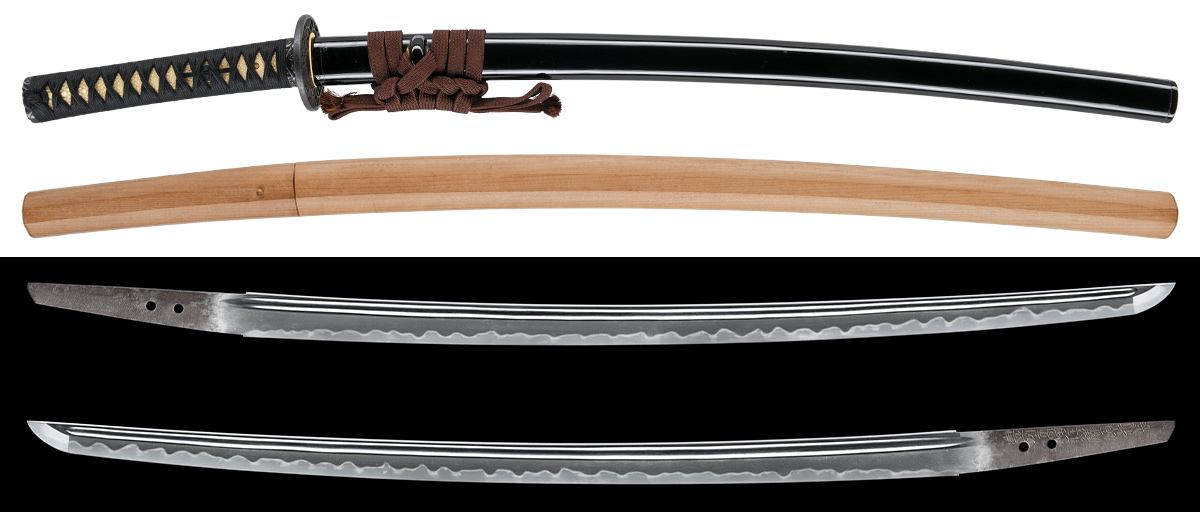

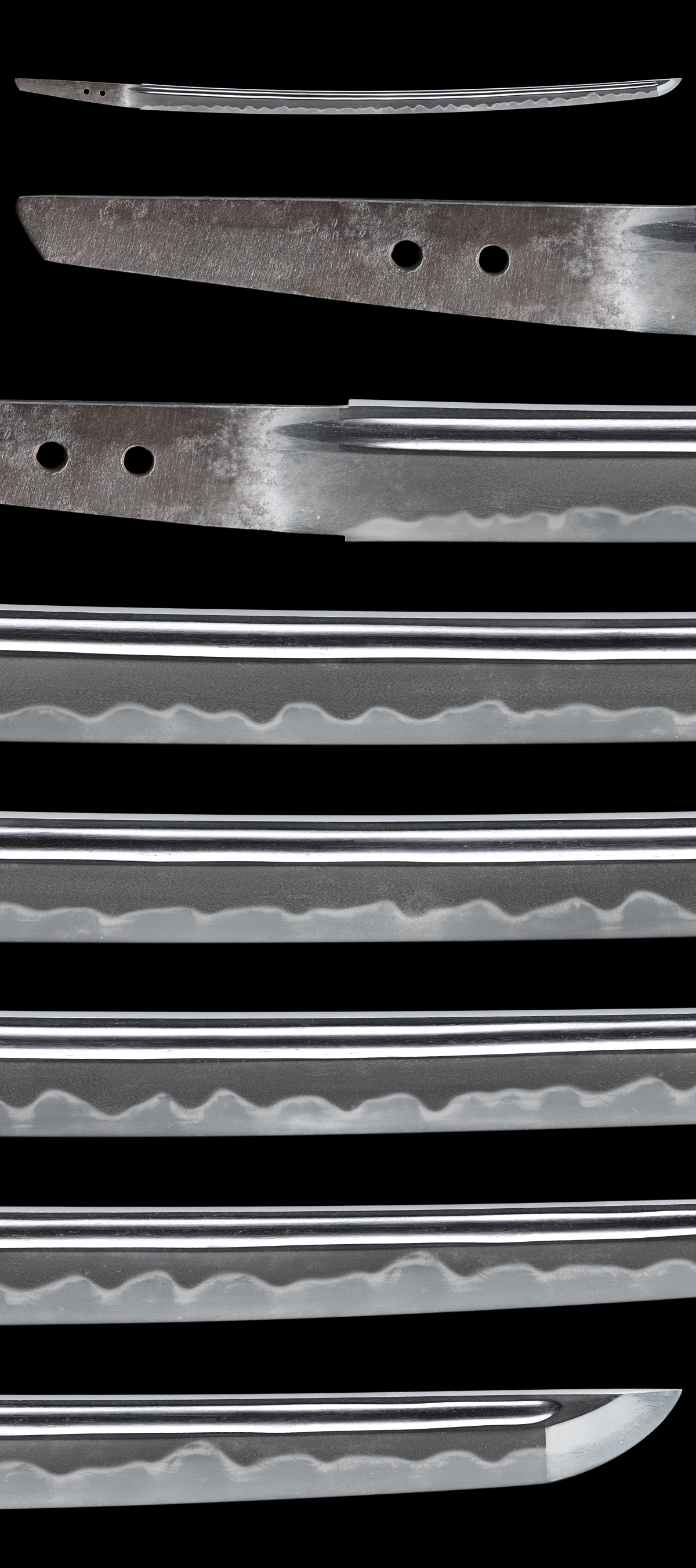
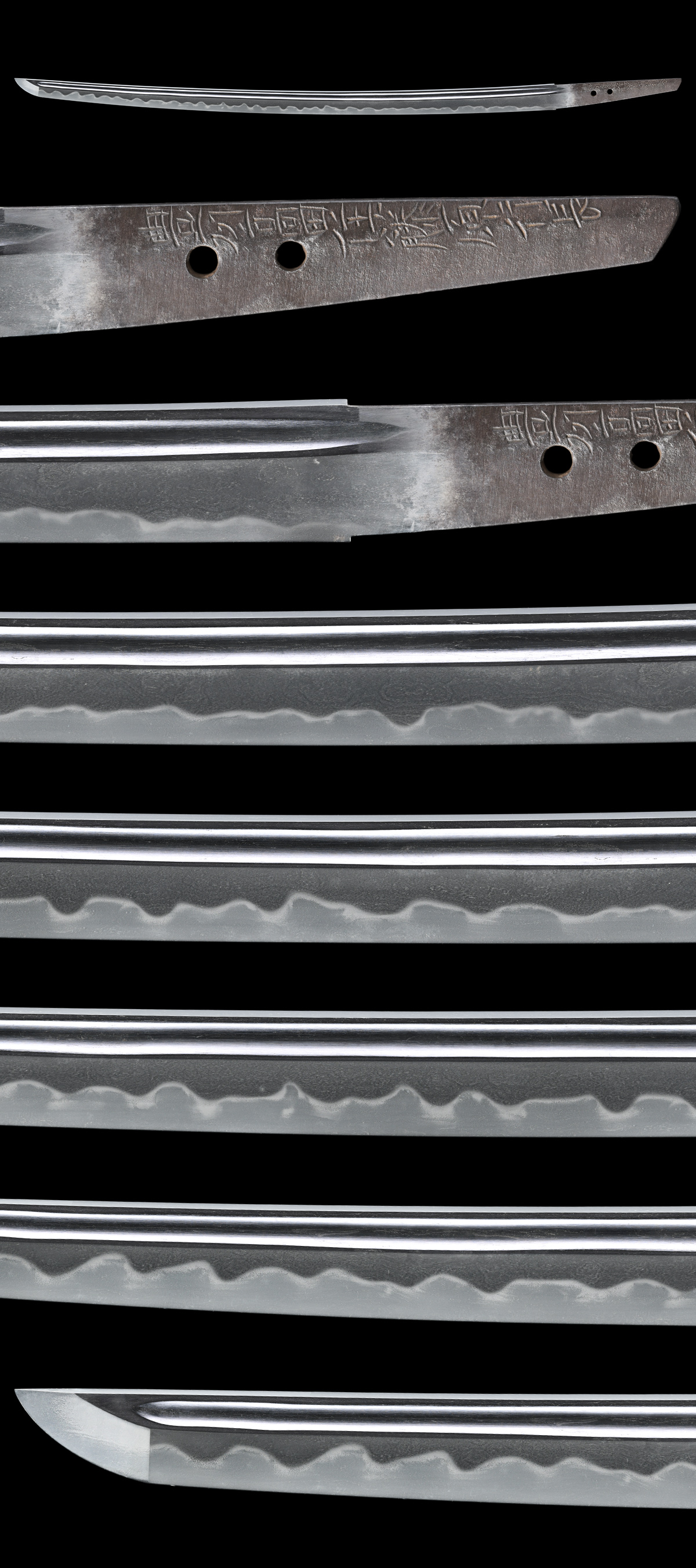
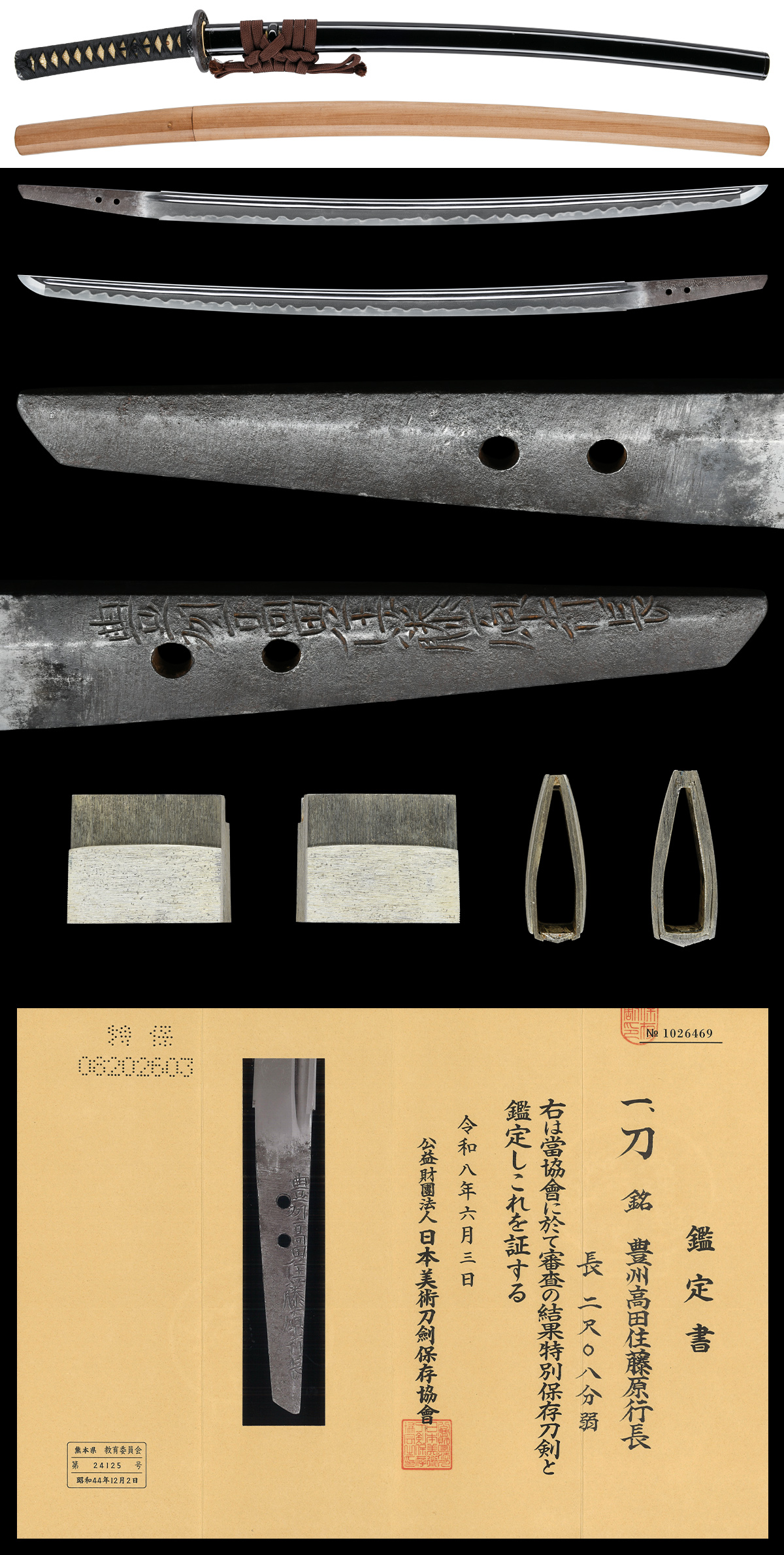
Machine translation from the shop's Japanese · may contain errors ·
Bungo · around 1658-1661
Fujishiro Jo saku · Tōken Taikan top 60%
1 piece on the market now
The Edo period (1615 to 1868)
Edo was the sword’s age of connoisseurship: the Hon’ami appraisers, the shogunal register of famous blades of 1719, and a thriving literature turned the sword into an object of study even as it ceased to be drawn in war.
A Hozon-certified blade judged to show notably superior workmanship and a better state of preservation. The bar is higher: re-tempered blades and most unsigned Muromachi/Edo works are excluded.
The NBTHK (Nihon Bijutsu Tōken Hozon Kyōkai, the Society for the Preservation of Japanese Art Swords) is a public-interest incorporated foundation founded in 1948 and supervised by Japan’s Agency for Cultural Affairs (Bunkachō); it is based at the Japanese Sword Museum in Tokyo. Its expert panels physically examine each submitted work (shinsa) and issue a certificate (kanteishō) ranking it by artistic and historical merit. NBTHK papers are the most widely recognized standard of authentication for Japanese swords and fittings.
NBTHK official siteNo cooling-off period or returns; refund only if the purchased sword is proven fake, capped at purchase price (excludes commission sales, accessories, auction items).