Two courts, sixty years of war, and the most dramatic silhouettes in the sword’s history: broad blades, extended points, true ōdachi later cut down into the majestic katana collectors prize. The Sōshū manner was the style of the age.
 NihontoWatchNihontoWatch
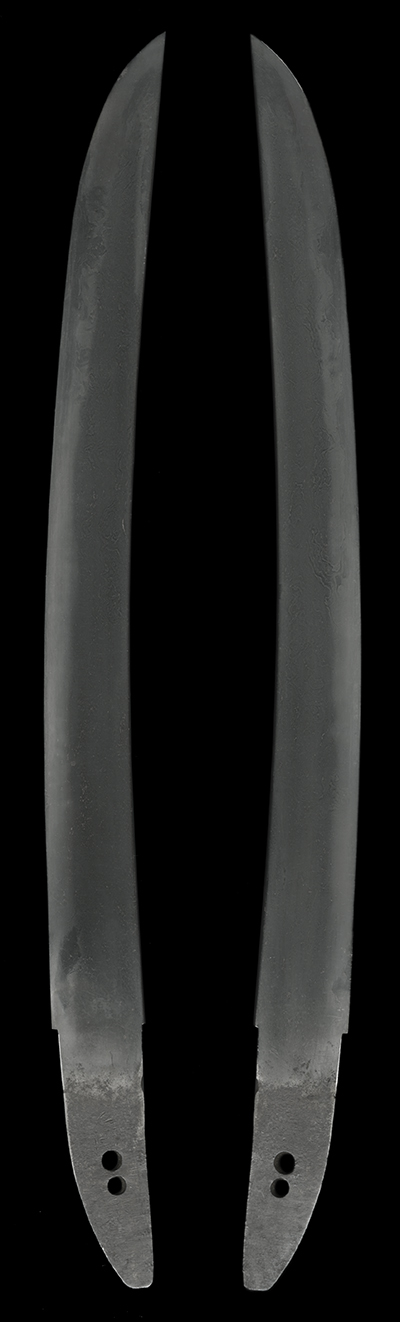
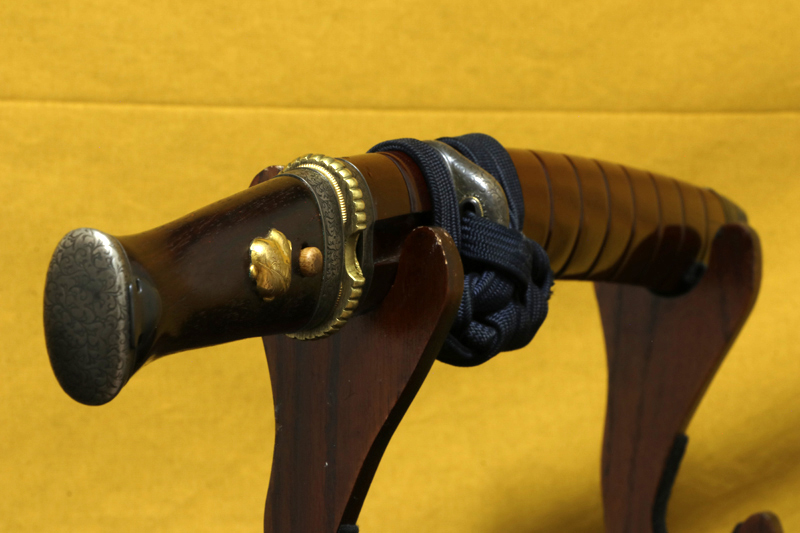
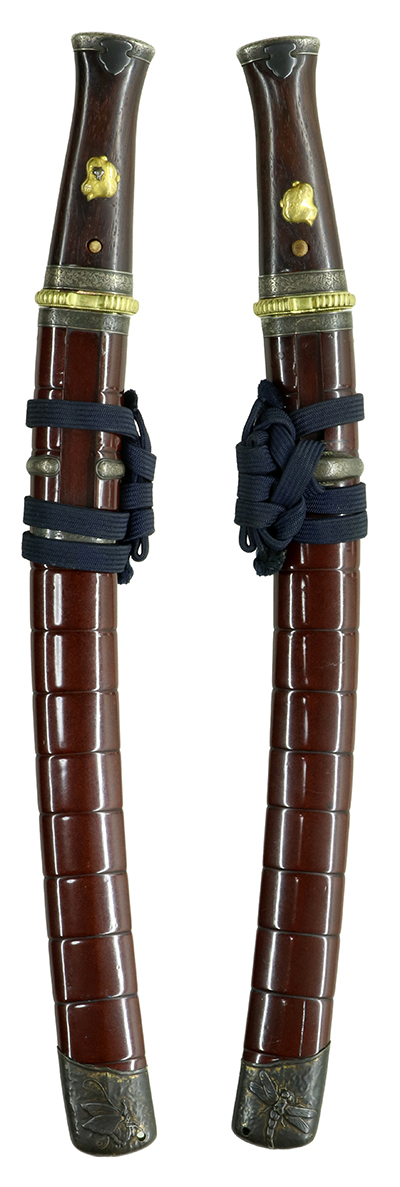
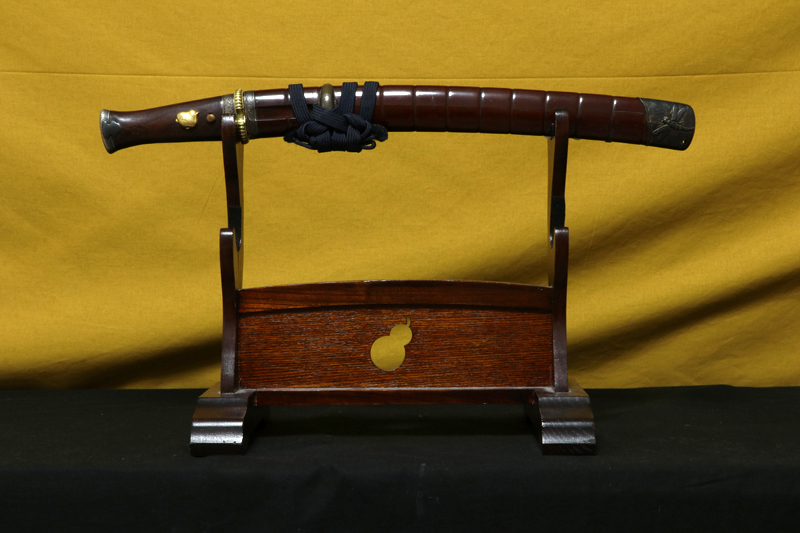
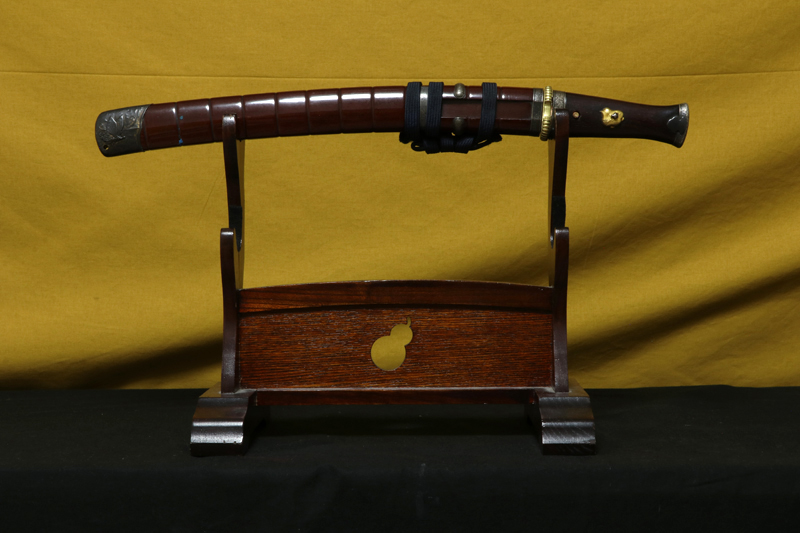
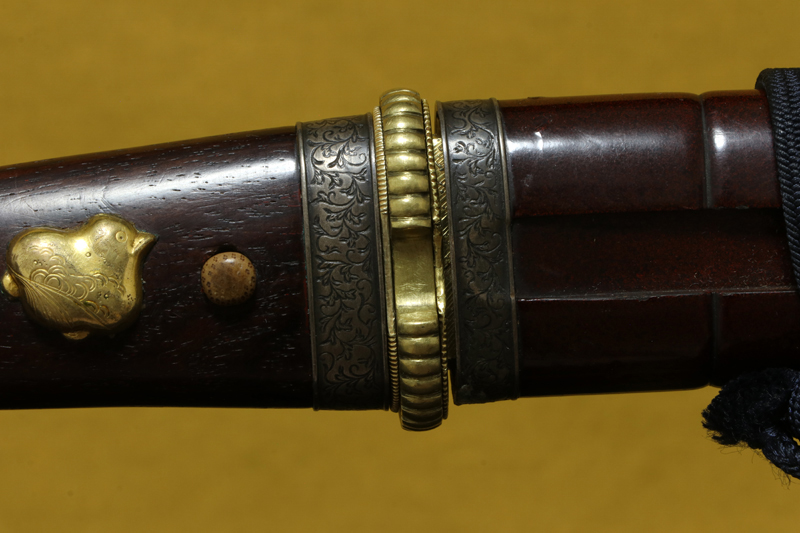
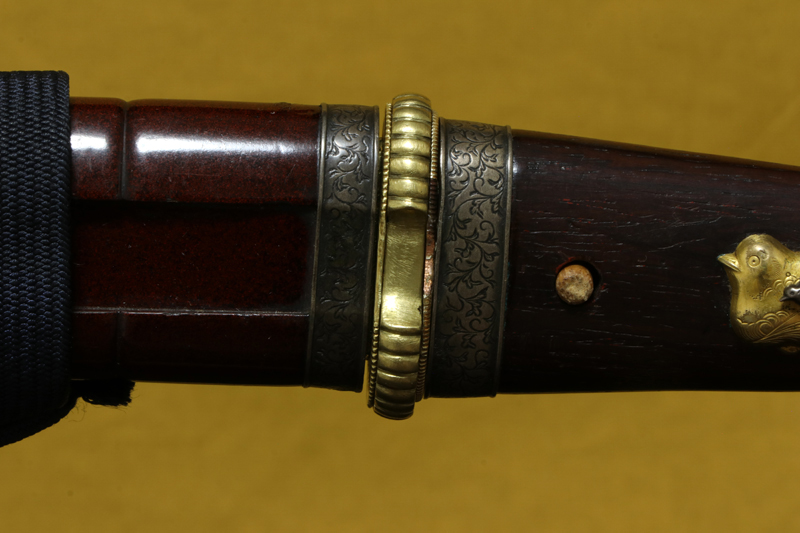
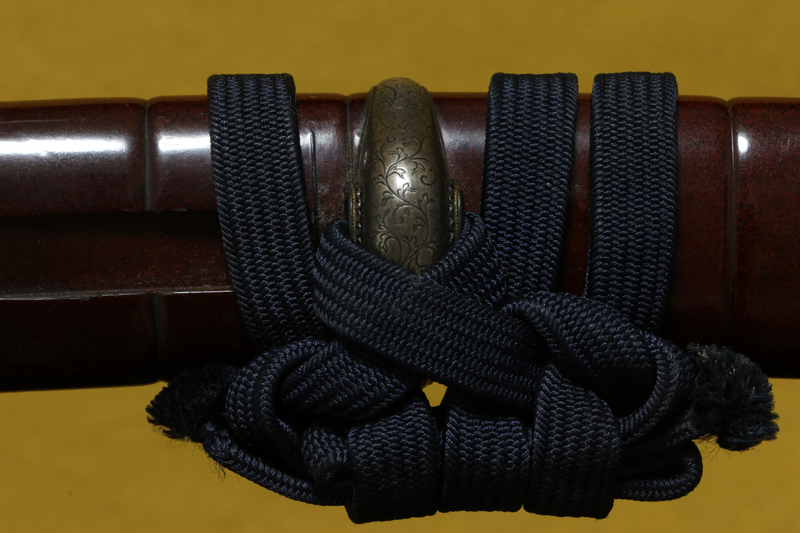
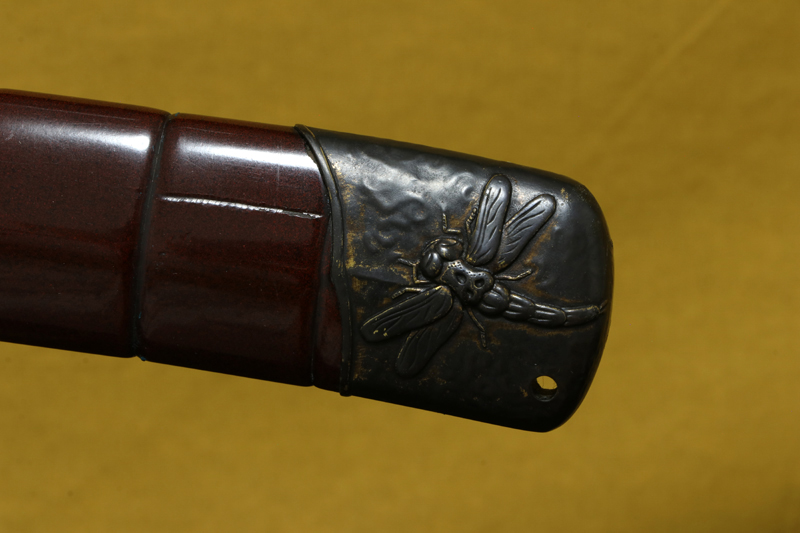
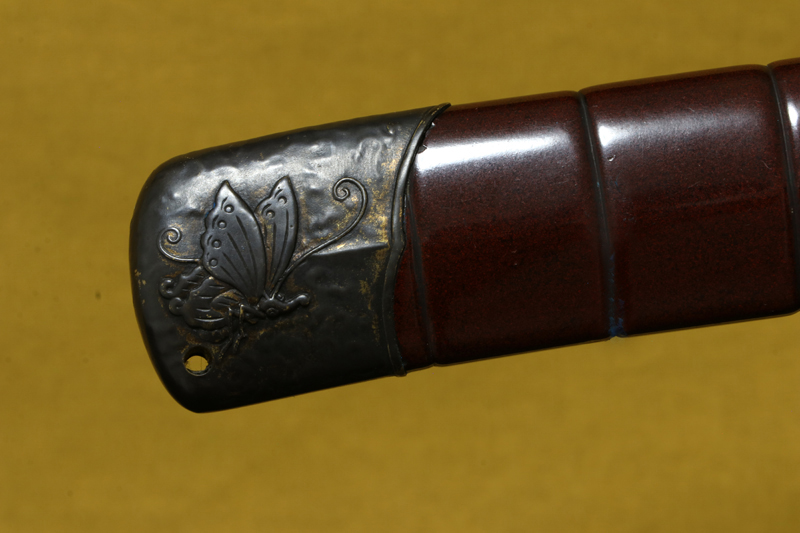
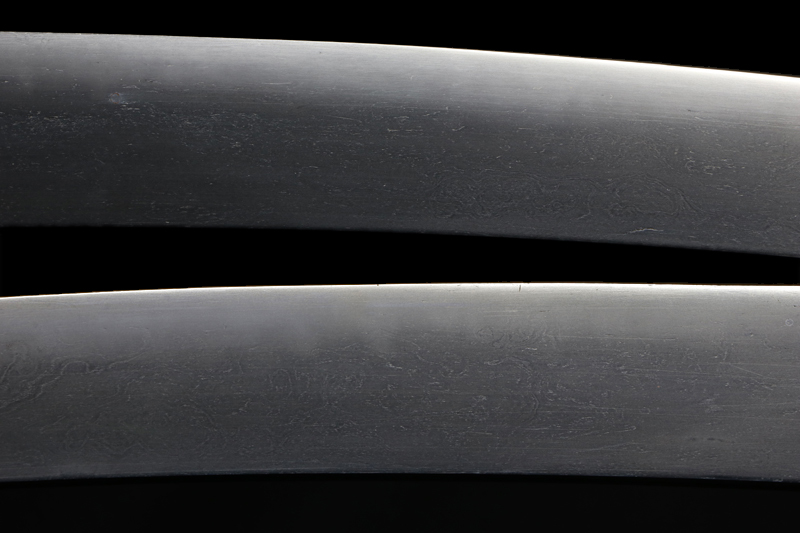
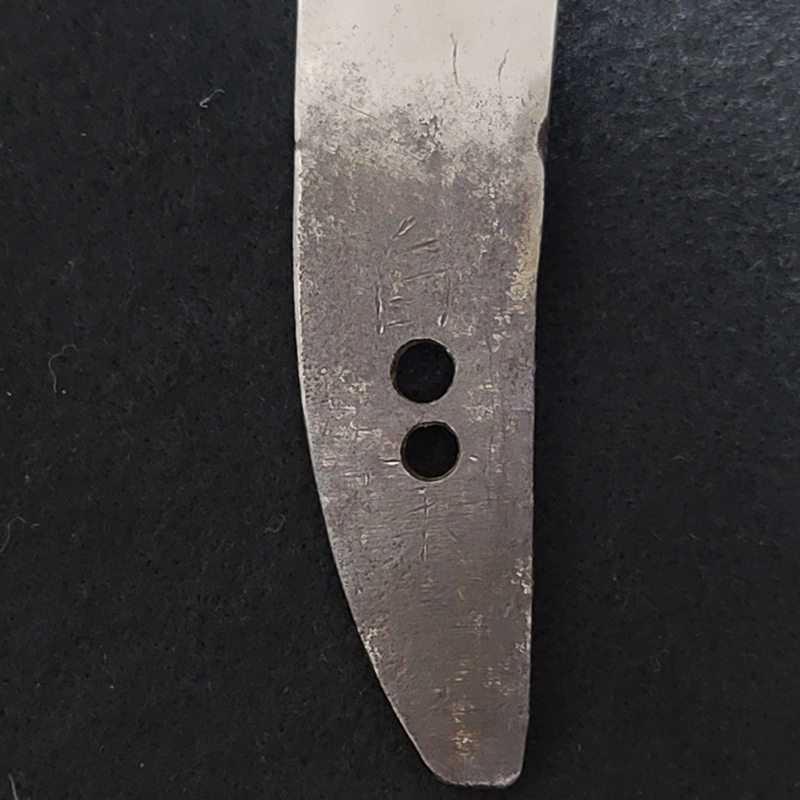
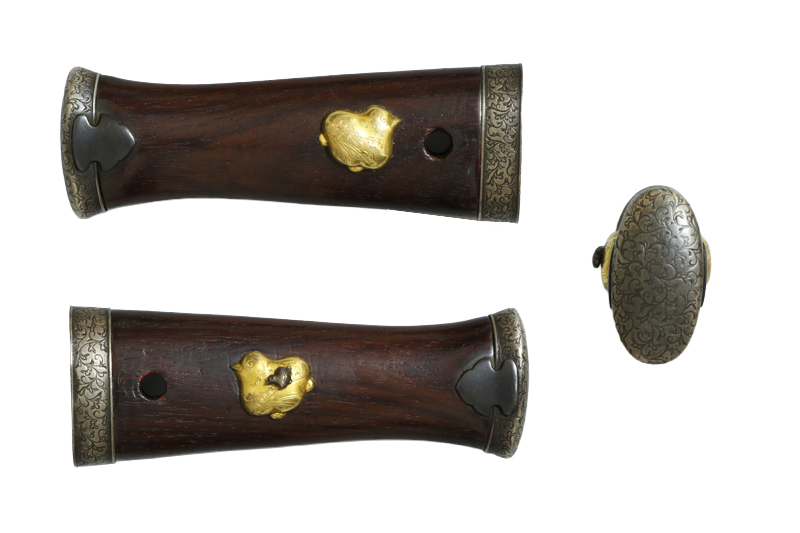
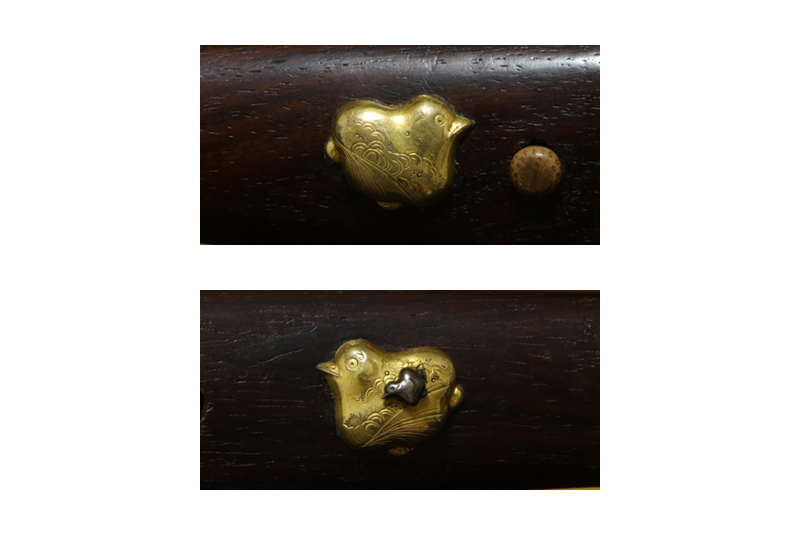
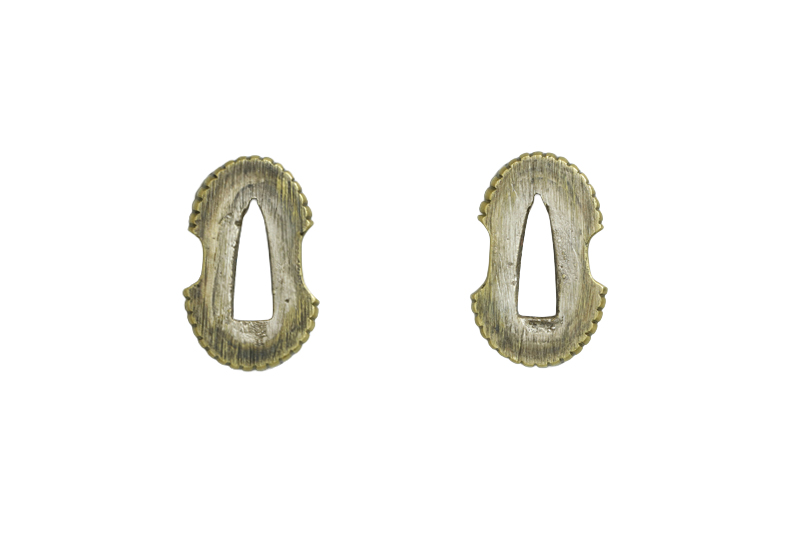
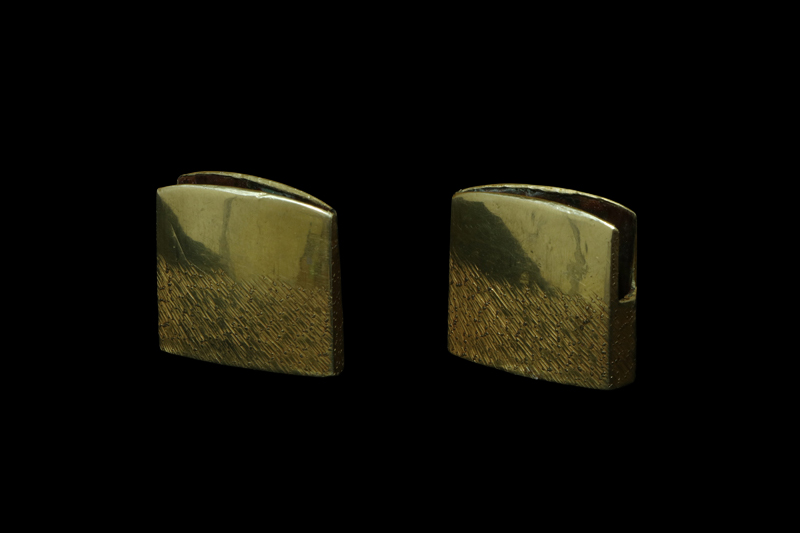
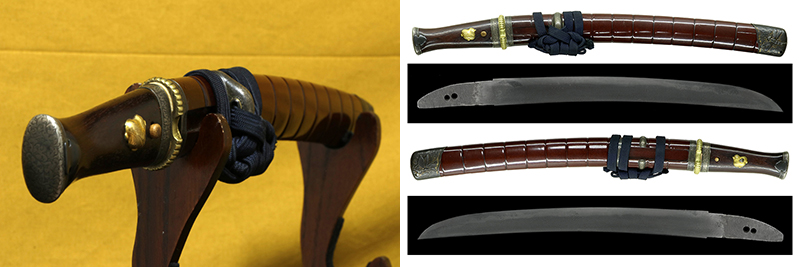
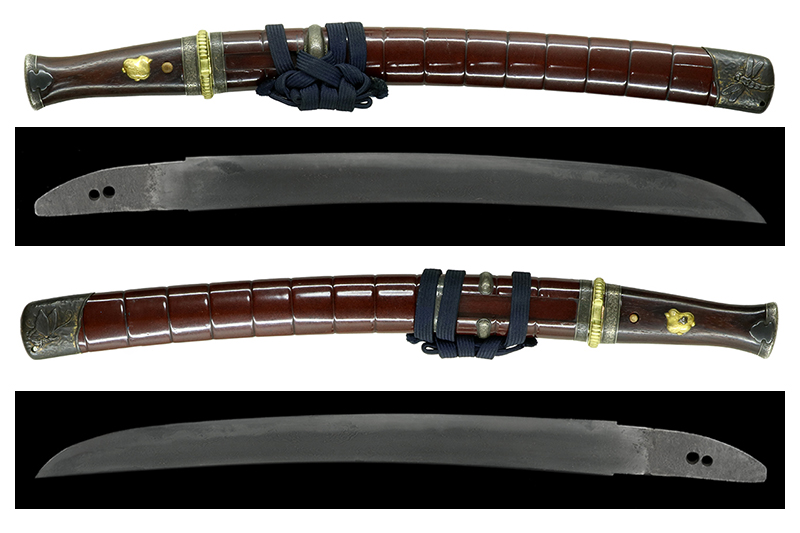
Koto Sadamune tsukuru with Koshirae. 南北朝時代後期の作と推定される大振りの短刀です。「貞宗造」の銘がありますが、正宗門下の貞宗とは別人の作と考えられます。 大板目肌に互の目乱れを焼き、古研ぎながら錆はありません。 拵は鉄刀木の柄に銀無垢金具を贅沢に用いた豪華な仕立てで、保存状態も良好です。刀身・拵ともに見応えある一振りです。 This is a large tanto believed to date from the late Nanbokucho period. Although signed “Sadamune Tsukuru,” it is considered to be the work of a different swordsmith, not Sadamune, the famous disciple of Masamune. The blade features o-itame hada and gunome-midare hamon. Despite its old polish, there is no rust. The luxurious koshirae features a tagayasan wood tsuka and lavish use of solid silver fittings. It remains in excellent condition. Both the blade and koshirae make this a highly attractive piece. 「刀姿 sword figure」 平造り庵棟、身幅尋常重薄く、中間反り大鋒。茎は生で筋違い鑢がかかり、茎尻は栗尻。 Hira-zukuri with an iori-mune, standard mihaba, thin kasane, moderate curvature centered around the middle of the blade, and a large kissaki. The nakago is ubu, with sujikai yasurime and a kuri-jiri tip. 「地鉄 jigane」 地鉄は大板目肌に地沸付く。 The jitetsu is o-itame hada with ji-nie. 「刃紋 hamon」 刃紋は互の目乱れ、砂流しかかり金筋が栄んに働く。釯子は乱れ込み小丸に返る。 The hamon is gunome-midare with sunagashi and abundant kinsuji. The boshi is midarekomi, turning back in ko-maru. 「特徴 detailed」 貞宗は正宗十哲の一人として知られる名工ですが、現在まで在銘作が確認されていないため、本短刀は正宗門下の貞宗の作ではないと考えられます。 また茎の銘は底銘となっており判読が難しく、昭和28年(1953年)の登録時には「貞宗造」と読まれていますが、実際には別の銘である可能性もあります。 刀身は大振りで中間反りがあり、南北朝時代後期の作と推定されます。地鉄は大板目肌、刃文は互の目乱れを焼いています。古研ぎのため多少の曇りやヒケがありますが、錆はありません。鎺は素銅地金着一重の腰祐乗です。 拵は非常に見事な仕立てで、柄には鉄刀木を使用。縁頭と栗形は一作で、銀無垢地に筋彫の唐草文様が施されています。目貫は鶉図で、金無垢の可能性があります。切羽は素銅地金着、鐔は銀無垢地に銀鍍金を施したものです。 鞘は印籠刻み鞘で、赤茶色の石目艶塗り。鐺は素銅地に蝶と勝虫(蜻蛉)の図をあしらっています。拵全体の保存状態は良好です。 惜しくも小柄と笄は失われていますが、元来は縁頭や栗形と揃いの銀無垢地筋彫唐草文様のものが付属していたと推測されます。 刀身の古雅な趣と、銀無垢金具を贅沢に用いた上質な拵が魅力の、見応えある一振りです。 Sadamune is renowned as one of the Masamune Juttetsu (Ten Great Disciples of Masamune). However, since no authenticated signed works by this famous swordsmith have been discovered to date, this tanto is not believed to be the work of Sadamune, the disciple of Masamune. The inscription on the nakago (tang) is worn down and difficult to decipher. When the sword was registered in 1953 (Showa 28), the inscription was recorded as “Sadamune Tsukuru” (貞宗造). However, it is possible that the inscription actually reads something else. The blade is relatively large for a tanto, with a moderate curvature, and is believed to date from the late Nanbokucho period (14th century). The jitetsu features a bold o-itame hada, while the hamon is gunome-midare. The polish is old, with some cloudiness and minor surface scratches, but there is no rust. The habaki is a single-piece, gold-foiled copper habaki in the koshi-Yujo style. The koshirae is exceptionally fine. The tsuka is made of tagayasan (ironwood). The fuchi-kashira and kurikata form a matching set, crafted from solid silver and decorated with finely engraved arabesque patterns. The menuki feature quail motifs and may be made of solid gold. The seppa are gold-foiled copper, while the tsuba is made of solid silver with silver plating. The saya is an inro-style carved scabbard, finished in reddish-brown ishime lacquer with a glossy surface. The kojiri is made of copper and decorated with butterfly and dragonfly (kachimushi) motifs. The entire koshirae remains in excellent condition. Unfortunately, the kozuka and kogai have been lost. It is believed that they originally formed a matching set with the fuchi-kashira and kurikata, featuring the same engraved arabesque patterns on solid silver. This is a fascinating tanto that combines the elegant, antique character of a Nanbokucho-period blade with a luxurious, high-quality koshirae featuring an abundance of solid silver fittings. 「拵 Koshirae」 ハバキ(habaki) :素銅地金着一重の腰祐乗。 鍔(tsuba) :銀無垢金鍍金の喰出し鍔。 縁頭(futikasira):銀無垢筋彫唐草模様。 栗形(kurikata) : 銀無垢筋彫唐草模様。 目貫(menuki) :金地(金無垢?)鶉の図。 柄(tsuka) :鉄刀木に漆仕上げ。 鐺(kojiri) : 素銅地蝶と勝虫の図。 鞘(saya) :印籠刻み鞘、赤茶石目艶。 「刀剣の状態 condition of blade」 研:古研ぎのため曇っていますが、錆は有りません。 傷:欠点に成るような鍛え割れは有りません。
Offered by Giheiya
This piece has sold
Get an email when a new Sadamune piece hits the market.

As written by the shop
(Translation unavailable)
Etchu · around 1334-1338
The Nanbokuchō period (1333 to 1392)
Two courts, sixty years of war, and the most dramatic silhouettes in the sword’s history: broad blades, extended points, true ōdachi later cut down into the majestic katana collectors prize. The Sōshū manner was the style of the age.
Within 3 days of the item's arrival, we offer a refund or an exchange. Return shipping and the bank transfer fee for the refund are at the customer's expense.