The twentieth century nearly killed the craft twice: wartime distortion, then the occupation ban. The NBTHK’s founding in 1948 and licensed forging from 1953 rebuilt the sword as an art, crowned by Living National Treasures and the mukansa rank.
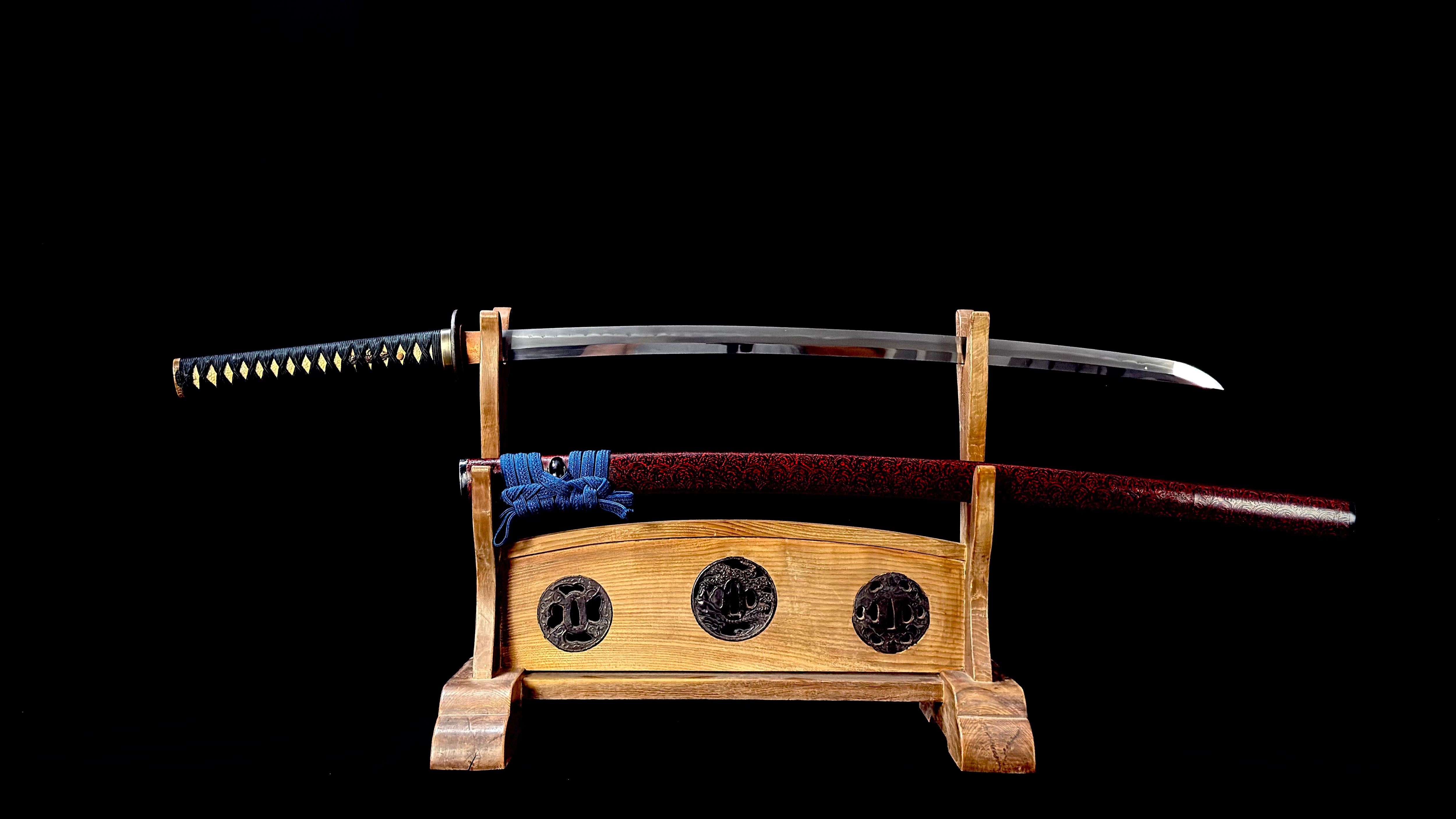
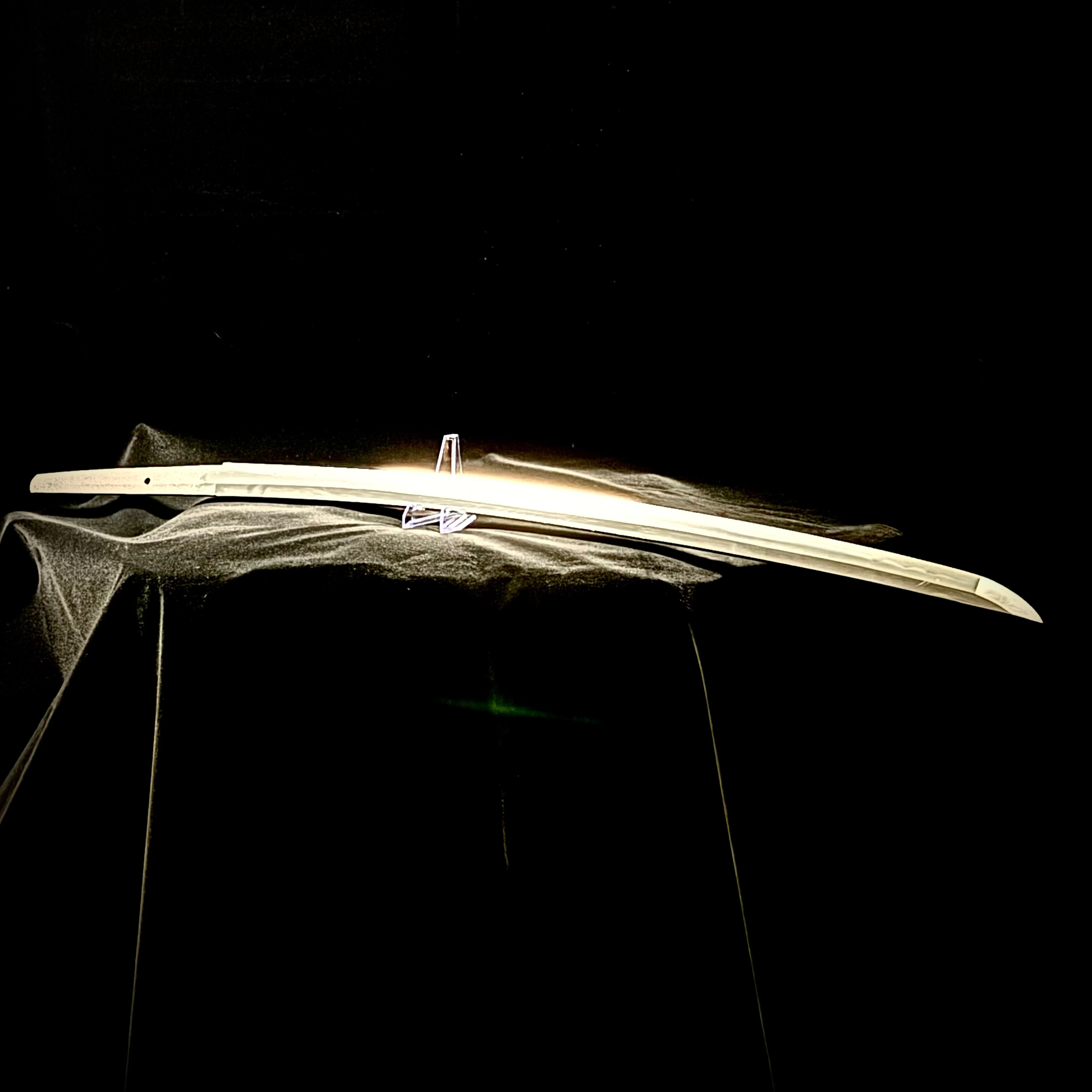
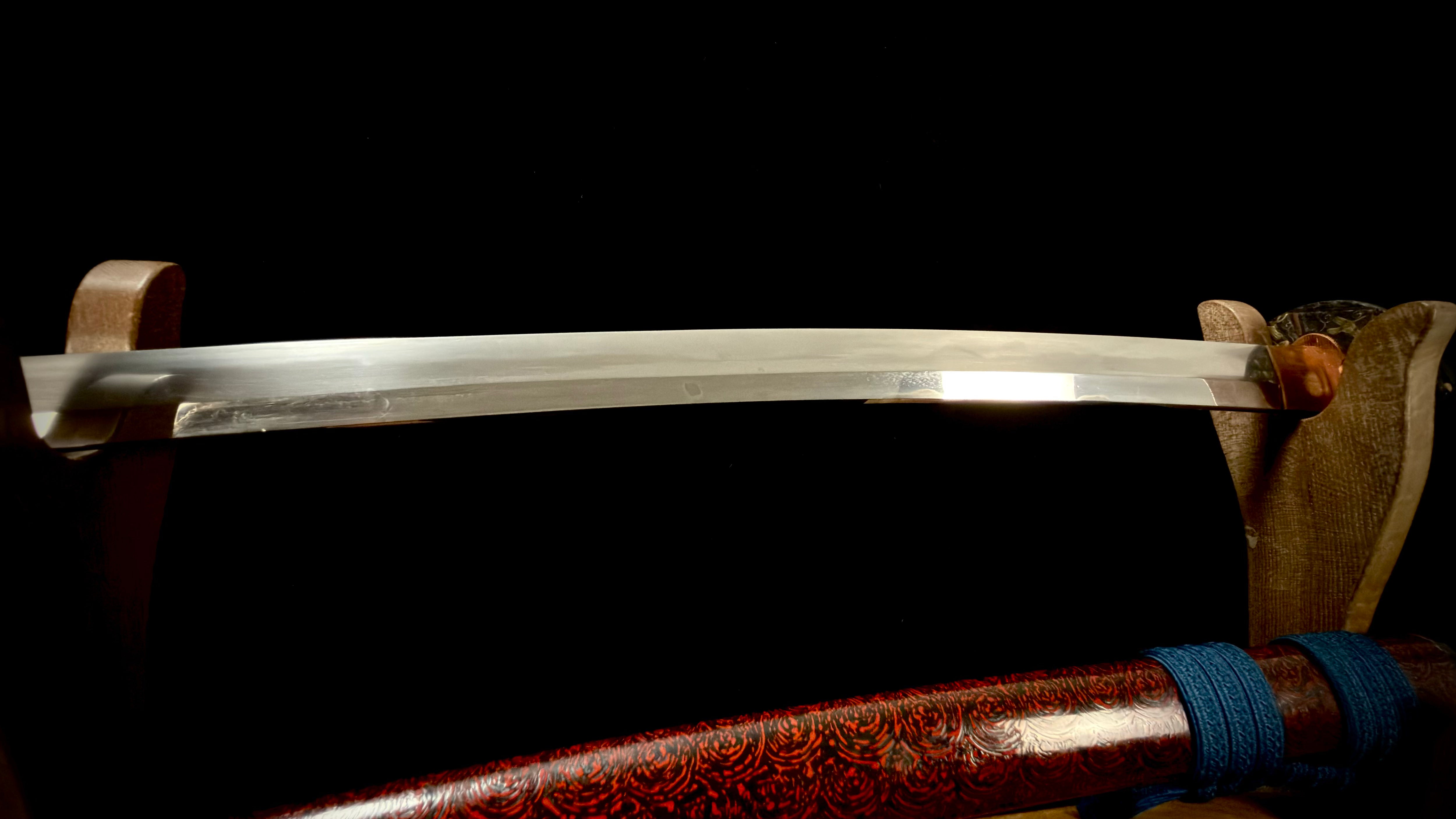
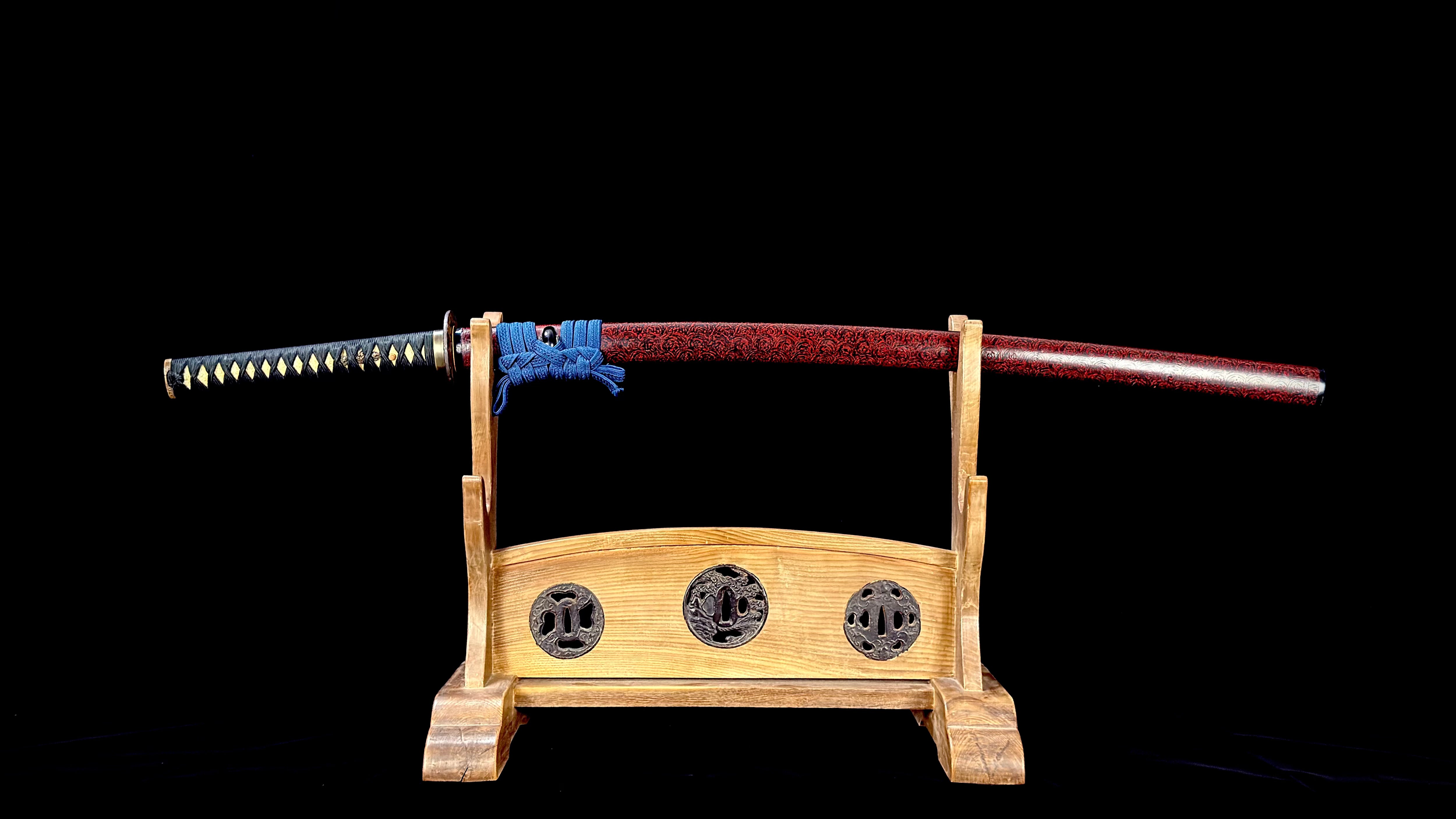
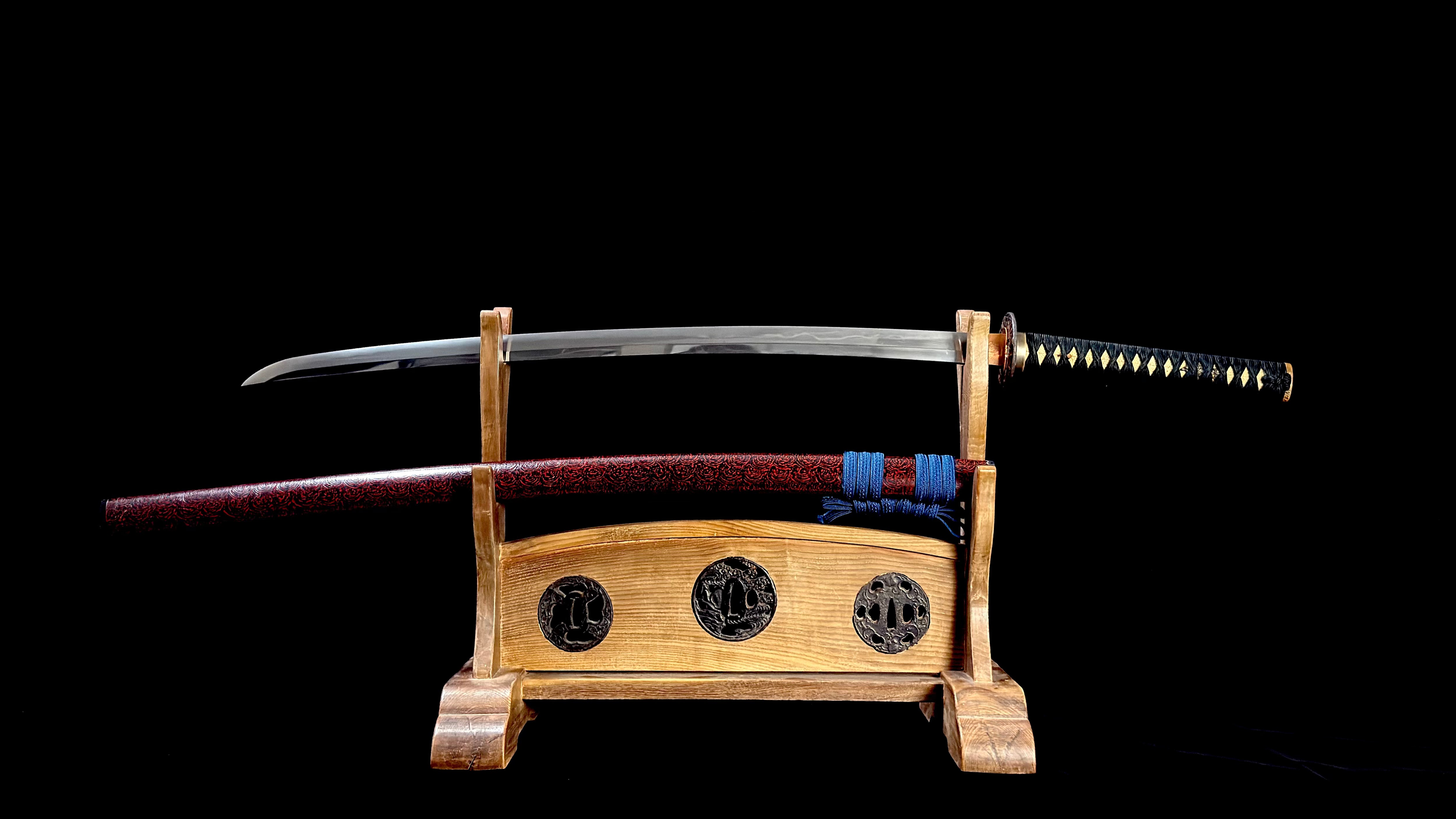
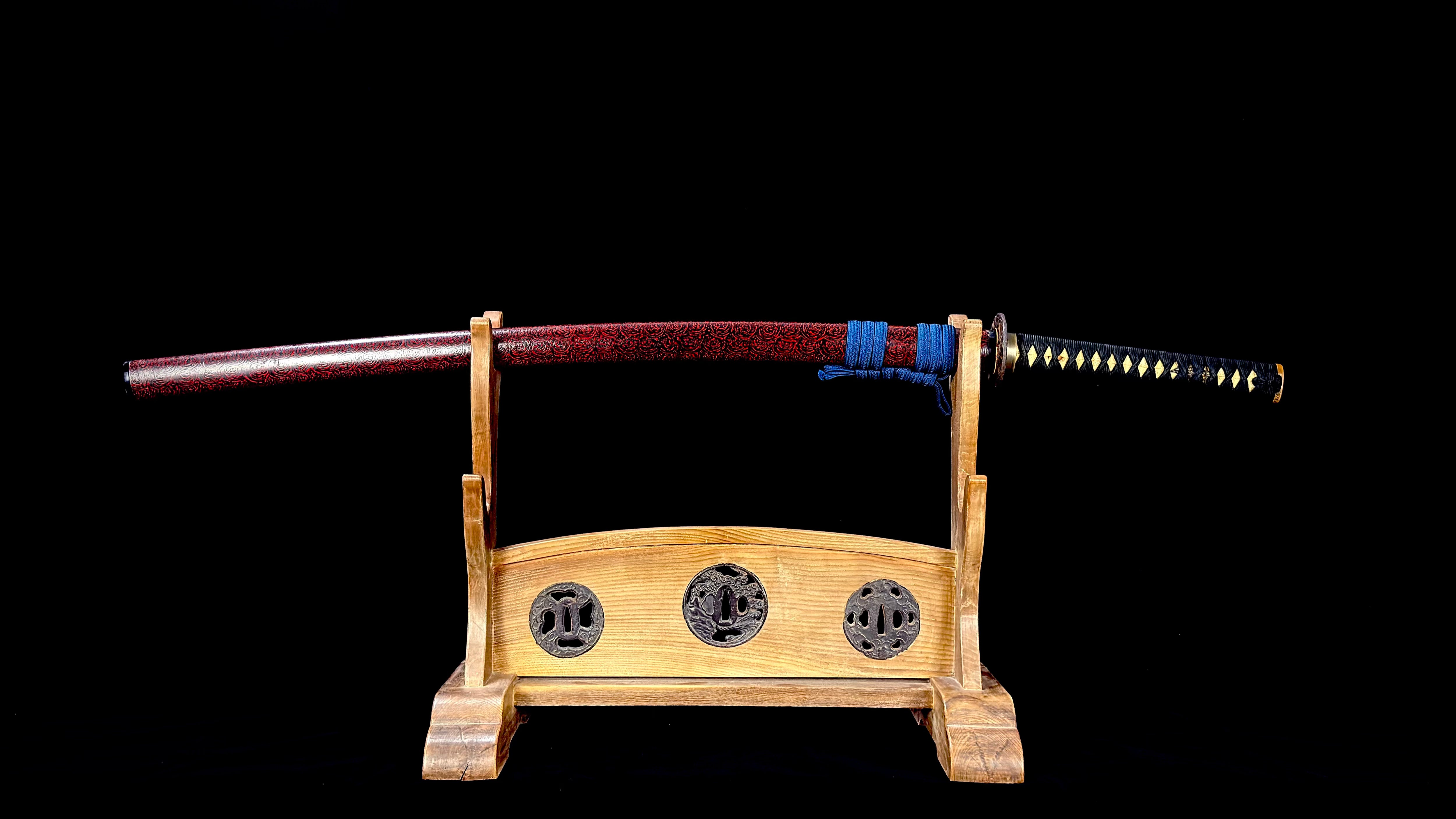
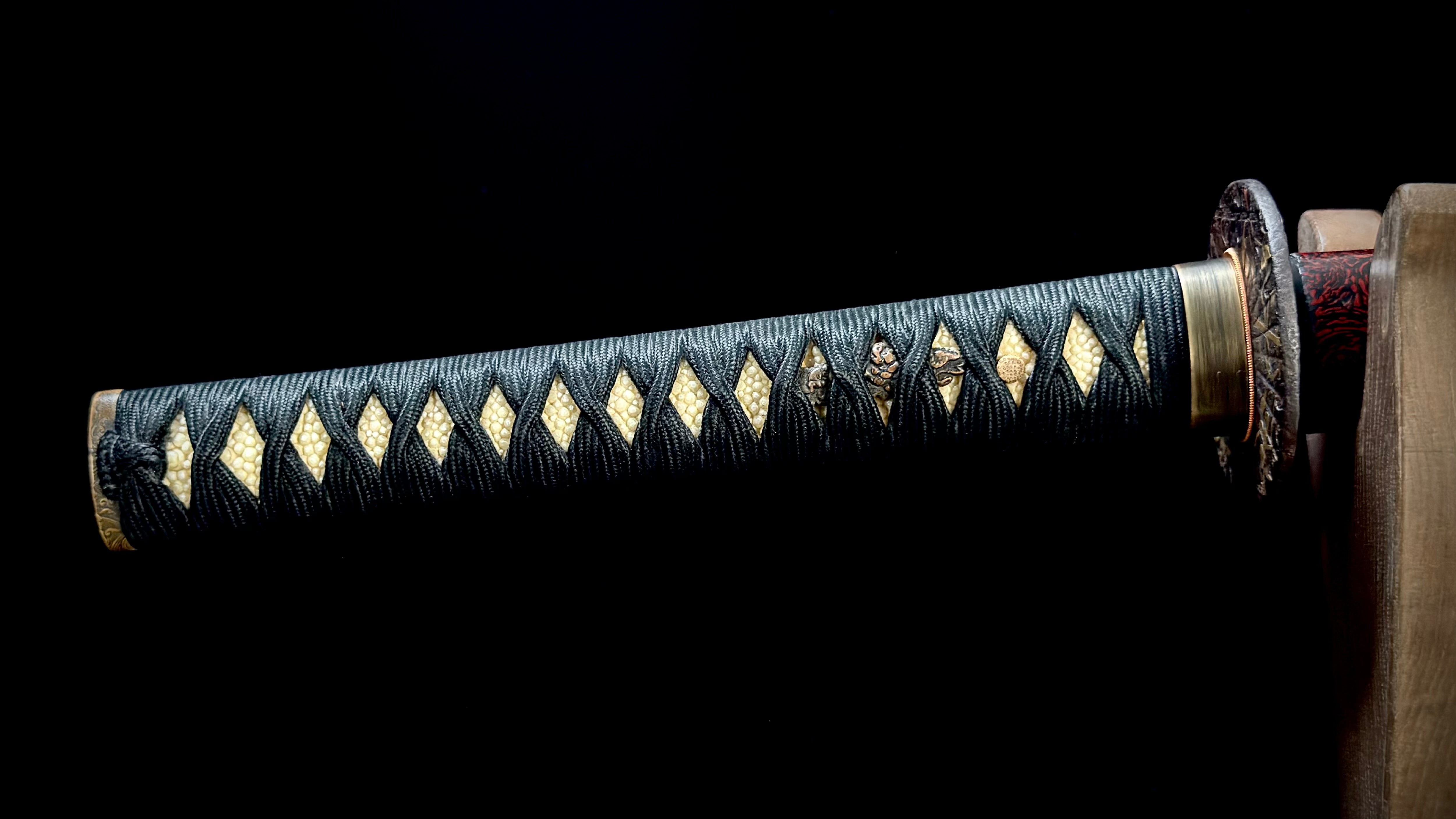
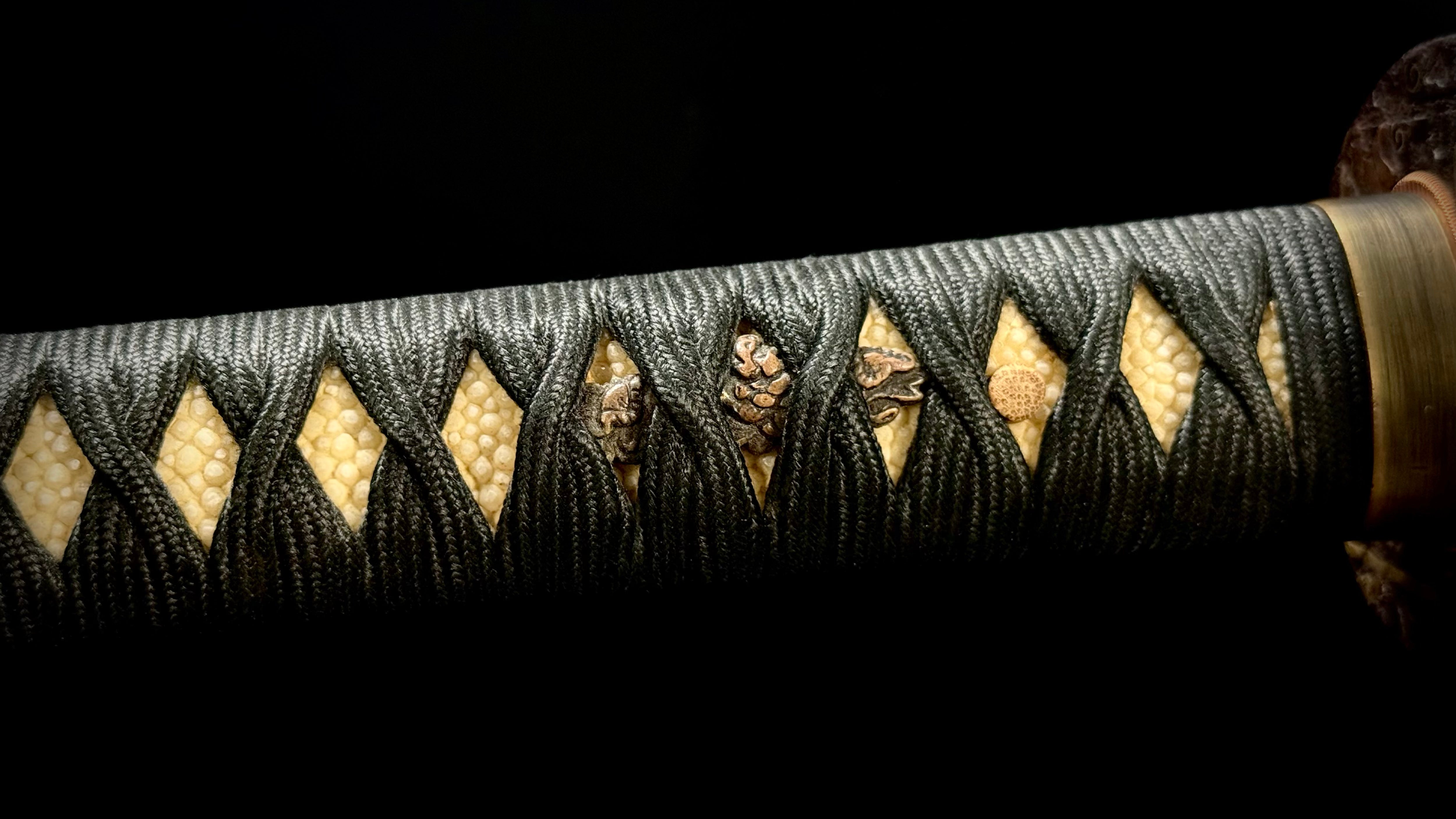
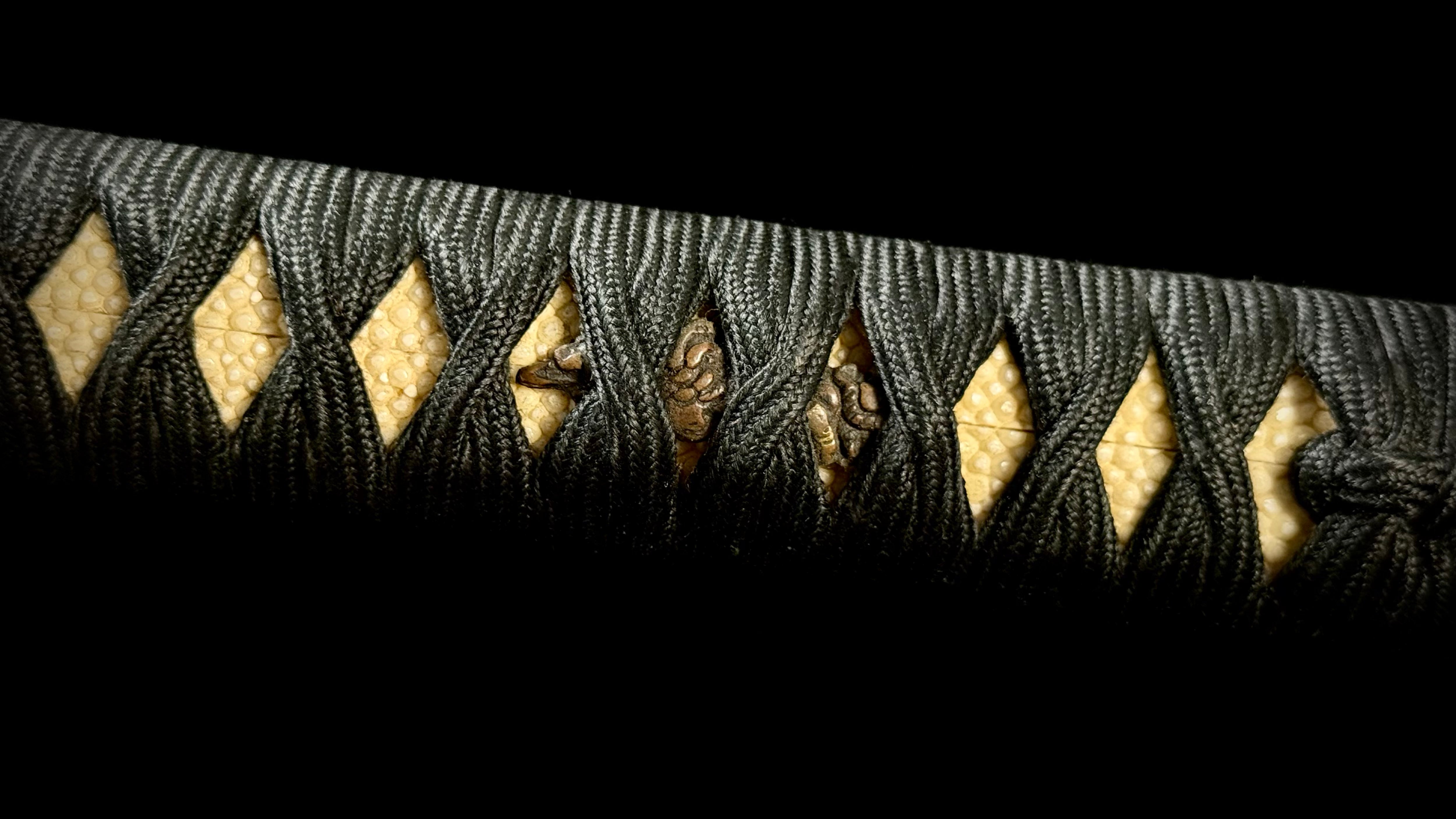
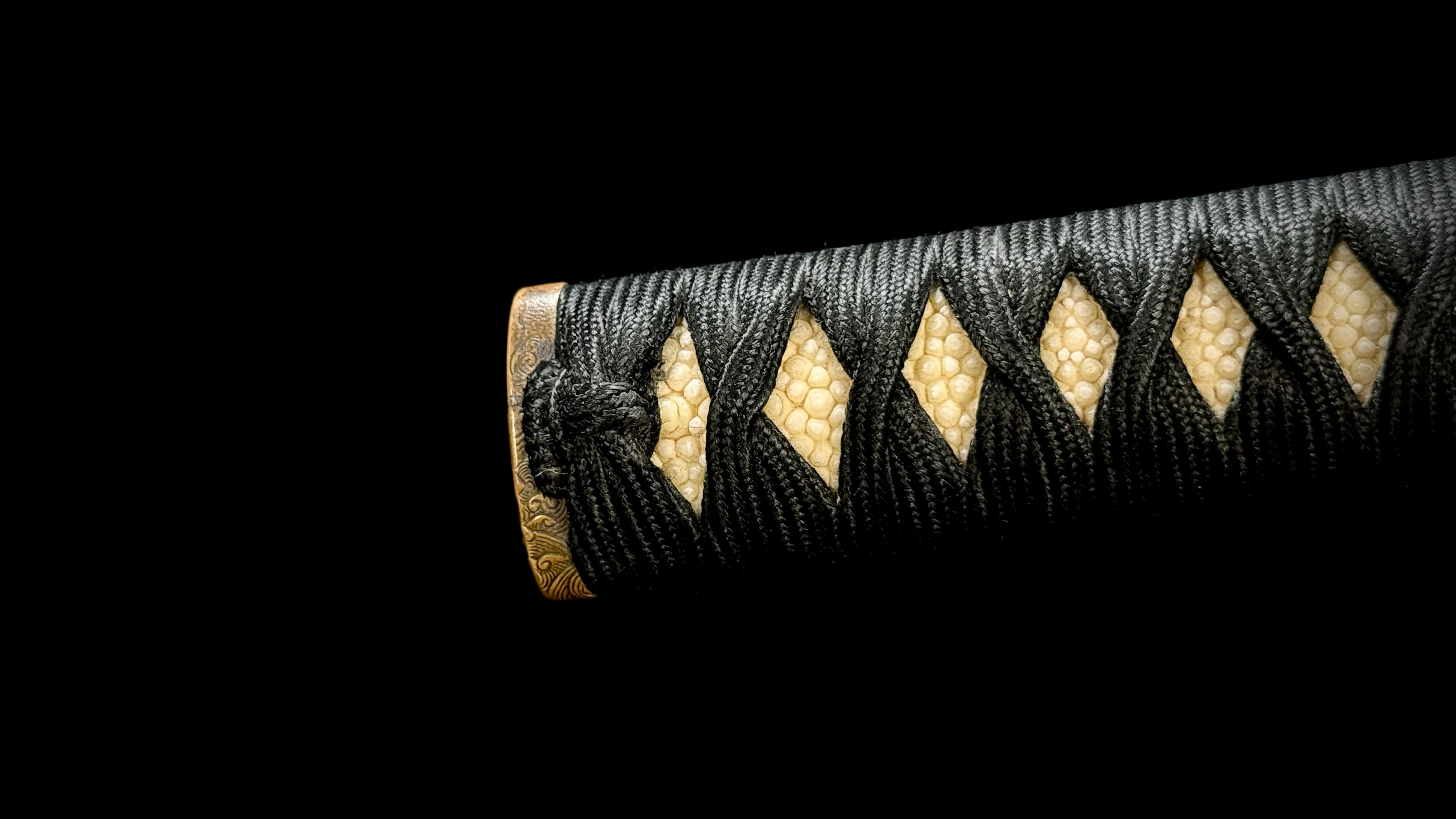
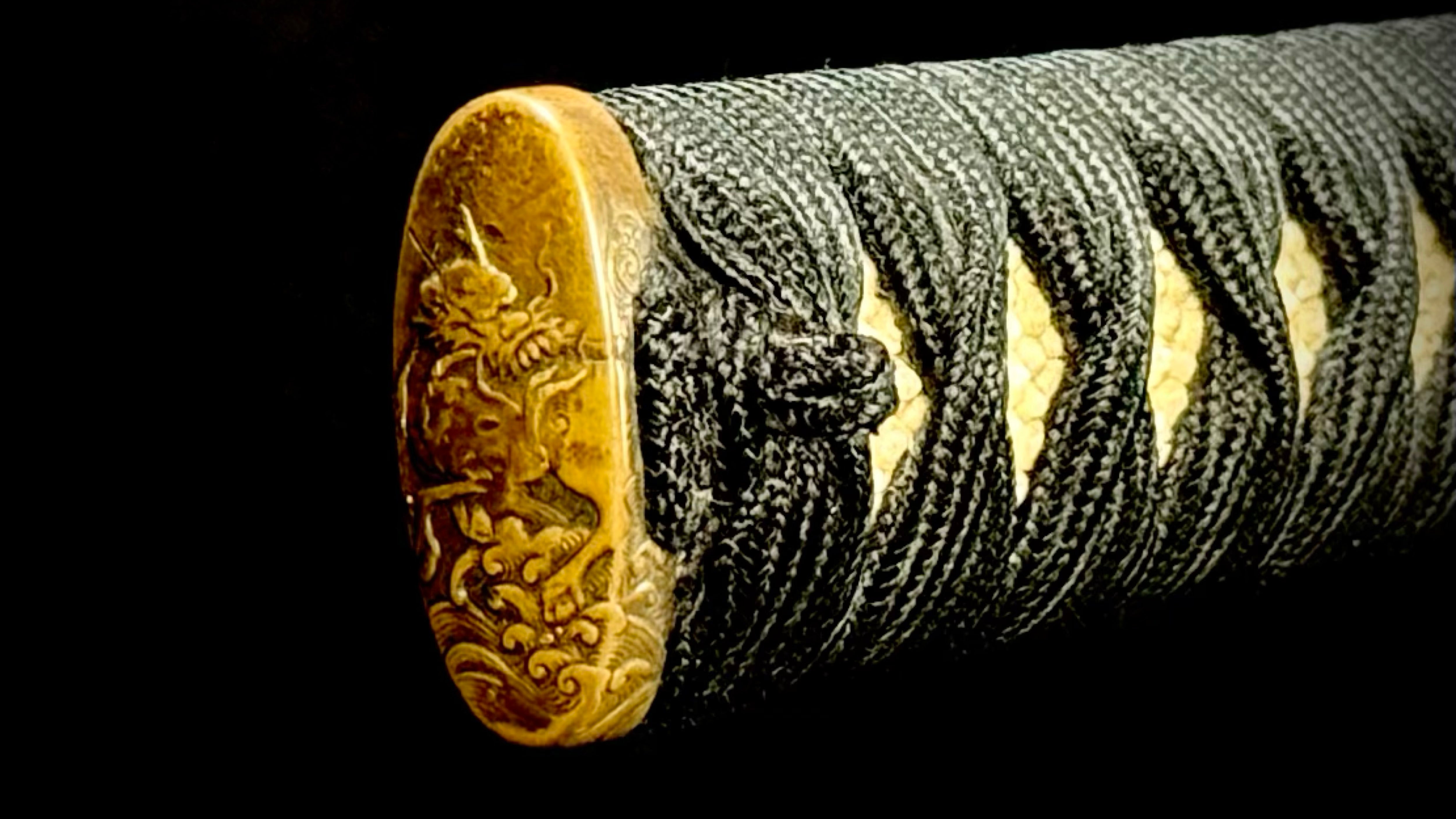
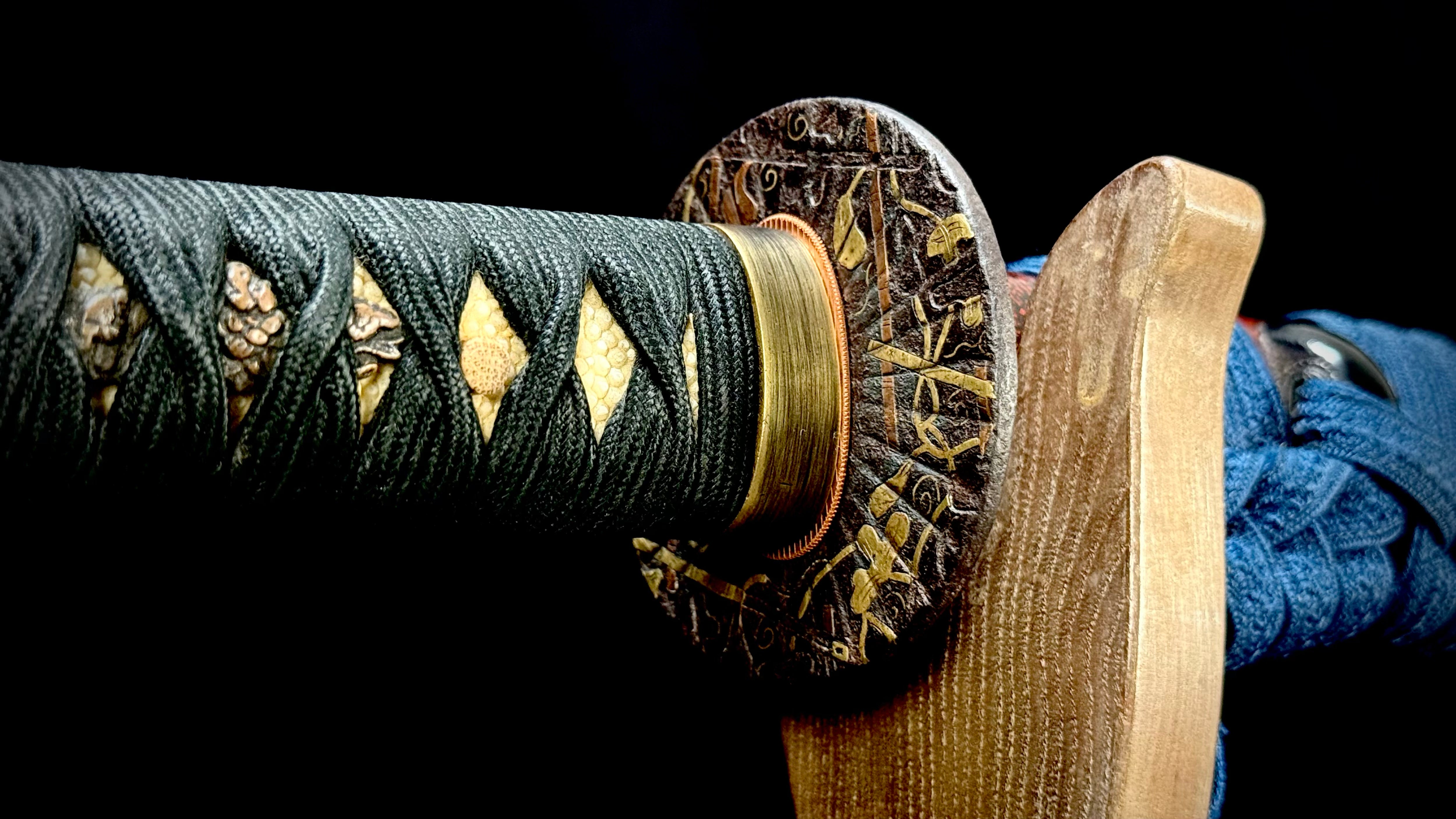
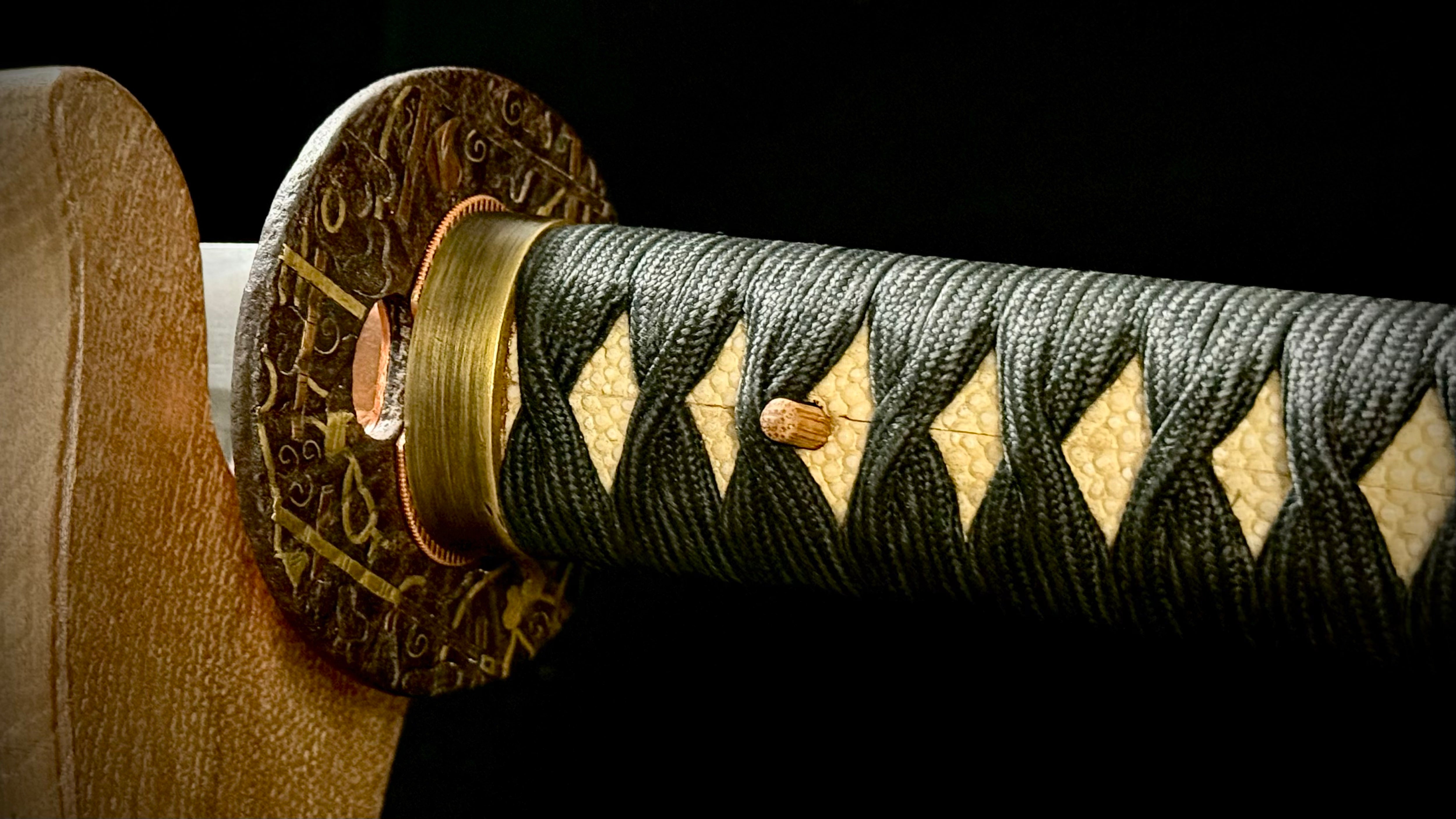
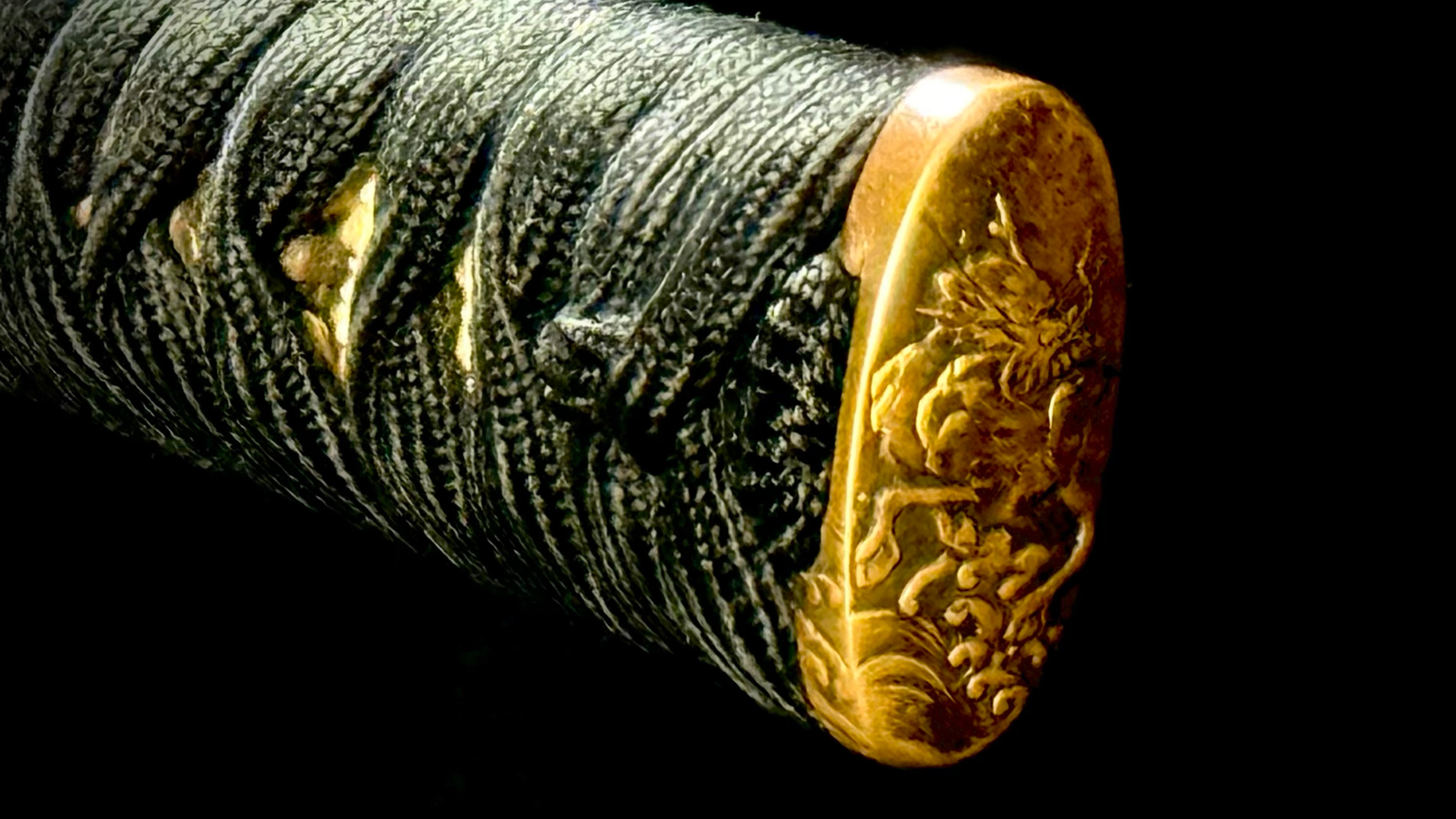
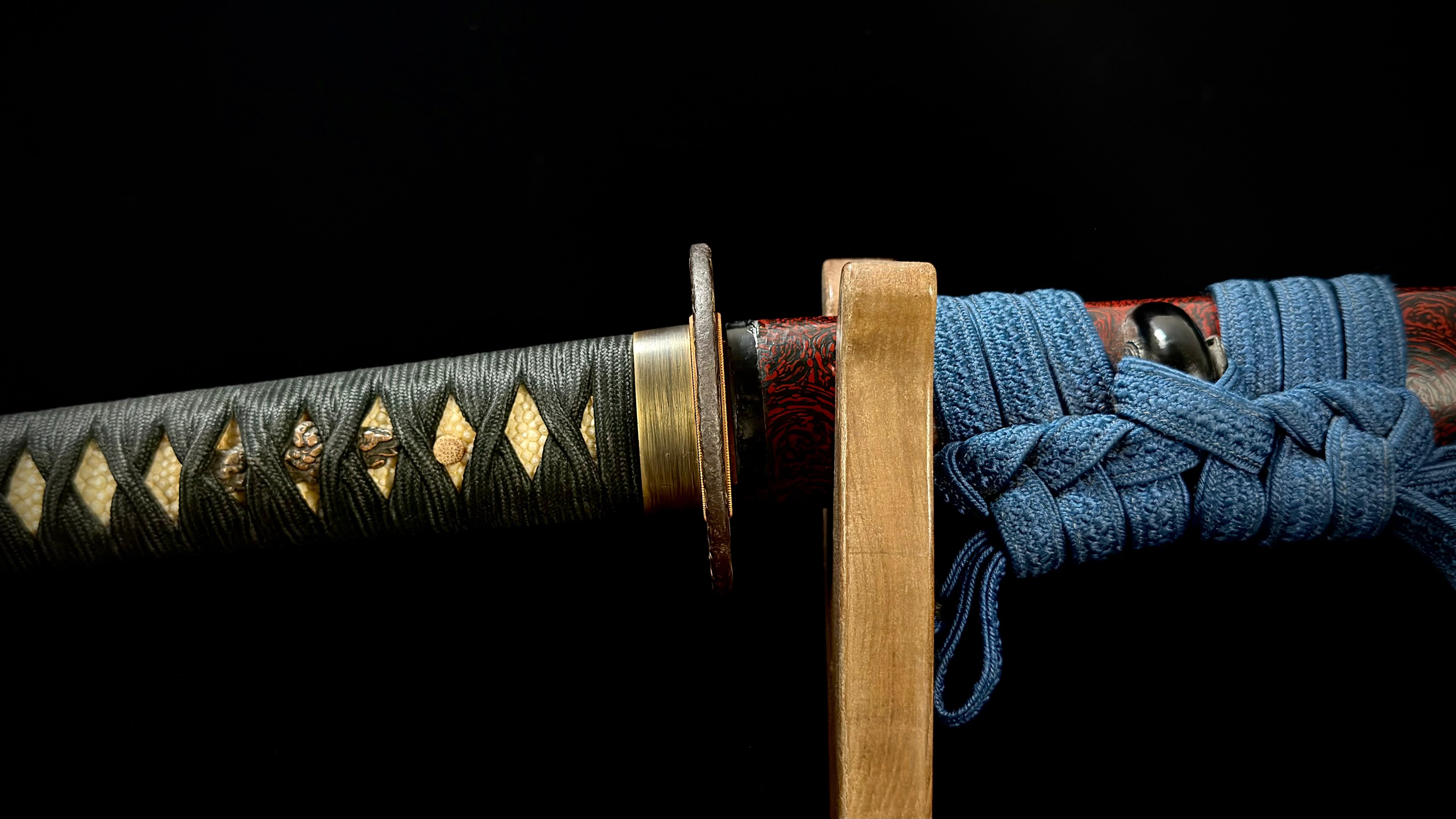
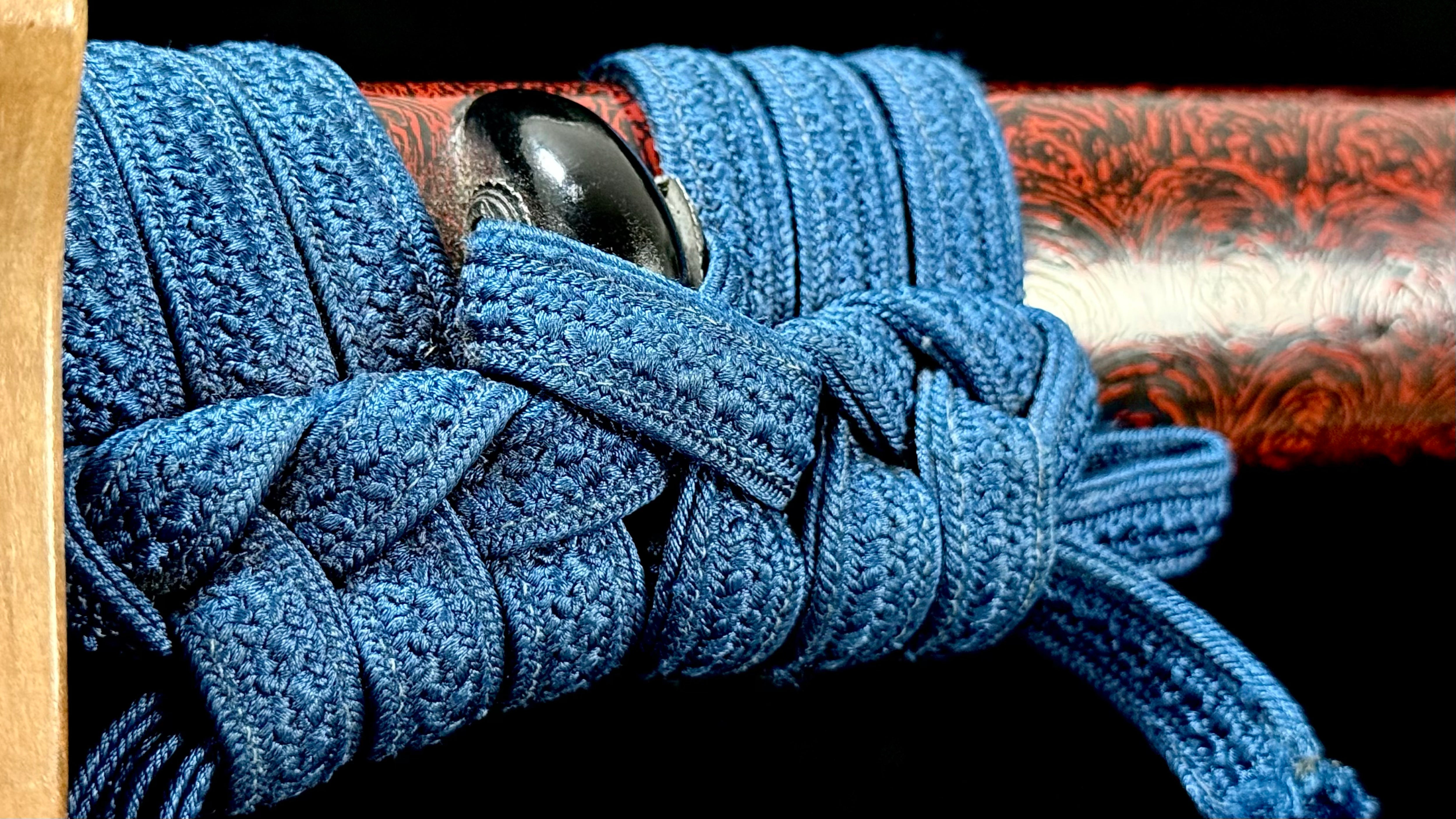
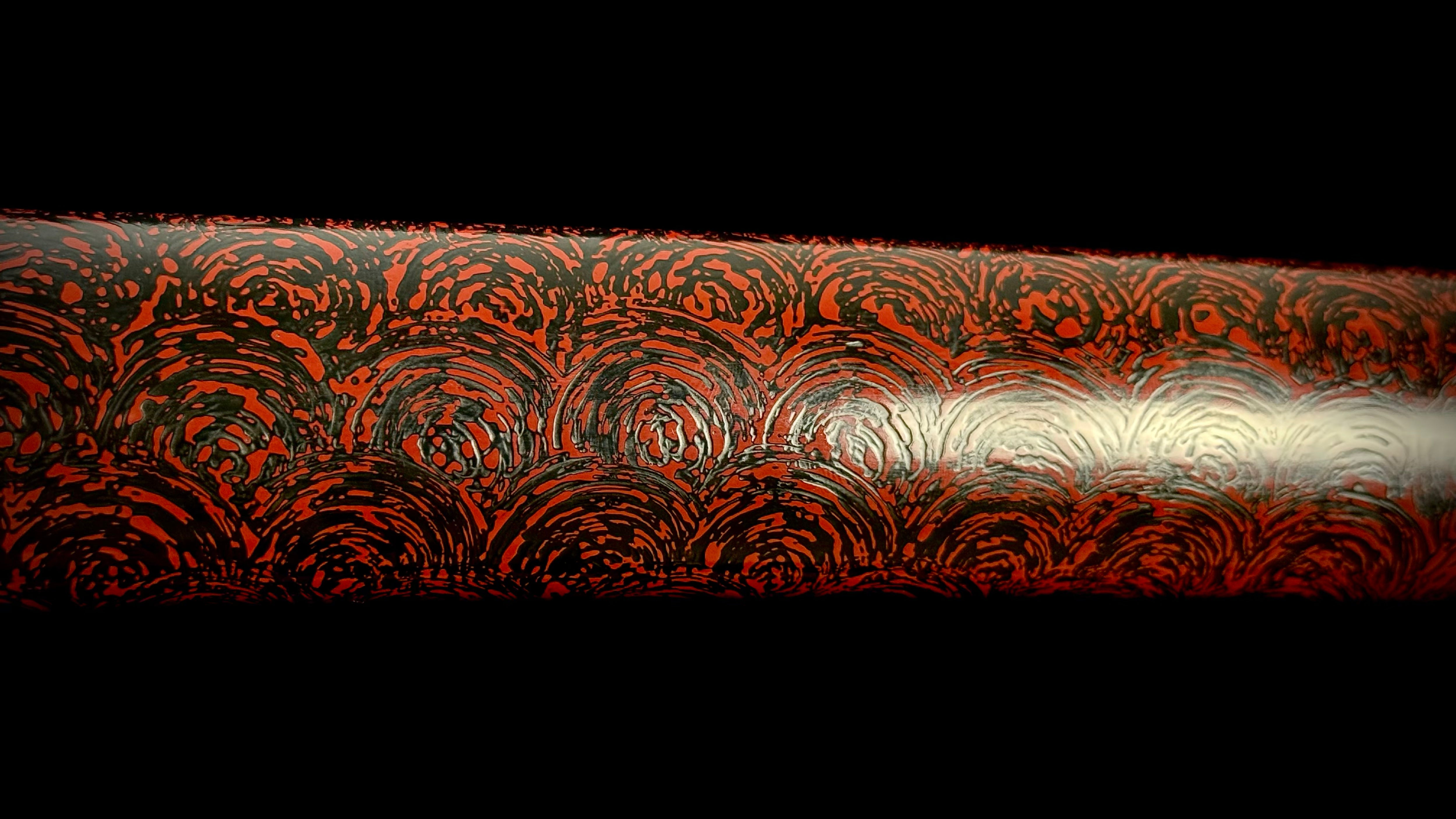
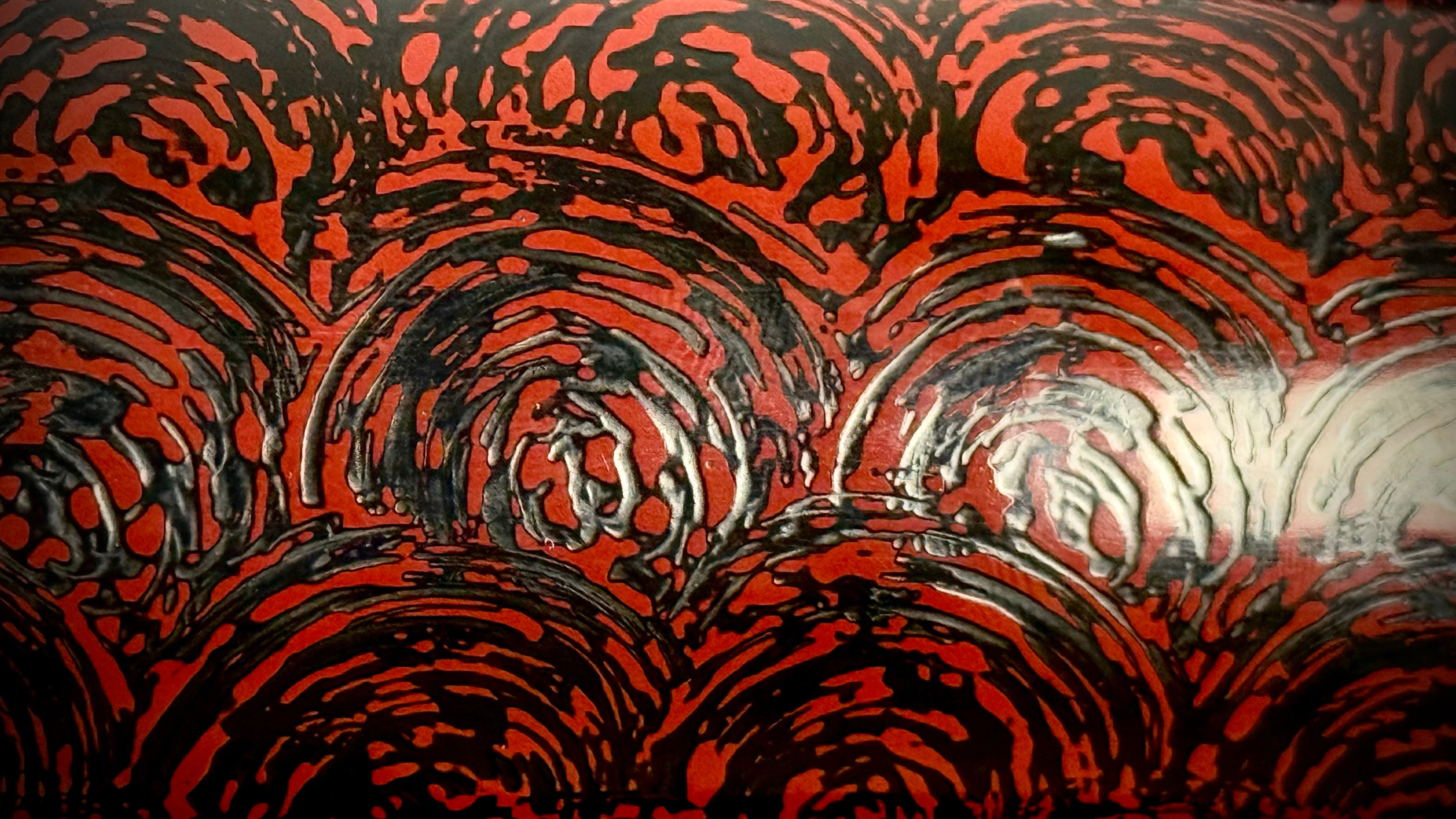
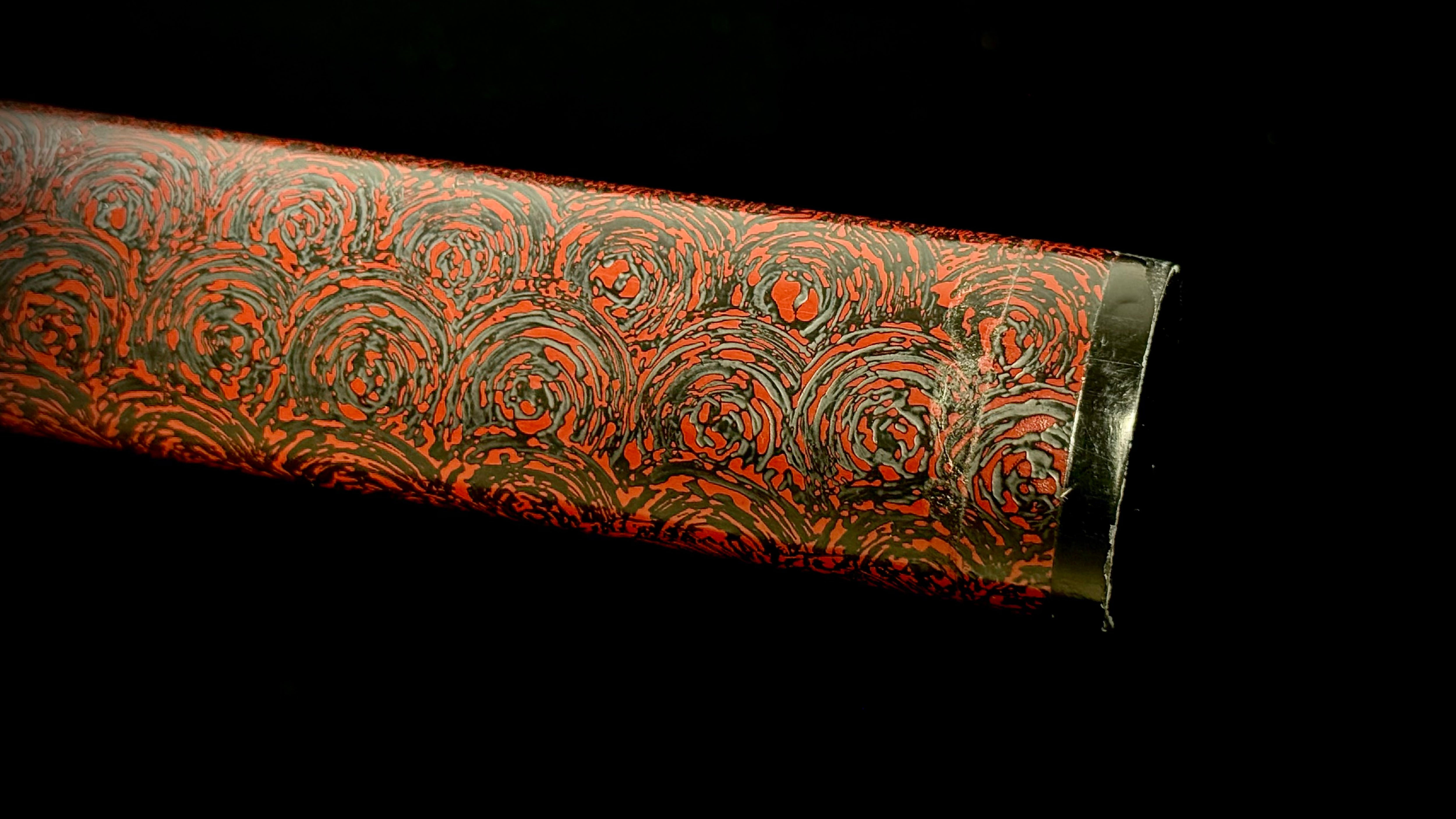
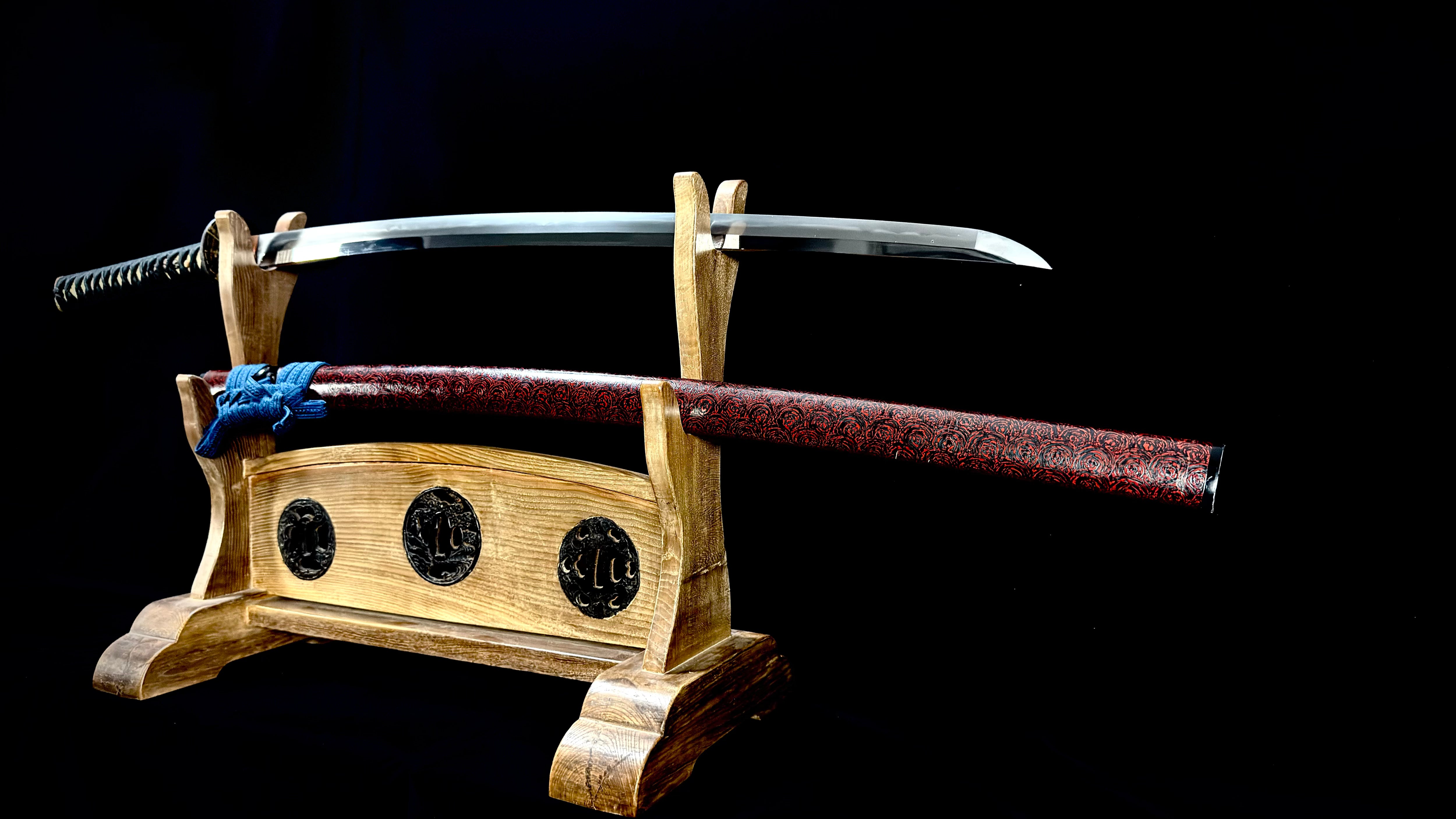
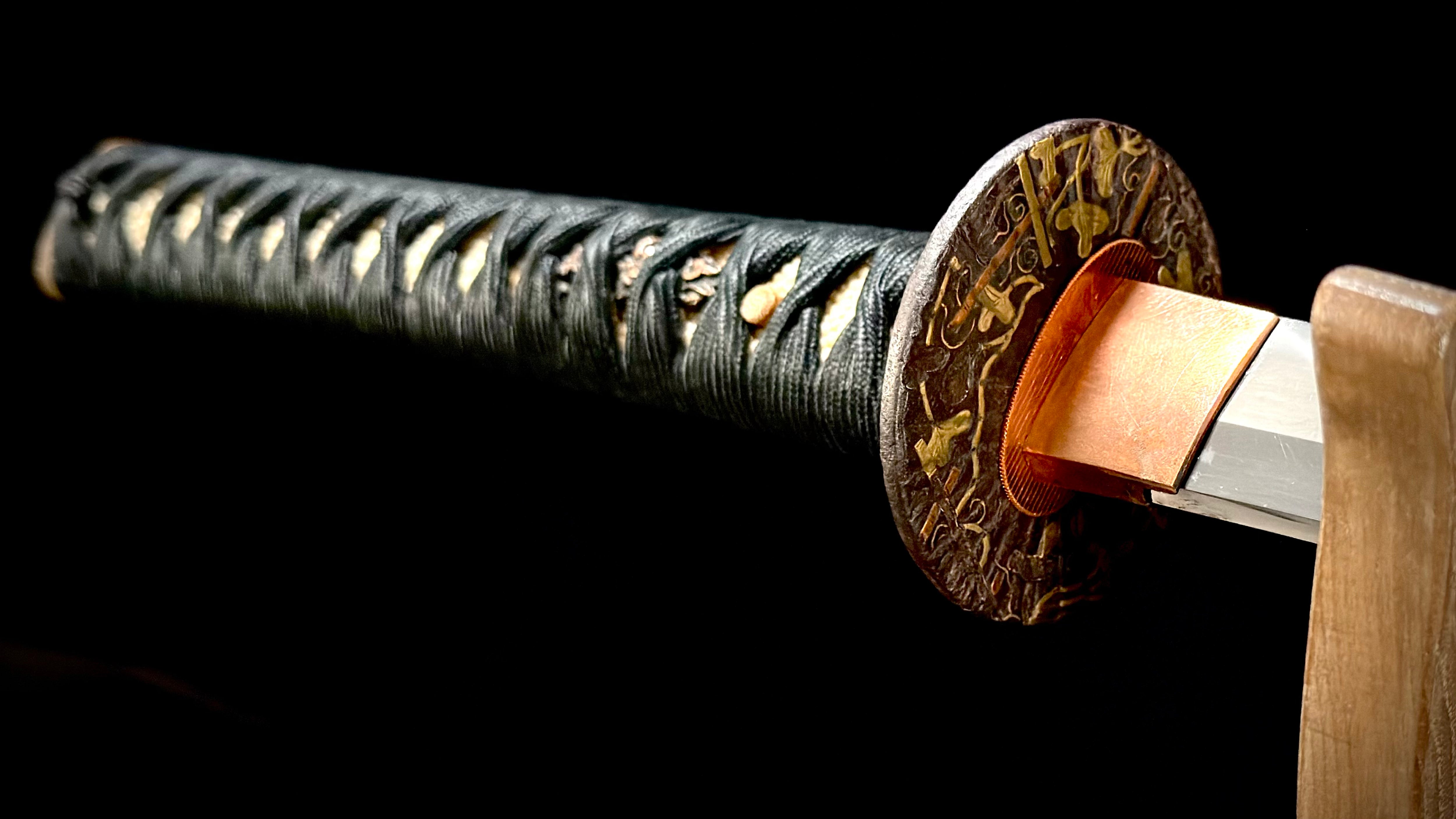
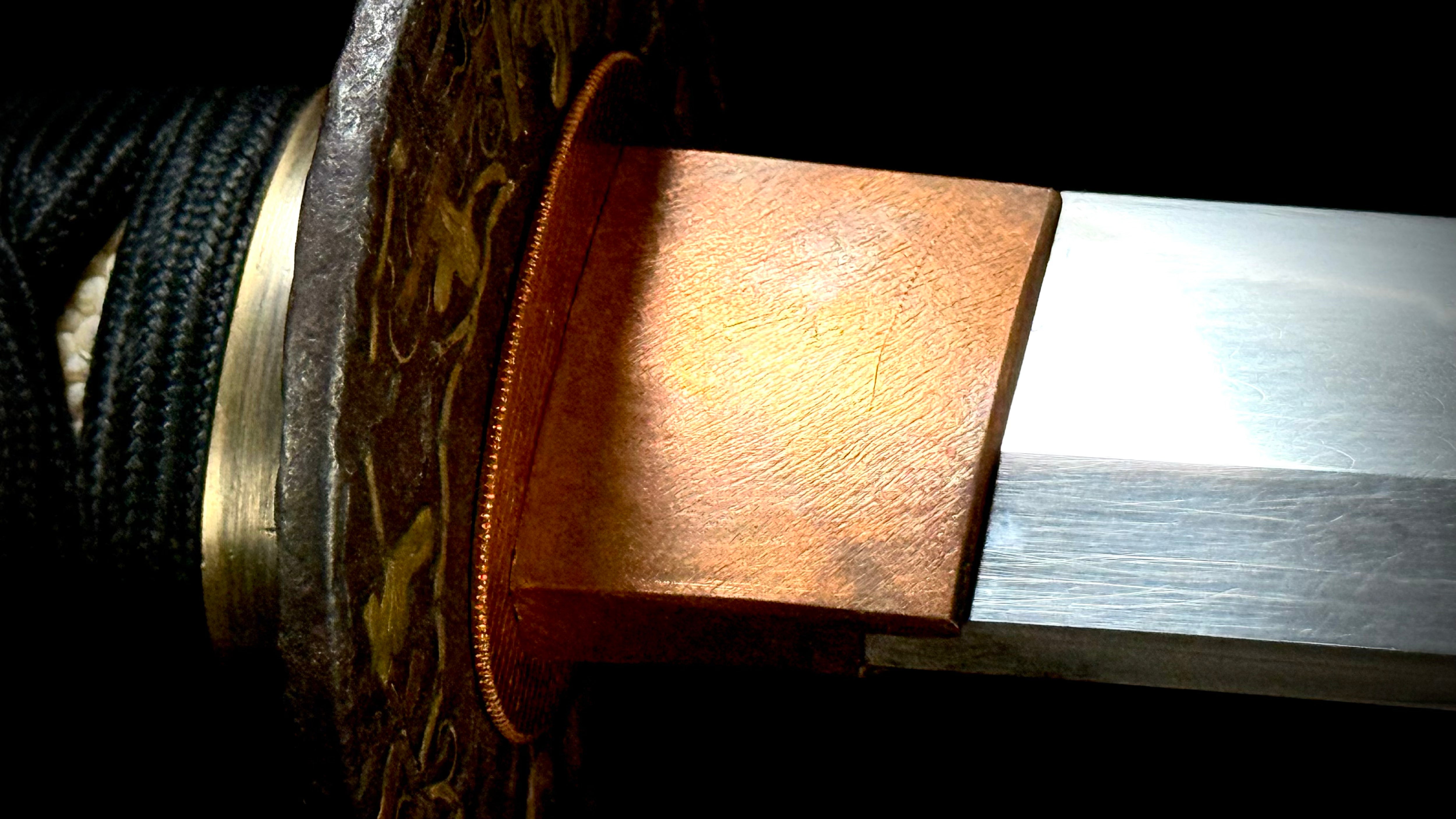
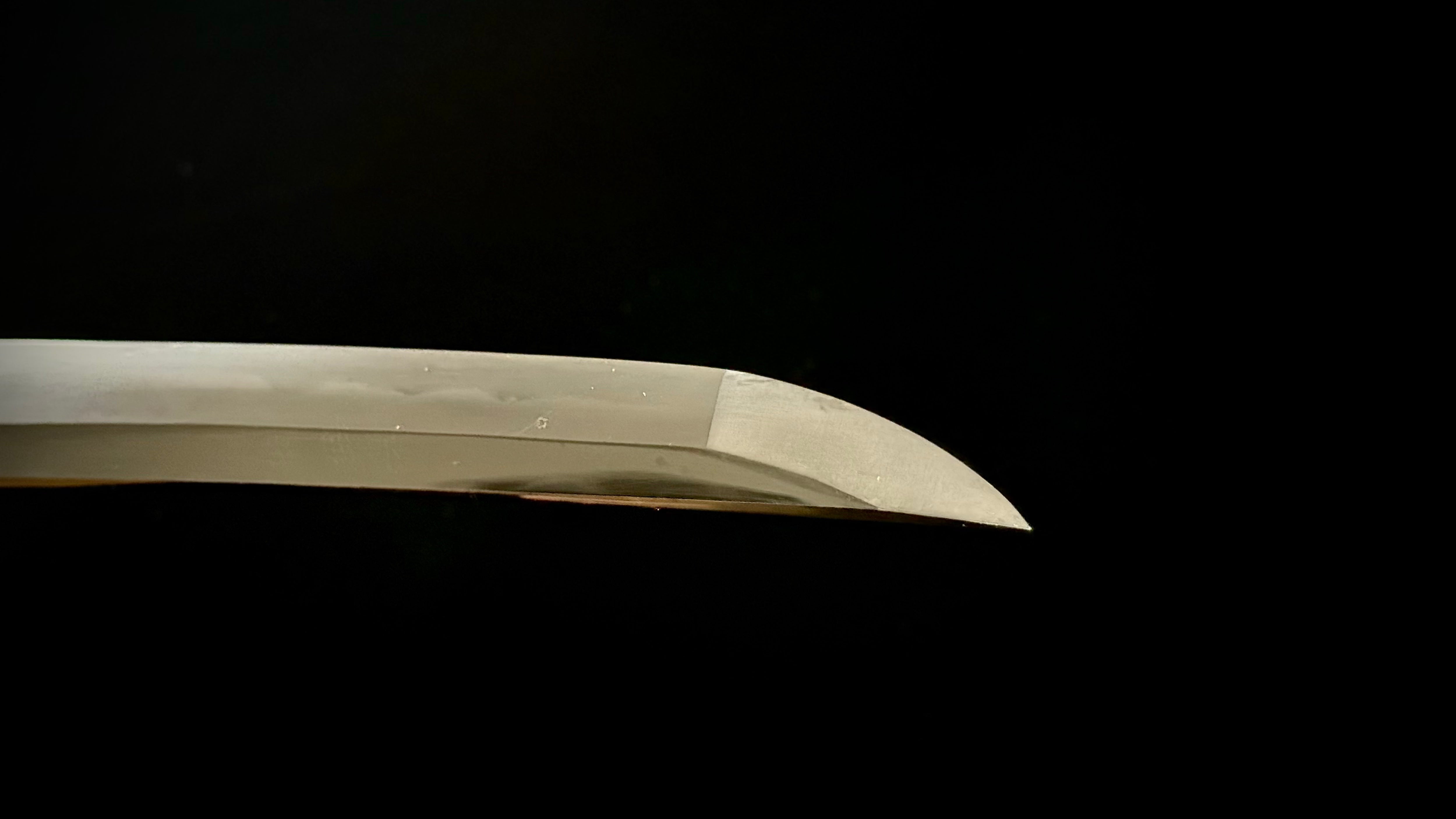
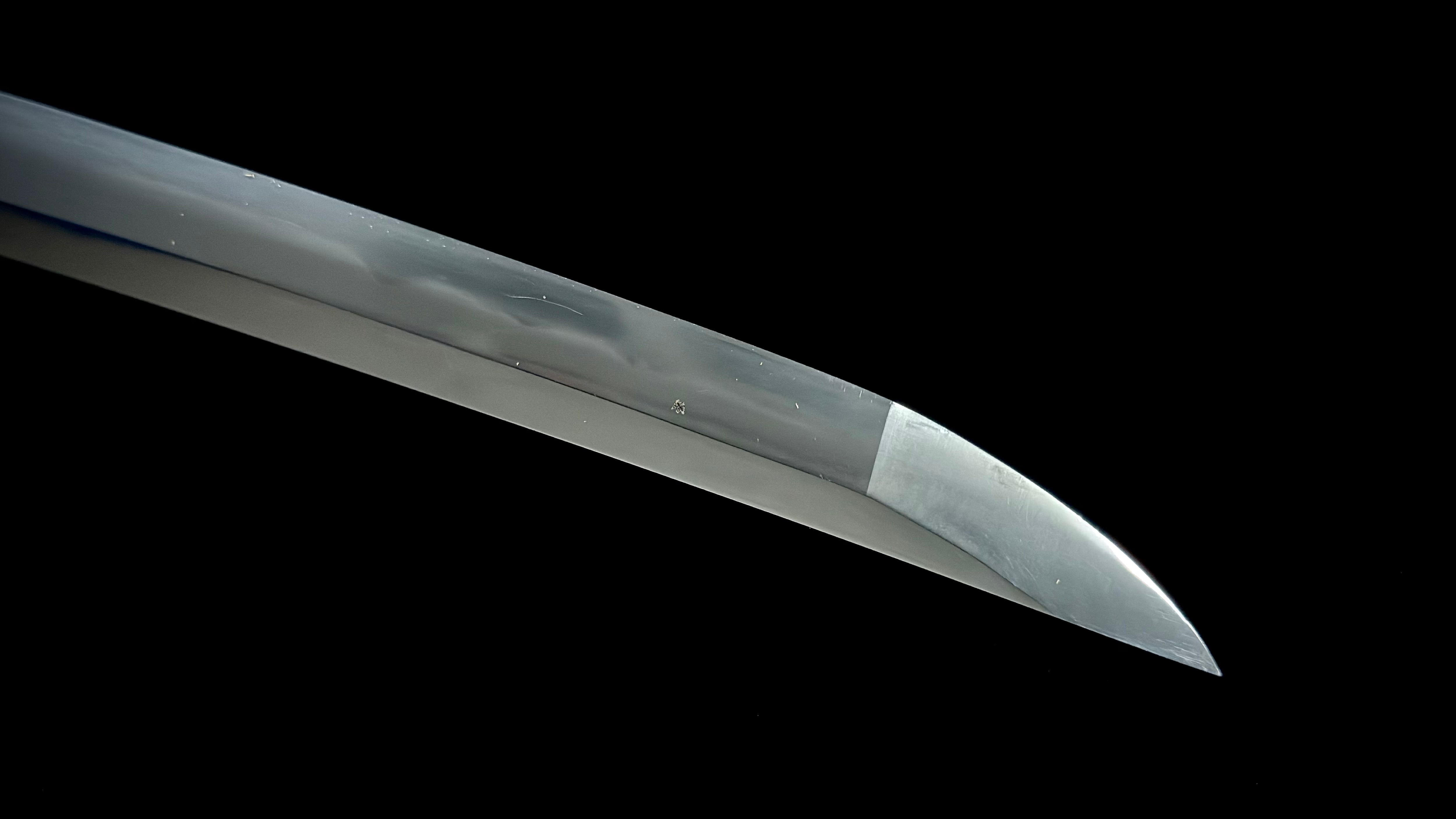
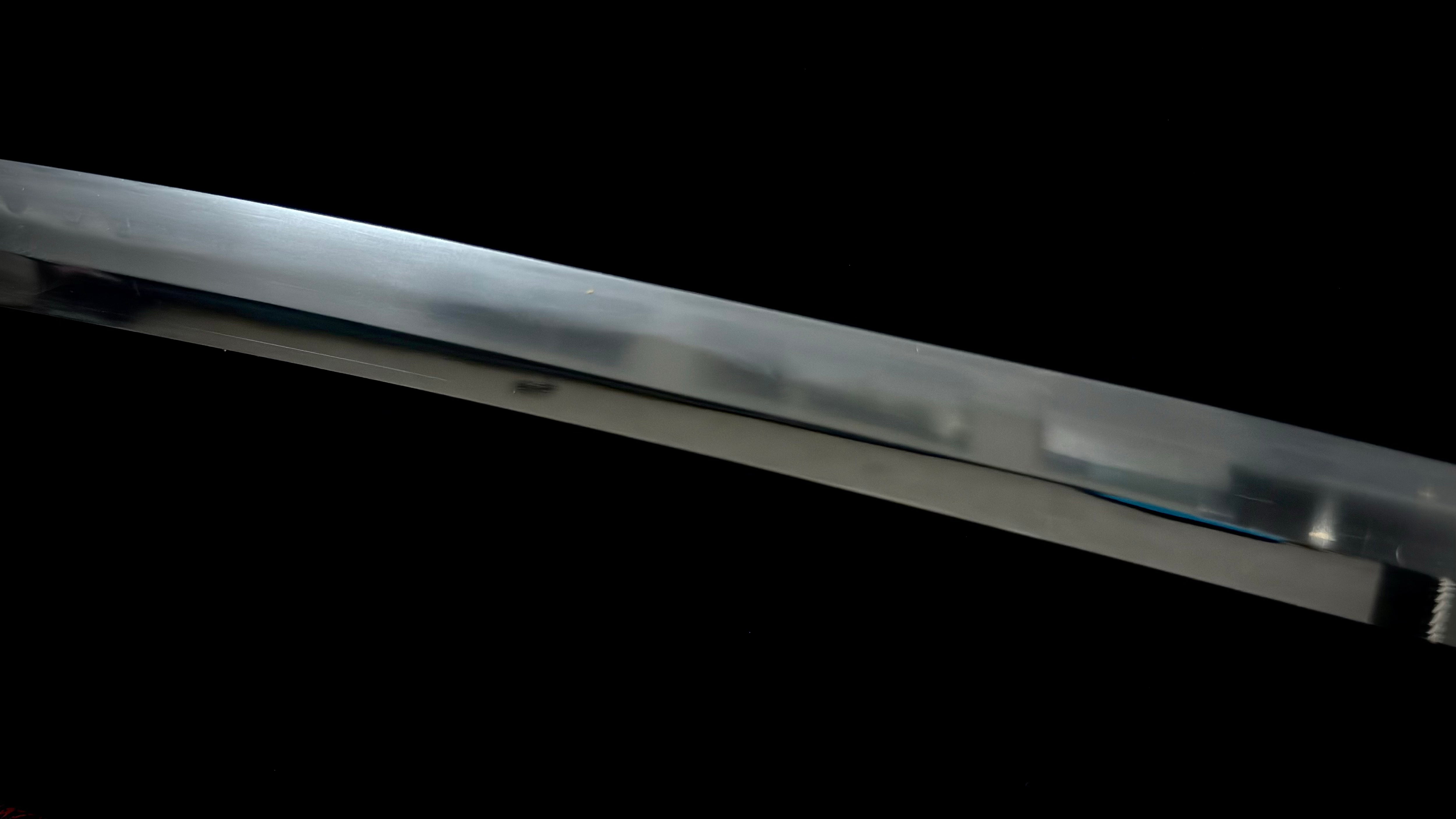
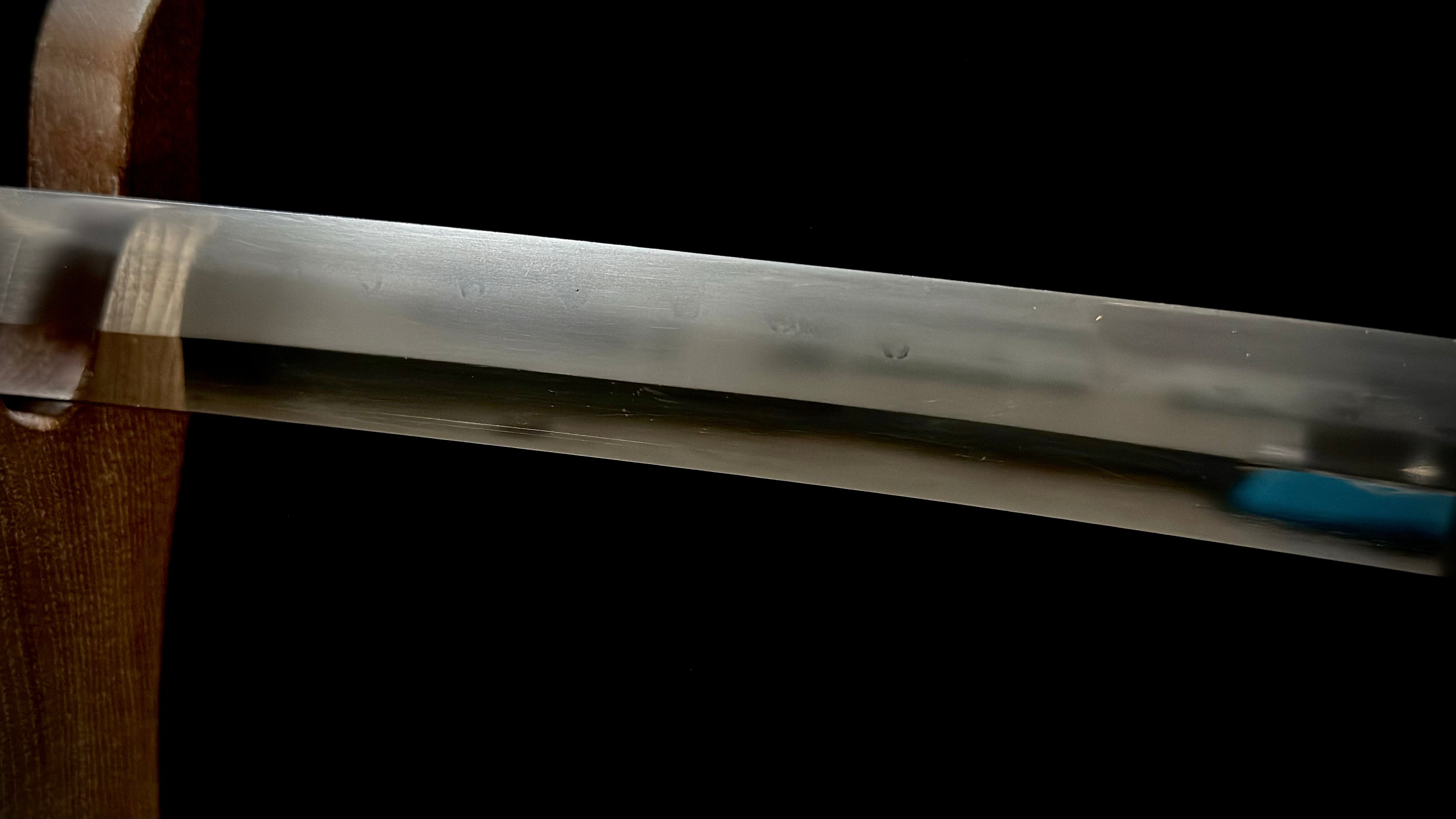
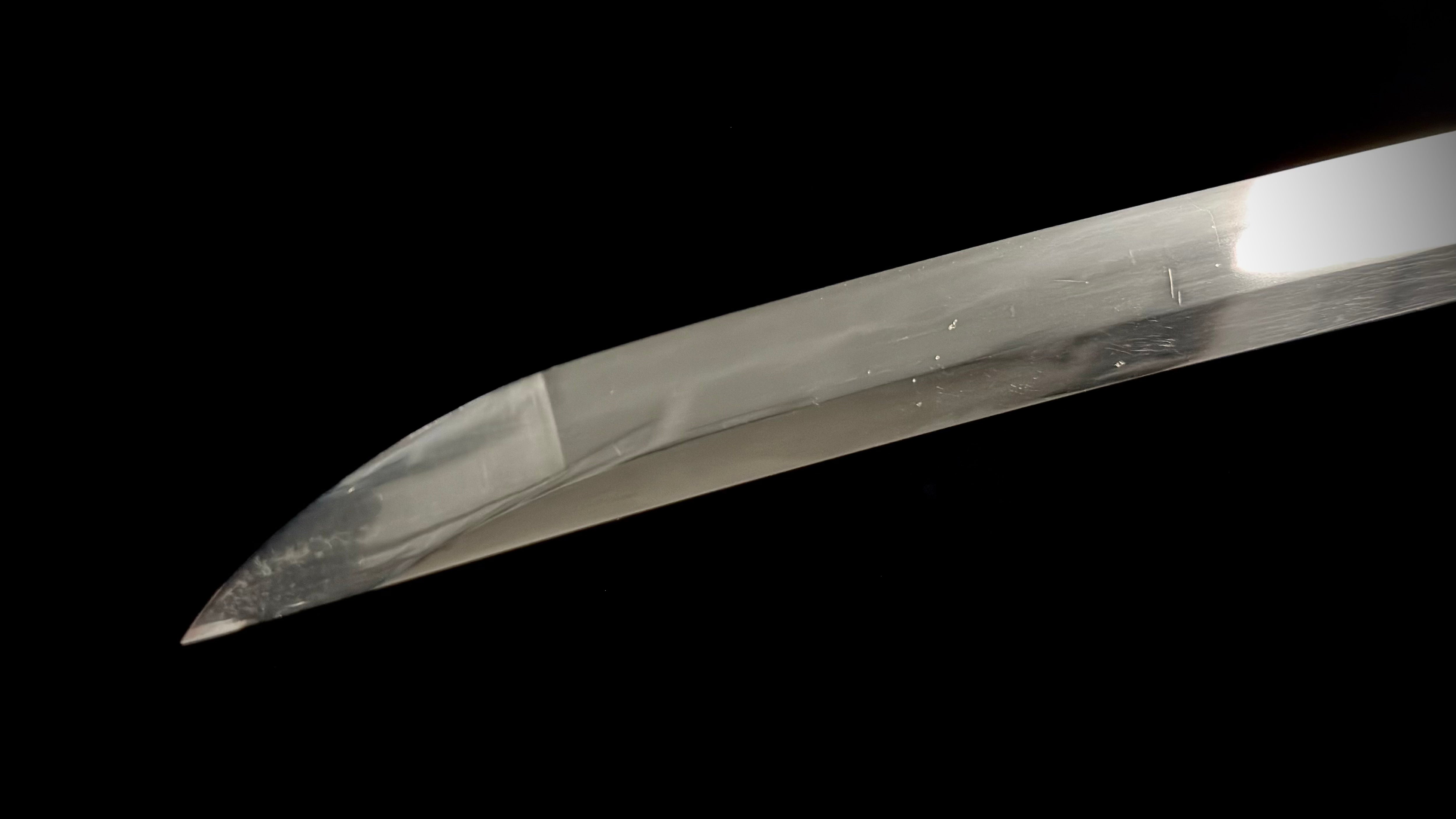
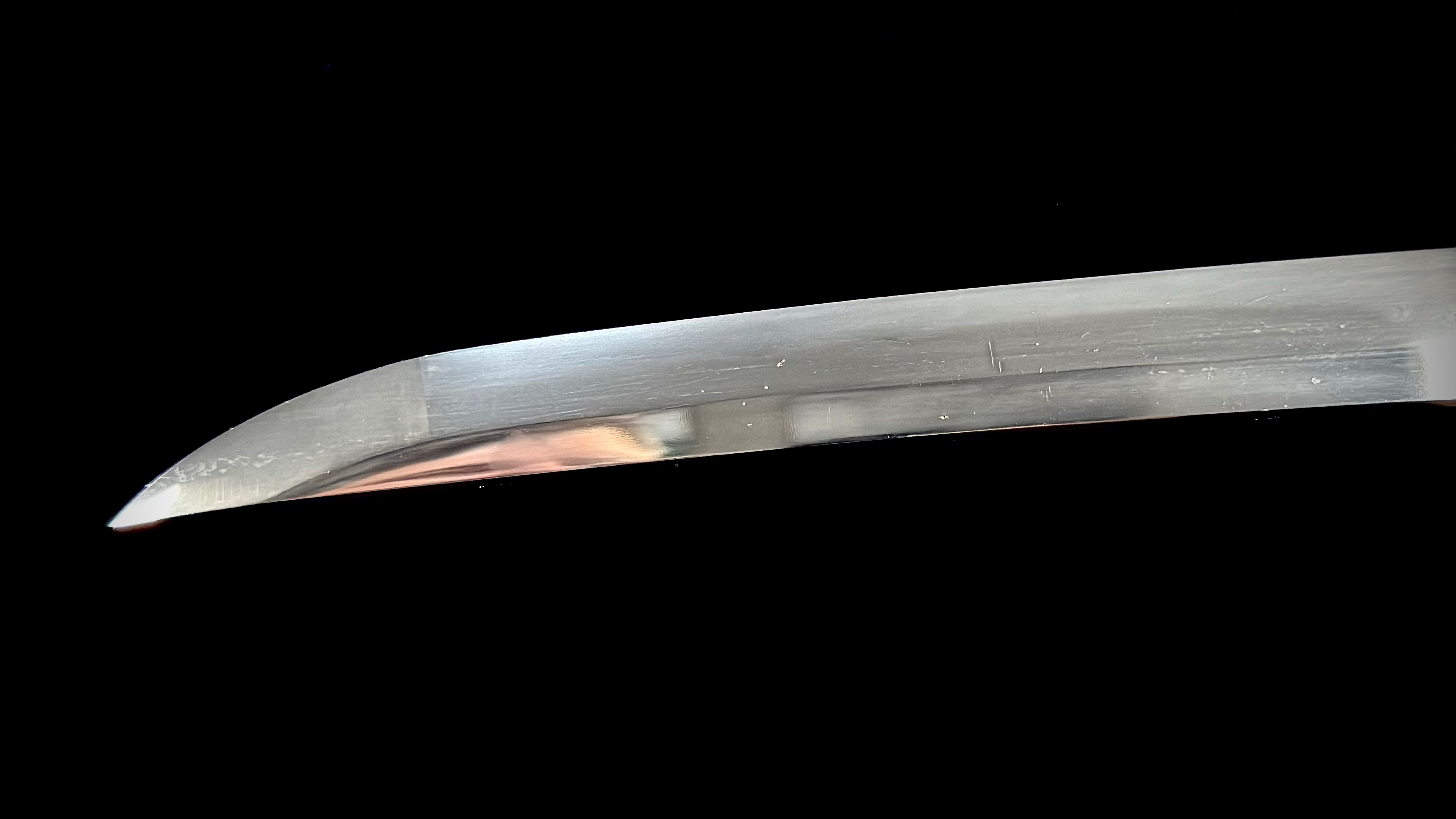
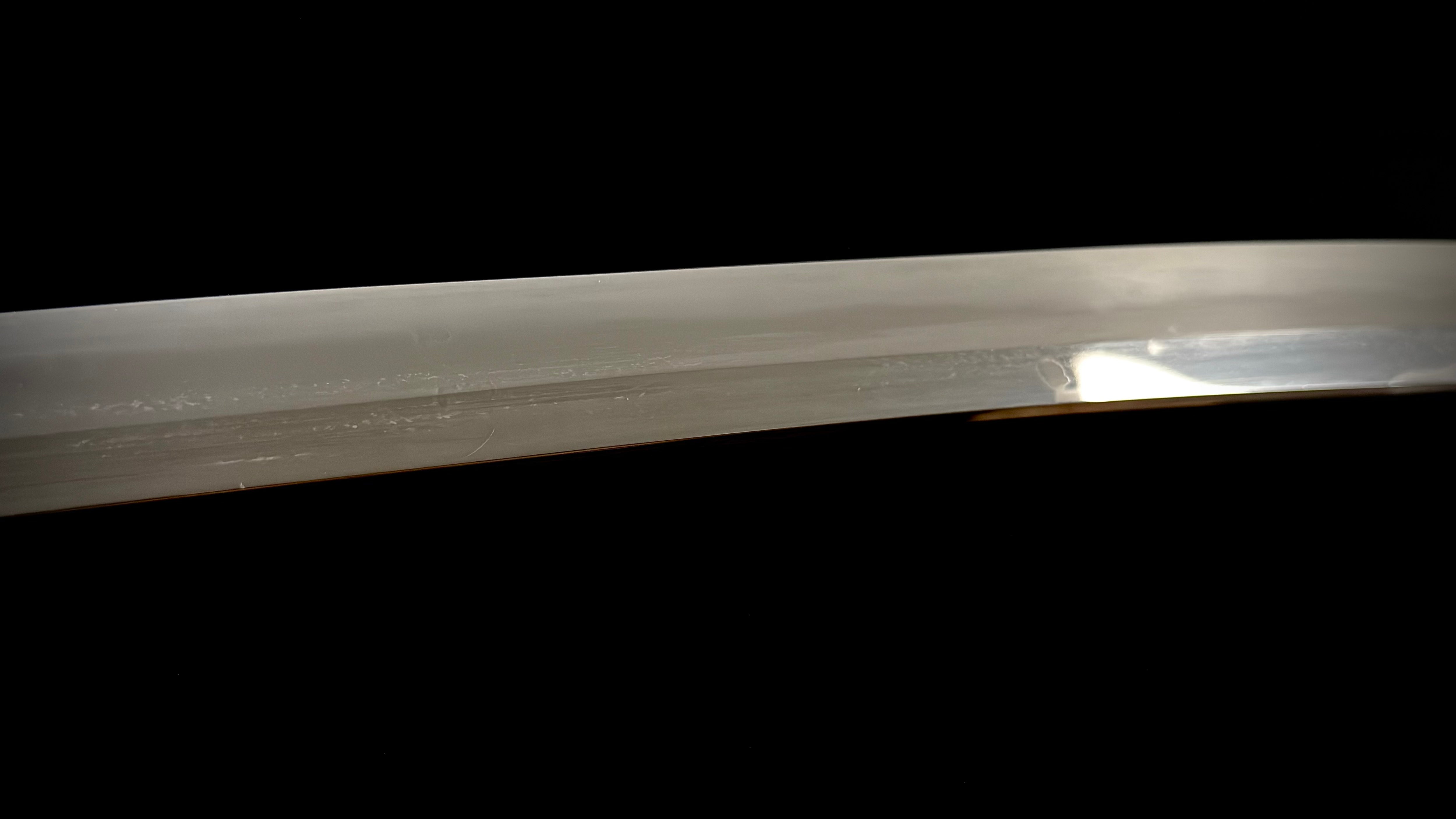
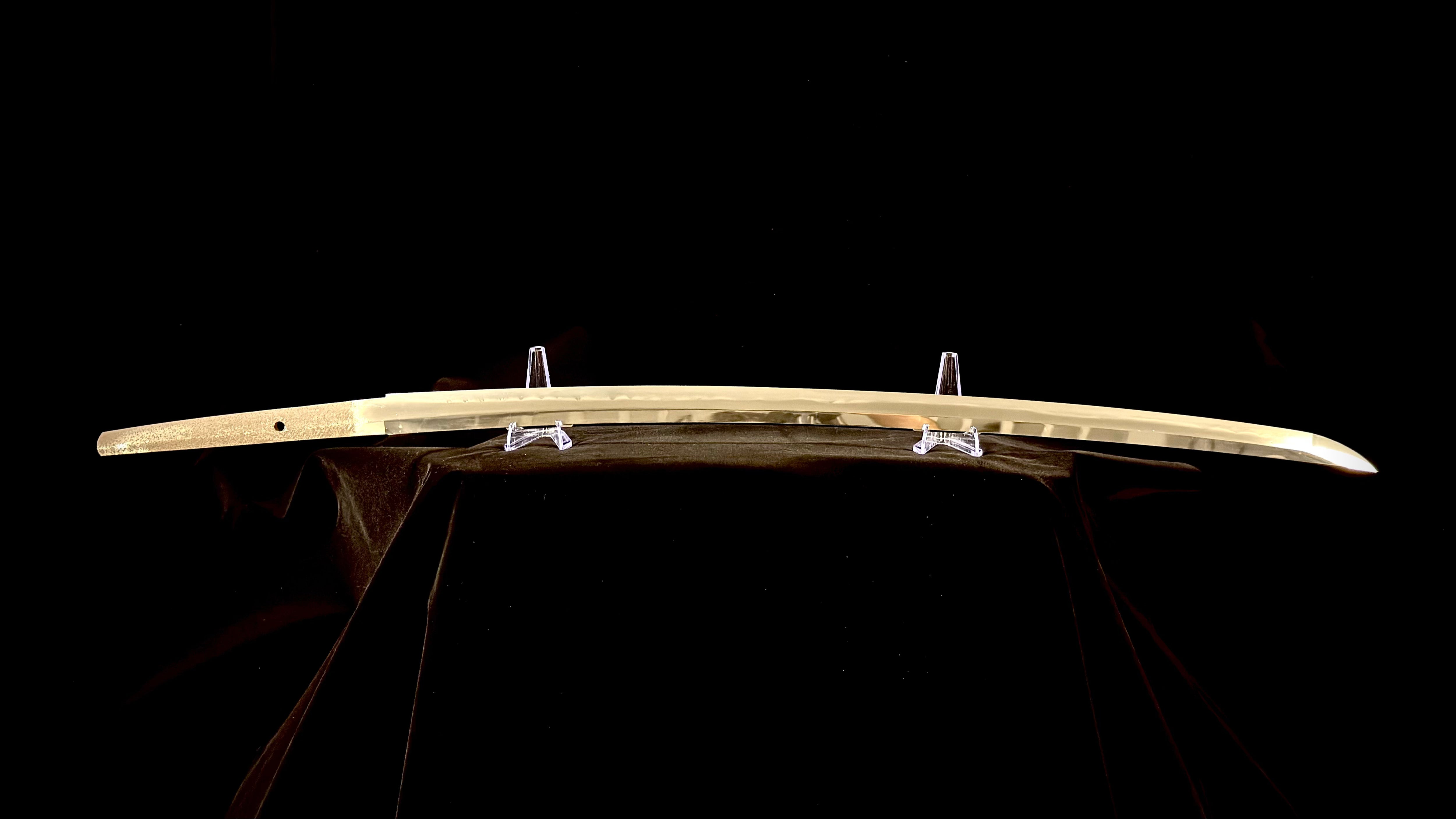
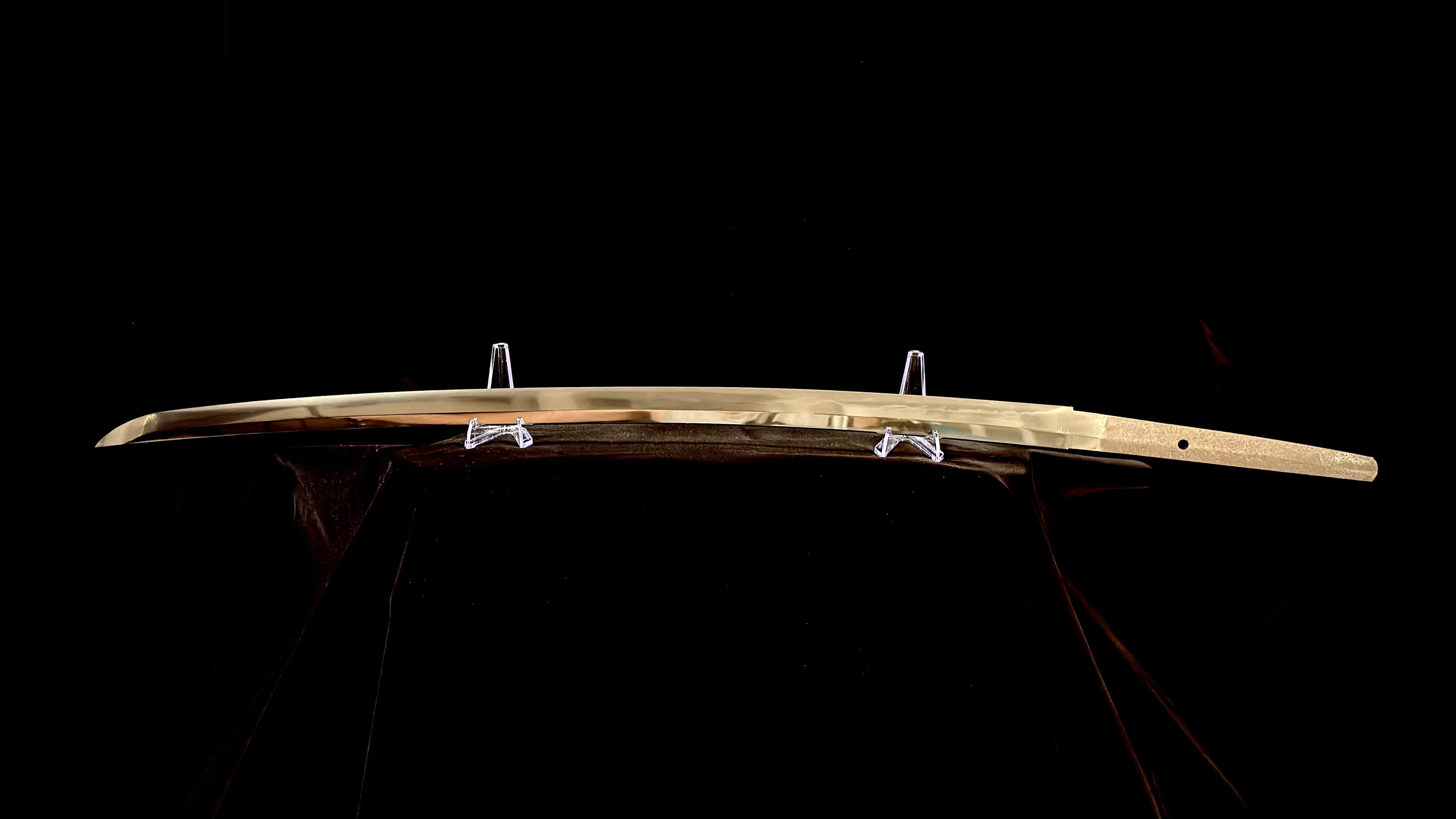
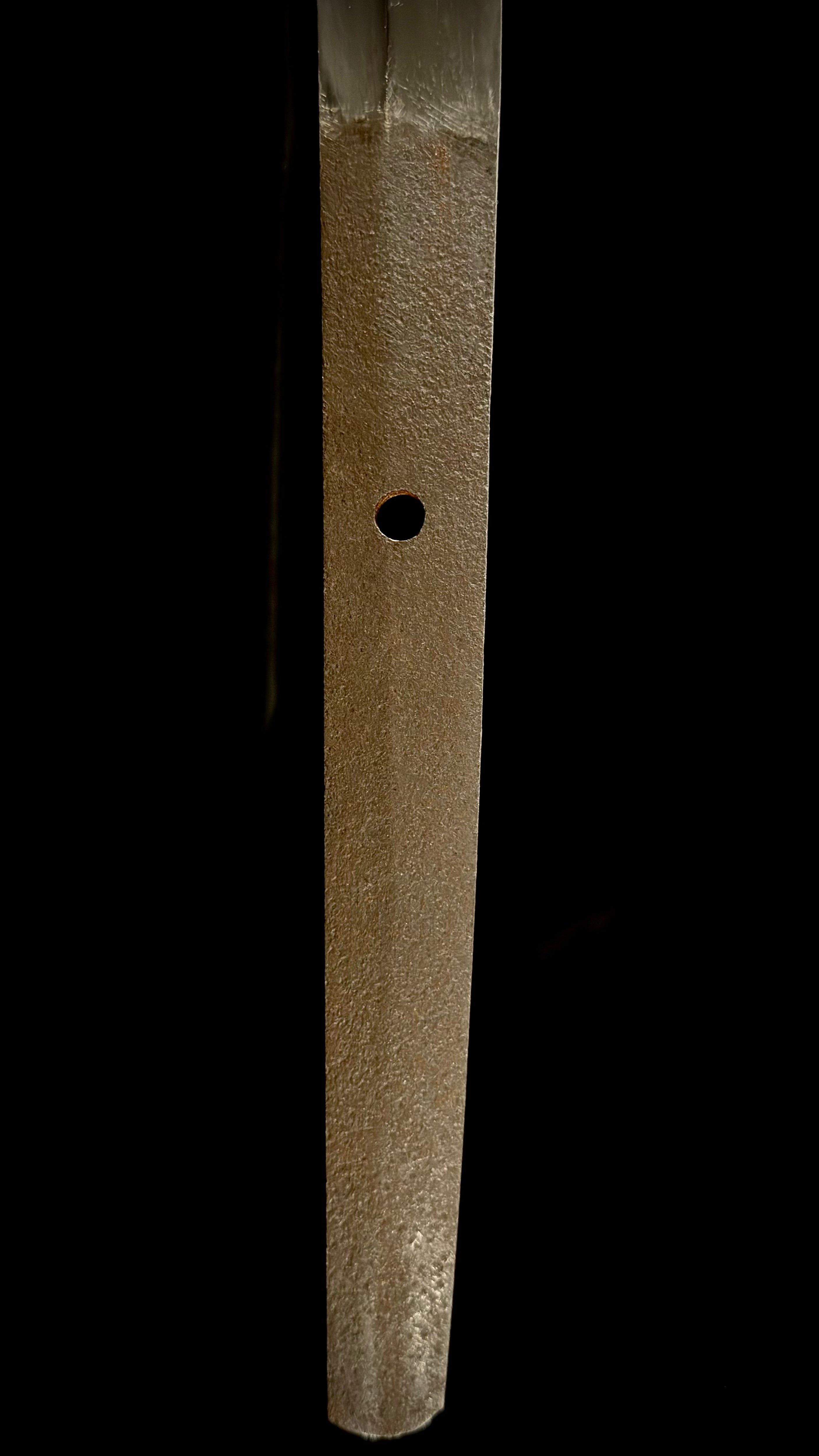
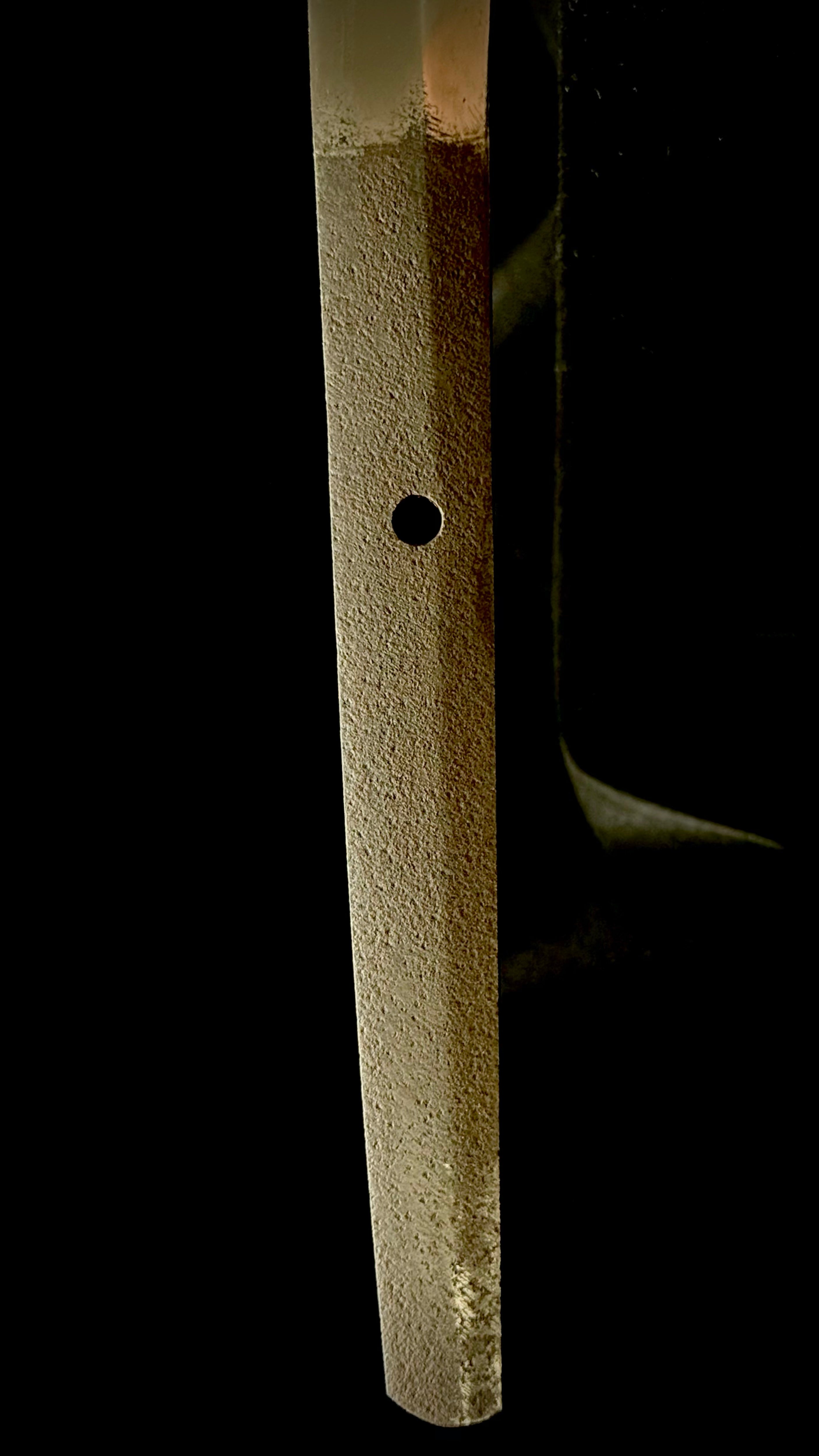
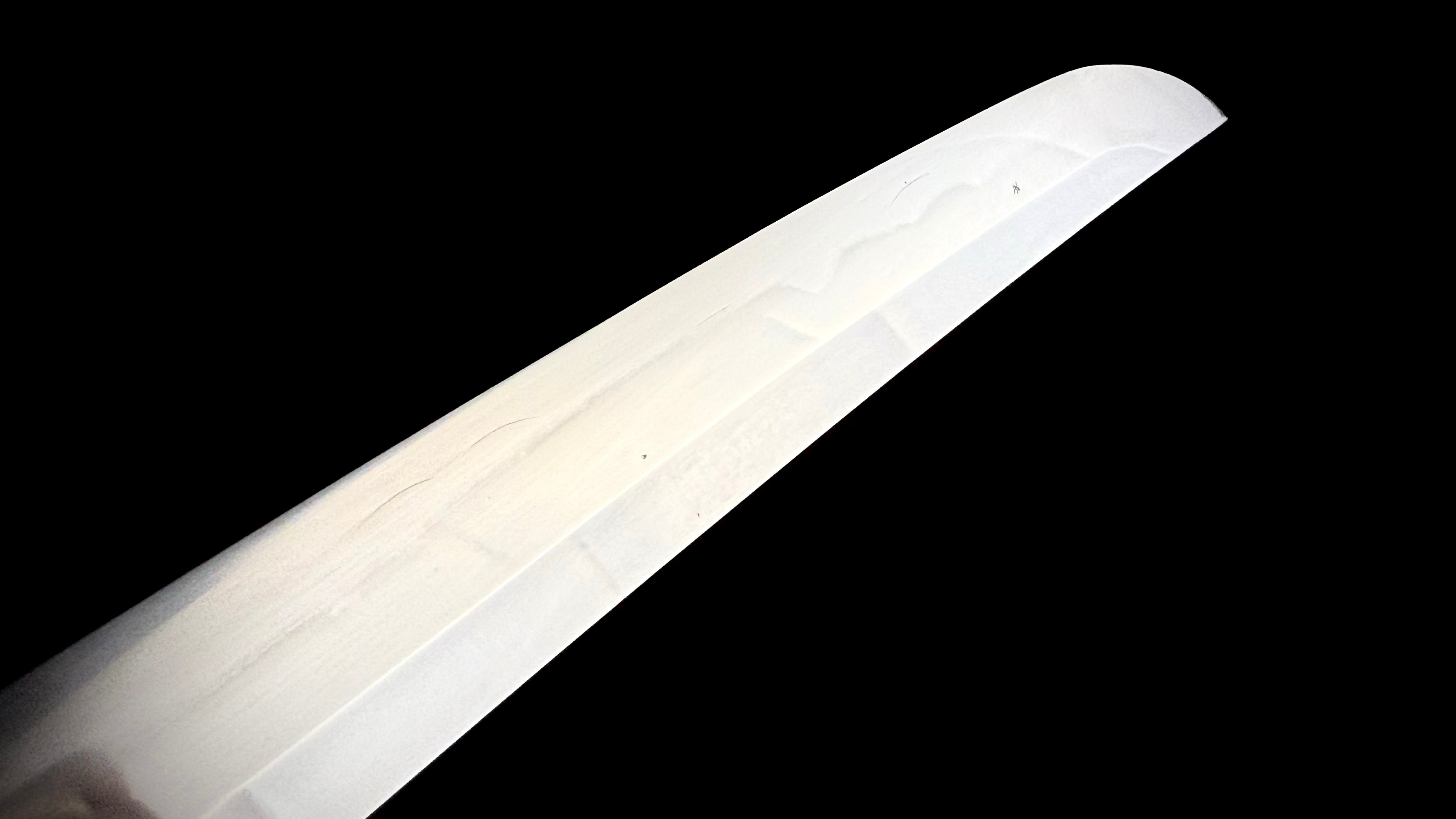
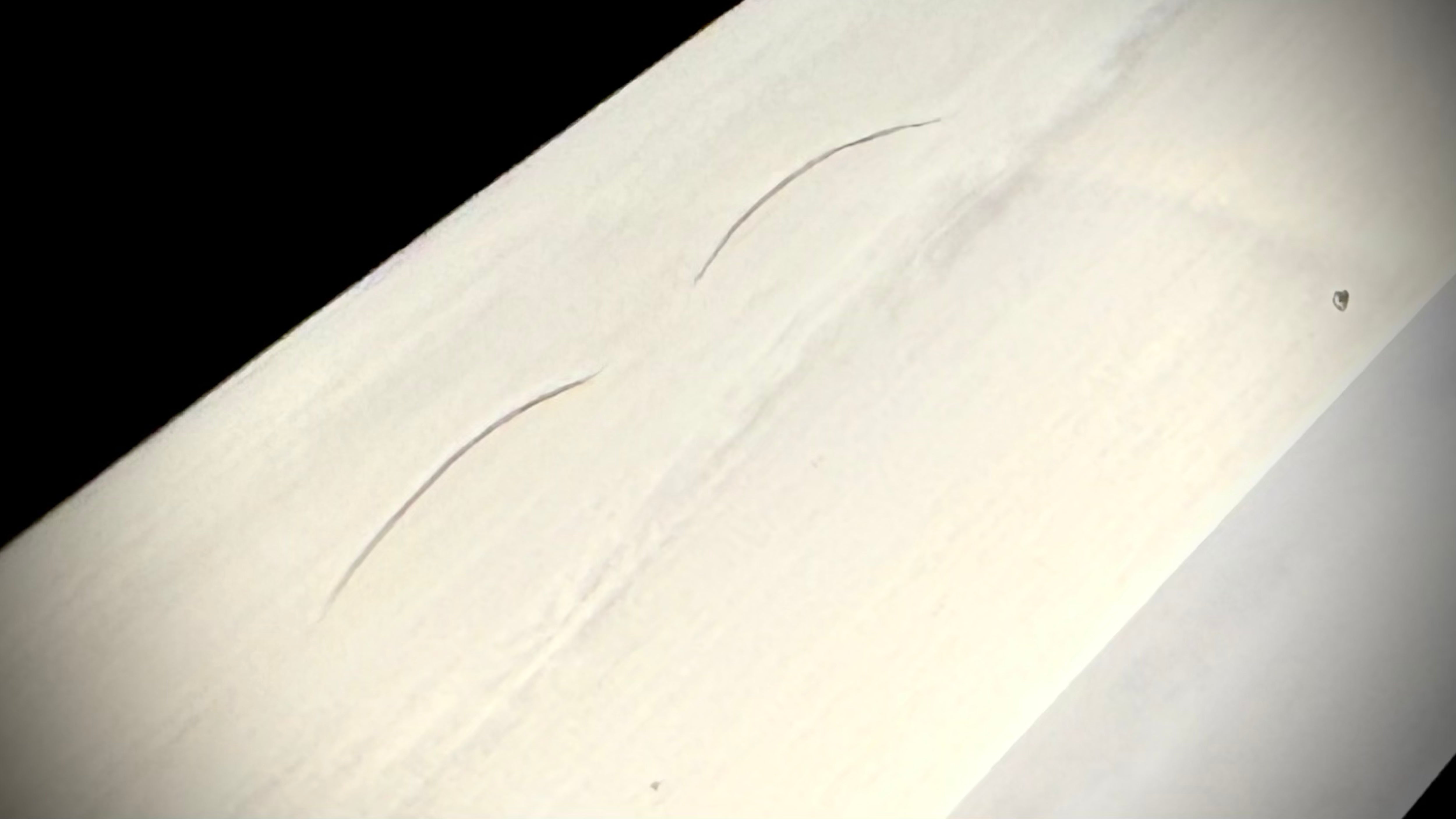
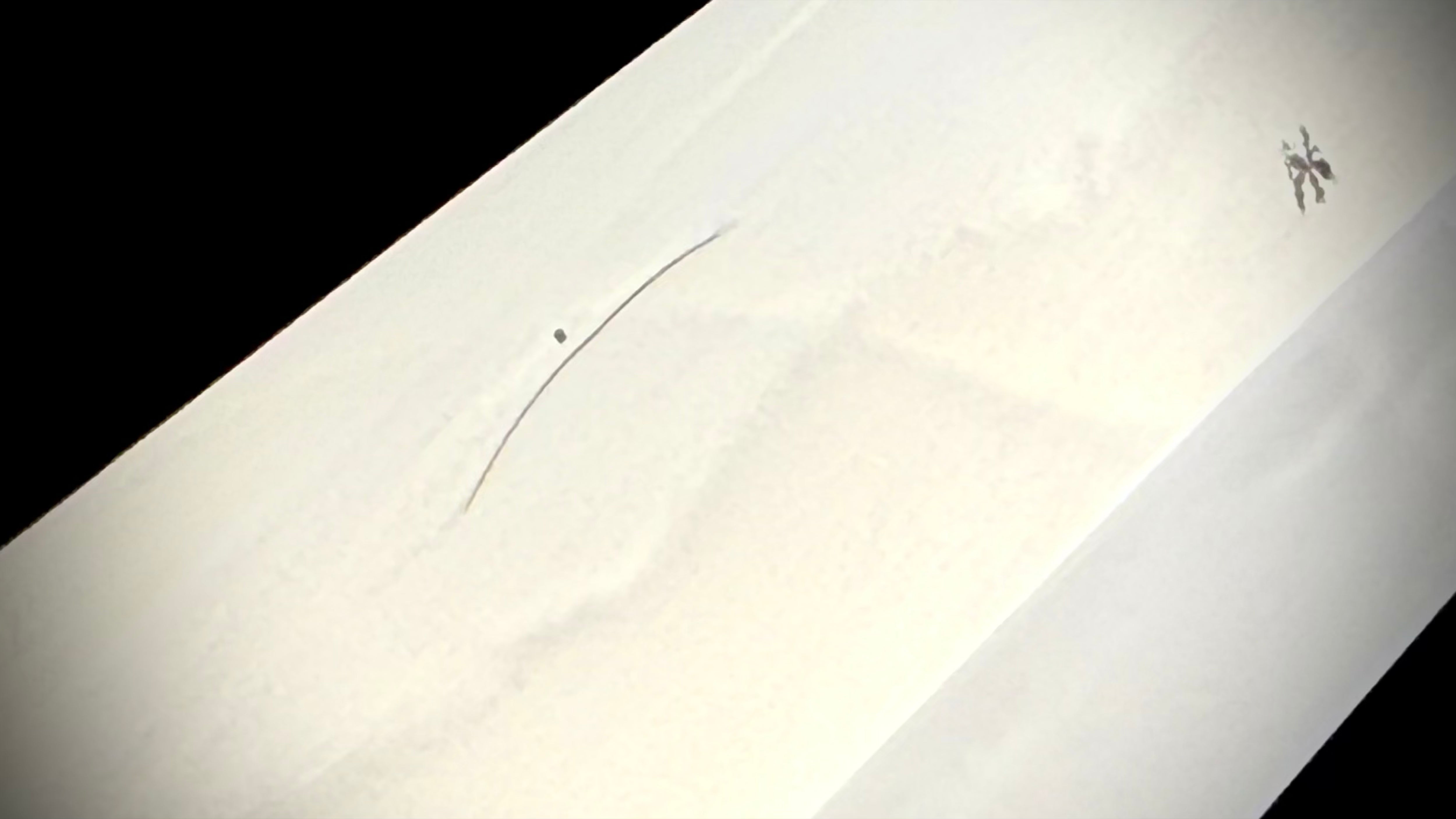
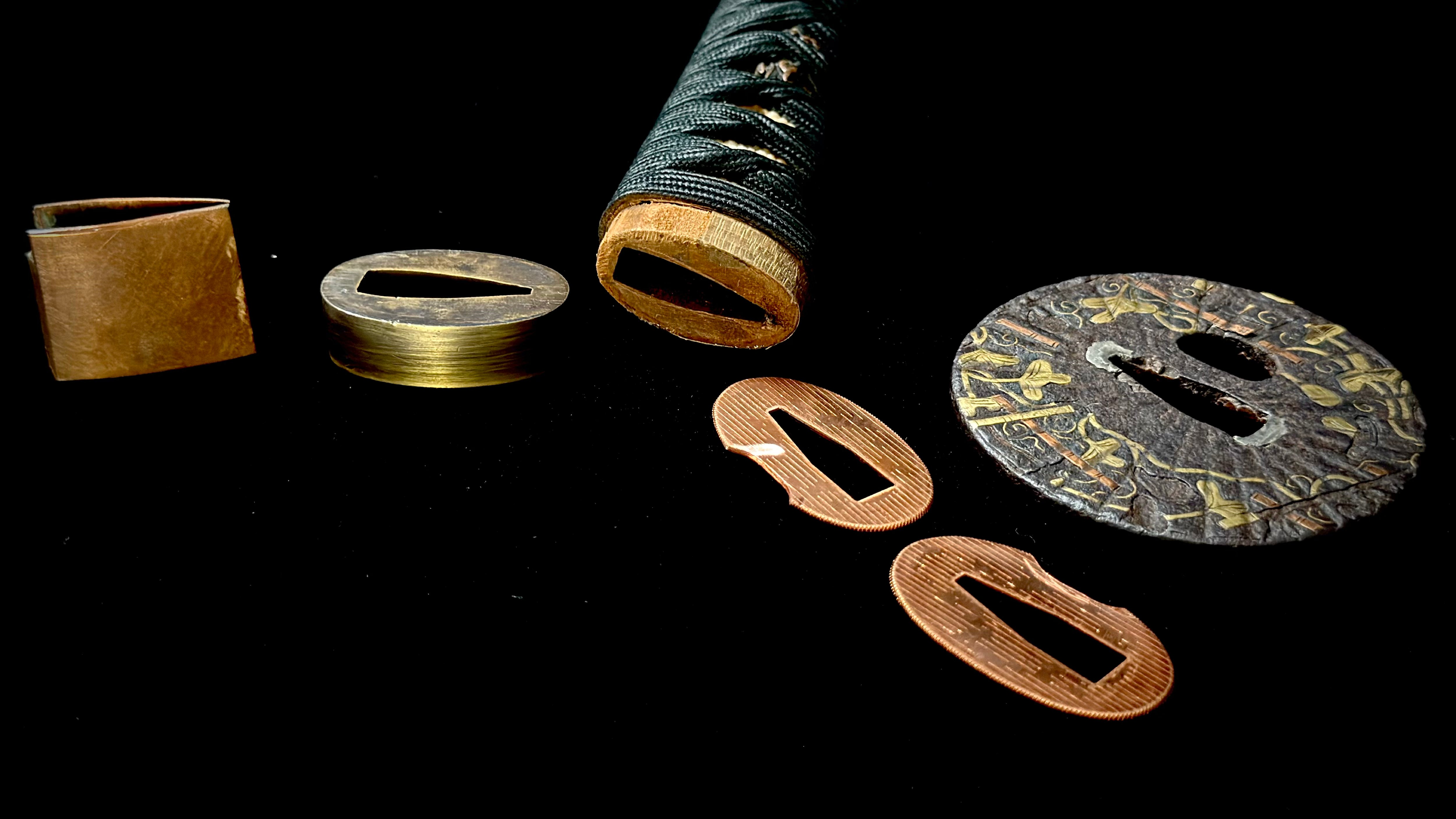
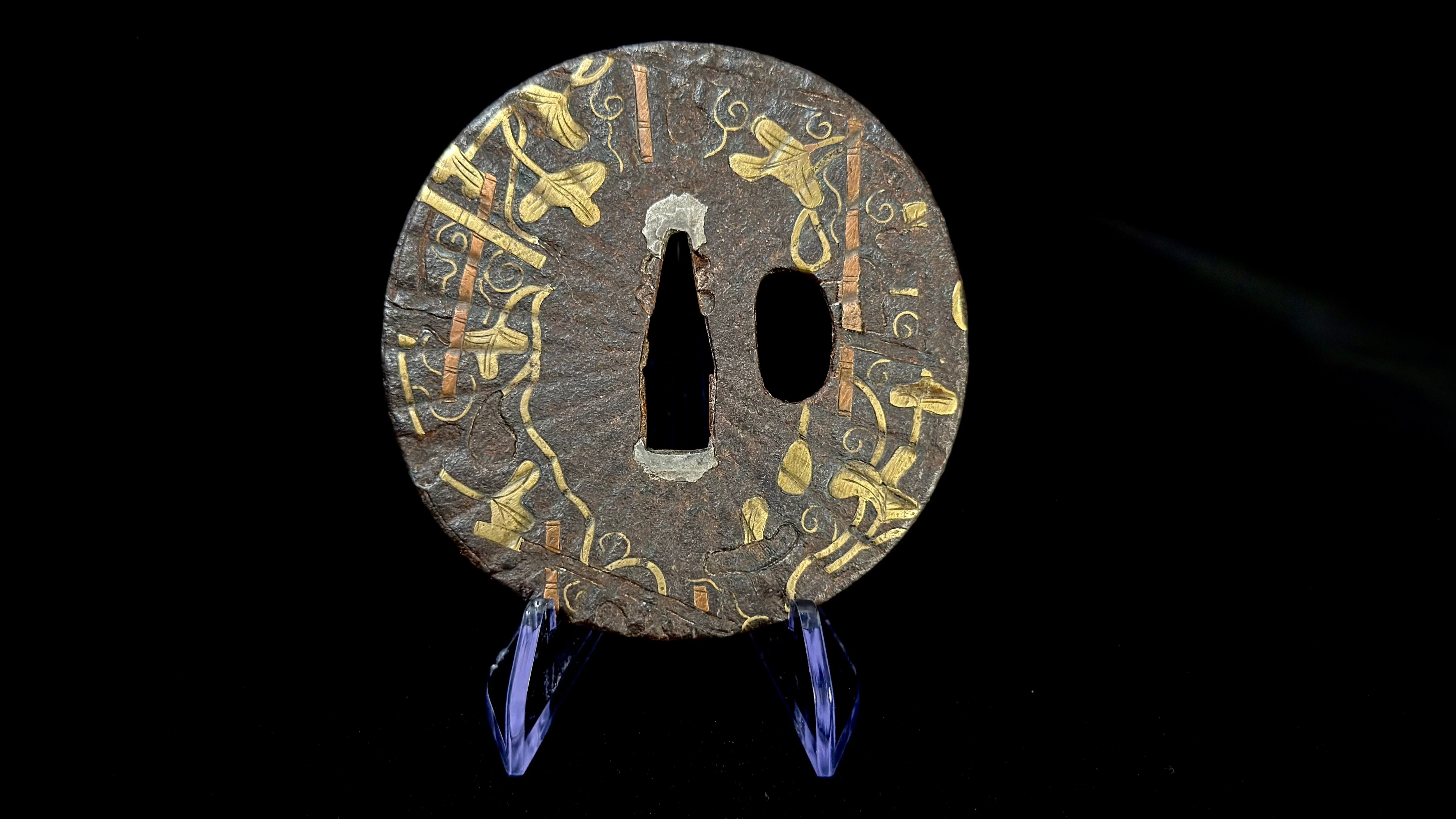
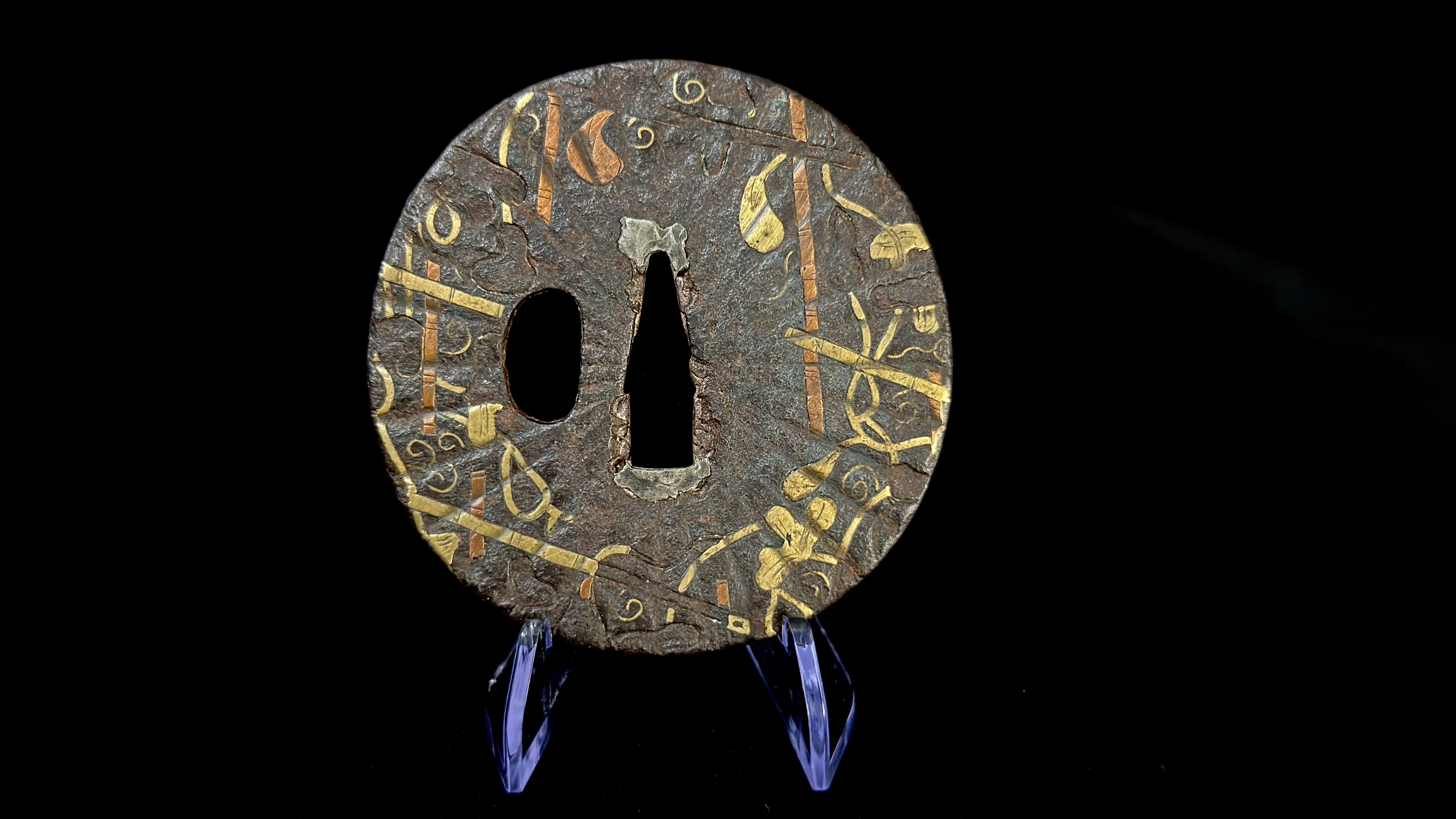
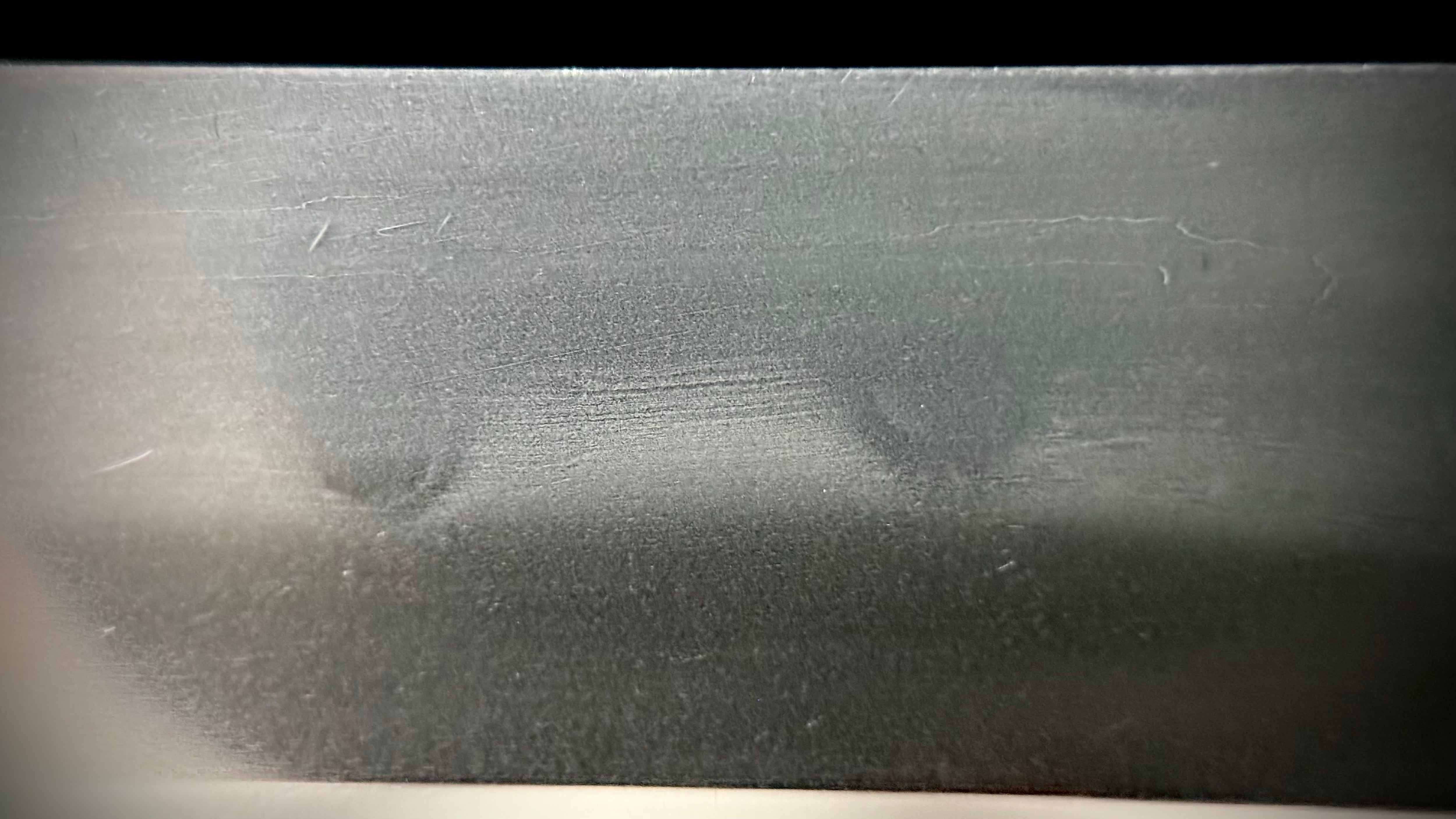
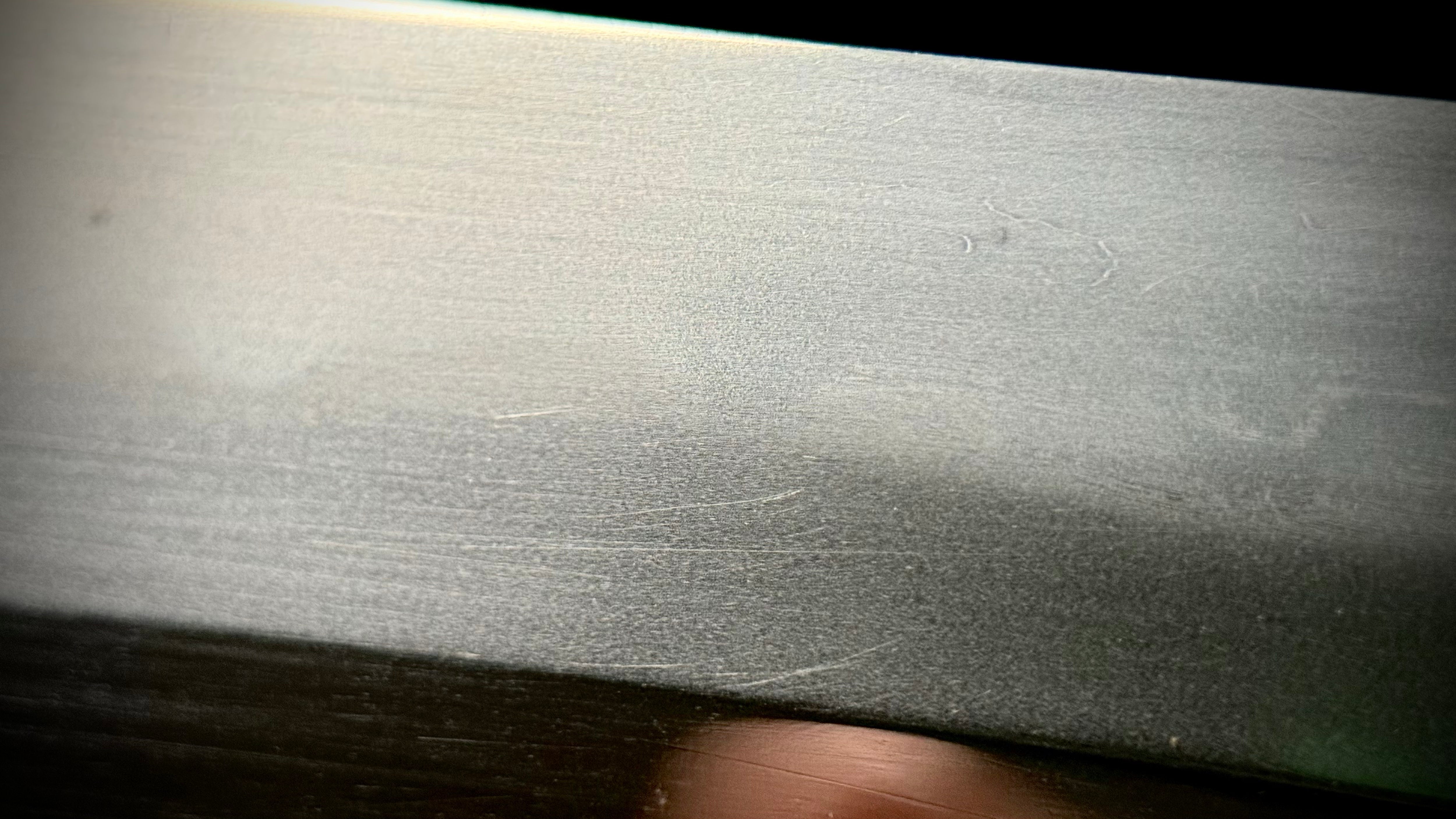
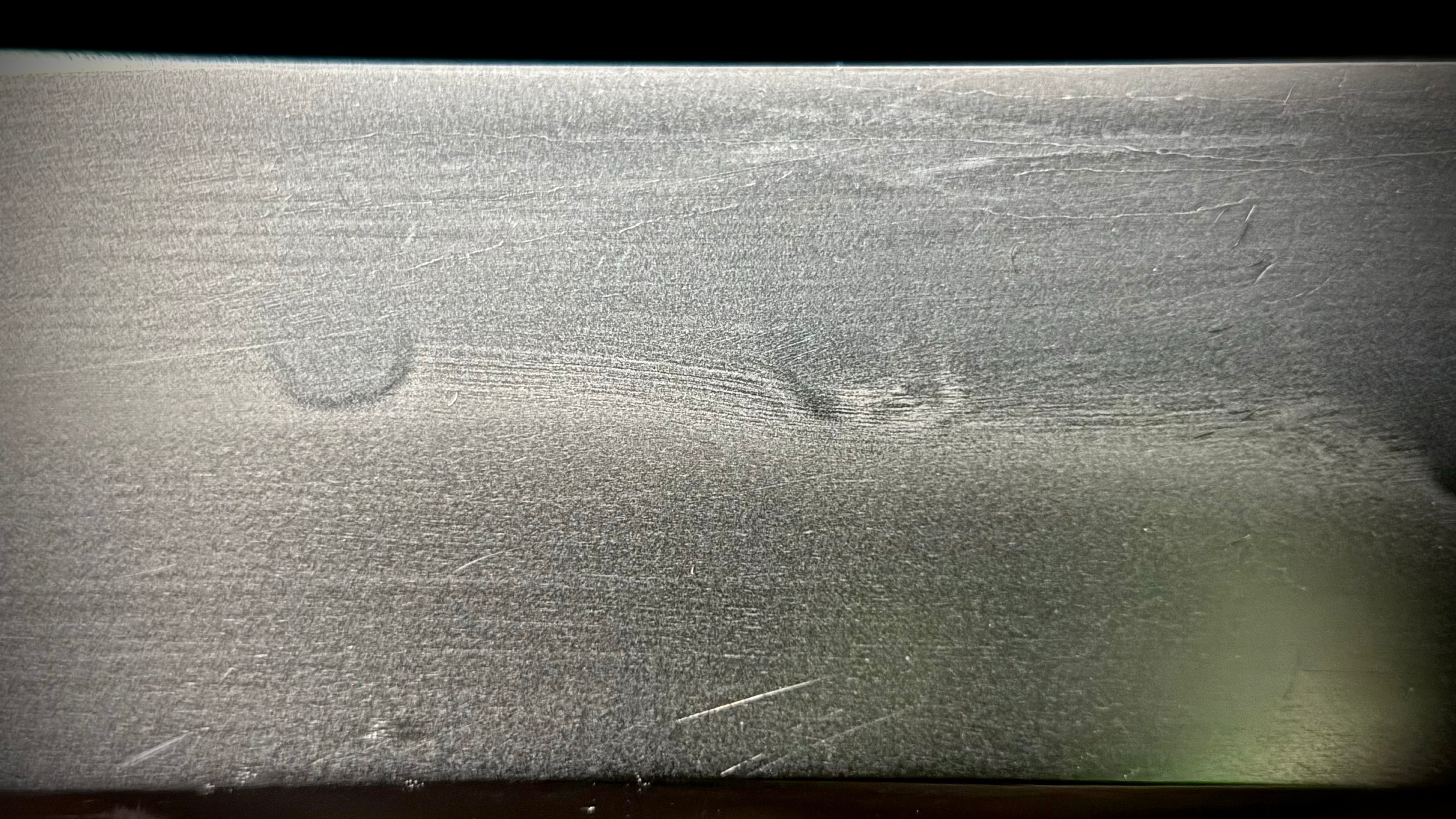
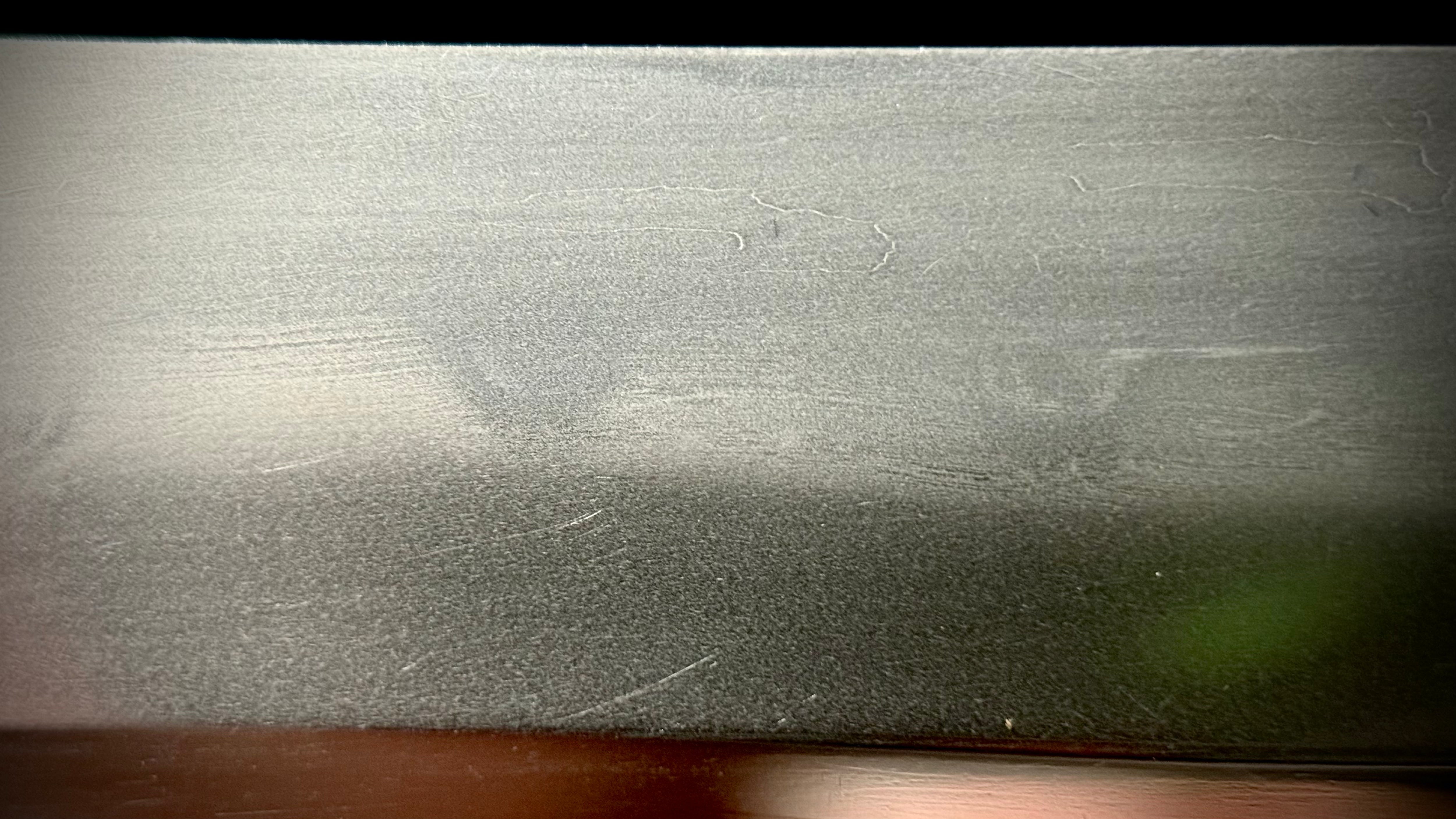
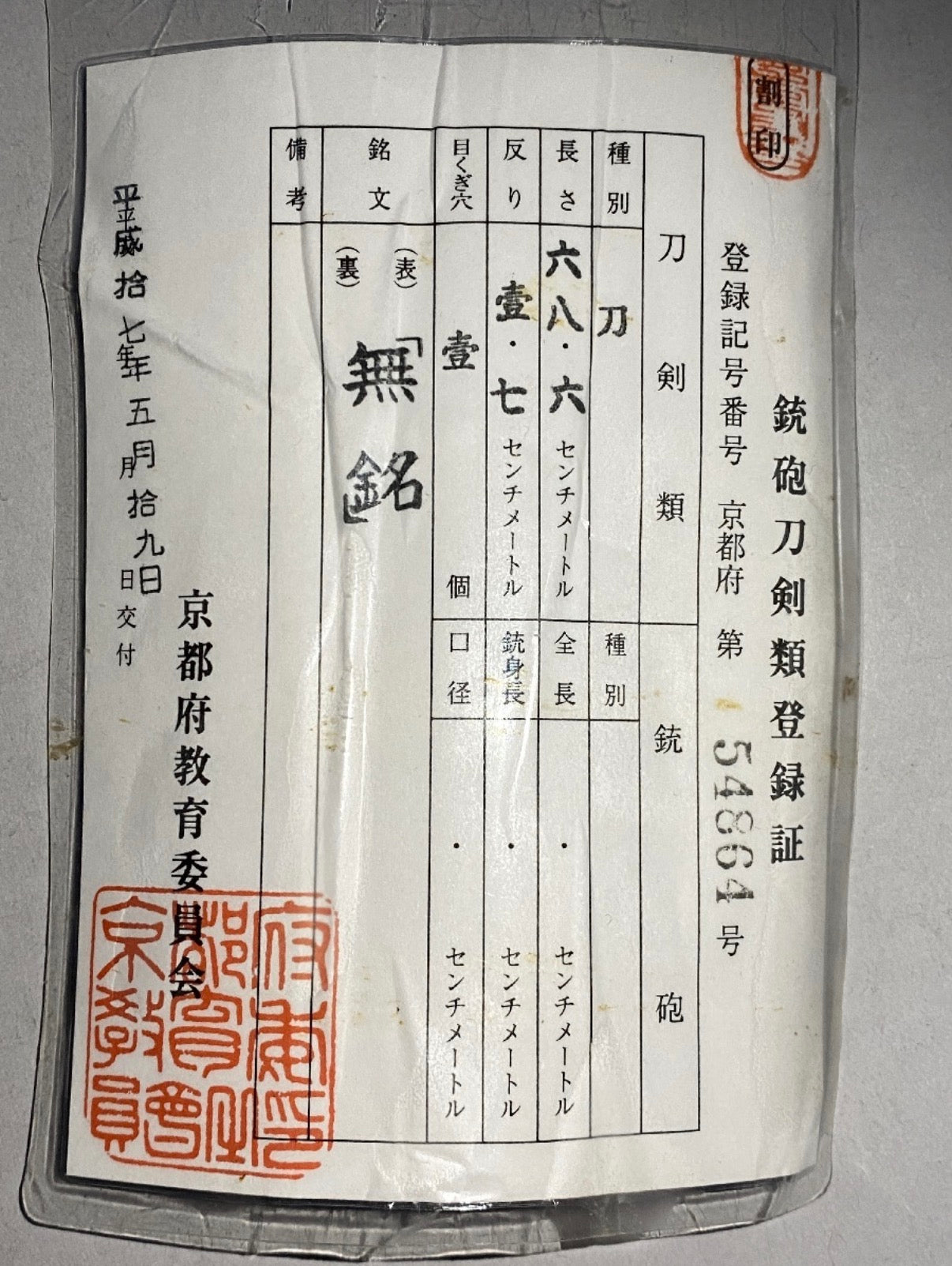
Overview: This is second of two Iai/Study katana. Featuring signs of Saiha, this sword appears to have been re-forged at some point. There are a lot of personal opinions here based on what has been done to the sword, its registration date and certain features it has. That being said, this sword still makes an excellent and interesting piece to study its flaws. This would be an excellent gateway nihonto for someone who has yet to acquire an authentic piece. Studying the flaws will help in the future should you decide to purchase a sword either to cut with or invest in. Lets look more closely... Blade: Coming in at 68.8cm with stout measurements, it has a solid profile. At this length nagasa, the kissaki would most likely qualify as an extended chu-kissaki. My theory of this sword is that it was either an apprentices piece or a martial arts destined sword of fairly modern production that didn't quite work out for the smith. The mekugi-ana is sharp an appears drilled out. The nakago was heavily artificially patinated to make the sword appears older than it is. In the nakago photos you can see some remnants of the original yasurime that appear very similar to modern yasurime. The sword also has a set of flaws that would be associate with re-forging. Areas of tobi-yaki that are not purposeful along with muneyaki, yaki-toshi and the main issue that prevents cutting use-multiple yaki-ware. The hamon was possibly midare based on notare and the hada, masame, but it is difficult to tell in the current polish. Koshirae: The koshirae is awase but has some redeeming features. The saya features brilliantly done vermillion pine bark lacquer work and is quite striking. Not something you see frequently in entry level swords. The sword fits snugly into the saya and does not need shimming. An attractive higher end sageo is included over a standard martial arts style sageo. The brass Ryu kashira is detailed and features gold inlay. The tsuba features gold inlay bamboo latticework and vines. The ito is silk and is tight. Issues: Possible Saiha (re-forged) Multiple tobi-yaki and mune-yaki. Yaki-toshi hamon. Yaki-ware (detailed) Chemically patinated nakago. Mekugi should be resized.
Offered by Ashigaru Armory


Shōwa to the present: destruction and revival
The twentieth century nearly killed the craft twice: wartime distortion, then the occupation ban. The NBTHK’s founding in 1948 and licensed forging from 1953 rebuilt the sword as an art, crowned by Living National Treasures and the mukansa rank.
We could not find an authenticity certificate on the seller’s listing. Japanese swords and fittings are normally papered by the NBTHK (or the NTHK). Without one, the attribution is the seller’s own assessment and has not been independently verified — treat it with caution and ask the dealer about certification before buying.
$1,575