Muromachi turned sword making into an industry: the uchigatana rose with massed infantry warfare, Osafune and Seki produced bundle swords beside custom orders, and the Ming trade carried Japanese blades abroad by the tens of thousands.
 NihontoWatchNihontoWatch
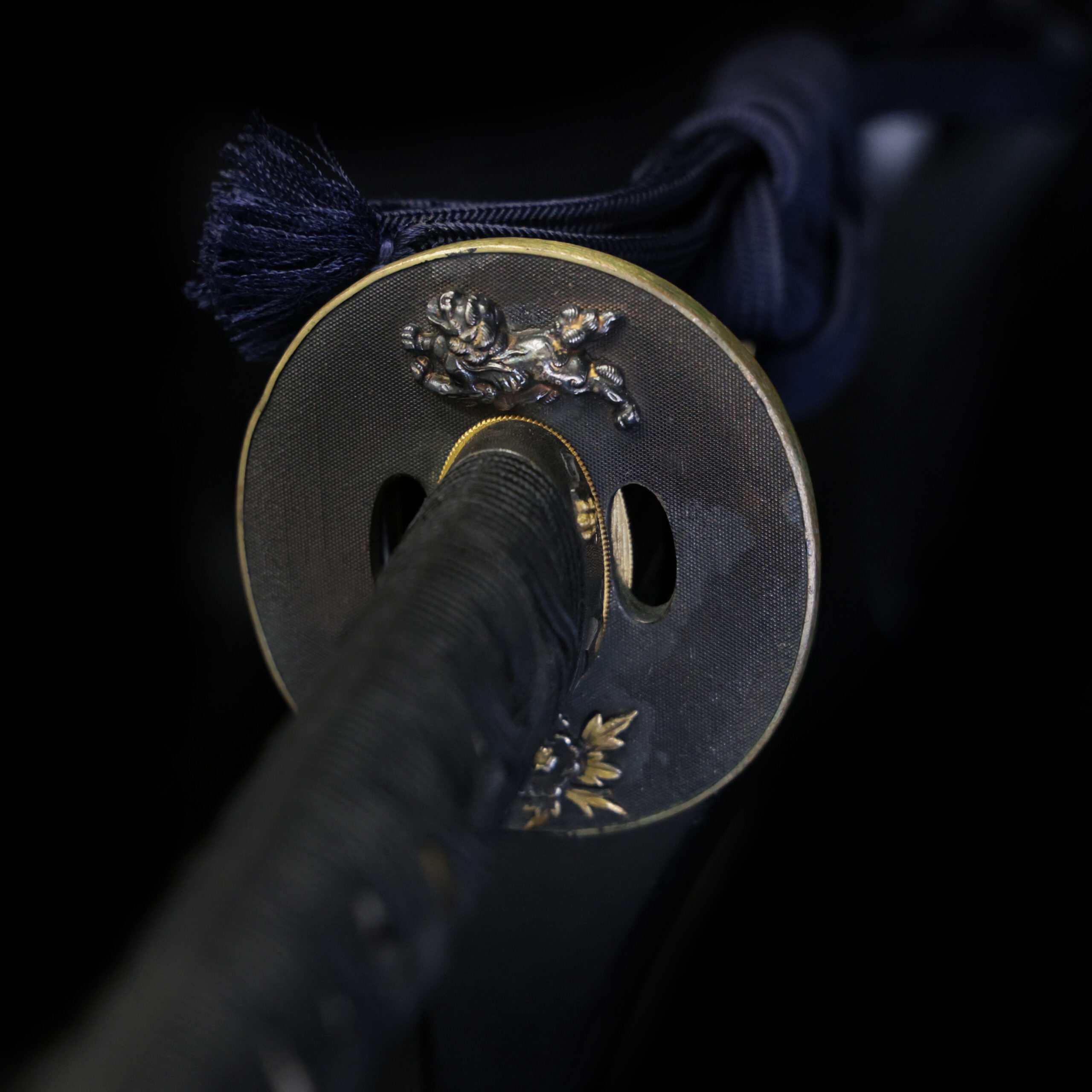
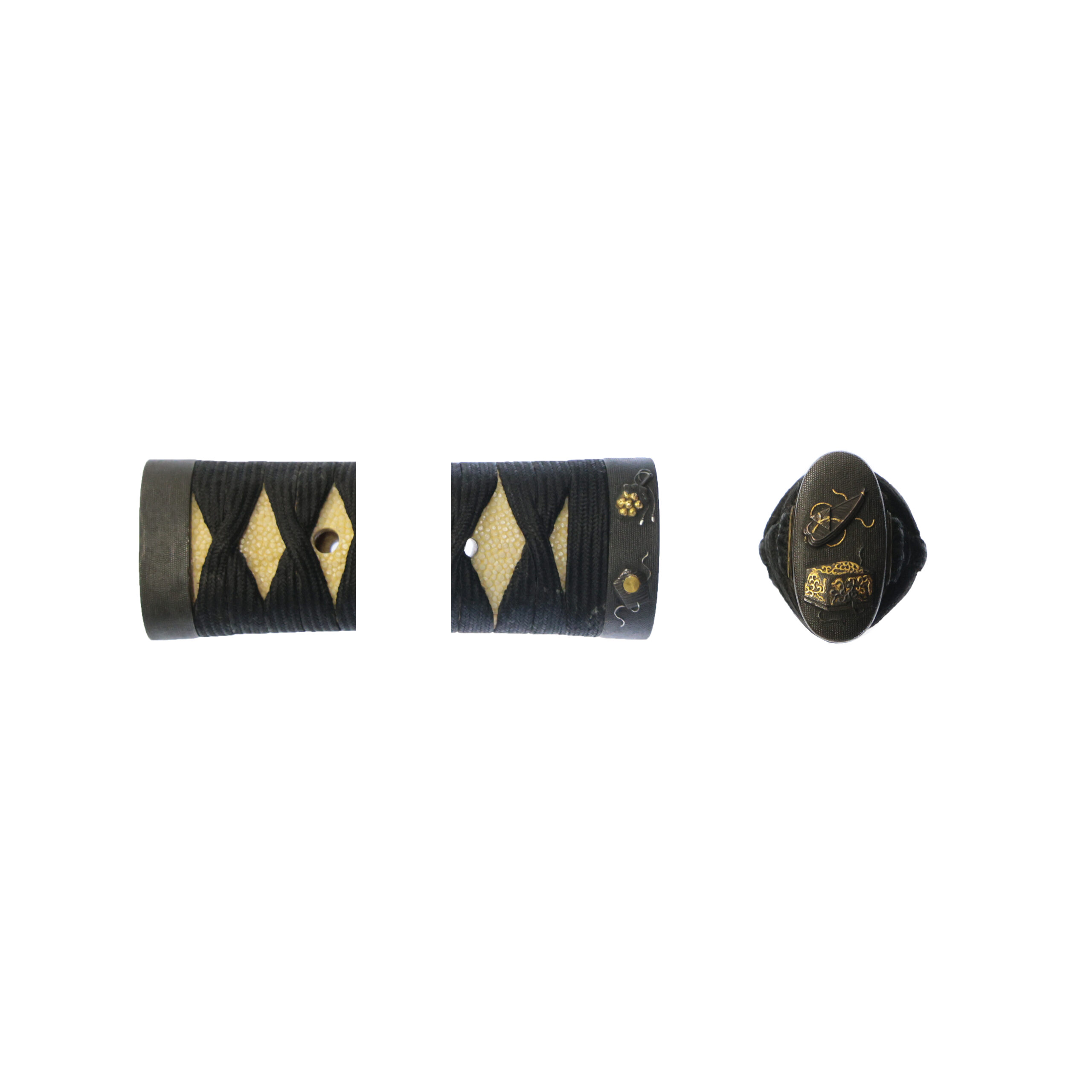
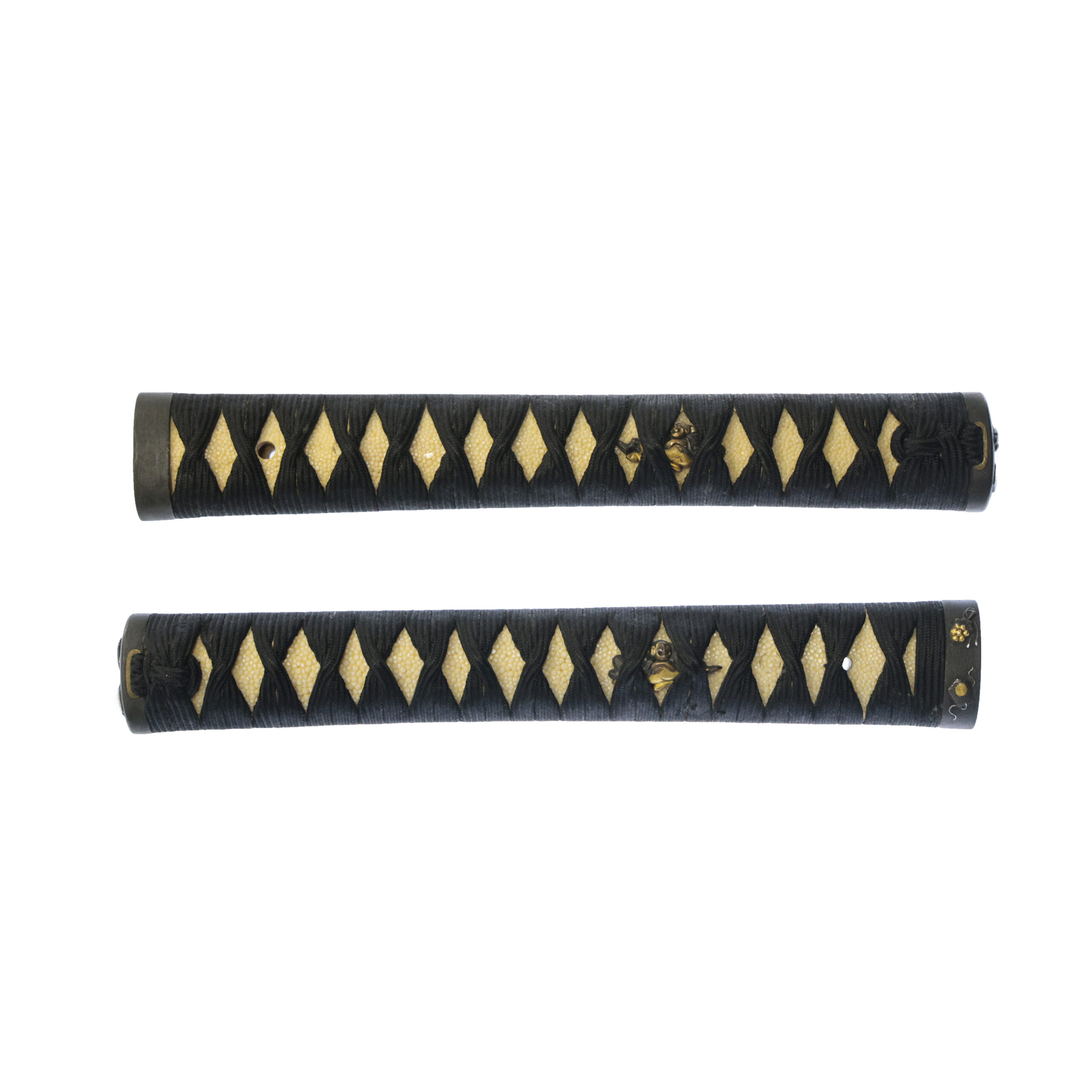
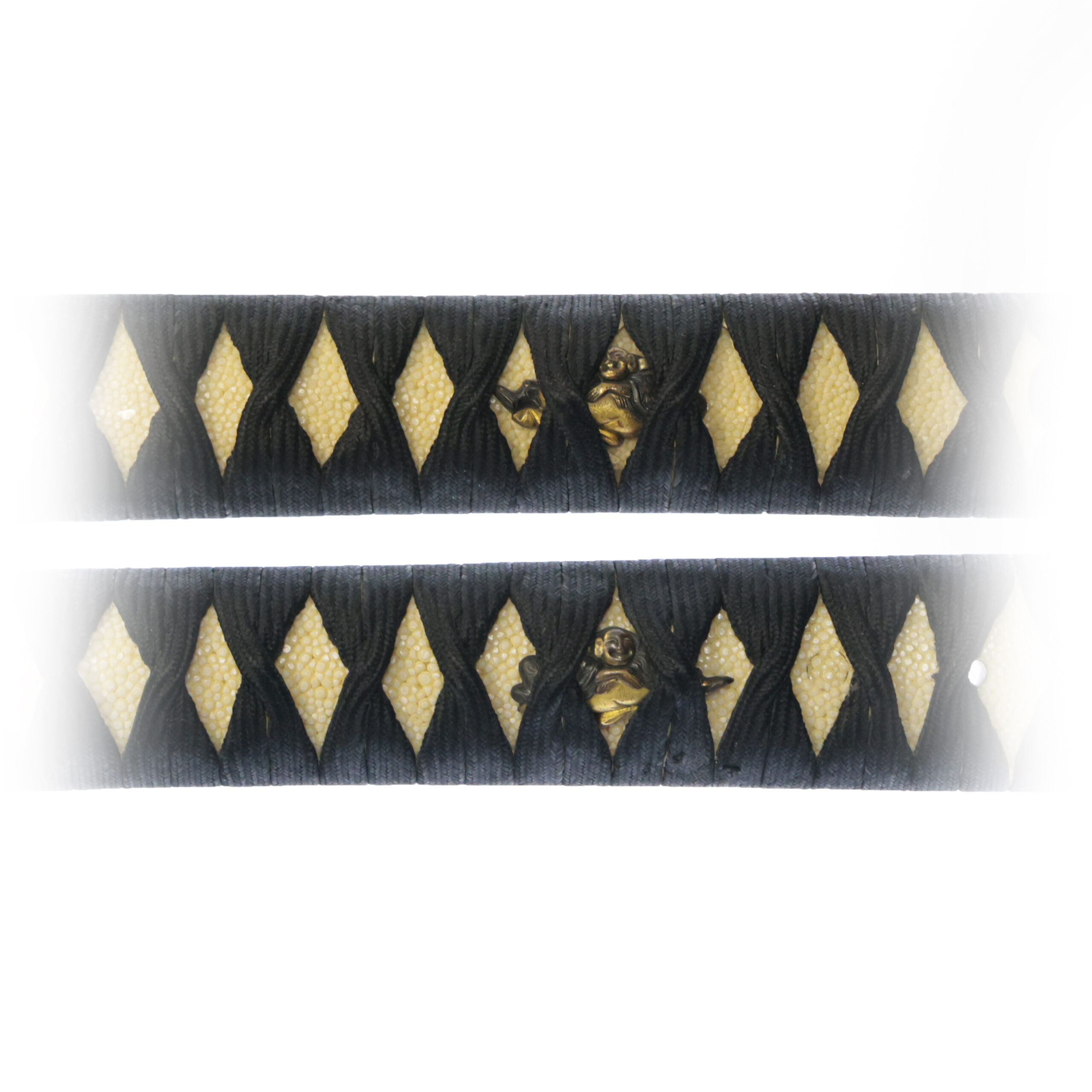
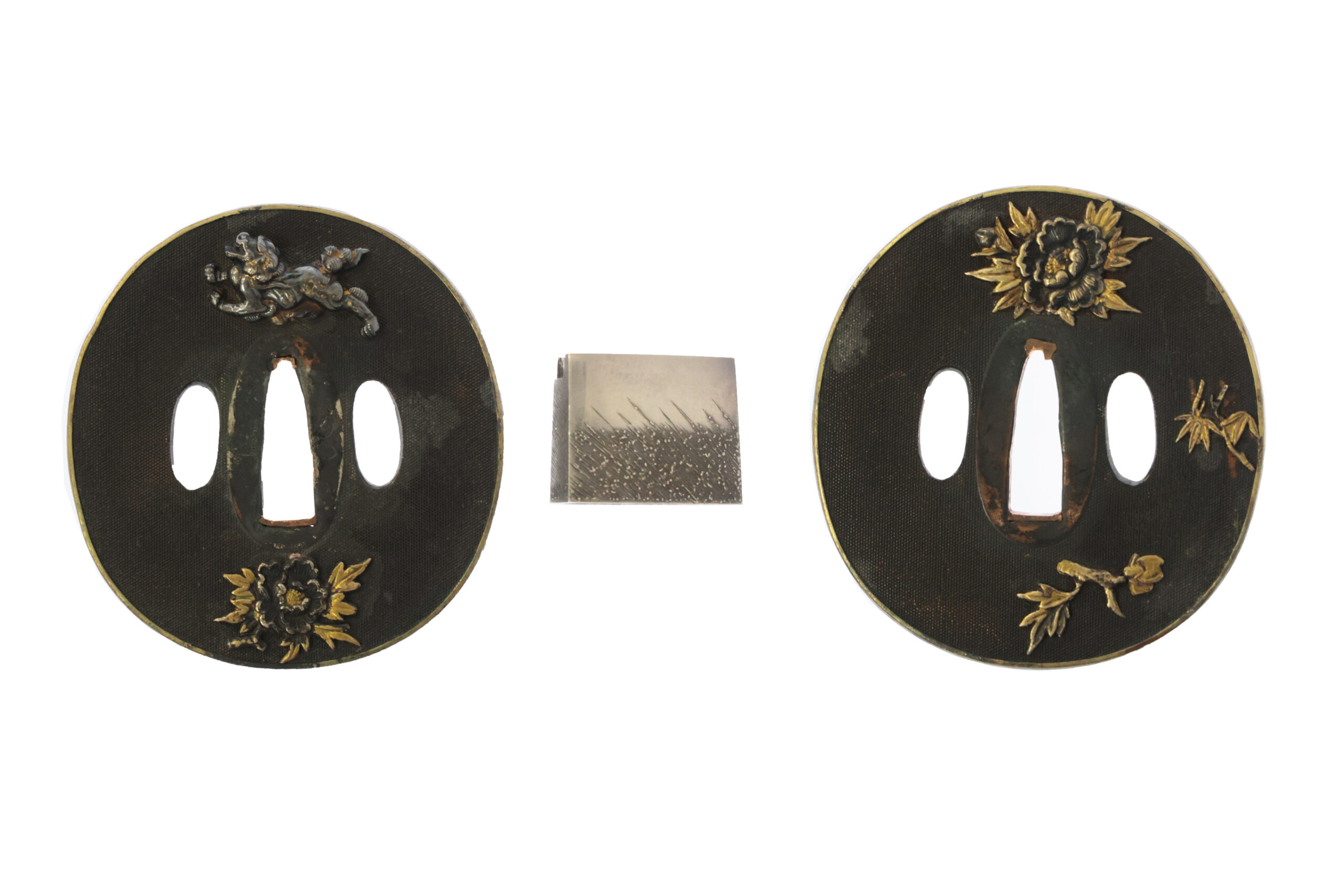
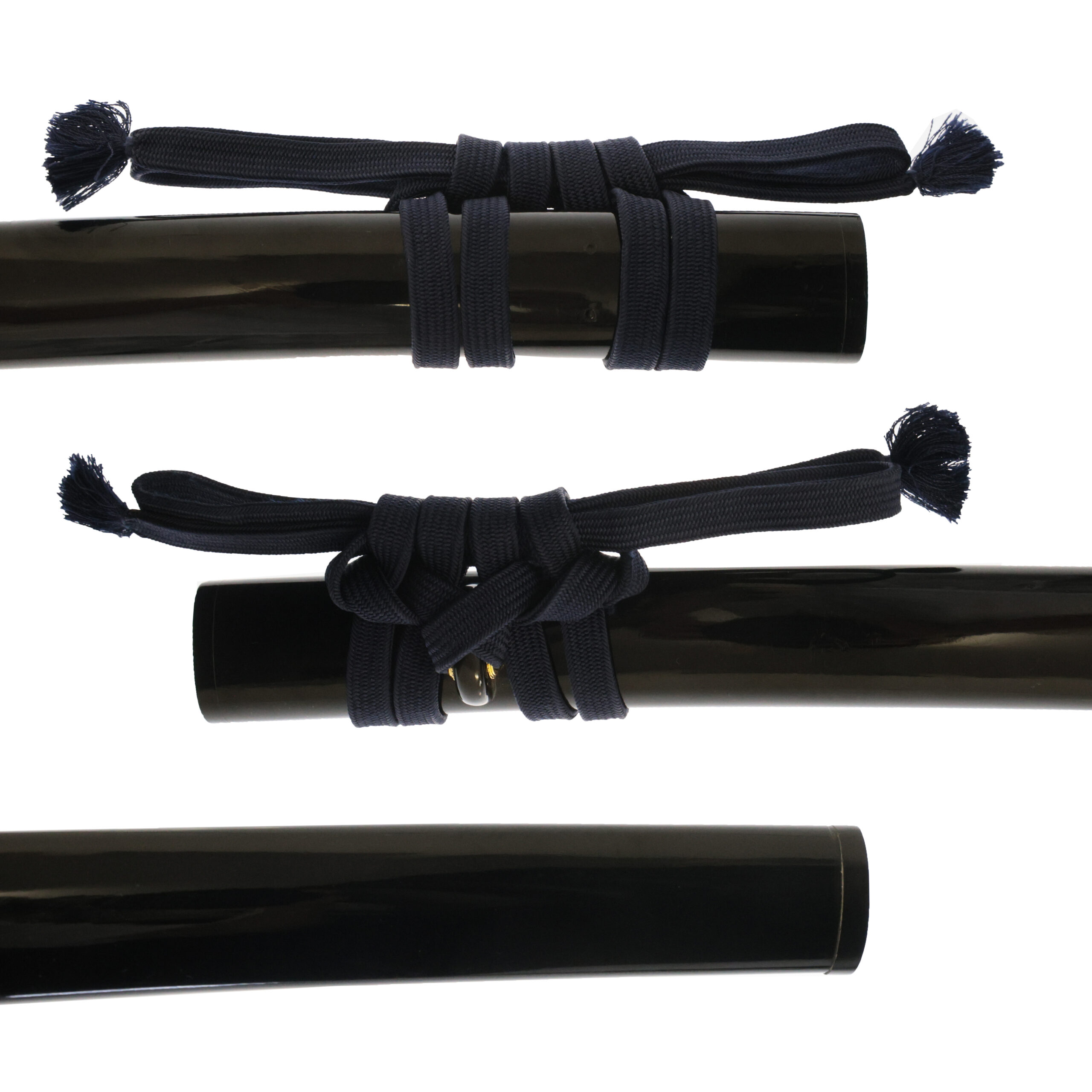
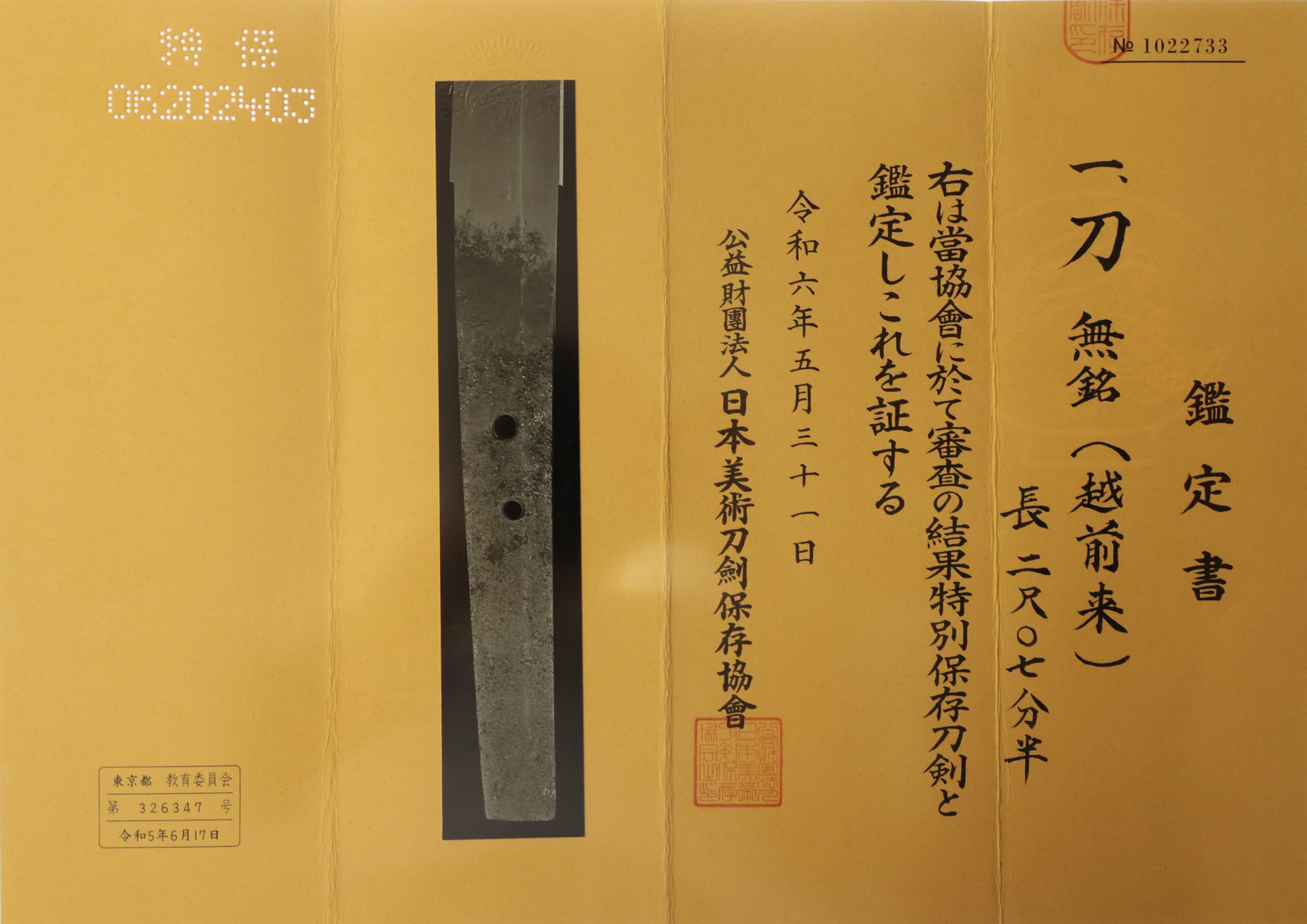
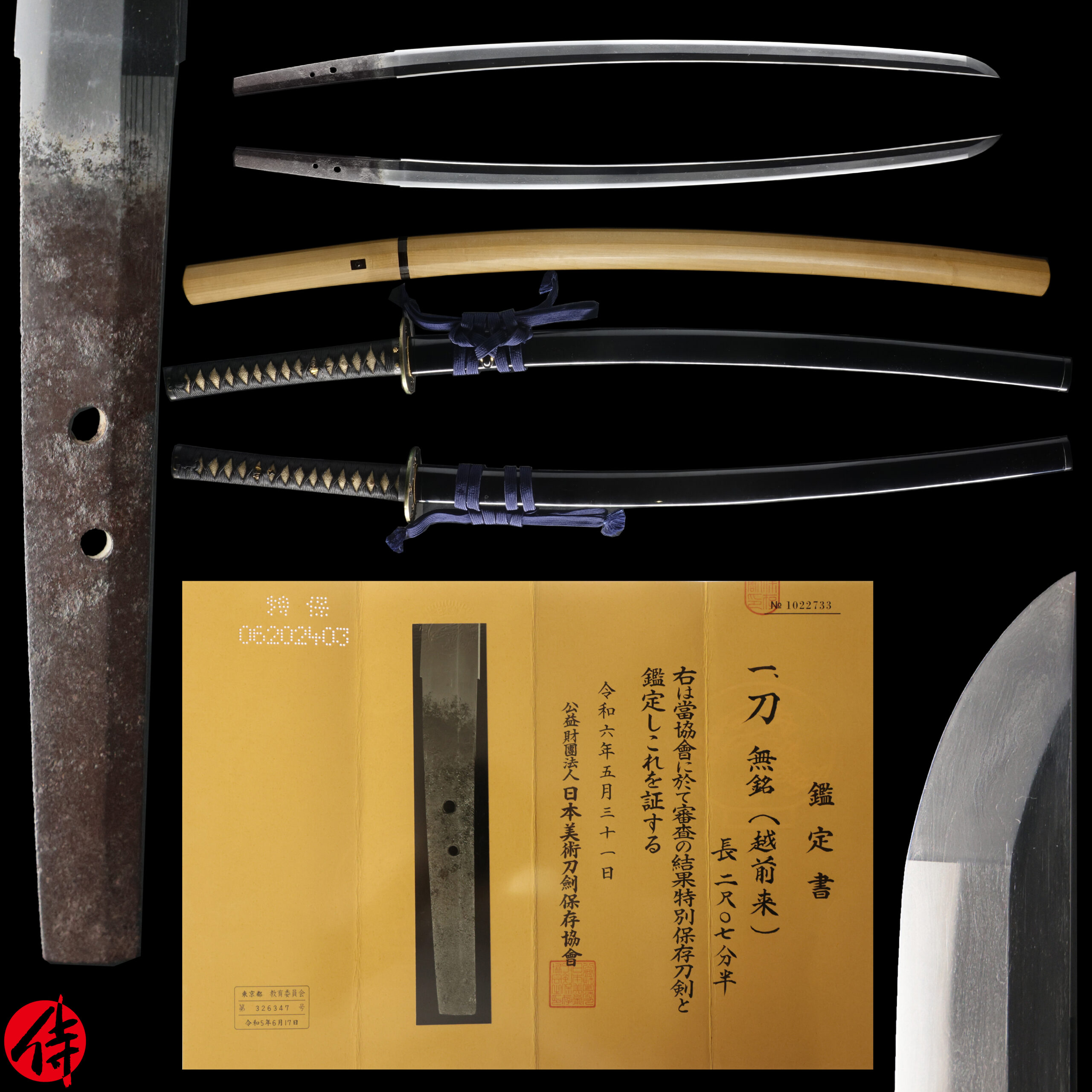
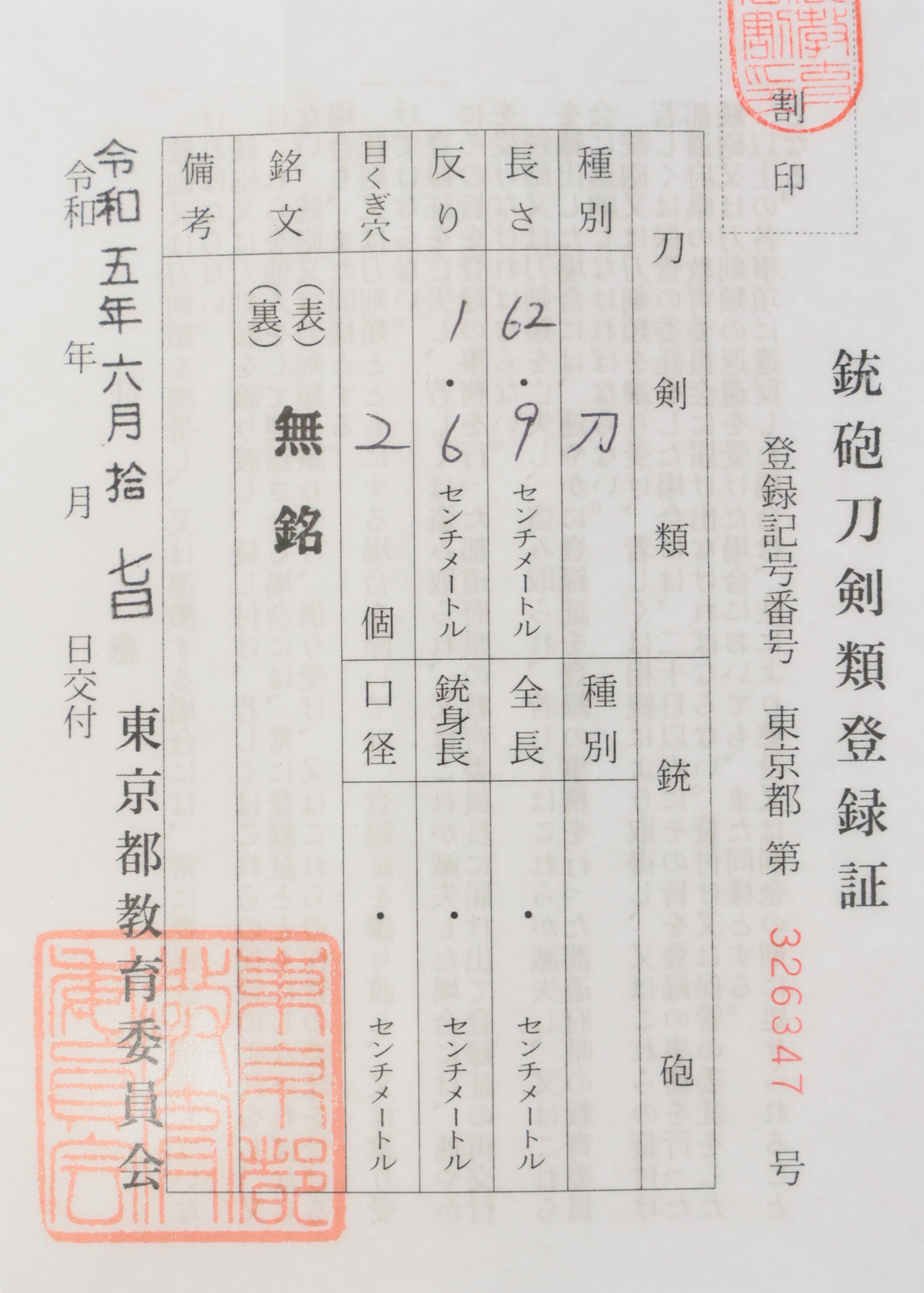
This blade is attributed to Echizen Rai (越前来), a group of swordsmiths active in Echizen Province (越前国, present-day Fukui Prefecture) during the Nanbokuchō period (南北朝時代, 14th century) and into the early Muromachi period (室町時代, late 14th to early 15th century). The attribution identifies the school rather than an individual swordsmith, placing the blade within a lineage connected to the celebrated Rai tradition of Kyoto. Echizen Rai traces its origins to the prestigious Rai school (来派) of Yamashiro Province (山城国, present-day Kyoto Prefecture). Accounts of its founding vary, but Kuniyasu (国安), also known as Chiyozuru Kuniyasu (千代鶴国安), is regarded as a central figure in the establishment of this lineage. He is said to have moved from Yamashiro to Echizen, where he founded the Chiyozuru school (千代鶴派). Some traditions describe him as a student of Rai Kuniyasu, while others connect him to the Rai family through descent. Although the details of his ancestry remain uncertain, these traditions consistently associate Echizen Rai with the swordmaking heritage of Yamashiro. The Chiyozuru school became closely associated with Echizen Rai and flourished during the late Nanbokuchō and early Muromachi periods. This connection places Echizen Rai within the broader tradition of Yamashiro-den (山城伝), one of Japan’s five major swordmaking traditions. Developed in the region surrounding the imperial capital of Kyoto, Yamashiro swordmaking served court nobles, the imperial household, and, later, members of the warrior class. The Rai school was one of its most distinguished schools, with renowned masters such as Rai Kunitoshi (来国俊). Echizen Rai inherited elements of this tradition while developing regional characteristics of its own, reflecting the adaptation of Kyoto’s swordmaking practices to a different environment. The name Chiyozuru is traditionally said to derive from Kuniyasu’s childhood name, Chiyozurumaru (千代鶴丸). It also has auspicious associations in Japanese: chiyo (千代) evokes a thousand generations, while tsuru (鶴), pronounced zuru in this compound, means crane. The crane has long been regarded as a symbol of longevity and good fortune, as expressed in the traditional saying that cranes live for a thousand years and turtles for ten thousand. These associations lend the name a sense of enduring prosperity and continuity. It is appraised as a Tokubetsu Hozon Token (特別保存刀剣) issued by NBTHK (Nihon Bijutsu Touken Hozon Kyokai:日本美術刀剣保存協会). *Please keep in mind that there are a couple of kitae kizu on the blade. Fuchi-Kashira This fuchi-kashira (hilt fittings) depicts objects that resemble treasure chests and kagura-suzu (神楽鈴), a cluster of small bells used in kagura(神楽), a sacred Shinto dance. The design may represent implements used in Shinto rituals to honor the deities. During these rituals, shrine maidens ring kagura-suzu to welcome the deities and offer prayers. Tsuka and Menuki The motif of this Menuki appears to depict Hotei-son (布袋尊), one of the Seven Lucky Gods (Shichifukujin, 七福神) in Japanese tradition. Hotei is revered as a deity of good fortune and contentment, often portrayed with a plump figure, a cheerful smile, and notably large fukumimi—elongated earlobes symbolizing prosperity and longevity. In Japanese culture, such features are believed to attract good luck and wealth. The iconography on this tsuba further reinforces these auspicious meanings. A large cloth sack (布袋袋, hotei-bukuro or “treasure bag”), depicted at the upper portion of the guard, symbolizes fortune and abundance. At the lower section, a fan (団扇, uchiwa) is shown, traditionally associated with dispelling earthly desires and granting wishes. Tsuba and Habaki The theme of this Tsuba is the Shishi Botan (獅子牡丹) or Karajishi Botan (唐獅子牡丹), which is a combination of Karajishi (唐獅子, lion) and Botan (牡丹, peony). While lions have been known as the “king of beasts”, peonies have also been called the “king of flowers.” Therefore, this combination motif has been favored since ancient times. The Shishi (獅子) means a lion in Japanese, and the Karajishi is a lion brought from the continent to Japan in the Toh period (唐, Tang dynasty, 618-907). The Karajishi typically has curly hair for its head, neck, body, and tail, as seen on this work. In Buddhism, the Karajishi is regarded as a symbol of wisdom, and Monju Bosatu (文殊菩薩, Manjushri Bodhisattva) rides lions. According to a theory, the Karajishi is the origin of Komainu (狛犬, stone guardian dogs that exorcize evil spirits). It shows this animal motif has been familiar to Japanese people since ancient times. There is a Houwa (法話, Buddhist monks tell the story of Buddhism in an easy-to-understand manner) that treats the Karajishi and this flower. The lion is called the king of the beasts. However, even this invincible animal has only one fear: a bug in the lion’s body. This pest grows in the lion’s hair and eventually breaks the skin and bites the flesh. Nevertheless, it dies if it is exposed to the night dew of a peony. Therefore, the lion rests under peony flowers at night, looking for a haven. The design of these sword mountings might have been quoted from this story. Peony represents happiness, wealth, nobleness, and gorgeousness. This flower pattern has been treated as a kind of good-omen motif; people regarded it as a rich harvest sign. Peony is called “Botan” in Japanese. When we write this flower’s name in Japanese, its second letter means mountain hermit medicine that would give us eternal youth. Based on the meaning of this letter, the peony pattern symbolizes eternal youth and longevity. Saya This scabbard is covered with black lacquer. Due to its high waterproof effect, lacquer has been used since ancient times in Asia. The blade of a Japanese sword is made of iron, and moisture is the greatest enemy of iron. For the purpose of carrying the blade without degrading it, people devised a method of coating the scabbard with lacquer. To prevent not only moisture but also rain and snow from penetrating the inside of the scabbard, it was necessary to apply multiple layers of lacquer. The Nushi (塗師, lacquerers) was born precisely because advanced techniques were required to handle the complicated processes. Authentication Paper They authenticated the blade on May 31st in the 6th year of Reiwa (2024). They appraised it as Tokubetsu Hozon Touken, the blade especially worth preserving for Japanese society.
Offered by Samurai Museum
5 on the market

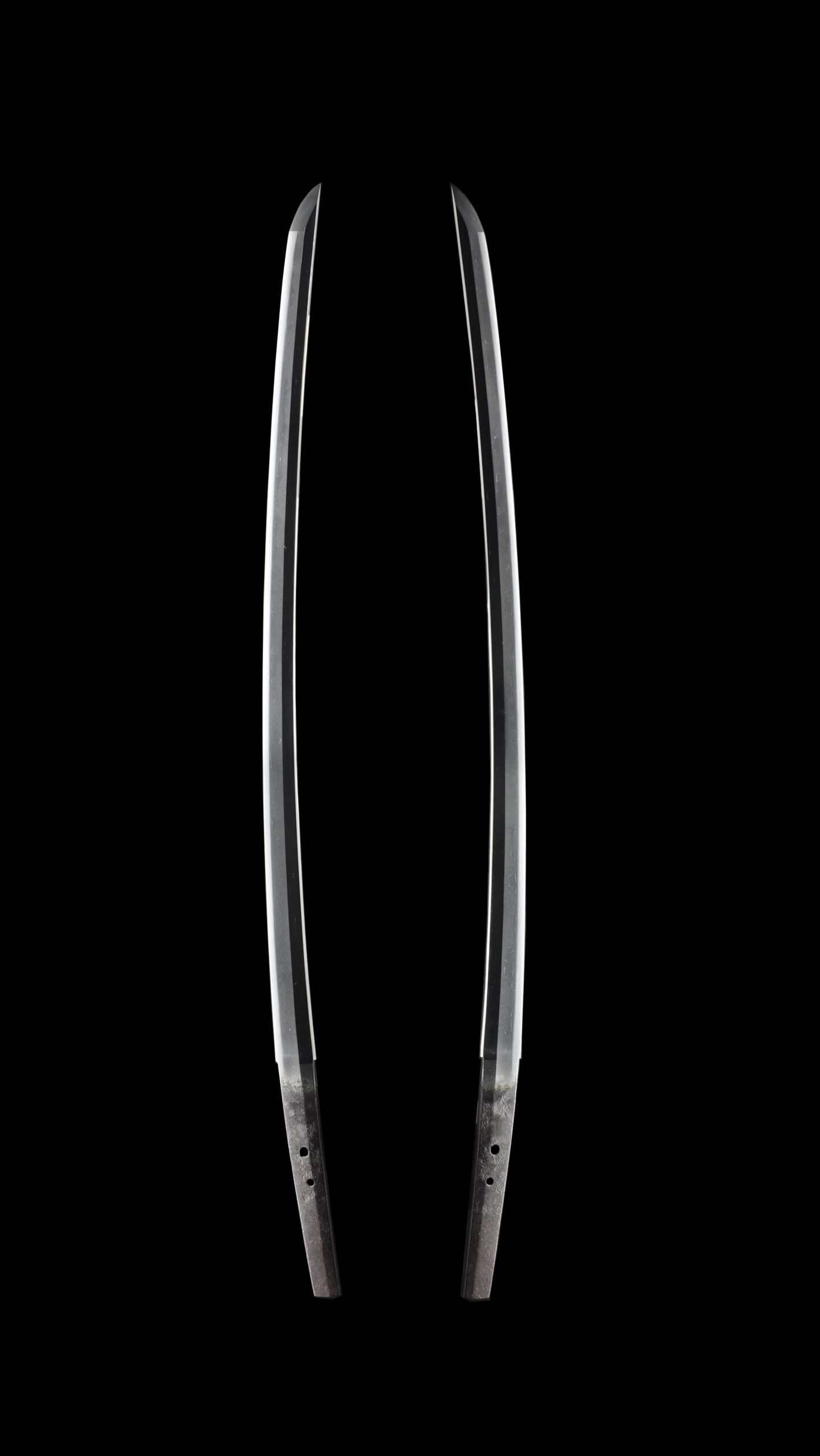
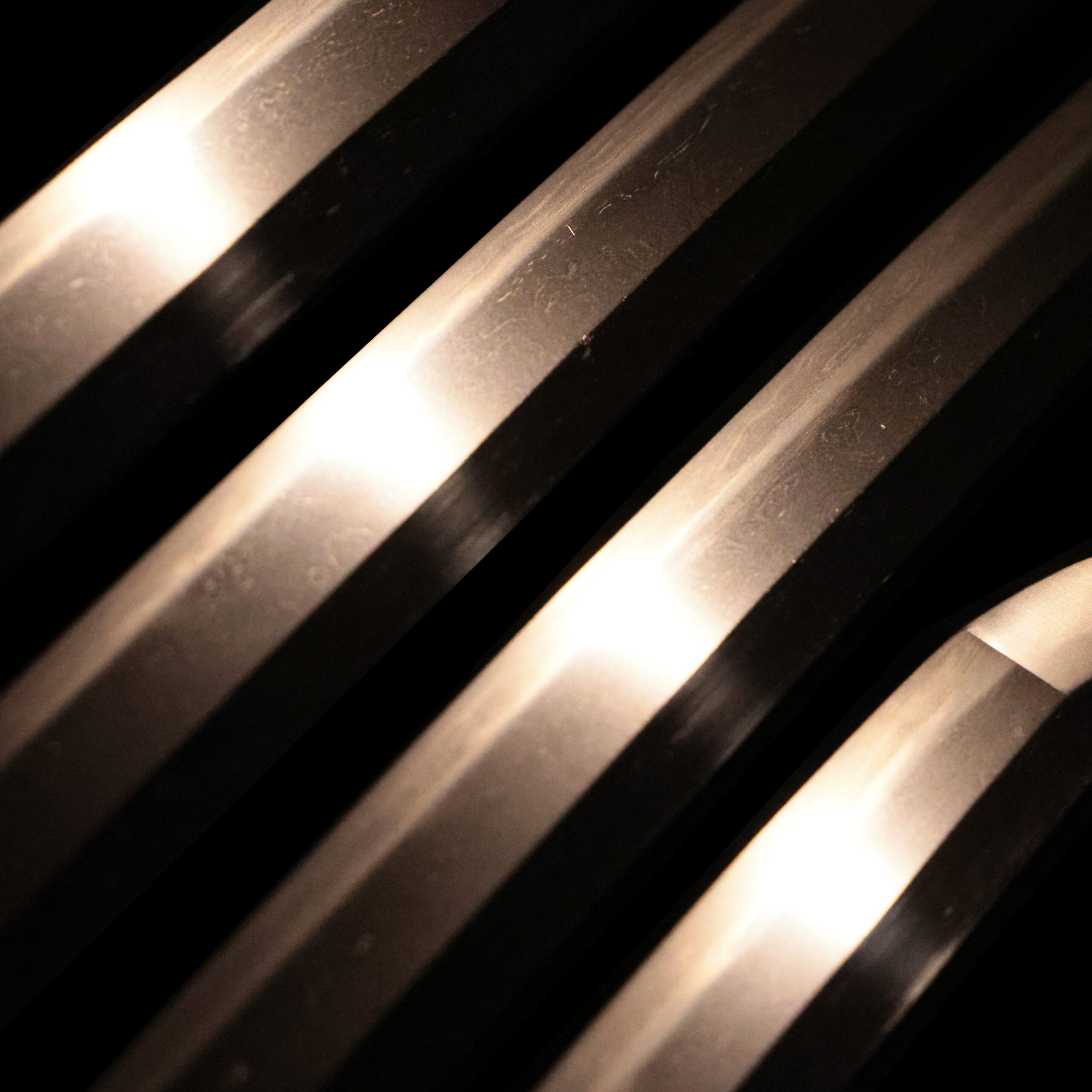
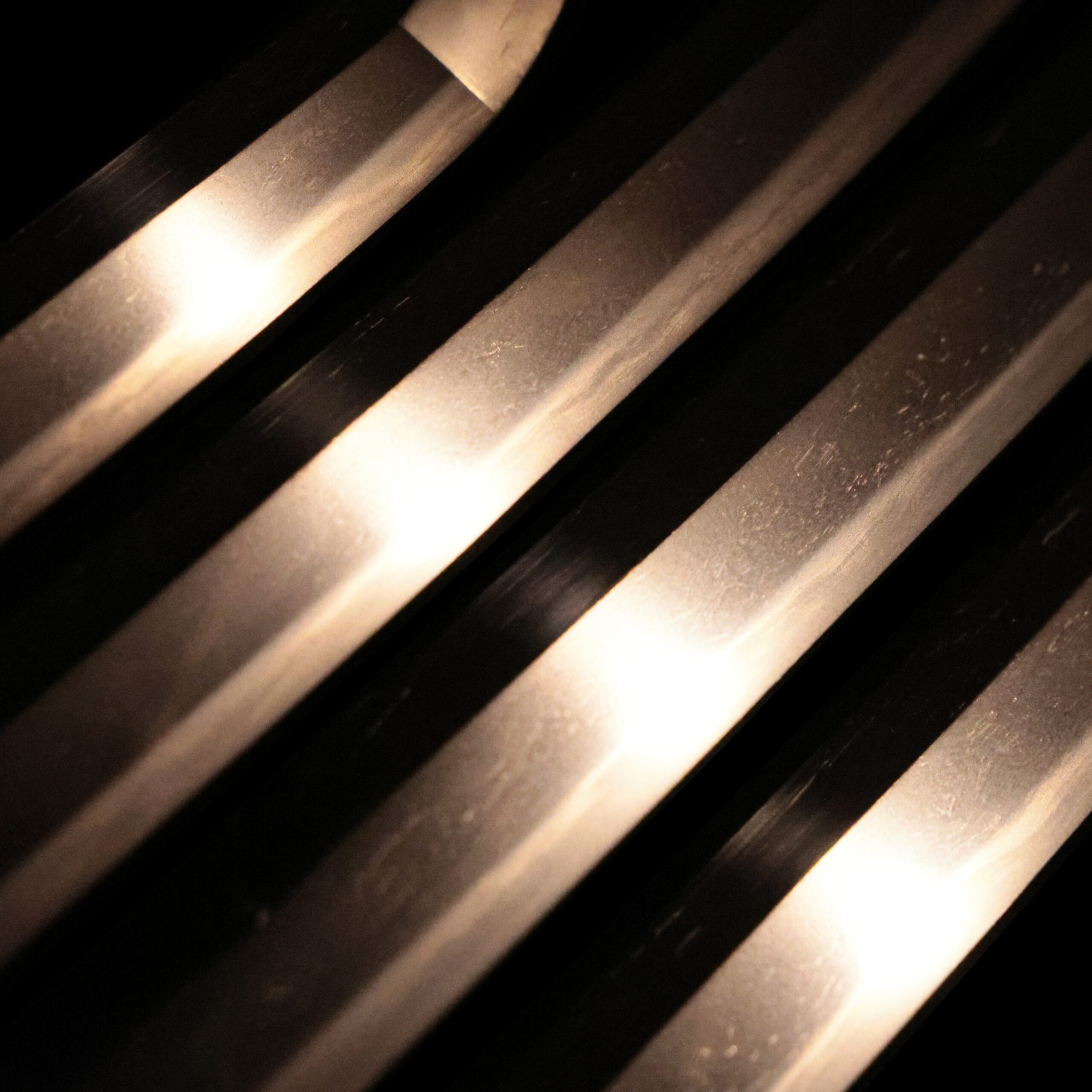
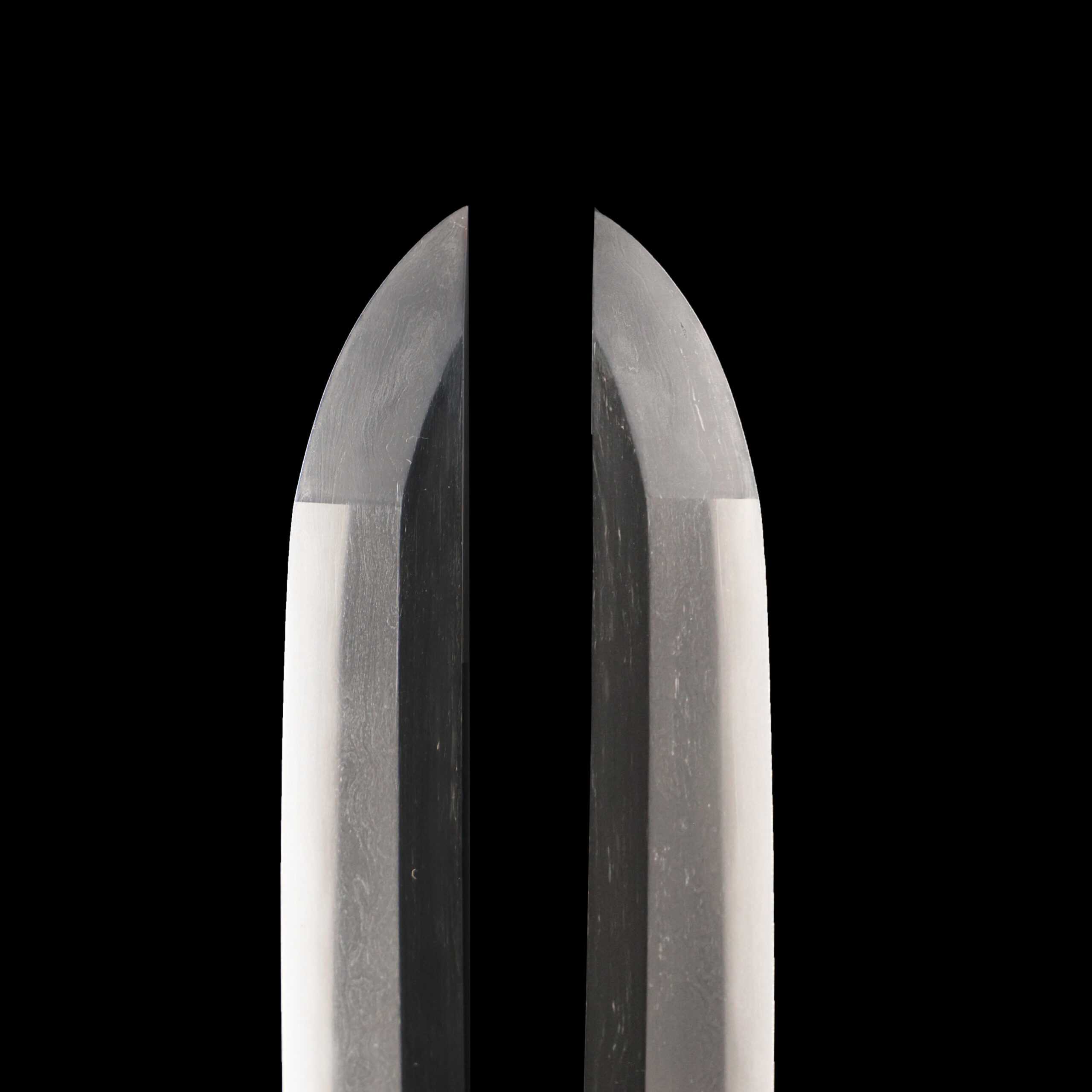
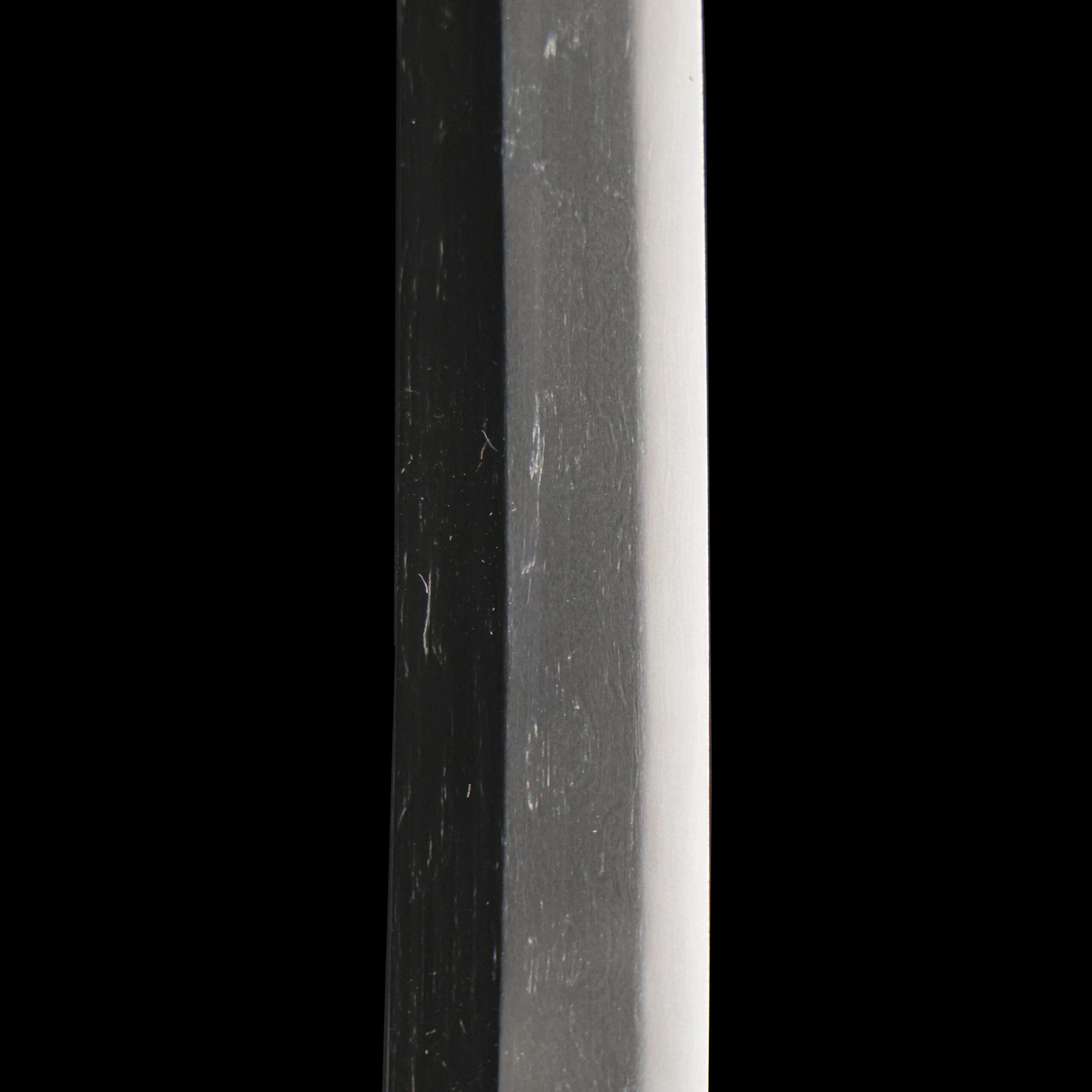
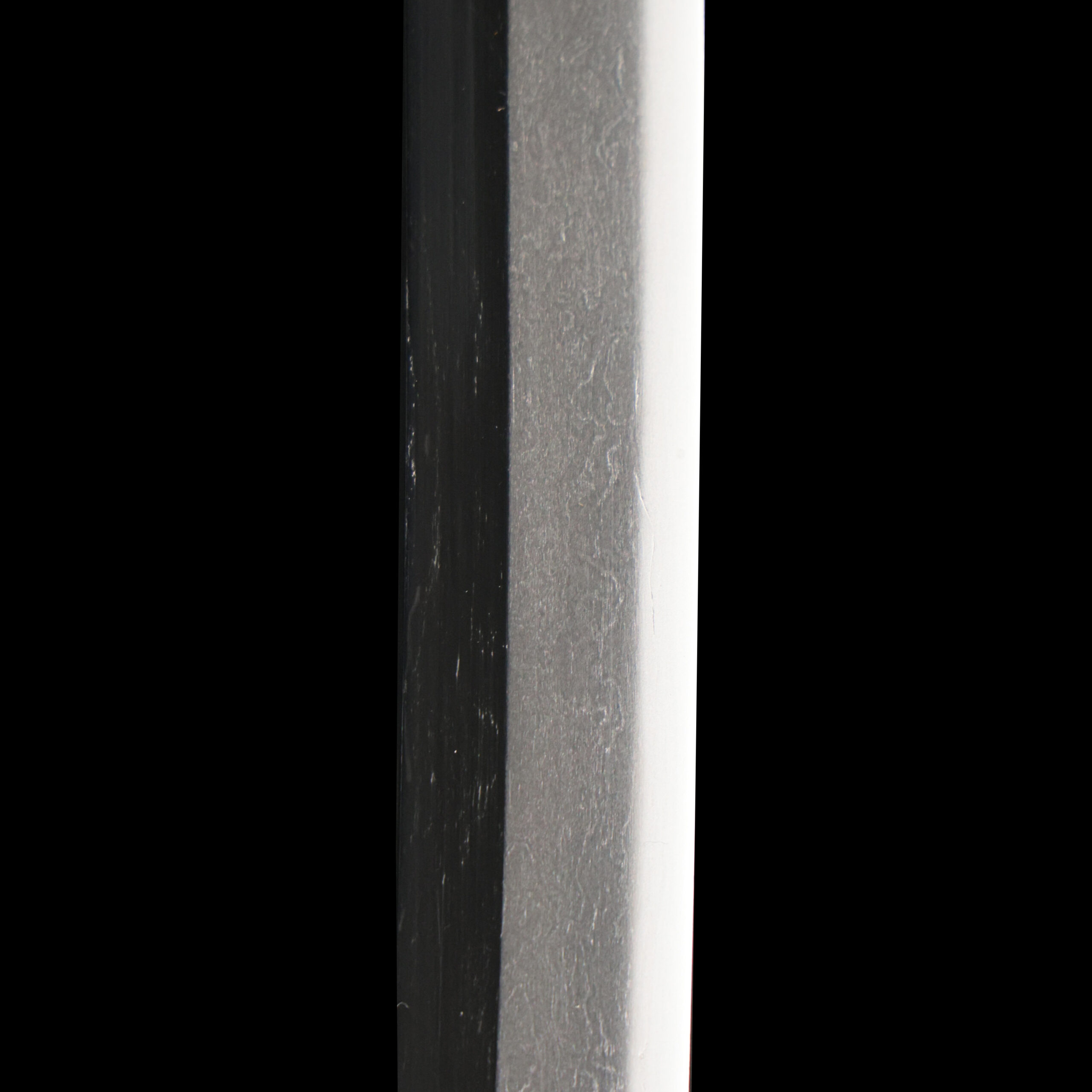
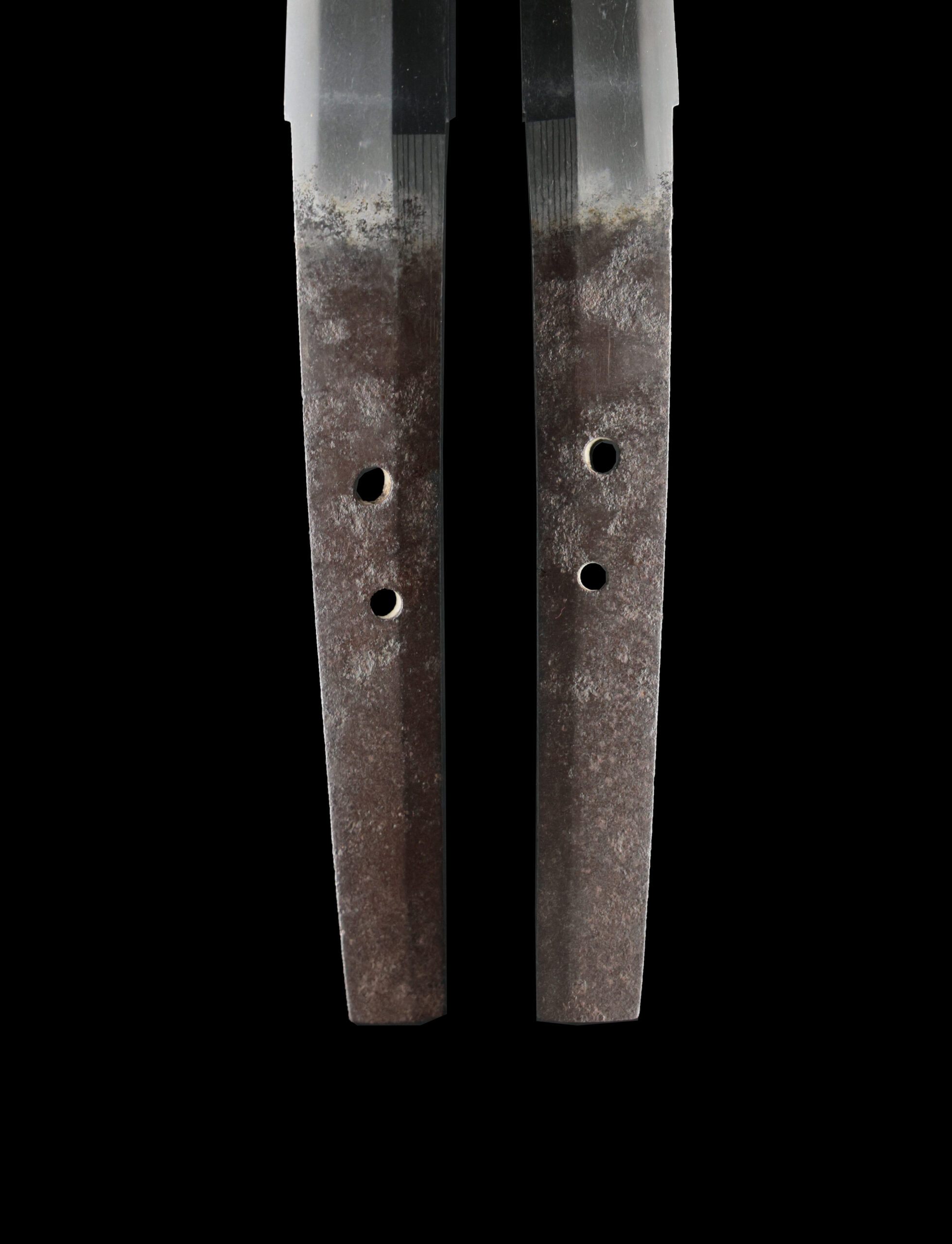
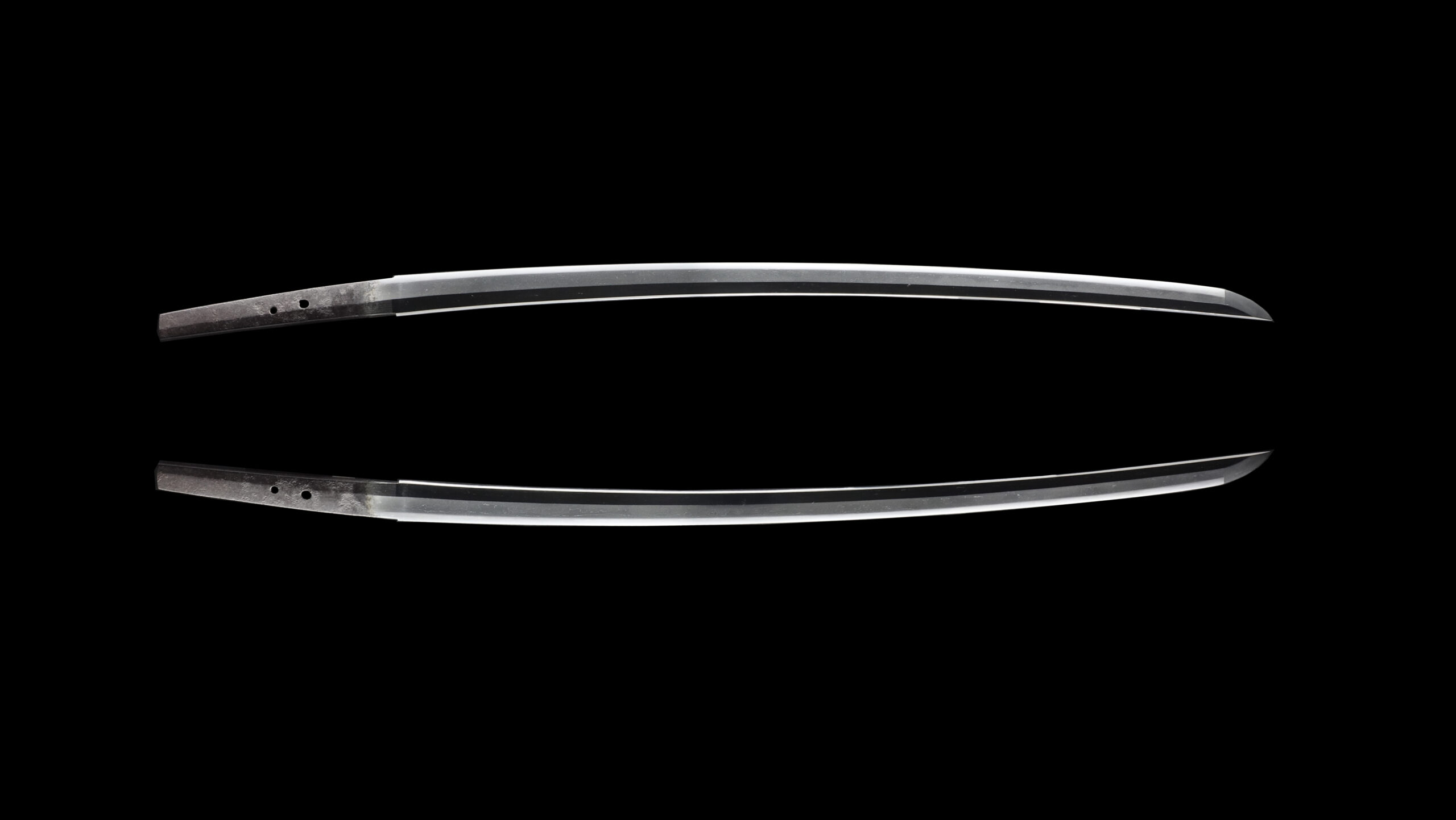
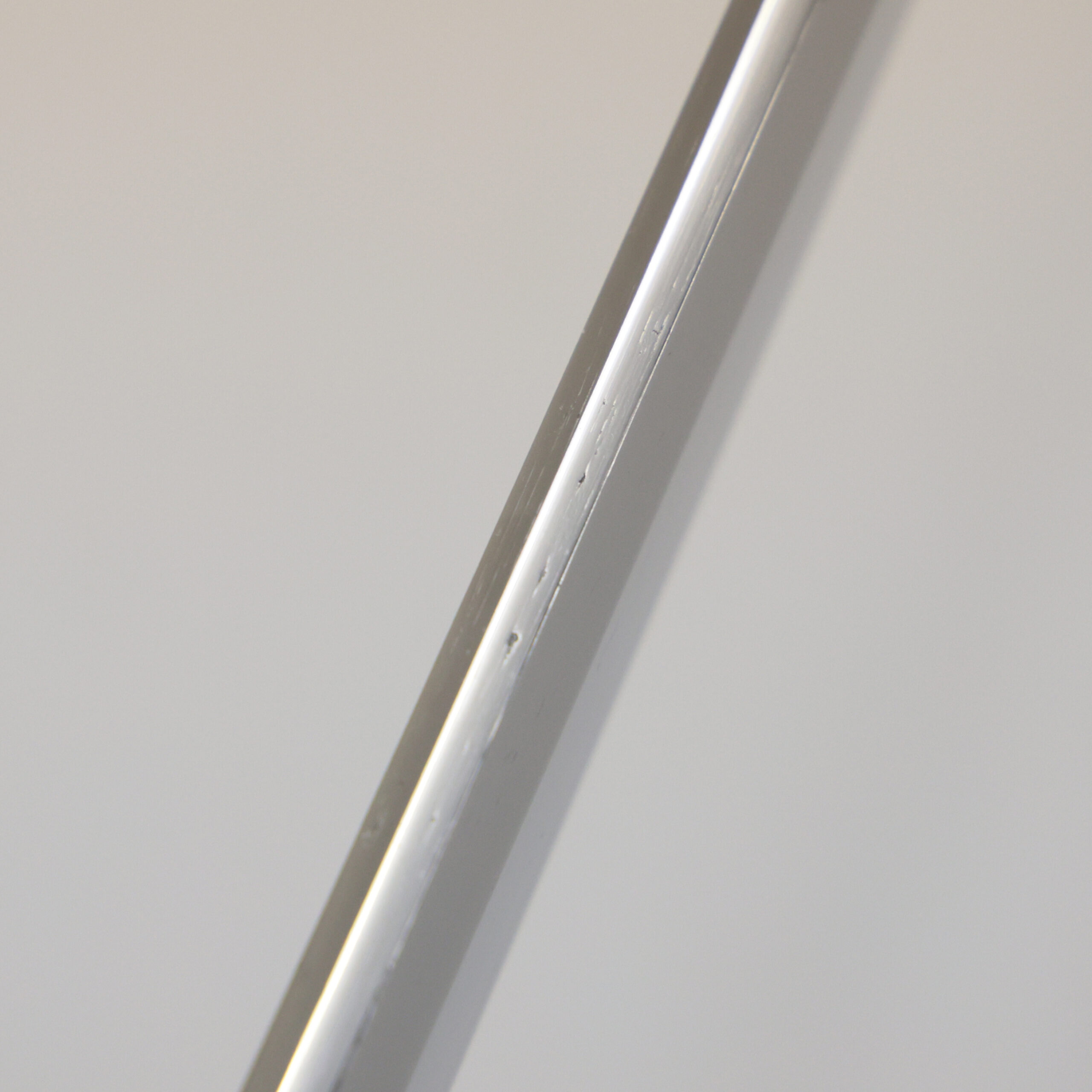
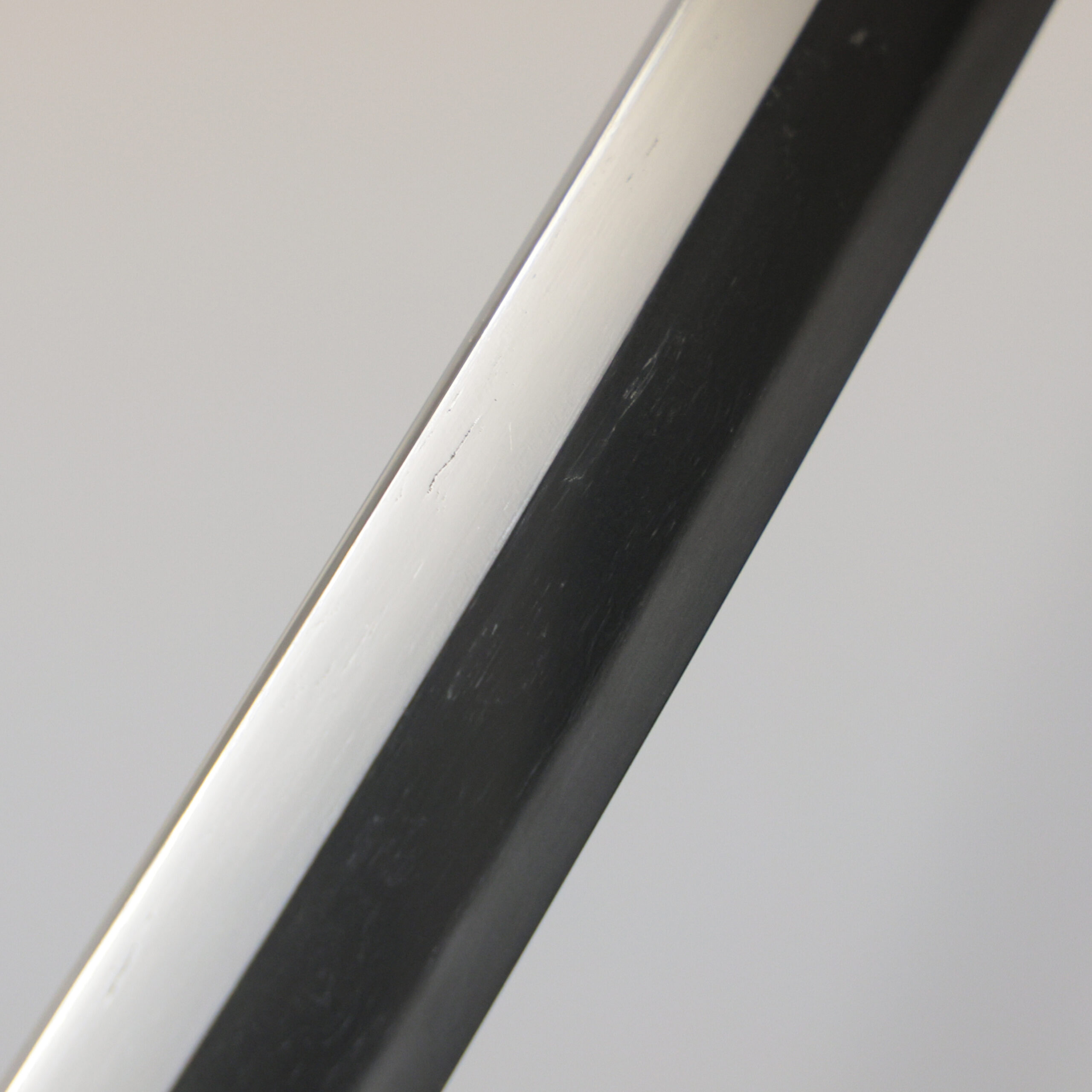
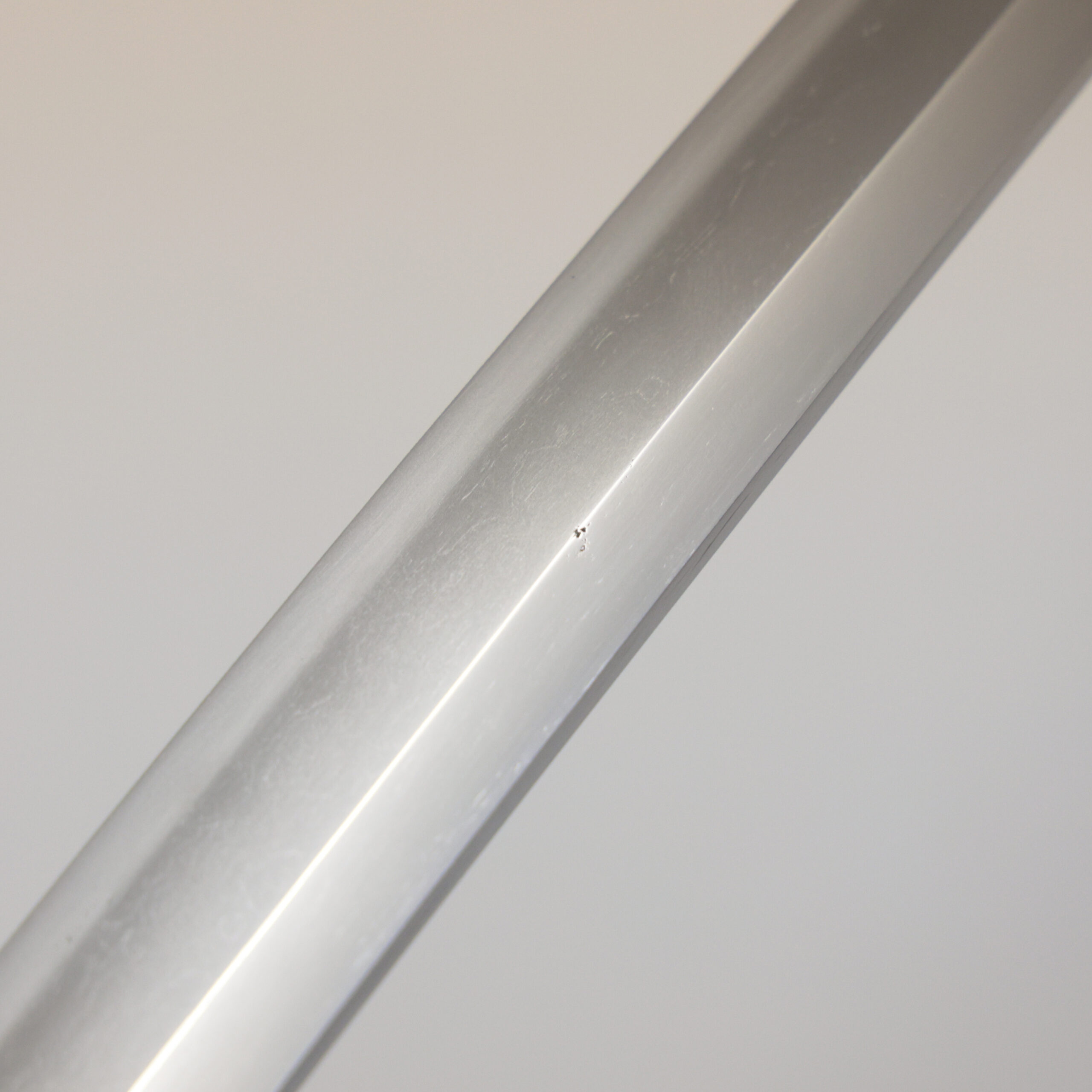
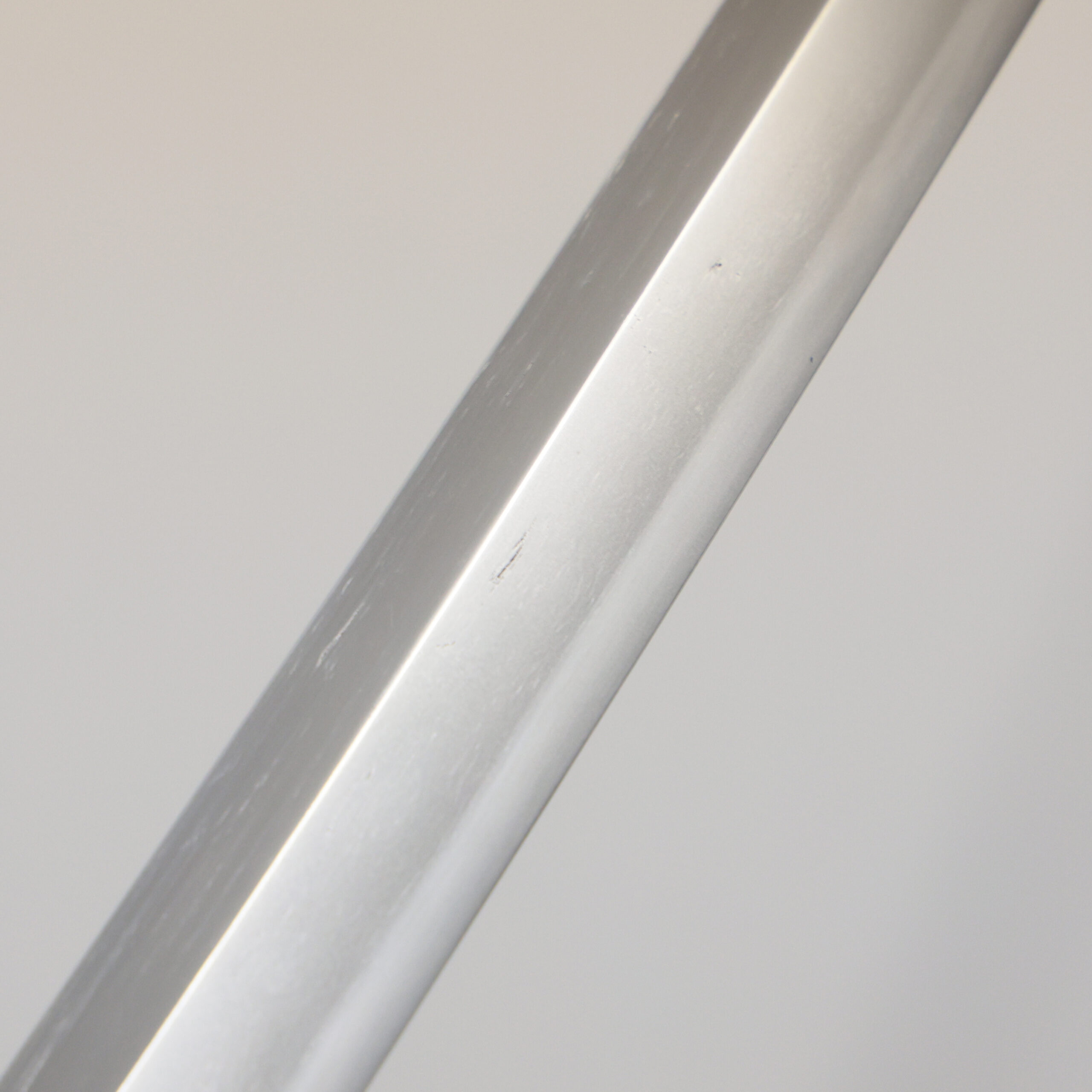
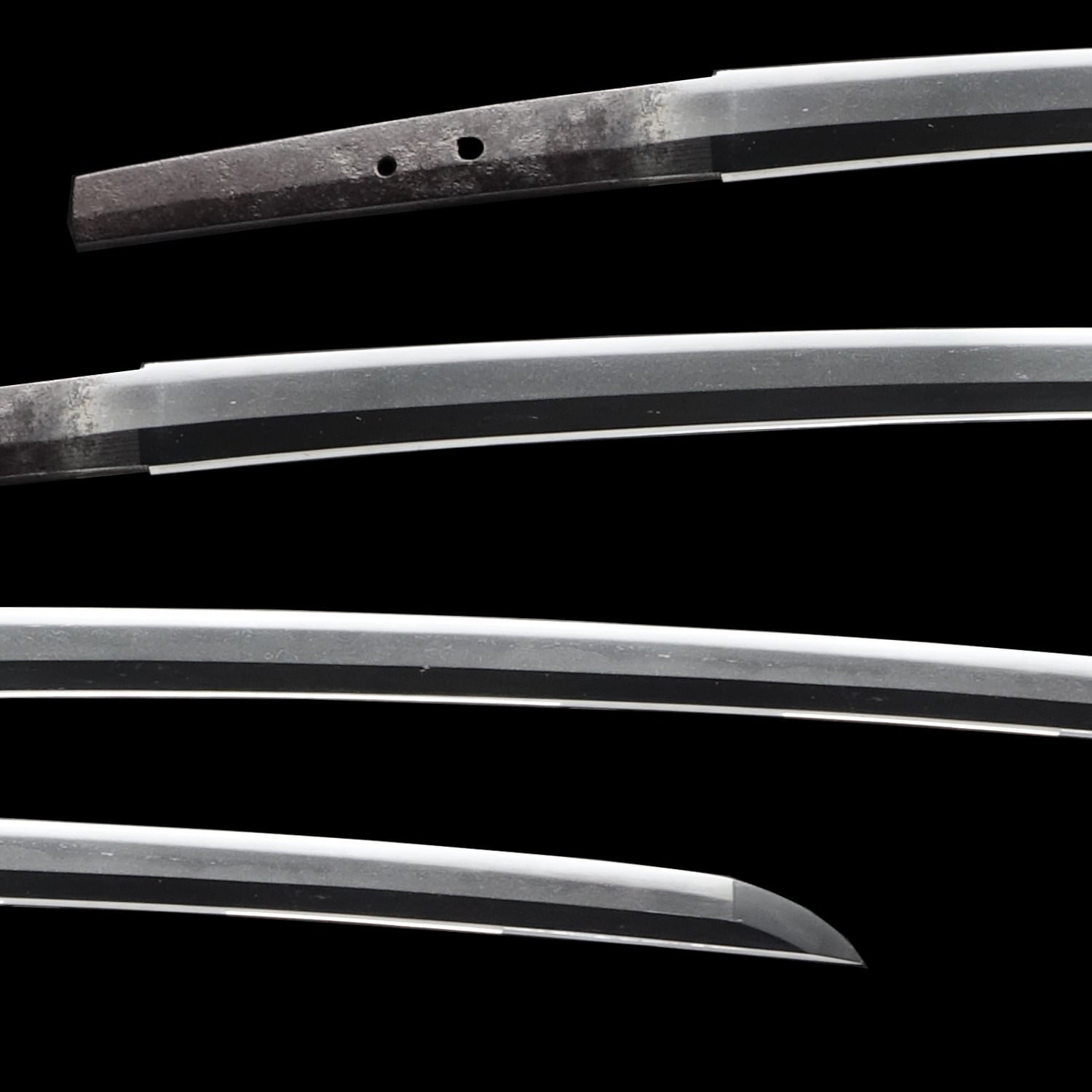
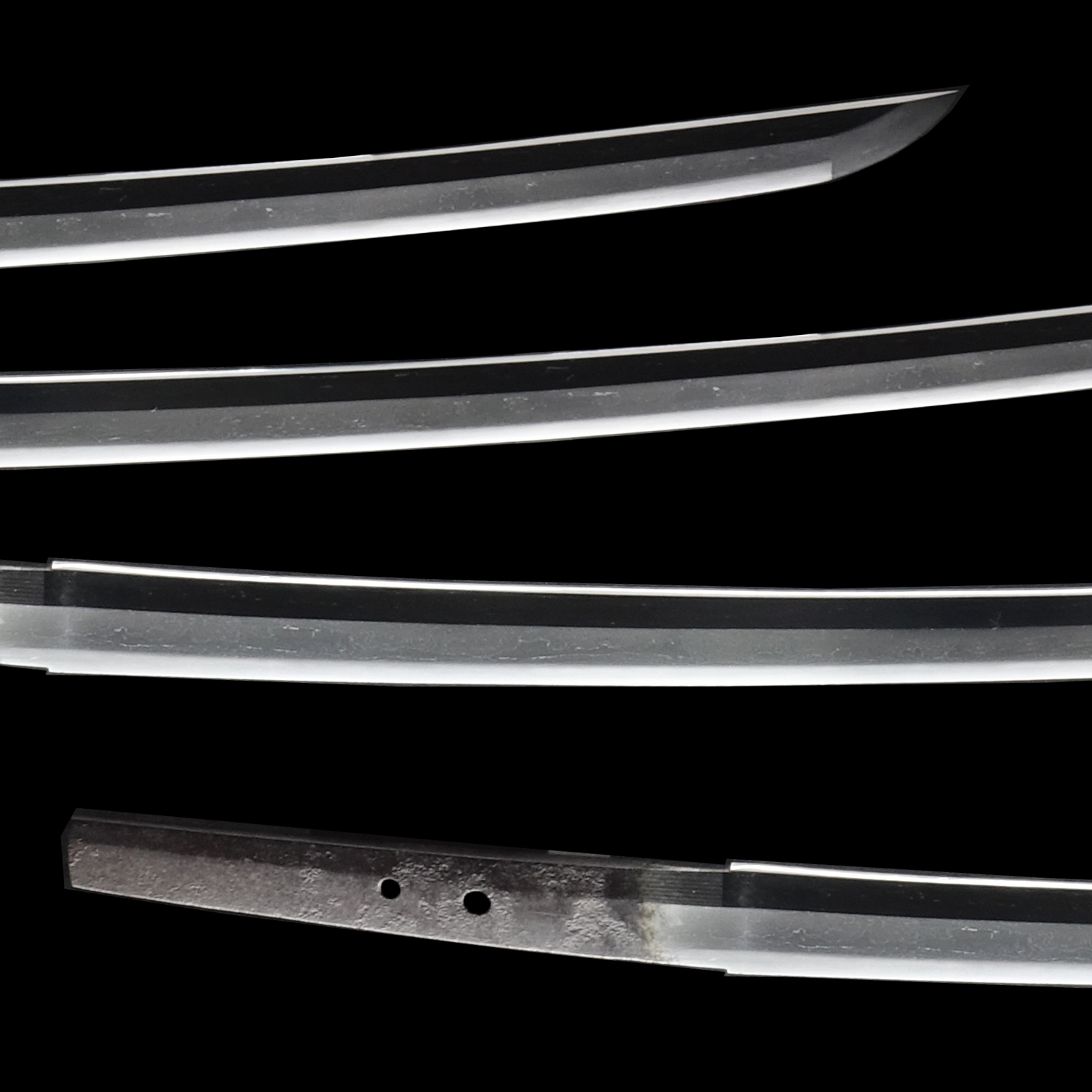
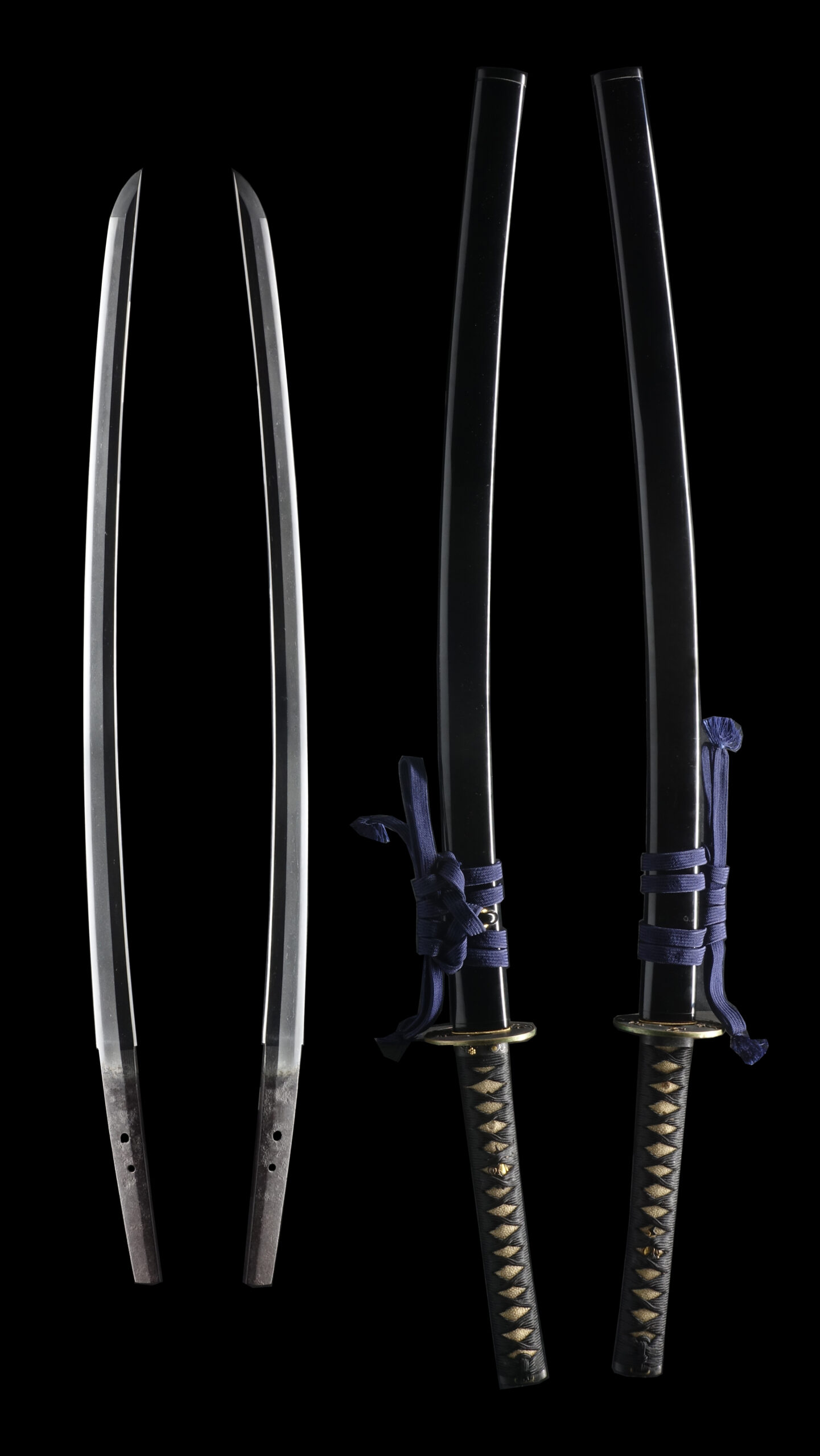
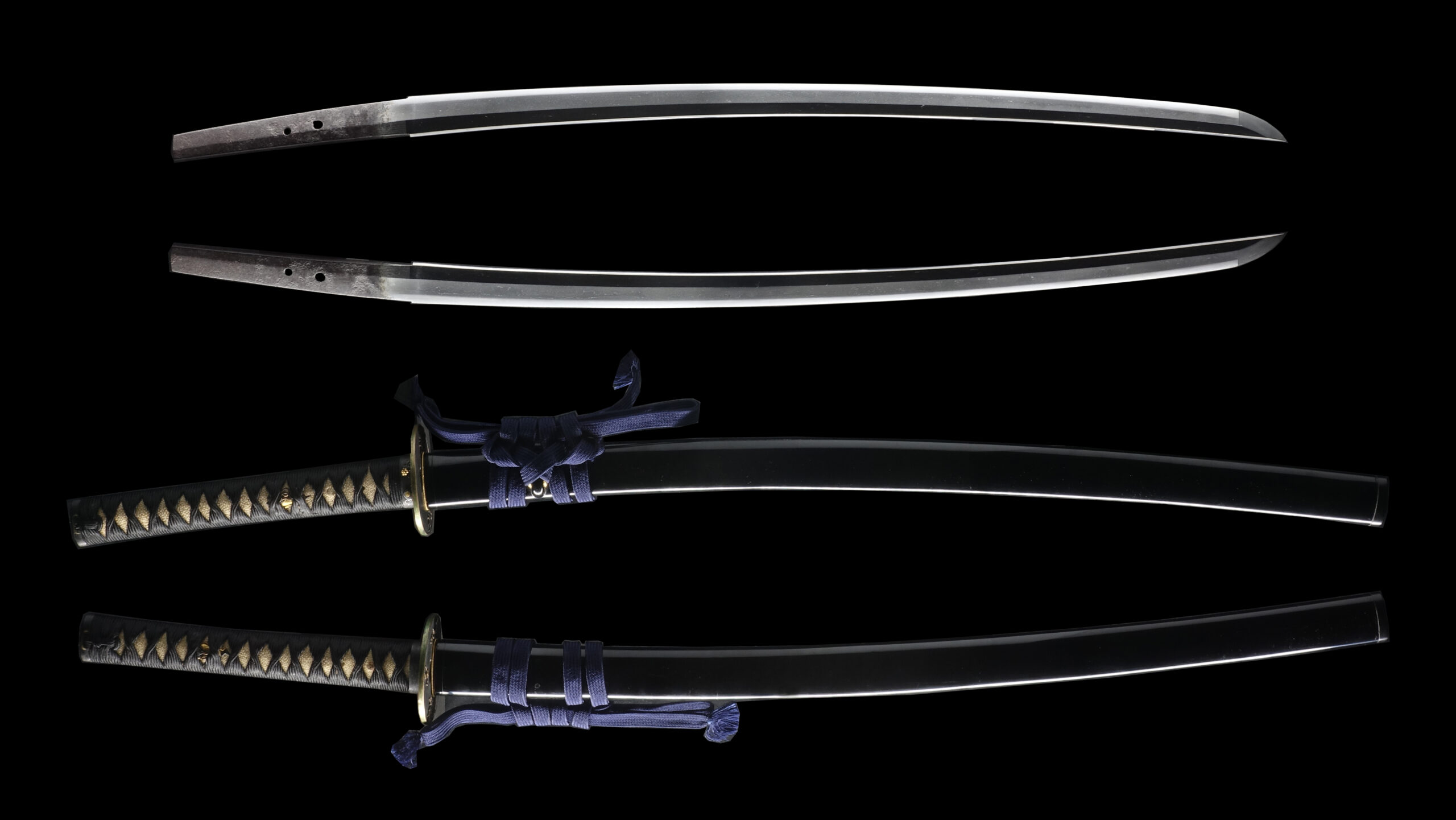
As written by the shop
Yamashiro-den · Echizen
5 pieces on the market now
| Smith | Era | Designated |
|---|---|---|
| Echizen越前 | 1336-1392 | 1 |
The Muromachi period (1392 to 1573)
Muromachi turned sword making into an industry: the uchigatana rose with massed infantry warfare, Osafune and Seki produced bundle swords beside custom orders, and the Ming trade carried Japanese blades abroad by the tens of thousands.
A Hozon-certified blade judged to show notably superior workmanship and a better state of preservation. The bar is higher: re-tempered blades and most unsigned Muromachi/Edo works are excluded.
The NBTHK (Nihon Bijutsu Tōken Hozon Kyōkai, the Society for the Preservation of Japanese Art Swords) is a public-interest incorporated foundation founded in 1948 and supervised by Japan’s Agency for Cultural Affairs (Bunkachō); it is based at the Japanese Sword Museum in Tokyo. Its expert panels physically examine each submitted work (shinsa) and issue a certificate (kanteishō) ranking it by artistic and historical merit. NBTHK papers are the most widely recognized standard of authentication for Japanese swords and fittings.
NBTHK official siteReturns/exchanges limited to defects caused by shipping (except willful misconduct or gross negligence by the company); customers must contact within 72 hours of receiving the product.
¥1,350,000