After the Ōnin War broke the Ashikaga order, a century of Sengoku warfare armed nearly every province in Japan. The era rewards a discriminating eye: routine work exists in quantity, and beside it stand custom blades of the first rank.
 NihontoWatchNihontoWatch
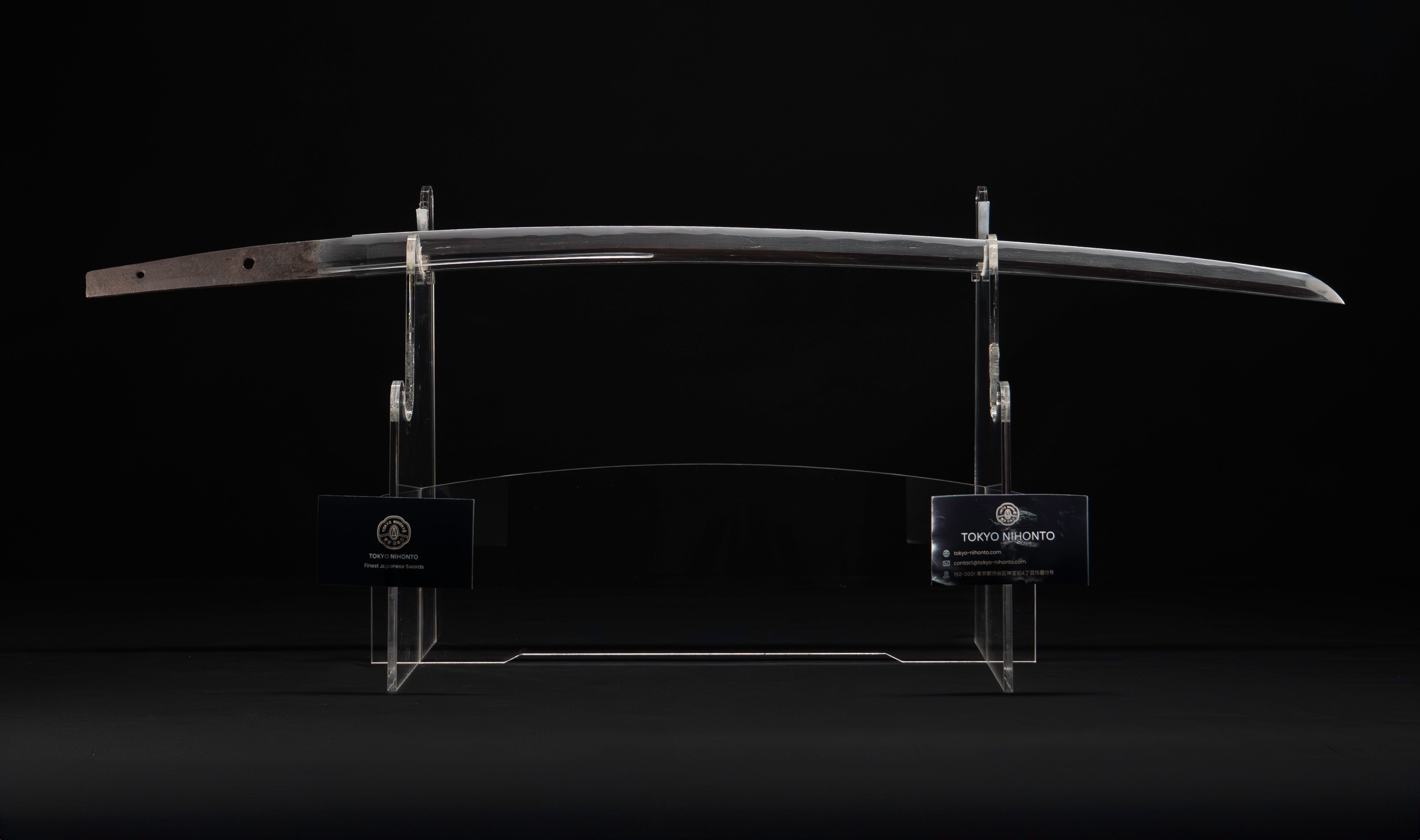
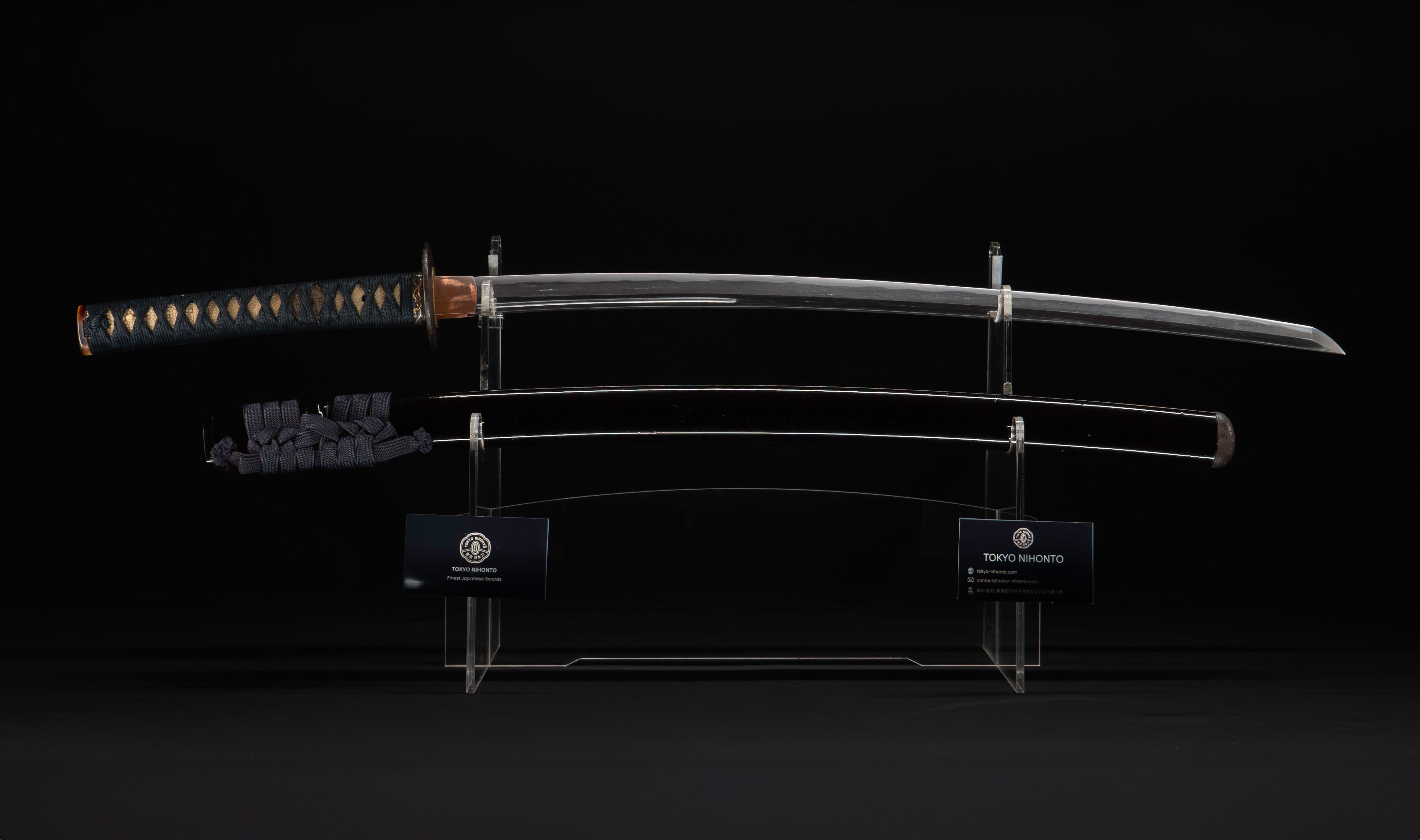
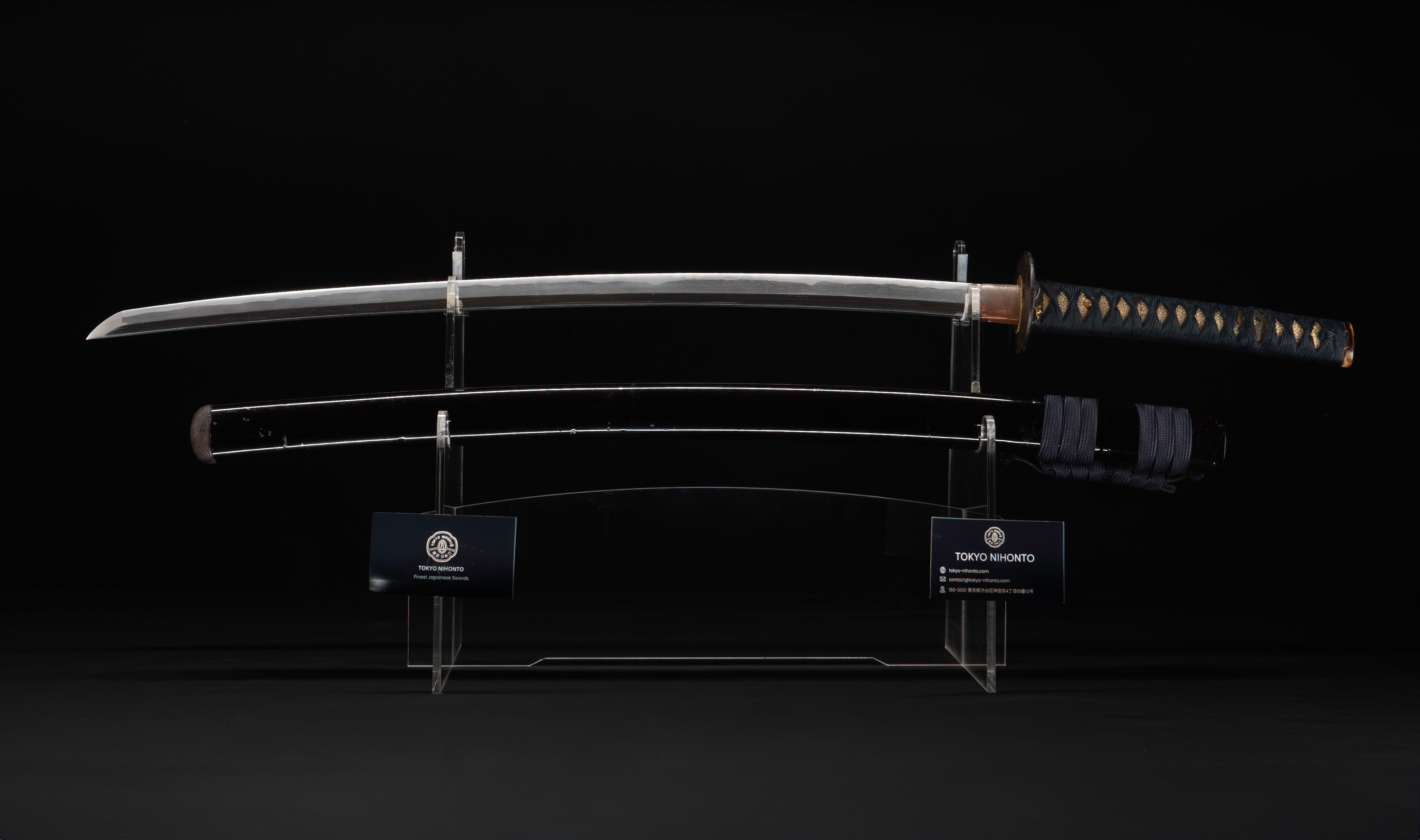
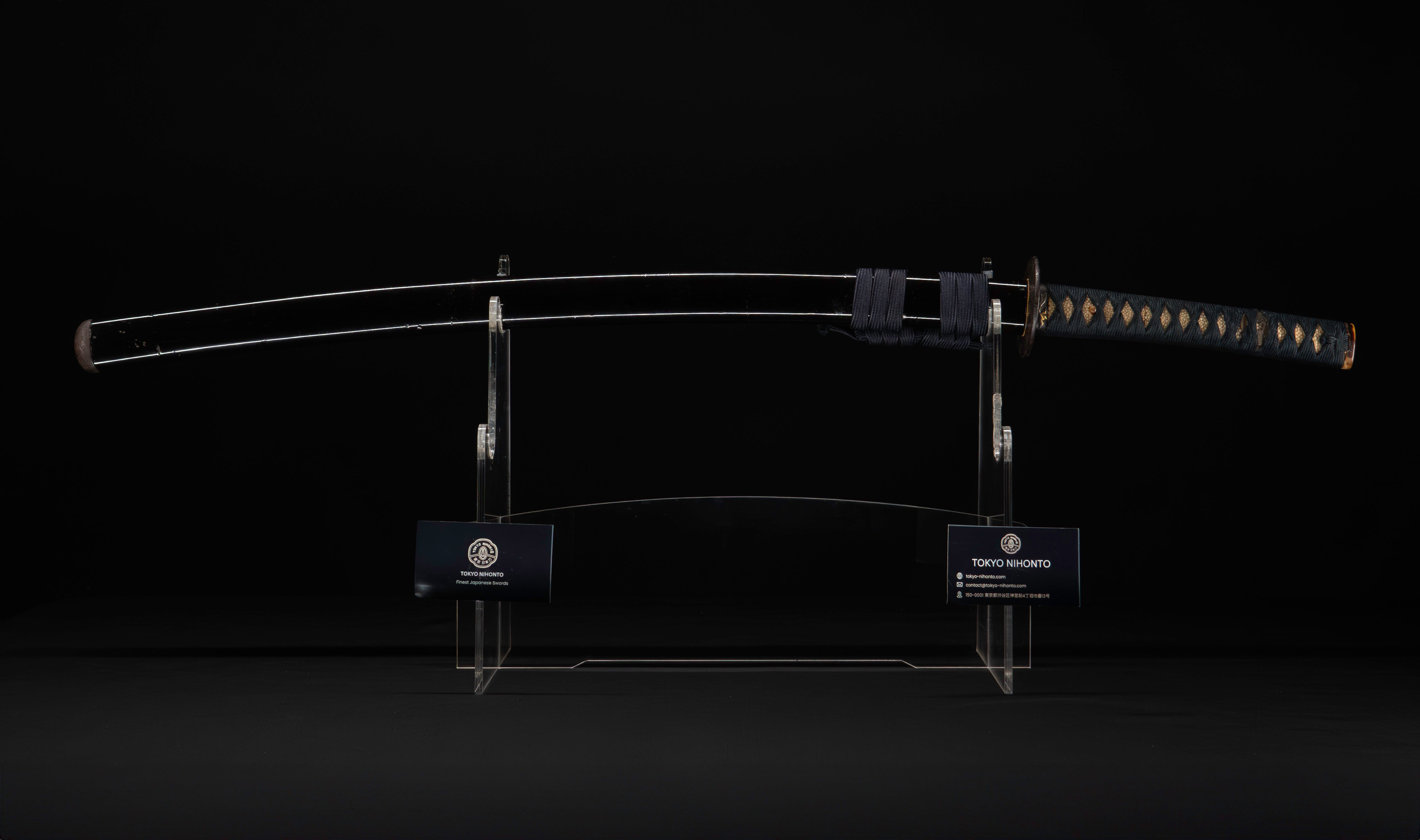
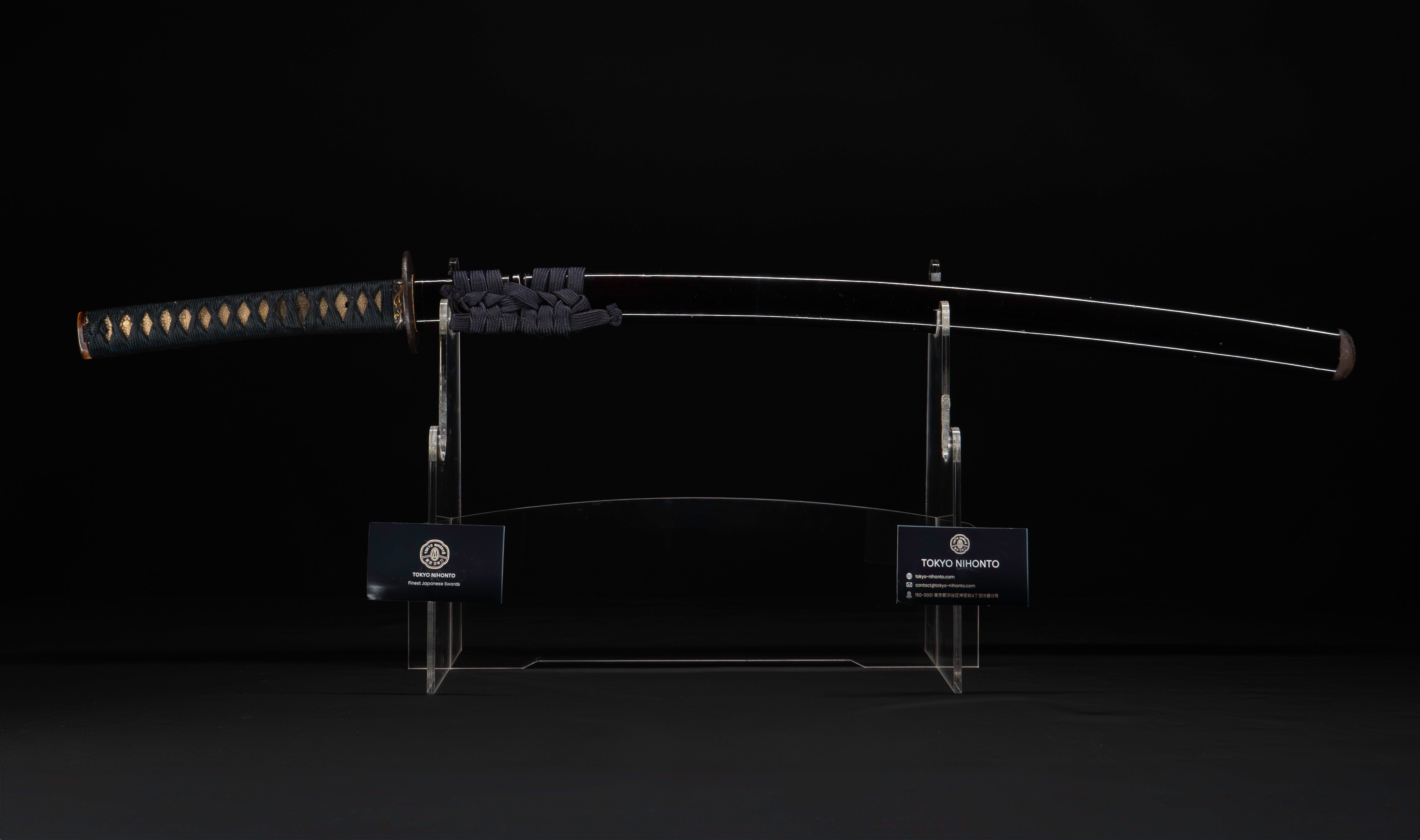
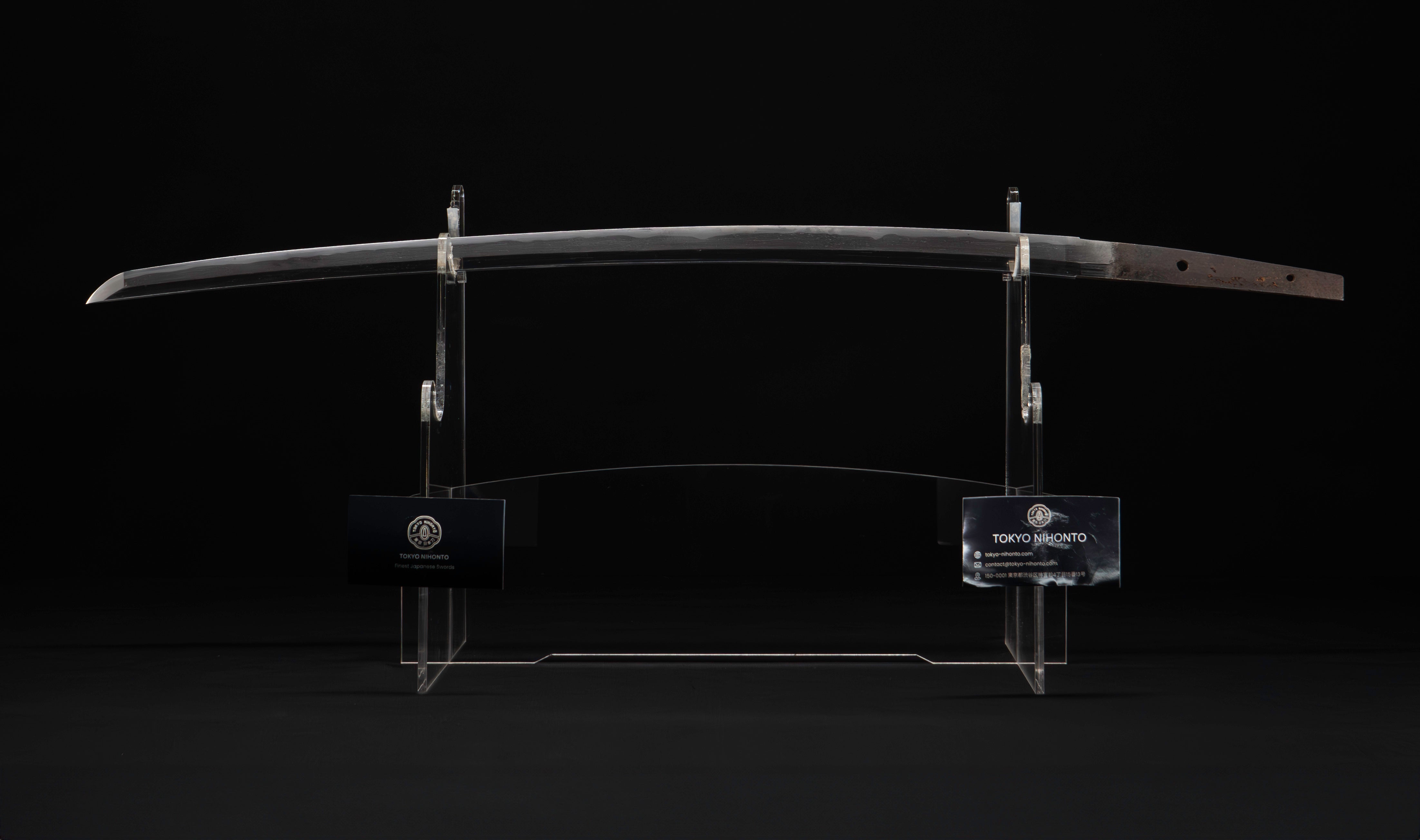
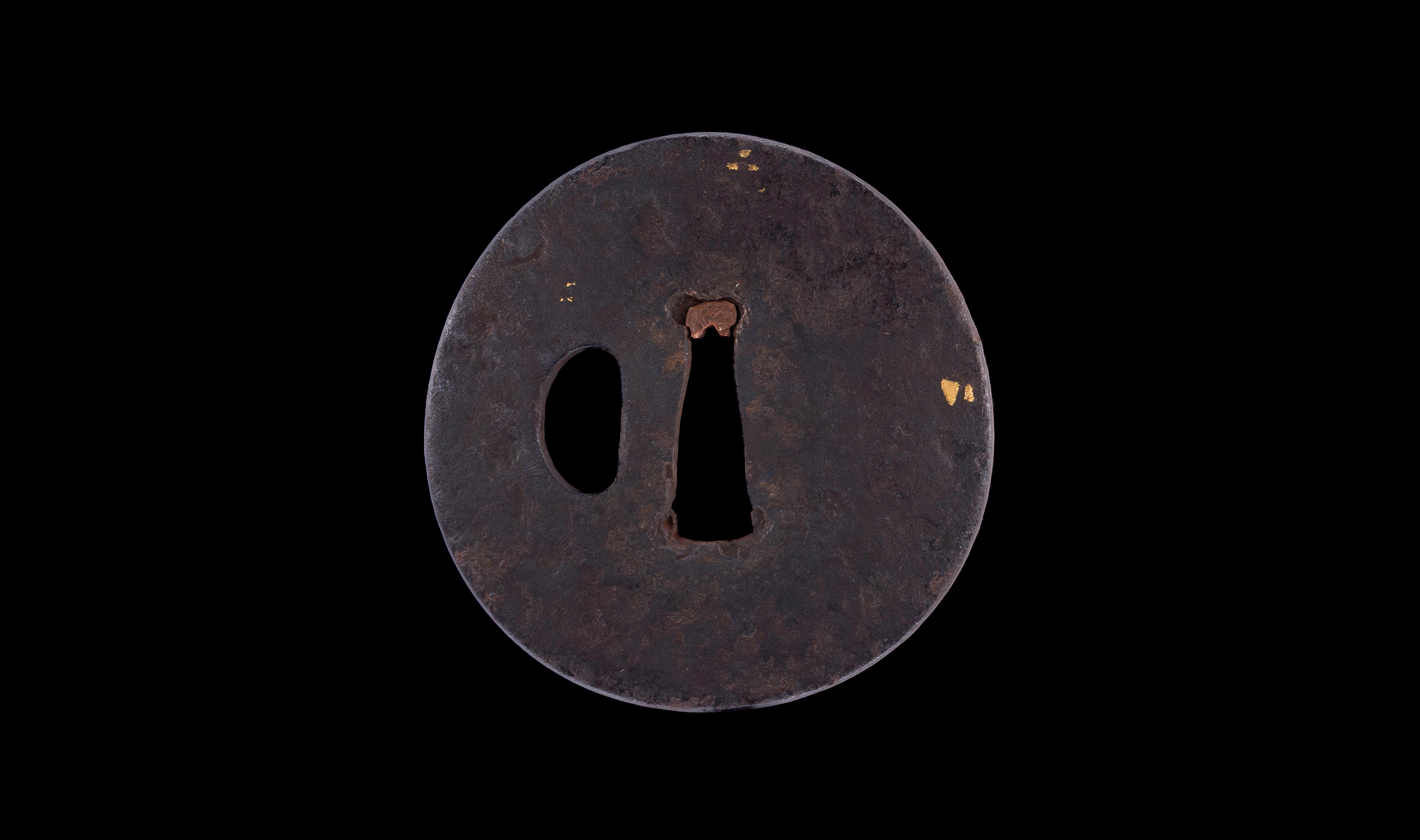
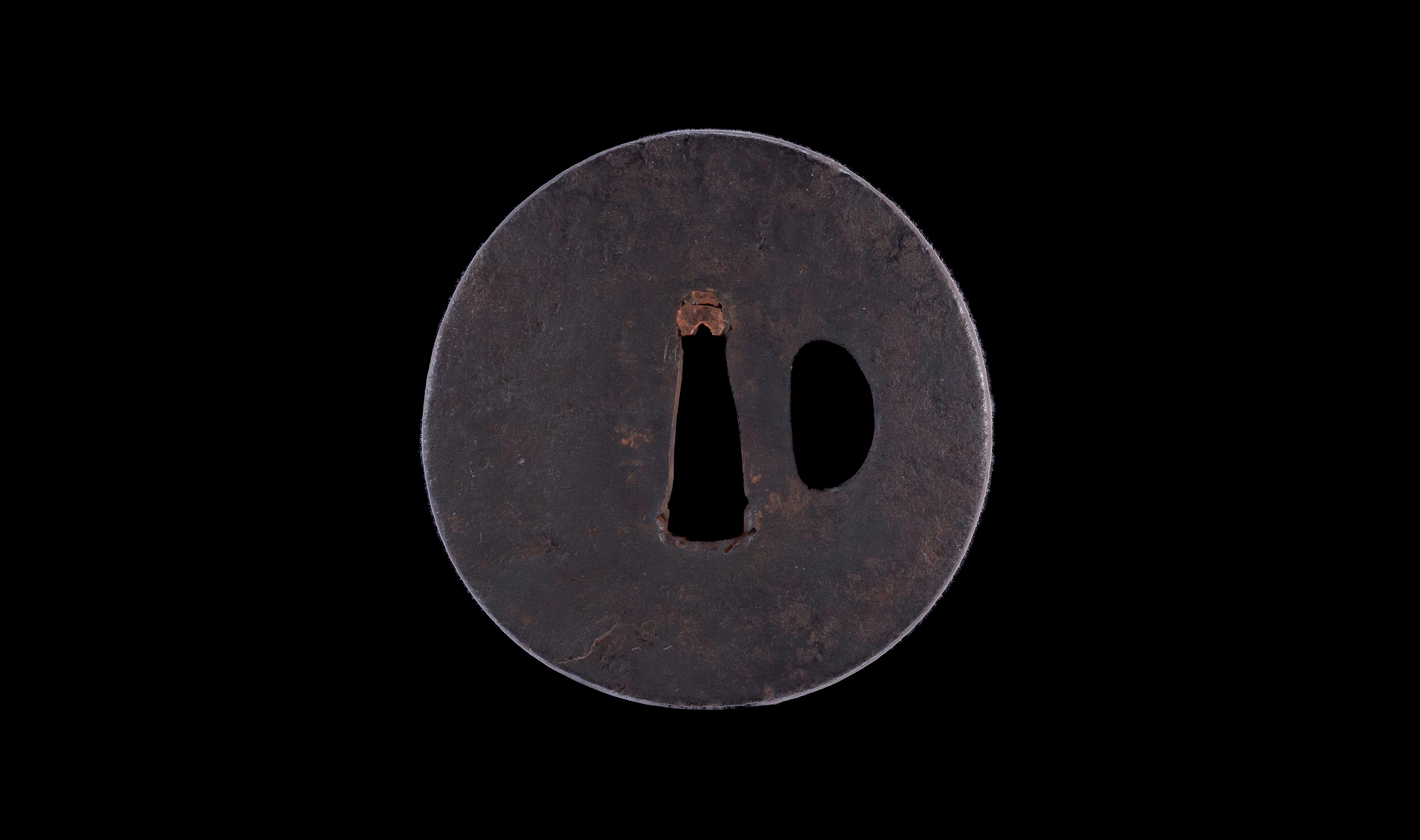
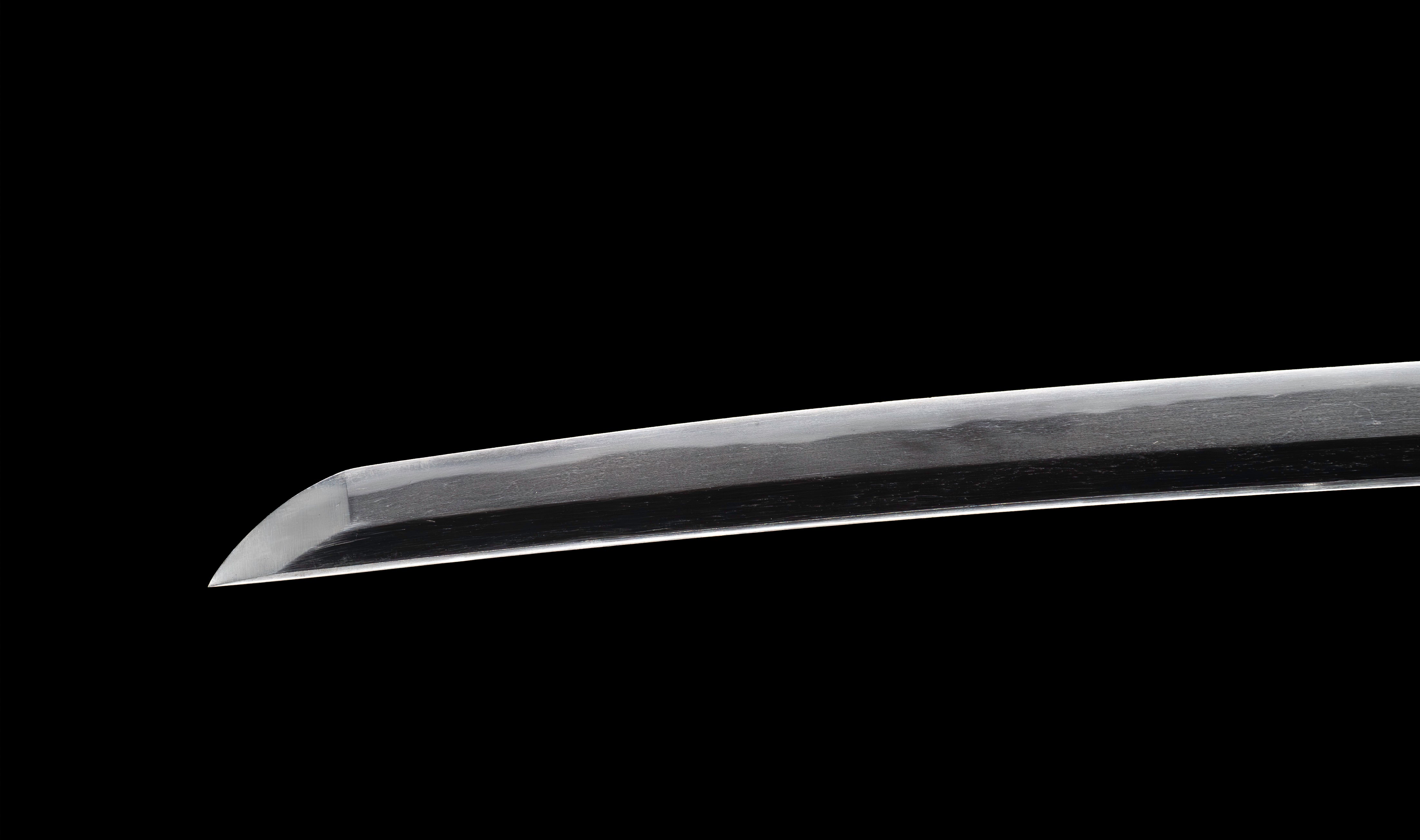
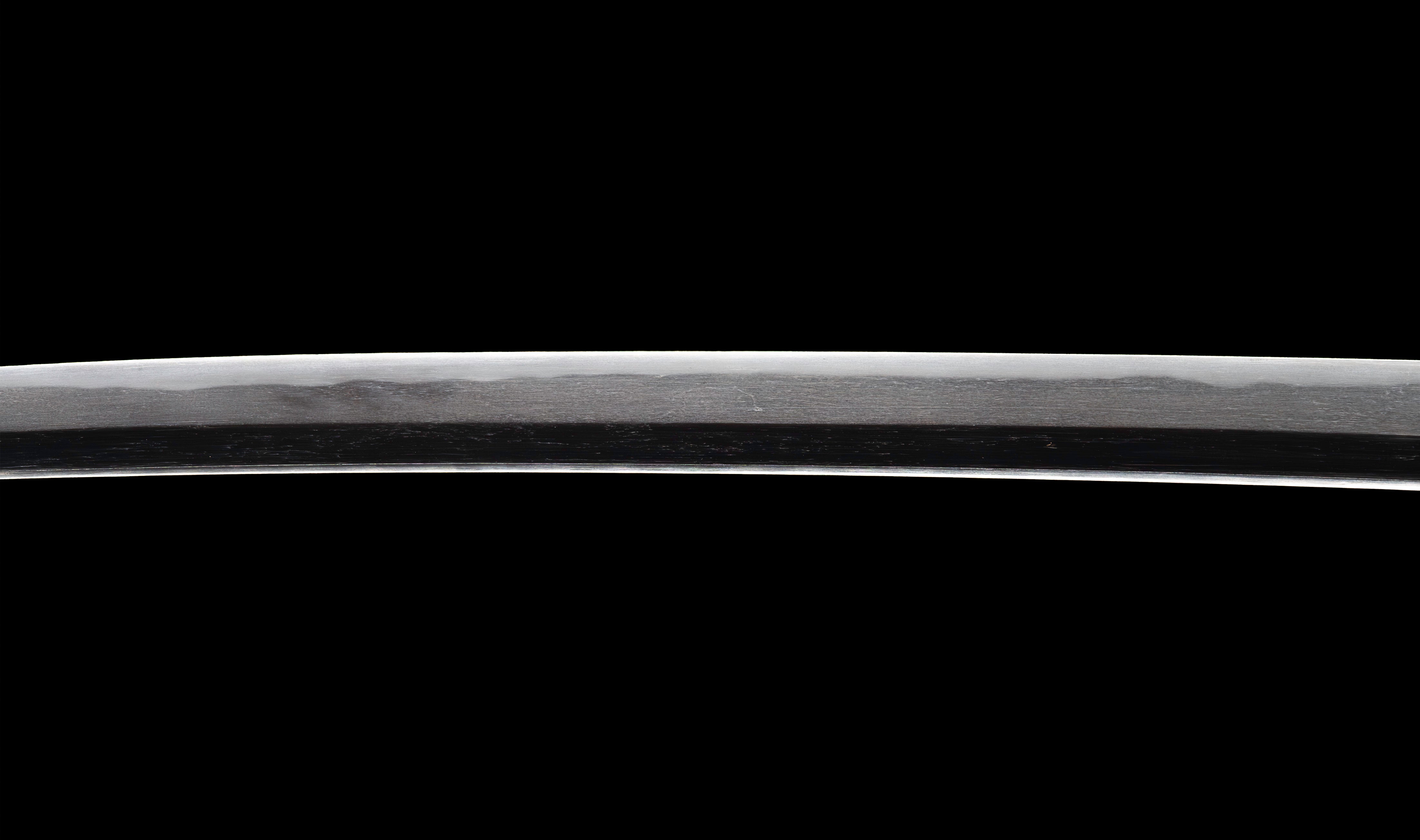
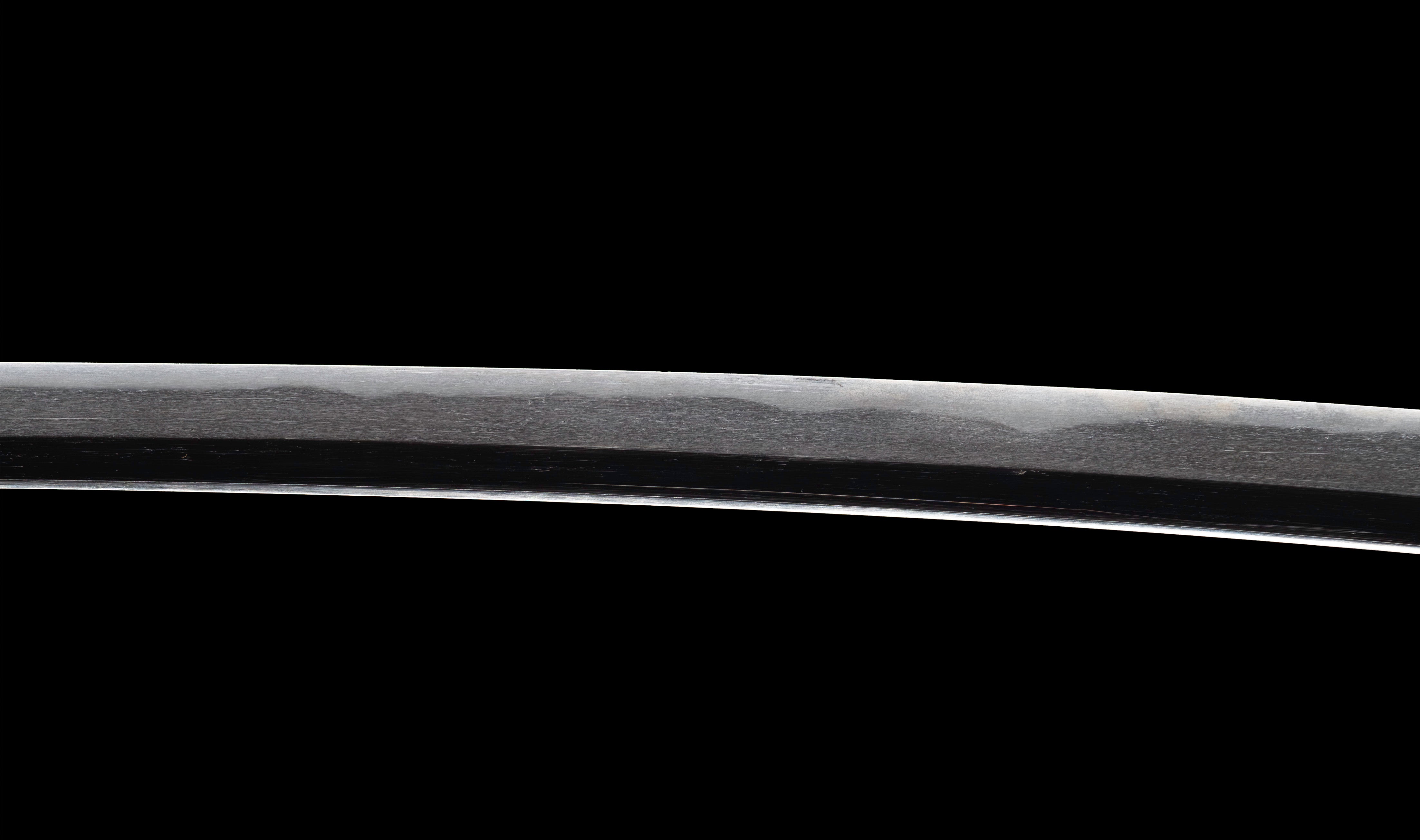
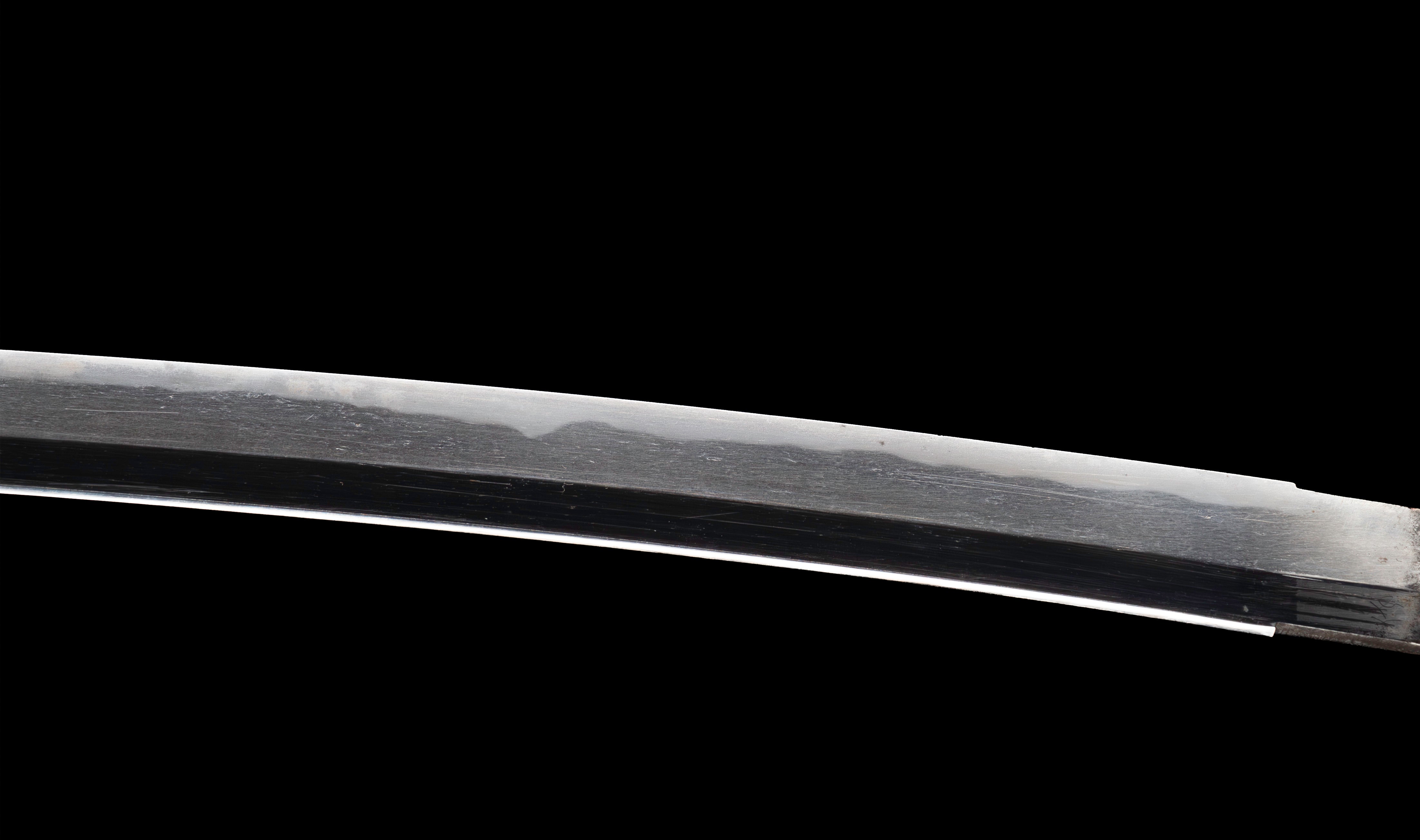
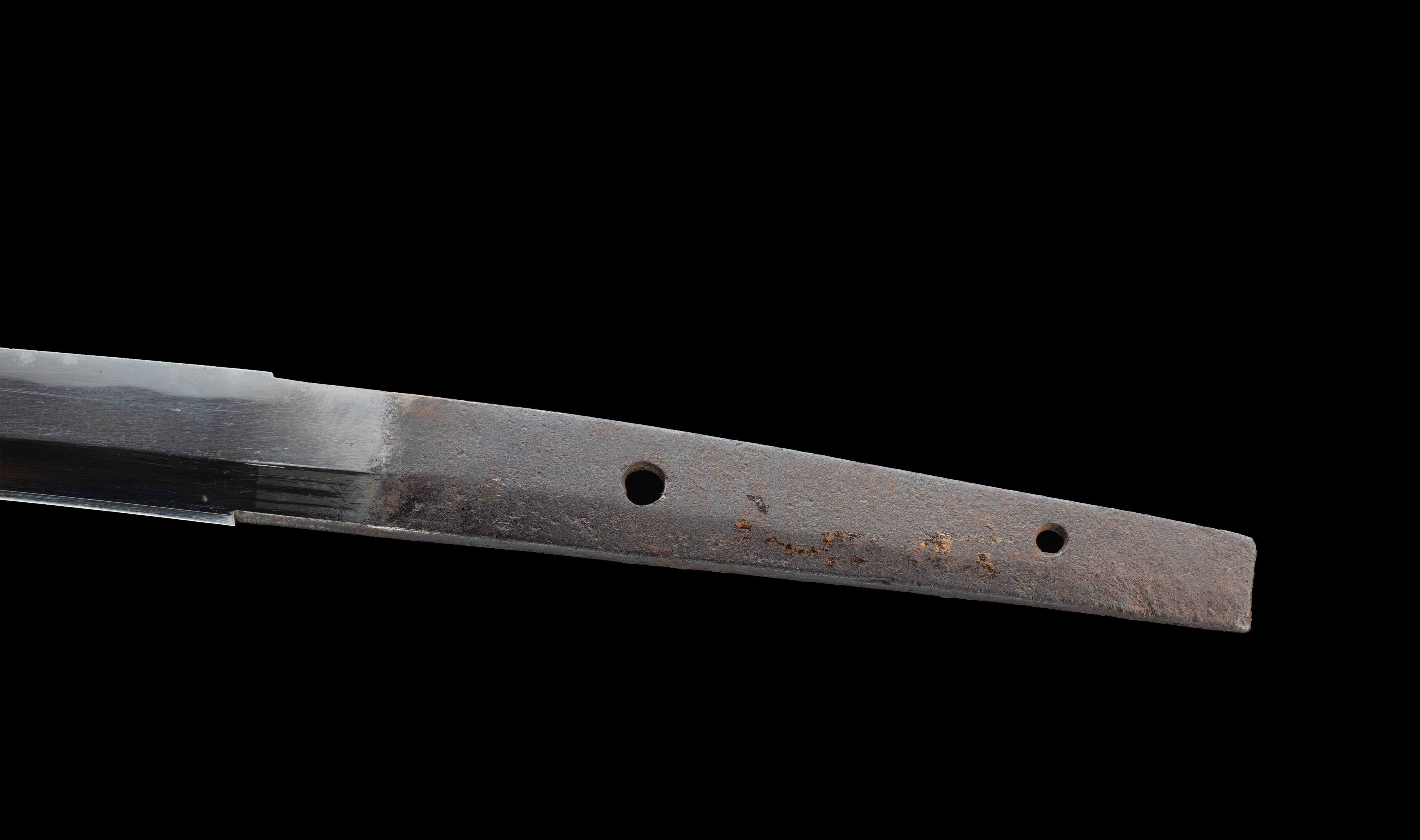
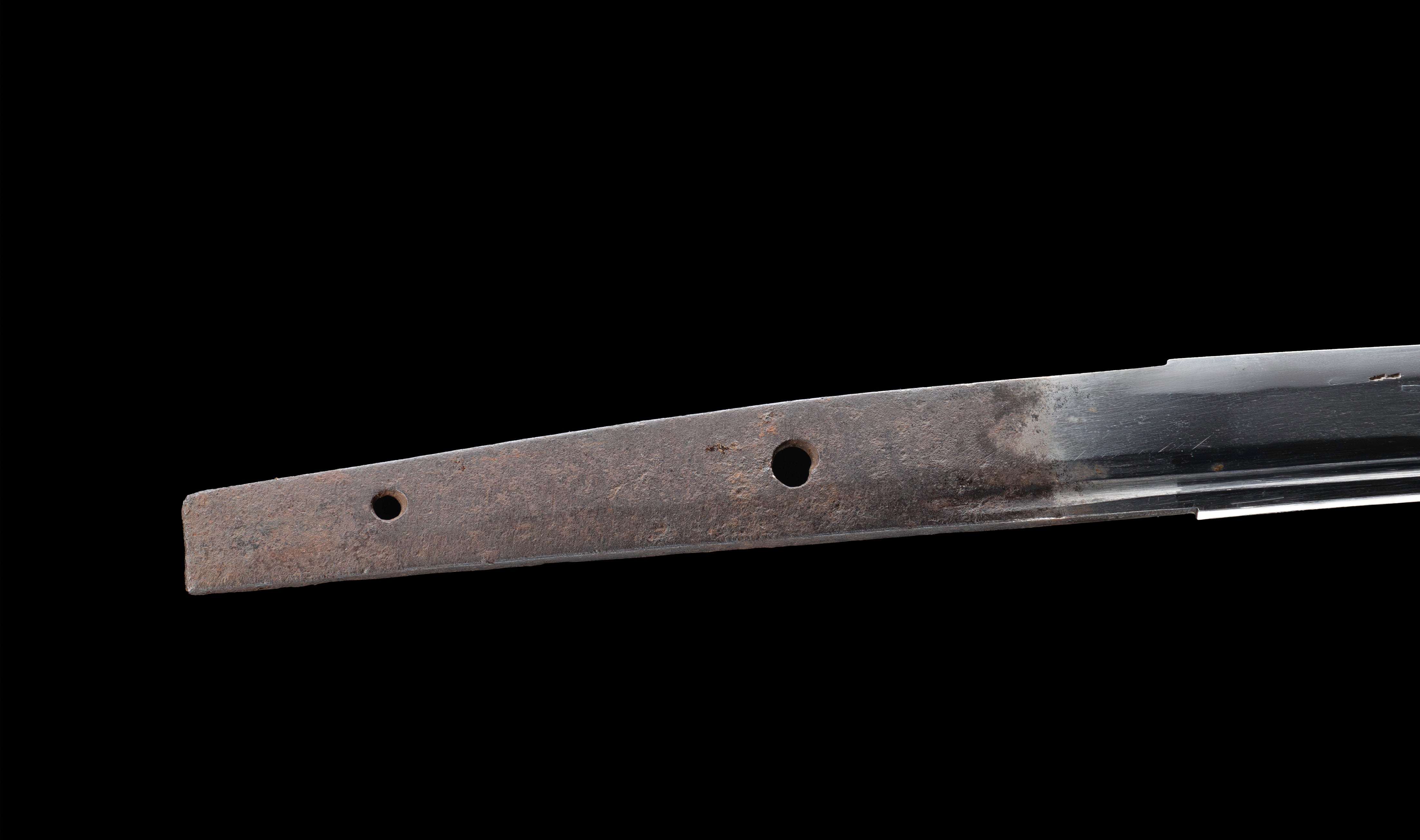
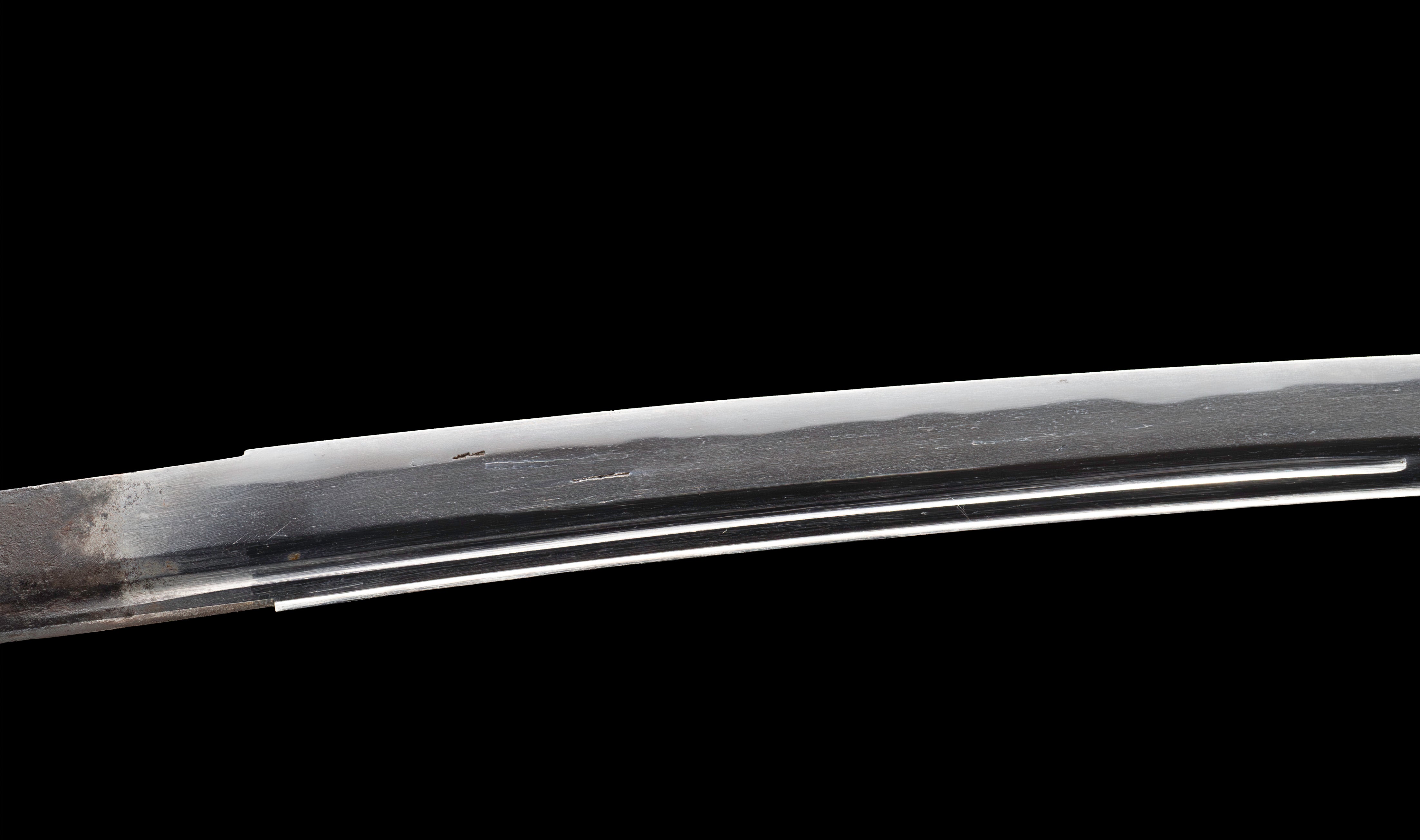
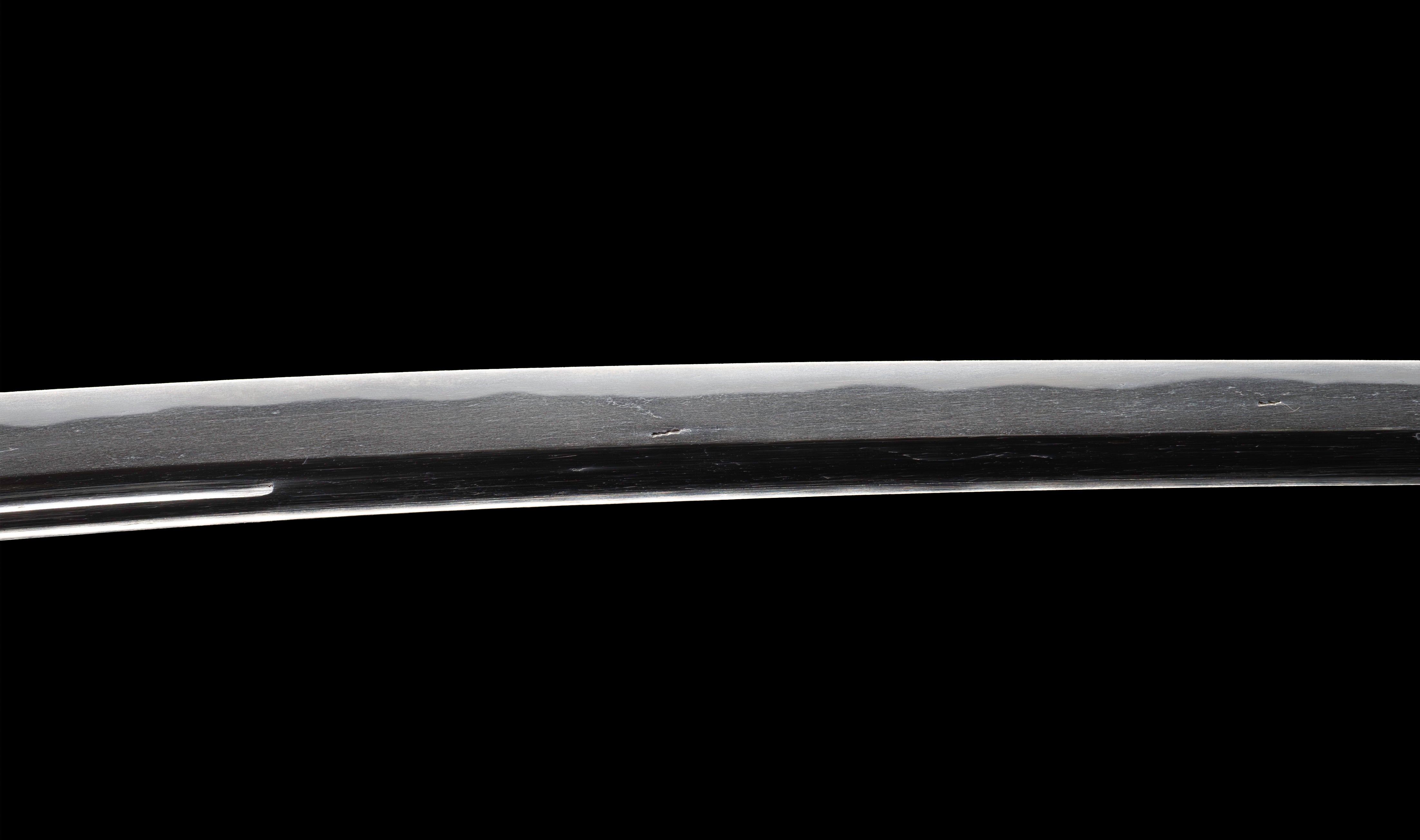
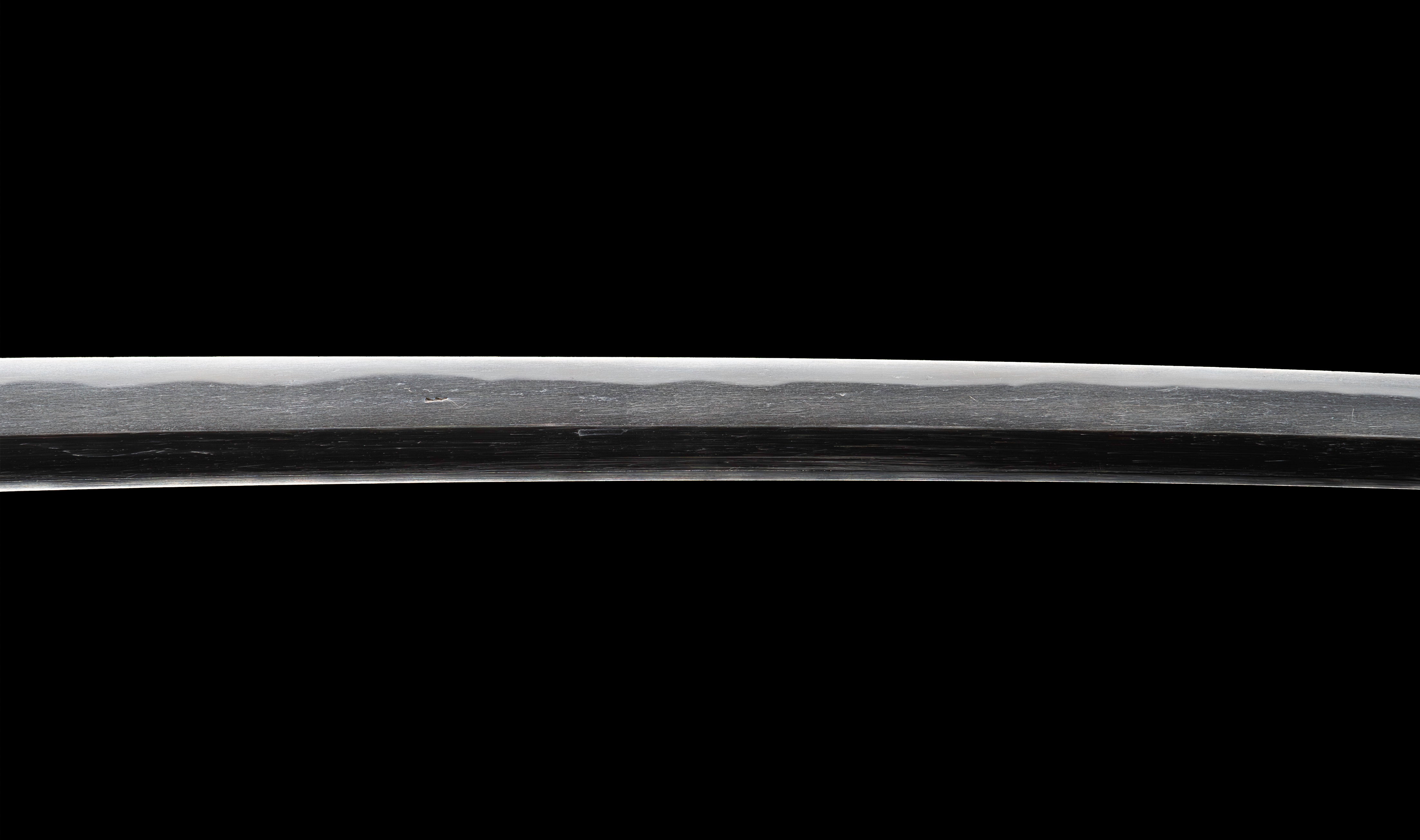
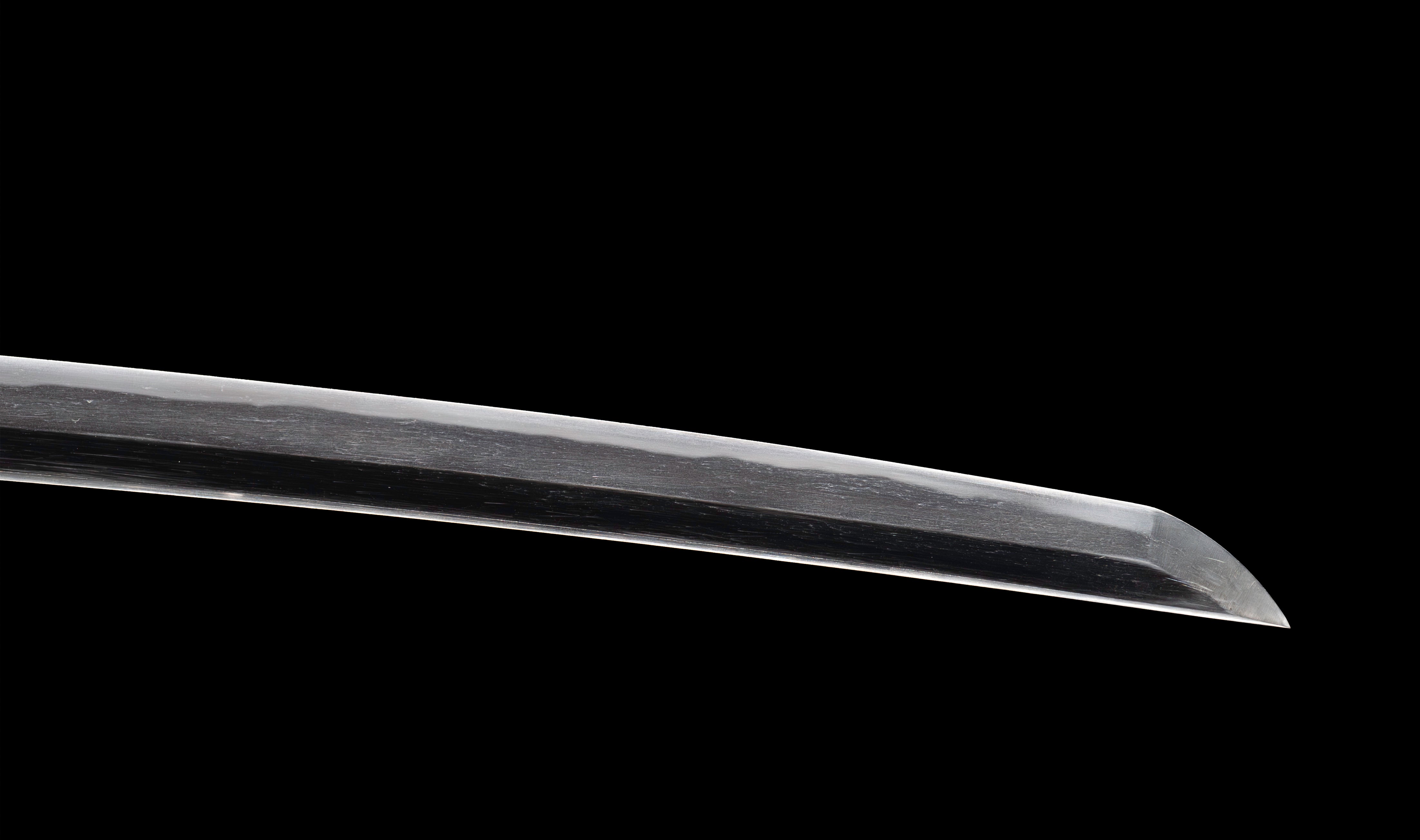
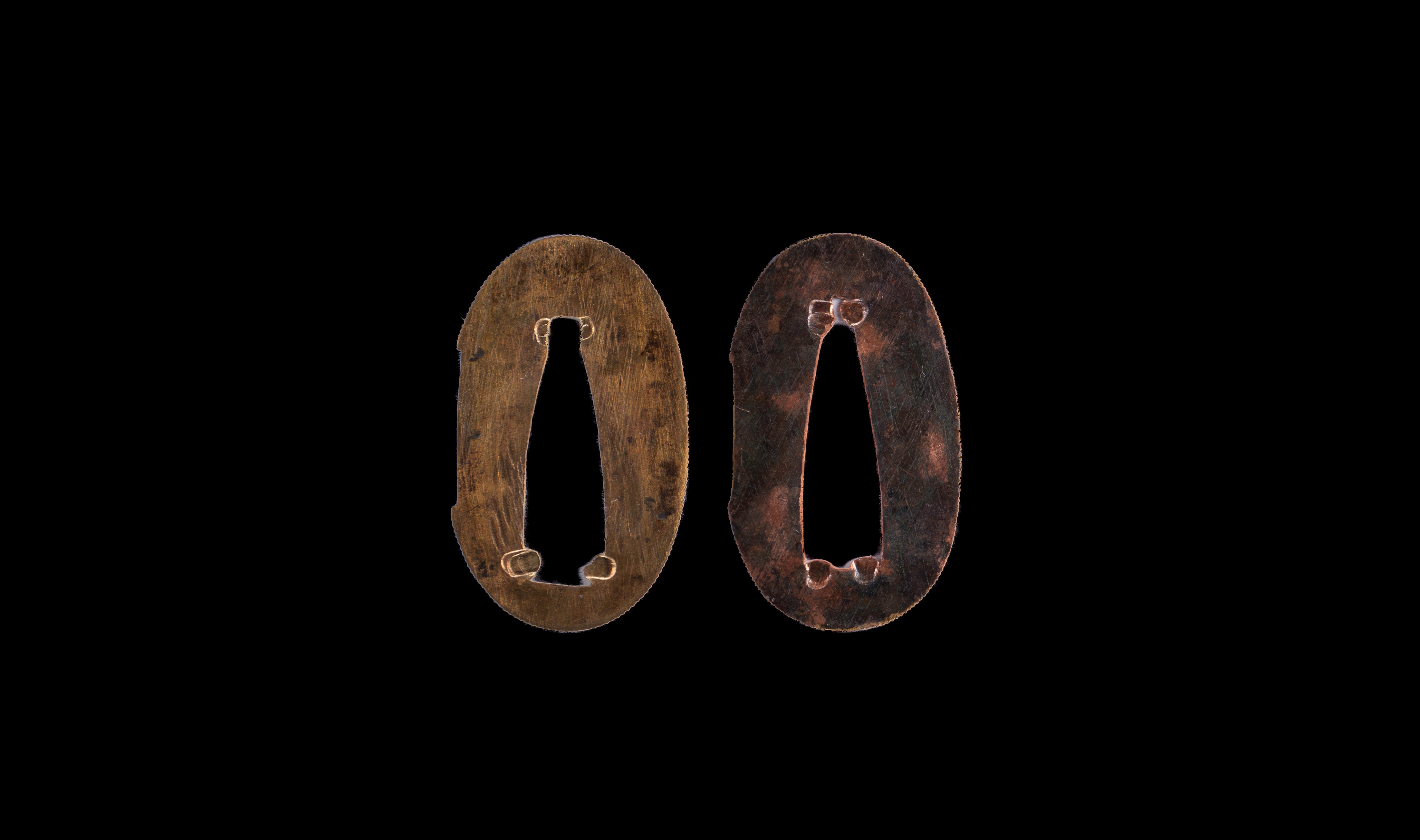
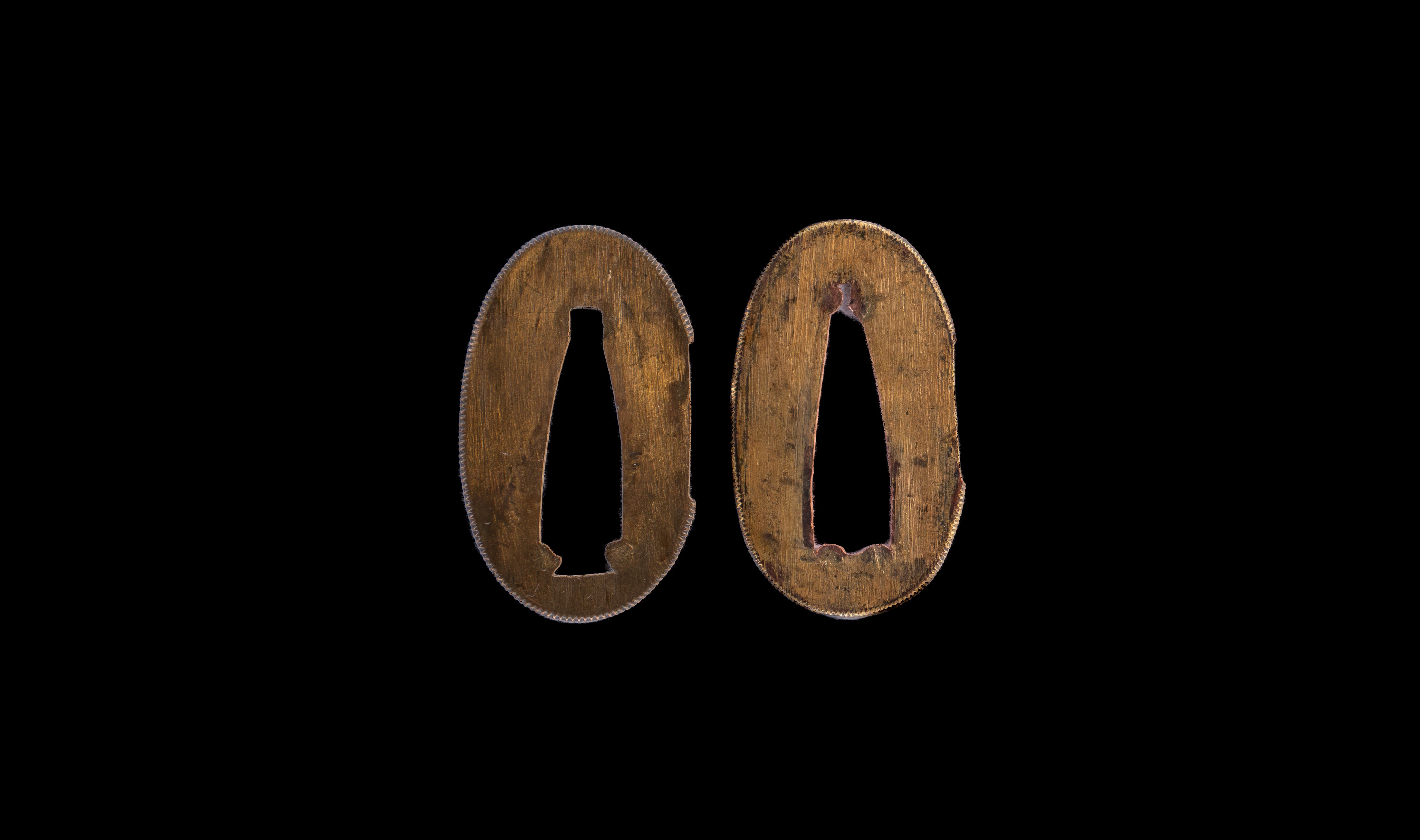
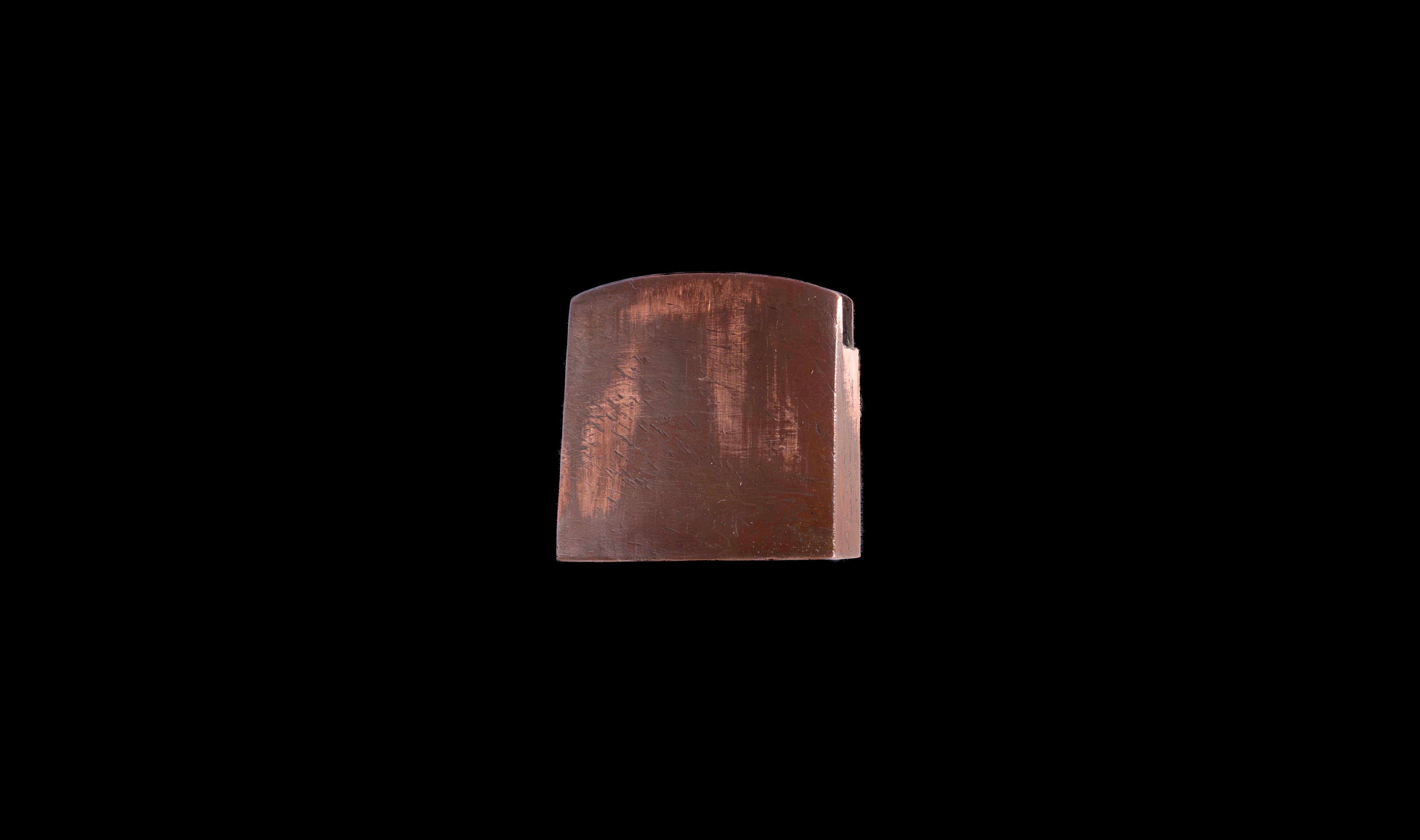
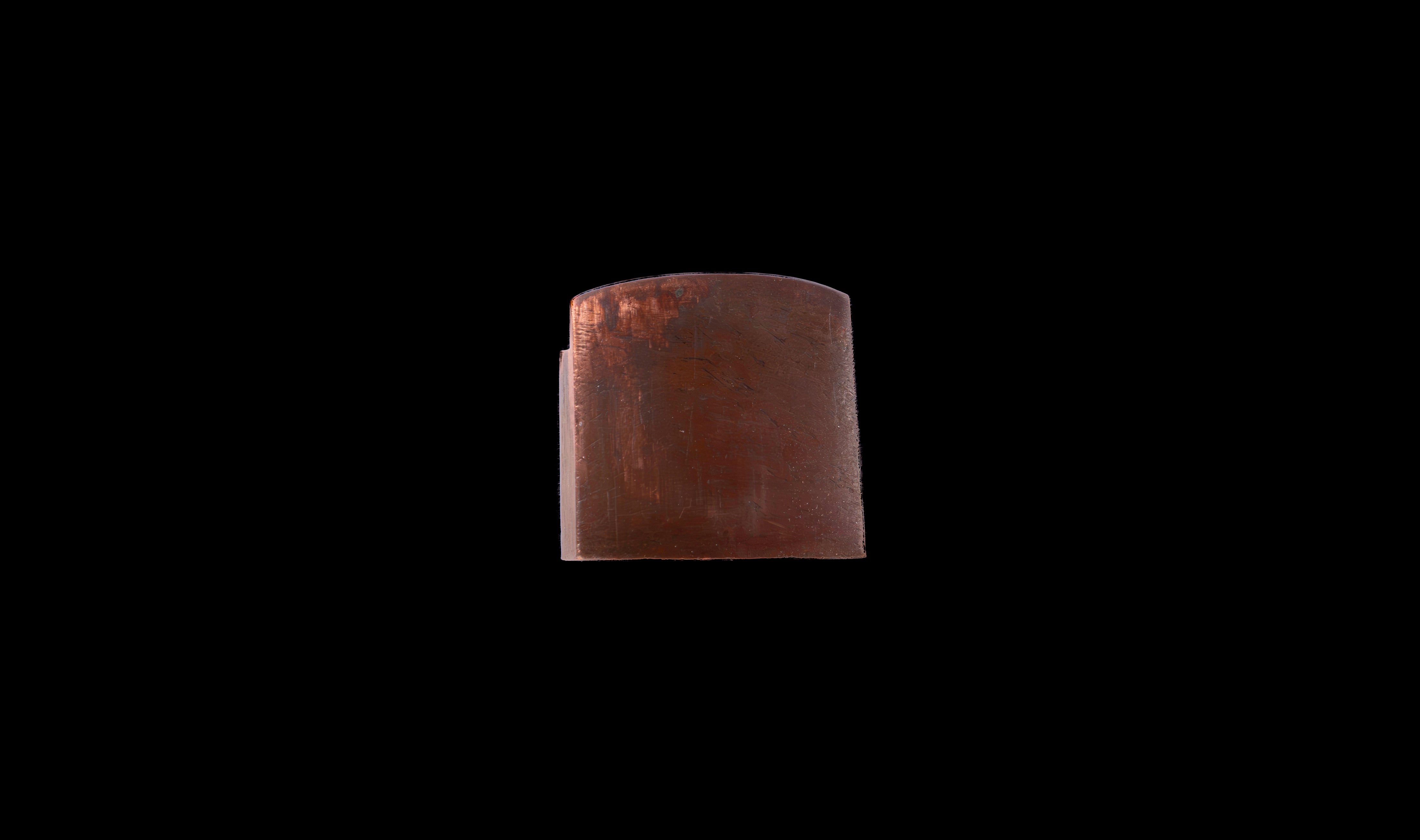
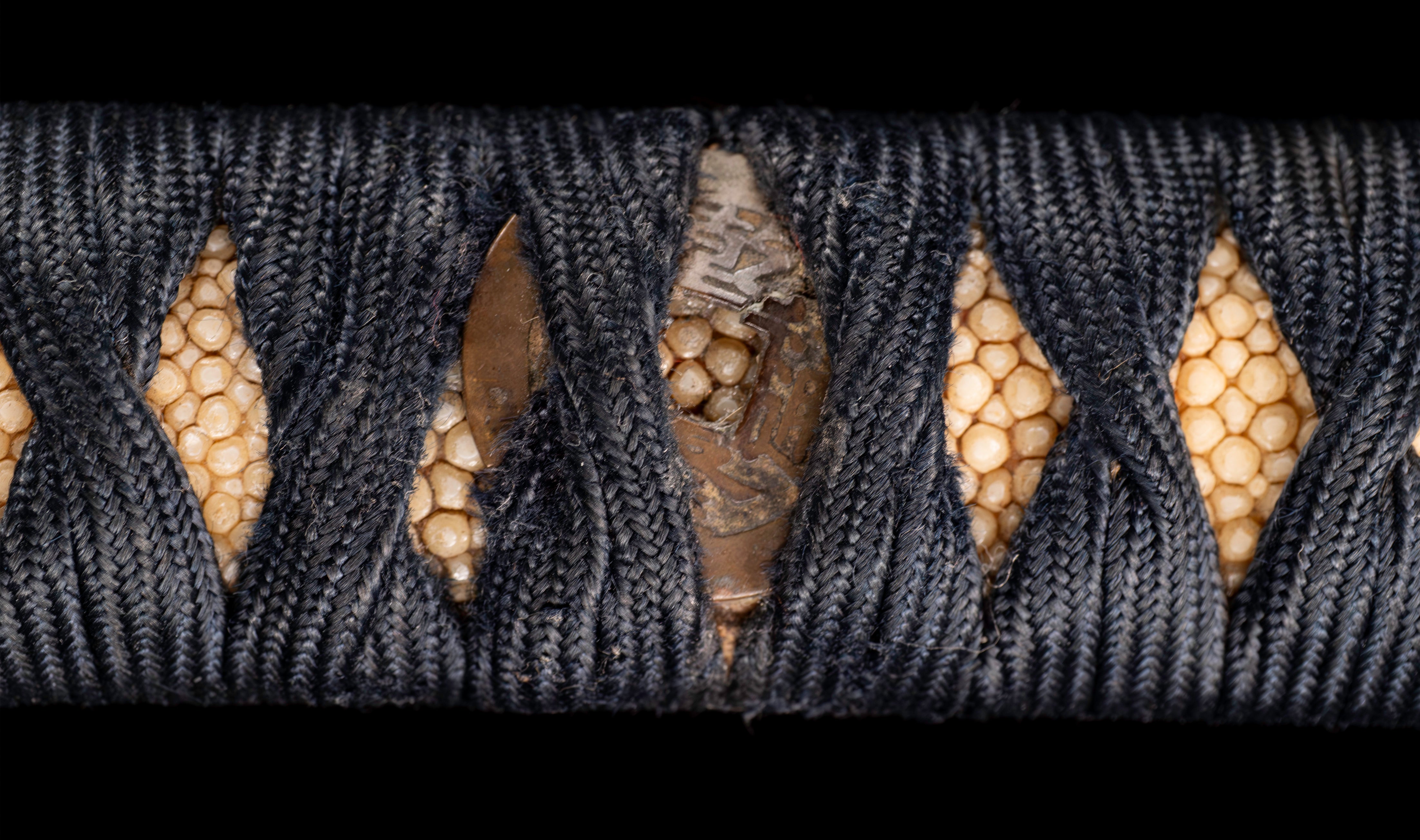
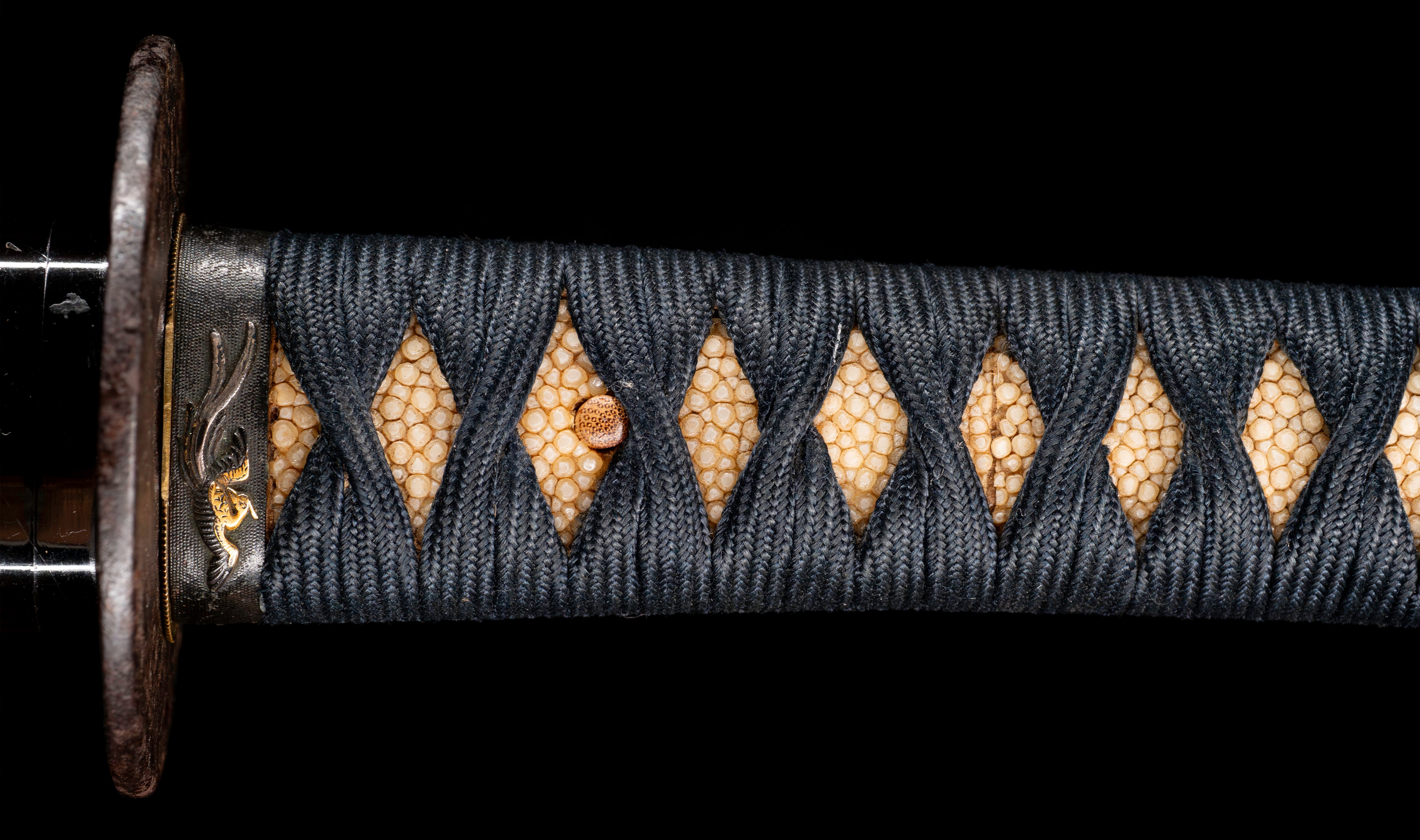
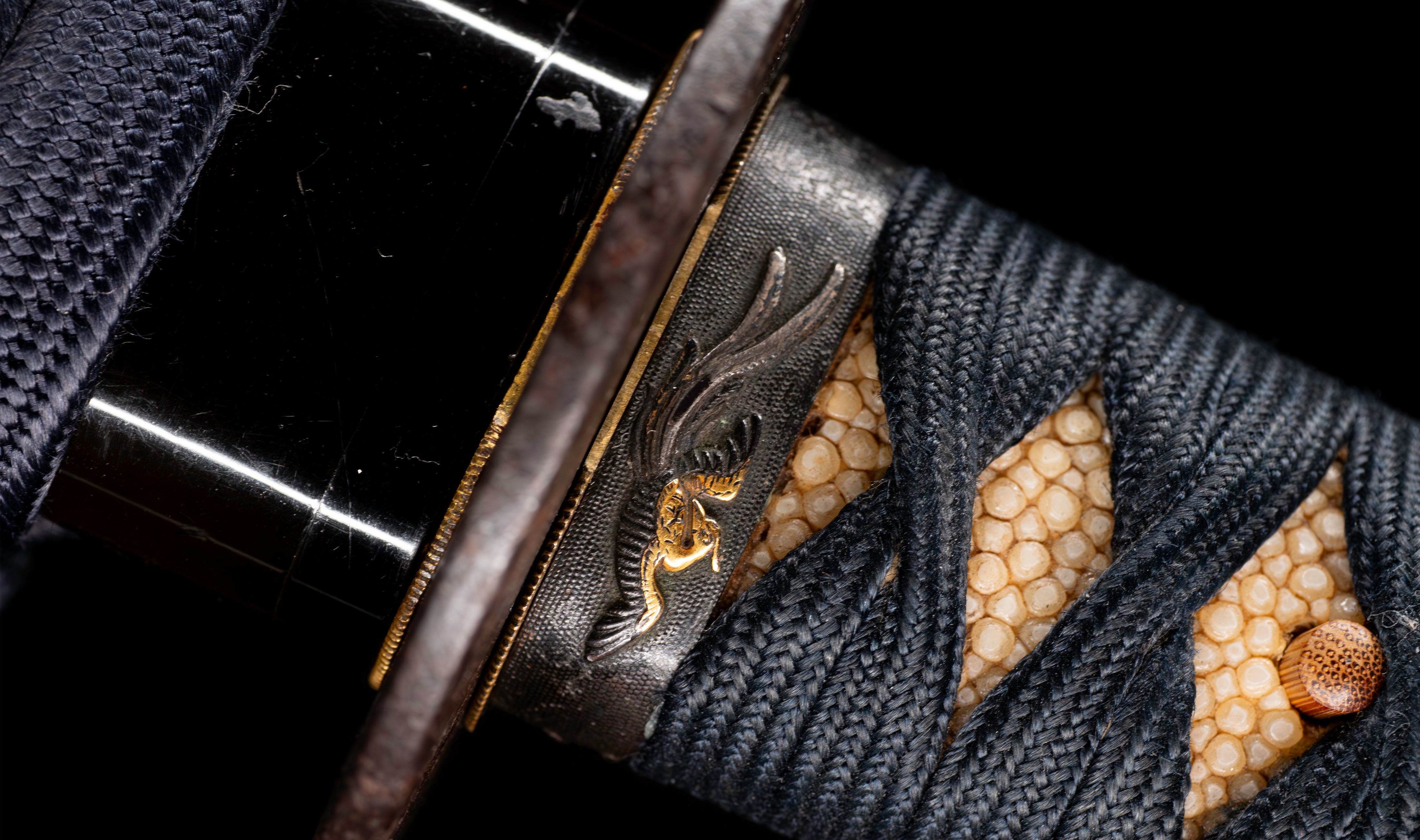
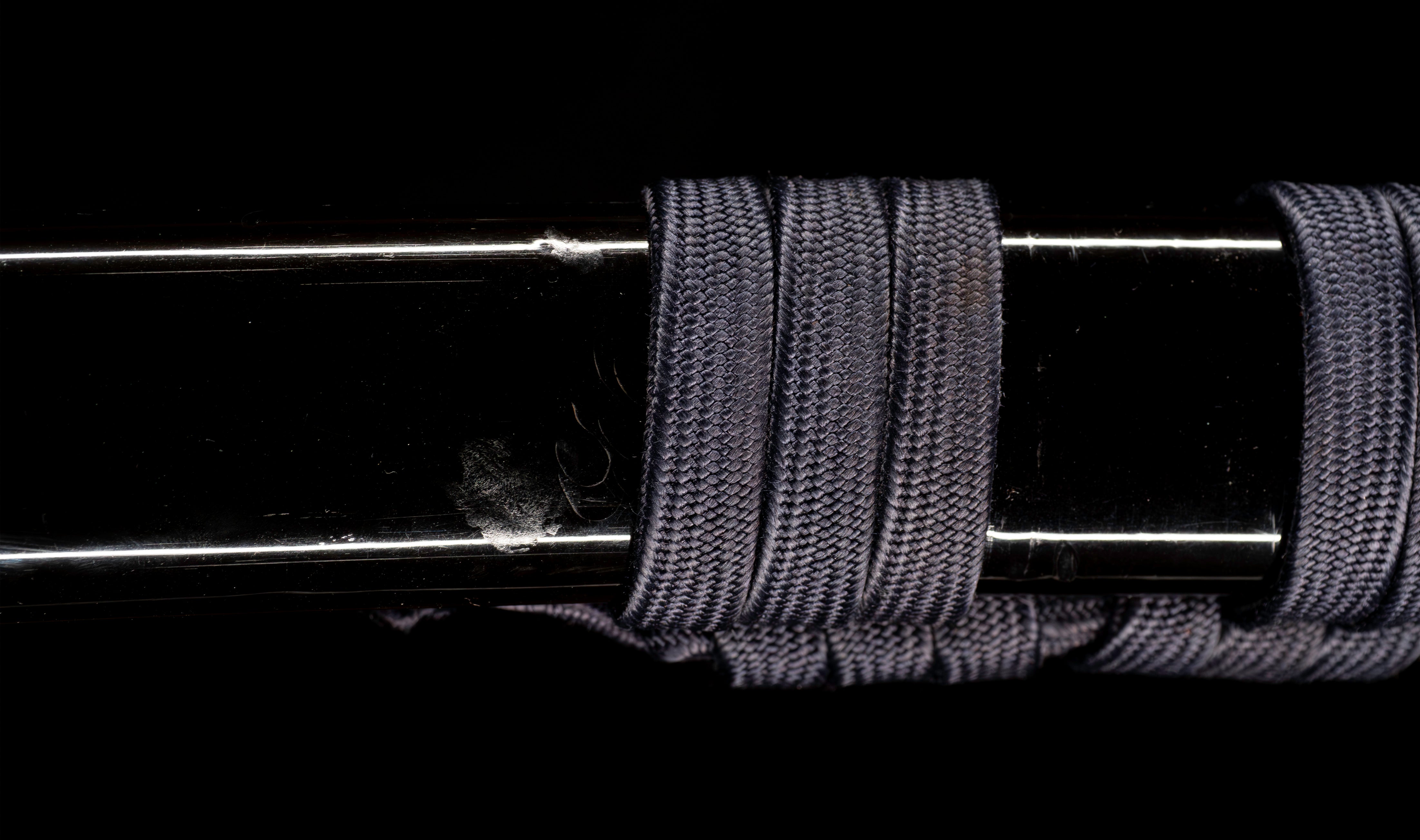
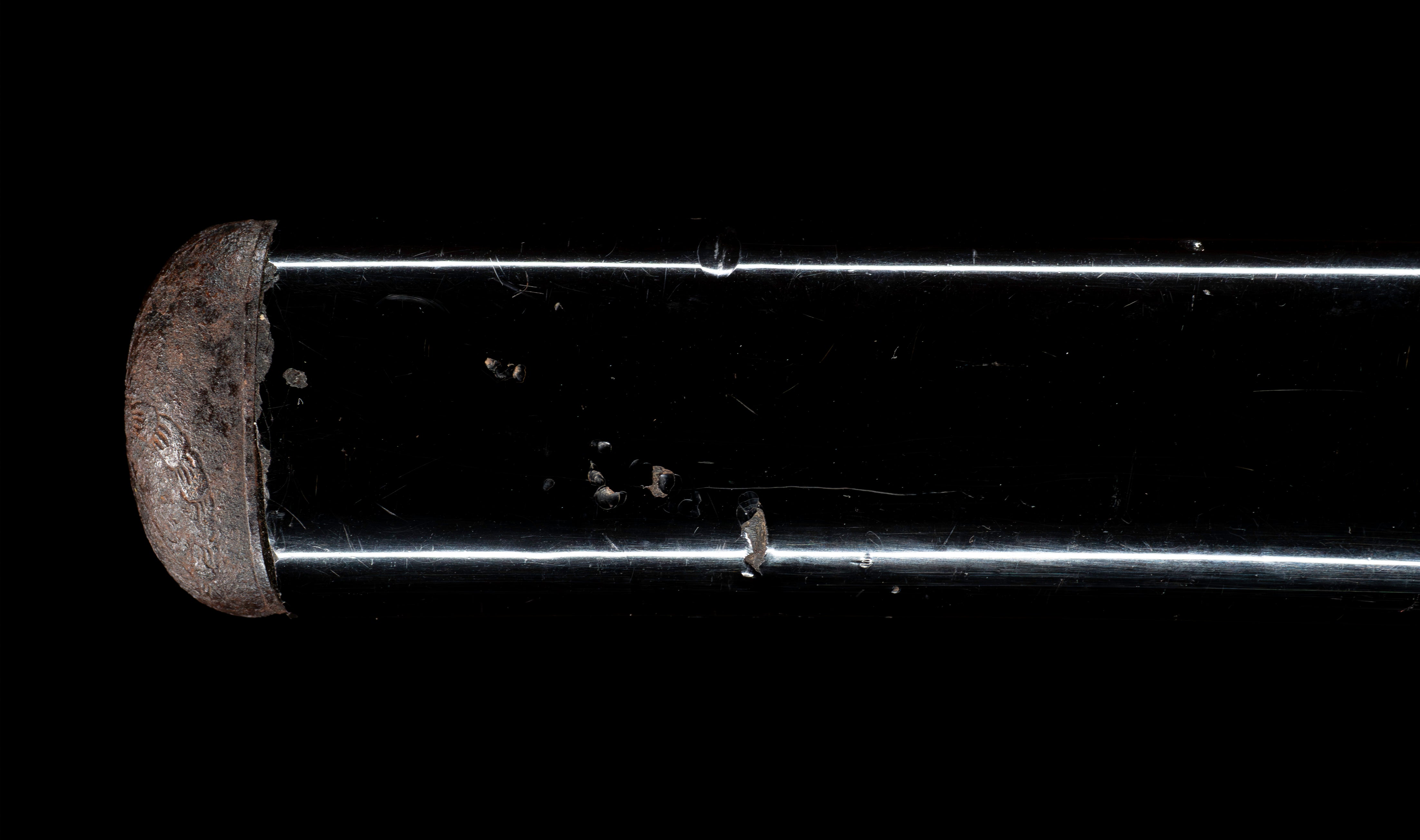
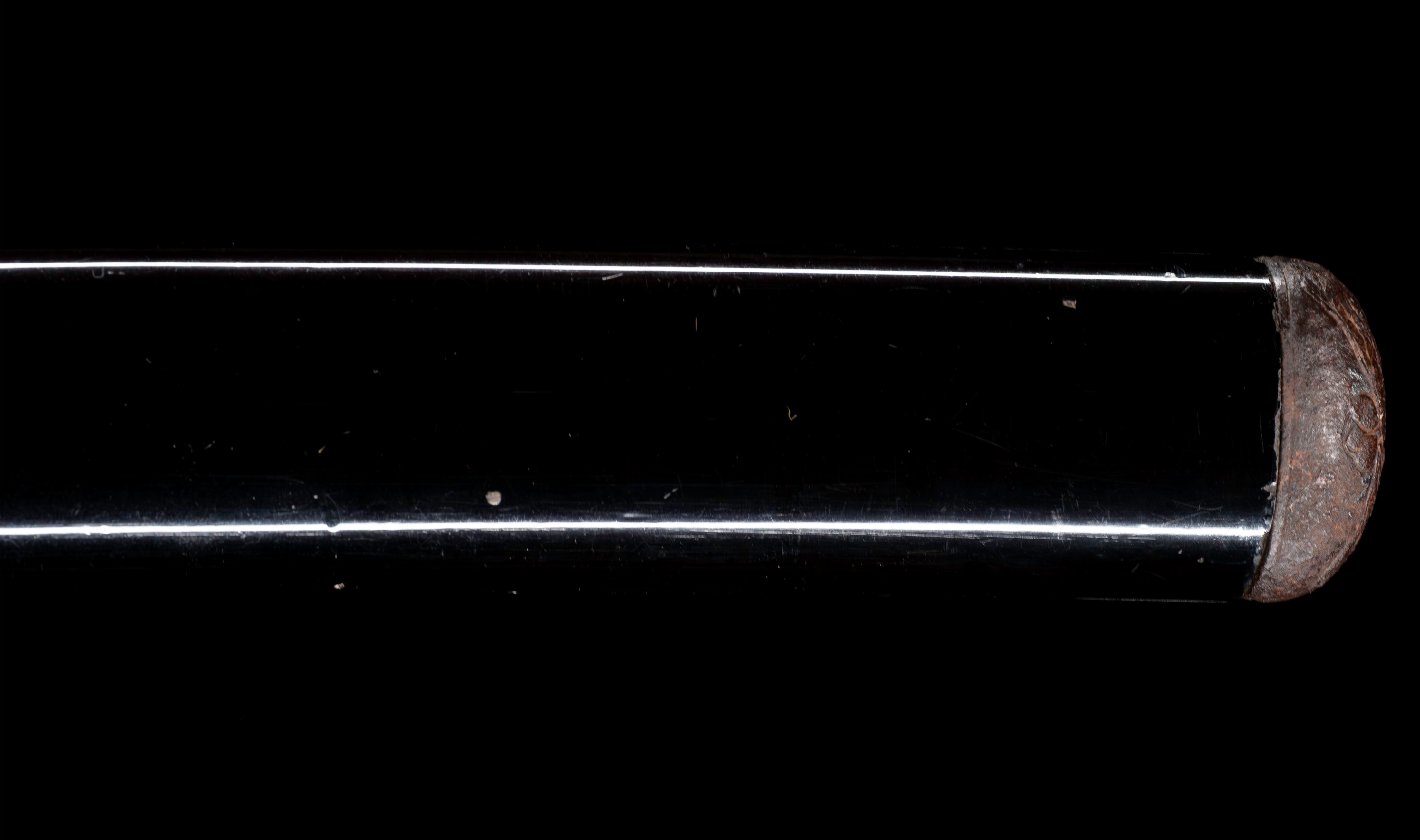
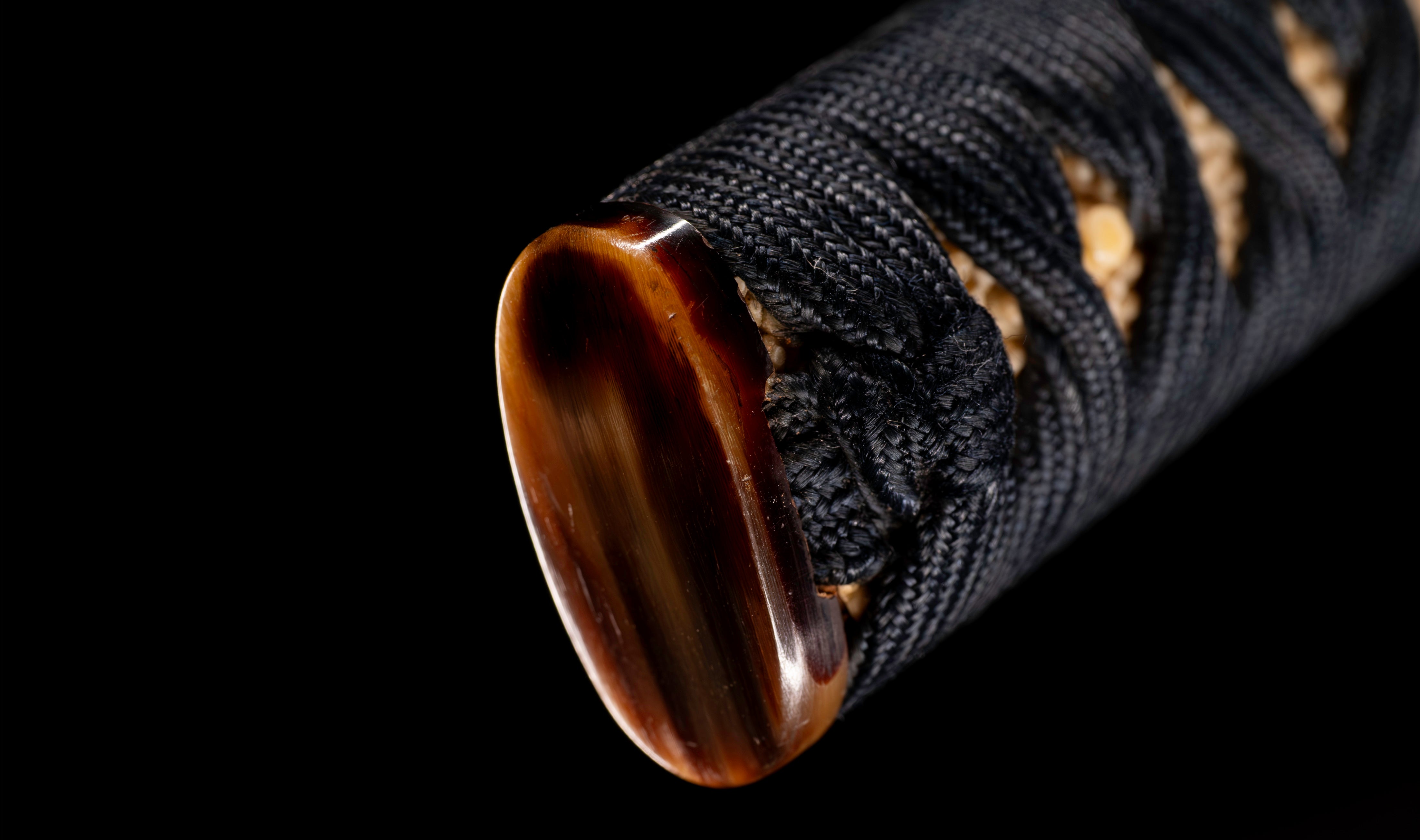
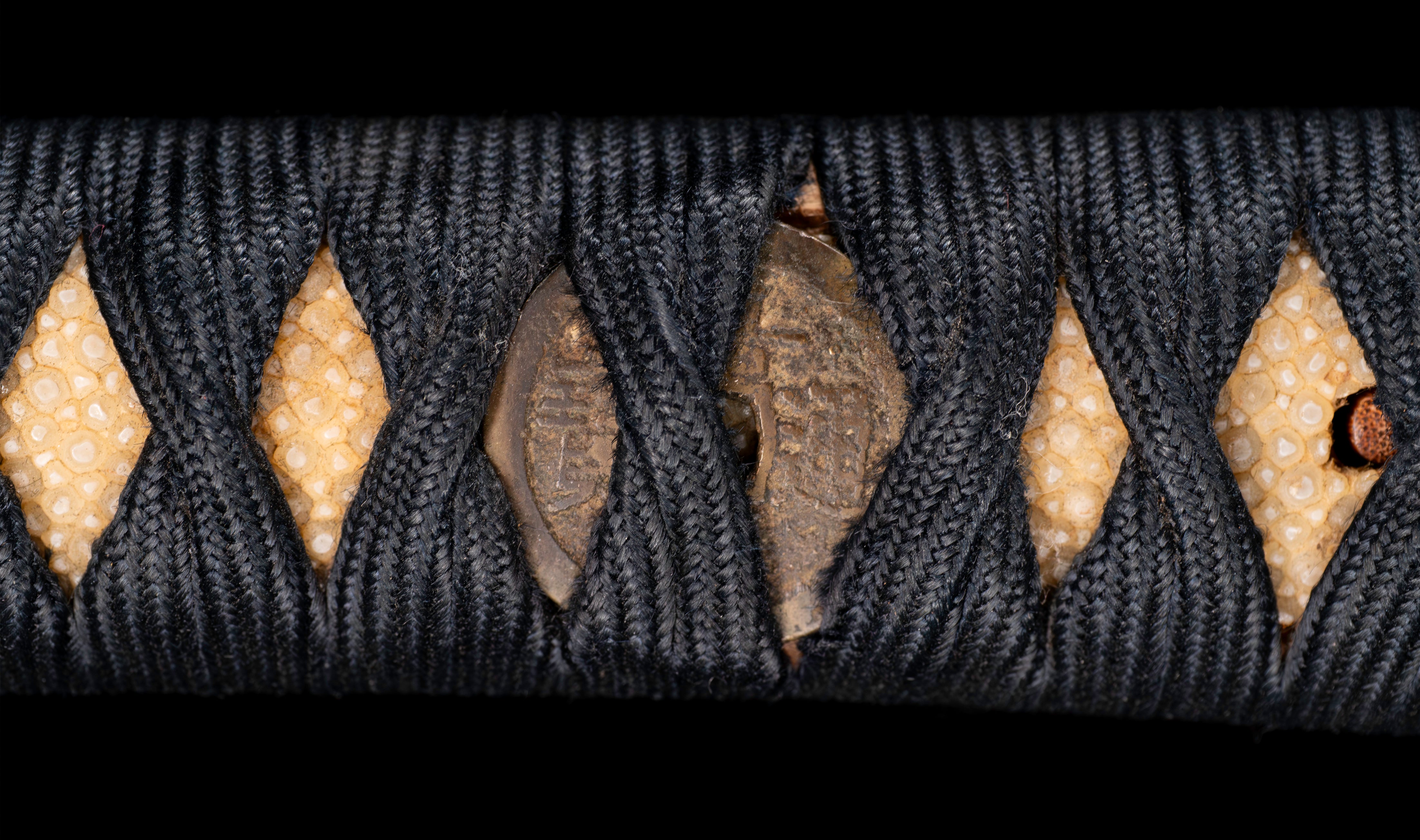
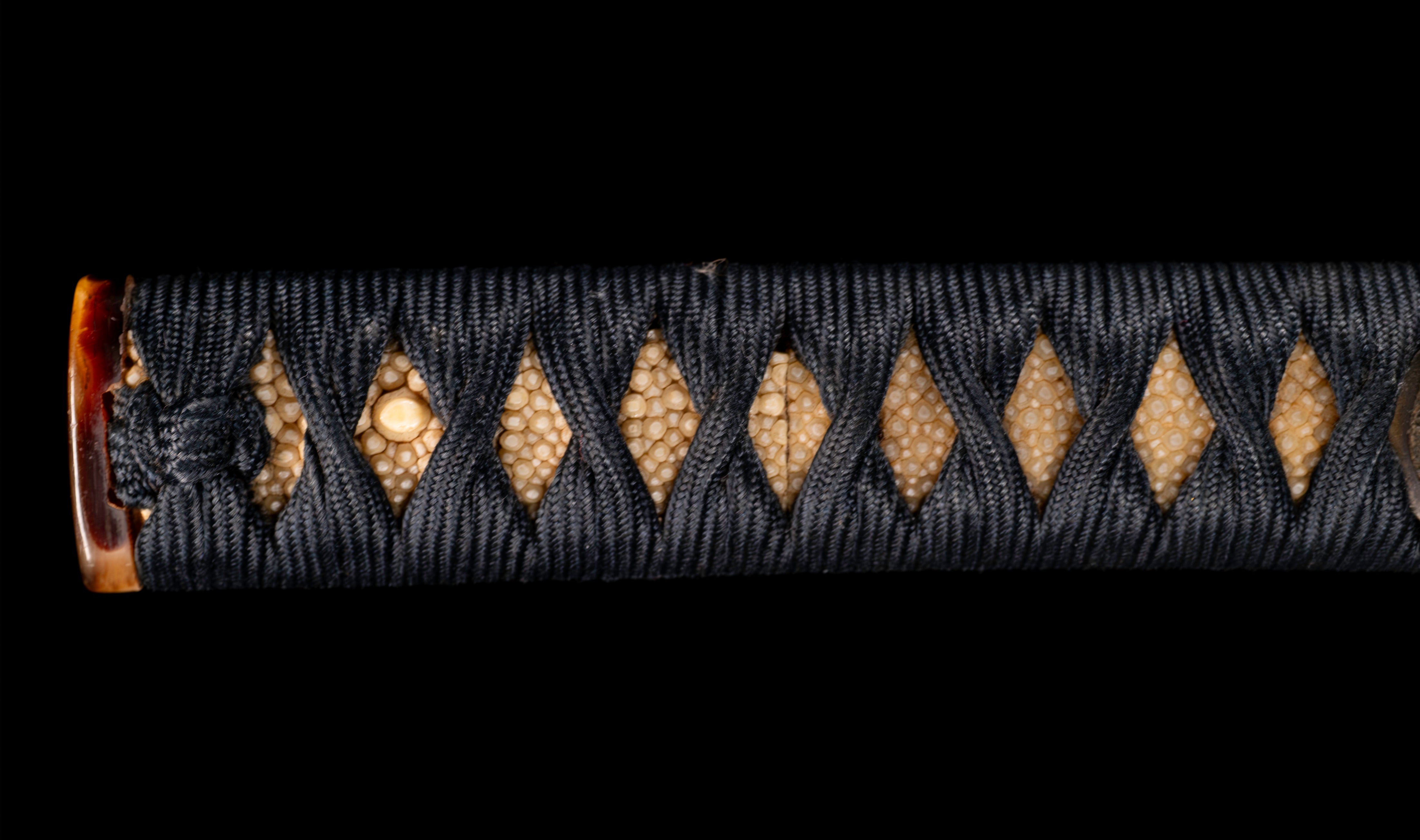
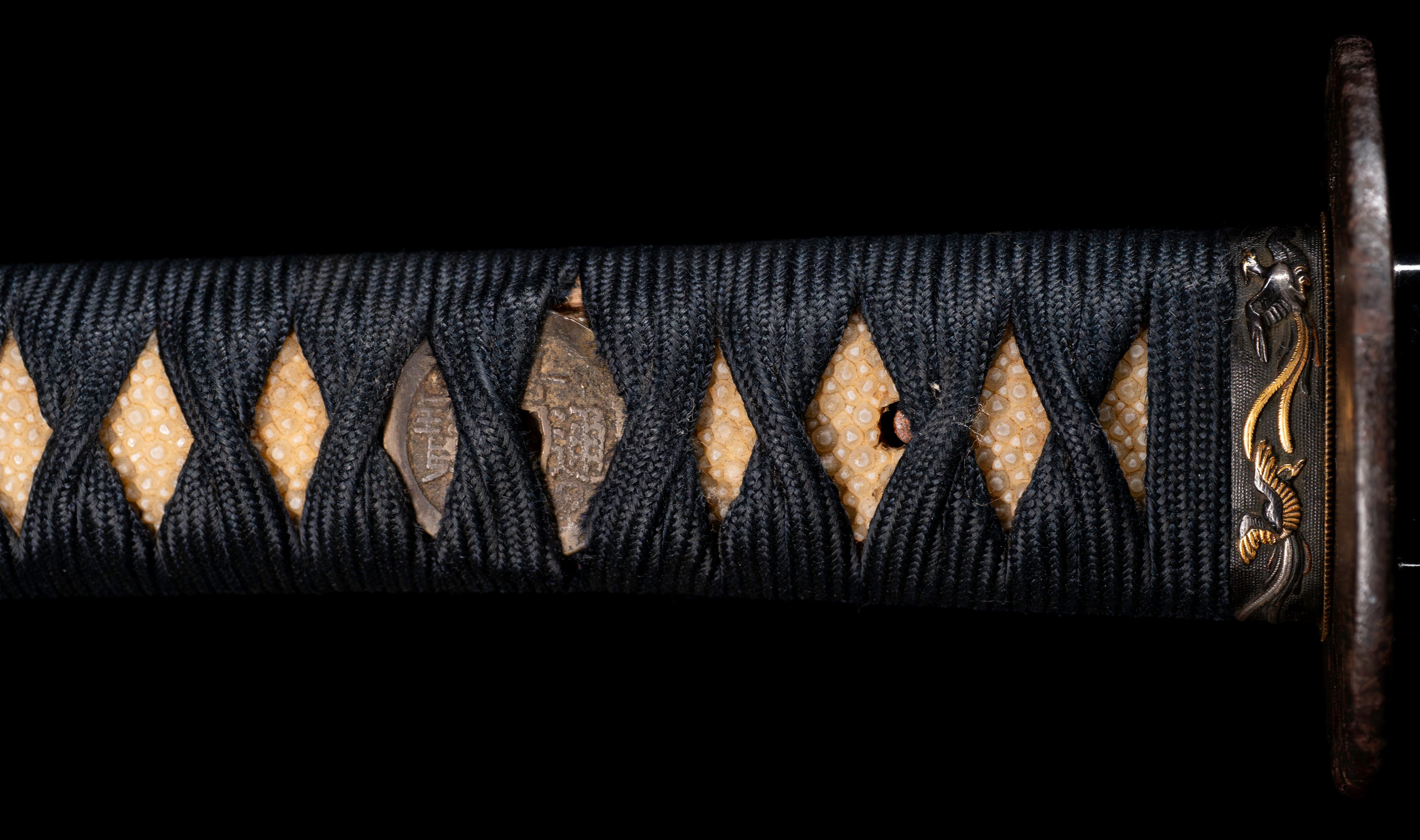
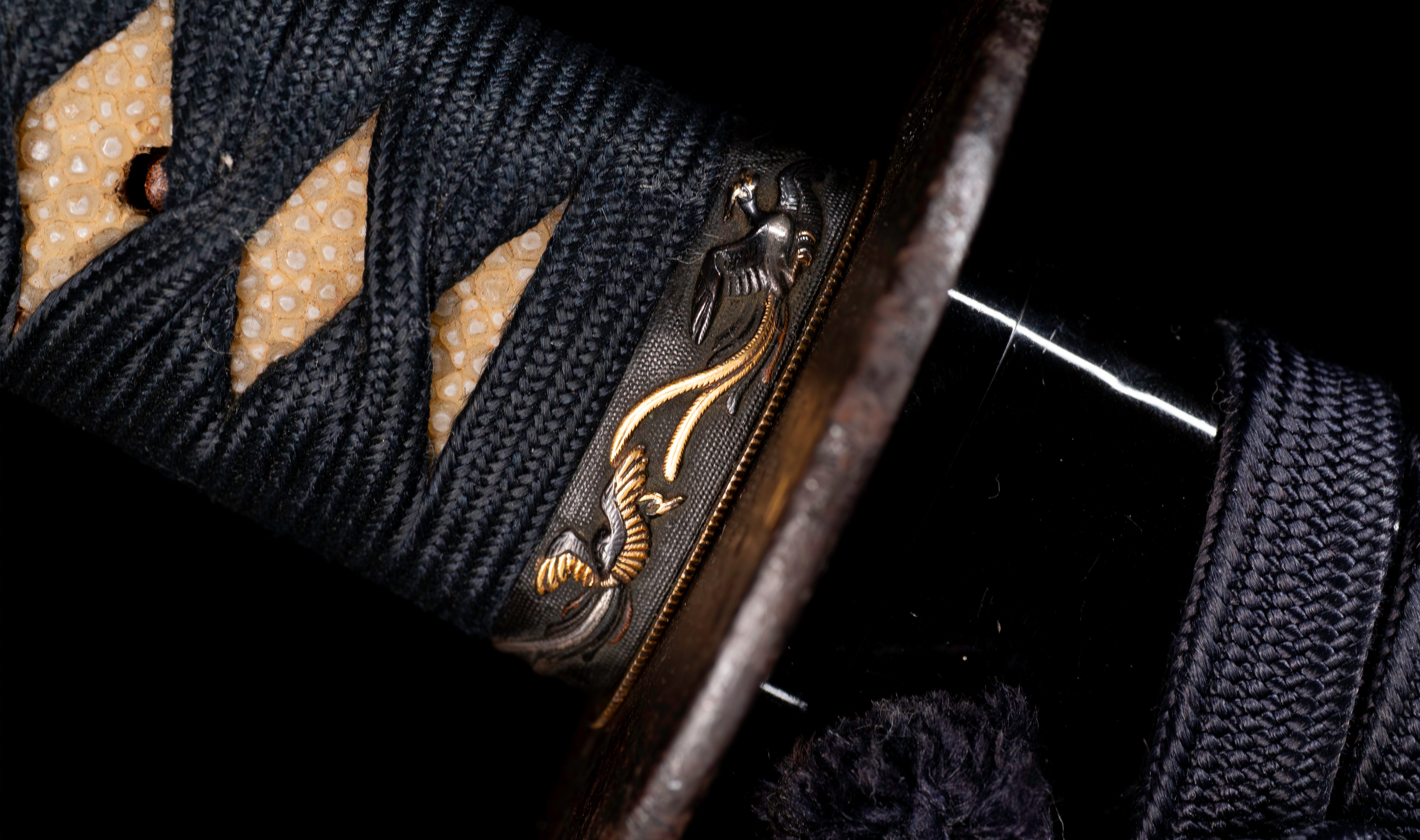
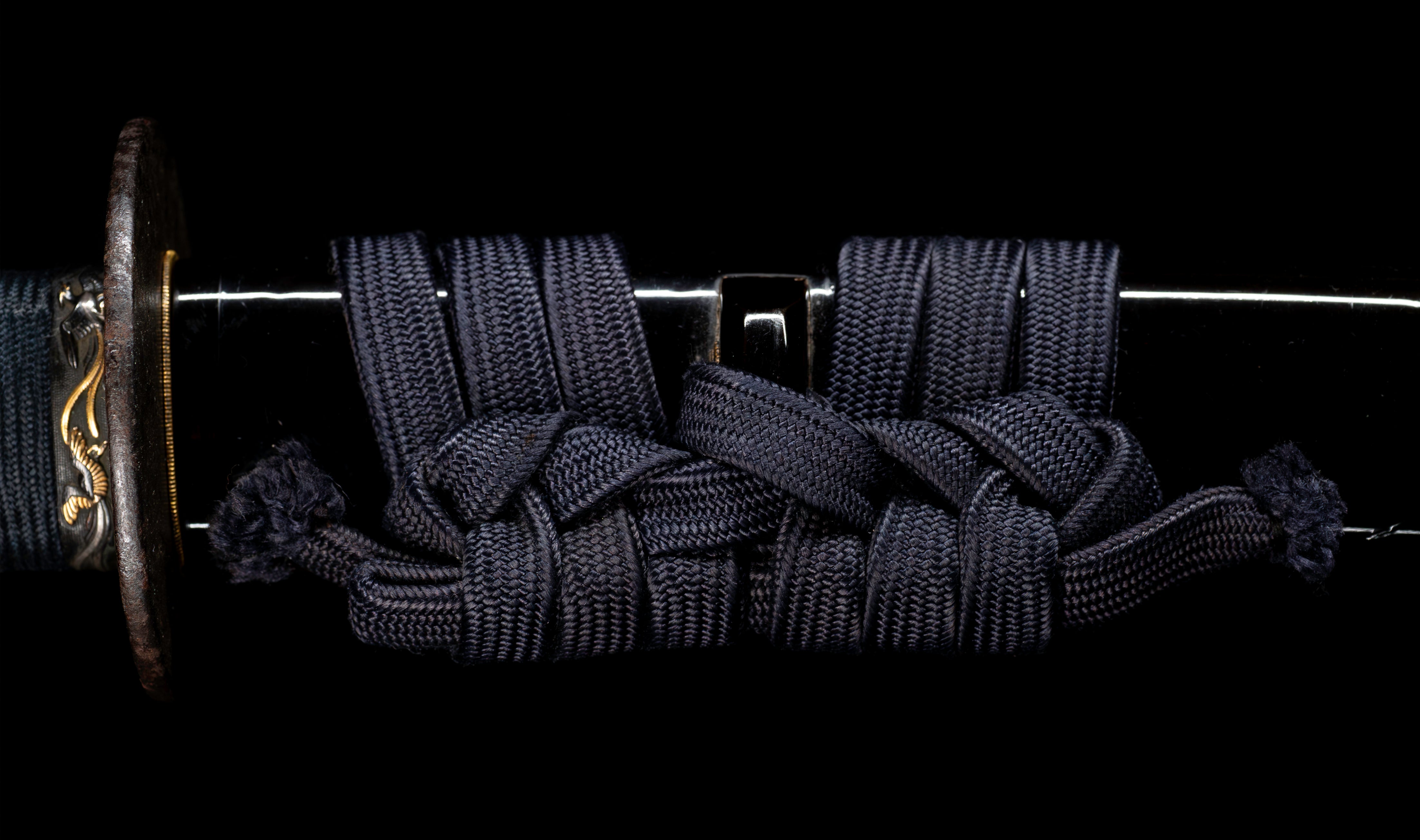
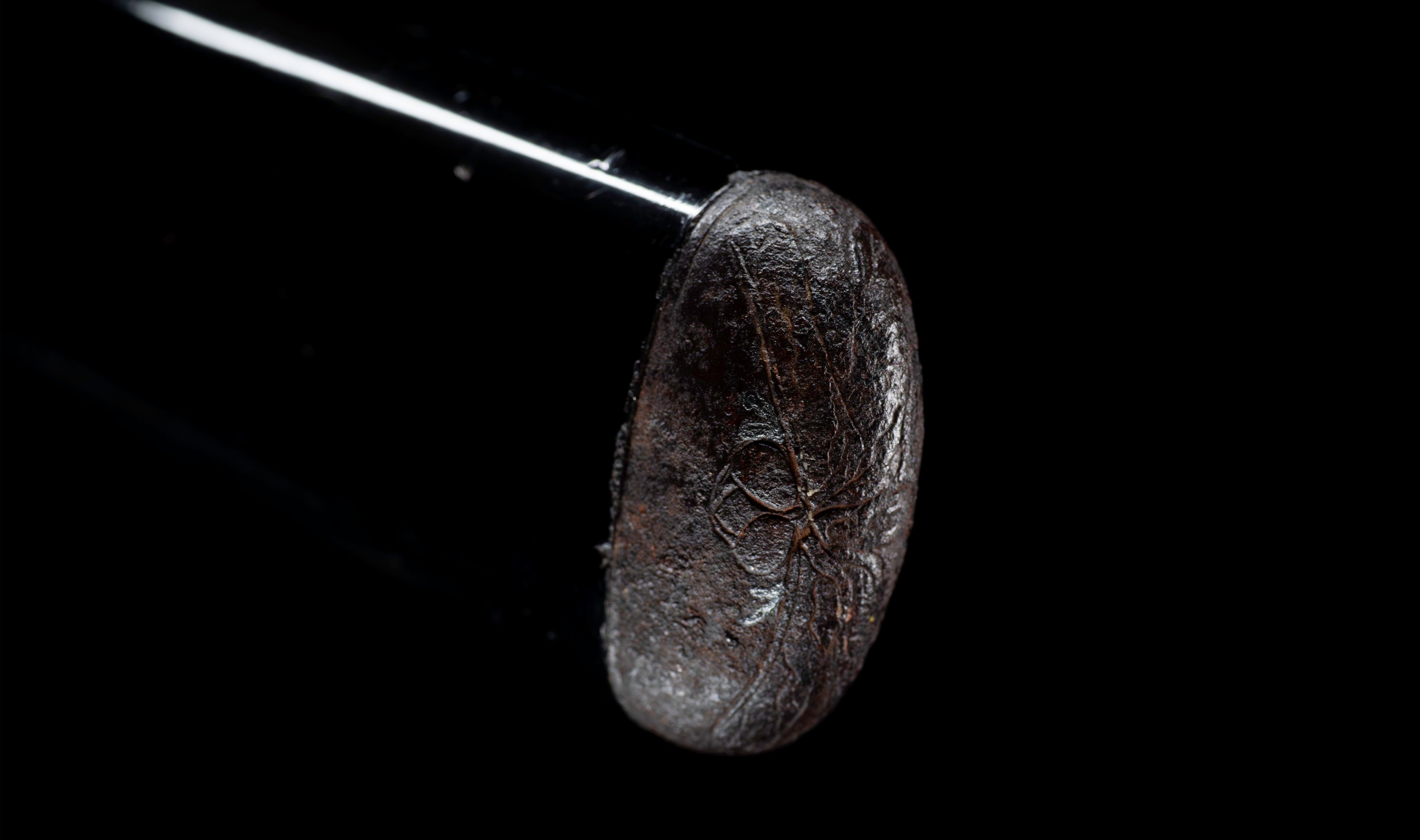
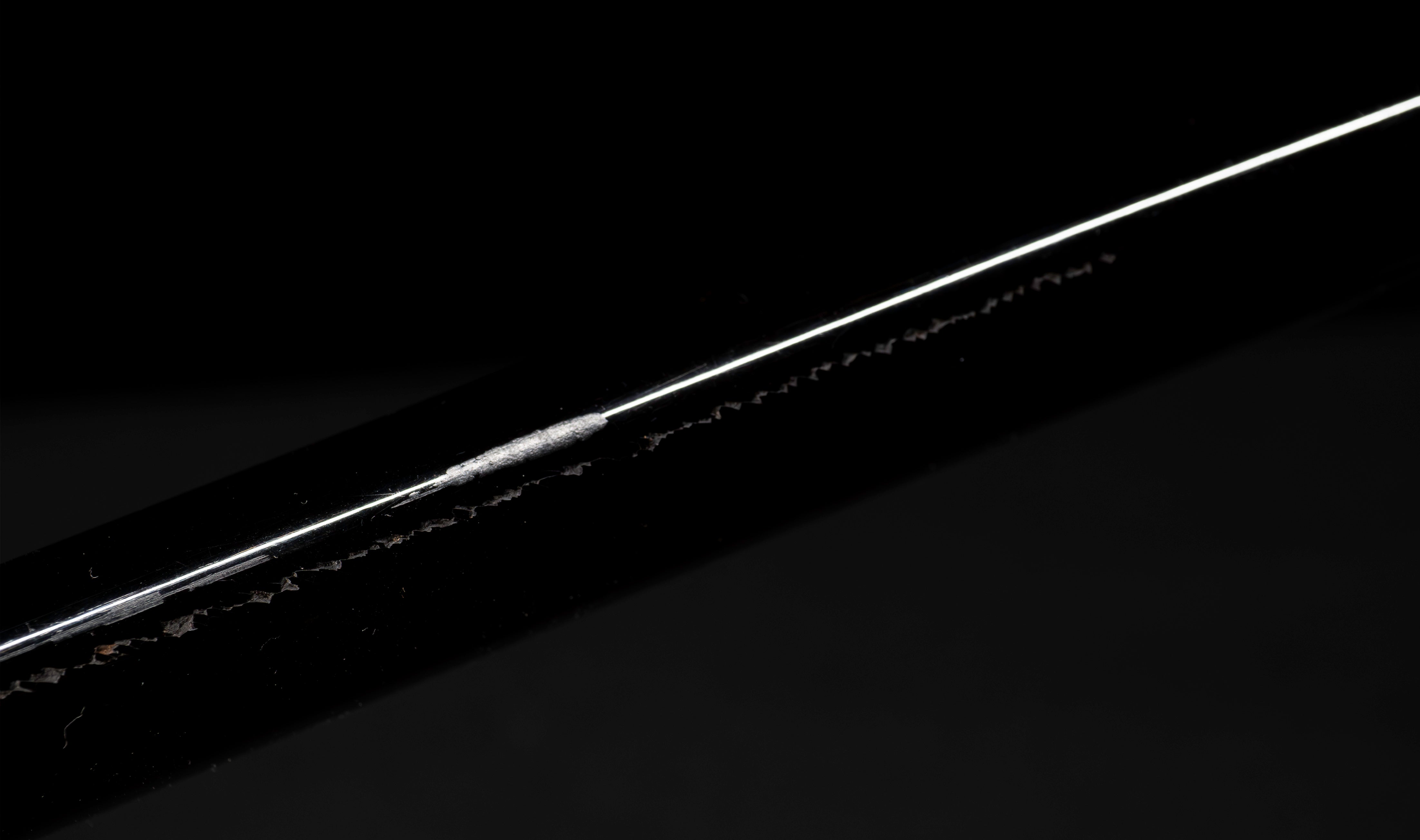
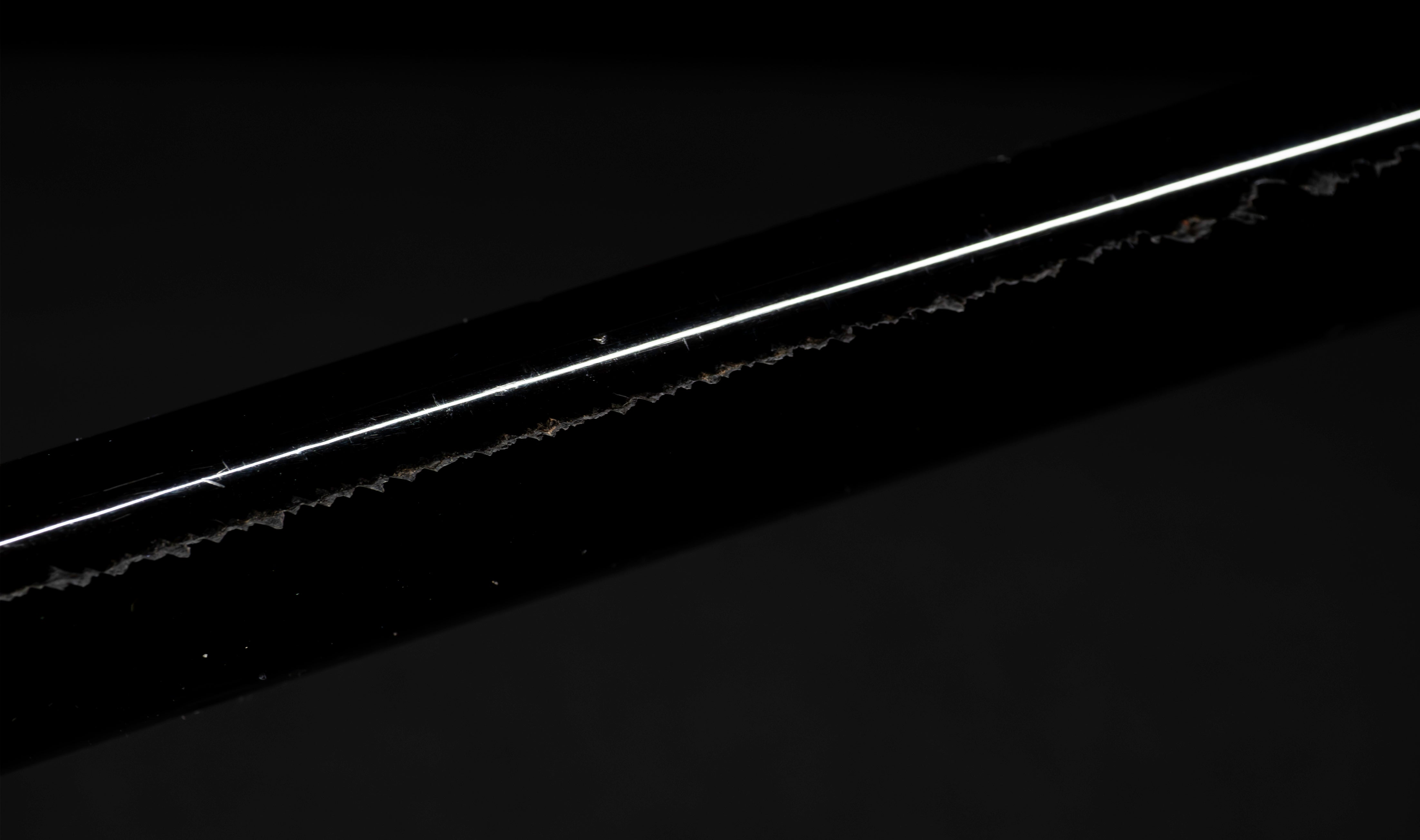
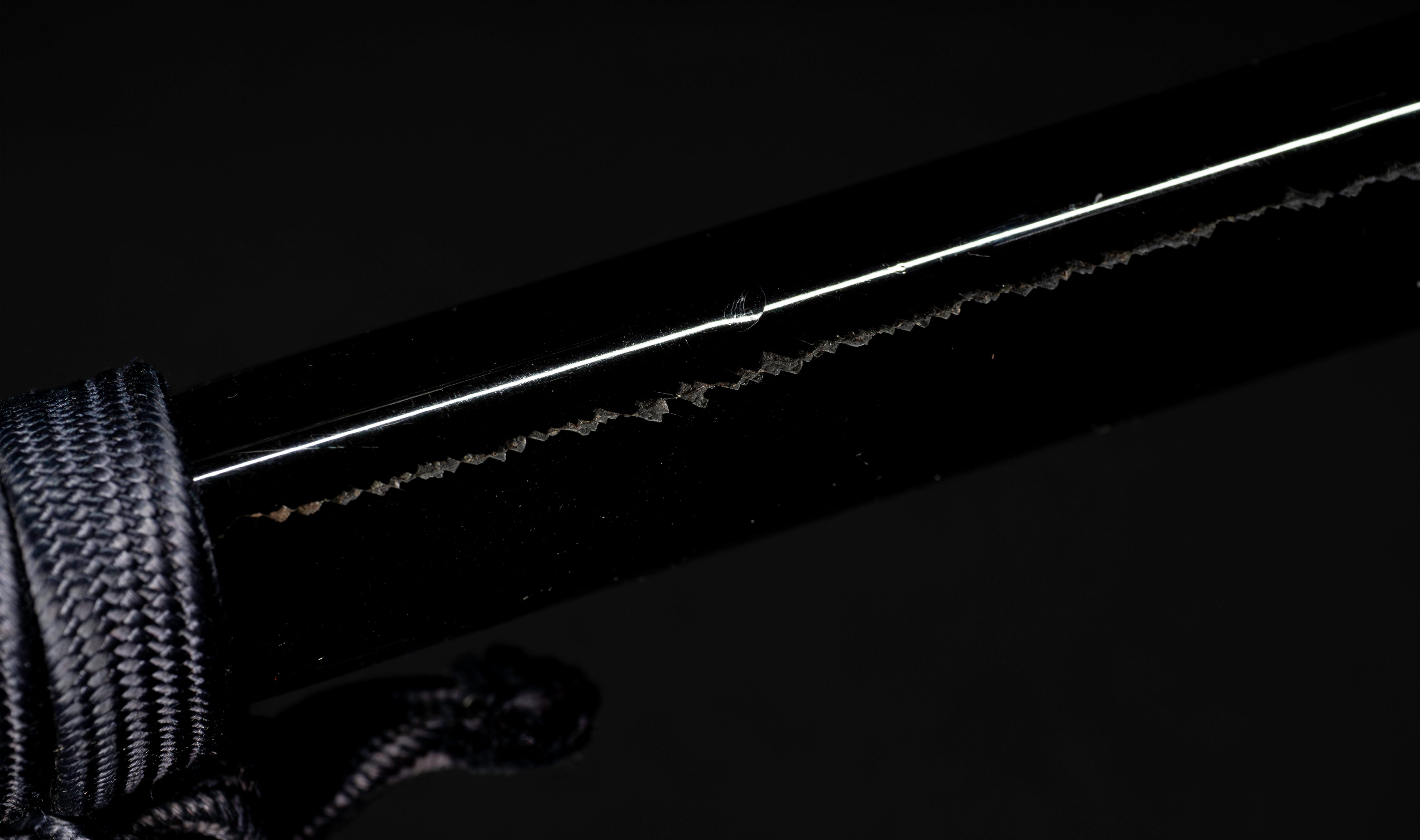
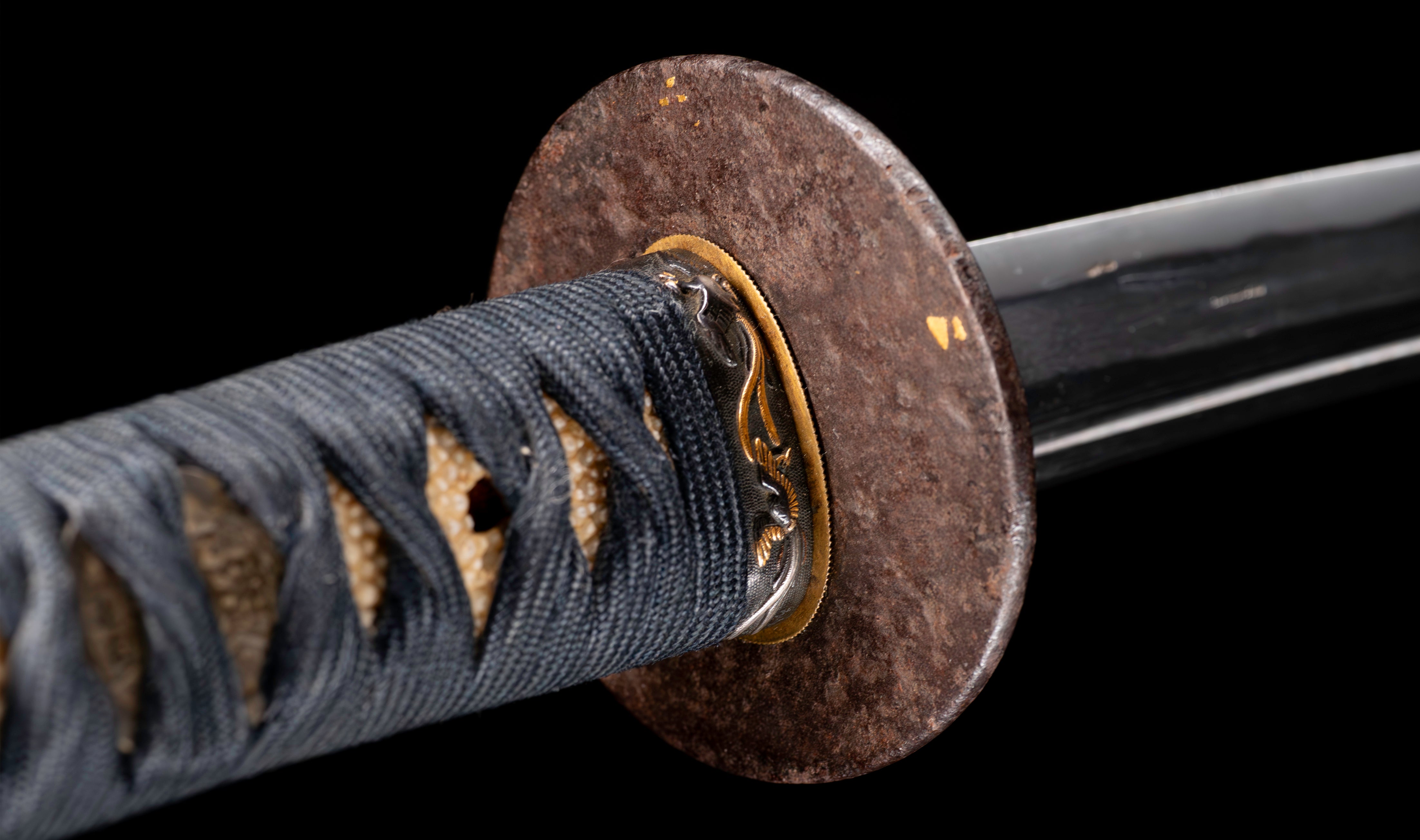
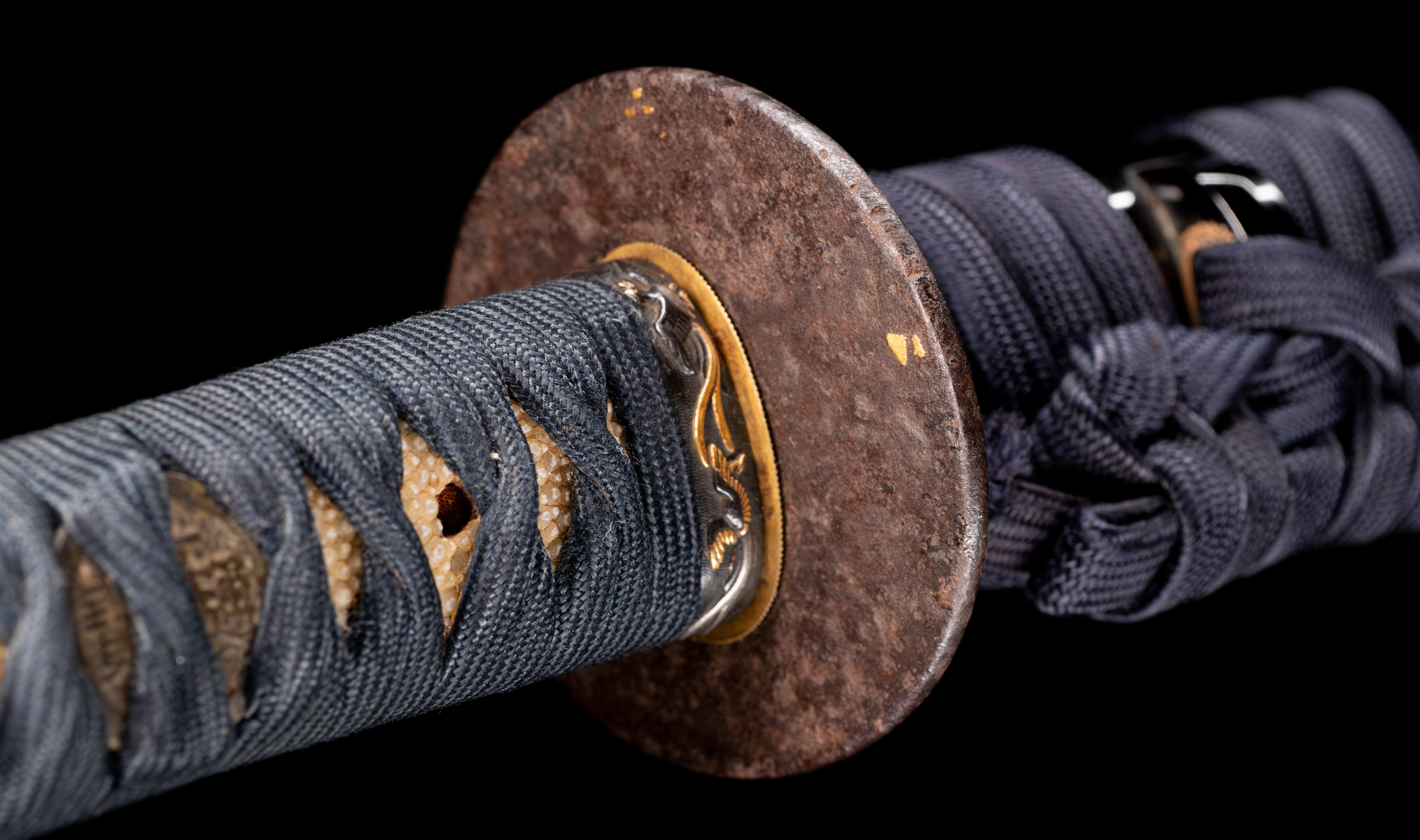
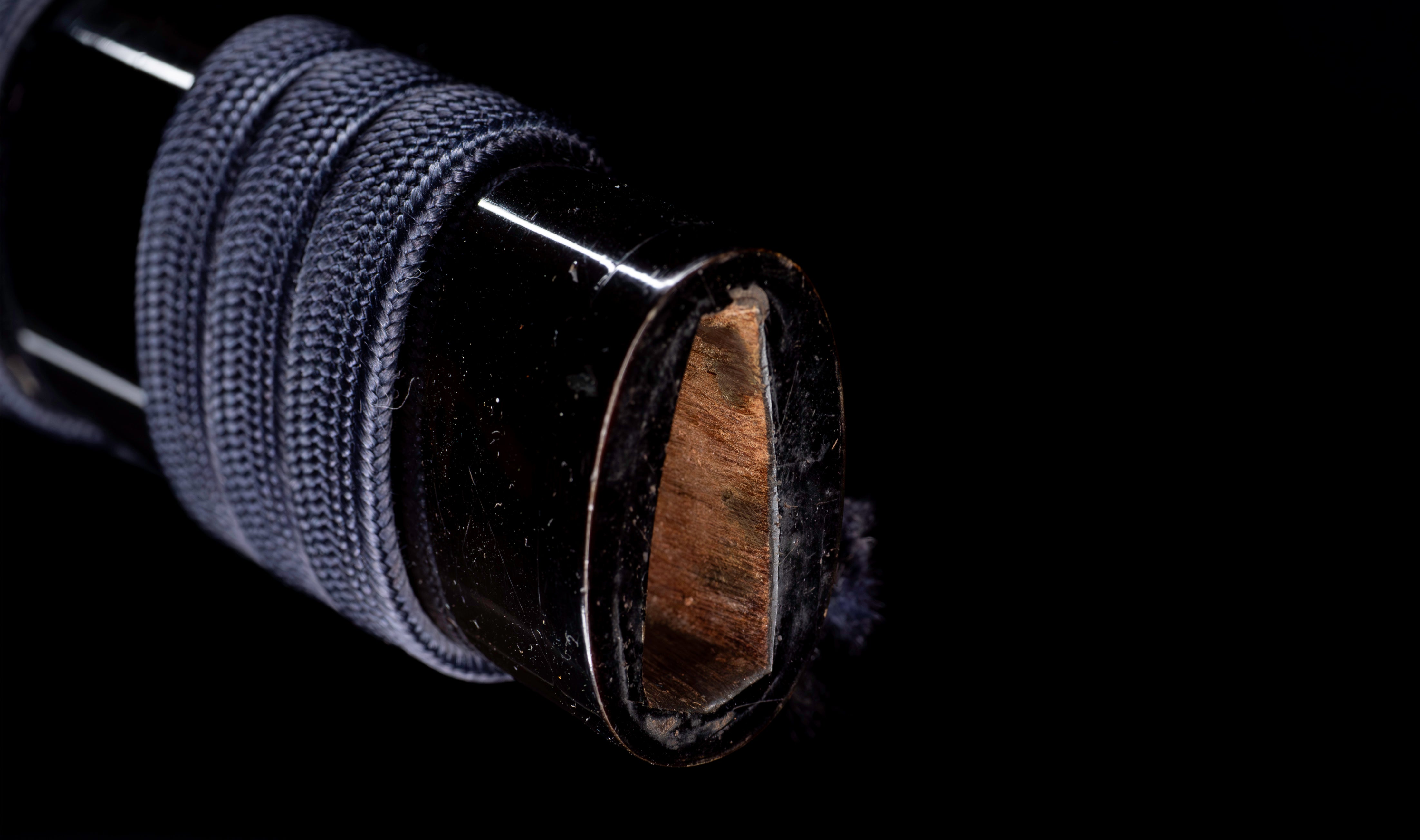
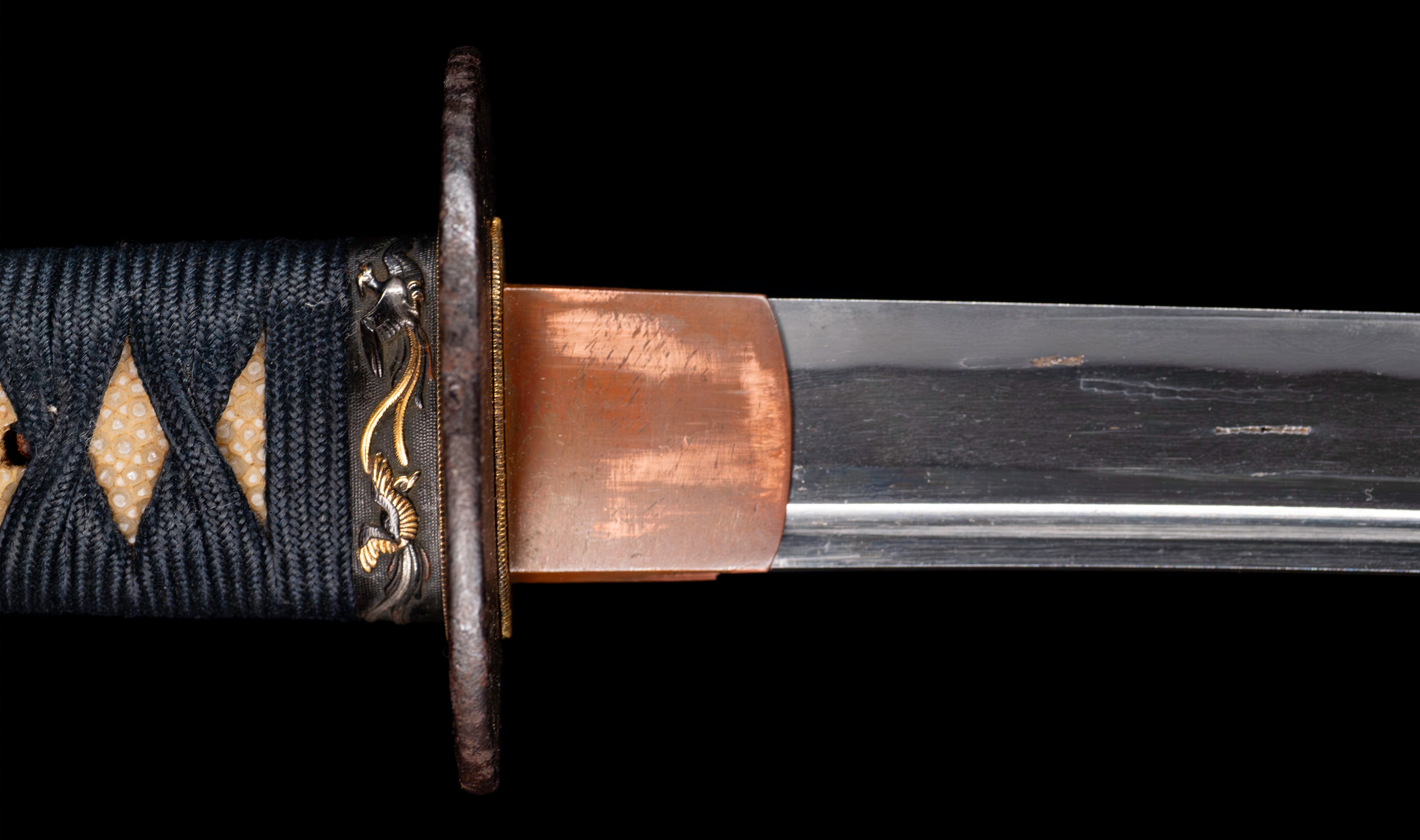
Signature (Mei): Mumei (unsigned) Period: Muromachi, koto . Shortened blade with two mekugi-ana and a koto sugata. No certificate confirms this Certificate: None. Japanese Registration (Tōroku-shō): Kanagawa no. 1375, issued 14 September 1952 Mounting: Complete katana koshirae , black roiro lacquer saya, iron tsuba, phoenix fuchi , cash-coin menuki Blade Length (Nagasa): 60.0 cm Curvature (Sori): 1.6 cm Mekugi-ana: 2 Shape (Sugata): Shinogi-zukuri , iori-mune , chū-kissaki , shortened ( suriage ) Jihada: Itame mixed with mokume , partly obscured by an old polish Hamon: Hoso-suguha with slight notare , nioi-deki Bōshi: Sugu with a ko-maru turn-back Habaki: Single-piece copper An unsigned Muromachi katana of 60.0 cm with 1.6 cm of curvature, registered in Japan since 1952 , sold complete in an Edo-period koshirae. It carries no shinsa paper and we make no attribution: this is an honest entry into the world of koto blades, priced accordingly. The shape is shinogi-zukuri with an iori-mune and a chū-kissaki . The blade has been shortened, and the tang carries two mekugi-ana and a deep, dark patina with patches of old rust. At 60 cm it sits at the compact end of the katana range, the length favoured in the late Muromachi period. The hamon is a narrow straight temper, hoso-suguha , with a slight undulation in places, continuing into the point and turning back in a ko-maru . The steel is an itame mixed with mokume . We want to be plain about condition. The blade is in an old, cloudy polish with surface scratches, which hides much of the activity in the steel and hamon. No fatal flaws are visible in our photographs, but a fresh polish would be needed to read the blade properly. It is offered as it is, for the collector who wants a genuine Muromachi sword in hand, or who is prepared to invest in a polish and a shinsa. Koshirae Details The koshirae was assembled over time from unrelated Edo-period parts, as working mounts often were. The tsuba is a round iron plate with a sing
NihontoWatchOffered by Tokyo Nihonto
This piece has sold
The Muromachi period (1392 to 1573)
After the Ōnin War broke the Ashikaga order, a century of Sengoku warfare armed nearly every province in Japan. The era rewards a discriminating eye: routine work exists in quantity, and beside it stand custom blades of the first rank.
Returns/exchanges only for manufactured defects or incorrect products; notify within 72 hours of delivery. Cancellation only within 2 hours of placing. Customer pays return shipping. Refund within 3 business days of package arrival.