The Haitōrei edict of 1876 ended sword wearing and nearly ended the craft itself. Military demand and imperial patronage kept a remnant alive, and in 1906 Gassan Sadakazu and Miyamoto Kanenori were named Artists to the Imperial Household.
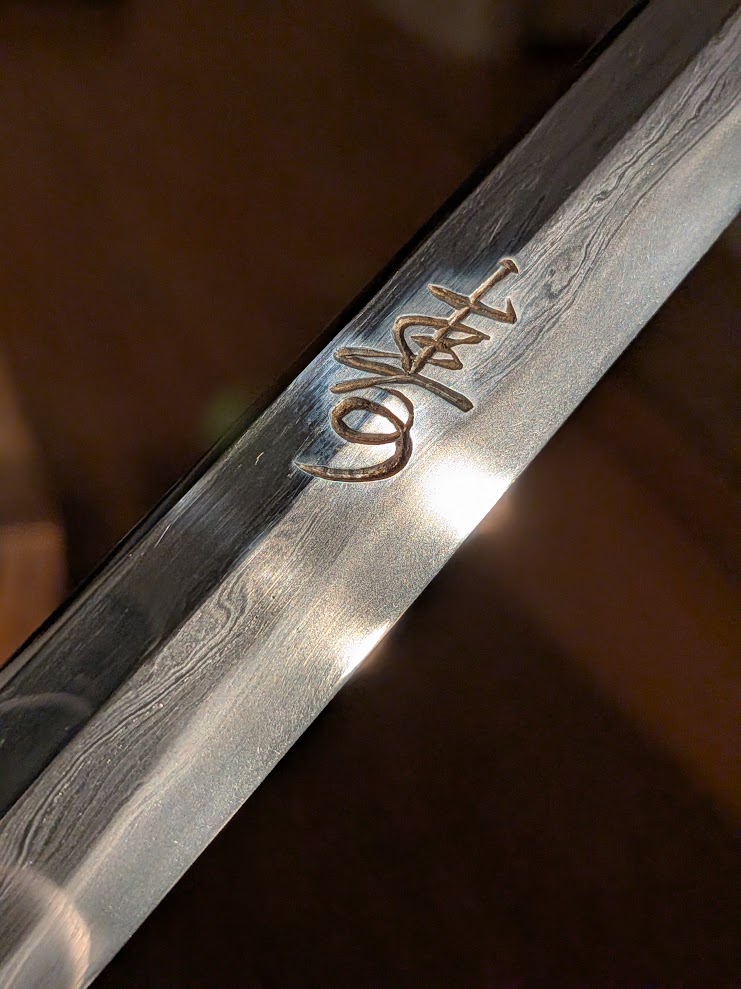
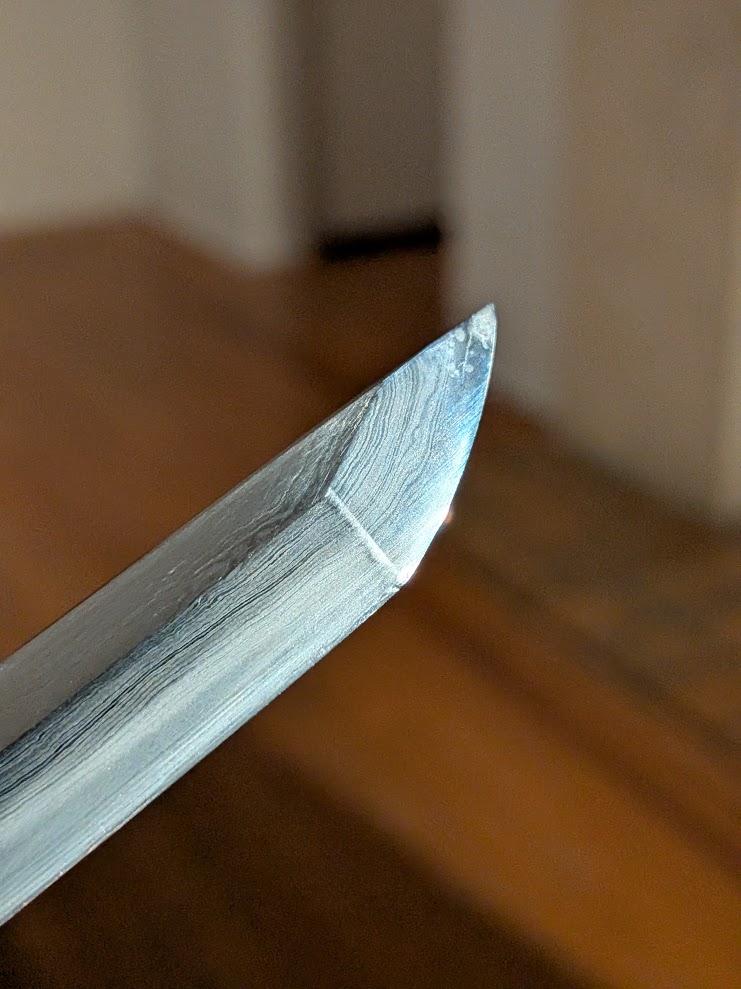
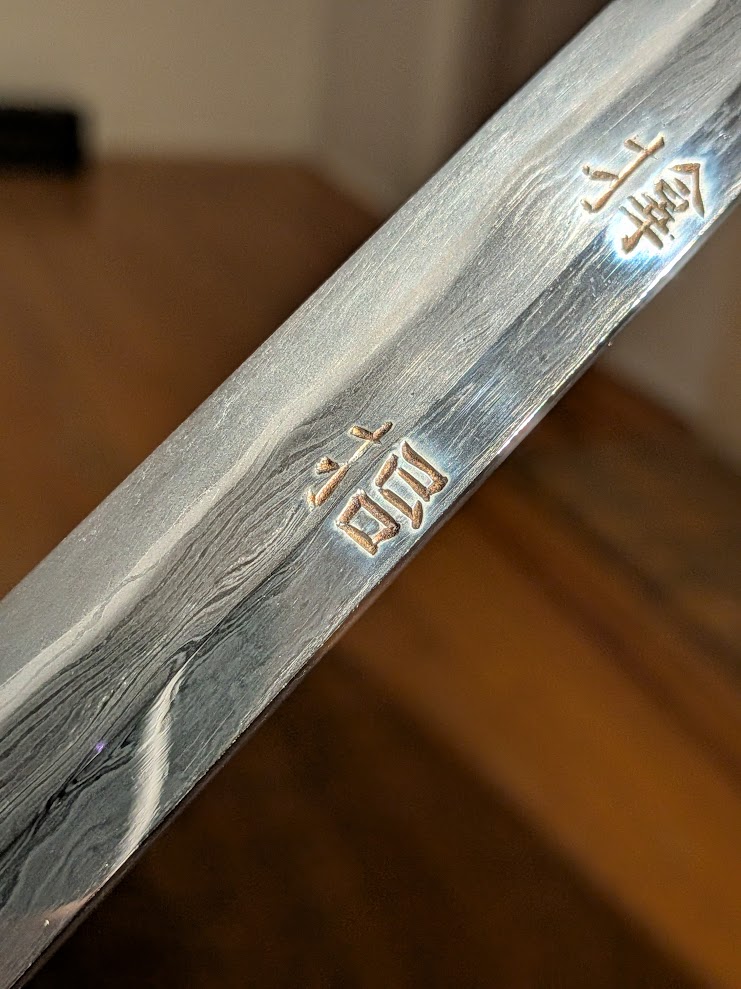
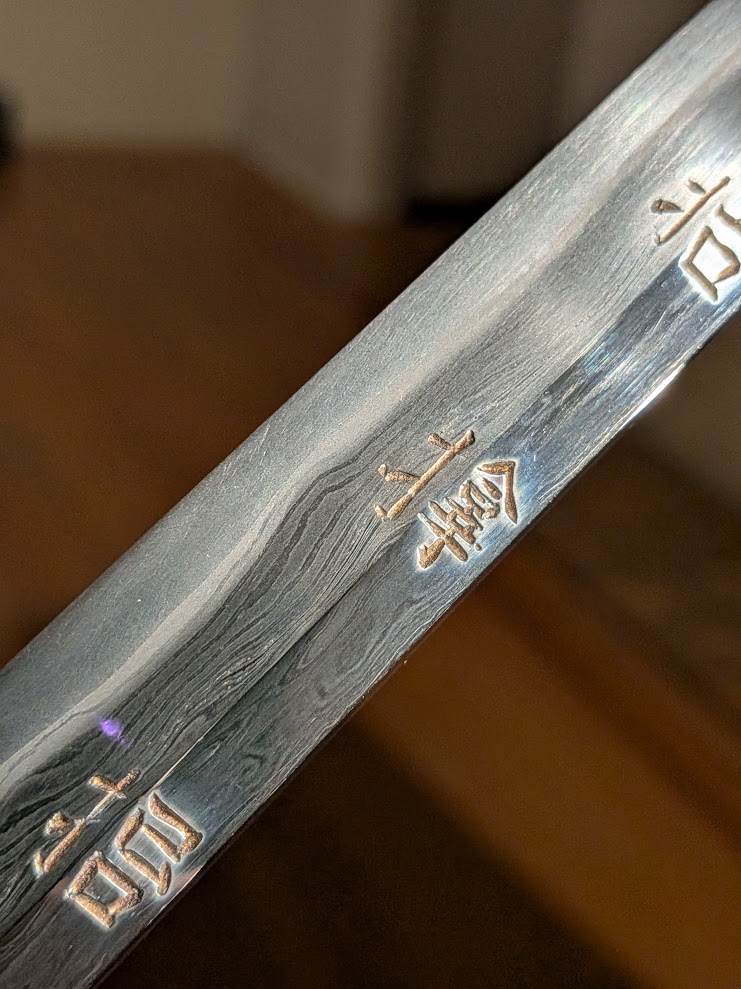
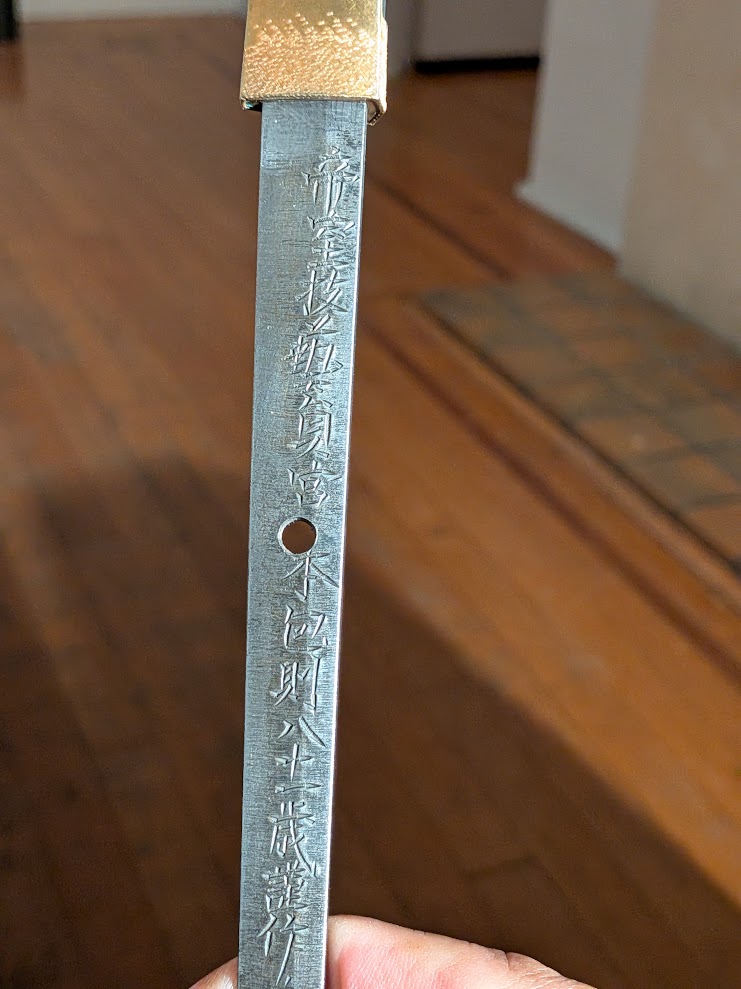
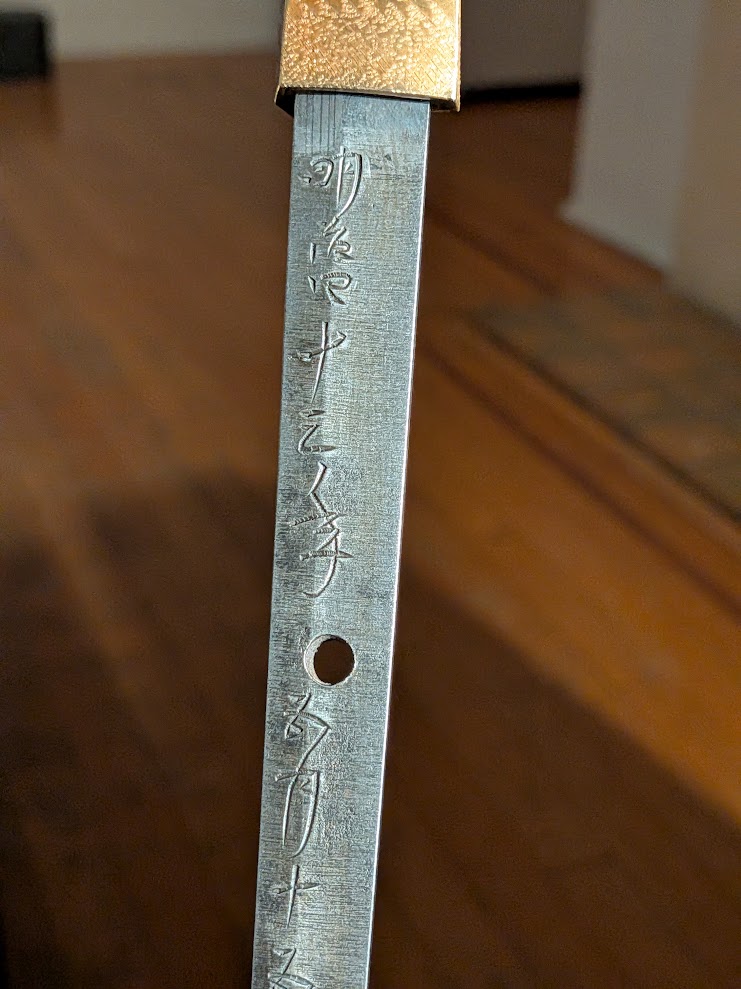
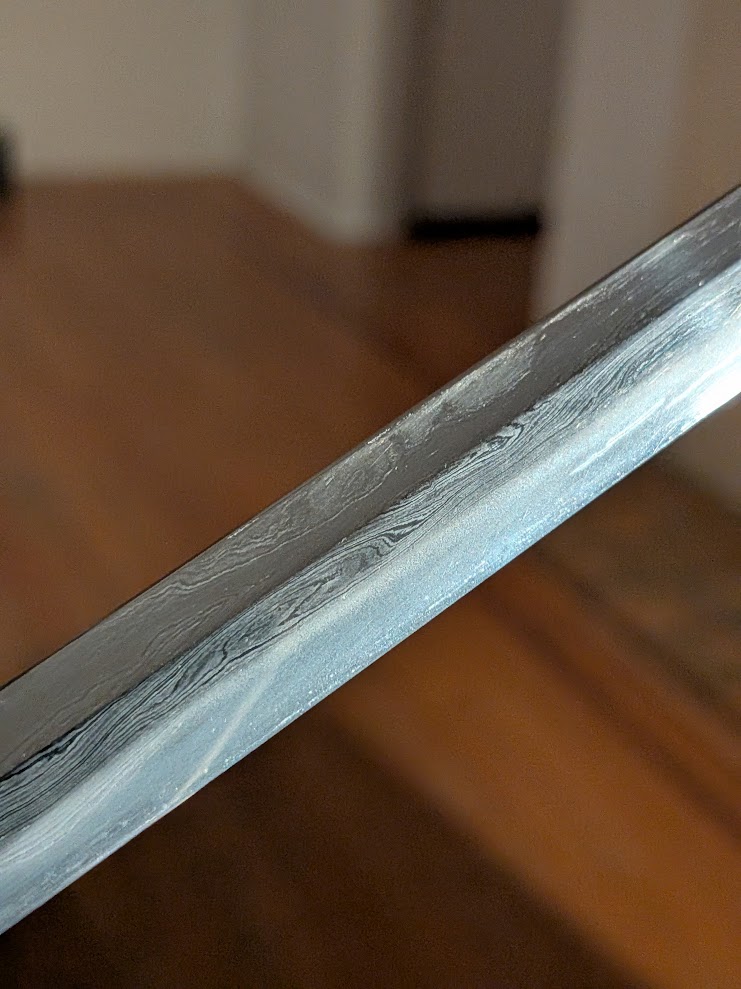
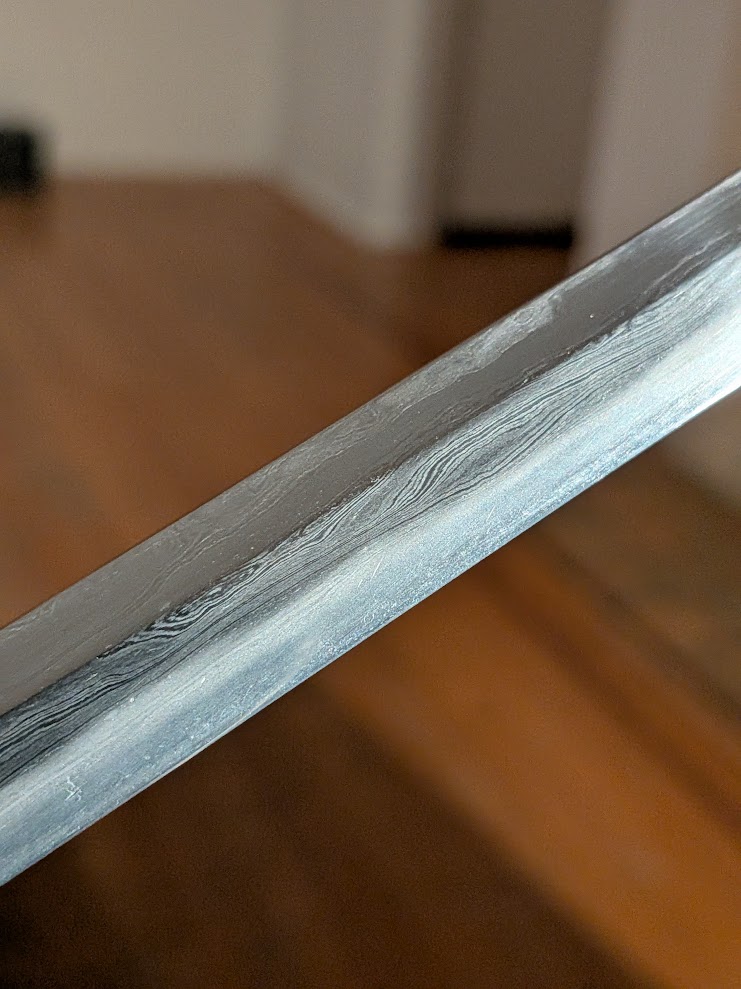
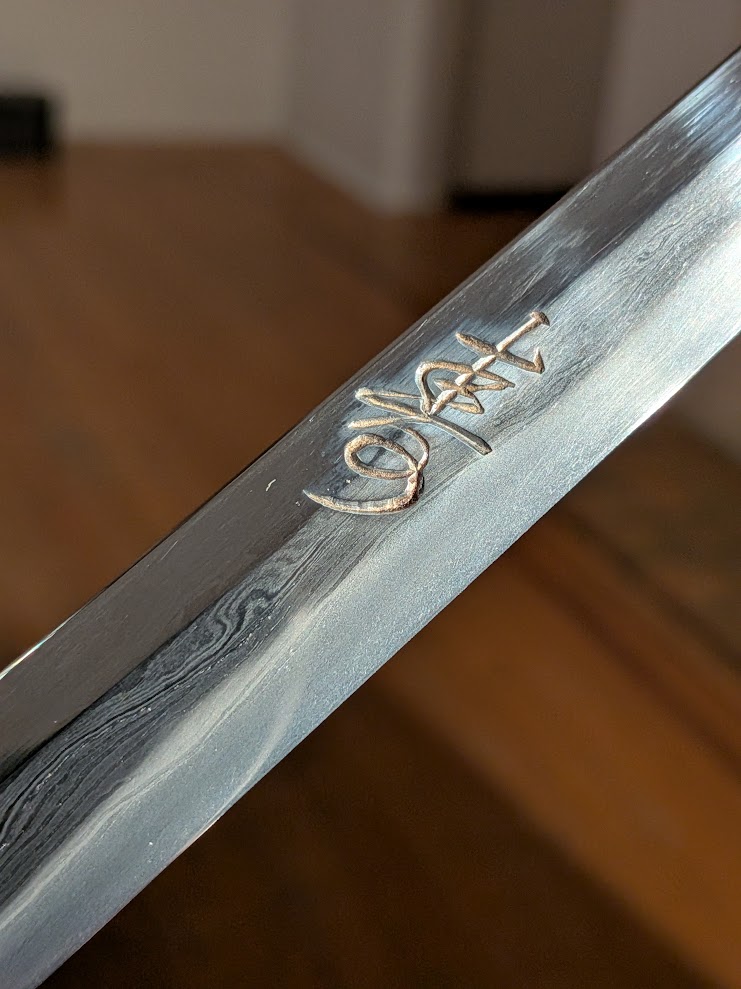
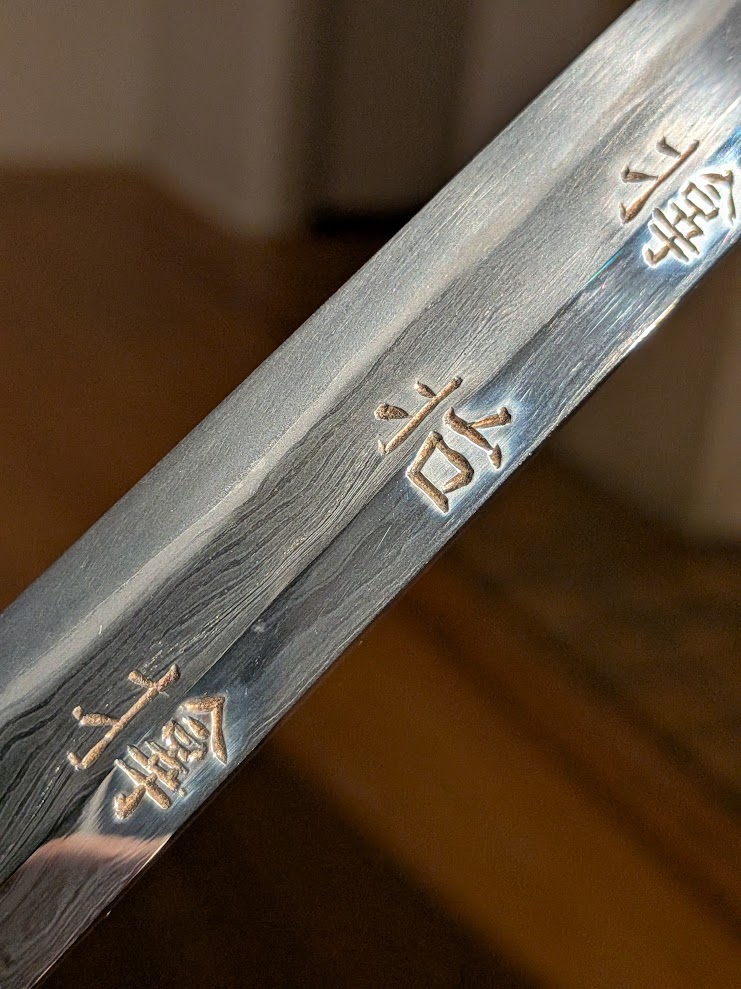
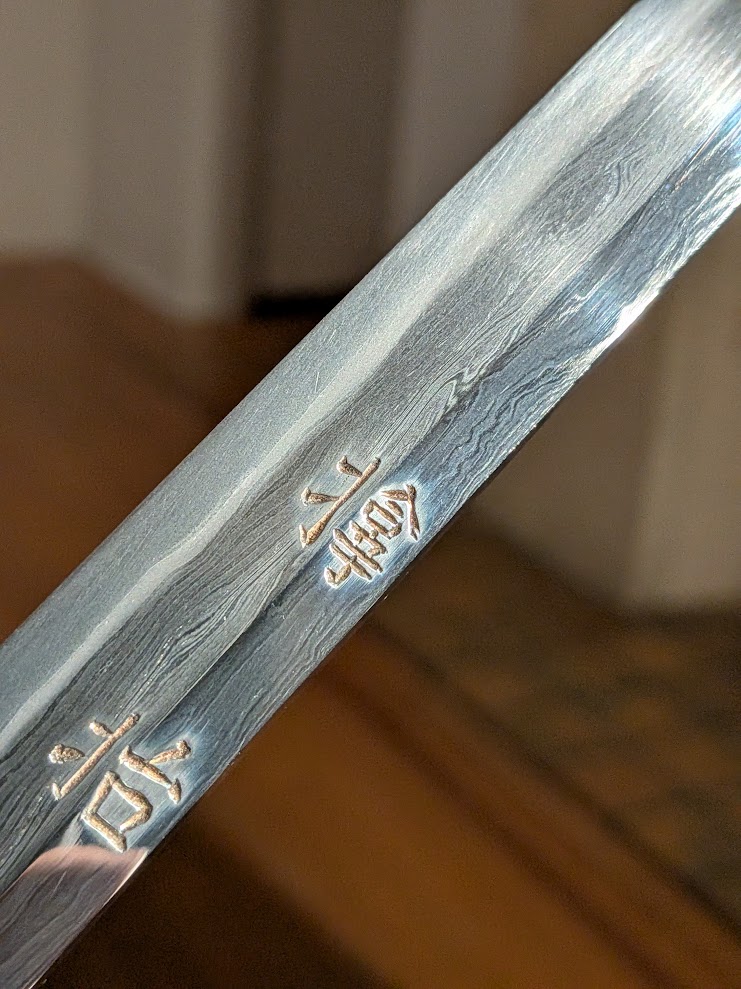
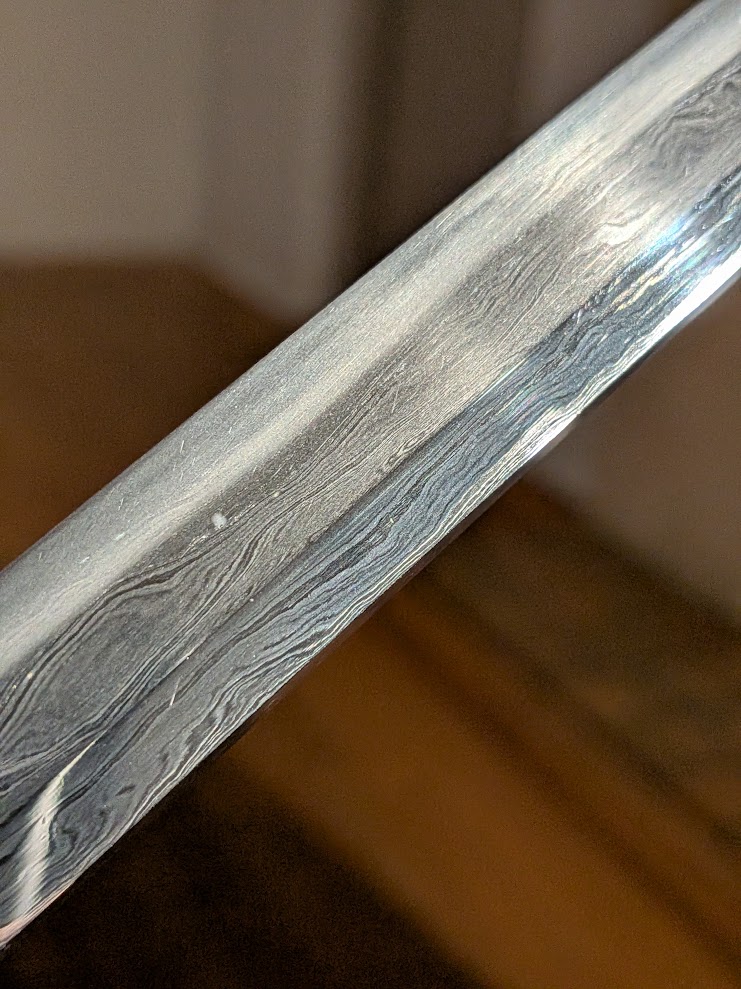
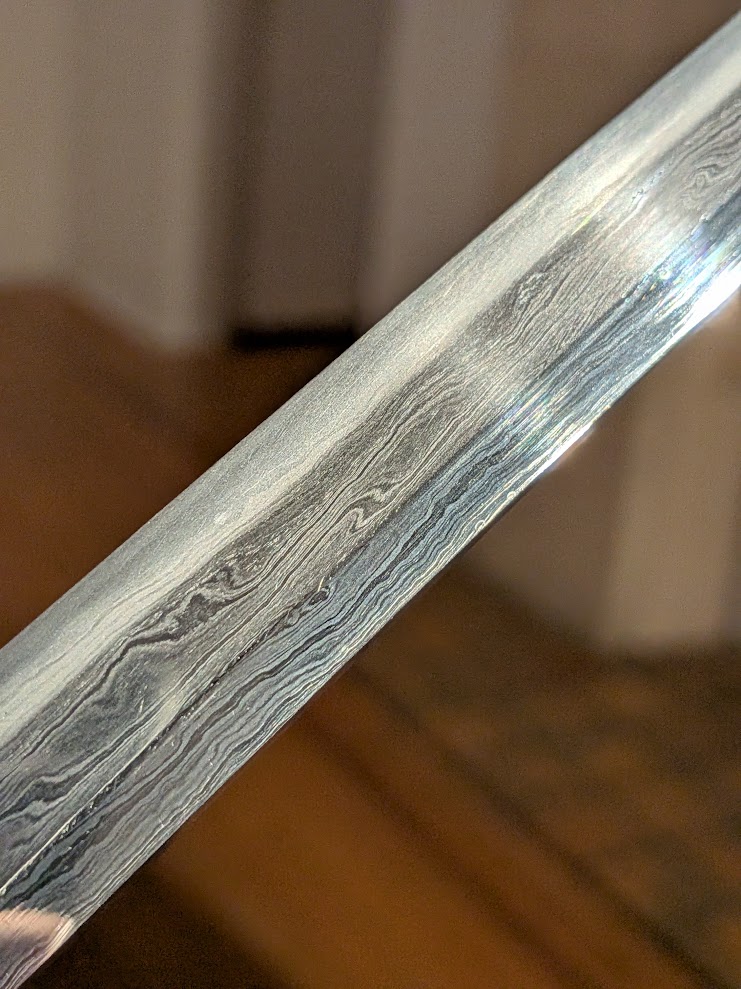
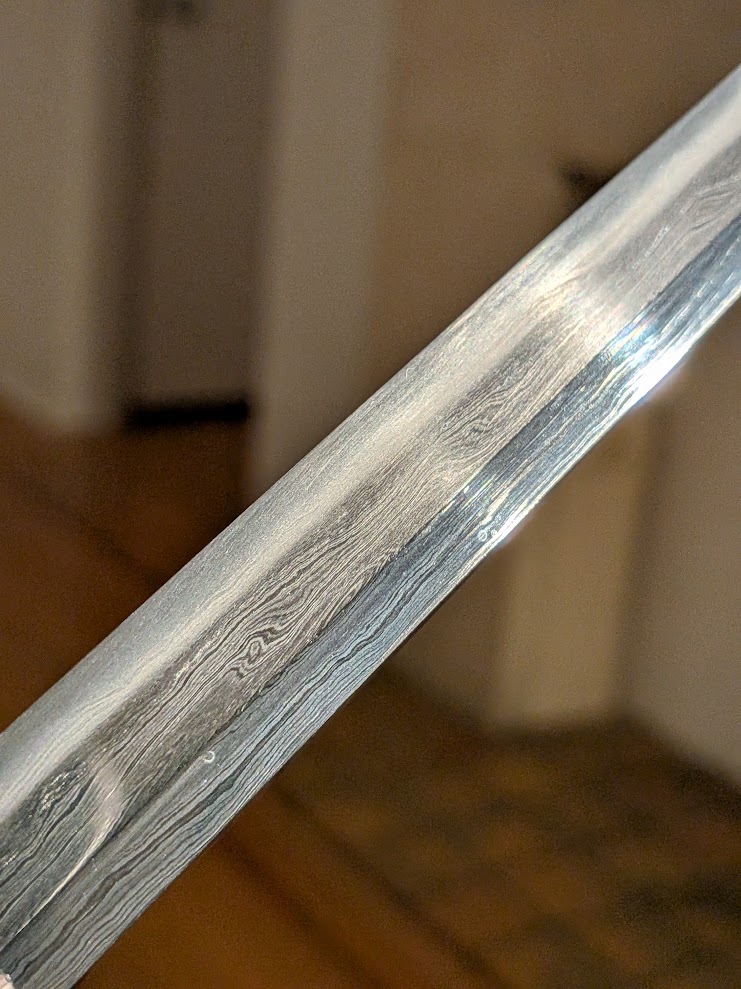
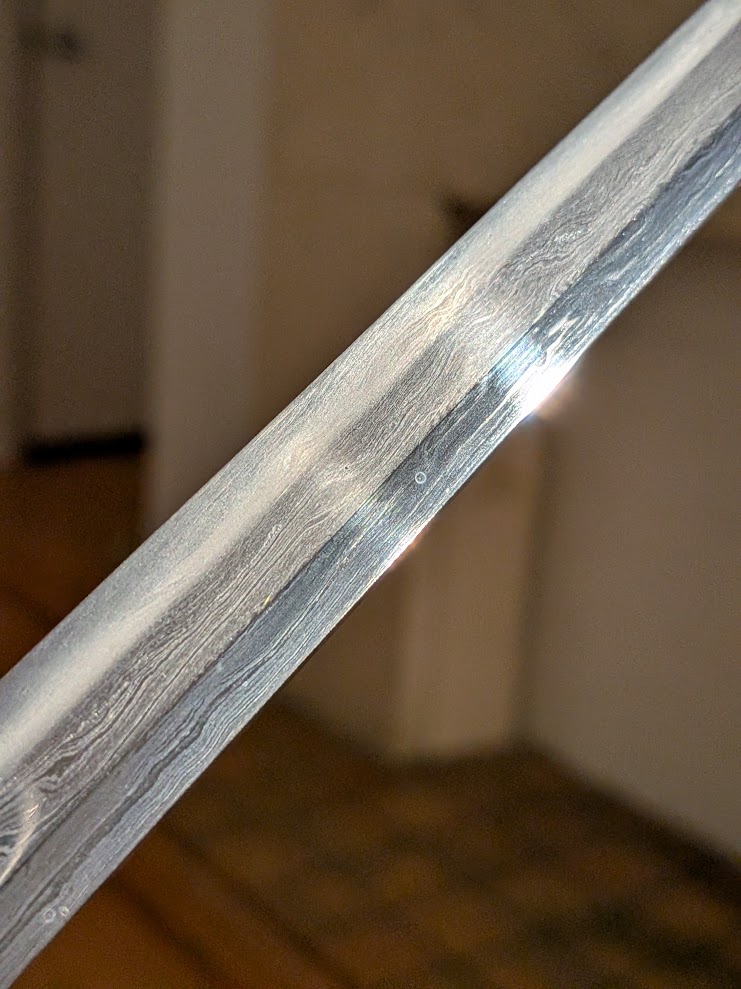
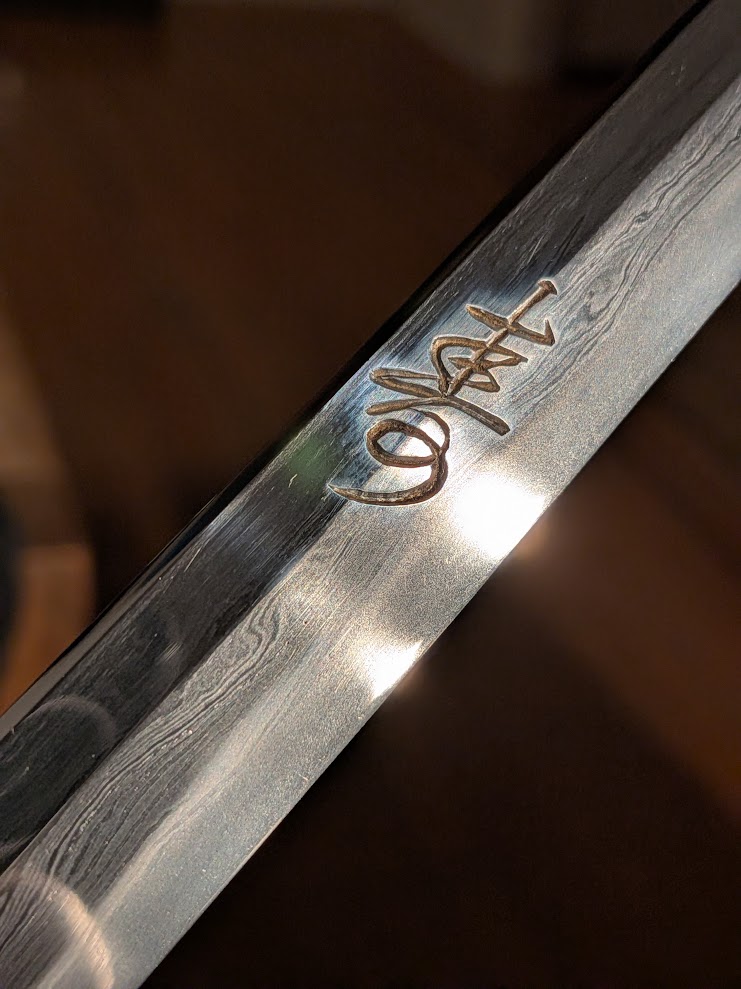
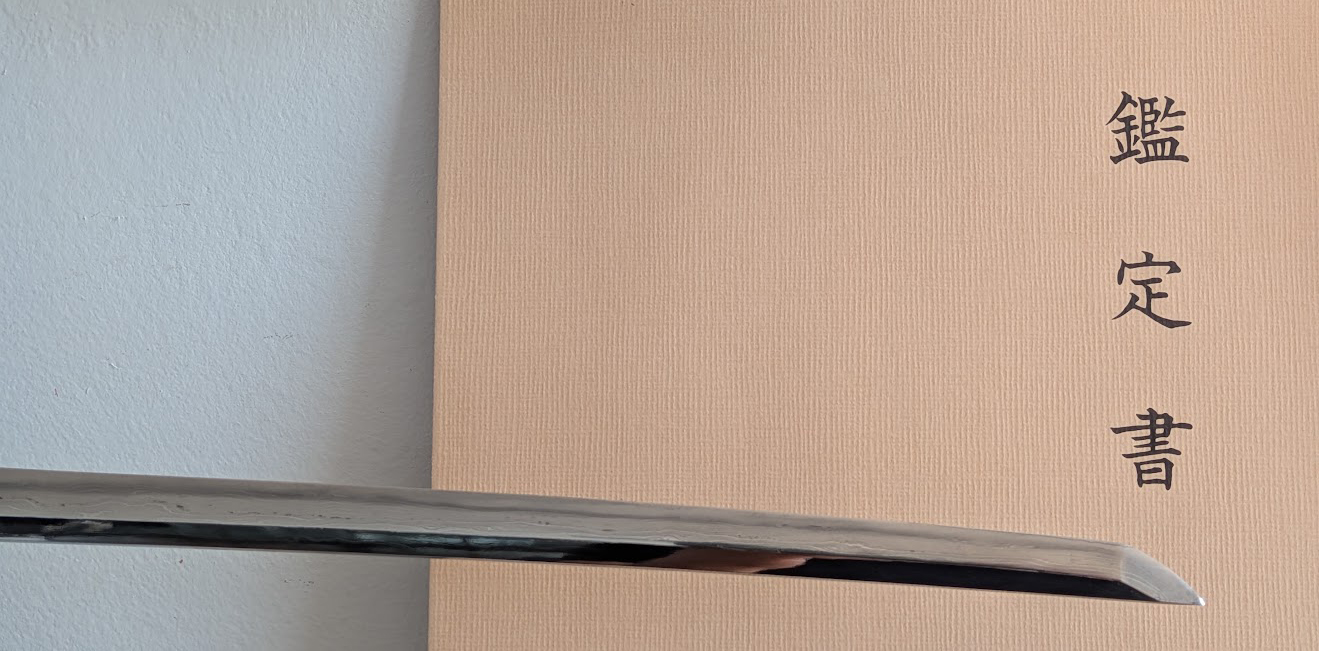
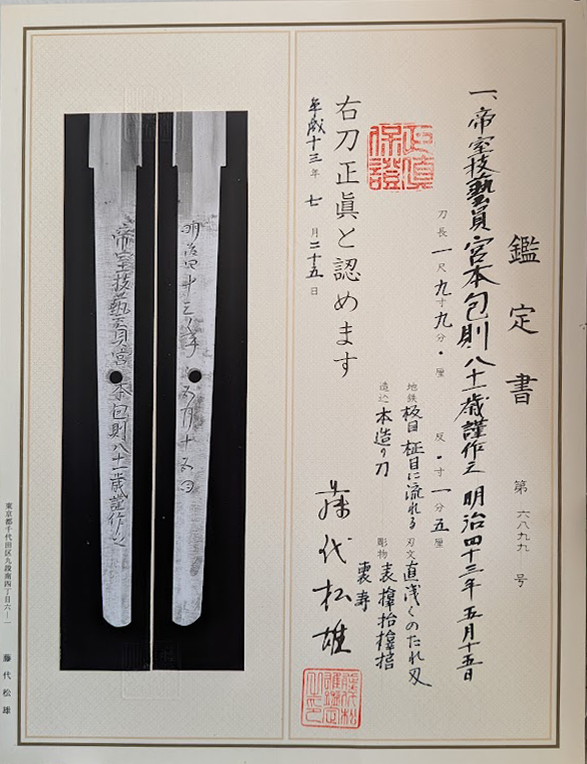
This listing features a sword by Miyamoto Kanenori, a renowned smith active during the Meiji period. He held the prestigious title of Teishitsu-gigei'in, an Imperial Court Artist, a distinction shared only with Gassan Sadakazu. Kanenori worked in various provinces including Hoki, Inaba, and Kyoto, and was known for his sanbonsugi-like gunome and chōji-midare hamon.
 NihontoWatch
mei · Bizen · Meiji
Hoki · around 1861-1864
3 pieces on the market now
Meiji: survival after the edict
The Haitōrei edict of 1876 ended sword wearing and nearly ended the craft itself. Military demand and imperial patronage kept a remnant alive, and in 1906 Gassan Sadakazu and Miyamoto Kanenori were named Artists to the Imperial Household.
We could not find an authenticity certificate on the seller’s listing. Japanese swords and fittings are normally papered by the NBTHK (or the NTHK). Without one, the attribution is the seller’s own assessment and has not been independently verified — treat it with caution and ask the dealer about certification before buying.
Price on request
This listing features a sword by Miyamoto Kanenori, a renowned smith active during the Meiji period. He held the prestigious title of Teishitsu-gigei'in, an Imperial Court Artist, a distinction shared only with Gassan Sadakazu. Kanenori worked in various provinces including Hoki, Inaba, and Kyoto, and was known for his sanbonsugi-like gunome and chōji-midare hamon.
NihontoWatchmei · Bizen · Meiji
Hoki · around 1861-1864
3 pieces on the market now
Meiji: survival after the edict
The Haitōrei edict of 1876 ended sword wearing and nearly ended the craft itself. Military demand and imperial patronage kept a remnant alive, and in 1906 Gassan Sadakazu and Miyamoto Kanenori were named Artists to the Imperial Household.
We could not find an authenticity certificate on the seller’s listing. Japanese swords and fittings are normally papered by the NBTHK (or the NTHK). Without one, the attribution is the seller’s own assessment and has not been independently verified — treat it with caution and ask the dealer about certification before buying.
Price on request
