Edo was the sword’s age of connoisseurship: the Hon’ami appraisers, the shogunal register of famous blades of 1719, and a thriving literature turned the sword into an object of study even as it ceased to be drawn in war.
 NihontoWatchNihontoWatch
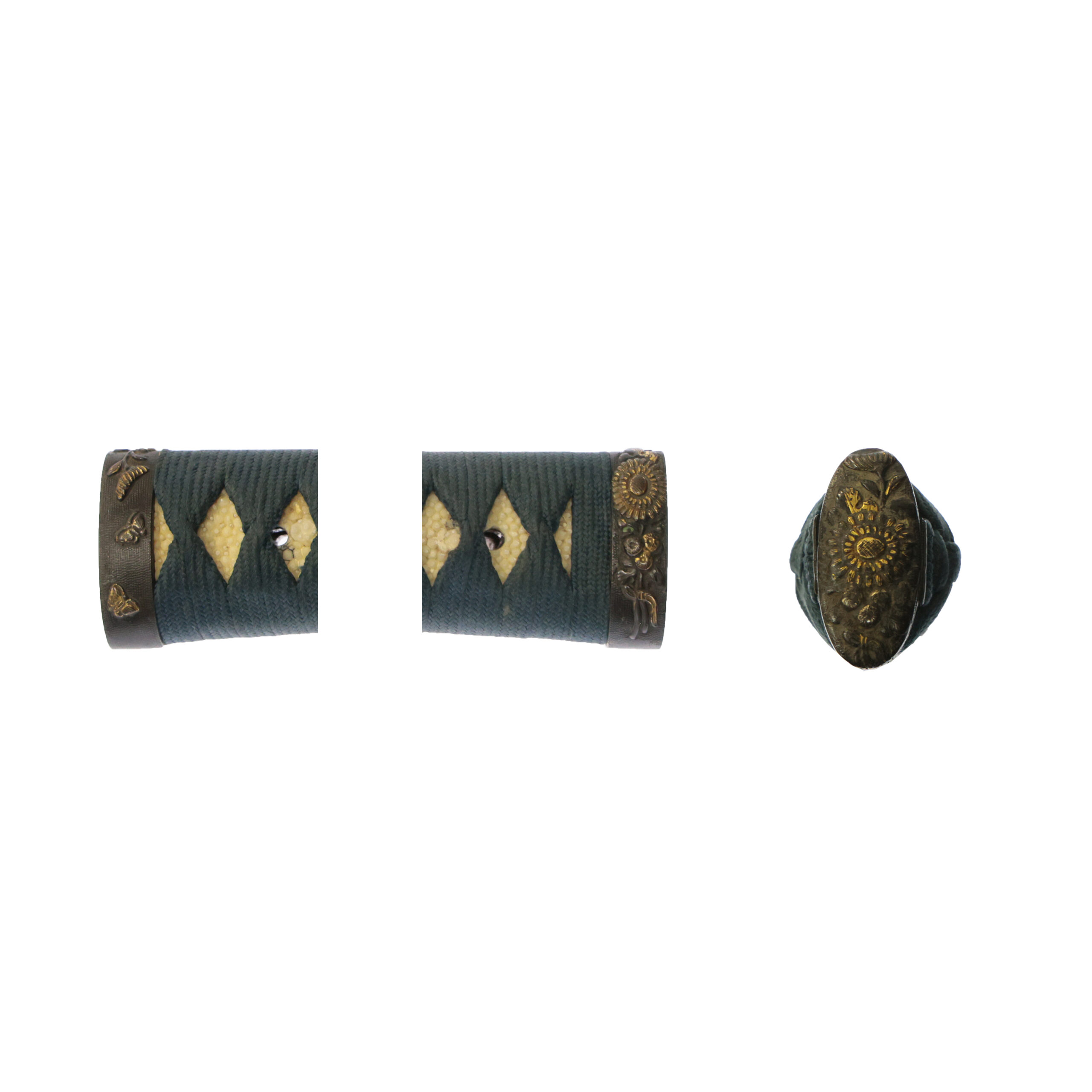
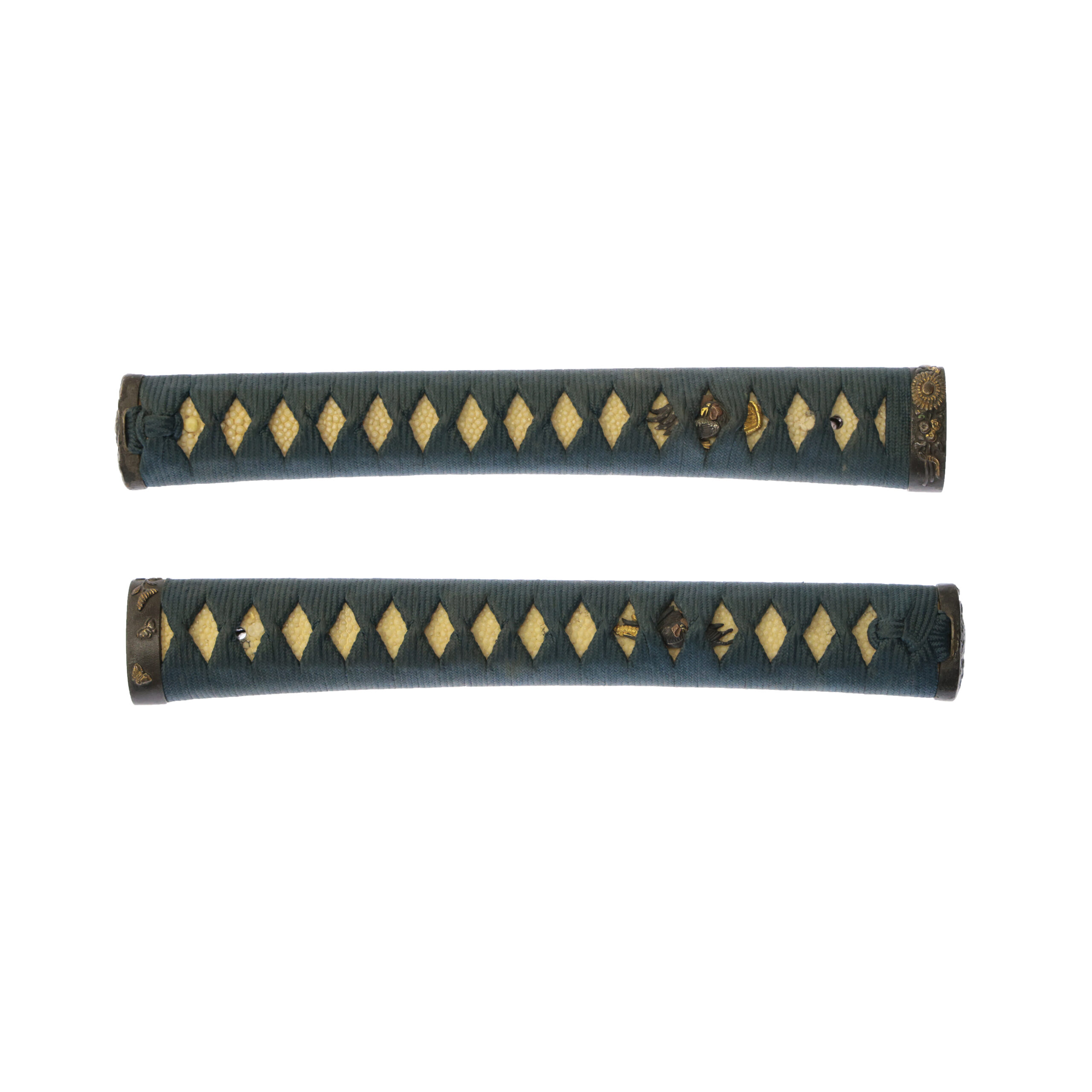
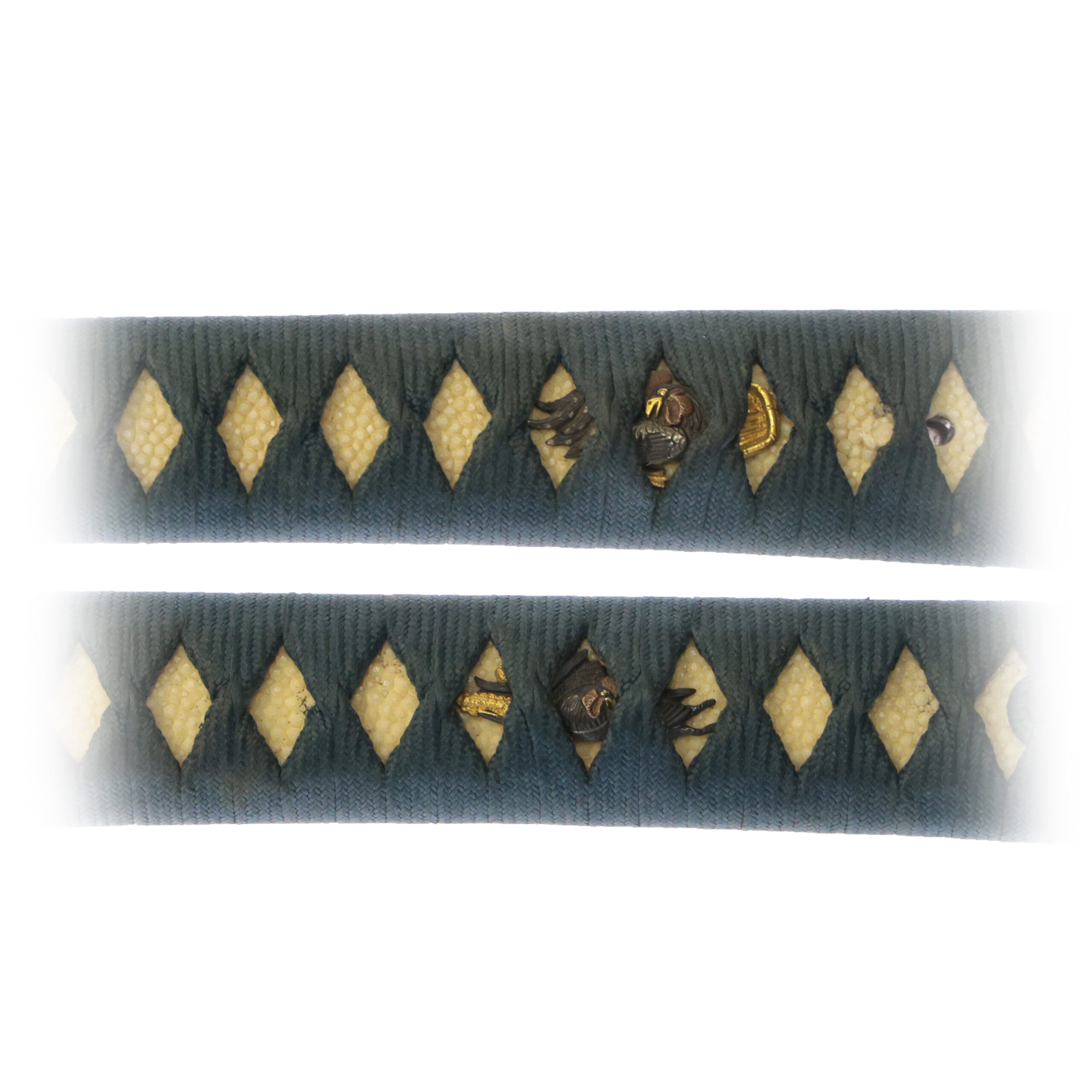
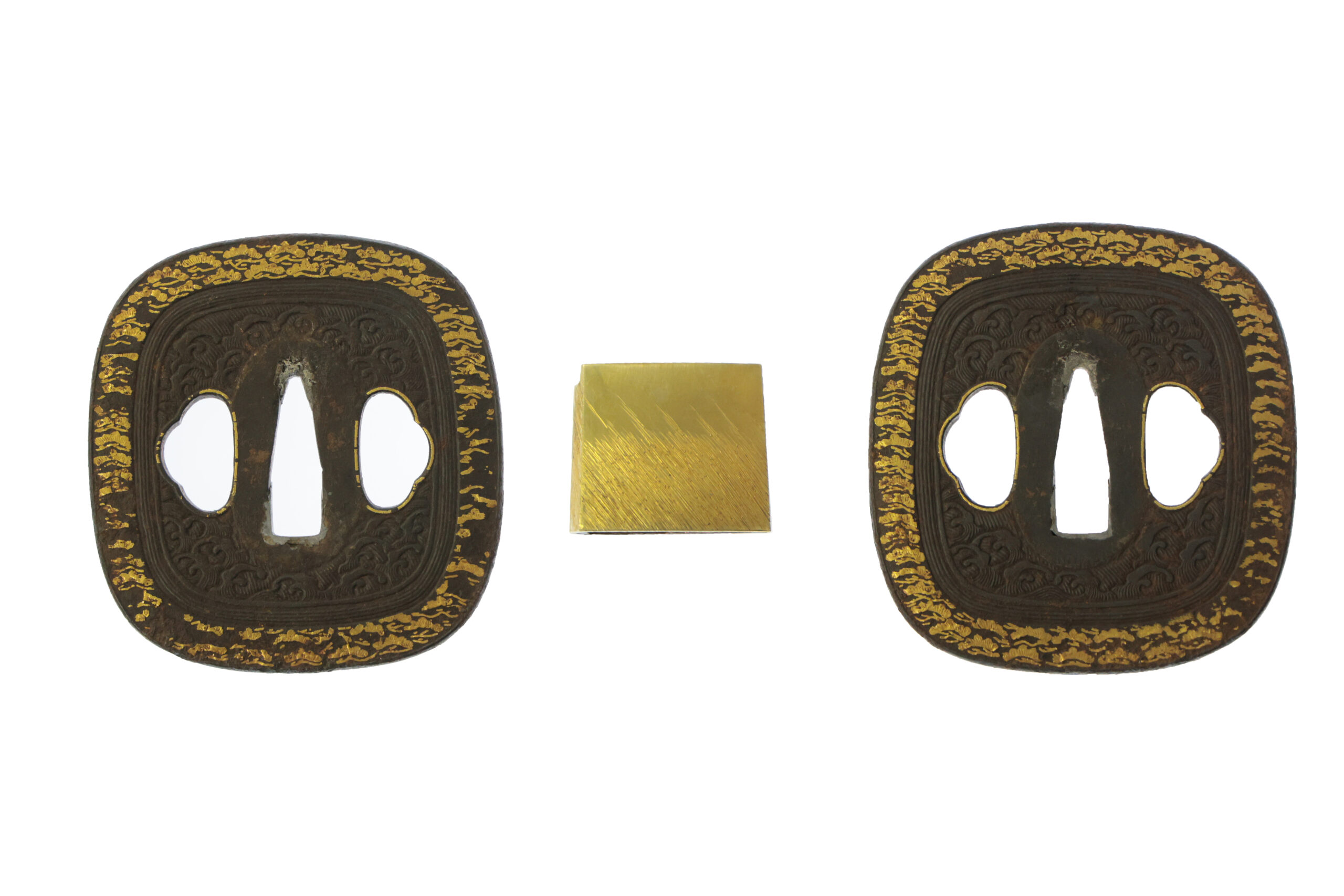
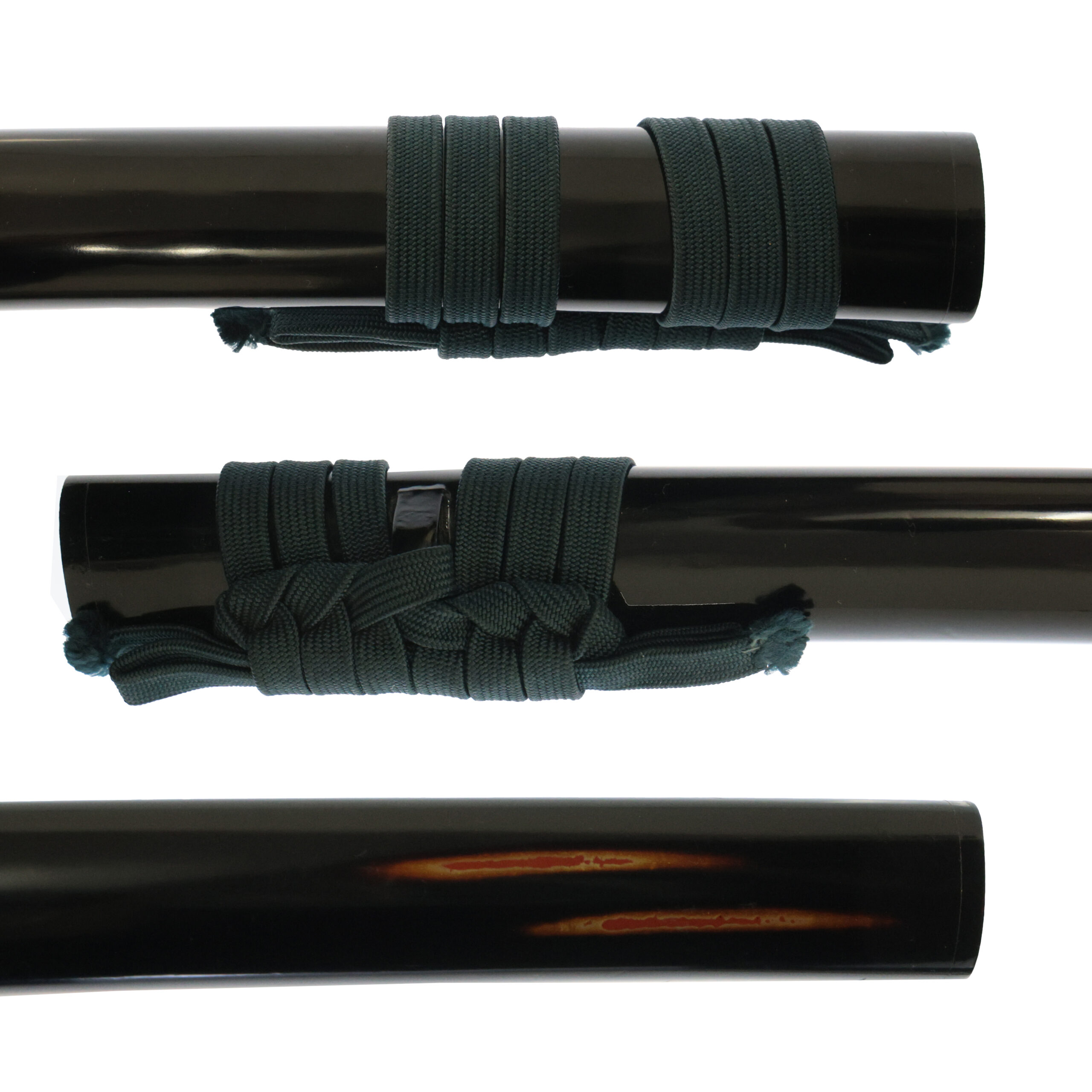
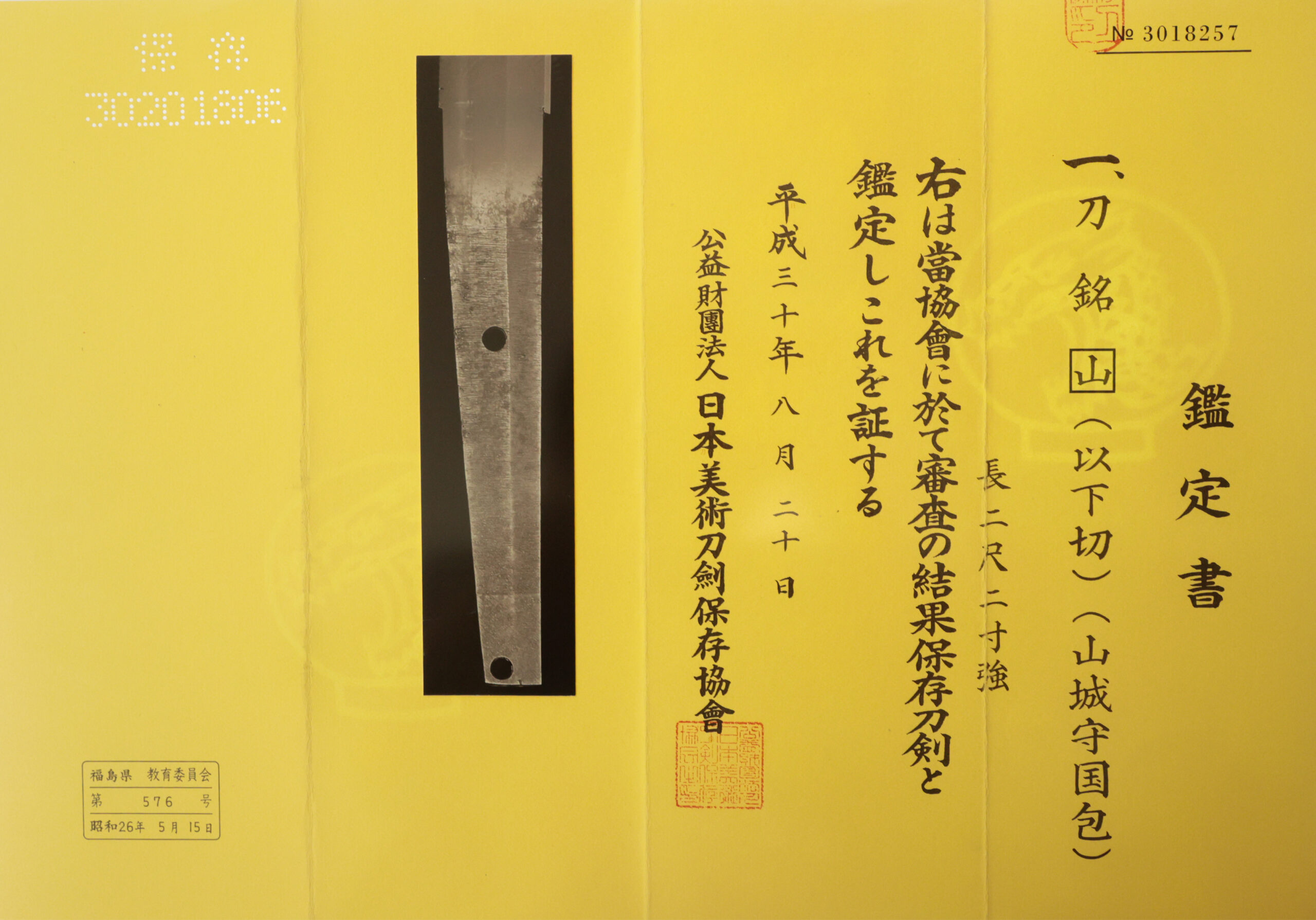
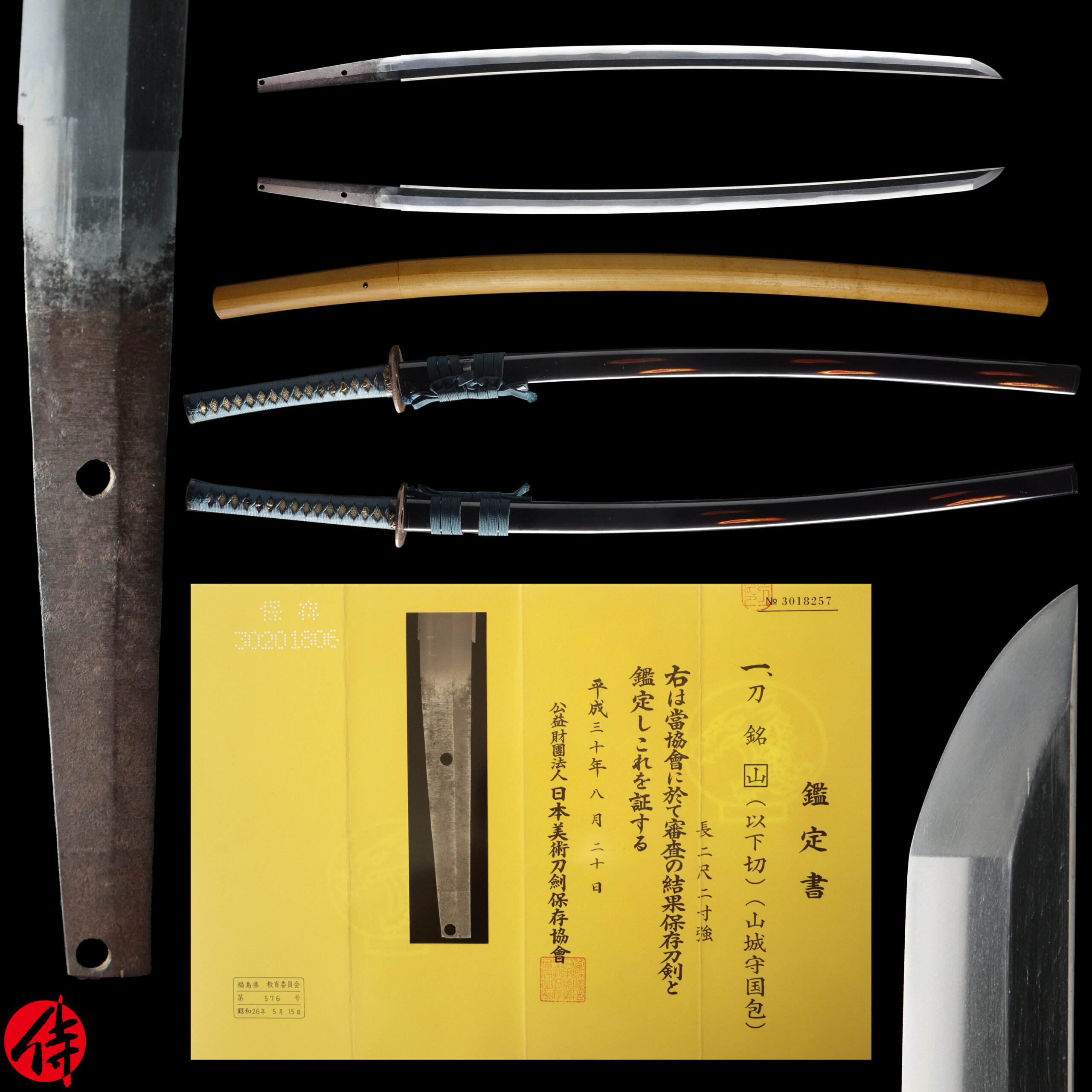
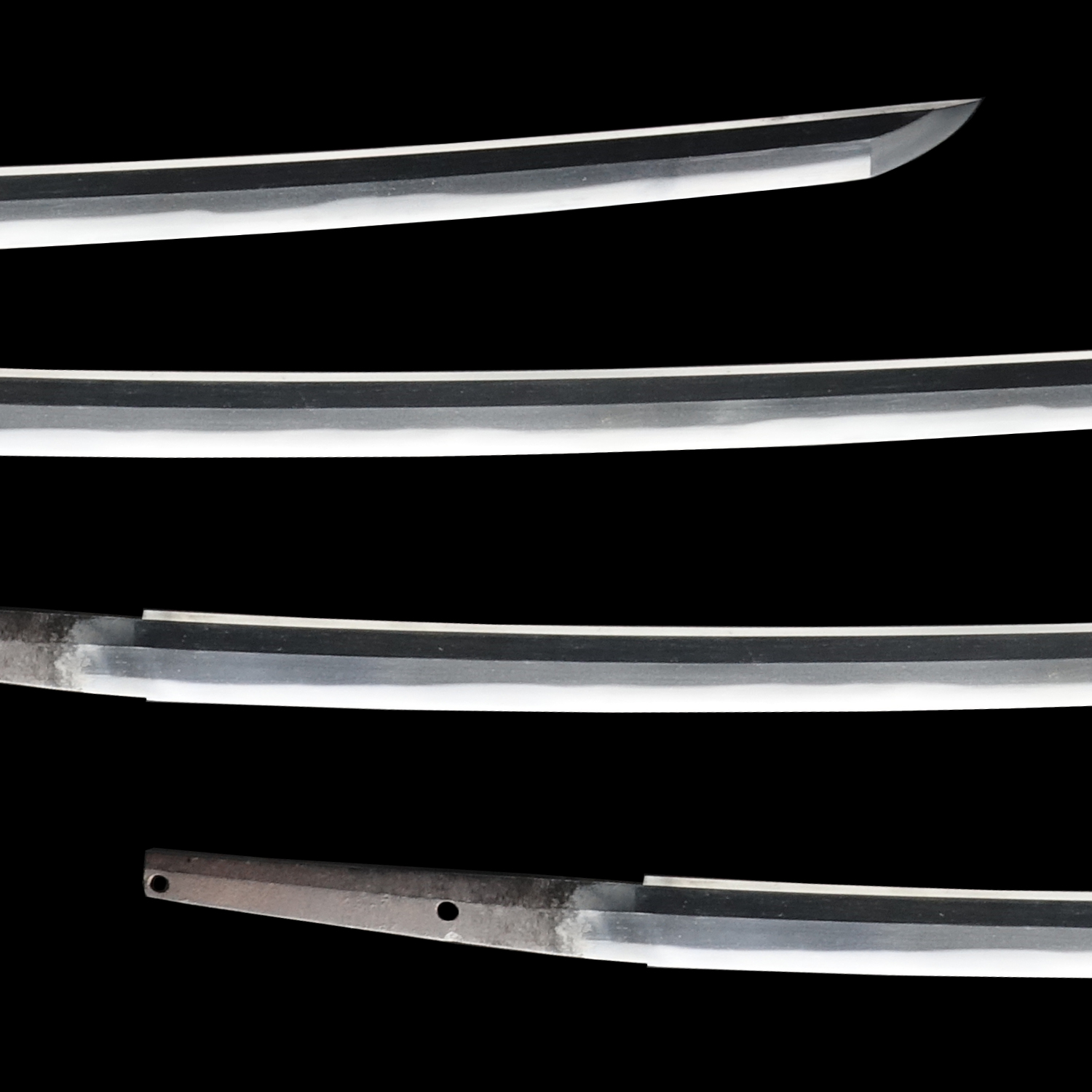
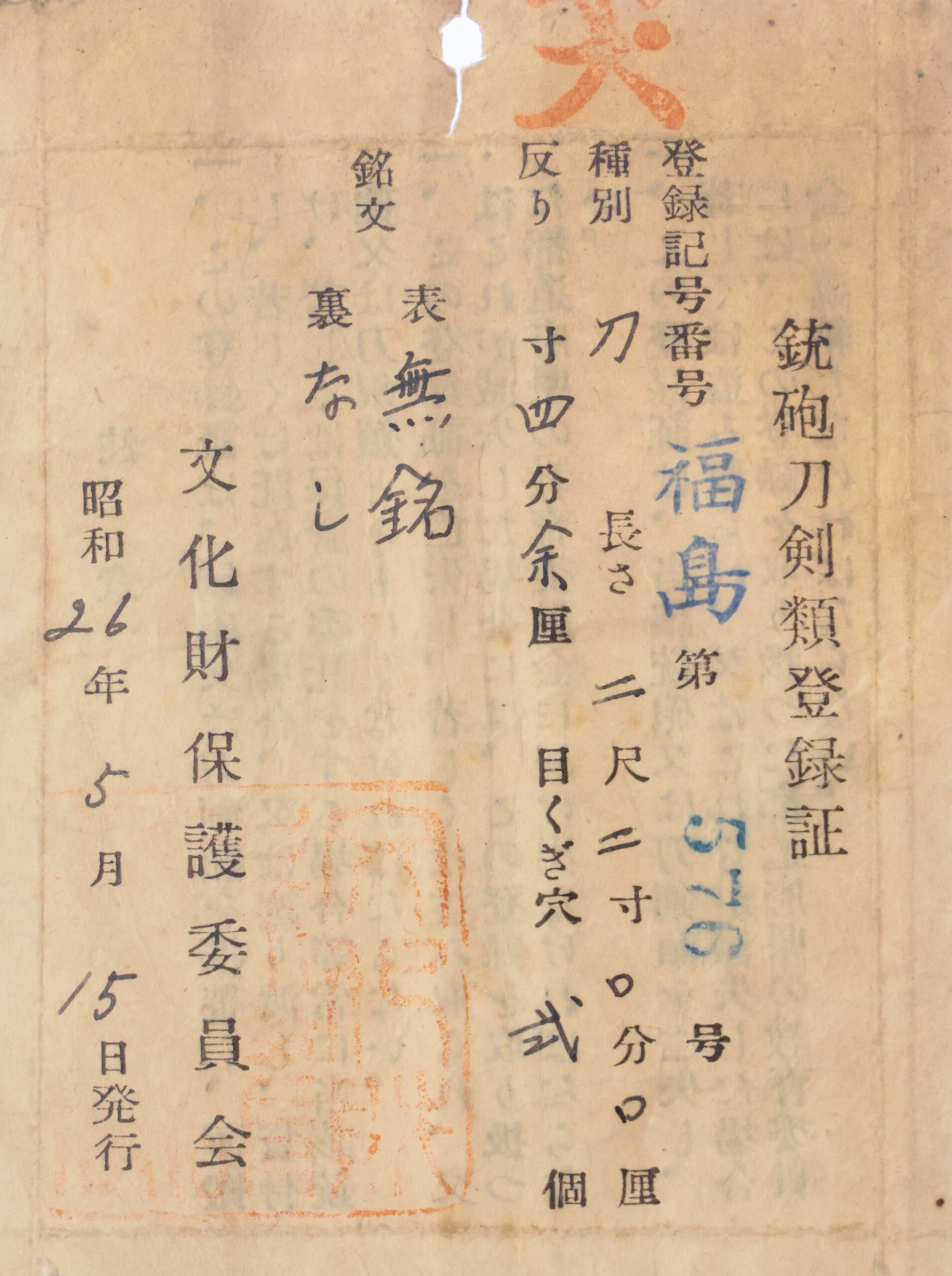
This blade is attributed to Yamashiro no Kami Kunikane (山城守国包), also known as the second-generation Kunikane during the early Edo period. Most of the original inscription was lost when the blade underwent Suriage (磨上げ), the shortening of the tang. Such modification was often made to adapt a blade to changing methods of combat, styles of mounting, or regulations governing sword length. The second-generation Kunikane was also known as Hongō Kichiemon (本郷吉衛門) and used signatures including Ōshū Sendai-jū Fujiwara Kunikane (奥州仙台住藤原国包), meaning “Fujiwara Kunikane, resident of Sendai in Ōshū.” Ōshū was a historical name associated with Mutsu Province, while Sendai is located in present-day Miyagi Prefecture. The Kunikane lineage is traditionally connected with the Hōshō school of Yamato Province, corresponding to present-day Nara Prefecture. The first-generation Kunikane served Date Masamune, one of the most celebrated feudal lords in Japanese history. In 1614, under Masamune’s orders, he traveled to Edo to study under Etchū no Kami Masatoshi, a prominent swordsmith of the Mishina school. He returned to Mutsu Province in 1619 and continued forging swords as an official smith of the Sendai domain. In 1627, in recognition of his skill, he received the honorary title Yamashiro Daijō (山城大掾). The second-generation Kunikane was born in 1612 as the son of the first generation and succeeded to the family forge in 1645. In 1667, during the seventh year of the Kanbun era, the second-generation Kunikane—an official swordsmith retained by the Sendai domain—received the honorary title Yamashiro no Kami (山城守) at the age of fifty-six. Thereafter, he used the name Yamashiro no Kami Fujiwara Kunikane (山城守藤原国包). Yamashiro Province corresponded largely to the southern part of present-day Kyoto Prefecture. It was an honorary court title granted to distinguished craftsmen as a mark of prestige and recognition. The Kunikane name continued for thirteen generations until the early Meiji period. Successive generations served the Date clan as retained swordsmiths and preserved the Yamato tradition associated with the Hōshō school, particularly its distinctive straight-grained Masame-hada. Among the lineage, the first and second generations are especially admired for the exceptional quality of their workmanship. With its close connection to the renowned Kunikane lineage of the Sendai domain, this Katana would make a particularly meaningful addition to a collection focused on Date Masamune or the Date clan. This blade is appraised as a Hozon Token (保存刀剣) issued by NBTHK (Nihon Bijutsu Touken Hozon Kyokai:日本美術刀剣保存協会). *Please keep in mind that there is a small chip and are a couple of Kitae Kizu on the blade. Fuchi-Kashira The theme of this Fuchi-Kashira (縁頭, hilt collar and pommel) is Kiku ni Chō-zu (菊蝶図, Chrysanthemums and Butterflies). Butterflies rendered in gold inlay are depicted gracefully fluttering around chrysanthemum blossoms against a finely textured Nanako-ji ground. Nanako-ji (魚々子地, “fish-roe ground”) is a traditional metalworking technique in which countless tiny, evenly spaced dots are individually impressed into the surface with a specialized punch. Resembling fish roe, this delicate texture requires exceptional precision and provides an elegant background that enhances the brilliance of the gold decoration. In Japanese culture, the chrysanthemum (kiku, 菊) is an auspicious flower associated with longevity, nobility, and refinement. It is also closely connected with autumn and occupies a distinguished place in Japanese culture, as a stylized chrysanthemum serves as the emblem of the Imperial Family. The butterfly (chō, 蝶) symbolizes transformation, renewal, and rebirth because of its remarkable metamorphosis from caterpillar to chrysalis and finally to its winged form. This symbolism made the butterfly an appealing motif among the samurai class. Butterflies depicted in pairs can also represent marital harmony and a happy, enduring relationship. Tsuka and Menuki The motif of this Menuki is Niwatori (鶏: rooster and hen). In ancient times, this bird was used for rituals to offer to gods. It is said this is why the chicken pattern was incorporated into family crests. As this bird tells the arrival of morning, people regard it as the Ake-no Tori (明けの鳥, bird of the dawn). Also, chickens have been treated as auspicious birds because they sing at first in the new year. In another theory, there is a wordplay: Yoikoto-wo “Tori”komu (良いことを取り込む, “take” good things). This Tori (取り) and Tori (鳥, bird) are associated based on the common pronunciation. Some people believe that this bird would bring a plentiful harvest or success in business. This Menuki design might have been chosen due to these ideas. Tsuba and Habaki The theme of this Tsuba is Hatō-zu (波濤図, turbulent ocean waves), a traditional Japanese motif portraying the powerful and ceaseless movement of the sea. Wave designs evoke the dynamic and ever-changing force of nature and can symbolize resilience, strength, and the ability to overcome adversity. Such imagery was well suited to sword fittings, where the relentless motion of the waves could be associated with a samurai’s determination and indomitable spirit. Along the outer edge of the Tsuba, pine motifs rendered in gold inlay form a decorative border around the turbulent waves. As an evergreen that retains its color through the harsh winter, the pine is an auspicious symbol of longevity, endurance, and steadfastness. Saya This Saya is finished in Kuro Rō-nuri (黒呂塗), a traditional lacquer technique characterized by its deep black color and smooth, mirror-like gloss. The lustrous surface is created through the careful application, polishing, and refinement of multiple layers of black lacquer. Lacquer has been used throughout Asia since ancient times for its excellent resistance to moisture. As Japanese sword blades are made of iron, protection from humidity, rain, and snow was essential to prevent rust and deterioration. Applying multiple layers of lacquer to the scabbard created a durable protective barrier while also enhancing its beauty. Producing the flawless surface of Kuro Rō-nuri required considerable skill and patience, and such work was carried out by specialist lacquer artisans known as Nushi (塗師). The Saya is also decorated using what appears to be a technique known as Akebono-nuri (曙塗, “dawn lacquer”). In this traditional method, a layer of red lacquer is first applied and then covered with black lacquer. Parts of the upper surface are subsequently polished away, allowing the underlying red to emerge in selected areas. The technique takes its name from the subtle appearance of light breaking through the darkness at dawn, creating a striking contrast between black and vermilion. Authentication Paper They authenticated the blade on August 20th in the 30th year of Heisei (2018). They appraised it as Hozon Touken, the blade especially worth preserving for Japanese society.
Offered by Samurai Museum
10 on the market

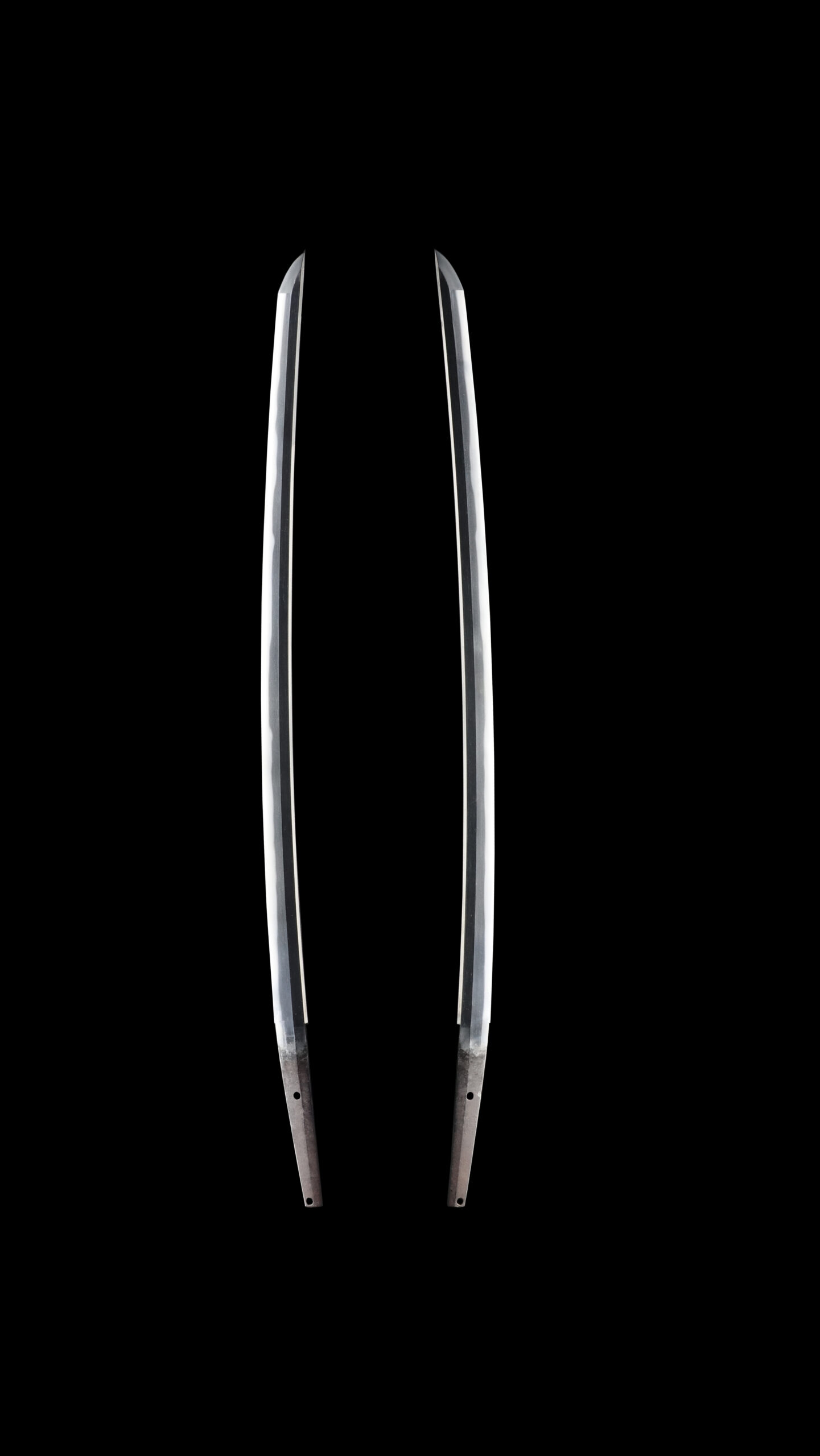
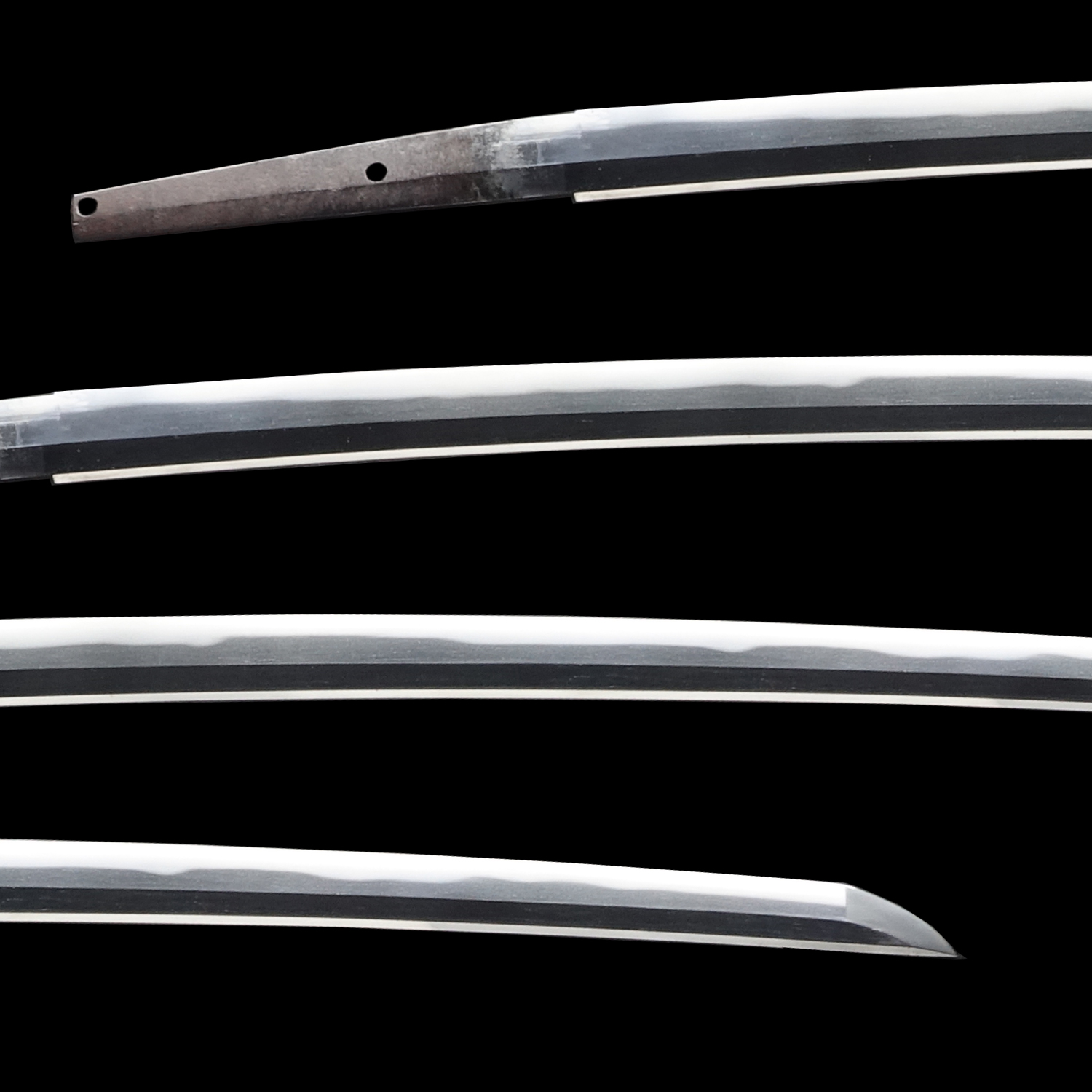
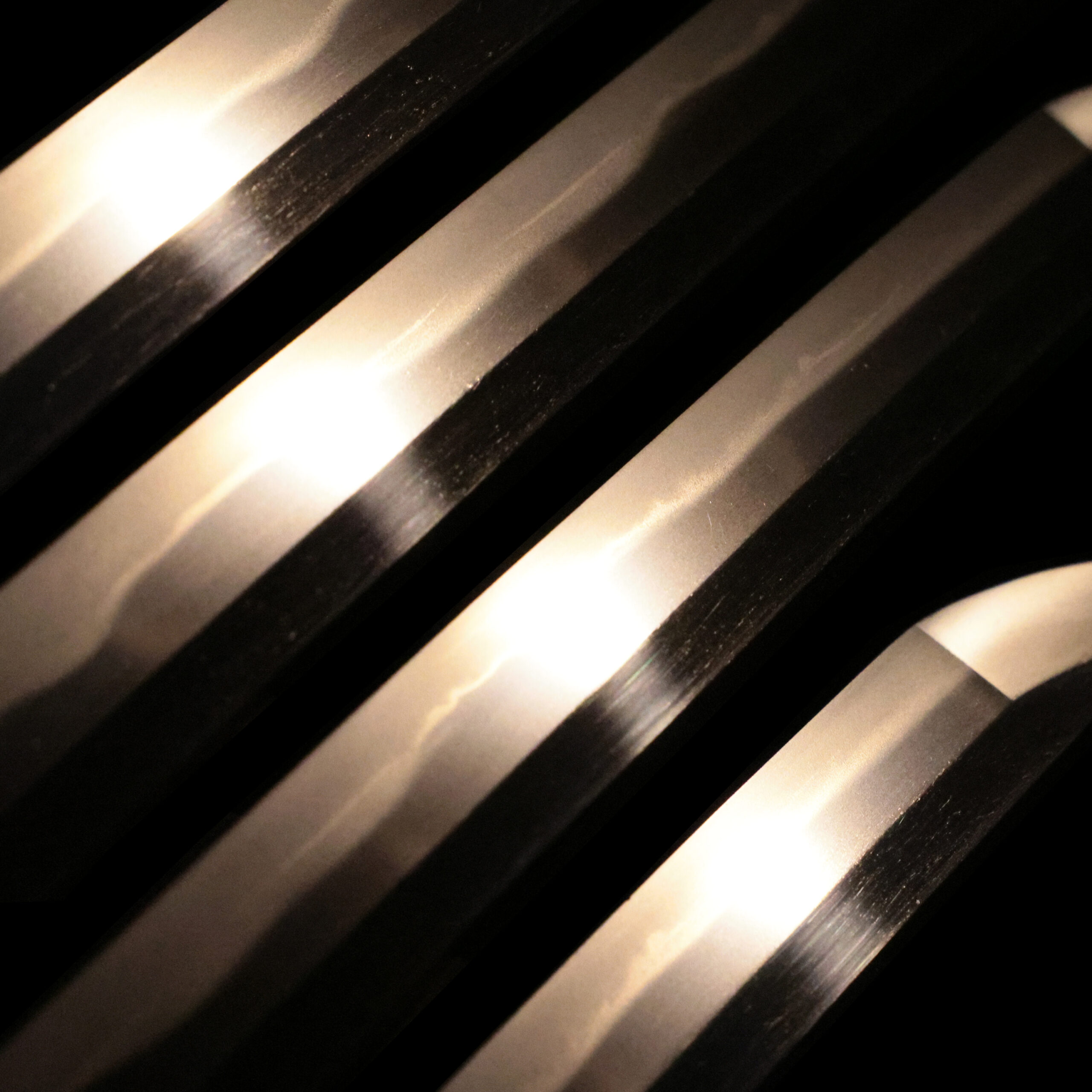
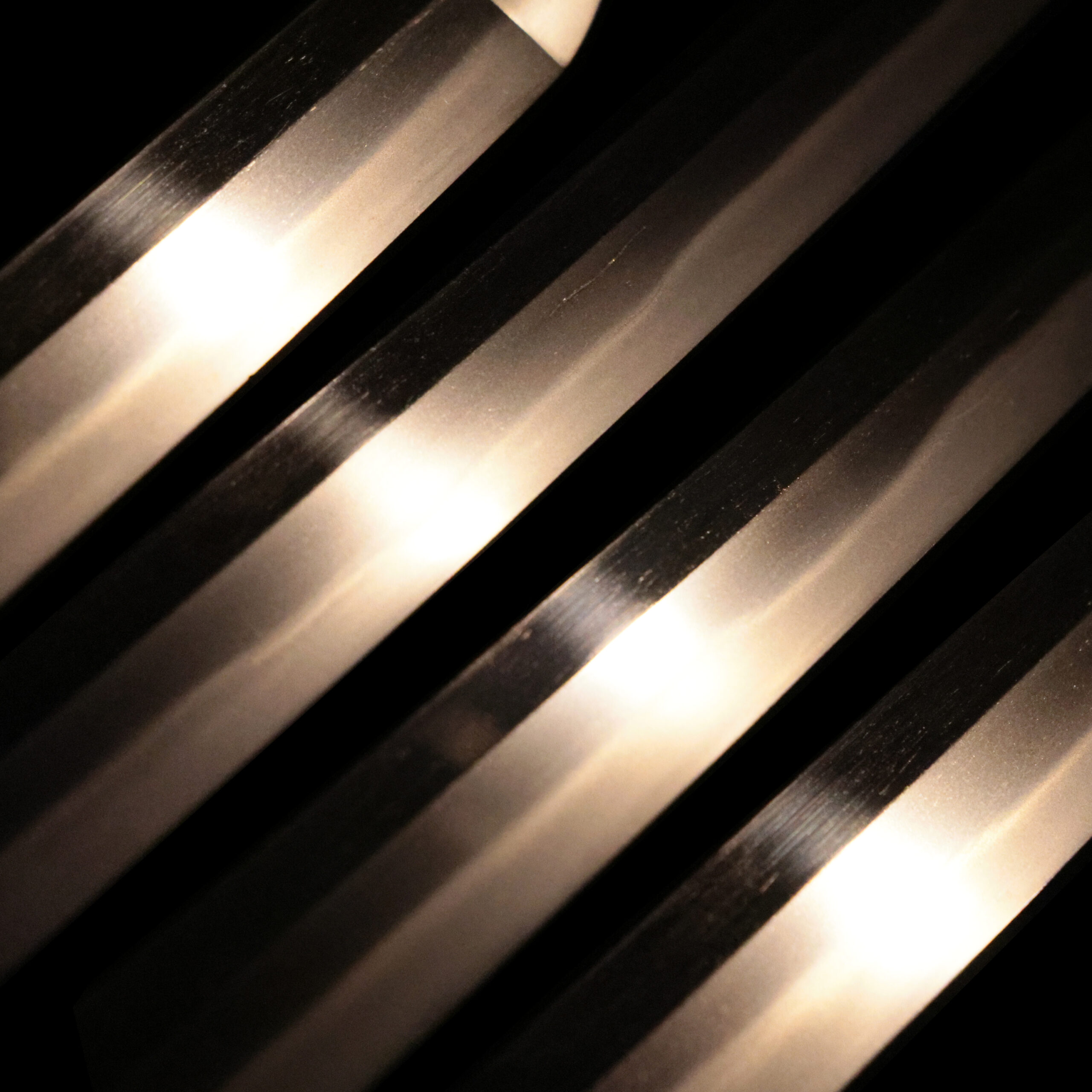
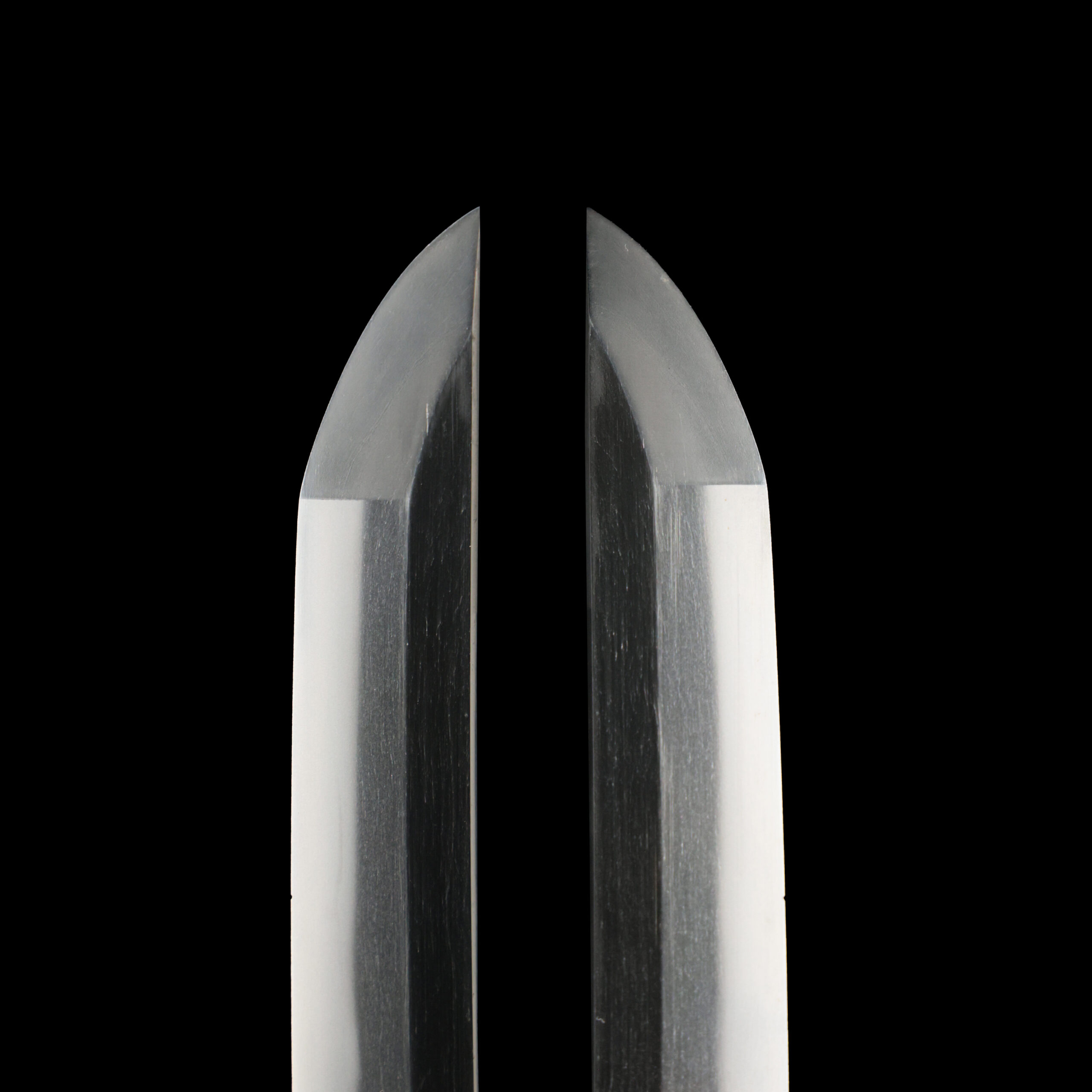
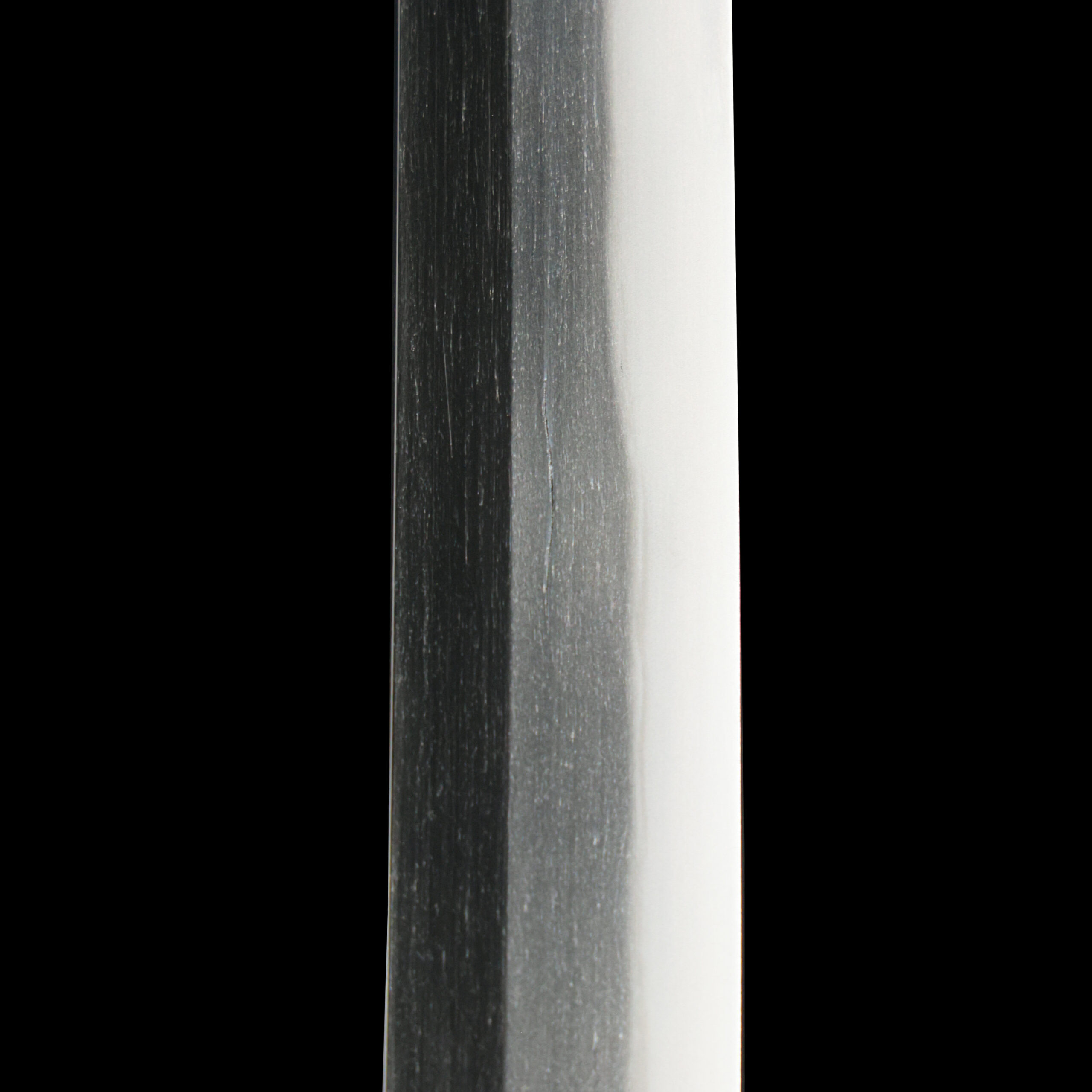
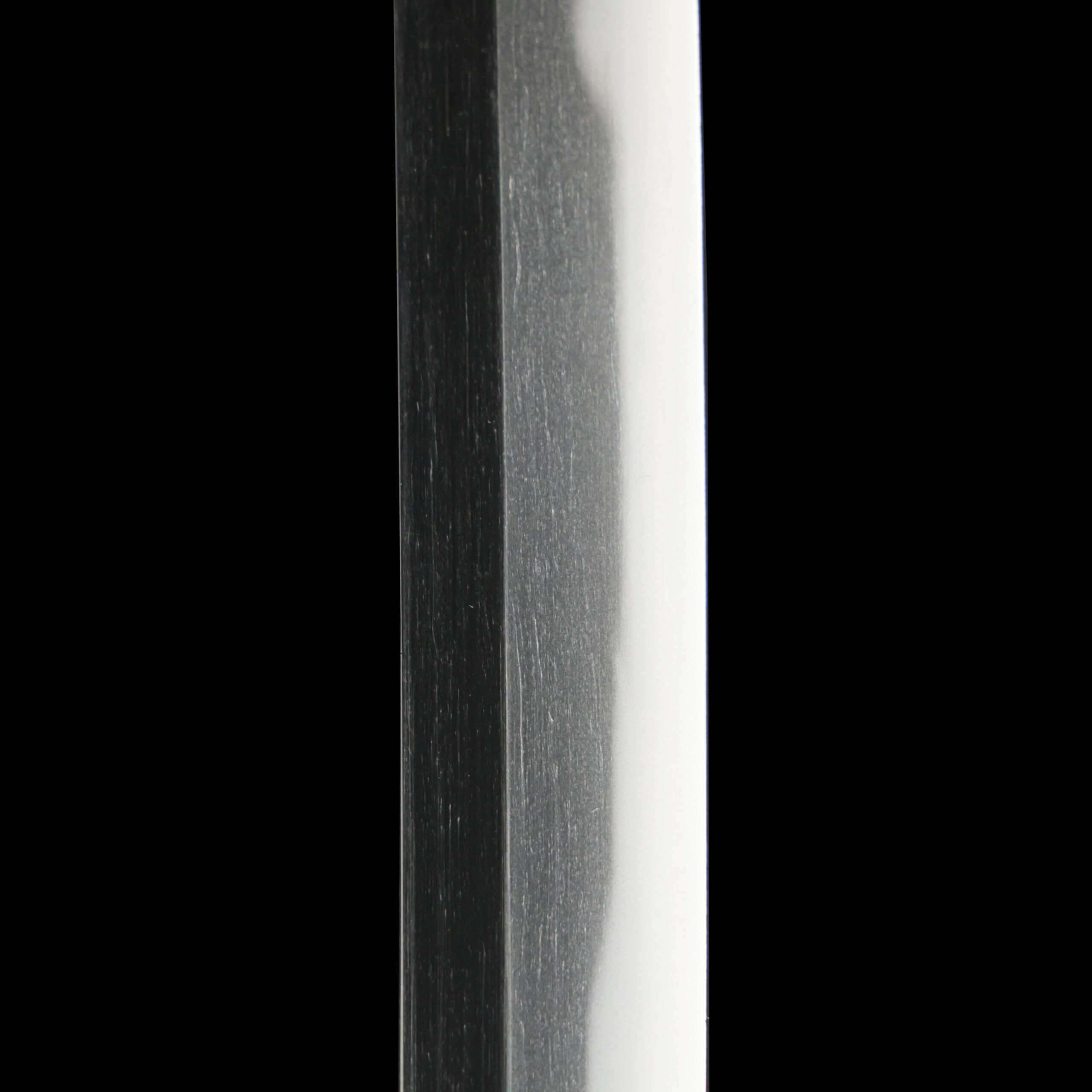
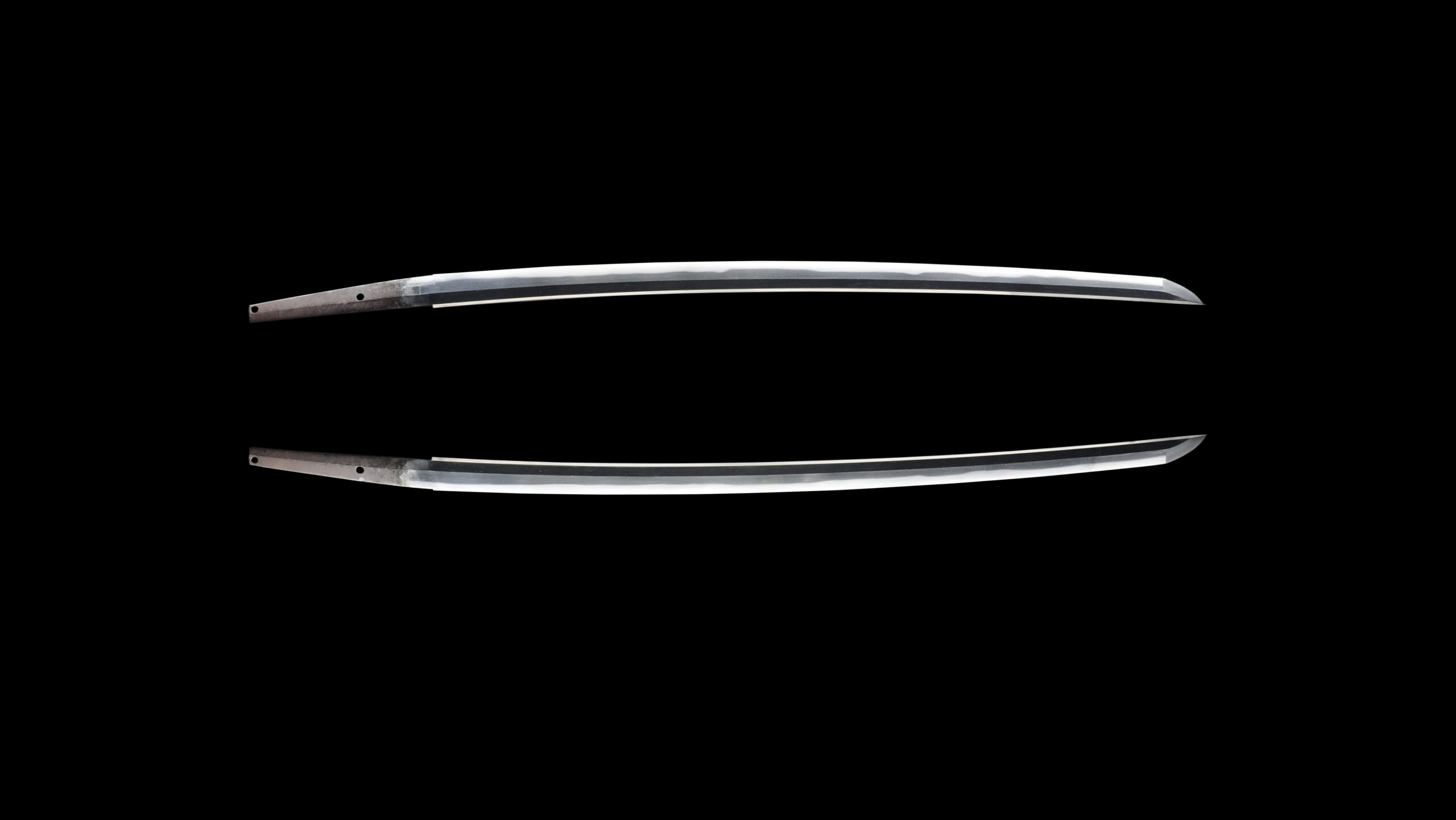
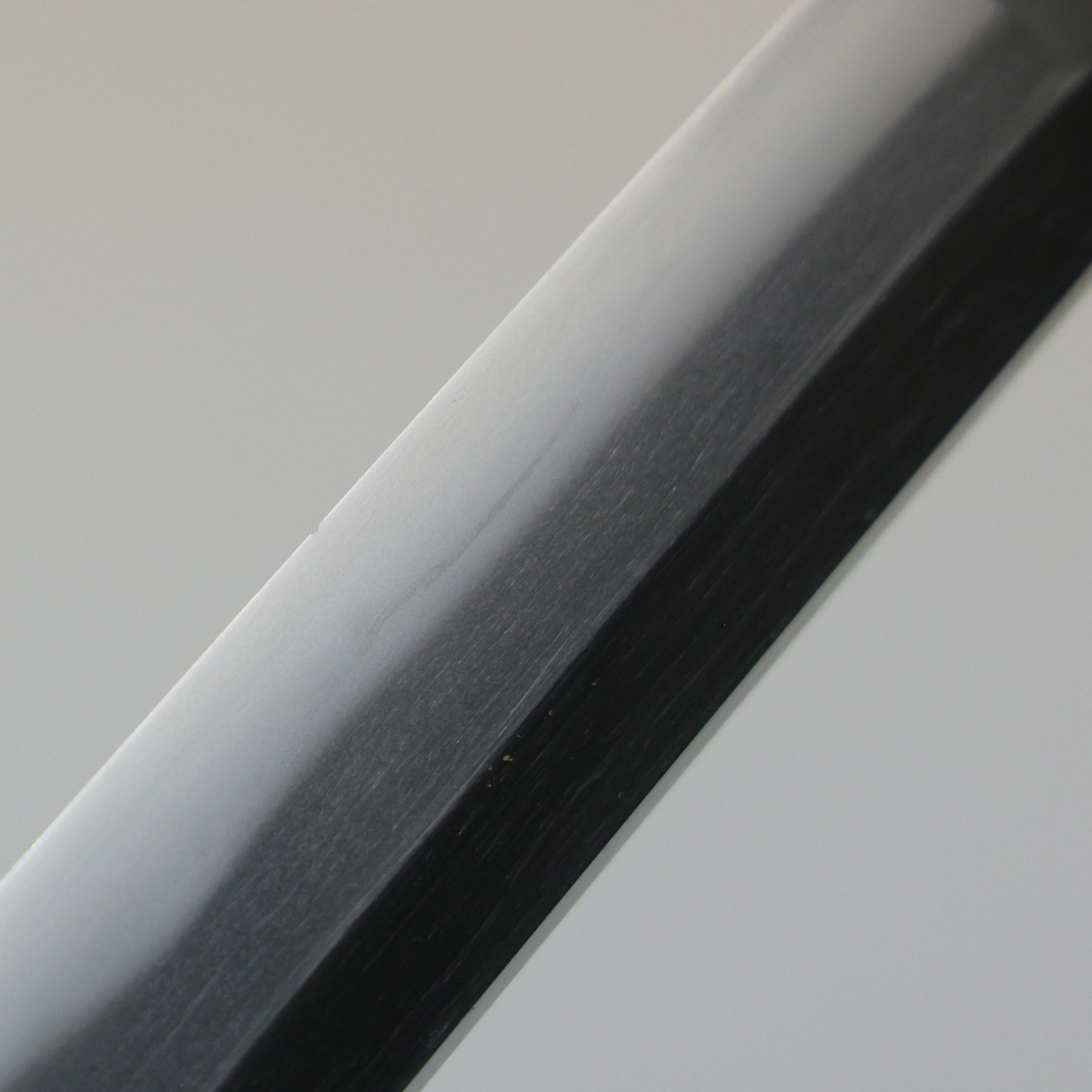
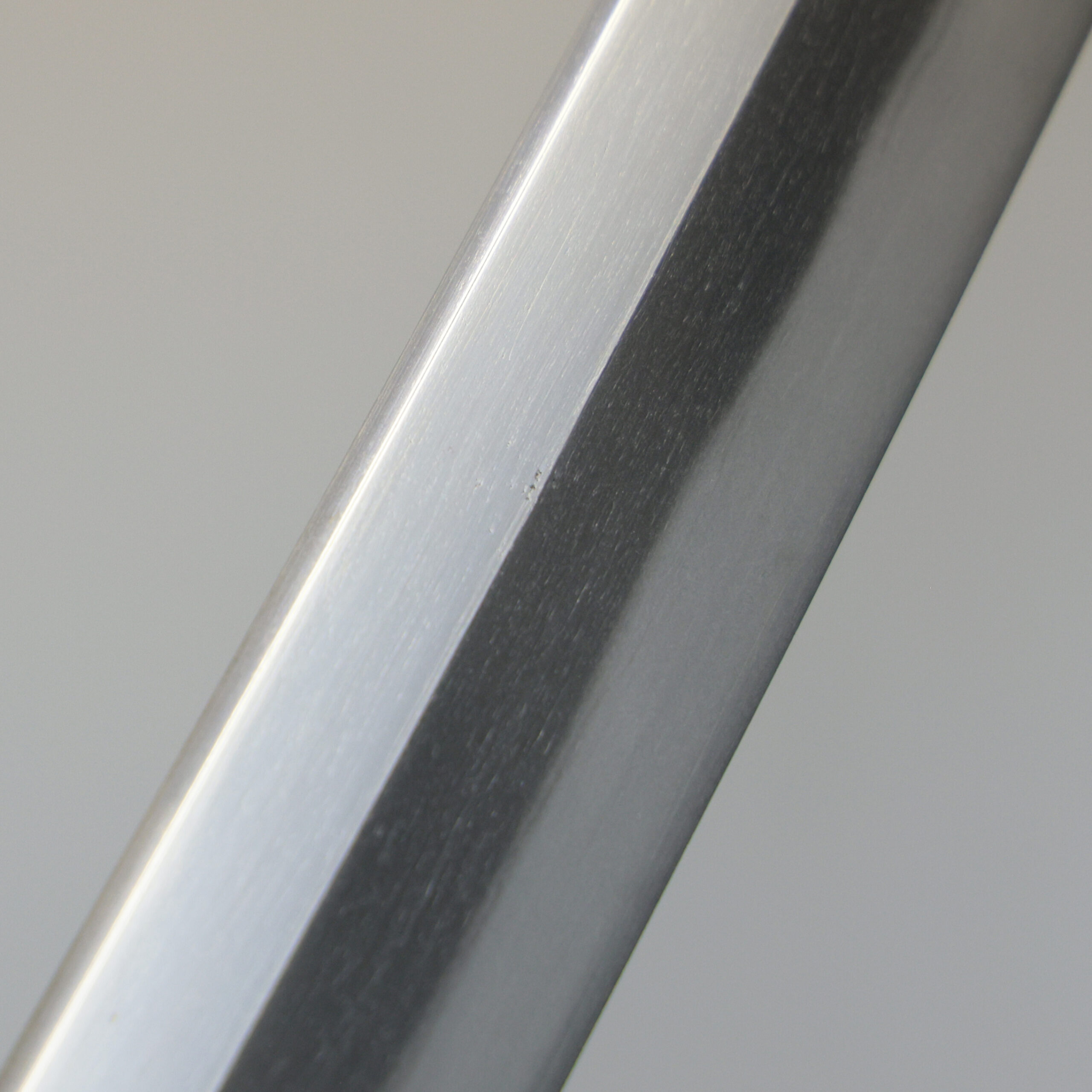
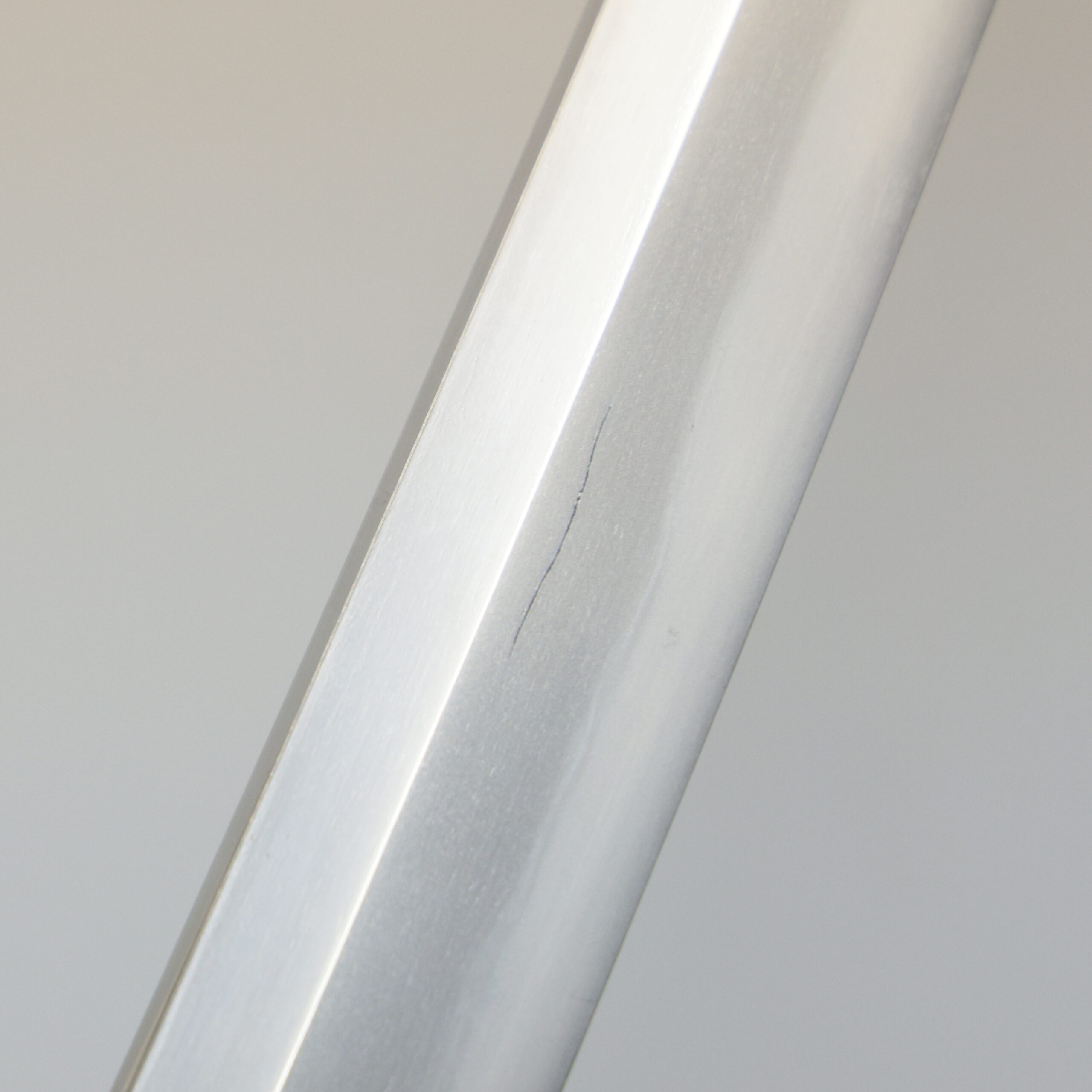
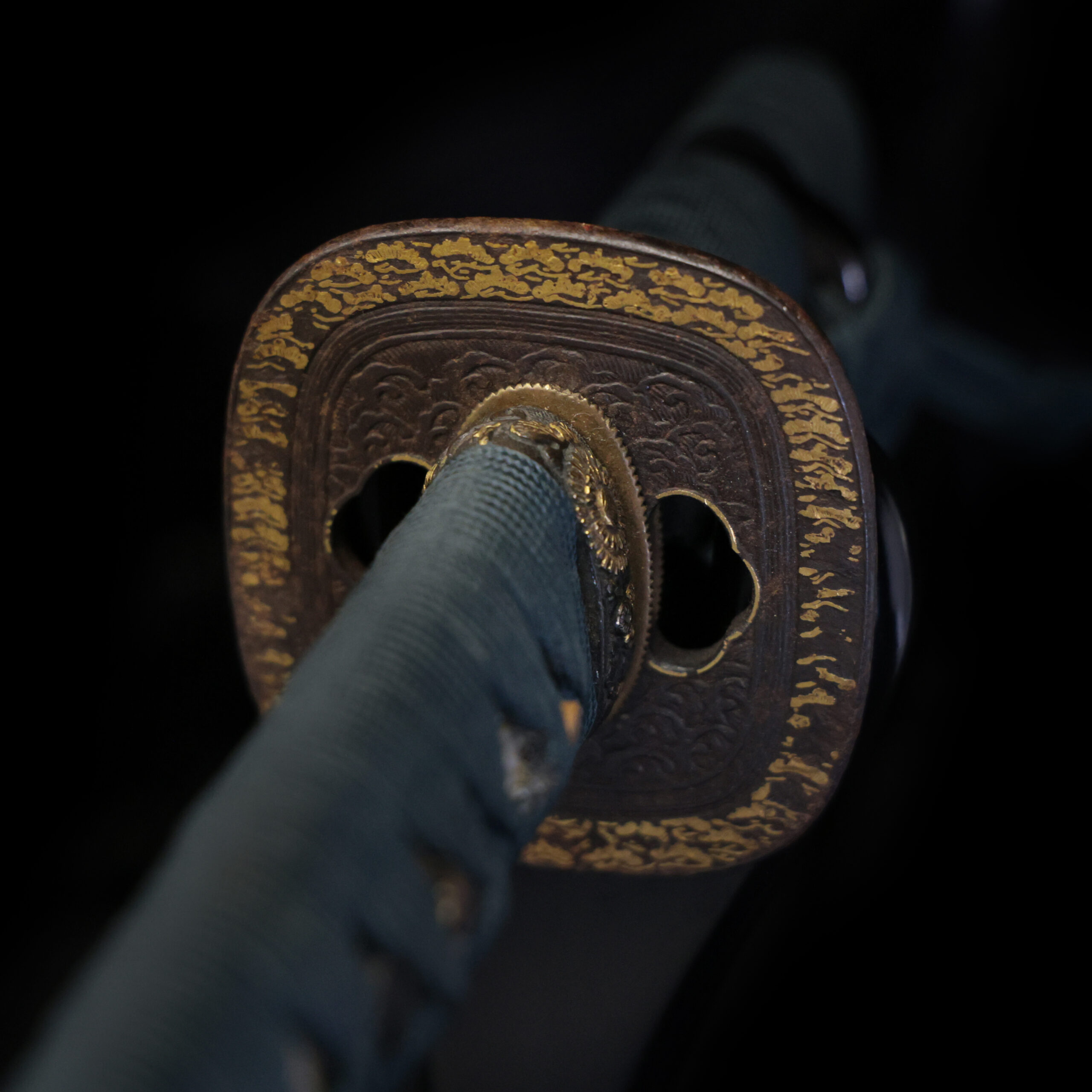
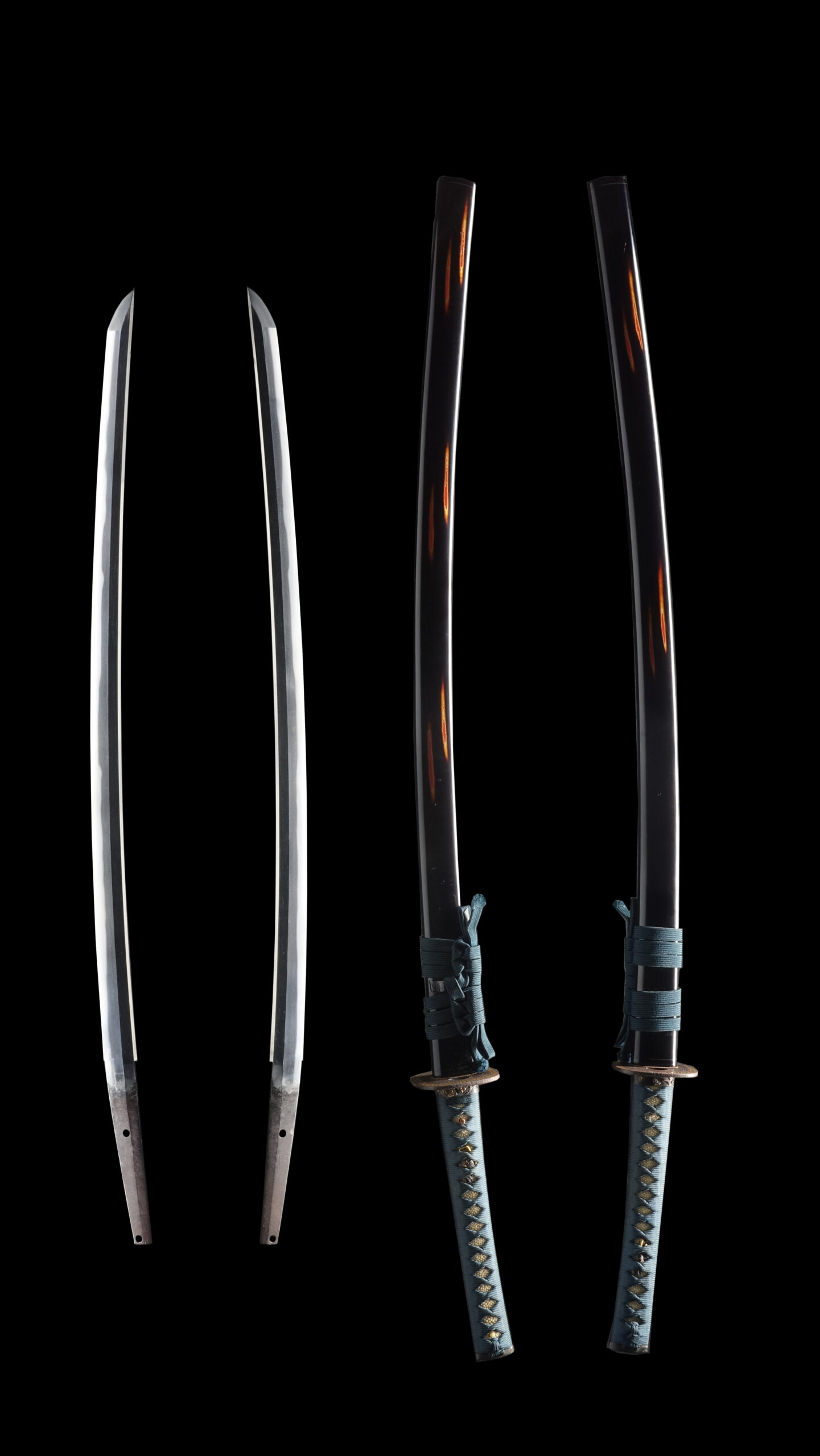
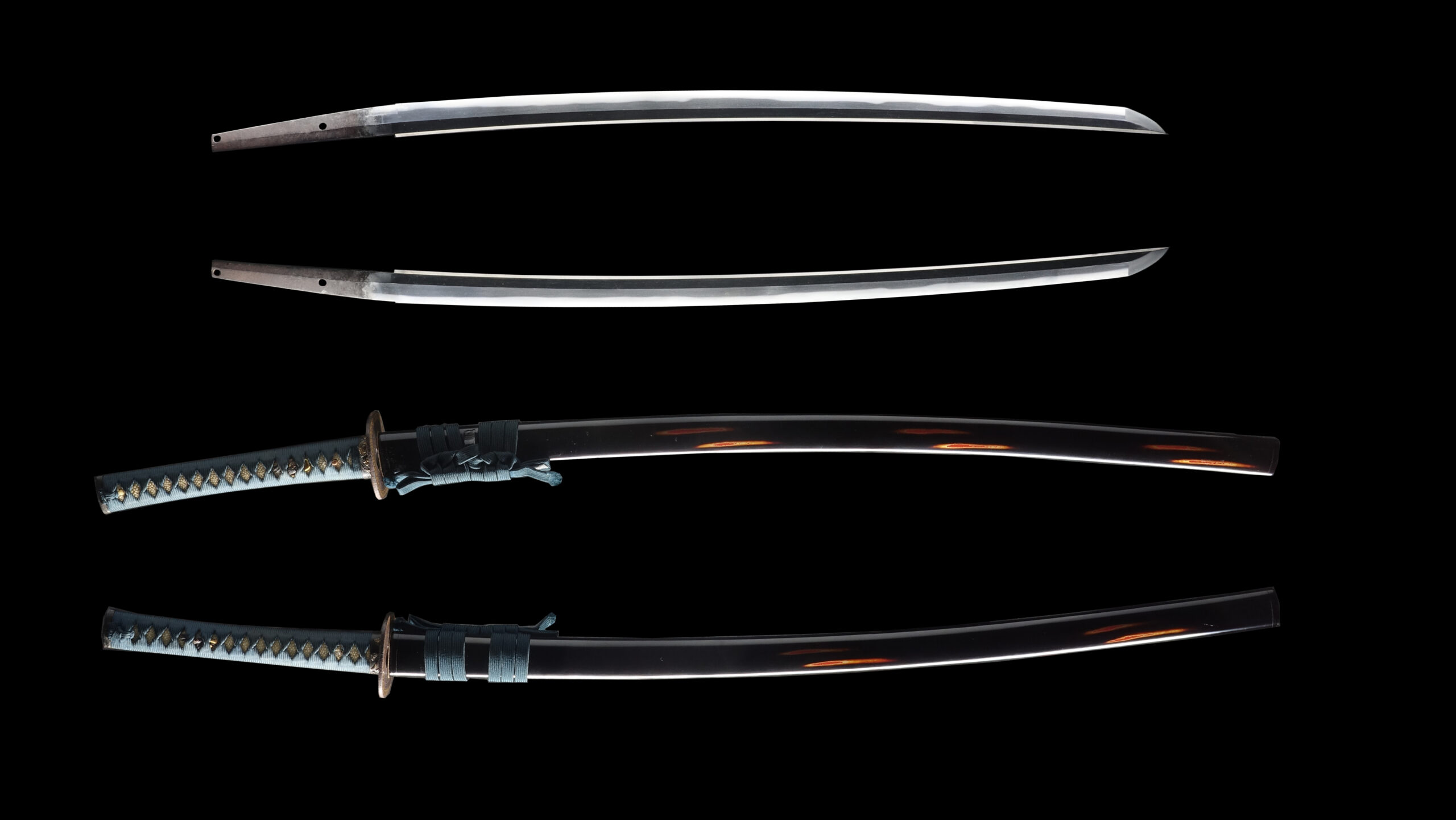
Yamato-den · Rikuzen
10 pieces on the market now
Below Sendai Castle, at Kokubu Wakabayashi in Miyagi District of Ōshū (later Rikuzen, present-day Sendai), the first Kunikane established a forge that served the Date house across the early shintō period. The setsumei record him as a member of the Hongō family, first called Genzō and later Yoshinosuke, born in Bunroku 1 (1592), who claimed descent from a later branch of Yamato Hōshō Gorō. As a retained smith (kakae-kaji) of Date Masamune he was sent by his lord's command to Kyoto in Keichō 19 (1614), where he studied under Etchū no Kami Masatoshi; he received the court title Yamashiro Daijō in Kan'ei 3 (1626), took the tonsure upon Masamune's death in Kan'ei 13 (1636) under such Buddhist names as Ninzawa Yōe and Yōkei, retired in Shōhō 2 (1645) at fifty-four, and died in Kanbun 4 (1664) at seventy-three. The house continued through his legitimate son, the second-generation Kunikane (Hongō Kichiemon), born Keichō 17 (1612), who succeeded to the headship in 1645 and received the title Yamashiro no Kami in Kanbun 7 (1667). Other Sendai hands appear in the register as well: a Rinsuke (倫助) of the same lineage as Anrin signing "Ōshū Kokubu Sendai-jū," and later signatures reading Yōe Kunikane and the Shōwa-era Yōke Kunitsutsumi, carrying the line forward. What binds these blades into one hand is the deliberate transplant of the Yamato-den Hōshō manner onto Sendai steel. The setsumei describe the first generation as turning, in an age when the Sōshū tradition was widely practiced, toward the working range of the Yamato Hōshō line: a high shinogi, a forged masame-hada, and a suguha-based temper.
Recognition begins in the kitae, a masame-hada running well throughout, often tending toward standing grain (hada-dachi), with fine chikei entering and ji-nie adhering thickly over clear steel; a mizukage frequently rises from below the machi, called a habitual trait of both first and second generations. The temper is a chū- or hiro-suguha carrying a shallow notare, into which uchi-noke, hotsure, kuichigai-ba, and a nijūba-like effect mingle along the habuchi, with deep nioi, well-adhering nie, and kinsuji and sunagashi running through; the bōshi runs straight and tends toward yakizume with vigorous hakikake. Generations divide on detail rather than idiom: the first generation's strongest pieces show the masame at its most ordered with a bright nioiguchi, while the second generation, equally schooled in the family specialty, sometimes works toward gunome-midare and finishes with a quiet warmth; certain late first-generation works, such as the dated Kan'ei 19 katana, depart unusually into a primarily itame ground with whitish utsuri. For kantei the register fixes the points plainly: ordered masame with ji-nie and chikei, the suguha-and-hotsure edge with masame carried into a yakizume boshi, and the rising mizukage habit. The signature itself is a marker, the setsumei noting that from Kan'ei 9 (1632) the grass-radical of the character 藤 begins to be chiseled as separated strokes resembling a "#," and that the rarer "Yōe" form and examples bearing Kunitsugu's kaō carry documentary weight. Named works anchor the line: a Tokubetsu-Jūyō katana signed Yamashiro Daijō Fujiwara Kunikane transmitted in the Uwajima Date family, with an iron tsuba signed Myōchin Sōhei; first- and second-generation katana recorded in Honma's inventory of the Imperial collection; a Jūyō wakizashi bearing the kuyō crest of the Date house said to have been bestowed by Masamune; and a katana carrying a Yamano Ka'emon cutting-test inscription dated Kanbun 4. The setsumei place the first generation's best blades at a level close to, and at points surpassing, the old Hōshō master, and present the Sendai Kunikane house as the enduring carrier of the Yamato Hōshō manner under Date patronage through the Edo period. Learn more →
| Smith | Era | Designated |
|---|---|---|
| Kunikane國包 | 1624-1644 | 35 |
| Kunikane國包 | 1644-1670 | 10 |
| Kaneshige包重 | 1661-1673 | 1 |
| Tomosuke倫助 | 1661-1673 | 1 |
The Edo period (1615 to 1868)
Edo was the sword’s age of connoisseurship: the Hon’ami appraisers, the shogunal register of famous blades of 1719, and a thriving literature turned the sword into an object of study even as it ceased to be drawn in war.
Certifies a genuine blade worth preserving: a signature confirmed correct, or, if unsigned, an era, province, and school that the NBTHK can reliably identify.
The NBTHK (Nihon Bijutsu Tōken Hozon Kyōkai, the Society for the Preservation of Japanese Art Swords) is a public-interest incorporated foundation founded in 1948 and supervised by Japan’s Agency for Cultural Affairs (Bunkachō); it is based at the Japanese Sword Museum in Tokyo. Its expert panels physically examine each submitted work (shinsa) and issue a certificate (kanteishō) ranking it by artistic and historical merit. NBTHK papers are the most widely recognized standard of authentication for Japanese swords and fittings.
NBTHK official siteReturns/exchanges limited to defects caused by shipping (except willful misconduct or gross negligence by the company); customers must contact within 72 hours of receiving the product.
¥1,000,000