Around 1800 Suishinshi Masahide argued in his writings that the craft must return to the old masters’ methods: the fukkotō revival. His greatest successor Naotane worked convincingly in Bizen and Sōshū manners that had been dead for centuries.
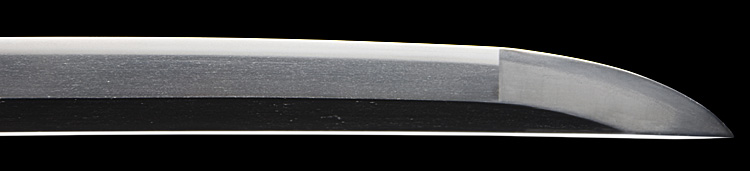
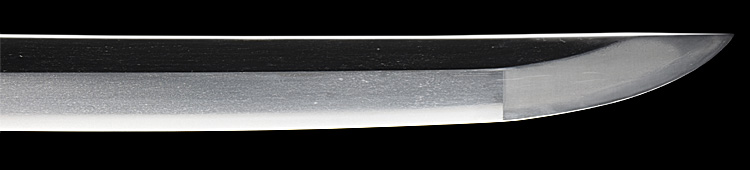
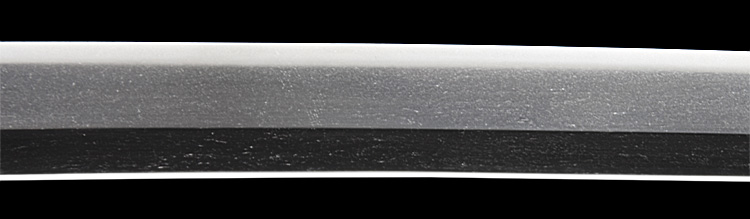
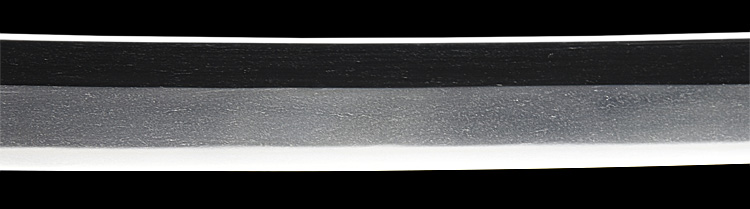
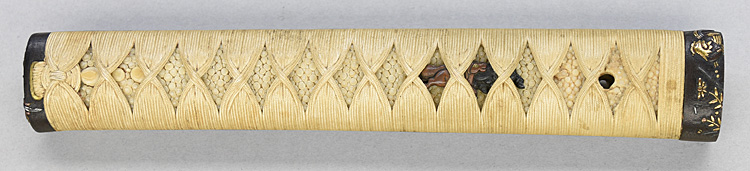
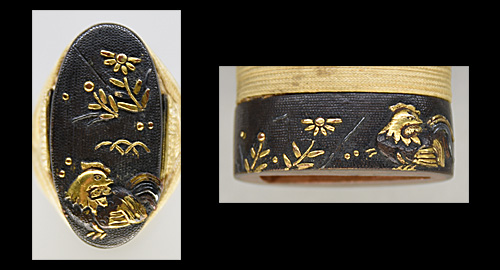
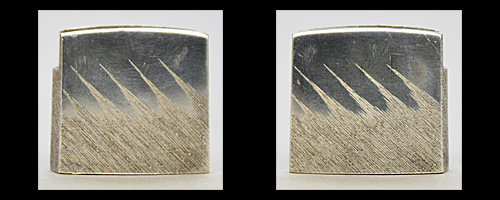
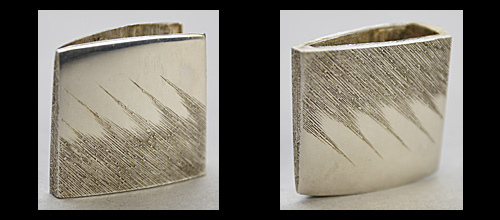
Hon-zukuri, iori-mune. Ubu-nakago. Ko-itame-hada mixed with moku-me, slightly hadadachi-gokoro and very densely packed. Ji-nie attaches finely and thickly, fine chikei appears, and a faint nie-utsuri stands out. The hamon is chu-suguha with shallow notare and mixed with ko-midare. The nioiguchi is fukkura with plenty of ko-nie. The habuchi has hotsure, slight ko-ashi, and yo works. Fine kinsuji entwine frequently along the habuchi, and sunagashiri is present. The nioiguchi is bright and clear. His real name was Shimizu Toshiro. His first mei was Yoshiyuki. He used the go Shohoken. A smith of the Izumo domain. Accompanied by a kuro-ishime-nuri-saya uchigatana-koshirae. (Tokubetsu Hozon Token)
Offered by Token-Net
This piece has sold
Get an email when a new Yoshiyuki piece hits the market.


Machine translation from the shop's Japanese · may contain errors ·
Hoki · around 1848-1854
Fujishiro Chu-jo saku · Tōken Taikan top 95%
1 piece on the market now
The Shinshintō revival
Around 1800 Suishinshi Masahide argued in his writings that the craft must return to the old masters’ methods: the fukkotō revival. His greatest successor Naotane worked convincingly in Bizen and Sōshū manners that had been dead for centuries.
A Hozon-certified blade judged to show notably superior workmanship and a better state of preservation. The bar is higher: re-tempered blades and most unsigned Muromachi/Edo works are excluded.
The NBTHK (Nihon Bijutsu Tōken Hozon Kyōkai, the Society for the Preservation of Japanese Art Swords) is a public-interest incorporated foundation founded in 1948 and supervised by Japan’s Agency for Cultural Affairs (Bunkachō); it is based at the Japanese Sword Museum in Tokyo. Its expert panels physically examine each submitted work (shinsa) and issue a certificate (kanteishō) ranking it by artistic and historical merit. NBTHK papers are the most widely recognized standard of authentication for Japanese swords and fittings.
NBTHK official siteWithin one week of the item's arrival (cooling-off is possible within Japan only). For defects that differ from the purchase conditions, we will accept the return and refund the payment. For other cases such as overseas, we will consult separately.