After the Ōnin War broke the Ashikaga order, a century of Sengoku warfare armed nearly every province in Japan. The era rewards a discriminating eye: routine work exists in quantity, and beside it stand custom blades of the first rank.
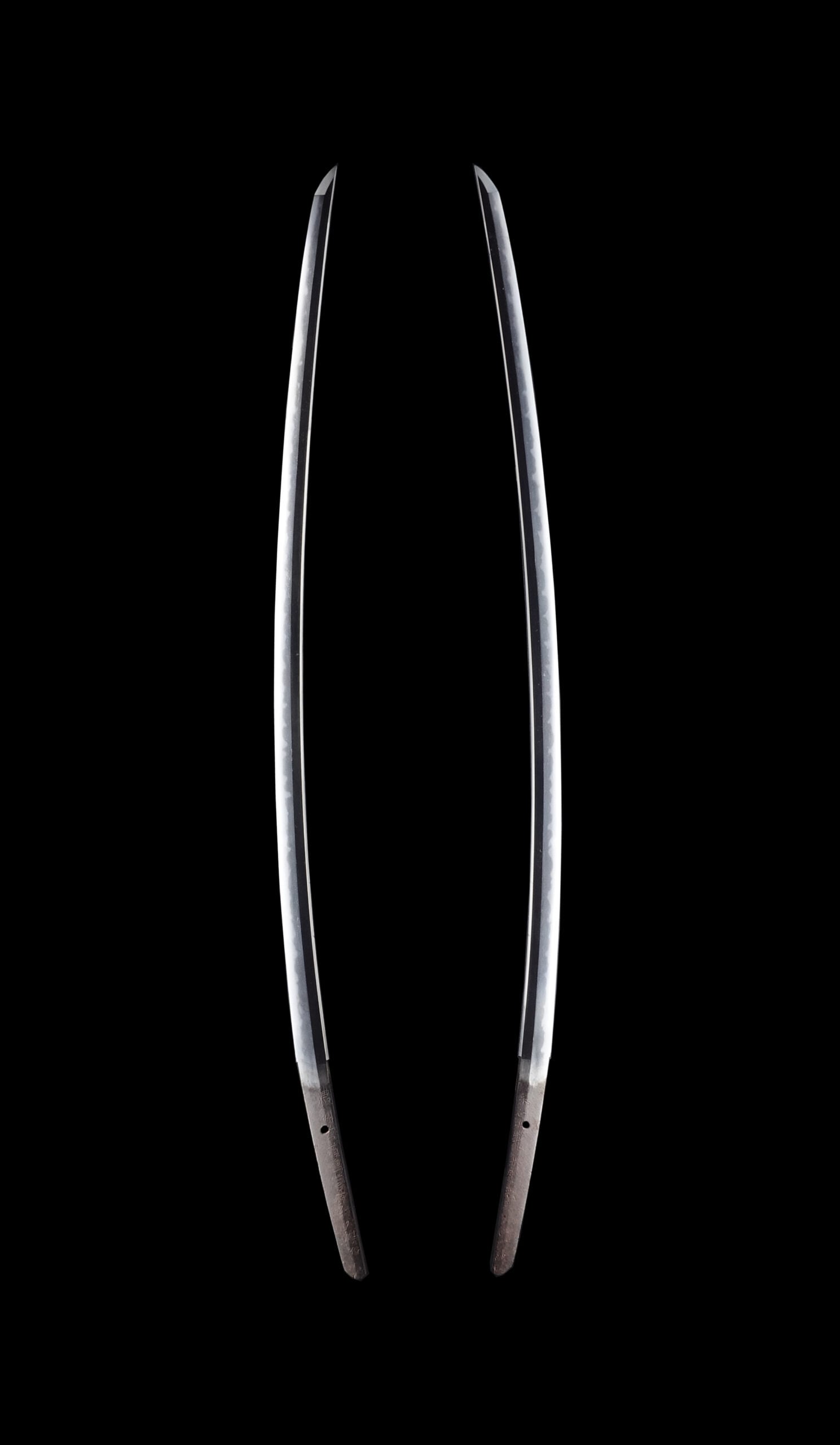
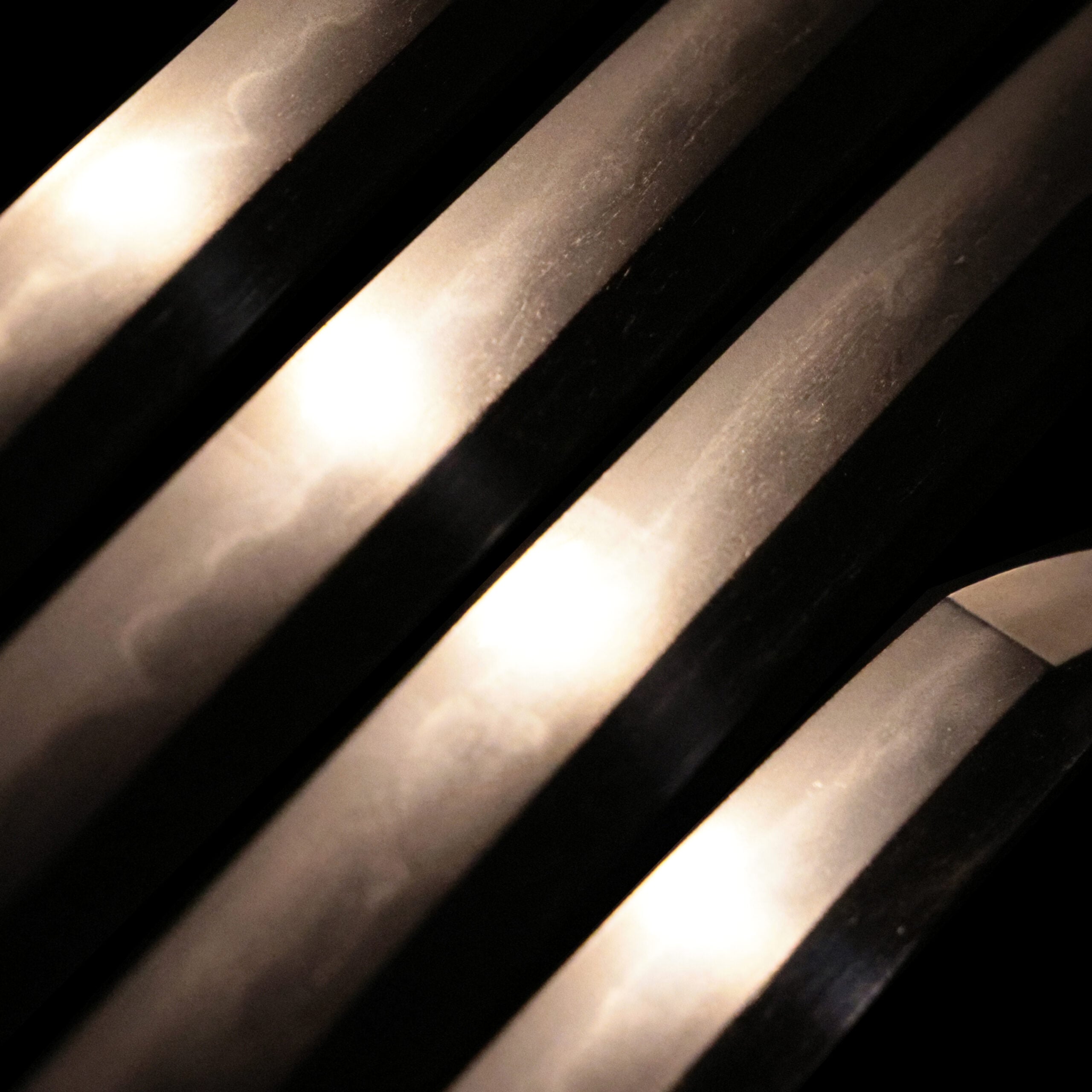
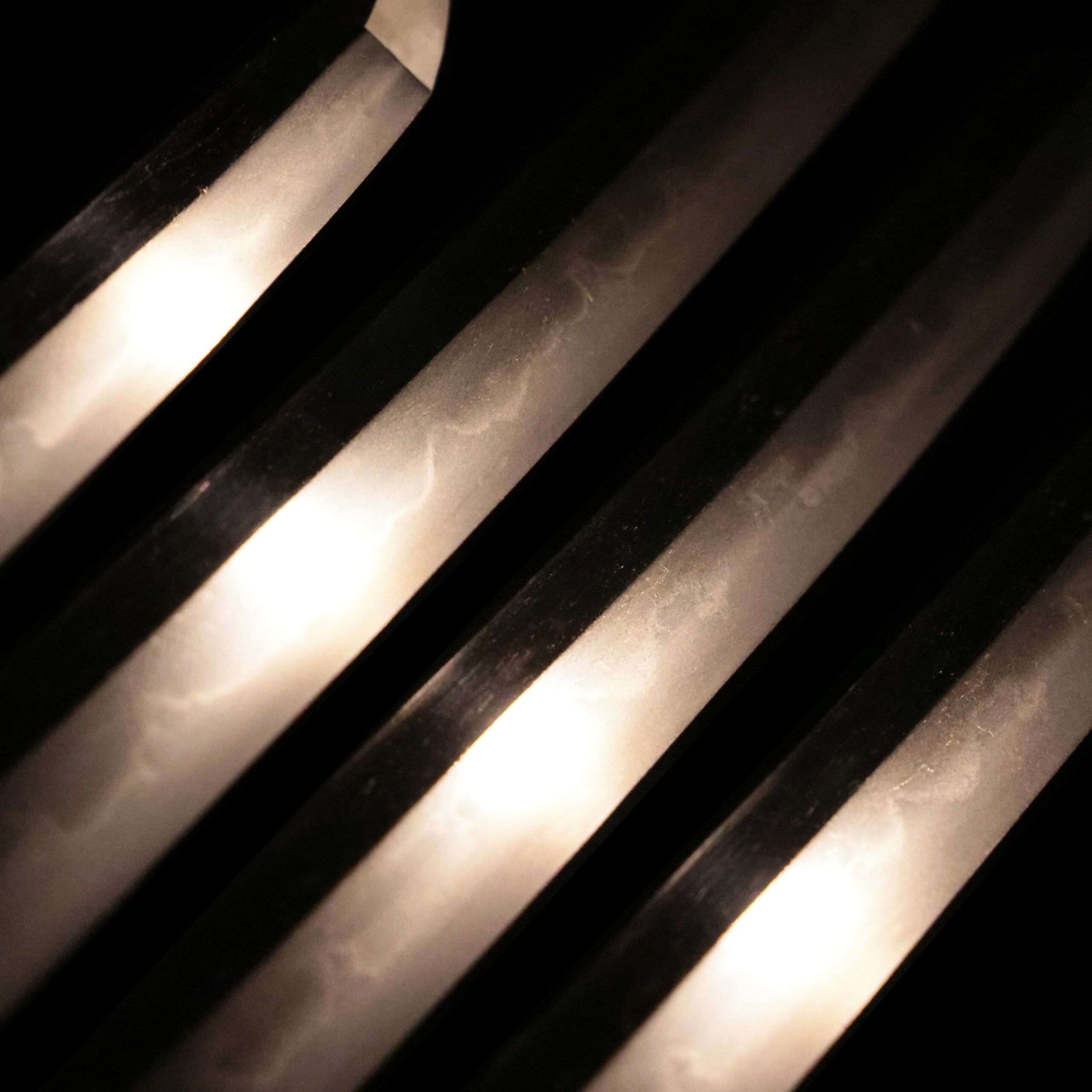
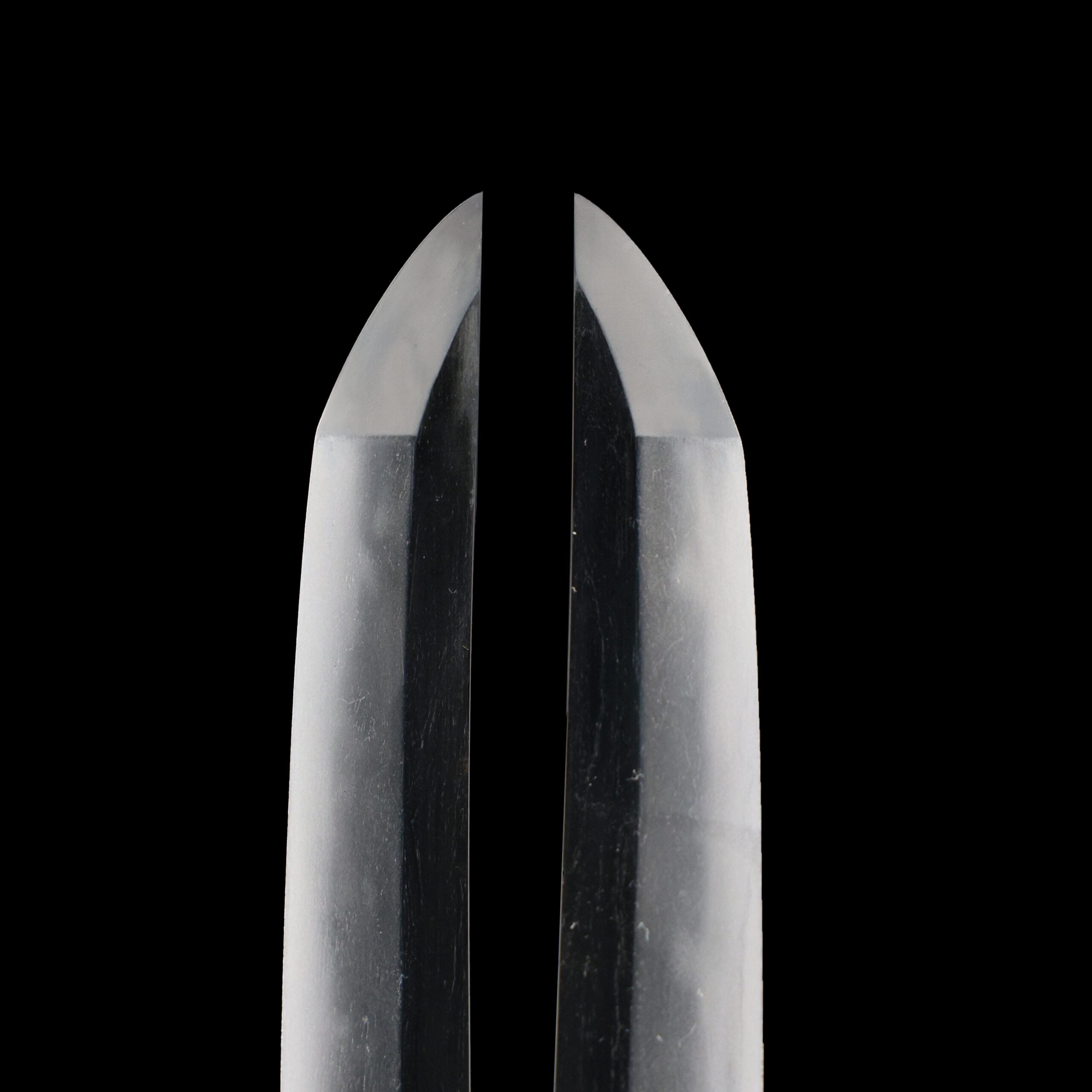
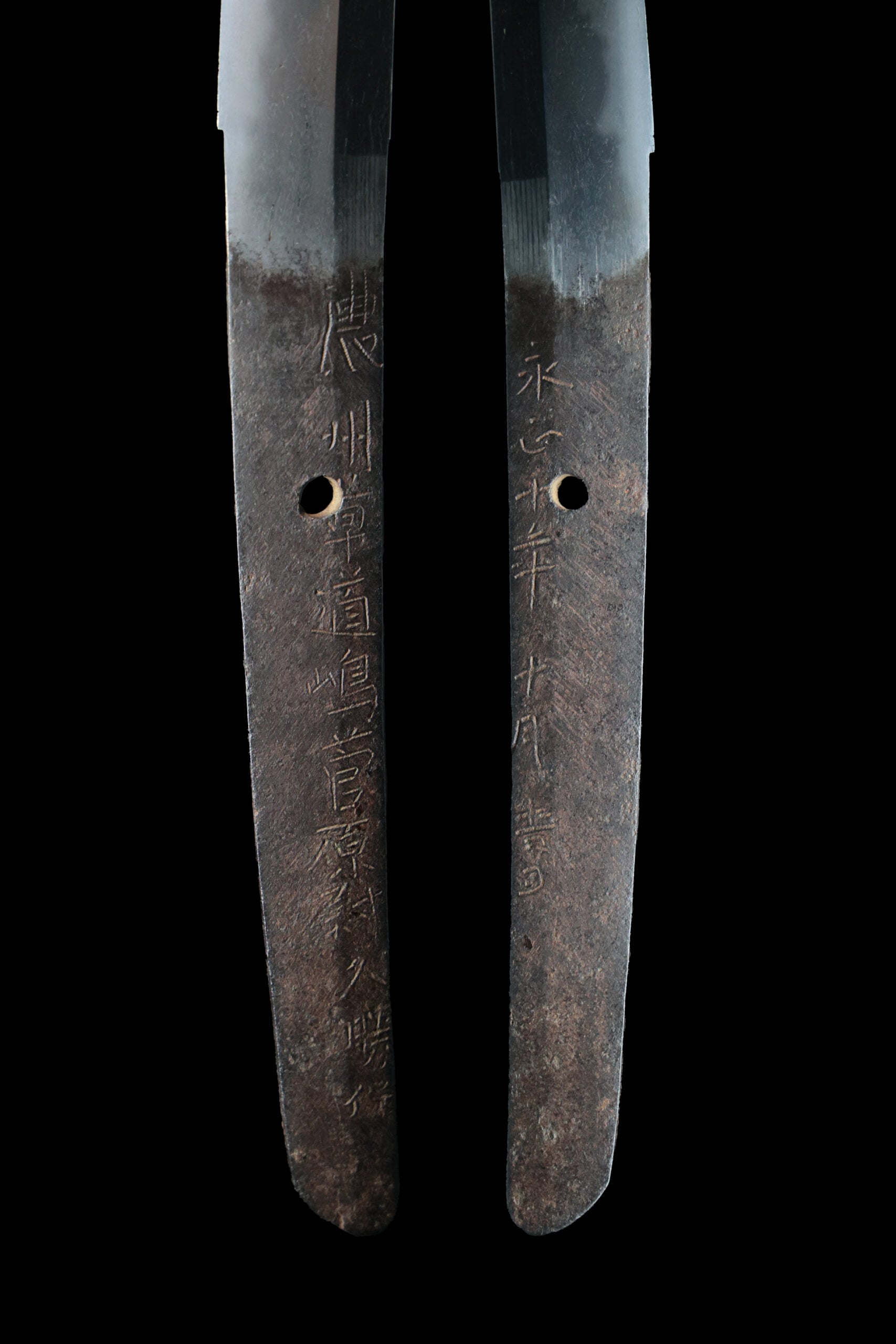
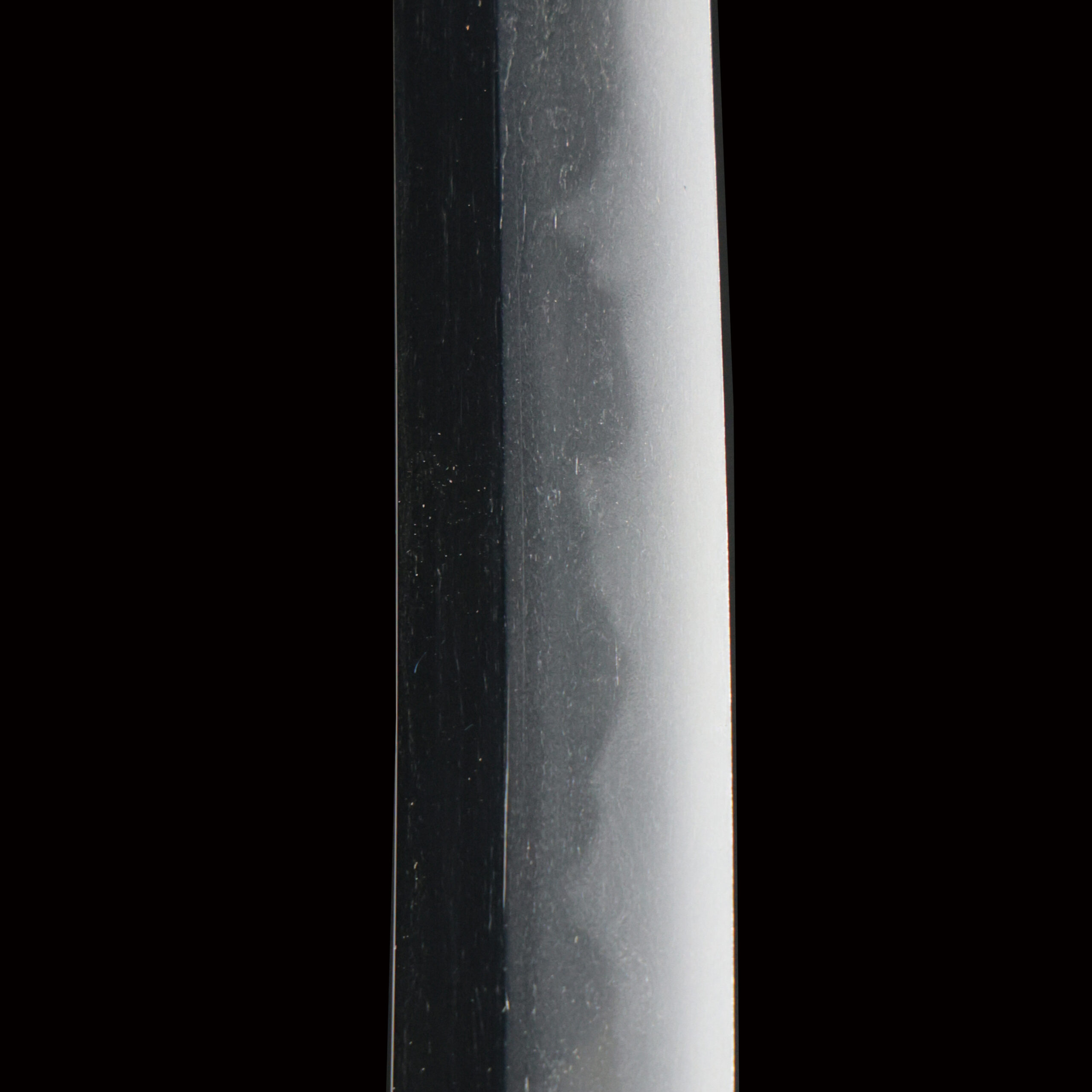
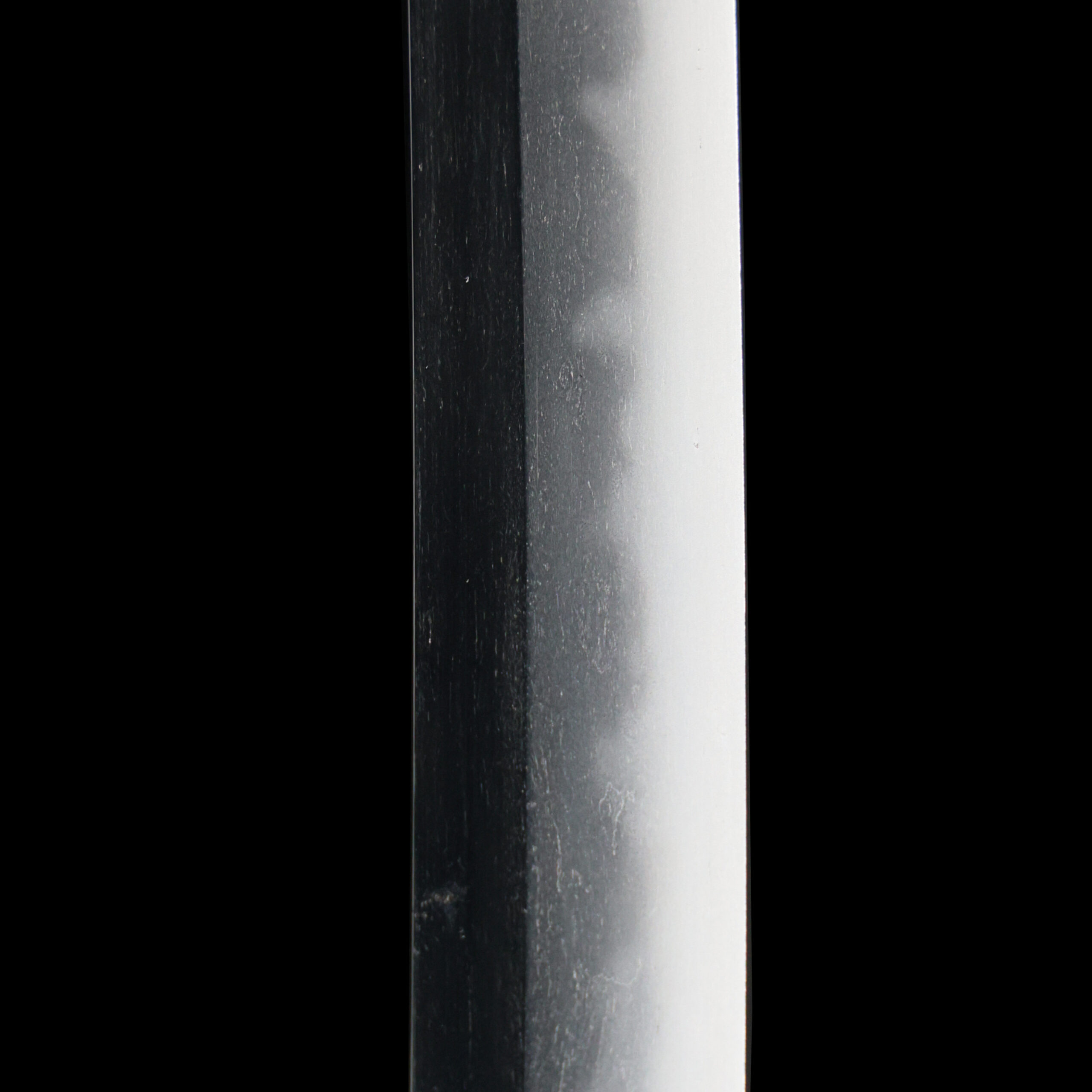
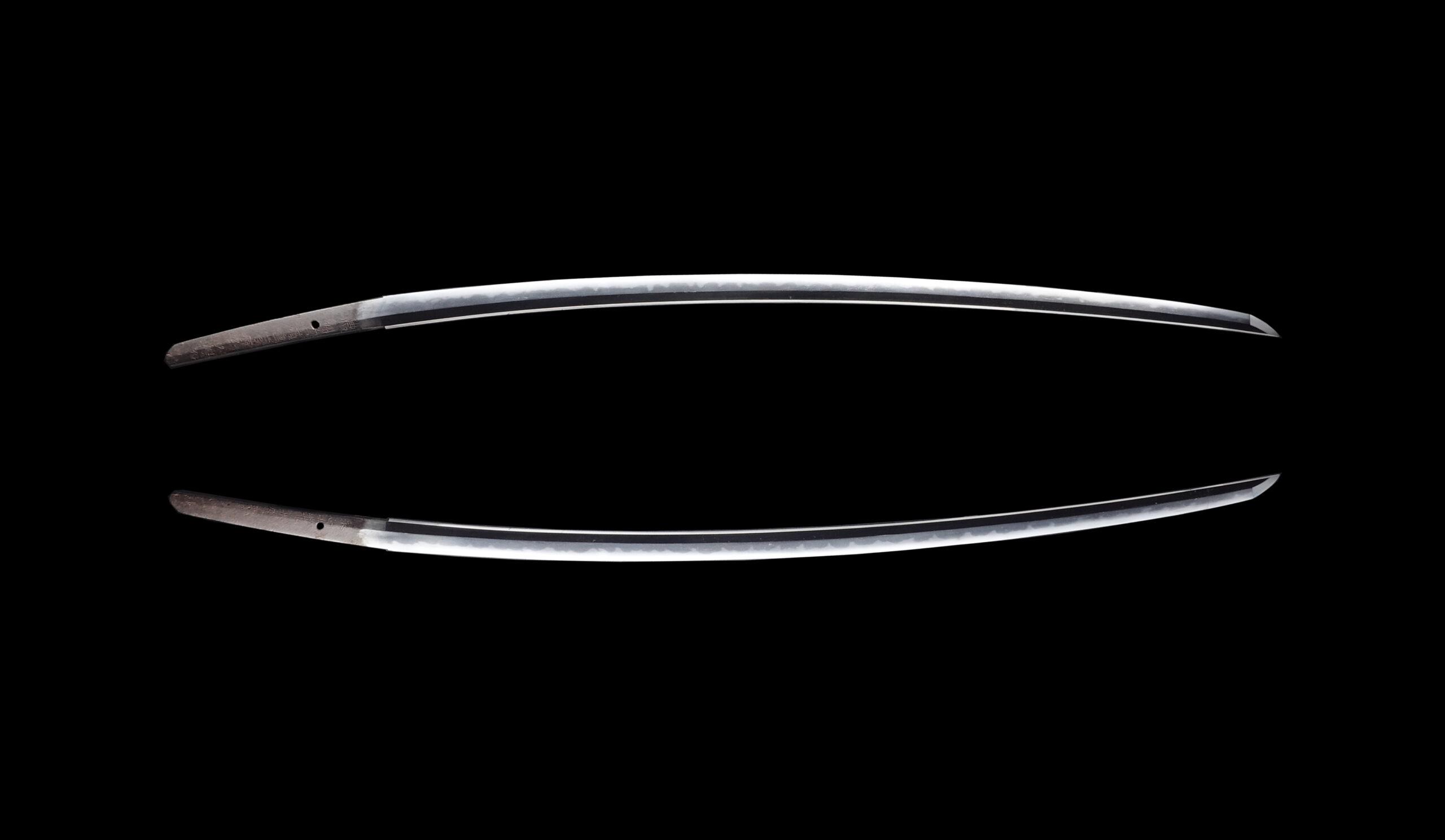
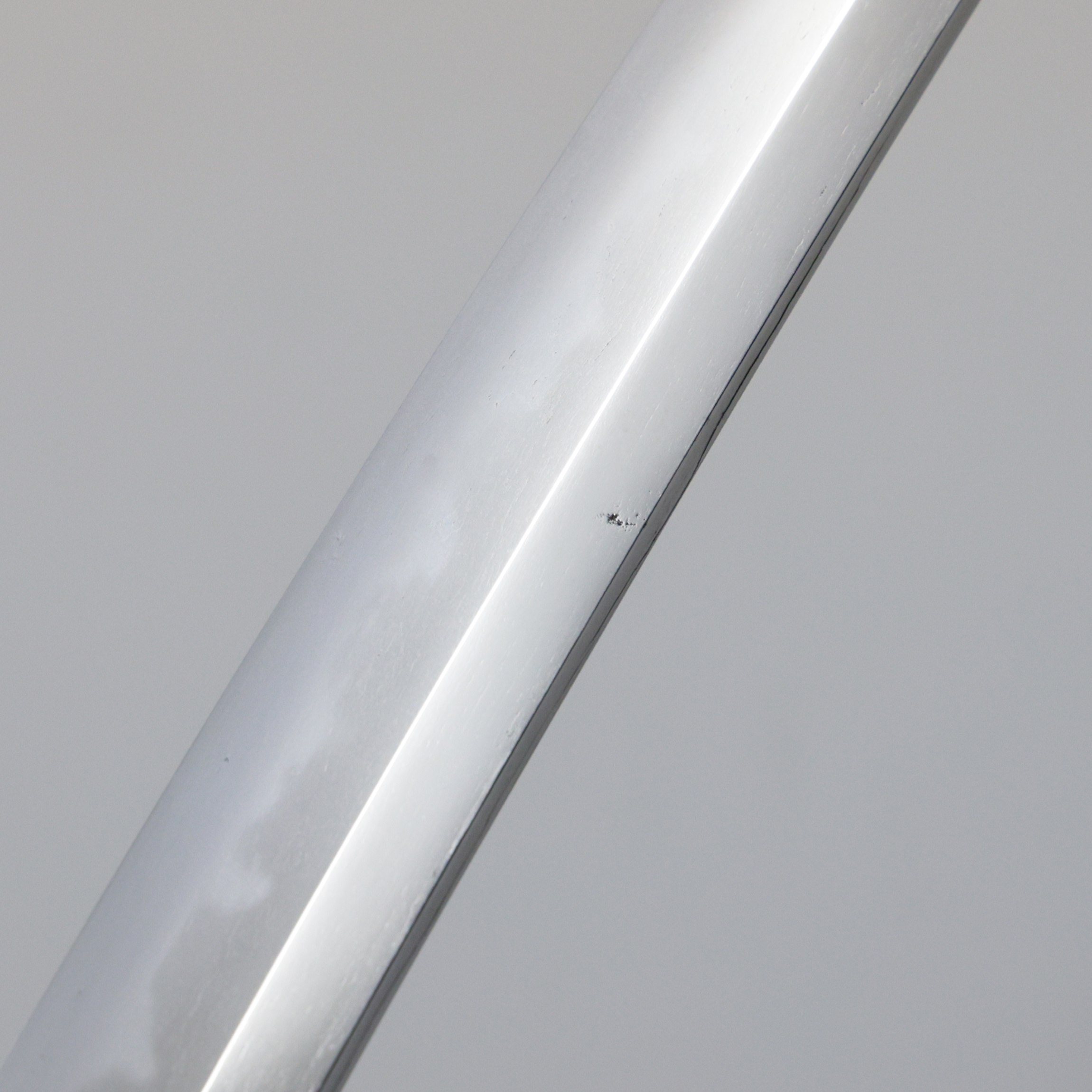
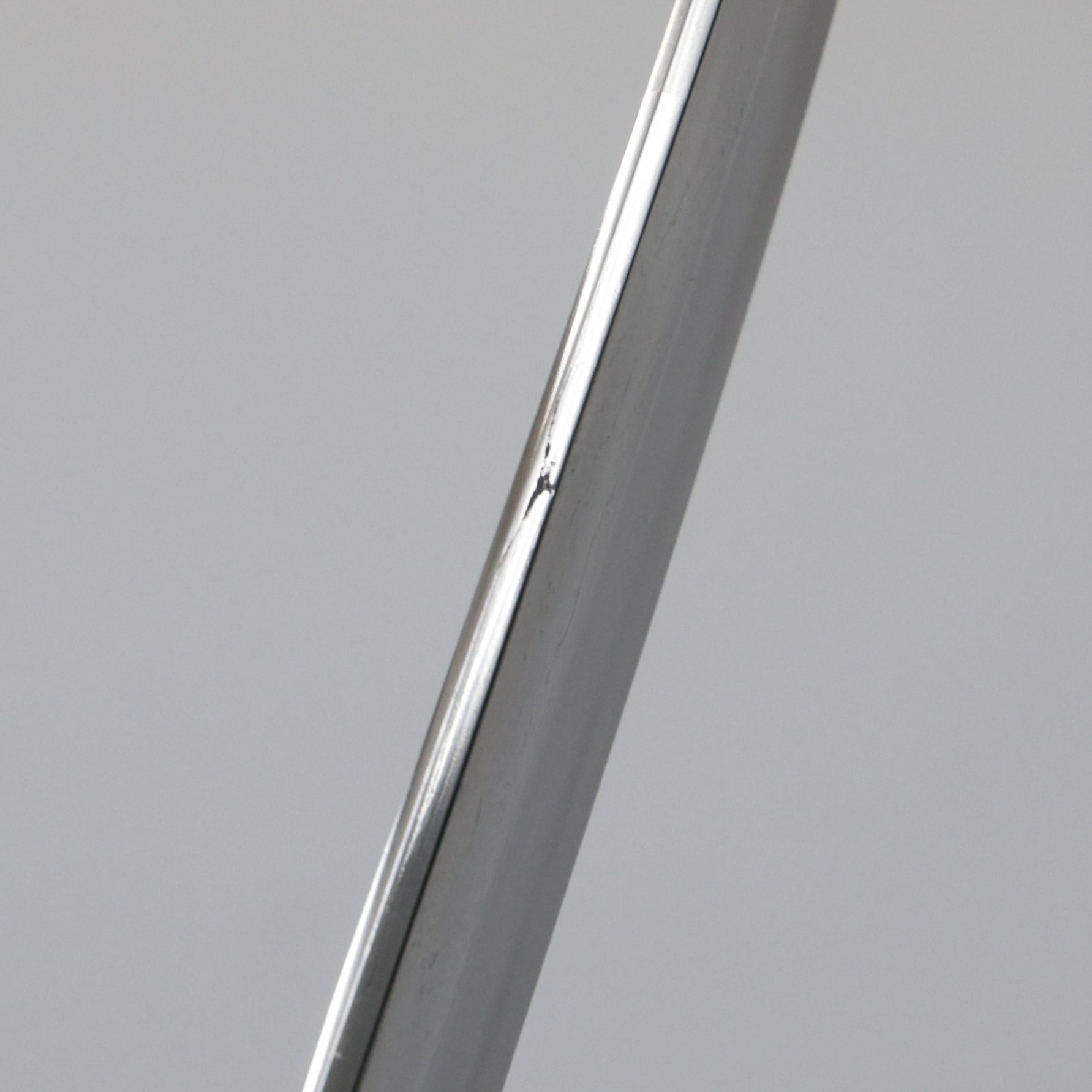
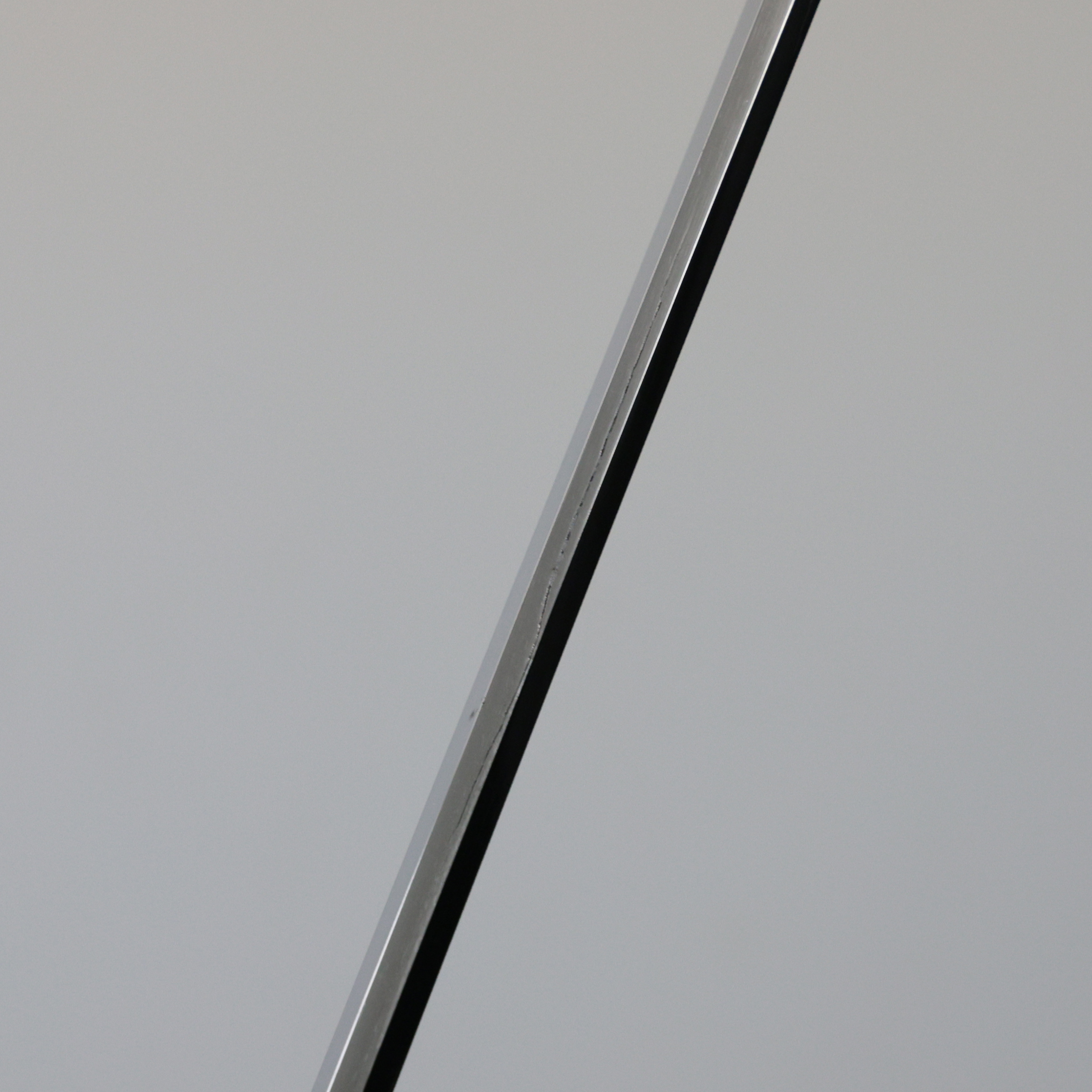
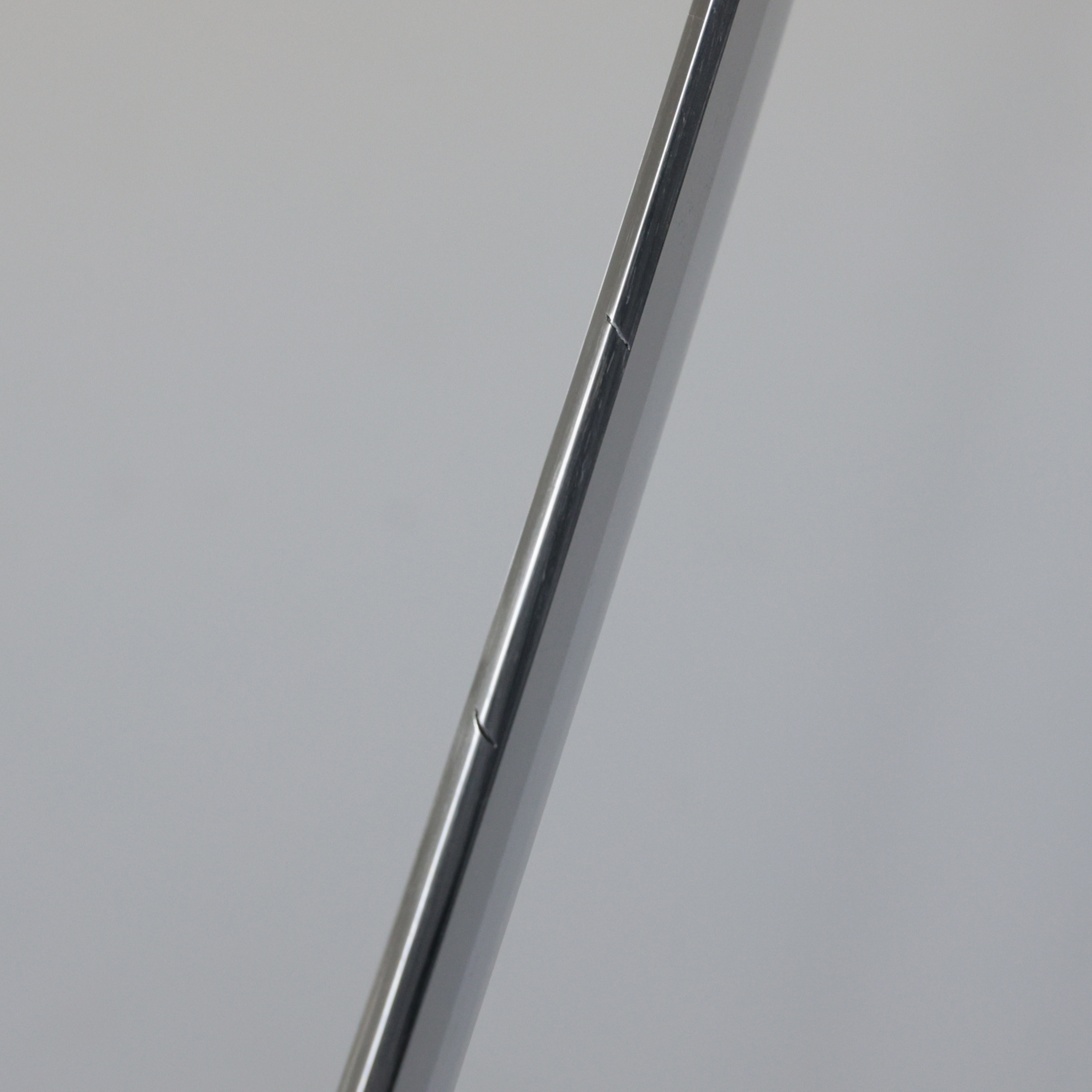
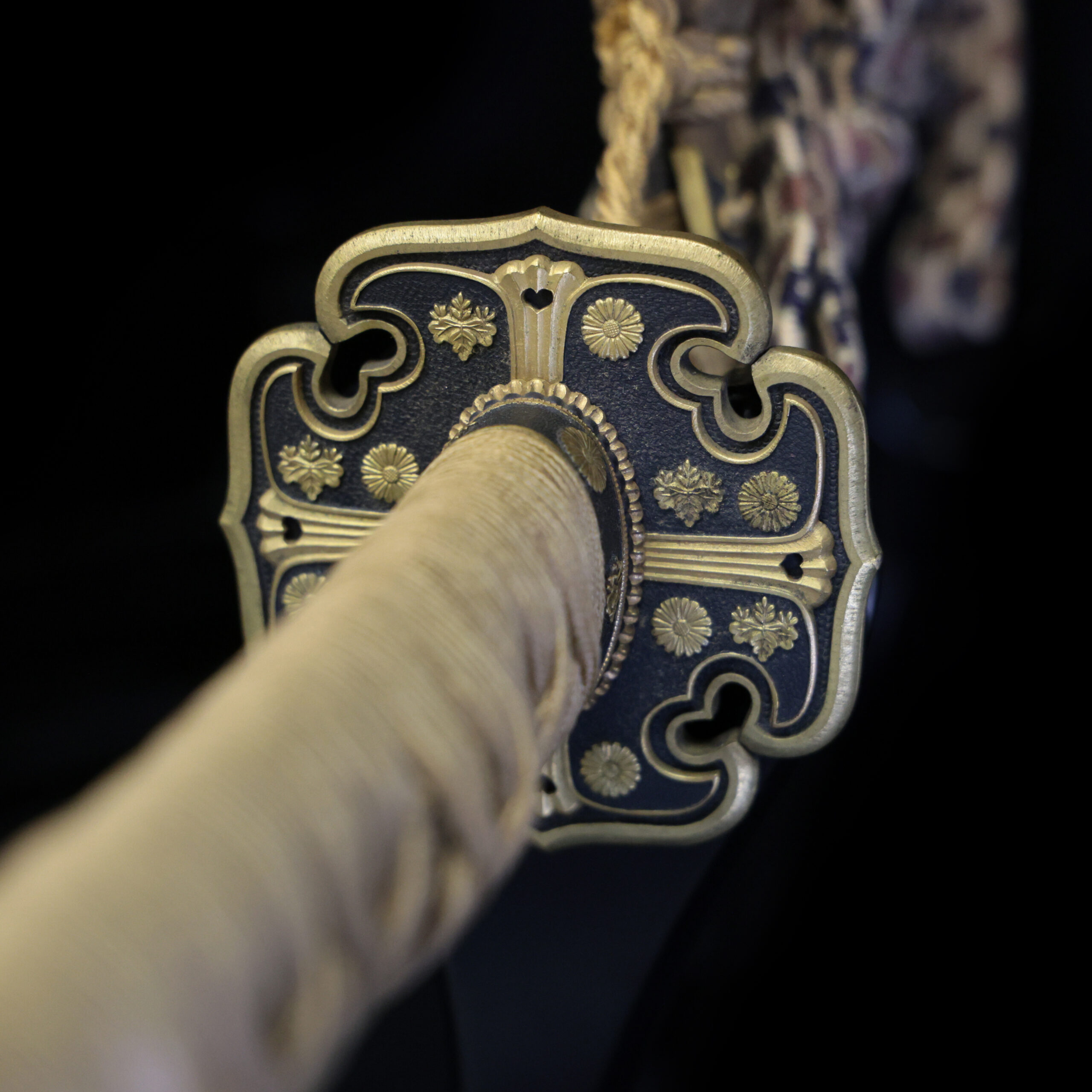
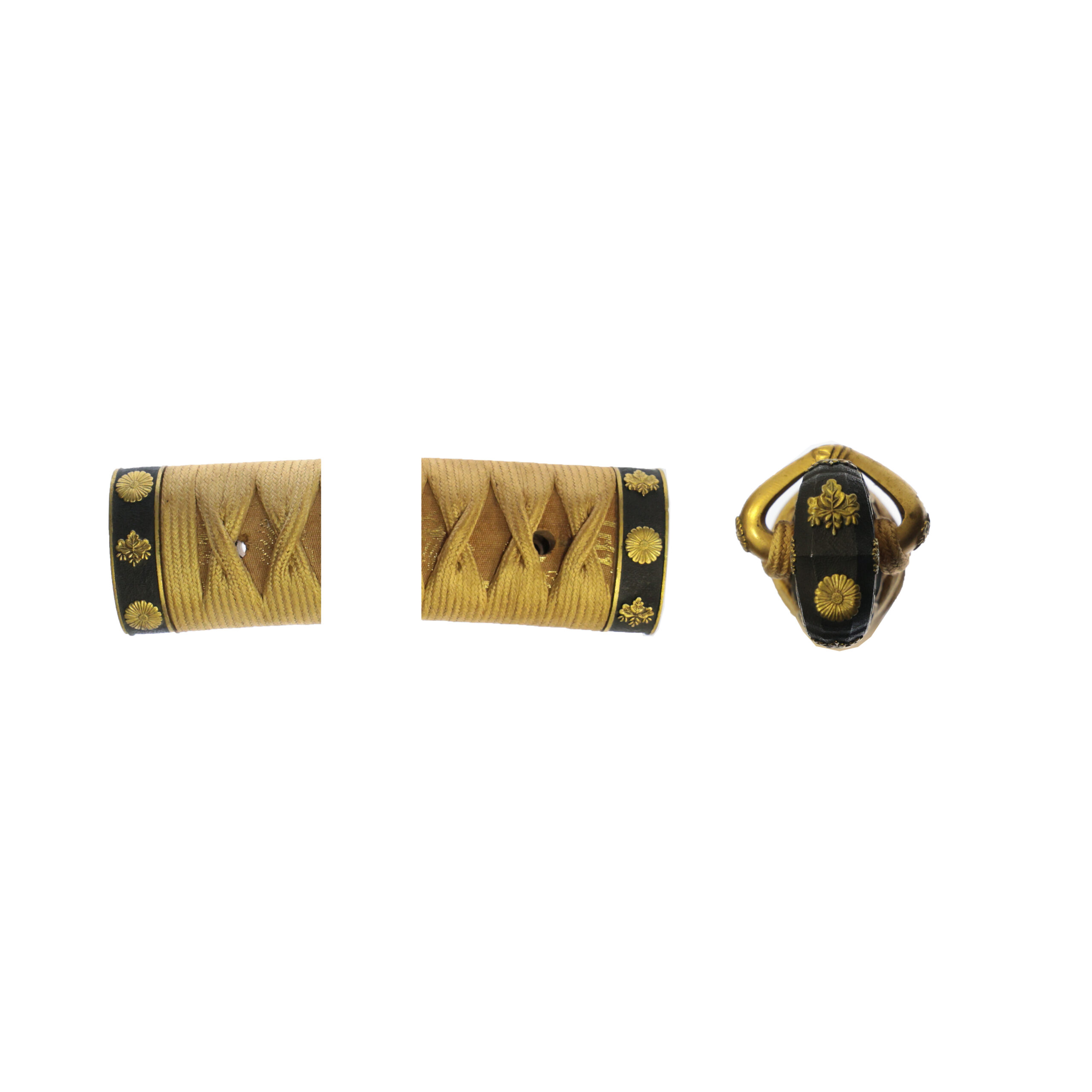
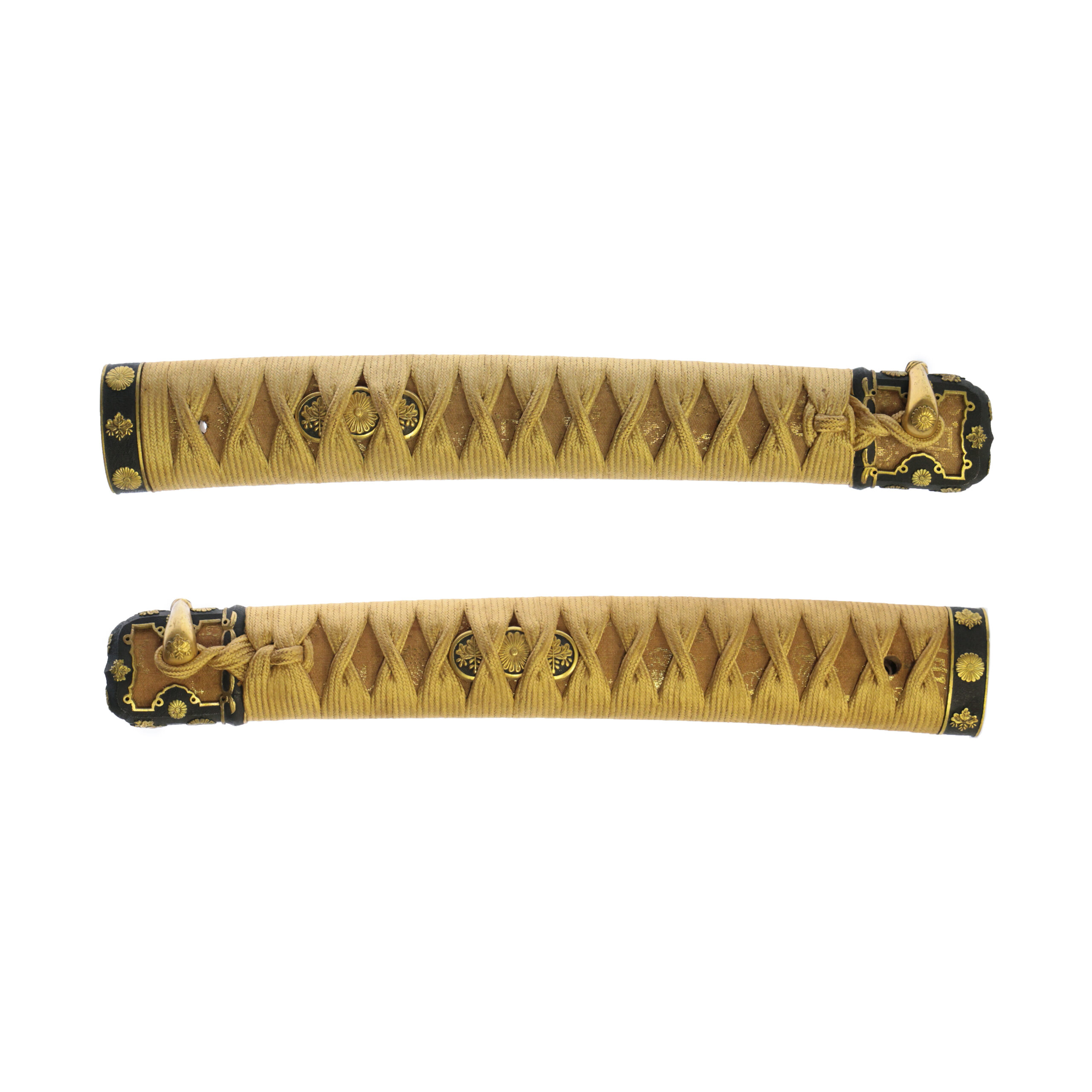
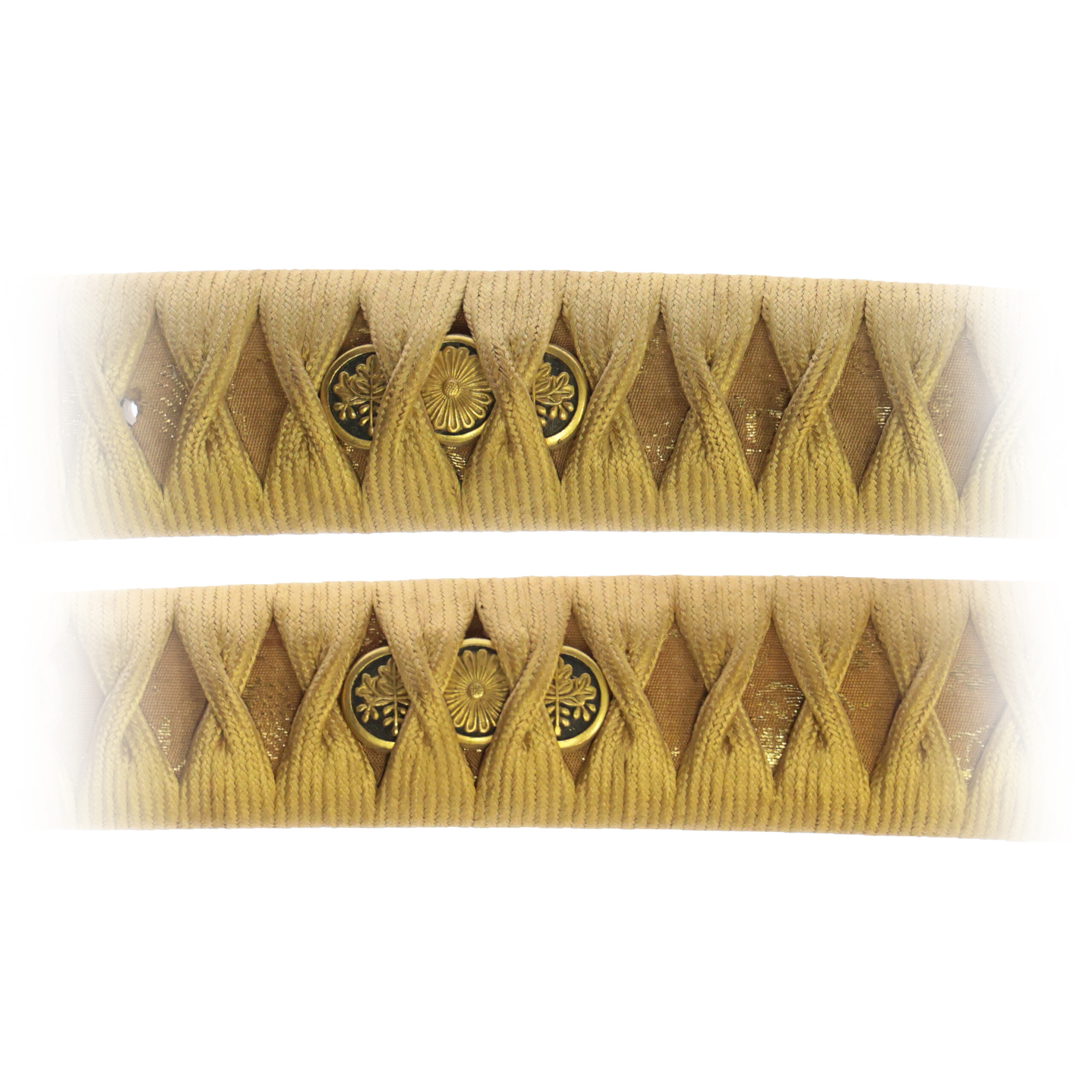
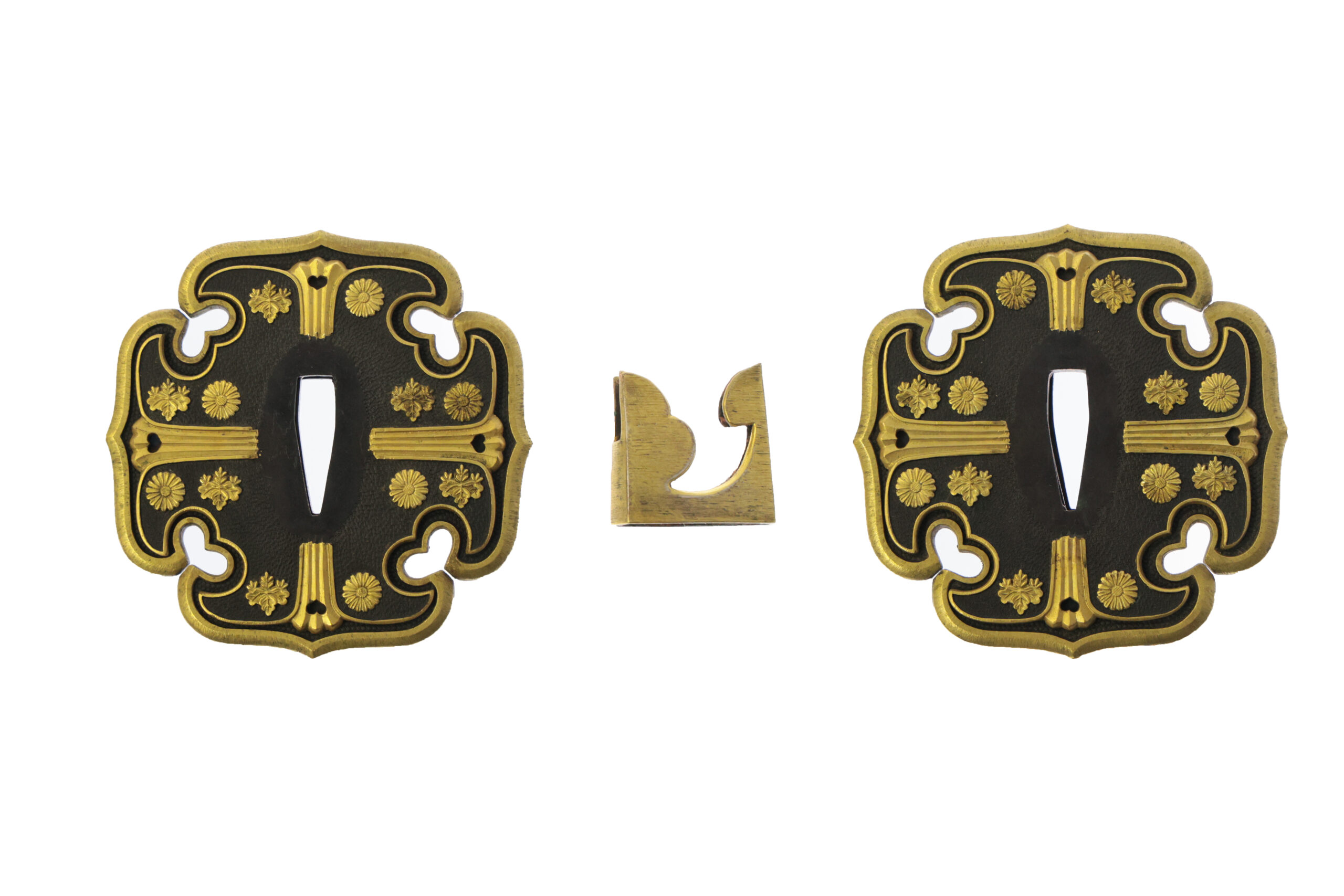
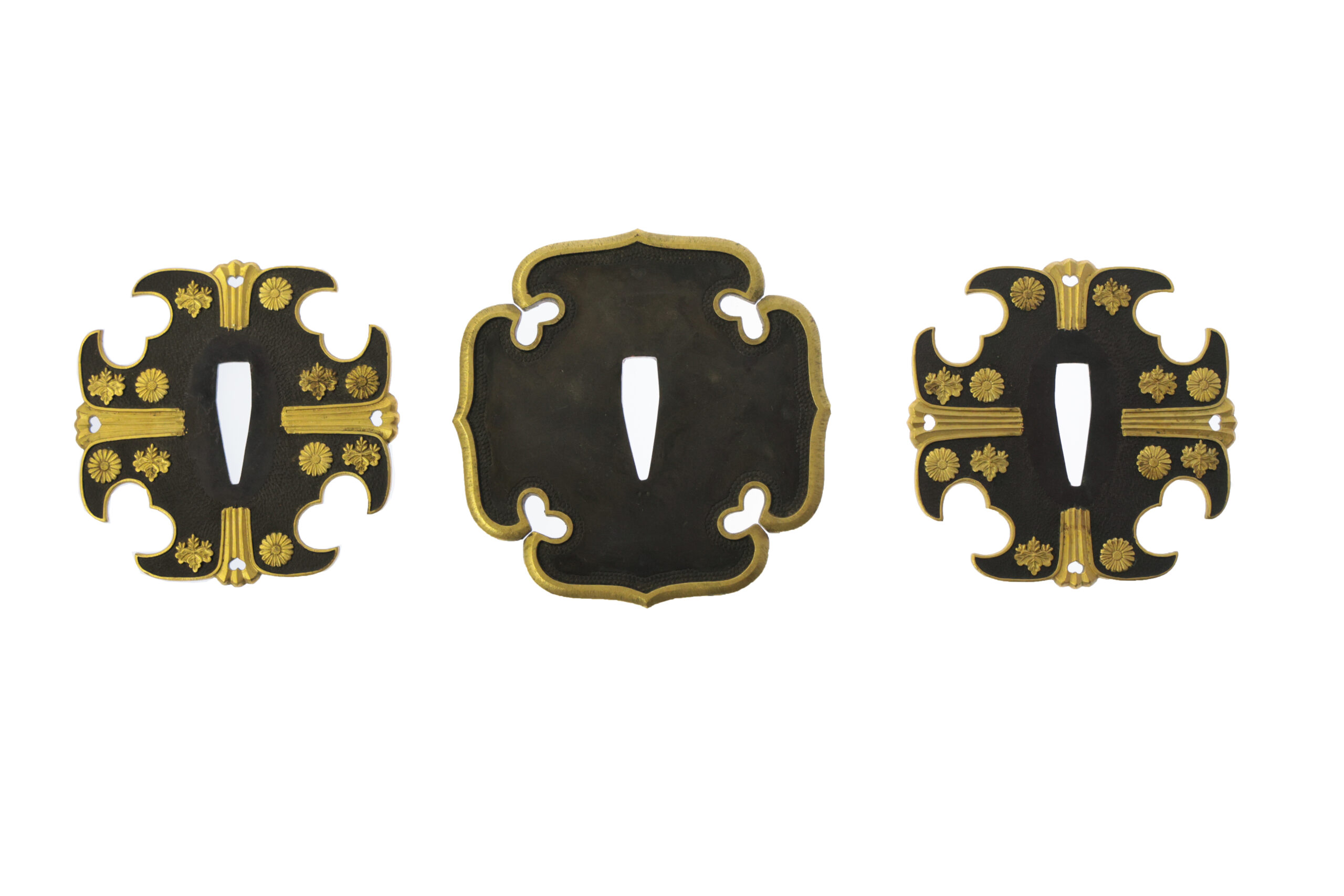
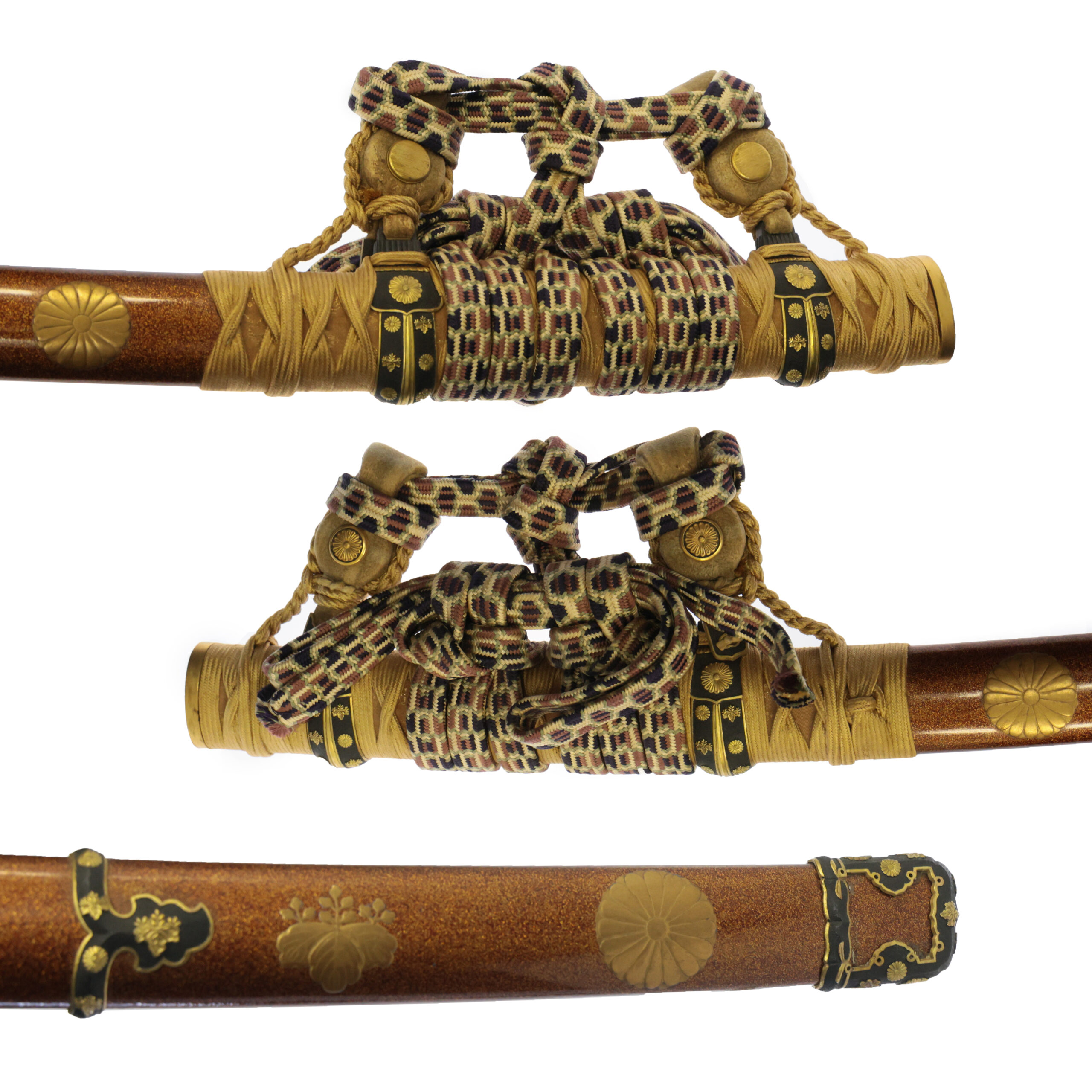
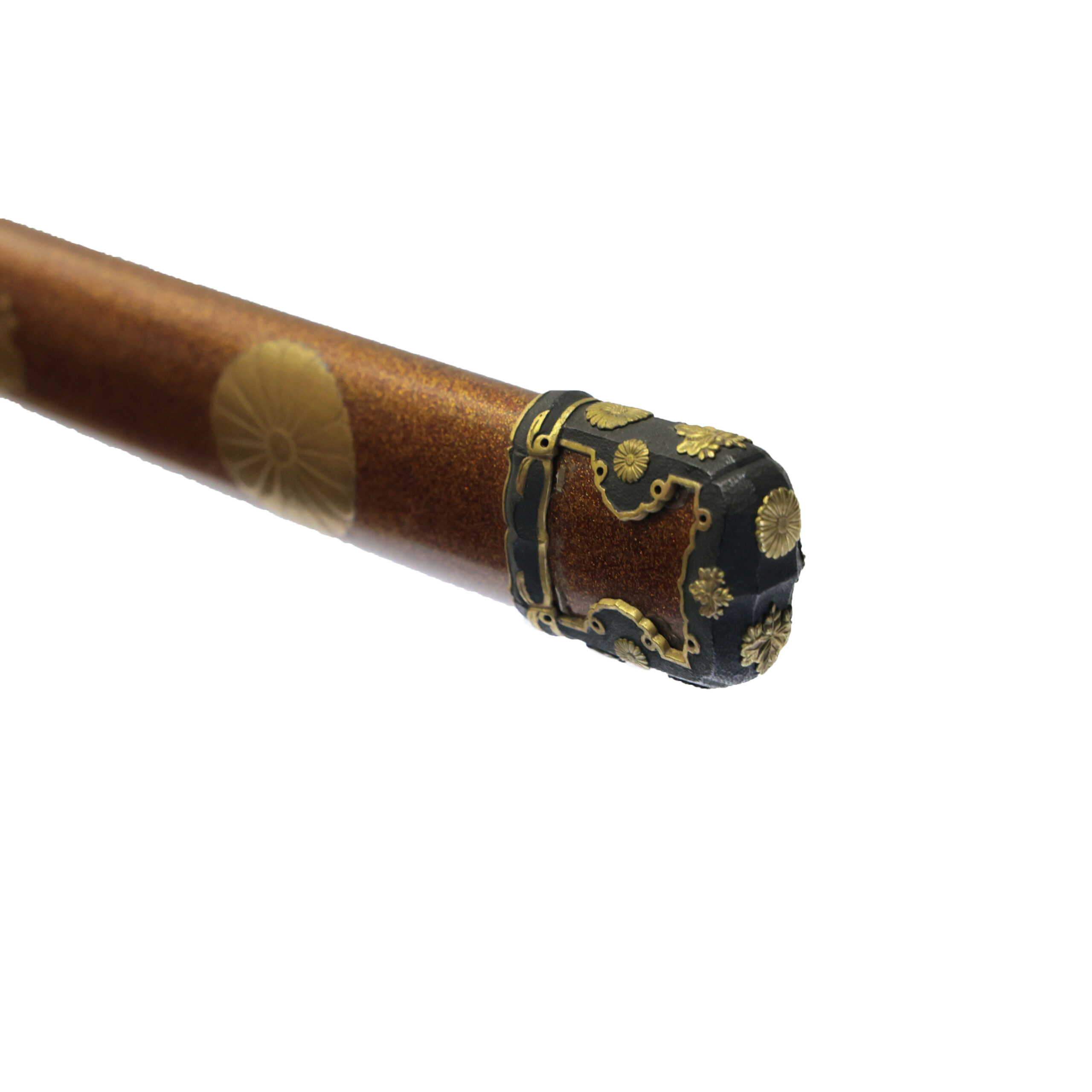
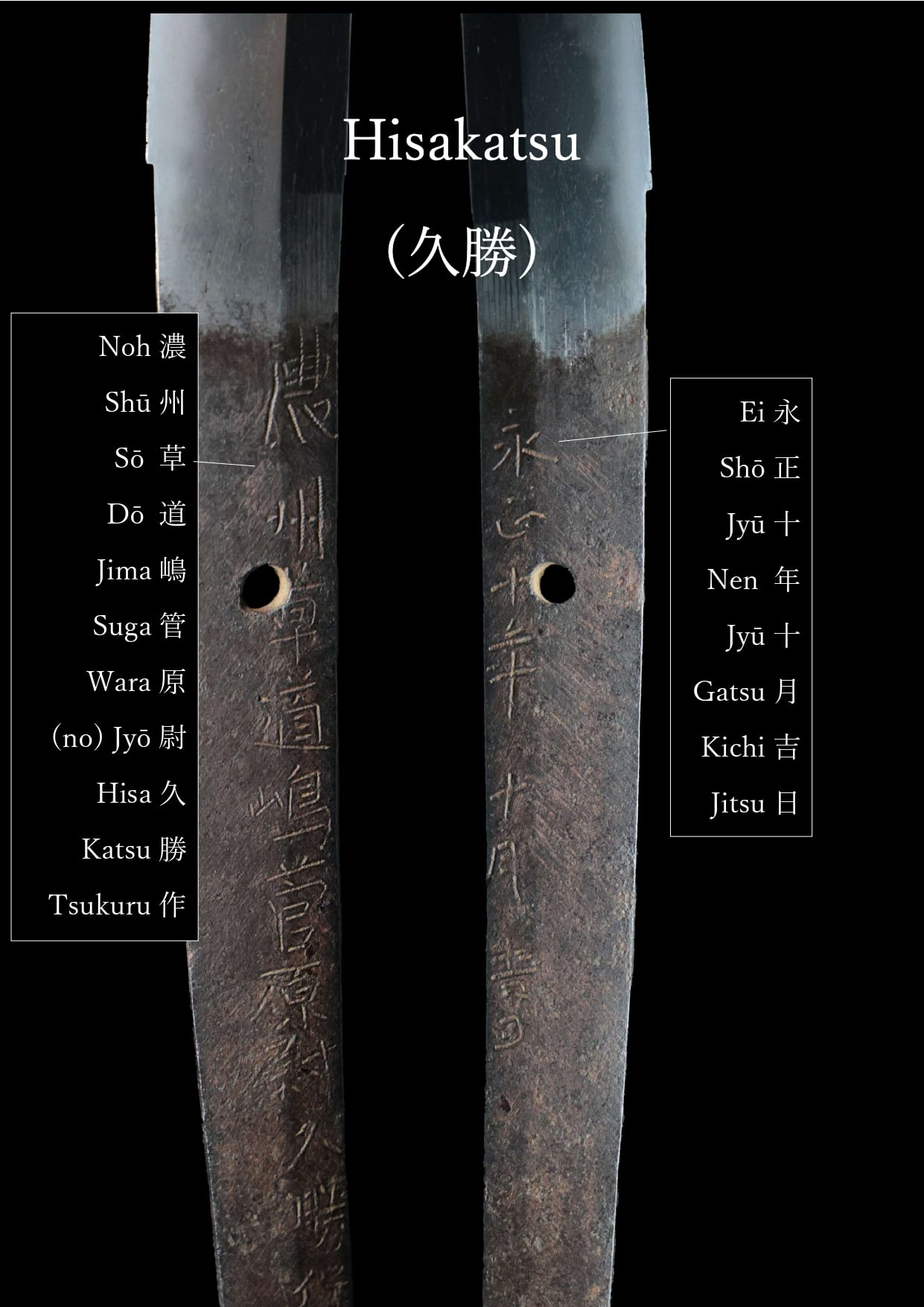
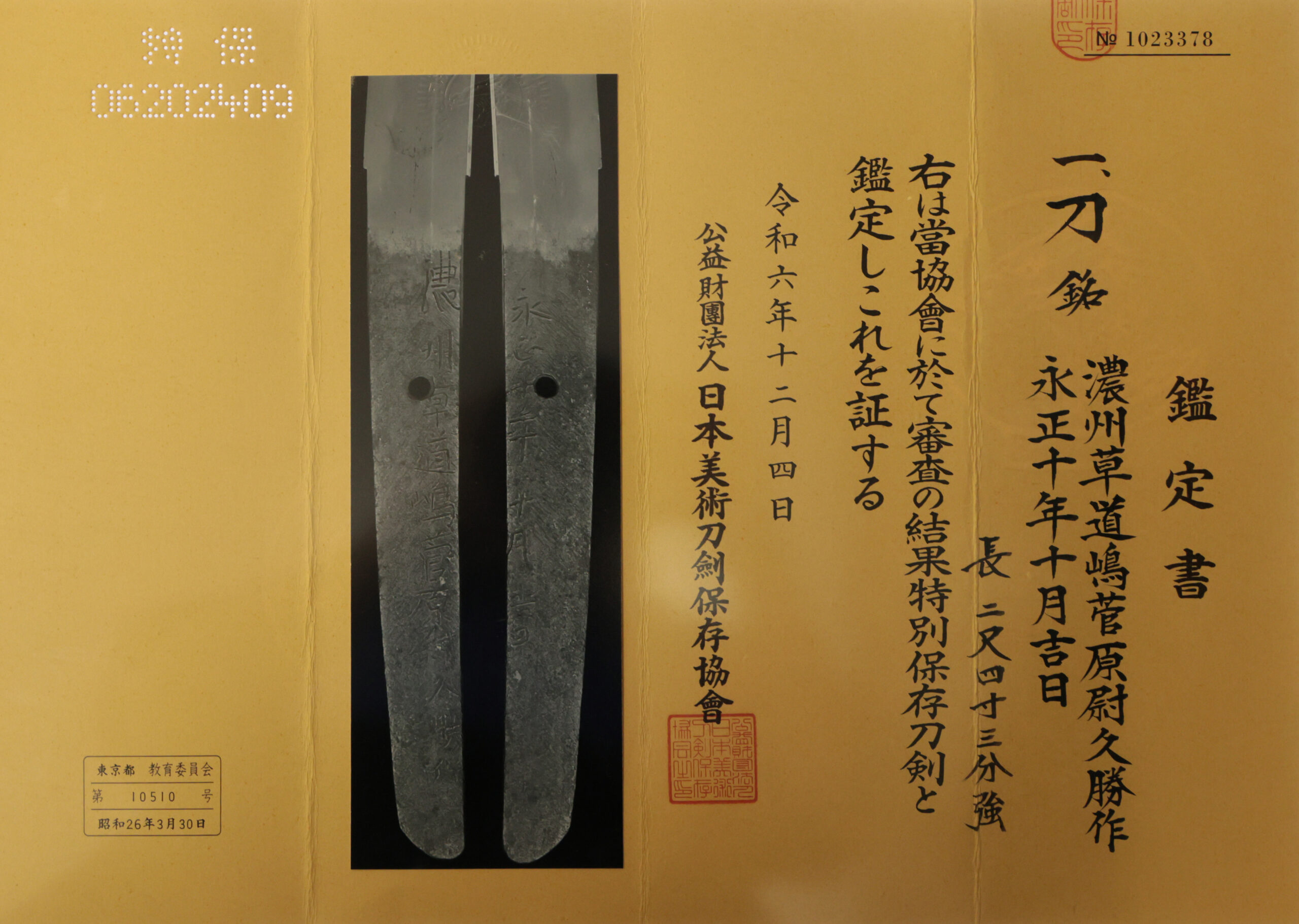
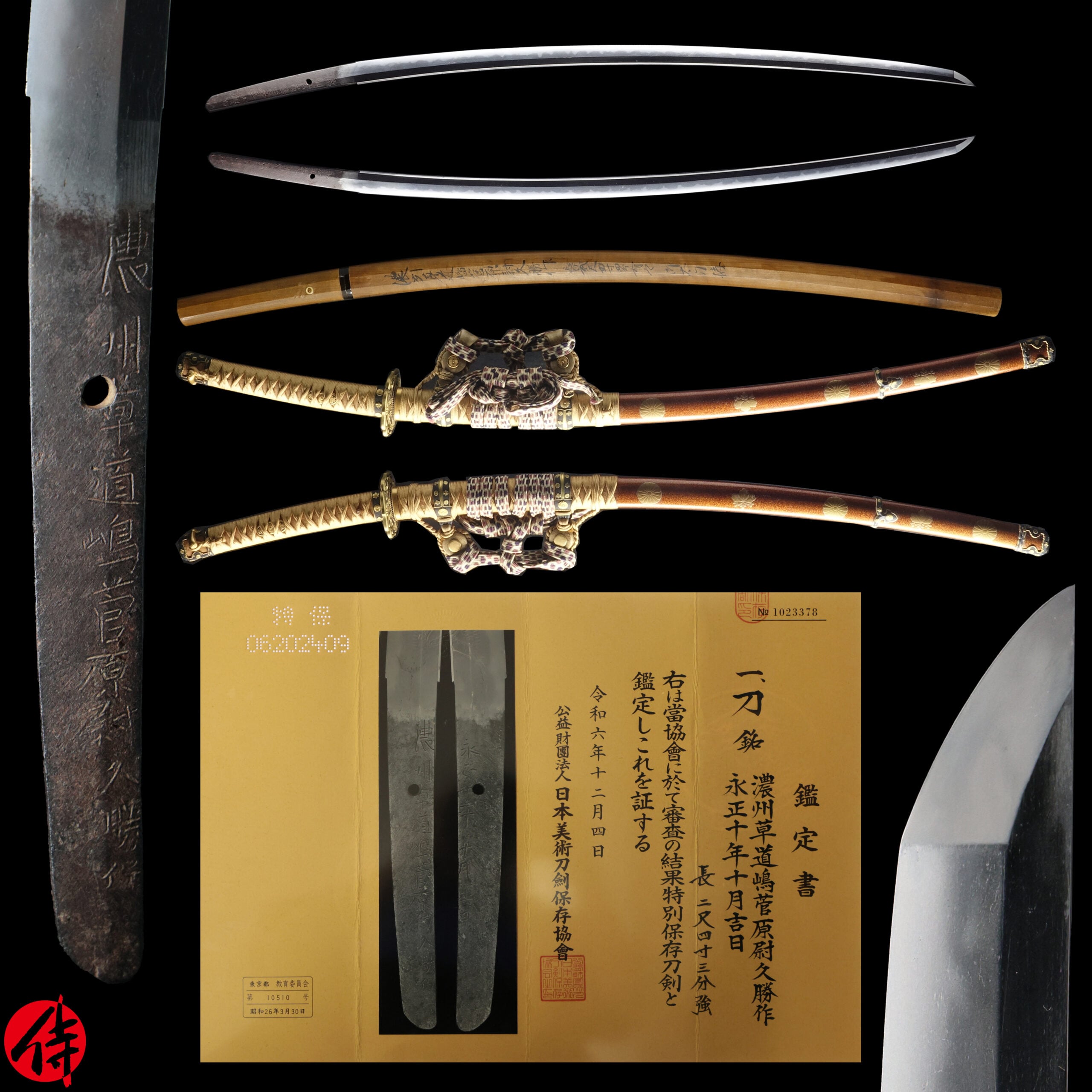
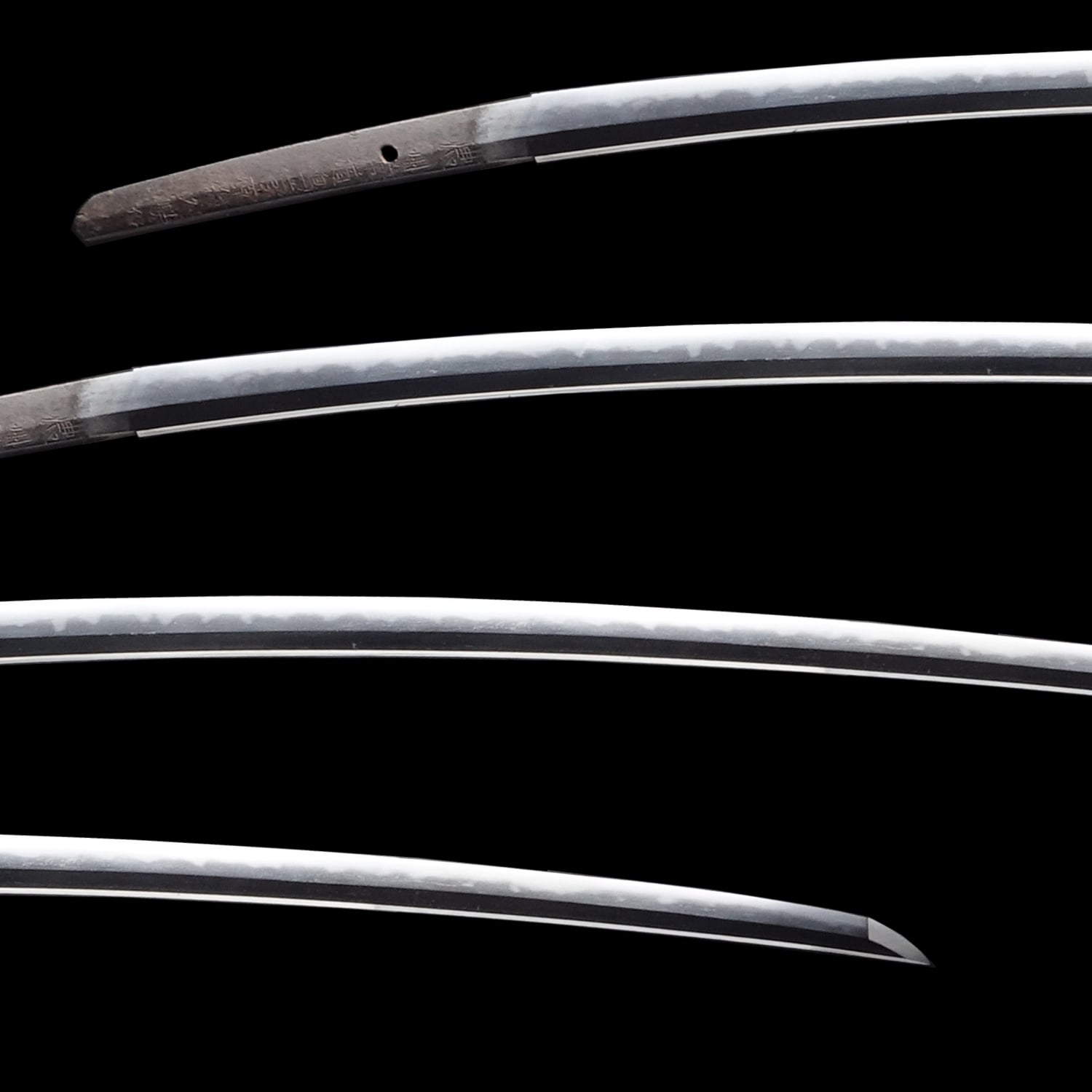
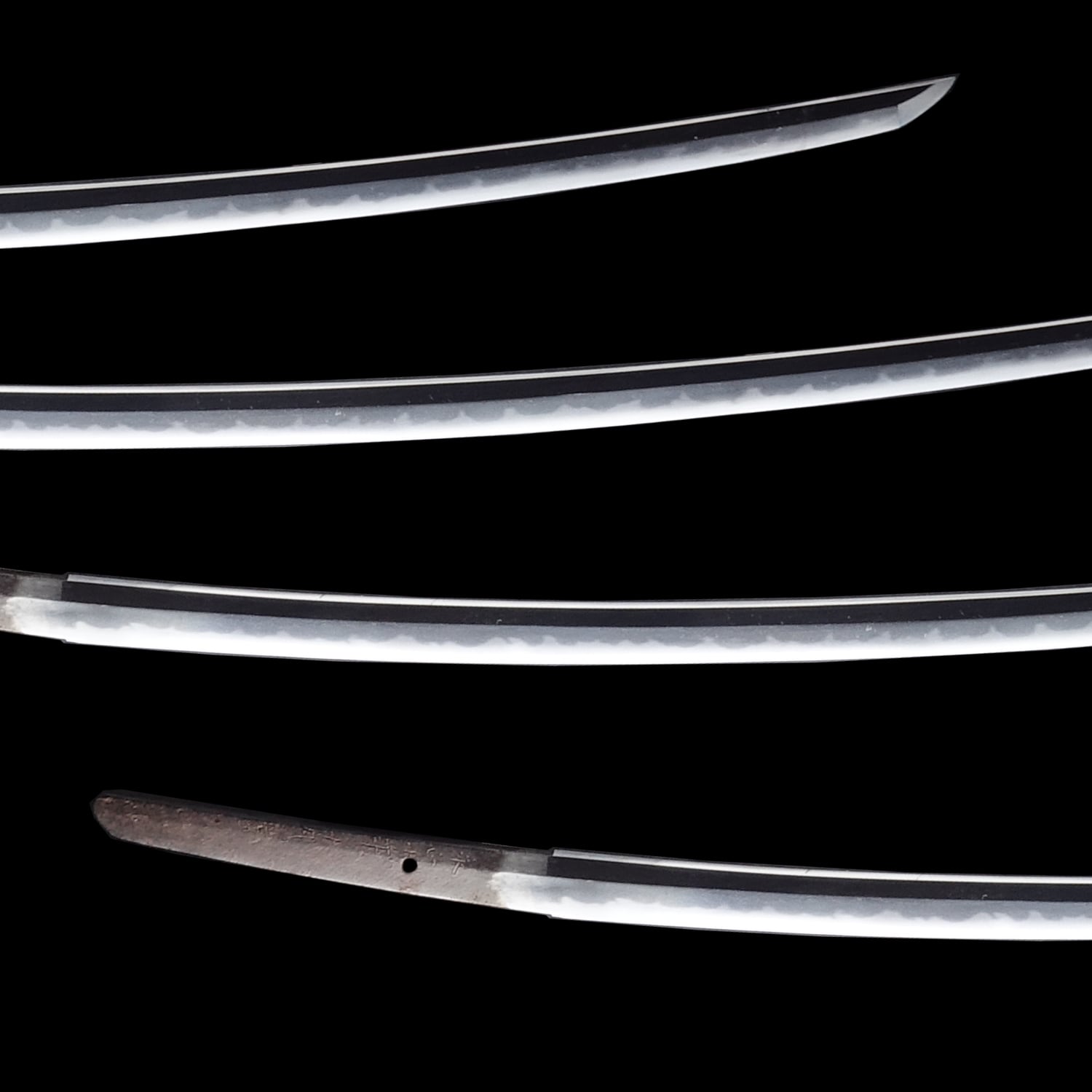
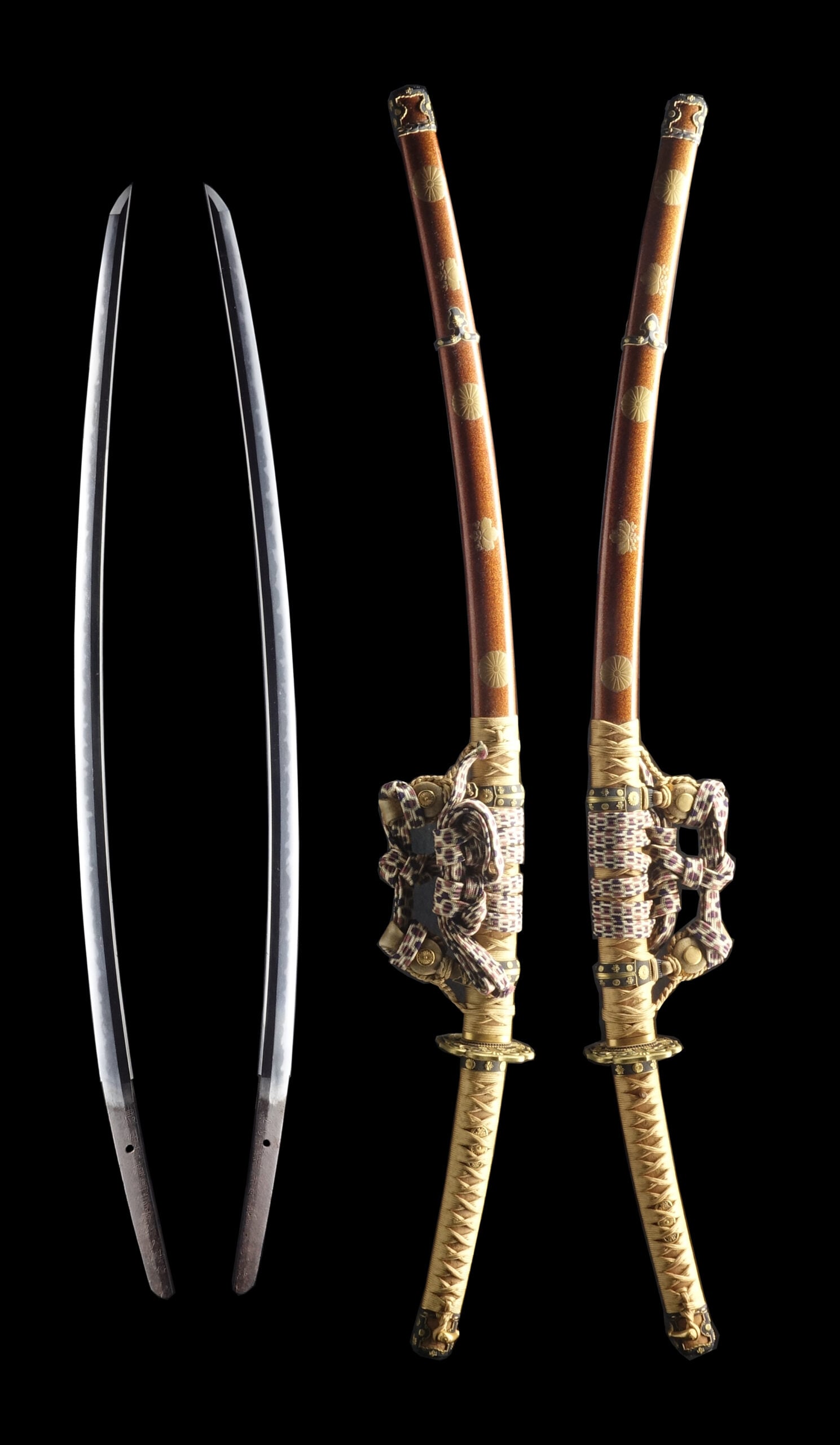
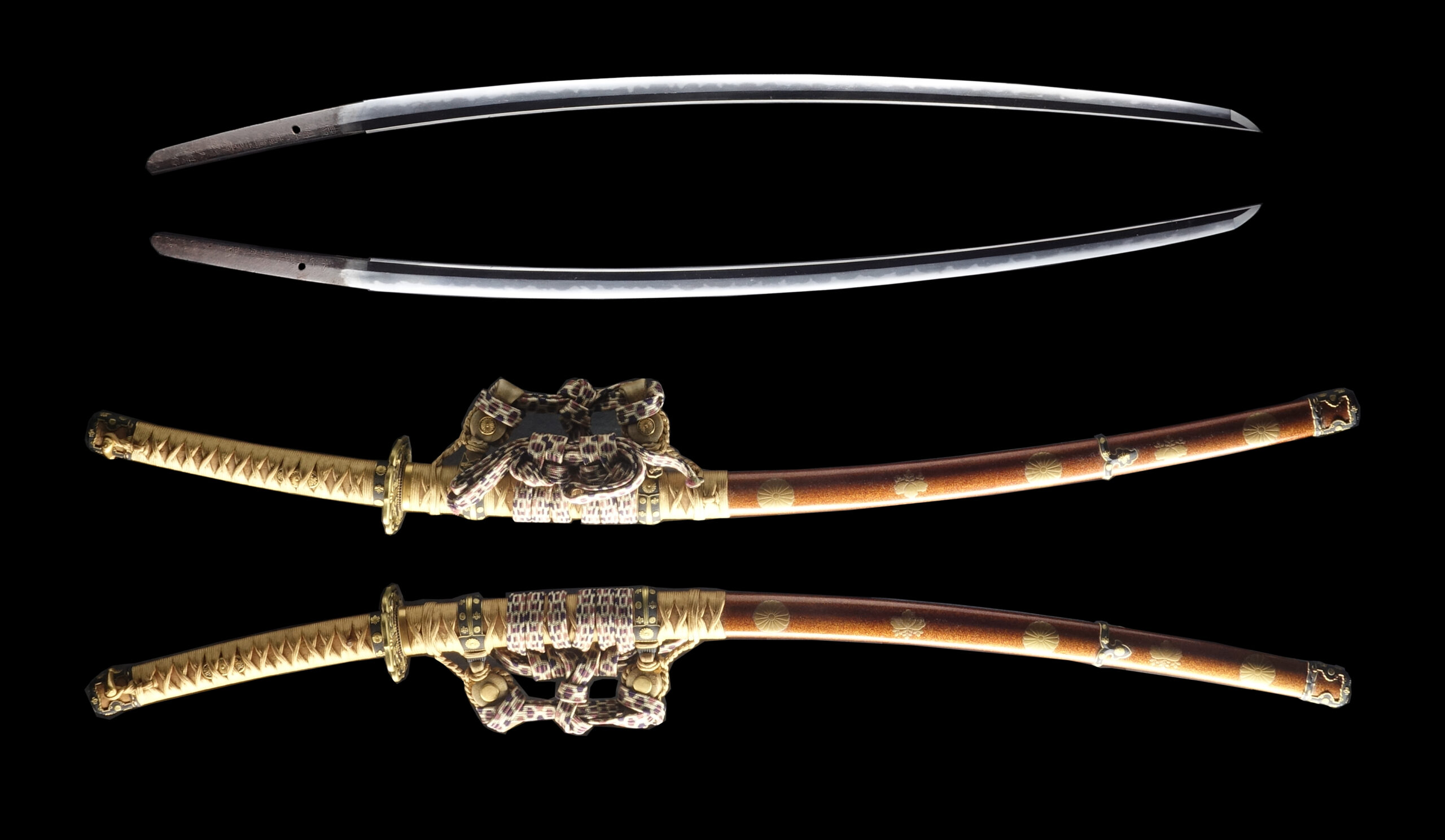
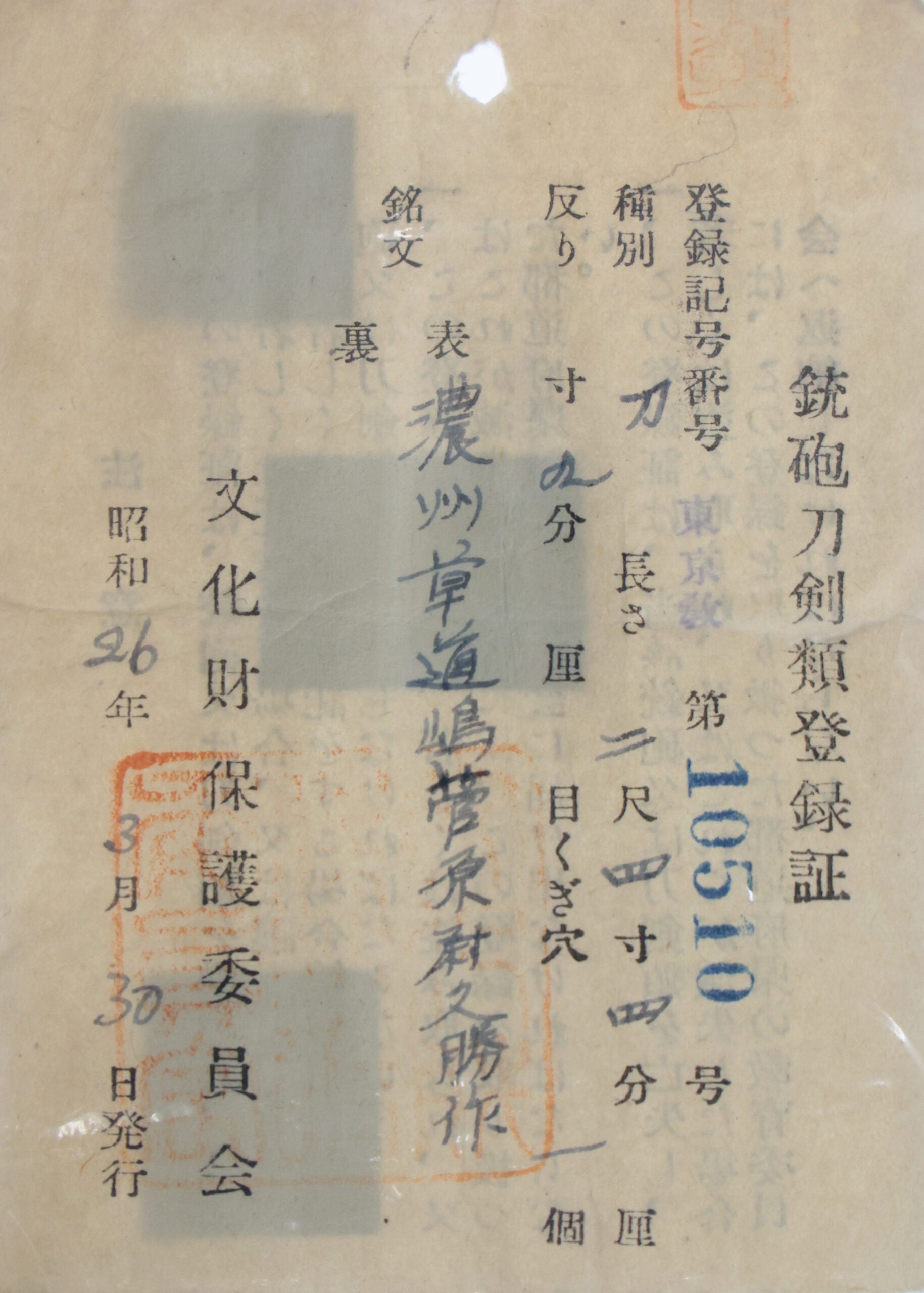
This antique katana is signed by Hisakatsu (久勝), a smith of the Akasaka Senjuin School in Mino Province, and dated to 1513 (late Muromachi period). The blade exhibits characteristics of both Mino craftsmanship and the Yamato tradition. It comes with a Tachi-style koshirae decorated with chrysanthemum and paulownia crests, and is accompanied by an NBTHK Tokubetsu Hozon Certificate.
 NihontoWatch
mei · Akasaka Senjuin · Muromachi · nagasa 73.9cm · sori 2.7cm
Mino · around 1504-1521
Tōken Taikan top 76%
3 pieces on the market now
The Muromachi period (1392 to 1573)
After the Ōnin War broke the Ashikaga order, a century of Sengoku warfare armed nearly every province in Japan. The era rewards a discriminating eye: routine work exists in quantity, and beside it stand custom blades of the first rank.
A Hozon-certified blade judged to show notably superior workmanship and a better state of preservation. The bar is higher: re-tempered blades and most unsigned Muromachi/Edo works are excluded.
The NBTHK (Nihon Bijutsu Tōken Hozon Kyōkai, the Society for the Preservation of Japanese Art Swords) is a public-interest incorporated foundation founded in 1948 and supervised by Japan’s Agency for Cultural Affairs (Bunkachō); it is based at the Japanese Sword Museum in Tokyo. Its expert panels physically examine each submitted work (shinsa) and issue a certificate (kanteishō) ranking it by artistic and historical merit. NBTHK papers are the most widely recognized standard of authentication for Japanese swords and fittings.
NBTHK official siteReturns/exchanges limited to defects caused by shipping (except willful misconduct or gross negligence by the company); customers must contact within 72 hours of receiving the product.
¥3,200,000
This antique katana is signed by Hisakatsu (久勝), a smith of the Akasaka Senjuin School in Mino Province, and dated to 1513 (late Muromachi period). The blade exhibits characteristics of both Mino craftsmanship and the Yamato tradition. It comes with a Tachi-style koshirae decorated with chrysanthemum and paulownia crests, and is accompanied by an NBTHK Tokubetsu Hozon Certificate.
NihontoWatchmei · Akasaka Senjuin · Muromachi · nagasa 73.9cm · sori 2.7cm
Mino · around 1504-1521
Tōken Taikan top 76%
3 pieces on the market now
The Muromachi period (1392 to 1573)
After the Ōnin War broke the Ashikaga order, a century of Sengoku warfare armed nearly every province in Japan. The era rewards a discriminating eye: routine work exists in quantity, and beside it stand custom blades of the first rank.
A Hozon-certified blade judged to show notably superior workmanship and a better state of preservation. The bar is higher: re-tempered blades and most unsigned Muromachi/Edo works are excluded.
The NBTHK (Nihon Bijutsu Tōken Hozon Kyōkai, the Society for the Preservation of Japanese Art Swords) is a public-interest incorporated foundation founded in 1948 and supervised by Japan’s Agency for Cultural Affairs (Bunkachō); it is based at the Japanese Sword Museum in Tokyo. Its expert panels physically examine each submitted work (shinsa) and issue a certificate (kanteishō) ranking it by artistic and historical merit. NBTHK papers are the most widely recognized standard of authentication for Japanese swords and fittings.
NBTHK official siteReturns/exchanges limited to defects caused by shipping (except willful misconduct or gross negligence by the company); customers must contact within 72 hours of receiving the product.
¥3,200,000

