 NihontoWatchNihontoWatch
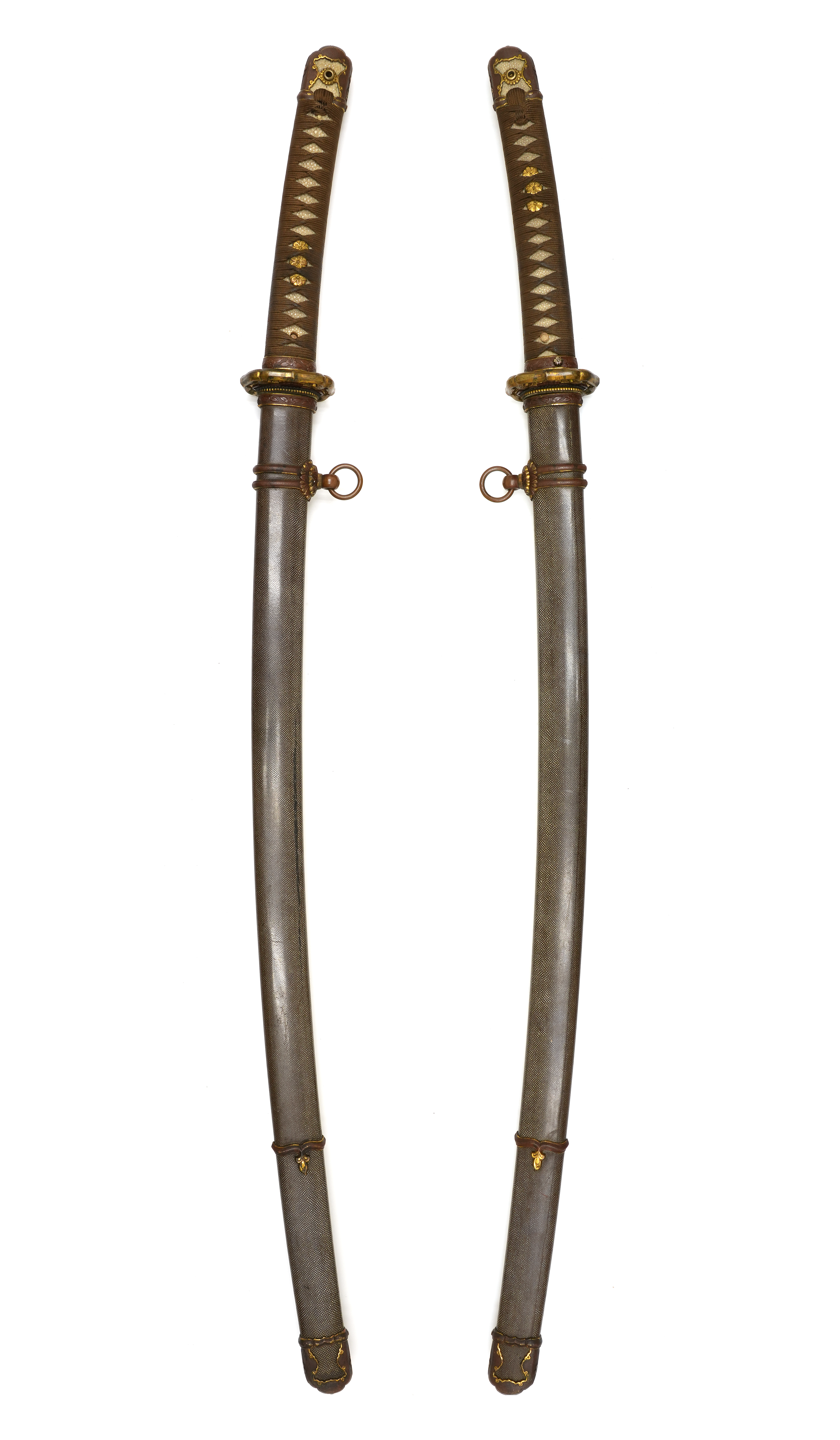
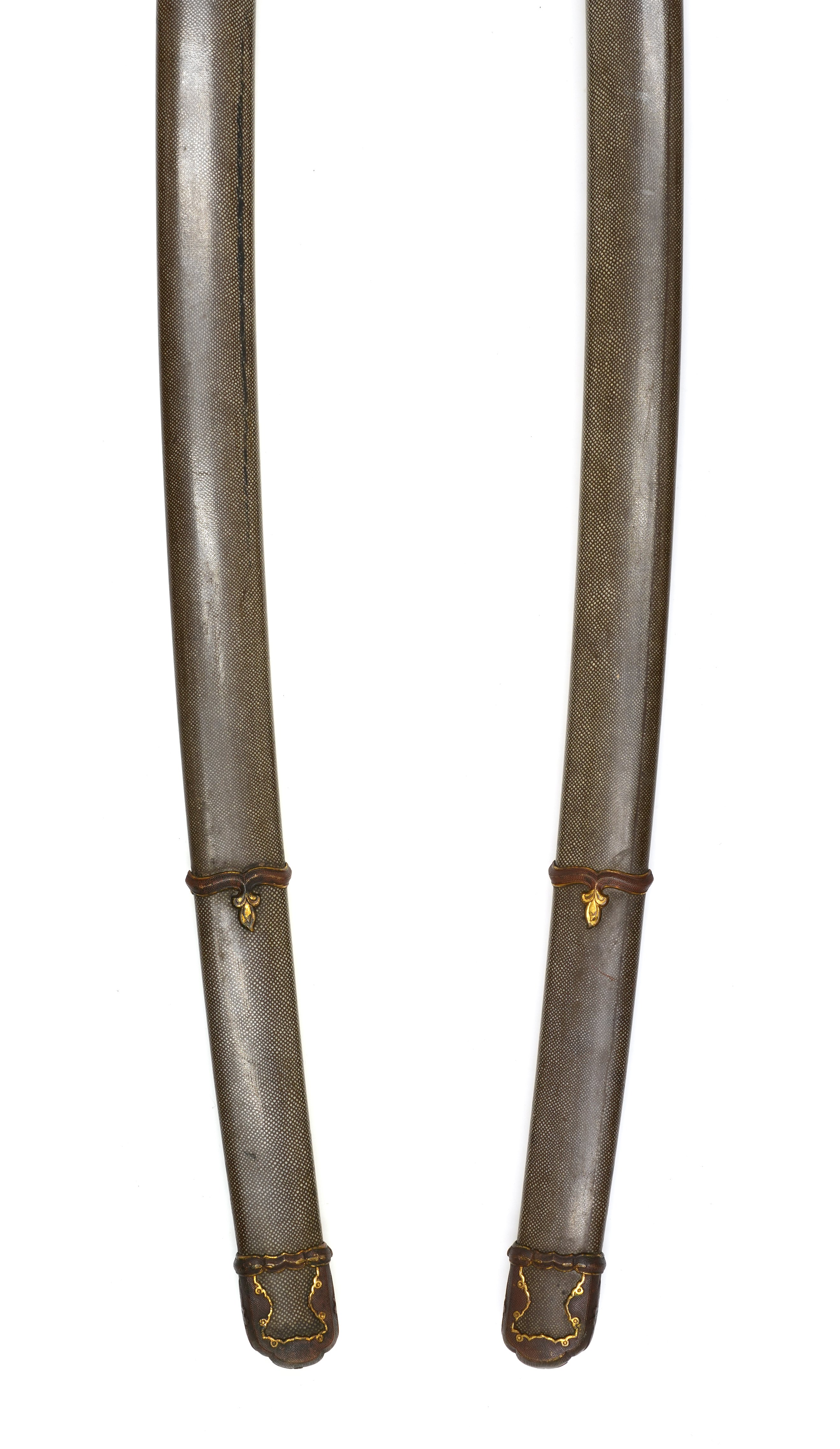
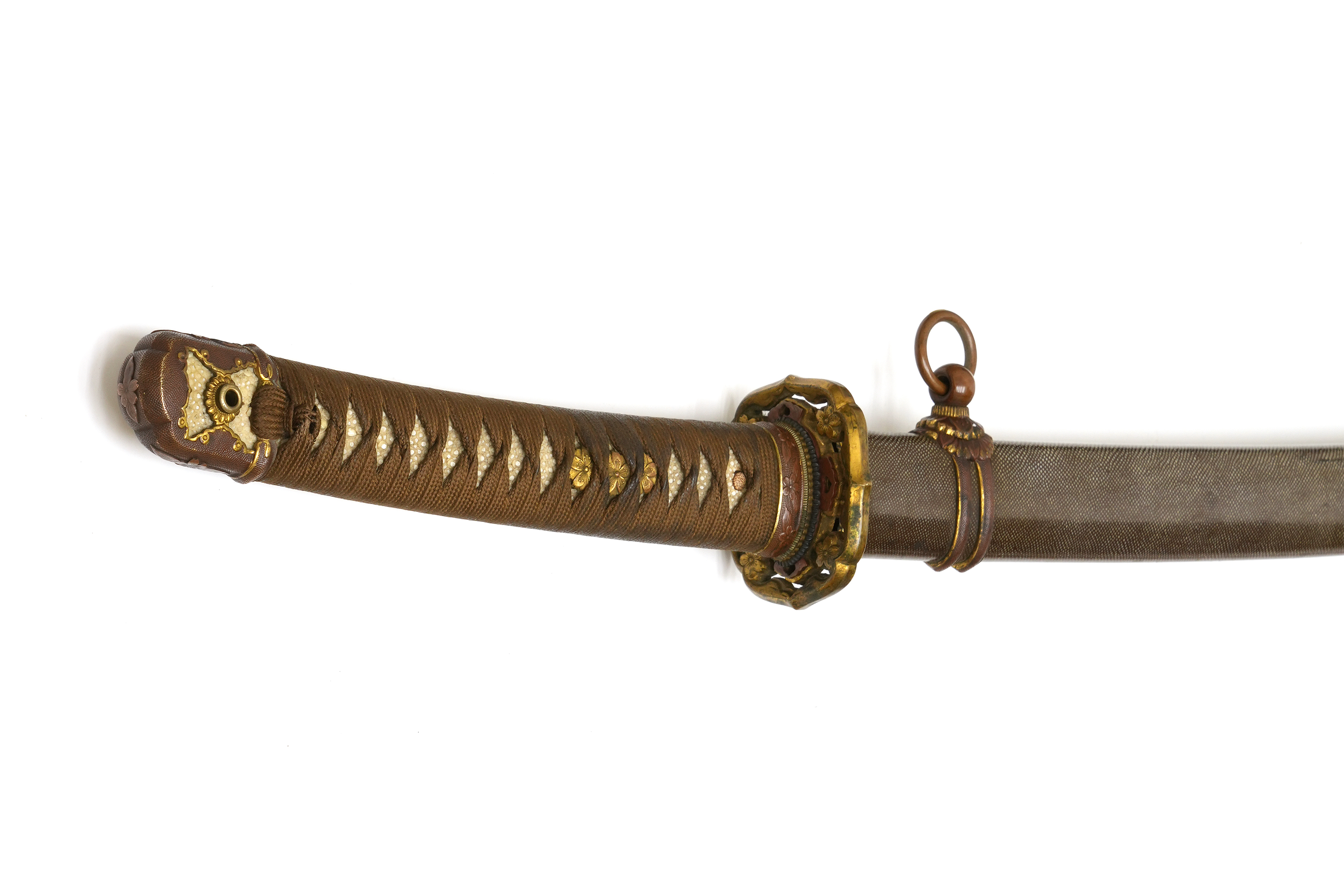
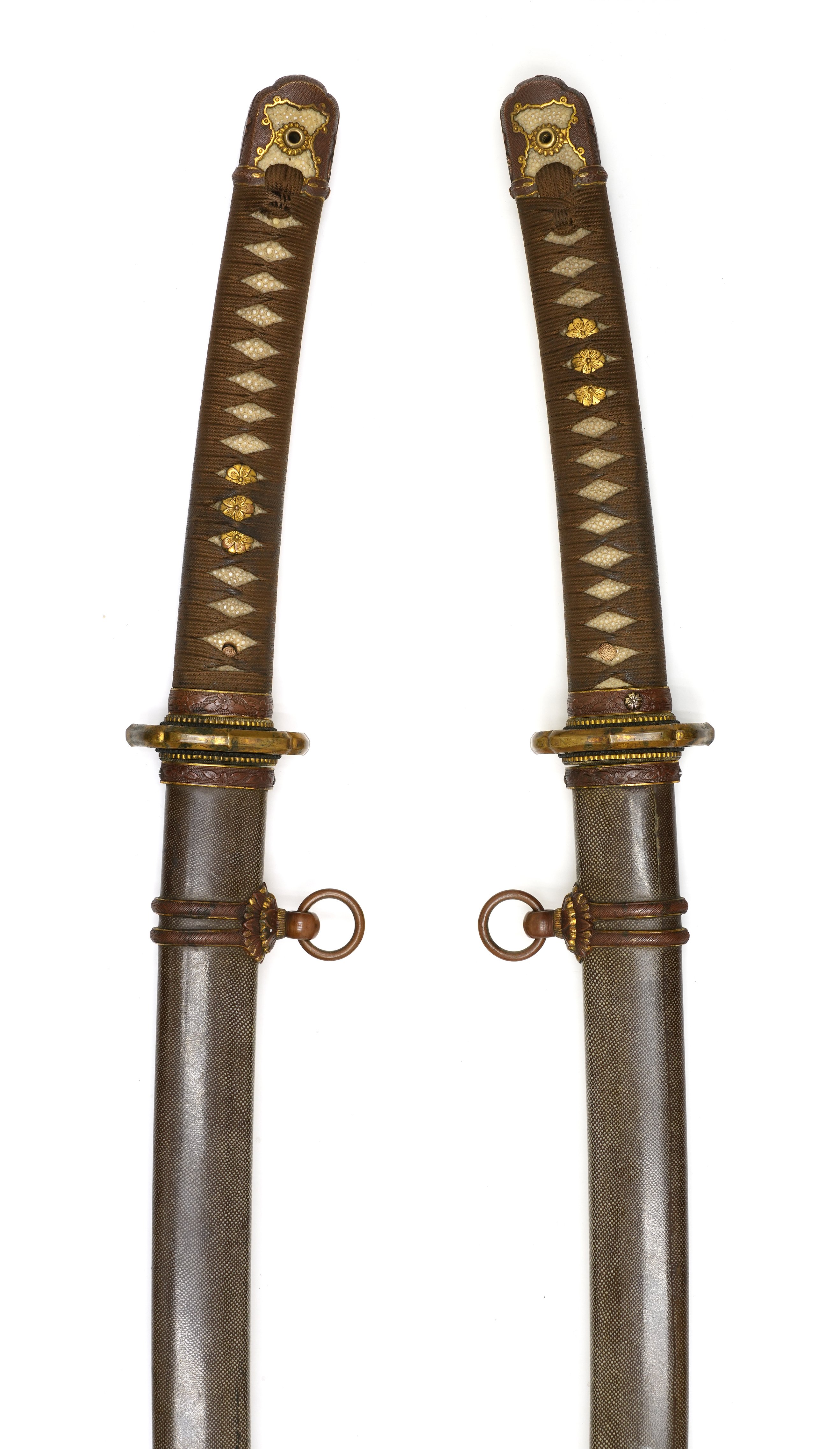
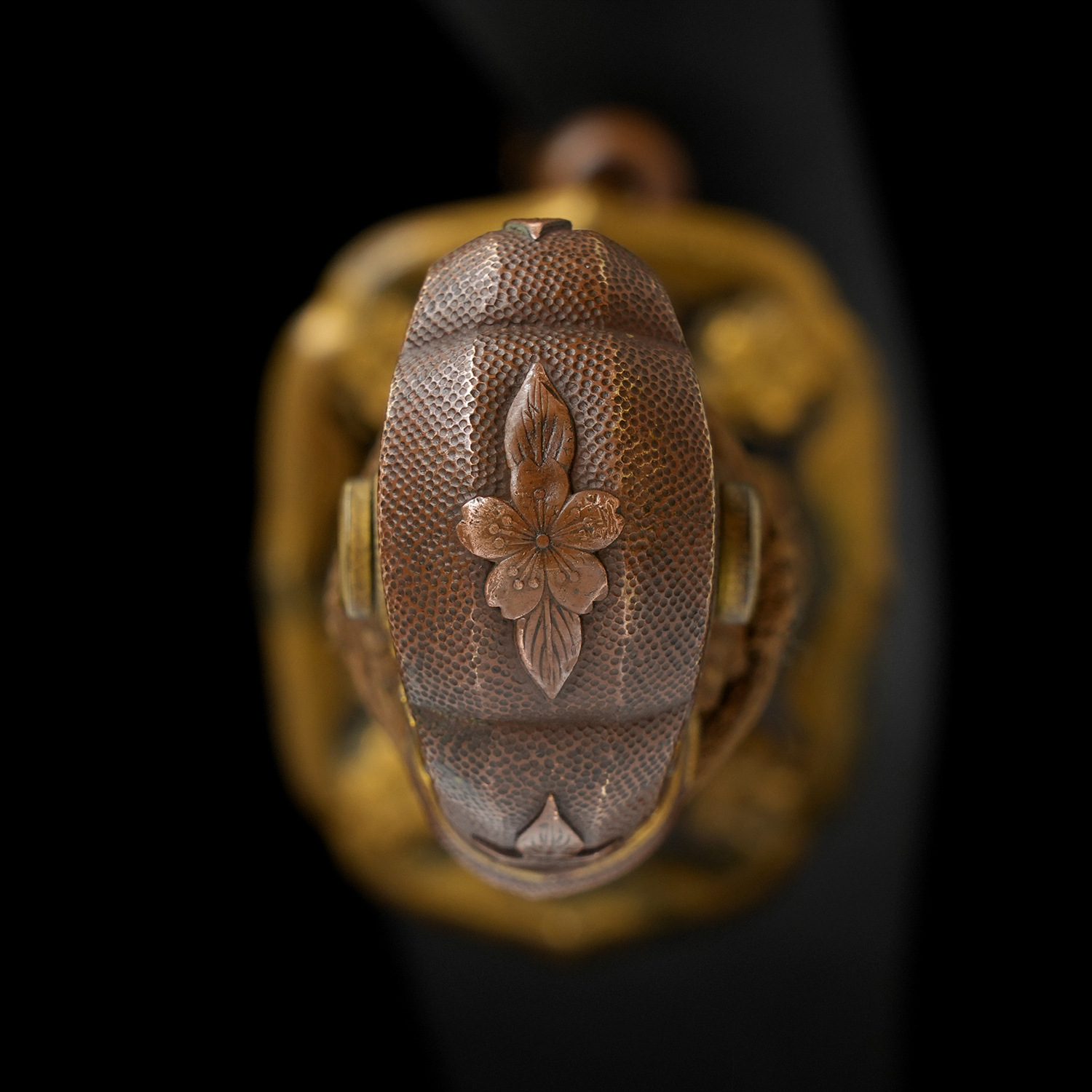
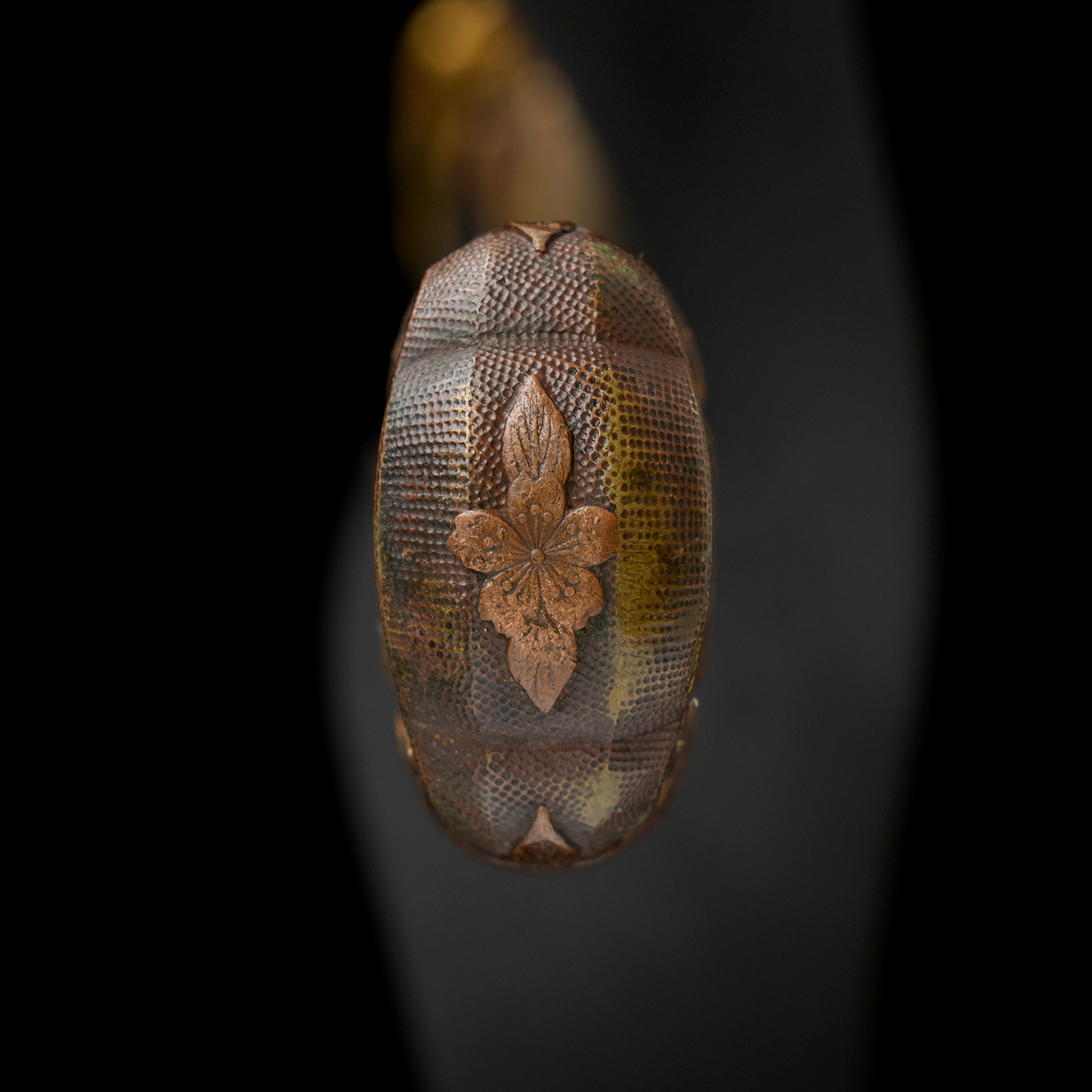
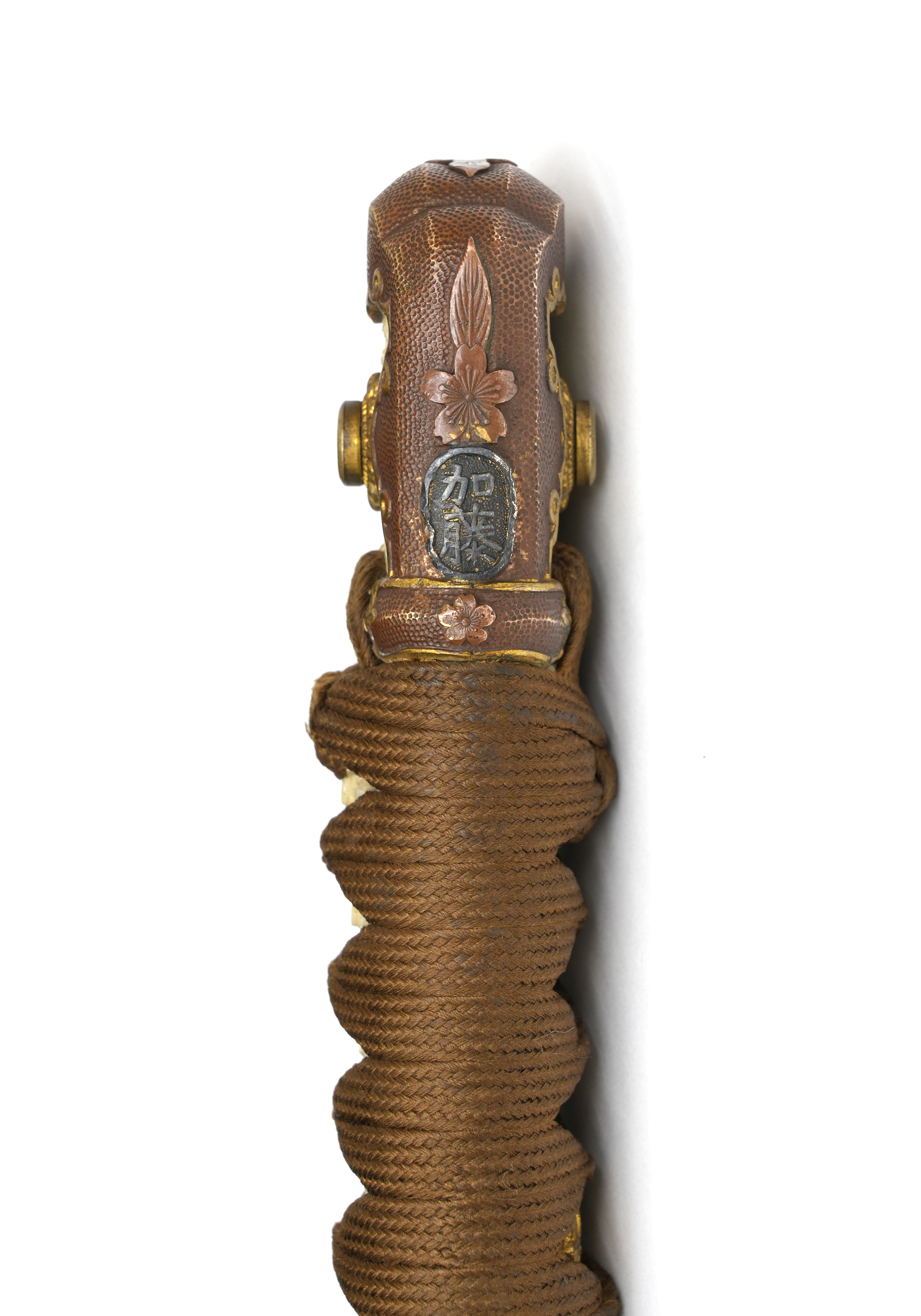
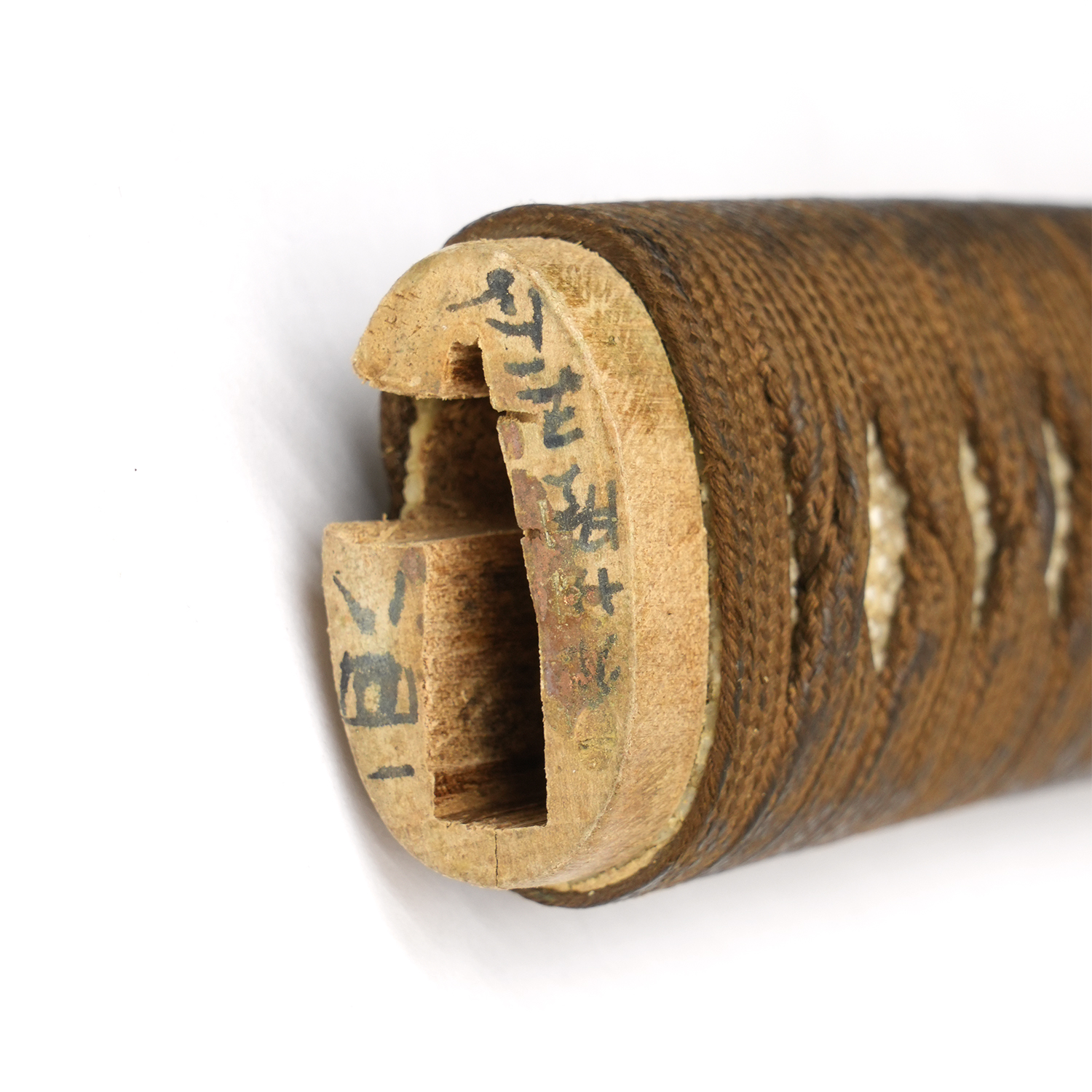
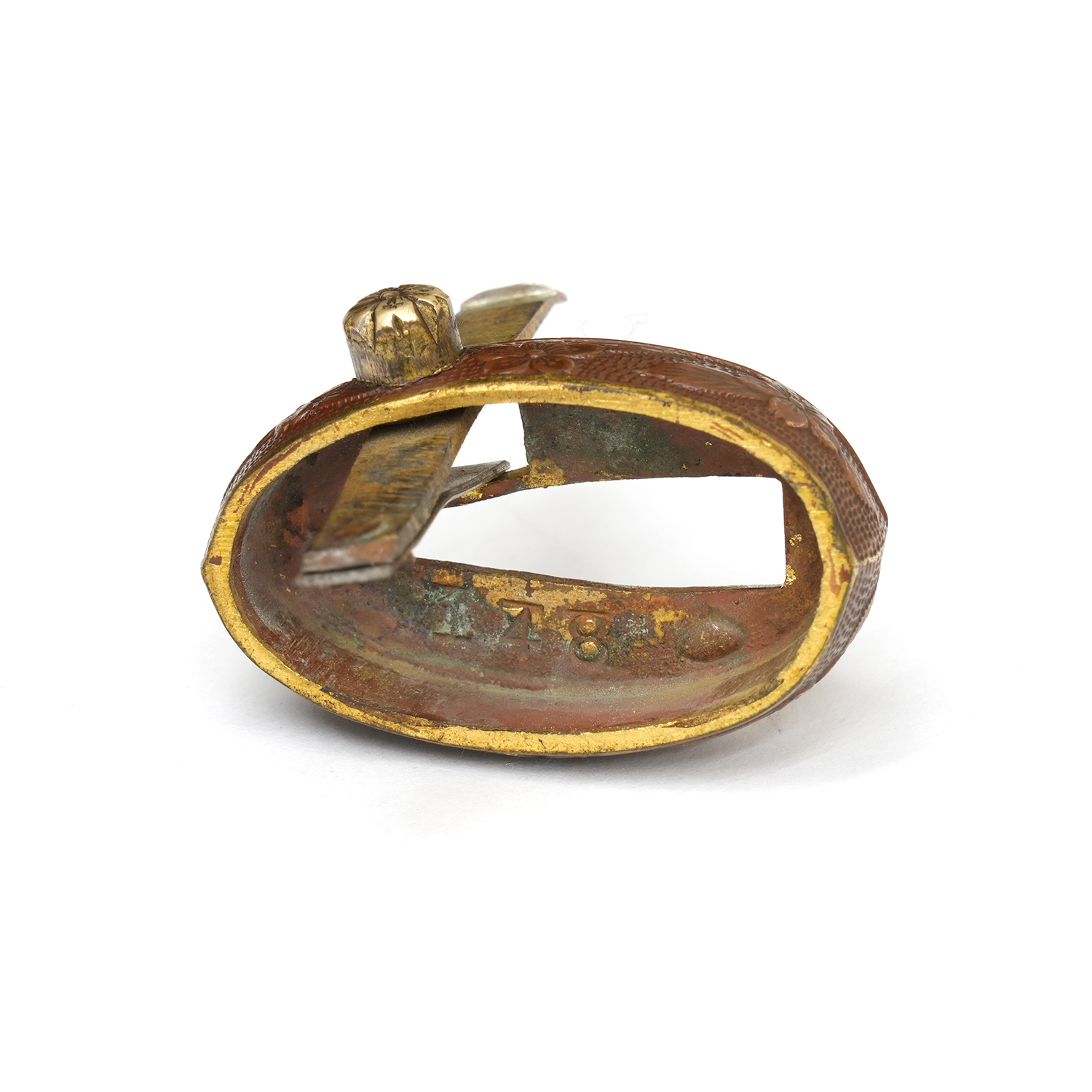
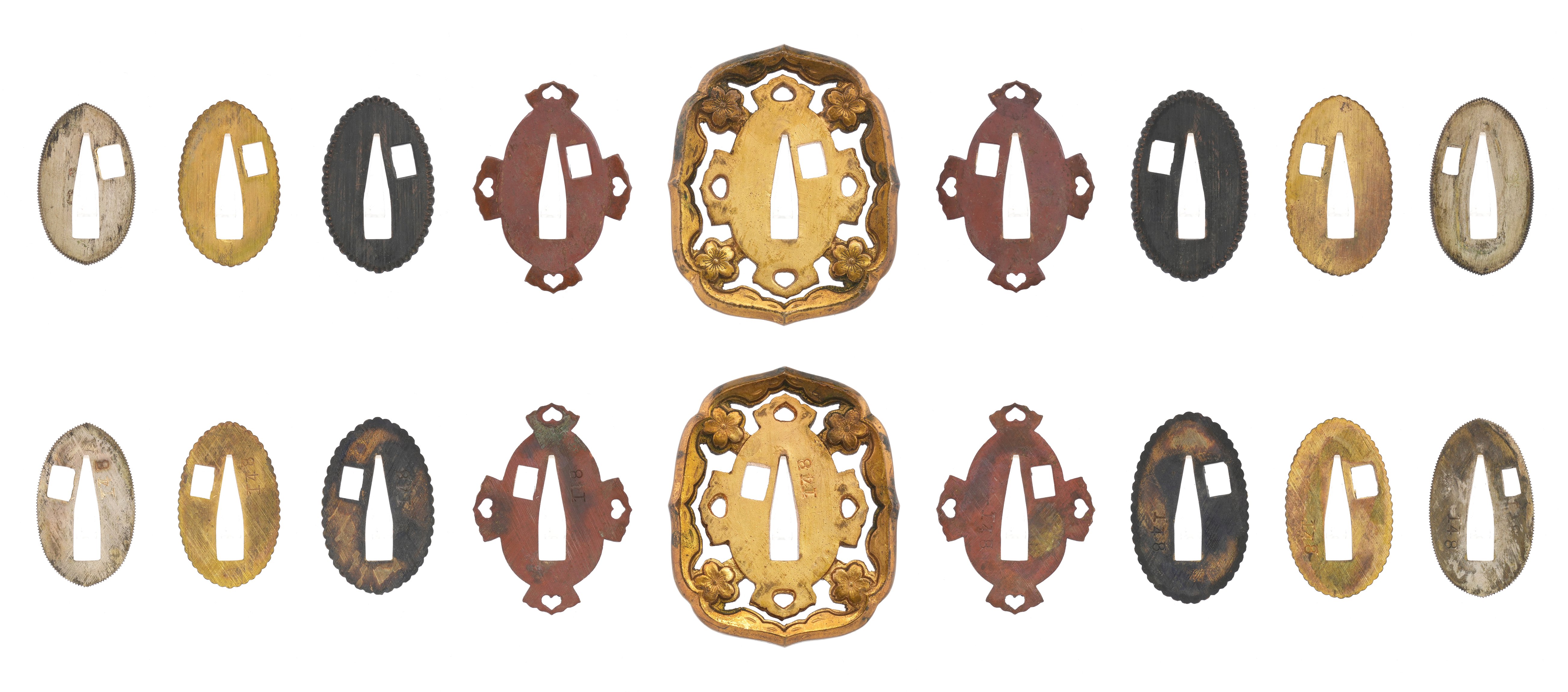
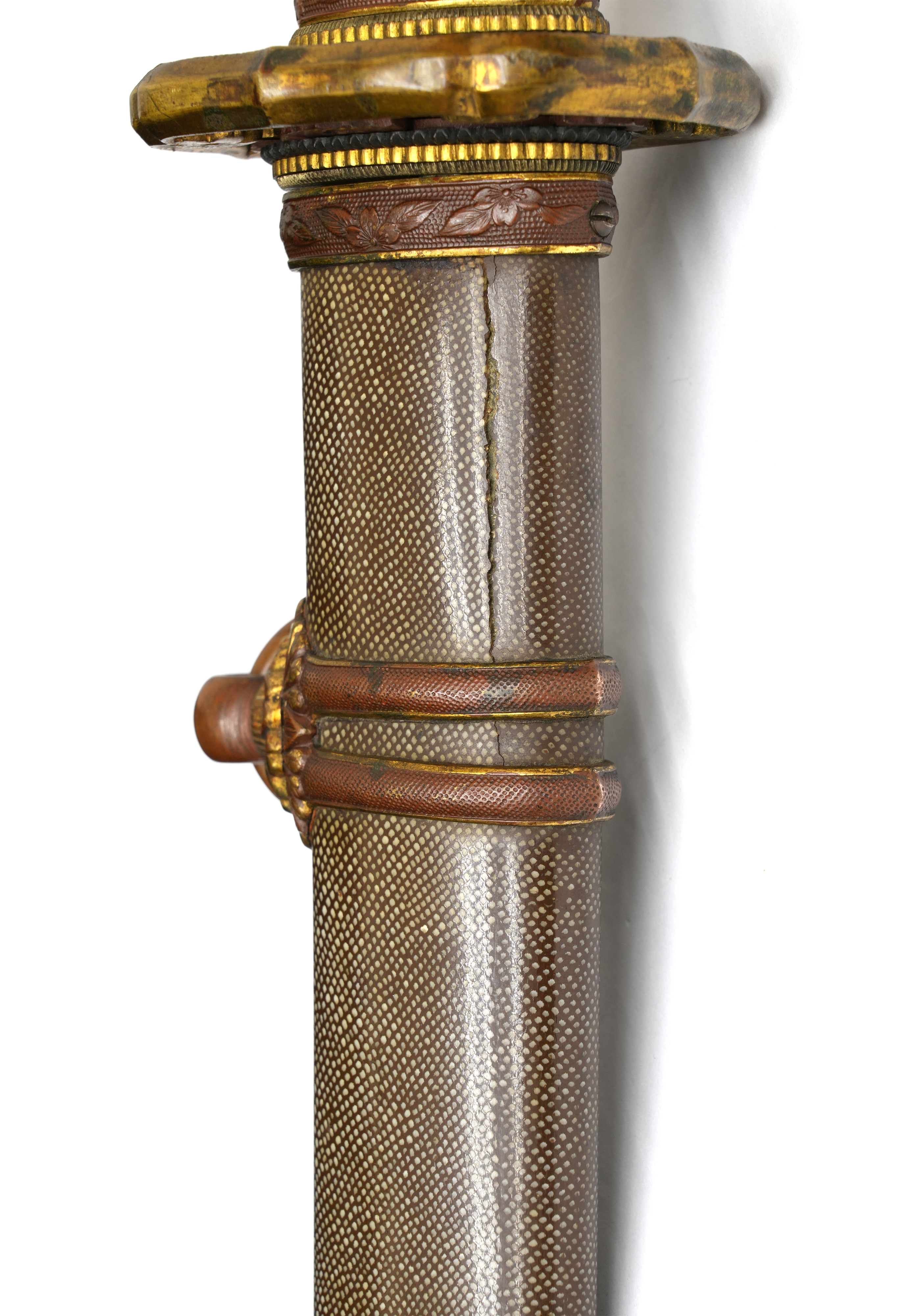
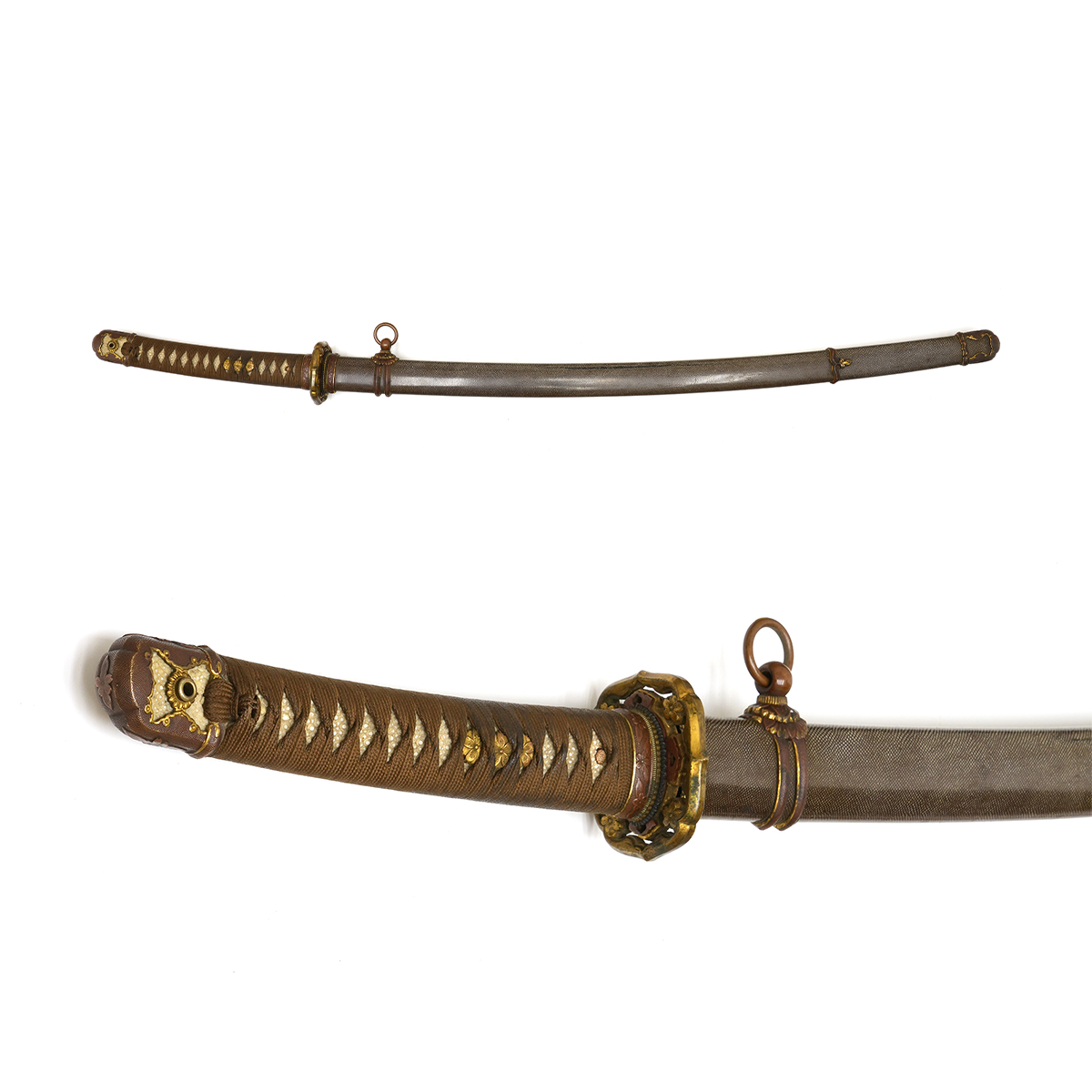
Measurements of the tsugiki Nagasa 69.55 cm, sori 1.7 cm, nakago length 20.0 cm, nakago sori 0.2 cm Motohaba 29.6 mm, motokasane 6.3 mm Monouchi haba 23.6 mm, monouchi kasane 5.2 mm Yokote position haba 19.3 mm, matsubasaki kasane 4.6 mm Measurements of the koshirae Total length 99.8 cm, saya length 73.5 cm, tsuka length 24.4 cm, tsuba mimi thickness 8.6 mm On February 14, Showa 9 (1934), the new sword for His Majesty the Grand Marshal was established by Imperial Household Order No. 3, and the new army sword for general officers was established by Imperial Order No. 26, shifting from the Western saber style to a new mounting modeled after the Japanese tachi, giving birth to the Type 94 gunto. The brilliance of the rare "aizame ichimai-maki, togidashi" The greatest highlight of this koshirae is, above all, the beauty of its saya. The high-grade material "aizame" (blue-dyed ray skin) is not applied in strips, but is luxuriously wrapped as a "single continuous sheet," and further subjected to the extremely time-consuming and advanced technique of being painstakingly polished down (togidashi). The hard granules unique to samegawa emit a mysterious, star-like luster when polished, revealing a solemn and beautiful scenery depending on the viewing angle. This transcends a mere military item and reaches the realm of fine art and craft, clearly expressing the extraordinary obsession the officer of that time poured into his gunto and the outstanding skill of the maker. Kanagu speaking of status and the state of preservation The characters for "Kato" are engraved on the kabutogane, showing the pride of the owner and conveying personal history to the present, and the carvings of cherry blossoms and leaves on the ishizuki show little wear, retaining the three-dimensional form of that time. This can be said to be evidence that this item has been handled with great care. Furthermore, although the detachable second haikan has been lost, the dignified appearance unique to the early Type 94 model is not impaired in the slightest. Rather, even that absence serves as a testament to the time this sword has passed through, adding depth to the overall impression. Weight as a historical legacy This koshirae is an unmistakable witness to history, having survived the unprecedented upheaval of the Greater East Asia War at the waist of a high-ranking officer who worried for the future of this country and worked for our nation at the risk of his life. Beyond its archival value in conveying the high production standards of the time to the present day, I wish to pass this on to someone who can feel the "sense of respect and gratitude" imbued within it. Please consider this prestigious historical legacy, which transcends the framework of a mere collectible and is worthy of decorating your family's tokonoma.
NihontoWatchOffered by Toushin
We couldn’t find current papers for this piece. Ask the dealer whether it has been, or can be, submitted to shinsa. — Hoshi

Shōwa
As written by the shop
Machine translation from the shop's Japanese · may contain errors ·
We could not find an authenticity certificate on the seller’s listing. Japanese swords and fittings are normally papered by the NBTHK (or the NTHK). Without one, the attribution is the seller’s own assessment and has not been independently verified — treat it with caution and ask the dealer about certification before buying.
As a rule we do not accept returns, except when we have sent a different item from the one ordered or when there is a significant discrepancy between the description and the item. If you wish to return an item, please contact us within 3 days of its arrival and then send it back.
¥330,000