Edo was the sword’s age of connoisseurship: the Hon’ami appraisers, the shogunal register of famous blades of 1719, and a thriving literature turned the sword into an object of study even as it ceased to be drawn in war.
 NihontoWatchNihontoWatch
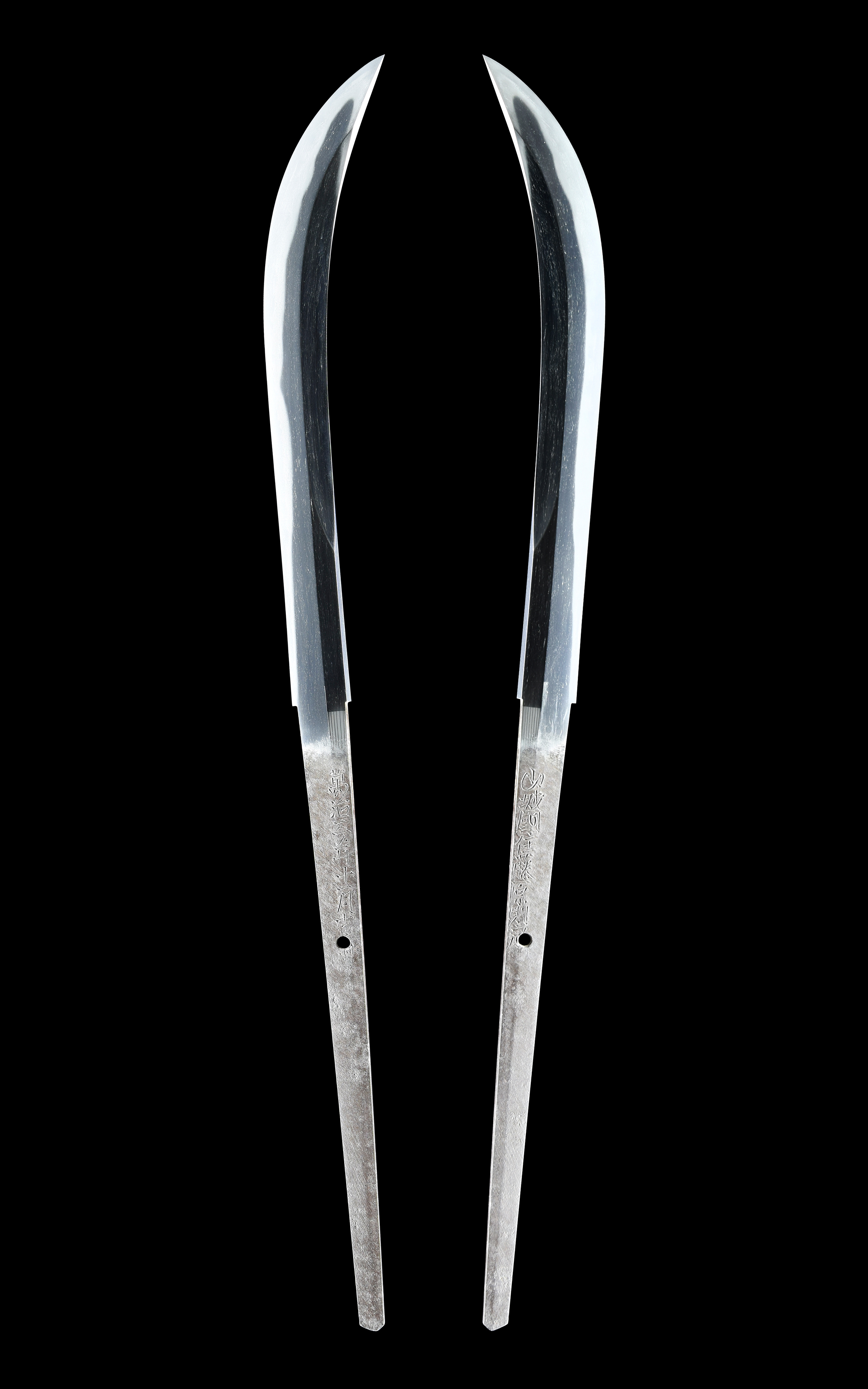
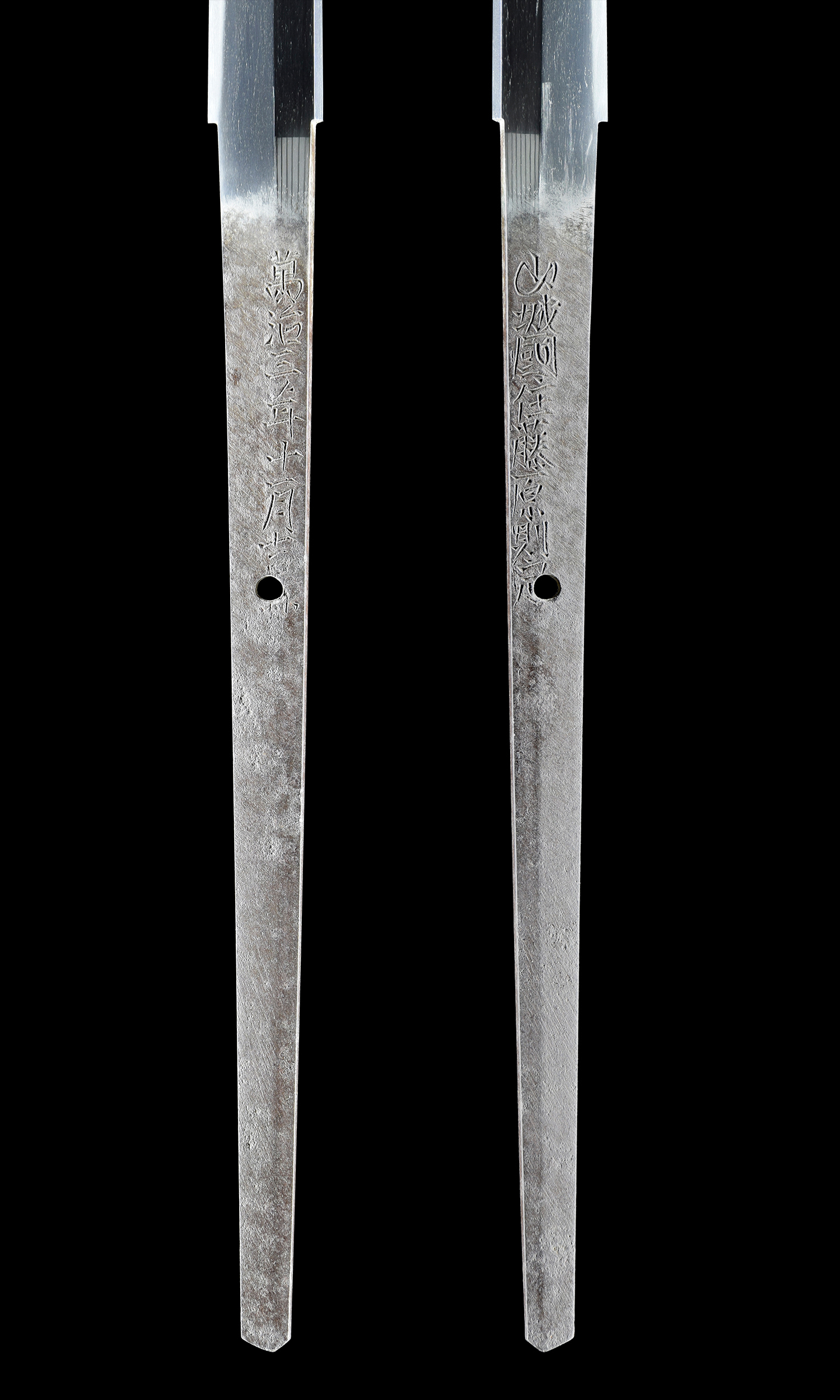
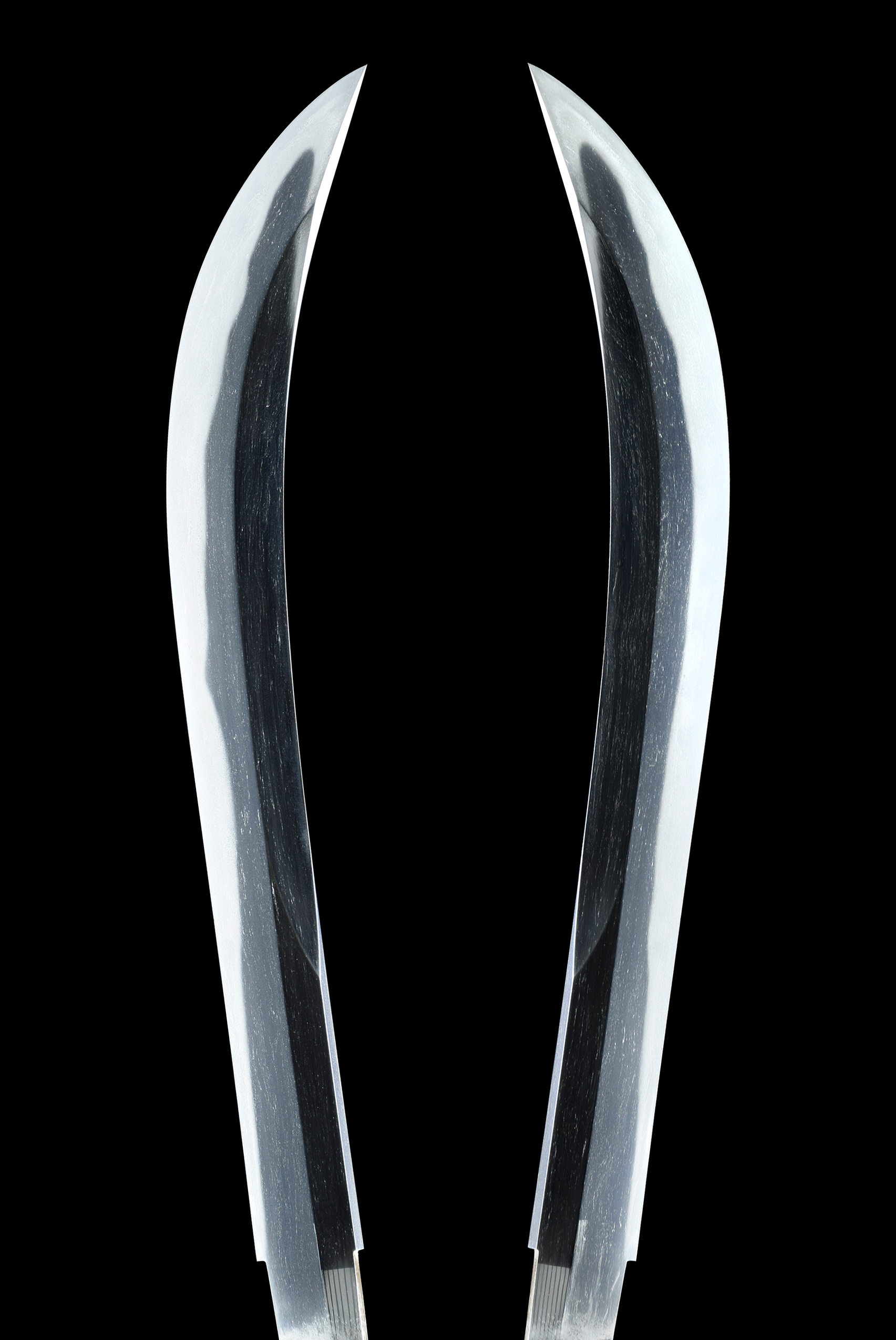
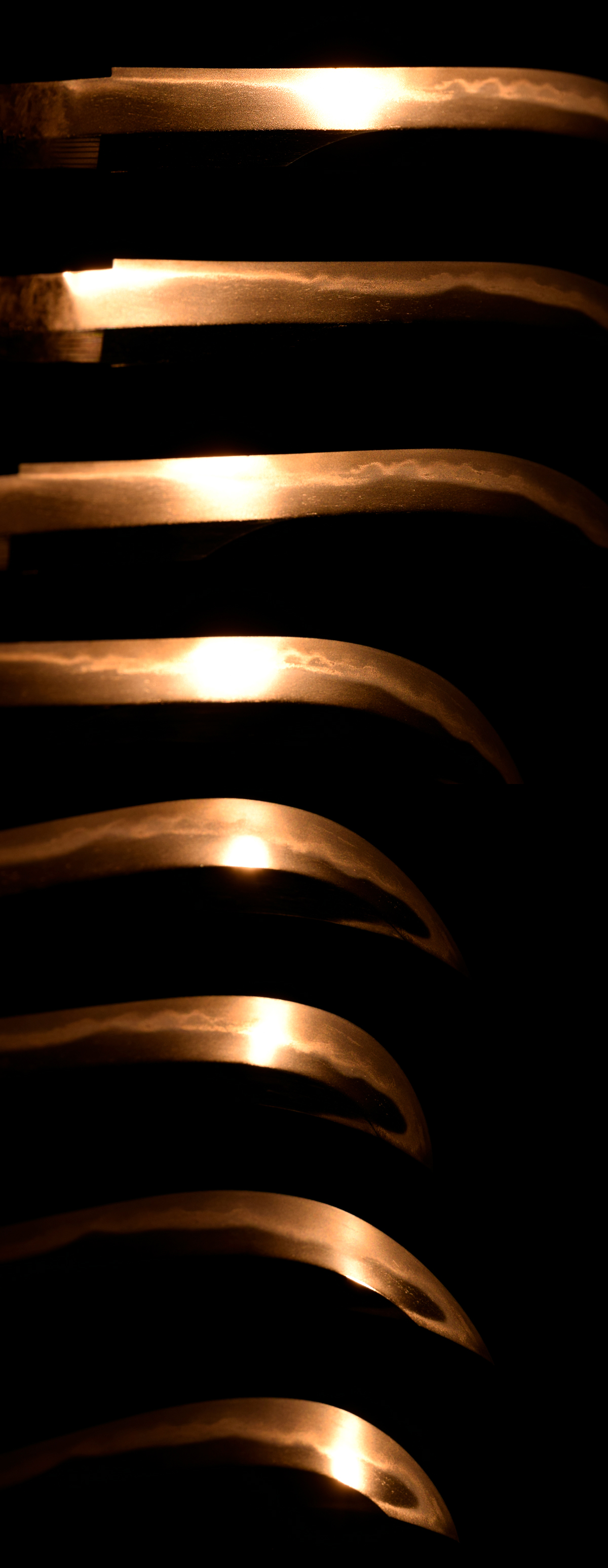
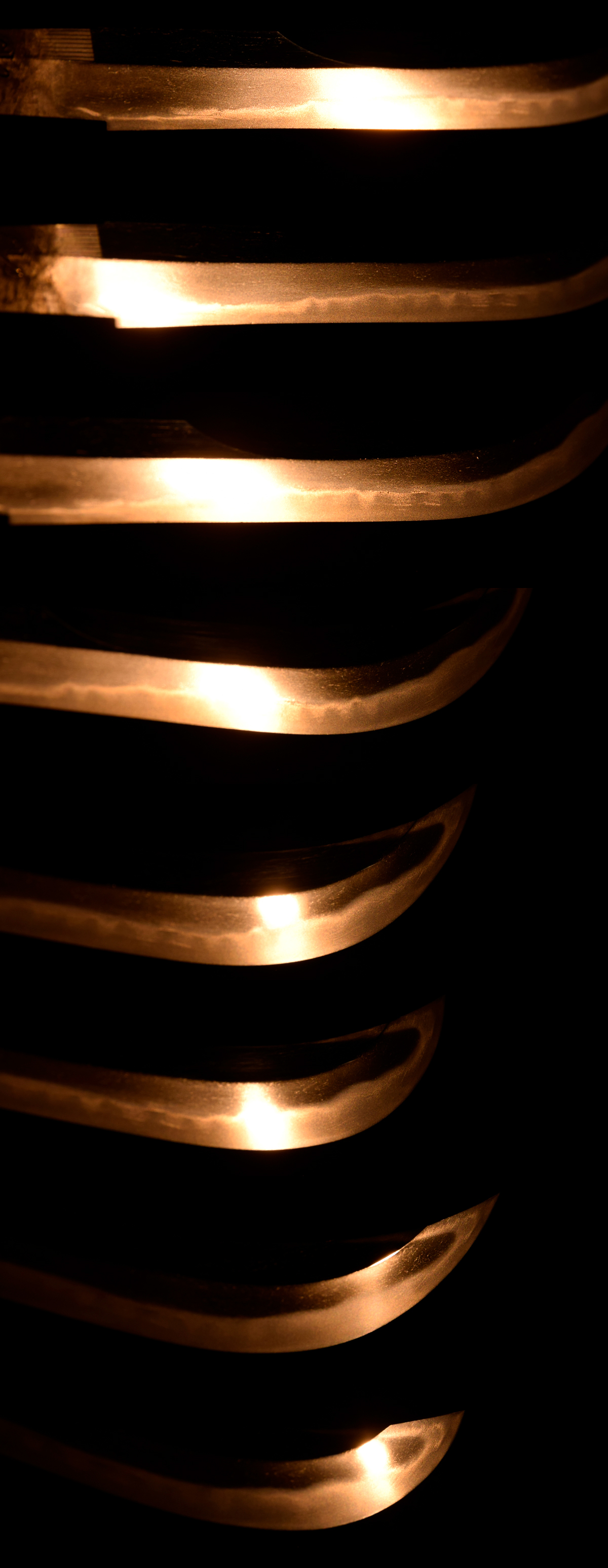
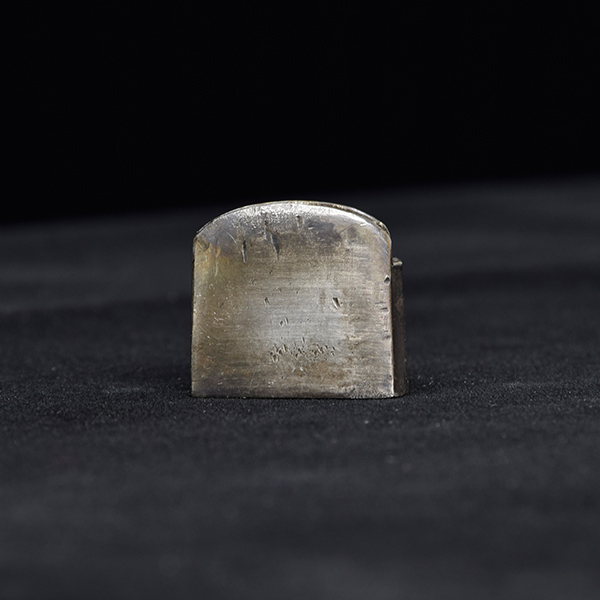
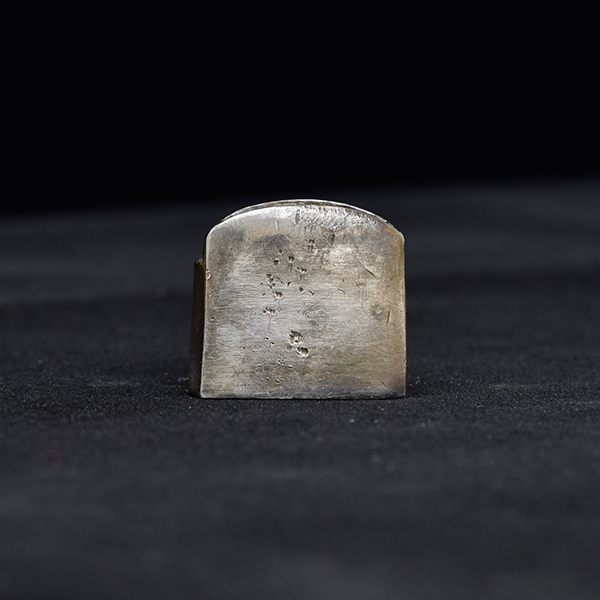
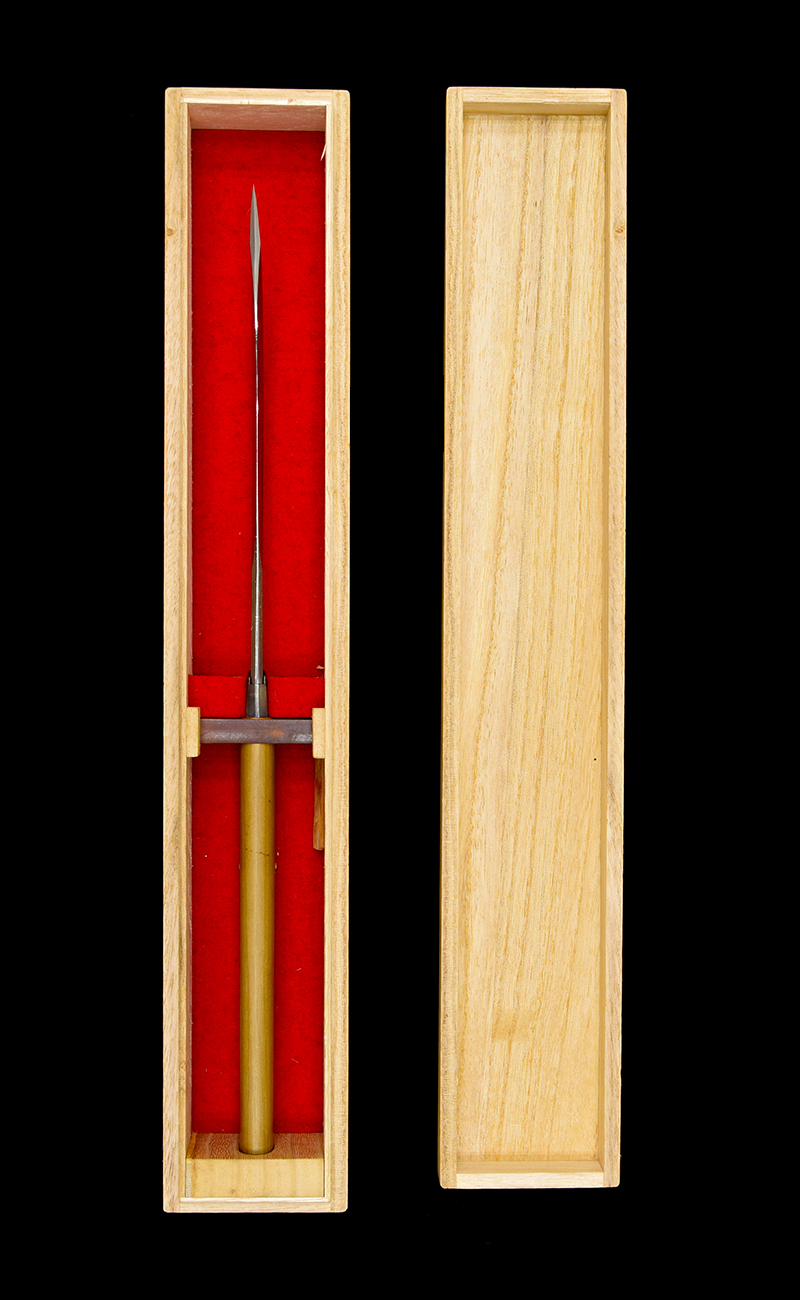
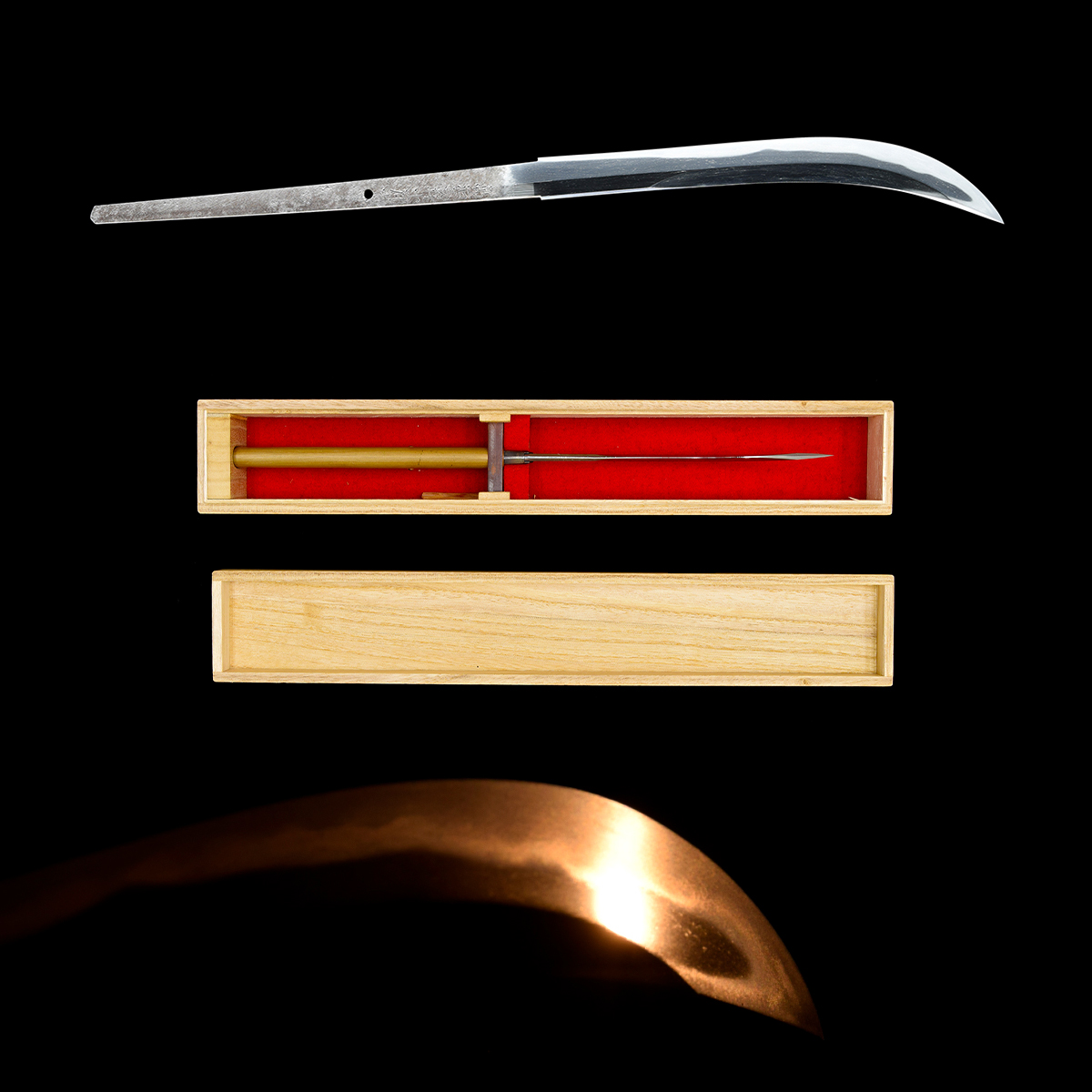
Accompanied by shirasaya, suaka-ji gin-kise habaki, and kiribako. The peaceful Edo period gave birth to and nurtured a rich culture of seasonal festivals. Among these, in the residences of daimyo families and wealthy merchants, exquisite armor sets and hina tools that could actually be worn or used were specially commissioned to pray for the healthy growth of young children. Whether it was a tachi copied in infant size from an adult's sword, or a doll's tachi of only a few sun that contained a shinken, it is a world where luxury and aesthetic sensibilities reached their peak. This work, a hina-naginata (chigo-naginata), is counted as exactly such a masterpiece. Although the full set of festival decorations has been dispersed, there is no doubt that this was one piece of high-grade hina tools that brilliantly adorned a hina-dan at that time, and despite its small size, the craftsmanship equivalent to a practical sword speaks eloquently of its former status and lineage. The first generation Norisada lived in Yahagi and was a toko active in the early Edo period. This work has a very short nagasa of 6 sun 9 bu, and is an extremely rare hina-naginata specially ordered for the festival decorations of a daimyo family. For the festivals of the sons and daughters of daimyo and joshi, items called hina-naginata, chigo-naginata, or hime-naginata were rarely forged, but the number of surviving examples is extremely small, and while most are mumei, one like this work that possesses a toko mei and a reverse side date is particularly rare. This chigo-naginata has a clear masame-kitae, and the ji-ba is perfectly kenzen without a single flaw. It burns a notare-style gunome-midare with a bright and clear nioiguchi, and the ha-buchi is covered in large grains of nie, with sunagashi, and even mixed with kuichigai-style ha; despite its small sugata, it is filled with rich hataraki. It can truly be called a masterpiece that fully demonstrates the skill of Norisada. A shiraki handle and a kiribako with an elaborately devised mechanism are included, the state of the polishing is also good, and you can fully enjoy appreciation in its current condition. An extremely rare chigo-naginata that conveys the essence of festival culture—a masterpiece combining historical documentary value and appreciative beauty that we hope you will welcome and cherish.
Offered by Toushin

We couldn’t find current papers for this piece. Ask the dealer whether it has been, or can be, submitted to shinsa. — Hoshi

As written by the shop
Machine translation from the shop's Japanese · may contain errors ·
Yamashiro · around 1624-1644
The Edo period (1615 to 1868)
Edo was the sword’s age of connoisseurship: the Hon’ami appraisers, the shogunal register of famous blades of 1719, and a thriving literature turned the sword into an object of study even as it ceased to be drawn in war.
We could not find an authenticity certificate on the seller’s listing. Japanese swords and fittings are normally papered by the NBTHK (or the NTHK). Without one, the attribution is the seller’s own assessment and has not been independently verified — treat it with caution and ask the dealer about certification before buying.
As a rule we do not accept returns, except when we have sent a different item from the one ordered or when there is a significant discrepancy between the description and the item. If you wish to return an item, please contact us within 3 days of its arrival and then send it back.
¥385,000